There are meals we eat almost without noticing them. Something quick between tasks, something familiar, something that simply fills the gap and lets us move on with the day. You make it, eat it, and five minutes later you’ve already forgotten what it tasted like.
And then, every once in a while, you come across something that feels a little different.
Not because it’s complicated or impressive in an obvious way. Actually, it’s usually the opposite. It’s simple, maybe even a bit understated. But somehow, it slows you down. You sit, take a bite, and instead of rushing, you pause. You notice the taste. The texture. You realize you’re actually enjoying it.
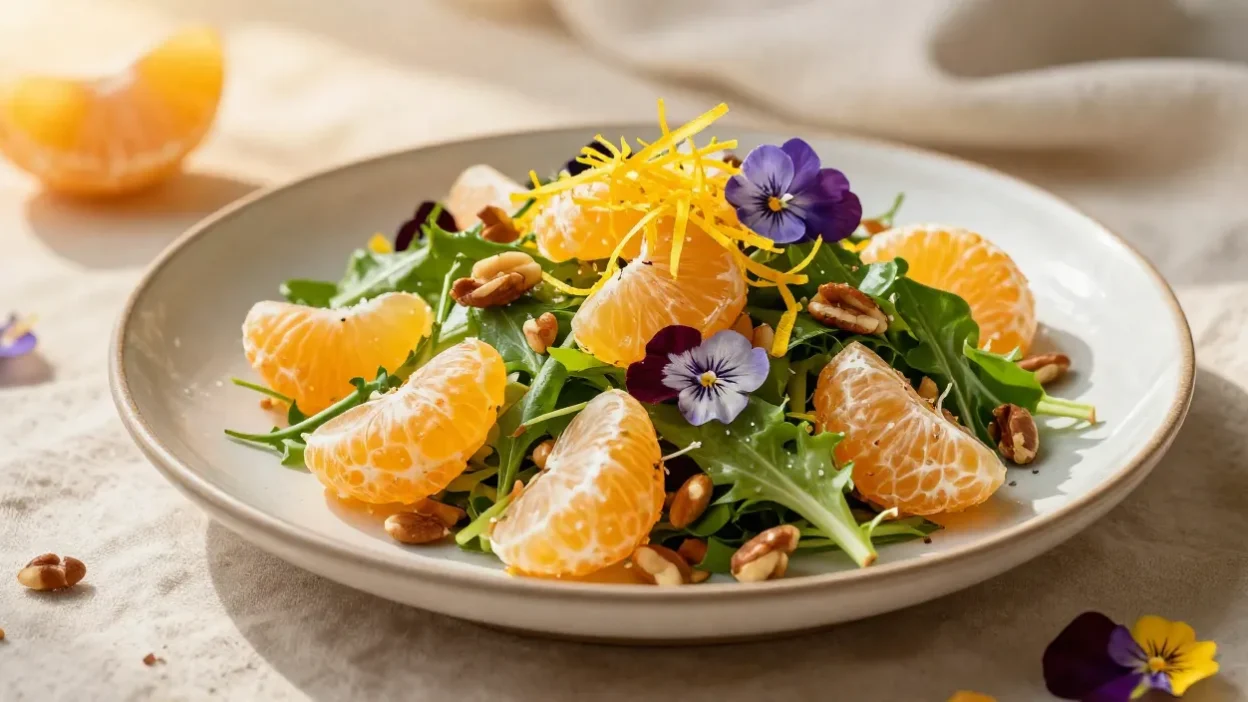
This citrus salad is one of those dishes 🍊
At first glance, it doesn’t look like anything special. Just greens, citrus slices, maybe some cheese and a handful of nuts. It’s the kind of combination you’ve probably seen many times before. But the difference is in how everything comes together.
The citrus brings a clean, natural sweetness. Not heavy, not overwhelming — just fresh. The greens add a slight bitterness that keeps things balanced. And the dressing pulls everything together quietly, without taking over.
It’s hard to point to one specific element and say, “that’s the reason it works.” It’s more about how everything fits. Nothing stands out too much, but nothing disappears either.
And that’s probably why it feels so satisfying. It’s not trying to impress you. It just works.
There’s also something very practical about it. You don’t need much time, and you don’t have to follow strict rules. You can put it together quickly, even on a busy day, without feeling like you’re starting a big cooking project.
But once it’s on the table, it doesn’t feel rushed. It feels light, fresh, and surprisingly complete — like you made something small, but genuinely good.
🍊 The Natural Beauty of Simple Ingredients
One thing that becomes very clear with a salad like this is how much simplicity matters. Not the kind that feels empty, but the kind that lets each ingredient do its job.
There’s nowhere to hide here. If something doesn’t work, you’ll notice it right away. But when everything is right, it feels effortless.
Each ingredient has its role, and you can actually taste it. The citrus is bright and juicy, sometimes slightly tangy depending on the variety. The greens bring freshness and a bit of structure. The cheese softens everything and adds a creamy note. And the nuts — even though they might seem like a small detail — give that extra texture that makes the salad more interesting.
If you pay attention while eating, you’ll notice how the texture shifts from bite to bite. Sometimes it’s softer, sometimes there’s more crunch, sometimes the citrus stands out more. It never feels flat or repetitive.
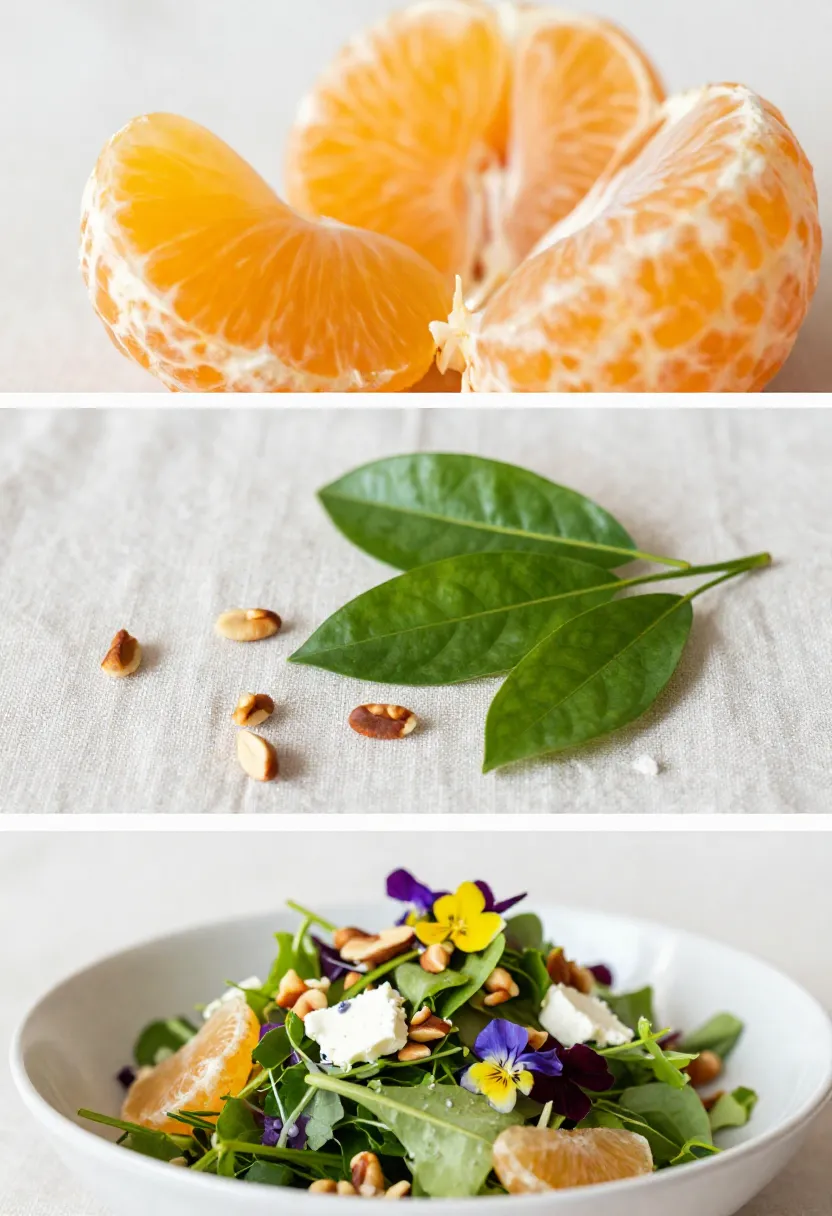
A simple way to think about the balance is this:
- something fresh and juicy 🍊
- something light and slightly bitter
- something creamy 🧀
- something crunchy 🌰
It’s not a strict rule, but it helps explain why the combination works so well.
There’s also the visual side of things, which people don’t always think about, but it matters more than we like to admit. Food that looks good just feels more inviting.
Here, the contrast does most of the work. Deep green leaves, bright orange slices, maybe a bit of white cheese or golden nuts on top. If you use blood oranges, you even get those darker red tones that make everything look a bit more striking.
The nice part is that you don’t have to try too hard. You don’t need special plating skills. Just putting the ingredients together naturally already creates something that looks appealing.
And that’s part of the charm. It doesn’t feel staged or overly perfect — just real.
🧡 A Dish That Adjusts to You
Another reason this salad works so well is how flexible it is. It doesn’t lock you into one specific version, which makes it much easier to come back to.
Some days, you just want something light. Maybe you’re not that hungry, or you just feel like eating something fresh. In that case, the basic version is more than enough.
Other days, you need something more filling. Maybe it’s your main meal, or maybe you just want it to keep you going longer. And that’s where this salad adapts easily.
You can build on it without overthinking things. Adding a bit more substance doesn’t change the idea — it just makes it more complete.
For example, you can turn it into a more filling meal by adding:
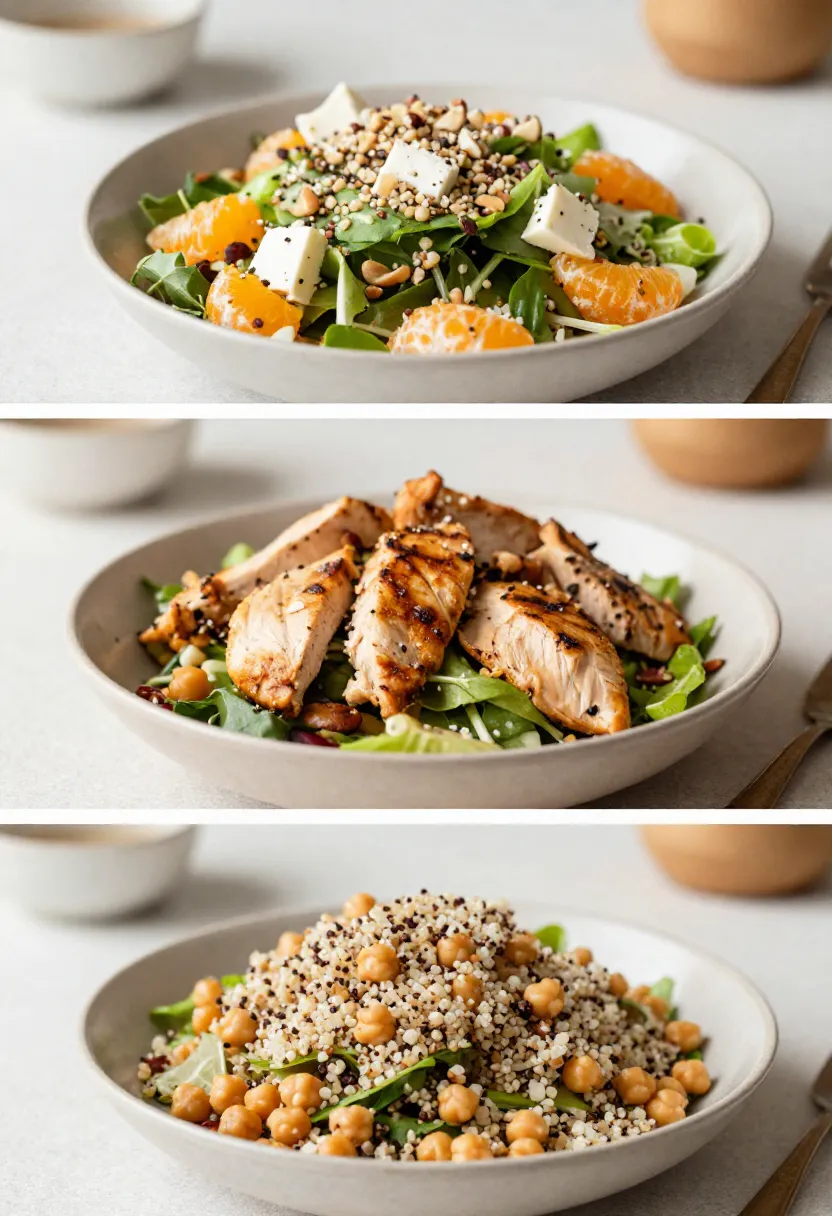
- grilled chicken for something simple and familiar
- salmon if you want a richer flavor
- shrimp for a lighter option
- chickpeas or lentils for a plant-based version
- grains like quinoa or couscous for extra substance
What’s interesting is that even with these additions, the salad still feels balanced. The citrus stays at the center, the freshness is still there, and nothing feels too heavy.
And that’s probably why it’s the kind of dish people keep coming back to. Not because it’s perfect in one exact way, but because it gives you room to adjust.
Some days you follow the same combination. Other days you change things a little without even thinking about it. You taste, you tweak, you figure out what works.
That’s what cooking usually looks like in real life. Not strict rules, but small decisions along the way.
And honestly, that’s what makes a recipe worth keeping.
🥗 Citrus Salad Recipe with Mandarin Vinaigrette
This is one of those salads that feels simple at first, but once you actually make it, you realize there’s more going on than expected. It’s fresh, slightly sweet, a little tangy, and has just enough texture to keep every bite interesting.
What really makes it stand out is the balance. The citrus brings brightness and a bit of natural sweetness, the greens keep everything light, and the nuts add that subtle crunch that makes the whole thing feel more complete. Then there’s the dressing — smooth, slightly zesty, and just sharp enough to tie everything together without overpowering the ingredients.
It’s the kind of dish that works in different situations. You can throw it together quickly for lunch, serve it as a side with dinner, or even put it on the table when you have guests over. It looks good without trying too hard, and it tastes like something you actually want to eat, not just something that’s “healthy.”
🛒 Ingredients
For the salad:
- 5–6 cups fresh mixed greens (arugula, spinach, or spring mix)
- 1 large orange, peeled and cut into segments
- 1 cup mandarin segments
- 1/3 cup nuts (almonds, walnuts, or pecans), lightly toasted
- 1/2 small red onion, very thinly sliced
- 80–100 g soft cheese (goat cheese, feta, or blue cheese)
For the mandarin dressing:
- 1/2 cup olive oil
- 1/4 cup apple cider vinegar
- 2–3 tablespoons fresh mandarin juice
- 1 teaspoon finely grated citrus zest
- 1 teaspoon honey (optional)
- salt and black pepper to taste
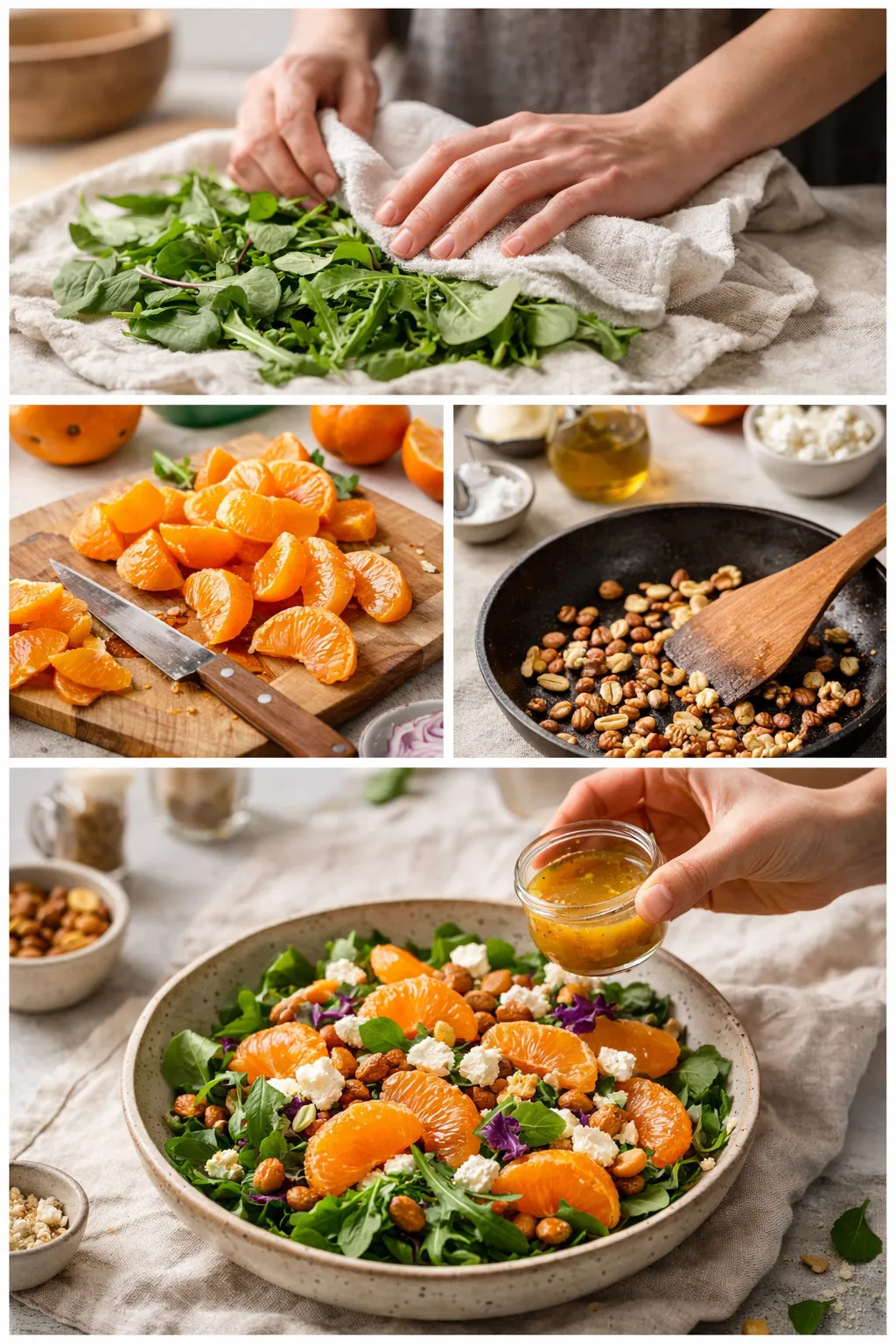
👩🍳 Instructions
- Start by preparing the greens. Wash them well and dry them completely — this step matters more than it seems, because wet leaves won’t hold the dressing properly. Place them in a large bowl.
- Peel and segment the citrus fruits. Take a minute to remove most of the white membrane so the texture stays smooth and not bitter.
- Heat a dry pan over medium heat and toast the nuts for a few minutes until they smell fragrant and slightly golden. Let them cool before adding to the salad.
- In a small jar or bowl, combine olive oil, vinegar, mandarin juice, zest, honey, salt, and pepper. Shake or whisk until the dressing looks smooth and well combined. Taste it — you can always adjust it slightly if needed.
- Add the citrus segments, sliced onion, and nuts to the bowl with greens. Toss gently so everything is evenly distributed.
- Crumble the cheese over the top.
- Drizzle the dressing over the salad just before serving and toss lightly. Try not to overdress — you can always add a bit more if needed.
✨ A Few Small Tips That Actually Help
- Don’t skip drying the greens — it really affects how the dressing sticks
- Add the dressing at the very last moment to keep everything fresh
- Slice the onion as thinly as possible so it doesn’t overpower the salad
- Taste the dressing before using it — a small adjustment can make a big difference
- If you have time, use fresh citrus instead of pre-cut — the flavor is noticeably better 🍊
🍽️ Small Changes That Completely Shift the Experience
One of the nicest things about this salad — and something you only really notice after making it a few times — is how sensitive it is to small changes. Not in a stressful way, but in a way that makes it feel flexible and a bit personal.
You don’t have to follow the exact same version every time. In fact, it almost feels better when you don’t.
Even a simple swap can make the salad feel slightly different. Changing the cheese, for example, can quietly shift the whole mood of the dish. A soft goat cheese makes everything feel lighter and a bit tangy, while something like blue cheese adds a stronger, more noticeable flavor. Feta sits somewhere in between — a little salty, a little sharp, but still easy to work with.
The same goes for the nuts. Almonds keep things clean and neutral, walnuts add a deeper, slightly earthy note, and pecans bring a hint of sweetness. None of these are dramatic changes on their own, but together they make the salad feel new each time.
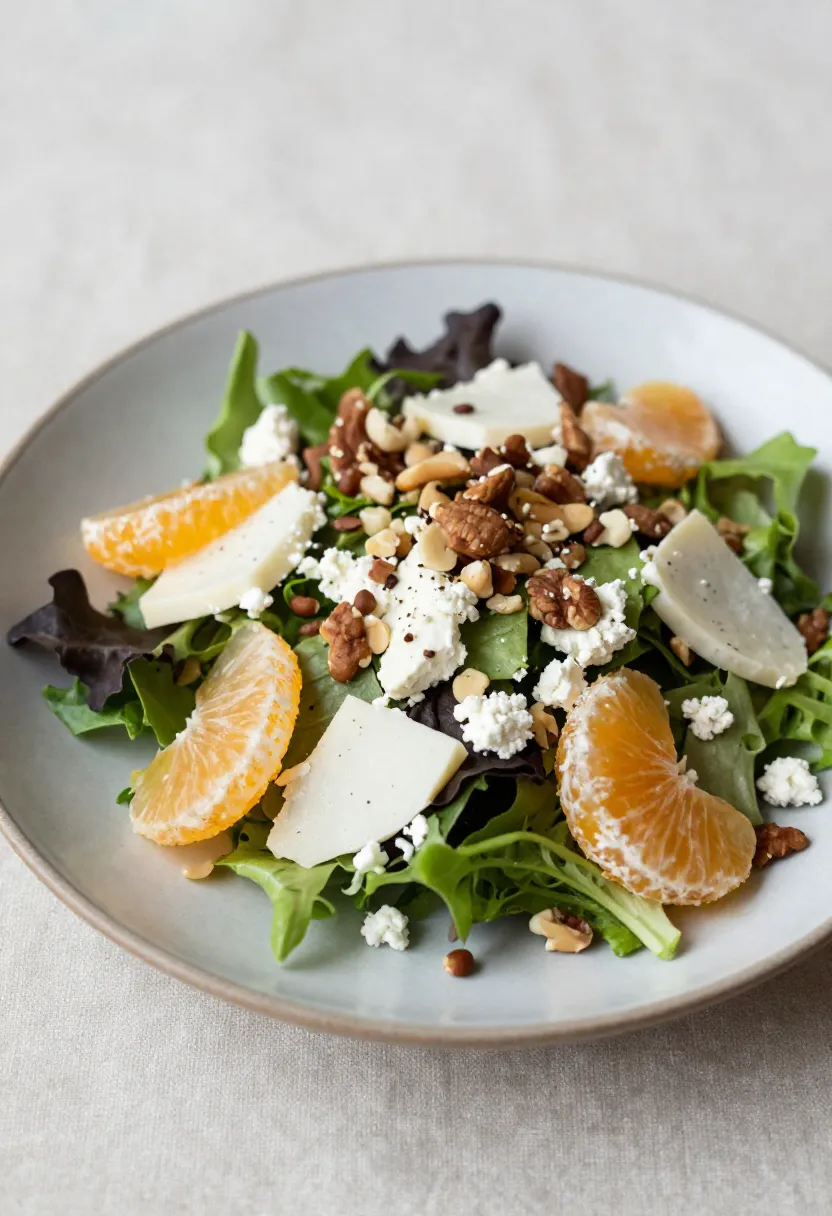
Even the greens play a bigger role than it might seem at first. Arugula gives a peppery edge, spinach feels softer and more neutral, and a mixed blend adds variety without drawing too much attention to itself.
If you step back and look at it, the salad is really built on a simple idea:
- something fresh and bright
- something creamy
- something crunchy
- something that ties it all together
Once you understand that, it becomes much easier to adjust things without overthinking. You’re not following strict rules — you’re just keeping the balance.
And that’s probably why this dish works so well for different people. If you like experimenting, it gives you space to do that. If you prefer to keep things simple, it still works without any changes at all.
It’s not the kind of recipe that punishes you for small variations. If anything, it encourages them.
🍗 Turning It Into Something More Filling (Without Losing Its Lightness)
At its core, this salad is light. That’s part of its appeal. But there are definitely moments when you want something a bit more substantial — something that can stand on its own as a full meal.
The good news is that this salad handles that really well.
You can add extra ingredients without losing what makes it special. The key is not to overload it or cover up the citrus. The freshness should still be there, even if the salad becomes more filling.
Adding protein is usually the easiest way to do this. Grilled chicken is probably the most straightforward option — it’s familiar, easy to prepare, and doesn’t compete too much with the other flavors. Salmon works beautifully if you want something richer, especially because it pairs naturally with citrus. Shrimp is another good choice if you want to keep things light but still satisfying.
If you prefer something plant-based, there are plenty of options too. Chickpeas add a soft, slightly nutty texture, while lentils bring a bit more substance. Grains like quinoa or couscous can also work well if you want something a bit more filling without making the dish feel heavy.
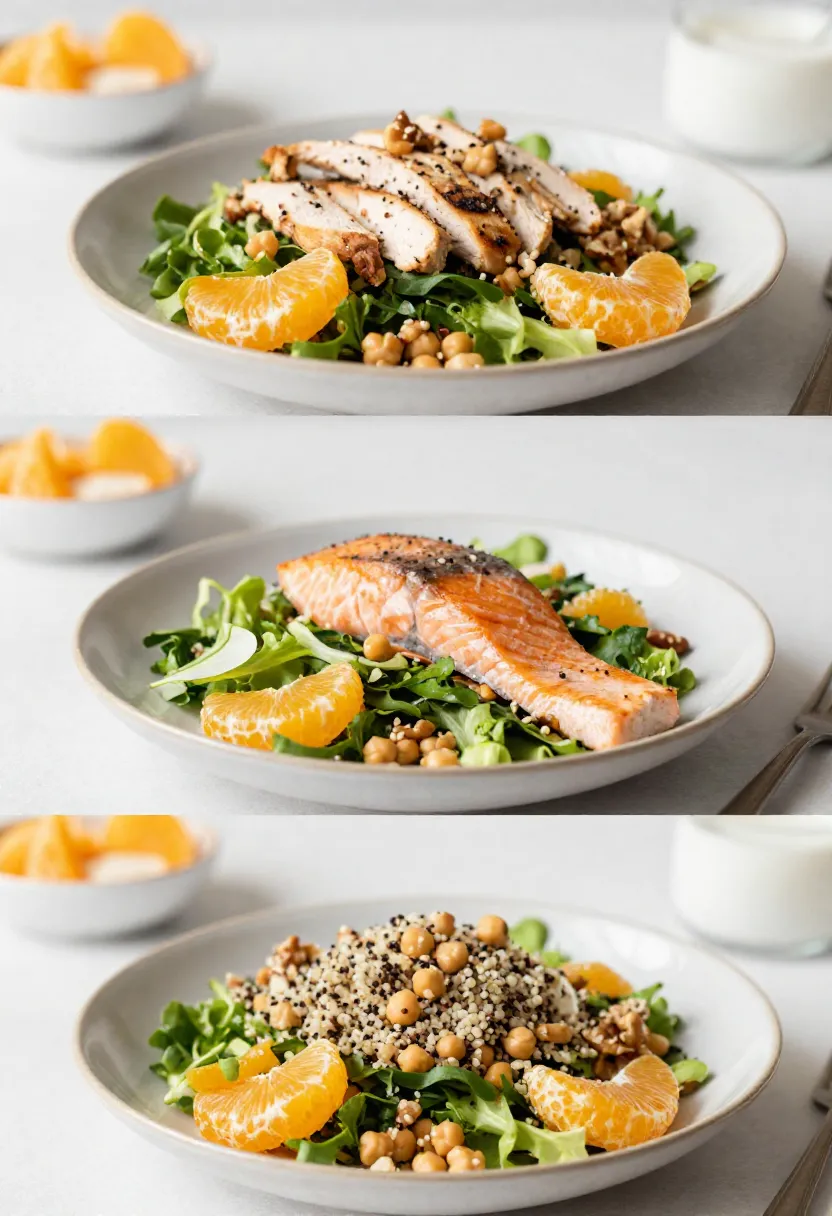
The main thing to keep in mind is balance. It’s easy to go too far and turn the salad into something heavy. Usually, a small addition is enough.
A few ideas that tend to work well:
- grilled chicken or turkey for a simple, balanced option
- salmon for a richer, slightly more indulgent version
- shrimp for something lighter and quicker
- chickpeas or lentils for a plant-based alternative
- quinoa or couscous to make it more filling without losing texture
What’s interesting is that even with these additions, the salad still feels like itself. The citrus remains the center of attention, and everything else just supports it.
And that’s really the goal — not to change the dish completely, but to adapt it depending on what you need at the moment.
🎉 Serving, Atmosphere, and Why This Salad Stays With You
Serving this salad is one of those small things that ends up making a bigger difference than expected.
You don’t need anything complicated, but a little attention to detail helps. A wide bowl or a large plate works better than a deep one, simply because you can actually see all the ingredients. The colors — greens, oranges, maybe a bit of white from the cheese — naturally stand out, and it makes the dish feel more inviting without extra effort.
It’s also worth being a bit gentle when mixing everything together. Over-tossing can make the salad feel heavy and slightly messy. Keeping the ingredients a bit separate makes each bite more interesting.
And then there’s the dressing. Adding it right before serving might seem like a small detail, but it really does matter. It keeps the greens fresh and prevents everything from becoming too soft too quickly.
This is the kind of dish that fits into a lot of different situations. It doesn’t feel out of place, whether you’re eating alone or serving it to others.
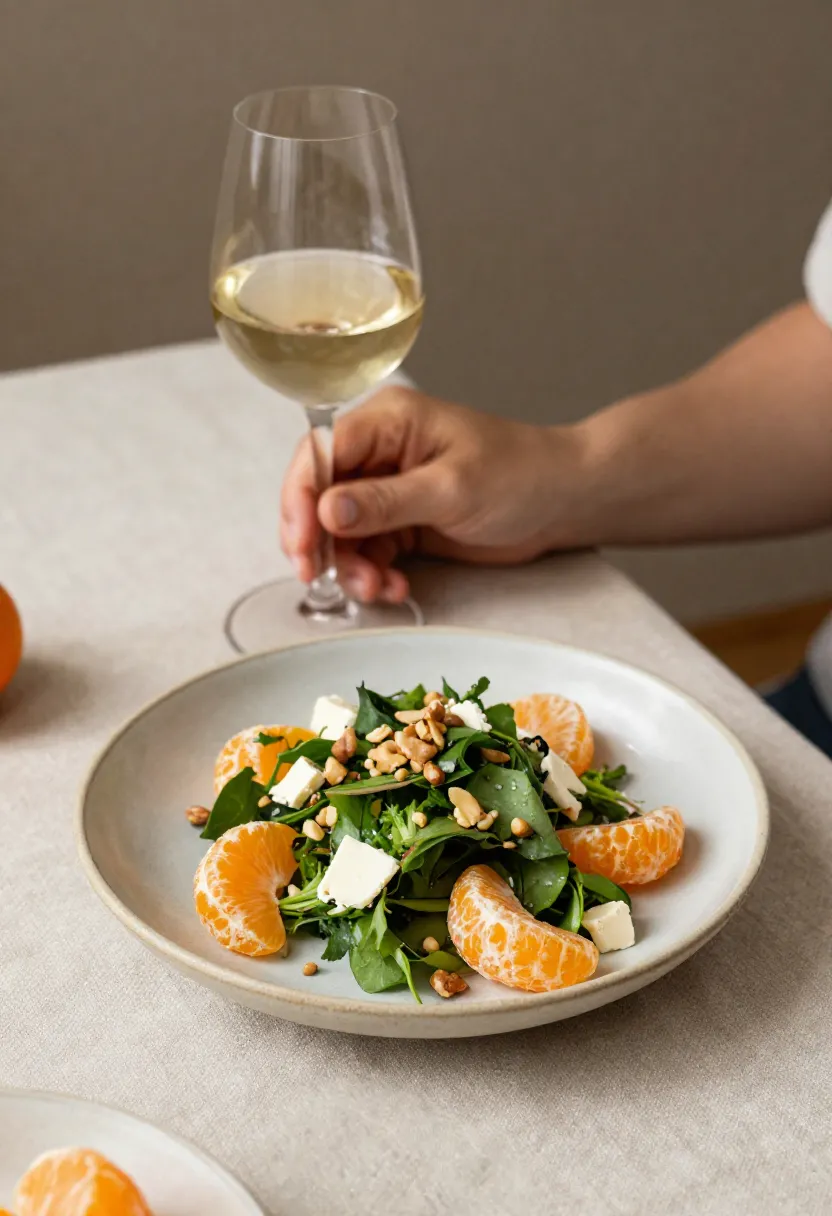
It works especially well for:
- quiet dinners at home when you want something fresh but not boring
- casual gatherings where you need a dish that most people will enjoy
- larger meals where you want something light to balance heavier food
But beyond all of that, there’s something else that makes this salad worth keeping.
It’s not just about how it tastes — although that’s definitely part of it. It’s more about how easy it is to return to. You don’t need a special occasion. You don’t need a long list of ingredients. You just need a few things that work well together.
And over time, you’ll probably stop measuring everything so precisely. You’ll add a little more citrus one day, a bit less onion the next. Maybe you’ll try a different cheese without thinking too much about it.
That’s usually the moment when a recipe becomes yours.
Not because you changed it completely, but because you stopped treating it like instructions and started treating it like something familiar.
And honestly, those are the recipes that tend to stay with you the longest ❤️