Contents
Some recipes don’t try to impress you right away. They don’t come with dramatic presentation or bold, attention-grabbing flavors. There’s no immediate “wow” effect, no moment where you feel like you need to take a picture before even tasting it. And honestly, that’s exactly what makes them interesting. 🌰🍋
Instead, they unfold slowly.
You take a bite, maybe without expecting much, and then another. Somewhere in between, almost without noticing, you realize you’re enjoying it more than you thought you would. Not in an overwhelming way — more like a quiet appreciation that builds with each bite.
Chestnut pancakes belong to that kind of food.
They carry a certain calmness with them. It’s hard to explain precisely, but it feels familiar — like something you could eat on a slow morning when there’s no real plan for the day. You imagine a kitchen with soft natural light, maybe a bit of clutter on the counter, nothing staged or perfect. Just real life.
And the process itself matters here.
You’re not rushing through steps or multitasking. You’re mixing, tasting, adjusting slightly. Maybe the batter looks a bit different than expected. Maybe the first pancake isn’t perfect. That’s fine. It’s part of it.
What makes these pancakes stand out isn’t technique or complexity. It’s how naturally everything comes together. The flavors don’t compete, and they don’t try to impress individually. They just… settle into place.
- The chestnut flour gives a soft, nutty base that feels warm and grounding
- The ricotta adds creaminess without heaviness, keeping things balanced
- The lemon brings just enough freshness to keep everything from feeling flat
There’s no single dominant flavor. No sharp contrast. And somehow, that’s exactly why it works so well.
It’s the kind of dish you don’t fully appreciate in the first second — but you remember later.
Why Chestnut Flour Changes Everything 🌰
If you’ve never worked with chestnut flour before, it can feel a little unfamiliar at first. Not difficult, just… different.
It doesn’t behave like standard flour, and if you expect it to, you might get slightly confused in the beginning. The texture is softer, a bit more delicate, and the flavor is already there before you even start cooking.
That’s probably the most important thing to understand — chestnut flour isn’t neutral.
It has its own taste, and a pretty distinct one. Slightly sweet, a little earthy, and with that warm, almost cozy note that people often associate with autumn. It’s subtle, but not bland.
Because of that, you don’t need to “build” flavor from scratch like you would with regular flour. It’s already doing part of the work for you.
In fact, adding too much sugar can actually make things worse. It flattens the natural taste and makes everything feel less interesting. It’s one of those ingredients where restraint matters more than enhancement.
There are also a few practical things you notice while working with it.
- The batter may feel slightly thicker or thinner than expected — it’s normal to adjust it
- It doesn’t develop elasticity like wheat flour, so the texture stays softer
- It settles quickly, so you might need to stir it occasionally while cooking
And then there’s the way it behaves in the pan.
These pancakes don’t rise or puff up. They stay relatively thin, with a soft, flexible structure. Closer to crêpes, but not as fragile. They hold together, but gently.
If you’re used to fluffy pancakes, this might feel unusual at first. You might even wonder if you did something wrong.
But once you taste them, the texture starts to make sense.
They’re designed to be folded, to hold filling, to work as part of a whole rather than as a standalone element. And once you understand that, everything clicks into place.
The Magic of Simple Pairings 🍋
What really makes this dish come together isn’t just the pancakes — it’s what you put inside them. And the interesting part is, none of the ingredients are complicated or unusual. You’ve probably worked with all of them before. Still, when they come together here, they behave a little differently.
Ricotta, for example, isn’t just “the filling.” It sets the tone for the whole dish.
If it’s too wet, everything feels loose and slightly messy. If it’s too dry, the filling loses that soft, creamy feel that makes these pancakes so satisfying. So there’s a bit of attention needed here — not in a complicated way, just enough to notice the texture before you start mixing everything together.
Ideally, it should feel smooth but still natural. Not whipped into something airy, not dense like a paste. Somewhere in between.
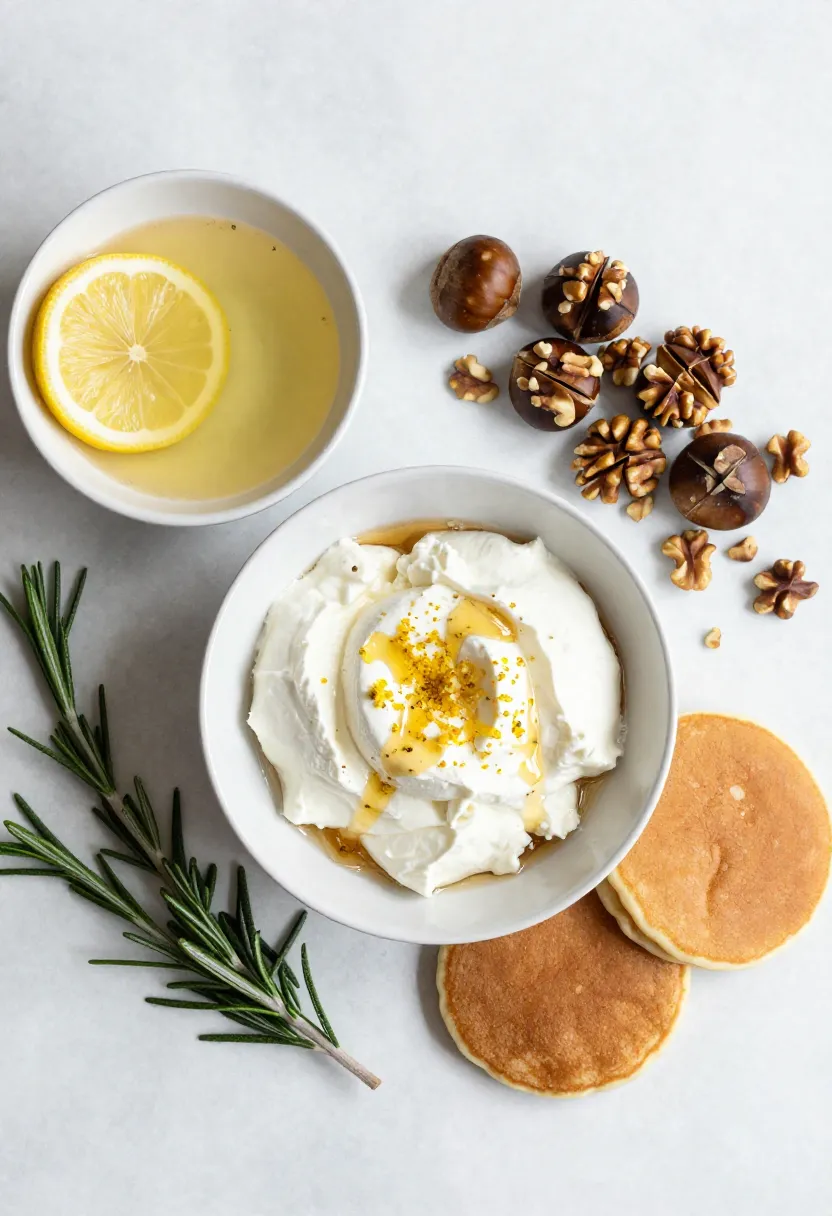
Lemon zest might seem like a small detail, but it does more than you expect. Without it, the filling can feel a bit flat, almost too comfortable. The lemon doesn’t take over the flavor — it just adds a slight lift, something that keeps the richness in check.
It’s one of those ingredients you only really notice when it’s missing.
Honey is similar in that sense. It works best when you don’t think about it too much. A small amount is enough to soften everything and bring the flavors together. If you add too much, the balance shifts quickly, and the dish starts feeling heavier than it should.
So this is one of those moments where tasting as you go actually matters.
And then there’s rosemary.
It’s optional, but it changes the overall feel more than you’d expect. Not in a strong or obvious way — it doesn’t suddenly turn the dish savory. Instead, it adds a light aromatic note that sits somewhere in the background. You might not even notice it right away, but it gives the dish a slightly more layered feel.
When all these elements come together, the result isn’t dramatic, but it feels complete:
- creamy, but not heavy
- slightly sweet, but still balanced
- fresh enough to keep things from feeling too rich
Nothing stands out too much on its own. And that’s exactly why it works.
Recipe: Chestnut Pancakes with Ricotta and Lemon 🍽️
A delicate, slightly sweet dish with creamy filling and a hint of citrus freshness
These pancakes are soft, thin, and gently nutty, with a texture that sits somewhere between a classic crêpe and a light, tender flatbread. They don’t try to be fluffy or dramatic — instead, they focus on balance.
What really defines this dish is the contrast.
The pancakes themselves have a mild sweetness from the chestnut flour, with a slightly earthy note that gives them depth. Then you add the filling — creamy ricotta, a touch of honey, a bit of lemon zest — and suddenly everything feels more layered. Not complicated, just… complete.
When served warm, the filling softens slightly and blends into the pancake, creating that almost melt-in-the-mouth effect. It’s comforting, but not heavy. Sweet, but not overwhelming.
It works just as well for a slow breakfast as it does for a relaxed brunch, and honestly, it can even pass as a light dessert if you add a little extra honey on top.
Ingredients
For the pancakes:
- 2 eggs
- A pinch of salt
- 1 teaspoon sugar (optional)
- 125 g chestnut flour
- 250–275 ml milk
- Butter or olive oil for cooking
For the filling:
- 500 g ricotta (well drained)
- 50 g raisins
- 1–2 tablespoons rum (optional)
- 100 g cooked chestnuts, chopped
- 2 tablespoons honey
- 1–2 teaspoons finely chopped rosemary
- Zest of ½ lemon
For serving:
- Extra honey
- Chopped chestnuts or nuts
- Optional: a bit more lemon zest
Preparation
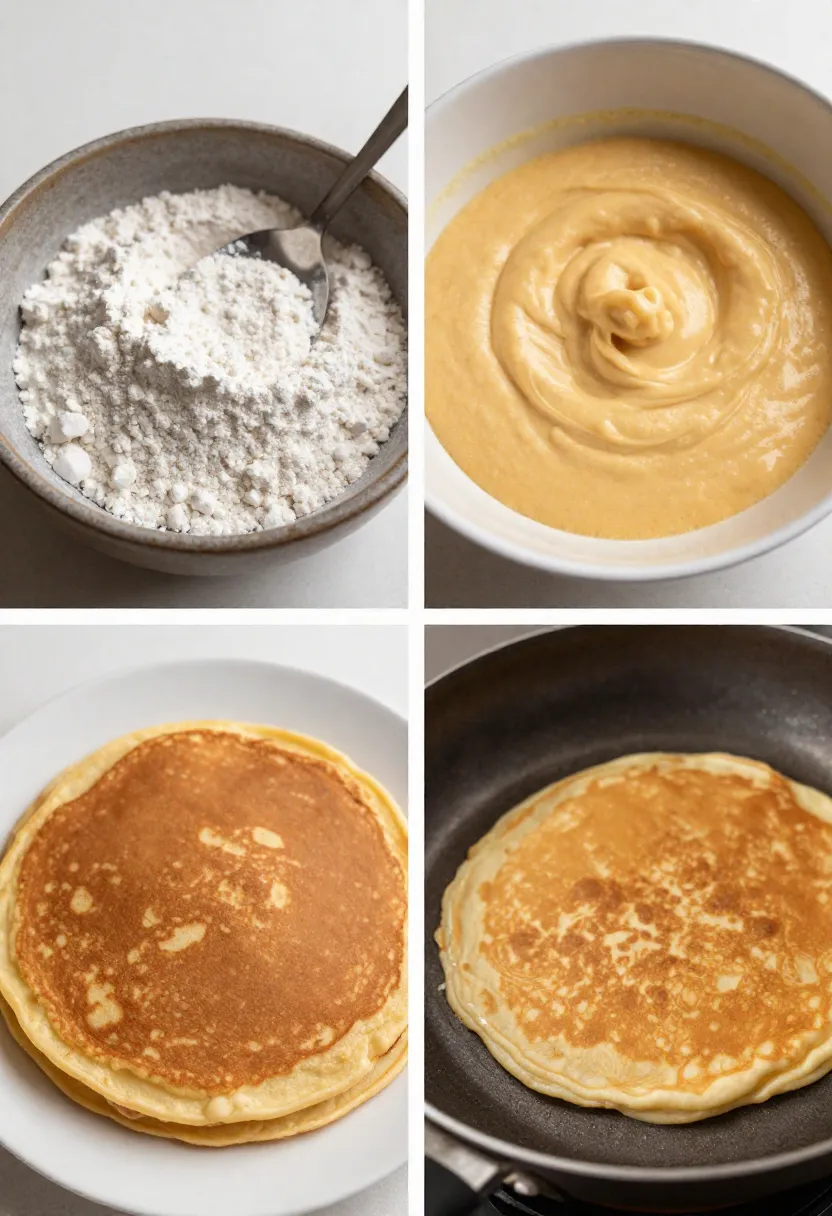
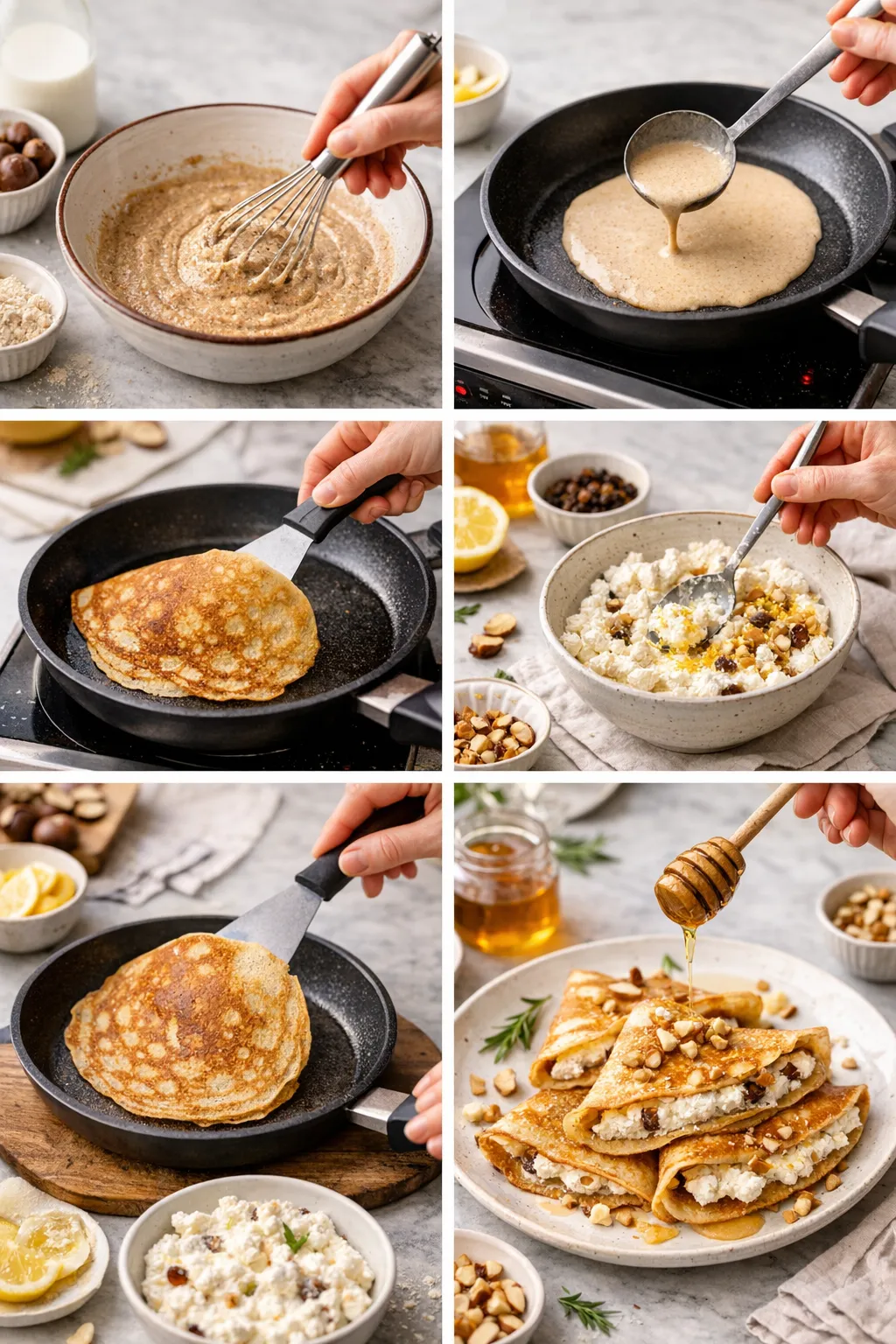
- In a bowl, whisk together the eggs, salt, and sugar until smooth.
- Add the chestnut flour and begin mixing, slowly pouring in the milk to create a smooth, pourable batter. Let it rest for about 15 minutes.
- Soak the raisins in rum or warm water for a few minutes to soften them.
- In a separate bowl, mix the ricotta, honey, chopped chestnuts, rosemary, and lemon zest until well combined.
- Drain the raisins and fold them into the ricotta mixture. Taste and adjust sweetness if needed.
- Heat a non-stick pan over medium heat and lightly grease it with butter or oil.
- Pour a small amount of batter into the pan, tilting it to spread evenly into a thin layer.
- Cook for 2–3 minutes until the edges lift slightly, then flip and cook the other side briefly.
- Repeat with the remaining batter, stirring it occasionally to keep the texture consistent.
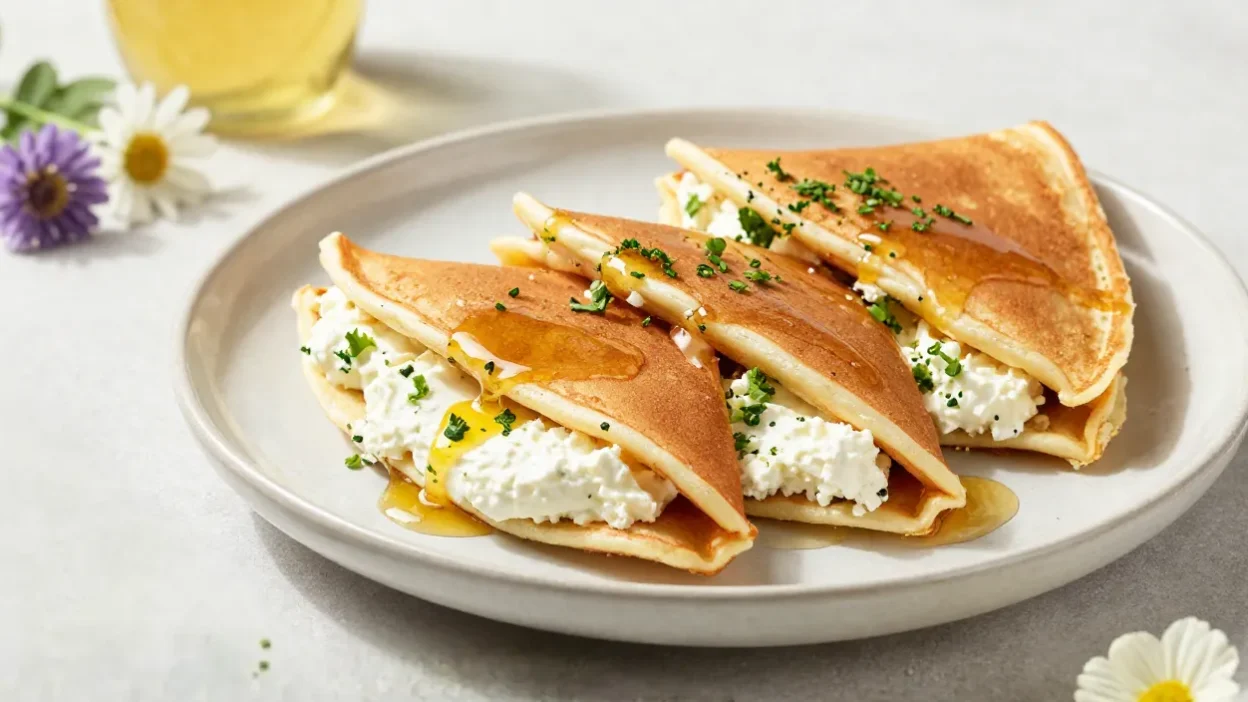
- Spread a spoonful of filling onto each pancake, fold in half, then fold again into quarters.
- Drizzle with honey and sprinkle with chopped chestnuts before serving.
A few small tips that actually help 👇
- If your batter feels too thick after resting, just add a splash of milk — chestnut flour can behave unpredictably
- Don’t rush the heat: medium is safer, otherwise the pancakes brown too fast and stay fragile inside
- Always stir the batter between pancakes — it settles more than regular flour
- Taste the filling before using it (seriously) — a little extra lemon or honey can make a big difference
- If the ricotta feels too wet, let it drain longer — this one step can completely change the texture
Making the Dish Truly Yours 🌿
One of the best things about this recipe is that it doesn’t feel strict or overly precise. It gives you a clear starting point, but after that, it kind of lets you figure things out on your own. And that’s usually where the fun begins.
The first time you make it, you’ll probably follow everything quite closely — measuring, checking, maybe even second-guessing a bit. That’s completely normal. But already during that first attempt, you might notice small things. Maybe the filling feels a little too mild. Maybe you want a bit more brightness. Or maybe you realize you actually prefer a slightly thicker pancake.
And then, the next time, you adjust.
That’s how this recipe slowly becomes personal.
If you’re in the mood for something lighter, almost refreshing, it makes sense to lean into the citrus. A bit more lemon zest, maybe added at the very end, can shift the whole dish. It suddenly feels more open, less rich, almost like something you’d want on a spring morning.
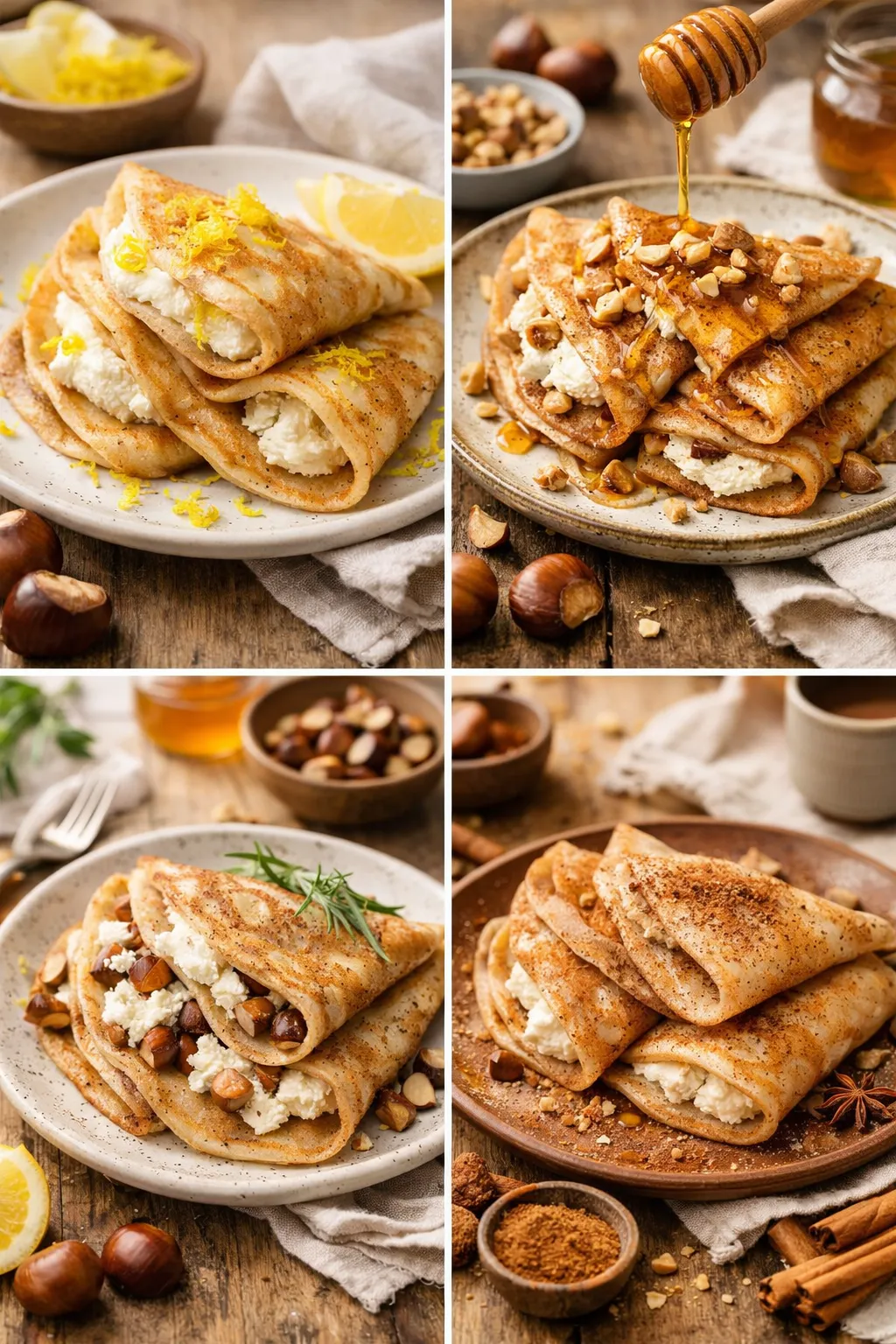
On colder days, though, the instinct is usually different. You might want something warmer, a bit more grounding. That’s where tiny additions — and I really mean tiny — start to matter. A pinch of cinnamon or nutmeg doesn’t change the recipe completely, but it gives it a softer, deeper tone.
Texture is another thing that tends to evolve over time.
At first, you might aim for a perfectly smooth filling. But then maybe you try leaving the chestnuts a bit chunkier, and suddenly the whole experience changes. It feels more rustic, more “real,” less polished — and for some people, that’s actually better.
There’s no single correct version here, which is probably why the recipe works so well long-term.
Some small ways people naturally adjust it over time:
- adding a bit more lemon when they want something lighter
- reducing sweetness for a more balanced, less dessert-like version
- playing with texture — smoother or slightly chunky filling
- experimenting with small seasonal touches like spices
At some point, you stop thinking of it as “a recipe you follow” and more like something you just know how to make.
And that shift is actually pretty satisfying.
Serving It in a Way That Feels Natural 🍽️
It’s very easy to overthink how this dish should be served.
Because it looks elegant, there’s a temptation to make it look even more polished — to arrange everything perfectly, to decorate, to turn it into something that feels almost too styled. But in reality, that doesn’t really add much here.
This dish works best when it feels a little effortless.
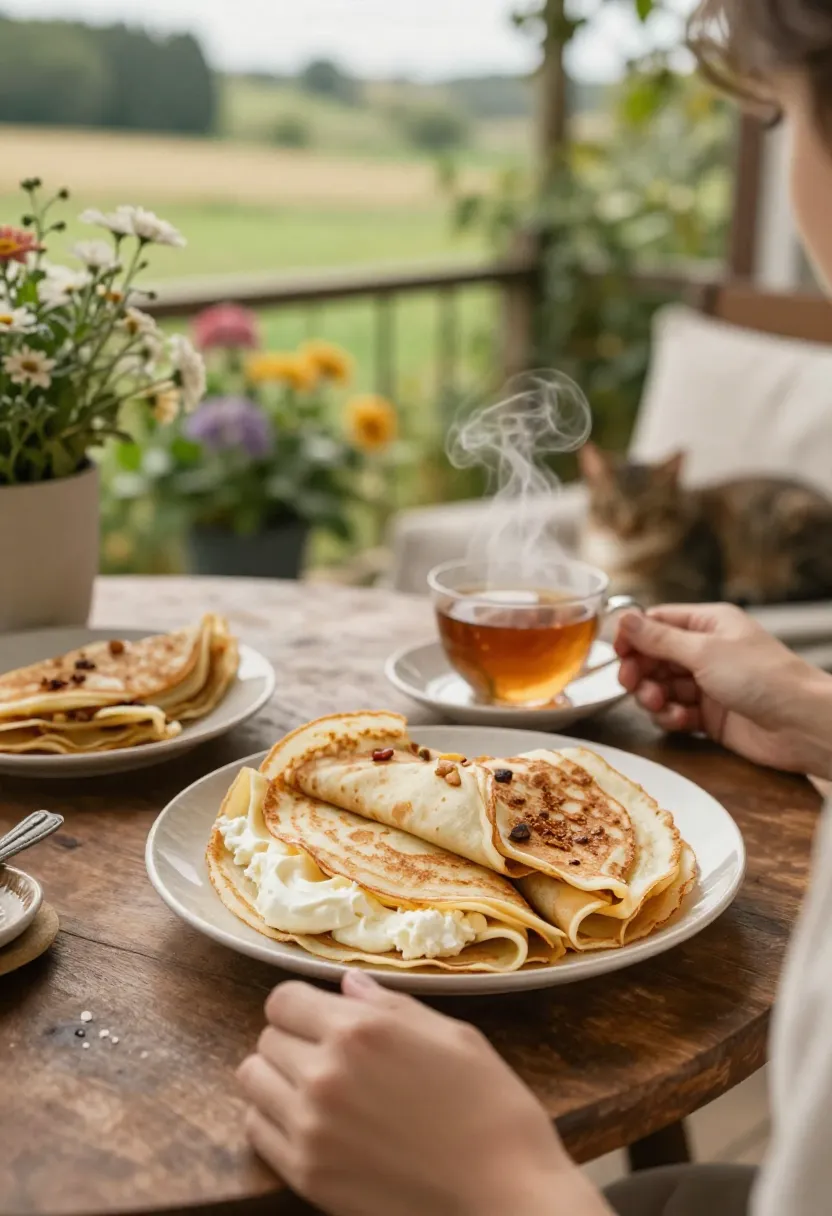
A simple plate is enough. A light drizzle of honey, maybe a few chopped chestnuts scattered on top, nothing too precise. If it looks slightly imperfect, that actually suits it better.
What matters much more is how and when you serve it.
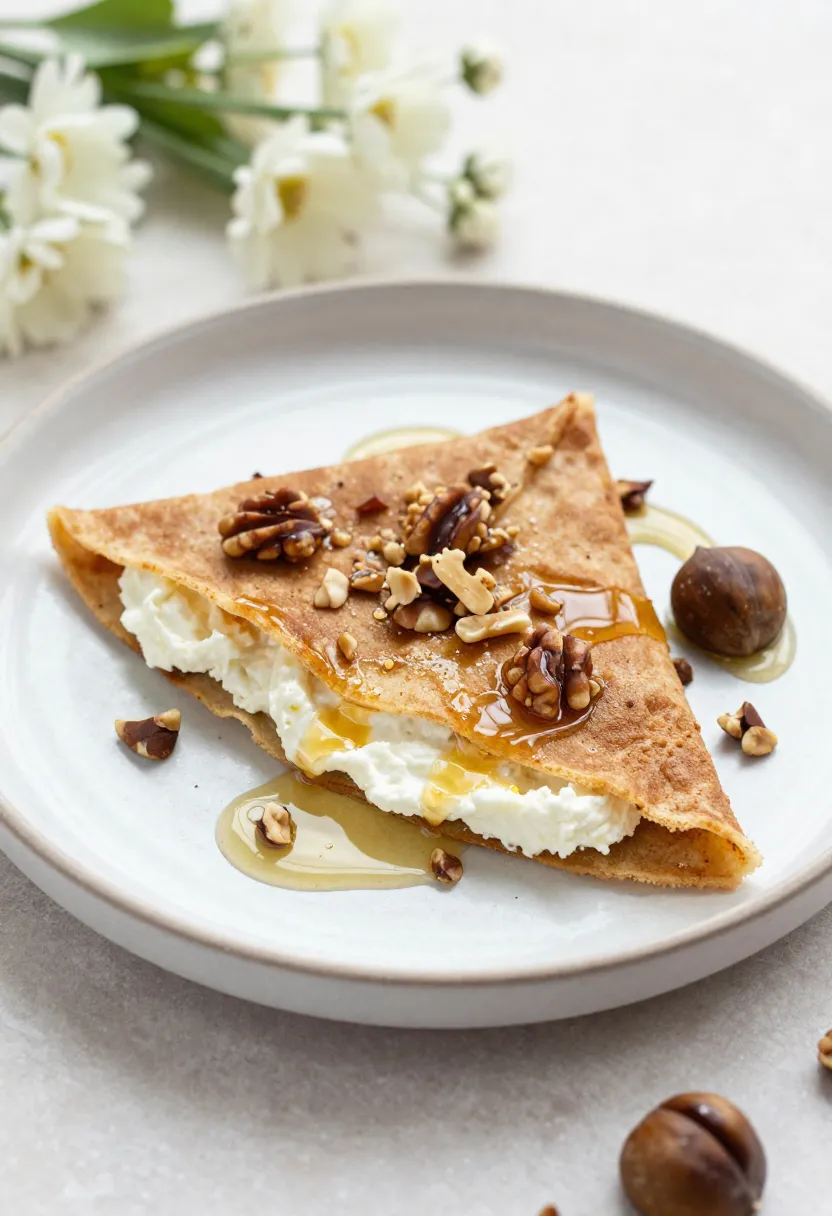
Warmth plays a big role. These pancakes are at their best when they’re still slightly warm, when the filling is soft and the texture feels cohesive. If they cool down too much, they’re still good — just not quite the same.
Timing, in that sense, is more important than presentation.
It also helps to think about the setting. This isn’t really a “grab-and-go” type of food. It fits better into slower moments — a late breakfast, a relaxed brunch, maybe even a quiet afternoon when you have time to sit down properly.
Pairing can change the experience more than you’d expect, too.
- strong coffee adds contrast and balances the sweetness
- herbal tea makes the whole thing feel lighter and more relaxed
- a mild dessert wine turns it into something closer to a proper dessert
None of these are required, of course. But they do influence how the dish feels overall.
And in the end, that’s what this is about — not just how it tastes, but how it fits into the moment.
Why This Recipe Stays With You 💛
Some recipes impress you once, and that’s kind of it. You enjoy them, maybe even save them, but they don’t really become part of your routine.
Others, though, work differently.
This one tends to stay somewhere in the back of your mind. Not in an obvious way — you’re not constantly thinking about it — but it shows up at the right moments. Usually when things are a bit slower, when you’re not in a rush, when you feel like making something that takes a little more attention.
It’s not about complexity or technique. It’s more about the feeling the dish creates.
There’s something about the balance here that makes it easy to return to. Nothing is too strong, nothing feels overwhelming. It’s the kind of food you can eat slowly, without getting tired of it halfway through.
And maybe just as important — it leaves space for change.
You don’t feel locked into doing it one specific way. Each time you make it, it can be slightly different. Sometimes sweeter, sometimes fresher, sometimes a bit more rustic. That flexibility makes it easier to keep coming back.
Over time, a few things tend to happen:
- you stop measuring everything exactly
- you adjust flavors without really thinking about it
- you develop a version that feels “right” to you
And that’s usually the moment when a recipe sticks.
If there’s one thing worth keeping in mind before making it again, it’s this — don’t aim for perfection.
Let it be slightly uneven. Let it change a bit each time.
Because the recipes that stay with you aren’t the ones you execute perfectly.
They’re the ones that slowly start to feel like yours.

Hi! I'm Olya. Here you'll find recipes, tips, and stories to inspire you to cook with heart and create culinary masterpieces full of joy.