There’s a moment almost everyone has experienced at least once, even if you don’t immediately notice it at the time. You’re standing there, looking at a menu, trying to make a “better” choice. Maybe you’ve already decided to eat lighter that day, or you just want something that won’t feel too heavy afterward. So you go for a salad.
It sounds like the right decision. Something fresh, clean, maybe even energizing. You imagine it being light but still satisfying — the kind of meal after which you feel comfortable, not sluggish.
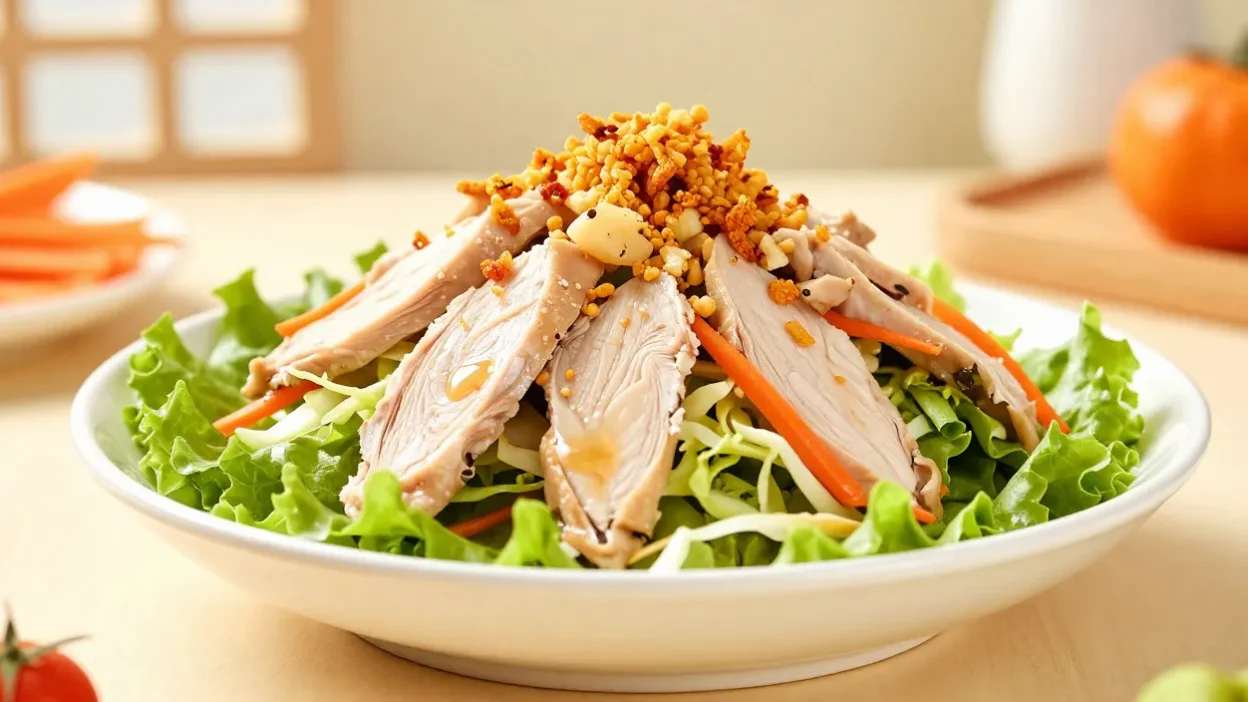
When it arrives, everything looks exactly how you hoped. Bright colors, neatly arranged ingredients, juicy grilled chicken on top, something crunchy sprinkled over everything. It almost feels like the definition of a “healthy meal.” And to be fair, the first few bites are actually really good. The flavors work, the textures are interesting, and it’s easy to enjoy.
But then, a little later, something feels slightly off 🥢
Not dramatically wrong — just enough to notice. Maybe you’re still a bit hungry, even though the portion looked generous. Or maybe it’s the opposite: you feel heavier than expected, like the meal didn’t sit quite as lightly as it should have. Sometimes it’s hard to even explain, but the feeling is there.
That disconnect happens more often than people think. A lot of modern salads are designed to impress quickly — strong flavors, bold textures, instant satisfaction. And one of the easiest ways to achieve that is by relying on things like sweet dressings, fried toppings, or extra oil. None of those are “bad” on their own, but together they can turn something that looks light into something much heavier than expected.
If you really break it down, many restaurant-style salads tend to include:
- dressings that are higher in sugar than you’d guess
- crispy toppings that are actually deep-fried
- more oil than you would normally use at home
- flavor combinations designed to hit fast, not necessarily stay balanced
And again, it works — at least at first. But afterward, the experience isn’t always as satisfying as it should be.
That’s where making your own version at home starts to feel different in a very noticeable way. You’re not removing flavor or trying to make the dish “diet-like.” You’re just building it in a more balanced, intentional way.
Instead of relying on heaviness, you get flavor through contrast:
- freshness that actually tastes fresh
- textures that complement each other instead of competing
- just enough richness to make the dish satisfying, without overloading it
The result is something that feels complete. You finish eating and feel… normal, in a good way. Not overly full, not still hungry — just comfortably satisfied.
🥬 The Beauty of Balance in Every Bite
When you think about what makes food truly enjoyable, it usually comes down to more than just individual ingredients. It’s about how everything works together in a single bite.
Most people don’t consciously analyze it, but if you look closer, the best meals tend to have a certain balance built in. There’s usually a mix of textures and flavors that keeps things interesting from the first bite to the last.
For example, a really satisfying bite often includes:
- something crisp or crunchy that adds structure
- something softer that balances it out
- a touch of sweetness to round things off
- a bit of acidity to keep everything fresh
- and a savory element that ties it all together
This salad follows that same idea, just in a very straightforward way.
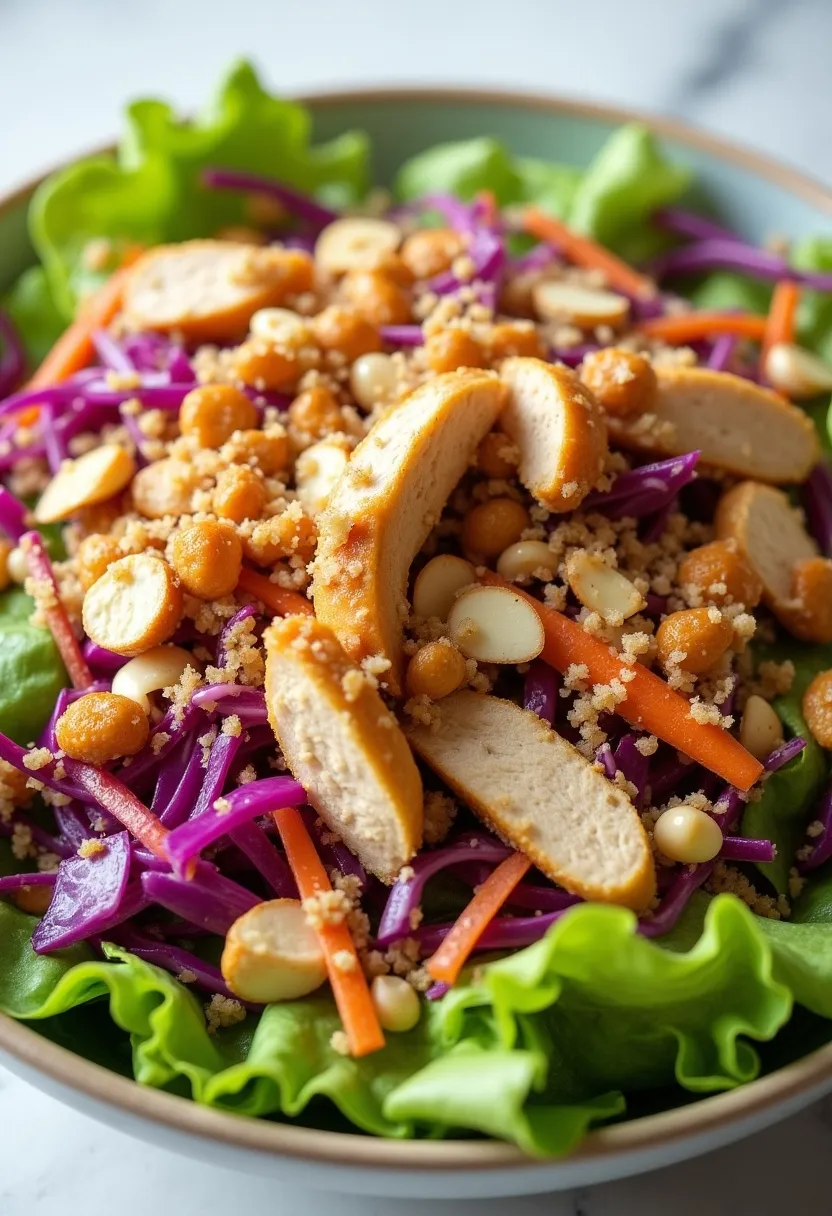
The greens create a fresh, light base that doesn’t feel heavy. The cabbage adds a slightly firmer crunch, which makes the texture more interesting. Carrots bring a natural sweetness that’s subtle but noticeable. The chicken adds substance, turning it into an actual meal instead of something that feels like a side dish.
And then there’s the crunch from nuts. It might seem like a small detail, but it really changes how the salad feels overall. Without it, everything is softer and a bit less exciting. With it, each bite has that extra bit of texture that keeps you engaged.
What’s especially nice is that nothing feels overpowering. No single ingredient takes over the dish. Instead, everything sits in balance. You can taste each component, but they all work together instead of competing for attention.
That’s also why the salad doesn’t become boring halfway through. Even as you keep eating, the variety in texture and flavor keeps it interesting.
🍗 Why Simple Cooking Often Wins
There’s this common assumption that better food requires more complexity — more ingredients, more steps, more techniques. And while that can sometimes be true, it’s definitely not always necessary.
In fact, some of the most reliable, satisfying meals come from doing a few simple things really well.
This salad is a good example of that approach. It doesn’t rely on complicated methods or hard-to-find ingredients. Instead, it focuses on a few key elements that make the biggest difference.
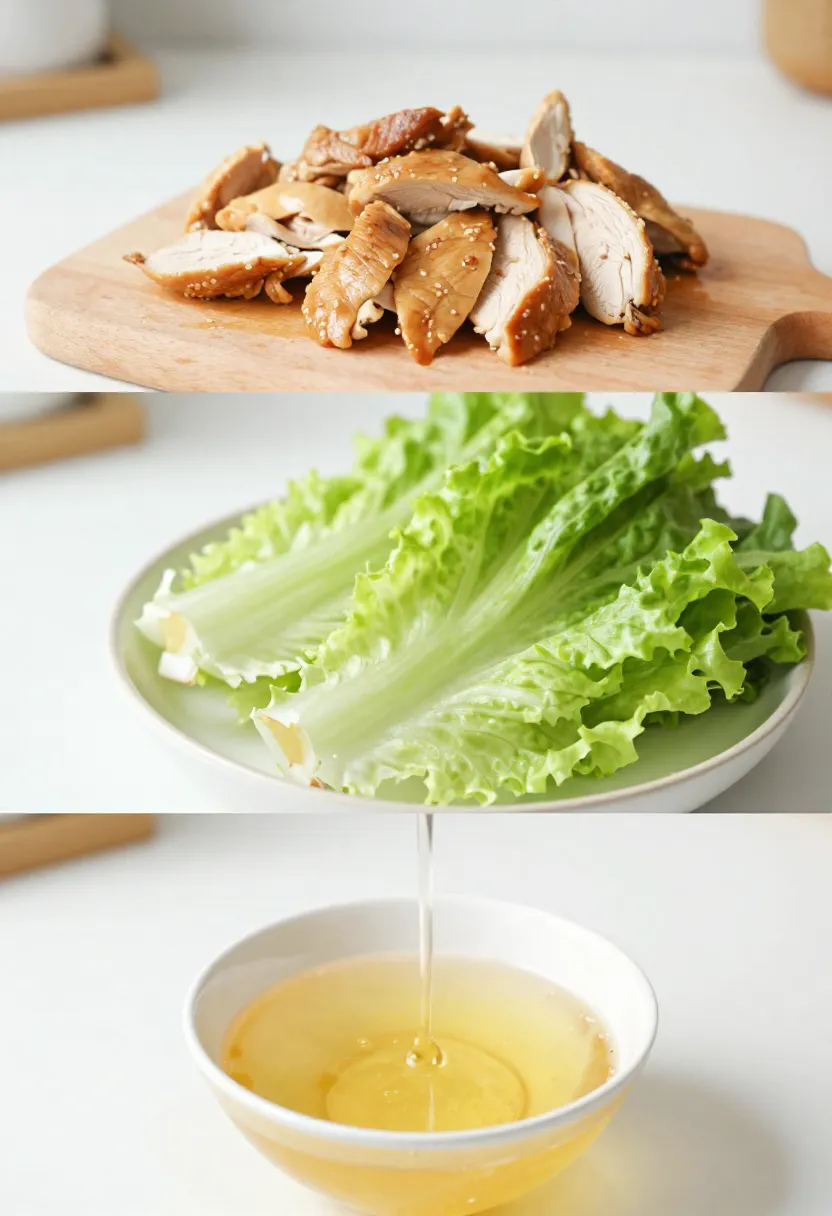
For instance:
- cooking the chicken properly so it stays juicy instead of dry
- using fresh, crisp vegetables that still have texture
- preparing a dressing that enhances the dish rather than overpowering it
Each of these steps might seem small on its own, but together they completely change the final result.
Another advantage of this kind of cooking is that it fits into real life. You don’t need a lot of time, and you don’t need to follow the recipe perfectly to get a good result. It’s flexible, forgiving, and easy to adjust depending on what you have at home.
It’s also the kind of meal you can come back to regularly without getting tired of it. Not because it’s overly exciting, but because it’s consistently good.
And honestly, that’s what most people actually need — not something complicated and impressive, but something simple that works every time 🙂
🍽️ Chinese Chicken Salad Recipe (Light, Fresh & Full of Flavor)
🥗 A Simple Dish That Feels Like a Complete Meal
This is one of those dishes that doesn’t try too hard — and that’s exactly why it works.
At first glance, it looks like a pretty standard salad. Fresh greens, sliced chicken, something crunchy on top. Nothing overly complicated, nothing that immediately stands out. But once you actually sit down and eat it, the whole thing feels much more complete than you expected.
It’s not the kind of salad you eat just because you feel like you should. It’s the kind you actually want.
What makes it different is how it leaves you feeling afterward. You’re full, but not heavy. Satisfied, but not sluggish. There’s no moment where you regret ordering it or feel like you need something else to “finish” the meal.
A big part of that comes down to balance. The chicken adds enough protein to make it filling, the vegetables keep everything fresh and light, and the dressing ties it together without overpowering the rest. Nothing feels excessive, and nothing feels missing either.
There’s also something about the texture that makes a big difference. You’re not just eating something soft or repetitive — every bite has a bit of variation, which keeps it interesting from start to finish.
It’s the kind of meal that fits easily into your day. You can make it for a quick lunch, throw it together for dinner, or even serve it when you have people over without feeling like it’s too simple.
And honestly, that’s part of its charm. It doesn’t try to impress you in an obvious way — it just quietly delivers.
🧾 Ingredients
For the chicken:
- 2 boneless, skinless chicken breasts
- 3 tablespoons soy sauce
- 2 tablespoons rice vinegar
- Salt and black pepper to taste
- 1–2 tablespoons olive oil
For the salad base:
- 1 large head of romaine lettuce, chopped
- 3–4 cups shredded red cabbage
- 1 cup cooked edamame
- 1 cup shredded carrots
For crunch:
- ½ cup sliced almonds (lightly toasted)
- ½ cup crispy noodles (optional)
For the dressing:
- ¼ cup olive oil
- 3 tablespoons honey
- 2 tablespoons rice vinegar
- 1 tablespoon fresh grated ginger
- 1 tablespoon soy sauce
- 1 garlic clove, minced
- 1 teaspoon sesame oil
- Optional: chili sauce for a bit of heat
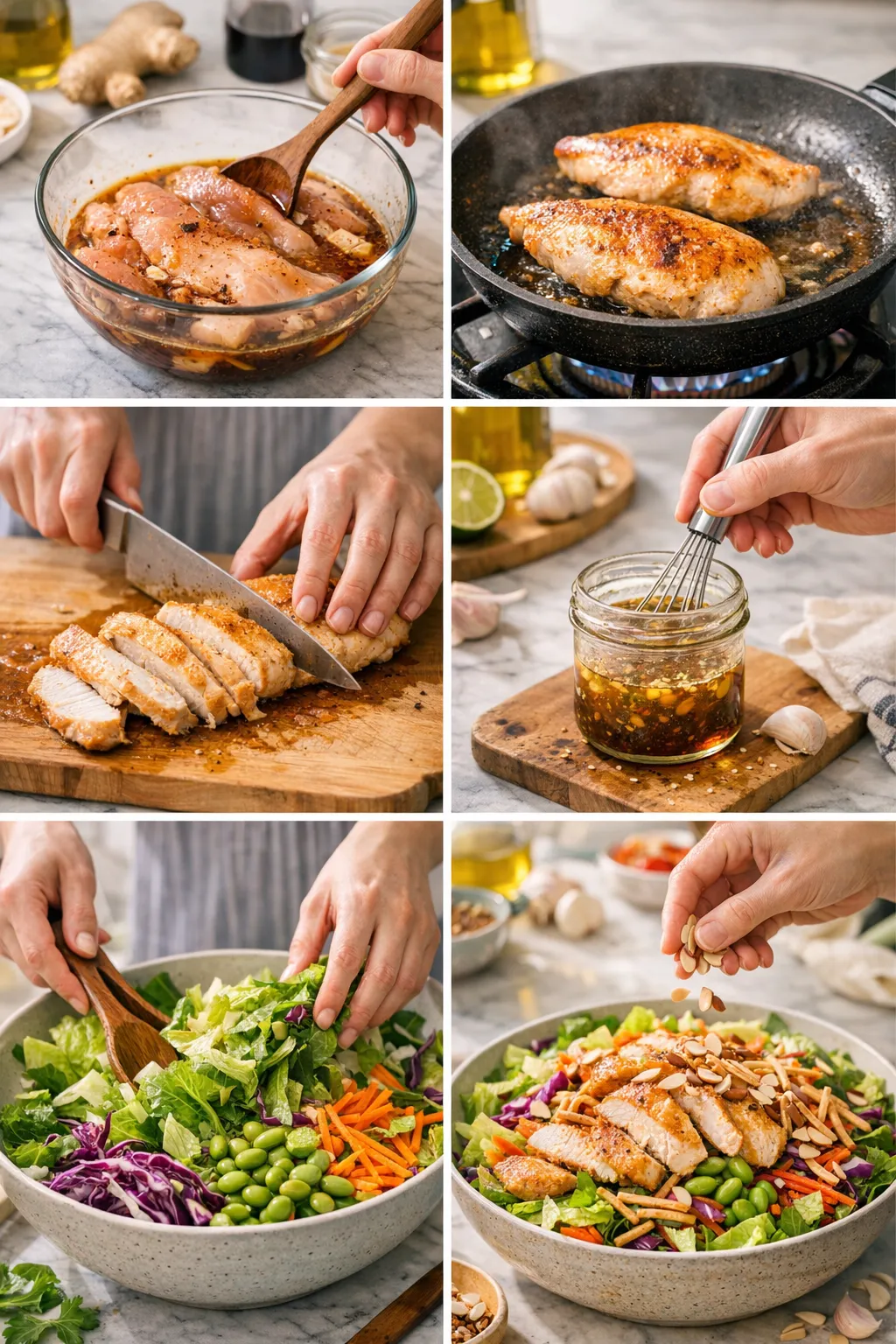
👨🍳 Preparation Steps
- Marinate the chicken
In a bowl, combine soy sauce, rice vinegar, salt, and pepper. Add the chicken and let it sit for about 15–20 minutes. It’s a short step, but it helps the flavor settle in instead of just sitting on the surface. - Cook the chicken
Heat olive oil in a pan over medium heat. Cook the chicken for about 5–6 minutes on each side until it’s fully cooked and lightly golden. Try not to flip it too often — letting it sit helps develop better flavor.
Once done, remove from heat and let it rest for a few minutes before slicing. It might seem like a small detail, but it keeps the chicken from drying out. - Prepare the dressing
In a small bowl or jar, mix olive oil, honey, vinegar, ginger, soy sauce, garlic, and sesame oil. Stir or shake until everything comes together. Give it a quick taste — sometimes a tiny adjustment (a bit more honey or vinegar) makes a noticeable difference. - Build the salad base
In a large bowl, combine the lettuce, cabbage, carrots, and edamame. Toss lightly so everything is evenly mixed, but don’t overwork it. - Add the chicken
Slice the rested chicken into thin strips and place it over the salad. You can mix it in or leave it on top, depending on how you want it to look. - Dress the salad
Pour the dressing over the salad gradually, tossing gently as you go. It’s better to start with less — you can always add more, but you can’t take it out. - Finish with crunch
Sprinkle almonds and optional crispy noodles right before serving so they keep their texture.
💡 Small Tips That Make a Big Difference
These are the kind of little things you only notice after making the salad a few times:
- Don’t skip resting the chicken — it really does stay juicier
- Add dressing gradually instead of all at once (it’s easier to control)
- Toast the almonds lightly for extra flavor 🥜
- If your veggies feel a bit wet, pat them dry — it helps the dressing stick better
- Add crunchy toppings last, always — otherwise they lose their texture
- Taste as you go, especially the dressing — small adjustments matter more than you think
✨ How to Elevate the Flavor Without Overthinking It
Once you’ve made this salad a couple of times, you’ll probably notice something — you stop measuring everything so precisely. You start adjusting things on the go. Maybe you add something extra because it’s in your fridge, or skip an ingredient because you don’t feel like using it that day.
And somehow… it still works.
That’s one of the nicest things about this salad. It’s not fragile. You don’t have to follow it perfectly for it to turn out good. In fact, it often gets better when you start making small changes based on what you actually feel like eating.
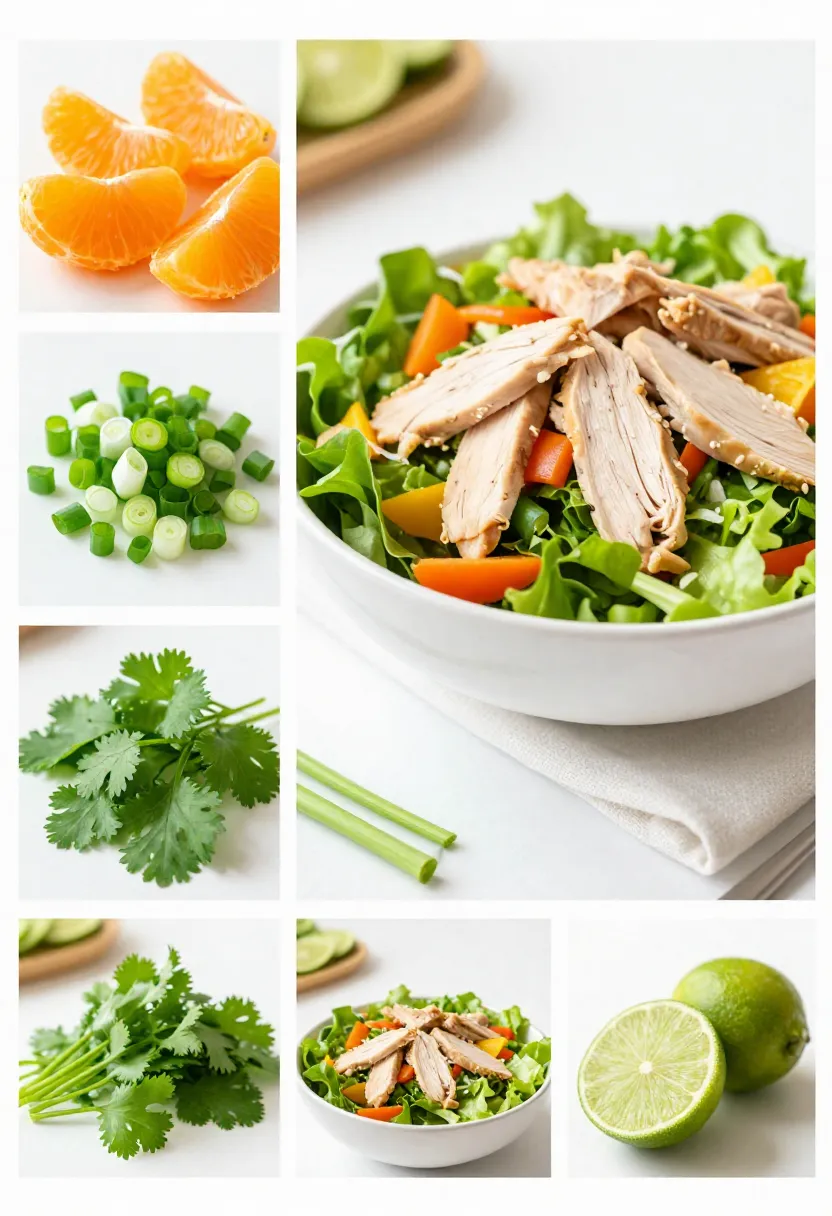
Sometimes the difference between a “good” salad and one you genuinely enjoy comes down to tiny additions. Not big changes — just small details that shift the overall flavor.
For example, adding something slightly sweet can make the whole dish feel brighter. A bit of freshness can make it feel lighter. Something sharp can wake everything up.
A few simple additions that tend to work really well:
- Mandarin slices for a juicy, slightly sweet contrast 🍊
- Chopped green onions for a gentle sharpness that isn’t too strong
- Fresh herbs like cilantro to make everything taste a bit more “alive”
- A squeeze of lime if the salad feels like it needs a little lift
None of these are necessary, and that’s kind of the point. You’re not fixing the dish — you’re just adjusting it slightly depending on your mood.
Some days you might want it super fresh and light. Other days, maybe a bit more насыщено. This is where those small additions make a difference without turning the whole recipe into something complicated.
🌶️ Adjusting the Taste and Turning It Into a Full Meal
Another thing you’ll probably realize pretty quickly is that this salad doesn’t need to taste exactly the same every time you make it.
And honestly, it probably shouldn’t.
There are days when you want something really light and refreshing — almost crisp and clean. And then there are days when you want something with a bit more depth, maybe even a little heat. The good thing is, you don’t need to start over or change everything to get there.
Small adjustments are usually enough.
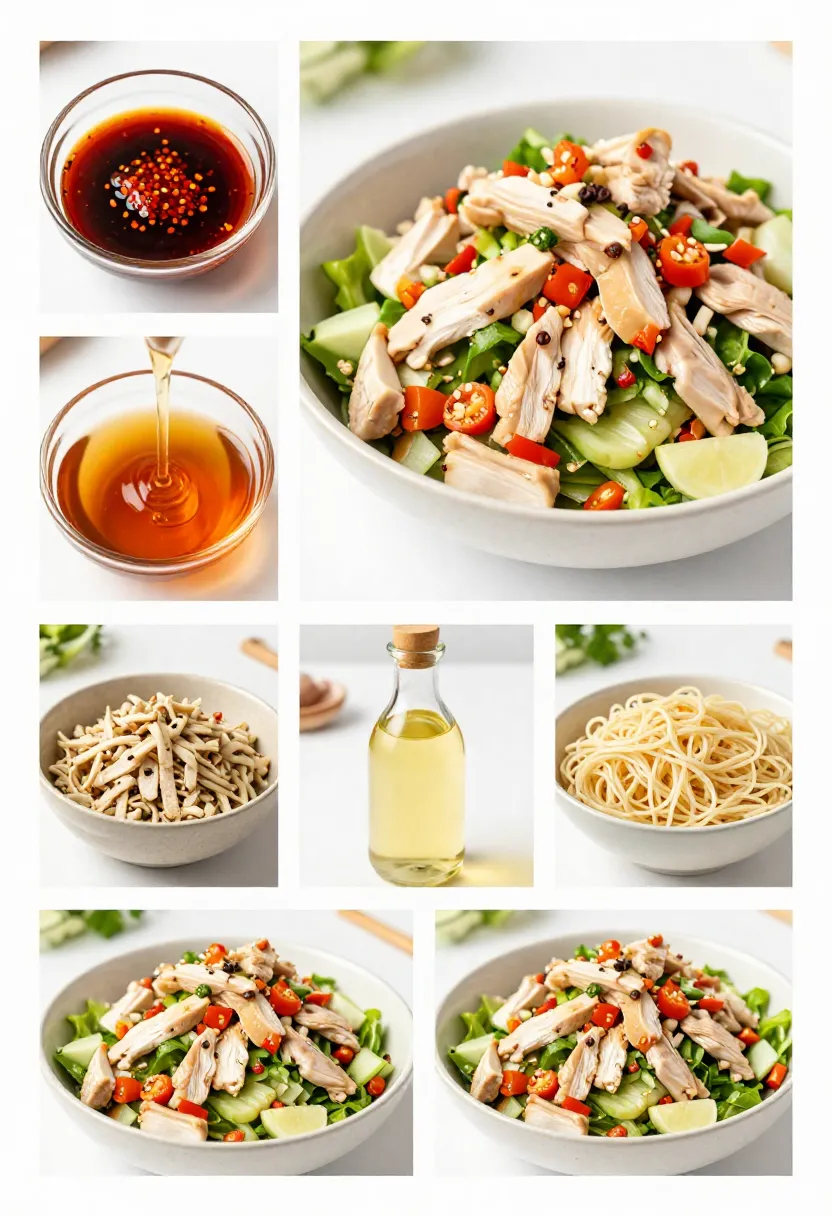
Even something simple like slightly changing the dressing can shift the entire dish. A bit more honey makes it softer and rounder. A little more vinegar makes it sharper and more refreshing. Add some spice, and suddenly it feels like a completely different meal.
If you feel like changing things up or making it more filling, here are a few easy ways to do it:
- Add extra chili sauce if you want noticeable heat 🌶️
- Increase the honey slightly for a smoother, slightly sweeter flavor
- Add more vinegar if you want a sharper, fresher taste
- Toss in noodles (soba, rice noodles, or even ramen) to make it more substantial 🍜
- Add extra protein — more chicken, or even tofu if you want something different
The only thing worth paying attention to is balance. It’s easy to add more ingredients, but the goal isn’t to make it heavier — just more satisfying.
If at any point it starts to feel too dense or overloaded, it usually means you just need a bit more freshness to balance it out again.
💡 Making It Work in Real Life (Not Just in Theory)
Recipes always look simple when everything is perfectly laid out. Real life is usually a bit less organized 😄
Some days you have time to cook properly, other days you’re just trying to put something together quickly. Sometimes you’re cooking only for yourself, other times for other people. What’s nice about this salad is that it fits into all of those situations without much effort.
It’s one of those meals that doesn’t require perfect timing or precision. You can prepare parts of it in advance, adjust it last minute, or even throw it together with what you have — and it still turns out decent.
If you want to make things easier for yourself, especially during busy days, a few small habits help a lot:
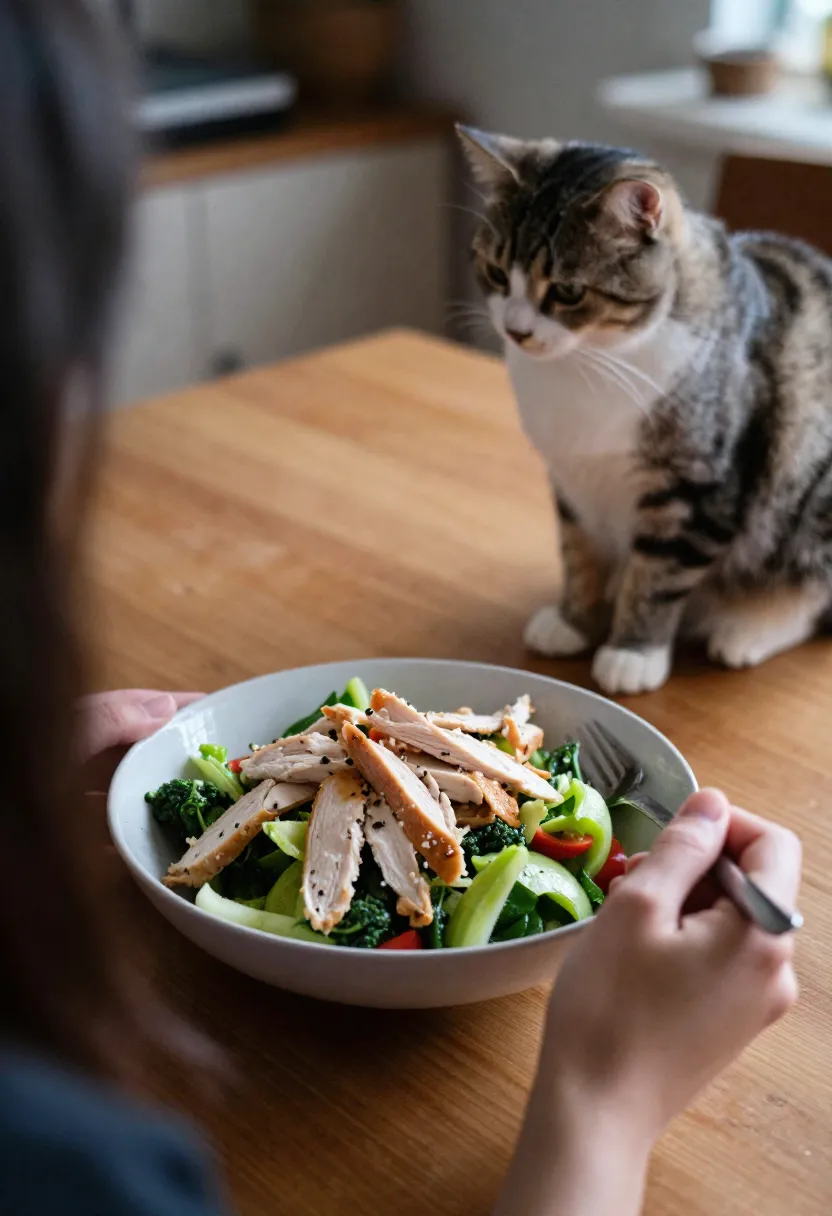
- Keep the dressing separate until you’re ready to eat — it keeps everything fresh longer
- Store vegetables dry so they don’t lose their texture
- Add crunchy toppings only at the very end so they don’t go soft
- Use a larger bowl than you think you need — it makes mixing easier and cleaner 🍽️
- Give yourself an extra minute to assemble everything properly — it really changes how the dish feels
Also, and this is something people don’t always mention — presentation matters more than you’d expect. Even if it’s just for you, taking a moment to arrange everything instead of mixing it too quickly makes the meal feel more enjoyable.
And maybe the most important thing: don’t treat this like a strict set of rules.
It’s just a base. A starting point.
Some days it’ll turn out perfect, other days maybe slightly different — and that’s fine. That’s kind of how real cooking works.