
The HCG Diet — Miracle Weight Loss or Dangerous Fad?
It usually starts the same way.
Someone is scrolling late at night, looking for answers. Maybe a wedding is coming up. Maybe a doctor suggested losing weight. Maybe the mirror just feels a little less friendly lately. And then suddenly — there it is.
“Lose up to 30 pounds in a few weeks.”
The promise is bold, almost irresistible. No complicated workouts. No years of slow dieting. Just a simple plan involving a hormone called HCG and a very strict meal schedule. For many people searching for fast results, the HCG diet sounds like the shortcut they’ve been waiting for.
Over the years, this diet has quietly resurfaced again and again — in wellness forums, weight-loss clinics, TikTok videos, and even celebrity discussions. Supporters describe it as a breakthrough that helps the body burn stubborn fat while reducing hunger. Critics, however, call it something very different: an extreme crash diet wrapped in questionable science.
At the center of the controversy is human chorionic gonadotropin (HCG) — a hormone naturally produced during pregnancy. Advocates claim that when combined with a dramatically reduced calorie intake, it somehow “resets” the body’s metabolism and encourages rapid fat loss.
But here’s the catch.
Most versions of the HCG diet limit daily intake to around 500 calories — far below what nutrition experts consider safe or sustainable for most adults. And that raises an important question:
Is the weight loss really coming from the hormone — or simply from extreme calorie restriction?
That question has fueled decades of debate among doctors, nutritionists, and researchers. Some call the HCG diet one of the most persistent weight-loss myths of the modern wellness industry. Others still believe it offers unique benefits.
In this article, we’ll take a closer look at the HCG diet trend — where it came from, how it works, what science actually says, and why it continues to attract attention despite strong warnings from health experts.
Because when it comes to dramatic weight-loss promises, the most important question is often the simplest one:
If something sounds too good to be true… is it?
The Promise of Fast Weight Loss

Few things are as tempting as the promise of fast, dramatic weight loss.
Imagine this: it’s Monday morning, and someone decides that this is the week everything changes. The plan is simple — follow a specific diet for just a few weeks and watch the numbers on the scale drop rapidly. For people who have spent months or even years trying different approaches to lose weight, the idea of quick results can feel incredibly motivating.
This is exactly the emotional space where diets like the HCG diet tend to thrive.
Unlike traditional weight-loss plans that encourage gradual changes, the HCG diet promises something far more dramatic. Many versions claim that followers can lose one to two pounds per day during the strict phase of the program. In a world where patience is rare and quick solutions dominate wellness trends, that kind of promise spreads quickly.
And it’s not hard to see why.
Weight loss journeys are often filled with frustration. Someone might spend weeks cooking healthy meals, cutting back on sugar, walking every evening — and still see only small changes. When progress feels slow, the idea of a rapid transformation can suddenly seem incredibly appealing.
The marketing around the HCG diet taps directly into that feeling. Supporters often describe it as a method that helps the body target stored fat, especially in stubborn areas like the stomach, hips, and thighs. Some even claim that the hormone involved in the diet can help reduce hunger, making an extremely low-calorie plan easier to follow.
But there’s another side to this story.
Extreme diets often create a powerful illusion: the faster the results appear, the more effective the method must be. In reality, rapid weight loss is frequently tied to severe calorie restriction, dehydration, and short-term metabolic changes rather than sustainable fat loss.
That’s one reason nutrition experts often approach trends like the HCG diet with caution. When a diet promises dramatic results in a very short time, it raises an important question:
What is really happening inside the body?
To understand why the HCG diet continues to spark debate, we first need to look at what the diet actually involves — and how it works.
What the HCG Diet Actually Is
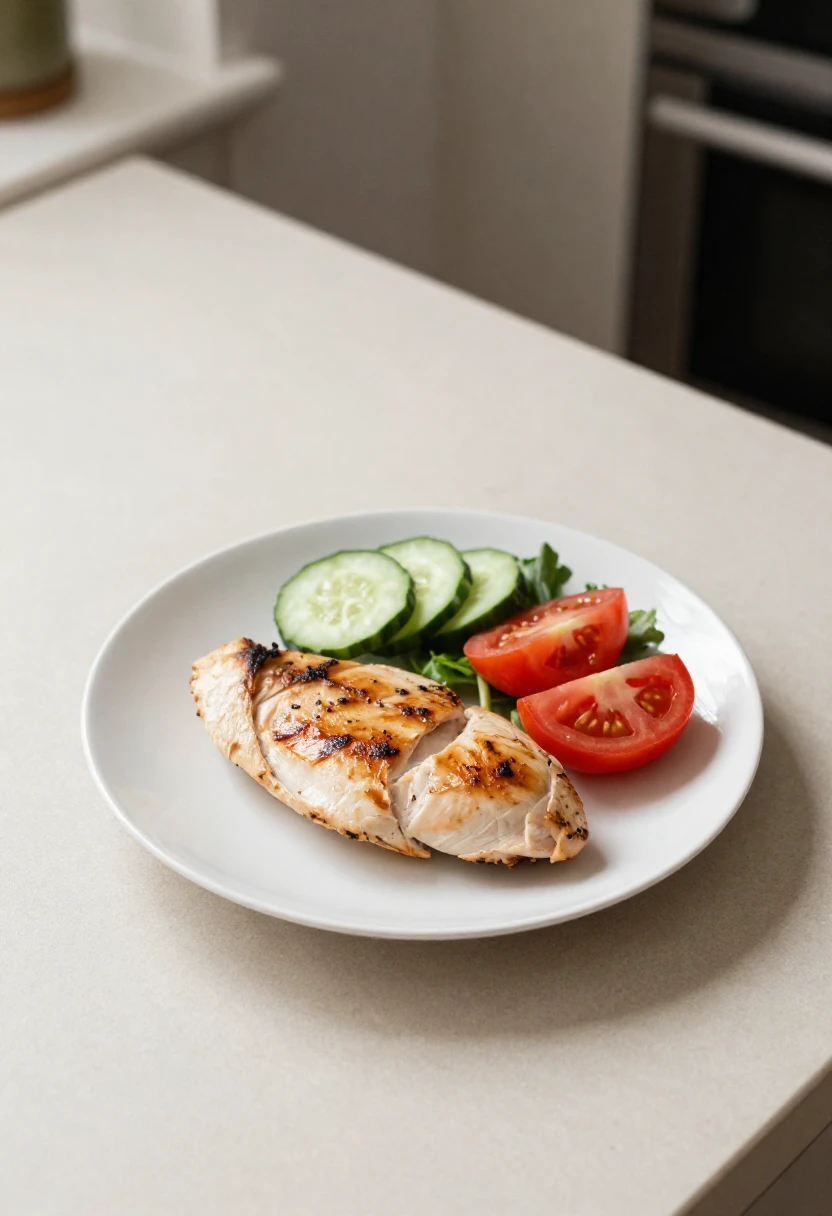
At its core, the HCG diet is a combination of two things: a hormone and an extremely low-calorie eating plan.
The name comes from human chorionic gonadotropin (HCG) — a hormone naturally produced during pregnancy. In medical settings, doctors sometimes use HCG for specific treatments, such as fertility therapy. But in the world of weight-loss programs, the hormone has taken on a very different reputation.
Supporters of the HCG diet claim that introducing small amounts of this hormone into the body — usually through injections, drops, or pellets — can help trigger rapid fat loss when paired with a strict eating plan.
And that eating plan is where the diet becomes particularly extreme.
Most versions of the HCG diet limit daily intake to around 500 calories per day during its main phase. To put that into perspective, many nutrition experts recommend that adults consume four to five times that amount to maintain normal energy levels and metabolic function.
The diet is typically divided into several phases:
1. The loading phase
During the first two days, followers are encouraged to eat large amounts of high-fat, high-calorie foods while beginning HCG supplementation. The idea is to prepare the body for the intense calorie restriction that follows.
2. The very low-calorie phase
This is the core of the program. For several weeks, daily intake drops to roughly 500 calories, usually split into two small meals. The allowed foods are very specific — typically lean protein, a limited selection of vegetables, small portions of fruit, and minimal starch or fat.
3. The maintenance phase
After the strict phase ends, calories gradually increase while certain foods — especially sugar and starch — may still be restricted for a few weeks.
In theory, the hormone is supposed to make this severe calorie deficit easier to tolerate. Advocates claim that HCG helps the body burn stored fat for energy while preventing intense hunger.
But here’s where things get complicated.
Many health experts argue that the dramatic weight loss reported on the HCG diet is not related to the hormone at all. Instead, they say it’s simply the predictable result of eating extremely few calories for an extended period.
To understand where these claims began — and why the diet became so popular — we need to go back to its origins in the 1950s, when one doctor first introduced the idea that HCG could be a weight-loss breakthrough.
Where the HCG Diet Came From

The story of the HCG diet begins more than half a century ago — long before social media, wellness influencers, or modern diet trends.
In the 1950s, a British physician named Albert T. W. Simeons was working in Rome, studying how the human body stores and uses fat. During his research, he became interested in the hormone human chorionic gonadotropin (HCG) and its role during pregnancy.
Pregnant women naturally produce large amounts of HCG, and Dr. Simeons believed the hormone played a role in how the body mobilizes fat reserves to support the developing fetus. From this observation, he developed a controversial theory: if HCG could influence fat metabolism during pregnancy, perhaps it could also help people with obesity burn stored fat more efficiently.
To test his idea, Dr. Simeons began combining HCG injections with a very low-calorie diet — around 500 calories per day. According to his reports, patients following this protocol appeared to lose weight quickly while experiencing less hunger than expected.
In 1954, he published a manuscript called “Pounds and Inches: A New Approach to Obesity.” In it, he claimed that HCG helped the body release “abnormal fat,” particularly from areas like the stomach, hips, and thighs.
At the time, the concept captured significant attention. The idea of losing weight rapidly while targeting stubborn fat deposits sounded revolutionary. Clinics in Europe and later the United States began experimenting with similar programs.
However, as more researchers studied the method, the results became far less convincing.
Over the following decades, multiple scientific trials attempted to test whether HCG actually contributed to weight loss beyond the effects of severe calorie restriction. Most of these studies found no meaningful difference between people using HCG and those following the same low-calorie diet without the hormone.
Despite the growing skepticism in the medical community, the HCG diet never completely disappeared. Instead, it periodically resurfaces — often repackaged for a new generation of weight-loss seekers.
And that raises an important question: how is the diet supposed to work in the first place?
To answer that, we need to look at the theory behind the HCG diet and the claims its supporters continue to make today.
How the HCG Diet Is Supposed to Work

To understand why the HCG diet still attracts attention today, it helps to look at the theory behind it — the explanation that supporters often use to describe why the diet supposedly works.
According to early claims from Albert T. W. Simeons, the hormone human chorionic gonadotropin (HCG) could influence how the body uses stored fat. His idea was that HCG helped the body release what he called “abnormal fat deposits” — the stubborn fat that tends to accumulate around the stomach, hips, and thighs.
In theory, this fat would then be converted into energy, allowing someone to function normally even while eating extremely few calories.
Supporters of the diet often describe several supposed benefits:
1. Reduced hunger
The hormone is believed to make a severe calorie restriction easier to tolerate, supposedly reducing feelings of hunger during the diet.
2. Targeted fat burning
Advocates claim the body begins drawing energy specifically from stored fat rather than muscle tissue.
3. Rapid weight loss
Because the diet combines hormone supplementation with an intense calorie deficit, followers often expect to see the number on the scale drop quickly.
4. A “reset” of the metabolism
Some proponents suggest that the diet helps correct metabolic imbalances, making it easier to maintain weight loss afterward.
These ideas helped shape the reputation of the HCG diet as something more than just another restrictive meal plan. For many people, it sounded almost like a metabolic shortcut — a way to trigger fat loss that ordinary dieting couldn’t achieve.
But there is an important distinction between theory and scientific evidence.
Over the years, researchers have repeatedly tested whether HCG itself plays any real role in weight loss. Most controlled studies have found that people following the diet lose weight at roughly the same rate whether they receive HCG or a placebo.
In other words, the dramatic results often associated with the diet may come from one simple factor: eating far fewer calories than the body normally requires.
And that leads to the next piece of the puzzle — what people are actually allowed to eat while following the HCG diet.
Because the daily menu is far more restrictive than many expect.
What You’re Allowed to Eat on the HCG Diet
If the theory behind the HCG diet sounds unusual, the daily menu can be even more surprising.
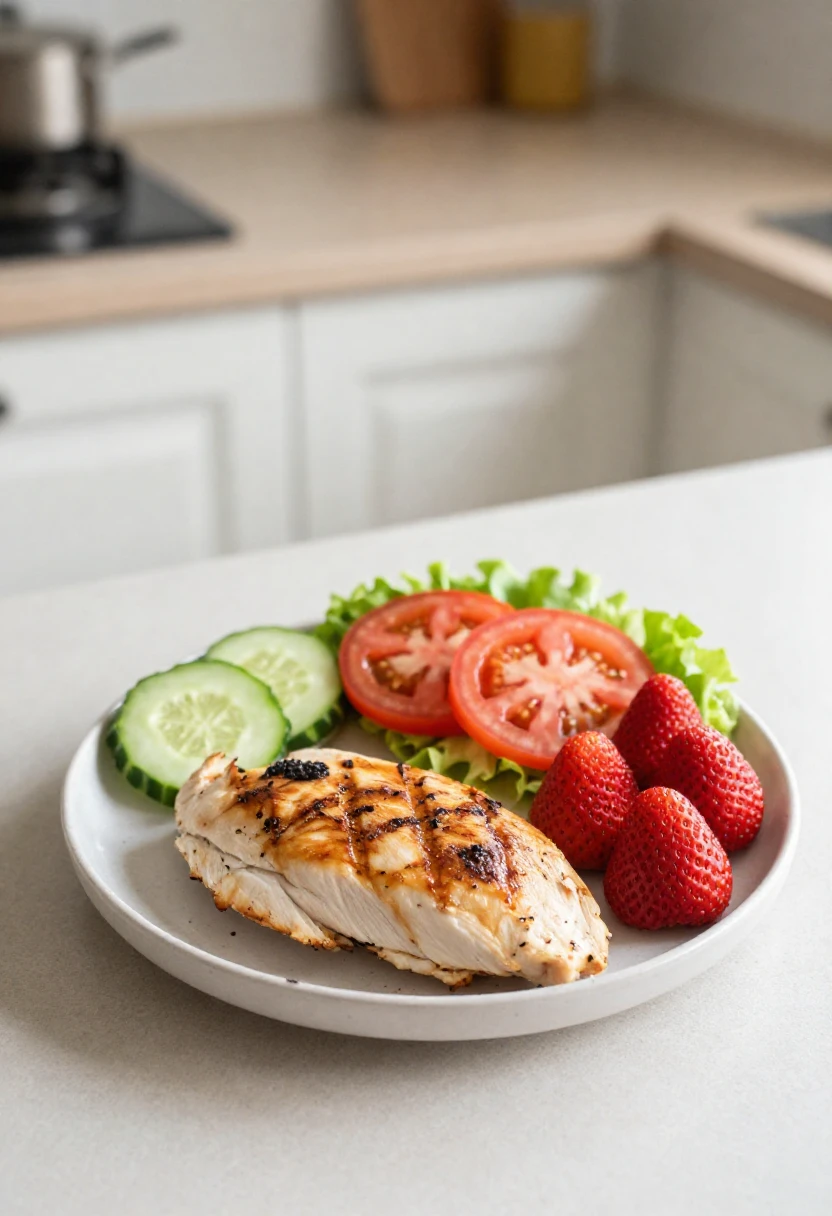
During the main phase of the program — often called the very low-calorie phase — the diet typically limits people to around 500 calories per day. This is not just a suggestion; in most traditional versions of the plan, the food list is extremely specific and tightly controlled.
A typical day on the HCG diet usually includes two small meals, plus limited snacks. Portions are carefully measured, and many common ingredients are completely excluded.
Here’s what the standard plan generally allows:
Lean protein
Each meal includes a small portion of very lean protein, often around 100 grams (about 3.5 ounces) before cooking. Common options include:
- skinless chicken breast
- white fish
- shrimp or crab
- very lean beef
Cooking methods are also restricted — grilling, boiling, or baking without added fats is usually recommended.
Low-calorie vegetables
The diet allows certain vegetables that are naturally low in calories and carbohydrates. Popular options include:
- spinach
- lettuce
- cucumbers
- tomatoes
- asparagus
- cabbage
Vegetables are often eaten raw or lightly cooked, again without oils or butter.
Small portions of fruit
Followers of the diet may eat one fruit serving per meal, usually from a short list such as:
- apples
- strawberries
- oranges
- half a grapefruit
The idea is to keep sugar intake limited while still providing a small amount of natural sweetness.
Minimal carbohydrates
In some versions of the plan, a small starch option is allowed — often something like a single breadstick or a small piece of Melba toast. Many people skip this entirely to stay within the calorie limit.
Drinks and seasonings
Water, black coffee, and tea are generally allowed. Seasonings like lemon juice, vinegar, garlic, salt, and herbs can be used in moderation to add flavor.
But the list of restricted foods is even longer.
Foods typically avoided during the strict phase include:
- oils and fats
- dairy products
- nuts and seeds
- grains and pasta
- sugary foods
- alcohol
- most processed foods
The result is an eating plan that is extremely simple — and extremely limited.
For some people, this simplicity can make the diet easier to follow in the short term. There are few decisions to make and little room for variation. But for many others, the restriction quickly becomes difficult to maintain.
And yet, despite how demanding the plan is, thousands of people still try it.
So why does the HCG diet continue to attract attention decade after decade?
The answer has less to do with nutrition — and more to do with human psychology.
Why People Are Drawn to the HCG Diet

If the HCG diet is so restrictive, a natural question follows: why do people keep trying it?
The answer lies partly in how we think about weight loss. For many people, dieting isn’t just about food — it’s tied to emotions, expectations, and the hope for a fresh start.
Picture someone standing in a pharmacy aisle, holding a magazine that promises “dramatic weight loss in weeks.” Or scrolling through a post where someone claims they dropped two clothing sizes in a month. Stories like these tap into a powerful desire: the idea that a single method could finally solve a problem that has felt frustrating for years.
The HCG diet fits perfectly into that narrative.
The appeal of rapid results
One of the biggest attractions of the diet is the promise of fast progress. Traditional nutrition advice often recommends losing weight slowly — perhaps one or two pounds per week. For someone eager to see immediate change, that can feel painfully slow.
A plan that claims daily weight loss, even temporarily, feels much more exciting.
A clear and simple structure
Another reason people gravitate toward the HCG diet is its simplicity. Instead of complicated meal planning or calorie tracking, the rules are very straightforward. Eat from a short list of foods, follow strict portions, and repeat.
For people who feel overwhelmed by endless diet advice, that kind of structure can seem comforting.
The influence of testimonials and online trends
In the age of social media, personal success stories spread quickly. Photos showing dramatic “before and after” results can make a diet appear incredibly effective, even when the long-term outcomes are less clear.
Many HCG programs are also promoted through private clinics, coaching services, or online communities, where participants encourage each other to stick with the plan.
The hope for a metabolic “reset”
Some followers believe the diet offers something deeper than simple calorie restriction — a chance to reset the body’s metabolism and change how fat is stored.
Whether or not this claim holds up scientifically, the idea itself is compelling. After struggling with weight for years, many people want to believe that their bodies simply need a reset button.
But when researchers began looking closely at the HCG diet, they started asking a different question:
Is the hormone actually responsible for the weight loss — or is something else happening?
To answer that, scientists conducted a series of studies designed to test the diet’s claims under controlled conditions.
And the results were not what many supporters expected.
What Science Actually Says

By the time the HCG diet started gaining attention outside small medical circles, researchers were already curious — and skeptical. The idea that a pregnancy hormone could dramatically change how the body burns fat was bold, but it needed strong scientific evidence to support it.
So scientists began testing the theory.
Over the past several decades, multiple clinical studies have compared people following the HCG diet with those following the same very low-calorie diet but without the hormone. In these experiments, some participants received HCG injections while others were given a placebo, meaning a treatment with no active hormone.
The goal was simple: determine whether HCG actually caused additional weight loss.
The results were surprisingly consistent.
Most studies found no meaningful difference between the two groups. People lost weight — sometimes quickly — but the amount of weight lost was essentially the same whether HCG was used or not.
This suggests that the main driver of weight loss in the HCG diet is not the hormone itself, but the extreme calorie restriction.
Eating around 500 calories per day places the body in a severe energy deficit. When the body receives far less energy than it needs, it begins using stored energy sources — including fat — to keep functioning. In other words, weight loss under these conditions is exactly what nutrition science would expect.
Researchers also examined some of the other claims associated with the diet, such as reduced hunger or targeted fat loss in specific areas of the body. Again, the evidence did not strongly support these effects.
As a result, many health authorities have taken a clear position on the issue. Organizations such as the U.S. Food and Drug Administration (FDA) have warned that HCG products marketed for weight loss are not approved for that purpose and that extremely low-calorie diets should only be followed under medical supervision.
This doesn’t mean that people never lose weight on the HCG diet — many do. But according to most experts, the results are likely caused by the severe calorie deficit, not by the hormone.
And when a diet relies on such intense restriction, another important issue comes into focus:
What are the potential risks?
Because while rapid weight loss may look impressive on the scale, the body can sometimes pay a price for it.
Health Risks of the HCG Diet

Rapid weight loss often sounds appealing — but when it happens through extreme calorie restriction, the body can experience significant stress.
Because the HCG diet typically limits people to about 500 calories per day, many health professionals consider it a form of very low-calorie dieting. While such diets are sometimes used in medical settings for specific conditions, they are usually supervised carefully by doctors and nutrition specialists.
Without that supervision, the risks can grow quickly.
Nutrient deficiencies
One of the most immediate concerns is lack of essential nutrients. When food intake drops so dramatically, it becomes difficult to consume enough vitamins, minerals, healthy fats, and protein to support normal bodily functions.
Over time, this can lead to symptoms such as:
- fatigue
- dizziness
- headaches
- hair thinning
- weakened immunity
The body simply isn’t receiving the full range of nutrients it needs.
Loss of muscle mass
When calorie intake becomes extremely low, the body may begin breaking down muscle tissue in addition to fat for energy. Losing muscle can slow down metabolism, making it harder to maintain weight loss later.
This is one reason many experts emphasize gradual, balanced weight loss rather than rapid crash dieting.
Hormonal and metabolic stress
Dramatic calorie restriction can also disrupt hormones that regulate hunger, energy levels, and metabolism. Some people experience mood swings, irritability, or difficulty concentrating while following very restrictive diets.
In more severe cases, prolonged calorie deprivation can affect heart rhythm or electrolyte balance.
Gallstones and other complications
Research has shown that rapid weight loss may increase the risk of gallstones, especially when large amounts of weight are lost quickly. Dehydration and electrolyte imbalances can also occur when the body is under extreme dietary stress.
Psychological effects
There’s another risk that receives less attention: the mental strain of extreme dieting. Strict food rules, constant hunger, and rapid weight changes can sometimes create an unhealthy relationship with food.
For some people, cycles of strict dieting followed by rebound eating can become emotionally exhausting.
All of this is why many medical organizations encourage a more moderate approach to weight loss. While quick results may seem motivating at first, sustainable progress often comes from gradual lifestyle changes rather than extreme short-term diets.
And that’s exactly why experts frequently caution against the HCG diet — not just because of the hormone claims, but because of the intensity of the calorie restriction involved.
So what do doctors and nutrition professionals actually say about the diet?
That’s where expert opinions become especially clear.
Why Experts Warn Against the HCG Diet

When nutrition experts discuss the HCG diet, their concerns usually focus on two main issues: the lack of scientific evidence behind the hormone claims and the extreme calorie restriction that defines the diet.
Over the years, many medical organizations have reviewed the research surrounding HCG-based weight-loss programs. The general conclusion has been consistent — there is no reliable evidence that HCG itself promotes weight loss.
In fact, the U.S. Food and Drug Administration has stated that products containing HCG should not be marketed for weight loss. The agency has also warned consumers about over-the-counter HCG drops, pellets, and sprays that claim to produce rapid fat loss.
From a medical perspective, the bigger concern often lies in the diet’s calorie limit.
Most adults require 1,600 to 2,500 calories per day, depending on factors like age, sex, and activity level. A daily intake of around 500 calories falls far below these typical needs. While medically supervised very-low-calorie diets do exist, they are usually designed for short-term treatment in specific clinical situations and involve close monitoring by healthcare professionals.
The HCG diet, however, is often followed outside of that medical context.
Nutritionists also point out another issue: sustainability. Diets that rely on extremely strict rules can be difficult to maintain once the program ends. When normal eating resumes, the body may regain weight quickly — a pattern sometimes referred to as yo-yo dieting.
There’s also the psychological side of dieting to consider. Extreme plans can create a sense of urgency and pressure that leads people to push their bodies harder than is healthy.
This doesn’t mean every person who tries the HCG diet will experience serious problems. But from a medical standpoint, experts generally agree that there are safer and more sustainable ways to approach weight loss.
Which leads to a broader lesson about dieting trends.
Because the HCG diet is far from the only plan that promises dramatic results in a short amount of time. In fact, the history of nutrition is filled with similar approaches that rise in popularity, fade away, and eventually return under new names.
And understanding why that happens can help explain why extreme diets rarely work in the long run.
Why Extreme Diets Rarely Work Long-Term
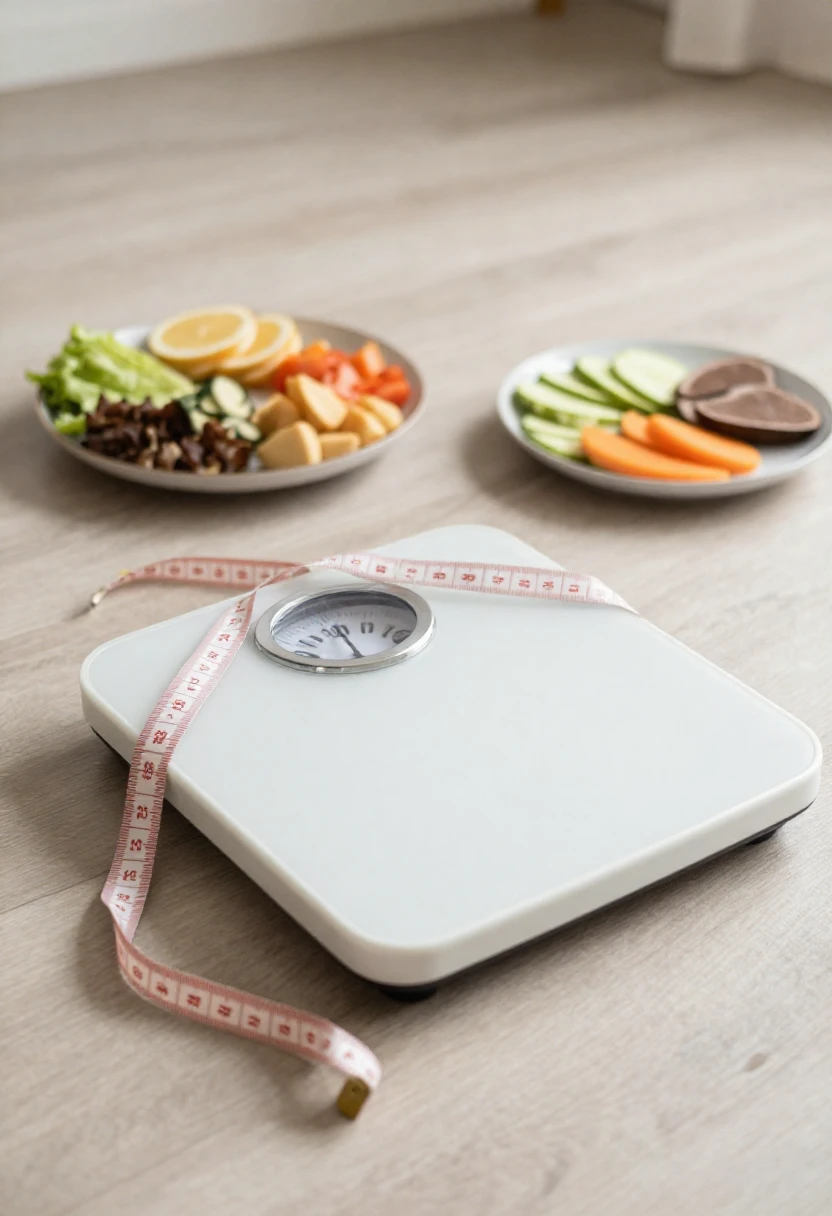
If there’s one pattern that repeats itself in the world of nutrition, it’s this: extreme diets often produce fast results — but rarely lasting ones.
At first, the experience can feel exciting. Someone begins a strict plan, the scale starts moving quickly, and motivation is high. Friends notice the change, clothes fit differently, and the effort feels worthwhile.
But the body has its own way of responding to extreme restriction.
The body’s survival response
When calorie intake drops dramatically, the body interprets the situation as a potential threat to survival. Instead of continuing to burn energy at the same rate, it may begin slowing down certain processes to conserve fuel.
This is often described as metabolic adaptation — the body becoming more efficient with fewer calories.
Over time, this can make further weight loss harder and can also increase hunger signals, encouraging the body to restore the lost weight.
The return of normal eating
Another challenge appears once the strict phase of a diet ends.
After weeks of intense restriction, many people naturally return to more typical eating patterns. But because the body may now be running on a slower metabolism and stronger hunger signals, weight regain can happen surprisingly quickly.
This cycle — lose weight rapidly, then regain it — is commonly known as yo-yo dieting.
Research has shown that repeated cycles of rapid weight loss and regain can be frustrating both physically and emotionally. It can also create the feeling that weight loss is impossible, even when more balanced strategies might be effective.
The missing ingredient: sustainability
Perhaps the biggest issue with extreme diets is that they rarely teach the long-term habits needed for maintaining health.
Losing weight successfully over time usually involves gradual adjustments such as:
- improving food quality
- building consistent eating routines
- staying physically active
- learning how to manage hunger and stress
These changes might not produce dramatic results overnight, but they are far more likely to be maintainable over months and years.
And that’s the key difference between a temporary diet and a sustainable lifestyle.
Which brings us to an important question: if extreme plans like the HCG diet aren’t ideal for long-term health, what are healthier alternatives for people trying to lose weight?
Healthier Alternatives to Crash Dieting
For anyone who has ever searched for a quick weight-loss solution, the appeal of diets like the HCG diet is easy to understand. When results feel urgent — before a vacation, a big event, or simply after years of frustration — the promise of rapid change can be incredibly tempting.
But most nutrition experts agree on one important point: lasting weight loss rarely comes from extreme restriction.
Instead, healthier strategies focus on building habits that the body — and the mind — can maintain over time.
A moderate calorie deficit
Rather than dropping to extremely low calorie levels, many specialists recommend creating a moderate calorie deficit. This usually means reducing daily intake slightly below maintenance needs while still providing the body with enough energy to function well.
The result is slower, steadier weight loss — often around 0.5 to 1 kilogram (1–2 pounds) per week.
While that may sound modest compared to dramatic diet promises, it’s far more likely to lead to sustainable results.
Balanced, nutrient-rich meals
Healthy weight management also depends on food quality, not just calorie numbers. Meals that include a balance of protein, fiber-rich carbohydrates, healthy fats, and vegetables can help maintain energy levels while supporting overall health.
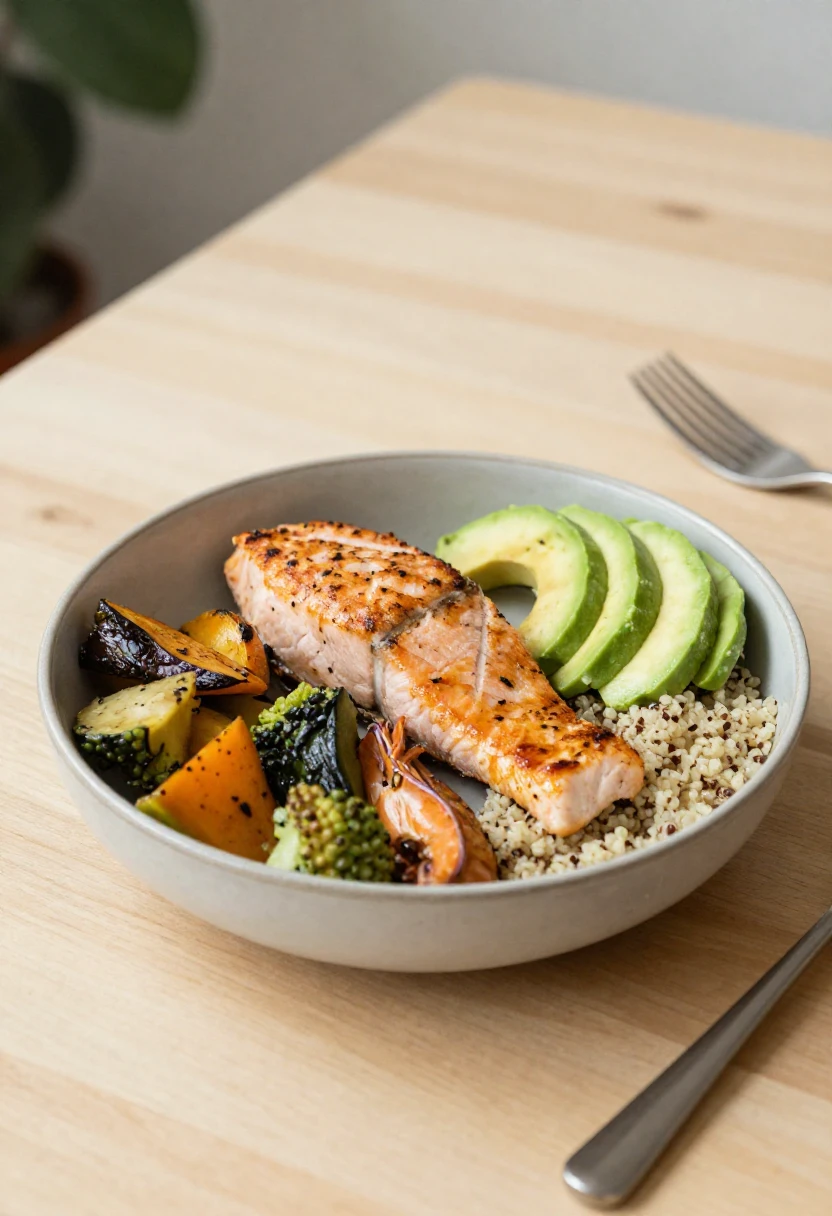
For example, a simple balanced meal might include:
- grilled fish or chicken
- roasted vegetables
- whole grains such as quinoa or brown rice
- olive oil or avocado for healthy fats
These foods help keep people full longer and provide the nutrients the body needs to function properly.
Consistent daily habits
Weight management is often influenced by small daily routines rather than dramatic short-term changes. Habits such as regular meals, sufficient sleep, and physical activity all play a role in how the body regulates appetite and energy.
Even moderate exercise — walking, cycling, or strength training — can support a healthier metabolism and preserve muscle mass during weight loss.
A healthier relationship with food
Perhaps the most overlooked part of long-term success is learning to approach food without extreme rules or guilt.
Rather than labeling foods as strictly “good” or “bad,” many experts encourage a flexible approach that allows for balance and enjoyment. This mindset can make healthy eating feel less like a temporary diet and more like a natural part of everyday life.
Ultimately, the goal isn’t just to lose weight quickly — it’s to build habits that support health for years to come.
And when we step back and look at the history of the HCG diet, it reveals something interesting about the way people approach weight loss in general.
Because the real lesson behind this controversial diet goes beyond the hormone itself.
The Real Lesson Behind the HCG Diet

The story of the HCG diet is about more than just one controversial weight-loss plan. It reflects a much larger pattern in the way people search for solutions to health challenges.
For decades, new diets have appeared promising faster, easier, and more dramatic results than traditional approaches. Some rely on unusual foods, others focus on strict rules, and a few — like the HCG diet — introduce a hormone or supplement that supposedly unlocks a hidden metabolic advantage.
Yet time and again, the same lesson tends to emerge.
When researchers examine these methods closely, the real reason behind rapid weight loss often turns out to be something much simpler: severe calorie restriction. The body loses weight because it receives far less energy than it needs, not because of a special ingredient or hormone.
That doesn’t mean the people who try these diets are naïve or careless. In fact, the popularity of plans like the HCG diet often reflects something deeply human — the desire for hope and control.
When weight loss feels difficult, when progress seems slow, and when advice online is confusing or contradictory, a clear and dramatic promise can feel reassuring. The idea that one specific method might finally solve the problem is incredibly powerful.
But health rarely works that way.
The body is complex, adaptable, and designed to maintain balance over time. Sustainable changes usually come not from extreme short-term strategies, but from consistent habits that support metabolism, nutrition, and overall wellbeing.
For many people, that means focusing on simple principles:
eating balanced, nourishing foods
staying physically active
getting enough rest
allowing progress to happen gradually
These habits may not produce dramatic headlines or viral testimonials. But they are far more likely to support lasting health.
And in the end, that may be the most important takeaway from the long debate surrounding the HCG diet:
When it comes to weight loss, the safest and most effective approach is rarely the fastest one.




I enjoy reading through and I believe this website got some truly useful stuff on it! .
yay google is my world beater assisted me to find this great site! .