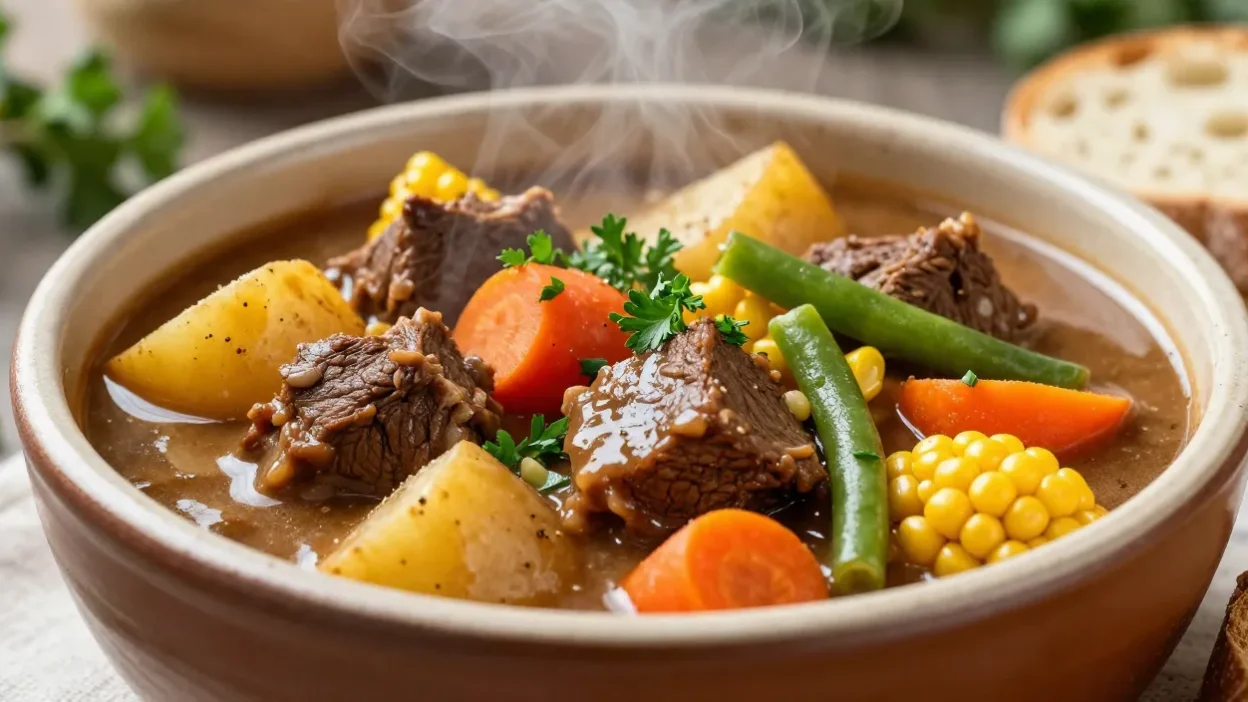
There’s something deeply comforting about a pot of soup quietly simmering on the stove. Not aggressively boiling over, not demanding constant stirring — just gently bubbling in its own steady rhythm. 🍲 The sound itself is calming. A soft, almost meditative simmer that fills the background while the rest of the house continues its day.
It doesn’t rush you. It doesn’t expect precision plating or perfectly diced vegetables. No one is judging the angle of your carrot slices. Instead, it slowly fills the kitchen with a rich, savory aroma that feels almost protective. Before you’ve even tasted it, you already know it’s going to be good.
The smell builds gradually — tender beef releasing its depth into the broth, onions softening into sweetness, thyme and bay leaf warming gently in the steam. It drifts beyond the kitchen. It settles into the hallway. It lingers on your clothes. And at some point, someone inevitably appears near the stove asking if it’s “almost ready,” even if dinner is still an hour away.
Beef and vegetable soup is one of those dishes that never tries too hard — and that’s exactly why it works. It doesn’t rely on trends or dramatic presentation. There’s no glossy drizzle, no complicated garnish. And yet, when it’s made thoughtfully, it becomes something quietly memorable. The broth feels rounded and deep. The vegetables soften without turning mushy. The beef becomes tender enough to break apart with a spoon.
It’s the kind of meal you reach for when:
- the weather shifts and evenings suddenly feel colder 🌬️
- the day has been long and slightly overwhelming
- someone in the house needs comfort more than conversation
- you simply want dinner to feel generous, not rushed
Some recipes impress once. This one stays.
The Quiet Magic of Slow Cooking 🔥
We live in a time of shortcuts. Meals in minutes. Appliances that promise speed and efficiency. And honestly, those tools have their place. There are nights when fast cooking saves the day.
But slow cooking operates on a different wavelength.
When beef chuck simmers gently for hours, something almost transformative happens. At first, it’s just meat in liquid. Firm. Structured. Ordinary. But gradually, heat and time begin to work together. The connective tissues melt. Collagen dissolves into the broth. What was once tough becomes silky and tender.
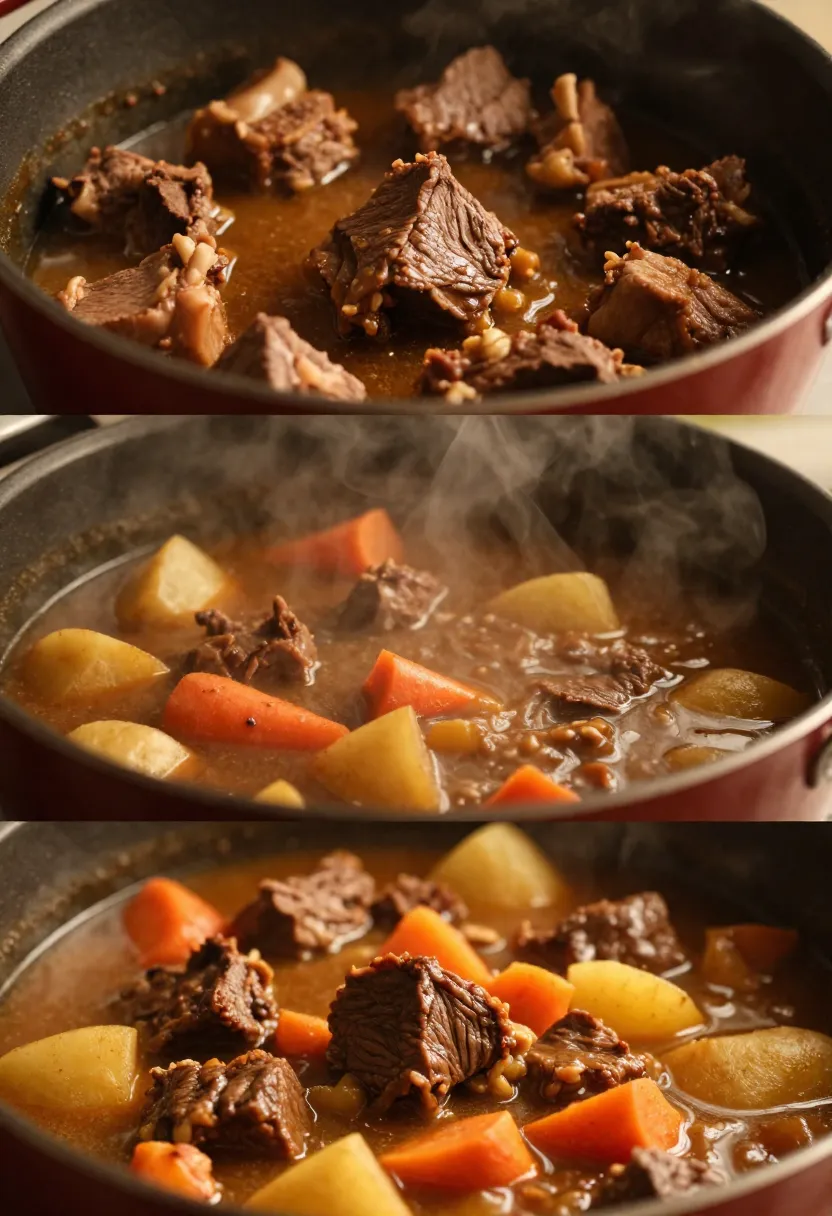
The process isn’t dramatic — you won’t see a sudden change. It’s gradual, subtle. And that subtlety is what gives the final soup its depth.
As the pot continues to simmer, the ingredients begin interacting in small, quiet ways:
- carrots release their natural sweetness 🥕
- onions dissolve softly into the broth
- herbs infuse without overpowering
- potatoes lend body and gentle thickness
No flour is necessary. No heavy cream required. The broth deepens on its own, becoming slightly richer, slightly fuller, without feeling heavy.
There’s also something grounding about waiting. You stir occasionally. You taste. You adjust. The rhythm slows you down, even if just for an afternoon. And somehow, the flavor reflects that patience. It tastes layered, rounded, complete.
Good soup cannot be rushed — and honestly, that’s part of its charm.
A Dish Rooted in Real Kitchens 🏡
Beef and vegetable soup has never been about extravagance. It has always belonged to real kitchens — the kind where meals are cooked to feed people, not to impress them. For generations, families relied on simple, practical methods: tougher cuts of meat were affordable and available, vegetables followed the seasons, and slow simmering brought everything together.
There’s something reassuring about that history. This isn’t a recipe invented last year. It has quietly evolved over time, adapting to whatever ingredients were on hand. In some homes, barley was added for extra heartiness. In others, root vegetables dominated the pot through winter months. The structure stayed the same, even as the details shifted.
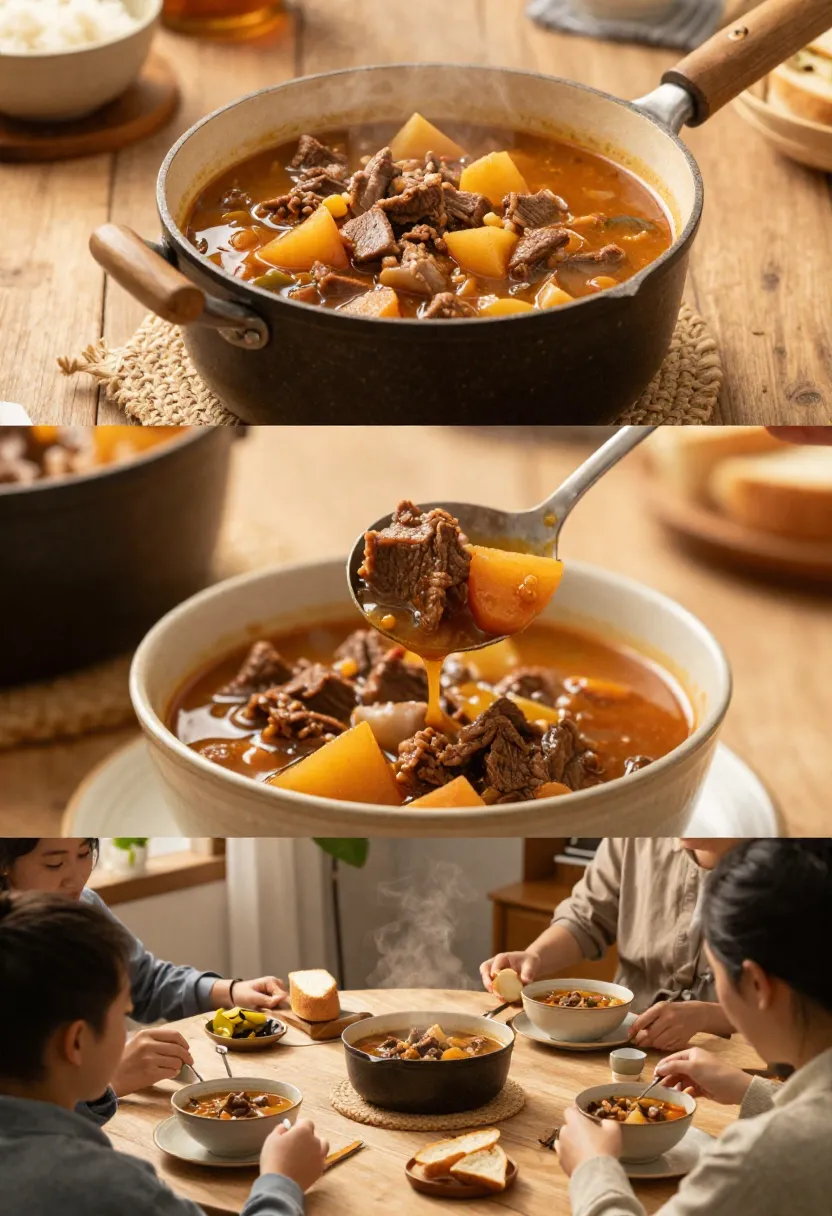
Its endurance makes sense when you think about what it offers:
- flexibility with ingredients 🥔
- affordability without sacrificing flavor
- nourishment that actually satisfies
- leftovers that taste even better the next day
And that last part matters more than people admit. The next-day bowl, when the flavors have settled and deepened overnight, often tastes richer and more cohesive.
Perhaps that’s why this soup continues to earn a place in modern kitchens. It doesn’t compete for attention. It doesn’t depend on novelty. Instead, it quietly becomes part of your rhythm — the meal you make when you want the house to smell warm, when you need something steady on the table, or when you simply want to cook without overthinking it.
Over time, it stops feeling like “a recipe” and starts feeling like something familiar. Almost instinctive. ❤️
Beef & Vegetable Soup Recipe 🍲
There’s a clear difference between soup that’s quickly thrown together and soup that’s given time and attention. This one belongs to the second kind. It isn’t complicated, and it doesn’t require advanced technique, but it does ask you to slow down a little. To let the beef properly brown instead of turning it too soon. To pause for a second when the garlic hits the warm oil and releases that unmistakable aroma.
This version builds flavor gradually. First comes the depth from well-seared beef, the kind that leaves browned bits at the bottom of the pot — those bits matter more than people realize. Then the vegetables begin to soften, each adding something subtle but important. The carrots bring gentle sweetness. The potatoes add heartiness and body. Green beans and corn lighten the texture so the soup doesn’t feel heavy or overly dense.
As it simmers, the broth changes. It deepens in color. It becomes fuller, rounder, more cohesive. There’s no need for flour or cream to thicken it. Time takes care of that. The beef turns tender enough to break apart easily, but it still holds its shape. Nothing feels mushy or overworked.
This isn’t the kind of dish you make for dramatic presentation. It won’t look flashy in a photograph. But when you sit down with a warm bowl in your hands and take that first spoonful, you understand why it has lasted for generations. It feels steady. Familiar. Comforting in a way that doesn’t try too hard.
And somehow, it tastes even better the next day, once the flavors have had time to settle into each other.
Ingredients
- 2 tablespoons olive oil
- 2 pounds beef chuck roast, cut into 1-inch cubes
- Salt and freshly ground black pepper
- 1 large yellow onion, diced
- 4 garlic cloves, minced
- 5 cups high-quality beef broth
- 1 (14.5 oz) can diced tomatoes (with juices)
- 3 medium carrots, sliced
- 2 celery stalks, sliced
- 2 medium Yukon Gold potatoes, diced
- 1 cup green beans (fresh or frozen)
- 1 cup corn kernels
- 1 teaspoon dried thyme
- 2 bay leaves
- 1 tablespoon Worcestershire sauce
- ½ teaspoon smoked paprika (optional)
- Fresh parsley, chopped (for garnish)
Preparation Steps
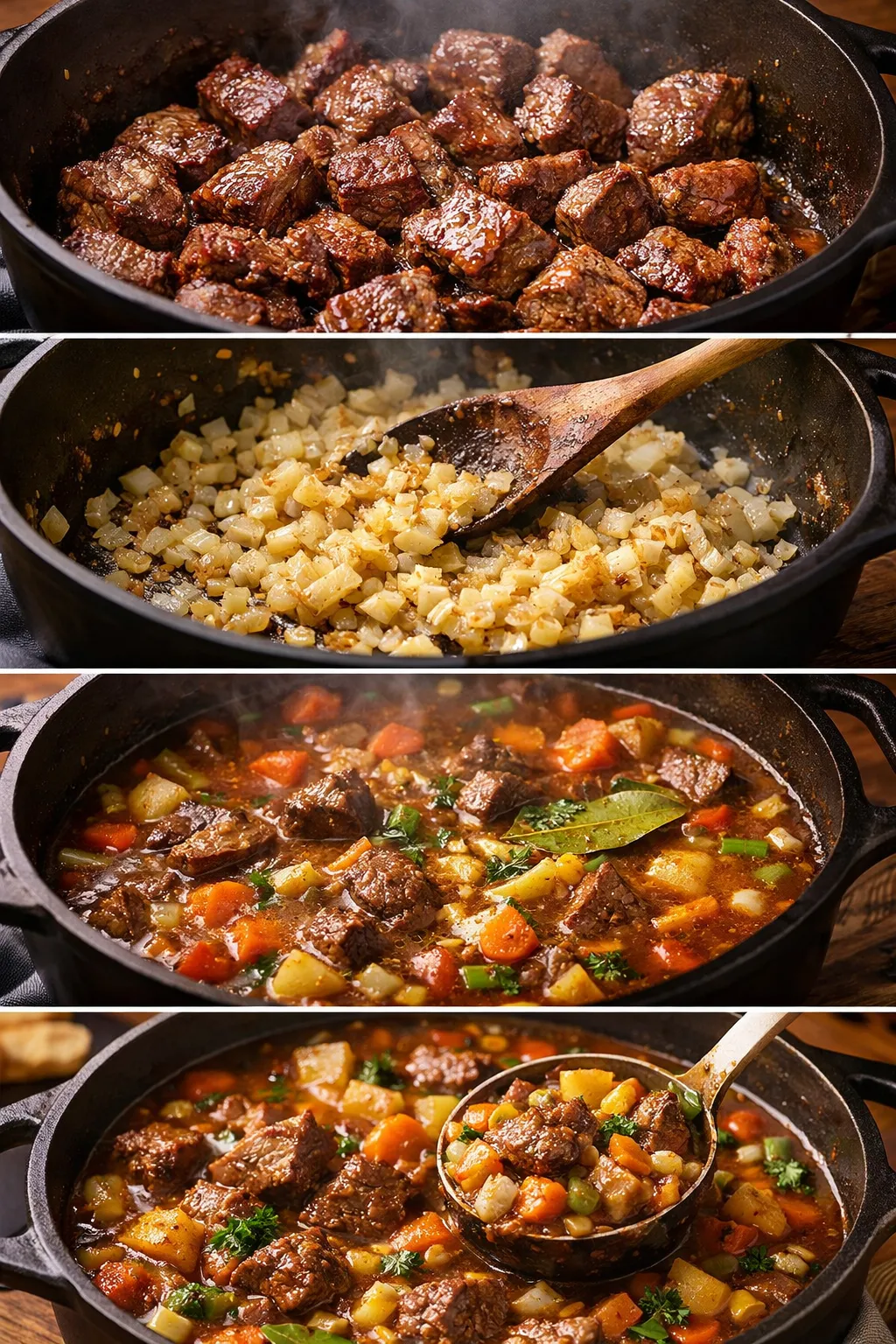
- Heat olive oil in a large Dutch oven or heavy-bottomed pot over medium-high heat. While the oil warms, pat the beef dry with paper towels — this step really matters for proper browning. Season generously with salt and pepper. Brown the beef in batches, letting a deep crust form before turning each piece. Don’t crowd the pot. Remove the browned beef and set aside.
- Reduce the heat to medium. Add diced onion and sauté for about 6–8 minutes, stirring occasionally, until softened and lightly golden. Scrape up any browned bits from the bottom of the pot — they’ll melt right into the broth later.
- Stir in the minced garlic and cook for about 60 seconds, just until fragrant. You’ll smell it immediately. That’s your cue to move on.
- Return the browned beef to the pot. Pour in the beef broth and diced tomatoes with their juices. Add carrots, celery, thyme, bay leaves, and smoked paprika if using. Stir gently and bring everything to a soft boil.
- Lower the heat to a steady simmer. Cover partially and cook for 1½ to 2 hours, stirring now and then. The beef should become fork-tender, and the broth will noticeably deepen in color and aroma.
- Add the diced potatoes, green beans, and corn. Continue simmering for another 25–30 minutes, until the potatoes are tender but still holding their shape.
- Stir in Worcestershire sauce. Taste carefully and adjust seasoning with additional salt or pepper if needed.
- Remove the bay leaves before serving. Ladle into bowls and sprinkle with fresh parsley.
Serve hot, ideally with warm bread nearby for dipping. 🥖
Small Tips & Kitchen Tricks 💡
Let the beef develop a real crust before flipping — that browning builds most of the flavor.
If the soup tastes slightly flat at the end, it probably needs a small pinch of salt rather than more spices.
Add a spoonful of tomato paste when cooking the onions if you want deeper richness.
The soup thickens after resting; if reheating, add a splash of broth or hot water to loosen it gently.
Serving Ideas That Elevate the Experience 🍞
This soup absolutely stands on its own. You could ladle it into a simple bowl, sit down at the kitchen table, and feel completely satisfied. But small details in how you serve it can quietly transform the experience from “just dinner” into something a little more intentional.
Warm bread is the most obvious companion, and for good reason. Thick slices of sourdough with a chewy crust are perfect for dipping into the broth, especially once it has thickened slightly from the potatoes. Garlic toast adds a richer, almost indulgent edge. If you prefer contrast, a lightly dressed green salad with lemon and olive oil keeps the meal balanced and fresh.
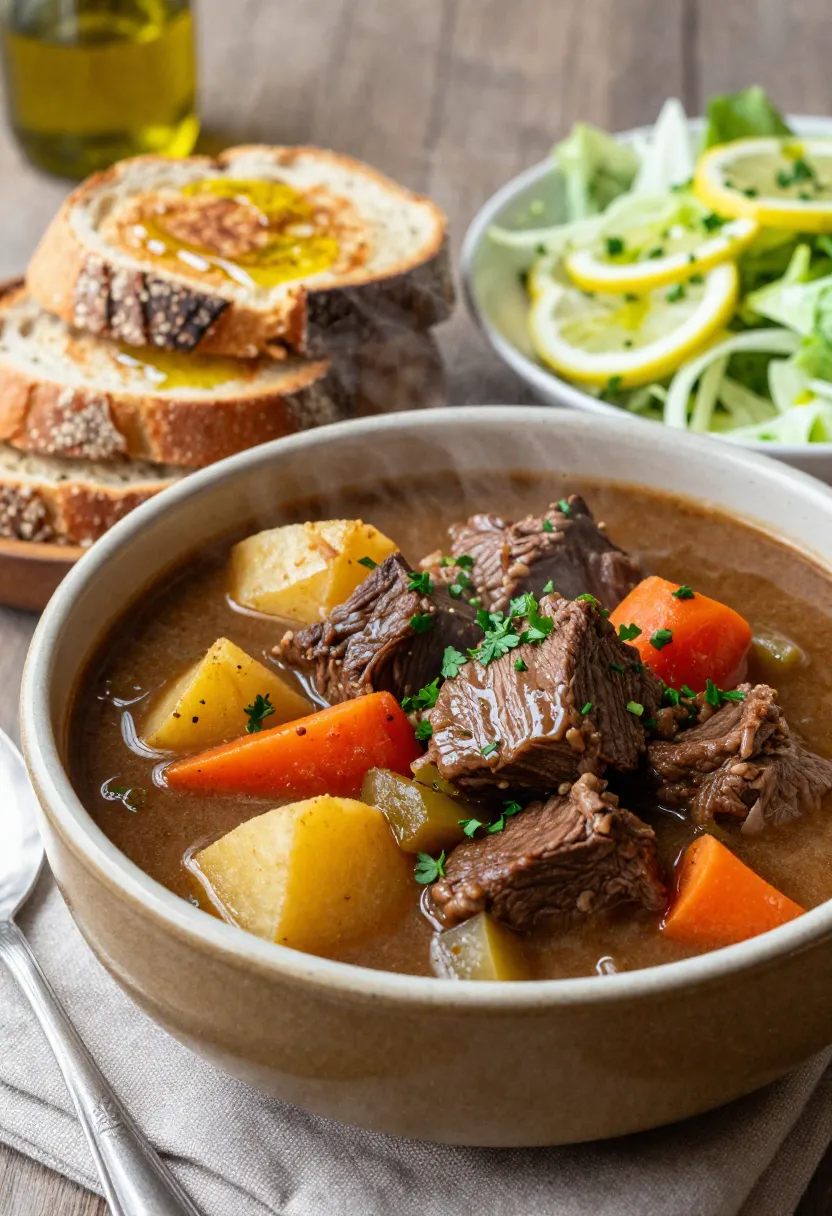
When serving guests, there are subtle touches that make everything feel more thoughtful. Warming the bowls ahead of time, for example, helps the soup stay hot longer and prevents that quick temperature drop that happens when hot broth meets a cold dish. It’s a small step, but it changes the feel of the meal. A final sprinkle of freshly chopped parsley just before serving doesn’t just add color — it adds brightness to the aroma as well. The steam carries that fresh herbal scent upward, and it makes the first spoonful even more inviting.
If you want to elevate things just slightly without complicating them, consider:
- lightly toasting bread with a drizzle of olive oil instead of plain butter 🥖
- finishing each bowl with a crack of black pepper right at the table
- adding a tiny squeeze of lemon for brightness if the broth feels heavy
None of these are dramatic changes. But together, they make the meal feel cared for.
Practical Tips for Perfect Results Every Time ✨
Cooking this soup well doesn’t require advanced technique, but it does reward attention. The biggest flavor difference usually comes down to one simple habit: browning the beef properly. If the pot is overcrowded, the meat steams instead of sears, and that rich caramelized depth never develops. Giving the beef space might take a few extra minutes, but the payoff is noticeable.
Consistency in cutting vegetables also matters more than people expect. If some pieces are large and others are tiny, they won’t cook evenly. The smaller ones turn soft too soon, and the larger ones stay firm. Keeping the pieces relatively uniform helps everything finish at the same time.
Timing plays a quiet but important role as well. Potatoes should go in later so they don’t break down during the long simmer. And when reheating leftovers the next day, you might notice the soup has thickened considerably. That’s completely normal. A splash of broth or even hot water loosens it back to its original texture without affecting the flavor.
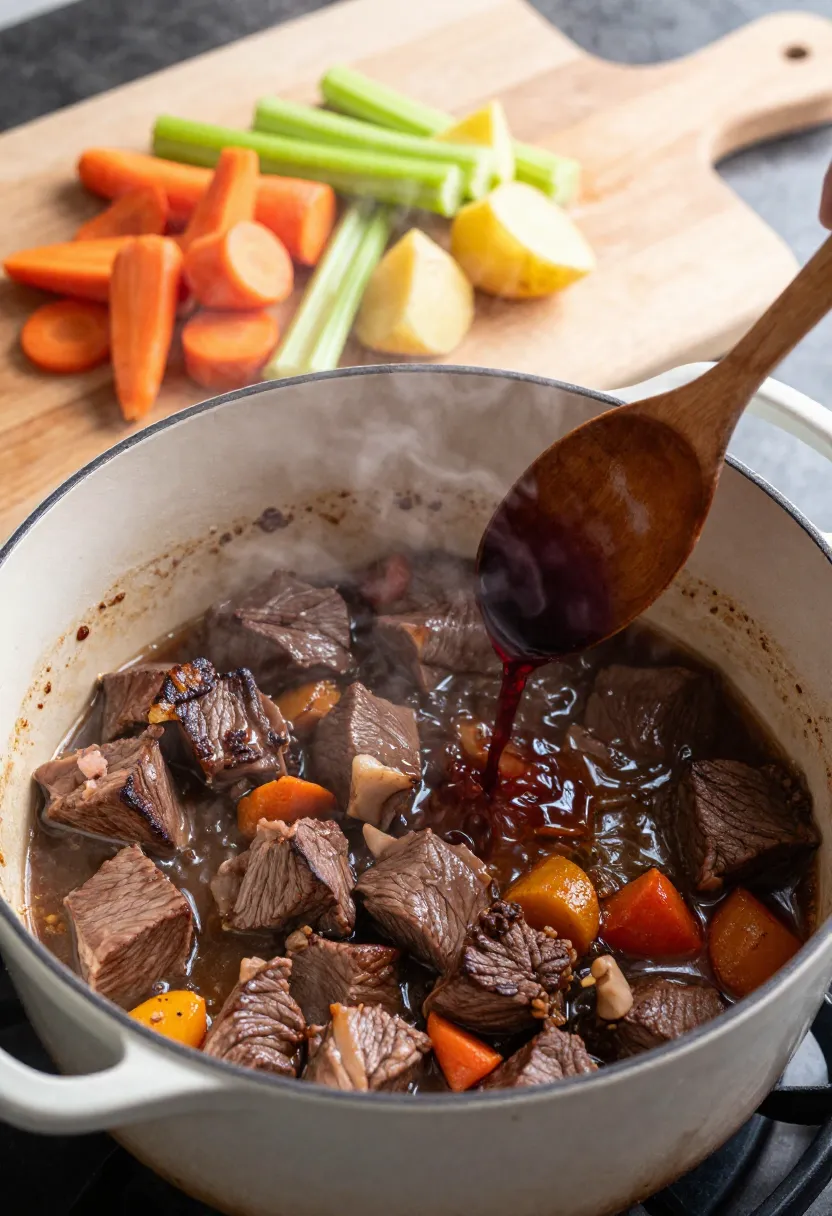
For deeper complexity, especially if you enjoy slightly richer undertones, a small splash of dry red wine after sautéing the onions can add subtle depth. Let it reduce before adding the broth so the alcohol cooks off and only the flavor remains.
A few reminders that make a difference:
- taste near the end and adjust salt gradually rather than all at once
- let the soup rest for 10–15 minutes before serving so flavors settle
- don’t rush the simmer; gentle bubbling is better than a rolling boil 🔥
Cooking isn’t just following instructions line by line. It’s observing, adjusting, trusting your senses. Sometimes it needs a pinch more salt. Sometimes it needs five more minutes. That awareness is what turns a good soup into a great one.
Why This Soup Deserves a Place in Your Rotation ❤️
Some recipes impress once and then quietly disappear from your weekly planning. Others become reliable — the ones you come back to without even thinking about it.
This beef and vegetable soup tends to fall into the second category. It adapts easily to what you have in the refrigerator. It stores well without losing flavor. It reheats beautifully. And perhaps most importantly, it satisfies in a way that feels steady rather than overwhelming.
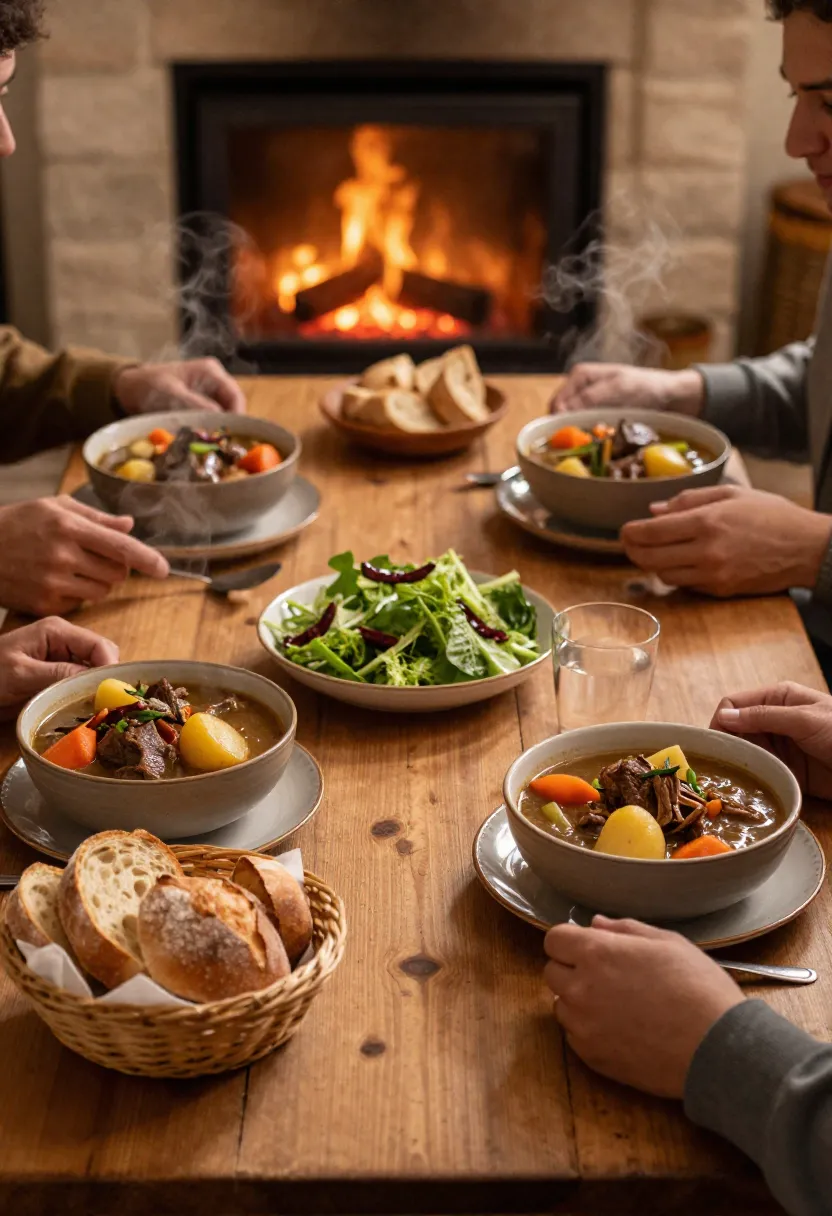
It doesn’t depend on expensive ingredients or trendy techniques. It relies on balance, patience, and simple methods done well. That’s probably why it has endured for generations in so many variations. There’s nothing flashy about it, but there’s also nothing lacking.
Over time, it becomes more than just another recipe saved somewhere online. It becomes the thing you make when the weather shifts, when someone needs comfort food, or when you want leftovers that taste even better tomorrow. The aroma alone can shift the mood of the house. The steam rising from the bowl feels almost grounding.
And long after the pot is empty, there’s that lingering sense of warmth — the kind that doesn’t come from the stove alone.
Make it once with care, and it won’t be the last time. ❤️