Gordon Ramsay is one of those rare chefs whose food exists far beyond restaurant walls — and honestly, that’s not something you can fake. Even people who have never booked a Michelin-starred table, never worn a jacket to dinner, and never read a tasting menu can name at least a few of his dishes off the top of their head. That alone already says more than any award ever could.
What makes Ramsay genuinely interesting isn’t just technical skill or experience. Plenty of chefs have that. The difference is how widely his cooking translates. The same person capable of producing meticulous, fine-dining plates will turn around and obsess over scrambled eggs, roast chicken, or a sauce made entirely from pan drippings. Not because it’s trendy — but because he actually cares how it tastes.
And that combination is rare.
His food speaks to very different people at the same time:
- professional chefs who notice temperature control and seasoning
- home cooks who just want dinner to turn out right 🍳
- viewers who may never cook the dish, but still understand why it matters
Somewhere between technique and simplicity, Ramsay’s cooking finds a middle ground that doesn’t feel forced.
Over the years, a fairly clear group of dishes has risen to the surface of his career. These are the plates that keep reappearing — in restaurants, cookbooks, TV challenges, and home kitchens around the world. Some of them are technically demanding and slightly terrifying. Others are intentionally straightforward, almost humble.
But they all share the same underlying mindset:
- precision without overcomplication
- bold seasoning that doesn’t apologize
- deep respect for ingredients and timing
This article takes a closer look at ten dishes most closely associated with Gordon Ramsay — not just what they are on paper, but why they stuck, and why people keep returning to them years later.
The Ten Dishes That Define Gordon Ramsay
1. Beef Wellington 🥩
Few dishes place as much pressure on a cook as Beef Wellington. On the surface, it looks refined and almost effortless, but in reality it leaves absolutely no room for mistakes. The structure is straightforward enough — a beef fillet, mushroom duxelles, prosciutto, and puff pastry — yet every single layer depends on timing and restraint.
What makes this dish challenging is how tightly everything is connected. The pastry needs to bake through and turn golden without trapping steam inside. The mushroom layer has to be deeply flavorful while staying completely dry. And the beef itself must remain tender and pink, never drifting into overcooked territory. If one element is off, the whole thing feels wrong.
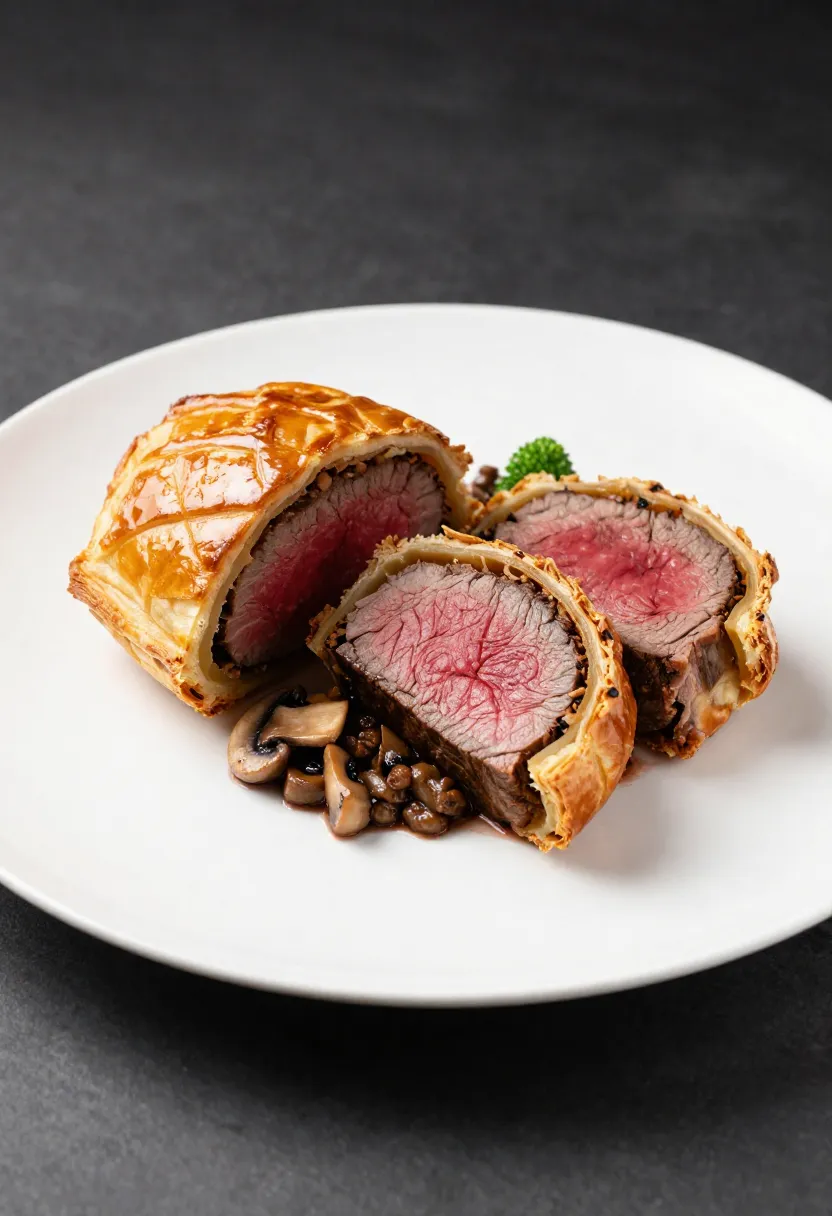
Ramsay’s version leans heavily on control rather than excess. The beef stays juicy and clean-tasting, the mushrooms add depth instead of moisture, and the pastry remains crisp instead of greasy. When the Wellington is sliced, there’s always that brief pause at the table — the moment where everyone checks the center before reacting. That reaction is the payoff.
This is a dish that rewards a specific mindset:
- patience during preparation
- discipline with temperature
- trust in the process
It’s demanding, yes, but when it works, the result feels earned. That combination of risk and reward is exactly why Beef Wellington became Ramsay’s most recognizable plate.
2. Creamy Scrambled Eggs 🍳
Scrambled eggs don’t usually come with expectations, which is exactly why this dish surprises people. On paper, it sounds almost laughable to call eggs a signature dish. In practice, Ramsay’s method changes how many people think about cooking altogether.
Instead of cooking the eggs quickly over high heat, he treats them gently, moving the pan on and off the stove while stirring constantly. The process feels slightly uncomfortable at first, especially for anyone used to letting eggs set on their own. There’s a stage where the mixture looks loose and uncertain, and it’s easy to think something has gone wrong.
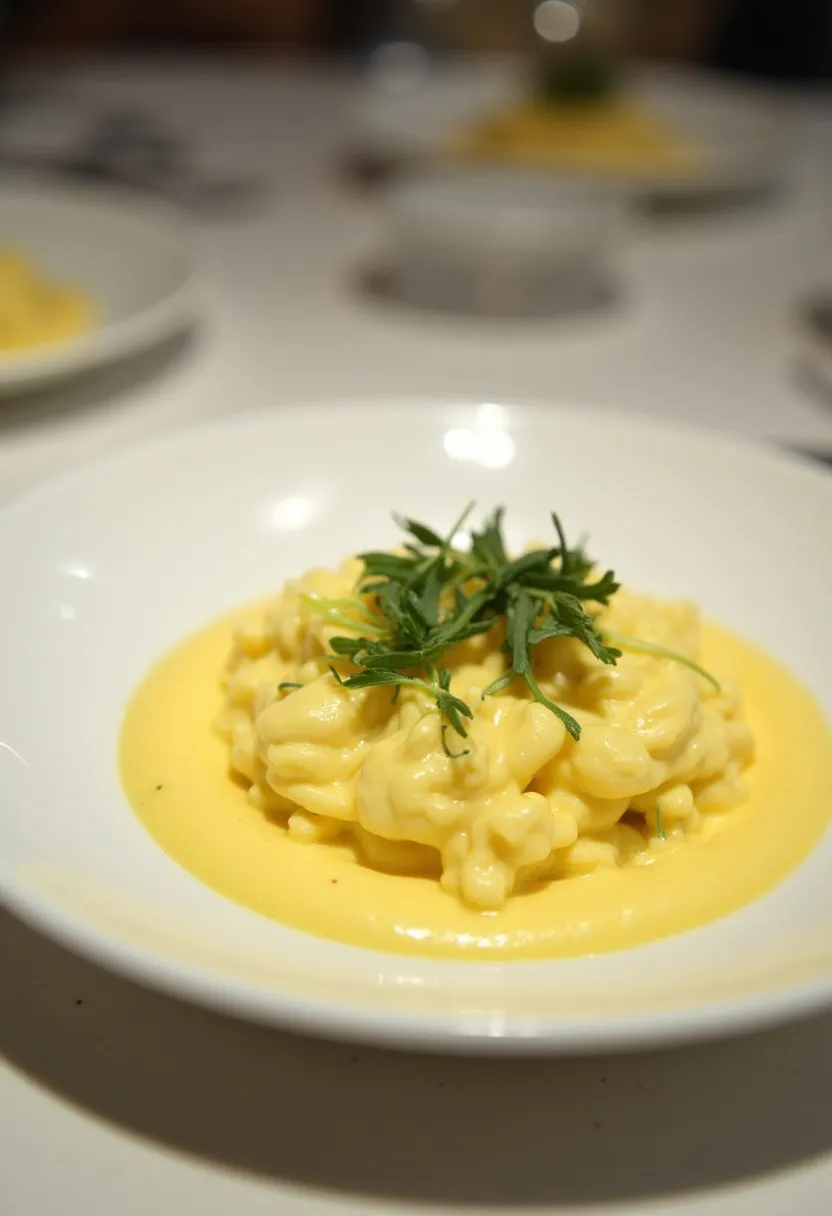
Then, almost suddenly, it comes together.
The eggs turn soft and creamy, with a texture closer to custard than anything traditionally associated with breakfast. Butter and a small amount of crème fraîche add richness without heaviness, while fresh chives keep the flavor clean and balanced.
More than anything, this dish illustrates a few principles Ramsay repeats constantly:
- technique matters more than fancy ingredients
- patience usually produces better results than speed
- even simple food deserves full attention
Served on toast or eaten on its own, these eggs aren’t just breakfast. They’re a quiet reminder that control, not complexity, is what separates average cooking from truly good food.
3. Lobster Risotto 🦞
Lobster risotto shows Ramsay at his most polished, but never cold or distant. It’s the kind of dish where experience is obvious, yet never overwhelming. Everything here is built gradually, without rushing, almost in a calm, measured rhythm.
Arborio rice is cooked slowly, absorbing lobster stock and white wine little by little. Risotto doesn’t respond well to being hurried. When rushed, it loses its structure and balance. Stirring becomes part of the process rather than a task, and over time the rice develops its own natural creaminess — without shortcuts or unnecessary additions.
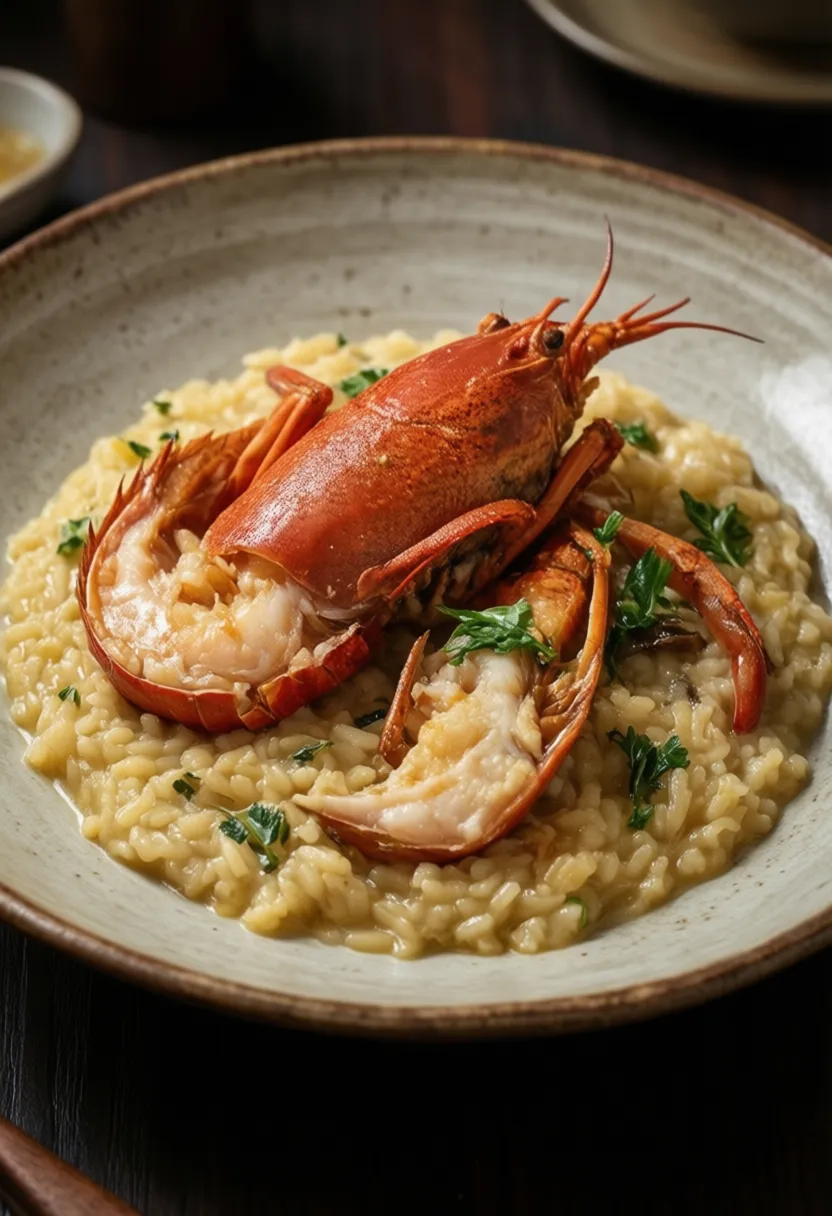
The lobster meat comes in right at the end. That timing matters. Too early, and it turns rubbery. Too late, and it feels disconnected. When it’s done right, the lobster stays sweet and tender, almost melting into the rice rather than sitting on top of it.
What really makes this dish work is balance:
- richness from butter and Parmesan 🧈
- depth from the shell-based stock
- freshness from a small hit of acidity 🍋
It’s indulgent, yes, but not exhausting. You finish the plate feeling satisfied, not weighed down. That’s harder to pull off than it sounds.
4. Pan-Seared Scallops with Cauliflower Purée 🐚
If there’s one dish that exposes hesitation instantly, it’s this one. Scallops don’t forgive. They don’t wait. And they definitely don’t like indecision.
Ramsay’s approach here is all about confidence. The pan is hot — properly hot. The scallops go in dry, untouched, and they stay that way until a deep golden crust forms. No poking. No flipping early. Just trust the heat.
Inside, they remain tender and almost silky. That contrast is the whole point.
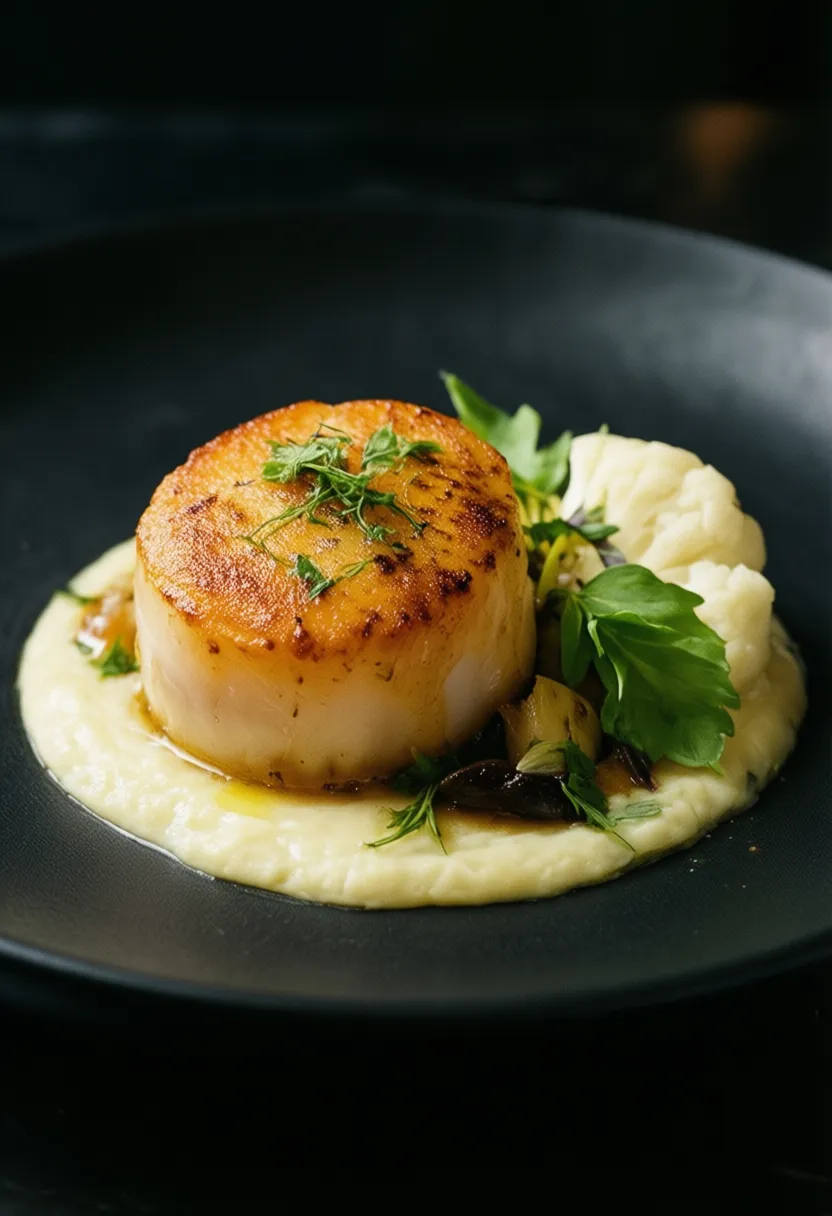
The cauliflower purée underneath might look simple, but it plays a crucial role. It’s smooth, lightly buttery, and gently savory, acting as a calm backdrop rather than a competitor. It supports the scallops instead of stealing attention.
This dish is often finished with:
- crispy pancetta or bacon for salt and crunch
- fresh herbs for brightness 🌿
- sometimes a squeeze of lemon to keep things awake
It’s restrained, elegant, and very deliberate. Nothing screams for attention — and that’s exactly why it works.
5. Sticky Toffee Pudding 🍮
Sticky toffee pudding is where all discipline loosens its tie.
This is comfort food in its most honest form. A soft, moist sponge made with dates soaks up a warm toffee sauce that’s rich, buttery, and unapologetically sweet. There’s nothing subtle about it, and it doesn’t try to be.
Ramsay’s version isn’t obsessed with presentation. You won’t find delicate plating or precise geometry here. The focus is on texture and warmth — how the sauce sinks into the cake, how the steam rises when it hits the plate.
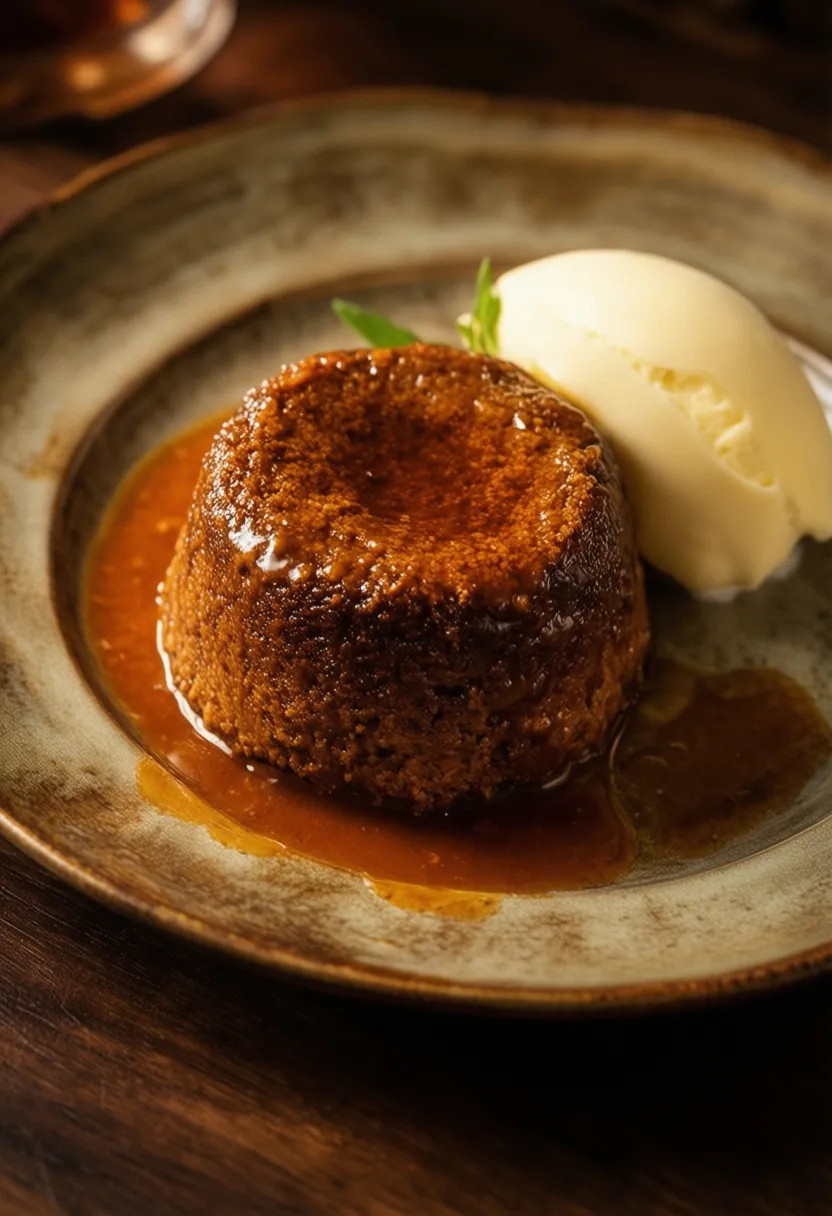
It’s usually served:
- warm (non-negotiable)
- with vanilla ice cream or custard 🍨
- sometimes with an extra pour of sauce, because why not
And that’s the point. This dessert isn’t trying to impress visually. It’s trying to make people relax. To smile. To stop pretending they don’t want seconds.
Sticky toffee pudding proves something important: indulgence doesn’t age out of relevance. When it’s done well, it never goes out of style.
6. Herb-Crusted Rack of Lamb 🍖
Herb-crusted rack of lamb is one of those dishes that looks far more complicated than it actually is. That’s part of its charm. On the plate, it feels elegant and slightly theatrical, but the process itself is refreshingly direct.
The lamb is first seared to develop color and lock in moisture, then coated with a mixture of herbs, garlic, and breadcrumbs. There’s no unnecessary layering or clever tricks here. The goal is to protect the meat while adding aroma and texture, not to bury it under flavors that don’t belong.
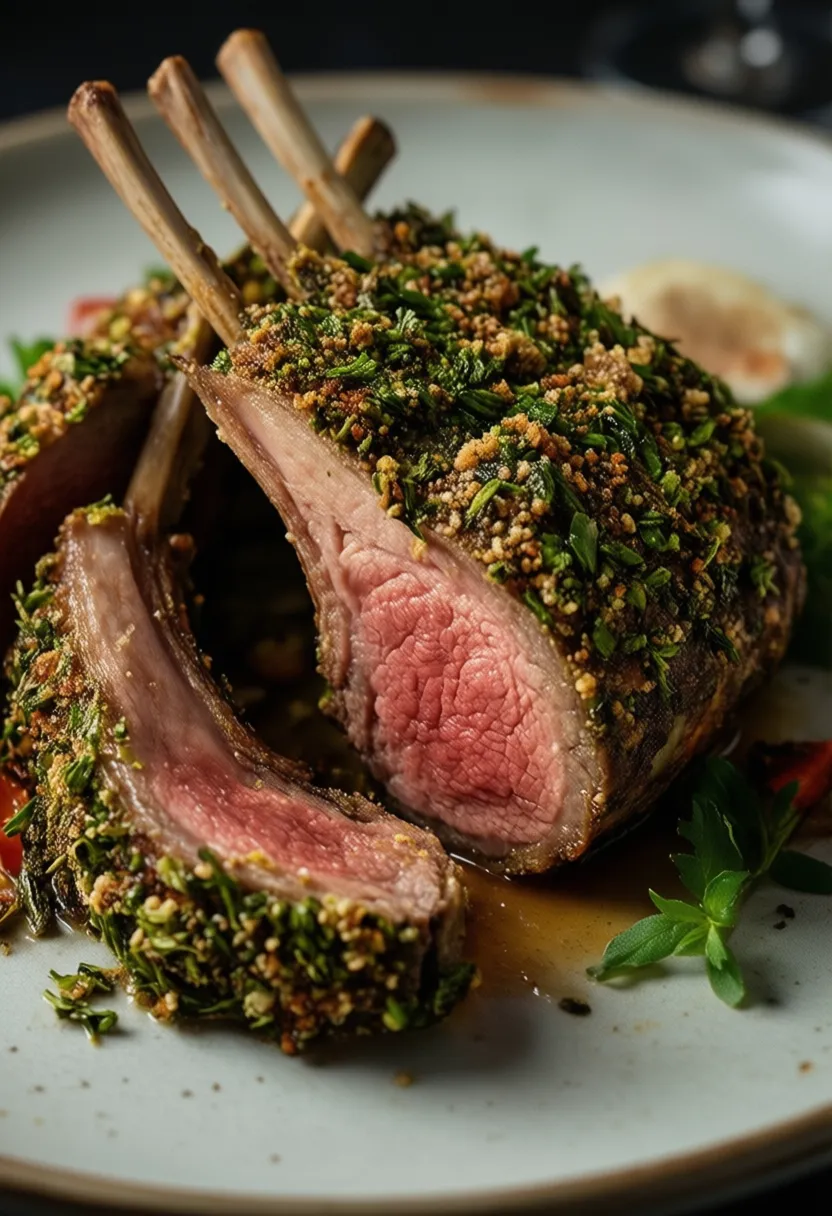
What really carries this dish is the balance between the crust and the meat. The lamb remains juicy and pink inside, while the herb coating adds a fragrant, slightly crunchy contrast. Rosemary and thyme are the dominant notes, keeping everything grounded in classic flavors rather than drifting into anything experimental.
This is the kind of dish that works so well because it knows when to stop. The lamb stays the focus, and everything else exists to support it, not compete with it. Served with simple sides, it feels complete without feeling heavy.
7. Blackened Fish Tacos 🌮
With these tacos, Ramsay clearly steps away from formality — but not from intention. This isn’t fine dining pretending to be street food. It’s casual food treated seriously.
Firm white fish is coated in spices and cooked hot enough to develop a smoky, dark crust on the outside while staying flaky inside. The seasoning brings warmth and depth rather than overwhelming heat, which makes the dish approachable even for people who don’t love aggressive spice.
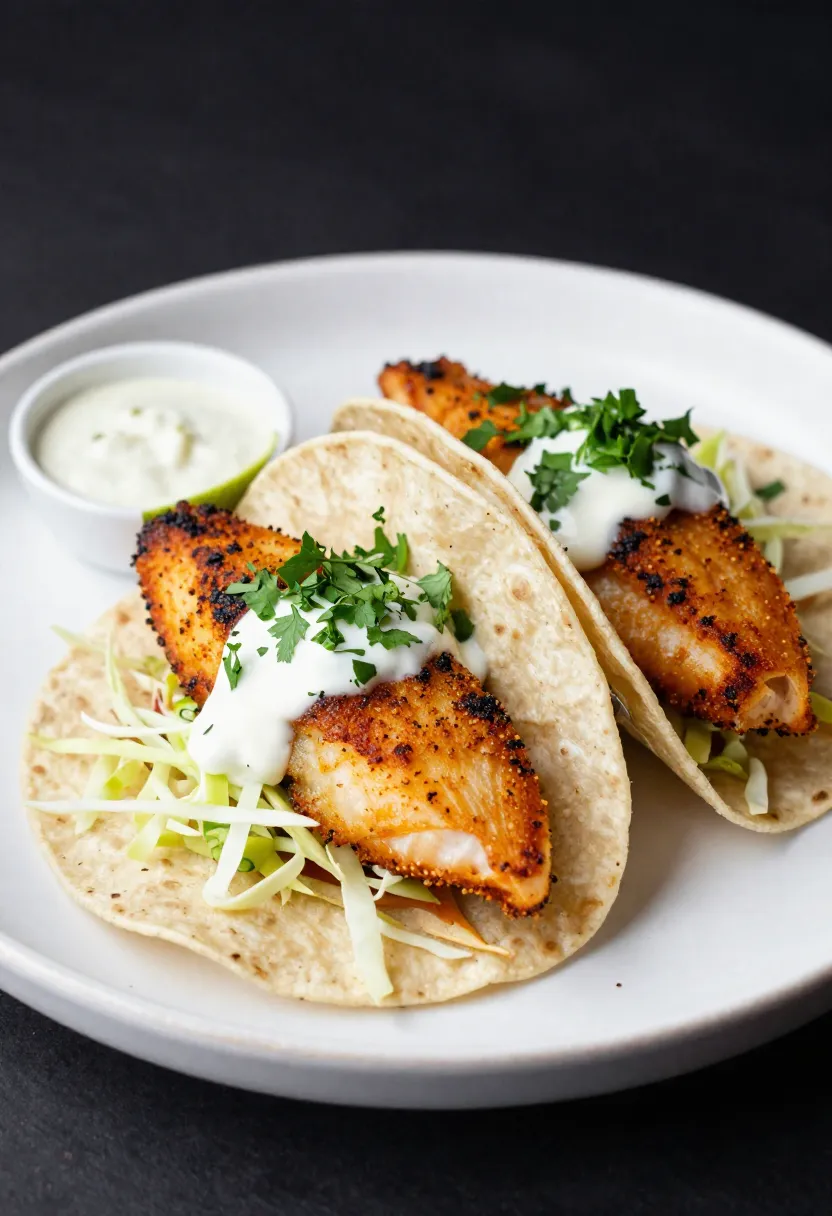
What keeps the tacos from feeling heavy is everything around the fish. Crisp cabbage adds freshness and crunch, a creamy sauce smooths out the spice, and lime brings acidity that ties the whole thing together. Each element has a purpose, and none of them overstay their welcome.
The result is a dish that feels relaxed but carefully thought through. It’s the kind of food that disappears quickly from the plate, not because it’s flashy, but because it’s balanced and genuinely enjoyable to eat.
8. Roast Chicken with Lemon and Thyme 🍗
This dish might be the clearest example of Ramsay’s respect for fundamentals. Roast chicken is something almost everyone has cooked or eaten countless times, which is exactly why it’s so revealing. There’s nowhere to hide mistakes.
Ramsay’s approach is built around simple decisions done well. The chicken is generously seasoned, filled with lemon and herbs, and roasted at the right temperature so the skin turns crisp while the meat stays juicy. Butter and herbs are often worked under the skin, ensuring the flavor reaches every part of the bird rather than just the surface.
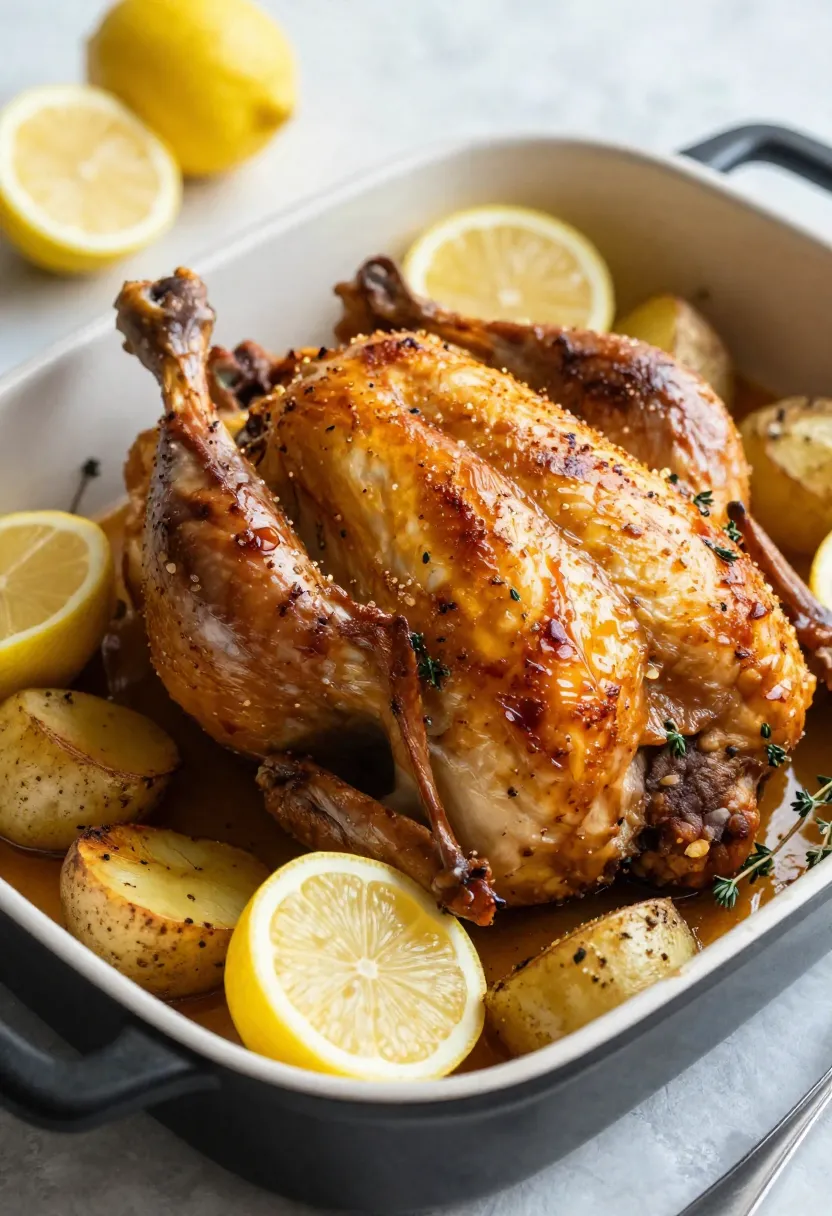
As the chicken roasts, the fat and juices collect in the pan, creating a natural sauce without any extra effort. Poured over potatoes, vegetables, or even just bread, those juices become part of the meal rather than an afterthought.
This is not a show-off dish. It’s dependable, honest, and deeply satisfying. And that’s exactly why it belongs among Ramsay’s signature plates.
9. Red Wine–Braised Beef Short Ribs 🍷
This is a dish where patience quietly does all the heavy lifting. Beef short ribs aren’t naturally tender, and Ramsay doesn’t try to force them into submission. Instead, he leans into slow cooking and lets time do what heat alone can’t.
The ribs are braised gently in red wine and stock until the meat loosens from the bone and practically falls apart when touched with a fork. As the liquid reduces, it transforms into a sauce that’s glossy, concentrated, and deeply savory, carrying the richness of the beef along with the acidity of the wine.
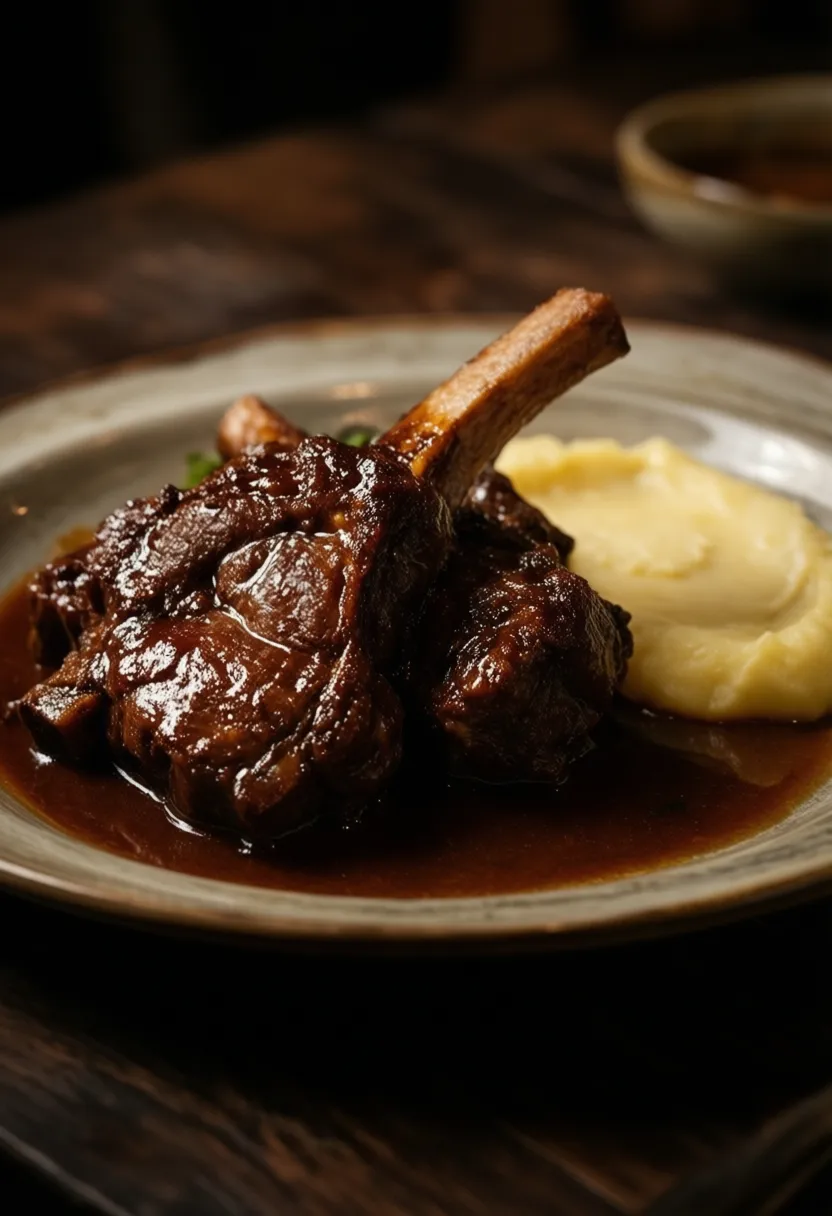
What makes this dish especially satisfying is how comforting it feels without being sloppy or dull. Served with mashed potatoes or creamy polenta, the sauce has somewhere to go, something to cling to. Every bite feels cohesive rather than heavy.
It’s also one of those rare dishes that improves with time. Leftovers taste better the next day, once the flavors have had time to settle and deepen. That’s not an accident — it’s a natural result of slow, deliberate cooking done properly.
10. The Ultimate Caesar Salad 🥗
This Caesar salad doesn’t behave like a background player. It doesn’t sit quietly on the side of the plate, waiting to be ignored. Ramsay treats it as a dish with its own identity, and that intention shows immediately.
Crisp romaine provides structure and freshness, while croutons bring real crunch instead of soft, oily filler. Parmesan adds sharpness, and the dressing pulls everything together with garlic, anchovy, lemon, and just enough richness to coat the leaves without drowning them.
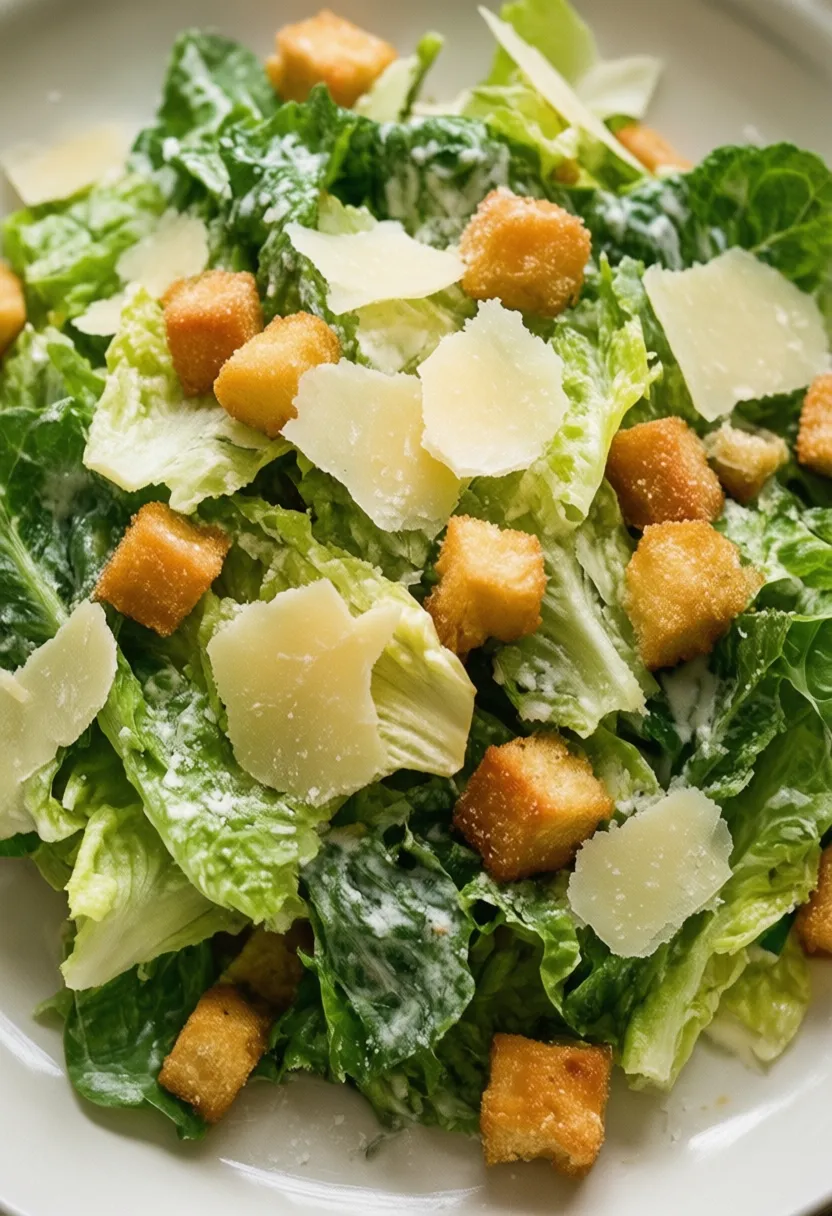
What stands out most is balance. The salad is creamy, but not heavy. It’s sharp, but not aggressive. Every element feels considered, not thrown together at the last second.
This dish works because it refuses to apologize for being simple. It proves that even the most familiar recipes can feel complete and satisfying when they’re made with attention rather than habit.
Why These Dishes Work So Well 🔥
At first glance, these ten dishes don’t seem to belong to the same collection at all. One moment you’re looking at Beef Wellington, a dish that demands planning, precision, and nerves of steel. The next, you’re dealing with scrambled eggs or a Caesar salad — food people cook on autopilot without a second thought.
And yet, they somehow fit together.
Some of these dishes are refined and technical, clearly shaped by classical training. Others lean into comfort and familiarity. A few require intense focus and careful timing, while others feel almost forgiving. But once you look past the surface, a pattern starts to emerge.
All of these dishes follow the same quiet rules — rules that aren’t flashy, but are incredibly effective.
Ramsay builds flavor gradually instead of throwing everything into the pan at once and hoping for the best. He pays close attention to texture, making sure there’s contrast on the plate rather than monotony. Something creamy is almost always balanced by something crisp. Rich elements are cut with acidity. Heavy dishes are given space to breathe.
Just as important is what isn’t there. Ramsay avoids unnecessary complexity. Ingredients aren’t added to show creativity or technical range. If something doesn’t improve the dish in a clear, tangible way, it’s left out.
That restraint is easy to underestimate, but it’s one of the hardest skills to develop.
Each plate has a clear purpose. Every component earns its place. When something doesn’t contribute — flavor-wise, texturally, or structurally — it simply doesn’t belong.
That clarity is what allows these dishes to age well. They don’t depend on trends, plating fashions, or gimmicks that feel dated a few years later. Instead, they’re built on fundamentals that stay relevant. And that’s why people keep coming back to them, not just to impress guests, but because they genuinely enjoy cooking and eating them.
Key Techniques Behind Ramsay’s Cooking Style 🧠
If you strip Ramsay’s cooking down to its core, it isn’t mysterious. There’s no secret ingredient that only professionals have access to. What sets him apart is a collection of habits that he applies consistently, whether he’s cooking for a restaurant or demonstrating a recipe at home.
A few techniques show up again and again.
First, there’s heat control. Ramsay doesn’t cook everything on maximum heat just to move faster. He uses high heat when it’s needed — for searing, browning, and building flavor — and backs off when it’s time to cook gently. Knowing when to lower the heat is just as important as knowing when to turn it up.
Seasoning is another major factor. Ramsay seasons assertively, but not carelessly. Salt is added early, adjusted throughout the process, and fine-tuned at the end. The goal isn’t to overwhelm the dish, but to make the main ingredients taste more like themselves.
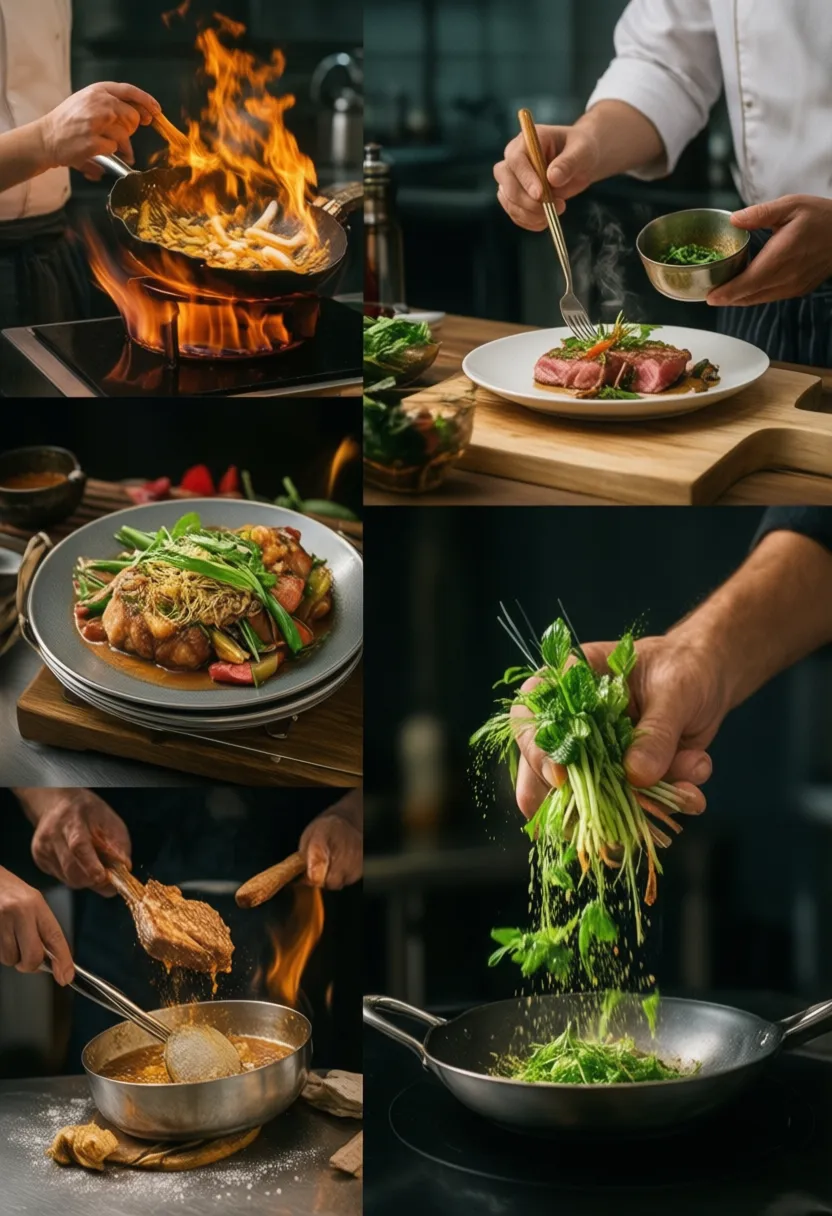
Resting is treated as part of cooking, not an optional pause. Meat is allowed to relax before slicing, which keeps juices where they belong instead of all over the cutting board. This one habit alone dramatically improves results, yet it’s often skipped at home.
Sauces are rarely complicated. Instead of relying on shortcuts, Ramsay builds them from pan juices, browned bits, stock, wine, or butter. These sauces taste connected to the dish because they literally come from it.
And finally, there’s constant tasting. Not just at the end, but throughout the process. Adjusting as you go prevents small issues from turning into big problems later.
Together, these habits look something like this:
- deliberate heat control instead of constant high flame
- confident, layered seasoning
- proper resting times for proteins
- sauces built from what’s already in the pan
- frequent tasting and adjustment
None of this is exclusive to professional kitchens. These techniques work just as well at home — if anything, they matter even more there.
Common Mistakes Home Cooks Make (And How to Avoid Them) ⚠️
Most cooking mistakes don’t come from lack of talent. They come from impatience, hesitation, or trying to do too much at once.
One of the most common issues is rushing. Some dishes simply need time, whether it’s risotto absorbing stock, meat braising slowly, or pastry chilling before baking. Trying to speed things up usually creates new problems instead of saving time.
Another frequent mistake is under-seasoning. Many home cooks are afraid of adding salt, especially early in the process. The result is food that tastes flat no matter how good the ingredients were to begin with. Seasoning gradually and tasting along the way solves this without turning dishes salty.
Overcrowding pans is another classic problem. When too much food goes into the pan at once, moisture builds up and browning never happens. Instead of a deep, flavorful crust, you get steaming and softness where you didn’t want it.
There’s also a tendency to ignore simple tools. Thermometers, timers, and even just paying attention to sound and smell can remove a lot of guesswork. Guessing works sometimes — until it doesn’t.
A few small adjustments go a long way:
- slow down when a dish clearly needs time
- season earlier and more thoughtfully
- cook in batches when necessary
- use basic tools to confirm doneness
- taste more often than feels necessary
These changes don’t require new recipes. They just require a shift in mindset.
Final Thoughts 🍽️
The reason these ten dishes continue to define Gordon Ramsay isn’t because they’re flashy or designed to impress at first glance. It’s because they’re rooted in fundamentals that don’t change, no matter how food trends evolve.
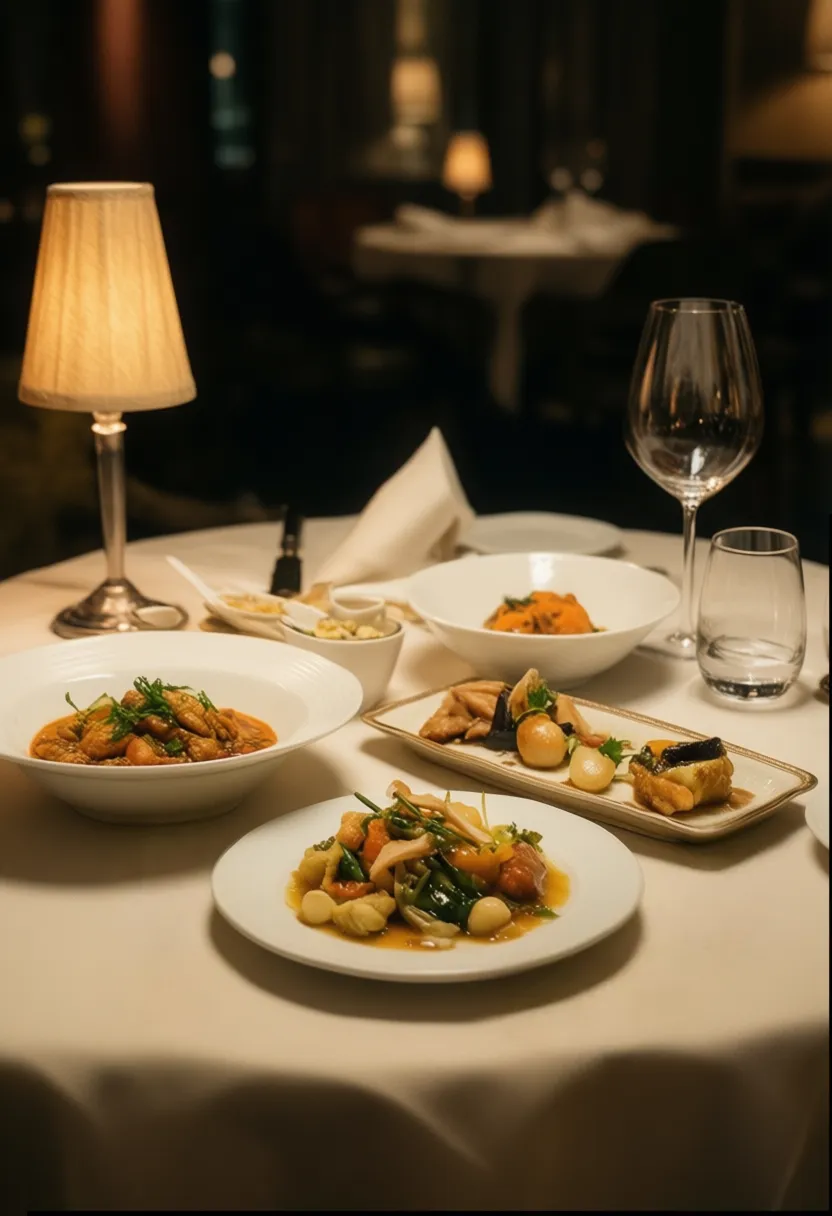
They reward attention and care. They punish shortcuts. And they remind cooks — whether they’re professionals or complete beginners — that good food comes from repetition, confidence, and a willingness to slow down when it matters.
That’s why these dishes still feel relevant. And that’s why people keep cooking them, year after year, long after the television moments fade.