
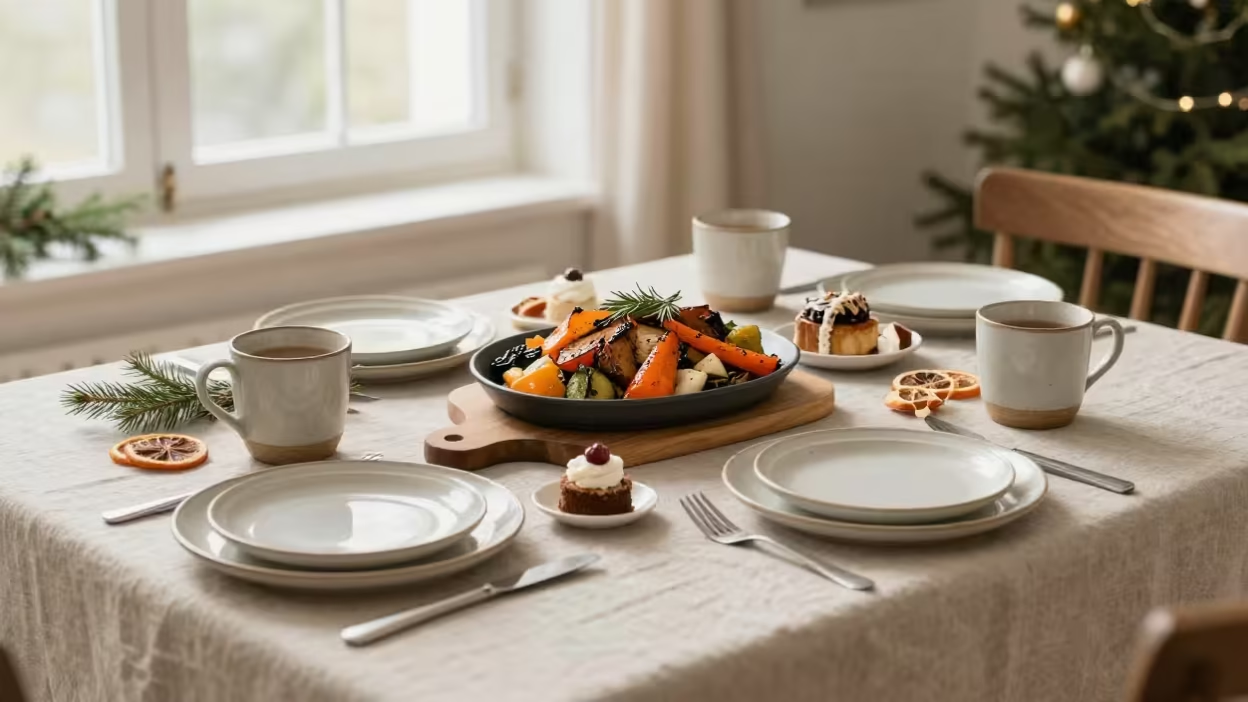
The holidays have a way of gathering everything that matters around one table. Warm kitchens, familiar aromas, recipes passed down through years — and that quiet hope that everyone feels welcome when the food is finally served. For many people, though, holiday meals can come with a layer of worry, especially when gluten needs to be avoided.
Gluten-free holiday eating is often misunderstood as limiting or complicated. But in reality, it can be just as comforting, generous, and joyful as any traditional feast. When approached with a little intention and creativity, gluten-free dishes don’t feel like substitutions — they feel like thoughtful choices that allow more people to relax and enjoy the moment.
This guide is about easing the pressure that often surrounds holiday food. It’s about showing how gluten-free meals can fit naturally into festive traditions, whether you’re cooking for yourself, hosting guests, or contributing a dish to a shared table. From naturally gluten-free ingredients to simple adaptations of classic recipes, there are countless ways to create meals that feel abundant rather than restricted.
At its heart, holiday feasting isn’t about perfection. It’s about warmth, connection, and the pleasure of sharing food without anxiety. Gluten-free cooking doesn’t take that away — it simply asks for a bit more care and awareness.
Consider this your cozy companion for the season: a gentle, practical guide to gluten-free holiday foods that feel celebratory, inclusive, and deeply satisfying.
Understanding Gluten-Free Holidays
A gluten-free holiday isn’t about changing the spirit of celebration — it’s about understanding a few key details that make gatherings safer and more enjoyable for everyone at the table. Gluten, a protein found in wheat, barley, and rye, can cause serious health issues for people with celiac disease and uncomfortable symptoms for those with gluten sensitivity. For others, avoiding gluten may simply be a personal or wellness-based choice.
During the holidays, food is often shared, layered, and prepared in larger quantities, which can make gluten harder to avoid than it seems. Sauces, gravies, marinades, and even spice blends may contain hidden sources of gluten. Something as simple as a shared serving spoon or cutting board can unintentionally cause cross-contamination. Understanding this doesn’t mean becoming anxious — it simply means becoming more intentional.
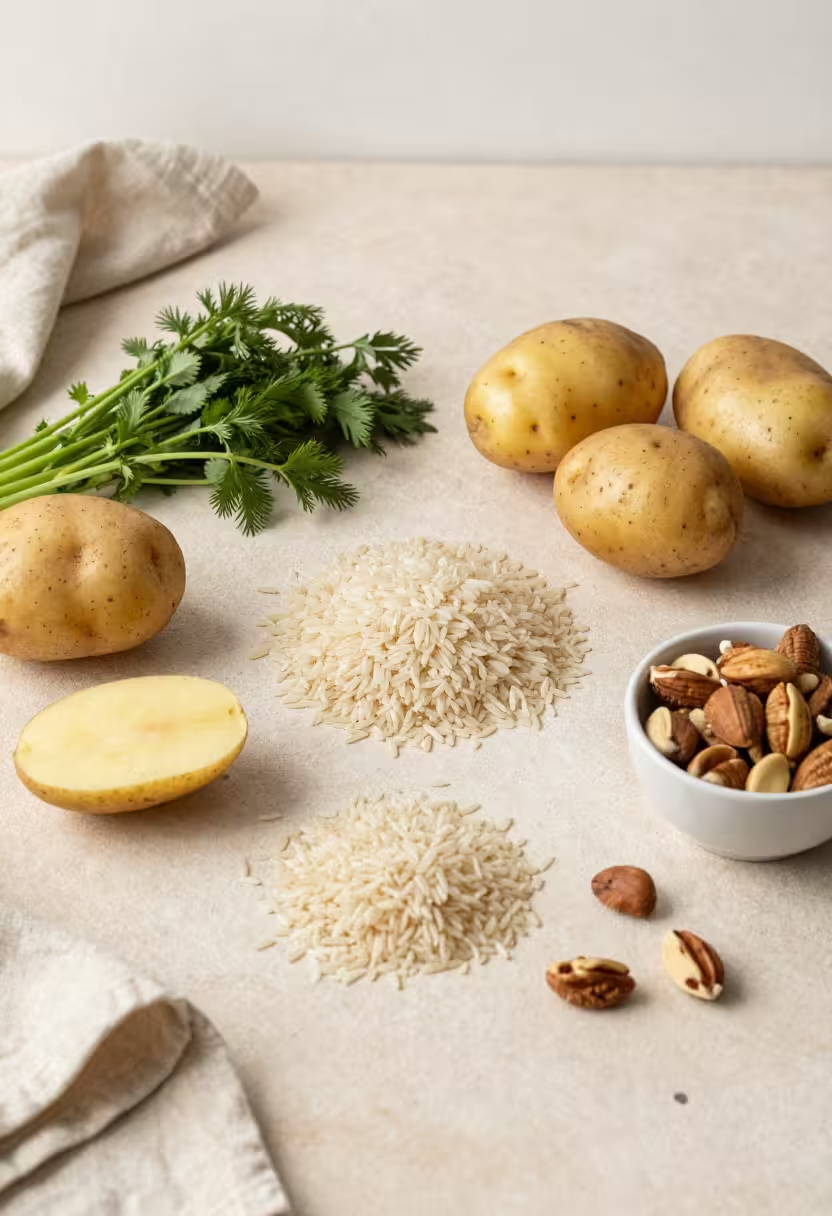
One helpful shift is to focus on foods that are naturally gluten-free. Fresh vegetables, fruits, potatoes, rice, corn, legumes, dairy, eggs, meat, fish, nuts, and many herbs and spices form the foundation of countless holiday dishes without any need for substitutes. When these ingredients take center stage, gluten-free cooking feels far more intuitive and abundant.
It’s also worth remembering that gluten-free holidays aren’t only for those who must avoid gluten. Many gluten-free dishes are enjoyed by everyone at the table, often without anyone noticing they’re gluten-free at all. When food is flavorful, well-seasoned, and thoughtfully prepared, dietary labels fade into the background.
Understanding gluten-free holidays is really about creating ease — for hosts and guests alike. With a bit of awareness and planning, holiday meals can remain what they’re meant to be: warm, generous, and centered on togetherness rather than restriction.
Planning Ahead: Tips for a Stress-Free Gluten-Free Celebration

A calm, enjoyable gluten-free holiday usually starts long before the oven is turned on. A bit of planning can remove much of the stress that tends to creep into festive cooking, especially when multiple dishes, guests, and dietary needs are involved.
One of the simplest ways to stay grounded is to plan the menu early. Decide which dishes will be naturally gluten-free and which ones may need small adjustments. This makes grocery shopping easier and reduces last-minute ingredient substitutions that can lead to mistakes. If you’re hosting, choosing a few reliable, familiar recipes can be more comforting than experimenting with too many new ones at once.
Reading labels is another small habit that makes a big difference. Ingredients that seem harmless — broth, soy sauce, spice mixes, or pre-made sauces — can sometimes contain gluten. Taking a few extra minutes to check packaging helps avoid surprises later on, especially during busy holiday cooking days.
Cross-contamination is often the biggest concern, but it doesn’t have to feel overwhelming. Simple steps like using clean cutting boards, separate utensils, and clearly labeled serving dishes can go a long way. If you’re cooking both gluten-free and non-gluten-free foods, preparing the gluten-free dishes first can help keep things safer and more relaxed.
Communication also matters. If you’re attending a gathering, letting the host know your needs ahead of time creates clarity for everyone. If you’re hosting, sharing which dishes are gluten-free helps guests feel confident and cared for. These conversations don’t need to be heavy — they’re part of creating a welcoming table.
Planning ahead isn’t about controlling every detail. It’s about giving yourself space to enjoy the process. When the groundwork is done, the holiday itself feels lighter, warmer, and far more focused on connection than on concern.
Crowd-Pleasing Appetizers Everyone Will Enjoy
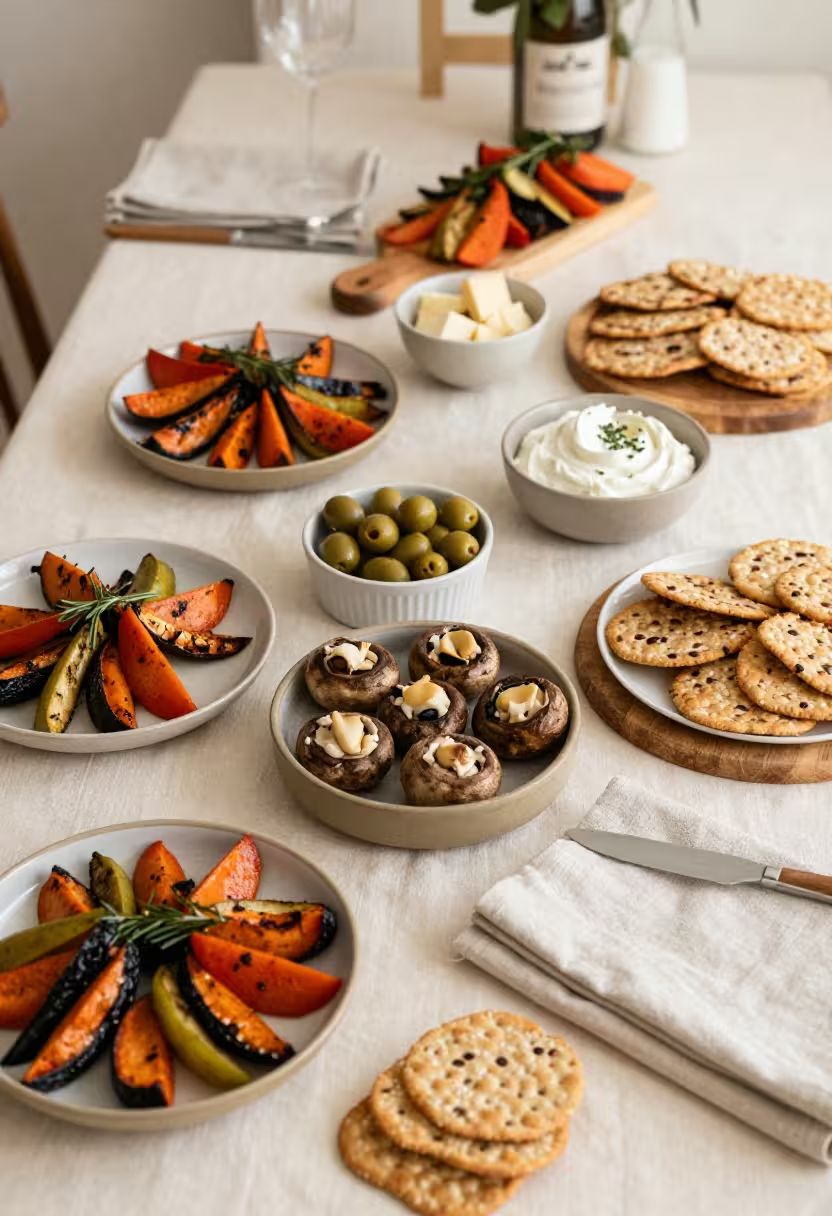
Holiday gatherings often begin around small plates — the nibbles people reach for while chatting, laughing, and settling into the moment. Appetizers set the tone, and gluten-free options can be just as inviting and indulgent as any traditional starter.
One of the easiest ways to create stress-free appetizers is to lean into naturally gluten-free foods. Fresh vegetables paired with flavorful dips, marinated olives, cheeses, nuts, and fruit-based platters feel festive without requiring substitutions. These kinds of starters are familiar, comforting, and easy for everyone to enjoy without explanation.
Warm appetizers can be just as simple. Stuffed mushrooms, roasted vegetables with herbs, or bite-sized potato dishes bring richness and aroma to the table. When seasoning is thoughtful and textures are satisfying, no one misses the gluten. These dishes feel intentional rather than adapted.
For something a little more special, small gluten-free tartlets, savory bites made with almond or corn-based crusts, or mini skewers can add variety. The key is balance — offering a mix of fresh, warm, and savory options so guests can graze comfortably.
What makes an appetizer truly crowd-pleasing isn’t how elaborate it is, but how it makes people feel. When dishes are clearly labeled and thoughtfully prepared, guests who avoid gluten can relax, and everyone else simply enjoys good food. There’s no spotlight on dietary needs — just shared enjoyment.
Appetizers are an invitation. When they’re inclusive and flavorful, they quietly set the tone for a holiday meal that feels generous, welcoming, and easy from the very first bite.
Festive Main Courses That Steal the Show
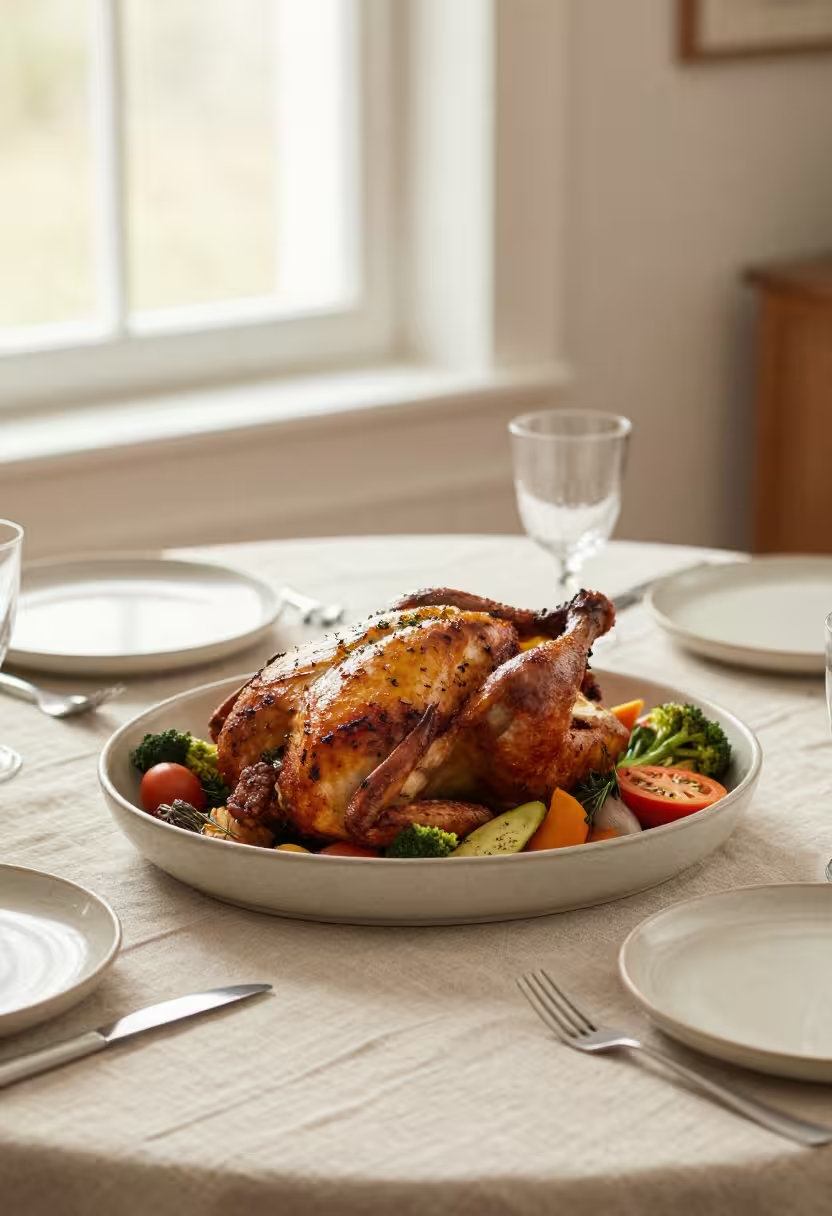
The main course is often the heart of a holiday meal — the dish everyone gathers around, waits for, and remembers. Gluten-free main courses don’t need to be complicated or unfamiliar to feel special. In fact, many classic holiday centerpieces are naturally gluten-free or require only small, thoughtful adjustments.
Roasted meats, for example, are a timeless choice. A beautifully seasoned turkey, chicken, or roast becomes the focal point of the table without relying on gluten at all. Fresh herbs, citrus, garlic, and slow roasting do most of the work, creating depth of flavor and an inviting aroma that fills the kitchen. The key detail is making sure any marinades or broths used are gluten-free.
Vegetarian and plant-forward mains can be just as festive. Stuffed squash, hearty vegetable bakes, or lentil-based dishes bring warmth and comfort while naturally avoiding gluten. These options often shine when layered with spices, roasted vegetables, and rich sauces made from whole ingredients.
Sauces and gravies deserve a little extra attention. Traditional flour-thickened gravies can be easily replaced with versions made from cornstarch, arrowroot, or naturally reduced pan juices. These alternatives feel just as luxurious when done well, and most guests won’t notice the difference.
What makes a gluten-free main course truly shine is confidence. When a dish is cooked with intention rather than apology, it becomes the star of the table. There’s no sense of compromise — only a shared moment centered around good food and thoughtful preparation.
A great main course doesn’t announce itself as gluten-free. It simply invites everyone to sit down, serve themselves, and enjoy the celebration together.
Creative Gluten-Free Side Dishes
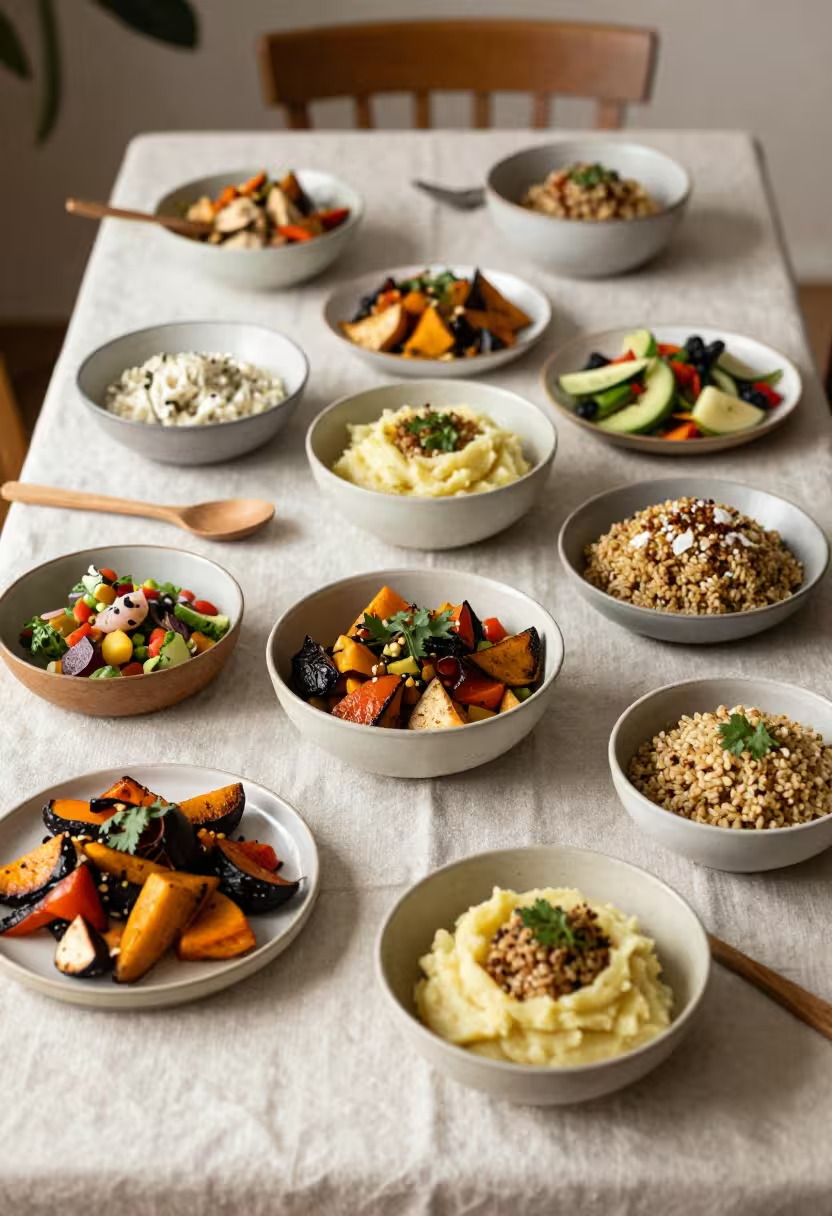
Side dishes are where holiday tables really come to life. They add color, texture, and variety — and they’re often the place where gluten-free cooking feels the most natural and effortless. Many traditional sides are already gluten-free or can be adapted without losing their comforting appeal.
Potatoes are a classic example. Mashed, roasted, or baked, they’re a reliable crowd favorite. With the right butter, herbs, and a gluten-free broth, they become rich and satisfying without needing anything extra. Sweet potatoes and root vegetables bring warmth and subtle sweetness, especially when roasted with spices and olive oil.
Grain-based sides don’t have to disappear from a gluten-free table. Rice dishes, quinoa salads, and naturally gluten-free grains can take on festive flavors with the addition of nuts, dried fruit, or fresh herbs. These sides feel hearty and celebratory while remaining safe and accessible.
Vegetables also shine when they’re allowed to be simple. Roasted Brussels sprouts, carrots, green beans, or squash become deeply flavorful with proper seasoning and time in the oven. They add balance to richer dishes and help the table feel complete.
The beauty of gluten-free side dishes lies in their flexibility. They can be made ahead, scaled easily for larger gatherings, and enjoyed by everyone at the table. When sides are thoughtful and generous, they stop being “extras” and become essential parts of the holiday experience.
With a mix of comforting classics and fresh additions, gluten-free sides help create a table that feels abundant, inviting, and full of care.
Sweet Treats: Desserts and Baked Goods
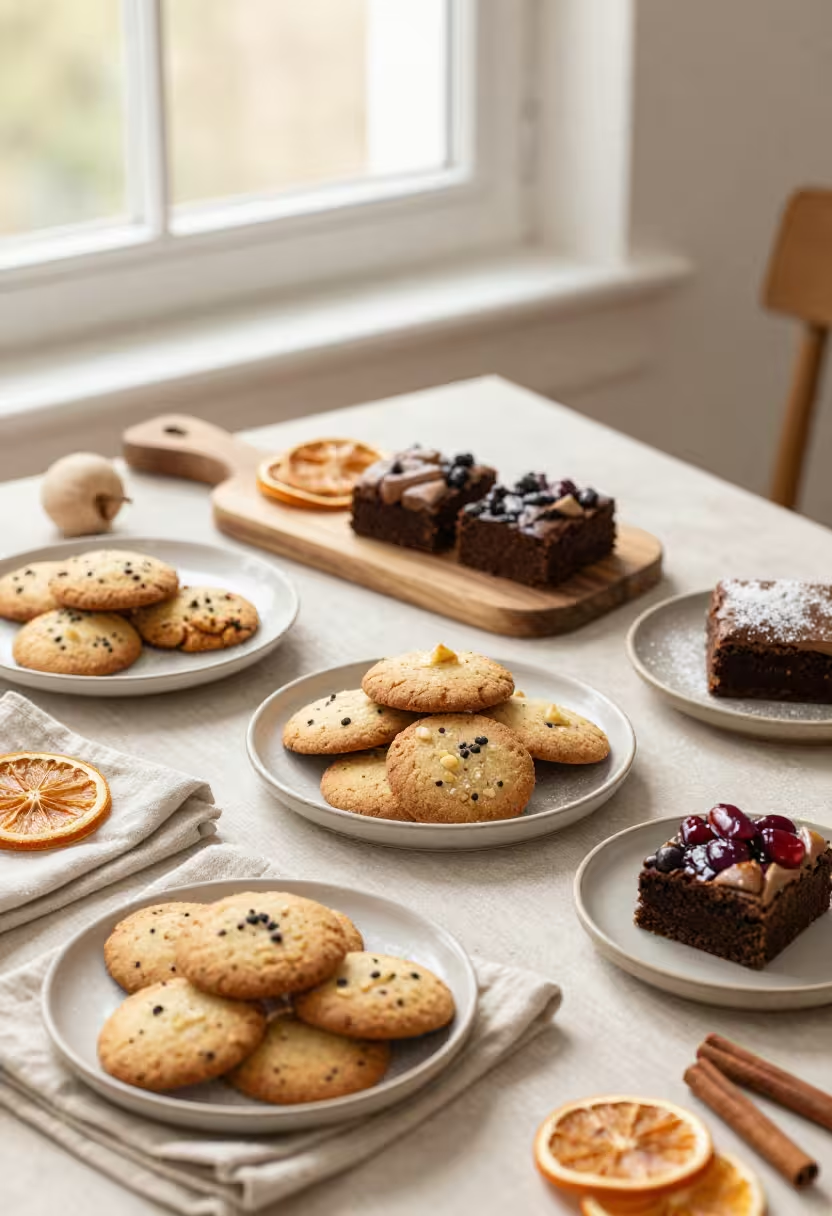
Dessert is often the most emotionally charged part of the holiday table — the recipes people wait for all year, the flavors tied to memory, comfort, and tradition. Gluten-free desserts don’t need to feel like a compromise here. With the right approach, they can be just as indulgent, nostalgic, and celebratory as their classic counterparts.
One of the joys of gluten-free holiday baking is discovering how many desserts are naturally gluten-free. Flourless chocolate cakes, custards, puddings, meringues, panna cotta, and many nut-based treats have always relied on eggs, dairy, chocolate, fruit, or nuts rather than wheat flour. These desserts feel luxurious and intentional, not adapted.
For baked goods, gluten-free flours open up plenty of possibilities. Almond flour, oat flour (certified gluten-free), and gluten-free flour blends work beautifully in cookies, brownies, and holiday bars. Gingerbread-style spices, citrus zest, vanilla, and warm aromatics do a lot of the heavy lifting when it comes to flavor, helping baked goods feel festive and familiar.
Texture matters just as much as taste. Gluten-free baking often benefits from moisture — ingredients like yogurt, applesauce, honey, or melted chocolate can help create soft, satisfying results. When desserts are baked with care and allowed to cool properly, they often surprise guests who didn’t expect them to be gluten-free at all.
Fruit-forward desserts are another holiday favorite. Baked apples, poached pears, fruit crisps with gluten-free toppings, or spiced compotes bring a lighter balance to rich meals while still feeling special. Served warm with cream or ice cream, they become instant comfort food.
Holiday desserts are about more than sweetness — they’re about ritual. When gluten-free treats are woven naturally into those rituals, everyone gets to share the joy without hesitation.
Baking Tips for Holiday Success
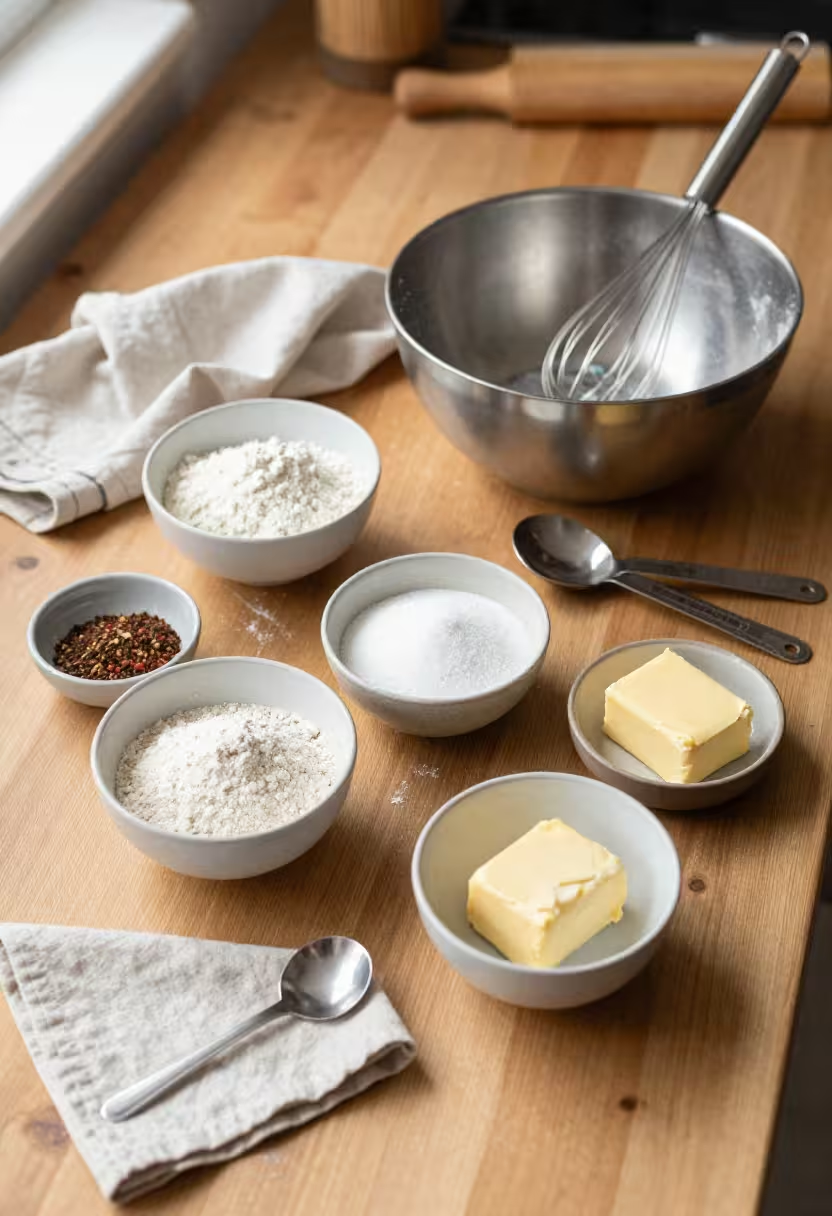
Holiday baking can feel intimidating even under the best circumstances, and gluten-free baking adds an extra layer of uncertainty. The good news is that with a few practical adjustments, gluten-free baking can feel just as rewarding — and often just as forgiving — as traditional baking.
One of the most helpful shifts is letting go of the idea that gluten-free baking should behave exactly like wheat-based baking. Different flours absorb moisture differently, and many gluten-free recipes benefit from a little extra hydration or resting time. Allowing batters and doughs to sit briefly before baking can improve texture and structure.
Using reliable gluten-free flour blends can simplify the process, especially during busy holiday seasons. These blends are designed to balance starches and flours, reducing the need for complex substitutions. When baking with single flours like almond or oat flour, it helps to follow recipes specifically developed for those ingredients.
Temperature and timing matter, too. Gluten-free baked goods often benefit from slightly lower baking temperatures and longer bake times, which help them set without drying out. Cooling is just as important — many gluten-free treats firm up as they cool, so patience can make a noticeable difference.
Measuring accurately is another small habit that pays off. Weighing ingredients when possible or using proper measuring techniques helps maintain consistency. And while it’s tempting to tweak recipes on the fly, gluten-free baking tends to reward sticking closely to tested ratios.
Finally, remember that holiday baking isn’t about perfection. Slightly uneven cookies, rustic edges, or softer textures don’t take away from the joy of sharing something homemade. When baked goods are made with care and intention, they carry warmth that goes far beyond appearance.
Snacks and Finger Foods for Parties
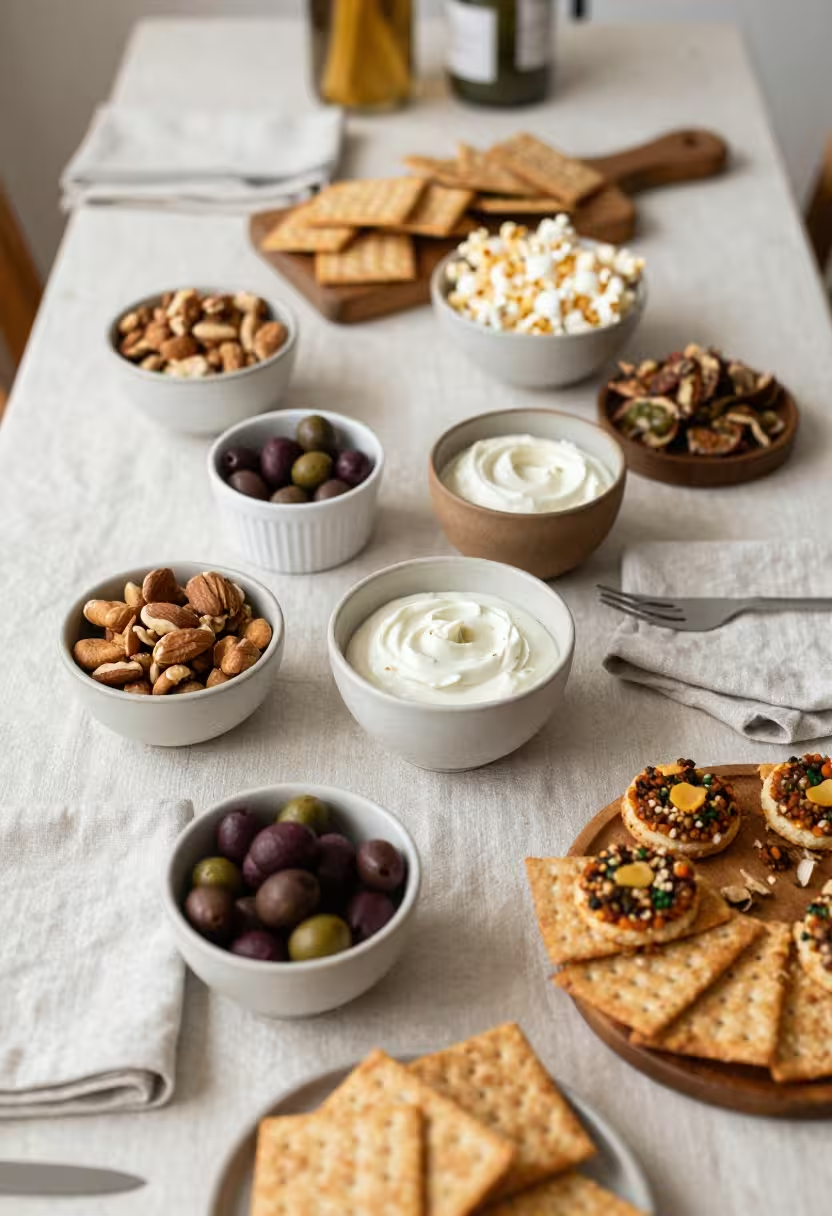
Holiday parties are often less about formal meals and more about easy grazing — people moving between conversations, reaching for small bites, and enjoying the relaxed rhythm of the gathering. Gluten-free snacks fit beautifully into this style of celebration, especially when they’re simple, familiar, and full of flavor.
Finger foods work best when they don’t require explanation. Roasted nuts with herbs and spices, popcorn dressed with olive oil and sea salt, or small bowls of marinated olives feel festive and intentional without calling attention to dietary differences. These snacks are naturally gluten-free and universally appealing.
For something a bit more substantial, gluten-free crackers or crispbreads paired with dips and spreads create an inviting snack station. Hummus, whipped feta, yogurt-based dips, or nut spreads offer variety and richness. When everything is clearly labeled, guests can relax and help themselves with confidence.
Warm finger foods add comfort, especially during colder months. Baked potatoes bites, mini frittatas, cheese-filled dates, or vegetable fritters made with gluten-free ingredients feel indulgent without being heavy. Served on small plates or trays, they keep the atmosphere casual and welcoming.
What makes party snacks successful isn’t complexity — it’s ease. Foods that can be prepared ahead of time, served at room temperature, or reheated quickly help hosts stay present rather than stuck in the kitchen. When snacks are thoughtfully chosen, they support the flow of the celebration rather than interrupt it.
Gluten-free party food doesn’t need to stand apart. When it’s delicious and well-presented, it simply becomes part of the shared experience — one more way to make everyone feel included.
Brewing Comfort: Hot Drinks and Cozy Beverages
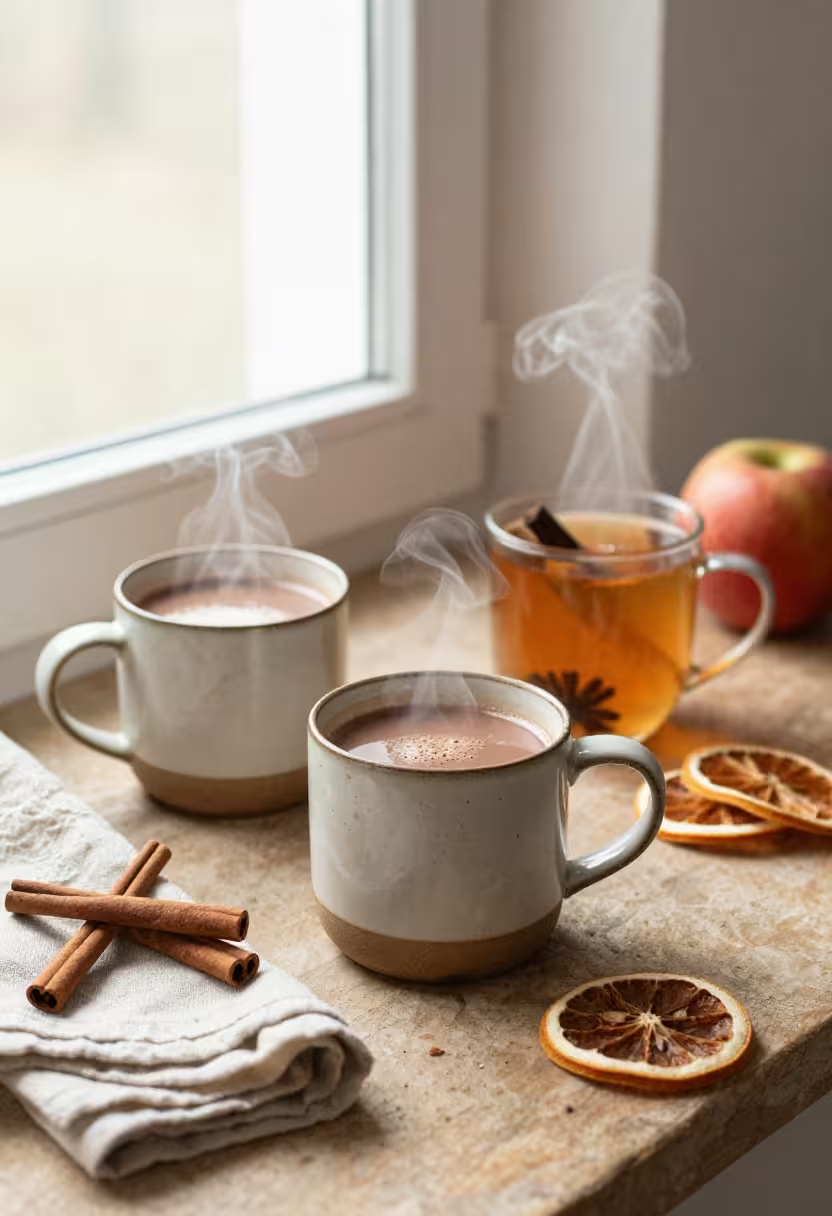
As the holidays settle in, warm drinks often become just as important as the food on the table. A cozy beverage can slow the pace of the day, invite people to linger, and add a sense of comfort that feels deeply seasonal. Fortunately, many favorite holiday drinks are naturally gluten-free or easy to prepare that way.
Hot chocolate is a classic starting point. Made with quality cocoa, milk or plant-based alternatives, and a touch of sweetness, it feels indulgent without complication. Adding cinnamon, vanilla, or a pinch of chili can give it a festive twist while keeping ingredients simple and safe.
Spiced beverages are another holiday staple. Warm apple cider simmered with citrus peels, cloves, and star anise fills the kitchen with aroma and warmth. Herbal teas with ginger, mint, or chamomile offer a gentler option that still feels celebratory, especially when served in beautiful mugs.
For gatherings, having a small self-serve drink station can be both practical and inviting. Clearly labeled ingredients, separate spoons, and thoughtful garnishes allow guests to customize their drinks without worry. It’s a simple gesture that helps everyone feel included.
It’s also worth checking packaged drink mixes and syrups, as some may contain hidden gluten. Choosing whole spices and simple sweeteners keeps things straightforward and flavorful.
Holiday beverages aren’t about extravagance — they’re about comfort. When drinks are warm, fragrant, and thoughtfully prepared, they become part of the atmosphere, encouraging connection and quiet moments of enjoyment throughout the season.
How to Host a Gluten-Free Safe Holiday Gathering
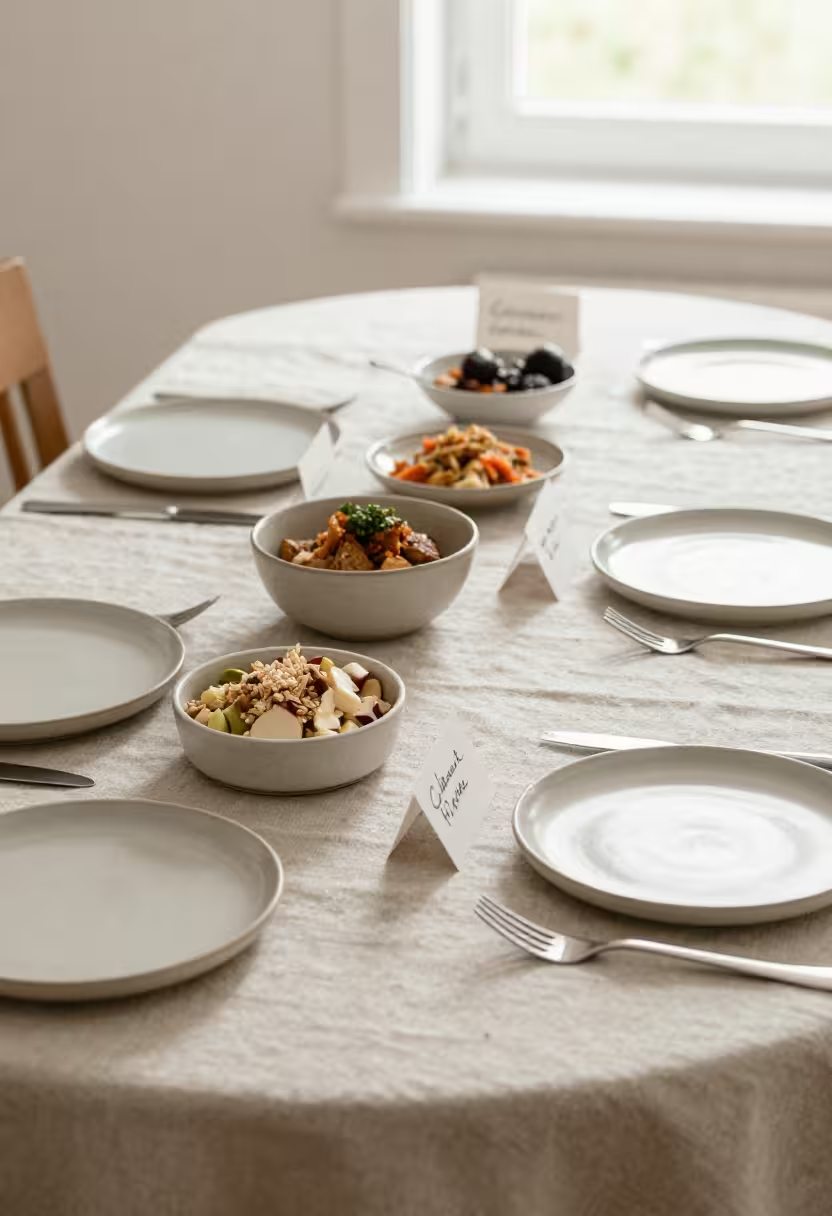
Hosting a gluten-free holiday gathering doesn’t require turning your kitchen into a laboratory or removing all spontaneity from the celebration. It’s about creating an environment where guests can relax, trust the food, and focus on enjoying the moment — not on navigating uncertainty.
One of the most helpful things a host can do is keep things clear and simple. Labeling gluten-free dishes, even casually with small cards or notes, immediately puts guests at ease. It removes the need for awkward questions and allows everyone to serve themselves comfortably.
Preventing cross-contamination is another quiet but important detail. Using separate serving utensils, keeping gluten-free dishes slightly apart, and avoiding shared crumbs on cutting boards or counters can make a meaningful difference. If you’re serving both gluten-free and gluten-containing foods, preparing and plating the gluten-free dishes first helps keep them safe.
Communication matters just as much as logistics. Asking guests ahead of time about dietary needs — and letting them know you’ve planned with care — builds trust before anyone arrives. If someone offers to bring a dish, coordinating so it fits the menu and safety needs can reduce stress for everyone involved.
It’s also perfectly okay to keep the menu modest. A few well-executed dishes are far more reassuring than an overwhelming spread with unclear ingredients. Naturally gluten-free meals often feel the most effortless and inclusive.
At its heart, hosting a gluten-free safe gathering is about hospitality, not perfection. When guests feel considered and welcomed, the details fade into the background — and the celebration feels warm, generous, and shared.
Final Thoughts — Joy Beyond Gluten
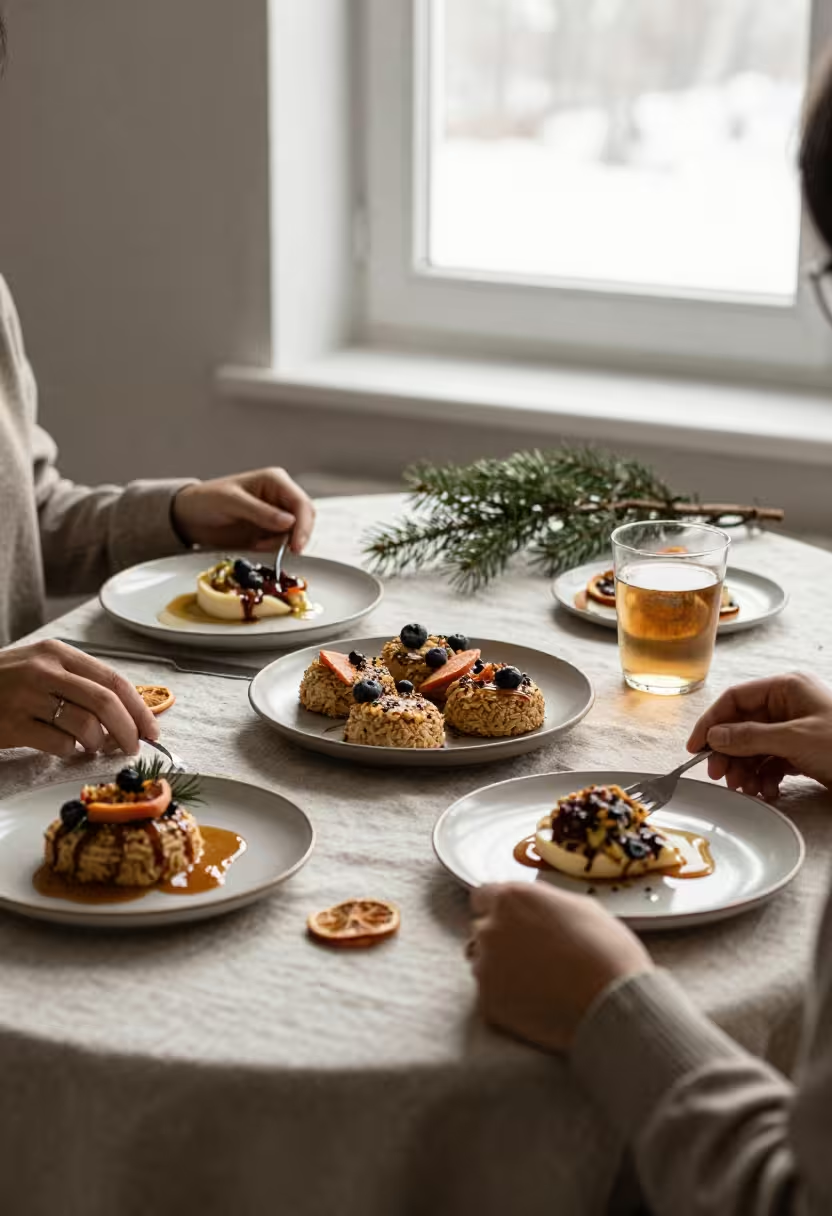
At the heart of every holiday celebration is a simple wish: to gather, share, and feel connected. Food plays a powerful role in that experience, but it doesn’t have to be complicated — or restrictive — to be meaningful. Gluten-free holiday feasting, when approached with care and creativity, offers the same warmth, abundance, and joy as any traditional table.
What truly makes a holiday meal memorable isn’t whether it follows a specific set of rules, but whether everyone feels welcome and at ease. Naturally gluten-free ingredients, thoughtful planning, and clear communication create a space where food becomes a source of comfort rather than concern. In those moments, labels fade away, and what remains is the pleasure of eating together.
Gluten-free cooking during the holidays is not about giving something up. It’s about discovering new favorites, honoring different needs, and expanding what “tradition” can look like. Sometimes, the dishes that surprise us the most — the ones no one realizes are gluten-free — become the ones we return to year after year.
As the season unfolds, let the table reflect generosity rather than limitation. Let meals feel cozy, familiar, and shared. Because beyond gluten, beyond ingredients and techniques, the true joy of holiday food lives in the moments we create around it.

With havin so much content do you ever run into any issues of plagorism or copyright infringement? My site has a lot of completely unique content I’ve either created myself or outsourced but it appears a lot of it is popping it up all over the web without my authorization. Do you know any techniques to help prevent content from being stolen? I’d truly appreciate it.