
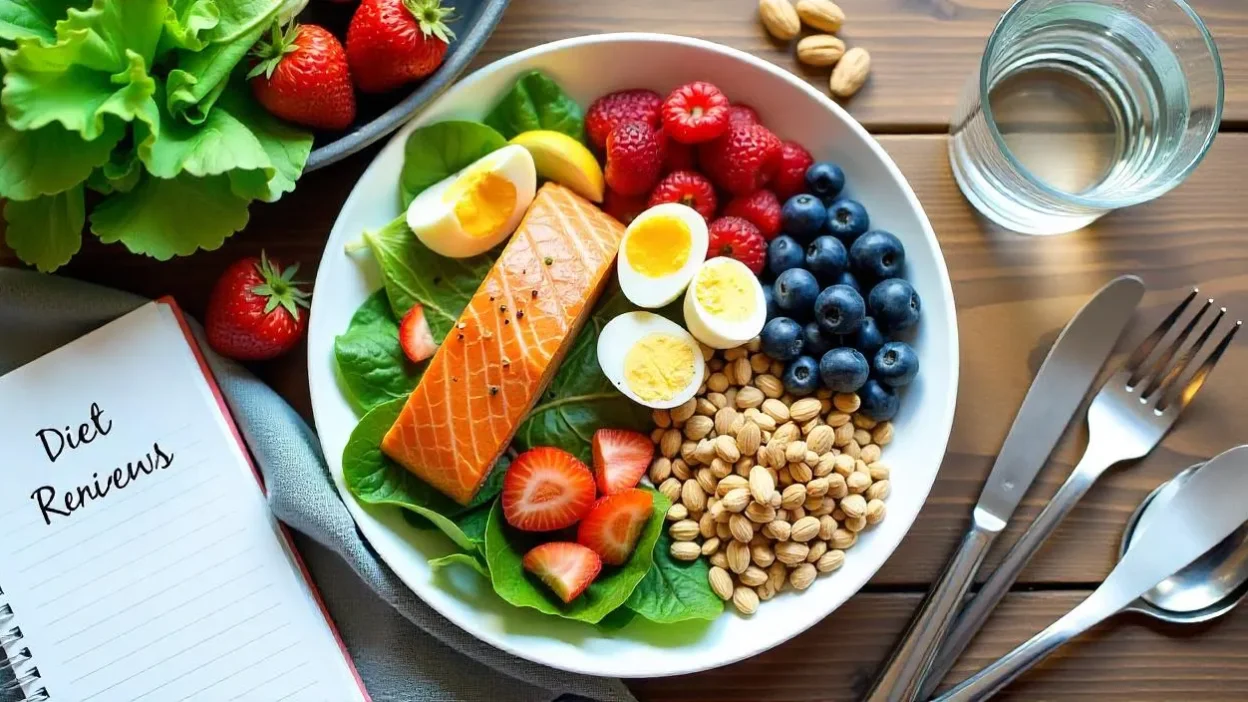
📚 From bookstore shelves to Instagram feeds, the world is overflowing with diet advice. Keto, paleo, intermittent fasting, plant-based, low-carb, high-protein—there’s no shortage of buzzwords and trends promising rapid weight loss and better health. But with so many options out there, how can you tell which diets are actually effective and which are just passing fads?
🔍 The truth is, there’s no one-size-fits-all solution when it comes to dieting. What works wonders for one person might not have the same results for someone else. Factors like genetics, metabolism, medical history, personal preferences, and lifestyle all play a role in how our bodies respond to food.
🥦 While research consistently shows that calories in versus calories out matters for weight control, the quality of the calories you consume is just as important. Whole foods, balanced meals, and sustainable eating habits can make a huge difference—not just for weight loss, but for long-term health and wellness.
💡 Another key to lasting success? Simplicity and sustainability. Diets that are overly restrictive or hard to follow often fail in the long run. The best diet is one you can stick to—without feeling miserable.
📊 What to Expect in This Series
In this blog series, we’ll dive deep into some of the most popular and talked-about diets. From low-carb to plant-based, detox cleanses to intuitive eating, we’ll:
✅ Explore the core principles of each diet
✅ Highlight what the science says (and what it doesn’t)
✅ Share practical tips for trying these approaches safely
✅ Help you figure out whether a diet might be a good fit for your lifestyle
Whether you’re just starting your health journey or you’re curious about the latest trends, this series will guide you through the noise with evidence-based insights and real-world advice. Let’s cut through the confusion and find what really works—for you. 💪🍽️
🌿 Anti-Inflammatory Diet: What It Is, How It Works & What the Science Says
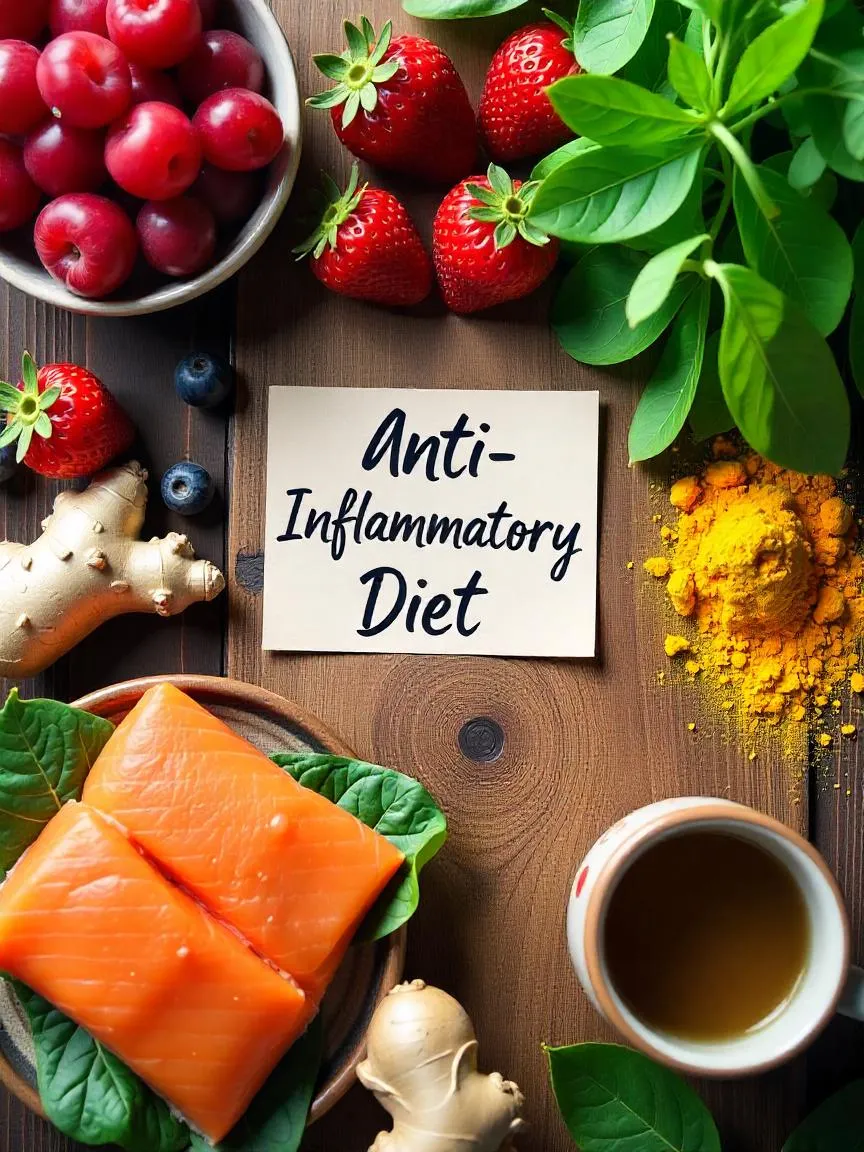
In recent years, the anti-inflammatory diet has taken center stage in the wellness world, with promises of reduced joint pain, better digestion, clearer skin, and even lower risk of chronic disease. But what exactly is inflammation—and is it always a bad thing?
🔥 What Is Inflammation, Really?
When people hear the word inflammation, they often picture something negative—swelling, pain, discomfort. But in reality, inflammation is a natural and essential immune response. It’s how your body defends itself against injury, toxins, and infections. Short-term (or acute) inflammation helps us heal.
However, when inflammation lingers long-term (chronic inflammation), it can contribute to a range of health issues like:
- 🫀 Heart disease
- 🧠 Alzheimer’s disease
- 🤕 Arthritis
- 🍬 Type 2 diabetes
- ⚖️ Obesity
That’s where an anti-inflammatory diet comes in.
🥗 What Is an Anti-Inflammatory Diet?
An anti-inflammatory diet isn’t a strict “one-size-fits-all” plan. Instead, it’s a nutrient-rich way of eating that emphasizes whole, minimally processed foods known to support the body’s natural defenses.
✅ Foods to Focus On:
- Colorful fruits & veggies (🍓🥦 especially berries, leafy greens, tomatoes)
- Healthy fats (🥑 avocados, olive oil, nuts, seeds)
- Fatty fish (🐟 salmon, sardines, mackerel)
- Whole grains (🌾 oats, quinoa, brown rice)
- Herbs & spices (🧄 garlic, turmeric, ginger)
❌ Foods to Limit or Avoid:
- Refined carbs (white bread, pastries)
- Sugary snacks & drinks
- Processed meats (bacon, deli meats)
- Fried foods
- Excess alcohol
This way of eating overlaps with the Mediterranean diet, which is consistently rated as one of the healthiest diets worldwide.
🧪 What Does the Research Say?
Scientific evidence supports the idea that certain foods can help reduce markers of inflammation in the body. For instance:
- Omega-3 fatty acids found in fish are linked to lower levels of C-reactive protein (CRP), a key marker of inflammation.
- Diets high in fruits, vegetables, and polyphenols (plant compounds) have shown anti-inflammatory effects.
- Ultra-processed foods and added sugars, on the other hand, may fuel inflammation over time.
Still, while food plays a big role, it’s not the only factor. Stress, sleep, exercise, and gut health also influence inflammation levels. That means a holistic approach is often the most effective.
⚠️ Potential Pitfalls to Watch Out For
While the anti-inflammatory diet is generally safe and beneficial, some people may:
- Over-restrict certain food groups and risk nutrient deficiencies
- Misinterpret “inflammation” as something to avoid entirely (remember: it’s also a healing process!)
- Fall for trendy but unproven products like “inflammation detox teas” or expensive supplements
🥄 Bottom Line
An anti-inflammatory diet is less about restriction and more about nourishment. By focusing on whole, unprocessed, and plant-forward meals, you’re not just reducing inflammation—you’re supporting your body for the long haul. 🌟
It’s not a quick fix, but rather a lifestyle that can support energy, immunity, and disease prevention. Ready to give it a try? Your cells will thank you! 💚
🧼 Clean Eating: Trendy Buzzword or Sustainable Lifestyle?
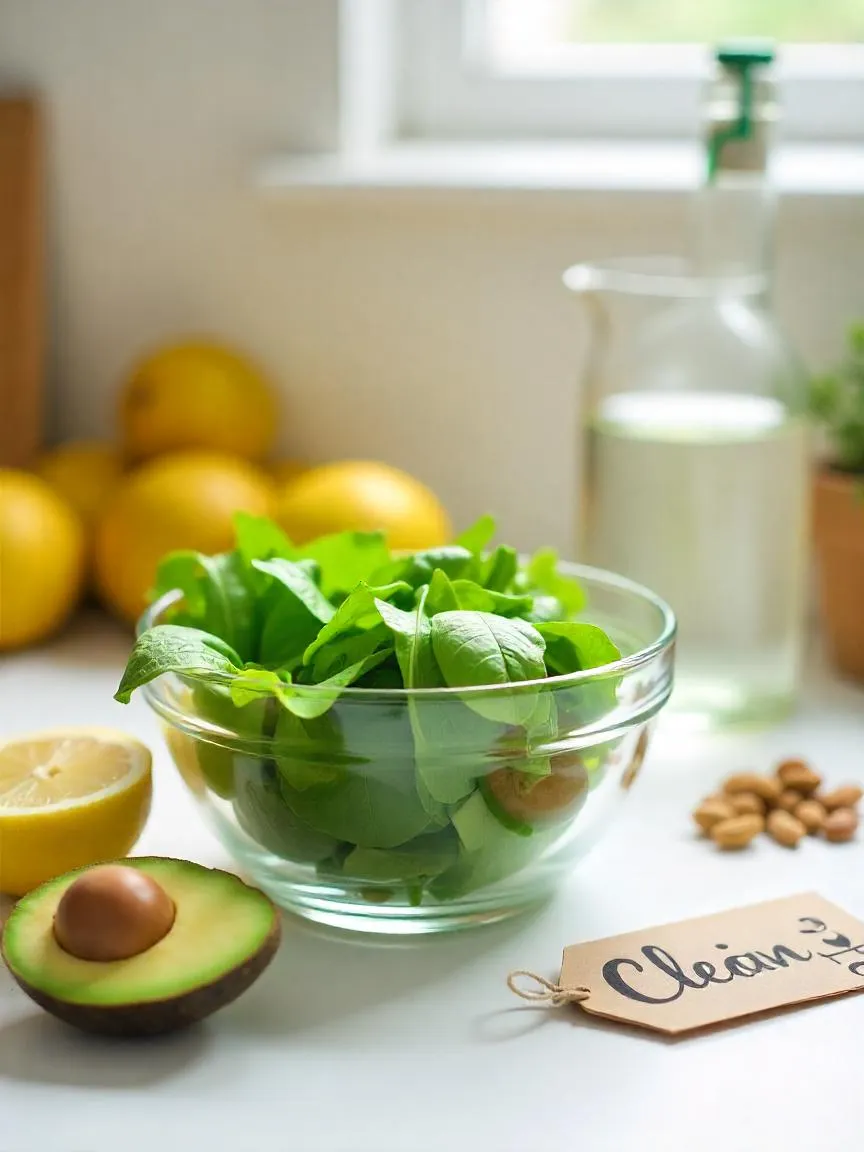
“Clean eating” has gone from trendy hashtag to full-blown movement. You’ve probably seen it splashed across Instagram posts, food labels, and health blogs—but what does it really mean to “eat clean”?
The short answer? It depends. Clean eating is one of the most popular (and most confusing) eating styles out there today.
🤔 What Is Clean Eating, Exactly?
Unlike many diets that come with strict rules or meal plans, clean eating is more of a philosophy than a specific diet. Generally, it promotes:
- Eating whole, minimally processed foods
- Avoiding artificial ingredients, preservatives, and added sugars
- Preparing meals at home with simple, recognizable ingredients
- Drinking plenty of water and avoiding sugary beverages
But here’s the catch: There’s no official definition. The terms clean eating and clean food are not regulated by the FDA or USDA, meaning companies can label a product “clean” without meeting any consistent standard.
So, one person’s version of clean eating might include organic dairy and grass-fed meats, while someone else’s might be fully plant-based and free from animal products altogether.
✅ Potential Benefits of Clean Eating
When done thoughtfully, clean eating can offer several health perks:
🌱 More whole foods: Clean eaters tend to consume more fruits, vegetables, whole grains, and healthy fats—nutrient-rich staples linked to better overall health.
🍽️ Fewer additives: Avoiding overly processed foods means you may reduce intake of excess salt, added sugar, and unhealthy fats.
🧘 Greater awareness: Clean eating encourages mindfulness around food choices, which can lead to healthier long-term habits and better cooking skills.
⚠️ The Not-So-Clean Side of Clean Eating
While clean eating can be a great way to focus on food quality, there are some potential downsides to be aware of:
- ❌ Too vague: Without a clear definition, clean eating can mean different things to different people—and sometimes leads to confusion or misinformation.
- 🚨 Over-restriction: Some people take clean eating to the extreme, cutting out entire food groups or labeling foods as “good” or “bad.” This can lead to disordered eating patterns or even orthorexia (an unhealthy obsession with eating “pure” foods).
- 💸 Expensive choices: Organic, non-GMO, or “clean-labeled” products can be pricey. Eating well shouldn’t have to break the bank!
🔍 Clean Eating vs. Balanced Eating
While clean eating emphasizes simplicity and natural ingredients, it’s important to remember that balance matters more than perfection. A cupcake made with love is still food—and occasionally indulging is part of a healthy, joyful life.
🥄 Final Takeaway
Clean eating can be a great way to become more mindful of what’s on your plate, especially if it helps you eat more fresh, whole foods and cook more at home. 🍳
But don’t let labels or trends dictate your self-worth or restrict your joy. Healthy eating should be flexible, satisfying, and sustainable—not stressful. 💚
💓 The DASH Diet: Not Just for Blood Pressure
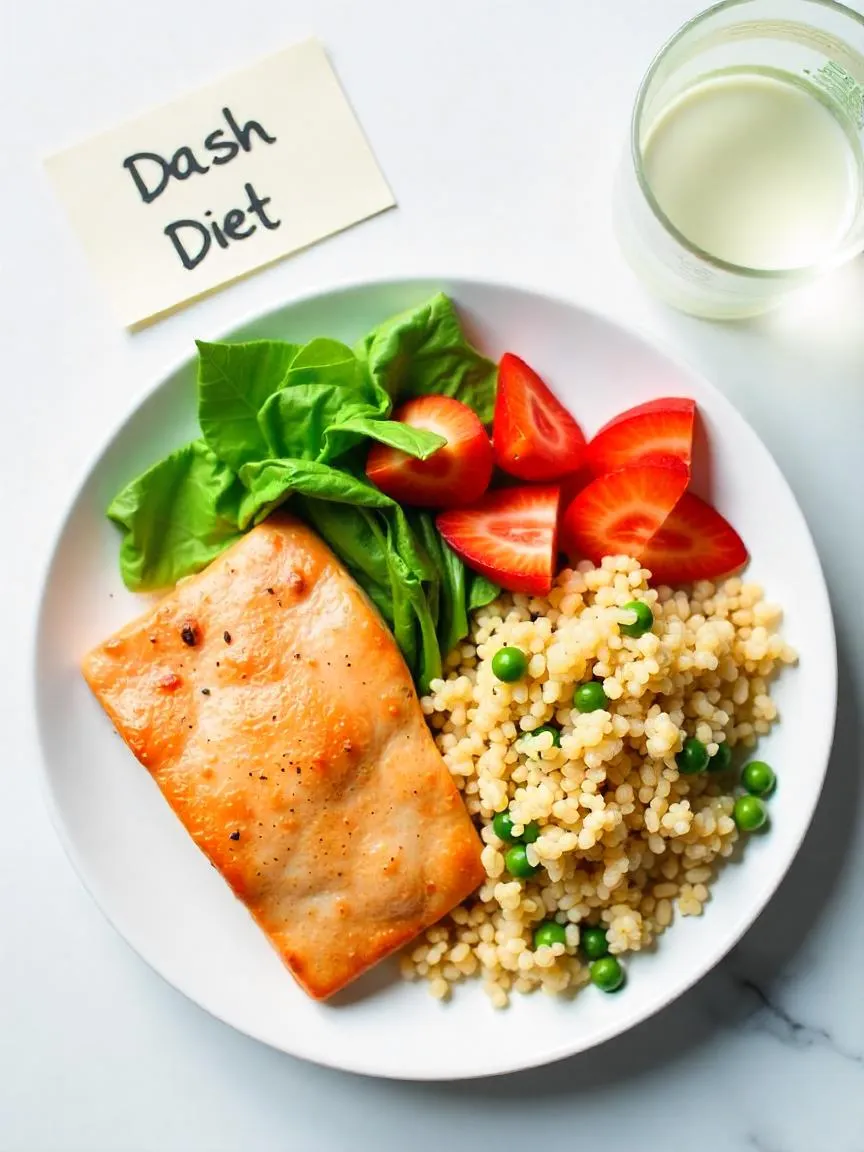
You may have heard about the DASH diet—short for Dietary Approaches to Stop Hypertension. Originally developed to help people lower their blood pressure without medication, this eating plan has since gained widespread attention for its broader health benefits.
But DASH isn’t just for those with high blood pressure. In fact, numerous studies have linked the DASH diet to reduced risk of heart disease, stroke, type 2 diabetes, and even certain cancers. So what makes this eating pattern so powerful?
🥗 What Is the DASH Diet?
The DASH diet focuses on eating nutrient-dense, heart-healthy foods that are naturally low in sodium and high in key nutrients like potassium, calcium, and magnesium. It encourages a well-balanced, flexible approach that can fit into almost any lifestyle.
✅ Core Components of the DASH Diet:
- Lots of fruits and vegetables (aim for 4–5 servings of each per day) 🍎🥦
- Whole grains like brown rice, oats, and quinoa 🌾
- Lean proteins such as chicken, fish, beans, and legumes 🐟
- Low-fat or fat-free dairy products 🥛
- A focus on healthy fats from nuts, seeds, and vegetable oils 🥜
- Reduced intake of sodium, red meat, and added sugars 🚫🍭
🧪 What Does the Science Say?
The DASH diet is one of the most studied and recommended dietary patterns in clinical nutrition—and for good reason:
- 🔻 Lowers blood pressure: Both systolic and diastolic pressures often drop significantly, even within weeks of starting DASH.
- ❤️ Supports heart health: Studies show reduced LDL cholesterol (the “bad” kind) and improved arterial function.
- ⚖️ Aids weight management: Though not designed specifically for weight loss, DASH can support healthy weight when paired with portion control.
- 🍬 Improves insulin sensitivity: Beneficial for people with prediabetes or metabolic syndrome.
Because of its strong evidence base, DASH has consistently ranked at the top of annual “Best Diets” lists by nutrition experts and medical organizations.
⚠️ Potential Pitfalls
While the DASH diet is generally safe and well-rounded, here are a few challenges some people might face:
- ⏱️ Meal planning and prep: DASH encourages fresh, whole foods, which may require more cooking and planning.
- 🧂 Sodium adjustments: Those used to saltier foods may need time to adjust their palate.
- 🧀 Low-fat focus: Some versions of DASH promote low-fat dairy and limit full-fat options, which may not suit everyone’s taste or nutritional preferences.
Good news: DASH can be customized! You can adapt the guidelines to match your lifestyle, whether you’re vegetarian, dairy-free, or need to follow a tighter grocery budget.
🥄 Bottom Line
The DASH diet isn’t just a treatment plan—it’s a roadmap to better overall health. 🌿
By emphasizing whole foods, balanced nutrients, and manageable sodium intake, DASH offers a flexible, sustainable way to support your heart, blood pressure, and beyond. Whether you’re trying to manage a condition or just feel your best, this evidence-backed approach is worth exploring. 🫀
🚫🍞 Gluten-Free for Weight Loss: Myth or Method?
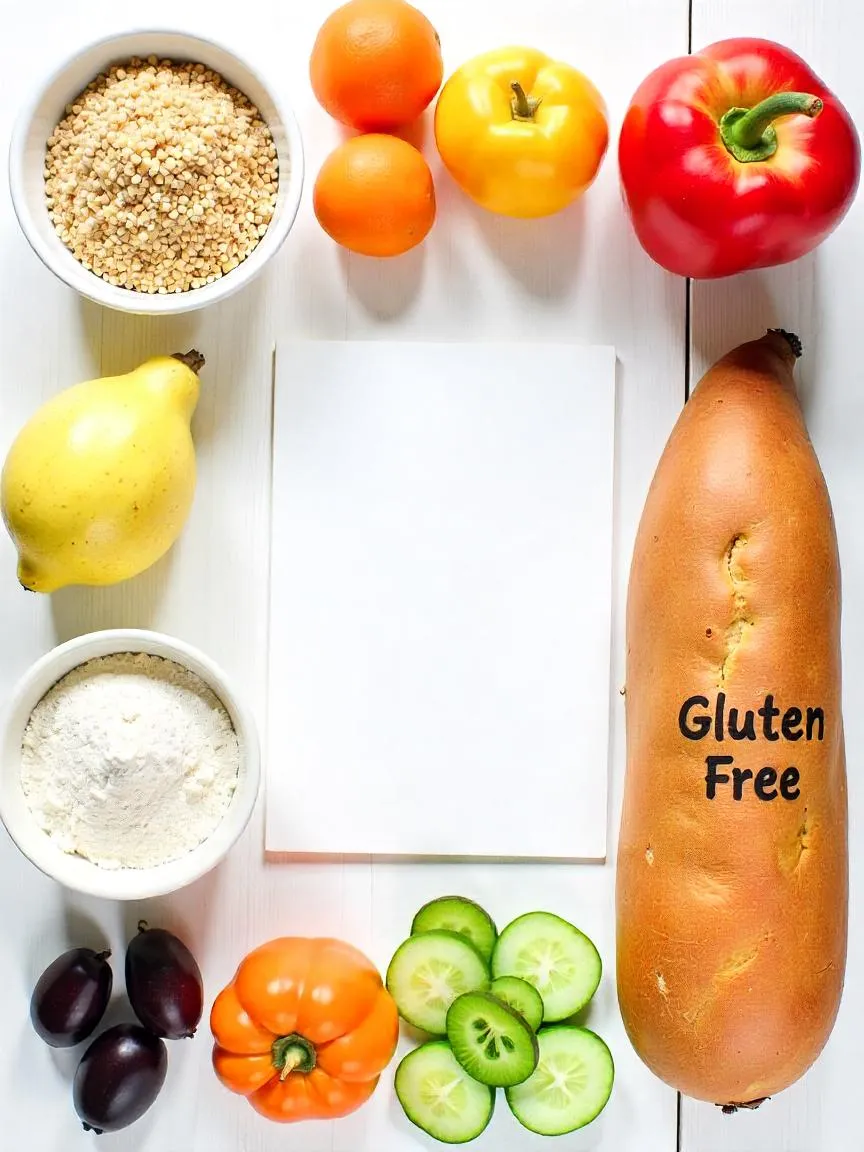
Originally developed as a medical necessity for people with celiac disease, the gluten-free diet has morphed into one of the most popular health trends in recent years. From gluten-free bread to pasta to even beer, the market for gluten-free products is booming.
But here’s the big question: Does going gluten-free actually help you lose weight? Or is this just another dietary fad wrapped in a healthy-sounding label?
🌾 What Is Gluten—and Why Eliminate It?
Gluten is a protein found in wheat, barley, and rye. It helps give bread its chewy texture and is commonly found in baked goods, cereals, pasta, and many processed foods.
A gluten-free diet eliminates all foods that contain or have been contaminated with gluten. It’s the only medically approved treatment for:
- Celiac disease (an autoimmune disorder affecting ~1–2% of Americans)
- Non-celiac gluten sensitivity (a condition some people report without testing positive for celiac)
- Wheat allergy
But many people without any gluten-related conditions are now turning to this eating style—often in the hopes of shedding a few pounds. 💭
⚖️ Gluten-Free for Weight Loss: Does It Actually Work?
Let’s break it down:
🔹 The Possible Upsides:
- When people go gluten-free, they often cut out processed foods like white bread, cookies, and crackers—resulting in fewer empty calories.
- A switch to whole, unprocessed foods (like fruits, vegetables, lean proteins, and gluten-free whole grains) can support better eating habits.
- Improved digestive comfort is common for those with undiagnosed gluten sensitivity, which can feel like progress.
🔹 The Reality:
- Gluten itself doesn’t cause weight gain—calorie intake and food quality do.
- Many gluten-free packaged foods are high in sugar, fat, or refined starches (like white rice flour or potato starch), which may actually hinder weight loss.
- Without proper planning, going gluten-free can lead to nutritional gaps (especially fiber, iron, and B vitamins).
🧪 What the Research Says
There’s no solid scientific evidence supporting gluten elimination as a direct strategy for weight loss—unless you have a medical reason to avoid it. Most weight loss associated with going gluten-free is due to better food choices, not the removal of gluten itself.
Some studies even suggest that people on gluten-free diets may gain weight if they rely too heavily on ultra-processed, gluten-free alternatives.
⚠️ Potential Pitfalls
If you’re considering a gluten-free diet for weight loss, watch out for these common traps:
- 🍪 Overloading on gluten-free junk food: Cookies, chips, and snack bars can still be unhealthy—even without gluten.
- 📉 Losing important nutrients: Whole wheat products are rich in fiber, iron, and B vitamins—nutrients that need to be replaced thoughtfully.
- 💸 Spending more than necessary: Gluten-free products are often more expensive than their regular counterparts.
🥄 Bottom Line
Going gluten-free can feel like a fresh start—but if your goal is weight loss, it’s not a magic bullet. ❌✨
The most effective strategy for lasting results is still the same: focus on balanced, nutrient-dense meals, portion control, and consistency. If you’re truly gluten-sensitive or have celiac disease, this diet is essential. Otherwise, it might be better to focus on whole foods and healthy habits, rather than eliminating gluten just for the sake of it.
⏰ Intermittent Fasting for Weight Loss: Timing Is Everything

Intermittent fasting (IF) has exploded in popularity, praised by celebrities, fitness gurus, and health enthusiasts alike. But is it really a shortcut to weight loss—or just another trend in disguise?
Let’s break it down: intermittent fasting isn’t about what you eat—it’s about when you eat. 🕒
🔄 What Is Intermittent Fasting?
Intermittent fasting is an eating pattern that alternates between periods of eating and fasting. Rather than focusing on calorie counting or food restrictions, IF centers on timing.
🔹 Common Intermittent Fasting Methods:
- 16/8 method: Fast for 16 hours, eat during an 8-hour window (e.g., noon–8 p.m.) 🍽️
- 5:2 method: Eat normally 5 days a week, and reduce calorie intake (around 500–600 kcal) on 2 non-consecutive days 📉
- Eat-Stop-Eat: One or two full 24-hour fasts per week 🔄
- Alternate-day fasting: Fast every other day, often with minimal calorie intake on fasting days 🚫🍔
This flexible approach makes IF appealing to people who prefer structure without constant food tracking.
⚖️ How Does IF Promote Weight Loss?
When done properly, intermittent fasting can lead to weight loss by:
- 📉 Reducing calorie intake: Fewer eating hours often means fewer total calories consumed
- 🔥 Boosting fat burning: During fasting, insulin levels drop, and the body shifts from burning glucose to burning stored fat for energy
- 🧠 Increasing awareness: Many find IF helps curb mindless snacking and promotes more intentional eating habits
Some people also report improved mental clarity, more stable energy levels, and fewer cravings after adapting to a fasting routine.
🧪 What the Research Says
Studies suggest intermittent fasting can be as effective—or more effective—than traditional calorie restriction for weight loss and metabolic health.
Key findings include:
- 🔽 Reduced body fat and waist circumference
- 🩺 Improved insulin sensitivity
- 💓 Better blood pressure and cholesterol levels
- ⏳ Cellular repair benefits, including autophagy (the body’s way of cleaning out damaged cells)
However, results vary by individual, and long-term data is still evolving.
⚠️ Potential Pitfalls and Who Should Be Cautious
While intermittent fasting works for many, it’s not for everyone.
🚧 Challenges may include:
- Hunger, fatigue, or irritability during fasting hours 😵
- Overeating or bingeing during eating windows
- Difficulty with social meals or family schedules
- Reduced performance in intense workouts (especially early on)
⚠️ Not recommended for:
- Pregnant or breastfeeding women
- People with a history of disordered eating
- Those with certain medical conditions (always check with a healthcare provider)
🥄 Bottom Line
Intermittent fasting can be an effective and sustainable strategy for weight loss and overall health—if it fits your lifestyle and is approached mindfully. ⏳✨
It’s not about starving yourself; it’s about giving your body time to reset, repair, and burn fat more efficiently. Whether you’re curious about the 16:8 method or want to try a few fasted days per week, the key is consistency and balance.
🧠🍽️ Intuitive Eating: Trusting Your Body Over Diet Rules
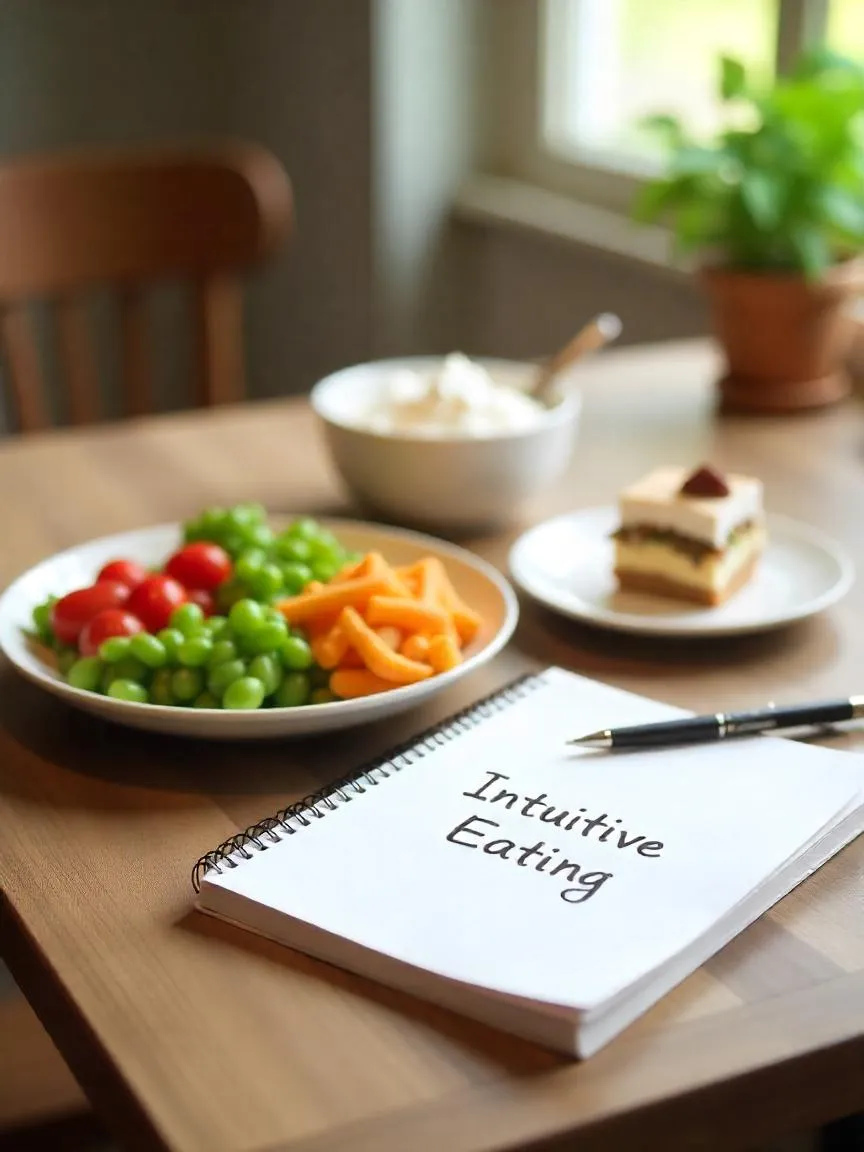
Forget calorie counting, food restrictions, or “good vs. bad” labels—Intuitive Eating (IE) flips the diet culture script. Instead of following rigid meal plans, this approach encourages you to tune in to your body’s natural hunger, fullness, and satisfaction cues.
It’s not a diet. It’s a mindset. And for many, it’s a liberating path to healing their relationship with food. 💛
🌿 What Is Intuitive Eating?
Developed by dietitians Evelyn Tribole and Elyse Resch in the 1990s, Intuitive Eating is a non-diet, evidence-based approach that helps you reconnect with your body’s internal signals and reject diet mentality.
Rather than eating based on external rules (macros, points, meal timing), intuitive eating encourages choices driven by:
- Physical hunger and fullness cues
- Emotional and mental needs
- Satisfaction and pleasure in food
- Self-compassion and body respect
🧭 The 10 Principles of Intuitive Eating
Here are the foundational pillars of the IE approach:
- ❌ Reject the diet mentality
- 🍽️ Honor your hunger
- ❤️ Make peace with food
- 🚫 Challenge the food police
- 😌 Feel your fullness
- 😋 Discover the satisfaction factor
- 🧠 Cope with emotions without using food
- 💪 Respect your body
- 🏃 Exercise—feel the difference
- 🥗 Honor your health with gentle nutrition
These principles promote eating with curiosity, mindfulness, and trust—without guilt or shame.
🧪 What Does the Research Say?
While Intuitive Eating is still relatively new in terms of widespread scientific research, growing studies show promising benefits:
- 📉 Lower risk of disordered eating
- ⚖️ More stable weight over time (without the yo-yo effect of diets)
- 😊 Better body image and self-esteem
- 🧘 Improved emotional well-being and reduced stress around food
Unlike restrictive diets, which often lead to bingeing or burnout, IE helps people build long-term, sustainable habits rooted in self-awareness.
⚠️ Potential Pitfalls to Consider
While intuitive eating sounds freeing (and it is!), there are a few challenges along the way:
- 🔄 It’s a learning process: After years of dieting or food rules, reconnecting with hunger and fullness cues takes time.
- 🍪 Misunderstood as a “eat whatever, whenever” mindset: Intuitive Eating is about balance—not just giving in to cravings 24/7.
- 🧭 No quick fix: Unlike diets that promise fast results, IE focuses on long-term health and healing, not immediate weight loss.
🥄 Bottom Line
Intuitive Eating invites you to become the expert of your own body. It encourages trust, mindfulness, and a deeper connection to your physical and emotional needs. 🌈
Whether you’re recovering from chronic dieting or just want to feel more at peace around food, this approach offers a sustainable, compassionate alternative. It’s not about perfection—it’s about progress and permission.
🥓🥑 The Ketogenic Diet for Weight Loss: Fat-Fueled or Overhyped?
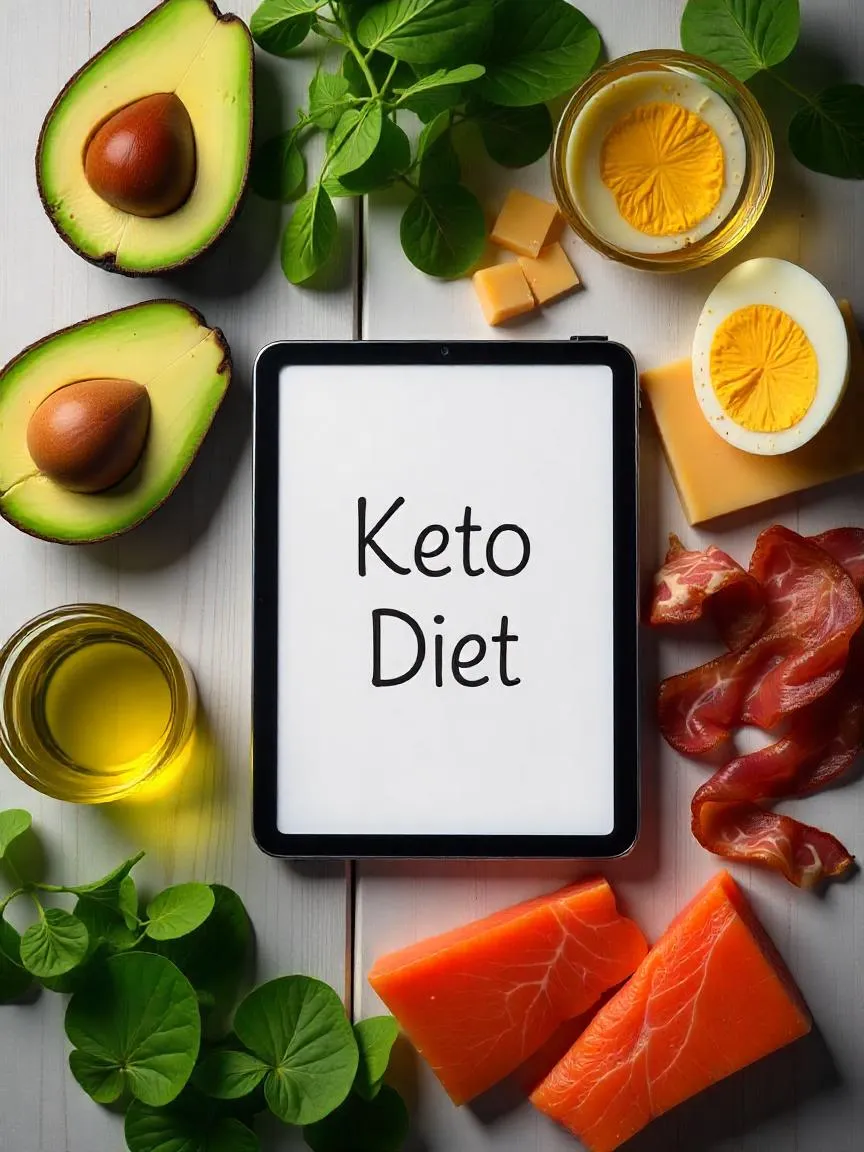
The ketogenic diet, commonly known as the keto diet, has sparked both fascination and debate in recent years. Originally developed to help treat epilepsy in children, this very low-carb, high-fat eating pattern is now widely promoted as a rapid weight-loss strategy—and it has the spotlight to prove it. 📸
But does keto actually live up to the hype for weight loss? Let’s explore how it works, what to watch out for, and what the science really says.
⚙️ How the Keto Diet Works
The standard ketogenic diet typically includes:
- 🥩 70–80% of calories from fat
- 🥚 10–20% from protein
- 🍞 5–10% (or fewer than 50g/day) from carbohydrates
By drastically reducing carbs, your body shifts from using glucose (sugar) as its primary fuel to using fat. This process is called ketosis, where your liver converts fat into molecules called ketones to power your brain and body.
⚖️ Keto for Weight Loss: What Makes It Effective?
Many people experience rapid weight loss on keto—especially in the first few weeks. Here’s why:
- 🔥 Increased fat burning: In ketosis, your body uses stored fat for energy
- 🍽️ Appetite suppression: High fat and protein intake may reduce hunger hormones
- 💧 Loss of water weight: Cutting carbs causes the body to release stored glycogen—and water along with it
- 🧠 Fewer blood sugar spikes: Stable energy levels and reduced cravings
Some also find the structure of keto helps them feel more in control of their eating, especially if they enjoy rich, satisfying meals.
🧪 What the Research Says
Current studies suggest the keto diet can be effective for short-term weight loss, especially in people with obesity or metabolic syndrome. It may also improve:
- 🩺 Blood sugar control
- 🔻 Triglyceride and LDL (bad) cholesterol levels
- 💪 Insulin sensitivity
However, long-term research is limited, and the benefits may taper off if the diet isn’t sustainable.
⚠️ Potential Pitfalls of the Keto Diet
Despite its popularity, the keto diet isn’t without downsides:
- 🤢 Keto flu: Headache, fatigue, irritability, and brain fog can occur in the first week
- 🥬 Nutrient gaps: The restrictive nature can lead to low intake of fiber, vitamins, and minerals
- 💩 Digestive issues: Constipation is common due to low fiber from whole grains and fruits
- 🍰 Misleading food choices: Keto-friendly doesn’t always mean healthy (looking at you, bacon-wrapped cheese bombs)
⚠️ It may also be risky for people with kidney disease, liver conditions, or those on certain medications—always consult a healthcare provider before starting keto.
🥄 Bottom Line
The keto diet can be a powerful short-term tool for weight loss, especially if you enjoy rich, savory foods and don’t mind strict rules. It works by shifting your body’s metabolism—but it’s not a magic fix, and long-term sustainability is a challenge for many.
If you’re considering keto, focus on whole, nutrient-dense fats, moderate protein, and non-starchy vegetables 🥑🥦—and skip the processed “keto snacks” loaded with artificial ingredients.
🇬🇷 The Mediterranean Diet: Delicious, Heart-Healthy & Time-Tested
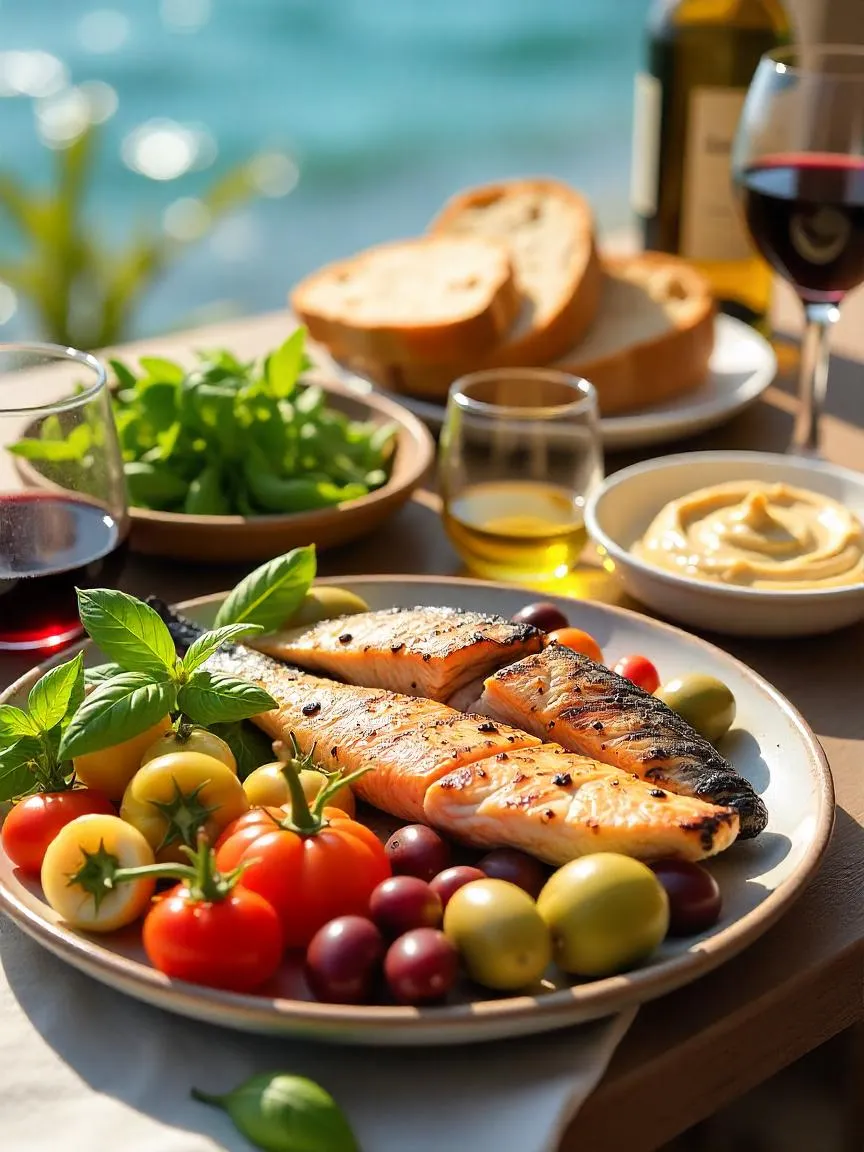
Often hailed as one of the healthiest diets in the world, the Mediterranean Diet is more than just a way of eating—it’s a lifestyle rooted in tradition, balance, and enjoyment. Inspired by the daily habits of people in countries like Greece, Italy, and Spain, this eating pattern has been linked to longer life spans, better heart health, and lower risk of chronic diseases.
But here’s the best part: it’s not a rigid plan—it’s flexible, flavorful, and sustainable. 🫒🍅🐟
🌿 What Is the Mediterranean Diet?
The Mediterranean diet emphasizes whole, minimally processed, plant-based foods and healthy fats, with a focus on variety and simplicity. Instead of strict rules or calorie counting, it encourages mindful, satisfying meals built around wholesome ingredients.
🧺 Core Components of the Mediterranean Diet:
- 🫒 Healthy fats: Especially extra virgin olive oil
- 🥗 Vegetables and fruits: Eaten daily and in abundance
- 🌾 Whole grains: Like bulgur, farro, oats, and whole wheat bread
- 🫘 Legumes and beans: Lentils, chickpeas, black beans
- 🧂 Herbs and spices: Used liberally in place of excess salt
- 🐟 Seafood and fish: Preferred animal protein, eaten a few times a week
- 🥜 Nuts and seeds: A source of healthy fats and plant protein
- 🍷 Optional red wine: In moderation, often enjoyed socially with meals
Poultry, eggs, dairy, and red meat are eaten occasionally and in smaller amounts.
Unlike many diets, the Mediterranean approach doesn’t dictate portion sizes—instead, it relies on intuitive eating and mindful enjoyment.
❤️ Health Benefits: What the Research Says
The Mediterranean diet has been extensively studied and is consistently ranked as one of the best diets for overall health. Benefits include:
- 🫀 Reduced risk of heart disease and stroke
- 🧠 Improved cognitive function and lower Alzheimer’s risk
- 📉 Better blood sugar and cholesterol control
- ⚖️ Sustainable weight management
- 🧬 Anti-inflammatory effects that support long-term wellness
It’s also associated with greater longevity and improved quality of life—especially when combined with physical activity and social meals (a big part of the Mediterranean culture!).
🧩 Potential Pitfalls
While the Mediterranean diet is one of the most balanced and evidence-based approaches to eating, there are still a few things to watch out for:
- 🍝 Portion creep: Without specific portion guidance, it’s easy to overdo high-calorie items like bread, nuts, and pasta
- 💸 Ingredient cost: High-quality olive oil, fish, and fresh produce can be pricey, though smart shopping helps
- 📉 Slow weight loss: It’s not a “quick fix” plan—results are often gradual but sustainable
And while wine is part of the traditional pattern, it’s optional—not essential—and not recommended if you don’t already drink alcohol.
🥄 Bottom Line
The Mediterranean diet offers a nourishing, flavorful, and flexible path to better health—without the restrictions and stress of traditional dieting. 🌞
It’s not about cutting out food groups or tracking every bite. It’s about celebrating food, eating with joy, and making long-term, balanced choices. Whether you’re cooking a hearty lentil soup, drizzling olive oil over grilled veggies, or sharing seafood with friends—this is a way of eating that you can enjoy for life.
🧠 The MIND Diet: Fueling a Healthier Brain for the Long Term
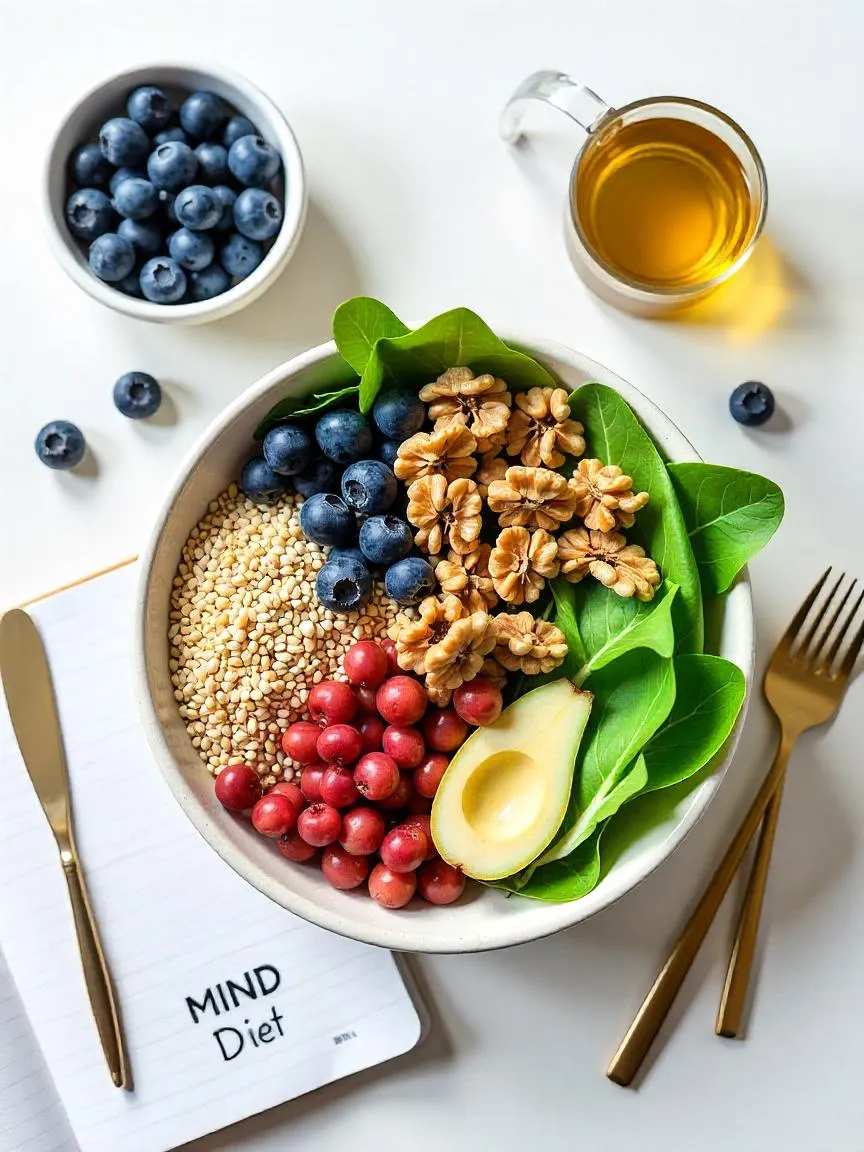
With dementia ranking as the sixth leading cause of death in the U.S., it’s no surprise that many people are searching for ways to protect their cognitive health. While there’s no magic pill to prevent memory loss, research increasingly points to diet as a powerful tool in preserving brain function—and that’s where the MIND Diet comes in.
Developed by researchers at Rush University Medical Center, the MIND Diet stands for Mediterranean-DASH Intervention for Neurodegenerative Delay. It blends the best of two proven heart-healthy diets—the Mediterranean diet and the DASH diet—with a specific focus on slowing brain aging and reducing the risk of Alzheimer’s disease.
🌿 What Is the MIND Diet?
The MIND Diet is a plant-forward eating plan that emphasizes brain-boosting nutrients while limiting foods linked to cognitive decline. It’s less about strict rules and more about encouraging long-term, sustainable habits.
🧺 Key Foods to Focus On:
- 🫐 Berries (especially blueberries and strawberries): rich in antioxidants
- 🥬 Leafy green vegetables (like spinach and kale): packed with brain-protective nutrients
- 🥦 Other vegetables: aim for variety and volume
- 🌾 Whole grains: such as oats, brown rice, and quinoa
- 🐟 Fish (especially fatty fish like salmon): a source of omega-3s
- 🫘 Beans and legumes: affordable, fiber-rich brain fuel
- 🥜 Nuts: loaded with healthy fats and vitamin E
- 🍗 Poultry: lean protein without the saturated fat of red meat
- 🫒 Olive oil: the primary fat source
- 🍷 Red wine (optional): in moderation (1 glass per day)
🛑 Foods to Limit:
- 🧈 Butter and margarine (use olive oil instead)
- 🧀 Full-fat cheese (limit to once a week or less)
- 🍟 Fried or fast foods
- 🍰 Pastries, sweets, and highly processed foods
- 🥩 Red meats (consume sparingly)
🧠 How It Supports Brain Health
The MIND Diet targets oxidative stress and inflammation, two key contributors to neurodegeneration. Its brain-supportive nutrients, like vitamin E, folate, omega-3 fatty acids, and polyphenols, are linked to improved memory, learning, and overall cognitive function.
🧪 What the Research Says
A landmark 2015 study found that the MIND diet could reduce the risk of Alzheimer’s disease by up to 53% in strict followers, and by 35% even in moderate followers. 💡 That’s a significant protective effect—especially when combined with regular physical activity, good sleep, and social engagement.
Further studies have shown the MIND diet is also associated with:
- Slower cognitive decline in aging adults
- Improved brain volume and function
- Lower risk of cardiovascular disease (which is closely tied to brain health)
⚠️ Potential Pitfalls
While the MIND diet is flexible and evidence-backed, here are a few things to keep in mind:
- 🧾 Requires meal planning: Eating a variety of whole foods consistently can take preparation
- 🧂 May be challenging for picky eaters: Especially if you’re not used to eating greens, beans, or fish
- 📉 Not a quick fix: Benefits build over time and work best when paired with an overall healthy lifestyle
Also, although wine is included, it’s not recommended for everyone. If you don’t drink, there’s no need to start—many benefits come from the food choices alone.
🥄 Bottom Line
The MIND diet is a smart, research-backed way to support brain health as you age. 🧠✨
It encourages you to nourish your body with whole, plant-based foods, focus on healthy fats, and limit processed ingredients that may impair cognition. Whether you’re concerned about family history or simply want to stay sharp, this way of eating is a proactive step toward a healthier future.
🧘♀️ Mindful Eating: Slow Down, Tune In, Nourish Fully

In a world of fast food and faster lifestyles, mindful eating offers a refreshing alternative—an invitation to slow down, be present, and truly experience your meals. Rather than focusing on what you eat, this approach is about how you eat, helping you build a healthier relationship with food—without guilt, stress, or restriction. 🌿🍽️
🌟 What Is Mindful Eating?
Mindful eating is the practice of bringing full attention and non-judgmental awareness to your eating experience. It’s rooted in mindfulness, a meditation practice that emphasizes living in the present moment.
Instead of eating on autopilot—scrolling through your phone or rushing through lunch—you tune into:
- 👃 The sights, smells, tastes, and textures of your food
- 🧠 Your thoughts and emotions around eating
- 🧍♀️ Your body’s hunger and fullness cues
- 🌍 Internal and external triggers (Are you eating because you’re hungry? Bored? Stressed? Socially pressured?)
Mindful eating isn’t a diet. It’s about cultivating awareness and intention, so you can enjoy food more fully and make choices that align with your body’s needs.
🧘♂️ Key Principles of Mindful Eating
- 🍴 Eat slowly and without distraction
- 🧍♀️ Listen to your body: Eat when you’re hungry, stop when you’re comfortably full
- 😌 Observe without judgment: Notice emotional triggers and food habits with curiosity, not criticism
- 😋 Savor each bite: Fully experience the flavors, textures, and satisfaction of your meal
- 🔁 Reflect, don’t restrict: All foods can fit in a mindful eating practice
🧪 What the Research Says
Mindful eating has been linked to a number of positive health outcomes, including:
- ⚖️ Healthier weight management: Without the need for restrictive dieting
- 🍬 Reduced emotional and binge eating
- 🌙 Improved digestion and mealtime satisfaction
- 🧠 Lower stress and anxiety related to food
- 📉 Better blood sugar regulation in some individuals with type 2 diabetes
Unlike diet plans that fade over time, mindful eating fosters sustainable, lifelong behavior change—centered on kindness, not control.
⚠️ Potential Pitfalls
While mindful eating is a gentle and inclusive approach, it does come with a few considerations:
- 🧘 Takes practice and patience: It may feel awkward or slow at first, especially in a fast-paced or distracted environment
- ❓ Not a weight-loss guarantee: Though many experience weight stabilization, the goal is awareness, not rapid results
- 🍽️ Can be misunderstood: Some assume it means eating tiny amounts or never enjoying indulgent foods—but mindful eating includes pleasure and satisfaction
It’s also worth noting that mindful eating isn’t a substitute for medical or psychological care if you’re dealing with disordered eating or a health condition.
🥄 Bottom Line
Mindful eating transforms the way you engage with food—from rushed and reactive to intentional and empowering. It encourages you to eat with your senses, honor your hunger and fullness, and make peace with every bite. 🧘♀️💚
If you’re tired of dieting and ready to reconnect with your body and plate, mindful eating might be the nourishing shift you’ve been looking for.
🦴 The Paleo Diet for Weight Loss: Eating Like a Caveman in the 21st Century
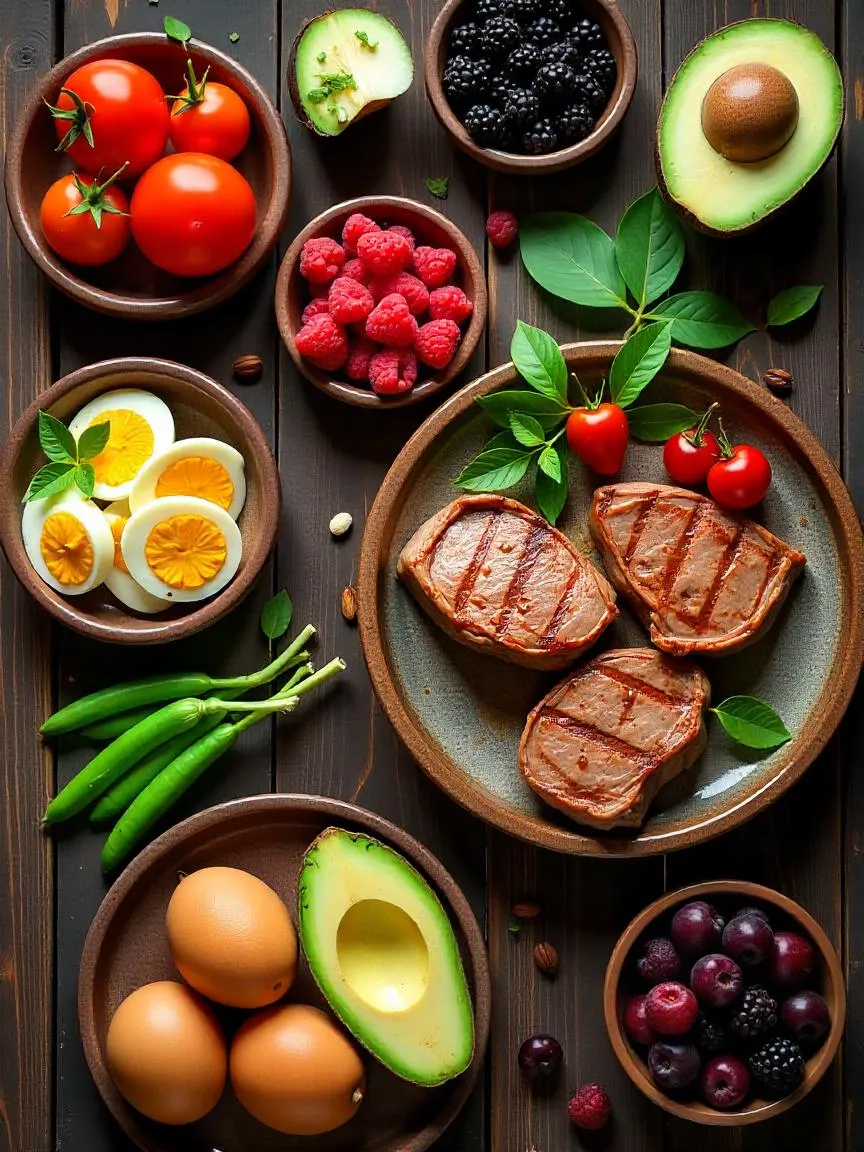
The Paleolithic diet, or Paleo diet, is more than just a trend—it’s a throwback to the ancient way humans once ate. Its core idea? That our bodies are best adapted to the foods our ancestors consumed over 2 million years ago, long before the agricultural and industrial revolutions.
Proponents argue that many modern health problems—like obesity, diabetes, and heart disease—stem from eating foods our bodies haven’t evolved to handle. By cutting out processed and farmed foods, the Paleo diet aims to help people return to a more natural and nutrient-dense way of eating.
But does this “caveman” diet actually promote weight loss? Let’s break it down. 🏹🥩
🌾 What Is the Paleo Diet?
The Paleo diet focuses on eating like hunter-gatherers might have—based on whole, unprocessed foods available during the Paleolithic era.
✅ Foods to Eat on Paleo:
- 🥩 Grass-fed meats and wild-caught fish
- 🥬 Vegetables (especially non-starchy)
- 🍓 Fruits
- 🥜 Nuts and seeds (except peanuts, which are legumes)
- 🥚 Eggs
- 🥑 Healthy fats like olive oil, coconut oil, and avocado
❌ Foods to Avoid:
- 🌾 Grains (like wheat, rice, oats, corn)
- 🧈 Dairy products
- 🫘 Legumes (beans, lentils, soy)
- 🍬 Added sugars and processed foods
- 🍟 Refined vegetable oils (like soybean or canola)
In short: If a caveman couldn’t hunt or gather it, it’s off the menu.
⚖️ Paleo for Weight Loss: Why It May Work
Many people report significant weight loss on the Paleo diet—and here’s why it can be effective:
- 🛑 Eliminates processed, high-calorie foods
- 💪 Increases protein intake, which boosts satiety and supports muscle maintenance
- 🧘 Reduces blood sugar spikes by cutting refined carbs and sugars
- 🥗 Promotes whole-food meals, leading to more mindful eating
People often eat fewer calories naturally on Paleo—not because they’re trying to restrict, but because whole foods tend to be more filling and satisfying.
🧪 What the Research Says
While long-term, large-scale studies are still limited, short-term research has shown:
- 📉 Improved weight loss outcomes compared to standard low-fat or Mediterranean-style diets
- 💓 Better triglyceride and blood pressure levels
- 🧬 Reduced inflammation and improved insulin sensitivity
However, many experts note that it’s unclear whether these benefits come from eliminating processed foods—or from avoiding entire food groups like dairy and grains.
⚠️ Potential Pitfalls of the Paleo Diet
While Paleo emphasizes healthy, whole foods, it’s not without challenges:
- ❌ Overly restrictive: Eliminating grains, legumes, and dairy may lead to nutrient deficiencies in calcium, vitamin D, or fiber
- 💸 Can be expensive: High-quality meats, seafood, and organic produce can add up quickly
- 🍔 Misinterpretation of “Paleo-friendly”: Not all labeled Paleo snacks are healthy—they can be calorie bombs in disguise
- ❗ Sustainability concerns: For some, the diet’s strictness may be hard to maintain long-term
Also, there’s debate among experts about how accurately this diet reflects actual Paleolithic eating patterns—our ancestors’ diets varied widely based on geography and season.
🥄 Bottom Line
The Paleo diet can be an effective approach for weight loss, especially for those who thrive on structure and enjoy protein-rich, whole-food meals. It removes processed junk and emphasizes quality over quantity, which naturally encourages healthier eating.
That said, it’s best to approach Paleo with flexibility and personalization. You don’t need to be perfect—just thoughtful. If you choose to include some dairy, legumes, or whole grains occasionally, your body (and your sanity) might thank you. 🧘♂️🥗


LOL, this article totally gets it. I’ve tried SO many diets – it’s like a never-ending cycle of fad chasing! Honestly, I think finding something sustainable and that fits *my* life is way more important than some quick fix. Ready to ditch the diet rollercoaster and just find something that works long-term. Anyone else feel me?