
Contents
- Why Quality Matters in CBD Oil
- Understanding CBD: Basics Before You Buy
- Third-Party Lab Testing: Your First Quality Check
- Source of Hemp: Where and How It’s Grown Matters
- Extraction Methods: CO₂ vs Other Processes
- Ingredients and Additives: Know What’s Inside
- Potency & Dosage Clarity: Labels You Can Trust
- Certifications & Transparency: Trusted Standards
- Avoiding Red Flags: Cheap, Misleading, or Unsafe Products
- How to Test Quality at Home: Sensory & Practical Tips
- CBD for Beginners: How to Start with a Quality Product
- FAQ: Common Questions About Choosing CBD Oil
Why Quality Matters in CBD Oil
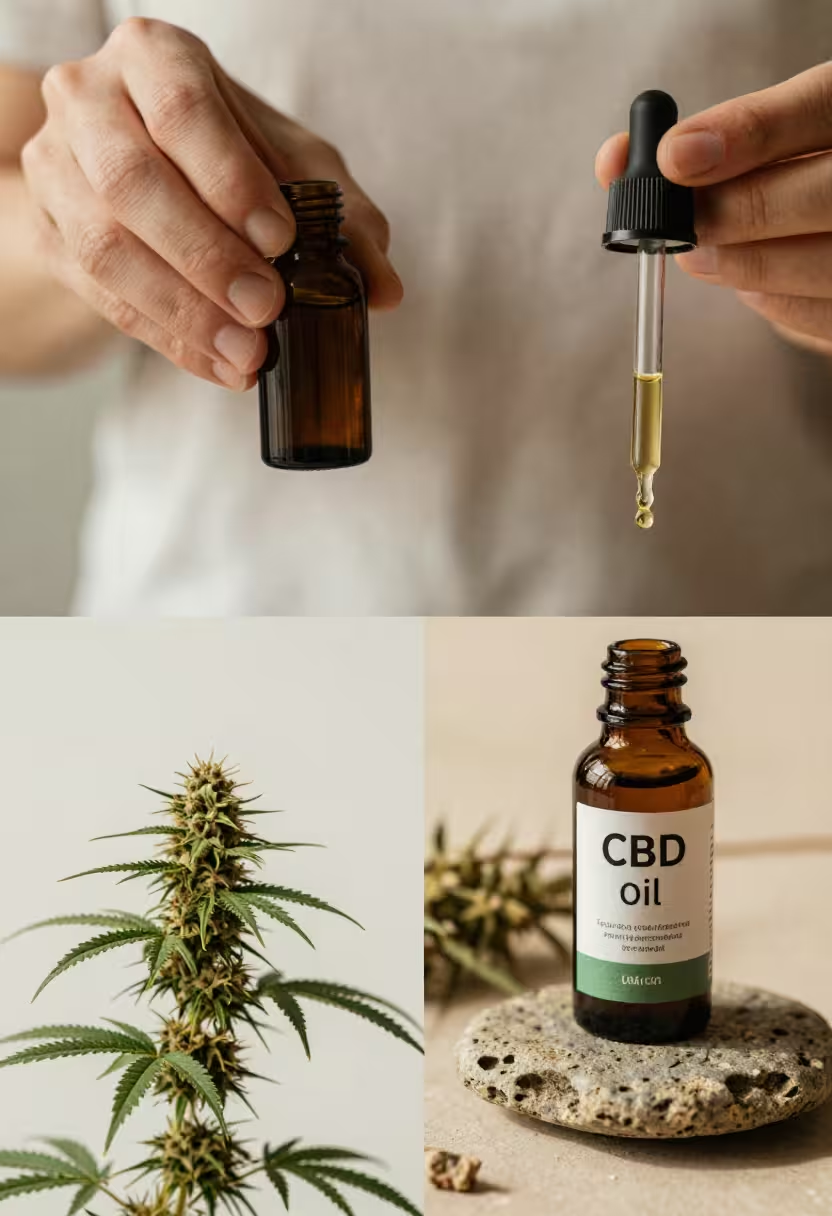
Walk into almost any wellness store today, and you’ll see shelves lined with CBD oils. Different strengths, flavors, promises, and price points — all claiming to help with stress, sleep, focus, or everyday balance. For many people, the hardest part isn’t deciding whether to try CBD, but figuring out which product is actually worth trusting.
That’s because with CBD, quality isn’t a small detail — it’s everything.
CBD oil is made from hemp, a plant that naturally absorbs what’s in the soil around it. If it’s grown in poor conditions or processed carelessly, that shows up in the final product. On the other hand, a well-sourced, carefully extracted oil can be clean, consistent, and supportive when used mindfully.
The challenge is that not all CBD products are created equal. Some are diluted, poorly labeled, or filled with unnecessary additives. Others look impressive on the outside but offer very little transparency about what’s inside the bottle.
This guide is designed to cut through that noise. Instead of marketing buzzwords or unrealistic claims, we’ll focus on the practical signs of a high-quality CBD oil — what to look for, what to question, and how to make an informed choice that feels safe and grounded.
Whether you’re new to CBD or looking to upgrade what you’re using now, understanding quality is the first and most important step.
Let’s start with the basics.
Understanding CBD: Basics Before You Buy
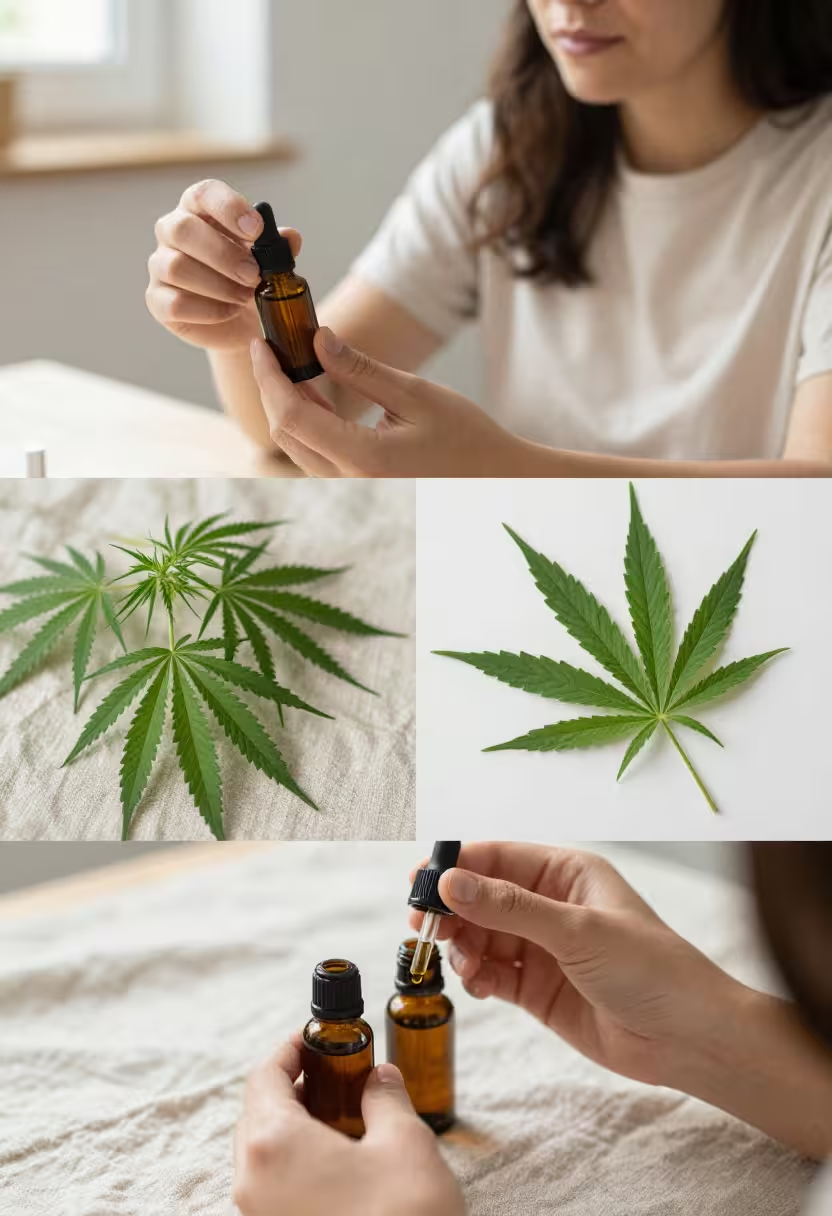
Before you start comparing brands or reading labels, it helps to understand what CBD actually is — and what it isn’t. This foundation makes every other quality decision clearer.
CBD, short for cannabidiol, is a naturally occurring compound found in the hemp plant. Unlike THC, it does not produce a “high.” Instead, it interacts gently with the body’s endocannabinoid system — a network involved in balance, stress response, sleep, and overall regulation. This is why CBD is often described as supportive rather than stimulating or sedating.
When shopping for CBD oil, one of the first things you’ll notice is that products are labeled differently: full spectrum, broad spectrum, or CBD isolate. These terms matter more than they might seem.
Full spectrum CBD oil contains CBD along with other naturally occurring cannabinoids, trace amounts of THC (within legal limits), and plant compounds like terpenes. Many people choose full spectrum products because they reflect the plant in its more complete form and may offer a broader effect.
Broad spectrum CBD is similar, but with THC removed. It still includes multiple cannabinoids and plant compounds, making it a common choice for those who want a more comprehensive product without THC.
CBD isolate is the most refined form — pure CBD with everything else removed. It’s flavorless and precise, but also the least complex. Some people prefer it for simplicity, while others find it less effective than spectrum-based oils.
Understanding these differences helps you align the product with your comfort level, lifestyle, and goals. There’s no universally “best” option — only what works best for you.
Once these basics are clear, the next step is learning how to verify whether a CBD oil actually contains what it claims.
Third-Party Lab Testing: Your First Quality Check
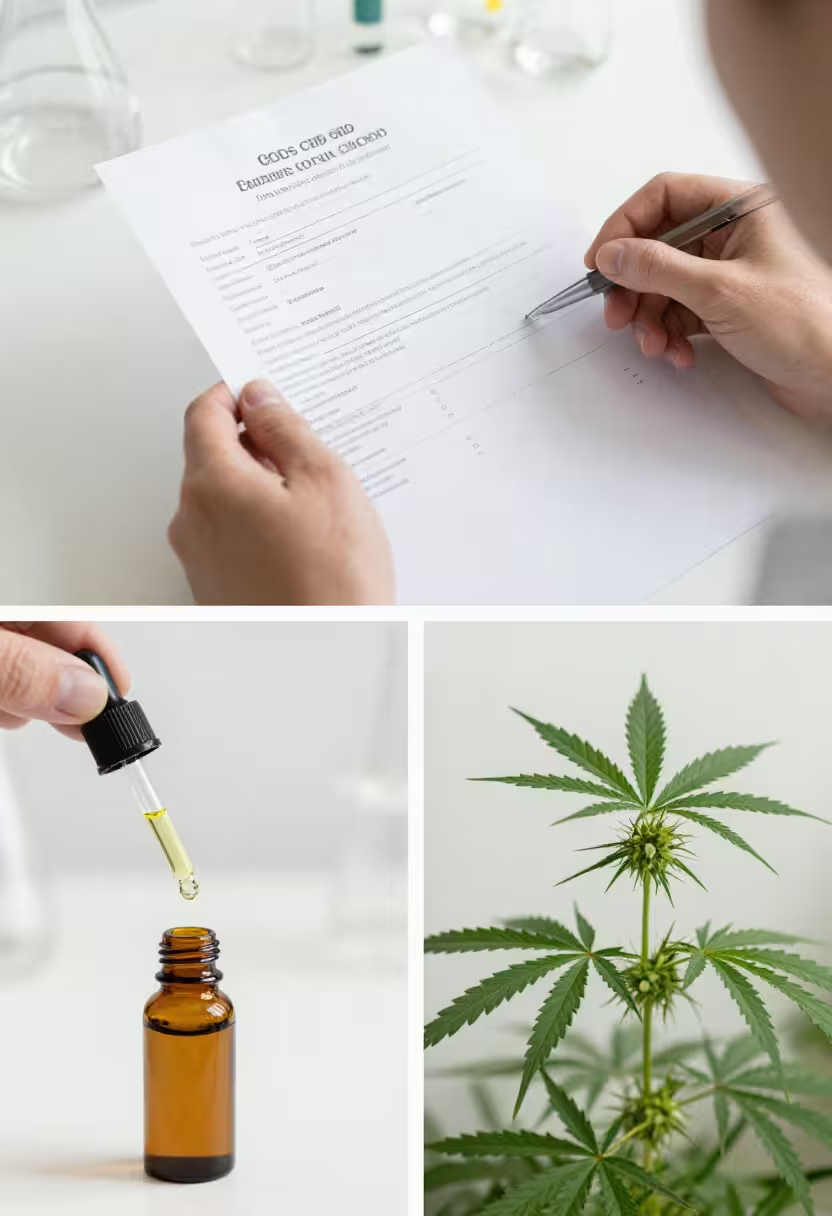
If there’s one non-negotiable sign of a high-quality CBD oil, it’s third-party lab testing. This is where marketing ends and facts begin.
Reputable CBD brands send their products to independent laboratories that have no connection to the manufacturer. These labs analyze the oil and produce a Certificate of Analysis (COA) — a document that confirms what’s actually inside the bottle.
A proper lab report tells you three essential things.
First, it verifies CBD potency. The report should clearly show how much CBD is present and whether it matches what’s stated on the label. If a product claims 1000 mg of CBD but tests far below that, it’s a red flag — even if everything else looks professional.
Second, it confirms THC levels. For full spectrum oils, THC should remain within legal limits. For broad spectrum or isolate products, it should be non-detectable. Clear THC data protects both safety and trust.
Third, it checks for contaminants. Because hemp absorbs substances from its environment, testing for pesticides, heavy metals, solvents, and mold is critical. A quality CBD oil should pass all of these safety screens cleanly.
Good brands don’t hide this information. They make lab results easy to find — often directly on their website or via a QR code on the bottle. If lab reports are missing, outdated, or hard to access, that’s usually a sign to look elsewhere.
It’s also worth checking the date. CBD oil changes over time, and lab tests should be recent enough to reflect the current batch, not something tested years ago.
Think of third-party testing as your safety net. It doesn’t guarantee that a product will work perfectly for you, but it does confirm that you’re getting a clean, honest product — which is the foundation of quality.
Once lab testing checks out, the next question becomes where the hemp itself comes from.
Source of Hemp: Where and How It’s Grown Matters
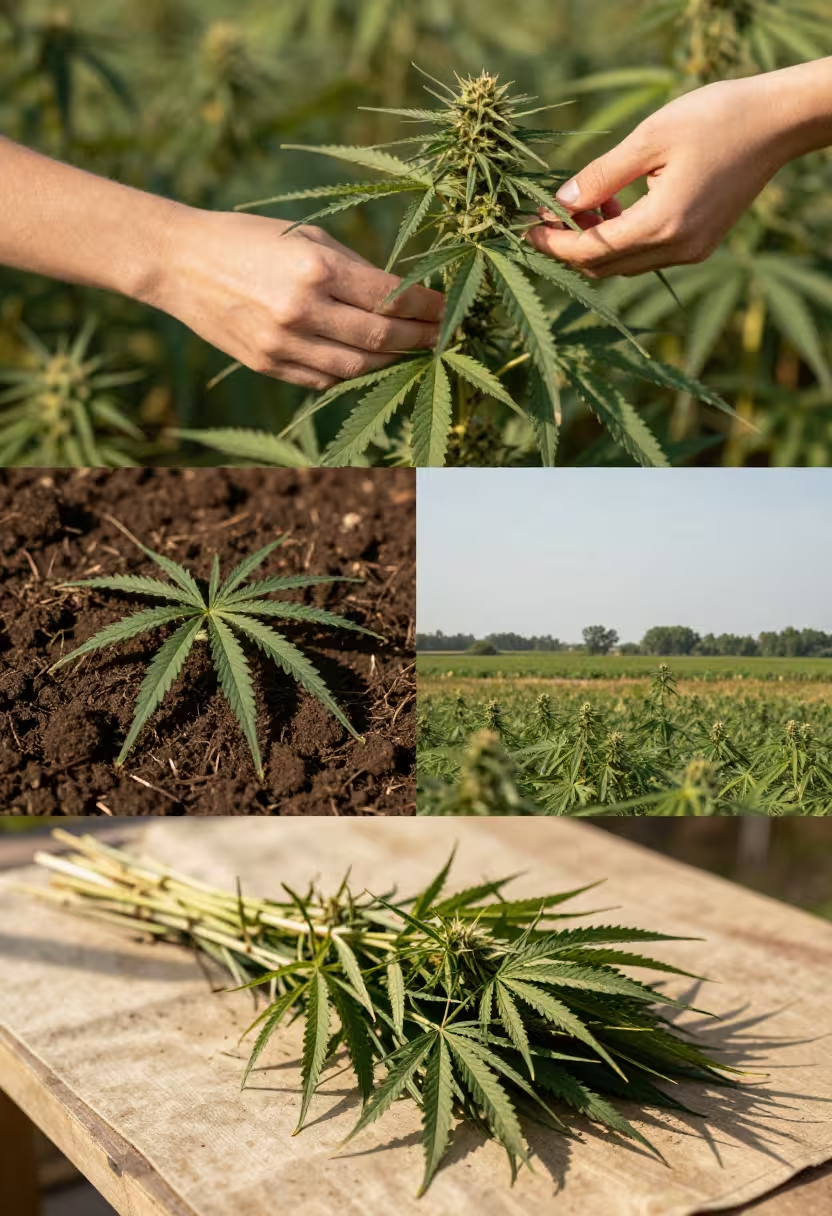
When it comes to CBD oil, quality starts long before extraction or bottling. It begins in the soil.
Hemp is what’s known as a bioaccumulator — a plant that absorbs substances from the environment around it. That can be a good thing when the soil is clean and well cared for. It can also be a serious problem when it isn’t. This is why the source of hemp is one of the most important factors in choosing a high-quality CBD oil.
Ideally, hemp should be grown in regions with strong agricultural standards and environmental oversight. Farms that follow organic or sustainable practices tend to produce cleaner plants, with fewer chemical residues and a more consistent cannabinoid profile. Even when a product isn’t officially certified organic, brands should be able to explain how their hemp is grown and what practices they follow.
Transparency matters here. A trustworthy CBD company usually shares:
- where their hemp is grown
- whether pesticides or herbicides are used
- how soil quality is monitored
Vague statements like “premium hemp” without any detail don’t tell you much. Clear sourcing information, on the other hand, signals that the brand understands how closely plant quality is tied to final results.
The way hemp is harvested also plays a role. Proper timing and careful handling help preserve cannabinoids and reduce the risk of contamination. Rushed or poorly managed harvesting can compromise even otherwise good crops.
If lab testing tells you what’s in the bottle, hemp sourcing tells you why it’s there in the first place. Clean inputs lead to cleaner outputs — it’s that simple.
Once you know the hemp is grown responsibly, the next step is understanding how CBD is extracted from the plant.
Extraction Methods: CO₂ vs Other Processes
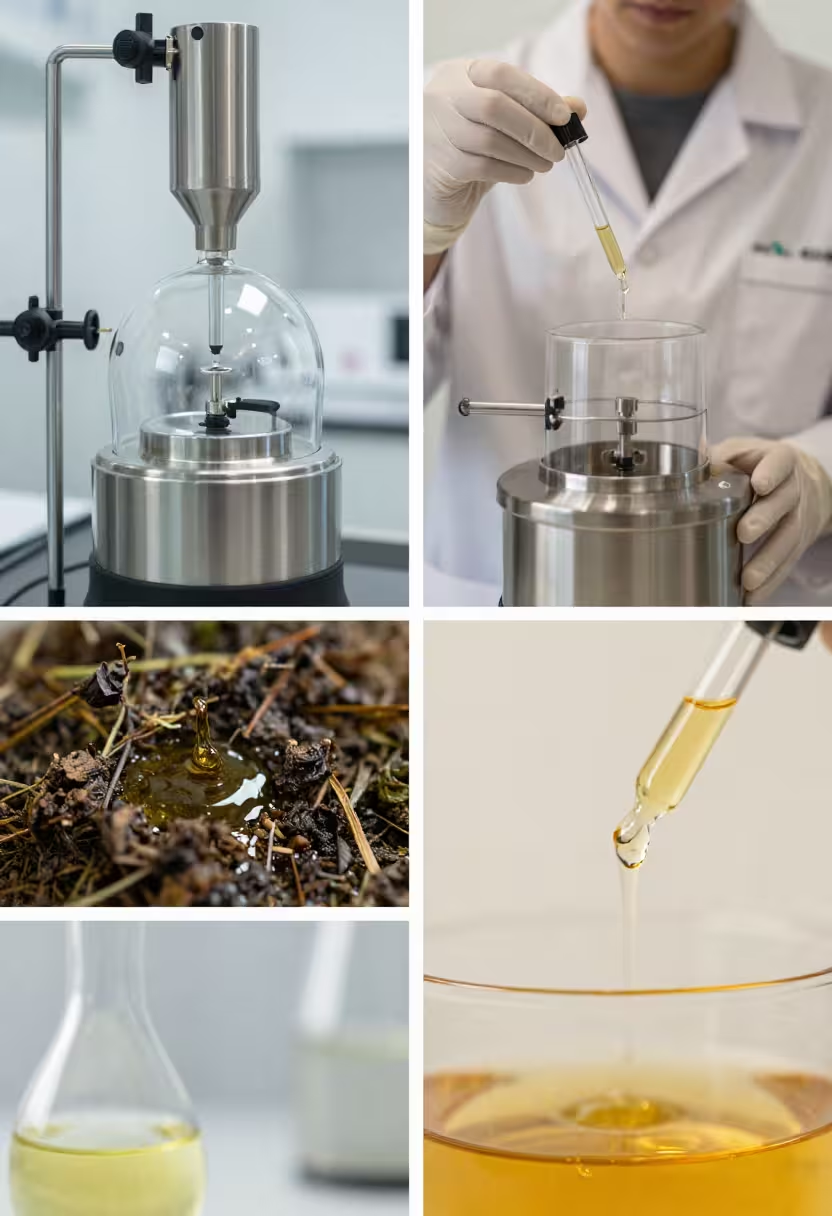
After hemp is grown and harvested, the next major factor that determines CBD oil quality is how the CBD is extracted from the plant. This step has a huge impact on purity, safety, and consistency — even if everything before it was done well.
The most widely respected method today is CO₂ extraction. It uses pressurized carbon dioxide to pull cannabinoids and beneficial plant compounds from the hemp without leaving behind toxic residues. When done correctly, CO₂ extraction produces a clean, stable oil that closely reflects the original plant profile. It’s precise, safe, and widely considered the gold standard — though it’s also more expensive, which is why higher-quality products often cost more.
Other extraction methods exist, and not all are inherently bad, but they require closer scrutiny.
Ethanol extraction, for example, can be effective when handled carefully. Food-grade ethanol is used to extract cannabinoids, and when properly removed, it can produce a high-quality oil. However, poor processing can strip away beneficial compounds or leave unwanted residues, which is why transparency and lab testing are especially important here.
Less reliable methods may use harsher solvents or shortcuts to reduce costs. These processes can compromise purity, affect taste, or introduce contaminants. If a brand avoids explaining how their CBD is extracted, that lack of clarity is usually intentional — and not a good sign.
A quality CBD brand is usually proud of its extraction process. You’ll often see it clearly stated on the website or product description, along with explanations of why that method was chosen.
Extraction isn’t just a technical detail. It’s one of the biggest reasons two CBD oils with the same dosage can feel completely different in quality and effect.
Once extraction is done, attention should turn to what else — if anything — is added to the oil.
Ingredients and Additives: Know What’s Inside
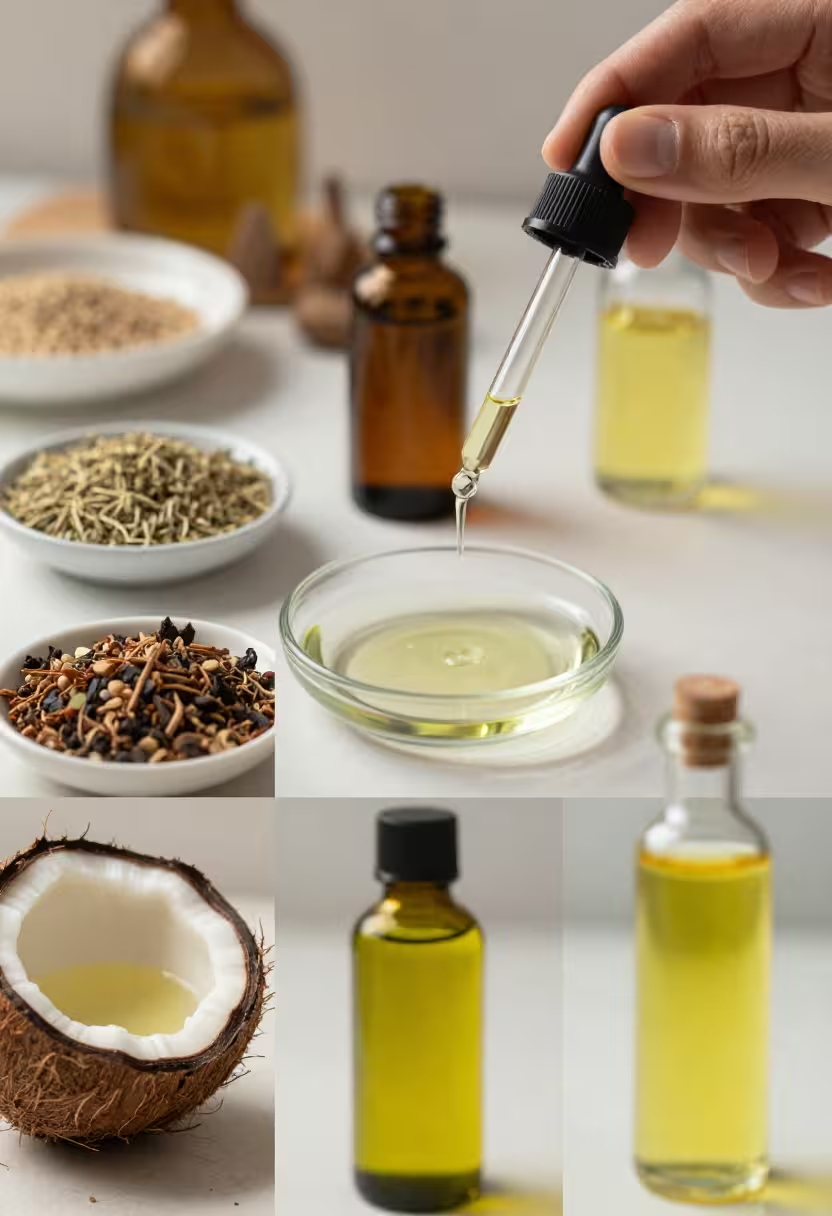
Once CBD has been extracted, what goes into the bottle next matters just as much as the hemp itself. High-quality CBD oil is usually simple by design — and that simplicity is a good sign.
At its core, CBD oil contains two main components: the CBD extract and a carrier oil. The carrier oil helps the body absorb CBD more effectively and influences taste, texture, and shelf life. Common carrier oils include MCT oil (from coconut), hemp seed oil, and olive oil. These are all generally well-tolerated and familiar in everyday nutrition.
Problems arise when products include long ingredient lists that don’t clearly serve a purpose. Artificial flavorings, sweeteners, colorings, or preservatives may make an oil more “marketable,” but they don’t improve quality — and they can complicate how the product feels in the body.
A well-made CBD oil should feel clean and intentional. When reading labels, look for clarity rather than clever wording. You should be able to understand what every ingredient is and why it’s there. If a label is vague, overly technical, or avoids specifics, that’s often a sign the brand is hiding behind marketing language.
Natural flavorings, such as peppermint or citrus oils, can be perfectly fine when used sparingly and transparently. What matters is moderation and honesty. Quality products don’t rely on masking bitterness or thinning the oil to stretch supply.
Another detail worth noticing is consistency. High-quality oils tend to have a smooth texture and a stable appearance. Cloudiness, separation, or unusual bitterness may indicate poor formulation or low-grade ingredients.
In short, fewer ingredients — clearly explained — usually point to a more trustworthy CBD oil. Once you’re confident about what’s inside, the next thing to examine is how clearly the product communicates its strength.
Potency & Dosage Clarity: Labels You Can Trust
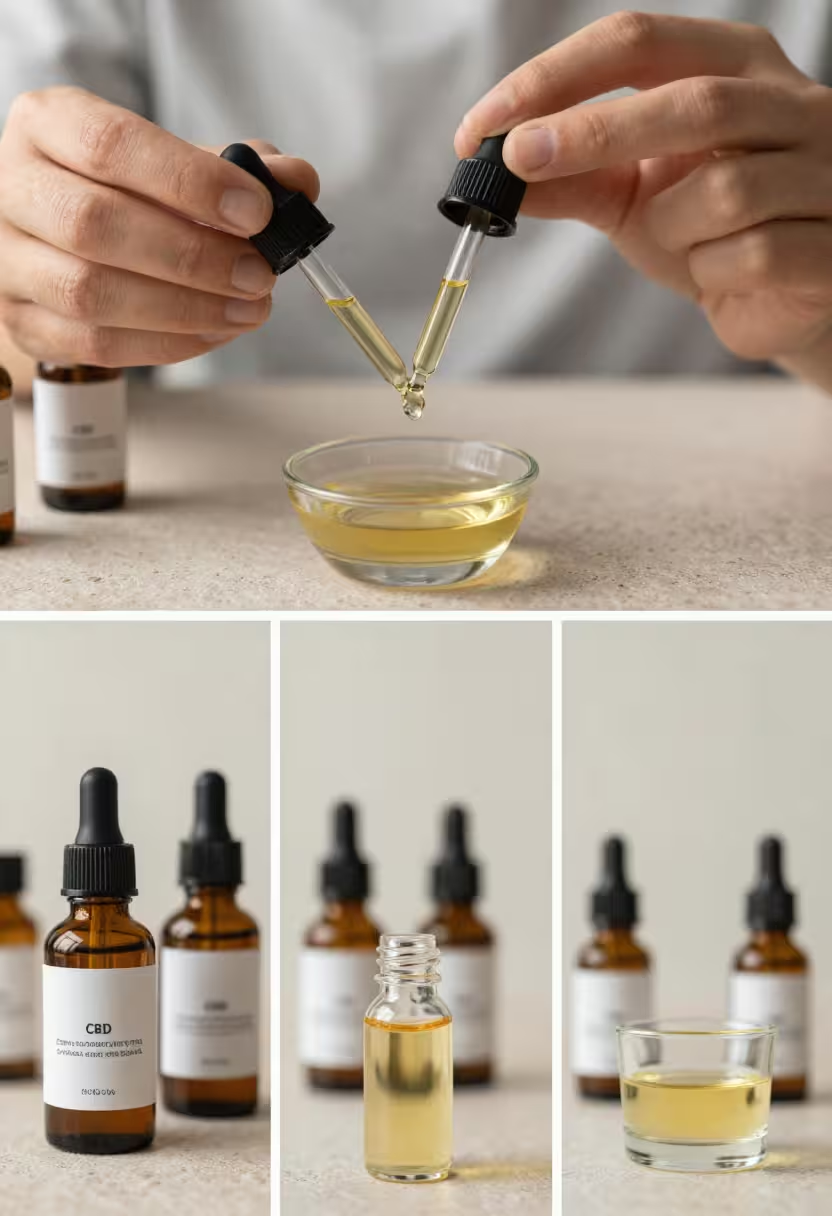
One of the most confusing parts of choosing CBD oil is understanding how strong it actually is. Potency isn’t just about big numbers on the front of the bottle — it’s about clarity, accuracy, and honesty.
A high-quality CBD oil label should clearly state the total amount of CBD in the bottle, usually measured in milligrams. Just as important, it should also explain how much CBD is in a single serving or dropper. Without that context, it’s difficult to use the product consistently or adjust dosage thoughtfully.
Some brands highlight large numbers to appear more powerful, but they don’t explain how those numbers translate into real use. For example, a bottle may contain 1500 mg of CBD, but if it’s spread across many servings, the actual amount per dose could be quite modest. Transparency here shows respect for the customer.
Clear labeling also reflects confidence. Brands that know their product is consistent and well-made don’t need to obscure dosage details. They make it easy for users to understand what they’re taking and how to start gently.
Another important detail is consistency between the label and lab results. The CBD content listed on the bottle should closely match what appears on the Certificate of Analysis. Small variations are normal, but large gaps are a warning sign.
Potency clarity isn’t about encouraging higher doses. It’s about giving people the information they need to use CBD responsibly and intentionally. When labels are clear, users can start low, adjust slowly, and find what works for their body without guessing.
Once dosage information is clear, the next step is assessing whether the brand itself meets recognized standards of trust and transparency.
Certifications & Transparency: Trusted Standards
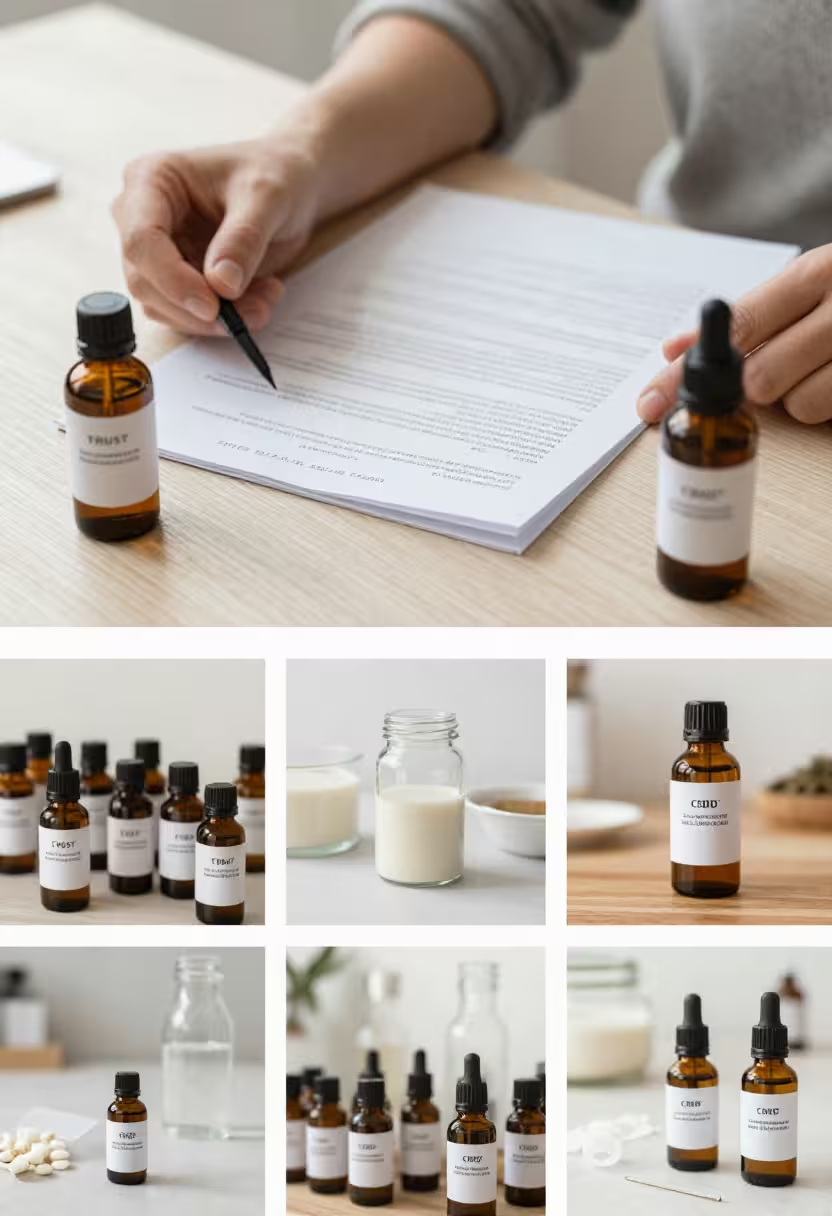
When choosing CBD oil, certifications and transparency aren’t about prestige — they’re about accountability. They show whether a brand is willing to stand behind its product and processes, even when no one is watching.
One of the most reassuring signs is adherence to Good Manufacturing Practices (GMP). This indicates that a product is made in facilities that follow strict guidelines for cleanliness, consistency, and quality control. While not every good CBD brand will advertise GMP loudly, those that do usually understand the value of proper manufacturing standards.
Organic certification, when present, can also be meaningful. It suggests that hemp was grown without certain pesticides or synthetic fertilizers. However, it’s worth noting that organic certification can be expensive and complex, so some responsible growers follow organic practices without carrying the official label. What matters most is whether the brand clearly explains its farming methods rather than hiding behind vague claims.
Transparency shows up in smaller ways too. Trustworthy brands tend to:
- clearly explain where their hemp comes from
- describe their extraction method in plain language
- make lab results easy to find
- provide real contact information and customer support
You shouldn’t have to dig through fine print or email a company just to understand what you’re buying. When information is openly shared, it builds confidence — not just in the product, but in the people behind it.
Be cautious of products that rely heavily on bold promises but offer very little detail. Claims like “miracle cure” or “guaranteed results” often replace real transparency. Quality CBD brands don’t need exaggeration; they let facts speak for themselves.
Once you understand what trustworthy standards look like, it becomes easier to spot products that don’t meet them.
Avoiding Red Flags: Cheap, Misleading, or Unsafe Products
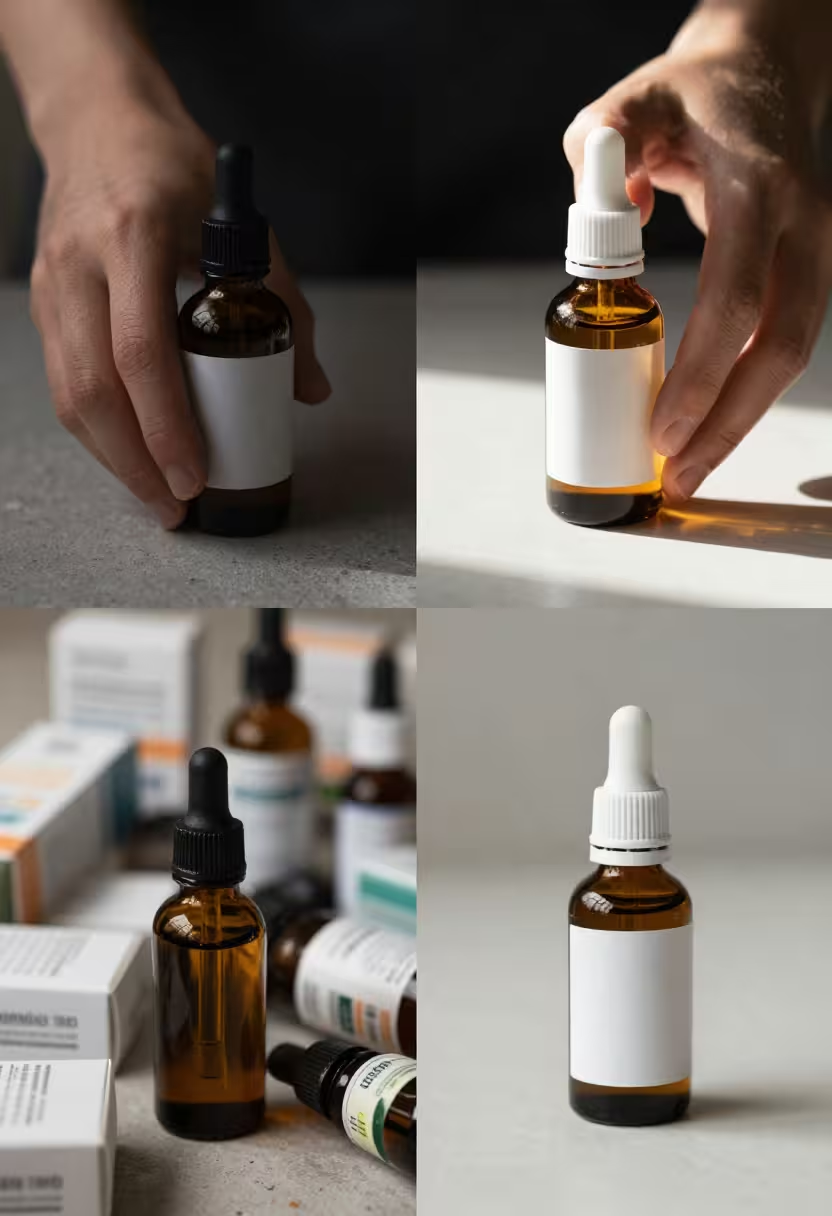
As CBD has grown in popularity, the market has become crowded — and not every product is made with care. Learning to recognize red flags can help you avoid oils that are ineffective at best and unsafe at worst.
One of the most common warning signs is unrealistically low pricing. Quality CBD oil requires careful farming, proper extraction, lab testing, and thoughtful formulation. When a product is dramatically cheaper than most others, it’s often cutting corners somewhere — whether in hemp quality, potency, or safety testing.
Another red flag is overblown health claims. CBD is widely studied, but it’s not a cure-all. Brands that promise guaranteed results, instant relief, or treatment for serious medical conditions are stepping beyond responsible marketing. Trustworthy companies focus on quality and transparency, not miracle language.
Packaging can also tell a story. Poor labeling, missing dosage information, vague ingredient lists, or no mention of lab testing should raise questions. If you can’t clearly see what’s in the bottle and how it was made, that uncertainty carries risk.
Pay attention to how accessible the brand is. Legitimate companies usually offer:
- clear contact information
- responsive customer service
- educational content rather than just sales pages
If a brand feels anonymous or difficult to reach, it may not be prepared to stand behind its product.
Finally, be cautious of oils that look or taste noticeably off. Strong chemical smells, extreme bitterness, or inconsistent texture can indicate poor extraction or low-quality additives.
Avoiding red flags doesn’t require expertise — just a willingness to pause, read carefully, and trust informed intuition.
Once you’ve narrowed down your options, there are a few simple ways to assess quality even before long-term use.
How to Test Quality at Home: Sensory & Practical Tips
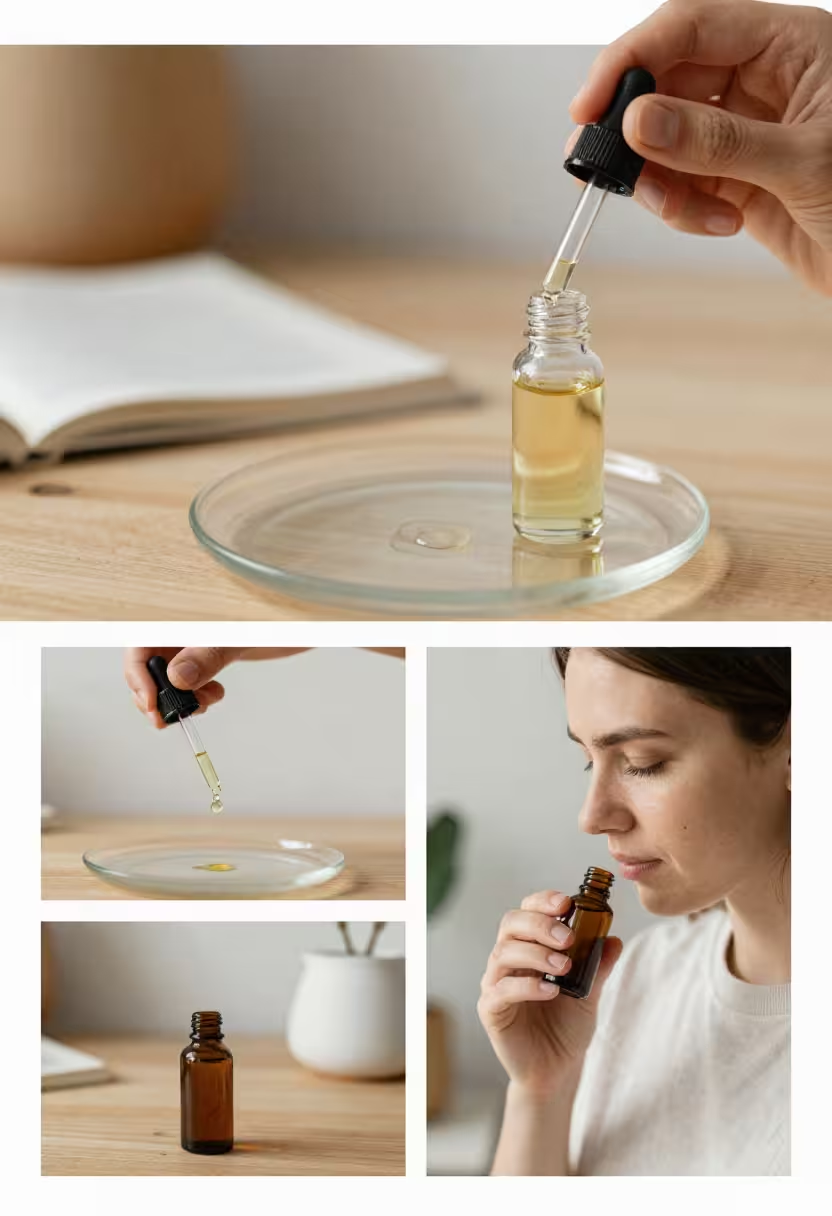
Even before you commit to regular use, there are a few simple, non-technical ways to get a feel for the quality of a CBD oil. While these checks don’t replace lab testing, they can help confirm whether a product feels thoughtfully made.
Start with appearance. A high-quality CBD oil is usually clear to slightly golden, depending on the extract and carrier oil. It should look consistent, without unusual cloudiness, sediment, or separation that doesn’t resolve with gentle shaking. Sudden changes in color over time can signal instability or poor formulation.
Next comes smell. CBD oil has a natural, earthy scent — sometimes slightly grassy or nutty — but it shouldn’t smell harsh, chemical, or artificial. If added flavors are present, they should be subtle, not overpowering. An unpleasant or synthetic smell is often a sign of low-quality additives or rushed processing.
Taste also tells a story. High-quality CBD oil tends to have a mild bitterness, which is normal for hemp extracts, but it shouldn’t burn, sting, or leave a lingering chemical aftertaste. Extreme bitterness or irritation can point to impurities or poor extraction.
Pay attention to mouthfeel and texture. The oil should feel smooth and consistent, not thin and watery or overly thick without explanation. A balanced texture usually reflects a well-chosen carrier oil and proper formulation.
Finally, notice how the product is packaged. Quality oils are typically stored in dark glass bottles to protect them from light degradation. Dropper tops should feel sturdy and precise, not flimsy or leaky. These details often reflect how seriously a brand takes product integrity.
None of these checks require expertise — just a few moments of attention. When a CBD oil feels clean, stable, and intentional from the first interaction, it’s often a good sign you’ve chosen well.
Once quality feels confirmed, the final step is understanding how to begin using CBD safely and realistically.
CBD for Beginners: How to Start with a Quality Product
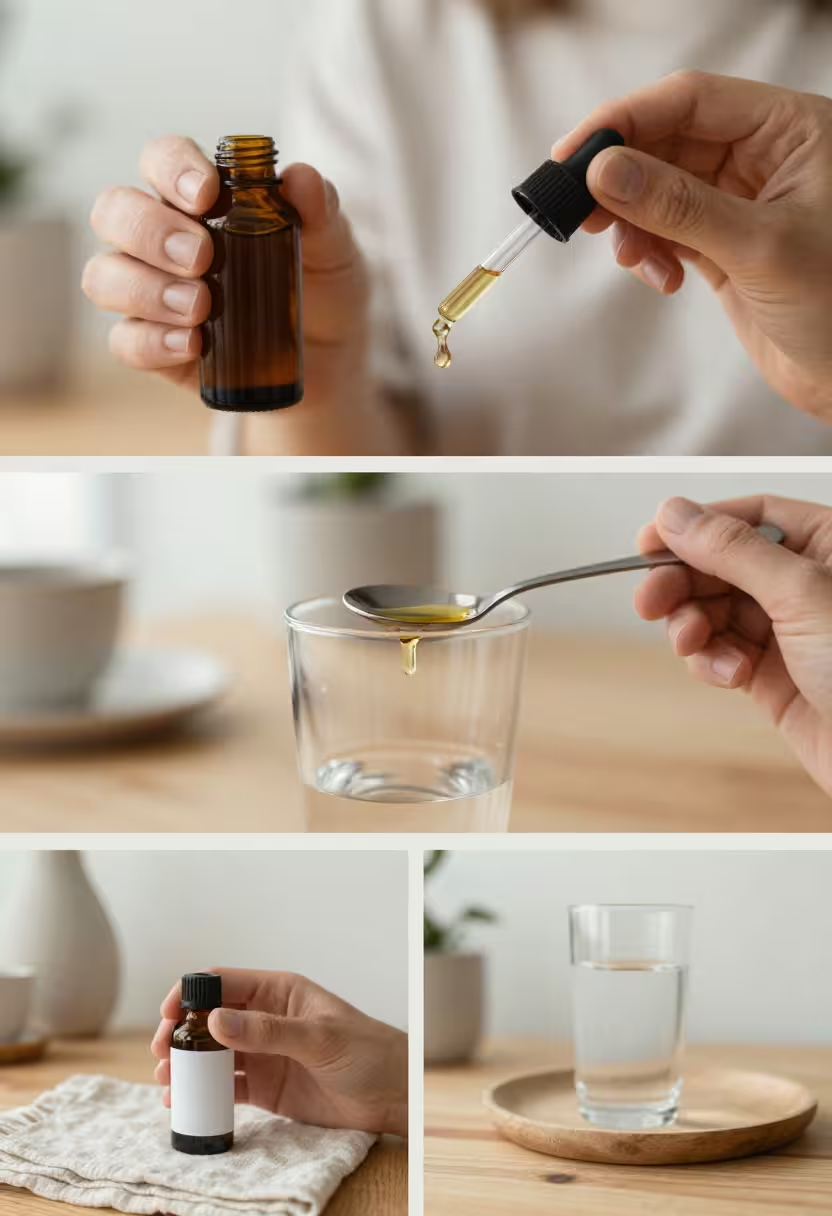
Starting CBD doesn’t have to feel complicated. In fact, the best approach is often the simplest one — slow, intentional, and guided by how your body responds rather than by bold claims or fixed rules.
If you’re new to CBD, begin with a low dose, even if the product you’ve chosen is high quality. This gives your body time to adjust and helps you notice subtle effects without overwhelming your system. Many people find that smaller amounts are enough to support balance when used consistently.
Consistency matters more than intensity. Using the same product at the same time of day for several days allows you to observe patterns — whether that’s calmer evenings, improved sleep routines, or a general sense of ease. Jumping between products or increasing doses too quickly can make it harder to understand what’s actually helping.
It’s also helpful to set realistic expectations. CBD is not designed to create immediate, dramatic changes. Its effects, when they occur, are often gradual and supportive rather than obvious. Think of it as something that works with your body, not something that forces a response.
Timing can make a difference as well. Some people prefer taking CBD in the evening as part of a wind-down routine, while others use it earlier in the day to support focus or stress management. There’s no universal schedule — just what fits naturally into your lifestyle.
Finally, keep notes, even informal ones. Paying attention to sleep quality, mood, digestion, or stress levels over time can help you decide whether CBD is worth continuing and whether the product you’ve chosen truly supports your needs.
Starting with a quality product gives you a solid foundation. From there, patience and awareness do the rest.
To close out this guide, let’s answer the most common questions people ask when choosing CBD oil.
FAQ: Common Questions About Choosing CBD Oil

How do I know if a CBD oil is truly high quality?
A high-quality CBD oil is backed by third-party lab testing, uses clearly sourced hemp, lists all ingredients transparently, and provides accurate dosage information. If a brand openly shares this information, it’s usually a good sign of trustworthiness.
Is full spectrum CBD better than isolate?
Not necessarily. Full spectrum products include additional plant compounds that some people prefer, while isolates offer simplicity and precision. The best choice depends on personal comfort, sensitivity, and goals — not on a universal standard.
Can CBD oil contain THC?
Yes, full spectrum CBD oils may contain trace amounts of THC within legal limits. Broad spectrum and isolate products are typically THC-free. Lab reports should always confirm this.
Does higher potency mean better quality?
No. Potency reflects concentration, not quality. A lower-potency oil made from clean hemp and extracted carefully can be higher quality than a strong product made with poor practices.
Why is CBD oil sometimes expensive?
Producing quality CBD oil involves responsible farming, clean extraction methods, thorough testing, and proper storage. These steps add cost, but they also ensure safety and consistency.
Should CBD oil have a strong taste?
CBD oil naturally has an earthy, slightly bitter flavor. Extremely harsh, chemical, or artificial tastes may indicate low-quality ingredients or poor extraction.
How long does it take to notice effects?
This varies. Some people notice subtle changes within days, while others need several weeks of consistent use. CBD works gradually and isn’t designed for instant results.
Can I take CBD oil every day?
Many people use CBD daily without issues, but consistency and moderation are key. Starting with a low dose and paying attention to how your body responds is always recommended.
Final thoughts
Choosing high-quality CBD oil is about awareness, not perfection. When you understand sourcing, testing, labeling, and formulation, you can make confident decisions without relying on hype. A well-made product supports your routine quietly — without demanding belief or exaggeration.



I gotta favorite this web site it seems invaluable invaluable