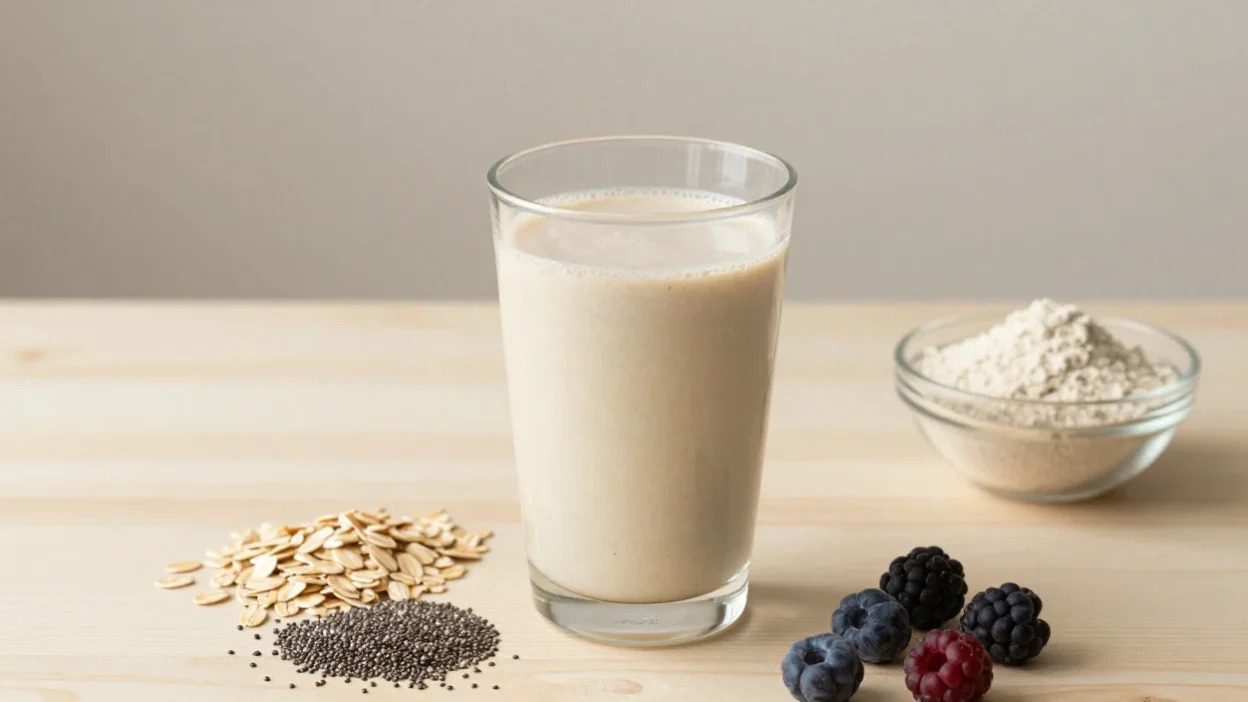
Contents
- Introduction: Why Diet Shakes Are Everywhere
- What Are Diet Shakes (Scientifically Explained)
- Benefits of Diet Shakes for Weight Management
- Beyond Weight Loss: Holistic Health Benefits
- Types of Diet Shakes — Which One Is Right for You
- How Diet Shakes Fit Into a Balanced Routine
- Common Mistakes People Make With Diet Shakes
- Tips for Choosing High-Quality Diet Shakes
- Realistic Results: What to Expect
- Who Should (and Shouldn’t) Use Diet Shakes
- Frequently Asked Questions About Diet Shakes (FAQ)
- Conclusion — Balancing Convenience With Real Health
Introduction: Why Diet Shakes Are Everywhere

Some mornings begin with the best intentions — a glass of water, a quick stretch, maybe even a mental note to eat better today. And then life steps in. Emails pile up, meetings run long, lunch gets skipped, and by evening you’re standing in front of the fridge wondering how the day disappeared so quickly.
This is where diet shakes for weight management quietly enter the conversation.
Not as a miracle cure. Not as a punishment. But as a practical bridge between wanting to eat well and actually having the time and energy to do it.
Diet shakes have become increasingly popular because they solve a very modern problem: how to nourish the body without overthinking every meal. They offer structure in chaotic schedules, portion control without constant calorie counting, and nutrition that feels manageable rather than overwhelming.
For some people, a diet shake replaces breakfast on rushed weekdays. For others, it becomes a balanced lunch option or a gentle reset after weeks of inconsistent eating. And for many, it’s simply a tool — one piece of a larger, more compassionate approach to weight management.
Of course, not all diet shakes are created equal. Some are thoughtfully formulated with protein, fiber, and essential nutrients. Others are little more than sweetened drinks wearing a “health” label. Understanding the difference is what makes diet shakes either helpful allies or missed opportunities.
In this article, we’ll explore:
- what diet shakes really are,
- how they support healthy weight management,
- their nutritional benefits,
- and how to choose the best options for your lifestyle and goals.
No extremes. No guilt. Just clear, practical guidance — so you can decide whether diet shakes deserve a place in your daily rhythm.
What Are Diet Shakes (Scientifically Explained)

At their core, diet shakes are designed to do one simple thing well:
provide balanced nutrition in a controlled, convenient form.
Most diet shakes fall into the category of meal replacements. That means they’re formulated to stand in for one full meal — usually breakfast or lunch — rather than act as a light snack or a post-workout drink. A well-designed diet shake typically contains a mix of:
- Protein to support muscle maintenance and satiety
- Carbohydrates for energy
- Healthy fats for nutrient absorption and fullness
- Fiber to support digestion and help you feel satisfied
- Vitamins and minerals to cover common nutritional gaps
In other words, a proper diet shake isn’t just a flavored protein drink. It’s closer to a compressed, simplified meal.
Diet Shakes vs Protein Shakes vs Smoothies
This is where confusion often starts — and where many people make the wrong choice for their goals.
Protein shakes are primarily designed to boost protein intake. They’re great after workouts or when you need extra protein, but on their own, they usually lack enough calories, fiber, and micronutrients to replace a full meal.
Smoothies, especially homemade ones, can be very nutritious — but they’re also unpredictable. A smoothie can easily turn into a calorie bomb depending on fruit portions, sweeteners, nut butters, or syrups. Without careful planning, it’s easy to drink far more calories than intended.
Diet shakes, by contrast, are intentionally structured.
They offer portion control, consistent calorie ranges, and a predictable nutrient profile — which is exactly why they’re often used for weight management.
Why Structure Matters for Weight Management
Weight management isn’t only about what you eat — it’s about consistency.
A diet shake removes several decision points at once:
- What to cook
- How much to eat
- Whether the meal is balanced
That simplicity reduces mental fatigue and helps prevent impulsive food choices later in the day. For many people, especially those with busy schedules, this structure is what makes healthy eating feel sustainable instead of exhausting.
Think of diet shakes not as a replacement for real food — but as a support system. A way to keep nutrition steady on days when life is anything but.
Benefits of Diet Shakes for Weight Management

Weight management often sounds complicated, but in practice, it usually comes down to a few repeating challenges: portion sizes creep up, meals become inconsistent, and hunger hits at the worst possible moments. Diet shakes work well not because they’re trendy, but because they quietly address these everyday problems.
Built-In Portion Control (Without Counting Calories)
One of the most underrated benefits of diet shakes is automatic portion control.
Instead of eyeballing serving sizes or tracking every ingredient, a diet shake comes with a predefined calorie range. For many people, this alone creates a gentle calorie deficit — not through restriction, but through clarity.
It’s the difference between guessing and knowing. And that sense of certainty often reduces food anxiety, which is surprisingly important for long-term success.
Feeling Full on Fewer Calories
High-quality diet shakes are formulated to support satiety — the feeling of being comfortably full. Protein plays a central role here, slowing digestion and helping stabilize blood sugar levels. Fiber adds bulk and keeps hunger from returning too quickly.
This combination can make a 300–400 calorie shake feel far more satisfying than a rushed sandwich or sugary pastry with the same calorie count.
Many people notice that when they start their day with a balanced diet shake, they’re less likely to snack mindlessly later on — not because of willpower, but because their body feels nourished.
Consistency Creates Results
Weight management rarely fails because people “don’t try hard enough.”
More often, it fails because plans are too complex to maintain.
Diet shakes shine here. They’re easy to prepare, quick to consume, and simple to repeat day after day. That repetition creates consistency — and consistency is what allows small calorie deficits to add up over time.
A shake at breakfast or lunch doesn’t need motivation. It just needs a blender or a shaker bottle.
Supporting Muscle While Losing Weight
Another important benefit is muscle preservation.
When weight loss diets are too low in protein, the body may break down muscle tissue along with fat. Many diet shakes are intentionally protein-forward, helping protect lean muscle mass — especially important for people who exercise or want to maintain strength while losing weight.
Less Decision Fatigue, More Mental Space
There’s also a quiet psychological benefit: fewer food decisions.
On busy days, deciding what to eat can feel surprisingly draining. A diet shake removes that friction. One less decision frees up mental energy — and often makes healthier choices later in the day feel easier, not forced.
Beyond Weight Loss: Holistic Health Benefits

While diet shakes are often discussed through the lens of weight loss, their benefits extend well beyond the number on the scale. When thoughtfully chosen, they can support overall health, digestion, energy levels, and even daily routines in subtle but meaningful ways.
Nutrient Balance in a Busy World
One of the quiet realities of modern eating is that many meals are calorie-dense but nutrient-light. Even when we’re full, we may still be missing essential vitamins and minerals.
Well-formulated diet shakes are designed to close that gap. They often include:
- B vitamins for energy metabolism
- Iron and magnesium for daily function
- Vitamin D and calcium for bone health
For people who regularly skip meals or rely on convenience foods, a diet shake can act as a nutritional safety net — not perfect, but supportive.
Supporting Digestive Health
Fiber is one of the most commonly under-consumed nutrients, yet it plays a major role in digestion and metabolic health.
Many diet shakes include soluble and insoluble fiber to:
- promote regular digestion,
- support gut bacteria,
- and help regulate appetite signals.
For some people, switching one low-fiber meal per day to a fiber-rich shake results in noticeably better digestion within a short time.
Steady Energy, Fewer Crashes
We’ve all experienced it: a quick meal that feels energizing at first, followed by an inevitable slump.
Balanced diet shakes are designed to avoid blood sugar spikes. By combining protein, fats, and controlled carbohydrates, they release energy more gradually — helping you feel steady rather than wired, full rather than heavy.
This can be especially helpful for people who experience afternoon fatigue or rely heavily on caffeine to get through the day.
Supporting Active Lifestyles
For those who exercise regularly, diet shakes can also play a role in recovery and performance.
Protein supports muscle repair, while carbohydrates help replenish energy stores. When used strategically — for example, after a workout or as a pre-planned meal — diet shakes can simplify nutrition without sacrificing effectiveness.
A Gentle Reset, Not a Restriction
Perhaps the most overlooked benefit is psychological.
Using diet shakes can help reset eating patterns after periods of inconsistency — travel, stress, or busy seasons of life. Instead of jumping into strict diets, a shake offers structure without punishment.
It’s not about replacing real food forever. It’s about creating breathing room — space to rebuild habits calmly and intentionally.
Types of Diet Shakes — Which One Is Right for You

Walk down any supplement aisle or scroll through an online store, and it becomes clear very quickly: diet shakes are not one-size-fits-all. They’re designed for different goals, bodies, and lifestyles — and understanding the main categories makes choosing the right one far less confusing.
Meal Replacement Shakes
These are the most common option for weight management.
Meal replacement shakes are intended to fully replace one meal and usually contain:
- moderate calories (typically 200–400 per serving),
- a balanced mix of protein, carbohydrates, and fats,
- added vitamins and minerals.
They work best when used consistently — for example, as a daily breakfast or lunch. For many people, this category offers the best balance between convenience and nutrition.
Protein-Focused Diet Shakes
Protein-heavy shakes are often used for:
- muscle maintenance,
- increased satiety,
- or supporting active lifestyles.
They’re higher in protein and lower in carbohydrates, which can be helpful if your main challenge is staying full between meals. However, they may need to be paired with fruit, healthy fats, or fiber to function as a true meal replacement.
Low-Carb and Keto-Friendly Shakes
Designed for people following low-carbohydrate or ketogenic eating patterns, these shakes prioritize:
- fats and protein,
- minimal sugars and starches.
They can be effective for appetite control and blood sugar stability, but they’re not ideal for everyone — especially those who exercise intensely or feel better with moderate carbs.
Plant-Based and Vegan Diet Shakes
Vegan and plant-based shakes rely on proteins like:
- pea,
- rice,
- soy,
- or blended plant sources.
They’re a great option for people avoiding dairy or animal products, and many modern formulas are surprisingly complete. Still, it’s worth checking amino acid balance, vitamin B12 content, and iron levels when choosing plant-based options.
Ready-to-Drink vs Powdered Shakes
This choice often comes down to lifestyle.
- Ready-to-drink shakes are ultra-convenient — no prep, no cleanup.
- Powdered shakes offer flexibility, cost savings, and the ability to customize ingredients.
Both can work well. The “best” option is the one you’ll realistically use — consistently and comfortably.
Choosing Based on Your Goals
Before picking a diet shake, ask yourself:
- Am I replacing a meal or supplementing one?
- Do I need more protein, fewer carbs, or balanced nutrition?
- How important are taste, texture, and digestion for me?
The right shake should feel supportive, not restrictive — something that fits into your day naturally rather than forcing you to adjust your life around it.
How Diet Shakes Fit Into a Balanced Routine

One of the biggest misconceptions about diet shakes is that they’re meant to replace real food entirely. In reality, they work best when they’re woven thoughtfully into a balanced eating routine — not when they take it over.
Think of diet shakes as a supporting role, not the main character.
Replacing vs. Supplementing Meals
For most people, the most effective approach is replacing one meal per day — often breakfast or lunch — with a diet shake.
- Breakfast replacement works well for rushed mornings and helps set a steady nutritional tone for the day.
- Lunch replacement can prevent impulsive choices when time is limited.
Using diet shakes as supplements — for example, adding one between meals — can also be useful, but doing so without adjusting other meals may stall weight management progress.
Timing Matters (But Doesn’t Need to Be Perfect)
There’s no universal “best time” to drink a diet shake. What matters more is consistency.
Some people feel best with a shake:
- early in the morning,
- after a workout,
- or during the busiest part of the day when cooking isn’t realistic.
Listening to your energy levels and hunger cues helps determine the ideal timing for you.
Pairing Shakes With Whole Foods
A balanced routine still includes real, minimally processed foods.
When one meal is replaced with a shake, the remaining meals can focus on:
- vegetables and fruits,
- lean proteins,
- healthy fats,
- whole grains.
This combination allows diet shakes to simplify part of your day while preserving the pleasure and nutritional diversity of whole-food meals.
Flexibility Over Perfection
Diet shakes work best when they feel flexible, not rigid.
Some days you might use one. Other days, none at all. During travel or busy weeks, they might appear more often — and that’s okay.
Weight management thrives on routines you can return to, not rules you feel guilty breaking.
Listening to Your Body
If you notice persistent hunger, fatigue, or digestive discomfort, it may be a sign that:
- the shake’s calorie level is too low,
- protein or fiber content isn’t sufficient,
- or it’s being used too frequently.
Adjusting quantity, frequency, or formula keeps diet shakes working with your body rather than against it.
Common Mistakes People Make With Diet Shakes

Diet shakes can be incredibly helpful — but only when they’re used with intention. Many people give them a try, feel disappointed, and assume “they just don’t work.” In reality, it’s often how the shakes are used that makes the difference.
Let’s look at the most common missteps.
Relying on Diet Shakes Too Heavily
One of the biggest mistakes is using diet shakes to replace most or all meals for extended periods.
While short-term shake-based plans exist, long-term weight management benefits from:
- food variety,
- chewing and digestion,
- social and emotional satisfaction from meals.
Using diet shakes too often can lead to boredom, cravings, and nutrient imbalances. They’re meant to simplify — not eliminate — real food.
Choosing Shakes With Hidden Sugars
Not all “healthy-looking” shakes are created equal.
Some contain:
- added sugars,
- syrups,
- artificial sweeteners in large amounts,
- or highly refined carbohydrates.
These ingredients can cause blood sugar spikes and leave you hungry soon after drinking the shake. Always check labels, even on products marketed for weight loss.
Ignoring Satiety and Taste
A diet shake might be nutritionally balanced on paper — but if it doesn’t taste good or leaves you hungry, it won’t be sustainable.
People often underestimate the importance of:
- flavor,
- texture,
- how full they feel afterward.
If you’re forcing yourself to drink a shake you dislike, it’s unlikely to become a lasting habit.
Treating Diet Shakes as a Shortcut
Diet shakes aren’t a workaround for overall eating patterns.
If other meals are consistently unbalanced or overly restrictive, a shake won’t compensate. Weight management works best when diet shakes are part of a bigger, realistic lifestyle picture.
Skipping Protein or Fiber Balance
Some shakes focus heavily on one macronutrient while neglecting others.
- Too little protein can lead to muscle loss and hunger.
- Too little fiber can affect digestion and fullness.
A well-balanced shake supports both.
Expecting Instant Results
Finally, many people expect rapid weight loss within days.
Diet shakes support gradual, sustainable progress. When used consistently over time — paired with mindful eating and movement — results follow naturally.
Tips for Choosing High-Quality Diet Shakes
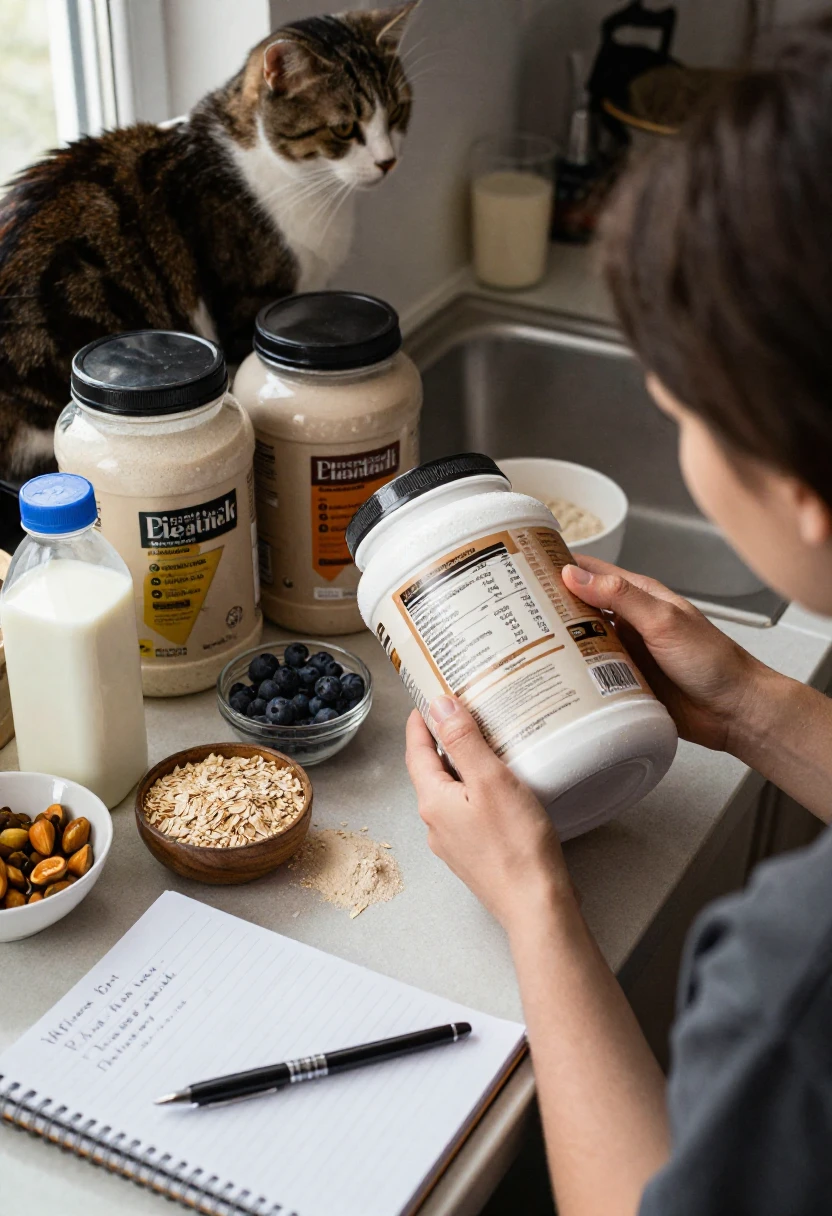
With so many options on the market, choosing a diet shake can feel overwhelming. Bright packaging, bold health claims, and buzzwords don’t always translate into real nutritional value. The key is knowing what actually matters — and what you can safely ignore.
Look at the Ingredient List First
A good rule of thumb: shorter is often better.
High-quality diet shakes usually list:
- a clear protein source (whey, pea, soy, etc.),
- recognizable ingredients,
- minimal fillers and artificial additives.
If sugar or syrups appear at the top of the list, that’s a sign to pause.
Prioritize Protein Content
Protein is essential for:
- satiety,
- muscle maintenance,
- metabolic health.
For a meal replacement shake, aim for at least 15–25 grams of protein per serving. Active individuals may benefit from slightly more.
Don’t Ignore Fiber
Fiber is what helps a shake feel like a meal rather than a snack.
Look for 5–10 grams of fiber per serving if possible. This supports digestion and helps prevent hunger from returning too quickly.
Watch Added Sugars and Sweeteners
Naturally occurring sugars (from ingredients like milk or fruit) are different from added sugars.
Try to:
- keep added sugars low,
- be cautious with overly sweet flavors,
- notice how artificial sweeteners affect your digestion and appetite.
Your body’s response matters more than marketing claims.
Check the Micronutrient Profile
A quality diet shake should contribute meaningfully to daily nutrient needs.
Look for:
- vitamins A, D, E, and B-complex,
- minerals like calcium, iron, magnesium, and zinc.
This is especially important if the shake regularly replaces a meal.
Match the Shake to Your Lifestyle
There’s no “best” shake — only the best one for you.
Consider:
- dietary preferences (vegan, dairy-free, gluten-free),
- budget,
- convenience,
- taste and texture.
The ideal diet shake is one you enjoy and can use consistently without feeling restricted.
Realistic Results: What to Expect

One of the healthiest shifts you can make when using diet shakes is adjusting expectations. Diet shakes are not a quick fix — and that’s actually their strength. They’re designed to support steady, sustainable weight management, not dramatic short-term drops that rarely last.
Why Diet Shakes Can Be Effective
At their most basic level, diet shakes work because they help create a consistent calorie structure.
Replacing one meal with a controlled, balanced shake often leads to:
- fewer overall calories consumed,
- better portion awareness,
- reduced impulsive eating.
Over time, these small daily changes add up — often more reliably than strict diets.
What Progress Usually Looks Like
For many people, results appear gradually:
- subtle changes in appetite,
- fewer cravings,
- improved energy levels,
- and eventually, steady weight reduction.
This slower pace is not a failure. It’s a sign that the approach is compatible with real life.
Some weeks may show visible changes, while others may not. Consistency matters far more than speed.
Body Composition Matters More Than the Scale
When diet shakes include adequate protein, they help preserve lean muscle mass while reducing fat. This means:
- your weight may change slowly,
- but your body shape and energy levels may improve noticeably.
Focusing solely on the scale can be misleading. How your clothes fit and how you feel day to day often tell a clearer story.
Individual Differences Are Normal
Age, metabolism, activity level, and stress all influence outcomes.
Two people using the same diet shake can experience different results — and both can be completely normal. The goal isn’t comparison, but alignment with your own body and lifestyle.
Patience Is Part of the Process
Sustainable weight management rarely feels dramatic. It feels calm, predictable, and — after a while — almost boring.
And that’s a good thing.
When diet shakes fit smoothly into your routine, results tend to follow naturally — without the constant mental tug-of-war that comes with restrictive dieting.
Who Should (and Shouldn’t) Use Diet Shakes

Diet shakes can be a powerful tool — but like any tool, they work best in the right hands and circumstances. Understanding who benefits most (and when caution is needed) helps ensure they support health rather than complicate it.
Who Diet Shakes Are Best Suited For
Busy professionals and parents
When time is limited and meals are often rushed or skipped, diet shakes provide a reliable way to maintain nutrition without constant planning.
People seeking structure
For those who feel overwhelmed by calorie counting or meal prep, diet shakes offer clarity and simplicity — one defined meal with predictable nutrition.
Weight management beginners
If you’re just starting a weight management journey, diet shakes can gently introduce portion control and balanced eating without drastic changes.
Active individuals needing consistency
With adequate protein, diet shakes can support muscle maintenance and recovery, especially when paired with regular movement.
Who Should Be More Cautious
People with specific medical conditions
Those with diabetes, kidney disease, gastrointestinal disorders, or food allergies should consult a healthcare professional before using diet shakes regularly.
Anyone considering very low-calorie intake
Replacing too many meals with shakes can unintentionally drop calorie intake too low, leading to fatigue, nutrient deficiencies, or metabolic slowdown.
Those with a history of disordered eating
Highly structured food replacements can sometimes trigger unhealthy patterns. In these cases, guidance from a nutrition professional is especially important.
Signs Diet Shakes May Not Be Working for You
- persistent hunger or fatigue,
- digestive discomfort,
- irritability or low energy,
- feeling disconnected from normal eating patterns.
These signals don’t mean diet shakes are “bad” — they simply suggest that adjustments or alternatives may be needed.
A Tool, Not a Rule
Perhaps the most important point: diet shakes should feel supportive, not controlling.
They work best when used flexibly — adapting to life’s changes rather than dictating them. When approached with curiosity instead of pressure, diet shakes can become a helpful part of a sustainable wellness routine.
Frequently Asked Questions About Diet Shakes (FAQ)

Are diet shakes healthier than regular meals?
Diet shakes aren’t necessarily healthier than whole-food meals — but they can be more balanced than rushed or unplanned choices. A high-quality diet shake often provides better portion control and nutrient consistency than skipping a meal or grabbing ultra-processed food on the go.
Can I drink diet shakes every day?
Yes, many people use diet shakes daily — typically to replace one meal. The key is moderation. Replacing one meal per day is generally considered safe for most healthy adults, while still enjoying whole, varied foods at other meals.
Will diet shakes help me lose weight without exercise?
Diet shakes can support weight loss by helping reduce overall calorie intake, even without formal exercise. That said, combining them with regular movement — even gentle daily activity — tends to produce better, longer-lasting results.
Can diet shakes cause muscle loss?
When diet shakes are low in protein or used too frequently, muscle loss can occur. Choosing protein-rich formulas and maintaining some level of physical activity helps protect lean muscle mass.
Are diet shakes safe for long-term use?
For many people, yes — especially when used as part of a balanced routine. Long-term success depends on:
- nutrient quality,
- adequate calories,
- and maintaining a healthy relationship with food.
Diet shakes should complement real meals, not replace them entirely.
How many calories should a diet shake have?
For weight management, most meal replacement diet shakes range between 200 and 400 calories per serving. The ideal amount depends on your energy needs, activity level, and whether the shake replaces breakfast or lunch.
Conclusion — Balancing Convenience With Real Health
Diet shakes are neither a shortcut nor a silver bullet. And that’s exactly why they work.
In a world where time is limited and food decisions feel endless, diet shakes offer something quietly powerful: structure without rigidity. They simplify one part of the day, reduce mental load, and create space for more intentional choices elsewhere.
When chosen carefully and used thoughtfully, diet shakes can support weight management by:
encouraging portion awareness,
providing consistent nutrition,
and helping establish routines that feel realistic, not restrictive.
But the real value of diet shakes isn’t just in calories or macros. It’s in how they fit into life — busy mornings, long workdays, seasons when cooking feels like too much. They’re a tool you can lean on when needed, and step away from when you don’t.
Healthy weight management isn’t about perfection. It’s about rhythm.
And for many people, diet shakes become one steady, reliable note in that rhythm — supportive, simple, and sustainable.