Contents
- Why the Cabbage Soup Diet Still Draws Attention
- What Is the Cabbage Soup Diet? Origins & Concept
- How the Diet Works — The 7-Day Structure
- Day-by-Day Eating Plan — What You Can Eat Each Day
- Why It Might Help With Rapid Weight Loss
- Digestive Effects — Gas, Fiber & Gut Responses
- Potential Risks & Nutrient Imbalances
- Who Should Avoid the Cabbage Soup Diet
- Tips to Follow It Sensibly — Do’s & Don’ts
- What Happens After the 7 Days — Transition & Long-Term Habits
- Conclusion — Is It Worth Trying for You?
Why the Cabbage Soup Diet Still Draws Attention

There is something quietly fascinating about diets that survive for decades.
They appear, disappear, and then somehow return again, passed from one generation to another, from magazine pages to blogs, from whispered conversations between friends to late-night internet searches. Long after trends have faded and new systems have replaced them, these old plans remain, patiently waiting to be rediscovered.
The Cabbage Soup Diet is one of them.
You may have first heard about it years ago, perhaps from a relative who swore it worked, a colleague who tried it before a vacation, or an online forum filled with mixed opinions and emotional testimonials. Or maybe you discovered it recently while searching for something simple, affordable, and fast — a way to feel lighter without complicated rules or expensive ingredients.
Because at its heart, this diet is almost disarmingly modest.
A large pot of homemade soup.
A humble green cabbage.
A few vegetables.
Seven days of structure.
No luxury products. No trendy powders. No influencer endorsements.
Just a warm bowl of soup, repeated again and again, promising renewal through simplicity.
And yet, despite its modest appearance, the Cabbage Soup Diet continues to spark curiosity.
Why?
Part of the answer lies in the moment when people usually find it.
It often appears when someone feels tired of complexity.
Tired of tracking every calorie.
Tired of reading contradictory advice.
Tired of feeling judged by food labels and wellness trends.
Tired of trying to be “perfect” and failing.
In those moments, the idea of eating mostly soup for a week can feel strangely comforting.
There is no guessing. No endless decision-making. No internal debate at every meal. You know what you will eat. You know how to prepare it. You know when the week will end.
For many, that clarity alone feels like relief.
I once spoke with a woman who tried the Cabbage Soup Diet after a difficult period in her life. She told me, quietly and honestly, “It wasn’t about losing weight. It was about slowing down. Every evening, making that soup became my small ritual.”
That sentence captures something important.
Because food is never just fuel.
It is routine.
It is memory.
It is comfort.
It is distraction.
It is sometimes control.
It is sometimes escape.
The Cabbage Soup Diet, in its repetitive simplicity, temporarily strips away much of this emotional complexity. It reduces eating to something warm, predictable, and grounding.
A bowl. A spoon. A pause.
Over seven days, this repetition invites reflection.
You begin to notice when you are actually hungry.
You notice when you eat out of boredom.
You notice how certain foods affect your mood.
You notice how much of your appetite is emotional.
For some people, this awareness becomes more valuable than any number on the scale.
Of course, this does not mean that the Cabbage Soup Diet is a miracle solution.
It will not erase years of habits. It will not heal deep insecurities. It will not replace balanced nutrition. It is not designed as a lifelong plan, and it carries limitations that deserve honest discussion.
But when approached thoughtfully, it can serve a specific purpose.
It can act as a reset.
A gentle interruption in automatic patterns.
A moment to step back, breathe, and reconnect with the basics of nourishment.
In this guide, we will explore what the Cabbage Soup Diet really is, how it works day by day, what benefits and risks come with it, and how to approach it in a way that supports both your physical health and emotional balance.
No exaggerated promises.
No fear-based messaging.
No unrealistic perfection.
Only honest, compassionate, and practical guidance — written for people who care about their bodies and their long-term well-being.
If you have ever wondered whether living on cabbage soup for a week could actually teach you something meaningful, you are in the right place.
Let’s explore it together.
What Is the Cabbage Soup Diet? Origins & Concept

Before deciding whether the Cabbage Soup Diet deserves a place in your life, it helps to understand where it actually comes from and what idea stands behind its enduring popularity.
Because, like many long-lasting diet trends, this plan did not appear by accident.
It emerged from a particular cultural moment, shaped by changing attitudes toward food, body image, and self-discipline.
The Cabbage Soup Diet is generally believed to have originated in the late twentieth century, during a period when quick-fix weight loss plans were becoming widely accessible through magazines, newspapers, and early wellness books. At that time, nutrition science was far less visible to the public than it is today, and many people relied on simplified programs that promised fast results with minimal explanation.
Against this backdrop, the cabbage soup approach felt both practical and appealing.
Cabbage was inexpensive, widely available, and easy to cook in large quantities. A single pot of soup could last for days, making the plan accessible even to those with limited time or budget. For people seeking immediate change without financial investment, this simplicity was deeply attractive.
Over time, different versions of the diet began circulating.
Some were shared through community centers and support groups. Others appeared in tabloids and popular health columns. Later, as the internet expanded, countless variations spread through blogs, forums, and social platforms, each adding small modifications while preserving the central concept.
At its core, however, the philosophy remained remarkably consistent.
The Cabbage Soup Diet is built around one main idea: if you center your meals around a very low-calorie, fiber-rich soup and limit high-energy foods for a short period, your body will naturally enter a calorie deficit and begin using stored energy.
In practical terms, this means eating large portions of homemade cabbage soup throughout the day, supplemented by specific foods on different days of the week, such as fruits, vegetables, lean proteins, or small amounts of complex carbohydrates.
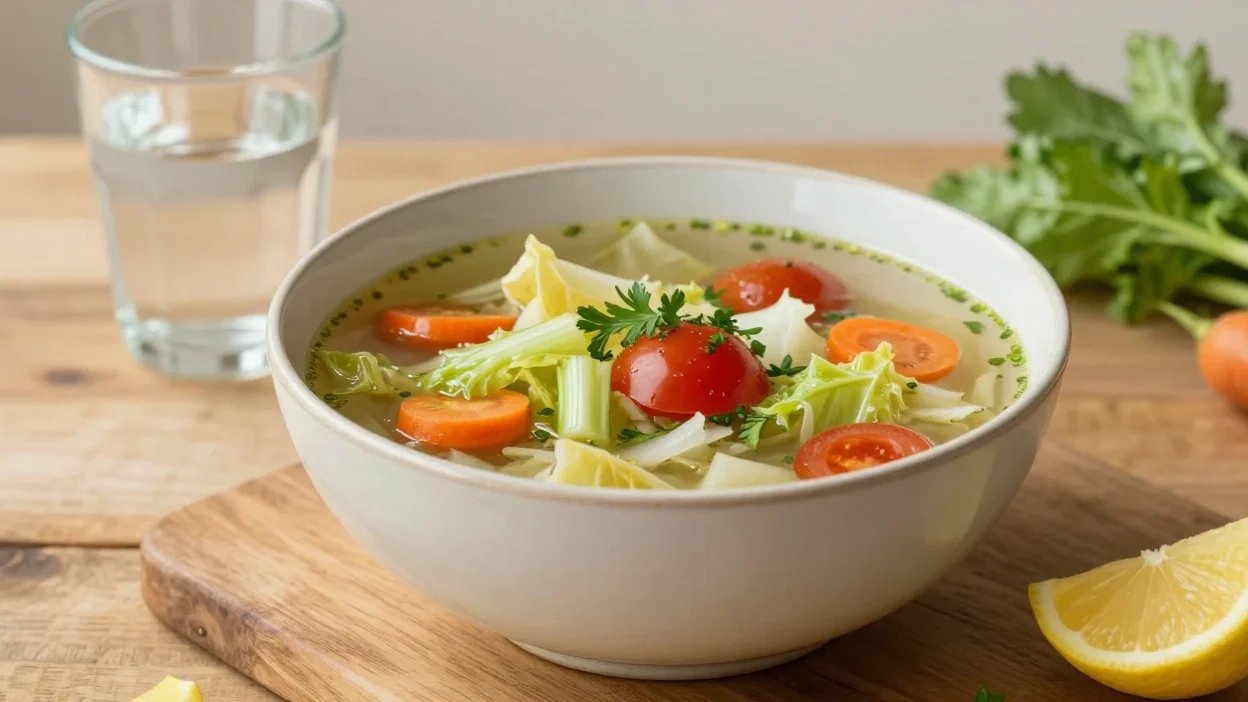
The soup itself usually contains cabbage, tomatoes, onions, celery, bell peppers, carrots, and herbs, simmered in water or broth. It is designed to be filling, hydrating, and nutritionally light, allowing you to eat generous portions without consuming many calories.
From a nutritional perspective, this approach reflects several basic principles.
High-volume, low-energy foods promote satiety. Fiber supports digestion. Warm meals slow eating and increase satisfaction. Reducing processed foods lowers overall calorie intake. When combined, these elements often lead to short-term weight loss.
However, the Cabbage Soup Diet was never meant to be a comprehensive nutrition system.
It was designed as a temporary intervention rather than a lifelong lifestyle. Its goal was to initiate rapid change, not to teach balanced eating in complex real-world environments.
This is why medical and nutrition professionals often describe it as a “fad diet,” not necessarily to dismiss it entirely, but to emphasize its short-term nature and limited scientific foundation.
Despite this classification, the diet continues to attract followers.
Part of its appeal lies in its predictability.
You know what you will eat.
You know how to prepare it.
You know when it will end.
In a world filled with uncertainty and contradictory advice, this clarity can feel deeply reassuring.
Another reason is emotional.
Cooking a large pot of soup, reheating it slowly, and eating it mindfully can feel nurturing, especially during periods of stress or transition. For some people, this ritual becomes as meaningful as the physical results.
Understanding these origins helps place the Cabbage Soup Diet in proper context.
It is not a medical prescription.
It is not a scientifically optimized program.
It is not a universal solution.
It is a simple, community-shaped approach that has survived because many people have found it useful as a short reset.
When you see it this way, it becomes easier to approach it with realistic expectations and healthy boundaries.
In the next section, we will look closely at how the diet works in practice, breaking down its seven-day structure and the logic behind each phase.
How the Diet Works — The 7-Day Structure
At first glance, the Cabbage Soup Diet may seem almost too repetitive to be realistic.
The idea of eating soup day after day can sound monotonous, restrictive, and emotionally challenging, especially in a world where variety is often equated with pleasure and freedom. Yet for many people, this very repetition is what makes the plan feel manageable.
It removes complexity.
It reduces choice.
It simplifies life for one focused week.
But behind this simplicity lies a carefully shaped structure that guides the body through gradual changes rather than abrupt shocks.
The seven-day framework is designed to balance low-calorie intake with strategic food additions that support energy, digestion, and motivation.
Let’s explore how this structure unfolds.
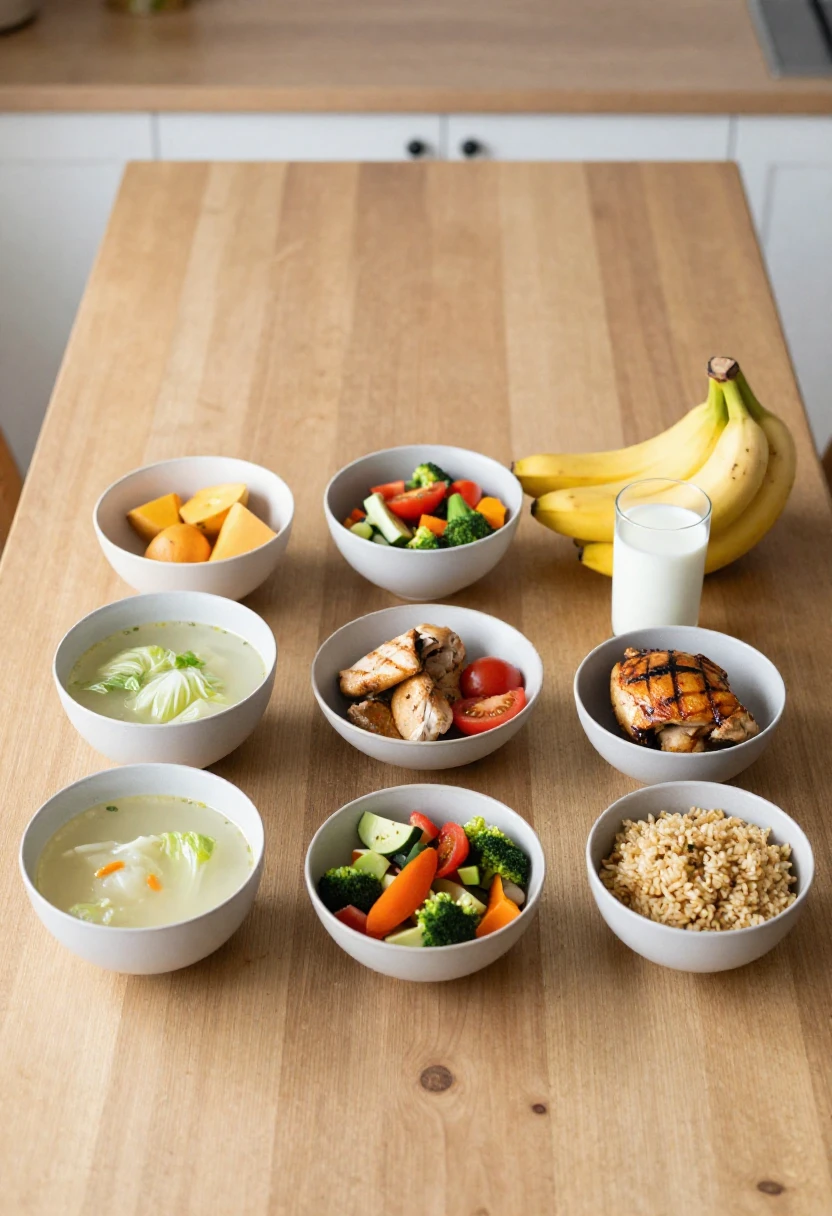
Day 1 — Soup and Fruits
The first day combines unlimited cabbage soup with fresh fruits, except bananas.
Apples, oranges, berries, melons, and pears are common choices, alongside warm bowls of soup throughout the day.
This opening phase focuses on hydration and light digestion. Fruits provide natural sugars, fiber, and water, while the soup adds warmth and satiety. Together, they ease the body into reduced calorie intake without sudden deprivation.
Many people describe the first day as refreshing but emotionally challenging, as cravings for heavier foods often appear early.
Day 2 — Soup and Vegetables
On the second day, fruits are replaced with vegetables.
Participants eat cabbage soup along with raw, steamed, grilled, or lightly sautéed vegetables. Potatoes are sometimes allowed once, usually at breakfast, to provide slow-releasing energy.
This day emphasizes fiber and micronutrients while continuing to limit calories. Savory flavors return, which often improves satisfaction and mood.
Digestive comfort frequently improves at this stage, as fiber intake increases and processed foods remain absent.
Day 3 — Soup, Fruits, and Vegetables
Day three introduces greater variety by allowing both fruits and vegetables alongside the soup.
This combination provides broader nutritional coverage and reduces monotony. Meals become more colorful, and energy levels often stabilize.
Psychologically, this day feels like a small reward for persistence, reinforcing motivation for the rest of the week.
Day 4 — Soup, Bananas, and Milk
The fourth day is one of the most distinctive parts of the diet.
It centers on cabbage soup, bananas, and milk, usually allowing several bananas and a few glasses of milk.
This combination replenishes potassium, calcium, protein, and carbohydrates, helping reduce cravings and emotional fatigue. It also stabilizes blood sugar after several low-fat days.
For many participants, this day feels comforting and emotionally soothing.
Day 5 — Soup, Protein, and Tomatoes
On day five, lean protein is introduced.
Chicken, turkey, fish, or lean beef is paired with tomatoes and generous portions of cabbage soup.
This marks a turning point.
Protein supports muscle maintenance, satiety, and metabolic function. After several days of limited protein, the body often responds with increased energy and focus.
This day tends to feel empowering, as meals become more substantial.
Day 6 — Soup, Protein, and Vegetables
Day six continues the protein focus, adding vegetables for balance.
Meals resemble traditional healthy plates, combining lean protein, fiber, and warmth from soup.
This stage supports metabolic stability and prepares the body for transition.
Many people notice that their appetite has become calmer and more predictable by this point.
Day 7 — Soup, Whole Grains, and Produce
The final day introduces whole grains, usually brown rice, along with fruits, vegetables, and soup.
This phase helps reintroduce complex carbohydrates and prepare the body for normal eating patterns.
It also encourages reflection, as participants begin thinking about life after the diet.
The Logic Behind the Sequence
When viewed as a whole, the Cabbage Soup Diet follows a gradual progression.
It begins with hydration and light foods, moves through fiber-rich phases, introduces controlled carbohydrates and protein, stabilizes energy, and then transitions toward balance.
This sequence aims to:
• Reduce calorie intake naturally
• Improve digestion
• Limit processed foods
• Control appetite
• Encourage mindfulness
While the plan is not nutritionally perfect, its rhythm explains why many people find it surprisingly manageable.
The Central Role of the Soup
Throughout the week, cabbage soup remains the foundation.
It acts as a safety net against hunger, providing volume, warmth, and comfort without excessive calories. Whenever hunger appears, the soup is there.
This constant availability reduces anxiety around food and prevents extreme deprivation.
Structure Without Rigidity
Although the rules are clear, the most sustainable experiences come from flexibility within the framework.
Choosing fresh ingredients, adjusting portions to hunger, seasoning thoughtfully, and listening to physical signals can transform the diet from a rigid challenge into a supportive routine.
In the next section, we will explore exactly what you can eat each day, with practical examples that make the plan easier to follow in everyday life.
Day-by-Day Eating Plan — What You Can Eat Each Day
Knowing the structure of the Cabbage Soup Diet is helpful.
Knowing what it actually looks like on your plate, in your kitchen, and in the rhythm of your everyday life is what makes the difference between curiosity and confident action.
Many people abandon diets not because they lack motivation, but because they cannot translate rules into real meals. Abstract guidelines feel inspiring at first, yet confusing when hunger appears at 6 p.m. and the refrigerator looks empty.
This section brings the plan down to earth.
Let’s explore what each day can realistically look like, using simple, accessible foods and gentle expectations.
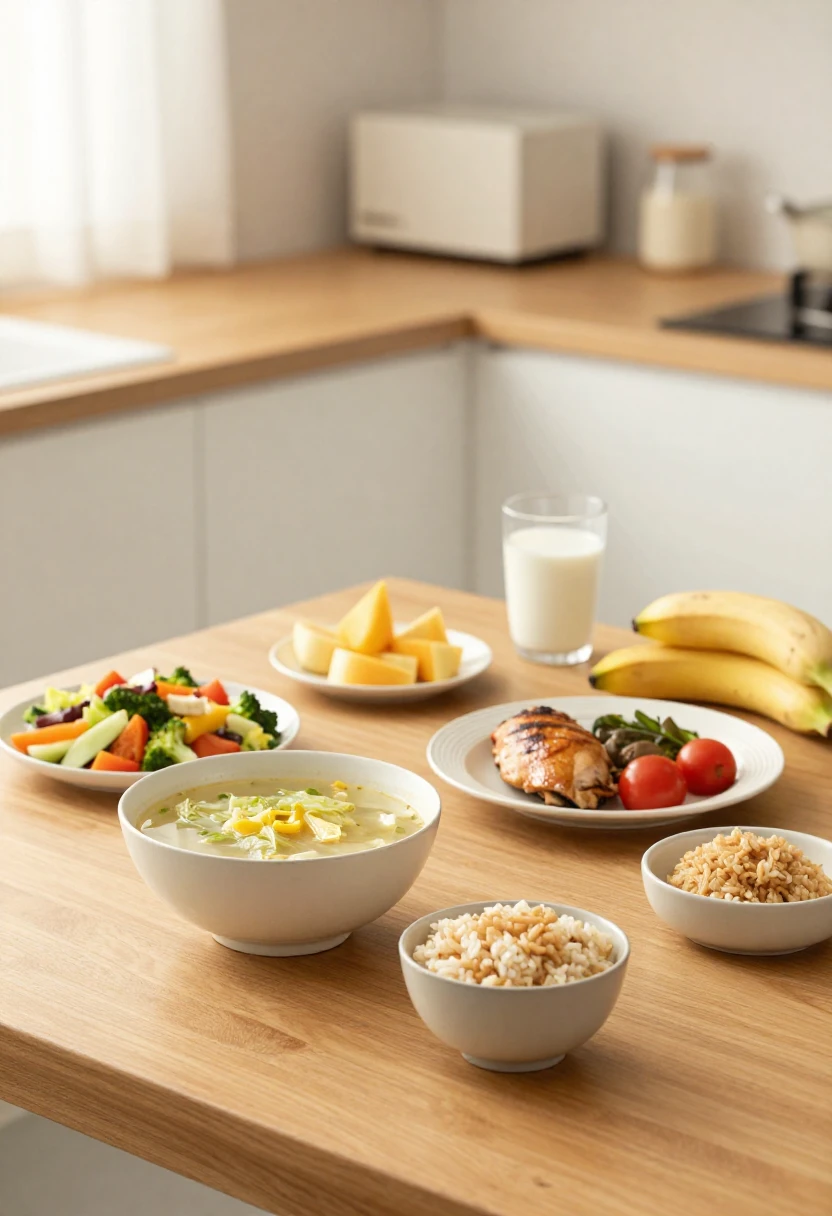
Day 1 — Fruits and Soup
On the first day, your meals revolve around fresh fruits and cabbage soup.
A typical day might begin with a bowl of melon and berries, followed by soup at mid-morning. Lunch could be apples and oranges with another warm serving. In the afternoon, pears or grapes might appear, and dinner often becomes a generous bowl of soup with sliced fruit on the side.
The goal is hydration and light nourishment.
Avoid bananas on this day, and focus on variety to prevent boredom. Sweetness comes naturally, without added sugar.
Many people are surprised by how satisfying fruit becomes when eaten mindfully.
Day 2 — Vegetables and Soup
The second day shifts attention toward vegetables.
Breakfast may include soup and a baked potato with herbs. Lunch might be a large mixed salad with cucumbers, tomatoes, and leafy greens, paired with soup. Dinner could feature steamed broccoli, carrots, and zucchini alongside another bowl.
Keep oils minimal and season simply.
This day often feels grounding and comforting, especially when warm vegetables replace cold snacks.
Day 3 — Fruits, Vegetables, and Soup
Day three is about balance.
You can mix fruits and vegetables freely, always supported by soup. A fruit smoothie in the morning, vegetable soup at lunch, a fresh salad in the afternoon, and roasted vegetables at dinner all fit within the structure.
This variety helps prevent fatigue and supports motivation.
Emotionally, this is often when people begin enjoying the process.
Day 4 — Bananas, Milk, and Soup
On day four, bananas and milk take center stage.
A common pattern is a banana with milk in the morning, soup at mid-morning, another banana later, soup at lunch, and alternating between bananas, milk, and soup throughout the day.
Some people prefer blending bananas and milk into simple smoothies, while others enjoy them separately.
This day is designed to soothe cravings and restore energy.
Day 5 — Protein, Tomatoes, and Soup
Day five introduces lean protein.
Grilled chicken with sliced tomatoes, fish with tomato salad, or turkey with steamed vegetables are popular options. These meals are paired with cabbage soup throughout the day.
Aim for simple preparations.
Avoid frying, heavy sauces, or breading. Herbs, lemon, and light spices are ideal.
This day often feels deeply satisfying.
Day 6 — Protein, Vegetables, and Soup
Day six builds on day five.
You can enjoy protein with a wider variety of vegetables. Stir-fried greens with chicken, baked fish with roasted vegetables, or turkey with soup and salad all fit well.
Meals begin to resemble long-term healthy eating patterns.
Many people notice that their appetite feels calmer and more predictable.
Day 7 — Brown Rice, Produce, and Soup
The final day introduces whole grains.
Brown rice becomes the foundation, accompanied by fruits, vegetables, and soup. A bowl of rice with steamed vegetables, fruit snacks, and soup-based meals create a balanced ending.
This day prepares you for transition back to normal eating.
Portion Awareness Without Obsession
Although the plan allows generous soup portions, moderation still matters.
Eat slowly. Notice fullness. Respect comfort.
You are learning to listen again, not to override your body.
The Importance of Homemade Soup
Homemade cabbage soup gives you control over ingredients, salt levels, and quality.
A basic version usually includes cabbage, tomatoes, onions, celery, carrots, bell peppers, garlic, herbs, and water or low-sodium broth.
Avoid packaged soups filled with additives and excess sodium.
Adapting to Your Lifestyle
Not every day will unfold perfectly.
Some meals may happen at work. Some may be eaten late. Some may feel rushed.
This is normal.
Flexibility within structure is what makes consistency possible.
In the next section, we will explore why this eating pattern often leads to rapid weight changes, and what happens inside the body during the process.
Why It Might Help With Rapid Weight Loss

When people first hear about the Cabbage Soup Diet, one reaction appears again and again.
“Does it actually work?”
Not in theory. Not on paper. But in real life, with real hunger, real schedules, and real emotions.
And the reason this question matters so much is simple: many people report noticeable weight changes in just one week. Sometimes the numbers seem surprisingly high, especially compared to slower, more traditional approaches.
So what is really happening inside the body during these seven days?
The answer is not mystery.
It is physiology, psychology, and structure working together.
A Strong Natural Calorie Deficit
The foundation of rapid weight loss on the Cabbage Soup Diet is energy balance.
Cabbage soup is extremely low in calories while being high in volume and water content. You can eat large bowls and still consume relatively little energy. When most meals are built around soup, fruits, vegetables, and lean protein, total daily intake often drops far below previous levels.
This creates a consistent calorie deficit without the need for counting.
You feel full, yet your body quietly begins using stored fat and glycogen to meet its energy needs.
For many people, this feels easier than restrictive portion control.
Reduced Appetite Through Volume Eating
One of the most powerful principles behind this diet is “volume eating.”
Foods that contain a lot of water and fiber fill the stomach quickly and trigger stretch receptors that signal satiety to the brain. Cabbage, tomatoes, celery, and broth all contribute to this effect.
As a result, hunger becomes less intense than expected, especially after the first few days.
This reduces emotional eating and impulsive snacking.
Rapid Loss of Water Weight
In the early days, much of the weight loss comes from water.
When carbohydrate intake drops and sodium consumption decreases, the body releases stored glycogen and excess fluid. Bloating decreases. Swelling reduces. Clothes may feel looser.
This change is real and motivating, even though it is not entirely fat loss.
Understanding this prevents unrealistic expectations later.
Improved Insulin Sensitivity
By limiting refined sugars and processed carbohydrates, the Cabbage Soup Diet reduces frequent insulin spikes.
More stable insulin levels support fat breakdown and reduce fat storage. Over several days, this can improve metabolic efficiency and appetite regulation.
Some people notice fewer energy crashes and more consistent mood as a result.
Increased Fiber Intake
Most versions of the diet dramatically increase fiber intake.
Fiber slows digestion, stabilizes blood sugar, supports gut bacteria, and promotes fullness. It also helps regulate bowel movements, which can reduce abdominal discomfort.
This contributes both to physical lightness and visible changes.
The Psychological Reset Effect
Weight loss is not only biological.
It is mental.
The Cabbage Soup Diet creates a short, defined challenge. You know it lasts seven days. You know the rules. You know what success looks like.
This clarity reduces decision fatigue and increases commitment.
When people follow the plan for several days, confidence grows. They begin trusting their ability to regulate eating again.
This mindset often influences behavior long after the diet ends.
Reduced Exposure to Trigger Foods
During the week, most common trigger foods disappear.
No pastries.
No fast food.
No sugary drinks.
No late-night snacks.
Without constant exposure, cravings gradually weaken. Taste sensitivity improves. Natural flavors become more satisfying.
This makes it easier to maintain control.
Why Results Differ Between People
Not everyone will experience the same changes.
Genetics, age, hormones, sleep quality, stress levels, gut health, and previous dieting history all influence results. Some people lose several kilograms. Others notice subtle changes. Some feel more benefit in digestion than weight.
All outcomes are valid.
Speed is not the only measure of success.
The Short-Term Nature of the Results
It is important to be honest.
Rapid weight loss is fragile.
Without thoughtful transition, much of it may return. Water weight reappears. Old habits resurface. Appetite increases.
This does not mean the diet failed.
It means it did what it was designed to do: create a temporary reset.
Long-term change requires different tools.
A Balanced Perspective
The Cabbage Soup Diet works quickly because it simplifies eating, reduces calories, increases hydration, limits triggers, and restores awareness.
It creates an environment in which the body can rebalance itself.
But speed should never replace sustainability.
The most valuable result is not what you lose in seven days.
It is what you learn.
In the next section, we will explore how this diet affects digestion, gut comfort, and common side effects such as bloating or gas.
Digestive Effects — Gas, Fiber & Gut Responses

One of the first things people notice on the Cabbage Soup Diet has very little to do with weight.
It has to do with the stomach.
More precisely, with sounds, sensations, and reactions that suddenly become impossible to ignore.
Bloating.
Gas.
Changes in bowel movements.
A feeling of fullness that lasts for hours.
Occasional discomfort.
For some participants, these effects are mild and temporary. For others, they become the most challenging part of the entire week. Understanding why they happen helps remove anxiety and allows you to respond with patience rather than frustration.
Why Cabbage Affects Digestion
Cabbage belongs to the cruciferous vegetable family, along with broccoli, cauliflower, and Brussels sprouts.
These vegetables are nutritional powerhouses, rich in fiber, vitamin C, vitamin K, and protective plant compounds. At the same time, they contain complex carbohydrates called raffinose and sulfur-containing compounds that are difficult for the human digestive system to break down.
When these substances reach the large intestine, gut bacteria ferment them, producing gas as a natural byproduct.
This process is normal.
It is not a sign that something is wrong.
It is simply digestion at work.
However, when cabbage becomes the main ingredient of multiple meals per day, this fermentation increases significantly.
Sudden Fiber Increase and Its Effects
For many people, the Cabbage Soup Diet represents a dramatic rise in fiber intake.
If your previous diet was low in fruits, vegetables, and whole grains, your digestive system may not be fully adapted to processing large amounts of fiber. As a result, temporary bloating, cramping, and changes in stool consistency may occur.
This adjustment phase is common.
In most cases, it improves after several days as gut bacteria adapt.
Hydration and Digestive Comfort
Water plays a crucial role in how fiber affects the body.
When fiber intake increases without sufficient hydration, stool can become dry and difficult to pass, leading to constipation and discomfort. The soup itself provides fluid, but additional water is still essential.
Adequate hydration softens fiber, supports movement through the intestines, and reduces pressure.
Many digestive complaints during this diet are simply signs of insufficient fluid intake.
Why Some People Feel “Light” and Others Feel “Bloated”
Interestingly, reactions vary widely.
Some people feel less bloated than ever. Others feel swollen and uncomfortable.
These differences depend on gut microbiome composition, enzyme production, stress levels, and previous eating patterns.
If your system is already accustomed to plant-rich diets, adaptation tends to be smoother. If not, the transition may feel more intense.
Neither response is wrong.
The Role of Warm, Simple Foods
One benefit of cabbage soup is its warmth and simplicity.
Warm liquids often support digestion by stimulating gastric motility and relaxing intestinal muscles. Simple, low-fat meals also require less digestive effort than heavy, complex dishes.
This is why some people experience improved digestion despite high fiber intake.
Temporary Changes in Bowel Habits
During the week, bowel movements may become more frequent, softer, or more irregular.
This reflects increased fiber, water, and reduced processed food intake.
As long as there is no severe pain, blood, or persistent distress, these changes are usually harmless and temporary.
Emotional Reactions to Digestive Changes
Digestive discomfort can be emotionally challenging.
Feeling bloated may affect body image. Gas may feel embarrassing. Irregular digestion may create anxiety.
It is important to remember that these reactions are physiological, not personal failures.
Your body is adjusting.
Tips for Reducing Discomfort
Several gentle strategies can help.
Chew food slowly.
Eat without rushing.
Drink water regularly.
Avoid overeating, even low-calorie soup.
Include ginger, cumin, or fennel in soup when possible.
Take gentle walks after meals.
These small habits can significantly improve comfort.
When to Be Concerned
While mild discomfort is normal, certain symptoms should not be ignored.
Severe pain, persistent nausea, vomiting, extreme bloating, or inability to eat comfortably may indicate that this diet is not suitable for you.
Listening to your body is always more important than following rules.
A Supportive Perspective
Digestive changes during the Cabbage Soup Diet are signs of transition.
They reflect increased plant intake, altered gut activity, and reduced processed foods.
For most people, these effects settle as the body adapts.
Approached with patience and self-care, this phase becomes part of the learning process rather than an obstacle.
In the next section, we will explore the nutritional risks and imbalances that may arise during this diet, and how to recognize them early.
Potential Risks & Nutrient Imbalances
When a diet feels simple and produces fast results, it is easy to assume that it must also be harmless.
After all, cabbage is healthy. Vegetables are good for you. Soup feels nourishing. Fruits sound natural. On the surface, everything seems aligned with wellness.
Yet nutrition is not only about what you include.
It is also about what you leave out.
And during the Cabbage Soup Diet, several important nutrients are either limited or inconsistently supplied. Understanding these gaps does not mean rejecting the plan. It means approaching it with maturity and self-respect.
Low Protein Intake in Early Days
For nearly half of the week, protein intake is minimal.
Days focused on fruits, vegetables, and soup provide very little complete protein. While this is not dangerous for a short period in healthy adults, it can lead to fatigue, reduced muscle support, and weaker satiety signals.
Protein plays a central role in:
• Muscle maintenance
• Immune defense
• Hormone regulation
• Appetite control
When it is limited, some people feel shaky, mentally foggy, or emotionally irritable.
Insufficient Healthy Fats
Healthy fats are almost absent from most versions of this diet.
Olive oil, nuts, seeds, avocados, and fatty fish are either excluded or severely limited. Yet fats are essential for brain function, vitamin absorption, cell repair, and hormonal balance.
Without adequate fat intake, absorption of fat-soluble vitamins such as A, D, E, and K may be reduced.
Some people notice dry skin, poor concentration, or increased hunger as a result.
Micronutrient Gaps
Although cabbage soup and produce provide many vitamins, they do not cover everything.
Nutrients that may become insufficient include:
• Vitamin B12
• Iron
• Zinc
• Omega-3 fatty acids
• Vitamin D
• Calcium (outside milk days)
These nutrients support energy production, oxygen transport, immune defense, and neurological health.
One week is unlikely to cause clinical deficiency, but repeated cycles increase risk.
Very Low Calorie Intake
Many participants consume fewer than 1,000 calories per day.
For some, intake may fall even lower.
Such restriction places stress on the body, especially when combined with work, exercise, and emotional pressure. Symptoms may include weakness, headaches, dizziness, cold sensitivity, and reduced motivation.
Over time, very low calorie diets can slow metabolism and disrupt hormonal balance.
Electrolyte Imbalance
High fluid intake combined with low sodium and inconsistent potassium intake can alter electrolyte balance.
While rare in healthy adults, symptoms such as muscle cramps, palpitations, or extreme fatigue may occur, especially in hot weather or with physical activity.
Balanced minerals matter more than many people realize.
Impact on Mental Well-Being
Restrictive eating affects not only the body but also the mind.
Constant focus on rules may increase anxiety. Limited variety may reduce enjoyment. Fear of “breaking the diet” may create unnecessary pressure.
For individuals sensitive to control-based approaches, this emotional strain can outweigh physical benefits.
Repetition and Food Fatigue
Eating similar meals repeatedly can lead to “food fatigue.”
Taste satisfaction declines. Appetite may drop too low or swing unpredictably. Motivation may weaken.
This can trigger binge-restrict cycles after the diet ends.
Risk of Misusing the Diet
Some people begin using the Cabbage Soup Diet repeatedly as a quick fix.
Before events.
After holidays.
After stressful periods.
Over time, this pattern reinforces short-term thinking and prevents development of sustainable habits.
Health becomes reactive rather than intentional.
How to Reduce These Risks
If you choose to follow this plan, several strategies can reduce harm.
• Ensure adequate hydration
• Use low-sodium broth wisely
• Choose high-quality protein on allowed days
• Add herbs and spices for nutrients
• Avoid extending beyond seven days
• Transition carefully afterward
Small adjustments protect long-term health.
A Balanced View
The Cabbage Soup Diet is not dangerous when used occasionally by healthy adults.
It becomes problematic when used frequently, rigidly, or without reflection.
Awareness is your greatest protection.
When you understand both benefits and limits, you gain control rather than surrender it.
In the next section, we will explore who should avoid this diet entirely and why caution matters more than curiosity in certain situations.
Who Should Avoid the Cabbage Soup Diet

In wellness culture, enthusiasm often spreads faster than caution.
When people share dramatic results, emotional stories, and glowing reviews, it becomes tempting to believe that a certain plan must be right for everyone. The Cabbage Soup Diet, with its simplicity and accessibility, easily falls into this pattern.
But real health is never one-size-fits-all.
Behind every body is a unique combination of medical history, emotional background, lifestyle demands, and biological needs. Ignoring these differences in favor of quick results can lead to unnecessary harm.
For some people, this diet is simply not the right tool.
Pregnant and Breastfeeding Women
During pregnancy and breastfeeding, nutritional needs increase significantly.
The body requires more protein, healthy fats, iron, calcium, folate, and energy to support fetal development and milk production. A low-calorie, restrictive plan centered on soup cannot reliably meet these demands.
Following such a diet during this period may compromise both maternal and infant health.
For these women, nourishment and stability matter far more than short-term weight changes.
People With Blood Sugar Disorders
The Cabbage Soup Diet includes days that rely heavily on fruits and starchy vegetables, followed by days with very low carbohydrate intake.
This fluctuation can destabilize blood glucose levels in people with diabetes, prediabetes, hypoglycemia, or insulin resistance.
Sudden sugar spikes and drops may cause dizziness, confusion, weakness, and long-term complications. Medication regimens may also become difficult to manage without consistent meals.
Medical supervision is essential in these cases.
Individuals With Digestive Disorders
People with conditions such as irritable bowel syndrome, inflammatory bowel disease, acid reflux, or chronic bloating may find this diet particularly challenging.
Large amounts of cabbage, onions, and tomatoes can irritate sensitive digestive systems. Increased fiber may worsen symptoms instead of improving them.
For these individuals, gentle, personalized nutrition is far more supportive than rigid programs.
Those With Kidney, Heart, or Liver Conditions
Changes in fluid intake, potassium levels, protein consumption, and sodium balance can affect organ function.
Individuals with kidney disease, heart failure, liver disorders, or hypertension may experience worsening symptoms if electrolyte balance is disrupted.
What is healthy for one person can be dangerous for another.
People Recovering From Eating Disorders
For anyone with a history of anorexia, bulimia, binge eating disorder, or chronic restrictive dieting, this plan carries emotional risk.
Its strict rules and emphasis on rapid results can trigger obsessive thoughts, guilt, and harmful behaviors.
Healing relationships with food require flexibility, support, and compassion, not short-term restriction.
Mental health is health.
Highly Active Individuals and Athletes
Athletes and physically demanding professionals rely on adequate calories, protein, and fats for performance and recovery.
During most days of this diet, these needs are not met.
Fatigue, muscle loss, slowed recovery, and increased injury risk may result.
For these individuals, stability is far more valuable than speed.
People Under Chronic Stress or Burnout
Stress already places heavy demands on hormonal and nervous systems.
Adding severe dietary restriction to emotional exhaustion can worsen anxiety, sleep problems, and immune weakness.
Instead of feeling renewed, some people feel depleted.
In these situations, restoration begins with nourishment and rest.
Those Taking Certain Medications
Many medications require stable food intake for safe absorption and effectiveness.
Blood pressure drugs, antidepressants, thyroid medication, and anti-inflammatory agents may interact poorly with inconsistent nutrition.
Sudden dietary changes should always be discussed with a healthcare provider.
Listening to Personal Signals
Even if none of these categories apply to you, your body still deserves attention.
Persistent weakness, emotional distress, digestive pain, heart palpitations, or mental fog are signals, not obstacles.
Respecting them is an act of wisdom.
Choosing Self-Respect Over Pressure
Not trying the Cabbage Soup Diet is sometimes the healthiest decision.
Wellness is not about proving discipline.
It is about building trust with yourself.
In the next section, we will explore practical strategies to follow this diet more safely and comfortably for those who decide it fits their situation.
Tips to Follow It Sensibly — Do’s & Don’ts

Trying the Cabbage Soup Diet does not mean surrendering your common sense.
In fact, the people who benefit most from this plan are usually those who approach it with awareness, flexibility, and realistic expectations, rather than blind discipline.
A thoughtful mindset can transform this seven-day experience from a stressful challenge into a supportive reset.
Here are practical ways to move through the week with greater ease, comfort, and respect for your body.
Do: Prepare in Advance
One of the biggest reasons people struggle is lack of preparation.
Before you begin, shop for fresh vegetables, fruits, lean protein, herbs, and low-sodium broth. Wash, chop, and portion ingredients. Cook a large batch of cabbage soup that can last several days.
When healthy food is ready, you are less likely to rely on convenience options during moments of fatigue.
Preparation is not rigidity. It is care.
Do: Make the Soup Nourishing and Enjoyable
Your soup will be your daily companion.
Make it with intention.
Use fresh cabbage, ripe tomatoes, onions, celery, carrots, bell peppers, garlic, and herbs. Add bay leaves, thyme, parsley, black pepper, or ginger for flavor and digestive support. Choose low-sodium broth when possible.
Avoid heavy salt, artificial flavorings, or packaged seasoning blends.
If you enjoy your soup, the entire week becomes easier.
Do: Eat Slowly and Mindfully
Repetition can make eating automatic.
Try to resist that.
Sit down. Breathe. Notice texture and warmth. Chew thoroughly. Pause between bites.
Mindful eating improves digestion, reduces overeating, and deepens body awareness.
Do: Stay Well Hydrated
Soup provides fluid, but it is not enough on its own.
Drink water regularly throughout the day. Herbal teas can also support hydration and digestion.
Dehydration often disguises itself as hunger, fatigue, or headaches.
Do: Rest and Reduce Excessive Exercise
Your calorie intake will be lower than usual.
Respect that.
Choose gentle movement such as walking, stretching, or light yoga. Avoid intense workouts, especially during fruit and vegetable days.
Recovery supports results.
Do: Keep Your Inner Dialogue Kind
How you speak to yourself matters.
If you miss a rule, feel tired, or struggle emotionally, respond with compassion rather than criticism.
Growth does not happen through punishment.
Don’t: Extend the Diet Beyond Seven Days
This plan is designed for short-term use.
Extending it increases the risk of nutrient deficiencies, muscle loss, and emotional burnout.
More is not better.
Don’t: Ignore Physical Warning Signs
Persistent dizziness, nausea, weakness, severe bloating, or emotional distress are not “part of detox.”
They are signals.
Pause. Adjust. Stop if necessary.
Your health always comes first.
Don’t: Use It as a Repeated Quick Fix
Using this diet before every event or after every holiday creates a harmful cycle.
It teaches your body to expect restriction after enjoyment.
Long-term wellness requires consistency, not punishment.
Don’t: Compare Yourself to Others
Online stories are selective.
People share highlights, not struggles.
Your experience will be unique.
Comparison steals clarity.
Don’t: Neglect the Transition Phase
What you eat after the diet matters as much as what you eat during it.
Plan your next steps in advance.
Balanced meals, gradual reintroduction, and stable routines protect your progress.
Turning Rules Into Support
When followed sensibly, these guidelines create a supportive container rather than a cage.
They help you stay grounded, flexible, and responsive to your body.
The goal is not to “survive” the week.
It is to learn from it.
In the next section, we will explore what happens after the seven days end, and how to transform this short reset into long-term healthy habits.
What Happens After the 7 Days — Transition & Long-Term Habits
When the seventh day of the Cabbage Soup Diet comes to an end, many people feel a quiet sense of accomplishment.
You followed the structure.
You stayed consistent.
You learned something about yourself.
And yet, beneath that pride, another feeling often appears.
Uncertainty.
Because finishing the diet is easy compared to answering the question that follows it.
How do I eat now?
This moment determines whether the experience becomes a meaningful turning point or just another short-lived experiment.
Why the Transition Matters So Much
During the week, your body adapts to lower calorie intake, simpler foods, and reduced sugar and fat.
Hormones that regulate hunger and fullness adjust accordingly. Taste sensitivity improves. Appetite patterns shift.
When you suddenly return to heavy, processed, or oversized meals, your system struggles to adapt. Bloating returns. Energy dips. Cravings intensify. Water weight reappears.
This is not weakness.
It is biology.
A gentle transition protects both physical comfort and emotional motivation.
The First Three Days After the Diet
Think of the first few days after the plan as a continuation, not a break.
Gradually reintroduce foods.
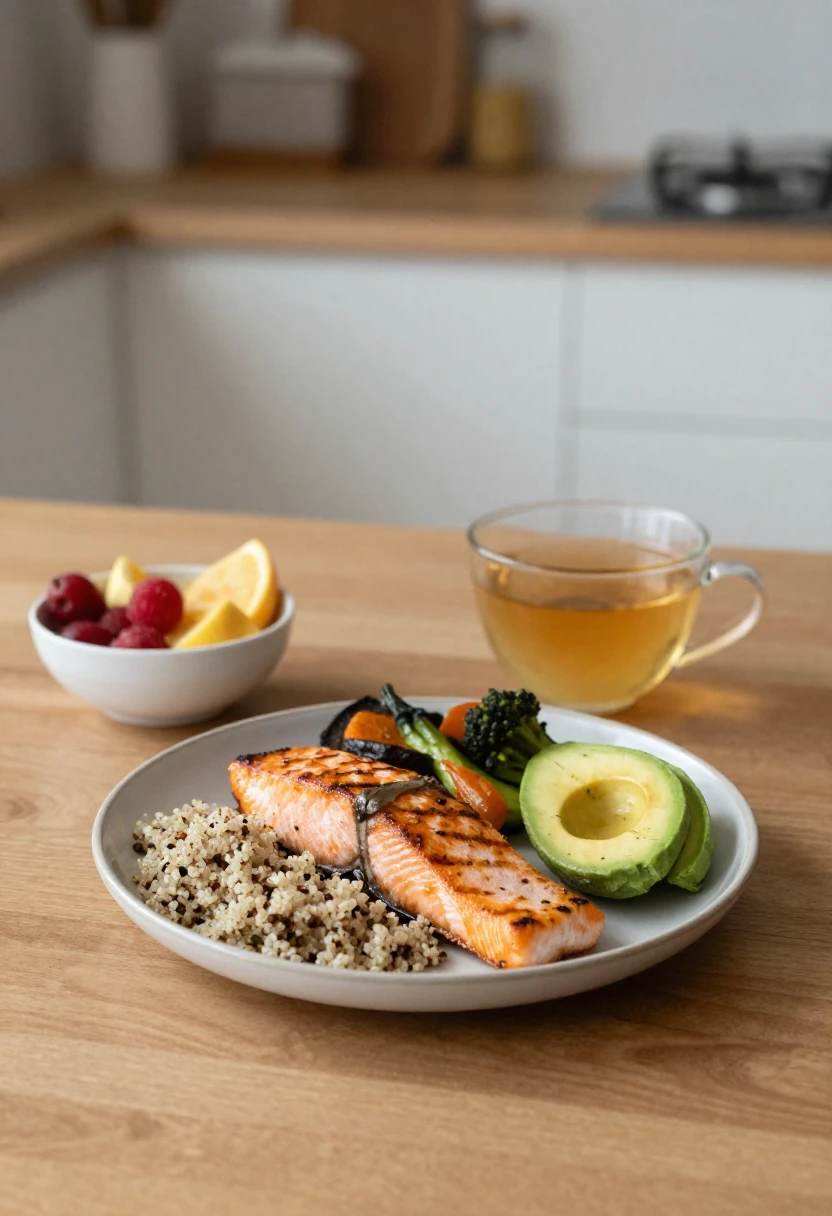
Add healthy fats such as olive oil, avocado, or nuts in small portions. Increase protein slightly. Include whole grains in moderate amounts. Keep vegetables and hydration central.
A balanced plate might include:
Grilled fish or chicken
Brown rice or quinoa
Roasted vegetables
Fresh salad
Light dressing
This kind of meal supports stability rather than shock.
Protecting Your Metabolism
Rapid weight loss can temporarily lower metabolic rate, especially if muscle mass is reduced.
To counter this, prioritize:
• Adequate protein
• Gentle strength movement
• Regular meals
• Quality sleep
These habits help your body rebuild resilience.
Keeping the Habits That Worked
Not everything from the week needs to disappear.
Reflect on what helped you feel better.
Maybe you drank more water.
Maybe you reduced snacking.
Maybe you cooked more.
Maybe you ate more slowly.
Choose two or three habits to carry forward.
Sustainable change grows from small, consistent actions.
Avoiding the Restriction-Rebound Cycle
One of the greatest risks after strict diets is rebound eating.
After days of limitation, the brain seeks compensation. This can lead to overeating, guilt, and renewed restriction.
Breaking this cycle requires permission.
Permission to eat balanced meals.
Permission to enjoy food.
Permission to trust moderation.
Freedom supports stability.
Building a Flexible Eating Pattern
Long-term wellness thrives on flexibility.
Aim for patterns, not rules.
Most meals: whole foods, balanced plates.
Some meals: celebration and pleasure.
Occasional treats: without guilt.
This balance protects both physical and mental health.
Reframing Success
Success is not defined by how long you can stay on a restrictive plan.
It is defined by how peacefully you can live with food.
If you feel more confident, aware, and calm around eating, you have already succeeded.
When to Seek Additional Support
If you find yourself struggling with control, fear, or emotional eating after the diet, professional guidance can be life-changing.
Dietitians, therapists, and coaches exist to support, not judge.
Asking for help is strength.
A Sustainable Perspective
The Cabbage Soup Diet can open a door.
What you do next determines where it leads.
With intention, it can guide you toward nourishment, balance, and self-trust.
Without reflection, it becomes another forgotten chapter.
Choose growth.
In the final section, we will bring everything together and reflect on whether this diet is truly worth trying for you.
Conclusion — Is It Worth Trying for You?

After seven days of simmering soup, repeated rituals, moments of doubt, small victories, and quiet reflection, most people reach a similar realization.
The Cabbage Soup Diet is not really about cabbage.
It is about pause.
It is about stepping out of automatic habits and choosing, for a short time, to eat with intention rather than impulse. It is about simplifying life just enough to hear what your body has been trying to say beneath noise, stress, and distraction.
When seen this way, the diet becomes more than a weight-loss strategy.
It becomes a temporary space for awareness.
What the Cabbage Soup Diet Does Well
Its greatest strength lies in its accessibility.
Almost anyone can make the soup. The ingredients are affordable. The rules are clear. The preparation is simple. There is no need for expensive products or complicated calculations.
For many people, this removes the biggest barrier to change.
It also encourages habits that genuinely support health.
You drink more water.
You eat more vegetables.
You reduce processed foods.
You slow down.
You pay attention.
These are powerful shifts, even when practiced briefly.
Where It Has Limits
At the same time, the Cabbage Soup Diet is not designed for lifelong nourishment.
It lacks consistent balance of protein, fats, and calories. It does not reflect how most people live, socialize, or celebrate. It cannot teach flexible eating in complex emotional environments.
If used rigidly or repeatedly, it may weaken rather than strengthen your relationship with food.
Structure is helpful only when it serves awareness.
Who May Benefit Most
This approach tends to work best for people who:
• Feel overwhelmed by chaotic eating
• Want a short reset after stressful periods
• Appreciate clear structure
• Are generally healthy
• Plan for thoughtful transition
For them, it can function as a gentle starting point.
Who Should Choose Another Path
It is less suitable for those who:
• Have medical conditions requiring stable nutrition
• Struggle with restrictive thinking
• Train intensely
• Seek permanent solutions in short-term plans
For these individuals, personalized and flexible approaches are safer and more sustainable.
The Most Honest Question
Before deciding whether to try this diet, ask yourself one simple question:
Am I doing this to care for my body, or to control it?
The difference is everything.
When motivation comes from respect, even imperfect methods can lead to growth. When it comes from frustration or self-criticism, even “successful” diets leave emotional scars.
A Gentle Closing Thought
Health is not a project to complete.
It is a relationship to nurture.
No seven-day plan can define that relationship. But some short experiences can illuminate it.
If the Cabbage Soup Diet helps you reconnect with hunger, appreciate simplicity, and rebuild trust in your ability to make conscious choices, then it has already given you something valuable.
If it teaches you that you need more balance, flexibility, or support, that lesson is just as important.
Nothing is wasted when it brings clarity.
And clarity, more than any number on the scale, is what lasts.