Contents
There’s something oddly comforting about recipes that don’t try too hard to impress you. You know the kind. No dramatic plating, no “restaurant-style” presentation, no complicated steps that make you reread the instructions three times before even starting. Just simple food, made carefully—and somehow, that’s exactly what makes it feel right.
Honestly, those are usually the recipes people come back to. Not the flashy ones. The quiet ones. The kind you remember without even trying.
Bostock fits perfectly into that space 🥐
At first glance, it almost feels underwhelming. Like… really? That’s it? Just a slice of brioche, a layer of almond cream, a handful of sliced almonds. No layers, no glossy glaze, nothing that screams “look at me.” It’s almost too simple to take seriously.
But then it goes into the oven, and something shifts.
The smell is the first sign. Warm butter, toasted almonds, a bit of citrus somewhere in the background—not strong, just enough to catch your attention 🍊 It’s the kind of smell that makes you slow down without even noticing, maybe check the oven a bit earlier than you planned.
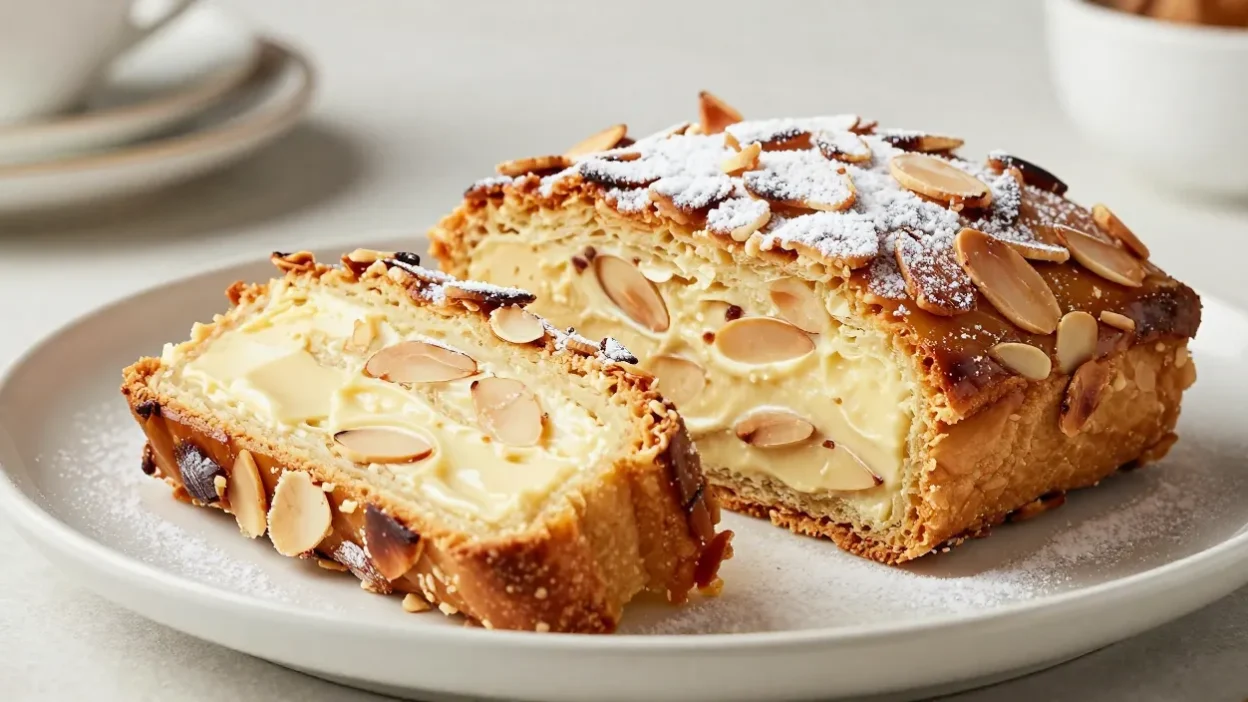
And when it comes out? Golden edges, slightly crisp on top, soft underneath. Not overly sweet. Not too rich. Just… balanced. In a way that feels natural, not forced.
It’s one of those dishes where the first bite kind of pauses you for a second. Like, okay… this is actually really good.
What makes bostock special isn’t just the flavor (though yes, it definitely delivers there). It’s more about the feeling it creates. It sits somewhere in between categories, and doesn’t seem to mind that at all:
- something you can eat in the morning with coffee ☕
- something that works for a slow, slightly lazy brunch
- something you could serve as dessert and no one would question it
And maybe that’s the charm. It doesn’t try to be perfect. It doesn’t try to impress. It just quietly works—and somehow, that makes it even more memorable.
From Leftovers to Something Worth Celebrating
If you look closely at a lot of classic recipes, you’ll notice a pattern. They didn’t start as “classics.” Most of them began as practical solutions—ways to use what was already there, without wasting anything.
Bostock is very much one of those stories.
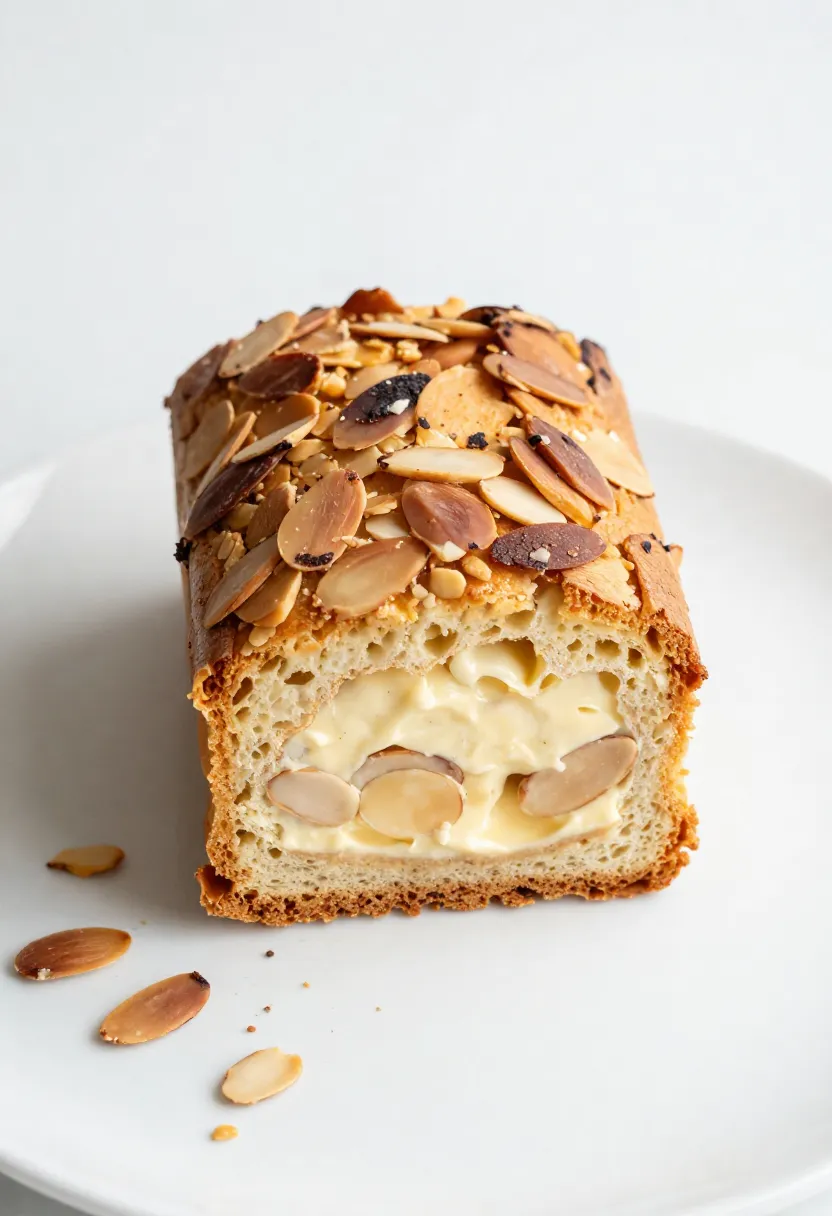
It wasn’t created to impress anyone. It came from a simple, slightly annoying problem: leftover brioche. And not just any bread—brioche is rich, buttery, almost cake-like. Throwing it away would feel wrong. Almost painful, honestly 😅
So instead, bakers did what people always do in kitchens—they adapted.
They softened the bread with syrup or juice, just enough to bring it back to life. They added something rich on top, something that would make it feel intentional rather than like a leftover fix. Almond cream turned out to be the perfect choice. Then they baked it again and… well, something clicked.
Not instantly, probably. These things rarely happen in one perfect moment. More like small adjustments, one batch after another, until it just worked.
And at some point, this simple idea stopped being just practical—and became something people actually wanted to eat.
That’s the interesting part. It didn’t evolve because someone was chasing perfection. It evolved because it made sense.
If you break it down, the process is surprisingly simple:
- start with what you already have
- adjust things a little
- keep what works, change what doesn’t
And somewhere along the way, it turns into something worth repeating.
There’s something very real about that kind of cooking. No big concept, no pressure—just small decisions that slowly come together into something better than expected ✨
The Balance That Makes It Work
Now, if you look at the ingredients alone, bostock sounds like it could be… a lot.
Butter, sugar, almond flour—this is the kind of combination that can easily become heavy, maybe even a bit overwhelming after a few bites. You’d expect it to feel dense.
But that’s not really what happens.
It stays rich, yes—but not in a way that weighs you down. It’s more of a soft richness, if that makes sense.
And that balance is what makes everything work.
The almond cream is smooth and full, but not overly dense. Then there’s the citrus—usually orange—that quietly cuts through that richness 🍊 Not sharply, not in an obvious way. More like a background note that keeps everything from feeling flat.
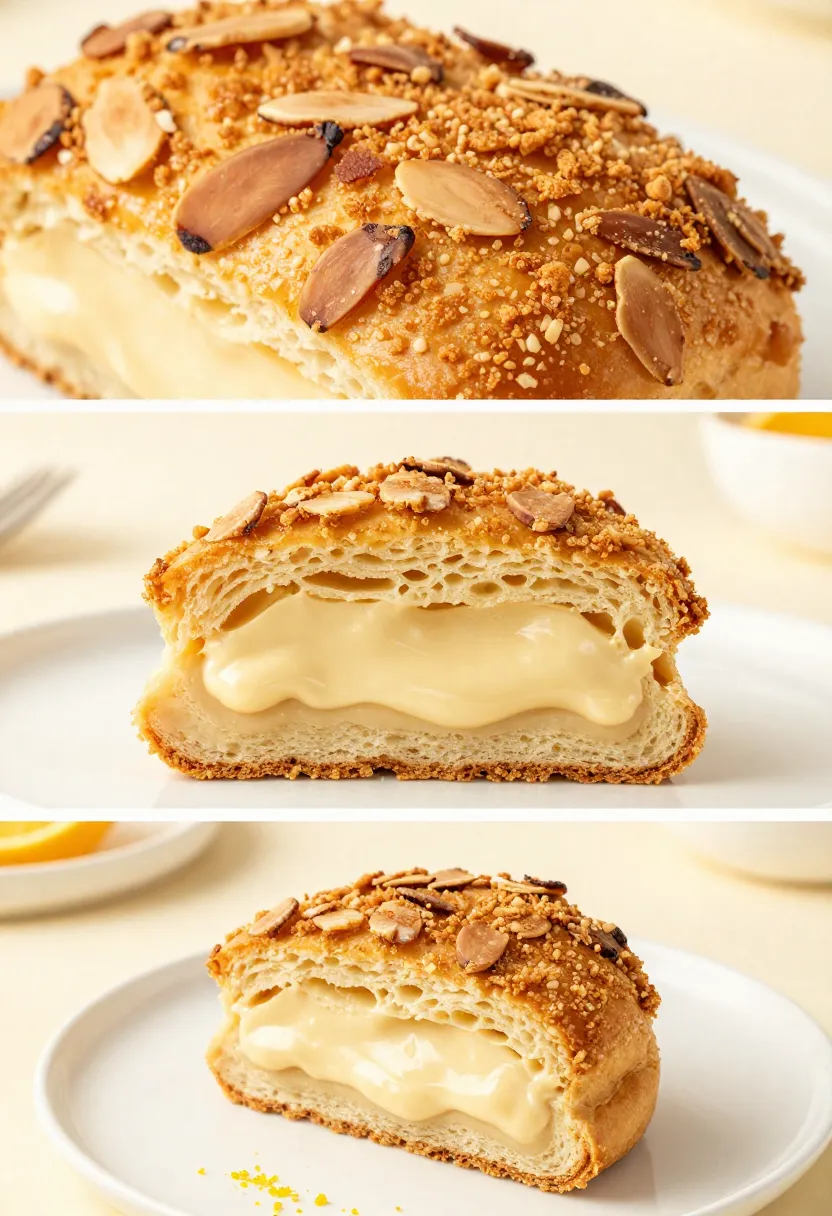
The top layer adds something important too. The sliced almonds toast just enough in the oven to create a light crunch. Without that, the whole thing would feel too soft, maybe even a bit one-dimensional.
And then there’s the brioche. It absorbs the moisture, but still holds its shape. It doesn’t fall apart, doesn’t turn soggy—it stays somewhere right in the middle.
If you had to describe what’s going on, it would look something like this:
- richness from butter and almonds
- freshness from citrus
- contrast from texture (soft inside, lightly crisp on top)
Nothing is competing. Nothing feels like “too much.”
It’s more like everything is quietly working together in the background. You don’t always notice each part on its own—but you definitely notice when it all comes together.
And maybe that’s why bostock feels a little more special than it first appears. Not because it tries hard—but because it doesn’t have to 😊
🍽 Bostock Recipe: A Simple Way to Create Something Special
There’s something very comforting about this version of bostock. Not in a dramatic, “wow-this-is-fancy” way—but in that quiet, cozy way where you take a bite and immediately feel like you made the right decision 😊
It’s warm, slightly crisp on the outside, soft and almost creamy inside. The almond flavor comes through first—rich, nutty, familiar. Then, a second later, you notice the citrus. Not too sharp, not overpowering, just a gentle brightness that keeps everything from feeling too heavy 🍊
And the texture… that’s probably the best part.
The top gets lightly golden and just a bit crunchy from the almonds. Underneath, the almond cream sets into something soft and smooth, while the brioche absorbs just enough moisture to stay tender without falling apart.
It’s not overly sweet, which makes it surprisingly easy to eat more than one piece (and yes, that tends to happen 😅).
What’s nice about this recipe is that it doesn’t feel strict. You can follow it exactly the first time, get a really solid result—and then, next time, start adjusting things a little. More citrus, less sugar, thicker slices… it’s very forgiving.
Ingredients
For the almond cream:
- 200 g almond flour
- 170 g unsalted butter, softened
- 180 g sugar
- 2 large eggs
- 1 teaspoon almond extract
- 1 teaspoon vanilla extract
- pinch of salt
- zest of one orange
- optional: 1 tablespoon rum or brandy
For assembling:
- 6–8 slices of brioche (slightly stale works best)
- 100–120 ml orange juice
- ½ cup orange marmalade (or another citrus preserve)
- ½ cup sliced almonds
- powdered sugar for serving
Preparation Steps
- Preheat your oven to 175°C (350°F) and line a baking tray with parchment paper.
- Spread the almond flour evenly on a tray and toast it for about 8–10 minutes, until it becomes lightly golden and fragrant. Let it cool before using—this step really brings out the flavor, so it’s worth not skipping.
- In a mixing bowl, beat the softened butter and sugar until smooth and creamy. Don’t rush this part—the smoother it is, the better the final texture.
- Add the eggs one at a time, mixing well after each addition to keep everything stable and silky.
- Stir in the toasted almond flour, almond extract, vanilla extract, salt, orange zest, and optional alcohol. Mix until you get a thick, spreadable cream. It should hold its shape but still be easy to spread.
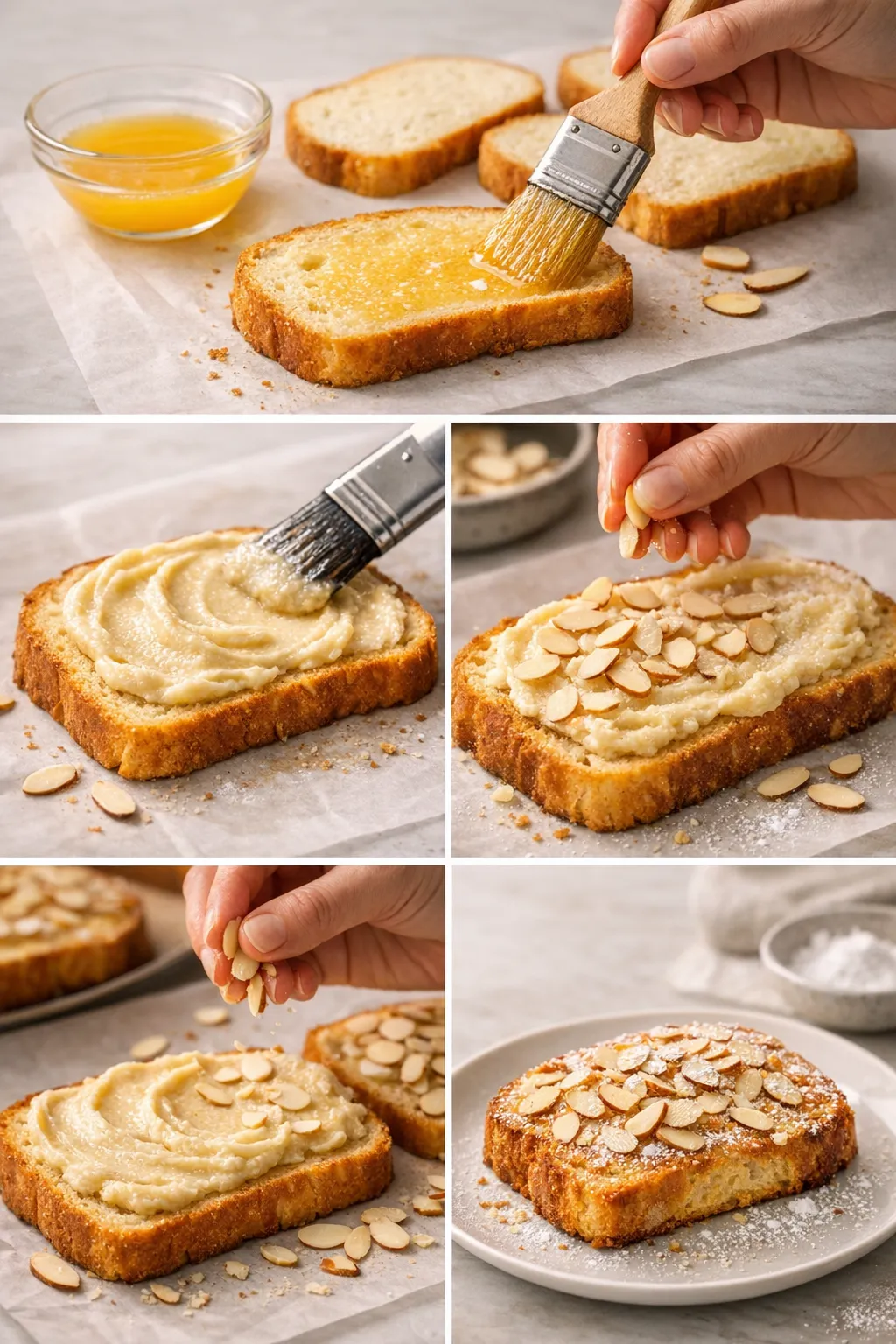
- Arrange the brioche slices on the prepared tray and brush both sides lightly with orange juice. Let the bread absorb it for a few seconds—you want it moist, but not soggy.
- Spread a thin layer of marmalade over each slice. This step might seem small, but it adds a lot of depth to the flavor.
- Add a generous layer of almond cream on top, smoothing it out evenly. Don’t be afraid to add a bit more—it’s kind of the heart of the recipe.
- Sprinkle sliced almonds over each piece, covering the surface lightly.
- Bake for 18–22 minutes, until the tops are golden brown and the almond layer feels set. If you’re unsure, give it an extra minute or two—it’s better slightly more baked than underdone.
- Let the bostock cool slightly before serving, then dust with powdered sugar if desired. Best enjoyed warm, when everything is still soft and fragrant ✨
✨ Small Tips That Make a Big Difference
- let the brioche sit for a day before using—it absorbs flavor much better
- don’t skip toasting the almond flour, even though it feels like an extra step
- if the top browns too quickly, loosely cover with foil near the end
- taste your marmalade—some are more bitter than others, which can change the final flavor
- and honestly… make a little extra, because it disappears faster than expected 😄
✨ Making It Your Own: Small Changes That Actually Matter
Once you’ve made bostock at least once, something interesting happens—you stop thinking about it as a fixed recipe. It turns into more of a base, something you can quietly adjust depending on your mood, what you have in the kitchen, or honestly… just curiosity.
And the changes don’t have to be big to feel noticeable.
A little extra citrus can suddenly make everything feel lighter, almost fresher. Cutting back on sugar shifts the focus more toward the almond flavor, making it deeper, a bit more “grown-up.” Even something as simple as how thick you slice the brioche changes the whole experience. Thicker slices stay softer and almost creamy inside, while thinner ones lean more toward a lightly crisp texture.
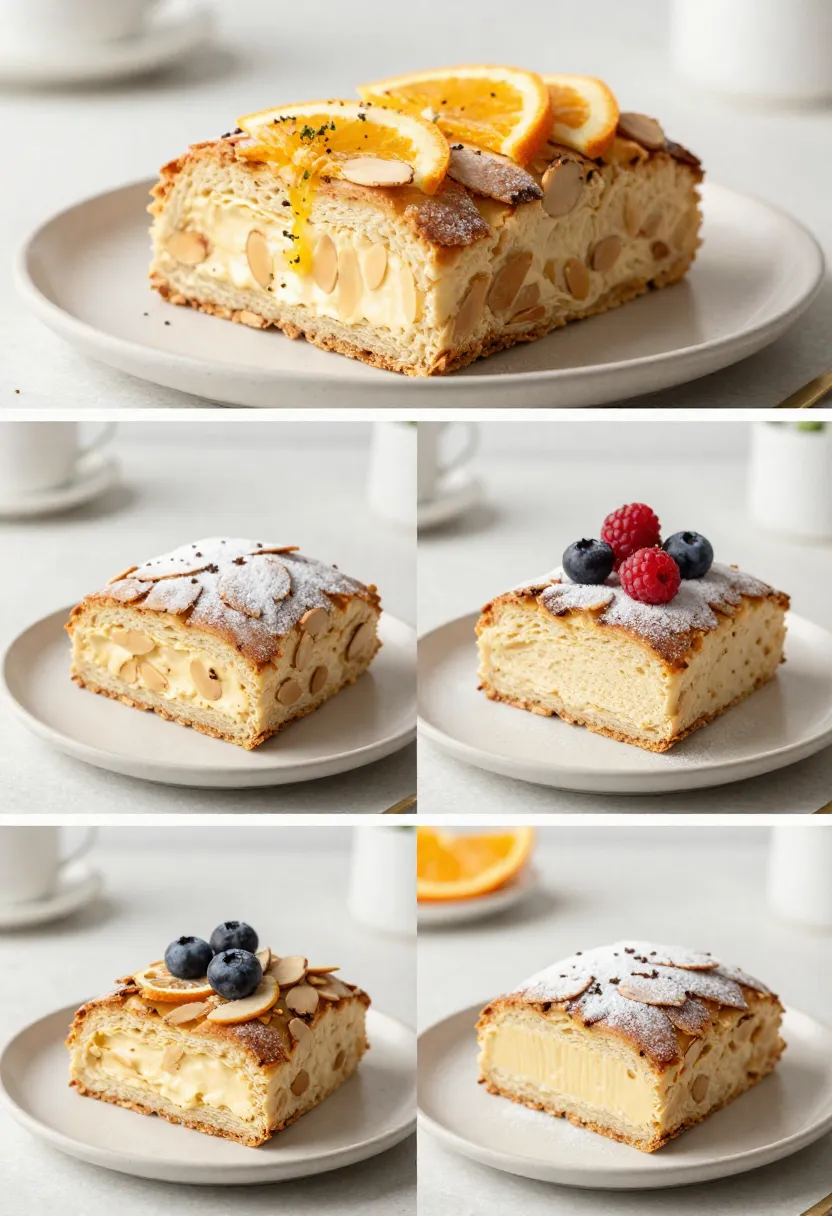
At some point, you realize there’s no single “correct” version. It’s less about getting it perfect and more about finding what feels right for you.
Here are a few small tweaks that can noticeably change the result:
- more orange zest or even a bit of lemon if you want a brighter, fresher taste 🍊
- slightly less sugar for a more balanced, less dessert-heavy version
- thicker brioche slices for a softer center, thinner ones for a bit more texture
- adding a few berries if you want a subtle contrast and a bit of acidity
Some people naturally lean toward a richer, more dessert-like version. Others prefer something lighter, closer to breakfast. And honestly, both directions make sense.
It’s one of those recipes that doesn’t really argue with you—it just adapts.
☕ Serving Bostock: Simple Details That Change the Mood
Bostock doesn’t need much to feel complete, but how you serve it can quietly change the whole experience.
Right out of the oven, still warm, it pairs almost perfectly with coffee. Something strong works best—espresso, a dark roast, even just a good black coffee. That slight bitterness balances the sweetness in a way that feels natural, not forced.
But if you serve it later in the day, it can shift into something closer to dessert without much effort.
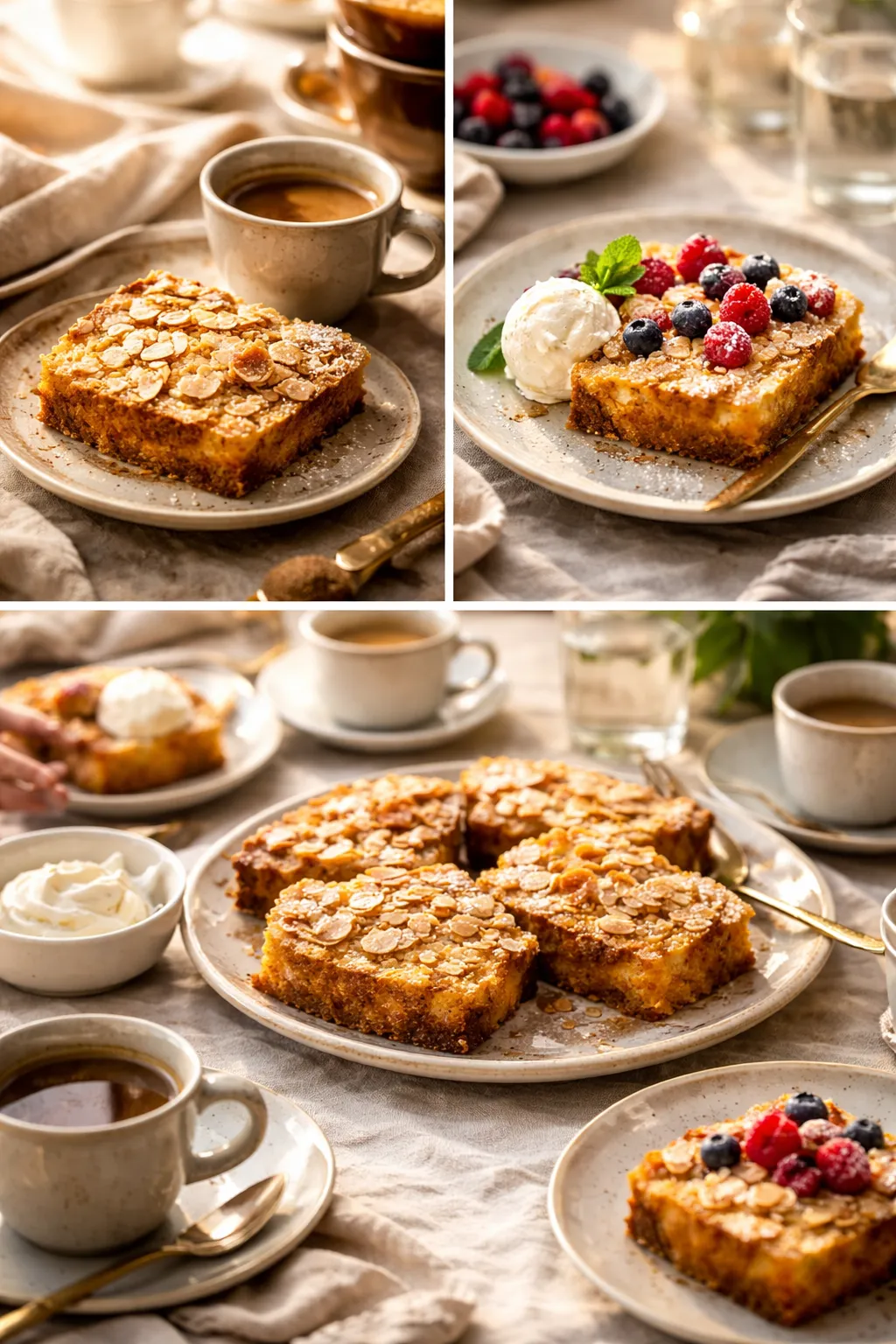
Adding something cool on the side—like a spoonful of lightly whipped cream or a small scoop of vanilla ice cream—creates contrast. Warm and soft meets cold and smooth. It’s a small detail, but it changes the rhythm of each bite.
And then there’s the atmosphere. Bostock has this relaxed, unfussy quality. You don’t need to plate it perfectly or overthink presentation. In fact, it almost feels better when you don’t.
A few easy ways to serve it depending on the moment:
- with coffee for a slow morning or weekend brunch ☕
- slightly dressed up with cream or ice cream for dessert
- simply placed on a plate in the center of the table, letting everyone take a piece
It has that rare kind of flexibility where it fits both casual and slightly special situations without changing much at all.
🧊 Storing, Reheating, and Why It’s Worth Coming Back To
Fresh bostock is hard to beat. That mix of a lightly crisp top and soft interior is at its best right after baking.
But realistically, leftovers happen. And thankfully, this is one of those cases where it’s not a problem.
If you keep it for a day or two at room temperature, it still holds up pretty well. The main thing is how you bring it back.
The microwave might seem convenient, but it kind of flattens everything—texture, structure, even flavor a little. The oven, on the other hand, brings back that slight crispness on top and warms everything through more evenly.
A few simple things that help keep it just right:
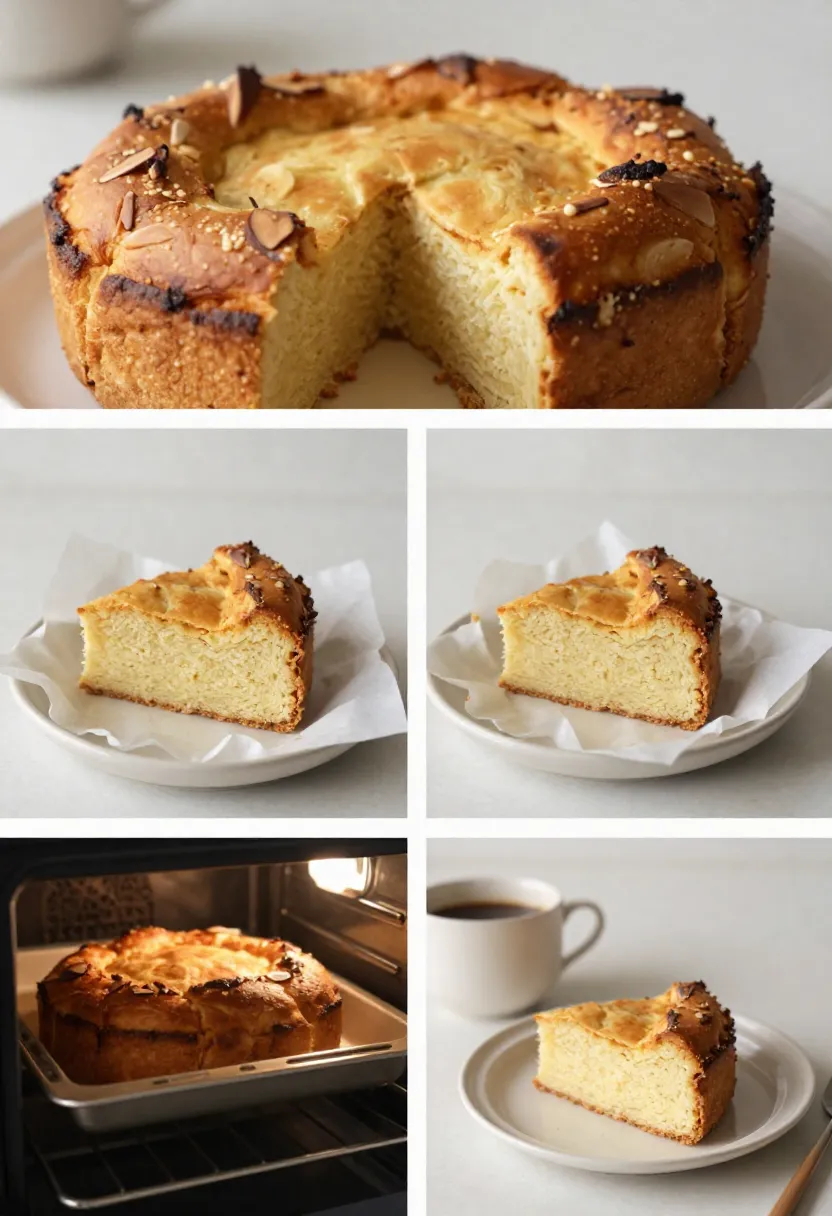
- reheat in the oven for a few minutes instead of using the microwave
- store in a loosely covered container to avoid too much moisture buildup
- make the almond cream ahead of time and keep it in the fridge if you want to save time later
And then there’s the bigger picture.
Some recipes impress you once and that’s it. You try them, you like them, and then you move on.
Bostock feels different.
It’s not dramatic or complicated. It doesn’t rely on technique or precision in the same way some pastries do. Instead, it builds something memorable out of very simple parts, layered in a thoughtful way.
And maybe that’s why it stays with you.
Not because it’s the most impressive thing you’ve ever made—but because it feels real, warm, and just a little bit special every time you come back to it ✨