Contents
- Why Sweet, Homemade Comfort Feels So Natural at Christmas
- The Beauty of Baking Something That Refuses to Be Rushed
- ⭐ Christmas Star Cinnamon Rolls Recipe ⭐
- Instructions
- Serving It in a Way That Feels Truly Special ✨
- Small, Practical Tips That Actually Make a Difference
- How One Recipe Slowly Turns Into a Holiday Tradition
There is a very particular kind of magic that tends to appear only in December. It’s not dramatic and it doesn’t try to impress anyone. In fact, it’s so subtle that you can easily miss it if you’re not paying attention. It doesn’t arrive with loud music or blinking lights, and it certainly doesn’t announce itself.
Most of the time, it shows up early in the morning while the house is still half-asleep, or late in the evening when everything finally quiets down. These are the moments when the world feels slower, softer, and just a little more forgiving than usual.⭐🎄
And quite often, this kind of magic begins in the kitchen.
It starts with simple, ordinary things. A bowl resting on the counter. Flour that somehow ends up on your hands without you noticing when it happened. Milk warming gently, not boiling, not rushing, just enough to wake the yeast and set something in motion. None of it feels special on its own, but together it creates a familiar rhythm that many people associate with home.
Outside, December behaves exactly as expected: cold air, shorter days, and darkness that seems to arrive earlier with each passing week. Inside, however, the atmosphere shifts. The kitchen becomes warmer, quieter, and more intentional. There is a sense of comfort that doesn’t need explaining, because it’s instantly recognizable.
This is why holiday baking carries such emotional weight for so many people. It has never truly been about perfectly shaped pastries or flawless results. What matters more is the feeling it creates — the sense of warmth when the season itself can feel rushed and overwhelming. Baking offers a reason to slow down, even briefly, and reconnect with the moment, the space, and the people around you.
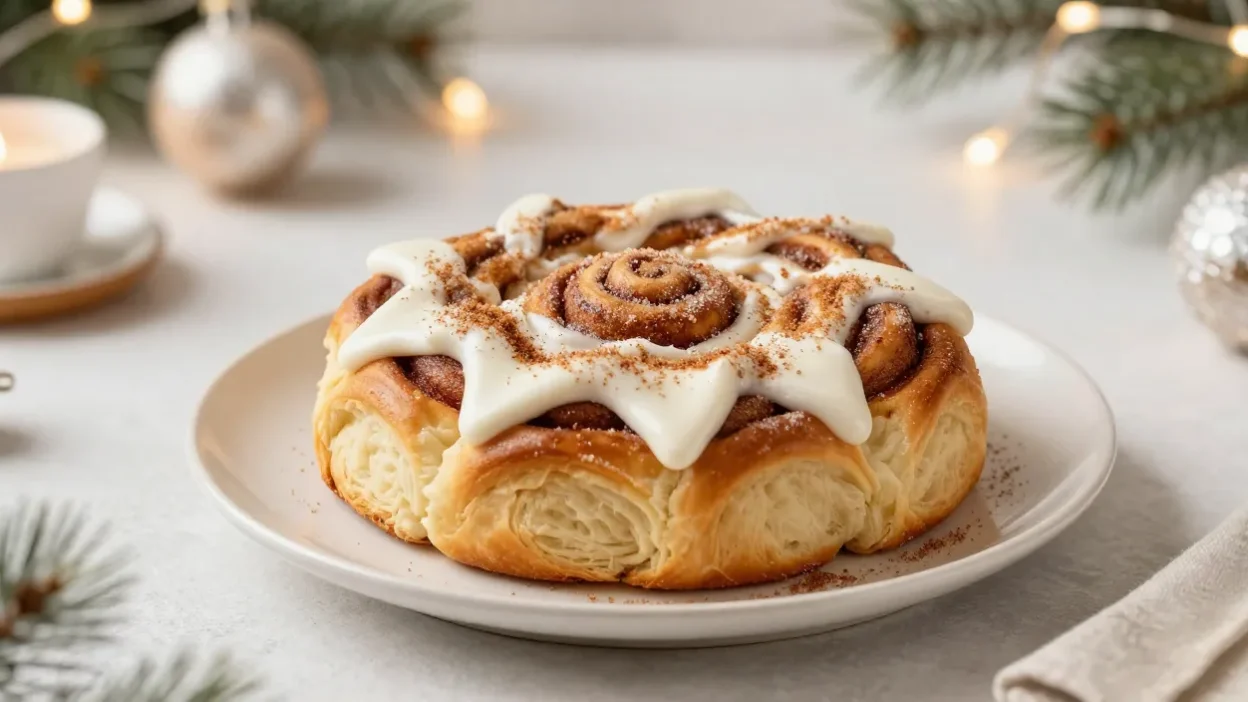
That’s exactly where a Christmas star cinnamon roll belongs. Not as a trendy idea or something made purely for photos, but as part of a quiet, repeated ritual. It’s the kind of recipe that takes a bit of time, fills the kitchen with the smell of cinnamon and butter, and feels genuinely satisfying when it finally comes out of the oven. ✨
Why Sweet, Homemade Comfort Feels So Natural at Christmas
Certain flavors seem inseparable from the holiday season, and most of us recognize them instantly. Cinnamon, brown sugar, butter, vanilla — none of these flavors are sharp or aggressive. They don’t overwhelm the senses. Instead, they feel warm and familiar, gently inviting rather than demanding attention.
During the holidays, people naturally gravitate toward food that feels grounding and reassuring. This is the time of year when meals start to slow down and food becomes less about efficiency and more about comfort. We look for dishes that encourage us to pause, sit down, and actually enjoy what’s in front of us.
This shift doesn’t happen all at once. It tends to show up in small ways:
- schedules loosen just a little
- mornings feel less rushed
- meals turn into shared moments rather than quick stops between tasks
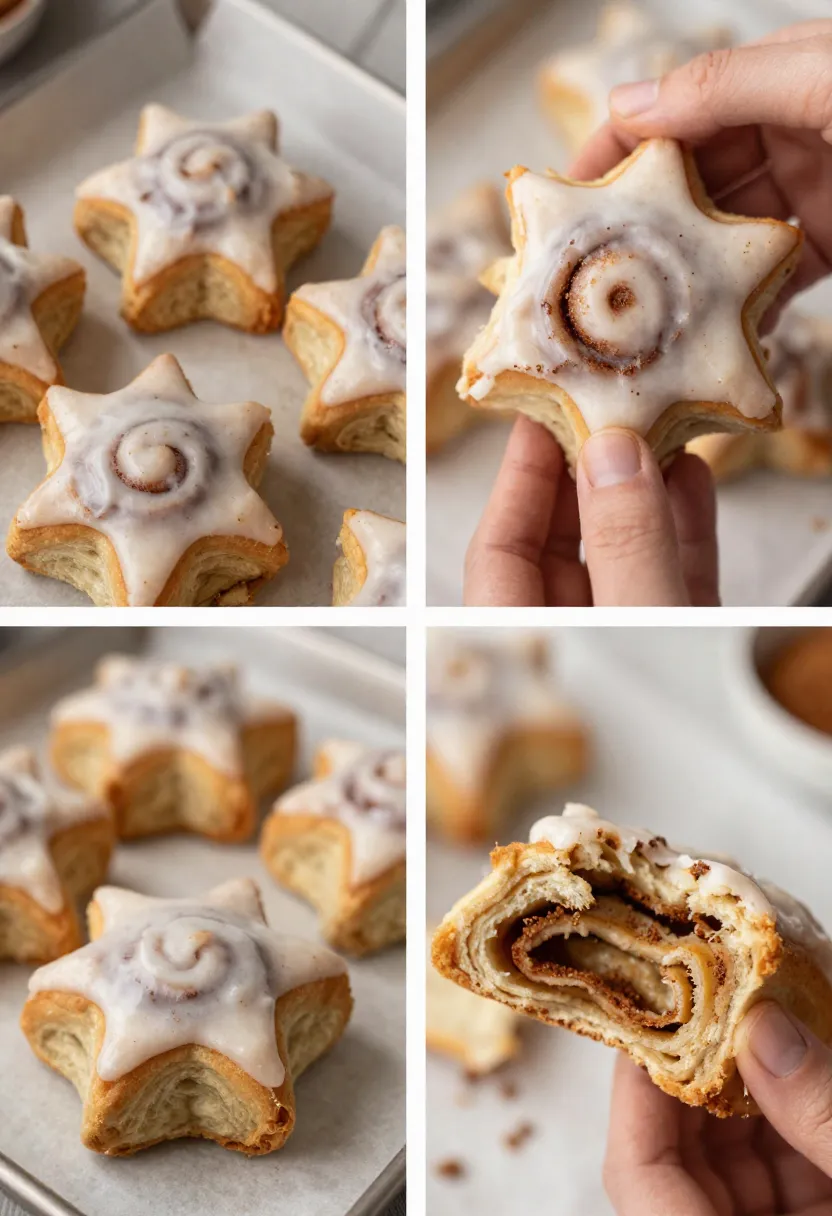
A star-shaped cinnamon roll fits beautifully into this mindset. It feels festive without being overdone and special without feeling formal. More importantly, it isn’t meant to be served in neat, individual portions. It’s designed to sit in the center of the table and invite everyone to take part.
No one cuts it perfectly. People pull it apart. Someone always reaches for the crispiest edge, while someone else goes straight for the soft, cinnamon-filled center. Fingers get sticky, frosting smears slightly, and there’s usually a bit of laughter or a casual comment about who grabbed which piece.
That gentle messiness is not a flaw. It’s part of the experience, and honestly, it’s exactly how holiday food should feel.
The Beauty of Baking Something That Refuses to Be Rushed
Modern life moves quickly, and many recipes are designed to keep up with that pace. Quick methods, simplified steps, and instant results are often necessary, especially on busy days. There’s nothing wrong with that approach when time is limited.
However, yeast dough operates on its own timeline.
It reacts to warmth rather than pressure, and it needs proper rest in order to develop the texture people love in soft, layered breads. If the dough doesn’t have enough time to rise or relax, it shows in the final result. Trying to rush those steps usually leads to disappointment, not efficiency.
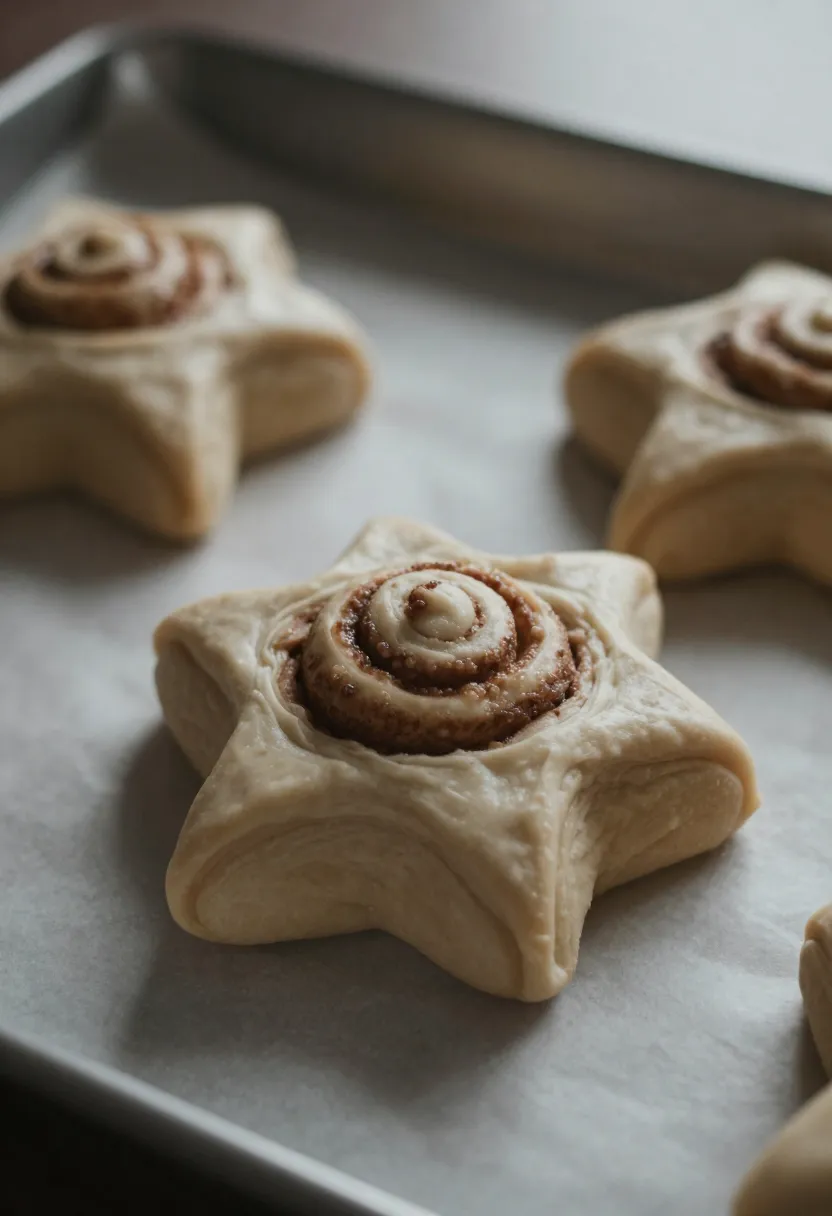
This is what makes baking a Christmas star cinnamon roll feel different from everyday cooking. The process doesn’t allow shortcuts in the places that matter most. The rising time and resting stages are essential, and skipping them always affects the outcome. The dough simply responds better when it’s given patience instead of force.
While the dough rests, something else tends to happen as well. You slow down without really planning to. You step away from the counter, tidy up a bit, make a cup of tea, or just wait. The process creates a natural pause, not only in the recipe but in your day.
When the bread finally comes out of the oven, golden and fragrant, it feels satisfying in a deeper way. Not because it was complicated, but because it required attention and presence. The result reflects the time you allowed for it and the choice to move a little slower than usual.
This isn’t the kind of baking meant to be squeezed into an already crowded schedule. It’s intentional baking — the kind you plan ahead for, repeat year after year, and gradually associate with the holidays themselves. Over time, it becomes part of your December rhythm, something you quietly look forward to every single winter. 🌟
⭐ Christmas Star Cinnamon Rolls Recipe ⭐
This recipe is all about creating something that feels special without turning the process into a stressful project. The result is a beautifully layered, star-shaped cinnamon roll bread with a soft, tender center, lightly crisp edges, and generous ribbons of buttery cinnamon sugar throughout. Finished with a smooth cream cheese frosting, it works just as well for a slow Christmas morning as it does for a relaxed holiday brunch or a cozy winter afternoon with coffee. ☕🎄
Despite how impressive it looks once baked, the process itself is surprisingly forgiving. You don’t need advanced baking skills, perfect timing, or professional tools. What matters most here is giving the dough enough time and not rushing the steps that are meant to be slow.
Ingredients
For the dough
- 1 cup whole milk, warmed (not hot)
- 2¼ teaspoons active dry yeast
- ¼ cup granulated sugar
- ½ cup unsalted butter, melted and cooled
- 1 large egg, at room temperature
- 1 teaspoon vanilla extract
- ½ teaspoon salt
- 3½–4 cups all-purpose flour
For the cinnamon filling
- ½ cup unsalted butter, very soft
- ¾ cup light brown sugar
- 2 tablespoons ground cinnamon
For the cream cheese frosting
- 4 oz cream cheese, softened
- ¼ cup unsalted butter, softened
- 1½ cups powdered sugar
- ½ teaspoon vanilla extract
- 1–2 tablespoons milk or cream
Instructions
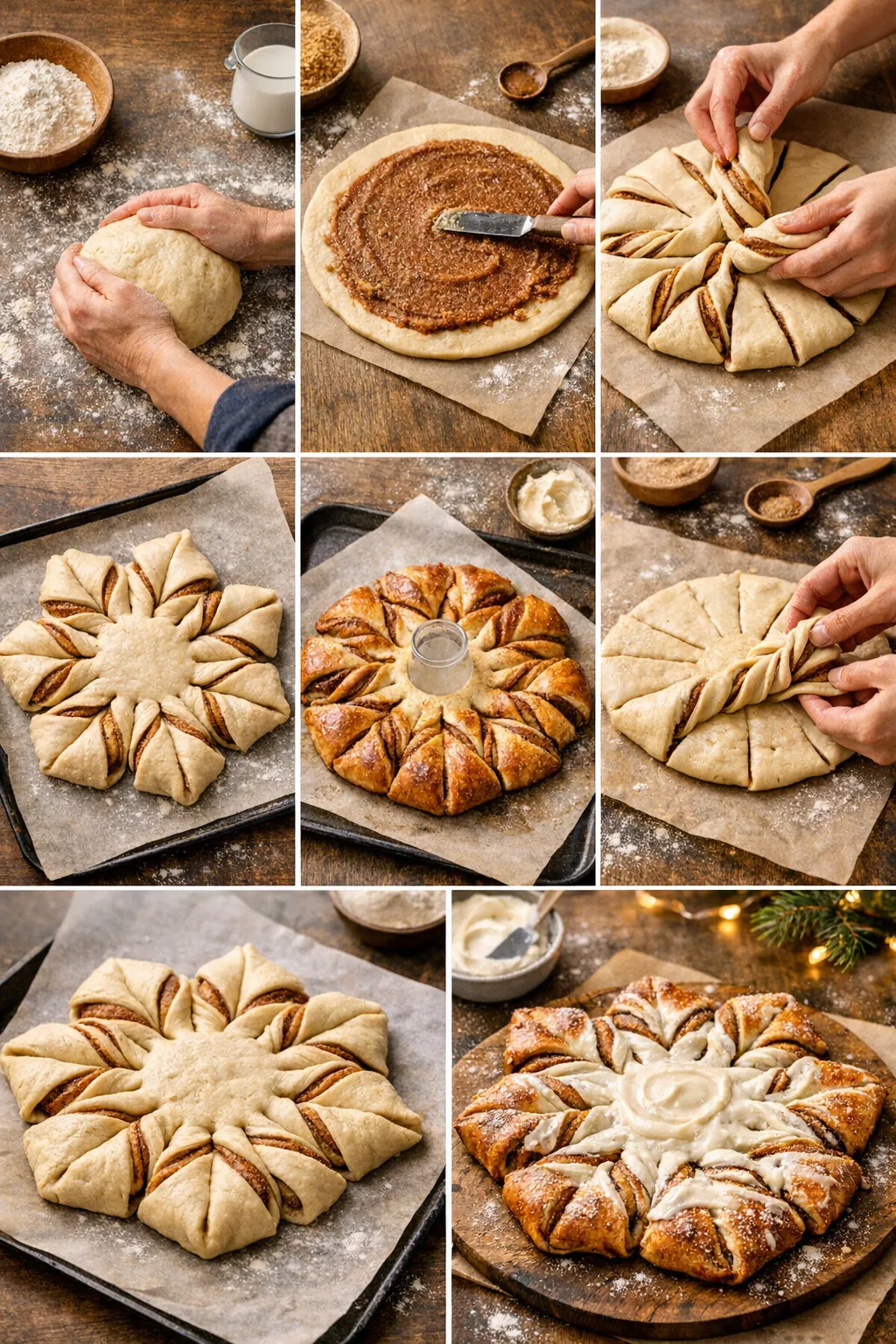
- Start by activating the yeast. In a large bowl, combine the warm milk, yeast, and one tablespoon of the sugar. Stir gently and let the mixture sit for about 5–10 minutes. You’re looking for a foamy surface — that’s a sign the yeast is active and ready to work.
- Add the remaining sugar, melted butter, egg, vanilla extract, and salt to the yeast mixture. Whisk everything together until smooth and evenly combined.
- Begin adding the flour gradually, about one cup at a time, mixing after each addition. Once the dough becomes too thick to stir easily, transfer it to a lightly floured surface.
- Knead the dough for approximately 6–8 minutes. As you work, it should become smooth, elastic, and soft. The dough should feel slightly tacky but should not stick aggressively to your hands. If needed, add small amounts of flour, but try not to overdo it.
- Place the dough into a lightly greased bowl, turning it once so the surface is coated. Cover with a clean kitchen towel and set it aside in a warm spot to rise. This first rise usually takes about 1 to 1½ hours, or until the dough has doubled in size.
- While the dough is rising, prepare the cinnamon filling. In a small bowl, mix the softened butter, brown sugar, and cinnamon until smooth and spreadable. Set aside.
- Once the dough has risen, gently press it down to release the air. Divide it into four equal portions. Try to keep them as even as possible so the layers bake uniformly.
- Roll each portion into a thin circle, roughly 10–12 inches in diameter. Place the first circle on a piece of parchment paper. Spread an even layer of cinnamon filling over the surface, leaving a small border around the edge.
- Place the second circle directly on top and repeat the filling. Do the same with the third layer. Finish by placing the fourth circle on top without adding filling.
- Use a small glass or cup to lightly mark the center of the stacked dough. This will help guide your cuts. Starting from the outer edge, cut the dough into 16 equal strips, stopping when you reach the center mark.
- Take two neighboring strips, twist them away from each other a few times, then pinch the ends together to form a point. Repeat this process all the way around until you have a complete star shape.
- Cover the shaped dough loosely with a towel and allow it to rise again for about 30–45 minutes. The dough should look slightly puffy, but it doesn’t need to double this time.
- Preheat the oven to 375°F (190°C). Bake the cinnamon star for 25–30 minutes, until it’s golden brown and fragrant. If the top begins to brown too quickly, loosely cover it with foil for the remaining baking time.
- While the bread cools slightly, prepare the frosting. Beat the cream cheese and butter together until smooth, then gradually add the powdered sugar, vanilla extract, and enough milk or cream to reach your desired consistency.
- Spread the frosting over the cinnamon star while it’s still slightly warm for a softer, melty finish, or wait until it cools if you prefer a thicker, more defined layer. Serve warm or at room temperature and enjoy. ✨
A Few Helpful Tips Before You Start 😊
- If your kitchen feels cold, let the dough rise in the oven with just the light turned on. It creates a gentle warmth without overheating anything.
- Try not to add too much flour while kneading. A slightly soft, tacky dough almost always bakes up better than a stiff one.
- If spreading the cinnamon filling feels messy, warm it for a few seconds so it spreads more easily without tearing the dough.
- Don’t worry if the star isn’t perfectly symmetrical. Once it bakes and gets frosted, those small imperfections completely disappear.
- For extra flavor, you can add a pinch of cinnamon or a splash of vanilla directly into the frosting — it’s a small detail, but it makes a difference.
Serving It in a Way That Feels Truly Special ✨
When it comes to serving something festive, presentation doesn’t need to be complicated or overly styled to feel meaningful. A star-shaped cinnamon roll already has a strong visual presence on its own, so the goal isn’t to decorate it heavily, but to support what’s already there.
Placing the cinnamon star on a large plate, a simple cake stand, or even a wooden cutting board instantly sets the tone. A light dusting of powdered sugar adds a gentle, snowy effect without hiding the details of the shape. You can let the bread look natural and inviting, rather than overly polished — that’s part of its charm.
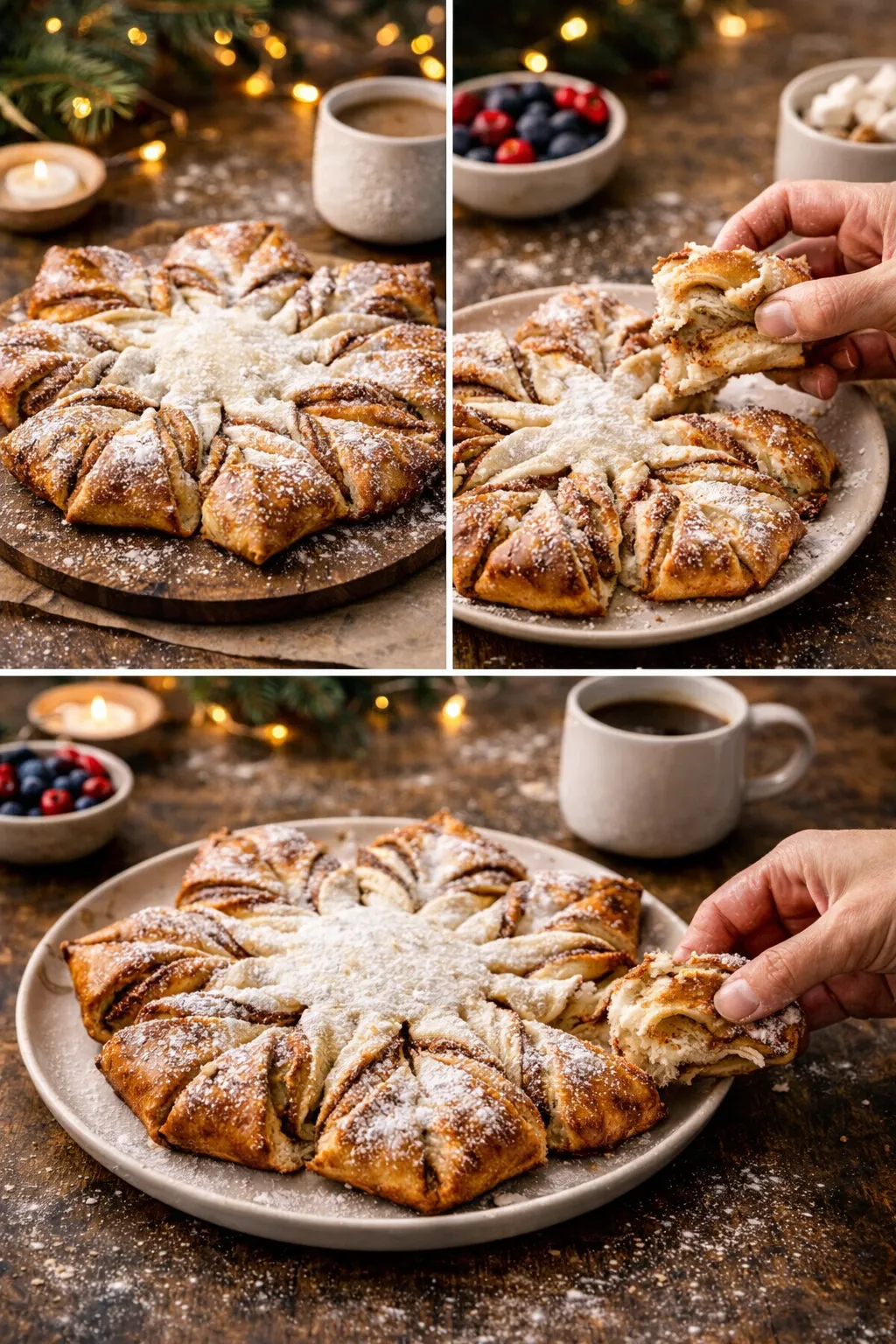
If you’re serving it on Christmas morning, think in terms of balance rather than abundance. A few thoughtful additions around the table can make the moment feel complete without overwhelming it. For example:
- freshly brewed coffee or tea that people can sip slowly
- hot chocolate for kids, or for adults who enjoy something a little nostalgic
- a small bowl of berries or citrus slices to add freshness and color
It’s also worth remembering that the atmosphere matters just as much as what’s on the plate. Soft lighting, candles, or even the glow from the Christmas tree can make the space feel calmer. Quiet background music or even comfortable silence helps keep the moment relaxed. And most importantly, allowing enough time so no one feels rushed turns an ordinary serving into something memorable.
Small, Practical Tips That Actually Make a Difference
Sometimes it’s not the big steps that affect the final result, but the small choices made along the way. These gentle reminders don’t require extra effort, yet they can noticeably improve both the process and the outcome.
- When kneading the dough, resist the urge to add too much flour too quickly. A dough that feels slightly soft and pliable almost always bakes into a lighter, more tender bread.
- If your kitchen tends to be cold, letting the dough rise in the oven with only the light turned on can create just enough warmth without drying it out.
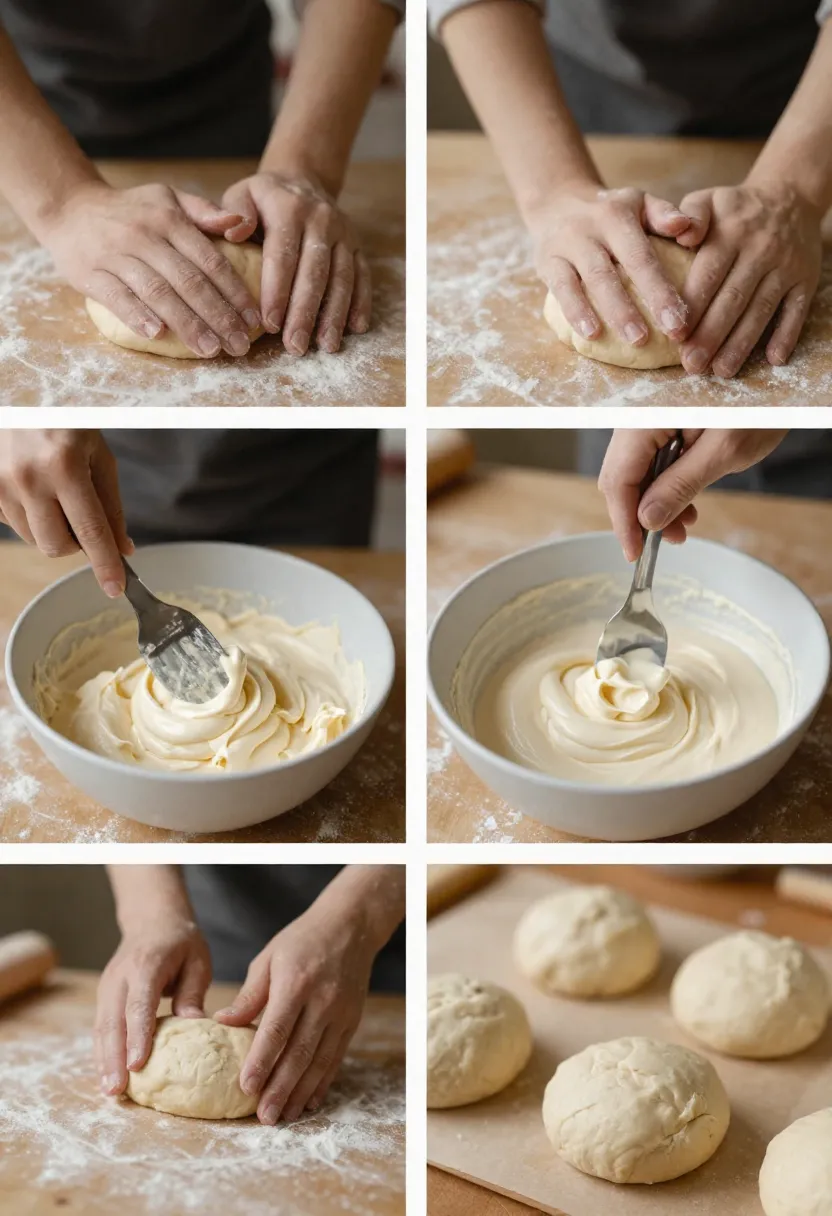
- For the frosting, starting with a thicker consistency gives you more control. You can always add a little more milk or cream, but fixing overly thin frosting is much harder.
- Small imperfections in shape or twisting are nothing to worry about. Once the dough rises and bakes, and especially once it’s frosted, those details blend in naturally.
- If you’re baking ahead, the bread reheats well and regains its softness with just a few seconds of gentle warming.
These are the kinds of adjustments people usually pick up through experience. Over time, they become second nature, making the process feel more relaxed and intuitive.
How One Recipe Slowly Turns Into a Holiday Tradition
The recipes that stay with us are rarely the most elaborate ones. They’re the ones connected to people and moments rather than instructions. The ones that bring back a memory before we even taste them.
This Christmas star cinnamon roll has the potential to become exactly that kind of recipe.
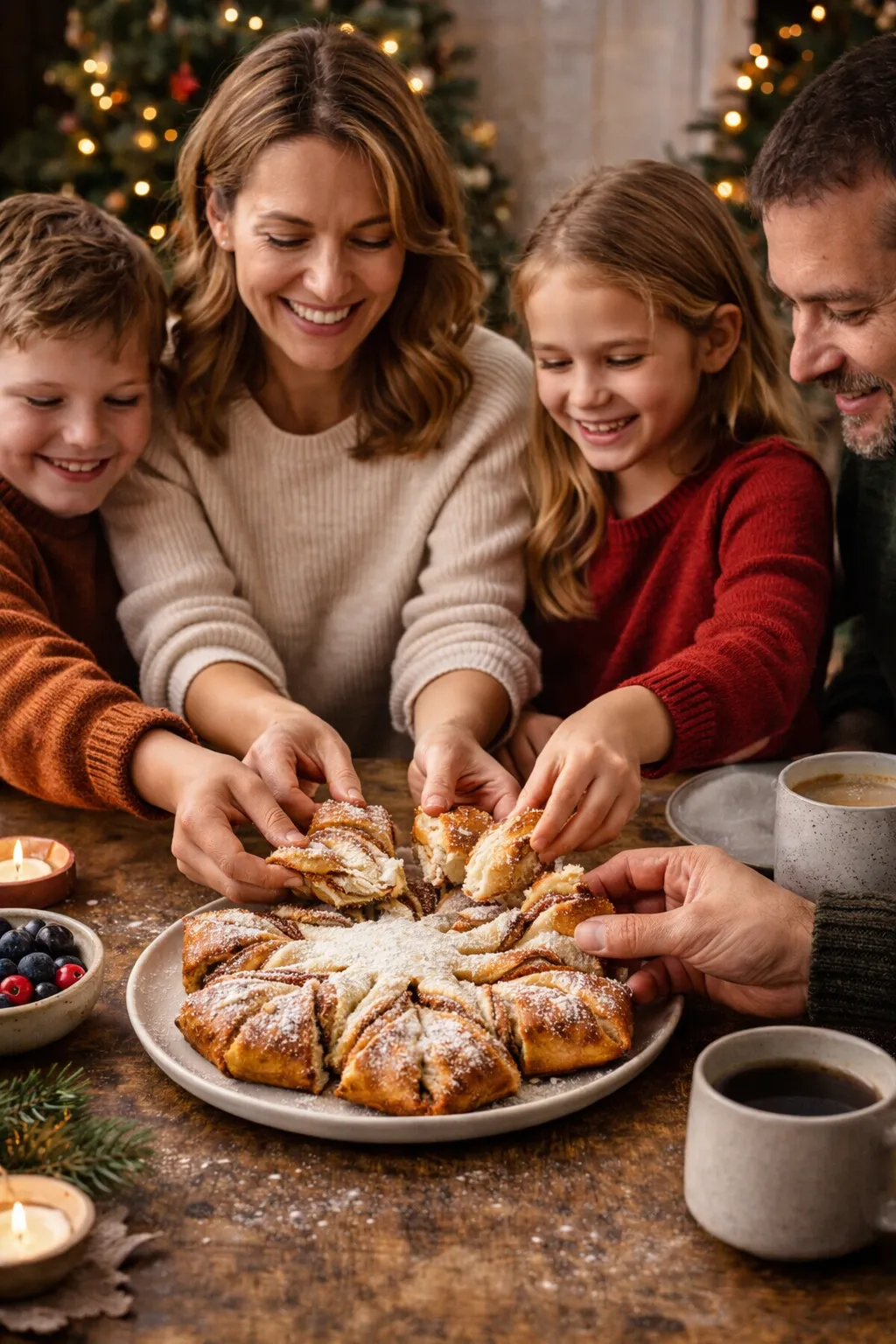
At first, you might bake it simply because it looks festive or different. The next year, someone might casually ask if you’re making “that star-shaped cinnamon thing again.” Over time, it stops feeling new and starts feeling familiar, in the best possible way.
Eventually, it becomes part of the season without you consciously deciding it should be. It shows up on the table alongside other small traditions, blending into the rhythm of the holidays. And that’s usually how the best traditions form — naturally, quietly, and without pressure.
In the end, that’s the real reward of baking during the holidays. Not perfect results or flawless presentation, but shared moments, warm kitchens, and the simple feeling of being together. 🎄⭐