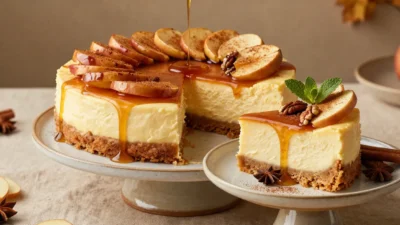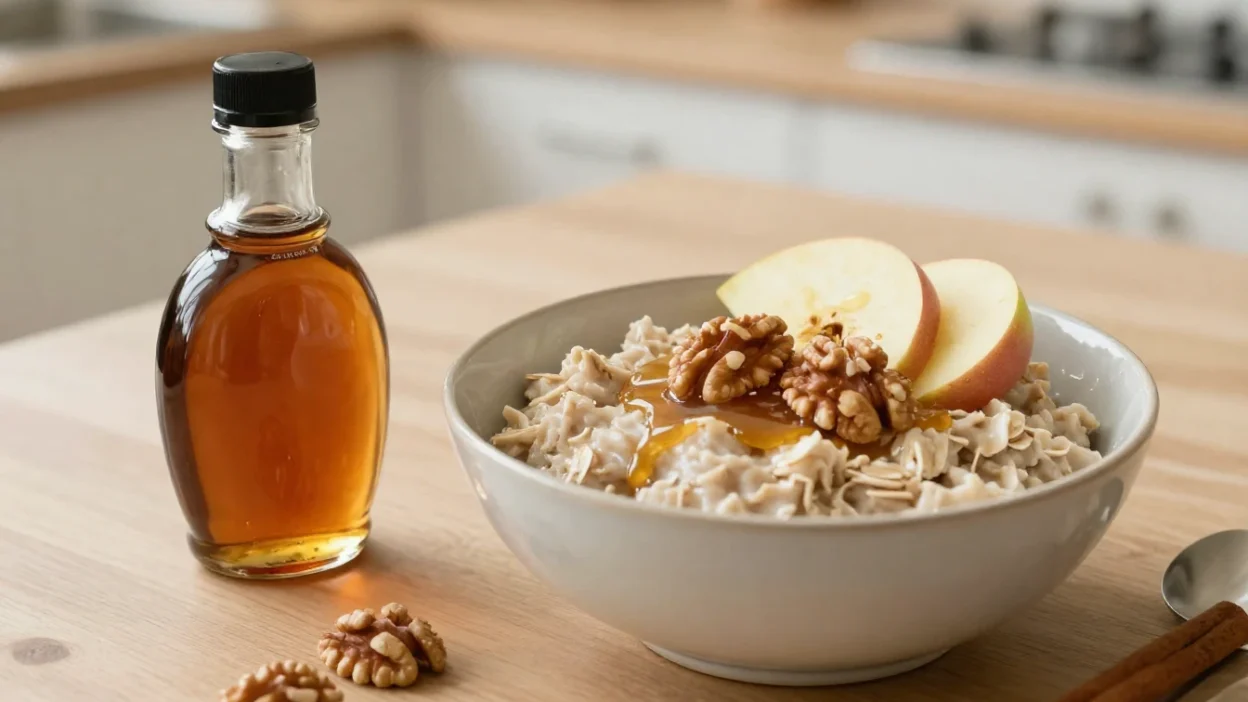
There is something about maple syrup that makes a simple breakfast feel a little more cared for. A warm bowl of oatmeal suddenly smells cozier. Pancakes taste less flat. Even roasted carrots can turn glossy and caramelized with one small spoonful.
But that is also where maple syrup gets a bit confusing.
It sounds more natural than white sugar. It comes from trees. It has a deeper flavor, and real maple syrup does contain small amounts of minerals and plant compounds. So it is easy to look at the bottle and think, “This must be the healthier sweetener.”
The honest answer is: maple syrup can be a better choice than refined sugar in some recipes, but it is still added sugar. That means it deserves a place in your kitchen, not a halo.
I like maple syrup most when it is used for flavor, not just sweetness. A little can make oatmeal taste warmer, balance a sharp salad dressing, glaze salmon, or help roasted vegetables brown at the edges. You do not need much when the syrup is real and flavorful.
In this guide, we will look at what maple syrup actually is, how it compares to sugar, what benefits are worth knowing, how to choose the real kind, and how to use it in everyday food without overdoing it.
What maple syrup actually is
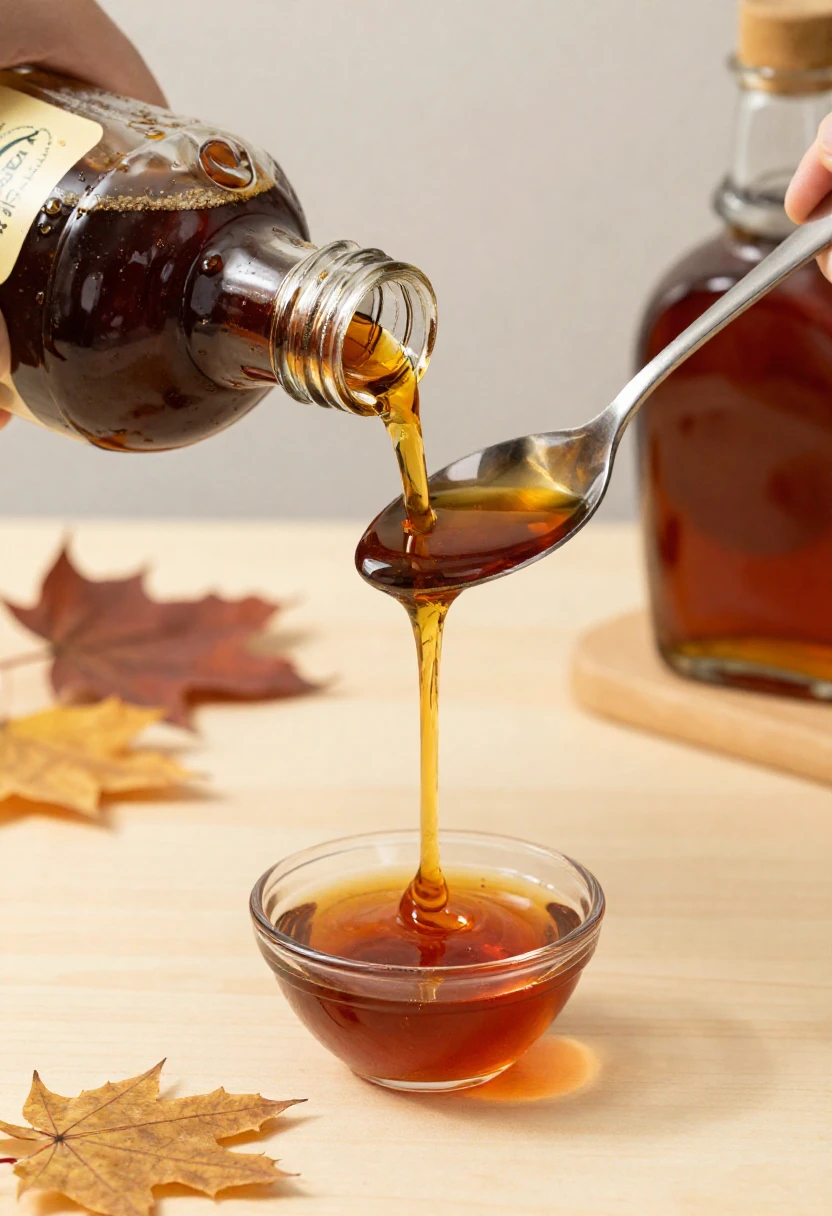
Maple syrup starts as sap from maple trees. The sap is thin and watery when it comes out of the tree, not thick and sticky like the syrup you pour over pancakes. To turn it into syrup, producers boil it down until much of the water evaporates and the flavor becomes concentrated.
That slow boiling is what gives real maple syrup its warm, almost caramel-like taste. Good maple syrup is sweet, of course, but it is not flat. It can taste a little woody, buttery, smoky, or even slightly vanilla-like depending on the syrup and how dark it is.
That is one reason I prefer it in recipes where the flavor actually matters. If you are only trying to make something sweeter, plain sugar can do that. Maple syrup brings something extra.
From tree sap to syrup
The process is simple in idea, but it takes patience. Maple sap is collected during a short season when temperatures move above and below freezing. Then the sap is boiled until it thickens into syrup.
Nothing fancy needs to be added. Real maple syrup should have one ingredient: maple syrup.
That is part of its appeal. You are not looking at a long label full of flavorings and colors. You are getting a sweetener made from tree sap, reduced until it becomes rich enough to use in the kitchen.
Still, that does not make it magic. It is concentrated sweetness. Lovely, useful, and natural, yes. But still sweet.
Real maple syrup vs pancake syrup
This is where labels matter.
A lot of “pancake syrup” or “maple-flavored syrup” is not the same as real maple syrup. It may taste familiar because many of us grew up with it, but it is often made mostly from corn syrup or other sweeteners, with maple flavoring and caramel color added.
Real maple syrup tastes different. It is usually thinner than fake pancake syrup, and the flavor is more layered. It does not just sit on top of food like sticky sweetness. It soaks into pancakes, melts into oatmeal, and blends beautifully into sauces and dressings.
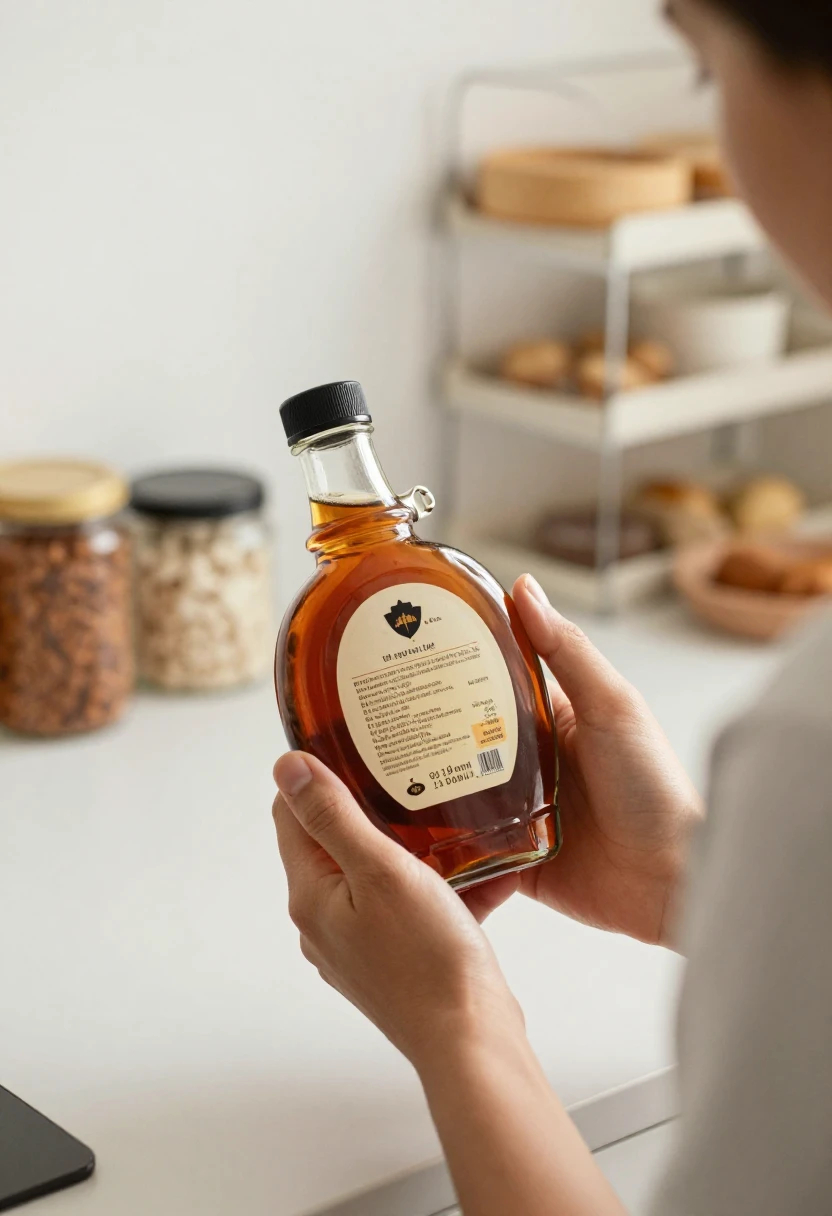
When you are buying syrup, flip the bottle around and read the ingredient list. If it says only “maple syrup,” you have the real thing. If the first ingredients are corn syrup, glucose syrup, artificial flavor, or caramel color, it is a maple-style syrup, not actual maple syrup.
That does not mean you can never use it. Food does not need to be perfect all the time. But if you are buying maple syrup because you want a more natural sweetener with better flavor, the real version is what you are looking for.
Maple syrup vs sugar: what is the real difference?
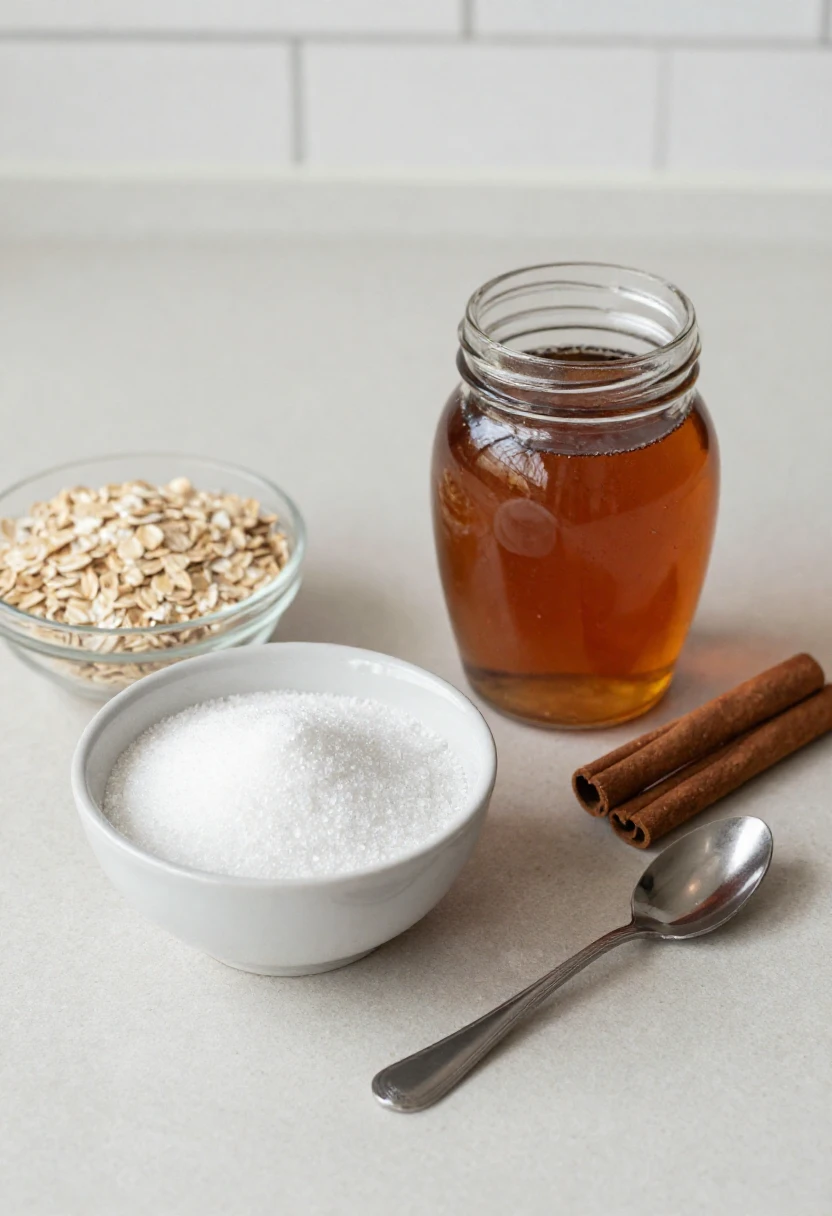
Maple syrup and white sugar can both make food sweet, but they do not behave exactly the same in your kitchen.
White sugar is simple. It sweetens, helps baked goods brown, and gives some recipes their structure. Maple syrup is more flavorful. It brings sweetness, moisture, and that warm maple taste that can make a plain bowl of oats feel like something you actually want to eat on a cold morning.
The biggest thing to remember is this: maple syrup still counts as added sugar. It may feel more natural, and in many ways it is less processed than refined white sugar, but your body still treats much of it as sugar.
So no, maple syrup is not a free pass. But yes, it can be the better choice when you use it carefully.
Maple syrup still counts as added sugar
This is the part people do not always want to hear.
Maple syrup comes from tree sap, but by the time it reaches your breakfast plate, it is concentrated sweetness. Pour enough of it over pancakes, yogurt, or granola, and you can easily turn a simple meal into something closer to dessert.
That does not mean you need to avoid it completely. I do not think that is realistic or necessary for most people. The better habit is to treat maple syrup like a flavor ingredient, not something to pour without thinking.
A small drizzle can be enough. A heavy pour usually is not.
Why maple syrup may be a better choice in some recipes
The best thing about real maple syrup is that it has a strong flavor. That matters because you can often use less and still feel like the food tastes sweet enough.
For example, a teaspoon of maple syrup stirred into oatmeal with cinnamon, walnuts, and sliced banana can taste more satisfying than a larger spoonful of plain sugar. The maple flavor fills in the gaps. It makes the bowl taste warmer and rounder.
Maple syrup also blends easily into liquids. That makes it useful in:
- Warm oatmeal or porridge
- Yogurt bowls
- Homemade granola
- Salad dressings
- Marinades
- Glazes for roasted vegetables, salmon, tofu, or chicken
- Smoothies and sauces
It is especially good when a recipe needs sweetness plus depth. A maple mustard dressing tastes more interesting than a dressing sweetened with plain sugar. The same goes for roasted carrots or sweet potatoes. Maple syrup helps them caramelize and gives them that slightly glossy finish that looks as good as it tastes.
Where white sugar still works better
Maple syrup is useful, but it is not always a perfect replacement for white sugar.
Because maple syrup is liquid, it changes the moisture in a recipe. That can be fine in muffins, banana bread, baked oats, or granola. But in cookies, cakes, meringues, and crisp toppings, sugar does more than sweeten. It affects texture, spread, browning, and structure.
I learned this the annoying way with cookies. I swapped maple syrup for sugar, expecting a softer, more wholesome cookie. What I got was a batch that spread too much and never quite had the right bite. Edible, yes. Good? Not really.
So use maple syrup where it makes sense. It works beautifully in recipes that can handle extra moisture and benefit from deeper flavor. But keep regular sugar around for recipes where texture matters.
Possible benefits of real maple syrup
Maple syrup is not a health food in the way spinach, beans, oats, or berries are health foods. I would never tell someone to eat maple syrup for nutrition. That would be strange advice.
But compared with plain white sugar, real maple syrup does have a few things going for it. It has a deeper flavor, it is usually less processed, and it contains small amounts of minerals and plant compounds. Those details do not cancel out the sugar, but they do make maple syrup a more interesting choice when you want to sweeten food.
The key word is small. Maple syrup can add something pleasant to a balanced meal, but the meal still matters more than the drizzle.
It contains small amounts of minerals
Real maple syrup contains minerals such as manganese and zinc, along with smaller amounts of calcium and potassium. That sounds nice, and it is, but it needs a little common sense around it.
You would have to use far too much syrup to turn it into a serious mineral source. And by that point, the sugar would matter more than the nutrients.
So I think of those minerals as a small bonus, not the reason to use maple syrup. The real reason is flavor.
If you want manganese, zinc, calcium, or potassium, build your meals around foods like nuts, seeds, dairy, beans, leafy greens, and whole grains. Then use maple syrup as the finishing touch that makes those foods more enjoyable.
It has antioxidants, but the full meal matters more
Maple syrup also contains antioxidant compounds. Again, that does not mean it should be treated like a wellness supplement. A spoonful of syrup is still a spoonful of sweetener.
What matters more is what you put it on.
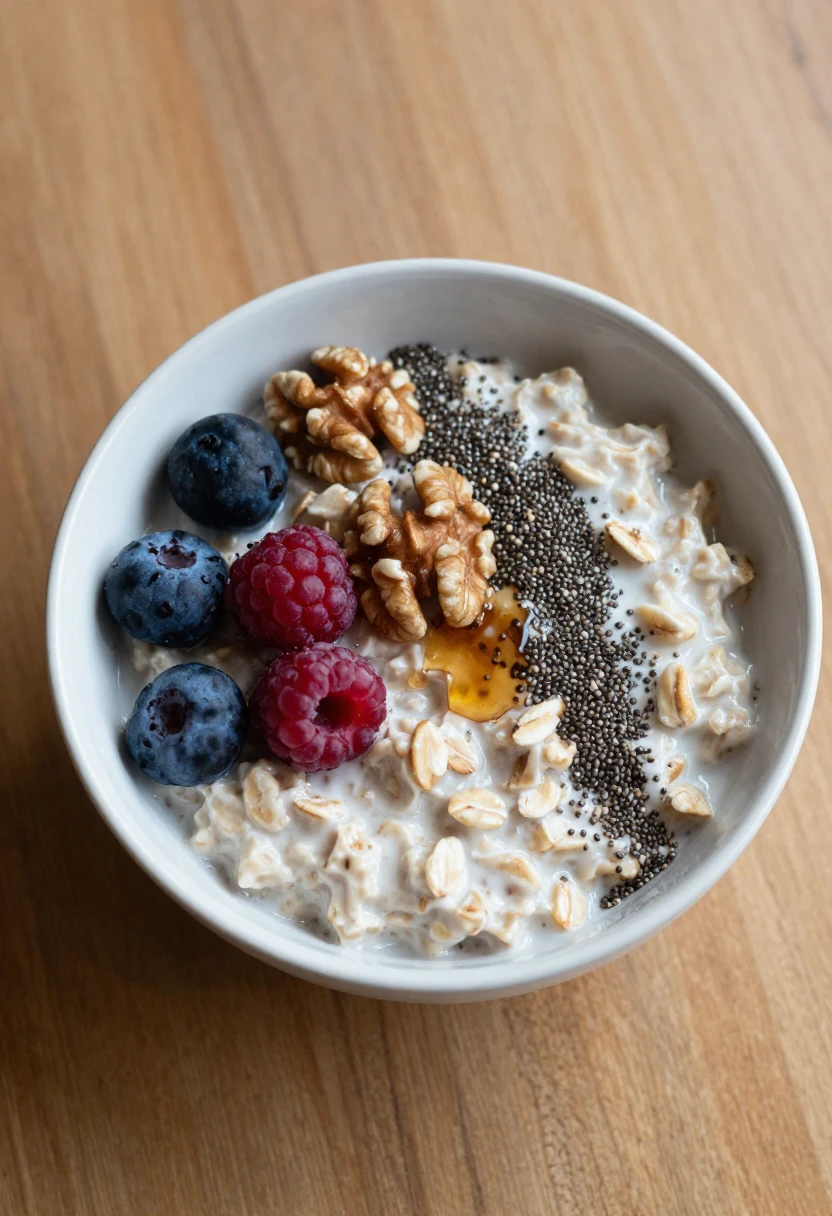
A little maple syrup stirred into oats with walnuts and berries is a very different choice from pouring a thick layer over plain white pancakes and stopping there. Same sweetener, completely different meal.
That is where maple syrup can be useful. It can help you enjoy foods that already bring fiber, protein, healthy fats, or useful nutrients.
A few simple pairings work especially well:
- Oatmeal with maple syrup, cinnamon, chia seeds, and berries
- Greek yogurt with walnuts, fruit, and a small maple drizzle
- Roasted sweet potatoes with olive oil, salt, pepper, and maple syrup
- Lentil or grain bowls with a maple mustard dressing
- Baked apples with oats, nuts, and a little syrup
The syrup makes the food taste better. The rest of the bowl does the heavier lifting.
It can help you enjoy less processed food
One underrated benefit of maple syrup is that it can make homemade food feel more satisfying.
A tiny bit in homemade granola. A spoonful in salad dressing. A light glaze on roasted vegetables. These are small kitchen habits, but they can help you rely less on packaged sauces, flavored yogurts, sweet cereals, and bottled dressings that may contain more sugar than you expect.
I notice this most with breakfast. Plain oats can feel a little sad if you cook them with water and call it a day. Add milk, cinnamon, a pinch of salt, chopped nuts, fruit, and a small drizzle of maple syrup, and suddenly it feels like breakfast you would actually repeat.
That matters. Healthy eating is much easier when the food tastes good enough to come back to tomorrow.
How to choose the best maple syrup
Buying maple syrup should be simple, but the syrup shelf can get surprisingly confusing. You may see “original syrup,” “breakfast syrup,” “maple flavored,” “pure maple,” “organic maple,” dark, amber, golden, Grade A, big plastic jugs, tiny glass bottles, and prices that make you pause for a second.
The good news is that you do not need to become a syrup expert. You just need to know what to look for.
Start with the label. Then think about flavor.
Read the ingredient list first
The cleanest clue is the ingredient list. Real maple syrup should have one ingredient:
Maple syrup.
That is it.
If the bottle says “maple flavored syrup,” “pancake syrup,” or “breakfast syrup,” turn it around and check what is inside. Many of those products are made with corn syrup, high-fructose corn syrup, glucose syrup, artificial flavor, preservatives, or caramel color.
They can still taste sweet. They can still work on pancakes. But they are not the same thing as real maple syrup.
If your goal is to use maple syrup as a more natural sweetener, buy the real one. I would rather use a smaller amount of good maple syrup than a heavy pour of something that mostly tastes like plain sugar with maple perfume added.
Understand maple syrup grades
Maple syrup grading can look more complicated than it is. In everyday cooking, the main thing to know is that color usually tells you something about flavor.
Lighter maple syrup tends to taste more delicate. It is nice on foods where you do not want the syrup to take over, like yogurt, fresh fruit, crepes, or simple oatmeal.
Darker maple syrup tastes stronger. It can be more caramel-like, woodsy, and bold. This is the one I like for baking, marinades, roasted vegetables, and dressings because the flavor does not disappear as easily.
A simple way to choose:
- Use golden or amber maple syrup for a lighter, gentler flavor.
- Use dark or very dark maple syrup for baking, sauces, glazes, and stronger dishes.
If you only want to buy one bottle, I would choose amber or dark. They are flexible enough for breakfast and cooking.
Organic maple syrup: is it worth buying?
Organic maple syrup can be a good choice, especially if you already prefer organic pantry staples. But I would not make it the first priority.
The first priority is buying real maple syrup instead of maple-flavored syrup.
After that, choose based on your budget, taste, and how often you use it. If organic maple syrup fits your grocery budget, great. If not, a pure maple syrup with one ingredient is still a solid option.
Also, do not feel pressured to buy the prettiest bottle. Maple syrup in a big practical container can be just as useful as the fancy glass bottle with a rustic label. For cooking, especially baking and marinades, you are paying for the syrup, not the packaging.
One small storage note: after opening, keep real maple syrup in the refrigerator. It does not have the same preservatives as many pancake syrups, so it can spoil if it sits in the pantry for too long.
How to use maple syrup in everyday food
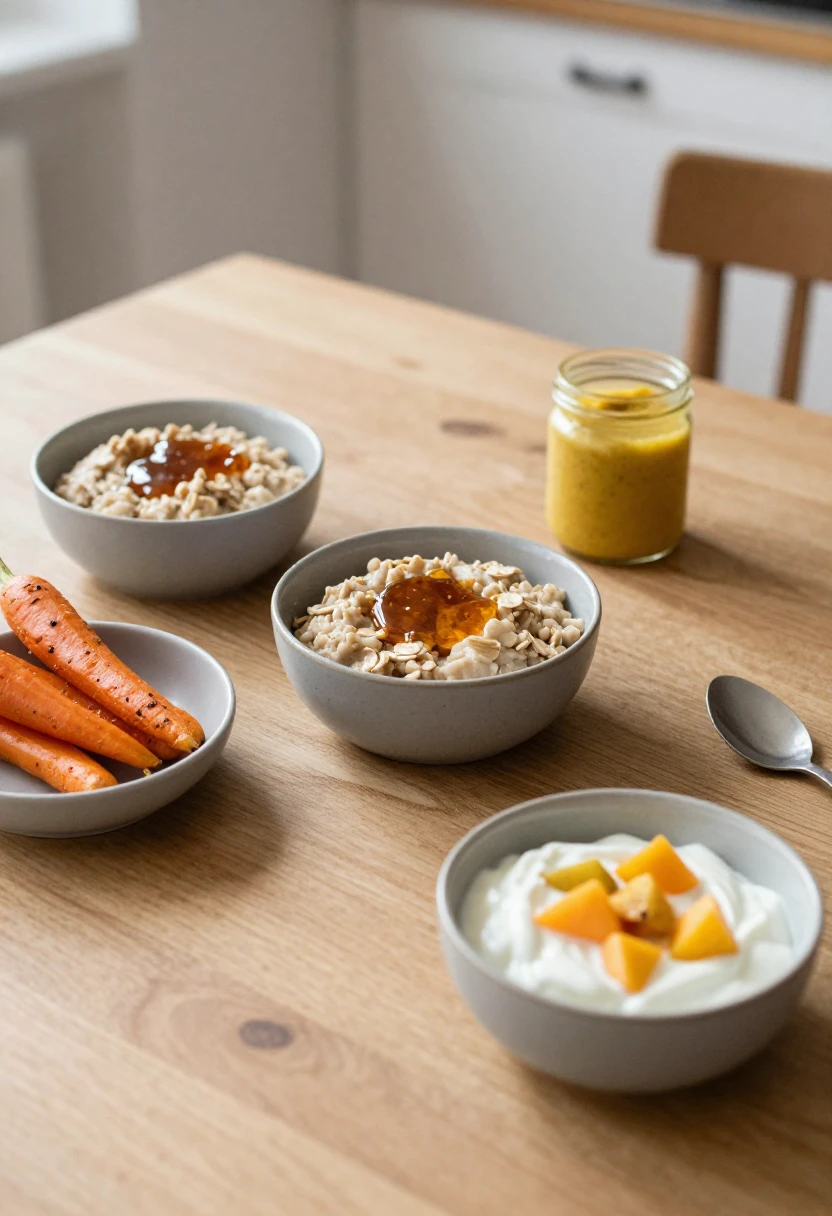
Maple syrup is easy to use badly. I say that with love, because I have absolutely poured too much of it over pancakes and called it breakfast.
The trick is to stop thinking of maple syrup as something you only pour on top of food. It works much better when you use it as a small flavor builder. Stir it in. Whisk it into a dressing. Brush it onto something before roasting. Add it where the sweetness has a job.
That is when maple syrup becomes useful in everyday cooking.
Breakfast ideas that do not taste boring
Breakfast is the obvious place to start, and honestly, maple syrup belongs there. It pairs naturally with oats, nuts, cinnamon, apples, bananas, yogurt, and whole-grain pancakes.
The mistake is pouring it over a plain breakfast and expecting the syrup to do all the work. A better approach is to build a bowl that already has texture and then use maple syrup as the final touch.
Try it with:
- Oatmeal cooked with milk, cinnamon, and a pinch of salt
- Greek yogurt with berries, walnuts, and a teaspoon of maple syrup
- Chia pudding with banana slices and toasted almonds
- Whole-grain pancakes topped with fruit instead of a lake of syrup
- Baked oats with apples, cinnamon, and a small maple drizzle
That pinch of salt matters, especially in oatmeal. It makes the maple flavor taste fuller, so you do not need as much syrup.
Savory recipes that work surprisingly well
Maple syrup is not just for breakfast. Some of its best uses are savory.
It works beautifully with ingredients that are salty, sharp, smoky, or roasted. Think mustard, vinegar, soy sauce, chili flakes, garlic, olive oil, lemon juice, and black pepper. Maple syrup softens the edges and helps everything taste more balanced.
A few easy ideas:
- Whisk maple syrup with Dijon mustard, apple cider vinegar, olive oil, salt, and pepper for a quick salad dressing.
- Toss carrots or sweet potatoes with olive oil, salt, and a small spoon of maple syrup before roasting.
- Brush a little maple syrup over salmon with mustard and garlic before baking.
- Add it to a tofu marinade with soy sauce, ginger, and sesame oil.
- Stir a teaspoon into a pan sauce when roasted Brussels sprouts taste too bitter.
My favorite use is maple mustard dressing. It takes about a minute, and it makes a simple grain bowl taste less like leftovers. The mustard keeps it sharp. The maple rounds it out. Very little effort, big improvement.
Baking with maple syrup
Maple syrup can be wonderful in baking, but it behaves differently from granulated sugar.
Because it is liquid, it adds moisture. That can be great in banana bread, muffins, baked oats, pumpkin bread, granola, and softer snack cakes. It can make the crumb tender and give the whole recipe a warmer flavor.
But you usually cannot swap it for sugar without adjusting anything else.
If you are replacing sugar with maple syrup in a recipe, you may need to reduce another liquid slightly. The exact amount depends on the recipe, so I like starting with recipes already designed for maple syrup instead of forcing a swap.
Maple syrup works especially well in:
- Banana bread
- Apple muffins
- Pumpkin muffins
- Baked oatmeal
- Homemade granola
- Energy bites
- Simple glazes
- Soft breakfast cakes
For crisp cookies or delicate cakes, I am more careful. Maple syrup can make cookies spread more and change the texture. Sometimes that is fine. Sometimes you end up with cookies that taste good but look like they gave up halfway through baking.
How much maple syrup should you use?
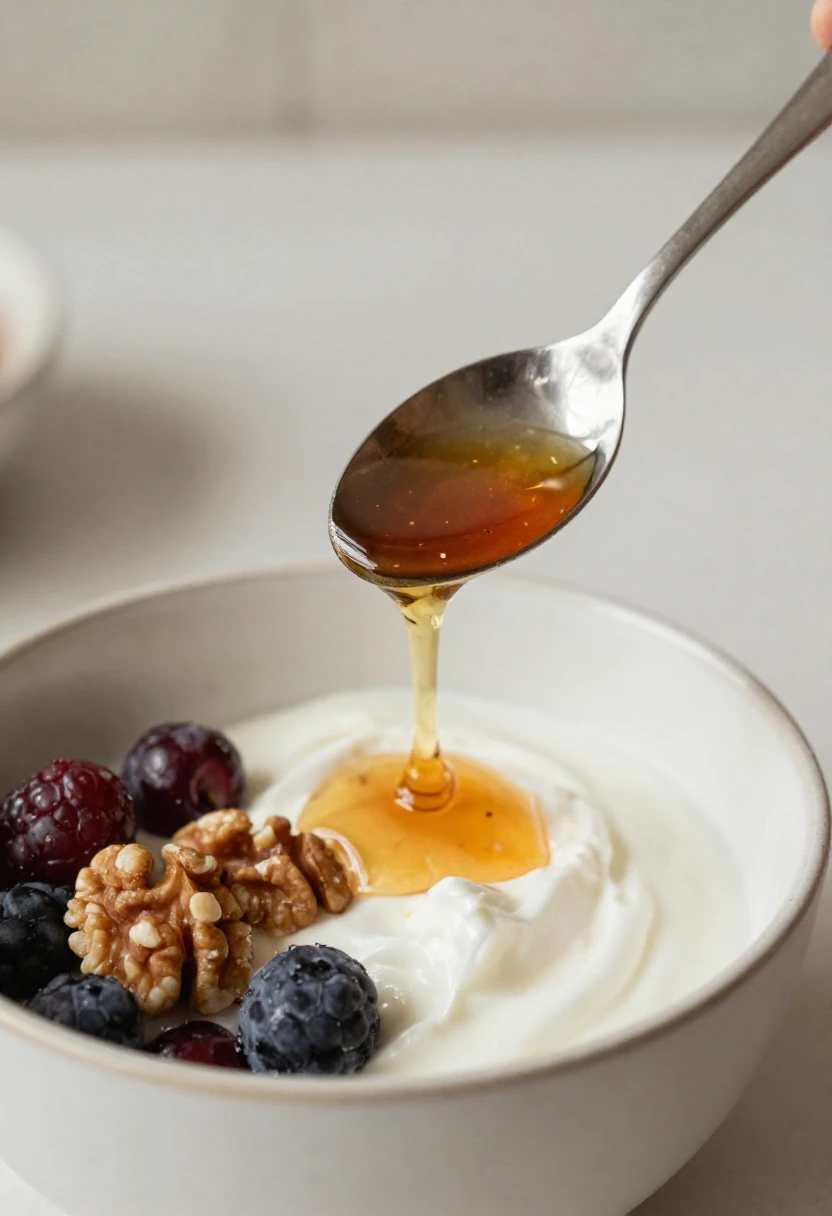
Maple syrup is one of those ingredients that can quietly get away from you. A little drizzle turns into a heavy pour, especially if you are holding the bottle over pancakes or waffles while everyone is waiting to eat.
I find it easier to use a spoon first. It sounds fussy, but it works. Once you see what a teaspoon or tablespoon actually looks like on food, you realize you usually need less than you think.
The goal is not to remove sweetness completely. Food should taste good. The goal is to use maple syrup in a way that makes the meal better without letting sugar become the main ingredient.
Start with less than the recipe says
A lot of recipes are sweeter than they need to be. This is especially true for breakfast recipes, granola, muffins, sauces, and dressings.
If a recipe calls for maple syrup, try starting with a little less. You can always add more, but you cannot take it back once it is mixed in.
For oatmeal, yogurt, or chia pudding, start with one teaspoon. Stir it in, add cinnamon, fruit, nuts, or a pinch of salt, then taste. You may not need more.
For dressings and marinades, one tablespoon can often sweeten several servings. The syrup is there to balance vinegar, mustard, lemon juice, soy sauce, or spices. It should not make the whole dish taste like dessert.
Pair sweetness with protein, fiber, or fat
Maple syrup feels more satisfying when it is part of a meal with some structure. By structure, I mean foods that give you protein, fiber, healthy fat, or at least something to chew.
A spoonful of maple syrup on plain white toast will disappear fast. The same spoonful stirred into oats with walnuts, berries, and Greek yogurt feels completely different.
Better pairings include:
- Oatmeal with nuts, seeds, and fruit
- Greek yogurt with berries and a small maple drizzle
- Whole-grain toast with nut butter and banana
- Chia pudding with almonds and cinnamon
- Roasted sweet potatoes with olive oil and herbs
- Grain bowls with beans, vegetables, and maple mustard dressing
This is one of the easiest ways to enjoy sweet food without feeling like you need more and more of it.
Easy portion examples
You do not need to measure forever, but it helps at first.
A few practical portions:
- 1 teaspoon in yogurt, coffee, tea, or a small bowl of oatmeal
- 1 to 2 teaspoons over pancakes when you also add fruit or nut butter
- 1 tablespoon in a salad dressing for several servings
- 1 tablespoon in a marinade or glaze for salmon, tofu, chicken, or roasted vegetables
- 2 to 4 tablespoons in a whole batch of granola or baked oats, depending on the recipe
The bottle makes it easy to overpour. A spoon gives you a pause. And honestly, that pause is often enough.
Common mistakes when using maple syrup
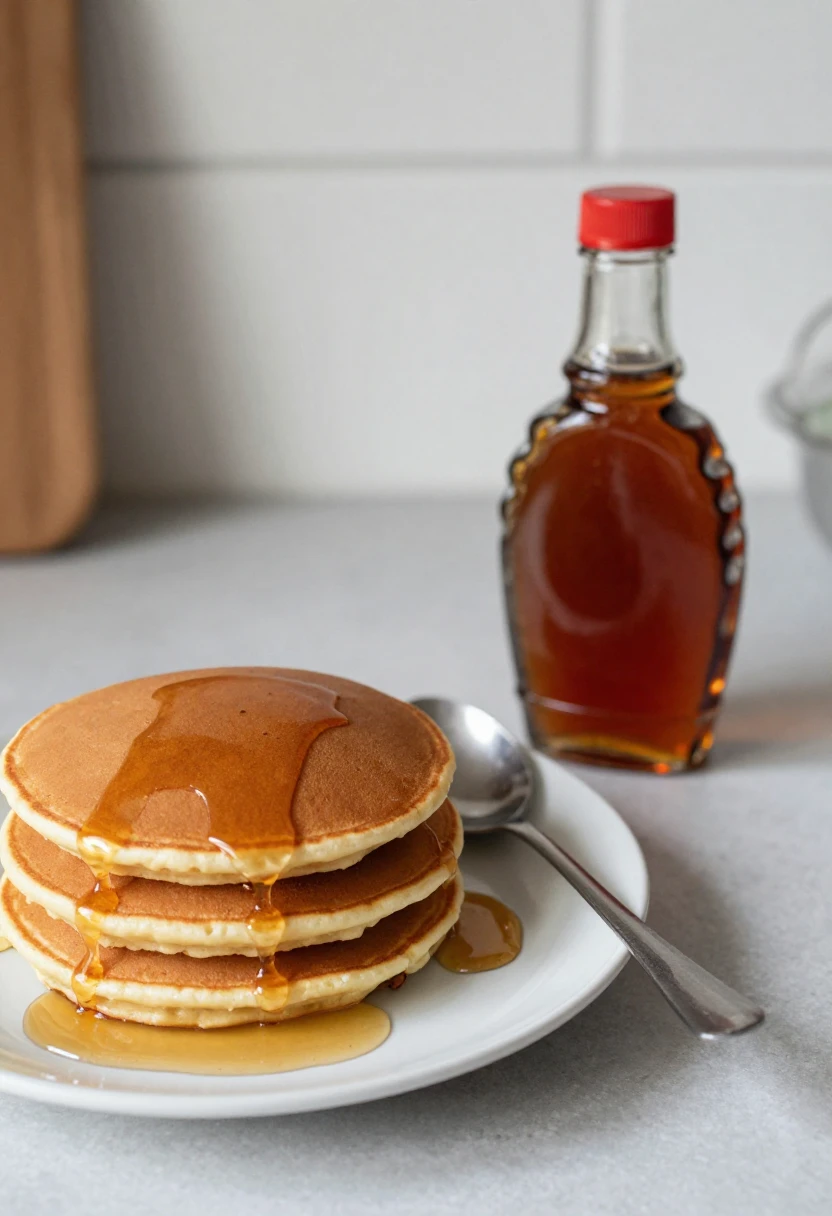
Maple syrup is simple, but a few small habits can make it less useful than it should be. Most of the time, the problem is not the syrup itself. It is how we use it.
I think of maple syrup like olive oil or good vinegar. You do not need to drown food in it to notice it. A little, used in the right place, does more than a lot poured without thinking.
Treating it like a health supplement
This is probably the biggest mistake.
Real maple syrup is more interesting than white sugar. It has a deeper flavor, and it does contain small amounts of minerals and antioxidant compounds. But it is still a sweetener.
You do not need to avoid it, but you also do not need to turn every healthy breakfast into a maple syrup delivery system.
A good rule: if the meal would feel unfinished without a huge amount of syrup, the meal probably needs more texture, flavor, or balance. Add cinnamon, vanilla, fruit, toasted nuts, lemon zest, nut butter, or a pinch of salt before adding more sweetness.
This works especially well with oatmeal. A bland bowl of oats will keep asking for syrup. A better bowl, cooked with milk, salt, cinnamon, and topped with fruit and walnuts, only needs a small drizzle.
Buying fake syrup by accident
“Maple-flavored” can look close enough to real maple syrup when you are shopping quickly. The bottle may show pancakes, leaves, warm brown syrup, and cozy breakfast words. But the ingredient list tells the truth.
If the first ingredient is corn syrup, glucose syrup, or high-fructose corn syrup, it is not real maple syrup. It is sweet syrup with maple flavor added.
That does not make it forbidden food. I am not here to police anyone’s pancakes. But if you are paying for maple syrup because you want the real flavor and a less processed option, it is worth checking the label before the bottle lands in your cart.
Look for one ingredient: maple syrup.
Pouring instead of measuring
Maple syrup is dangerously easy to pour. It moves fast, especially from a wide bottle, and suddenly your pancakes are swimming.
For everyday use, a spoon is better. Start with a teaspoon for yogurt or oatmeal. Use a tablespoon for dressings, marinades, and glazes that serve several people.
Another trick is to add maple syrup to the food while you are mixing it, not only on top. Stirring a teaspoon into oatmeal spreads the sweetness through the whole bowl. Drizzling the same teaspoon on top may taste strong in one bite and disappear in the next.
With pancakes or waffles, I like adding fruit first. Sliced banana, warm berries, baked apples, or even a spoonful of nut butter makes the plate feel fuller, so you do not need as much syrup.
Adding it too early to high-heat recipes
Maple syrup can burn if it is exposed to high heat for too long. That is because it contains sugar, and sugar browns quickly.
For roasted vegetables, I usually add maple syrup near the end or use a very small amount at the beginning with oil and salt. If the oven is very hot, keep an eye on the pan. You want caramelized edges, not bitter burnt spots.
The same goes for glazes. If you are brushing maple syrup onto salmon, tofu, chicken, or Brussels sprouts, it often works better toward the last part of cooking. That gives the syrup enough time to turn glossy without scorching.
A little patience makes the flavor cleaner.
Best natural sweetener alternatives to maple syrup
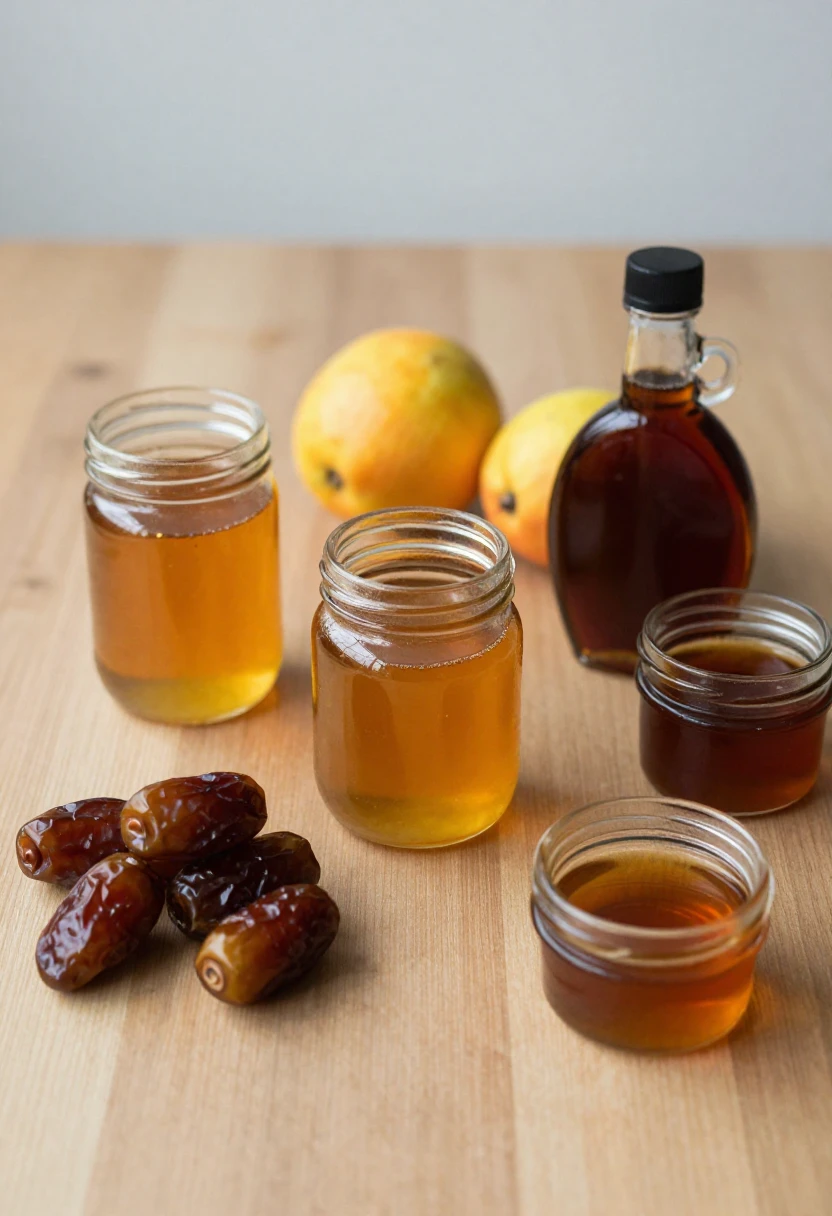
Maple syrup is useful, but it does not need to be the only sweetener in your kitchen. Different sweeteners bring different flavors, and sometimes another option fits the recipe better.
The main thing is not to get caught in the “natural equals unlimited” trap. Honey, dates, fruit, molasses, coconut sugar, and maple syrup can all be useful. They can also all add plenty of sweetness if you use them heavily.
I like choosing sweeteners the same way I choose spices: based on the food in front of me.
Honey
Honey is probably the closest everyday alternative to maple syrup. It is sweet, flavorful, and easy to use in tea, yogurt, toast, dressings, marinades, and baked goods.
The flavor depends a lot on the honey. Some honey is light and floral. Some is darker, stronger, and almost herbal. That can be lovely, but it also means honey can take over a recipe if you use too much.
Honey works especially well with:
- Greek yogurt and fruit
- Lemon tea or ginger tea
- Goat cheese or ricotta toast
- Mustard dressings
- Chicken marinades
- Baked apples or pears
One note for baking: honey is sweeter than sugar and also liquid, so it can change the texture of baked goods. Like maple syrup, it is usually easier to use recipes designed for honey instead of swapping it blindly.
And of course, honey is not safe for babies under 12 months.
Dates and date paste
Dates are one of my favorite ways to sweeten food when I want more than just sweetness. They have a sticky, caramel-like flavor that works beautifully in smoothies, oatmeal, energy bites, sauces, and some baked goods.
Date paste is simple to make. Soak pitted dates in hot water until soft, then blend them with a little of the soaking water until smooth. It keeps in the fridge for a few days and makes an easy sweetener for breakfast bowls or homemade snacks.
Dates work well in:
- Smoothies
- Energy balls
- Homemade snack bars
- Oatmeal
- Chia pudding
- Brownies or soft baked goods
- Caramel-style sauces
Dates also bring fiber, which maple syrup and honey do not. That does not make date paste a free-for-all, but it does make it a more whole-food option.
Fruit
Fruit is the sweetener I think people forget about most often.
A ripe banana can sweeten oatmeal or a smoothie. Applesauce can add moisture and gentle sweetness to muffins. Berries can make yogurt taste better without much added sugar. Roasted peaches, pears, or apples can make a bowl of oats feel like dessert in the best way.
Fruit works because it brings sweetness plus texture, water, fiber, and flavor. It does not just make food sweeter. It makes it more interesting.
Try using:
- Mashed banana in oatmeal, pancakes, or smoothies
- Unsweetened applesauce in muffins or baked oats
- Warm berries over yogurt or pancakes
- Grated apple in overnight oats
- Roasted pears with cinnamon and walnuts
- Blended mango in yogurt bowls or chia pudding
If you are trying to use less added sugar, fruit is often the easiest place to start. Add the fruit first, then decide whether you still need maple syrup.
Sometimes you will. Sometimes you will not.
Molasses
Molasses is strong. Very strong. It is not the sweetener I would casually stir into yogurt unless I wanted the yogurt to taste like gingerbread batter.
But in the right recipe, molasses is wonderful. It has a deep, slightly bitter, almost smoky flavor that works in gingerbread, baked beans, barbecue-style sauces, marinades, and darker baked goods.
Use molasses when you want a bold flavor, not just sweetness.
It works well in:
- Gingerbread
- Spice cookies
- Baked beans
- Barbecue sauces
- Marinades
- Brown bread
- Warm spiced oatmeal, in tiny amounts
A little goes a long way. Start small, taste, and add more only if the recipe can handle that deep, dark flavor.
Simple maple syrup swaps in your kitchen
You do not need to rebuild your whole pantry around maple syrup. Start with the foods you already make and look for small places where maple flavor actually improves the dish.
The easiest swaps are the ones where sweetness is already part of the recipe: oatmeal, dressings, coffee, roasted vegetables, marinades, and simple baked breakfasts. Maple syrup slips into those foods naturally.
In oatmeal
If you usually add brown sugar to oatmeal, try maple syrup instead.
Start with one teaspoon, then build the bowl around it. Add cinnamon, a pinch of salt, chopped walnuts, and sliced banana or apple. The salt may sound tiny, but it makes a real difference. It keeps the oatmeal from tasting flat and helps the maple flavor come through.
My favorite quick version is oats cooked with milk, cinnamon, and a few apple pieces. When the oats are thick, I stir in a little maple syrup and top everything with walnuts. It tastes cozy without needing much sweetness.
In salad dressing
Maple syrup is excellent in homemade dressing because it balances acidity.
A basic formula:
- 1 tablespoon apple cider vinegar or lemon juice
- 1 teaspoon Dijon mustard
- 1 teaspoon maple syrup
- 2 to 3 tablespoons olive oil
- Salt and black pepper
Whisk it in a small bowl or shake it in a jar. Taste it. If it is too sharp, add a few more drops of maple syrup. If it tastes too sweet, add more vinegar or mustard.
This dressing works especially well on grain bowls, roasted squash salads, kale salads, apple salads, and anything with nuts or goat cheese.
In coffee or tea
Maple syrup dissolves easily in hot drinks, which makes it convenient if you like a little sweetness in coffee or tea.
Use a small amount first. Half a teaspoon may be enough in tea, especially if the drink already has cinnamon, ginger, lemon, or milk. In coffee, maple syrup gives a warmer flavor than plain sugar, but too much can make the cup taste heavy.
It is lovely in:
- Black coffee with milk
- Iced coffee, stirred into the hot espresso first
- Chai-style tea
- Ginger tea
- Cinnamon tea
- Matcha with milk
The trick is to stir it in while the drink is hot. Maple syrup blends better that way.
In roasted vegetables
Maple syrup and roasted vegetables are a very good match, especially when the vegetables already have some natural sweetness.
Try it with carrots, sweet potatoes, squash, parsnips, beets, Brussels sprouts, or onions. You only need a little. Too much syrup can burn or make the vegetables taste candy-like.
For a simple tray of maple roasted carrots, toss carrots with olive oil, salt, pepper, and a small spoonful of maple syrup. Roast until the edges brown. If your oven runs hot, add the syrup during the last 10 minutes instead of at the beginning.
A little vinegar or lemon juice at the end keeps the sweetness from feeling too heavy.
In marinades and glazes
Maple syrup works well in marinades because it balances salty, sour, and spicy flavors.
A simple maple glaze can be made with maple syrup, Dijon mustard, garlic, olive oil, and a splash of lemon juice or vinegar. Brush it over salmon, chicken, tofu, or roasted vegetables near the end of cooking.
For a soy-style marinade, mix maple syrup with soy sauce, ginger, garlic, and sesame oil. It works beautifully with tofu, mushrooms, chicken, or salmon.
The syrup helps the outside brown and turn glossy. Just watch the heat. Sweet glazes can move from caramelized to burnt faster than you expect.
The bottom line on maple syrup
Maple syrup can absolutely have a place in a healthy kitchen. I keep it around because it makes simple food taste better, and sometimes that is exactly what helps you stick with homemade meals.
But maple syrup works best when you use it with a little restraint.
It is not a vitamin supplement. It is not a sugar-free sweetener. It is not something that turns pancakes into health food because it came from a tree. It is still added sugar, just with a better flavor and a more natural story behind it.
Use it for flavor, not as a health shortcut
The best reason to use maple syrup is taste.
A small spoonful can make oatmeal feel warmer, help vegetables caramelize, balance a sharp dressing, or give baked goods a deeper flavor. That is where maple syrup shines.
Use it when the maple flavor actually adds something. If you are adding sweetness to a recipe where you cannot taste the difference, you may not need maple syrup at all. Fruit, cinnamon, vanilla, or a smaller amount of regular sugar might do the job.
The healthiest way to use maple syrup is simple: pair a little with foods that already have something useful going on. Oats. Yogurt. Nuts. Seeds. Whole grains. Roasted vegetables. Beans. Fruit.
That way, the syrup is not carrying the whole meal. It is just making the meal more enjoyable.
A practical way to start
If you want to use maple syrup more thoughtfully, start small.
Buy real maple syrup, not maple-flavored pancake syrup. Choose a bottle with one ingredient. Keep it in the fridge after opening. Then use a spoon instead of pouring straight from the bottle, at least until you get used to the amount.
Try one of these easy habits:
- Stir one teaspoon into oatmeal instead of adding brown sugar.
- Add a small drizzle to Greek yogurt with fruit and walnuts.
- Whisk maple syrup into mustard dressing for salads and grain bowls.
- Brush a little onto salmon, tofu, or roasted vegetables near the end of cooking.
- Use it in muffins, baked oats, or granola recipes designed for liquid sweeteners.
You do not need to use maple syrup every day. You also do not need to avoid it like it is a problem.
Use the real stuff. Use less than you think. Let it make good food taste a little better.
Conclusion
Maple syrup is one of those ingredients that feels special because it is simple, flavorful, and easy to love. Real maple syrup has more character than plain white sugar, and it can make everyday food taste warmer and more satisfying.
Still, the honest answer to “is maple syrup healthy?” is a balanced one. It can be part of a healthy diet, but it is still added sugar. The best approach is to use it for flavor, measure it more often than you pour it, and pair it with foods that bring fiber, protein, healthy fats, and real nourishment.
A small spoonful in the right place can do a lot.
FAQ
Is maple syrup healthier than sugar?
Maple syrup may be a better choice than white sugar in some recipes because it has a stronger flavor and contains small amounts of minerals and antioxidant compounds. But it is still added sugar, so portion size matters.
Can I use maple syrup every day?
You can use maple syrup regularly if you keep the amount small and your overall diet is balanced. A teaspoon in oatmeal or yogurt is very different from pouring several tablespoons over pancakes every morning.
Is real maple syrup better than pancake syrup?
Yes, real maple syrup is usually the better choice if you want natural flavor and a simpler ingredient list. Pancake syrup is often made with corn syrup, flavorings, and caramel color. Check the label and look for one ingredient: maple syrup.
Can I replace sugar with maple syrup in baking?
Sometimes, but not always. Maple syrup is liquid, so it changes the moisture and texture of baked goods. It works well in muffins, banana bread, baked oats, and granola, but it may not work as a simple one-to-one swap in cookies, cakes, or recipes that depend on granulated sugar for structure.