A glass of water should feel simple. You turn on the tap, fill a pot for rice, make tea, rinse fruit, maybe leave a pitcher chilling in the fridge. Most days, you do not think about it.
But the moment water looks cloudy, smells strange, or comes with a local boil-water notice, that easy habit suddenly feels less comfortable.
Natural water purification sounds comforting, but it needs a little honesty. Some home methods are genuinely useful. Boiling can kill many germs. Filtering can remove dirt and improve taste. Sunlight can help in certain emergency situations. But lemon juice, fruit peels, herbs, or a pretty glass jar on the windowsill will not magically make unsafe water safe.
That is the line I want to keep clear here.
This guide is about how to purify water naturally at home in a practical, safety-first way. Not fear. Not internet folklore. Just the methods that make sense in a kitchen, during travel, after a storm, or when you are trying to figure out whether that “natural hack” is actually worth trusting.
Why clean water matters more than most people think
Water is one of those ingredients that hides in plain sight.
You notice the olive oil. You notice the coffee beans. You notice whether the tomatoes are sweet or bland. But water is everywhere in the background. It goes into soup, oatmeal, pasta, tea, coffee, rice, sourdough starter, baby formula, ice cubes, smoothies, and the pot you use to boil potatoes on a tired Tuesday evening.
When the water is good, nobody talks about it. When it is not, everything feels off.
Clear water is not always safe water
This is the part that trips people up. Clear water can still carry germs, and cloudy water is not automatically the only problem. You cannot always see bacteria, viruses, or parasites. A glass may look perfectly clean and still need treatment if there has been a pipe break, flood, travel-related risk, or official advisory.
The CDC explains that common household water treatment methods include boiling, adding chlorine, using filters, and exposing water to sunlight. It also warns that water contaminated with fuel, toxic chemicals, or radioactive materials cannot be made safe by these basic household methods. In that case, bottled water or another safe source is the better choice. (CDC)
That last point matters. A lot.
If the water smells like gasoline, solvents, sewage, pesticides, or something metallic and sharp, do not try to “fix” it with lemon, charcoal, or extra boiling. That is not the moment for DIY confidence.
Water affects food more than you expect
If you cook often, you probably already know this without thinking about it. Bad-tasting water makes tea taste flat. It can give rice a strange smell. Coffee becomes dull or bitter in a way that no fancy beans can rescue.
Even when water is technically safe, filtering it can make everyday food taste cleaner. I notice it most with tea and soup. Tea is unforgiving. If the water tastes stale, the whole cup tastes stale. Soup is a little kinder, but a clean-tasting broth still starts with clean-tasting water.
That does not mean every kitchen needs a complicated system. Sometimes a simple pitcher filter is enough for taste. Sometimes boiling is the right move for safety. Sometimes you need to stop and listen to local health advice before using the water at all.
The kitchen situations where water safety matters most
Most of the time, home water concerns are ordinary. Maybe your tap water smells strongly of chlorine. Maybe old pipes give it a metallic edge. Maybe you collect rainwater for plants and wonder whether it can be used for anything else.
Other moments are more serious:
- A boil-water advisory after a water main break
- Flooding near a well or private water source
- Camping or hiking near streams
- Travel in places where tap water may not be safe
- Cloudy water after plumbing work
- A strange smell after storms or nearby construction
During a boil-water advisory, the CDC says boiling tap water helps kill germs that could make you sick. For clear water, CDC guidance is to bring it to a rolling boil for 1 minute, or 3 minutes at elevations above 6,500 feet. Boiling does not remove chemicals, so local instructions still matter. (CDC)
That is why I like to separate water problems into two simple categories.
First, germ problems. These are the situations where boiling, disinfection, filtration, or UV methods may help.
Second, chemical problems. These are much harder to handle at home. If fuel, industrial chemicals, pesticides, floodwater, or unknown contamination may be involved, you need bottled water, official guidance, or professional testing.
Not very glamorous, I know. But clean water advice should be boring. Boring usually means safer.
“Natural” should not mean guessing
I understand the appeal of natural water purification. A clay pot, charcoal, sunlight, sand, maybe a slice of lemon. It feels old, simple, and closer to the earth than a plastic bottle or chemical tablet.
But natural does not always mean reliable.
A cloth can strain out visible particles, but it will not remove invisible germs. Charcoal may improve taste and help with some impurities, but loose charcoal from a fire is not the same as a certified water filter. Sunlight can help disinfect clear water in specific conditions, but it is not a quick fix for dirty, cold, cloudy water.
And lemon juice? Lovely in a glass of cold water. Not a dependable purification method.
The safest mindset is this: use natural methods where they make sense, but do not ask them to do more than they can do.
Clean water is not about making water look pretty. It is about knowing what risk you are trying to reduce.
Start with the source: what kind of water are you dealing with?
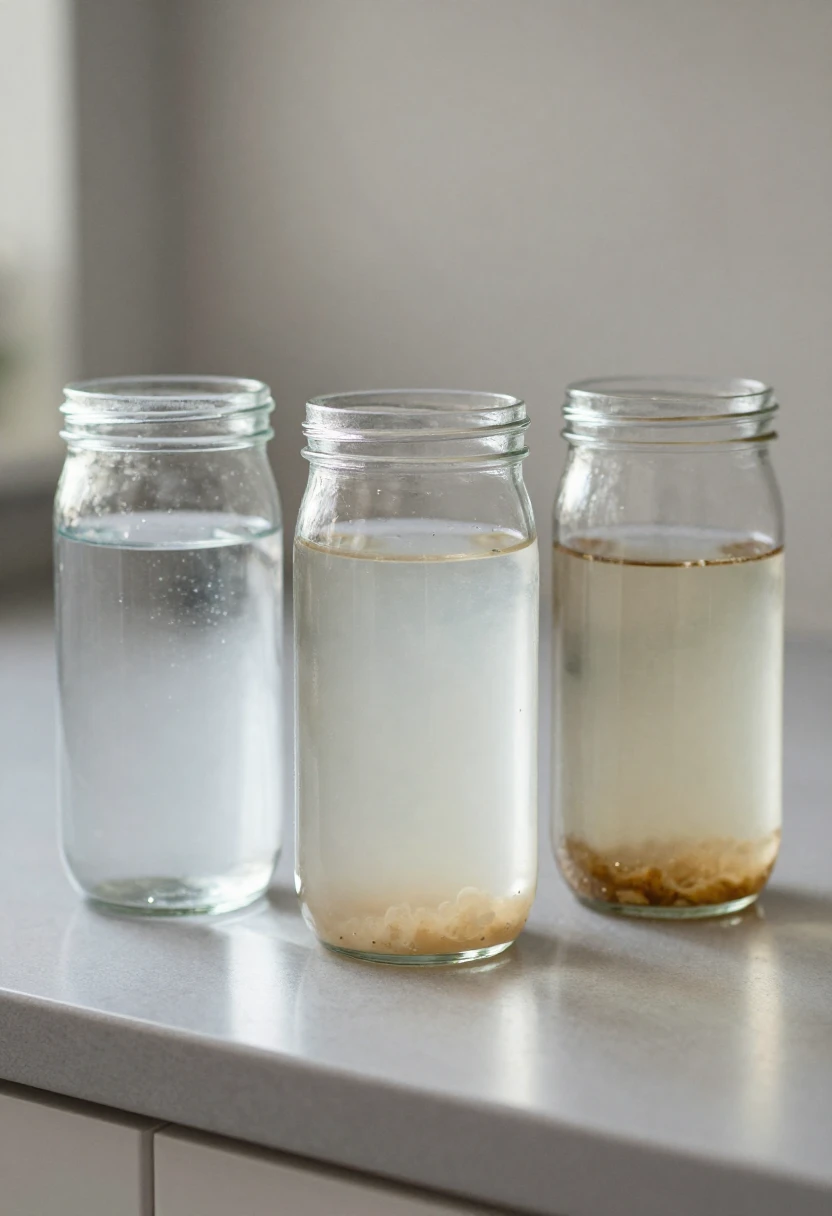
Before you choose a purification method, pause for a minute and ask where the water came from.
I know that sounds obvious, but it changes everything. Tap water during a boil-water notice is a different problem from muddy stream water. Well water after flooding is different from water that simply tastes a little metallic. Rainwater collected in a barrel is not the same as bottled spring water.
The method depends on the risk.
Tap water during a boil-water notice
If your local authority issues a boil-water notice, treat the water as if it may contain germs. That means you should use bottled water or boil tap water before drinking it, cooking with it, brushing your teeth, washing produce, making ice, or preparing baby formula.
This is one of those moments where a pitcher filter is not enough. A home filter may improve taste or remove some particles, but during a boil-water advisory, the CDC still recommends boiling tap water even if it has already passed through a home filter. (CDC)
So if the kettle is already on for tea, boil extra. Keep some in a clean container with a lid. Future-you will be grateful when it is time to cook rice or make coffee.
Well water or spring water
Well water can be wonderful. Cold, mineral-tasting, fresh. But it also needs respect, especially after heavy rain, flooding, nearby construction, or changes in smell and color.
Private wells are not monitored the same way public water systems are. If your well water suddenly turns cloudy, smells unusual, or has been exposed to floodwater, do not rely on taste as your safety test. Boiling may help with germs, but it will not solve chemical contamination.
For everyday well water, proper testing matters. For emergency use, boil clear water when microbial contamination is the concern. If chemicals may be involved, switch to bottled water until you have better information.
Rainwater and collected water
Rainwater feels clean in theory. It falls from the sky, lands in a barrel, and looks like something from a simple country kitchen.
But by the time rainwater reaches your container, it may have touched roofing material, gutters, dust, bird droppings, leaves, insects, and storage surfaces. That does not mean rainwater is useless. It is great for plants. It can be useful for cleaning. But drinking it safely requires more than straining out a leaf or two.
If you collect rainwater for emergency use, think in layers:
- Let heavy particles settle.
- Filter visible debris.
- Boil or disinfect if you plan to drink it.
- Store it in a clean, covered container.
And be careful with water collected from old roofs, painted surfaces, or areas near heavy pollution. “Natural” collection does not guarantee natural safety.
River, lake, or stream water
This is the kind of water people often imagine when they search for natural purification methods. A clear stream, smooth stones, maybe a camping mug dipped into cold water.
It can look beautiful. It can also make you sick.
Surface water may carry bacteria, viruses, parasites, animal waste, agricultural runoff, and sediment. Even fast-moving water is not automatically safe. If you are hiking or camping, the safest routine is usually to filter first, then disinfect or boil, depending on your equipment and the water quality.
If the water is cloudy, muddy, or full of tiny floating bits, let it settle first. Then pour off the clearer water and filter it through a clean cloth, paper towel, or coffee filter before boiling. CDC emergency guidance recommends this kind of pre-filtering step for cloudy water before bringing it to a rolling boil. (CDC)
It is not fancy. It works because it makes the next step easier.
Water that smells like fuel, chemicals, or sewage
This is the hard stop.
If water smells like gasoline, paint thinner, solvents, pesticides, sewage, or anything sharply chemical, do not try to rescue it with boiling, lemon, charcoal, or sunlight. Boiling can kill many germs, but it does not remove chemicals. In some cases, heating contaminated water may even concentrate certain substances or release unpleasant fumes. CDC guidance is clear that boiling does not remove chemicals, and local authorities should be followed during advisories. (CDC)
Use bottled water or another safe source instead.
This is not being overly cautious. It is just knowing when a home method has reached its limit.
Boiling water: the most reliable low-tech method
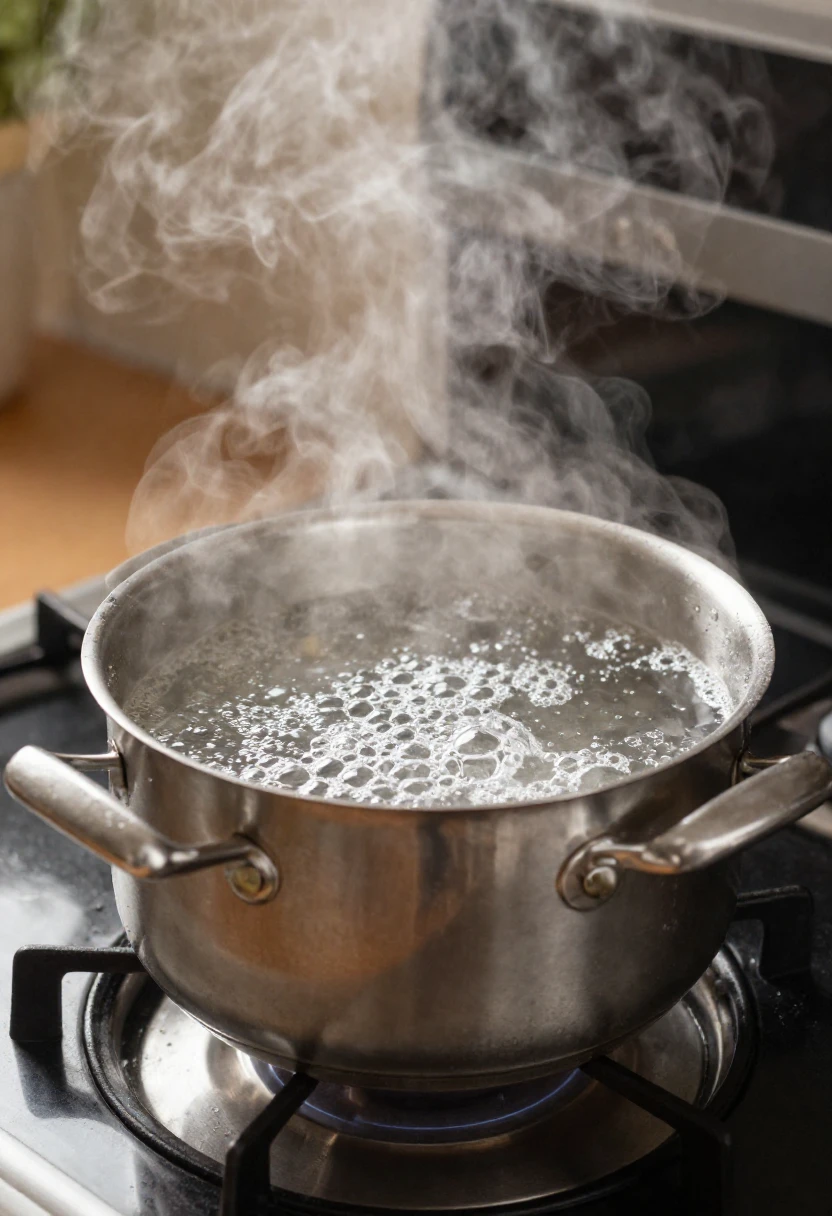
Boiling is the water purification method I trust most when the issue is germs and I do not have better equipment.
It is simple, old, and not especially romantic. You need a pot, a heat source, and a little patience. But for bacteria, viruses, and many parasites, boiling is one of the strongest household options.
How boiling helps make water safer
Boiling works because heat kills many disease-causing organisms. That includes common bacteria and viruses, along with parasites that may be present in unsafe water.
The key is not just warming the water. It needs to reach a full rolling boil, the kind where big bubbles keep breaking the surface even when you stir the pot.
For clear water, CDC guidance says to bring water to a full rolling boil for 1 minute. At elevations above 6,500 feet, boil it for 3 minutes. Then let it cool before using it. (CDC)
That is the basic rule worth remembering.
What to do if the water looks cloudy
Cloudy water needs a little prep before boiling.
Do not pour gritty water straight into your kettle if you can avoid it. Let it sit so heavier particles settle at the bottom. Then pour the clearer water into another clean container, leaving the sediment behind.
You can also strain it through:
- a clean cotton cloth,
- a coffee filter,
- a paper towel,
- or several layers of clean fabric.
This does not disinfect the water. It just removes visible debris so boiling works better and the water tastes less like mud. I think of it like skimming soup before serving. You are not changing the whole dish yet. You are cleaning up the obvious stuff first.
Once the water is clearer, bring it to a rolling boil.
How to cool boiled water safely
This is the step people forget.
After boiling, the water is hot and easy to contaminate again. Do not dip an unwashed cup into the pot. Do not pour it into a dusty bottle from the back of the garage. Do not leave it uncovered on the counter next to raw chicken prep.
Let the boiled water cool, then store it in a clean container with a tight lid. A glass jar, clean pitcher, or food-safe bottle works well.
If you are in an emergency situation, label it. Something as simple as “boiled water” and the date on a piece of tape can save confusion later, especially if several containers are sitting around the kitchen.
What boiling does not remove
Boiling is strong, but it is not magic.
It does not remove:
- fuel,
- pesticides,
- heavy metals,
- salt,
- many industrial chemicals,
- bad taste from some minerals,
- or visible dirt unless you filter or settle the water first.
This is where people get into trouble with natural water purification. They hear “boiling makes water safe” and apply that to every situation. But boiling is mainly about killing germs. If the problem is chemical contamination, you need another safe water source or professional guidance.
A pot of boiling water can do a lot. It just cannot do everything.
Filtering water with cloth, sand, charcoal, or a real filter
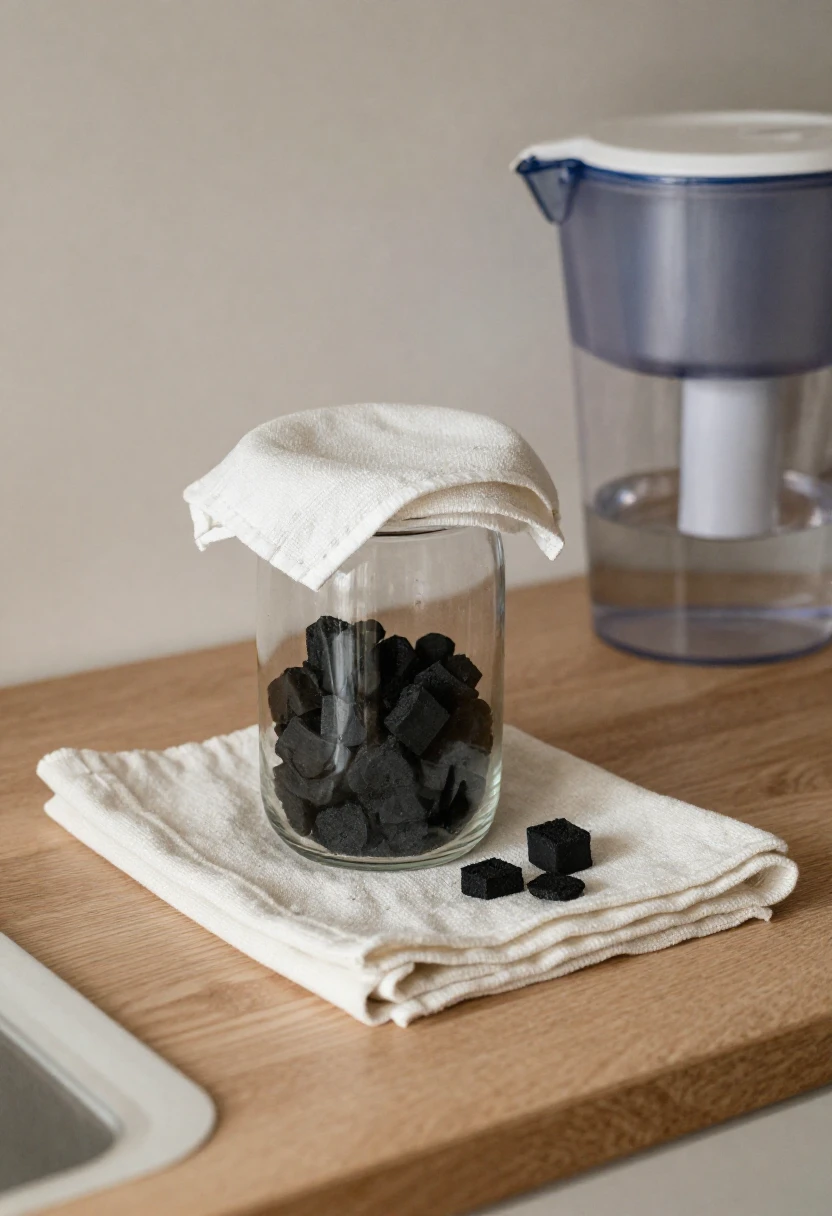
Filtering feels like the most “natural” way to clean water. You can picture it easily: water passing through cloth, sand, charcoal, maybe dripping slowly into a clean jar.
And yes, filtering can help.
But there is a big difference between making water look cleaner and making water safe to drink. A filter can catch dirt, sand, bits of leaves, and some larger organisms. It can improve taste. Some properly designed filters can remove specific contaminants. But a loose homemade filter is not the same as disinfecting water.
That distinction matters in a real kitchen, especially if you plan to drink the water or use it for cooking.
Cloth filtering helps with visible dirt
If water is cloudy, muddy, or full of floating particles, start with a simple pre-filter.
Use:
- a clean cotton cloth,
- a coffee filter,
- a paper towel,
- several layers of clean fabric,
- or a tightly woven kitchen towel you are willing to wash well afterward.
Pour the water slowly through the material into a clean container. If the water is very dirty, let it sit first so heavier sediment drops to the bottom. Then pour off the clearer water and filter that.
CDC emergency guidance recommends filtering cloudy water through a clean cloth, paper towel, or coffee filter, or letting it settle before treating it further. This step helps remove visible material, but it does not replace boiling or disinfection. (CDC)
I like to think of cloth filtering as the “tidy up” stage. It makes the water easier to treat, but it is not the final safety step.
Sand and charcoal can help, but they are not a complete safety plan
A homemade sand-and-charcoal filter is one of those ideas that sounds beautifully simple. Layer gravel, sand, and charcoal in a container, pour water through, and watch it come out clearer.
It can work for sediment and some taste problems. Sand catches larger particles. Charcoal may reduce some odors and improve flavor. That is why activated carbon is common in many household filters.
But the details matter.
Random charcoal from a fireplace is not the same as activated carbon made for water filtration. A homemade filter may also become contaminated if the container, sand, cloth, or hands are not clean. And even if the filtered water looks clear, germs may still remain.
So if you use a homemade sand or charcoal filter in an emergency, treat it as a pre-filter. Afterward, boil the water or disinfect it properly when drinking safety is the goal.
Clearer does not automatically mean safe. That sentence is worth repeating in your head.
Certified water filters are more dependable
For everyday home use, a real water filter is more predictable than a DIY setup.
That does not mean you need the most expensive system. A pitcher filter, faucet filter, countertop unit, under-sink filter, or portable camping filter may be enough depending on your water and your goal.
The trick is to read what the filter is actually certified to remove.
The CDC advises looking for NSF certification on the filter label and checking whether the filter is designed for the germ or contaminant you are concerned about. Filters vary widely. Some mainly improve taste and smell, while others are designed for parasites, bacteria, viruses, lead, or other specific issues. (CDC)
This is where people sometimes waste money. They buy a filter because the packaging says “clean” or “pure,” but they never check what it removes.
A few practical notes:
- Activated carbon filters are often good for taste and smell.
- Ceramic and microfilters may remove larger organisms, depending on pore size.
- Reverse osmosis systems can remove many dissolved substances, but they need maintenance.
- UV purifiers can disinfect clear water, but they do not remove sediment or chemicals.
No filter is universal. The right one depends on what you are trying to fix.
Filter before boiling when the water is dirty
If water has visible dirt, filter it first, then boil it.
This makes sense for two reasons. First, cloudy water is harder to treat well. Second, nobody wants to drink boiled mud unless the situation is truly desperate.
A good emergency rhythm looks like this:
- Let dirty water settle.
- Pour off the clearer water.
- Filter through clean cloth or a coffee filter.
- Bring it to a rolling boil.
- Cool and store it in a clean, covered container.
It is not elegant. But it is a method you can actually remember when the lights are out, the tap is questionable, or you are standing at a campsite with a pot in one hand and a flashlight in the other.
Solar water disinfection: when sunlight can help
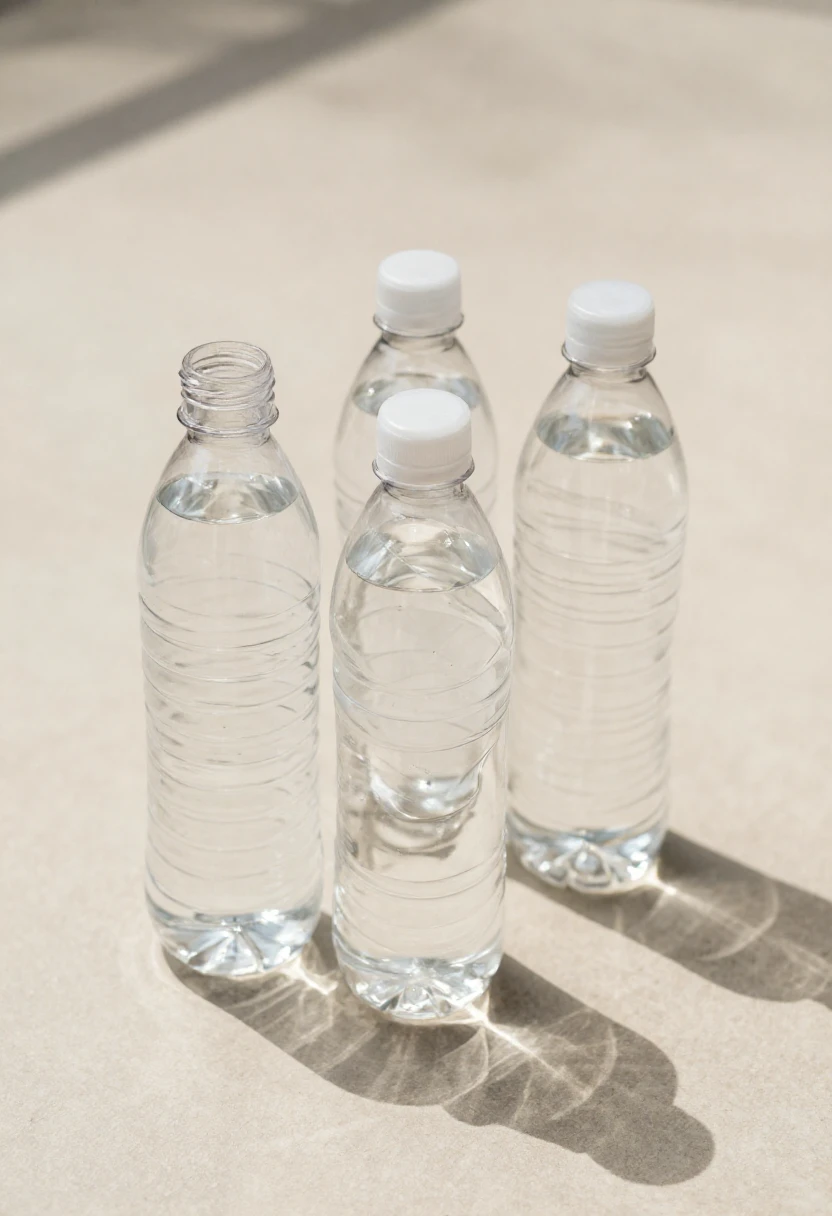
Solar water disinfection sounds almost too simple: clear water, a transparent bottle, strong sunlight, time.
In the right conditions, it can help. But it is not a cute windowsill trick for any random jar of water. It has rules, and the rules are the reason it works.
How solar disinfection works
Solar disinfection uses sunlight, especially UV radiation and heat, to reduce germs in water. The method is usually associated with clear plastic bottles filled with clear water and placed in strong sunlight for several hours.
CDC household water treatment guidance describes solar disinfection as placing contaminated water in a transparent container and exposing it to strong sunlight for 6 to 8 hours on a sunny day, or 2 days if cloudy. The same guidance notes that solar disinfection will not make water drinkable if it contains harmful chemicals or radioactive material. (CDC)
That last part is important. Sunlight can help with germs in certain conditions. It does not remove chemicals.
Clear water matters
Solar disinfection needs clear water because sunlight has to pass through it. If the water is cloudy, muddy, or full of particles, the light cannot do its job properly.
So before using sunlight, settle and filter the water first. Use a clean cloth, paper towel, or coffee filter, then pour the clearer water into the bottle. CDC emergency guidance gives the same kind of pre-filtering advice before solar disinfection when water is cloudy. (CDC)
This is one of those steps that feels small but changes the whole method.
Cloudy water protects germs from light. Clear water gives the method a chance.
Use the right container
Solar disinfection is usually done with transparent containers, often clear plastic bottles. The bottle should be clean, not scratched to the point of being cloudy, and not too large.
Do not use:
- metal bottles,
- opaque containers,
- dirty jars,
- colored bottles,
- or containers that previously held chemicals.
A clean, clear bottle lets sunlight reach the water. A random old container from the garage does not.
I would not use this as my everyday home purification method. It takes too long, depends on weather, and requires good conditions. But for emergency planning, travel, or low-resource situations, it is worth understanding.
Sunny days, cloudy days, and realistic limits
Solar disinfection is slow compared with boiling.
On a bright sunny day, you may need most of the day. In cloudy weather, guidance can stretch to 2 days. That is not convenient if you need water for breakfast, coffee, cooking, and brushing your teeth right now.
It also does not help much if:
- the water is very cloudy,
- the container is dirty,
- the sun is weak,
- the weather is cold and overcast,
- you need large amounts of water quickly,
- or chemical contamination is possible.
So use solar disinfection as a backup method, not as your first choice when boiling is available.
Where sunlight fits in a home safety plan
For most homes, solar disinfection is not the main answer. Boiling is faster. Certified filters are easier for everyday taste and sediment. Chemical disinfection is more practical when boiling is impossible.
But sunlight still belongs in the conversation because it reminds us of something useful: water safety often works in layers.
You may settle the water, filter it, expose it to sunlight, then store it carefully. Or you may filter and boil. Or filter and use a tested disinfectant. The method depends on the situation.
Clean water is rarely about one magical trick. It is usually a few boring steps done in the right order.
Продовжую статтю з наступних секцій, як і домовлялись: тільки body text, без SEO та без images .
Chemical disinfection when boiling is not possible
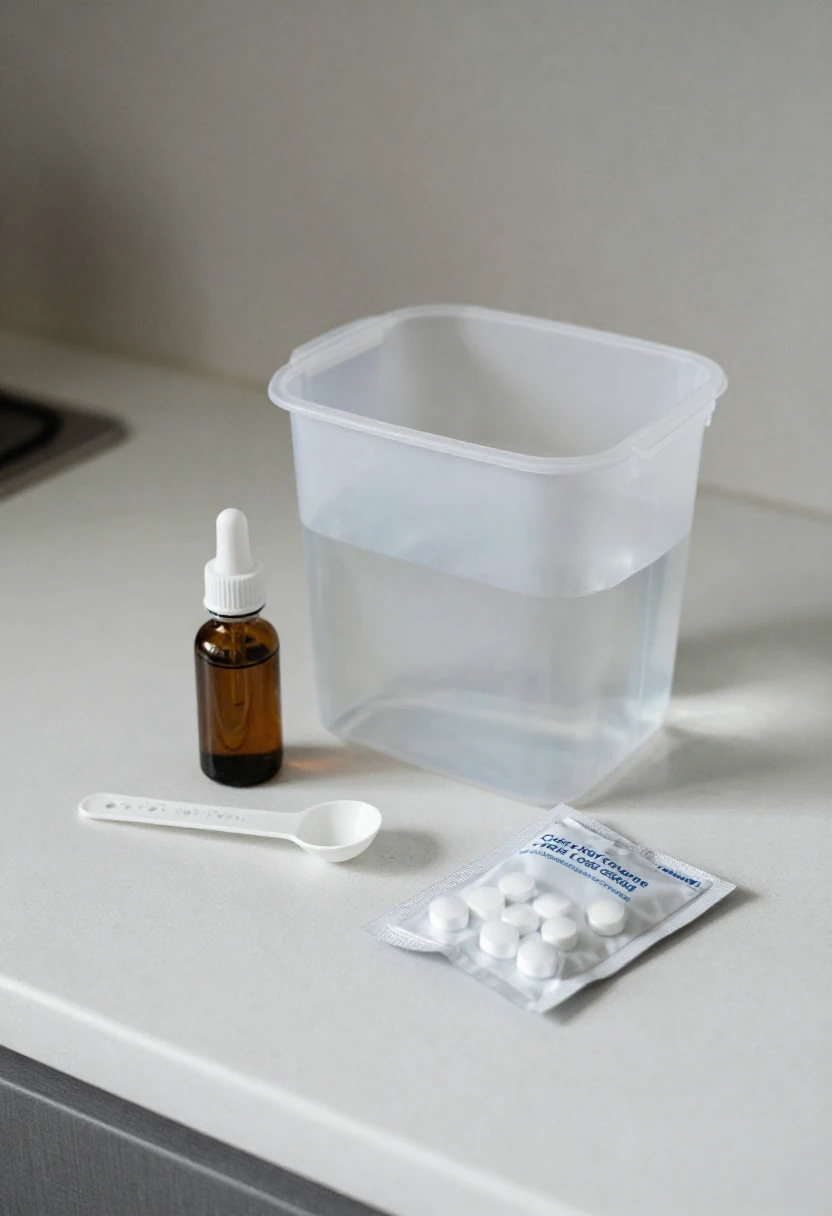
This section may sound less “natural” than the rest of the article, but it belongs here because real life is not always neat.
Sometimes you cannot boil water. The power is out. You are traveling. You are camping and low on fuel. You need a backup method that does not depend on a stove.
That is where chemical disinfection comes in.
I would not call bleach or chlorine dioxide natural. I also would not ignore them just because they do not fit the cozy version of water purification. In an emergency, safe beats romantic.
Why chemical disinfection can help
Chemical disinfectants can kill many germs in water. The CDC lists unscented household chlorine bleach, iodine, and chlorine dioxide tablets as options when boiling is not possible, while also noting that disinfectants do not work as well as boiling for some germs, including Giardia and Cryptosporidium. (CDC)
That means chemical disinfection is useful, but not perfect.
It works best when the water is already clear. If the water is cloudy, dirty, colored, or very cold, filter it first through a clean cloth, paper towel, or coffee filter, or let it settle and pour off the clearer water. Cloudy water can make disinfection less effective because particles can get in the way. (CDC)
A good emergency habit is simple:
- settle dirty water,
- filter it,
- disinfect it,
- store it in a clean covered container.
Not glamorous. Very useful.
Using unscented household bleach safely
If you use bleach, it must be the right kind.
Use regular, unscented household chlorine bleach that is suitable for disinfection. Do not use scented bleach, splashless bleach, color-safe bleach, or bleach with added cleaners. The EPA also notes that boiling or disinfection can kill many disease-causing microorganisms, but they will not remove heavy metals, salts, or most chemicals. (US EPA)
For bleach with 5% to 9% sodium hypochlorite, CDC emergency guidance gives this basic amount: 8 drops per 1 gallon of clear water, or 2 drops per 1 quart or liter. Stir it well and let the water stand for at least 30 minutes before drinking. If the water is cloudy, murky, colored, or very cold, CDC says to use double the listed amount. (CDC)
I would still check the bleach label first. Concentrations vary, and old bleach loses strength over time.
Also, never mix bleach with other cleaners. That is not a water tip. That is a please-do-not-create-toxic-fumes-in-your-kitchen tip.
Chlorine dioxide tablets for travel and emergencies
Chlorine dioxide tablets are a good thing to keep in an emergency kit or camping bag because they are small, light, and made for treating measured amounts of water.
They are not instant. You have to follow the package directions and wait the full contact time. That waiting part is where impatient people mess up.
The CDC Yellow Book notes that chlorine dioxide can work against waterborne pathogens, including Cryptosporidium, when used at practical doses and contact times, but the product instructions still matter. (CDC)
I like tablets for travel because they remove guesswork. You are not standing there with a bottle of bleach trying to count drops in bad light. You follow the label, wait, and keep the treated water clean afterward.
Why iodine is not ideal for everyone
Iodine has been used for water disinfection for a long time, especially by hikers and travelers. But it is not my favorite first choice.
The CDC says pregnant people, people with thyroid problems, and people with iodine hypersensitivity should avoid iodine-disinfected water. It also says no one should drink iodine-disinfected water for more than a few weeks at a time. (CDC)
So yes, iodine can be useful in certain situations. But it is not something I would casually recommend for a family water plan, especially if there are kids, pregnant people, or anyone with thyroid issues in the house.
Chemical disinfection has limits
This is the part worth remembering: disinfection is mostly about germs.
It does not fix everything.
Do not use chemical disinfection as your answer if the water may contain:
- gasoline,
- solvents,
- pesticides,
- heavy metals,
- radioactive material,
- flood-related chemical contamination,
- or a strong unknown smell.
CDC guidance is very direct on this point: water that contains fuel, toxic chemicals, or radioactive materials cannot be made safe by boiling or disinfecting. Use bottled water or another safe source and contact local health officials for advice. (CDC)
That is not overreacting. That is knowing when the kitchen method has reached its edge.
Natural methods that sound useful but need caution
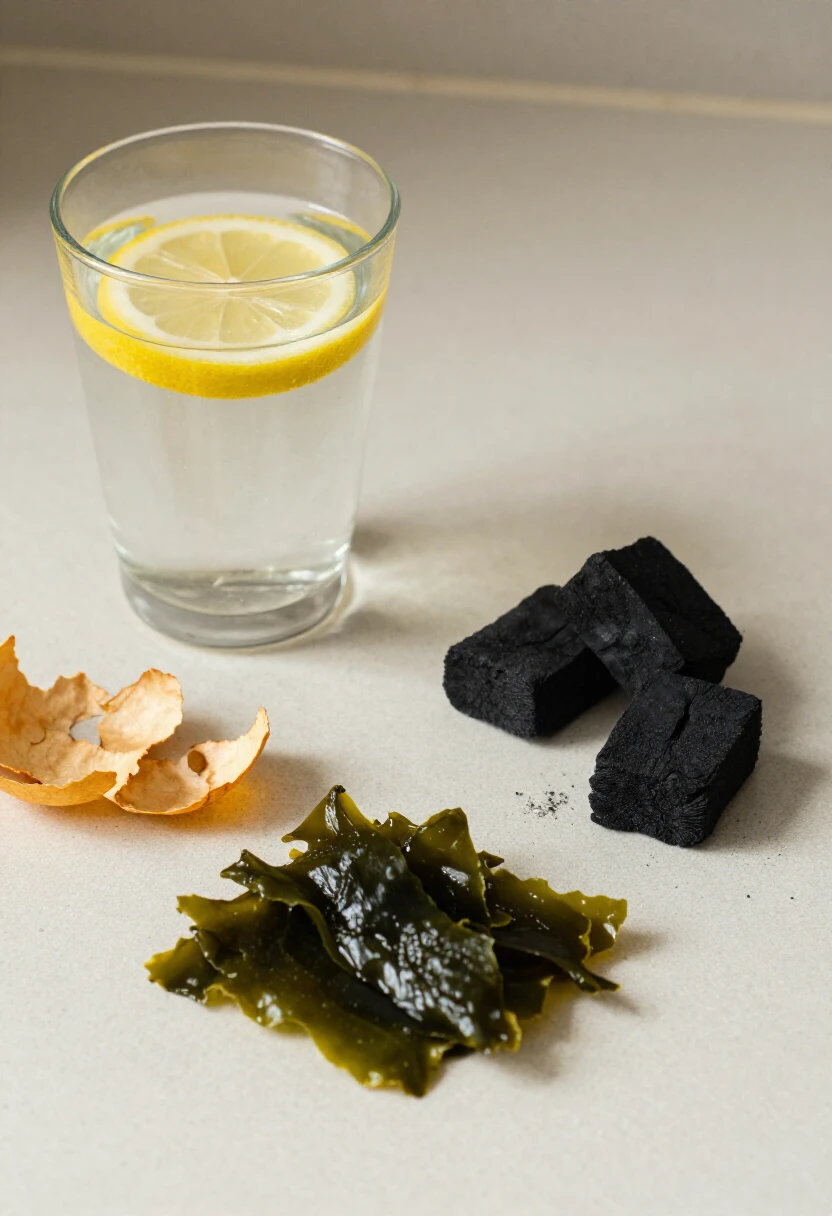
This is where I want to be honest, because the internet loves a charming water hack.
A slice of lemon. A handful of herbs. Fruit peels. Seaweed. A charcoal stick in a glass bottle. Some of these ideas have a tiny piece of logic behind them. Some may improve taste. Some have been studied in specific lab settings.
But “interesting” is not the same as “safe drinking water.”
Lemon juice makes water taste fresh, not reliably purified
Lemon water is lovely. Cold water, lemon slices, maybe a sprig of mint. It tastes cleaner, brighter, and more pleasant.
But lemon juice is not a reliable way to purify unsafe water.
The CDC Yellow Book notes that citrus juice may have antibacterial effects in water, but it does not have enough data to recommend it for water disinfection at low field-use doses. (CDC)
So use lemon for flavor. Use it after the water is already safe.
I would never take questionable stream water, squeeze lemon into it, and call it done. That is how a pretty drink becomes a bad afternoon.
Apple and tomato peels are not a home purification method
You may see claims that apple peels, tomato peels, banana peels, or other food scraps can absorb pollutants from water. Sometimes these claims come from real research about biosorbents, which are natural materials studied for removing certain metals or dyes under controlled conditions.
That does not make them a dependable kitchen method.
At home, you cannot measure the contaminant level before and after. You cannot know whether the peel removed enough. You cannot know whether the peel itself introduced dirt, pesticide residue, mold, or bacteria.
So no, I would not drop fruit peels into questionable water and drink it later.
Compost them. Infuse safe water with citrus or cucumber if you want flavor. But do not treat food scraps like a certified filter.
Seaweed is not something to rely on for drinking water
Seaweed is fascinating. It can bind certain substances. It has been studied for different environmental and filtration uses. But that does not mean a sheet of seaweed belongs in your emergency drinking water.
At home, seaweed can add minerals, saltiness, and a sea-like taste. In cooking, that can be wonderful. In a pot of broth, kombu is beautiful.
In questionable water, it is not a safety plan.
If water may contain germs, boil it or disinfect it. If it may contain chemicals, use another source. Seaweed does not give you a clear, measurable answer.
Activated charcoal is useful, but loose charcoal is different
Charcoal is one of the most misunderstood natural purification tools.
Activated carbon is used in many water filters because it can improve taste and reduce certain contaminants. But a burned piece of wood from a campfire is not the same thing as activated carbon designed for drinking water.
Even real carbon filters have limits. CDC filter guidance explains that filters vary by what they are designed to remove, and you should look for certification and match the filter to the contaminant you care about. (Restored CDC)
So if you like charcoal sticks for taste in already safe water, fine. But do not rely on a random chunk of charcoal to make unsafe water safe.
Old methods can be useful, but only when you know their limits
I have a soft spot for old kitchen wisdom. Some of it survives because it works. Some of it survives because it sounds good.
Water safety needs a stricter filter.
Cloth straining is useful for visible dirt. Boiling is useful for germs. Sunlight can help in clear water under the right conditions. Certified filters can do specific jobs. Chemical tablets can be practical in travel or emergencies.
But fruit peels, lemon juice, seaweed, and “natural infusions” should not be treated as reliable purification methods.
Use them for taste, cooking, or curiosity. Not as your main defense against unsafe water.
Safe storage after purification
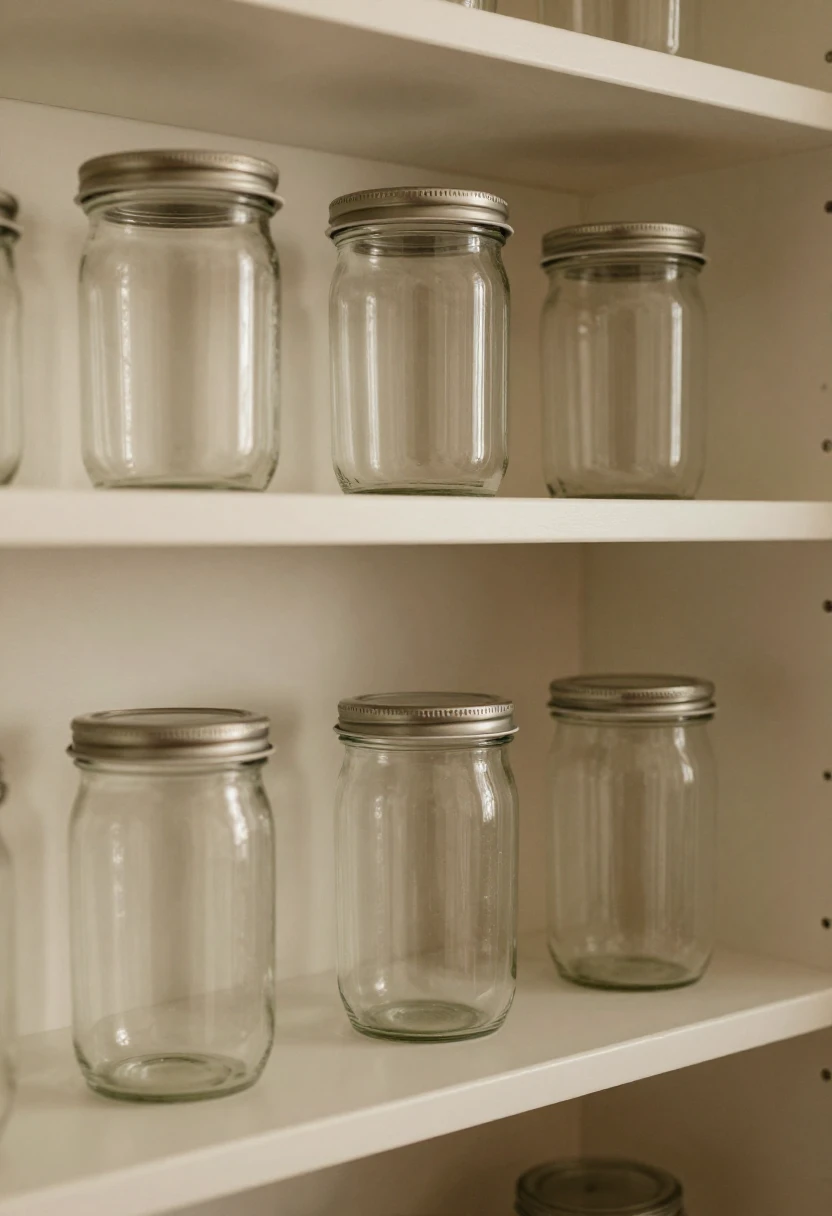
Purifying water is only half the job.
The other half is keeping it clean after you have treated it. This is the part that feels boring until you realize how easy it is to contaminate water again with a dirty cup, an open container, or a bottle that once held something it should not have held.
Use clean containers with tight lids
Store treated water in clean, food-safe containers with tight covers. The CDC recommends food-grade water storage containers and warns not to use containers that previously held toxic chemicals, such as bleach or pesticides. (Restored CDC)
That sounds obvious, but in an emergency people grab whatever is nearby.
Do not use old chemical jugs. Do not use mystery containers from the garage. Do not use a bottle that smells strange even after washing.
Glass jars are fine for short-term kitchen storage if they are clean, but for emergency storage, durable food-grade containers are usually safer because they are less likely to break.
Sanitize containers before filling them
If you are preparing water storage ahead of time, wash the container with soap and rinse it well. Then sanitize it before filling.
CDC storage guidance gives a simple sanitizing method: mix 1 teaspoon of unscented liquid household chlorine bleach with 1 quart of water, use bleach with 5% to 9% sodium hypochlorite, shake the solution inside the closed container so it touches all surfaces, wait at least 30 seconds, pour it out, and let the container air-dry before filling. (Restored CDC)
It is a small step, but it makes a difference. Clean water in a dirty bottle is no longer clean water.
Do not dip hands or cups into stored water
Pour water out instead of scooping it.
If you have to use a scoop, use a clean one every time. Do not put your hands inside the container or touch the inside of the cap. CDC guidance says to avoid touching stored water or the inside of the container with your hands and not to scoop water out with your hands. (Restored CDC)
This is one of those kitchen habits that matters more than it looks.
It is like double-dipping into a jar of yogurt, except the stakes are higher.
Label and rotate stored water
If you are storing water for emergencies, label the container as drinking water and add the date.
CDC guidance recommends replacing home-stored water every 6 months, keeping containers away from direct sunlight, and storing them away from toxic substances like gasoline or pesticides. (Restored CDC)
I like the plainness of that advice. No fancy system needed. Just a marker, a date, a cool storage spot, and a reminder to rotate it.
Keep treated water away from heat and cleaning products
Do not store drinking water near laundry supplies, cleaning sprays, paint, fuel, garden chemicals, or anything with a strong smell.
Water containers can pick up odors. Some containers can also degrade if stored badly. A cool pantry shelf, clean cabinet, or dedicated emergency storage area is better than a hot garage corner next to motor oil.
Treated water deserves a clean place to sit.
That may be the least exciting sentence in this article. It may also be one of the most useful.
How purified water changes everyday cooking
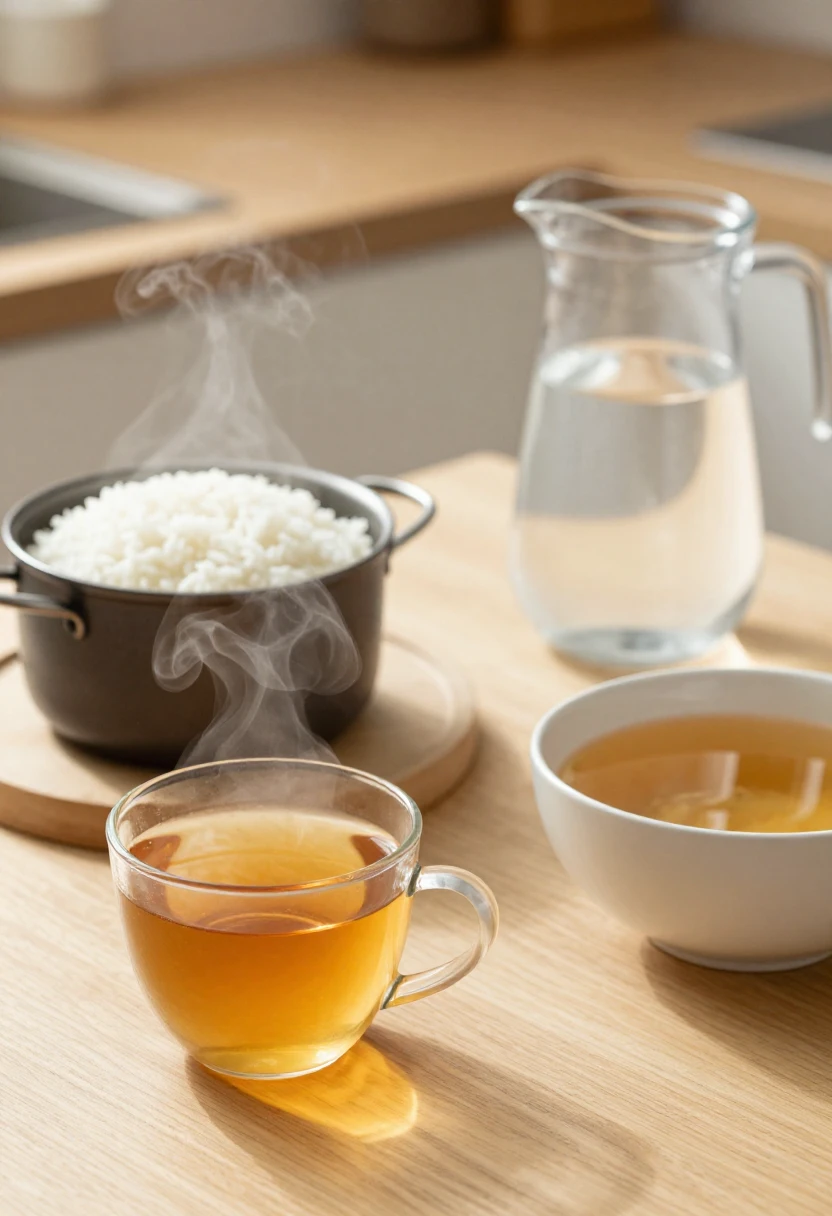
Water is not the loudest ingredient in your kitchen, but it quietly changes more than people expect.
You notice it most in simple food. Tea. Coffee. Rice. Broth. Oatmeal. Pasta water. Anything with only a few ingredients gives water less room to hide.
If your water tastes stale, metallic, musty, or overly chlorinated, that taste can follow you into the cup or pot. A strong sauce may cover it. Plain rice will not.
Tea and coffee show water quality quickly
Tea is probably the easiest test.
Make the same tea with clean-tasting filtered water and then with water that smells a little off. You will notice the difference. Black tea can turn harsh. Green tea may taste flat or bitter. Herbal tea loses that soft, clean finish that makes it pleasant in the first place.
Coffee is similar, although coffee has more flavor of its own. Bad water can make good beans taste dull. Sometimes people blame the roast, the grinder, or the machine, when the water is the quiet problem.
For everyday taste, a basic certified filter may be enough. For emergency safety, taste is not the main issue. You still need to follow boiling, disinfection, or official guidance depending on the risk.
That difference matters: better-tasting water is not always safer water.
Rice, pasta, and oatmeal absorb more than water
Rice is one of my favorite examples because it takes in so much liquid. If the water smells odd before cooking, the rice may smell odd after cooking. The same thing happens with oatmeal, couscous, bulgur, quinoa, and any grain that absorbs water as it cooks.
With pasta, the effect is smaller because you drain most of the water away. But pasta still cooks in that water, and if you use some starchy pasta water in the sauce, the taste can come through.
For normal kitchen use, filtered water can make these foods taste cleaner. During a boil-water advisory, though, the CDC recommends using bottled water or properly treated water for drinking, preparing food and drinks, brushing teeth, and similar household uses. (CDC)
So if there is an advisory, do not think, “It’s fine, I’m boiling pasta anyway,” unless the water has reached the recommended boiling step and local guidance allows that use. Food safety gets boring and specific for a reason.
Soup and broth depend on good water
Soup is mostly water pretending to be dinner.
That is not an insult. I love soup. But it means water quality matters.
A vegetable broth with clean water tastes sweet and rounded. A chicken soup made with clean water lets the onion, celery, carrots, herbs, and chicken actually show up. If the water has a muddy or chemical edge, the whole pot can taste tired before you even start seasoning.
For normal cooking, this is a flavor issue. For questionable water, it is a safety issue.
If the water may contain germs, boiling can help. If it may contain harmful chemicals or toxins, boiling will not make it safe, and CDC guidance says not to rely on boiling in that situation. (CDC)
That is the point where you use bottled water or another safe source for soup, coffee, baby formula, ice, and anything else going into your mouth.
Ice cubes are easy to forget
Ice is one of those tiny details that can undo your careful work.
If the water is unsafe, ice made from that water is unsafe too. Freezing does not reliably disinfect water. It just turns the problem into cubes.
During a water advisory or travel situation, avoid ice unless you know it was made from safe water. At home, dump old ice after a boil-water notice or contamination event and clean the ice tray or ice maker according to local instructions.
It feels fussy. But it is the same logic as using clean water for cooking. Ice goes straight into drinks. It deserves the same attention.
A simple kitchen habit that helps
For everyday life, I like keeping one clean pitcher of drinking water ready.
Nothing complicated. Just a pitcher, a lid, and a regular habit of washing it. If you use a filter, change it on schedule. If you boiled water during an advisory, cool it and store it covered. If you treated water for an emergency, label it.
The point is not to turn your kitchen into a laboratory. The point is to avoid that moment where you are thirsty, distracted, and grabbing from three half-clean bottles because you cannot remember which water is safe.
A little order helps.
When not to purify water yourself
Some water problems are too serious for home purification.
That is not a failure. It is just the truth.
Boiling, filtering, sunlight, and chemical disinfection all have a place. But none of them gives you permission to drink water that may contain fuel, industrial chemicals, pesticides, sewage, flood contamination, or radioactive material.
Do not use DIY methods for chemical contamination
If water smells like fuel, paint, solvents, pesticides, or anything sharply chemical, stop.
Do not boil it. Do not add lemon. Do not pour it through charcoal and hope for the best. Do not make coffee with it because “the machine gets hot.”
CDC advisory guidance says boiling water with harmful chemicals or toxins will not make it safe. EPA guidance also warns that boiling does not remove many harmful chemicals and may increase concentrations of some heavy metals, including lead. (CDC)
That is enough reason to be strict.
Use bottled water or another confirmed safe source. Follow local health department instructions. If it is your private well, arrange testing before using it again.
Be extra careful after flooding
Floodwater is messy in ways you cannot see.
It can carry sewage, fuel, farm runoff, dead animals, chemicals, and debris from roads, homes, garages, and industrial areas. If floodwater has entered a well or storage tank, do not treat that like a normal cloudy-water problem.
A cloth filter and a rolling boil may help with some germs, but they do not solve unknown chemical contamination. The CDC advises following official instructions during drinking water advisories, especially because different advisories mean different actions. (CDC)
If there has been flooding, use bottled water until you know more. This is especially important for children, pregnant people, older adults, and anyone with a weakened immune system.
Do not rely on taste or smell alone
Bad smell is a warning sign, but no smell is not proof of safety.
Some contaminants do not announce themselves. Some germs do not change the water’s taste. A glass of unsafe water can look perfectly clean.
That is why context matters so much. A water main break, flood, travel risk, damaged well, or official notice matters more than your eyes and nose.
I wish there were a perfect kitchen test. There is not.
When in doubt, treat the water according to the most likely risk. And if chemical contamination is possible, switch sources instead of trying to purify it yourself.
Avoid homemade filters as your only safety step
Homemade filters can be useful as a first step, especially for visible sediment.
They should not be your only step if you plan to drink the water.
A cloth may remove grit. Sand may catch particles. Charcoal may improve taste. But none of those simple homemade setups gives you a reliable, measured answer for bacteria, viruses, parasites, lead, pesticides, or industrial chemicals.
Use them as pre-treatment. Then boil, disinfect, or use a certified filter designed for the actual contaminant. The CDC notes that water filters vary by what they remove, so matching the filter to the risk is important. (CDC)
A homemade filter can make water prettier. It may not make it safe.
Know when bottled water is the better choice
Bottled water is not always my favorite everyday answer. It creates waste, costs money, and is not as cozy as a glass pitcher on the counter.
But sometimes it is the right answer.
Use bottled water when:
- local officials tell you not to drink the tap water,
- chemical contamination is possible,
- floodwater may have affected the source,
- you are preparing baby formula and the water source is questionable,
- someone in the home is medically vulnerable,
- or you simply do not know what contaminated the water.
There is no prize for being the most natural person in an emergency. Safe water wins.
Practical water safety checklist for home
When water feels questionable, decisions get easier if you stop asking, “What natural trick should I use?” and start asking, “What problem am I trying to solve?”
Here is the simple version.
If the water is cloudy but does not smell chemical
Let it settle first.
Pour the clearer water into another clean container, leaving sediment behind. Filter it through a clean cloth, coffee filter, or paper towel. Then boil it if germs are the concern.
CDC emergency guidance recommends filtering cloudy water or letting it settle before boiling or disinfecting it. (CDC)
That order helps: settle, filter, treat, store.
If the water may have germs
Boiling is usually the strongest low-tech method.
Bring clear water to a full rolling boil for 1 minute. If you are at an elevation above 6,500 feet, boil it for 3 minutes. Let it cool and store it in a clean, covered container. CDC emergency guidance gives these boiling times for making water safer when microbial contamination is the concern. (CDC)
If you cannot boil, use a proper disinfectant such as unscented household bleach or water treatment tablets, following current label directions and official guidance.
If you are camping or traveling
Do not trust water just because it looks beautiful.
Streams, lakes, and springs can contain germs from animals, people, and runoff. The safest camping routine is usually to filter first, then disinfect or boil. For international travel and outdoor situations, CDC guidance discusses boiling, filtration, UV treatment, chlorine, iodine, and chlorine dioxide, with different strengths and limits for each method. (CDC)
For a small travel kit, I would rather have a tested filter and chlorine dioxide tablets than a bag full of “natural hacks” that only improve taste.
If you have a baby or immune-sensitive person at home
Be more conservative.
Babies, older adults, pregnant people, and people with weakened immune systems have less room for error with unsafe water. During advisories, follow official instructions carefully. Use bottled water when recommended. Do not experiment with lemon juice, fruit peels, or homemade charcoal filters.
This is also where clean storage matters. Use clean containers, tight lids, and avoid touching the inside of bottles or caps. CDC emergency storage guidance recommends labeling drinking water containers, dating them, replacing stored water every six months, and keeping them away from sunlight and toxic substances. (CDC)
The water is only as clean as the container you put it in.
If you are unsure what contaminated the water
Do not guess.
If the issue may be germs, boiling or disinfection may help. If the issue may be chemicals, heavy metals, fuel, sewage, floodwater, or something unknown, use another safe source until you have guidance.
That is the safest rule in this whole article.
Natural water purification can be useful. But the most natural thing you can do is also the most practical: pay attention, use the right method, and do not drink water that gives you a reason to hesitate.
Conclusion
Clean water should feel simple, and most days it is. You pour it into a glass, cook with it, make tea, rinse fruit, and move on with your day.
But when water looks cloudy, tastes strange, smells wrong, or comes with an advisory, it deserves more attention.
The safest natural water purification methods are not the flashy ones. They are the plain, reliable steps: settle dirty water, filter visible sediment, boil when germs are the concern, use proper disinfection when boiling is not possible, and store treated water in clean containers.
Lemon, fruit peels, seaweed, and homemade charcoal tricks may sound charming, but they are not dependable safety methods. Use them for flavor, curiosity, or cooking, not for making questionable water safe.
If there is one thing to remember, it is this: match the method to the problem. Germs, dirt, bad taste, and chemical contamination are not the same issue. Once you know what you are dealing with, the right choice becomes much clearer.
And when the water smells chemical, has touched floodwater, or makes you hesitate? Do not gamble with it. Use bottled water or another safe source.
A calm kitchen starts with water you can trust.
FAQ
Can lemon juice purify drinking water?
No, lemon juice should not be used as a reliable water purification method. It can make safe water taste fresher, and citrus may have some antibacterial properties in certain conditions, but it is not dependable enough to treat unsafe drinking water.
Use lemon after the water is already safe.
Is boiling water enough to make it safe?
Boiling is one of the best low-tech methods when the concern is germs. It can kill many bacteria, viruses, and parasites.
But boiling does not remove fuel, pesticides, heavy metals, salt, or many chemicals. If chemical contamination is possible, use bottled water or follow local health guidance instead.
Can charcoal remove bacteria from water?
Regular charcoal should not be trusted to remove bacteria from drinking water.
Activated carbon can improve taste and reduce some contaminants in properly designed filters, but loose charcoal from a fire is not the same thing. If water may contain germs, use boiling, proper disinfection, or a certified filter designed for that purpose.
What is the safest natural way to purify water at home?
For most home situations where germs are the concern, boiling is the safest simple method. Filter cloudy water first, then bring it to a full rolling boil.
For everyday taste, a certified home water filter can help. For emergency use, it is smart to know more than one method: boiling, filtering, safe storage, and proper disinfection when boiling is not possible.
Can I drink rainwater if I filter it?
Not without proper treatment. Rainwater may pick up dirt, bird droppings, roofing materials, insects, and other contaminants before it reaches your container.
If you plan to drink collected rainwater, filter visible debris first, then boil or disinfect it. Avoid rainwater collected from questionable roofs, old surfaces, or polluted areas.