You can eat less meat, or skip it completely, without turning every meal into a sad plate of lettuce.
That is usually the fear, right? You remove chicken, beef, or fish from the plate, and suddenly dinner feels unfinished. Something is missing. You eat, clean the kitchen, and then find yourself looking for snacks an hour later.
The good news is that getting enough protein without eating meat is much easier when you stop thinking about “replacing meat” and start thinking about building meals that are satisfying in their own way.
A bowl of lentil soup with olive oil and crusty whole-grain bread can feel deeply filling. Greek yogurt with oats, berries, and seeds can hold you through a busy morning. A chickpea salad wrap with a creamy tahini dressing can be just as practical as a turkey sandwich. And a tofu stir-fry, when it is crisped properly and seasoned well, does not feel like a compromise at all.
The trick is knowing which foods actually bring protein to the meal, and how to use them so they taste good.
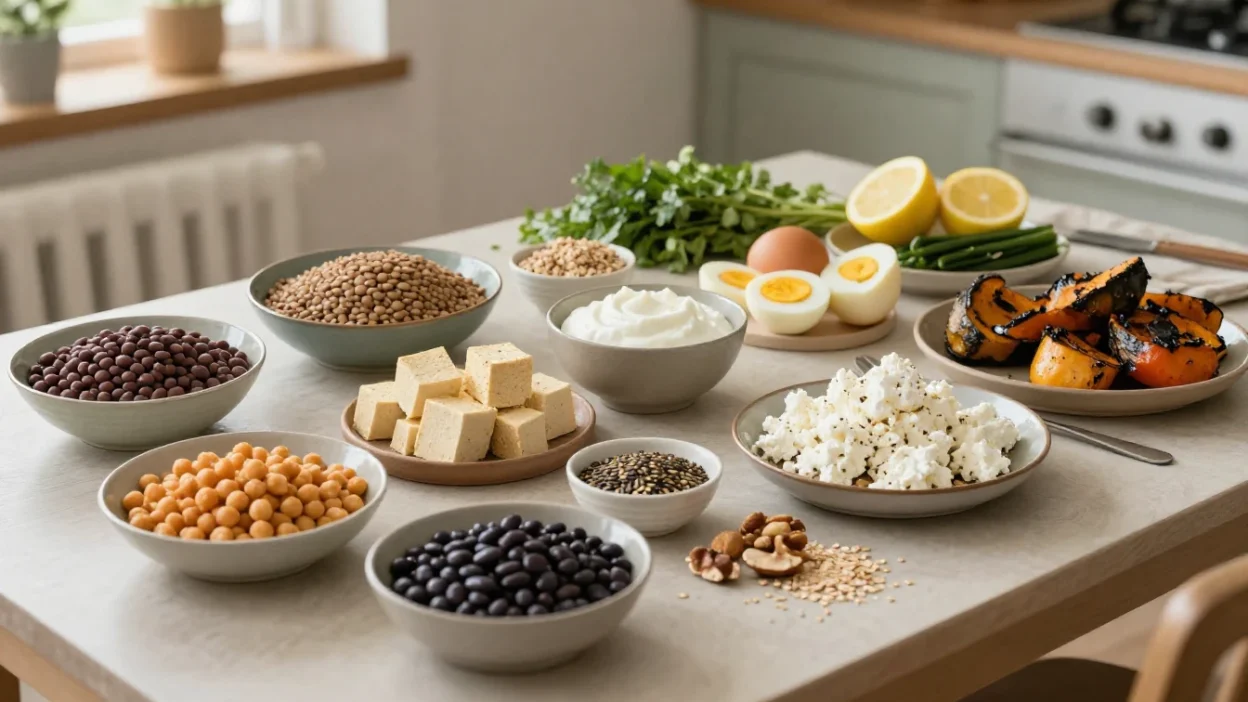
In this guide, we’ll go through the best meatless protein sources for everyday cooking: beans, lentils, tofu, eggs, dairy, nuts, seeds, and whole grains. Not in a complicated nutrition-chart way. More like: what should you keep in the kitchen, what can you cook on a tired Tuesday, and how do you make a meatless meal that does not leave you hungry?
Why protein matters when you eat less meat
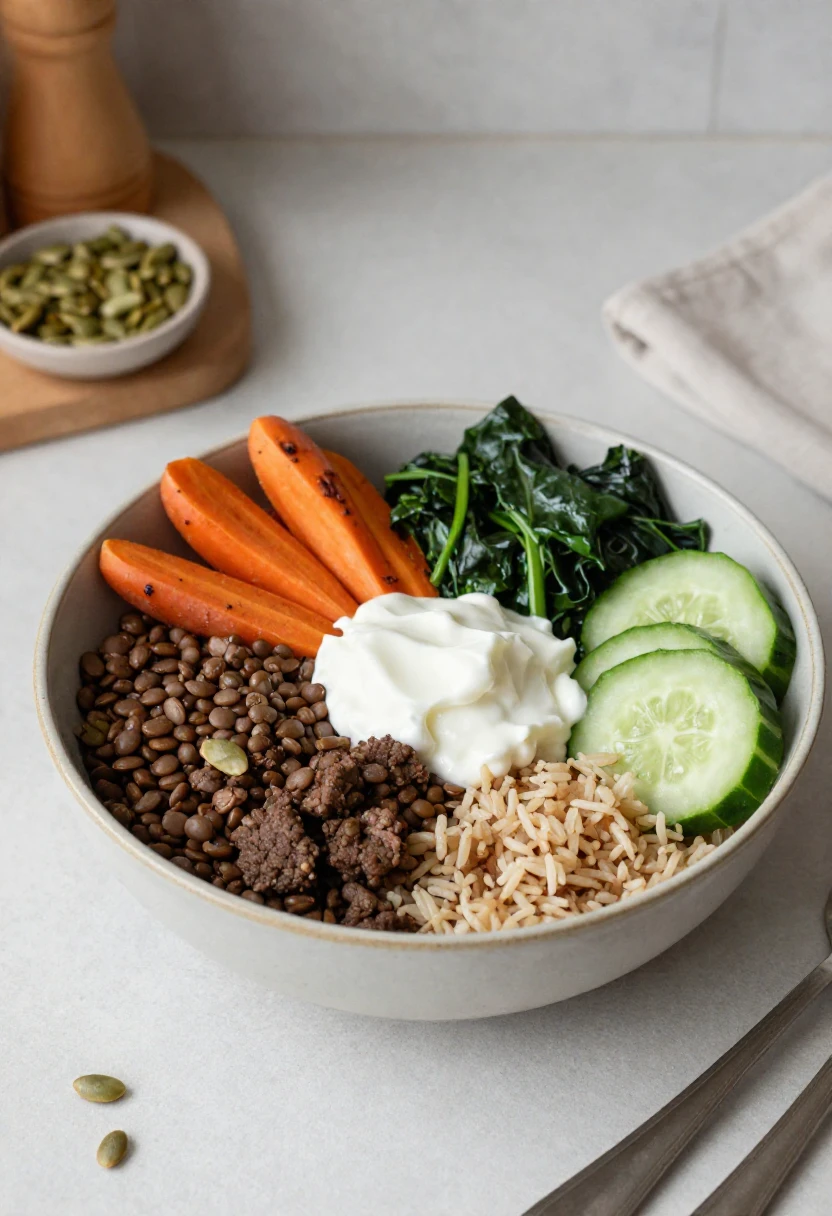
Protein does more than support muscles. It helps meals feel complete.
You notice this most when it is missing. A bowl of plain pasta may taste good, but it often does not keep you full for long. A vegetable salad can be fresh and colorful, but if it has no beans, eggs, tofu, cheese, yogurt dressing, nuts, or seeds, it may feel more like a side dish than lunch.
That does not mean every meal needs to be “high protein” in a gym-bro way. It just means your plate needs enough staying power.
When you eat less meat, protein can come from foods like:
- Lentils and beans
- Chickpeas and peas
- Tofu, tempeh, and edamame
- Eggs
- Greek yogurt and cottage cheese
- Nuts and seeds
- Quinoa, oats, and other whole grains
The best meatless meals usually combine a few of these. A chickpea bowl with quinoa, roasted vegetables, and tahini sauce gives you more balance than chickpeas alone. Oatmeal becomes more filling when you add Greek yogurt, peanut butter, or hemp seeds. A simple vegetable soup turns into dinner when you add lentils or white beans.
You do not need to copy a meat-based plate
One mistake people make is trying to build the same plate, just without meat.
A classic dinner plate often looks like this: meat in the center, vegetables on one side, starch on the other. Remove the meat, and the plate can feel empty.
Meatless meals work better when they have a different shape.
Think about:
- Lentil soups
- Bean chili
- Grain bowls
- Chickpea wraps
- Egg-based dinners
- Tofu stir-fries
- Yogurt bowls
- Hummus plates
- Pasta with white beans and greens
These meals do not need a “main piece” of meat because the protein is spread through the whole dish. That is what makes them satisfying.
A red lentil curry, for example, is not trying to pretend it is chicken curry. It is creamy, warm, and filling because the lentils soften into the sauce. Add rice, herbs, and maybe a spoonful of yogurt on top, and you have a proper meal.
A simple way to build a meatless meal
When I make a meatless meal, I like to check four things:
- Is there a protein source?
- Is there something filling, like grains, potatoes, or whole-grain bread?
- Are there vegetables?
- Is there enough flavor from sauce, spices, herbs, acid, or healthy fat?
That sounds more formal than it feels in the kitchen.
It can be as simple as:
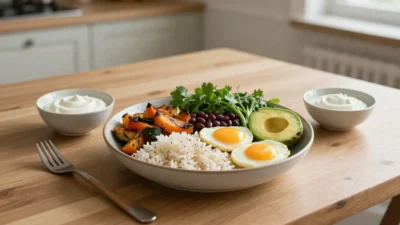
Lentils + rice + roasted carrots + yogurt garlic sauce
Or:
Chickpeas + whole-grain wrap + cucumber + tahini lemon dressing
Or:
Eggs + toast + avocado + tomatoes
Or:
Tofu + noodles + broccoli + soy-ginger sauce
Once you learn this pattern, eating enough protein without meat stops feeling like a puzzle. You are not hunting for one perfect “meat replacement.” You are building meals from ingredients that already work.
Legumes: the easiest meatless protein for real life
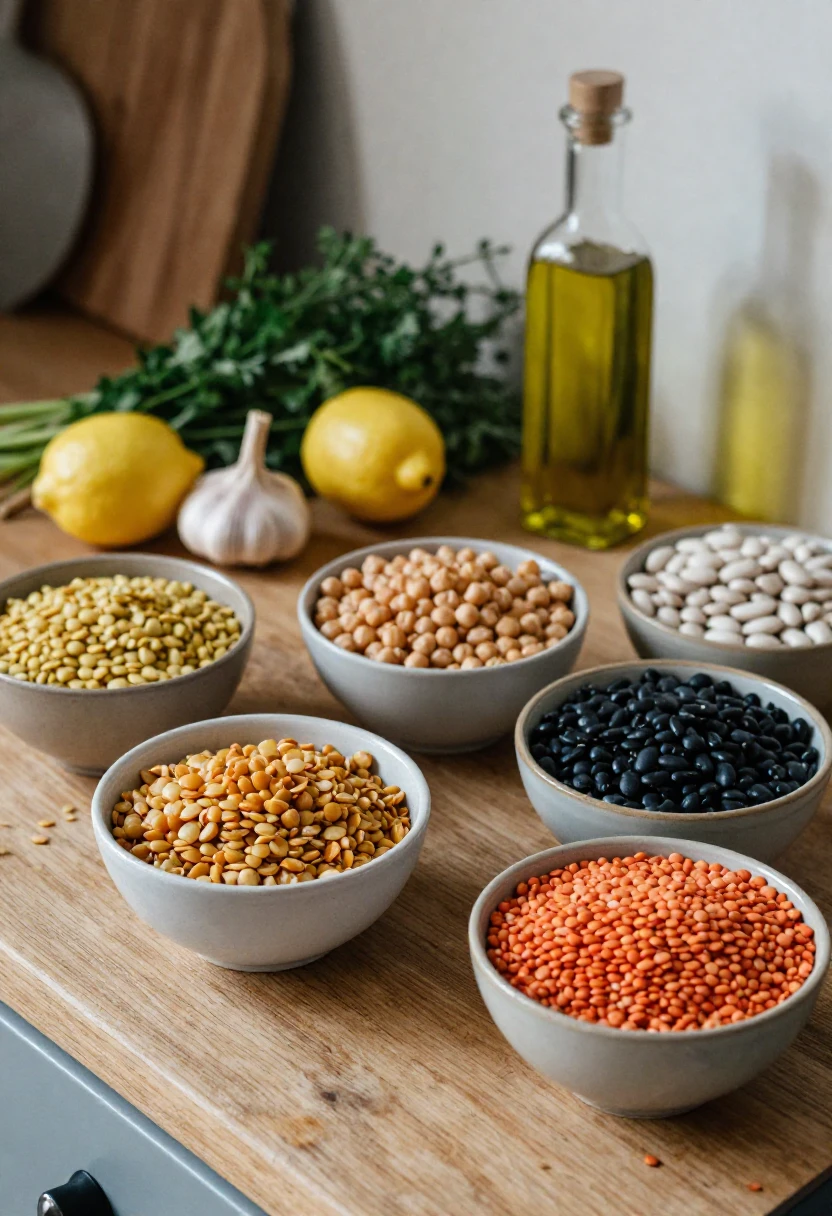
If you want to get enough protein without eating meat, start with legumes.
They are not trendy. They do not look exciting in the pantry. A bag of lentils is never going to make anyone gasp. But they are cheap, filling, flexible, and honestly one of the easiest ways to make meatless meals feel like actual meals.
Beans and lentils also have something meat does not have: fiber. That combination of protein plus fiber is why a bowl of lentil soup or bean chili can keep you full for hours.
Lentils for soups, stews, salads, and quick dinners
Lentils are the ingredient I recommend first because they cook faster than most beans and do not need soaking.
Red lentils are the easiest. They soften quickly and almost melt into the pot, which makes them perfect for creamy soups, curries, and stews. If you have onion, garlic, carrots, red lentils, broth, and a little cumin or paprika, you are already close to dinner.
Green and brown lentils hold their shape better. I like them for salads, grain bowls, and warm side dishes. Cook a batch, keep it in the fridge, and you can use it for several meals.
Try them in:
- Lentil soup with carrots, celery, and garlic
- Red lentil curry with rice
- Lentil salad with cucumber, herbs, lemon, and olive oil
- Warm lentil bowl with roasted vegetables
- Lentils mixed into tomato sauce for pasta
A small tip: lentils need enough salt and acid. If a lentil dish tastes flat, it may not need more spices. It may just need salt, lemon juice, vinegar, or a spoonful of yogurt on top.
That little sharp finish makes a huge difference.
Beans for filling lunches and budget-friendly dinners
Beans are the quiet hero of meatless cooking.
A can of beans can save lunch when there is “nothing to eat.” Chickpeas can become a salad, wrap filling, quick curry, or hummus-style spread. Black beans can turn into tacos, chili, rice bowls, or quesadillas. White beans are lovely with pasta, greens, soups, and toast.
If you are using canned beans, rinse them first. It improves the texture and removes some of that canned taste. Then season them properly. Beans are mild, so they need help.
Good flavor pairings:
- Chickpeas with lemon, tahini, garlic, cumin, parsley
- Black beans with lime, chili, smoked paprika, cilantro
- White beans with olive oil, rosemary, garlic, lemon
- Kidney beans with tomato, chili powder, onion, oregano
One of my favorite fast meatless lunches is a mashed chickpea wrap. Mash chickpeas with Greek yogurt or tahini, lemon juice, mustard, salt, pepper, and chopped pickles or cucumber. Add lettuce or spinach, wrap it up, and lunch is done.
It tastes better than it sounds, especially if you like something creamy and a little tangy.
Soy foods for higher-protein meatless meals
Soy foods are useful because they usually bring more protein per serving than many other plant foods.
Tofu is the one people often complain about, but most tofu problems are really seasoning problems. Plain tofu is bland. That is the point. It takes on whatever flavor you give it.
For better tofu:
- Press it if it feels watery
- Cut it into cubes or slabs
- Season it before cooking
- Cook it in a hot pan until the edges turn golden
- Add sauce near the end so it coats the tofu instead of making it soggy
Tofu works well in stir-fries, noodle bowls, rice bowls, soups, and even breakfast scrambles. If you want it crispier, toss it with a little cornstarch before pan-frying or baking.
Tempeh has a firmer texture and a deeper, nuttier flavor. Some people love it right away. Some need time. I think it works best when sliced thin, browned well, and paired with a strong sauce, something like soy sauce, maple, garlic, ginger, or chili.
Edamame is even easier. Keep a bag in the freezer and add it to rice bowls, salads, soups, or snack plates. Steam it, salt it, and it becomes one of the lowest-effort protein snacks you can make.
A simple dinner idea:
Rice + crispy tofu + broccoli + edamame + soy-ginger sauce
It is filling, colorful, and practical. No meat needed, no fake meat required.
Next section: Eggs and dairy: simple protein options for vegetarians.
Eggs and dairy: simple protein options for vegetarians
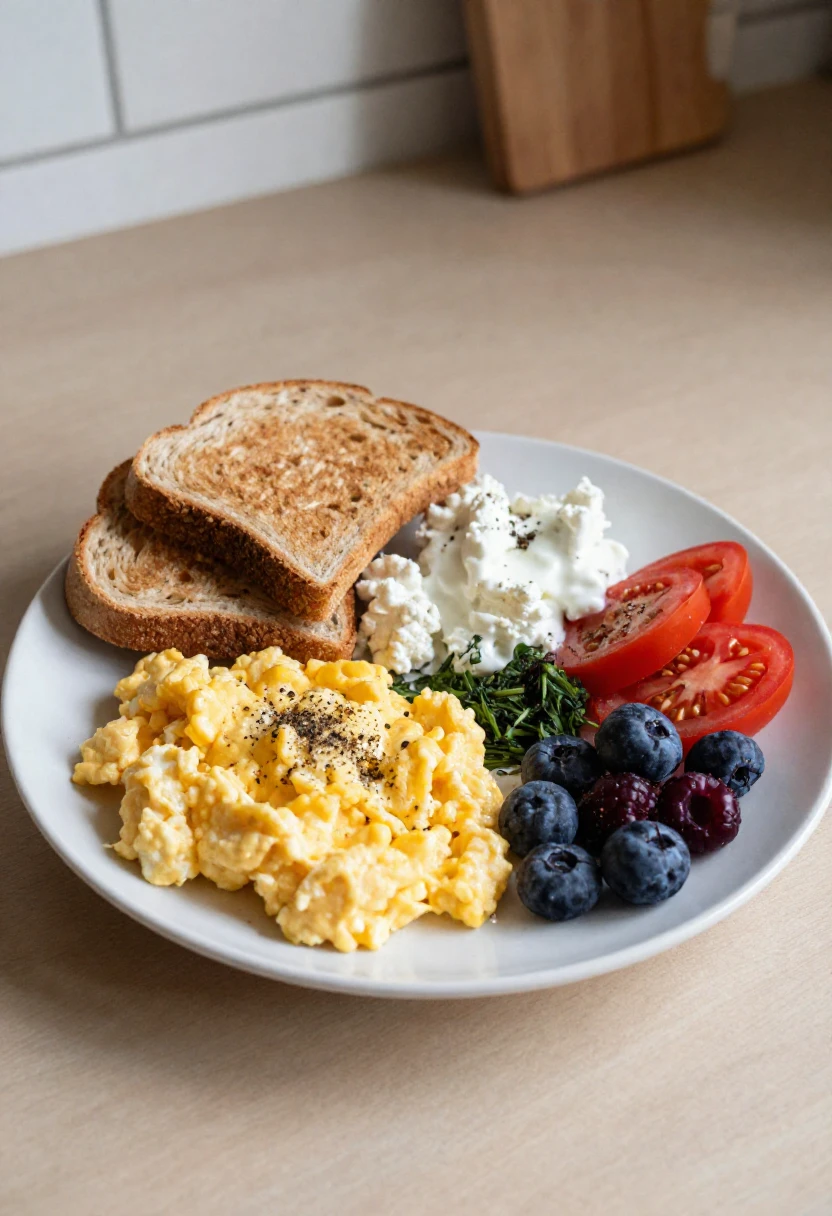
If you eat eggs and dairy, getting enough protein without meat becomes much easier.
They are familiar foods, which helps. You do not have to learn a new ingredient or convince yourself that dinner is “supposed” to taste a certain way. Eggs, Greek yogurt, cottage cheese, and cheese already fit into normal breakfasts, lunches, snacks, and quick dinners.
They also work well with plant-based proteins. Eggs with beans. Greek yogurt with oats and seeds. Cottage cheese with whole-grain toast. Cheese with lentils or chickpeas. This is where meatless eating starts to feel less like a restriction and more like a different kitchen rhythm.
Eggs when you need something fast
Eggs are one of the easiest meatless proteins because they cook quickly and work with almost anything.
A couple of eggs can turn leftovers into a meal. Add a fried egg to rice and vegetables. Stir eggs into a vegetable skillet. Make an omelet with spinach and mushrooms. Boil a few eggs and keep them in the fridge for salads, toast, or snack plates.
I especially like eggs for those evenings when cooking feels dramatic. You know the kind. The fridge is half-empty, everyone is hungry, and ordering food is starting to sound very reasonable.
That is when eggs help.
A simple dinner can be:
- Scrambled eggs with spinach and feta
- Boiled eggs with hummus, vegetables, and whole-grain crackers
- Omelet with mushrooms, onions, and cheese
- Fried egg over rice, beans, and salsa
- Shakshuka-style eggs cooked in tomato sauce
Eggs are also useful because they bring richness. A vegetable-heavy meal can taste a little thin without something creamy or savory. Add an egg, and suddenly it feels more complete.
Greek yogurt and cottage cheese for easy protein
Greek yogurt is one of those ingredients that quietly solves a lot of problems.
For breakfast, it can become a bowl with fruit, oats, nuts, seeds, and a drizzle of honey. For lunch or dinner, it can become a sauce. Mix Greek yogurt with lemon juice, garlic, salt, pepper, and herbs, then spoon it over lentils, roasted vegetables, grain bowls, or chickpea wraps.
It makes food taste fresh and creamy without needing much effort.
Cottage cheese is similar, but a little more old-school. I think it deserves more love. It works with fruit, tomatoes, cucumbers, toast, eggs, potatoes, and even pasta sauces if you blend it.
Easy ideas:
- Greek yogurt with berries, oats, and pumpkin seeds
- Cottage cheese on toast with tomato and black pepper
- Greek yogurt sauce over lentil bowls
- Cottage cheese with sliced peaches or berries
- Blended cottage cheese stirred into pasta sauce
- Yogurt with peanut butter and banana
The best part is that both are ready to eat. No soaking, no pressing, no simmering. Just open the container and build around it.
Cheese can help, but it should not do all the work
Cheese adds flavor. It adds salt, richness, and that satisfying bite that makes a meatless meal feel less plain.
But I would not rely on cheese as the only protein source in every meal. It can make food delicious, yes, but it works better as part of the meal rather than the whole plan.
For example, instead of making a cheese-only quesadilla, add black beans and vegetables. Instead of pasta with only cheese, add white beans or lentils. Instead of a salad with just feta, add chickpeas, eggs, or quinoa.
Better combinations:
- Feta + chickpeas + cucumber + herbs
- Mozzarella + white beans + tomatoes
- Cheddar + black beans + whole-grain tortilla
- Parmesan + lentil tomato sauce
- Goat cheese + eggs + roasted vegetables
Cheese is wonderful as a flavor booster. Let it do that job. Then let beans, lentils, eggs, yogurt, tofu, or grains handle more of the protein.
Nuts and seeds: small foods that add useful protein
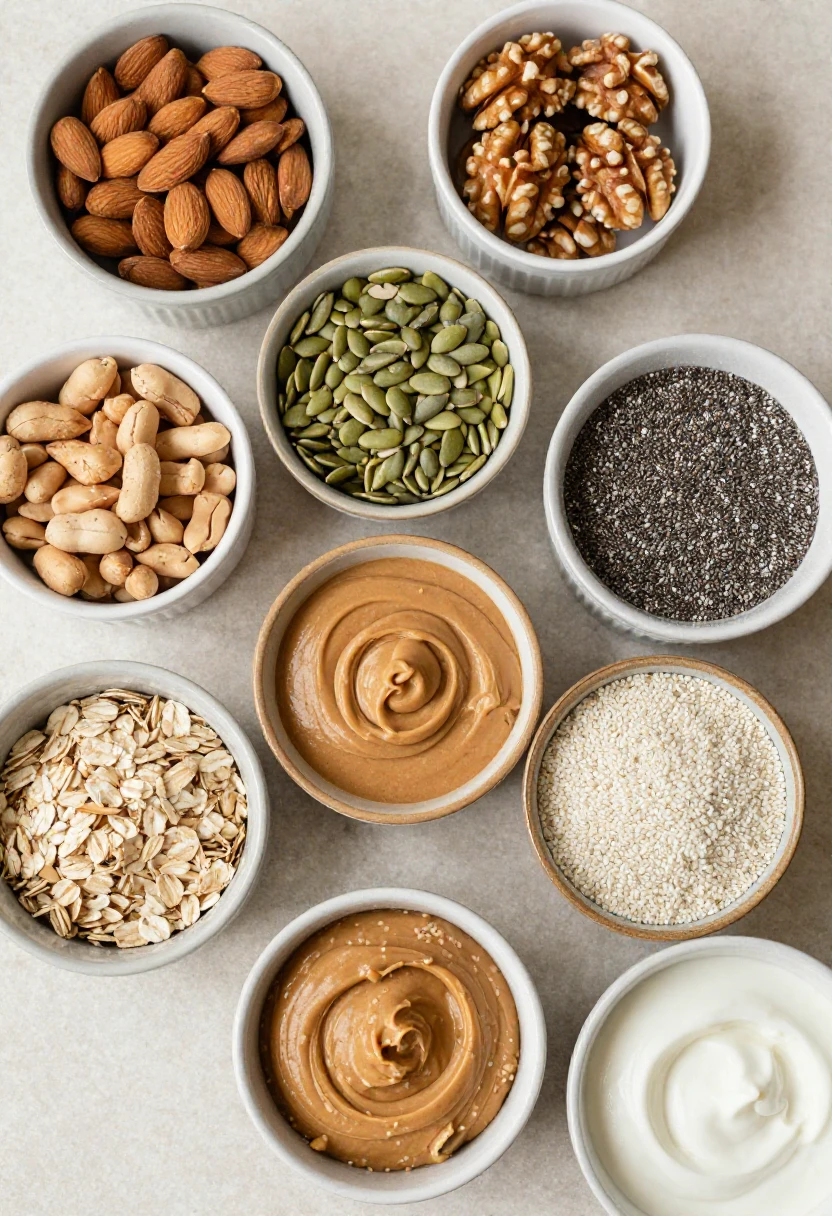
Nuts and seeds will not usually be the main protein in a meal, but they are excellent helpers.
They add crunch, richness, and staying power. A bowl of oatmeal with fruit is nice. A bowl of oatmeal with Greek yogurt, chia seeds, and chopped walnuts feels much more like breakfast. A salad with vegetables is fresh. Add pumpkin seeds, chickpeas, and a tahini dressing, and now it has some weight to it.
That is the role nuts and seeds play best. They fill in the gaps.
Nuts for texture, flavor, and staying power
Nuts are useful because they make food feel more satisfying without much work.
You can chop them, sprinkle them, blend them into sauces, or eat them as a snack. They bring protein, healthy fats, and texture, which matters more than people think. A soft bowl of grains and vegetables can get boring quickly. Add toasted almonds or peanuts, and suddenly the whole thing tastes better.
Good options to keep around:
- Almonds
- Walnuts
- Peanuts
- Pistachios
- Cashews
- Hazelnuts
Peanuts are especially practical. They are affordable, easy to find, and work in both sweet and savory meals. Peanut butter in oatmeal is a classic for a reason. Chopped peanuts over noodles, tofu, or slaw can make a simple meal taste more finished.
Cashews are lovely for creamy sauces. Soak them, blend them with water, lemon juice, garlic, and salt, and you get a smooth sauce for pasta, roasted vegetables, or grain bowls. It is not something I make every day, but when I do, it feels like a small kitchen trick.
One thing to remember: nuts are calorie-dense. That is not bad. It just means a small handful goes a long way.
Seeds that fit easily into everyday meals
Seeds are even easier to add because they do not need chopping.
Pumpkin seeds are one of my favorites for savory meals. They taste good on soups, salads, roasted vegetables, and grain bowls. Sunflower seeds are budget-friendly and work in almost the same places.
Chia seeds and hemp seeds are great for breakfasts. Chia thickens when mixed with liquid, which makes it useful for pudding, overnight oats, and yogurt bowls. Hemp seeds stay soft and slightly nutty, so you can sprinkle them on almost anything.
Try adding seeds to:
- Greek yogurt bowls
- Oatmeal
- Smoothies
- Lentil soup
- Roasted vegetables
- Salads
- Grain bowls
- Whole-grain toast
- Homemade granola
Sesame seeds and tahini deserve a special mention. Tahini, which is made from sesame seeds, can turn into one of the easiest sauces for meatless meals. Mix it with lemon juice, garlic, salt, and enough water to make it pourable. It looks strange at first because tahini thickens before it loosens, but keep whisking. It turns creamy.
Spoon it over chickpeas, roasted cauliflower, lentils, falafel-style bowls, or wraps. It makes simple food taste intentional.
Nut and seed butters beyond toast
Nut and seed butters are not only for sandwiches.
Peanut butter can go into oatmeal, smoothies, sauces, and snack plates. Almond butter works well with apples, bananas, toast, and yogurt. Tahini belongs in dressings, dips, and sauces. Sunflower seed butter is useful if you avoid nuts.
A few easy ideas:
- Oatmeal with peanut butter and banana
- Apple slices with almond butter
- Yogurt with peanut butter stirred in
- Tahini lemon dressing for chickpea bowls
- Peanut sauce for tofu noodles
- Whole-grain toast with sunflower seed butter
The key is to use them where they add both flavor and fullness. A spoonful of peanut butter in oats can make breakfast feel warmer and more satisfying. Tahini in a dressing can make a bean bowl taste less dry. Almond butter with fruit can turn a quick snack into something that actually holds you over.
Nuts and seeds are small, but they do a lot of quiet work in meatless eating.
Whole grains that make meatless meals more filling
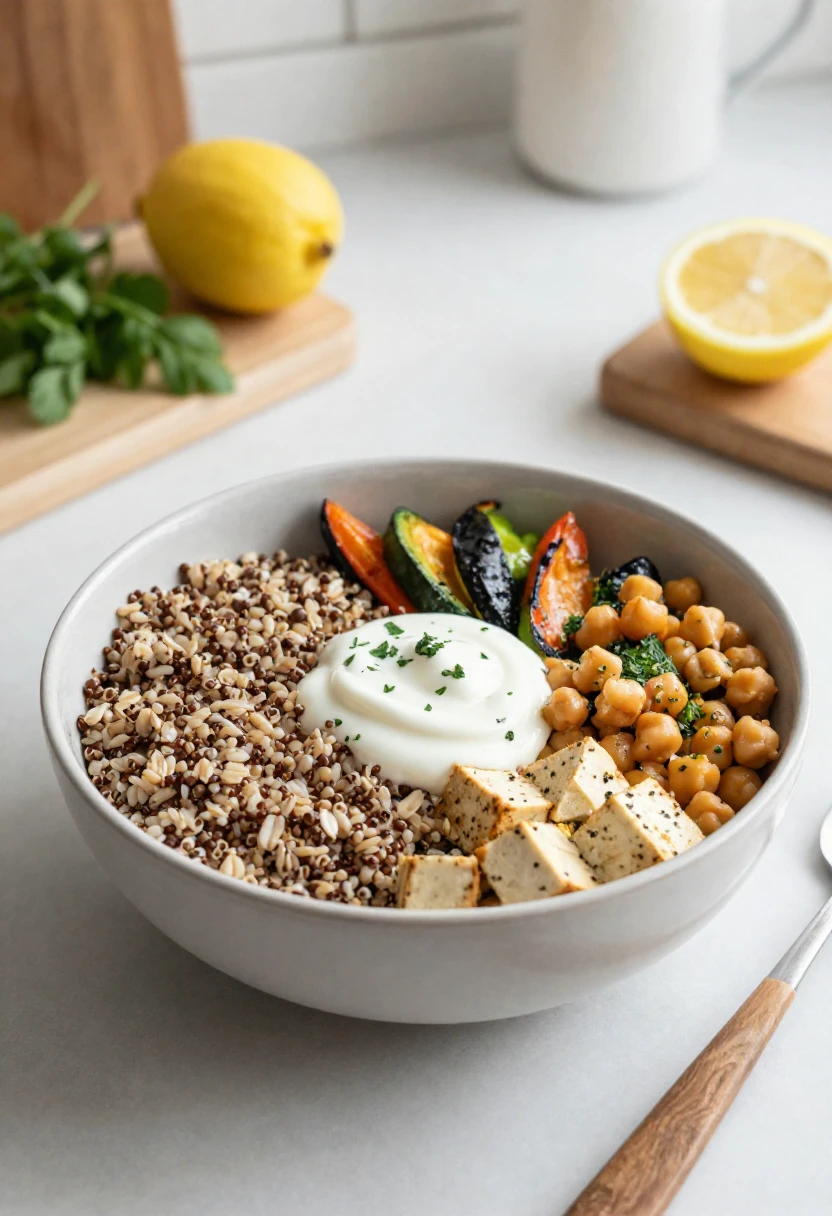
Whole grains are not usually the highest-protein food on the plate, but they make meatless meals feel much more complete.
Think of them as the base that holds everything together. Lentils are better with rice. Chickpeas feel more like lunch when they sit on quinoa or tucked into whole-grain pita. Greek yogurt with fruit is good, but Greek yogurt with oats, nuts, and seeds is a breakfast that actually lasts.
The mistake is expecting grains to do all the protein work alone. They help, but they work best when you pair them with beans, lentils, eggs, tofu, yogurt, nuts, or seeds.
Quinoa, oats, barley, and brown rice
Quinoa gets a lot of attention because it has more protein than many grains and cooks quickly. It is useful, especially for bowls and salads, but I would not treat it like magic. It still needs flavor.
Cook quinoa in broth instead of water if you can. Add olive oil, lemon juice, herbs, roasted vegetables, chickpeas, or feta. Plain quinoa can taste a little earthy and dry, but with the right toppings it becomes a solid base for lunch.
Oats are probably the easiest grain to use for protein-friendly breakfasts. On their own, they are fine. With Greek yogurt, milk, peanut butter, chia seeds, hemp seeds, or nuts, they become much more satisfying.
Barley is wonderful in soups because it turns chewy and hearty. It works especially well with mushrooms, lentils, white beans, carrots, and greens. Brown rice is simple and reliable. Keep cooked rice in the fridge, and you are halfway to a tofu bowl, bean bowl, egg bowl, or quick fried rice.
Good grain options for meatless meals:
- Oats
- Quinoa
- Brown rice
- Barley
- Buckwheat
- Farro
- Bulgur
- Whole-grain pasta
- Whole-grain bread or wraps
You do not need all of them. Pick two or three you actually like and know how to cook.
Protein-rich breakfast ideas with grains
Breakfast is one of the easiest places to add meatless protein, especially if you already eat oats, toast, or yogurt.
A plain bowl of oatmeal may not keep you full for long. But oatmeal with Greek yogurt stirred in, peanut butter on top, and chia seeds mixed through? Much better.
Try these simple combinations:
- Oats with Greek yogurt, berries, walnuts, and chia seeds
- Overnight oats with milk, yogurt, peanut butter, and banana
- Savory oats with a fried egg, spinach, and chili flakes
- Whole-grain toast with cottage cheese, tomato, and black pepper
- Quinoa breakfast bowl with yogurt, fruit, and pumpkin seeds
- Buckwheat porridge with nuts and warm berries
Savory oats sound odd until you try them. Cook oats with a pinch of salt, add sautéed spinach, top with an egg, and finish with chili oil or black pepper. It tastes more like a soft grain bowl than breakfast cereal.
And honestly, it is nice when breakfast is not sweet every single day.
Grain bowls for lunch and dinner
Grain bowls are one of the most practical ways to get enough protein without eating meat because they are flexible.
You do not need a recipe every time. You need a pattern.
Start with a cooked grain, then add protein, vegetables, and sauce.
For example:
- Brown rice + tofu + broccoli + edamame + soy-ginger sauce
- Quinoa + chickpeas + cucumber + tomatoes + tahini dressing
- Barley + lentils + roasted carrots + yogurt garlic sauce
- Farro + white beans + arugula + pesto
- Bulgur + boiled eggs + herbs + feta + lemon dressing
The sauce matters more than people admit. Without sauce, a grain bowl can feel like leftovers piled into a dish. With sauce, it feels planned.
A few easy sauces:
- Greek yogurt, lemon, garlic, and herbs
- Tahini, lemon juice, garlic, salt, and water
- Olive oil, vinegar, mustard, and honey
- Soy sauce, ginger, garlic, and sesame oil
- Pesto thinned with a little lemon juice or water
Grains also help with meal prep because they hold well in the fridge. Cook rice, quinoa, barley, or farro once, then use it for two or three meals. Change the protein and sauce so it does not feel like you are eating the same bowl all week.
One day it can be quinoa with chickpeas and tahini. The next day, the same quinoa can go with eggs, greens, and feta.
That kind of small reuse saves dinner.
High-protein meatless meal ideas for the whole day
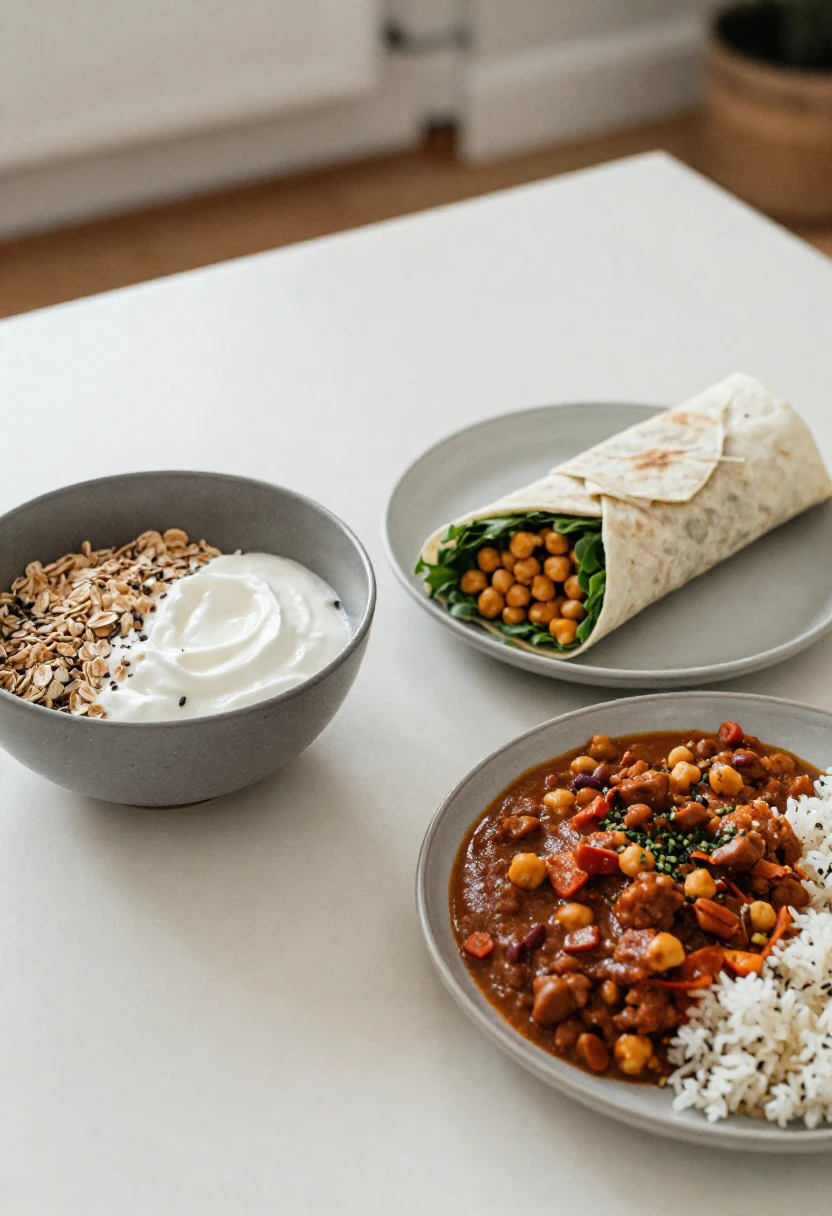
Once you know your main protein options, the next question is much more practical: what do you actually eat?
Because nobody wants to stand in the kitchen at 7 p.m. thinking about amino acids. You want breakfast that keeps you full, lunch that does not fall apart by noon, and dinner that feels like dinner.
Here are simple meatless protein ideas you can use throughout the day.
Breakfast ideas
Breakfast is a good place to make protein easy. You do not need to cook something complicated every morning. Most of the time, it comes down to adding one or two protein-rich ingredients to what you already eat.
Try:
- Greek yogurt with berries, oats, walnuts, and chia seeds
- Cottage cheese with peaches, berries, or sliced tomato
- Scrambled eggs with spinach and whole-grain toast
- Oatmeal with peanut butter, banana, and hemp seeds
- Boiled eggs with avocado toast
- Overnight oats with Greek yogurt and pumpkin seeds
- Smoothie with Greek yogurt, peanut butter, oats, and banana
One of the simplest breakfasts is a yogurt bowl. Add Greek yogurt to a bowl, then top it with fruit, oats, seeds, and nuts. It takes five minutes, but it feels more complete than grabbing a plain piece of toast and hoping for the best.
If you prefer savory breakfasts, eggs are your friend. Scramble them with leftover vegetables, add beans if you have them, and serve with toast or potatoes. It is not fancy, but it works.
Lunch ideas
Meatless lunches need structure. Otherwise, they turn into little bits of food that do not quite add up.
A good lunch usually has a protein source, something filling, vegetables, and a sauce or dressing. The sauce matters because beans, grains, and vegetables can taste dry if you leave them alone.
Good lunch ideas:
- Chickpea salad wrap with Greek yogurt or tahini dressing
- Lentil soup with whole-grain bread
- Black bean and quinoa bowl with salsa and avocado
- Tofu rice bowl with broccoli and edamame
- White bean toast with tomatoes, herbs, and olive oil
- Egg salad made with Greek yogurt on whole-grain bread
- Hummus plate with pita, boiled eggs, cucumbers, and olives
- Cottage cheese bowl with tomatoes, cucumber, seeds, and crackers
A mashed chickpea salad is one of those lunches that tastes better the next day. Mash chickpeas with lemon juice, a little Greek yogurt or tahini, mustard, salt, pepper, and chopped pickles. Add celery or cucumber if you want crunch.
Spoon it into a wrap with lettuce, or pile it onto toast.
It is creamy, filling, and much easier than cooking from scratch at lunchtime.
Dinner ideas
Dinner is where people often miss meat the most.
That makes sense. For many of us, dinner is the meal where meat used to sit in the center of the plate. But meatless dinners can still feel warm, rich, and satisfying if you build them around the right ingredients.
Try:
- Black bean chili with avocado and yogurt
- Red lentil curry with rice
- Tofu stir-fry with noodles and vegetables
- Baked eggs in tomato sauce with crusty bread
- Pasta with white beans, garlic, greens, and parmesan
- Lentil shepherd’s pie with mashed potatoes
- Chickpea stew with tomatoes and spinach
- Tempeh tacos with cabbage slaw
- Mushroom and barley soup with white beans
- Vegetable fried rice with eggs and edamame
For a very easy dinner, make red lentil curry. Cook onion, garlic, ginger, curry powder, red lentils, canned tomatoes, and coconut milk or broth. Let it simmer until the lentils soften. Serve with rice and a spoonful of yogurt if you like a creamy finish.
Another good one: pasta with white beans and greens. Cook garlic in olive oil, add white beans, spinach or kale, a splash of pasta water, lemon juice, and parmesan. Toss with pasta. It is simple, but the beans make it more filling than plain vegetable pasta.
Snack ideas
Snacks can help if your meals are spaced far apart, but they should not feel like random grazing.
A good meatless protein snack has enough substance to hold you over. That usually means pairing protein with fiber or healthy fat.
Easy options:
- Greek yogurt with seeds
- Apple slices with peanut butter
- Roasted chickpeas
- Boiled eggs
- Cottage cheese with fruit
- Edamame with sea salt
- Hummus with carrots or whole-grain crackers
- Trail mix with nuts and dried fruit
- Toast with almond butter
- Pumpkin seeds with a piece of fruit
Roasted chickpeas are worth trying if you like crunchy snacks. Drain and dry canned chickpeas, toss them with olive oil, salt, smoked paprika, and garlic powder, then roast until crisp. They do lose some crunch after sitting, so I like them best fresh from the oven.
For something faster, edamame is hard to beat. Steam it, salt it, and eat it warm. No chopping board. No real cooking. Just a bowl and a few minutes.
Small things like this make meatless eating easier to keep up with.
How to avoid common mistakes with meatless protein
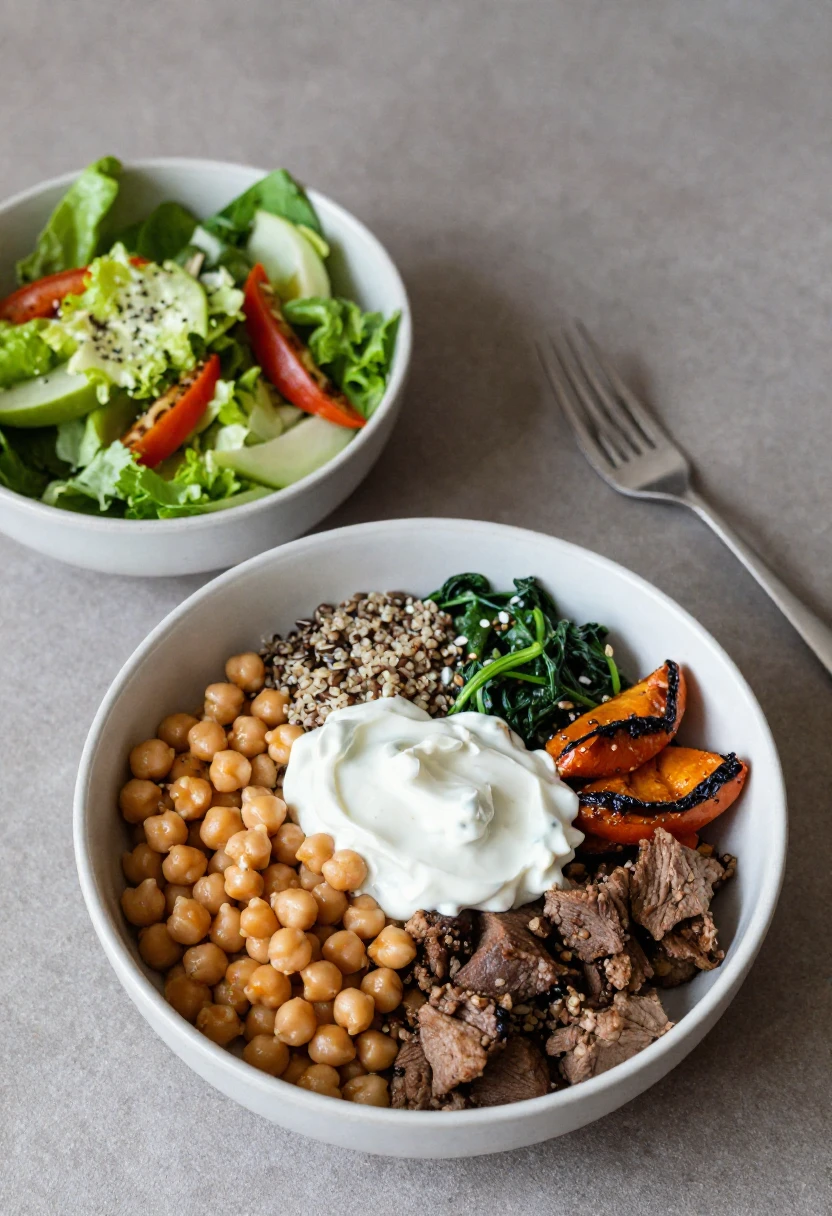
Meatless eating gets much easier once you know what usually goes wrong.
Most people do not struggle because they hate beans or tofu. They struggle because the meal is missing something. Not enough protein. Not enough fat. No sauce. No crunch. No salt. Sometimes it is technically “healthy,” but it feels unfinished.
And unfinished meals are the ones that send you back to the kitchen later.
Eating only vegetables and calling it a meal
A big bowl of vegetables can be beautiful. Roasted peppers, cucumbers, greens, tomatoes, carrots, maybe some herbs on top. It looks like lunch.
But if there is no real protein source, it probably will not feel like lunch for long.
Vegetables are important, of course. They add fiber, color, freshness, and texture. But they usually need support from foods like lentils, beans, eggs, tofu, Greek yogurt, cottage cheese, nuts, seeds, or whole grains.
Instead of a plain vegetable salad, make it more complete:
- Add chickpeas, lentils, boiled eggs, tofu, or edamame
- Use Greek yogurt, tahini, or hummus in the dressing
- Sprinkle pumpkin seeds, sunflower seeds, or chopped nuts on top
- Serve it with quinoa, barley, whole-grain bread, or potatoes
A cucumber and tomato salad is refreshing. Add white beans, feta, olive oil, lemon juice, and herbs, and it becomes lunch.
That is the difference.
Relying too much on ultra-processed meat substitutes
Meat substitutes can be useful. I am not against them.
A veggie burger from the freezer can save dinner. Plant-based sausages can make a quick meal feel familiar. Meatless nuggets are convenient when you are tired and everyone wants something crispy.
But they work best as convenience foods, not the foundation of every meatless meal.
Some meat substitutes are high in protein. Some are not. Some are very salty. Some have long ingredient lists. That does not mean you can never eat them. It just means they should not be your only plan for protein without meat.
A better everyday base is simpler:
- Beans
- Lentils
- Chickpeas
- Tofu
- Tempeh
- Eggs
- Greek yogurt
- Cottage cheese
- Nuts and seeds
- Whole grains
Use meat substitutes when they make life easier. But keep the basic ingredients around too. They are usually cheaper, more flexible, and easier to turn into different meals.
Forgetting flavor
This is the big one.
People blame tofu, lentils, or beans for being boring, but often the real problem is under-seasoning.
Meatless meals need flavor just like meat-based meals do. Maybe even more, because you are not relying on browned meat or animal fat to carry the dish.
Useful flavor boosters:
- Lemon juice or vinegar
- Garlic
- Onion
- Smoked paprika
- Cumin
- Chili flakes
- Fresh herbs
- Soy sauce
- Miso
- Tahini
- Mustard
- Pesto
- Olive oil
- Pickles or capers
Acid is especially important. A squeeze of lemon can wake up lentils, beans, soups, grain bowls, and roasted vegetables. I add it at the end because the flavor stays brighter that way.
Texture matters too. A bowl of soft lentils, soft rice, and soft vegetables may taste fine, but it can feel dull after a few bites. Add toasted seeds, chopped nuts, crisp cucumbers, roasted chickpeas, or crunchy cabbage, and the meal gets more interesting.
A good meatless meal usually has contrast: creamy and crunchy, warm and fresh, savory and bright.
That is what keeps you wanting the next bite.
Not eating enough overall
This one sounds obvious, but it happens a lot.
Someone removes meat from their meals, does not replace it with enough other filling foods, and then feels tired, snacky, or unsatisfied. Then they assume meatless eating does not work for them.
Sometimes the meal is simply too small.
If you are used to eating chicken with rice and vegetables, and you switch to only vegetables and a little rice, that is not a fair comparison. Add beans, tofu, eggs, lentils, yogurt sauce, nuts, seeds, avocado, or extra grains.
A meatless plate still needs substance.
For example:
- Instead of plain vegetable soup, add lentils or white beans
- Instead of toast with tomato, add cottage cheese or eggs
- Instead of salad with dressing, add chickpeas and seeds
- Instead of noodles with vegetables, add tofu or edamame
- Instead of oatmeal with fruit, add Greek yogurt and peanut butter
Protein without meat is not hard, but you do need to be intentional. Not perfect. Just intentional enough that your meal does its job.
A simple weekly plan for eating enough protein without meat
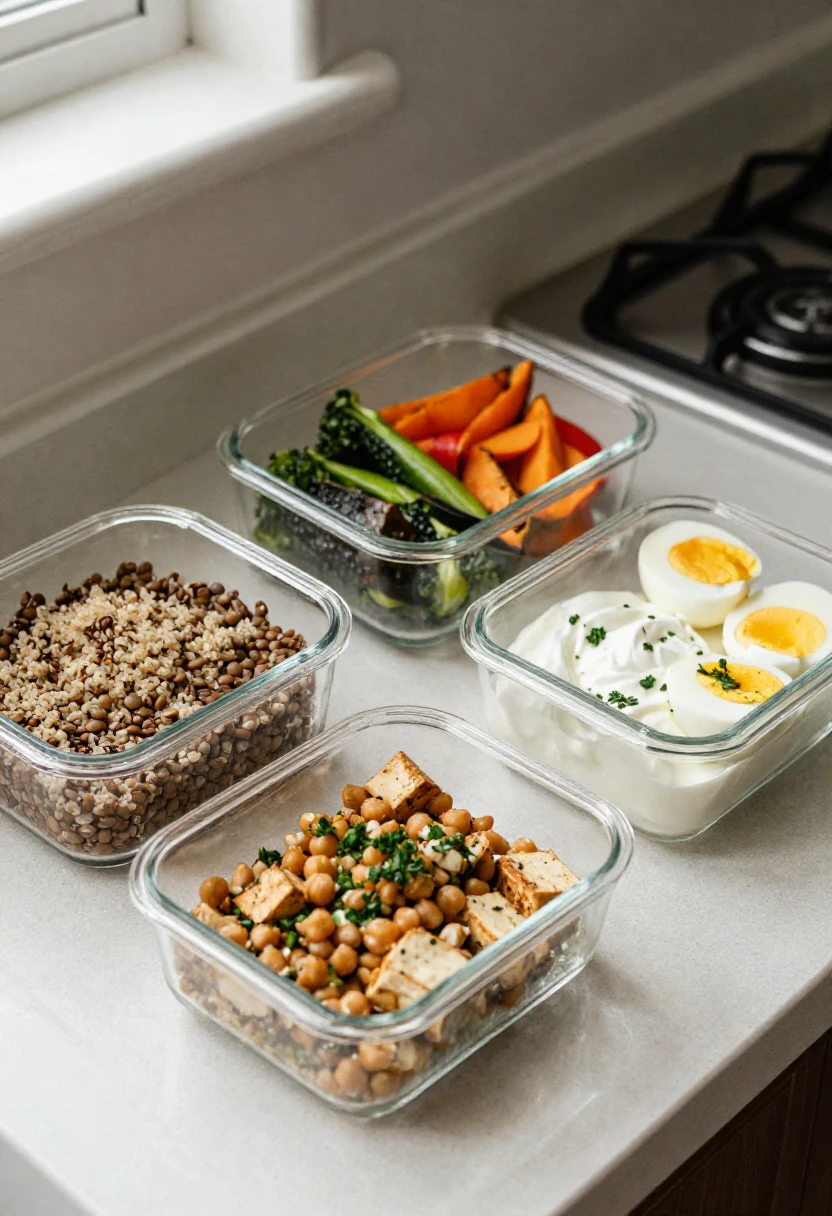
You do not need a perfect meal plan to get enough protein without eating meat.
Actually, a perfect plan can become the problem. It looks beautiful on Sunday, then real life happens. Someone eats the leftovers you were saving. You forget to soak the beans. You come home tired and suddenly the carefully planned chickpea patties feel like too much work.
A better plan is flexible. Keep a few protein-rich foods ready, then mix them into easy meals during the week.
Keep three protein staples ready
Start with three meatless protein staples you like enough to repeat.
For example:
- Cooked lentils
- Greek yogurt
- Eggs
- Tofu
- Chickpeas
- Cottage cheese
- Black beans
- Edamame
- Hummus
You do not need all of them at once. Pick three.
A simple weekly setup might be:
- A container of cooked lentils
- A tub of Greek yogurt
- A block of tofu or a carton of eggs
With just those three, you can make a lot.
Lentils can go into soup, bowls, salads, wraps, or pasta sauce. Greek yogurt can be breakfast, a snack, or a sauce. Tofu or eggs can become dinner when you have vegetables and rice, noodles, potatoes, or toast.
That is the kind of planning that actually helps. Not a strict schedule. More like giving yourself a few good options.
Batch-cook one base
If you cook one bigger thing each week, make it something you can reuse.
Good options:
- Lentil soup
- Bean chili
- Chickpea salad
- Cooked quinoa or brown rice
- Roasted chickpeas
- Red lentil curry
- White bean and vegetable soup
Lentil soup is probably the easiest place to start. It reheats well, freezes well, and tastes better the next day. Bean chili is another strong choice because you can serve it with rice, potatoes, tortillas, avocado, yogurt, or a simple salad.
Chickpea salad is great if you want something cold and ready. Mash chickpeas with lemon, mustard, Greek yogurt or tahini, salt, pepper, and something crunchy like cucumber, celery, or pickles. Keep it in the fridge and use it for wraps, toast, or bowls.
One cooked base gives the week a little structure. Not too much. Just enough.
Build flexible meals instead of strict menus
Strict menus can feel helpful until you miss one day and the whole plan falls apart.
Flexible meals are easier.
Think in meal shapes:
- Breakfast bowl
- Grain bowl
- Soup
- Wrap
- Toast
- Snack plate
- Pasta
- Stir-fry
Then plug in your protein.
A breakfast bowl could be Greek yogurt with oats, berries, and seeds. A grain bowl could be quinoa with chickpeas, vegetables, and tahini sauce. A soup could be red lentils with carrots and spices. A wrap could be hummus, eggs, cucumber, and greens.
You are not starting from zero each time. You are just changing the pieces.
A realistic three-day example
Here is what this can look like without turning your kitchen into a meal prep factory.
Day 1
Breakfast: Greek yogurt with oats, berries, and walnuts
Lunch: Chickpea salad wrap with greens
Dinner: Red lentil curry with rice
Day 2
Breakfast: Oatmeal with peanut butter and chia seeds
Lunch: Lentil soup with whole-grain bread
Dinner: Tofu stir-fry with broccoli and noodles
Day 3
Breakfast: Eggs with toast and tomatoes
Lunch: Quinoa bowl with black beans, avocado, and salsa
Dinner: Pasta with white beans, garlic, greens, and parmesan
Nothing here is strange or fussy. It is normal food, just built with protein in mind.
And that is the point. You do not need to eat a completely different diet to get enough protein without meat. You need a few reliable ingredients, a little seasoning, and meals that feel good enough to repeat.
Conclusion
Getting enough protein without eating meat is not about forcing yourself into complicated recipes or buying every new plant-based product you see.
Start with foods that already make sense in your kitchen: lentils, beans, chickpeas, tofu, eggs, Greek yogurt, cottage cheese, nuts, seeds, oats, quinoa, and whole grains. Use them in soups, bowls, wraps, breakfasts, snacks, and easy dinners.
The best meatless meals are filling, flavorful, and realistic. They have protein, yes, but they also have sauce, crunch, color, and enough comfort to make you want them again.
Start with one meal. Maybe lentil soup. Maybe a chickpea wrap. Maybe Greek yogurt with oats and seeds tomorrow morning.
Small changes are easier to keep. And they still count.
FAQ
Can you get enough protein without meat?
Yes, you can get enough protein without meat by eating foods like lentils, beans, chickpeas, tofu, tempeh, eggs, Greek yogurt, cottage cheese, nuts, seeds, and whole grains. The easiest approach is to include at least one protein-rich food in each meal.
What is the easiest meatless protein to cook?
Lentils are one of the easiest meatless proteins to cook because they do not need soaking and cook faster than dried beans. Red lentils are especially simple because they soften quickly in soups, curries, and stews.
Are beans and lentils enough protein for a meal?
Beans and lentils can absolutely be part of a filling protein-rich meal, especially when you pair them with grains, vegetables, seeds, yogurt sauce, eggs, or tofu. A bowl with lentils, rice, roasted vegetables, and tahini or yogurt sauce is much more satisfying than lentils alone.
What can I eat instead of meat for dinner?
Good meatless dinner options include black bean chili, red lentil curry, tofu stir-fry, pasta with white beans and greens, chickpea stew, baked eggs in tomato sauce, lentil soup, tempeh tacos, or a quinoa bowl with beans and vegetables.