Calories. Grams of protein. Net carbs. Sugar. Fat. Fiber. Serving size. If you have ever stood in a grocery aisle comparing two boxes of cereal like you were solving a small math problem, you know the feeling. One has fewer calories, the other has more protein. One looks healthier, but the ingredient list reads like a tiny science project. So you turn the package around again and try to make the “right” choice.
I understand why people do it. Numbers feel clear. Food can feel confusing.
But healthy eating is more than counting calories because your body is not a calculator. It does not simply take a number from a label, process it neatly, and give you the same result every time. Your body reacts to food through digestion, hormones, hunger, energy, stress, sleep, movement, and even mood. A meal that keeps you full and steady on one day may feel completely different after a terrible night of sleep or a stressful morning.
That does not mean calories are useless. They can help. Nutrition labels can help too. They give you a starting point, especially when you are trying to understand portions or compare packaged foods. The problem starts when the number becomes the whole story.
Because food is never only a number.
A bowl of lentil soup, a glazed doughnut, a handful of almonds, and a yogurt bowl may all fit into a calorie target, but your body will not experience them the same way. Some foods digest slowly and keep you satisfied. Some hit quickly and leave you searching for something else an hour later. Some meals feel good in your stomach. Others technically look “healthy” on paper but leave you bloated, tired, or oddly hungry.
That is where healthy eating becomes more personal, and honestly, more interesting.
It is about learning how food works in your body, not just how it looks in an app. It is about noticing which meals give you steady energy, which snacks actually help, which breakfasts carry you to lunch, and which “low-calorie” choices leave you raiding the pantry at 9 p.m.
The better question is not only, “How many calories are in this?”
It is also:
- Will this meal keep me full?
- Does it give me protein, fiber, fat, or real nourishment?
- How will I feel two hours after eating it?
- Can I repeat this habit without feeling miserable?
- Do I actually enjoy this food?
Once you start thinking this way, healthy eating becomes less like a punishment and more like a conversation with your own body. You still use information. You still make thoughtful choices. But you stop treating every meal like a test you can pass or fail.
And that makes eating well feel a lot more realistic.
Why healthy eating is more than counting calories
Calorie math feels simple, but bodies are not calculators
Calorie counting has one big appeal: it gives you rules.
You eat this amount. You stay under that number. You track breakfast, lunch, dinner, snacks, maybe even the splash of milk in your coffee. For some people, especially at the beginning, that structure can feel helpful. It turns a messy topic into something you can measure.
But then real life gets involved.
You eat the “correct” breakfast and feel hungry by 10 a.m. You choose the lower-calorie lunch and end up picking at crackers all afternoon. You skip the dressing on your salad, only to feel unsatisfied enough to eat something sweet right after. Technically, you followed the numbers. Your body just did not agree with the plan.
That is because your body does not read food the way an app does.
A tracking app sees 250 calories. Your body notices whether those calories came with protein, fiber, fat, water, minerals, texture, and enough actual volume to make your stomach feel like you ate something. It also notices whether you slept badly, whether you are stressed, whether you worked out, whether your hormones are shifting, and whether you have been under-eating for three days.
Two people can eat the same lunch and have completely different responses. One feels full for hours. The other feels tired, bloated, or hungry again almost immediately. Same meal. Different bodies. Different day, even.
This is why healthy eating is more than counting calories. The number matters sometimes, but it does not explain the whole reaction.
Numbers can guide you, but they should not run your plate
I am not against nutrition labels. I use them. They are useful when you want to compare two yogurts, check how much added sugar is in a sauce, or see whether a granola bar is actually filling or just sweet and tiny.
The problem is when the label gets louder than your own body.
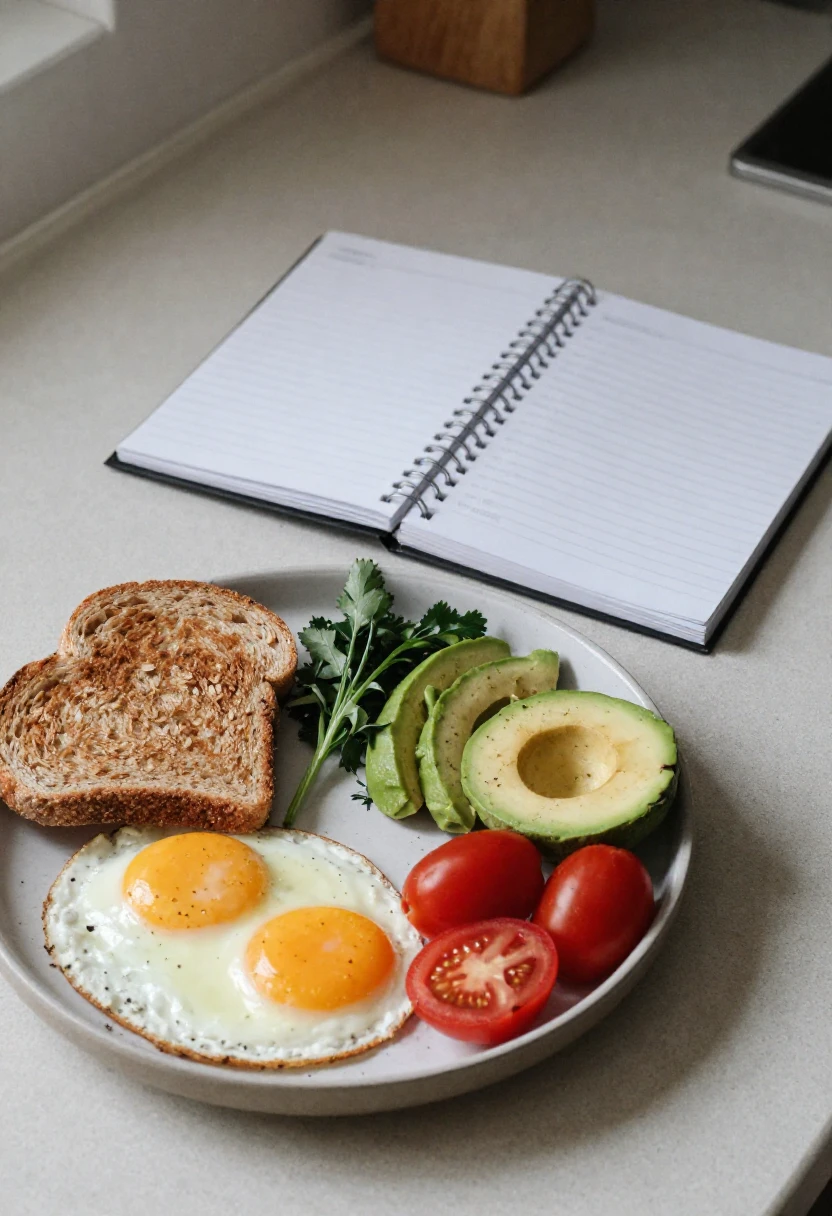
A food can be low in calories and still leave you unsatisfied. Another food can be higher in calories but keep you full, calm, and energized for hours. Think about a small pack of low-calorie crackers compared with a slice of whole-grain toast topped with avocado and egg. The crackers may “win” on the label. The toast may win in real life.
That difference matters.
Healthy eating works better when numbers become tools, not rules. You can check calories, protein, fiber, and sugar, then still ask the more human question: “Will this actually work for me?”
Sometimes the answer is obvious. A breakfast that leaves you shaky by mid-morning probably needs more protein or fat. A lunch that makes you sleepy may be too heavy, too low in fiber, or simply too large for that moment. A snack that tastes good but never satisfies you may need a partner, like fruit with nuts, yogurt with berries, or hummus with vegetables.
Food choices get easier when you stop looking for the lowest number and start looking for the better result.
What calories can and cannot tell you
A calorie is a measure of energy, not food quality
Calories tell you how much energy a food provides. That part is useful.
But calories do not tell you whether a food will satisfy you, support your digestion, keep your blood sugar steady, or help you feel good through the afternoon. They do not tell you how much chewing is involved, how slowly the meal digests, or whether you will be hungry again in forty minutes.
That is where calorie counting can get a little misleading.
A 100-calorie snack pack may look “better” than a bowl of oatmeal with nuts and berries because the number is smaller. But the oatmeal brings more fiber, more volume, more texture, and more staying power. You actually feel like you ate breakfast. Your body has something to work with.
The same thing happens with drinks. A low-calorie soda may fit neatly into a calorie goal, but it does not give your body much nutrition. A smoothie made with yogurt, fruit, and nut butter may have more calories, but it also brings protein, potassium, fiber, and enough substance to count as part of a meal.
That does not make one “good” and the other “bad.” It just means the calorie number is only one small piece of information.
Food quality matters because your body needs more than fuel. It needs building blocks. Protein to repair tissue. Fats for hormones and absorption of certain vitamins. Carbohydrates for energy. Fiber for digestion and fullness. Minerals and vitamins for all the quiet work your body does without asking for applause.
A calorie label cannot show all of that in a meaningful way.
The same calorie count can feel very different in your body
Picture four small meals that all land around the same calorie range.
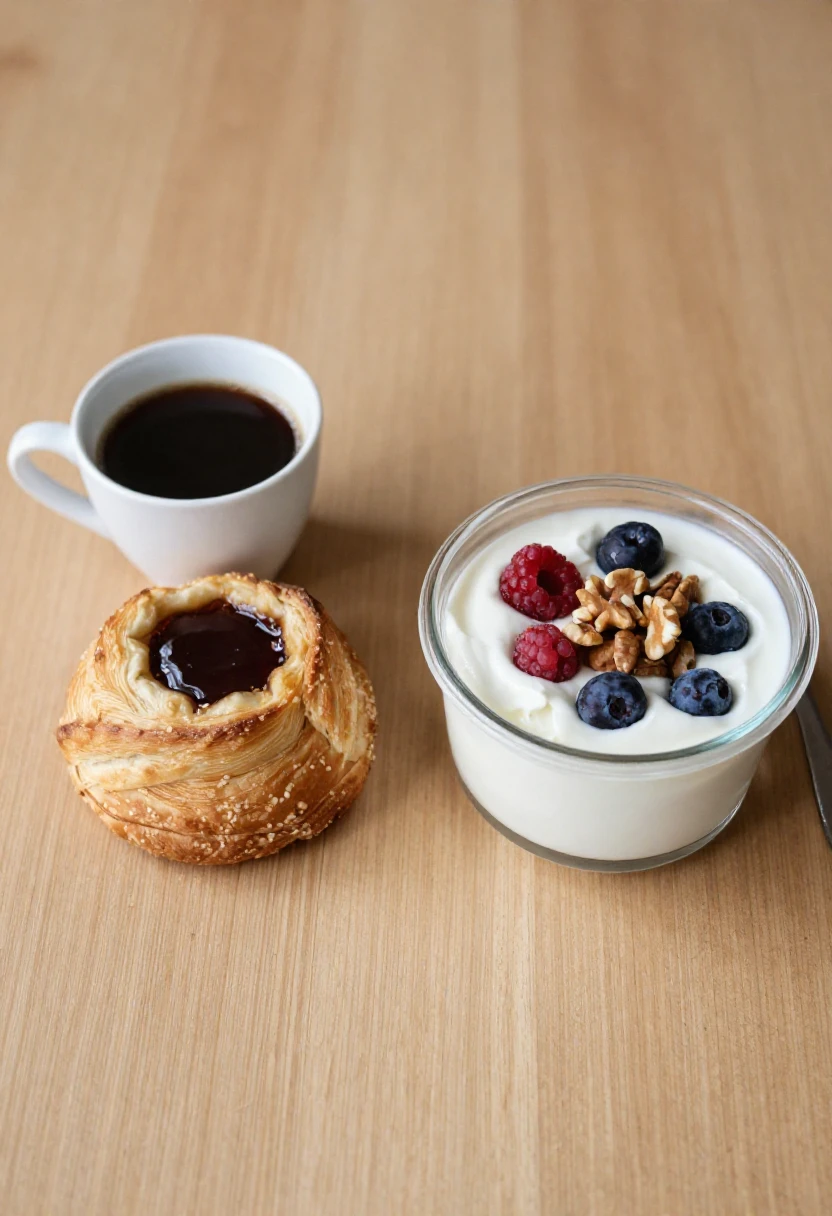
A sweet pastry with coffee.
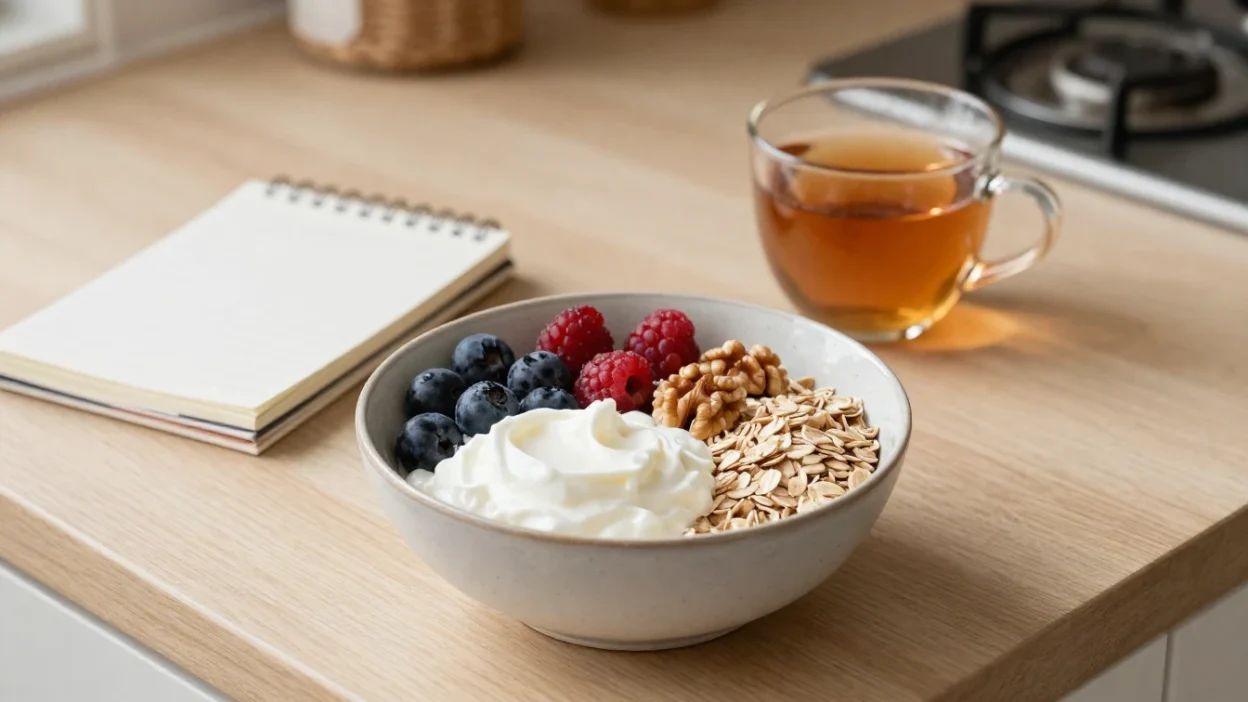
Greek yogurt with berries and walnuts.
Lentil soup with a slice of bread.
An apple with peanut butter.
On paper, they may not look wildly different. In your body, they can feel completely different.
The pastry may taste wonderful, and there is nothing wrong with enjoying one. But if it is mostly refined flour and sugar, it may digest quickly. You get quick energy, then hunger may come back sooner than expected. Sometimes that is fine. Sometimes it sets off a whole morning of snacking.
Greek yogurt with berries and walnuts behaves differently. The yogurt gives protein. The berries add fiber and freshness. The walnuts bring fat and crunch. It takes longer to eat, longer to digest, and usually keeps you steadier.
Lentil soup is another good example. It is warm, filling, and full of fiber. It has weight to it. You can feel the difference between eating a bowl of soup and nibbling something tiny that technically has the same calories.
And apple with peanut butter? Simple, but smart. The apple gives crunch and sweetness. Peanut butter adds fat and a little protein, so the snack feels more complete.
This is why “low-calorie” does not always mean “better.” Sometimes it just means smaller, less filling, or easier to overeat later.
A better question is: what happens after you eat?
Do you feel calm and satisfied? Do you feel sleepy? Do you feel full but not heavy? Are you hungry again too soon? Does your stomach feel comfortable?
Your body chemistry changes how food is used
Metabolism is personal
People talk about metabolism like it is one fixed setting, almost like a speed on a machine.
Fast metabolism. Slow metabolism. Good metabolism. Bad metabolism.
In real life, it is more complicated than that. Your metabolism is shaped by your body size, muscle mass, age, activity level, hormones, sleep, stress, health history, and even how much you have been eating lately. It is not the same every day, and it is definitely not the same from person to person.
This is one reason calorie advice can feel so frustrating.
One person cuts back a little and feels fine. Another person eats the same amount and feels cold, tired, irritable, or constantly hungry. Someone who lifts weights may use a meal differently than someone who sits most of the day. A teenager, a pregnant woman, a person recovering from illness, and someone going through menopause do not have the same needs.
Your body is always adjusting.
That does not mean healthy eating has to become complicated. It just means your food choices should leave room for real life. If you are more active this week, you may need more food. If you slept badly, you may crave quicker energy. If you are stressed, your digestion may feel different. If you have been eating too little, your hunger may get louder.
Your body is not being dramatic. It is responding.
Stress and sleep can change hunger and digestion
A bad night of sleep can make even the most reasonable eating plan fall apart.
You wake up tired, drink more coffee than usual, and suddenly sweet or salty foods look much more appealing. Lunch does not satisfy you. By late afternoon, you want something quick, preferably something crunchy or sugary. It is not just “lack of willpower.” Your body is asking for energy the fastest way it knows how.
Stress can do something similar.
Some people lose their appetite when they are stressed. Others feel hungry all day. Some get stomach tightness, bloating, heartburn, or that uncomfortable feeling where food sits like a stone. The same meal that felt fine on a calm Sunday can feel heavy on a rushed Monday.
This is why judging your eating only by calories can miss the point.
If you are exhausted, a tiny low-calorie lunch may technically fit your goal, but it may also set you up for a rough evening. You might need a more grounding meal: eggs and toast, soup with beans, rice with chicken and vegetables, yogurt with fruit and nuts. Something that gives your body a little steadiness.
Healthy eating is not only about choosing the smallest portion. Sometimes it is about choosing the meal that keeps you from spiraling into random snacks later.
Your needs change from season to season
Your body does not live in a perfectly controlled nutrition chart. It lives in weather, work deadlines, holidays, workouts, travel, stress, family dinners, and ordinary Tuesday fatigue.
Some weeks you want crisp salads, fruit, smoothies, and lighter meals. Other weeks, especially when it is cold or you are tired, a bowl of soup feels much better than a raw vegetable plate. That does not mean you have “lost discipline.” It means your body may be asking for warmth, comfort, and slower energy.
There are also times when your appetite naturally changes.
You may feel hungrier when you are training more, walking more, sleeping less, recovering from being sick, or going through hormonal shifts. You may want different foods before your period, after a workout, during a stressful project, or when the weather changes. A rigid calorie target does not always handle those changes well.
This is where paying attention helps.
Maybe breakfast needs more protein. Maybe your usual salad needs grains or beans so it actually holds you. Maybe your evening cravings are not a character flaw, but a sign that lunch was too small. Maybe the “healthy snack” you keep buying just does not work for your body.
The goal is not to analyze every bite. That gets exhausting.
The goal is to notice patterns. When a meal keeps you full, remember it. When a meal leaves you shaky, adjust it. When your body needs more food, do not treat that as failure.
That kind of awareness is much more useful than chasing the lowest number on the label.
Nutrients on a label are not always nutrients you absorb
Food form matters
A nutrition label can tell you what is in a food. It cannot always tell you what your body will actually absorb from it.
That sounds small, but it changes a lot.
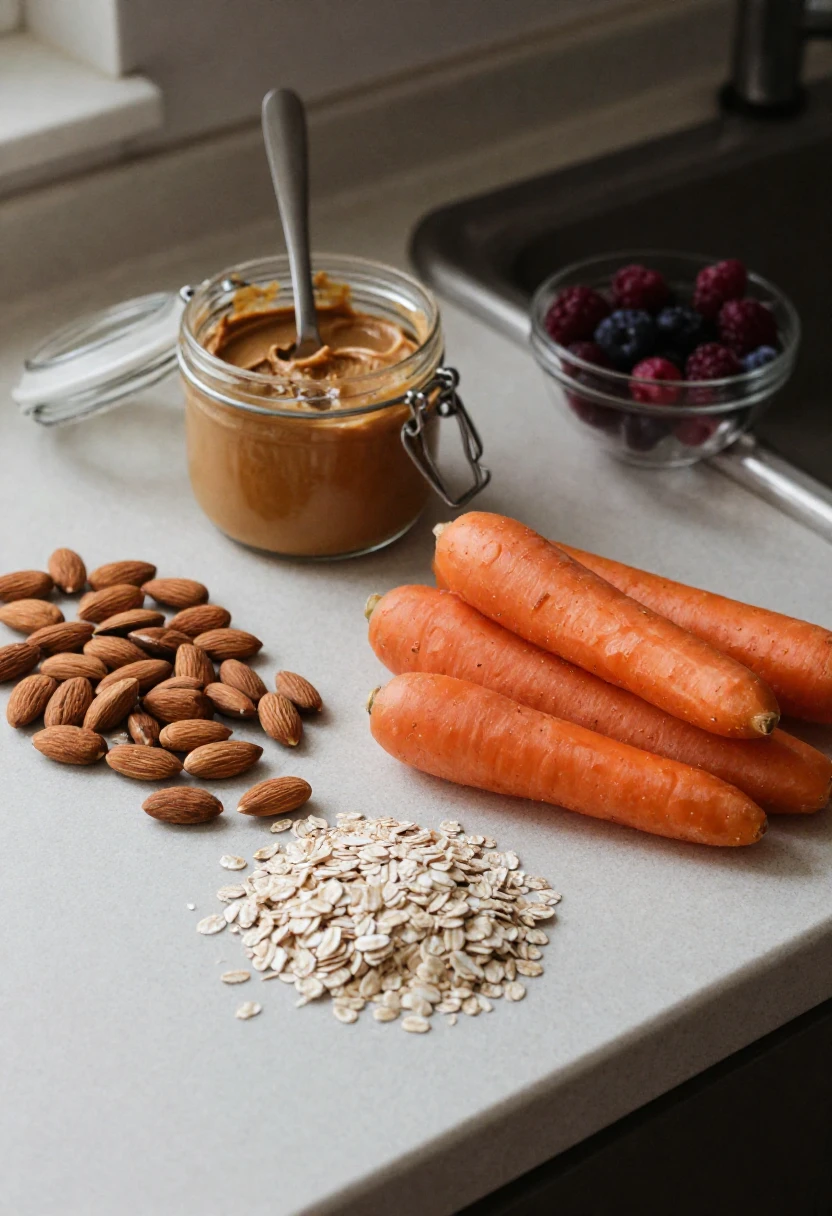
Food is affected by the way it is cooked, chopped, blended, fermented, roasted, cooled, reheated, or eaten with other foods. A raw carrot and a cooked carrot are not exactly the same experience for your body. Whole fruit and fruit juice are not the same either, even if they come from the same orange.
Think about almonds. The label may list a certain number of calories, but your body does not always absorb every bit of fat from whole nuts because some of it stays trapped in the nut’s structure. Nut butter is different because the nuts are ground down. Same ingredient, different form.
Or take oats. A bowl of slow-cooked oats with berries and seeds digests differently than a sweet instant oatmeal packet. Both may start with oats, but texture, sugar, fiber, and how quickly you eat it can all change how full you feel afterward.
Cooking can also help. Some foods become easier to digest after heat breaks them down a little. Tomatoes, for example, release more lycopene when cooked, especially with a little fat. Beans often feel better when soaked, cooked well, and eaten in portions your body can handle.
This is one reason “healthy” eating can look different from person to person. Raw salads work beautifully for some people. Others feel better with cooked vegetables, soups, stews, roasted roots, or softer meals.
The best food on paper is not always the best food for your stomach.
Fiber, fat, and protein slow things down
If there is one thing calorie math often misses, it is staying power.
A meal with fiber, fat, and protein usually takes longer to digest than a meal made mostly of refined carbs or sugar. That slower digestion can help you feel full longer and avoid the sharp hungry feeling that shows up soon after a snack that was too light.
This is why a plain rice cake may not do much for you, but a rice cake with peanut butter and banana feels more useful. The calories go up, yes. But so does the chance that the snack will actually hold you until the next meal.
The same idea works with breakfast.
Toast by itself may be fine for a quick bite, but toast with eggs or cottage cheese has more protein. Oatmeal with water may fill your stomach for a little while, but oatmeal with Greek yogurt, nuts, or chia seeds usually lasts longer. A smoothie made only with fruit may taste fresh, but adding yogurt, milk, tofu, or nut butter gives it more balance.
This does not mean every meal has to be perfectly built. Nobody eats like that all the time.
But when you keep getting hungry too quickly, it helps to check the basics. Did the meal have protein? Did it have fiber? Was there any fat? Was it enough food, or did it only look “good” because the number was low?
Sometimes the fix is not discipline. Sometimes it is adding the thing your meal was missing.
Your gut has a say too
Your gut is not a silent passenger in this process.
You can choose a meal that looks perfect on a nutrition chart and still feel uncomfortable after eating it. Maybe it has too much fiber at once. Maybe it is heavy on foods you do not tolerate well. Maybe you ate too fast. Maybe stress tightened your stomach before the first bite.
This is especially true with foods that are often labeled as healthy: beans, cruciferous vegetables, protein bars, raw greens, dairy, high-fiber cereals, sugar alcohols, and large salads. They can be great for some people. They can also cause bloating, gas, cramps, or that “why do I feel worse after eating healthy?” feeling.
That does not mean you should avoid them automatically. It means your body may need smaller portions, different preparation, or a slower adjustment.
Beans may feel better when you start with a few spoonfuls instead of a giant bowl. Vegetables may feel better roasted than raw. Yogurt may work better than milk. A simple soup may sit better than a huge cold salad.
Healthy eating becomes easier when you stop forcing foods just because they look impressive online.
Your gut gives feedback all day long. Comfort, fullness, regularity, bloating, energy, appetite. It is not always convenient feedback, but it is useful. The goal is not to eat the most “perfect” foods. The goal is to find foods that nourish you and feel good enough to repeat.
Why “good” and “bad” foods are too simple
Context changes everything
Food does not exist in a vacuum.
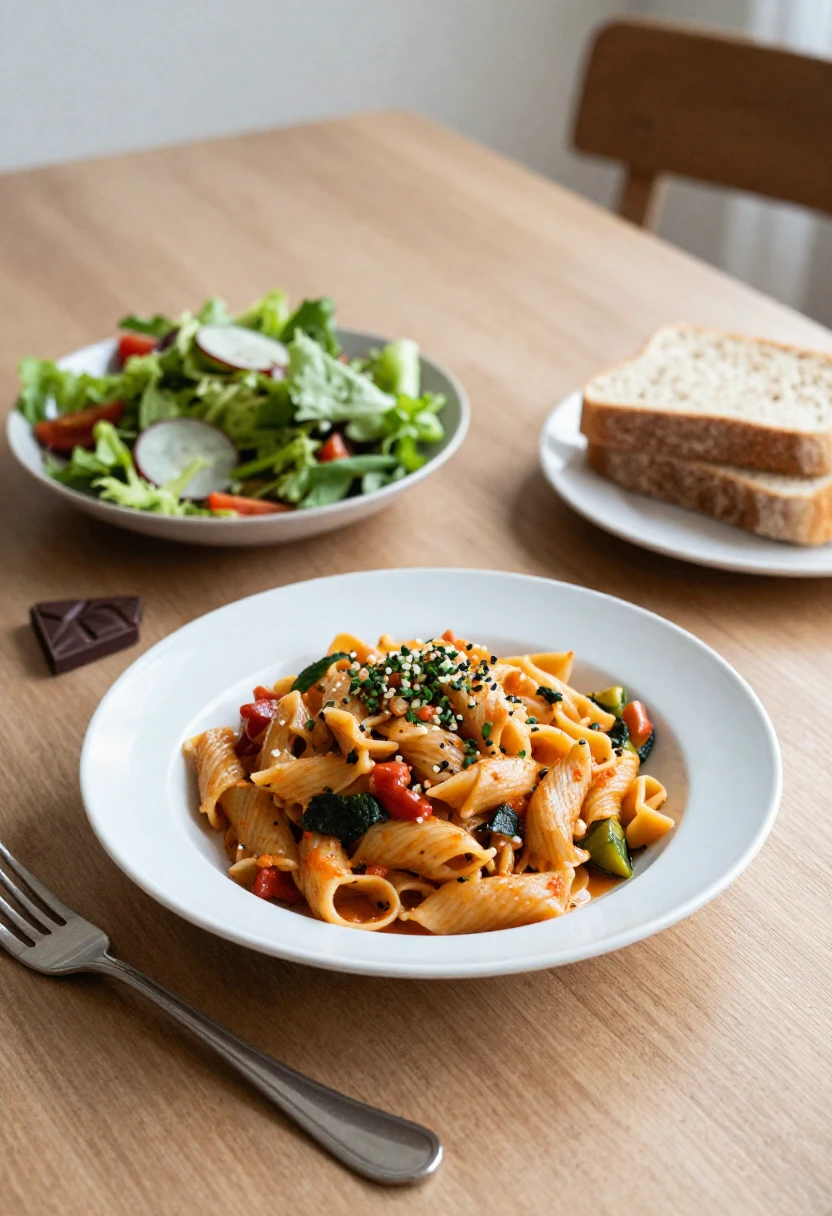
A banana can be a quick pre-workout snack. It can also be the thing you grab before a meeting because you forgot breakfast. White rice can be easy on the stomach when you are sick. Chocolate can be a small pleasure after dinner. Saltier food may feel good after a sweaty walk or a hard workout.
The same food can make sense in one moment and feel less useful in another.
That is why “good food” and “bad food” labels often create more confusion than clarity. They make food sound like a moral choice, when most of the time it is a practical one. What do you need right now? Energy? Comfort? Protein? Something gentle? Something quick? Something that keeps you from getting too hungry before dinner?
A salad can be a great lunch, but if it is just lettuce, cucumber, and a little dressing, it may not carry you very far. Add chicken, chickpeas, eggs, grains, avocado, cheese, or a thick piece of bread on the side, and suddenly it becomes a meal.
The food did not become “cleaner.” It became more useful.
Restrictive thinking can backfire
Strict food rules can feel powerful at first.
No sugar. No bread. No eating after 7 p.m. Only low-calorie snacks. Always choose the light version. Never eat dessert unless you “earned” it.
For a little while, rules can make eating feel simpler. Then they often start taking up too much space in your head.
You go to dinner and spend more time calculating than tasting. You eat something you enjoy and feel guilty before you even finish it. You ignore hunger because the numbers say you have already had enough. Then later, when you are too tired to be disciplined, you eat in a way that feels rushed and disconnected.
I think this is where many people get stuck. They believe the problem is that they need more control. Often, they need a better rhythm.
A more flexible approach usually works better. Eat enough at meals. Include foods you enjoy. Do not make every snack a tiny diet version of what you actually wanted. If you want something sweet, have it with intention instead of turning it into a three-hour negotiation with yourself.
Food guilt rarely leads to better habits. It usually leads to noise.
A healthy diet still has room for pleasure
Healthy eating should leave room for food that simply tastes good.
The smell of warm bread. A bowl of pasta with olive oil and garlic. Strawberries that actually taste like summer. Soup on a cold evening. A piece of cake at someone’s birthday. These things matter too.
Pleasure helps make eating sustainable. When your meals are satisfying, you are less likely to feel like you are constantly waiting for a “cheat” moment. You can enjoy the food in front of you and move on with your day.
That does not mean every meal has to be rich or indulgent. Most meals can be simple: eggs and toast, rice with vegetables, lentil soup, roasted chicken, yogurt with fruit. But even simple food should feel worth eating. Add herbs. Use enough salt. Toast the bread. Roast the vegetables until the edges brown. Put lemon juice on the fish. Make the meal feel finished.
Calories do not measure that.
A meal can be nutritious and still be boring. It can be low in calories and still leave you unsatisfied. It can be higher in calories and still be the better choice because it gives you comfort, fullness, and a reason to keep eating well tomorrow.
That is the part calorie math misses. Food is also memory, texture, smell, culture, habit, and joy.
A practical way to eat beyond calorie counting
Build meals around fullness, not just numbers
A meal does not need to be complicated to work well.
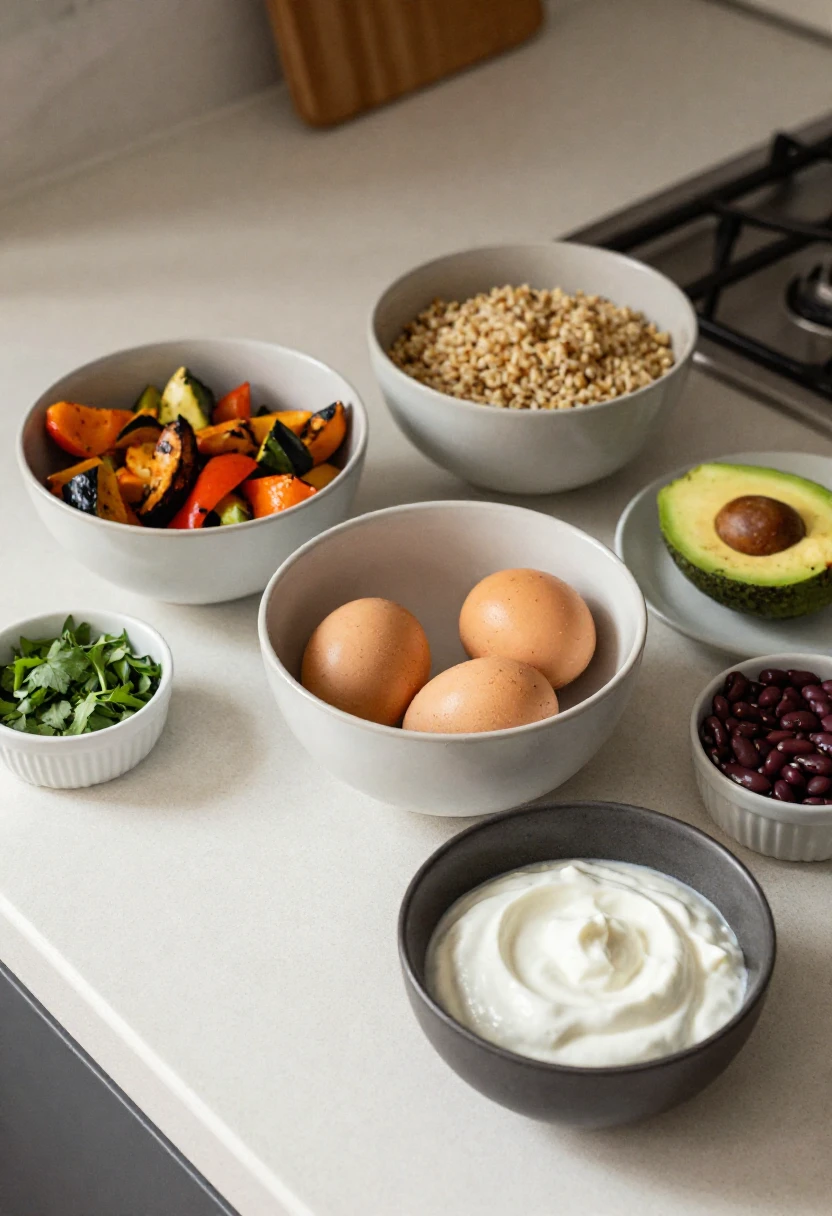
Most of the time, a satisfying plate has a few basic parts: something with protein, something with fiber, something with color, a little fat, and enough flavor that you actually want to eat it.
That might sound too simple, but simple is often what lasts.
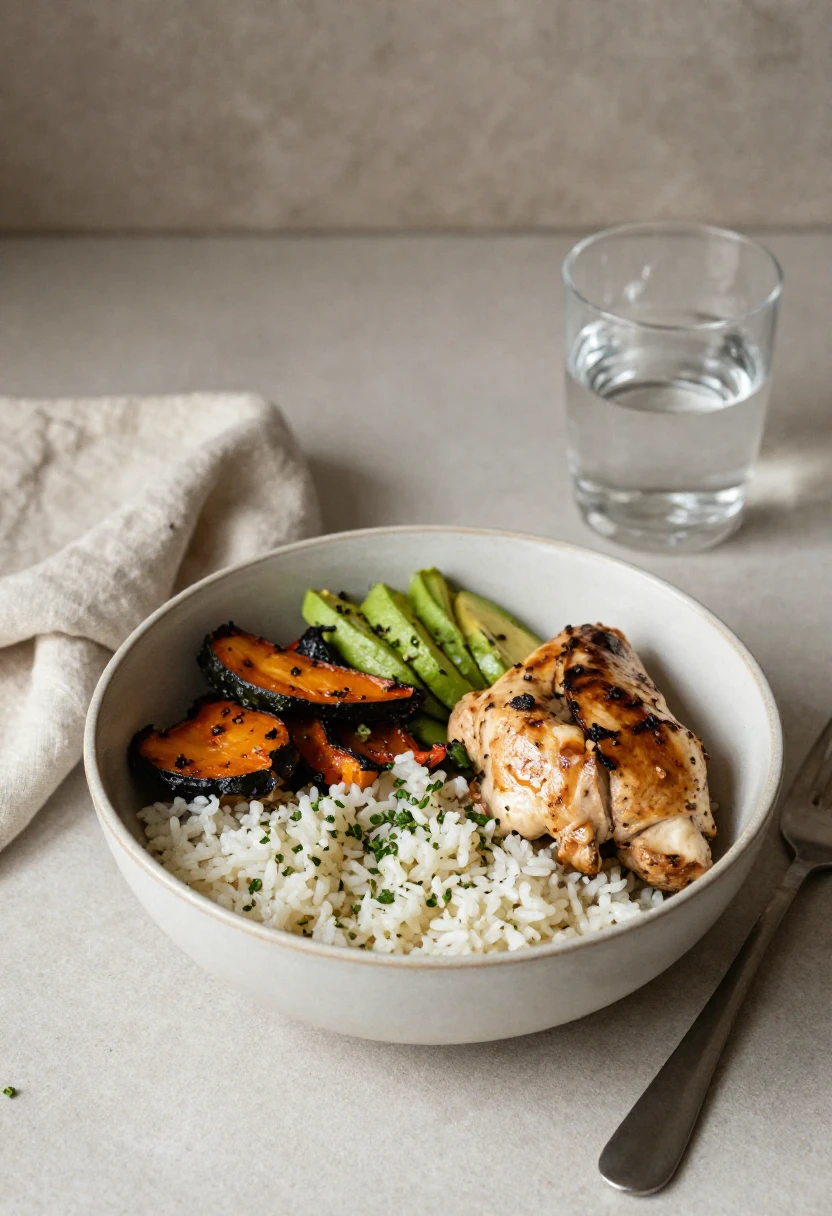
A bowl of rice with chicken, roasted vegetables, avocado, and salsa can be a solid meal. So can eggs with whole-grain toast and tomatoes. So can lentil soup with olive oil and a piece of bread. None of these meals require perfect tracking. They just give your body more to work with than a tiny snack or a low-calorie meal that leaves you looking for something else.
Protein helps with fullness. Fiber slows digestion and supports your gut. Fat makes meals more satisfying and helps absorb certain nutrients. Carbs give energy, especially if you are active, tired, or trying to get through a long day without feeling flat.
And flavor matters more than people admit.
If your “healthy” lunch is dry chicken and plain lettuce, you may eat it, but you probably will not look forward to eating it again. Add a sauce, herbs, roasted vegetables, pickled onions, a squeeze of lemon, or a small handful of cheese, and suddenly the meal feels like food instead of a task.
That is the kind of healthy eating people can repeat.
Notice how food makes you feel later
One of the easiest ways to eat better is to pay attention to what happens after the meal.
Not in an obsessive way. Just a quiet check-in.
Two or three hours after eating, ask yourself: am I still satisfied? Do I feel steady? Am I sleepy? Is my stomach comfortable? Am I already searching for snacks? Did this meal help me, or did it just look good on paper?
This kind of feedback is useful because it belongs to your actual life.
Maybe your usual breakfast smoothie tastes good but leaves you hungry by 10 a.m. That does not mean smoothies are bad. It might mean yours needs Greek yogurt, protein powder, oats, chia seeds, nut butter, or something more substantial on the side.
Maybe your salad at lunch is technically healthy, but you feel tired and snacky every afternoon. Add beans, chicken, tuna, eggs, grains, potatoes, avocado, or bread. Make it a meal, not a bowl of leaves.
Maybe a big pasta dinner makes you sleepy when you eat it alone, but feels better with vegetables and protein. That is not failure. That is information.
Your body is constantly giving little clues. The point is not to judge every craving or symptom. The point is to learn which meals make your day easier.
Repeat meals that work for your real life
Healthy eating becomes much less stressful when you stop trying to reinvent every meal.
You do not need a brand-new breakfast every morning or a different dinner every night. Most people do better with a few reliable meals they can repeat, adjust, and make without too much thinking.
For breakfast, that might be oatmeal with nuts and fruit, eggs with toast, Greek yogurt with berries, or cottage cheese with fruit. For lunch, maybe a rice bowl, bean soup, chicken wrap, tuna toast, or leftovers from dinner. For dinner, roasted vegetables with salmon, turkey chili, lentil stew, pasta with vegetables and protein, or a sheet-pan meal.
The secret is not that these foods are perfect. It is that they are easy enough to come back to.
A repeatable meal removes decision fatigue. You already know what to buy. You already know how long it takes. You know whether it keeps you full. You know if your stomach likes it. That matters on a normal weekday when you are hungry, tired, and not in the mood to negotiate with yourself.
Start with two or three meals that work. Keep them in rotation. Change the sauce, the vegetable, the grain, or the protein when you get bored.
Healthy eating does not have to feel like a full personality change. Sometimes it starts with a better breakfast, a lunch that actually holds you, and a dinner you can make even when your brain is done for the day.
How to use nutrition labels without obsessing
Check the details that actually help
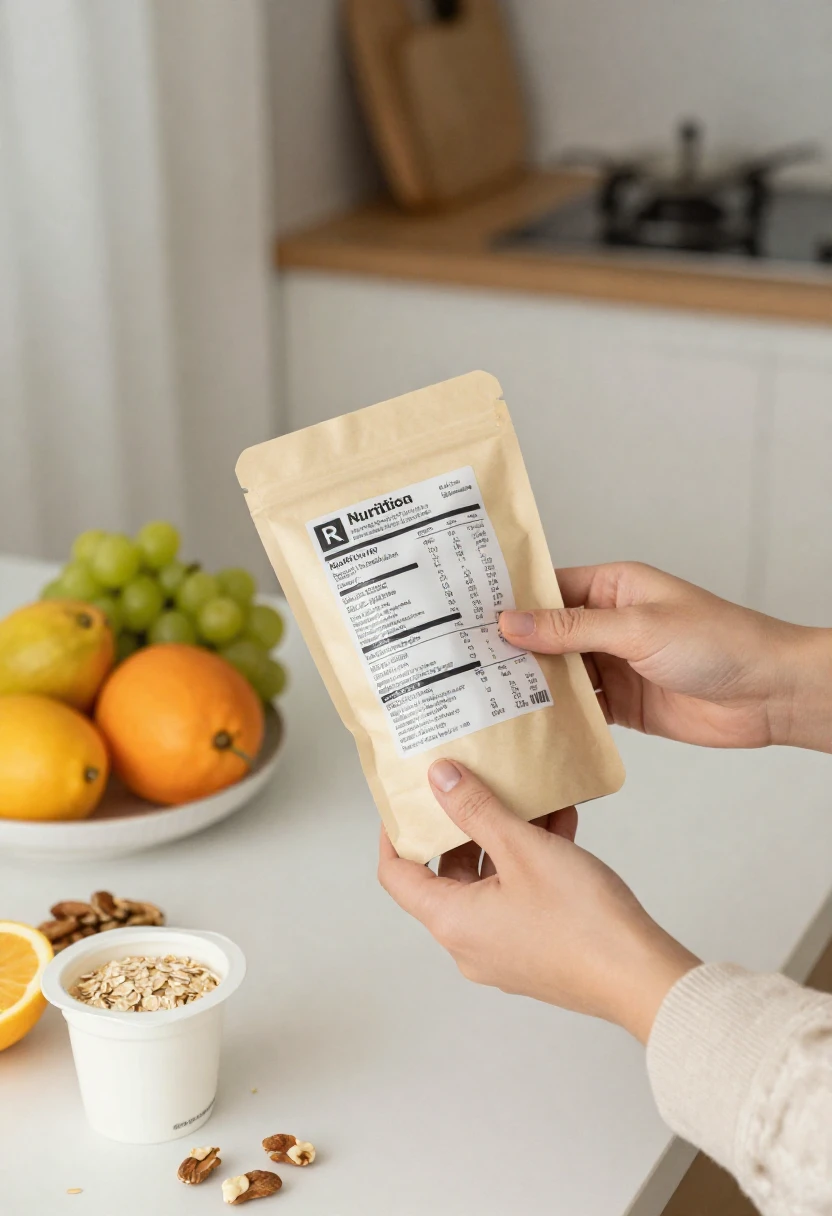
Nutrition labels are useful when you know what you are looking for.
The trouble starts when you stare at the whole label and try to make one perfect decision from twelve different numbers. Calories, fat, saturated fat, carbs, sugar, added sugar, protein, fiber, sodium, serving size. It can feel like a tiny report card on the back of your food.
Start with the parts that actually help you make a better choice.
Serving size comes first. A package may look like one portion, but the label may count it as two or three. That does not mean you “did something wrong” if you eat the whole thing. It just means the numbers need context.
Protein and fiber are worth checking too, especially for breakfasts, snacks, and quick lunches. If a snack has very little protein and almost no fiber, it may not keep you full for long. That does not make it forbidden. It just means you might want to pair it with something more satisfying.
Added sugar is another helpful clue. Some sugar in food is normal, especially in fruit, milk, or yogurt. But added sugar can sneak into granola, sauces, cereals, protein bars, flavored drinks, and even bread. You do not need to avoid it completely. Just notice when it is doing more work than you expected.
Sodium matters too, especially with packaged soups, frozen meals, sauces, deli meats, and salty snacks. Again, it is not about panic. It is about seeing the pattern.
The label is not there to shame you. It is there to give you information.
Compare foods, but do not turn every meal into homework
Labels are most helpful at the grocery store.
They can help you choose the yogurt with more protein, the cereal with more fiber, or the pasta sauce with less added sugar. They can also help you spot foods that sound healthy on the front of the package but look less impressive when you turn them around.
Front labels are marketing. Back labels are closer to the truth.
“Light,” “natural,” “protein-packed,” “low-fat,” “keto-friendly,” “plant-based” — these words can be useful, but they do not automatically mean the food is better for you. A low-fat cookie is still a cookie. A plant-based snack can still be mostly starch, oil, and salt. A protein bar can have enough sweeteners to bother your stomach.
That does not mean you need to inspect everything like a detective.
Pick a few foods you buy often and compare those. Yogurt. Bread. Cereal. Snack bars. Frozen meals. Sauces. Once you find options that work for you, you do not need to recheck them every week.
Food should not feel like homework at every meal.
At some point, you make the best choice you can, put the food in your cart, and move on with your day.
Look for patterns over single meals
One meal does not define your health.
One higher-calorie dinner does not ruin anything. One low-protein breakfast does not matter much if the rest of your day balances out. One slice of cake at a birthday party is just a slice of cake at a birthday party.
Patterns matter more.
Are your breakfasts keeping you full? Are your lunches giving you enough energy? Are most of your snacks helping, or are they just making you hungrier? Are you eating enough fiber during the week? Do you get protein at most meals? Do you feel good after the foods you eat often?
That is where labels can quietly support you.
Maybe you realize your favorite cereal has almost no fiber, so you add berries and Greek yogurt. Maybe your usual frozen lunch is low in protein, so you add boiled eggs or leftover chicken. Maybe your favorite sauce is salty, so you use a little less and add lemon, herbs, or plain yogurt to stretch it.
Small adjustments are usually more useful than dramatic food rules.
Healthy eating is not built from one perfect label. It is built from repeated choices that make your body feel fed, steady, and comfortable most of the time.
Everyday examples of eating beyond calorie math
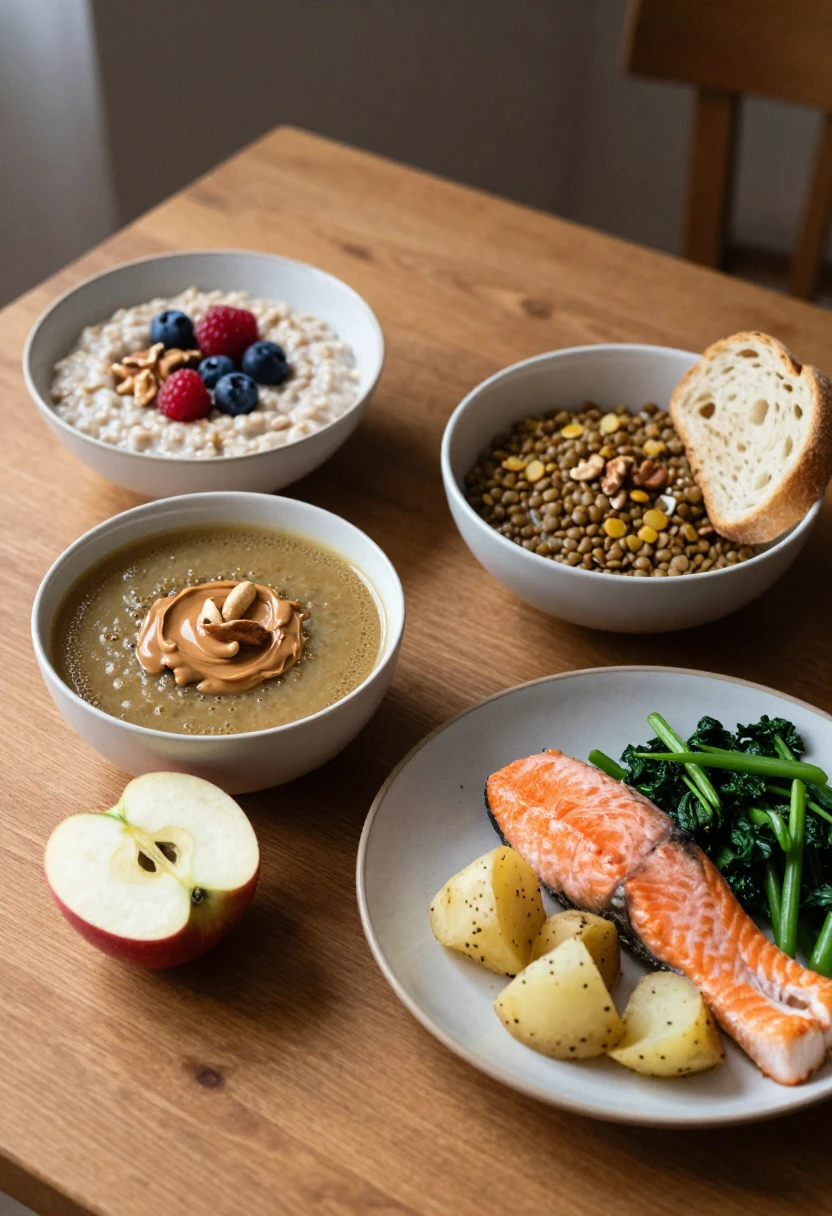
Breakfast that lasts longer
Breakfast is usually where calorie math starts to show its weakness.
You can eat something tiny and “light” in the morning, then spend the next three hours thinking about food. I have done this with fruit alone, plain toast, and those little bars that look sensible but disappear in four bites. They are not wrong foods. They are just not enough for many mornings.
A breakfast that lasts usually has protein, fiber, and a little fat.
Oatmeal is a good example. A plain bowl of oats made with water may fill you for a short while, but add Greek yogurt, milk, chia seeds, peanut butter, walnuts, or berries, and it becomes much more useful. It has texture. It takes longer to eat. It does not vanish from your system quite so fast.
Eggs work the same way. Two eggs with toast and tomatoes may have more calories than a small cereal bowl, but it can carry you through the morning better. Add avocado, cottage cheese, sautéed spinach, or a few roasted potatoes if you need something more filling.
Greek yogurt with berries is another easy one. On its own, it is fine. Add nuts, seeds, oats, or a drizzle of honey, and suddenly it feels like breakfast instead of a placeholder.
The goal is not to make breakfast huge. The goal is to make it honest. If you need food that holds you until lunch, build that into the meal instead of hoping willpower will fill the gap.
Lunch that does not leave you sleepy
A good lunch should do two things: satisfy you and let you keep going.
That sounds obvious, but many lunches miss one side of the deal. A very light salad may leave you hungry an hour later. A heavy meal with very little fiber may make you sleepy. A quick snack-style lunch may technically fit your calorie plan but still make the afternoon feel harder than it needs to be.
A better lunch usually has some balance.
A grain bowl with rice or quinoa, chicken or beans, vegetables, olive oil, and a sauce can work beautifully. So can lentil soup with bread, tuna and avocado toast, a turkey wrap with vegetables, or leftover roasted potatoes with eggs and greens.
Notice that these meals are not all “low-calorie.” Some are quite filling. That is the point.
Lunch has to match your day. If you have meetings, errands, school pickup, gym time, or a long work afternoon, a bowl of lettuce and cucumber may not be enough. Add chickpeas. Add chicken. Add eggs. Add cheese. Add grains. Add something that gives the meal staying power.
And if lunch makes you sleepy every time, look at the mix. Maybe it is too large. Maybe it is mostly refined carbs. Maybe it needs more vegetables, more protein, or a slower carb like beans, potatoes, oats, brown rice, or whole-grain bread.
Your body will usually tell you. The afternoon slump is information.
Snacks that actually help
Snacks can be useful, but only if they solve the problem you are having.
Sometimes you want something sweet after lunch. Sometimes you are genuinely hungry. Sometimes you are tired, bored, stressed, or just need a break from the screen. Those are different situations, and they do not all need the same snack.
If you are truly hungry, a snack with only crunch or sweetness may not help for long. Pairing foods usually works better.
Try:
- Apple with peanut butter
- Cottage cheese with fruit
- Hummus with carrots, cucumber, or crackers
- Greek yogurt with berries
- A boiled egg with toast
- Nuts with a piece of fruit
- Cheese with whole-grain crackers
These snacks may have more calories than a “diet” snack, but they often do a better job. They give your body something to digest slowly. They make the next meal less desperate.
There is nothing wrong with having chips, cookies, or chocolate sometimes. The trick is being honest about what you need. If you want chocolate, eat chocolate and enjoy it. If you are hungry and need to function for another three hours, chocolate alone may not be the best tool.
That little distinction can save you from a lot of snack confusion.
Dinner that feels satisfying without being heavy
Dinner is where many people want comfort.
After a long day, you may not want a perfect plate. You want something warm, filling, and easy enough that it does not require a second personality. This is where eating beyond calorie math feels especially helpful.
A satisfying dinner does not have to be heavy. It just needs enough structure.
Salmon with potatoes and green beans. Lentil stew with a spoon of yogurt. Turkey chili with avocado. Pasta with vegetables and chicken. Rice with tofu, broccoli, and sesame sauce. Roasted vegetables with eggs and toast. These meals give you flavor and fullness without making dinner feel like a math worksheet.
The small details matter too.
Roast the vegetables until the edges brown. Salt the potatoes properly. Add lemon to fish. Stir herbs into yogurt for a quick sauce. Use olive oil instead of trying to cook everything dry. Add a little parmesan to pasta if it makes the whole meal more satisfying.
A dinner that tastes finished is easier to stop eating peacefully. You are not chasing the missing flavor afterward.
That is something calorie counting rarely teaches. Sometimes the more satisfying meal is the one that helps you feel done.
Common mistakes people make with calorie-focused eating
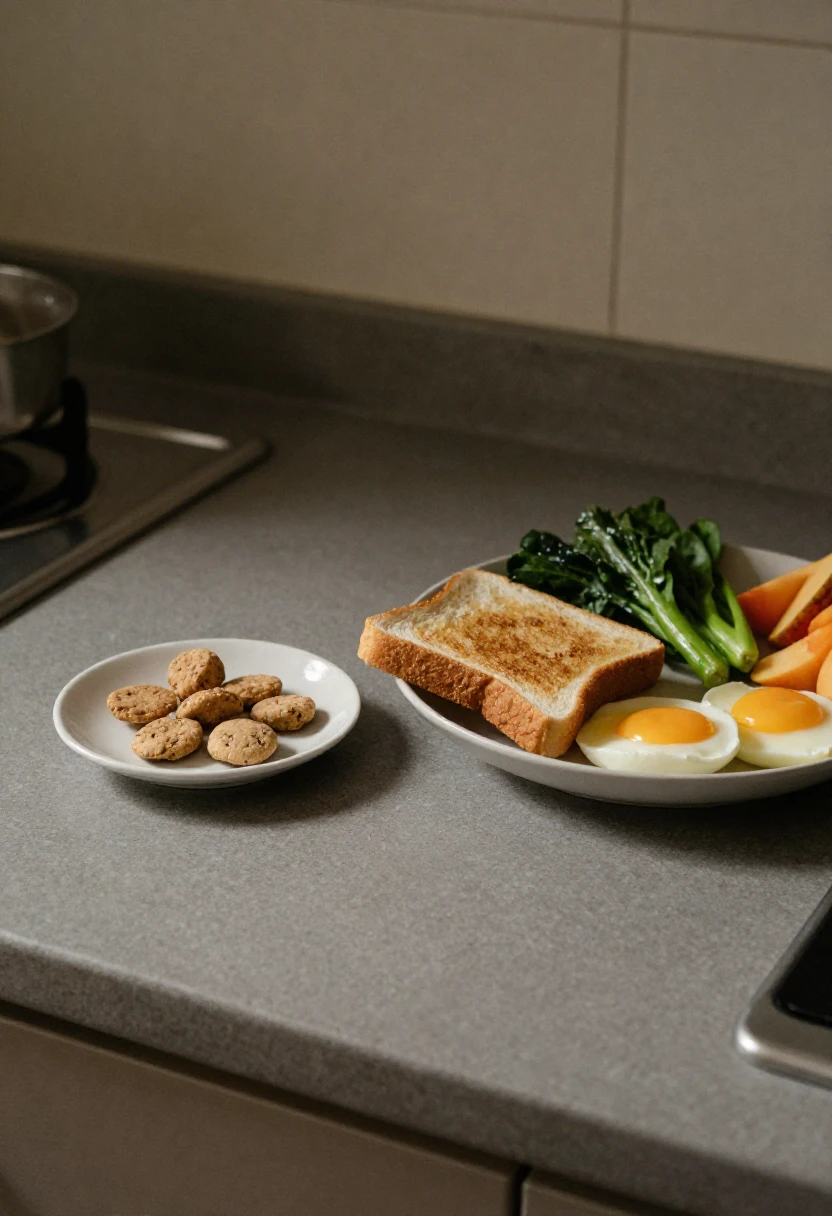
Choosing low-calorie foods that do not satisfy
One of the easiest traps is choosing the lowest-calorie option and assuming it is automatically the better one.
Sometimes it is. Often, it is just the smaller one.
A tiny salad, a plain rice cake, a low-calorie frozen meal, a snack bar with more packaging than substance. These foods can fit neatly into a calorie goal, but they may not do much for your hunger. Then an hour later, you are opening cabinets, looking for “just a little something,” and wondering why you cannot stay on track.
The problem was not your discipline. The problem was the meal.
Your body needs enough food to feel fed. That usually means some protein, fiber, fat, and volume. A low-calorie meal that skips most of those things may look successful on paper, but it can make the rest of the day harder.
This is why a fuller meal can sometimes be the smarter choice.
A bowl with rice, vegetables, chicken, avocado, and sauce may have more calories than a plain salad, but it may also keep you satisfied for hours. A slice of toast with eggs may be more filling than a sweetened coffee and a small bar. Yogurt with berries and walnuts may work better than a “light” dessert cup that leaves you wanting more.
Eating enough at meals is not a failure. It is often what prevents overeating later.
Ignoring protein and fiber
If your meals are not keeping you full, protein and fiber are good places to look first.
Protein gives meals more staying power. You can get it from eggs, fish, chicken, turkey, Greek yogurt, cottage cheese, tofu, beans, lentils, tempeh, nuts, seeds, and other foods you already know. It does not have to be a giant steak or a protein shake every time.
Fiber helps too, especially from foods like oats, berries, beans, lentils, vegetables, potatoes with the skin, whole grains, nuts, and seeds. It slows digestion, supports your gut, and makes meals feel more complete.
A breakfast of white toast with jam may taste good, but it may not last long. Add eggs, cottage cheese, peanut butter, or Greek yogurt on the side, and it changes the whole meal. A pasta dinner with only noodles and sauce may leave you hungry later. Add vegetables and protein, and it becomes steadier.
The point is not to count every gram.
The point is to notice when a meal is missing the parts that help it last. If you are hungry too soon, tired after eating, or constantly snacking, your meals may need more structure. Not less food. Better food.
Treating hunger like a failure
Hunger is not a character flaw.
It is your body asking for something. Sometimes it asks because you truly need food. Sometimes because you slept badly, ate too little earlier, moved more than usual, or built a meal that digested too quickly. Sometimes hunger shows up as a craving, a headache, irritability, or that distracted feeling where you keep rereading the same sentence.
Calorie-focused eating can make people suspicious of hunger. You start thinking, “But I already ate enough,” because the app says so. Or, “I should not be hungry yet,” because the meal was supposed to be healthy.
But your body does not care what the app predicted.
If you are hungry often, look at the pattern. Are your meals too small? Are you skipping breakfast and then fighting cravings at night? Are you eating mostly low-fat, low-protein, low-fiber foods? Are you using coffee to push through hunger until you finally feel out of control?
There is no prize for ignoring hunger all day.
A better response is curiosity. Maybe you need a bigger lunch. Maybe breakfast needs protein. Maybe your snack should be more than fruit alone. Maybe dinner needs potatoes, beans, rice, or bread instead of another plate of vegetables and hope.
Hunger is information. Listen to it before it gets loud.
Conclusion
Counting calories can be useful, especially if you are learning portions or trying to understand what is in the foods you eat often. But it should not be the only way you decide what belongs on your plate.
Your body needs more than a number. It needs meals that digest well, keep you full, support your energy, and fit into the life you actually live. Some days that means a protein-rich breakfast. Some days it means soup because your stomach wants something gentle. Some days it means adding bread to your salad because lettuce alone is not lunch.
Healthy eating gets easier when you stop asking food to be perfect.
Look at the label when it helps. Notice calories when they are useful. But also notice your hunger, your energy, your digestion, your mood, and whether you can repeat the habit without feeling trapped by it.
Food is chemistry, comfort, rhythm, and routine. The numbers are only part of the story.
FAQ
Is counting calories bad?
No, counting calories is not bad by itself. It can help you understand portions, compare foods, or create structure if you need it. The problem starts when calories become the only thing you trust. A meal can fit your calorie goal and still leave you hungry, tired, or unsatisfied.
Can you lose weight without counting calories?
Yes, many people can lose weight without tracking every calorie. Building meals around protein, fiber, vegetables, healthy fats, and satisfying portions can naturally make eating feel more balanced. Paying attention to hunger, fullness, and snacking patterns also helps.
Why do I feel hungry after a low-calorie meal?
A low-calorie meal may be too small or missing protein, fiber, or fat. These parts help slow digestion and keep you full. For example, a plain salad may not last long, but a salad with chicken, beans, avocado, eggs, or grains can feel much more satisfying.
What should I focus on instead of calories?
Focus on how the meal works in your body. Does it keep you full? Does your energy feel steady? Is your digestion comfortable? Do you enjoy the food enough to repeat it? Calories can give you information, but your body gives you feedback too.