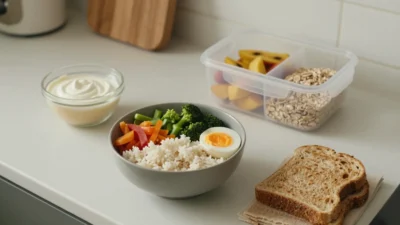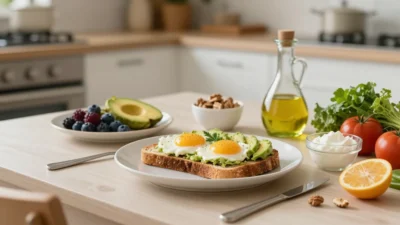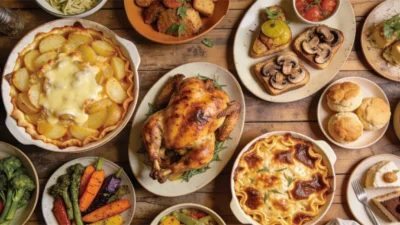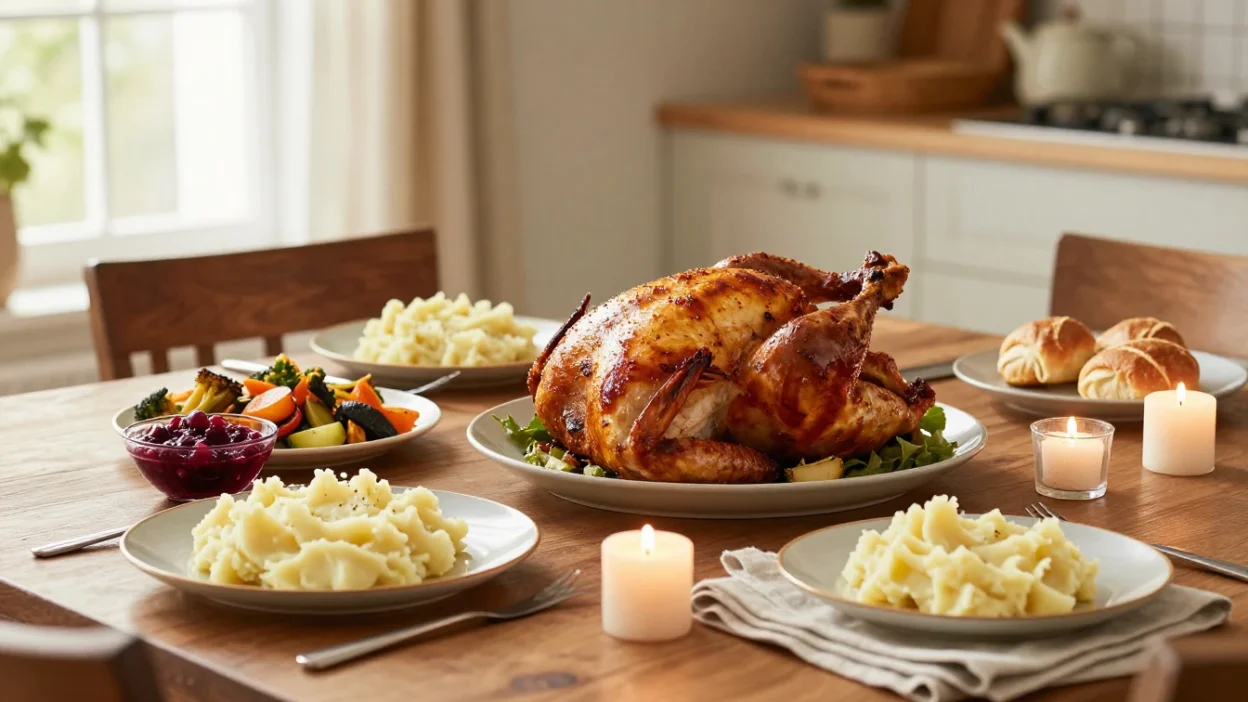
Holiday meals have a funny way of turning into a full-body project.
At first, it sounds lovely. A warm table, familiar dishes, people you care about, maybe something roasting in the oven while the kitchen smells like butter, herbs, cinnamon, or toasted nuts. Then suddenly you are counting chairs, checking who eats what, wondering if the potatoes can share oven space with the main dish, and realizing you forgot to buy extra napkins.
I’ve learned that stress-free holiday meals are not about doing everything perfectly. They are about making enough good decisions before the day begins, so you are not trying to solve every problem while holding a hot baking dish.
The best holiday meal is generous, but realistic. It gives people something comforting to gather around without leaving you exhausted before the first plate is served. That means choosing a menu you can actually cook, preparing a few things ahead, asking for help when it makes sense, and leaving room for the small imperfections that always show up.
Because they will show up.
Someone will arrive early. Something will take longer than the recipe promised. The gravy may need saving. The rolls may be a little darker than planned. And honestly, that is fine. A calm host with a slightly messy kitchen usually creates a better holiday feeling than a perfect table built on panic.
This guide will help you plan, prep, and serve holiday meals in a way that feels warm, organized, and enjoyable. Not effortless, because holiday cooking does take work. But manageable. Human. Maybe even fun.
Start with the kind of holiday meal you actually want
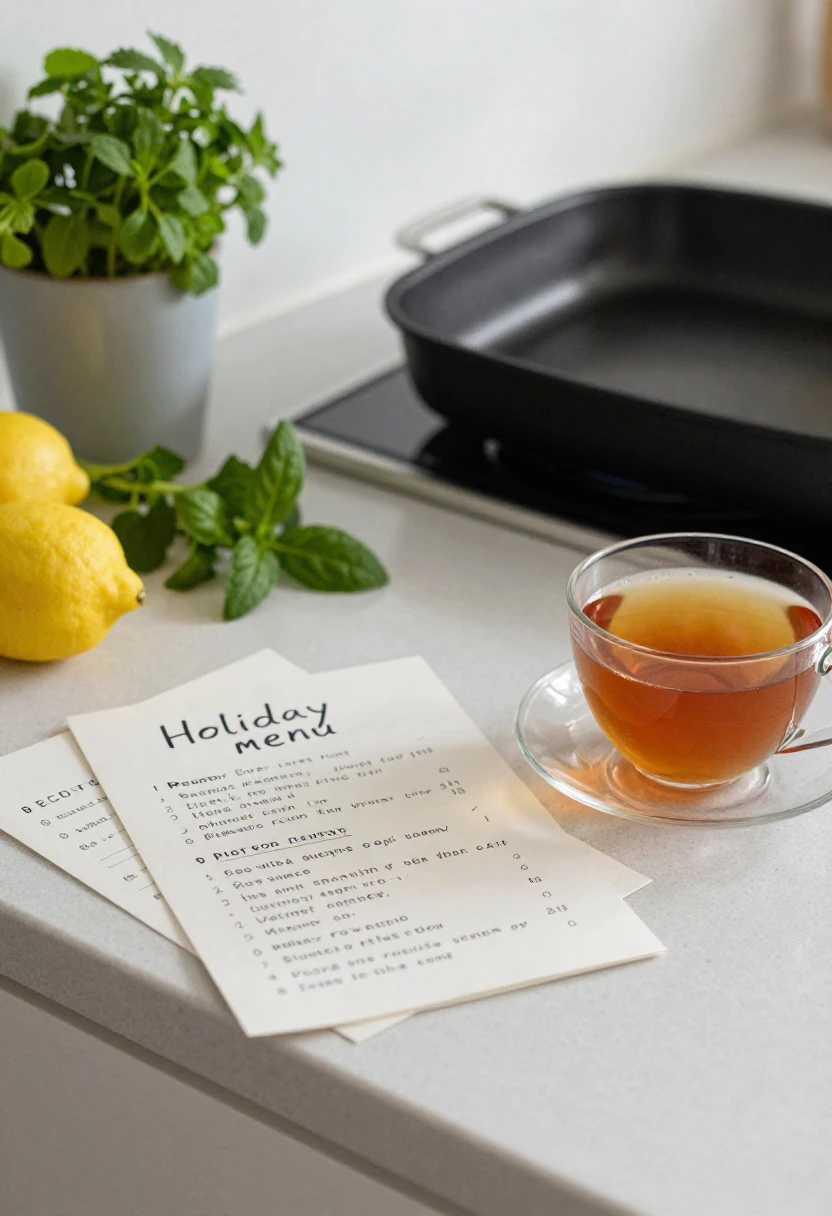
Before you write a grocery list or save twelve recipes, decide what kind of meal you are trying to create.
That sounds almost too simple, but it matters. A holiday dinner for six close family members is not the same as a buffet for twenty people. A quiet Christmas Eve meal does not need the same menu as a big Thanksgiving-style table with several sides, desserts, drinks, and people moving in and out of the kitchen.
I like to start with the feeling first.
Do you want the meal to feel cozy and relaxed? A little elegant? Very traditional? More casual, with everyone serving themselves and coming back for seconds when they want?
Once you know that, the food decisions get easier.
Choose the mood before choosing the menu
A calm holiday meal usually has a clear shape. Not a complicated one. Just a shape.
You might choose:
- A classic sit-down dinner with one main dish, several sides, and dessert.
- A casual buffet where people can fill their plates and eat wherever they feel comfortable.
- A potluck-style meal where everyone brings something, and you only handle the main dish.
- A small cozy dinner with fewer dishes, better timing, and less cleanup.
- A brunch-style holiday meal with baked eggs, pastries, fruit, coffee, and something sparkling.
There is no prize for choosing the hardest version.
Actually, I think many holiday meals become stressful because we try to mix too many styles at once. We want the polished table, the huge buffet, the homemade desserts, the perfect main dish, the relaxed host, and the clean kitchen.
That is a lot to ask from one meal.
Pick the version that fits your home, your guests, and your actual energy level this year.
Be honest about your time, kitchen space, and energy
Your kitchen has limits. So does your oven. So do you.
If you only have one oven, do not build a menu where five dishes need to bake at different temperatures right before dinner. If your fridge is already full, skip the oversized cold appetizer platter. If you are working until the day before the holiday, this may not be the year for homemade rolls, three pies, and a complicated sauce that needs babysitting.
That does not mean the meal has to feel small or plain. It just means the menu should work with your life instead of fighting it.
A realistic holiday menu might look like this:
- One main dish
- Two or three sides
- One fresh salad or vegetable
- One sauce or gravy
- Bread or rolls
- One dessert
That is enough. More than enough, honestly, if the food is warm and people have full plates.
I would rather serve a simple meal with good timing than a dramatic menu that leaves me sweating in the kitchen while everyone else is already sitting down.
Build the meal around one main dish
Your main dish is the anchor. Once you choose it, the rest of the meal should support it instead of competing with it.
If you are making turkey, choose sides that can handle gravy and reheating. Mashed potatoes, stuffing, roasted carrots, green beans, cranberry sauce. Classic for a reason.
If you are making ham, you might lean into sweet potatoes, sharp mustard, roasted Brussels sprouts, biscuits, or a crisp salad to balance the saltiness.
If you want something easier, roast chicken can feel just as festive with the right sides. Add herbs, lemon, garlic, and a pan of potatoes underneath, and the kitchen will smell like you did far more work than you actually did.
For a vegetarian holiday meal, choose something that feels like a centerpiece, not an afterthought. A mushroom Wellington, baked stuffed squash, vegetable lasagna, lentil loaf, or creamy baked pasta can hold the table beautifully.
The trick is not to make every dish a star. Let the main dish lead. Then choose sides that bring comfort, color, crunch, or freshness.
That balance keeps the meal generous without turning your kitchen into a traffic jam.
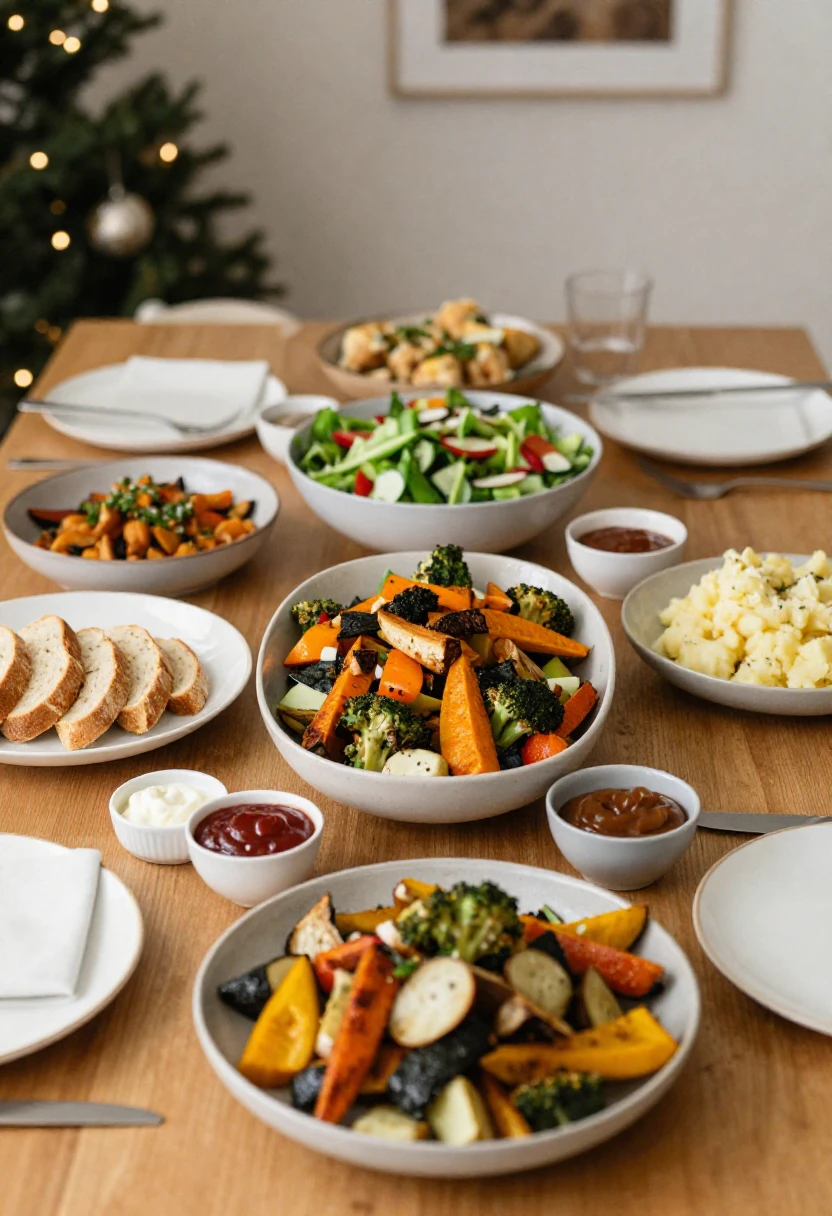
A holiday meal can look beautiful on paper and still fail in real life if half the table cannot comfortably eat it.
That is why I always think about the guests before I get too attached to the menu. Not in a stressful, “everyone needs a custom dinner” way. More like: who is coming, what do they need, and how can I make the table feel easy for everyone?
Food is part of hospitality. And sometimes hospitality is as simple as making sure your vegetarian cousin has more than salad and bread on the plate.
Ask about allergies and food preferences early
Do this before you shop. Before you plan every side dish. Before you fall in love with a stuffing recipe full of sausage, butter, walnuts, and cream.
A quick message is enough:
“Hey, I’m planning the holiday meal. Any allergies or food restrictions I should know about?”
You may hear:
- vegetarian
- vegan
- gluten-free
- dairy-free
- nut allergy
- shellfish allergy
- no pork
- low-sodium needs
- picky kids who only trust plain food
You do not need to redesign the whole menu for every preference. But you do want to avoid the awkward moment where someone quietly pushes food around the plate because every dish has bacon, cheese, or nuts hidden in it.
The easiest approach is to make a few dishes flexible from the start. Keep nuts on the side. Serve gravy separately. Make one vegetable dish without cheese. Use vegetable broth in stuffing if it works with your recipe.
Tiny changes can make the whole meal feel more welcoming.
Add one or two flexible side dishes
Holiday sides can save you.
Even if the main dish does not work for everyone, a few smart sides can make the plate feel complete. I like sides that are simple, familiar, and easy to adapt.
Good flexible options include:
- roasted carrots or Brussels sprouts
- mashed potatoes with butter served on the side
- green beans with lemon and olive oil
- rice pilaf with herbs
- roasted sweet potatoes
- a crisp green salad
- cranberry sauce
- warm rolls or bread
- a simple bean or lentil salad
The goal is not to make “diet food.” Please no sad steamed vegetables pushed into the corner like a punishment.
A good vegetable side should taste like it belongs at the holiday table. Roast it until the edges brown. Add olive oil, salt, herbs, lemon zest, garlic, or a spoonful of sauce. Keep it simple, but make it good.
Keep kids and picky eaters in mind
There is usually at least one child, and sometimes one adult, who looks at a holiday table with deep suspicion.
That is fine. Holiday meals are not the best time to force culinary bravery.
If kids are coming, I like to have one or two plain, safe options. Buttered noodles. Bread rolls. Mashed potatoes without anything fancy mixed in. Plain roasted chicken. Fruit. A small bowl of cucumber slices or carrots.
It does not need to be a separate children’s menu. Just something familiar.
The same is true for picky adults. You do not have to announce it. You do not have to make a big deal out of it. Just build the menu with a few simple dishes that do not require explanation.
A table feels calmer when people can quietly find something they like. No pressure. No speeches. No “just try one bite” energy.
Make a holiday cooking timeline that protects your sanity
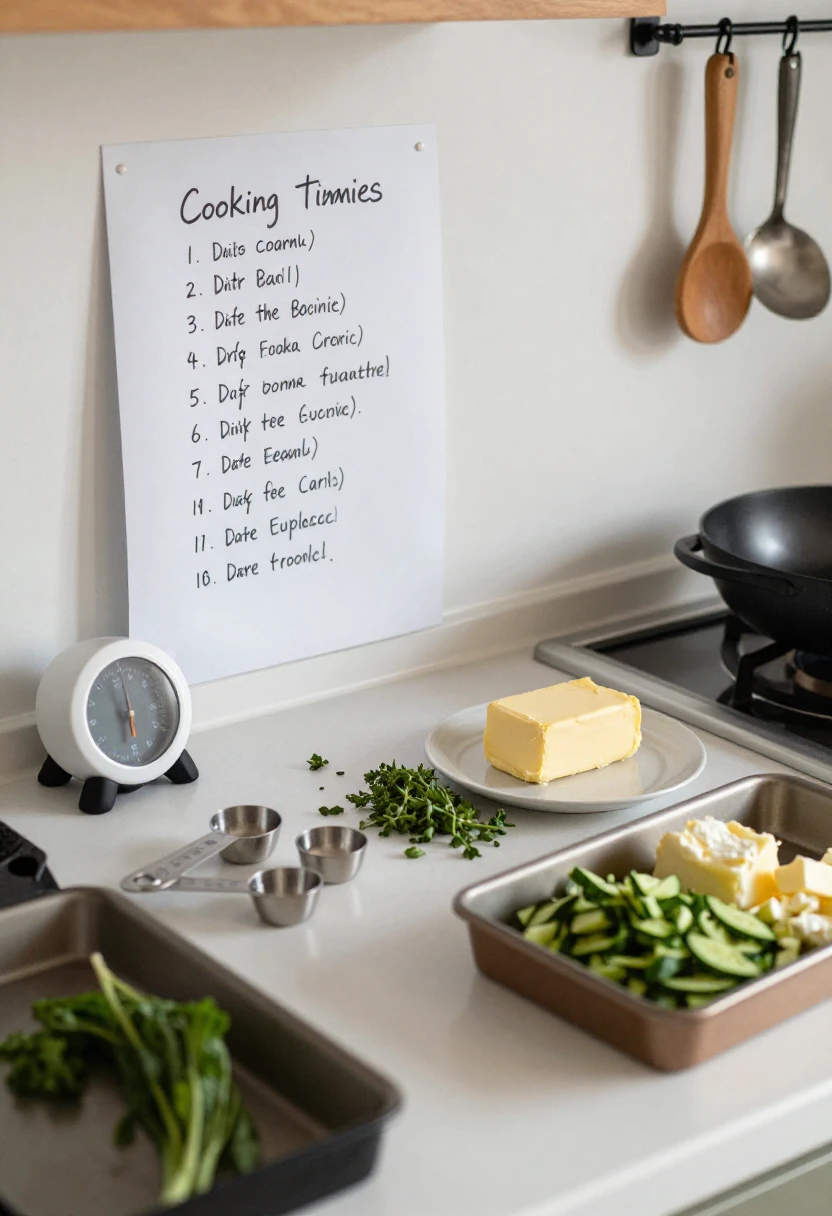
The menu is only half the plan. The other half is timing.
A holiday meal can go wrong even when every recipe is good, simply because everything needs attention at the same time. The potatoes need mashing. The vegetables need roasting. The main dish needs resting. Someone asks where the wine opener is. The oven timer starts beeping while you are trying to find a clean serving spoon.
That is where a simple cooking timeline helps.
Not a strict military schedule. Just a loose plan that tells you what can be done early, what needs to happen last, and what should never be left until guests are already at the door.
One week before: choose recipes and check serving dishes
About a week before the holiday, choose your final menu and stop collecting new ideas.
This is important. Recipe browsing can become its own little trap. You start with a simple dinner, then suddenly you are considering a pear and blue cheese tart, homemade dinner rolls, two types of potatoes, and a dessert that needs a water bath.
At some point, close the tabs.
Once the menu is set, check the boring things:
- Do you have enough plates, forks, glasses, and napkins?
- Is there a roasting pan big enough for the main dish?
- Do you have enough serving bowls and platters?
- Is your baking dish the right size?
- Do you have a meat thermometer?
- Is there enough foil, parchment paper, storage containers, and dish soap?
These are not glamorous details, but they are exactly the things that cause last-minute stress.
I also like to write the menu on paper and mark each dish as make ahead, prep ahead, or cook fresh. It makes the whole meal feel less foggy.
Three days before: shop for shelf-stable ingredients
Three days before the meal, buy the pantry items and anything that will hold well.
This can include:
- flour, sugar, spices, and baking supplies
- canned pumpkin, cranberry sauce ingredients, broth, or stock
- potatoes, onions, garlic, carrots, and winter squash
- crackers, nuts, olives, and snack items
- drinks, coffee, tea, and sparkling water
- napkins, candles, foil, and food storage bags
Do not leave all shopping for the day before if you can avoid it. Stores get crowded, popular ingredients disappear, and the whole thing starts to feel louder than it needs to.
Fresh herbs, salad greens, delicate fruit, seafood, and bakery items can wait. But butter? Broth? Potatoes? Buy them early and give yourself one less thing to think about.
One day before: prep what holds well
The day before the holiday is where you can quietly save yourself.
You do not need to cook everything. In fact, some food is better fresh. But a lot of prep work can happen early without hurting the final meal.
Good day-before tasks include:
- washing and chopping sturdy vegetables
- making cranberry sauce
- preparing salad dressing
- baking pies, cakes, or cookies
- making dips or appetizer spreads
- setting the table
- chilling drinks
- measuring dry ingredients for baking
- peeling potatoes and keeping them covered in cold water
- making stock or gravy base
- assembling casseroles if the recipe allows it
This is also a good time to clear fridge space. It sounds small until you are holding a tray of prepared vegetables and realizing there is nowhere to put it.
Label things if you need to. Nothing fancy. A strip of tape and a marker is enough. “Green beans,” “gravy base,” “for salad,” “do not eat yet.” The last one is useful if you live with snackers.
Dinner day: leave space for reheating and last-minute fixes
On the holiday itself, your timeline should protect the final hour before eating. That is usually when everything gets tight.
Work backward from serving time.
If dinner is at 5:00, ask yourself:
- When does the main dish need to go into the oven?
- How long does it need to rest?
- Which sides need oven space?
- What can reheat while the main dish rests?
- What can stay warm without drying out?
- What should be finished right before serving?
Resting time is your friend. A roast, turkey, chicken, or ham can sit for a bit before slicing, and that gives you a valuable window to heat sides, finish vegetables, make gravy, and breathe for five minutes.
The biggest mistake is planning every dish to be “done” at exactly the same time. That sounds efficient, but it creates chaos.
Instead, stagger the work. Let some dishes be fully done early and kept warm. Let others reheat gently. Save only the delicate things for the end, like salads, crispy toppings, fresh herbs, or anything that wilts quickly.
And give yourself a buffer. Always.
If the recipe says the dish takes 45 minutes, assume it may take an hour. Ovens vary. People interrupt. Potatoes are sometimes stubborn. That extra pocket of time can be the difference between a calm meal and you whispering dramatic things at the stove.
Shop early, but shop smart
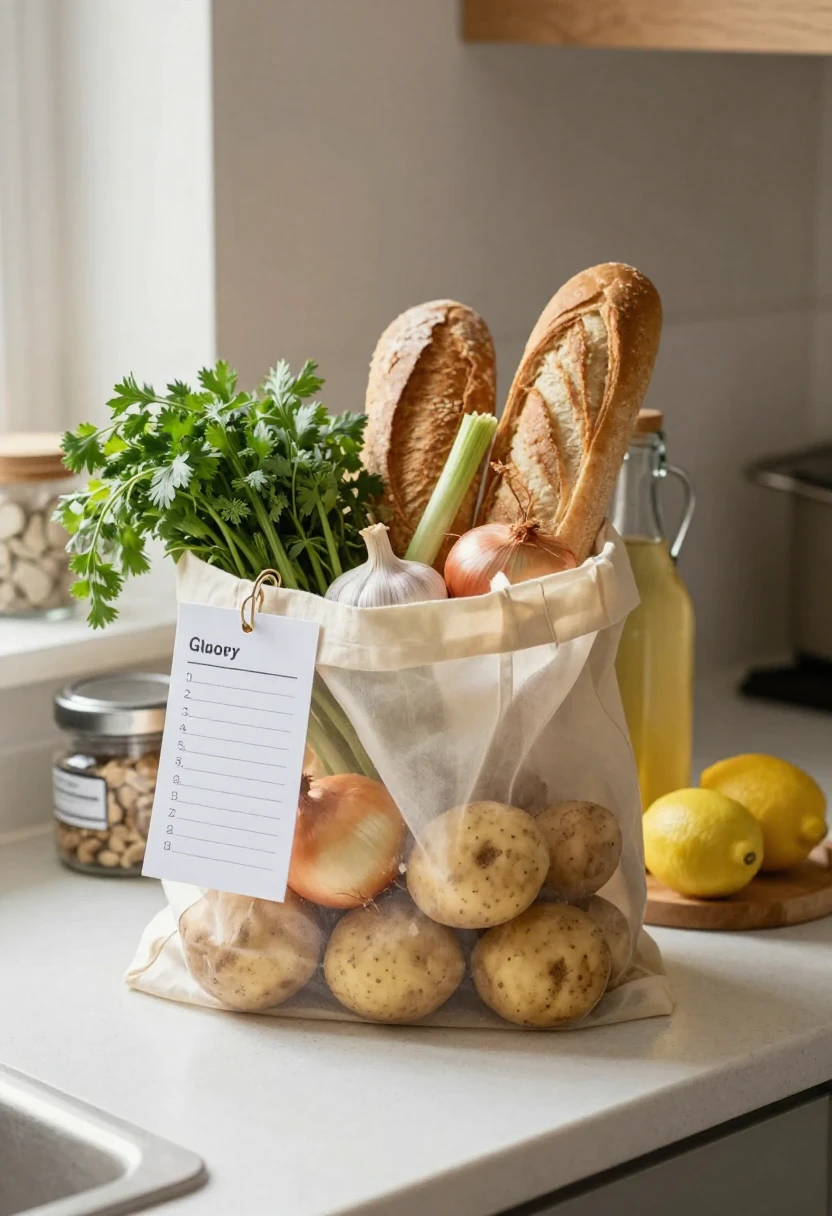
Holiday grocery shopping can get weirdly emotional.
You walk into the store for butter, potatoes, and herbs, and somehow the cart starts filling with chocolate, crackers, extra cheese, three kinds of sparkling drinks, seasonal cookies, and a jar of something you only buy because it has a festive label.
I am not judging. I have done this.
But if you want stress-free holiday meals, the grocery list needs to come from the menu, not from the mood of the supermarket.
Write the menu first, then the grocery list
Start with your final menu and write every ingredient under the dish where it belongs.
For example:
Main dish: roast chicken
- whole chicken
- lemon
- garlic
- rosemary
- butter
- salt
- pepper
Side dish: mashed potatoes
- potatoes
- butter
- milk or cream
- salt
- chives
Vegetable: roasted carrots
- carrots
- olive oil
- thyme
- honey
- lemon
Once everything is written out, check what you already have at home. This step saves more money than people think.
You may already have flour, sugar, spices, olive oil, mustard, vinegar, baking powder, stock cubes, or half a bag of cranberries in the freezer. The pantry has a way of hiding things until you buy duplicates.
Then rewrite the list by store section:
- produce
- meat or seafood
- dairy
- bakery
- pantry
- frozen
- drinks
- household items
This makes shopping faster and helps you avoid the classic holiday mistake: walking through the entire store five times because you keep remembering one more thing.
Separate fresh, frozen, and pantry items
Not everything should be bought at the same time.
Pantry ingredients can be bought early. Potatoes, onions, garlic, canned goods, baking supplies, drinks, napkins, and foil can sit at home without any problem.
Frozen items can also be handled ahead. Puff pastry, frozen vegetables, pie crusts, or ice cream can wait quietly in the freezer while you deal with the rest of the meal.
Fresh ingredients need more care. Herbs, salad greens, berries, seafood, and bakery bread are better closer to the holiday. They are the things that look beautiful when fresh and sad when forgotten in the fridge for too long.
A simple split works well:
Buy early:
- flour, sugar, spices
- broth or stock
- potatoes, onions, garlic
- canned pumpkin or cranberry ingredients
- drinks
- crackers and snack foods
- foil, parchment, paper towels, storage bags
Buy closer to the meal:
- fresh herbs
- salad greens
- berries or delicate fruit
- fresh bread
- seafood
- flowers or greenery for the table
This keeps the final shopping trip lighter. You are not buying the entire holiday at once. You are just picking up the fresh things.
Much calmer.
Keep backup ingredients at home
Even with a good list, something can go sideways.
The sauce may taste flat. The vegetables may look too plain. More guests may eat bread than expected. Someone may bring an extra person. Or you may simply look at the table and think, “This needs one more thing.”
Backup ingredients help without making the menu bigger.
I like to keep these around:
- extra butter
- broth or stock
- lemons
- garlic
- fresh or dried herbs
- cream or milk
- olive oil
- good mustard
- bread or rolls
- crackers
- cheese
- nuts, if there are no allergies
- a simple dessert backup, like cookies or ice cream
Lemon can brighten a heavy dish. Butter can soften a sauce. Broth can rescue dry stuffing or thin gravy. Bread and cheese can become an easy appetizer in five minutes.
This is the quiet power of a smart holiday kitchen. You are not preparing for disaster. You are giving yourself options.
Avoid buying too many “just in case” foods
Backups are helpful. Panic shopping is different.
You probably do not need four desserts for eight people. You do not need six appetizers if there is a full dinner coming. You do not need every seasonal product that looks charming under store lighting.
A holiday meal already has a lot going on. Too much extra food creates clutter in the fridge, confusion on the table, and leftovers nobody knows what to do with.
A better rule: choose one or two backup items that are easy to store and easy to use later.
Crackers will keep. Chocolate will keep. Frozen pie crust will keep. Extra salad greens will not.
Shop like the person who has to unpack the bags, cook the food, clean the kitchen, and find room in the fridge afterward.
Because that person is you.
Use make-ahead dishes to reduce holiday pressure
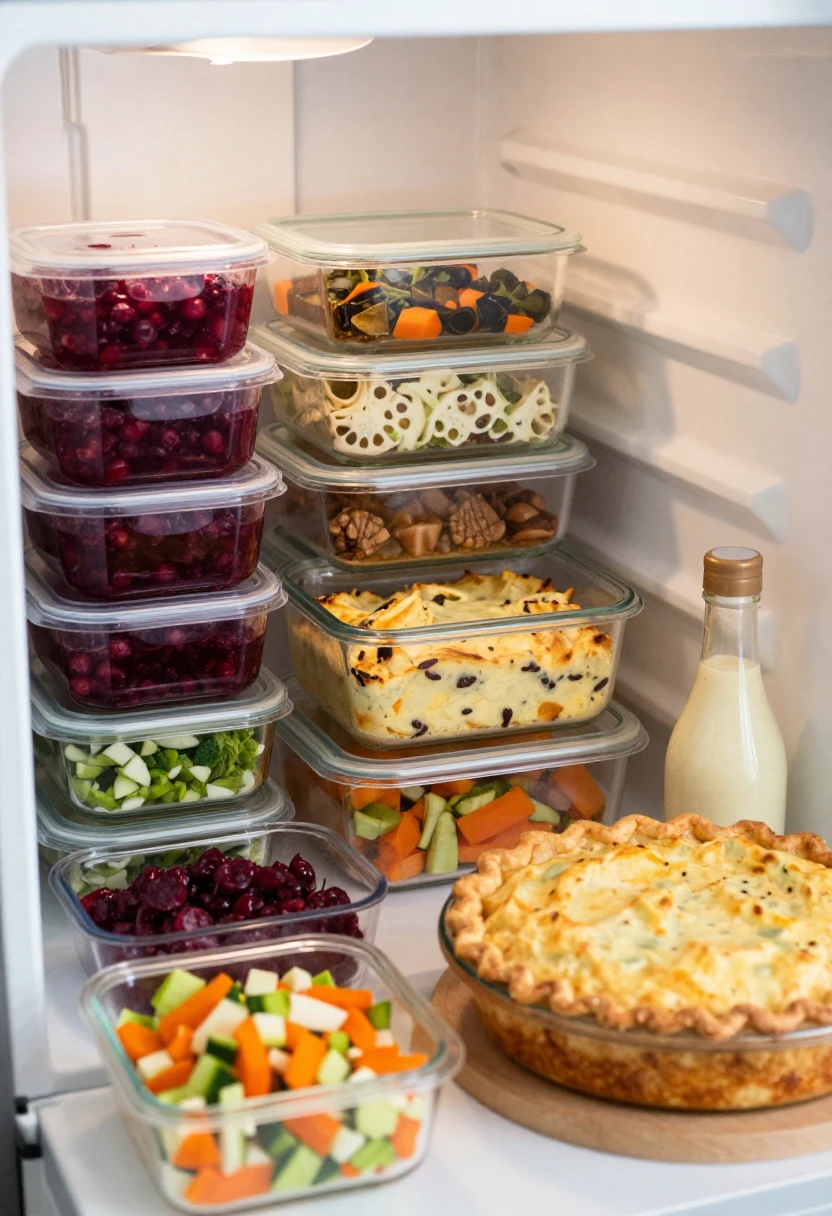
Make-ahead food is the difference between “I have a few things to finish” and “why did I think I could cook all of this in one afternoon?”
The trick is choosing the right dishes to make ahead. Some foods actually improve after a night in the fridge. Others lose their charm quickly and should wait until the last minute.
Once you know the difference, holiday cooking feels much less frantic.
Best dishes to make ahead
A lot of holiday food holds beautifully overnight. Sometimes the flavor gets better because the spices, herbs, butter, and sauce have time to settle in.
Good make-ahead options include:
- cranberry sauce
- gravy base
- pie dough
- pumpkin pie, pecan pie, or cheesecake
- cookies and bars
- dips and spreads
- salad dressing
- stuffing or dressing components
- casseroles
- mashed sweet potatoes
- roasted squash
- soup
- marinated vegetables
- compound butter with herbs
Cranberry sauce is one of my favorite examples. It needs time to cool anyway, and it tastes brighter after a day. Make it early, store it in a glass container, and forget about it until dinner.
Desserts are another easy win. Most pies do not need to be baked the same day. Cookies are even more forgiving. If anything, a tray of cookies sitting on the counter makes the whole kitchen feel more festive before the serious cooking begins.
For casseroles, read the recipe carefully. Some can be fully assembled and baked the next day. Others are better if you prep the parts separately, then assemble before baking so the texture does not turn heavy or watery.
What should be cooked fresh
Some dishes do not like waiting.
Crispy roasted vegetables, fresh salads, seafood, and anything with delicate herbs usually taste best when finished close to serving time. You can still prep parts of them ahead, but do not fully cook or dress them too early.
For example, you can wash and trim green beans the day before. You can peel carrots. You can make the vinaigrette. But toss a salad with dressing too early, and by dinner it may look tired and wet.
Foods to finish fresh include:
- green salads
- crispy roasted potatoes
- sautéed greens
- seafood
- fresh rolls, if baking from scratch
- whipped cream
- delicate herb garnishes
- fried or crunchy toppings
The goal is not to leave all the hard work for the holiday. It is to divide the work wisely.
Prep the boring parts early. Chop, wash, measure, mix, chill. Then save the parts that need freshness, heat, or crunch for the end.
How to reheat without drying everything out
Reheating sounds simple until you pull a dish from the oven and realize it went from creamy to tired in twenty minutes.
Most make-ahead dishes need gentle heat and a little moisture.
For casseroles, cover the dish with foil for most of the reheating time, then uncover it at the end if you want the top browned. For stuffing, add a splash of broth before reheating. For mashed potatoes, warm them slowly with a little butter, milk, or cream and stir more gently than you think you need to.
A few easy reheating rules help:
- Use a lower oven temperature when you have time.
- Cover dishes that dry out easily.
- Add broth, cream, butter, or sauce before reheating.
- Reheat crispy toppings separately when possible.
- Stir creamy dishes halfway through warming.
- Let cold dishes sit at room temperature briefly before they go into the oven, if food safety allows and the recipe makes sense.
And label your dishes with reheating notes if you are making several things ahead. It feels slightly fussy when you do it, but later you will thank yourself.
“350°F, covered, 25 minutes” written on a piece of tape can save your brain when the kitchen is full and someone is asking where to put their coat.
Set the table before the cooking chaos begins
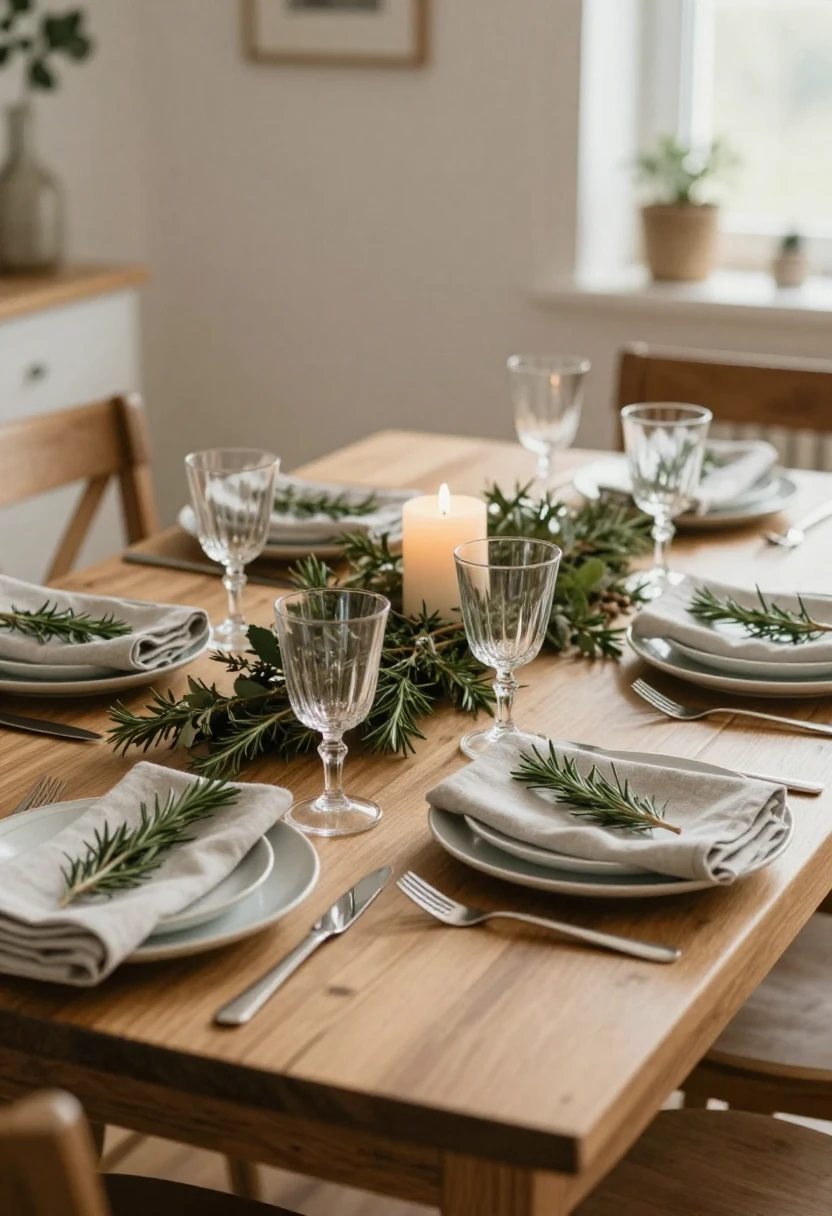
Setting the table sounds like something you can do at the end.
Technically, yes. But emotionally? No.
The final hour before a holiday meal is when the kitchen gets loud. The oven is full, the counters are crowded, someone is opening the fridge every three minutes, and you are trying to remember whether the gravy needs more salt.
That is not the moment to search for clean wine glasses.
If you can set the table early, do it. Even the night before. It gives the room a finished feeling before the cooking starts, and it removes one more decision from the busiest part of the day.
Prepare plates, glasses, cutlery, and serving spoons
Plates and forks are obvious. Serving spoons are the sneaky problem.
You can have a perfect casserole, a beautiful salad, and a bowl of mashed potatoes ready to go, then realize every large spoon is already being used for something else. Suddenly someone is serving carrots with a tiny dessert spoon, and nobody knows where the ladle went.
Before guests arrive, lay out what each dish will need:
- dinner plates
- salad or dessert plates
- forks, knives, and spoons
- water glasses
- wine glasses or drink cups
- napkins
- serving spoons
- tongs
- gravy ladle
- bread basket
- butter knife
- trivets or heat-safe mats
I like placing serving utensils directly inside or beside the empty serving dishes. It looks a little odd at first, but it works. When the food is ready, you are not rummaging through drawers with oven mitts on.
Also, count chairs. Not in your head. Actually count them.
Holiday hosting has a way of revealing that “we have enough chairs” sometimes means “we have enough if someone sits on the piano bench.”
Keep decorations simple and warm
You do not need a table that looks staged for a magazine.
A holiday table can feel beautiful with very little: candles, cloth napkins, a bowl of oranges, a few sprigs of rosemary, greenery down the middle, or small dishes of nuts and dried fruit if allergies are not an issue.
Warmth matters more than decoration.
A simple table might include:
- a clean tablecloth or runner
- candles in low holders
- seasonal fruit
- small bowls of olives or nuts
- folded napkins
- fresh herbs tucked near the plates
- a few flowers or branches in a short vase
Keep everything low enough that people can see each other. Tall centerpieces look pretty until everyone is leaning sideways to talk across the table.
And skip anything heavily scented. A cinnamon candle may sound festive, but it can fight with the smell of roasted food. Let the meal do the work.
Make the table useful, not just pretty
This is where practical hosting beats perfect styling.
Leave room for the food. Leave room for glasses. Leave room for people to pass plates without knocking over candles. A crowded table may photograph well, but it gets annoying fast when everyone is trying to eat.
If you are serving family-style, keep the centerpiece small and place hot dishes on trivets. If the table is too small, set up a sideboard or kitchen counter for serving. A buffet setup can feel more relaxed, especially with a larger group.
Think through the small things people reach for during the meal:
- salt and pepper
- butter
- gravy or sauce
- extra napkins
- water pitcher
- bread
- serving utensils
- a place for empty bottles or used dishes
You do not need to explain any of this to guests. When the table works, people just feel it. They can sit, eat, reach, pour, pass, and relax.
That is the quiet goal. Not a perfect table. A table that lets the meal happen easily.
Let guests help without losing control of the meal
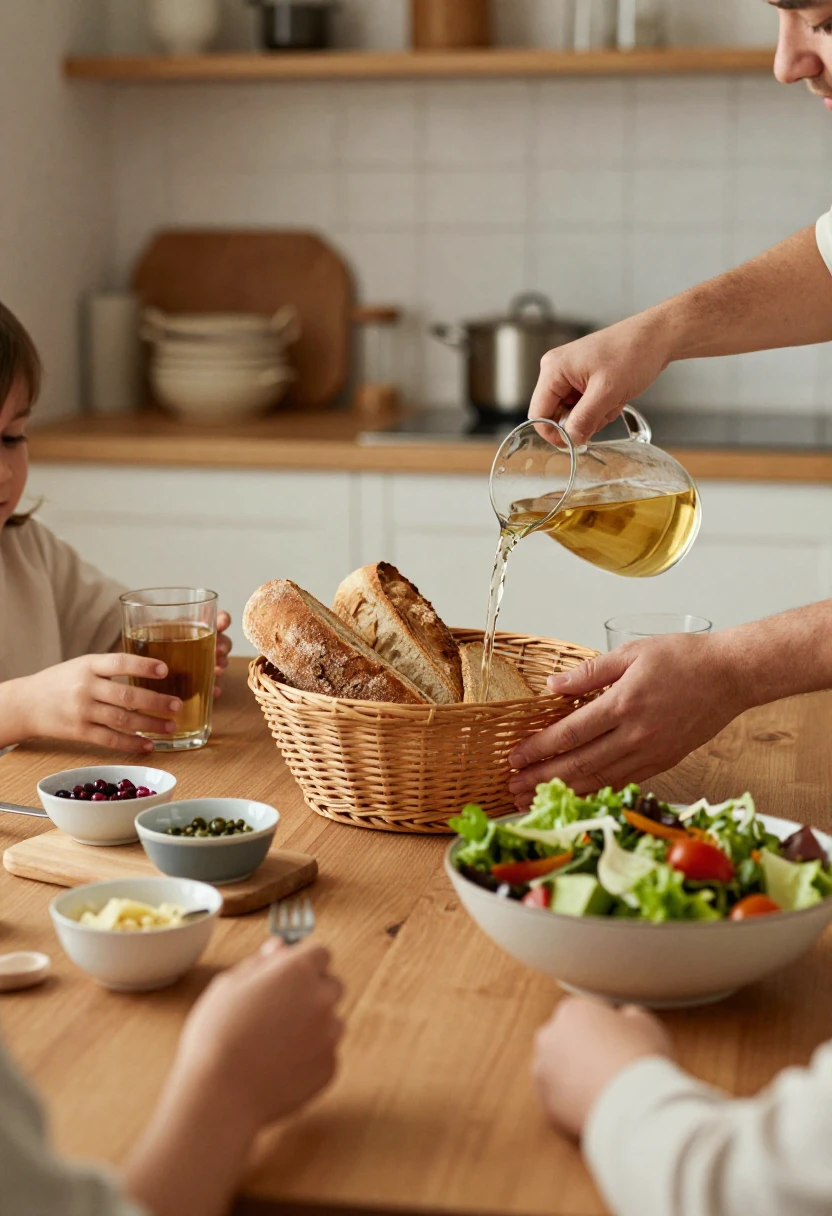
People often want to help during holiday meals. The problem is that vague help can become another job.
“Tell me what to do!” sounds kind, but when you are holding a hot pan and trying to remember if the Brussels sprouts are in the oven, explaining a task from scratch can feel harder than doing it yourself.
The answer is not to refuse all help. It is to give people jobs that are clear, useful, and hard to mess up.
Give people specific tasks
A good task has a beginning and an end.
Instead of saying, “Can you help in the kitchen?” try something more direct:
- “Can you fill the water glasses?”
- “Can you put the rolls in this basket?”
- “Can you take drink orders?”
- “Can you hang coats in the bedroom?”
- “Can you keep an eye on the kids for ten minutes?”
- “Can you slice the bread?”
- “Can you clear these dishes and stack them by the sink?”
- “Can you open this bottle and put it on the table?”
Specific tasks work because no one has to guess. They know what to do, and you do not have to manage a whole new situation.
I especially like giving guests jobs outside the cooking zone. Drinks, coats, music, candles, kids, table refills. These things matter, but they do not require another person standing between you and the oven.
Accept store-bought help when it makes sense
There is no rule that every single thing on a holiday table has to be homemade.
A good bakery pie is still a good pie. Nice bread from the bakery can be better than homemade rolls made by someone already exhausted. A quality dip, a cheese board, olives, crackers, or a tray of cookies can make the table feel full without adding another recipe to your day.
This is not cheating. It is hosting with common sense.
I would rather make one beautiful main dish and buy dessert than make everything from scratch and become quietly resentful by 4 p.m.
Store-bought help works especially well for:
- bread and rolls
- pies or cakes
- appetizers
- crackers and cheese
- olives and pickles
- ice cream
- drinks
- chocolates or cookies
You can still make it feel personal. Put bakery bread in a basket with a cloth napkin. Slice store-bought cake onto a platter. Add orange zest to whipped cream. Warm rolls before serving. Small touches go a long way.
Stop trying to cook every single thing yourself
Some hosts wear exhaustion like a badge of honor. I understand the instinct. You want the meal to feel special. You want people to feel cared for. You may even enjoy the cooking part.
But there is a difference between generous and overwhelmed.
If someone offers to bring a side dish, say yes. If a guest makes a great salad every year, let them bring it. If your sister wants to handle dessert, wonderful. If your friend asks what they can do, ask them to bring sparkling water, extra ice, or something for the appetizer table.
The meal will not feel less yours because other people helped.
Actually, it may feel warmer. Holiday meals are better when they have fingerprints from more than one person. A dish from your aunt, bread from the bakery, your main dish, someone else’s cookies, a salad made by the person who always makes salads better than everyone else.
That is a table with a little life in it.
The only thing I would avoid is leaving important menu pieces completely undefined. If someone says, “I’ll bring something,” ask what they have in mind. Not to control them, just to avoid ending up with four desserts and no green vegetable.
A little coordination keeps the meal balanced. A little help keeps you human.
Keep stress low on the actual holiday
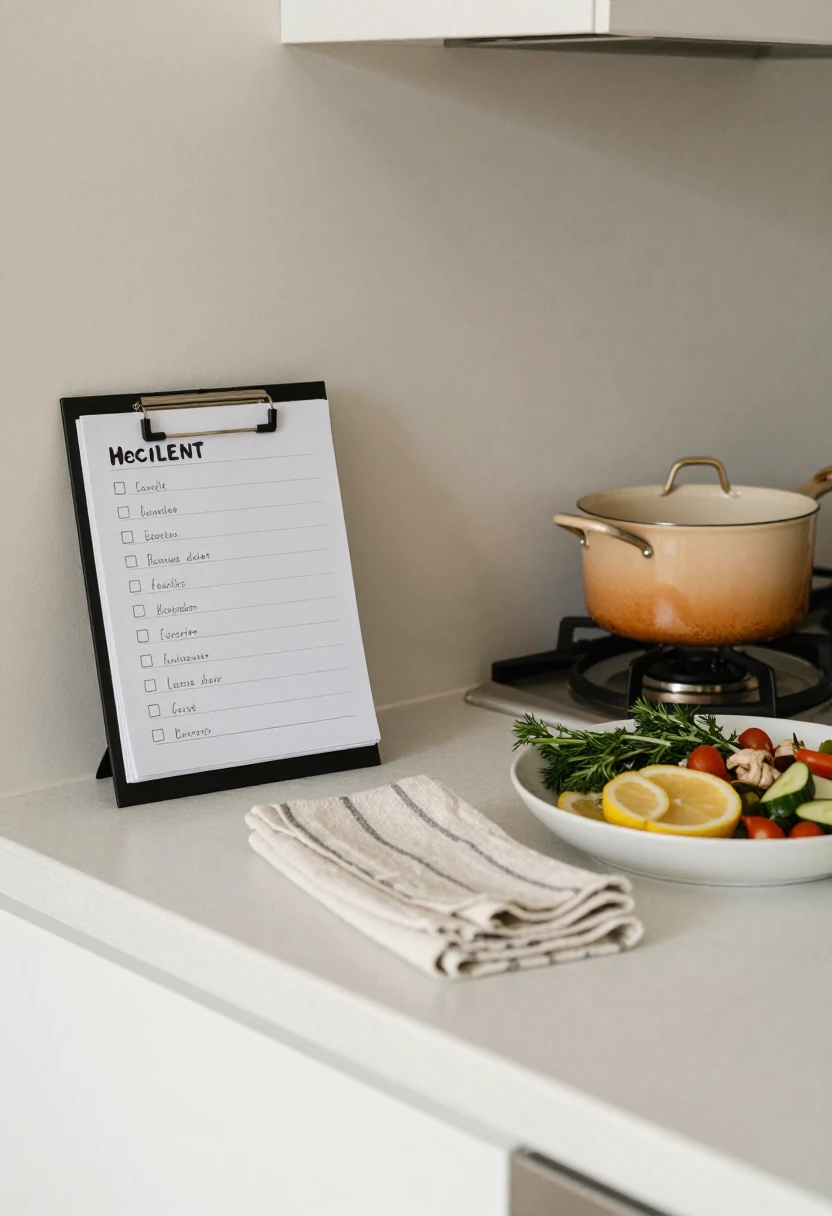
The day of the holiday is not the time to become a different person.
If you are not usually calm while juggling six pans, three timers, and a room full of relatives, you probably will not magically become calm just because it is a special day. That is why the best holiday plan is not built around heroic cooking. It is built around making the day easier before it gets crowded.
You want fewer decisions. Fewer surprises. Fewer moments where you stand in the kitchen thinking, “Wait, what was I doing?”
Start the day with a clean kitchen
I know. It sounds boring.
But a clean kitchen before holiday cooking is one of the best gifts you can give yourself. Empty the dishwasher. Take out the trash. Clear the counters. Put away random mugs, mail, grocery bags, and anything else that somehow ends up near the stove.
You need space more than you think.
A clear counter gives you room to chop vegetables, rest hot pans, plate appetizers, cool desserts, and set down the recipe you keep checking. An empty dishwasher gives dirty dishes somewhere to go instead of piling up in the sink like a threat.
Before serious cooking starts, try to handle these:
- Empty the dishwasher
- Clear the sink
- Wipe the counters
- Take out the trash
- Put clean towels near the sink
- Set out cutting boards and knives
- Make space in the fridge
- Choose a spot for finished dishes
It is not glamorous. Nobody will compliment the empty dishwasher.
But you will feel the difference.
Use a visible checklist
Keeping the whole meal in your head is exhausting.
Write the plan down where you can see it. Paper on the counter is fine. A note taped to a cabinet works. You do not need an app unless you genuinely like using one while your hands are covered in flour.
Your checklist can be simple:
- Chill drinks
- Take butter out
- Start potatoes
- Put casserole in oven
- Make salad dressing
- Warm rolls
- Rest main dish
- Heat gravy
- Add herbs before serving
Crossing things off feels small, but it keeps your brain from spinning. It also helps if someone asks, “What can I do?” You can point to the list instead of inventing a task while stirring sauce.
I like adding serving notes too. Things like “cranberry sauce in fridge,” “nuts on the side,” “gravy boat in top cabinet,” or “salad dressing separate.” These little notes save you from the classic moment when dinner is over and you find the dish you forgot to serve.
Every host knows that feeling. The lonely bowl in the fridge. Tragic.
Build in a 30-minute buffer
Whatever time you think you need, add extra.
A holiday meal has too many moving parts to run exactly on schedule. The roast may need longer. The potatoes may take forever to boil. Someone may call from the car asking for directions even though they have been to your house five times. A child may spill juice. A guest may arrive early and start chatting in the one spot where you need to stand.
This is normal holiday behavior.
A 30-minute buffer gives you room to handle real life without feeling like the whole meal is falling apart. If dinner is planned for 5:00, aim to have the main cooking under control by 4:30. Not finished perfectly. Just under control.
Use that buffer for:
- reheating sides
- slicing the main dish
- making gravy
- dressing the salad
- filling water glasses
- wiping the counter
- changing your shirt if needed
- standing still for one minute, which is sometimes the most luxurious part
The buffer is not wasted time. It is breathing room.
And if everything is ready early? Great. Food can rest. People can snack. You can pour yourself something and stop glaring at the oven.
Have one emergency plan
Something may go wrong. It does not mean the meal is ruined.
The best thing you can do is decide ahead of time how you will handle the most likely problems.
If the meat is dry, serve it sliced with extra gravy, broth, pan juices, or a bright sauce. If the vegetables are overcooked, add lemon, herbs, toasted breadcrumbs, or a little cheese. If you are short on appetizers, put out bread, butter, olives, cheese, crackers, or sliced fruit. If dessert fails, ice cream and cookies can save the mood.
A few quick fixes:
- Dry turkey or chicken: add gravy, warm broth, or herb butter
- Bland mashed potatoes: add salt, butter, roasted garlic, or chives
- Flat gravy: add a splash of stock, pepper, pan drippings, or a little acid
- Too much salt: add unsalted potatoes, cream, broth, or a plain side to balance it
- Burned edges: trim what you can and move the food to a clean serving dish
- Not enough food: add bread, salad, fruit, cheese, or a quick pasta side
Most guests do not notice the small disasters the way you do. They are not standing in the kitchen measuring your performance. They are waiting for a plate, a drink, and a place to sit.
So fix what you can. Hide what you need to. Laugh if possible.
A relaxed recovery is part of good hosting.
Don’t forget to enjoy the meal too
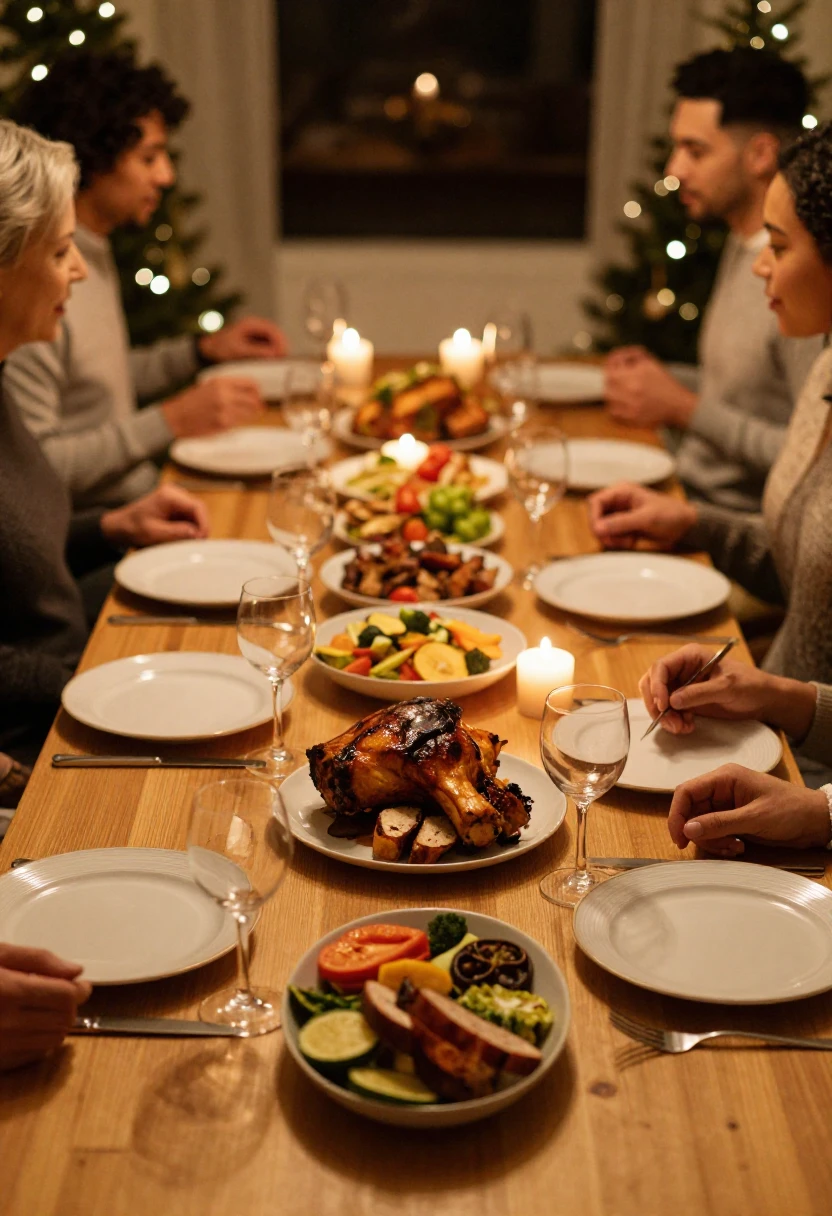
This is the part hosts forget.
You plan the menu, shop, cook, set the table, answer questions, refill drinks, check the oven, warm the rolls, fix the sauce, and then somehow the meal happens while you are still mentally standing in the kitchen.
But you are part of the holiday too.
You deserve to sit down. You deserve a warm plate. You deserve to taste the food while it still feels like dinner, not leftovers.
Sit down before everything is perfect
There will always be one more thing you could do.
The napkins could be straighter. The potatoes could be smoother. The salad could use a few more herbs. The kitchen could be cleaner. Someone’s glass could be refilled before they ask.
At some point, stop.
Put the food on the table and sit down with everyone else. A holiday meal does not need to be flawless to feel good. People remember the warmth of the room, the smell of the food, the jokes, the second helpings, the person who tells the same story every year.
They usually do not remember that the green beans were five minutes late.
And if they do, that is their burden to carry.
One thing that helps is serving the meal in waves instead of trying to create one grand, perfect moment. Put out appetizers early. Let people nibble. Bring the main dishes when they are ready. Dessert can come later, after everyone has had time to breathe.
Not every plate has to hit the table like a restaurant service.
Keep the menu repeatable for next year
After the meal, make a few notes while you still remember what happened.
Not a full report. Just enough to help future you.
Write down:
- which dishes everyone loved
- what made too much food
- what ran out quickly
- which recipe was more trouble than it was worth
- what you forgot to buy
- how long the main dish really took
- which make-ahead dish saved the day
- what you would happily skip next time
This sounds overly organized until next year, when you cannot remember whether you made five pounds of potatoes or eight.
Holiday meals get easier when you repeat the parts that worked. You do not need a brand-new menu every year. In fact, most people like seeing familiar dishes come back. The stuffing they loved. The pie someone waits for. The potatoes that disappear first.
Tradition often starts as “that was good, let’s make it again.”
Make cleanup easier before the meal starts
Nobody wants to think about cleanup before dinner, but future you will be grateful.
Before guests arrive, set yourself up:
- Empty the dishwasher
- Put trash bags where you can find them
- Clear space for dirty plates
- Set out storage containers
- Keep foil or reusable covers nearby
- Choose a spot for leftovers
- Have dish towels ready
- Fill the sink with warm soapy water if that helps your rhythm
You can also decide what does not need to be handled immediately.
Maybe the roasting pan soaks while people eat dessert. Maybe the glasses wait until morning. Maybe the priority is packing leftovers safely and clearing enough space to make coffee.
A holiday kitchen does not have to be spotless by bedtime. It just needs to be under control enough that you do not wake up to complete defeat.
Let the meal be a little imperfect
A perfectly smooth holiday meal is rare. Maybe impossible.
Someone will forget something. A dish may not turn out exactly right. A guest may arrive late. The oven may run hot. The table may be crowded. The dessert may crack down the middle.
Fine.
Put whipped cream on it. Call it rustic. Move on.
The best holiday meals usually have a little mess in them. A loud kitchen. Too many coats on the bed. Someone stealing crispy potatoes from the pan. A child eating only bread. A pie sliced badly but loved anyway.
That is real hosting.
Stress-free holiday meals are not created by controlling every detail. They come from planning enough, letting people help, and knowing when to stop fussing.
Serve the food. Sit down. Take the first bite while it is still warm.
Conclusion
A holiday meal does not have to be effortless to feel peaceful. It just needs a plan that respects your time, your kitchen, and your energy.
Choose the kind of gathering you actually want. Build the menu around one strong main dish. Ask about food needs early. Shop with a real list, prep what you can, and let people help in ways that are actually useful.
Most of all, remember that you are not hosting a performance. You are feeding people you care about.
The food can be simple. The table can be imperfect. The kitchen can be a little messy. If people feel welcome, warm, and well-fed, the meal has done its job.
FAQ
What is the best way to plan stress-free holiday meals?
Start with the guest list, then choose one main dish and a few sides that work well together. Write a grocery list from the menu, decide what can be made ahead, and create a simple cooking timeline for the day of the meal.
How far ahead can I start preparing holiday food?
You can start planning one week ahead and shop for pantry items three to five days before the meal. Many desserts, sauces, dips, dressings, and casseroles can be prepared one day ahead, depending on the recipe.
What holiday dishes are easiest to make ahead?
Cranberry sauce, pies, cookies, dips, salad dressings, gravy base, stuffing components, casseroles, roasted squash, and soups are all good make-ahead options. Fresh salads, crispy vegetables, seafood, and whipped cream are better finished close to serving.
How do I make a holiday meal less overwhelming?
Keep the menu realistic. Do not cook too many new recipes at once. Set the table early, use a checklist, build in extra time, and accept help from guests. A smaller, well-timed meal usually feels better than a huge menu that leaves you exhausted.