Buying organic food for your family can feel like a good idea until you stand in front of the grocery shelf and see the price difference.
The organic strawberries look beautiful. The organic eggs sound better. The organic crackers have softer colors on the box and words that make you feel like a calmer, more organized parent just by looking at them. Then you check the total in your cart and think, “Okay, maybe not everything needs to be organic.”
And honestly, that is the right place to start.
You do not have to replace your whole kitchen overnight. You do not need a perfect pantry, a weekly farmers market routine, or a fridge full of produce your kids may or may not touch. A realistic organic food budget starts with choosing the items that matter most for your family, then building from there.
Maybe that means buying organic milk because your kids drink it every day. Maybe it means choosing organic apples, oats, or eggs. Maybe it simply means swapping one snack or one pantry staple this month and seeing how it fits.
Organic food can be part of a healthy family routine, but it works best when it fits your real life: your grocery budget, your cooking habits, your schedule, and the foods your family actually eats.
In this guide, we’ll keep it practical. You’ll learn how to read organic labels, where to spend a little more, where to save, and how to buy better food without turning grocery shopping into a second job.
Organic food does not have to be all or nothing
The easiest way to make organic food too expensive is to treat it like a full kitchen makeover.
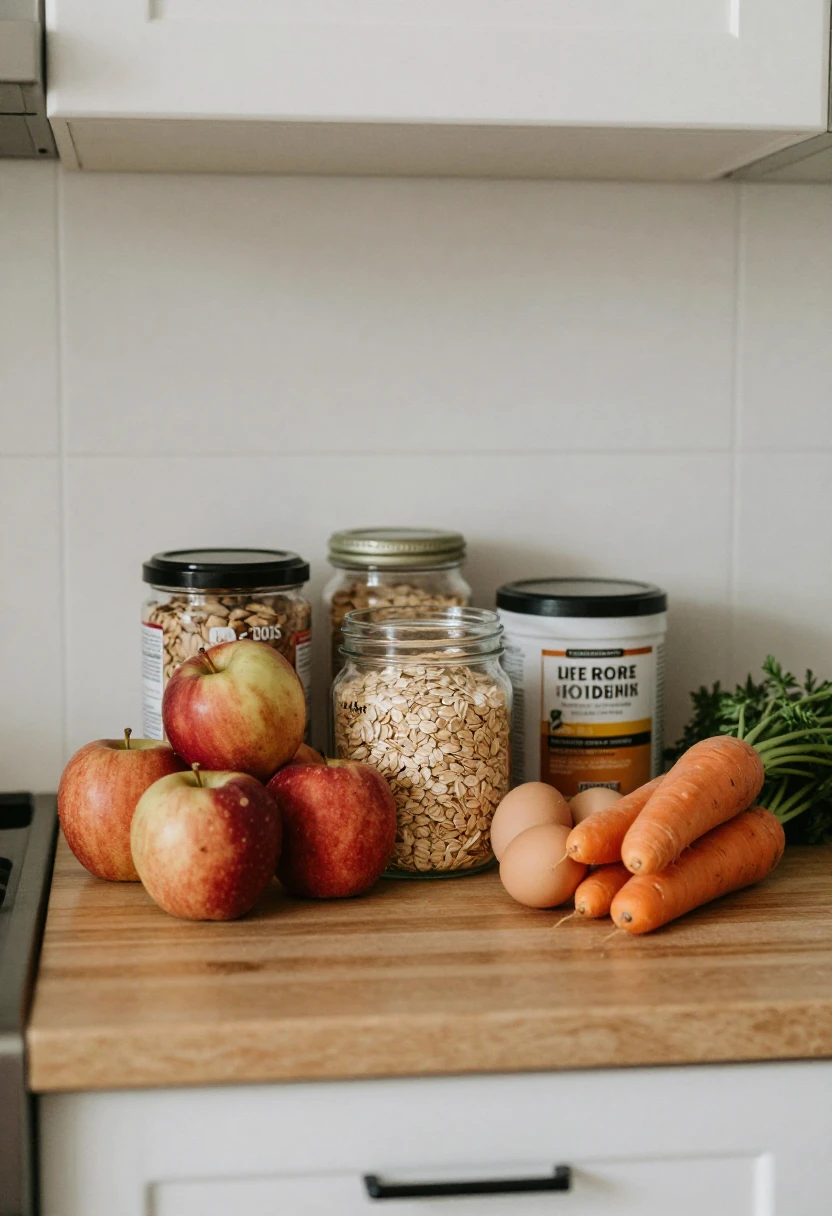
You start with good intentions. You swap the milk, eggs, apples, spinach, chicken, cereal, pasta, yogurt, peanut butter, granola bars, baby carrots, and half the snack drawer. Then the grocery bill jumps, and suddenly organic shopping feels unrealistic.
A better approach is slower and much more forgiving.
Think of organic food as a priority list, not a rulebook. You are not failing if some things in your cart are organic and some are not. Most families shop that way because most families have budgets, picky eaters, busy evenings, and a few convenience foods they are not giving up.
Start with what your family eats most
Before you look at any “best organic foods to buy” list, look at your own kitchen.
What does your family eat every week without question?
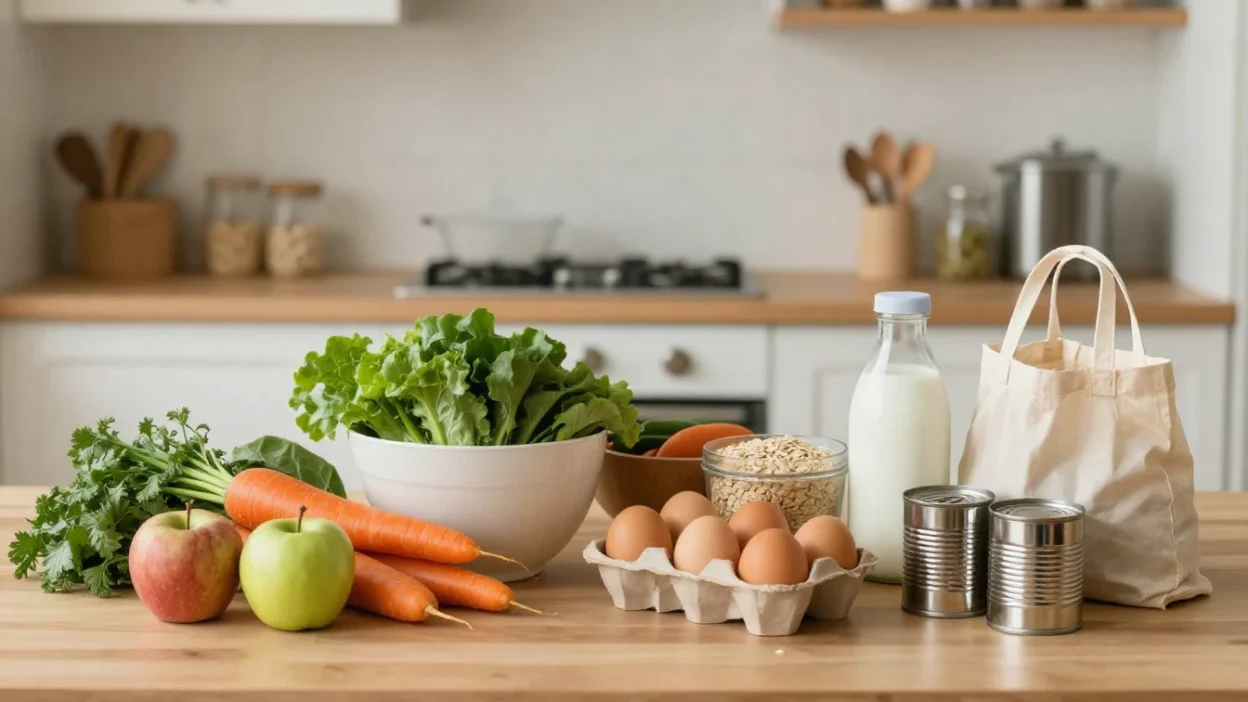
For one family, that might be apples, eggs, yogurt, oats, and baby spinach. For another, it might be milk, bananas, chicken, rice, and peanut butter. The right organic swaps are usually hiding in your regular grocery habits.
If your kids eat apples every day, organic apples may be worth considering. If nobody in your house eats kale unless you blend it into a smoothie and pretend it is not there, buying organic kale just because it feels healthy is probably not the best use of your money.
The goal is simple: spend more only where the food actually gets eaten.
Choose a few organic priorities first
Instead of trying to buy everything organic, pick two or three categories to start with.
Good first choices are often:
- Produce your family eats with the skin on, like apples, berries, grapes, or cucumbers
- Dairy or eggs, especially if these are daily staples in your home
- Pantry basics, like oats, flour, rice, beans, or peanut butter
- Foods for babies or young kids, if you want to be more selective there
- Items you use constantly, not once-in-a-while specialty products
This keeps organic shopping manageable. You can always add more later, but starting small helps you see what fits your budget without wasting food.
And wasting food matters. Organic strawberries are not a good deal if they turn soft in the back of the fridge because everyone suddenly decided they prefer oranges this week.
Think about value, not just price
Organic food often costs more, but price alone does not tell the whole story.
A $6 bag of organic oats may feel more expensive than a sweet organic snack bar, but the oats can become breakfast for several mornings. You can use them for oatmeal, overnight oats, muffins, pancakes, or a quick fruit crumble. That makes them useful.
A tiny box of organic cookies might be fine as a treat, but it does not stretch very far. It also does not suddenly become a “healthy” food just because the word organic is on the label.
When you are shopping on a realistic budget, ask yourself:
- Will my family actually eat this?
- Can I use it in more than one meal?
- Does it replace something we already buy?
- Will it help me cook at home more easily?
- Is the organic version worth the price difference for this item?
That last question is important. Sometimes the answer is yes. Sometimes it is no. Both are normal.
Buying organic food for your family should make your kitchen feel a little better, not more stressful. Start with the foods you use all the time, keep the swaps practical, and let the routine grow slowly.
Learn what organic labels really mean
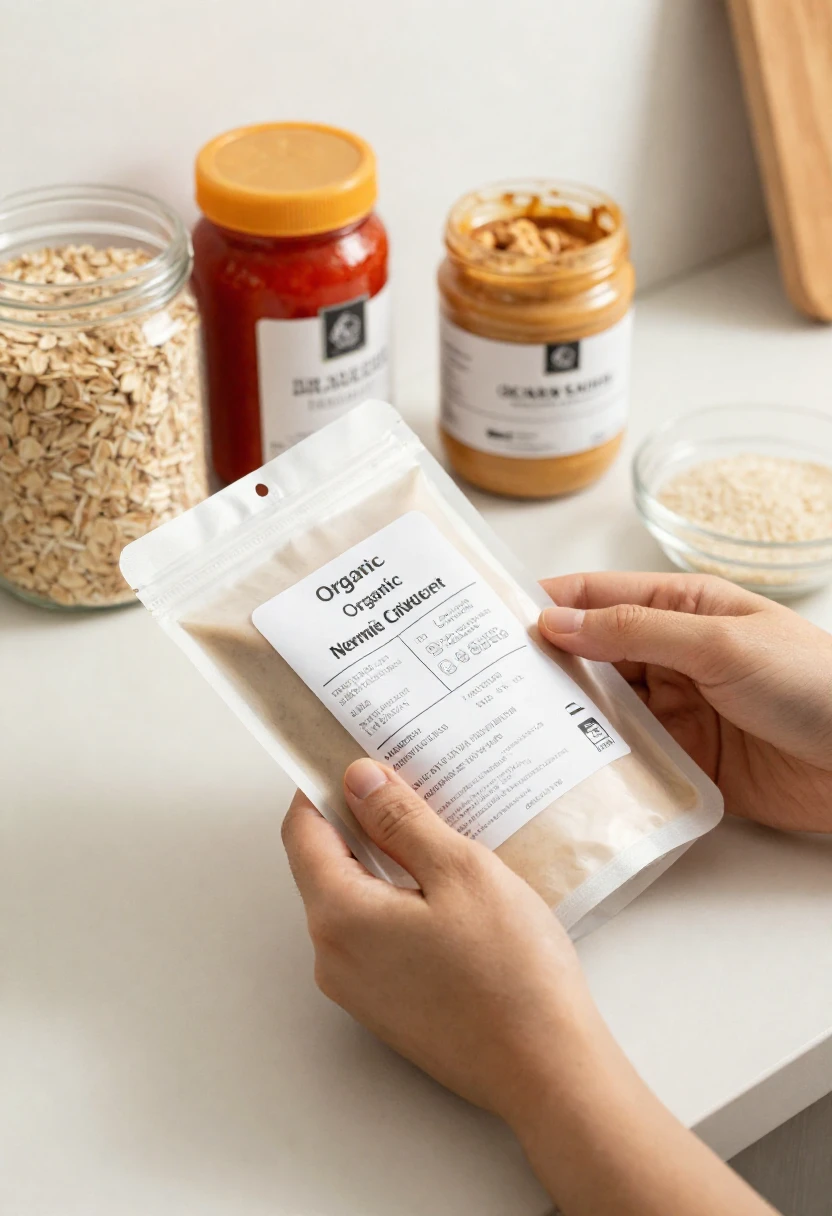
Organic packaging can be confusing because the front of the package is usually trying very hard to look wholesome.
Soft green colors. A little farm illustration. Words like “natural,” “simple,” “clean,” “pure,” and “earth-friendly.” Some of those products may be great. Some may be ordinary foods wearing better clothes.
That is why the label matters.
What certified organic means
When a food is certified organic, it has to meet specific production standards. For produce, that usually means it was grown without most synthetic pesticides or fertilizers. For animal products, organic standards also cover things like feed, outdoor access, and certain restrictions on antibiotics and hormones.
That does not mean organic food is perfect. It also does not mean every non-organic food is bad.
It simply means the product was produced under a certain set of rules. That can be worth paying for, especially when the food is something your family eats often.
With packaged foods, look for the official organic seal and read the wording carefully. There is a difference between a product that is fully organic and one that only includes a few organic ingredients.
Watch for label language that sounds better than it is
Some food labels sound healthy without saying anything very specific.
You might see:
- “Natural”
- “Farm fresh”
- “Made with real ingredients”
- “No artificial flavors”
- “Wholesome”
- “Green”
- “Better-for-you”
These words are not the same as organic certification. They may still describe a decent product, but they are not enough on their own.
This is especially important with snacks, cereals, sauces, and kids’ foods. A box can look gentle and healthy, while the ingredient list still has a lot of sugar, refined flour, or oils you would rather not use every day.
I always tell people to flip the package over. The front is marketing. The back is where the useful information lives.
Read the ingredient list before the price tag wins
It is easy to choose the cheapest organic option and feel like you made the better choice. Sometimes you did. Store-brand organic oats, beans, pasta, or rice can be excellent buys.
But with packaged foods, compare more than the organic label.
Check:
- How much added sugar it has
- Whether the first ingredient makes sense
- How much sodium is in one serving
- What kind of oils are used
- Whether the serving size is realistic
- Whether your family will actually eat it
A simple organic tomato sauce with tomatoes, olive oil, garlic, herbs, and salt is usually a useful pantry staple. An organic fruit snack that is mostly sugar may not be worth the extra cost, even if the box looks adorable.
This is where organic shopping becomes more personal. You are not just buying a label. You are choosing food that fits your family’s meals, habits, and budget.
Start with the foods your family eats most often
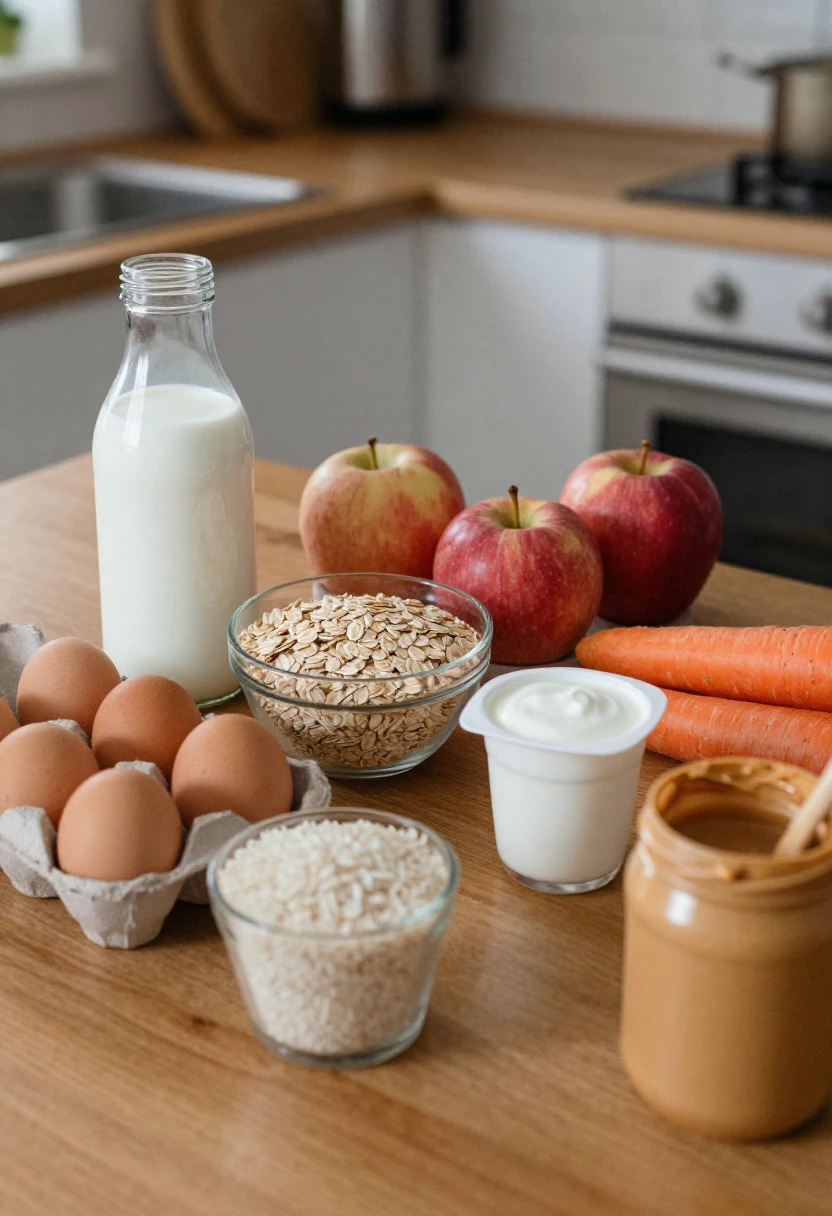
The best organic choices are usually not the fancy ones.
They are the boring foods that disappear from your kitchen every week: milk, eggs, apples, bananas, oats, bread, yogurt, peanut butter, rice, pasta, carrots, berries. The foods you buy almost without thinking.
That is where your organic budget can do the most work.
If your child eats one apple every afternoon, organic apples may make sense. If your family goes through yogurt every few days, organic yogurt might be worth comparing. If you only buy asparagus twice a year because it looked pretty at the store, it probably does not need to be your first organic upgrade.
Make a simple “most eaten” list
Before your next grocery trip, write down 10 foods your family eats all the time.
Not the foods you wish everyone ate. The real ones.
Your list might look like this:
- Apples
- Milk
- Eggs
- Oats
- Yogurt
- Bananas
- Peanut butter
- Rice
- Chicken
- Baby carrots
Now look at the list and choose two or three items where organic feels worth it and the price difference is not painful.
This little exercise keeps you from buying organic food based on guilt, impulse, or pretty packaging. It also helps you avoid the classic mistake: spending extra on ingredients that sit untouched until they spoil.
Choose organic where the swap is easy
Some organic swaps are almost effortless.
Organic oats cook the same way as regular oats. Organic rice still goes into the same pot. Organic eggs still become scrambled eggs, omelets, muffins, or breakfast sandwiches. These are easy upgrades because they do not ask your family to change how they eat.
That matters more than people think.
If you buy an organic ingredient that requires a whole new recipe, a new cooking habit, and a family negotiation at the dinner table, it may not stick. But if you switch the oats, apples, or eggs you already use, nobody has to adjust.
The best organic food for your family is food that slides into your normal routine.
Keep picky eaters in mind
If you have kids, you already know that food preferences can change for no clear reason.
Last week strawberries were the favorite. This week they are “too bumpy.” A sandwich cut into triangles is fine, but squares are apparently unacceptable. Bananas are perfect until they get one tiny brown spot.
So be careful with expensive organic experiments.
If your child has never liked spinach, buying a large box of organic baby spinach will not magically change that. Start with familiar foods first. Organic apples, carrots, yogurt, eggs, pasta, or snack ingredients are usually easier than suddenly introducing new vegetables just because they are organic.
You can still try new things, of course. Just buy small amounts. One bunch of organic kale is a test. Three bunches is a commitment.
Build around meals, not individual products
A realistic organic food budget works better when you think in meals.
Instead of asking, “Which organic products should I buy?” ask, “Which meals do we eat every week, and where would organic ingredients fit naturally?”
For breakfast, that might be organic oats, milk, yogurt, or eggs.
For lunch, maybe organic whole-grain bread, peanut butter, apples, carrots, or cheese.
For dinner, maybe organic rice, beans, pasta sauce, salad greens, or chicken when the price works.
This way, organic food becomes part of meals your family already understands. You are not filling the cart with random “healthy” items and hoping they somehow turn into dinner.
That hope usually fades around 6 p.m., when everyone is hungry and the organic eggplant is still sitting there, looking very noble and very unused.
Use store-brand organic products to save money
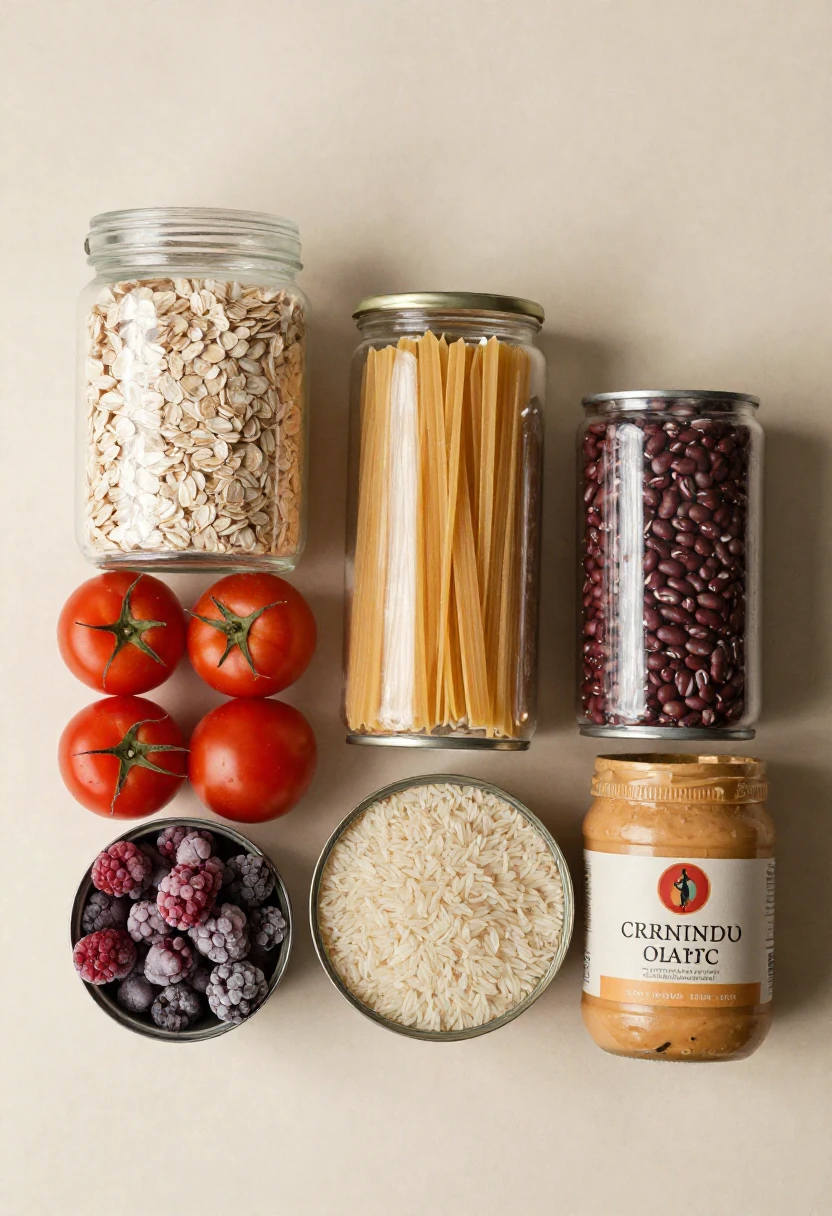
Store-brand organic products can be one of the easiest ways to lower your grocery bill without giving up the organic items you care about.
A lot of families overlook them because they seem less exciting than the pretty packaged brands. But for basic foods, the store brand is often exactly where I would start. Oats, pasta, beans, canned tomatoes, frozen fruit, milk, eggs, flour, rice, and peanut butter do not need fancy packaging to be useful.
Sometimes the plain-looking bag is the best deal in the aisle.
Compare the ingredients, not the design
A branded organic granola may look more special than the store-brand version, but the ingredient list tells the real story.
Pick up both packages and compare them side by side. Look at the first few ingredients, added sugar, serving size, sodium, and any oils used. If they are very similar, the cheaper option may be the smarter buy.
This is especially true for simple pantry foods.
Organic brown rice is organic brown rice. Organic black beans are black beans. Organic rolled oats do not become better because the package has a watercolor mountain on it.
Save your money for the foods where quality, flavor, or sourcing really feels different.
Start with basic organic staples
Store-brand organic products work best when you use them as building blocks.
Good items to try first include:
- Organic oats
- Organic rice
- Organic pasta
- Organic canned beans
- Organic canned tomatoes
- Organic frozen vegetables
- Organic frozen berries
- Organic flour
- Organic peanut butter
- Organic milk or yogurt
These foods are useful because they can become many different meals. Oats can be breakfast, muffins, pancakes, or homemade granola. Canned tomatoes can become pasta sauce, chili, soup, or a quick shakshuka-style dinner with eggs.
That flexibility matters when you are trying to buy organic food for your family on a realistic budget. The more ways you can use one ingredient, the less likely it is to sit in the pantry until you forget why you bought it.
Be careful with organic snack foods
Store-brand organic snacks can be convenient, especially for school lunches or busy afternoons. I get it. There are days when a packaged snack saves everyone’s mood.
But this is also the category where organic shopping can get sneaky.
Organic crackers, cookies, fruit snacks, breakfast bars, and cereal can still be high in sugar or low in protein and fiber. They may be fine sometimes, but they are not always the best place to spend your organic budget.
Before you load up on organic snacks, ask yourself whether the product is helping your week or just making the cart more expensive.
For snacks, I like to keep a mix of simple options around: apples, yogurt, cheese, nuts if your family eats them, popcorn, boiled eggs, carrots with hummus, or toast with peanut butter. Some can be organic. Some do not have to be. The point is to keep snacks easy without turning every snack into a premium product.
Watch for sales on store-brand organics
Once you know which store-brand organic foods your family likes, sales become easier to use.
Instead of buying random discounted items, you can stock up on the basics you already cook with. If organic pasta sauce, oats, frozen berries, or canned beans go on sale, grab a few extra if you have room.
This is how organic shopping starts to feel less expensive over time. Not because every item is cheap, but because you stop making rushed choices.
You know what your family eats. You know which organic swaps matter. And when the price is right, you buy a little more of the things that will actually get used.
Buy seasonal organic produce when possible
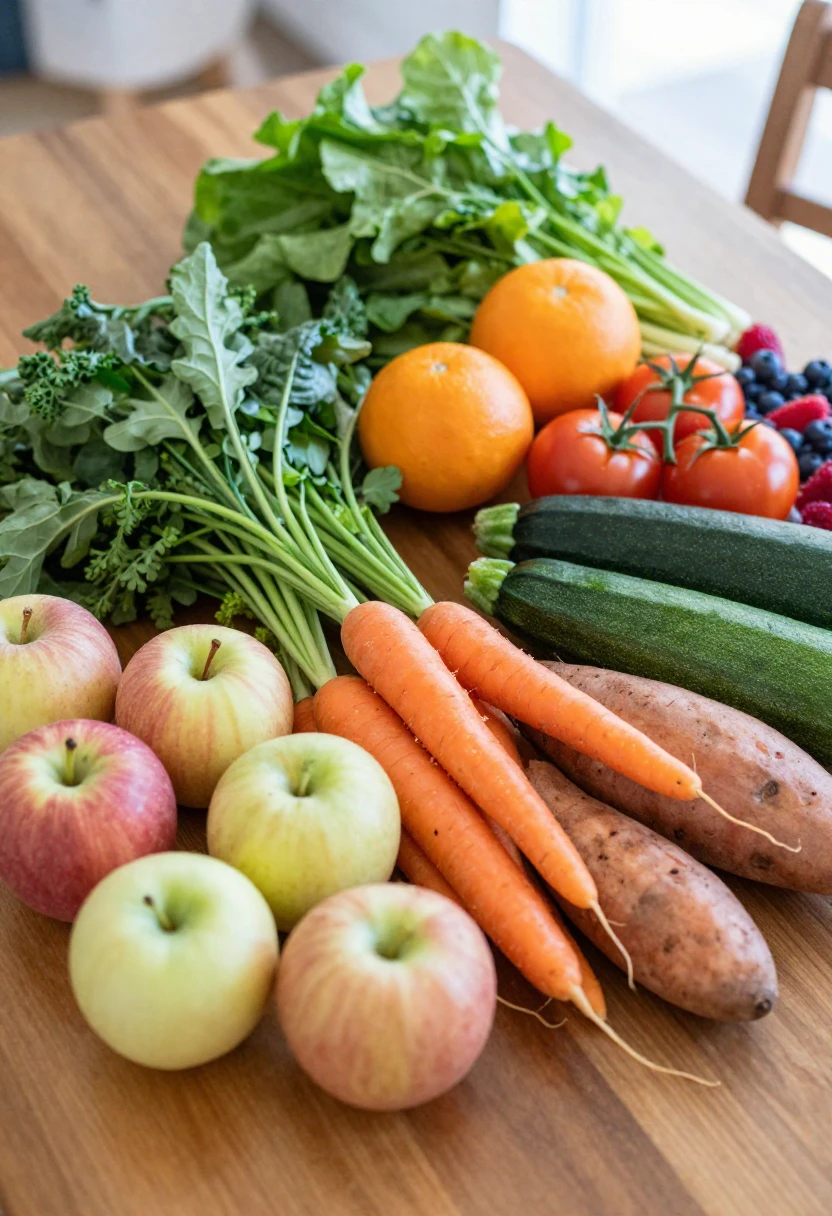
Seasonal organic produce is usually where you get the best mix of flavor and value.
A tomato in August is a very different thing from a tomato in January. Same name, totally different experience. One tastes sweet and juicy enough to eat over the sink with a little salt. The other sits in the salad looking red but somehow tasting like nothing.
That does not mean you can only buy fresh produce in season. Families need groceries all year. But when organic produce is in season, it is often easier to find, better tasting, and sometimes less expensive than the same item shipped from far away.
Let the season guide your cart
You do not need a complicated seasonal chart to shop better. Just pay attention to what looks good, smells good, and is reasonably priced.
In spring, that might be:
- Strawberries
- Asparagus
- Lettuce
- Spinach
- Radishes
- Fresh herbs
In summer, look for:
- Tomatoes
- Cucumbers
- Zucchini
- Peaches
- Blueberries
- Corn
In fall, organic shopping gets easier with:
- Apples
- Pears
- Sweet potatoes
- Carrots
- Squash
- Brussels sprouts
In winter, focus more on:
- Citrus
- Potatoes
- Onions
- Cabbage
- Beets
- Frozen berries
- Frozen vegetables
The trick is not to force the same shopping list every month. If organic blueberries are expensive this week but organic apples are on sale, buy the apples. If fresh organic spinach looks tired, get frozen spinach instead.
Your meals can shift a little with the season without becoming complicated.
Buy less, but buy better
Fresh organic produce can go bad quickly, especially berries, leafy greens, herbs, and soft fruit.
So instead of buying a huge amount because you are trying to “eat healthier,” buy what your family can realistically finish in a few days. This is especially helpful if you have kids who change their minds about fruit with no warning.
A smaller container of organic berries that gets eaten is better than a large one that turns fuzzy by Friday.
I like to think in small produce plans:
- Apples for lunchboxes
- Carrots for snacks
- Spinach for eggs and pasta
- Sweet potatoes for two dinners
- Frozen berries for smoothies
That is enough. You do not need your fridge to look like a farmers market display.
Use frozen organic produce without guilt
Frozen organic fruits and vegetables are underrated.
They are usually picked and frozen quickly, they last much longer, and they save you from the little tragedy of opening the fridge and finding wilted greens you meant to cook two days ago.
Frozen organic berries are great for smoothies, oatmeal, yogurt bowls, muffins, and quick sauces. Frozen peas, corn, broccoli, spinach, green beans, and mixed vegetables can turn into easy sides, soups, pasta, fried rice, or casseroles.
This is one of the easiest ways to buy organic food for your family on a realistic budget because frozen produce gives you more time to use what you paid for.
And on a busy night, frozen broccoli you actually cook is better than fresh organic broccoli you forgot about.
Plan meals around what is affordable right now
Organic produce shopping gets easier when you stay flexible.
Instead of deciding on a very specific meal first, start with the best-priced produce and build from there.
If organic zucchini is affordable, make pasta with zucchini, garlic, olive oil, and parmesan. If organic sweet potatoes are a good price, roast them for tacos, bowls, or a simple side with eggs. If organic apples are everywhere, slice them for snacks, bake them with oats, or add them to lunchboxes.
This is how home cooking becomes less expensive: not by chasing perfect recipes, but by working with what is already good.
A realistic organic budget is not rigid. It bends a little. It follows the season, uses frozen options when they make sense, and buys just enough fresh food to keep the kitchen useful without filling the trash bin.
Visit farmers markets, local farms, and CSAs
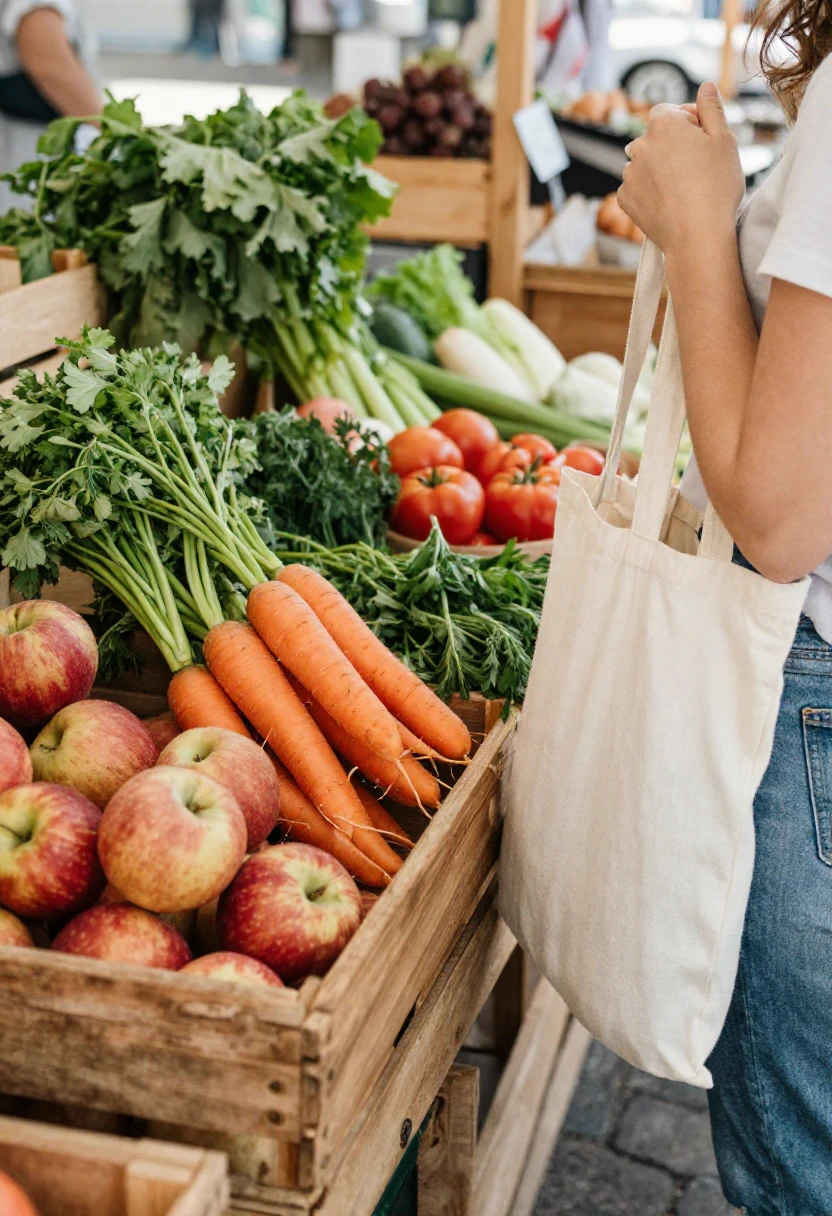
Farmers markets can make organic shopping feel less like a label hunt and more like a conversation.
You see the apples in crates, the carrots still carrying a little soil, the herbs bundled with rubber bands, the person who grew the food standing right there behind the table. It is harder to feel disconnected from your groceries when someone can tell you when the peaches were picked or why the lettuce is smaller this week.
Local food is not always certified organic, and that part matters. Some small farms follow organic or low-spray practices but do not carry certification because the process can be expensive and time-consuming. Others are certified and will say so clearly.
Either way, ask questions. Most farmers are used to it.
Ask simple questions before buying
You do not need to sound like a food inspector. A few normal questions can tell you a lot.
You can ask:
- Do you grow this yourself?
- Are your products certified organic?
- Do you use synthetic pesticides?
- How do you handle weeds and pests?
- What was picked most recently?
- What keeps best for a few days at home?
- What would you recommend for kids?
That last question is underrated. Farmers often know which apples are crisp and sweet, which tomatoes are best for sauce, or which carrots are mild enough for snacking.
And if you are shopping for a family, practical advice matters more than romantic ideas about local food. You want produce that tastes good, fits your meals, and does not collapse in the fridge by tomorrow morning.
Try farmers markets with a small budget first
A farmers market can get expensive if you arrive hungry, inspired, and carrying an empty tote bag.
Everything looks good. The bread smells amazing. The berries are glowing. Someone is selling local honey, and suddenly you are imagining a whole weekend breakfast situation that may or may not happen.
So start with a small plan.
Bring a set amount of money and choose two or three things:
- One fruit for snacks
- One vegetable for dinner
- One fun item, like honey, eggs, bread, herbs, or cheese
This keeps the trip enjoyable without turning it into a budget accident.
For families, farmers markets can also help kids get more curious about food. A child who refuses zucchini at home may still enjoy picking the smallest one from a market basket. Not always. Kids are still kids. But sometimes the story around the food helps.
Consider a CSA if your family cooks often
A CSA, or community-supported agriculture box, can be a good fit if your family eats a lot of produce and you like cooking with what you receive.
The upside is lovely: fresh local food, seasonal variety, fewer grocery decisions, and a direct connection to a farm. The downside is also real: you may get vegetables you do not usually buy, and you need enough time to use them.
Before signing up, ask yourself:
- Do we cook at home most weeks?
- Will we use unfamiliar vegetables?
- Do we have time to wash, chop, and store produce?
- Can we split a box with another family?
- Is there a smaller box option?
A CSA can save money for some families, but only if the food gets eaten. If the box becomes a weekly guilt delivery, it is not helping.
I would start with a trial box if the farm offers one. Or split the first few weeks with a friend. That way, you can see whether the rhythm fits your kitchen before committing to a full season.
Do not overlook local farms outside market days
Some farms sell directly from a small farm stand, online order system, or pickup location. This can be easier than a busy Saturday market, especially if you have kids, errands, and a limited amount of patience.
Local farms may offer:
- Seasonal produce boxes
- Organic eggs
- Grass-fed or organic meat
- Raw or local honey
- Herbs and flowers
- Pick-your-own fruit days
- Bulk produce for freezing or canning
If you find a farm you like, follow their updates or email list. That is often where you learn when strawberries are ready, when tomatoes are at their best, or when they have extra produce at a lower price.
Local shopping does not have to replace your grocery store. For most families, it works better as a small add-on: apples from the farm, pantry staples from the store, frozen vegetables when life gets busy.
That balance is usually where organic food becomes sustainable. Not perfect. Sustainable.
Save with bulk buying, coupons, and simple planning
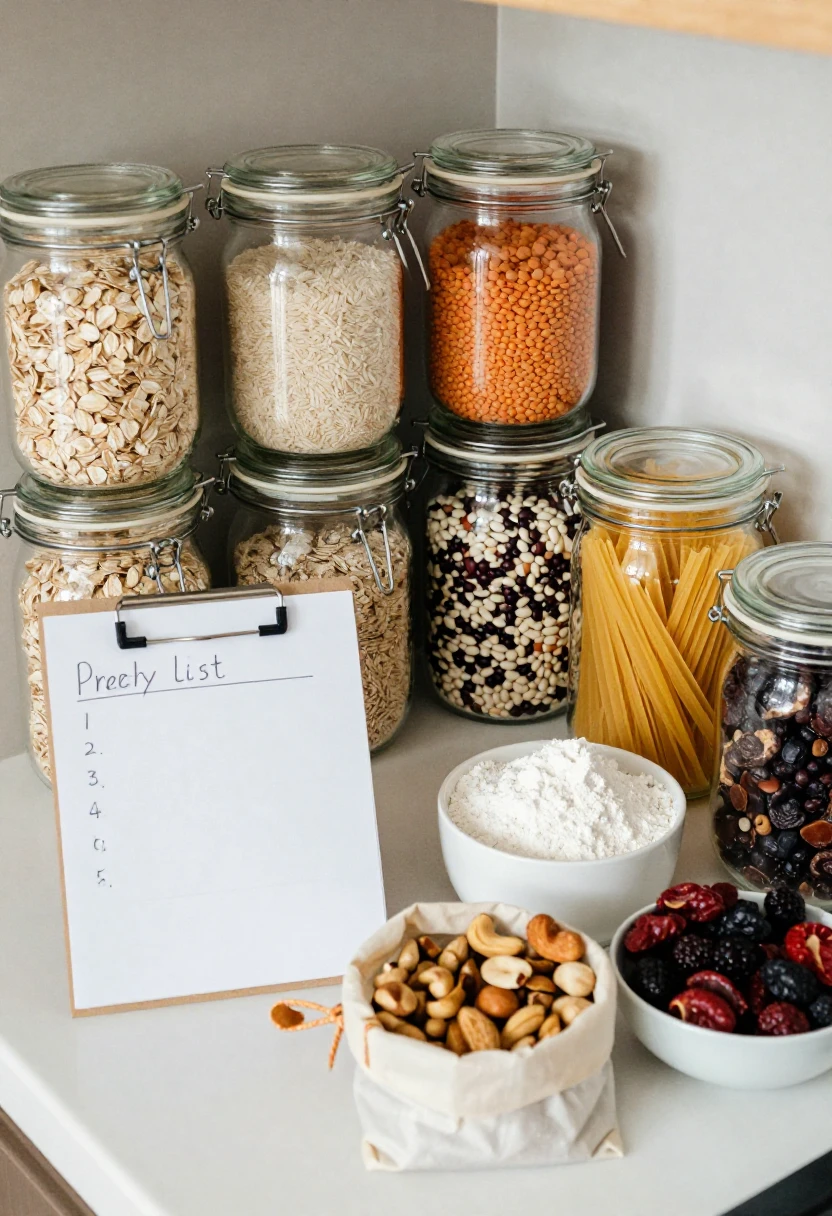
Organic food gets much easier to afford when you stop buying everything one item at a time.
That does not mean you need a basement full of bulk bins or a pantry that looks like a tiny grocery store. Most families do not need that. But a little planning can save real money, especially on foods you already use every week.
The key is to stock up on the boring staples, not the exciting things you bought once because they looked healthy.
Buy organic pantry staples in bulk
Some organic foods are perfect for bulk buying because they last a long time and fit into many meals.
Good options include:
- Organic oats
- Organic rice
- Organic lentils
- Organic beans
- Organic flour
- Organic pasta
- Organic quinoa
- Organic nuts and seeds
- Organic dried fruit
- Organic canned tomatoes
- Organic broth
These are the ingredients that quietly hold a kitchen together.
Oats become breakfast, muffins, granola, pancakes, or a quick crumble with apples. Lentils can turn into soup, curry, taco filling, or a simple bowl with rice and vegetables. Canned tomatoes can rescue dinner when you have pasta, garlic, and not much else.
That kind of flexibility is what makes bulk buying worth it.
But be honest with yourself. If your family does not like lentils, a huge bag of organic lentils is not a bargain. It is pantry decor.
Use coupons without chasing every deal
Coupons can help, but they can also trick you into buying food you did not need.
A discount only saves money if the product fits your real grocery list. If you buy organic cereal your kids will not eat because there was a coupon, you did not save anything. You just bought an expensive box that will sit open until it goes stale.
The best coupons are for foods you already buy:
- Milk
- Eggs
- Yogurt
- Oats
- Frozen berries
- Pasta sauce
- Nut butter
- Bread
- Rice
- Beans
- Baby food or toddler snacks
Keep it simple. Check your grocery store app before you shop. Save the offers that match your usual list. Ignore the rest.
There is something weirdly satisfying about getting a deal on organic peanut butter or frozen fruit you were already going to buy. That is the sweet spot.
Plan meals around what you have
Meal planning does not have to mean writing a perfect seven-day menu.
Sometimes it just means opening your pantry before you leave for the store.
If you already have organic rice, canned beans, and frozen corn, you are close to burrito bowls. If you have pasta, canned tomatoes, and frozen spinach, dinner is almost done. If you have oats, apples, and yogurt, you have breakfast for several days.
Before shopping, check:
- What grains or pasta do we already have?
- What frozen produce needs to be used?
- What fresh organic produce is close to spoiling?
- What proteins are in the fridge or freezer?
- What snacks are actually running low?
This one habit can cut waste fast. It also helps you stop buying duplicate items, which is one of the quiet ways grocery bills creep up.
Nobody needs three open bags of organic rice unless they are running a very specific kind of household.
Store organic food so it lasts longer
Organic produce can be more painful to waste because it usually costs more. A few storage habits make a difference.
Leafy greens last longer when you add a paper towel to the container to absorb moisture. Berries should usually stay dry until you are ready to eat them. Herbs can be wrapped in a damp towel or placed in a jar with a little water, depending on the type. Carrots and celery stay crisp longer in the right container instead of rolling around loose in the fridge drawer.
For pantry foods, airtight containers help with oats, flour, rice, nuts, seeds, and dried fruit. If you buy nuts or seeds in bulk, consider storing some in the freezer so the oils do not turn rancid.
This is not glamorous advice, but it saves money.
The cheapest organic food is the food you actually use before it spoils.
Do not confuse organic with automatically healthy
This is where organic shopping gets a little tricky.
Organic food can be a good choice, but the word “organic” does not turn every product into something your family should eat every day. Organic cookies are still cookies. Organic gummy snacks are still sweet snacks. Organic mac and cheese is still boxed mac and cheese.
And that is fine. Food does not have to be perfect to have a place in your kitchen.
The problem starts when the organic label makes a product feel healthier than it really is.
Check sugar, sodium, and oils
Packaged organic foods can still be high in added sugar, salt, or refined oils.
This matters most with foods your family eats often, like cereal, granola bars, crackers, yogurt, pasta sauce, frozen meals, and kids’ snacks. A little sugar in a treat is not a disaster. But if the “healthy” snack bar has as much sugar as a cookie, it is worth noticing.
When comparing organic packaged foods, check:
- Added sugar per serving
- Sodium per serving
- The first three ingredients
- Protein and fiber
- Type of oil used
- Serving size
The serving size is the sneaky one. A package may look reasonable until you realize the listed serving is tiny, and your child would naturally eat twice that amount.
I like simple ingredient lists when possible, especially for everyday foods. Tomato sauce does not need much more than tomatoes, olive oil, garlic, herbs, and salt. Peanut butter can be peanuts and maybe salt. Yogurt can be milk and cultures, with fruit or honey added at home.
Simple is not always cheaper, but it often helps you see what you are actually buying.
Be extra careful with kids’ organic snacks
Kids’ snacks are where organic marketing gets very persuasive.
The box looks gentle. The colors are soft. There might be a leaf, a bunny, or a little orchard on the front. It feels like the kind of snack a thoughtful parent would buy.
Then you turn it over and see sugar, syrup, refined flour, and not much else.
Again, this does not mean you can never buy them. I have no problem with easy snacks. Every family needs a few grab-and-go options for school bags, car rides, and those dramatic late-afternoon hunger moments when dinner is still an hour away.
But I would not let organic snack foods take over the budget.
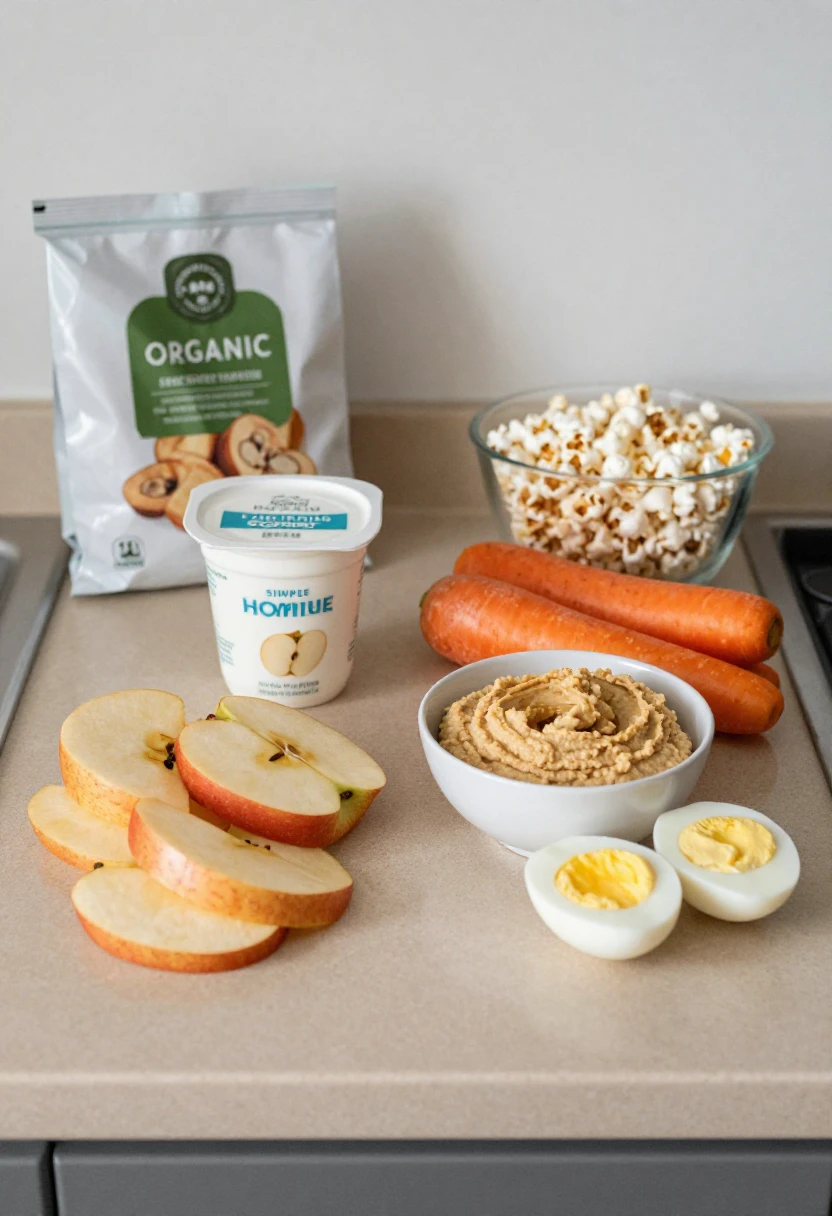
For everyday snacks, try to keep a few steady options around:
- Yogurt with fruit
- Apple slices with peanut butter
- Cheese and whole-grain crackers
- Carrots with hummus
- Boiled eggs
- Popcorn
- Toast with nut butter
- Smoothies with frozen fruit
- Homemade muffins with oats or whole grains
Some of these can be organic. Some can be regular. The bigger win is choosing snacks that actually satisfy hunger.
Organic treats are still allowed
You do not need to turn organic shopping into a nutrition exam.
If your family likes organic chocolate cookies, buy them sometimes. If your kids love a certain organic cereal, keep it in the rotation if it works for you. Food should have room for pleasure, convenience, and the occasional “we are all tired, just eat the crackers” moment.
The point is not to judge every item. The point is to know what role it plays.
Some foods are everyday staples. Some are treats. Some are convenience backups. Some are lunchbox helpers. Once you know the role, the label becomes less confusing.
An organic cookie can be a nice cookie. It just does not need to be promoted to breakfast.
Focus on meals first
The best way to avoid overspending on organic “health halo” foods is to build your cart around meals before snacks.
Start with breakfast, lunch, dinner, and a few realistic snacks. Then add treats if the budget allows.
For example:
- Breakfast: organic oats, milk, yogurt, eggs
- Lunch: bread, peanut butter, apples, carrots, cheese
- Dinner: rice, beans, pasta sauce, frozen vegetables, chicken or tofu
- Snacks: popcorn, fruit, hummus, crackers, boiled eggs
- Treats: cookies, chocolate, ice cream, or whatever your family enjoys
This keeps the cart balanced. It also stops organic packaged foods from quietly swallowing the budget before you have enough ingredients for actual meals.
Because that is the real goal: not a perfect organic pantry, but a kitchen that helps you feed your family well without feeling like every grocery decision is a moral dilemma.
Build a family-friendly organic shopping routine
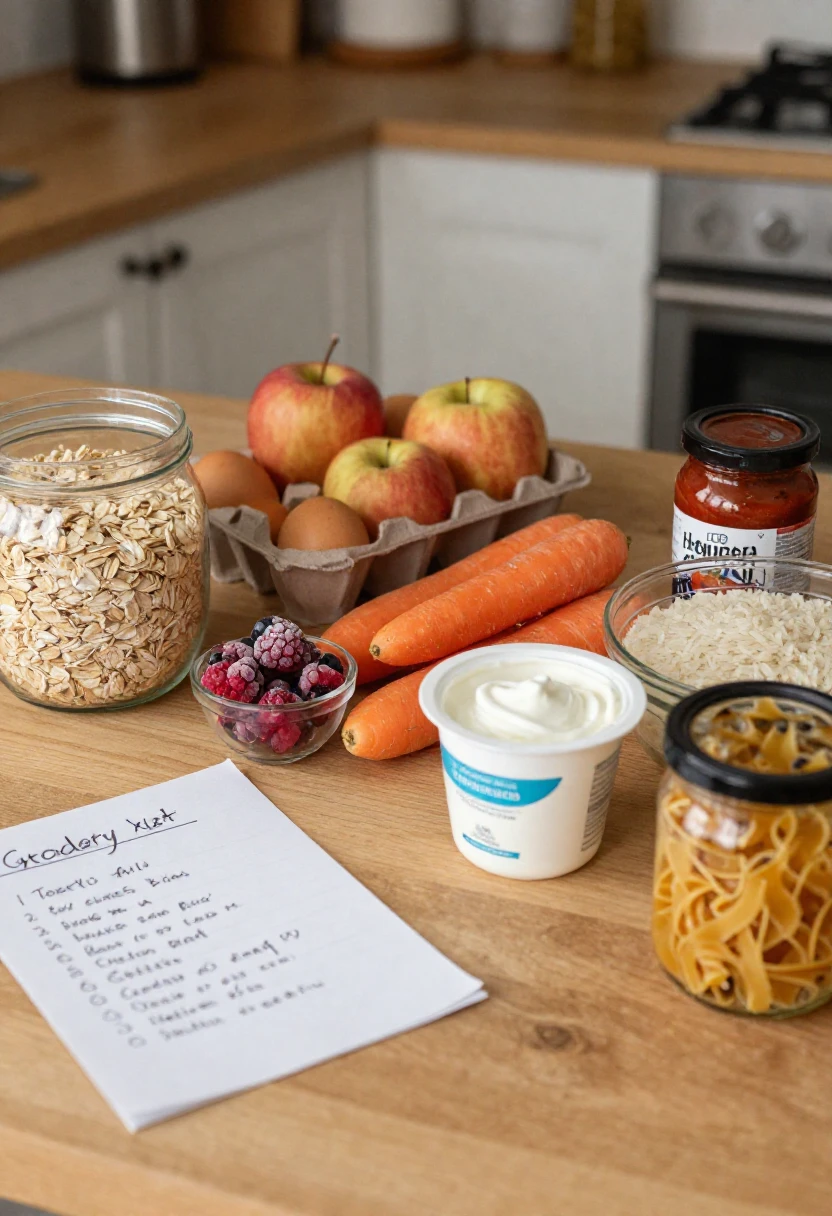
Organic shopping gets easier when it becomes a routine instead of a weekly debate.
You should not have to stand in every aisle wondering, “Should this be organic? Is this worth it? Am I making the wrong choice?” That gets exhausting fast, especially when someone is asking for snacks, your phone is buzzing, and the checkout line is already long.
A simple routine takes some pressure off.
You decide your priorities once, then repeat them. Maybe organic milk, eggs, apples, oats, and frozen berries are your regulars. Maybe you buy organic chicken only when it is on sale. Maybe you skip organic snack foods unless there is a good discount.
That kind of rhythm is what makes organic food feel realistic.
Create a small organic priority list
Start with a short list of organic foods you want to buy regularly.
Keep it small enough that it actually fits your budget. Five to eight items is plenty for most families at the beginning.
Your list might include:
- Organic milk
- Organic eggs
- Organic apples
- Organic oats
- Organic frozen berries
- Organic carrots
- Organic yogurt
- Organic pasta sauce
Write the list in your notes app or keep it inside your grocery app. This sounds almost too simple, but it helps. You are less likely to get pulled into expensive impulse buys when you already know what matters.
The list can change with your family. If your kids suddenly stop eating yogurt, take it off. If everyone starts loving smoothies, frozen organic berries might move up.
No drama. Just adjust.
Rotate items instead of replacing everything
One of the most budget-friendly ways to buy organic food for your family is to rotate your upgrades.
You do not need to buy organic everything every week.
One week, you might focus on organic dairy and fruit. Another week, you might stock up on organic pantry staples. The next week, you may buy regular produce but choose organic chicken because it is on sale.
This rotation keeps your cart from getting too expensive at once.
It also gives you room to respond to real life. Some weeks have birthday parties, school events, travel, guests, or just a tired Thursday where dinner becomes frozen pizza and sliced cucumbers. Your grocery plan should survive that.
A flexible organic routine works better than a strict one.
Keep meals simple so food does not go to waste
The more complicated your meal plan, the easier it is to waste food.
Organic ingredients do best when they have a clear job. Apples for lunchboxes. Frozen berries for smoothies. Oats for breakfast. Eggs for quick dinners. Rice for bowls. Carrots for snacks and soup.
Simple food gets used because you do not have to think too hard.
A few easy meal anchors can help:
- Oatmeal or yogurt bowls for breakfast
- Eggs with toast and fruit
- Rice bowls with vegetables and beans
- Pasta with tomato sauce and spinach
- Soup with lentils, carrots, and potatoes
- Sheet-pan chicken with sweet potatoes
- Smoothies with frozen fruit and yogurt
These meals are not fancy, but they are dependable. And dependable meals are what keep a grocery budget steady.
Let your family help choose
If you are buying organic food for the whole family, let the family have a say.
Ask which fruits they will actually eat. Let kids choose between apples and pears, carrots and cucumbers, yogurt and cheese sticks. Give them small choices, not full control of the cart.
This can reduce waste because people are more likely to eat food they helped choose.
It also keeps organic shopping from becoming something you are forcing on everyone. You are not just buying “healthy food.” You are building a kitchen that works for the people who live in your house.
And yes, someone may still choose the organic crackers shaped like tiny animals. That happens. Just make sure the apples, eggs, oats, and dinner ingredients make it into the cart too.
Common mistakes to avoid when buying organic food
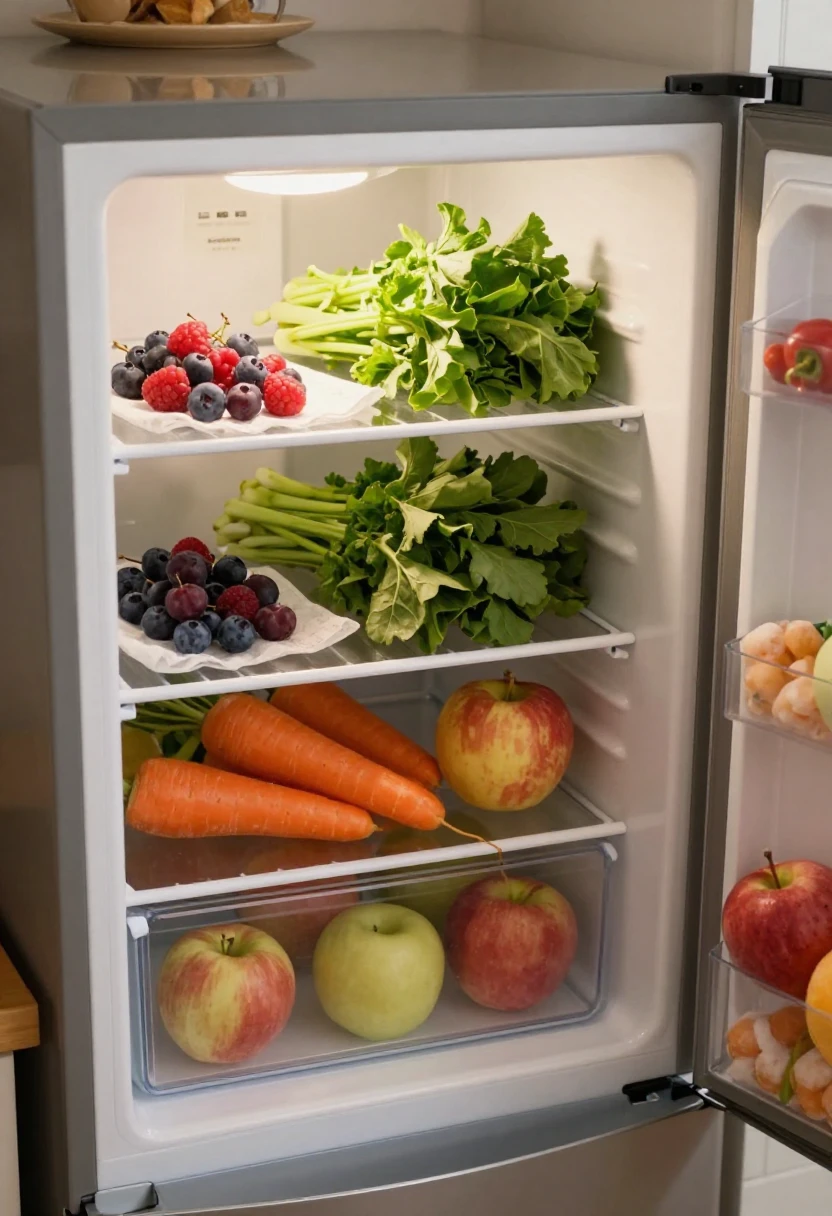
Organic shopping gets easier once you know what not to do.
Most mistakes come from good intentions. You want better food, so you buy more produce. You want cleaner snacks, so you grab the organic version of everything. You want to make the “right” choice, so you spend extra even when the product does not really fit your family.
I have done this too. The fridge looks beautiful for two days, then reality walks in. Someone refuses the salad. The berries get soft. The expensive crackers vanish in one afternoon. The organic cauliflower waits patiently until it becomes a science project.
A realistic budget needs less pressure and more honesty.
Buying too much fresh produce at once
Fresh organic produce is wonderful when it gets eaten.
It is frustrating when it spoils before you use it.
This usually happens when you shop for the version of your family you wish existed on a calm Sunday morning. That family eats big salads, roasted vegetables, fresh fruit plates, homemade soups, and green smoothies without complaint.
Your real family may still want pasta, sandwiches, tacos, eggs, rice bowls, and snacks they can grab with one hand.
So buy fresh produce in amounts your real household can handle.
If you are not sure, start smaller:
- One box of berries, not three
- One bunch of greens, not a full drawer
- Two or three dinner vegetables, not seven
- A few lunchbox fruits, not a fruit stand
- Frozen organic produce as backup
You can always buy more later. Throwing away organic produce hurts the budget more than buying a smaller amount in the first place.
Paying extra for weak label claims
Not every healthy-looking label is worth more money.
Words like “natural,” “clean,” “simple,” “farm-style,” and “better choice” can sound comforting, but they do not mean the same thing as certified organic. They also do not tell you whether the food is filling, balanced, or worth the price.
This is especially common with snacks and packaged foods.
Before paying extra, turn the package around. Look at the ingredients. Look at the sugar, sodium, protein, fiber, and serving size. If the product is mostly refined flour and sugar, the organic-looking design on the front should not make the decision for you.
Sometimes the regular version is fine. Sometimes the organic version is better. Sometimes neither one is very useful, and you are better off buying apples, yogurt, eggs, popcorn, or ingredients for a simple homemade snack.
Ignoring frozen organic options
A lot of people think fresh produce is always the better choice, but frozen organic fruits and vegetables can be a budget saver.
They last longer. They are easy to portion. They are already washed and chopped. And they rescue meals when you have no energy for prep.
Frozen organic spinach can go into eggs, soup, pasta, or smoothies. Frozen berries work for oatmeal, yogurt bowls, muffins, and sauces. Frozen broccoli, peas, corn, and green beans can become quick sides or go straight into stir-fries and casseroles.
There is no prize for buying fresh organic vegetables and then watching them wilt.
Frozen food is still real food. Use it.
Forgetting your cooking habits
This might be the biggest mistake.
Do not buy organic food for the cook you are not.
If you rarely bake, do not start with a huge bag of organic flour. If your family does not eat beans, do not buy six cans because they were on sale. If weeknight dinners are already chaotic, skip the delicate vegetables that need trimming, washing, blanching, and emotional support.
Buy ingredients that match how you actually cook.
If you make pasta twice a week, organic pasta sauce or frozen spinach may be useful. If breakfast is always rushed, organic oats, yogurt, eggs, or whole-grain bread might help. If lunchboxes are your daily problem, focus on fruit, carrots, cheese, nut butter, or simple snack ingredients.
Organic food should make your routine easier, not more aspirational.
Chasing perfection instead of progress
The most expensive organic habit is trying to do everything perfectly.
Perfect organic pantry. Perfect school lunches. Perfect produce drawer. Perfect homemade snacks. Perfect meal plan.
No one eats like that all the time.
A better goal is steady improvement. Choose a few organic staples. Cook at home a little more. Waste less. Read labels. Buy seasonal produce when it makes sense. Keep frozen backups. Let treats be treats.
That is enough.
Your family does not need a flawless organic lifestyle. You need groceries that fit your budget, meals people will eat, and a kitchen that feels a little easier to manage next week than it did this week.
Conclusion
Buying organic food for your family on a realistic budget is not about filling your cart with the most expensive version of everything.
It is about choosing better where it makes sense.
Start with the foods your family eats all the time. Learn which labels matter and which ones are mostly marketing. Use store-brand organic staples, seasonal produce, frozen options, and simple meal planning to stretch your budget without making grocery shopping feel heavy.
Some weeks, you may buy organic milk, eggs, apples, and oats. Other weeks, you may skip the extras and focus on regular groceries that still help you cook good meals at home.
That is normal.
Organic food should support your family, not stress you out. A few smart swaps, used consistently, can do more for your kitchen than a cart full of expensive ingredients nobody actually wants to eat.
FAQ
Is organic food always healthier?
Not always. Organic food follows certain production standards, but an organic cookie is still a cookie, and an organic sugary cereal can still be high in sugar. For everyday choices, look at the full ingredient list, added sugar, sodium, fiber, protein, and how often your family eats that food.
What organic foods should I buy first for my family?
Start with foods your family eats often. Good first choices may include milk, eggs, apples, berries, oats, yogurt, carrots, rice, beans, or peanut butter. The best organic swaps are the ones that fit into meals you already make.
How can I save money on organic groceries?
Use store-brand organic products, buy pantry staples in bulk, choose seasonal produce, check grocery store app coupons, and use frozen organic fruits and vegetables. Planning meals around what you already have also helps reduce waste.
Is frozen organic produce a good choice?
Yes. Frozen organic produce can be one of the smartest budget options because it lasts longer and is easy to use. Frozen berries, spinach, peas, broccoli, corn, and mixed vegetables work well in smoothies, soups, pasta, casseroles, oatmeal, and quick side dishes.