A lot of salads end up tasting flat after the first few bites. The vegetables blend together, the dressing disappears, and suddenly the whole bowl feels more like an obligation than actual food.
Fattoush avoids that almost immediately. 🥗
The toasted pita changes the texture completely. Some pieces stay crisp while others soften slightly after soaking up lemon juice, olive oil, tomato juices, and sumac. You get crunch, softness, acidity, freshness, all mixed together instead of separated into layers.
The first time I made fattoush at home, I expected something very light and delicate. Instead, it felt surprisingly filling. Not heavy exactly, but satisfying in the way bread salads usually are when they’re done well.
And honestly, the messiness helps. Uneven pita pieces, herbs falling everywhere, dressing collecting at the bottom of the bowl. It feels relaxed instead of overly styled.
That might be part of the reason fattoush keeps surviving food trends. It tastes real. Not like a salad designed only for photos.
What surprised me most the first few times I made it was how quickly the texture changed after tossing everything together. At first the pita stays crisp and almost separate from the vegetables. Then slowly the edges soften, the tomatoes release more juice, and the dressing starts coating every ingredient instead of sitting at the bottom of the bowl. The salad almost settles into itself after a few minutes.
And that texture shift is exactly why fattoush feels more interesting than most chopped salads.
A lot of salads stay exactly the same from the first bite to the last. Fattoush keeps changing while you eat it. One forkful might be mostly crunchy cucumber and herbs, another gets soaked pita with sharp lemon dressing and sweet tomato juices. The bowl never feels repetitive.
I also think people underestimate how important temperature is here. Cold cucumbers, chilled lettuce, room-temperature tomatoes, warm toasted pita straight from the oven — those little contrasts make the salad feel more alive somehow. If everything is equally cold and uniform, fattoush loses part of its personality.
Another thing that helps is the lack of heaviness. Even though there’s bread in the salad, it never feels dense the way creamy pasta salads or mayo-heavy side dishes sometimes do during summer. The acidity keeps everything bright enough that you keep going back for another bite without realizing it.
There’s also something very relaxed about the way fattoush looks on the table. It’s not neat food. The herbs scatter everywhere, the dressing pools slightly at the bottom, and the pita never stays perfectly crisp. But that loose, imperfect appearance actually makes the salad more inviting.
It looks like something meant to be shared casually instead of carefully admired first.
And honestly, that’s probably why it works so well at big dinners or outdoor meals. People don’t approach it cautiously. They just start serving themselves immediately.
The ingredients are simple, but the balance matters a lot 🌿
One thing I like about fattoush is that the ingredients are ordinary. Cucumbers, tomatoes, lettuce, herbs, pita bread. Nothing complicated hiding in the recipe.
But the proportions matter more than people think.
Too much lettuce makes the salad watery. Too little dressing and the bread tastes dry instead of flavorful. Weak tomatoes flatten everything quickly because fattoush depends heavily on vegetable juices mixing into the dressing.
Fresh herbs are especially important here. Parsley gives the salad structure while mint cools everything down and keeps the flavor sharp. Without enough herbs, the whole bowl starts drifting toward basic chopped salad territory.
And sumac really matters.
If someone eats fattoush and says “something tastes missing,” it’s usually the sumac. The flavor lands somewhere between lemon zest and something slightly earthy or smoky. Once it coats the toasted pita, the salad suddenly tastes deeper and more complete.
I also think this is one of those dishes where rough chopping works better than precision. Big cucumber slices, uneven tomatoes, torn herbs. Perfect cubes make it feel strangely lifeless.
The tomatoes deserve more attention than they usually get in recipes too. Good tomatoes almost become part of the dressing once they hit the salt and lemon juice. Their juices mix into the bottom of the bowl and coat the pita naturally. That’s why fattoush tastes dramatically better in summer when tomatoes are actually sweet instead of pale and watery.
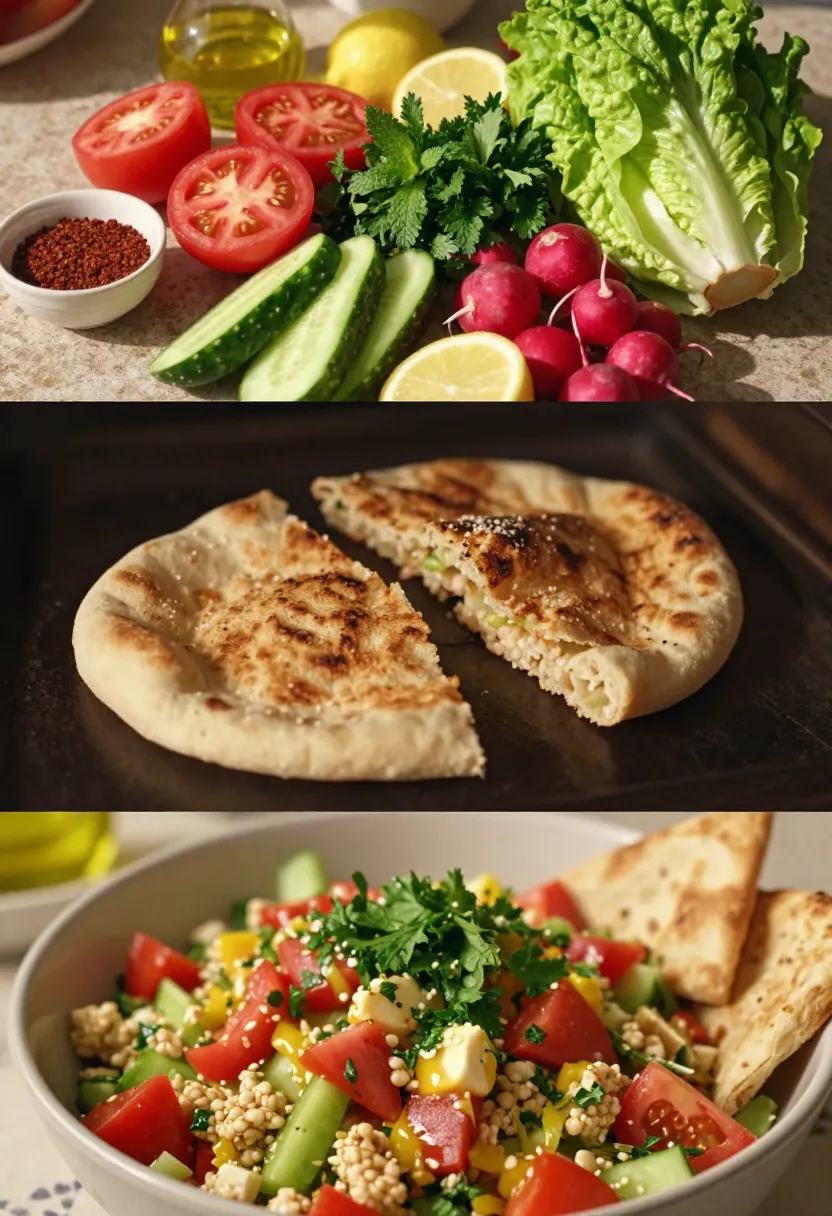
Cucumbers matter for a different reason. They bring freshness and crunch without competing too much with the dressing. Persian cucumbers work especially well because they stay crisp longer and don’t release as much water as larger varieties.
And the lettuce choice matters more than people realize.
Soft greens collapse too quickly once the dressing hits them. Romaine holds texture longer and gives the salad structure without dominating the flavor. You need something sturdy enough to survive the weight of the pita and juicy vegetables.
The olive oil also changes the final flavor more than expected. A bland oil makes the dressing taste flat almost immediately. A peppery olive oil gives the whole salad warmth underneath the acidity. It doesn’t need to be expensive, but it should taste good enough that you’d want to dip bread into it by itself.
One thing I started doing recently is adding the herbs in layers instead of dumping everything in at once. Half get tossed into the salad, then the rest go on top right before serving. It keeps the mint smelling fresher and makes the entire bowl look more alive.
A few small details also make a surprisingly big difference:
- tearing the pita instead of slicing neat triangles
- salting the tomatoes lightly before mixing
- using fresh lemon juice instead of bottled
- keeping the vegetables cold before assembly
Tiny adjustments, honestly. But together they change the whole salad.
Ingredients that shape the flavor most ✨
| Ingredient 🥒 | What it adds to the salad | Texture contribution | Extra notes |
|---|---|---|---|
| Sumac 🍷 | Sharp citrus flavor without harsh acidity | Light coating on vegetables and pita | Essential for authentic fattoush flavor |
| Toasted pita 🫓 | Warm, nutty flavor | Crunchy edges with soft centers | Absorbs dressing beautifully |
| Mint 🌱 | Cooling freshness | Soft and aromatic | Keeps the salad tasting bright |
| Parsley 🌿 | Fresh herbal depth | Slightly leafy texture | Helps balance the acidity |
| Tomatoes 🍅 | Juicy sweetness | Soft and juicy | Their juices mix into the dressing |
| Cucumbers 🥒 | Fresh clean flavor | Crisp and refreshing | Best served very cold |
| Lemon juice 🍋 | Bright acidity | Light and sharp | Makes the vegetables taste fresher |
| Olive oil 🫒 | Richness and smoothness | Silky coating | Helps bind the dressing together |
| Radishes 🌸 | Peppery bite | Crunchy texture | Adds sharpness without heaviness |
| Romaine lettuce 🥬 | Neutral freshness | Crisp structure | Holds up better than softer greens |
Why fattoush works especially well during warm weather ☀️
There are certain dishes that automatically feel connected to specific seasons. Fattoush belongs to hot evenings, open windows, grilled food, and dinners that drag on longer than expected.
Cold vegetables obviously help, but it’s really the sharp dressing that makes the salad feel refreshing. Lemon juice and sumac cut through heavier foods without making the meal feel too rich afterward.
I’ve served fattoush beside grilled chicken, roasted eggplant, lamb, even simple rice dishes, and it always balances the table somehow. The salad wakes everything up.
It also survives outdoor dinners better than delicate leafy salads. Romaine keeps its texture longer, and the pita softens gradually instead of collapsing all at once. Honestly, I think fattoush tastes best about ten minutes after tossing everything together.
Long enough for the bread to absorb flavor. Not long enough to lose all crunch.
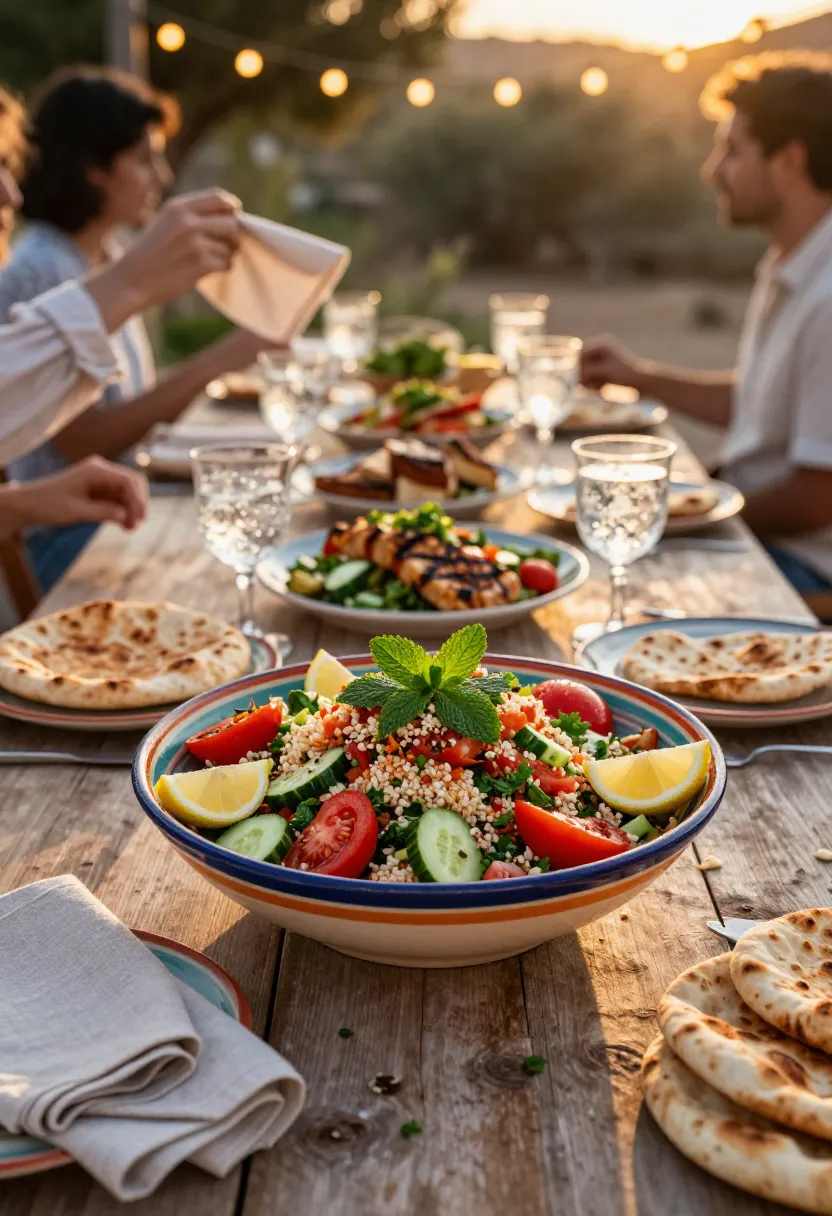
And maybe that’s why people keep making it year after year. It feels casual in a good way. Like food meant for sharing instead of carefully arranging.
Summer food usually falls into two categories. Either extremely light dishes that leave everybody hungry again an hour later, or heavy barbecue meals that feel exhausting after sitting outside in the heat too long. Fattoush somehow lands comfortably between those extremes.
It cools the table down without feeling insubstantial.
The sharpness of the dressing becomes especially important during hot weather because acidic food tastes more refreshing when temperatures rise. Lemon juice, mint, cucumbers, parsley — all those ingredients naturally feel lighter than creamy sauces or rich side dishes.
And the salad pairs incredibly well with smoky flavors from the grill. The contrast matters. Charred meat or vegetables next to cold crunchy fattoush creates the kind of balance that makes outdoor dinners feel complete instead of overloaded.
I also think fattoush works well for gatherings because it doesn’t demand perfect timing the way some salads do. You can prepare most of the vegetables earlier in the day, keep everything chilled, and toast the pita shortly before serving. That flexibility matters during dinners where people arrive late or food comes off the grill at different times.
Another underrated thing about fattoush: it actually looks better slightly messy.
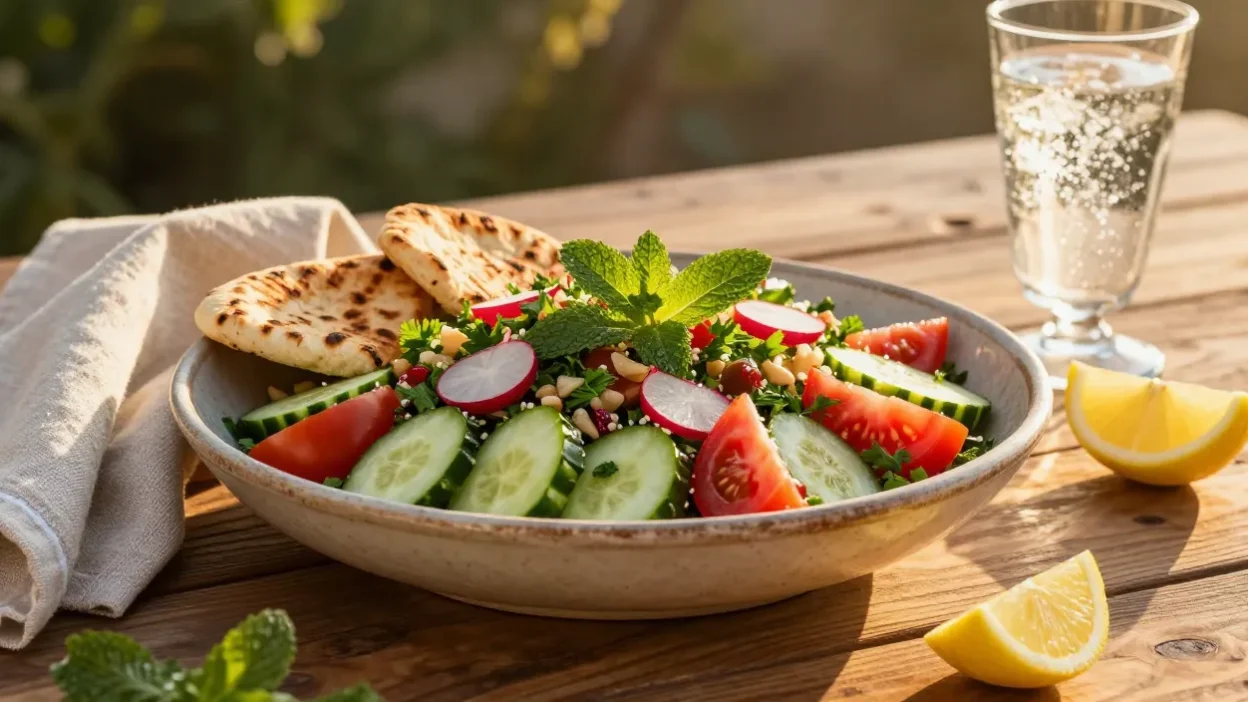
Once the dressing mixes with tomato juices and herbs, the bowl develops that glossy, colorful look that makes people start reaching for serving spoons automatically. The pita absorbs enough dressing to become flavorful without fully disappearing into the salad.
There’s also something nostalgic about the flavor combination during summer evenings. Lemon, herbs, olive oil, warm bread, cold vegetables. It tastes like the kind of food meant for sitting outside longer than planned while the table slowly fills with empty plates and half-finished conversations.
Fattoush salad recipe 🥗
This fattoush salad recipe stays close to traditional flavors while still being flexible enough for normal home cooking. The vegetables stay crisp, the herbs keep everything fresh, and the toasted pita turns into the best part of the bowl once it absorbs the dressing.
What makes fattoush different from many other salads is how layered the texture becomes after everything gets tossed together. The cucumbers stay cold and crunchy, the tomatoes release juices into the dressing, the herbs keep the flavor bright, and the pita slowly softens around the edges while still holding a little crispness in the center.
It’s one of those dishes that somehow tastes both refreshing and satisfying at the same time. Light enough for hot weather, but filling enough that it doesn’t feel like an afterthought beside the main meal.
The dressing plays a huge role here too. Lemon juice, olive oil, garlic, and sumac coat the vegetables without overpowering them. Instead of hiding the ingredients, the dressing makes everything taste sharper and more alive. Once the toasted pita absorbs some of those juices, the flavor changes completely. The bread almost becomes part of the dressing itself.
I also love how flexible fattoush is depending on the season or what’s already sitting in the kitchen. Some versions lean heavier on herbs, others add more radishes or extra cucumber for crunch. Sometimes people add pomegranate seeds, feta, or grilled vegetables even if the traditional version stays simpler.
And honestly, this is one of those salads that tastes better slightly imperfect.
Uneven pita pieces, rough tomato chunks, herbs scattered everywhere, dressing collecting at the bottom of the bowl. It should feel generous and relaxed rather than carefully arranged. Once everything mixes together properly, the salad develops that messy, glossy look that usually means it’s going to disappear quickly from the table.
Fattoush also works in a surprising number of situations:
- alongside grilled meat or fish 🍢
- as part of a mezze-style dinner 🫓
- for warm-weather lunches ☀️
- during outdoor gatherings and casual dinners 🍋
- as a lighter side dish next to heavier foods 🥗
The best version is usually the one eaten shortly after tossing, while the pita still keeps some crunch and the vegetables stay cold. That contrast between crisp bread, juicy tomatoes, sharp dressing, and fresh herbs is really what makes fattoush memorable. ✨
Ingredients 🛒
For the salad
- 2 pita breads 🫓
- 1 large romaine lettuce, chopped 🥬
- 3 Persian cucumbers, sliced 🥒
- 3 medium tomatoes, chopped 🍅
- 4 radishes, thinly sliced 🌸
- 1 green bell pepper, chopped 🫑
- 4 green onions, sliced 🌱
- 1 large handful fresh parsley, chopped 🌿
- Small handful fresh mint leaves 🌱
- Olive oil 🫒
For the dressing
- 1/4 cup olive oil 🫒
- 3 tablespoons fresh lemon juice 🍋
- 1 garlic clove, grated 🧄
- 1 tablespoon sumac 🍷
- Salt 🧂
- Black pepper
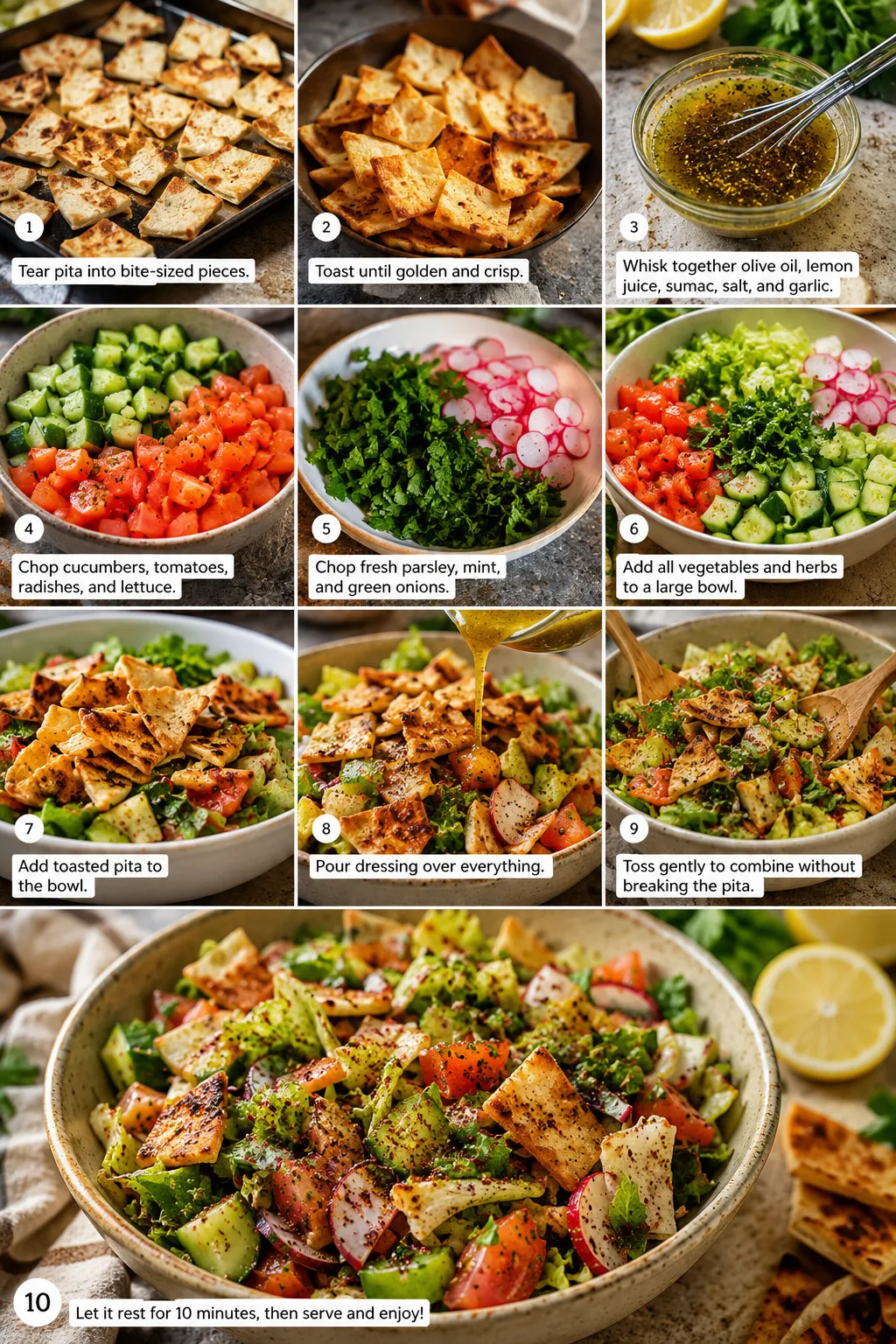
Steps for making fattoush salad 👩🍳
- Heat the oven to 400°F.
- Tear the pita breads into uneven pieces and spread them onto a baking tray.
- Drizzle the pita lightly with olive oil and bake for about 8–10 minutes until golden and crisp.
- Chop the romaine lettuce, cucumbers, tomatoes, radishes, green bell pepper, parsley, mint, and green onions.
- In a small bowl, whisk together olive oil, lemon juice, garlic, sumac, salt, and black pepper.
- Taste the dressing before using it. It should taste slightly sharper than expected because the vegetables soften the flavor later.
- Add all vegetables and herbs into a large serving bowl.
- Add the toasted pita right before serving.
- Pour over the dressing and toss gently until some pita pieces absorb the juices while others stay crisp.
- Sprinkle extra sumac on top before serving if you want a stronger citrus flavor.
Small tips and kitchen hacks ✨
- Chill the cucumbers before assembling the salad 🥒
- Add the pita at the last minute for better texture 🫓
- Use ripe tomatoes because their juices flavor the dressing 🍅
- Tear mint leaves by hand instead of chopping too finely 🌱
- Toss gently so the pita keeps some crunch 🥗
Why the texture matters more than people expect 🫓
Flavor obviously matters in fattoush, but texture is usually the thing people remember afterward. A good version of this salad constantly shifts while you eat it. The cucumbers stay cold and crisp, the tomatoes release juice into the dressing, the herbs brighten everything up, and the toasted pita slowly softens without completely losing structure.
That balance is what makes the salad feel satisfying instead of flat.
A lot of salads become repetitive halfway through the bowl because every ingredient has the same texture. Fattoush works differently. One bite might feel crunchy and sharp from radishes and cucumbers, while the next tastes richer because the pita absorbed olive oil, lemon juice, and tomato juices at the bottom of the bowl.
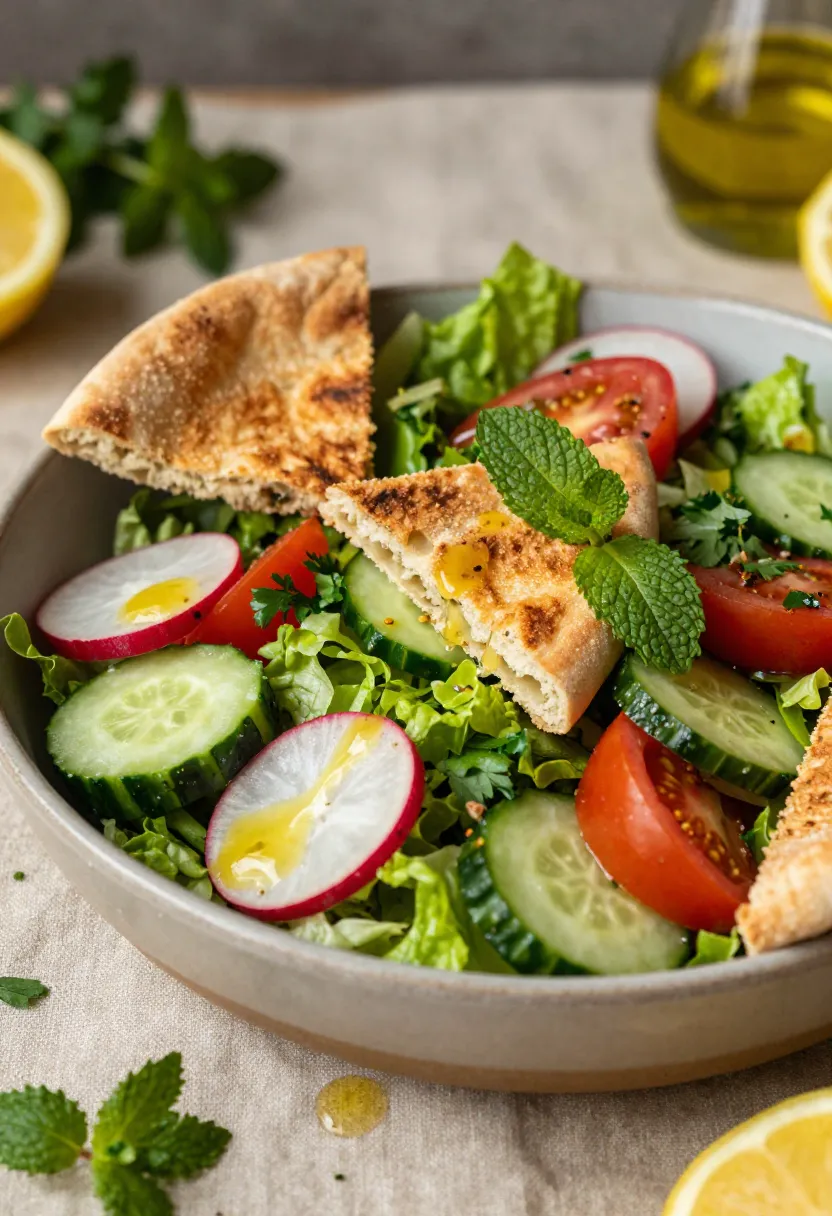
The pita matters more than people expect too. Freshly toasted bread adds warmth and a slightly nutty flavor that changes the entire salad once it mixes with the dressing. Right after tossing, the bread stays crisp around the edges. A few minutes later it softens slightly and starts tasting almost infused with lemon and herbs. That short window where the pita is both crisp and soaked with flavor is honestly the best part.
I also think people underestimate how important temperature is here. Cold vegetables against warm pita create contrast that makes the salad feel fresher immediately. If everything is equally cold and uniform, fattoush loses some personality. Even the smell changes once warm bread hits olive oil and lemon juice. Suddenly the entire bowl smells citrusy, toasted, and herbal at the same time.
Serving bowls matter too, which sounds ridiculous until you try tossing fattoush in something too small. The vegetables get crushed, the herbs disappear into the dressing, and half the tomatoes end up sliding onto the counter. A large bowl keeps the salad loose and airy instead of compressed.
Small details improve the texture more than complicated techniques ever will:
- toast the pita deeply instead of lightly
- keep the cucumbers cold before mixing
- add the dressing gradually
- toss gently so the vegetables hold their shape
- use sturdy lettuce like romaine instead of delicate greens
None of those steps are difficult, but together they completely change the final result. That’s usually how good salads work anyway. Tiny adjustments matter more than dramatic tricks.
What to serve with fattoush salad 🍽️
Fattoush works especially well beside grilled foods because the sharp dressing cuts through smoky or rich flavors naturally. Lemon juice, herbs, and sumac balance heavier dishes without overpowering them, which is probably why the salad fits so easily into big shared dinners.
It also adapts surprisingly well depending on what else is on the table. Sometimes it acts like a fresh side dish beside grilled meat or roasted vegetables. Other times it becomes lunch on its own with a little extra protein added in. Because the pita is mixed directly into the salad, fattoush already feels more substantial than delicate greens tossed with vinaigrette.
One thing I like about serving it during summer dinners is that it doesn’t demand perfect timing. Most of the vegetables can be chopped ahead of time and kept cold in the fridge. The pita gets toasted shortly before serving, then everything comes together in a few minutes. That flexibility matters during outdoor meals where people arrive late or food comes off the grill at different times.
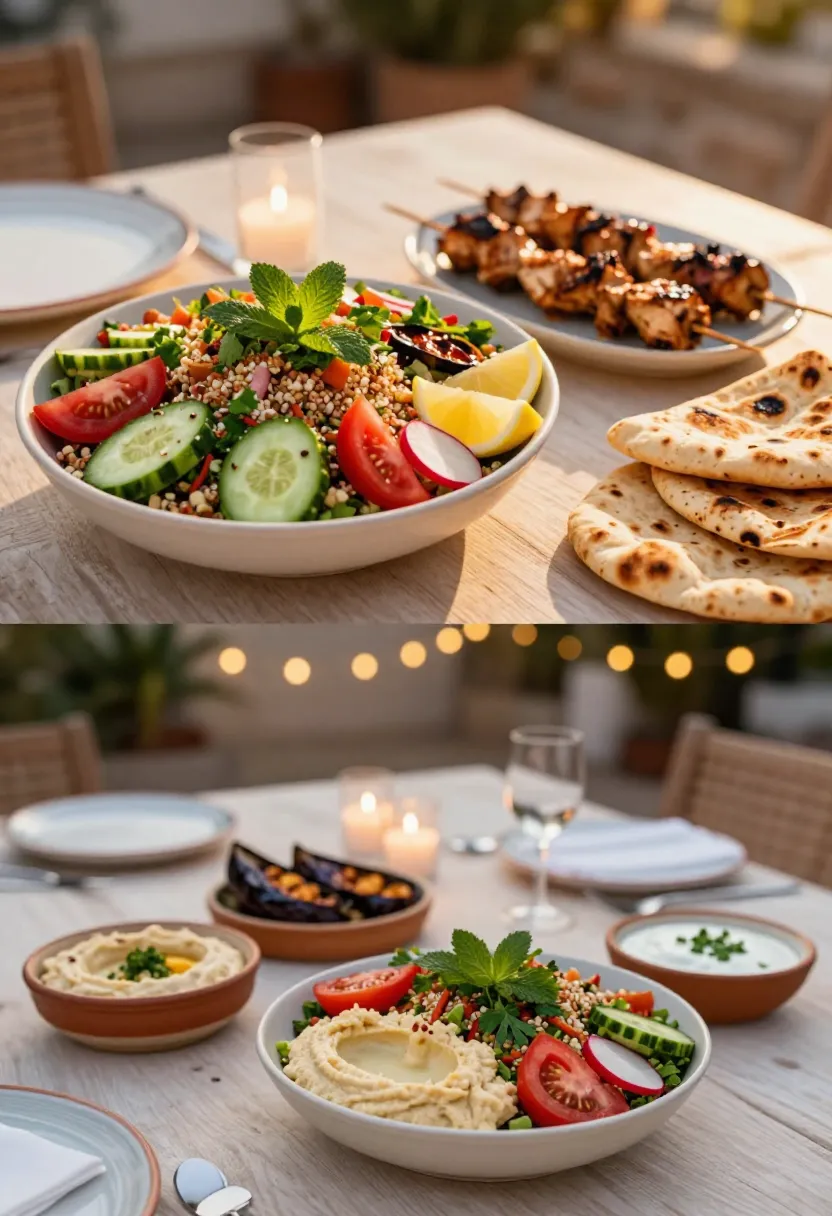
The salad also pairs naturally with a lot of Middle Eastern dishes because the flavors overlap without becoming repetitive. Hummus, grilled meats, yogurt sauces, roasted eggplant, rice dishes, warm flatbread — fattoush fits beside all of them without feeling out of place.
Some combinations work especially well:
- grilled chicken skewers with garlic yogurt sauce
- lamb kofta and warm flatbread
- roasted eggplant with herbs
- hummus and crispy potatoes
- baked salmon with lemon yogurt sauce
Another reason fattoush works so well for gatherings is that the texture changes gradually instead of collapsing immediately. Softer salads wilt fast once dressed, but fattoush actually becomes more flavorful after sitting for a few minutes because the pita absorbs the dressing and tomato juices.
Honestly, leftovers are better than people expect too. The bread softens completely by the next day, but the flavor becomes deeper and more blended. It turns into a completely different salad, but still a good one.
Why recipes like this never really disappear ❤️
Food trends move fast now. One month everyone is making dense bean salads or cucumber ribbons, then suddenly the internet moves on to something else entirely. Most of those recipes disappear almost as quickly as they arrive.
Fattoush survives because it was never built around trends in the first place.
The ingredients are ordinary and familiar: tomatoes, cucumbers, herbs, olive oil, bread, lemon juice. Nothing expensive or overly complicated. But once those ingredients come together properly, the salad becomes much more memorable than it sounds on paper.
Part of that comes from contrast. Crunchy vegetables against softened pita. Cold herbs beside warm toasted bread. Sharp dressing balanced by olive oil and sweet tomatoes. The salad constantly moves between textures and flavors instead of staying predictable.
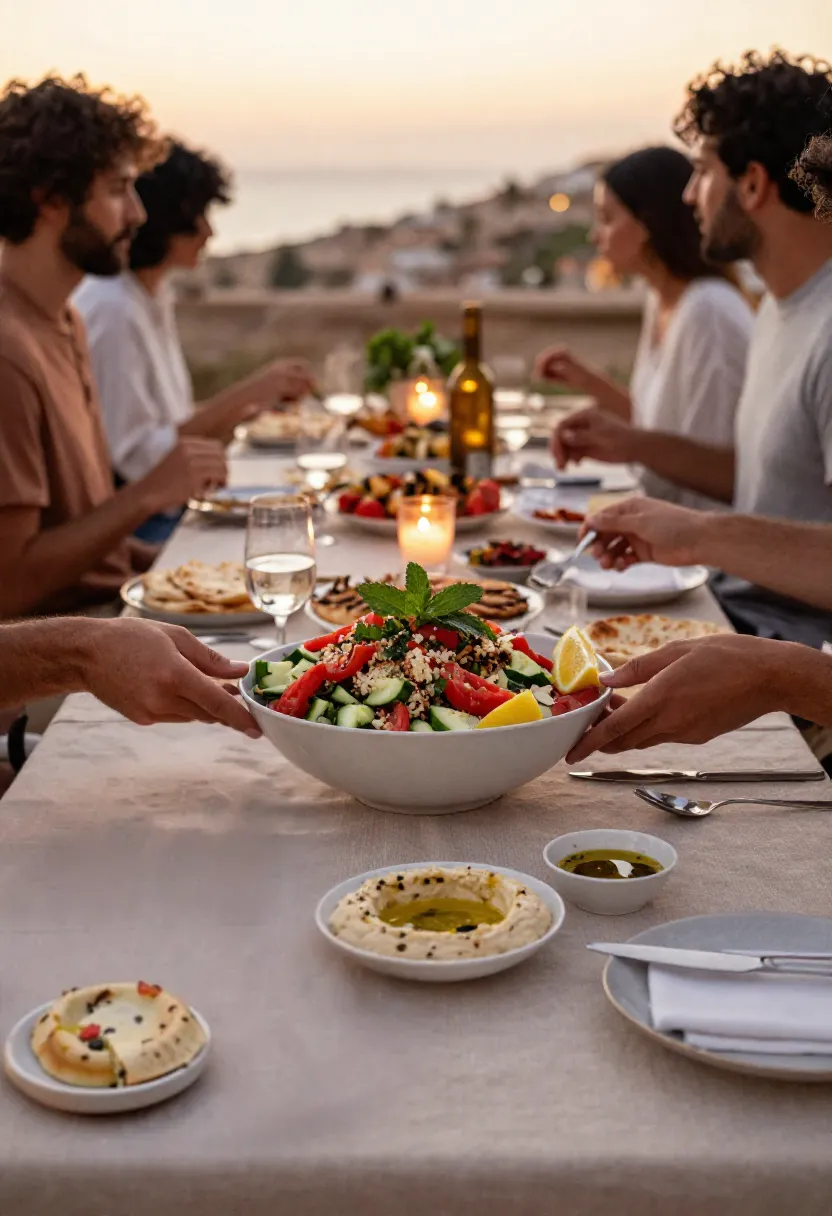
I also think recipes like this last because they don’t require perfection. In fact, fattoush usually looks better when it feels slightly messy. Uneven pita pieces, herbs scattered everywhere, dressing collecting at the bottom of the bowl — that relaxed appearance makes the salad feel homemade instead of staged.
And honestly, people tend to return to recipes that fit naturally into real life.
Fattoush works for quick lunches, outdoor dinners, casual gatherings, and larger shared meals. It can sit beside grilled meat at a summer barbecue or next to hummus and flatbread during a slower dinner at home. The recipe bends easily depending on the situation without losing its identity.
That flexibility probably matters more than novelty ever will.
A lot of trendy recipes feel exciting once, then exhausting afterward because they require too many ingredients, too much presentation, or too much effort for everyday cooking. Fattoush avoids that entirely. It tastes fresh and interesting while still feeling realistic enough to make repeatedly.
And maybe that’s the real reason recipes like this stay popular for generations. They quietly become part of people’s routines without trying too hard. A big bowl in the center of the table, extra lemon on the side, warm pita fresh from the oven, conversations stretching longer than expected. Food that feels comfortable enough to keep returning to. 🥗✨