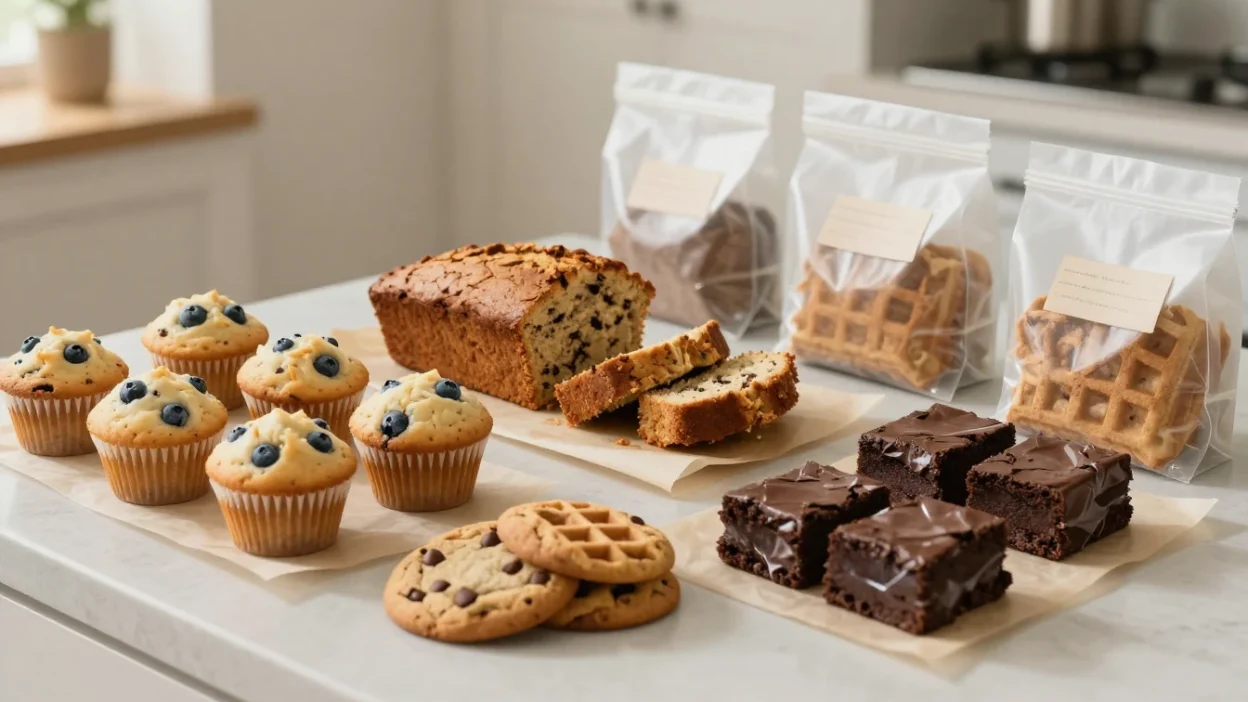
There is something very comforting about opening the freezer and finding a little stash of homemade baking waiting for you. A few muffins for rushed mornings. Cookie dough balls for a last-minute dessert. A loaf of banana bread you forgot you made, sitting there like a small gift from your past self.
That is the real magic of learning how to freeze baked goods so they still taste fresh later. It is not about making your kitchen feel like a bakery production line. It is about giving yourself easy wins: breakfast without fuss, dessert without starting from zero, and something homemade on days when you barely feel like measuring flour.
The trick is that not every baked good freezes the same way. Some things come back beautifully after a little time in the oven. Others turn dry, soggy, or oddly freezer-flavored if you wrap them carelessly.
But once you know what freezes well, how to cool it, how to pack it, and how to reheat it, baking ahead becomes much easier. You bake once, enjoy it twice, and maybe even save yourself from buying another dry grocery-store muffin on a busy morning.
Why baking ahead actually works
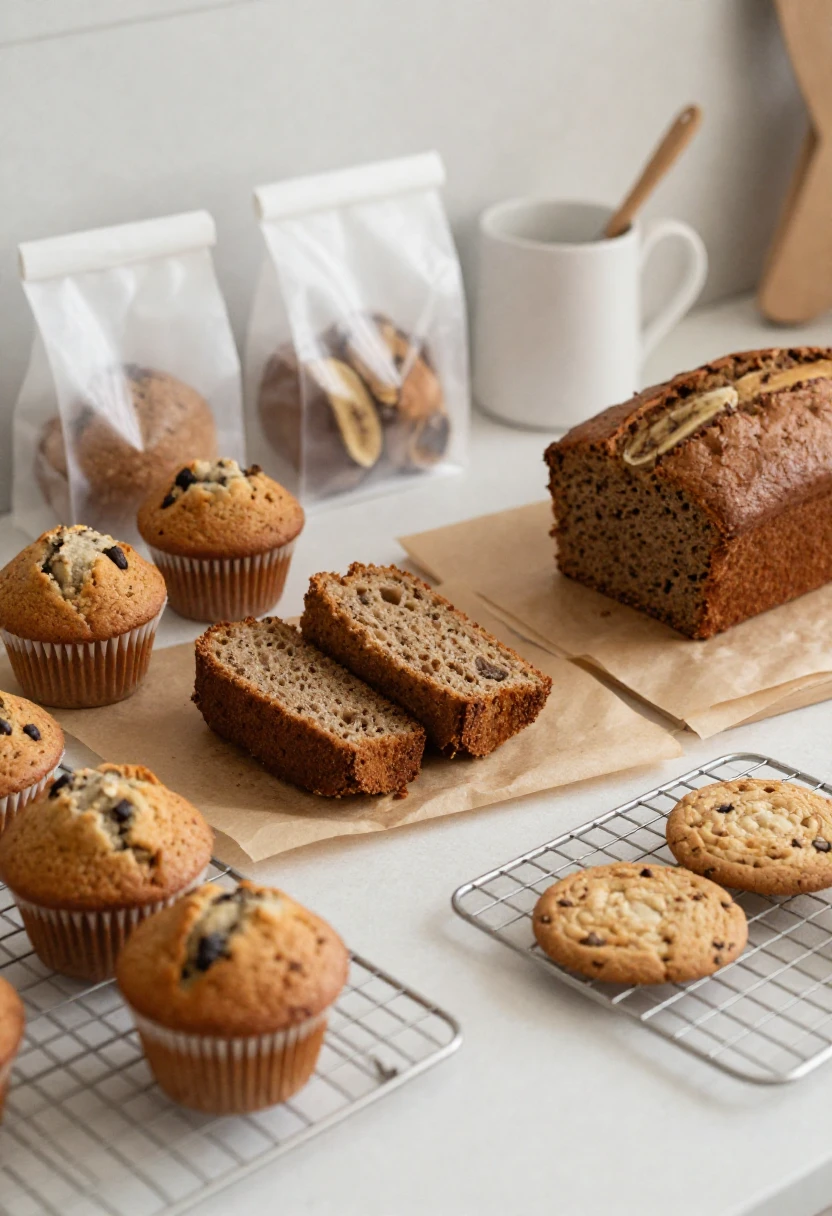
Baking ahead works because most baked goods are already built for storage. Muffins, breads, cookies, waffles, and brownies do not need to be eaten five minutes after they come out of the oven. In fact, some of them settle into a better texture after they cool.
Freezing simply pauses that moment.
A good muffin, wrapped well, can come back soft and fragrant after a short warm-up. Cookie dough can go straight from freezer to oven. A loaf of bread can be sliced before freezing, so you can pull out only what you need for toast, sandwiches, or soup night.
The freezer is not the problem. Bad wrapping is usually the problem.
Homemade convenience without the last-minute rush
I like baking ahead most on the days when I do not want a whole project. Maybe you want something sweet with coffee, but you do not want to wash bowls, preheat the oven, and deal with flour on the counter. Maybe your morning is already too loud and rushed for homemade breakfast.
That is when freezer baking pays off.
You can freeze:
- A batch of muffins for breakfast
- Sliced banana bread for snacks
- Cookie dough balls for quick dessert
- Waffles for busy mornings
- Brownies cut into single portions
- Dinner rolls for soups and stews
It feels small, but it changes the week. Instead of starting from zero, you are just reheating something you already made.
The difference between frozen and freezer-burned
A baked good that tastes fresh later has been protected from air. A freezer-burned one has not.
Freezer burn happens when food dries out in the freezer. You may notice pale dry spots, crumbly edges, or that flat “freezer smell” that makes everything taste a little tired.
To avoid that, baked goods need three things:
- They must be completely cool before wrapping
- They need a tight layer of protection
- They should be stored in a freezer bag, container, or double wrap
Think of freezing as storage, not hiding. If you toss a few cookies into a half-open bag and forget them under frozen peas, they will taste like neglect. Wrap them properly, and they can still taste like something you meant to enjoy.
Best baked goods to freeze for later
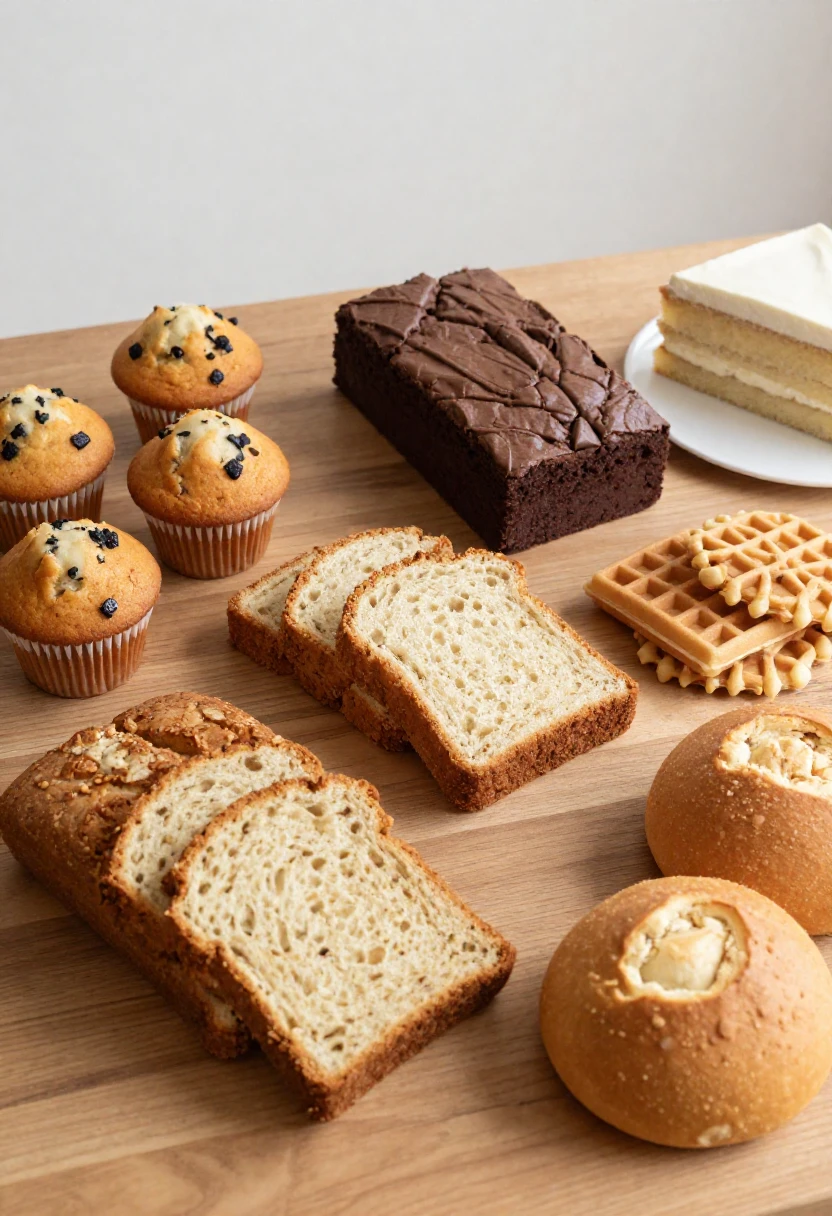
Some baked goods handle the freezer almost too well. They thaw, warm up, and taste close to fresh with very little effort. These are the ones worth making in bigger batches because they give you the best return for your time.
Start with sturdy, simple bakes. Anything with a soft crumb, a little moisture, and no delicate topping usually freezes better than something fragile or cream-filled.
Muffins and quick breads
Muffins are one of the easiest baked goods to freeze. Blueberry muffins, banana muffins, pumpkin muffins, bran muffins, chocolate chip muffins — they all do well if you cool them fully and wrap them tightly.
Quick breads freeze beautifully too. Banana bread, zucchini bread, pumpkin bread, lemon loaf, and carrot bread all keep their texture because they are naturally moist.
For easier thawing, slice quick breads before freezing. Place a small piece of parchment between slices if you want to grab one at a time.
A frozen slice of banana bread warmed in the toaster oven with a little butter? Honestly, hard to complain.
Cookies and cookie dough
Cookies can be frozen two ways: baked or unbaked.
Baked cookies are useful when you want something ready quickly. Let them cool, stack them with parchment between layers, and freeze them in a container or freezer bag.
Cookie dough is even better if you like warm cookies. Scoop the dough into balls, freeze them on a tray until firm, then move them into a freezer bag. When you want cookies, bake only what you need.
You may need to add one or two extra minutes to the baking time when baking from frozen. Keep an eye on the edges. They should look set, while the centers still look a little soft.
Brownies and bars
Brownies freeze very well because they are dense and rich. The same goes for blondies, oat bars, crumb bars, and many simple tray bakes.
Cut them into squares before freezing. Wrap individual pieces if you want lunchbox treats or small coffee snacks. For a whole batch, layer the pieces with parchment so they do not stick together.
The best part is that brownies do not always need a full thaw. Some people love them cold from the freezer. I get it. The texture turns chewy and almost fudge-like.
Waffles and pancakes
Homemade waffles and pancakes are perfect for freezer breakfasts. Make a bigger batch, let them cool, and freeze them in a single layer first. After that, move them into a freezer bag.
This keeps them from freezing into one giant breakfast brick.
Reheat waffles in a toaster or toaster oven so they get crisp again. Pancakes can go into the microwave, but they taste better if you warm them gently in the oven or toaster oven.
Bread, rolls, and buns
Bread freezes best when you plan ahead. Slice a loaf before freezing so you can pull out one or two slices at a time. Rolls and buns can be frozen whole, then warmed in the oven when you need them.
This is especially helpful for dinner. Soup feels more complete when you can warm a roll beside it. Burgers are easier when you already have buns. Toast is always better when you are not fighting with a stale loaf.
Wrap bread tightly, then place it in a freezer bag. Bread picks up freezer smells quickly, so do not leave it exposed.
Fruit pies and unfrosted cakes
Fruit pies usually freeze better than cream pies. Apple pie, berry pie, peach pie, and cherry pie can all work well, especially when the filling is thick enough and not too watery.
Unfrosted cakes also freeze well. Think plain vanilla cake layers, chocolate cake layers, pound cake, coffee cake, and simple snack cakes.
The key word is unfrosted. Buttercream can freeze, but delicate toppings, whipped cream, fresh fruit, and glossy glazes are more likely to suffer.
If you are baking cake layers ahead, wrap each layer tightly after cooling. Then freeze them flat so they keep their shape. Frost after thawing. It is cleaner, easier, and the cake usually tastes better.
Baked goods that do not freeze as well
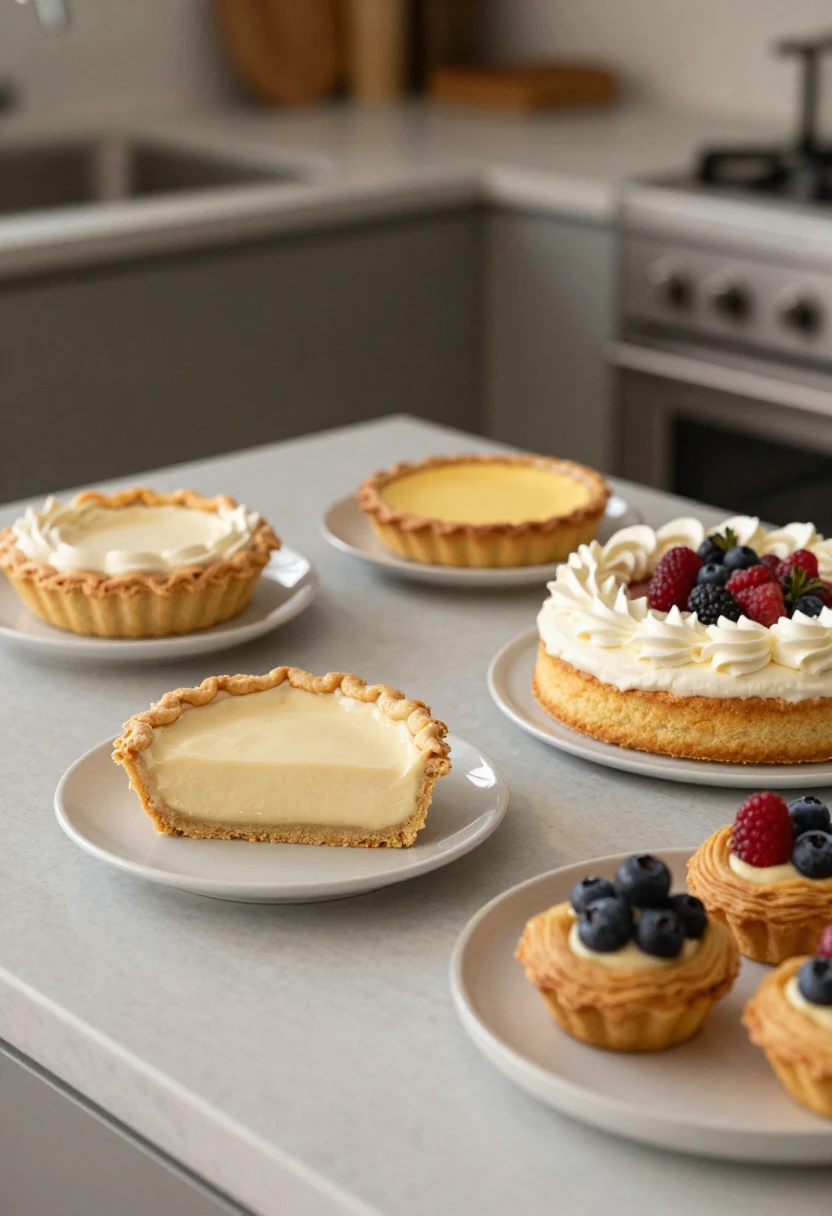
Some baked goods can technically be frozen, but that does not mean they should be. The freezer is useful, not magical. It can hold onto flavor and moisture pretty well, but it cannot always protect delicate textures.
The main troublemakers are desserts with cream, custard, fresh fruit, whipped toppings, or crisp layers. They often thaw into something softer, wetter, or less pleasant than the original.
Cream pies and custard desserts
Cream pies are tricky because the filling can separate after thawing. A silky custard may turn watery or grainy. The crust can also soften as moisture moves into it.
This includes desserts like:
- Banana cream pie
- Coconut cream pie
- Chocolate cream pie
- Custard tart
- Cream-filled pastries
If you want to make these ahead, it is usually better to freeze only the crust, then make the filling fresh. A baked pie crust freezes well when wrapped tightly, and it saves you one step later.
Frosted cakes with delicate toppings
A simple buttercream cake can survive the freezer if wrapped carefully, but delicate toppings are another story.
Whipped cream, fresh berries, meringue, soft glazes, and decorative finishes do not always come back nicely. They may weep, crack, slide, or lose their shape.
For the best result, freeze cake layers without frosting. Then thaw, fill, and decorate them when you are ready to serve. The cake tastes fresher, and you avoid that awkward moment where the frosting looks like it had a rough night.
Crispy pastries that lose their texture
Anything that depends on crispness is risky.
Think flaky croissants, puff pastry desserts, phyllo triangles, and crisp tart shells. Some can be reheated in the oven and still taste good, but they rarely return to that perfect fresh-baked texture.
The problem is moisture. As pastries thaw, steam and condensation can soften the layers. If you do freeze them, reheat them uncovered in the oven, not the microwave. The microwave makes flaky pastry sad almost immediately.
Desserts with fresh fruit or watery fillings
Fresh fruit changes texture after freezing. Berries collapse. Peaches soften. Sliced strawberries can turn juicy and limp.
That does not mean fruit desserts are off-limits. Baked fruit fillings usually freeze better than fresh fruit toppings. A thick apple pie filling is much more freezer-friendly than a cake topped with fresh strawberries.
A good rule: if the fruit is already baked into the dessert, it has a better chance. If it sits fresh on top, add it later.
How to cool baked goods before freezing
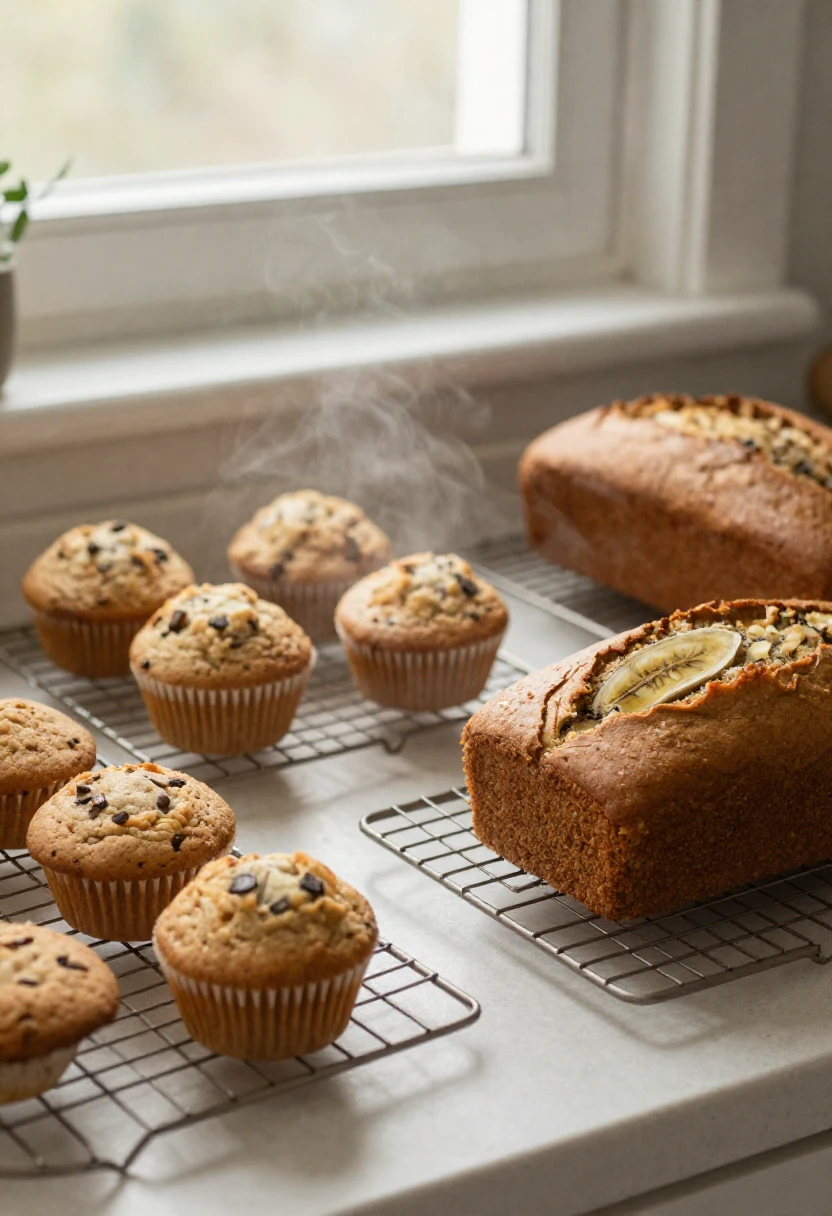
Cooling is the boring step, but it matters more than people think.
If you wrap baked goods while they are still warm, steam gets trapped inside the package. That steam turns into moisture, and moisture turns into soggy crusts, sticky muffin tops, icy patches, and sad freezer texture.
So yes, let the muffins sit. Let the loaf cool. Walk away from the cookies for a bit, even if the kitchen smells unfairly good.
Why room temperature matters
Baked goods need to be completely cool before they go into the freezer. Not slightly warm. Not “probably fine.” Cool all the way through.
The outside cools faster than the inside, especially with thick bakes like banana bread, pound cake, brownies, and quick breads. A loaf may feel cool on the surface while the center is still holding heat.
That hidden warmth creates condensation once wrapped.
For most baked goods, use this rough guide:
- Cookies: 30–45 minutes
- Muffins: about 1 hour
- Brownies and bars: 1–2 hours
- Quick breads: 2–3 hours
- Cake layers: 2–3 hours
- Bread loaves: 2–4 hours, depending on size
If you are not sure, touch the bottom and the center area. They should feel room temperature, not warm.
Use a cooling rack when you can
A cooling rack helps air move around the baked goods. This keeps the bottom from getting damp, which is especially helpful for cookies, muffins, waffles, rolls, and bread.
If you leave hot muffins in the pan too long, the bottoms can steam. If you leave cookies on a hot baking sheet, they may keep cooking and turn dry or too crisp.
Move baked goods out of the pan once they are stable enough to handle. Then let them cool with space around them.
Do not rush with the fridge
The fridge seems like a shortcut, but it is not always the best move. Warm baked goods in the fridge can still trap moisture, and some items dry out faster in cold air.
For cakes, breads, muffins, and cookies, room temperature cooling usually gives you a better texture.
One exception: cheesecake. A baked cheesecake needs to cool gradually, then chill properly before freezing. If you freeze it too soon, the texture can turn uneven. Let it set in the fridge first, then wrap it well and freeze.
How to wrap and store baked goods properly
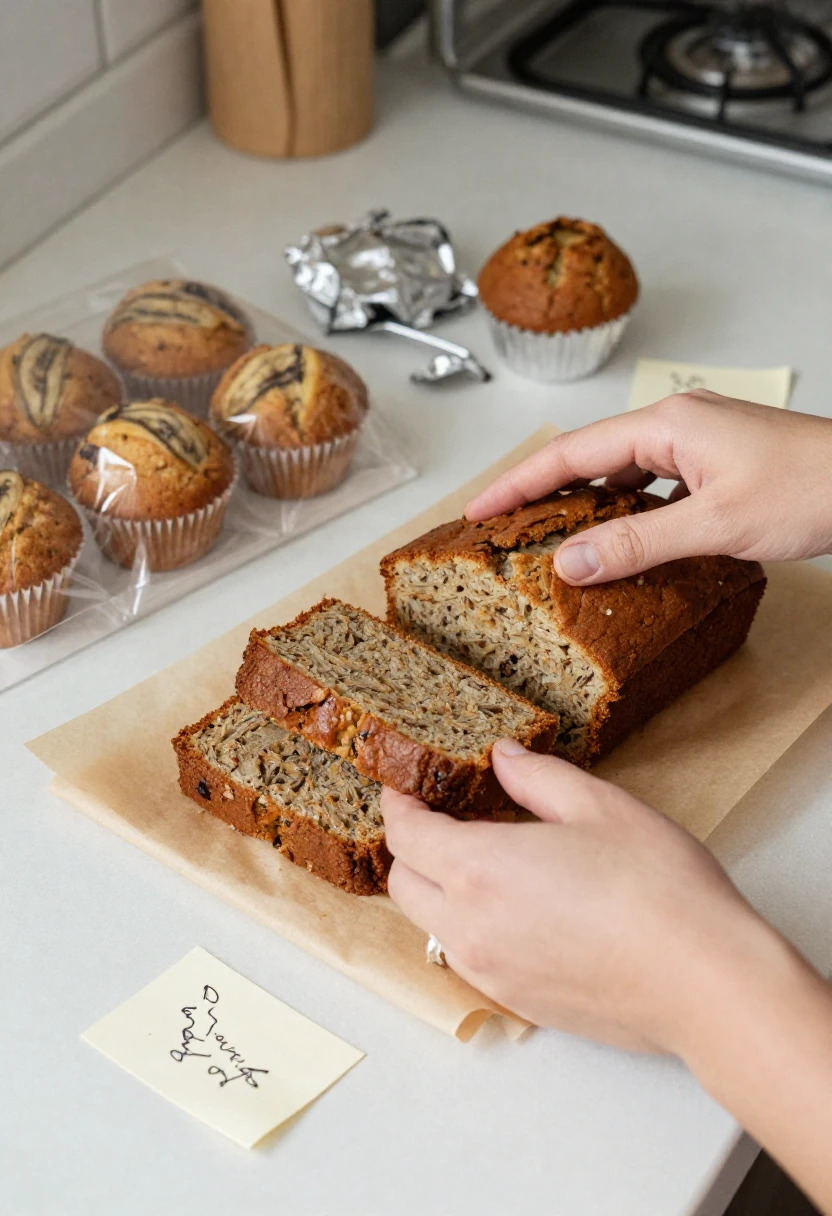
Good wrapping is what keeps freezer baking from tasting like freezer. It sounds obvious, but this is where most people lose the texture they worked for.
You want to protect baked goods from three things: air, moisture loss, and freezer smells. Sweet baked goods are especially good at picking up odors. No one wants a slice of lemon loaf that faintly tastes like frozen onions.
Use freezer bags for everyday baking
Freezer bags are the easiest option for muffins, cookies, waffles, pancakes, sliced bread, rolls, and bars.
Let everything cool first, then place the baked goods in the bag and press out as much air as you can before sealing. Do not crush them, of course. Just gently flatten the bag around the food so there is less air sitting inside.
For softer items, freeze them on a tray first. This works well for:
- Muffins
- Waffles
- Pancakes
- Cookie dough balls
- Slices of quick bread
- Brownie squares
Once they are firm, move them into a bag. That way they keep their shape and do not stick together.
Use plastic wrap plus foil for better protection
For cakes, quick breads, whole loaves, and anything you want to keep longer, double wrapping helps.
First, wrap the baked good tightly in plastic wrap. Then add a layer of foil. The plastic protects the surface, and the foil gives another barrier against freezer air.
This is especially useful for:
- Banana bread
- Pound cake
- Cake layers
- Whole loaves of bread
- Cheesecake slices
- Coffee cake
If you are freezing cake layers, wrap each layer separately. I also like putting a cardboard cake round under soft layers before freezing so they do not bend or crack.
Use containers for fragile items
Containers are better when the baked goods can break, smear, or crumble. Think delicate cookies, frosted brownies, crumb bars, or small pastries.
Choose a container that is close to the size of the food. Too much empty space means more air. If you are stacking pieces, place parchment paper between layers.
A container also helps when you know your freezer is crowded. Freezer bags are great, but they do not protect a muffin from being flattened under a bag of frozen vegetables.
Label everything before you forget
Label the package with the name and date before it goes into the freezer.
This sounds fussy until you find three mystery bags and have to guess whether they are chocolate muffins, bran muffins, or something from last winter.
Write:
- What it is
- The date you froze it
- Reheating notes if useful
For example: “Blueberry muffins, May 12, reheat 300°F for 10 min.”
That tiny note saves you later. Especially on a morning when you have not had coffee yet.
How long baked goods last in the freezer
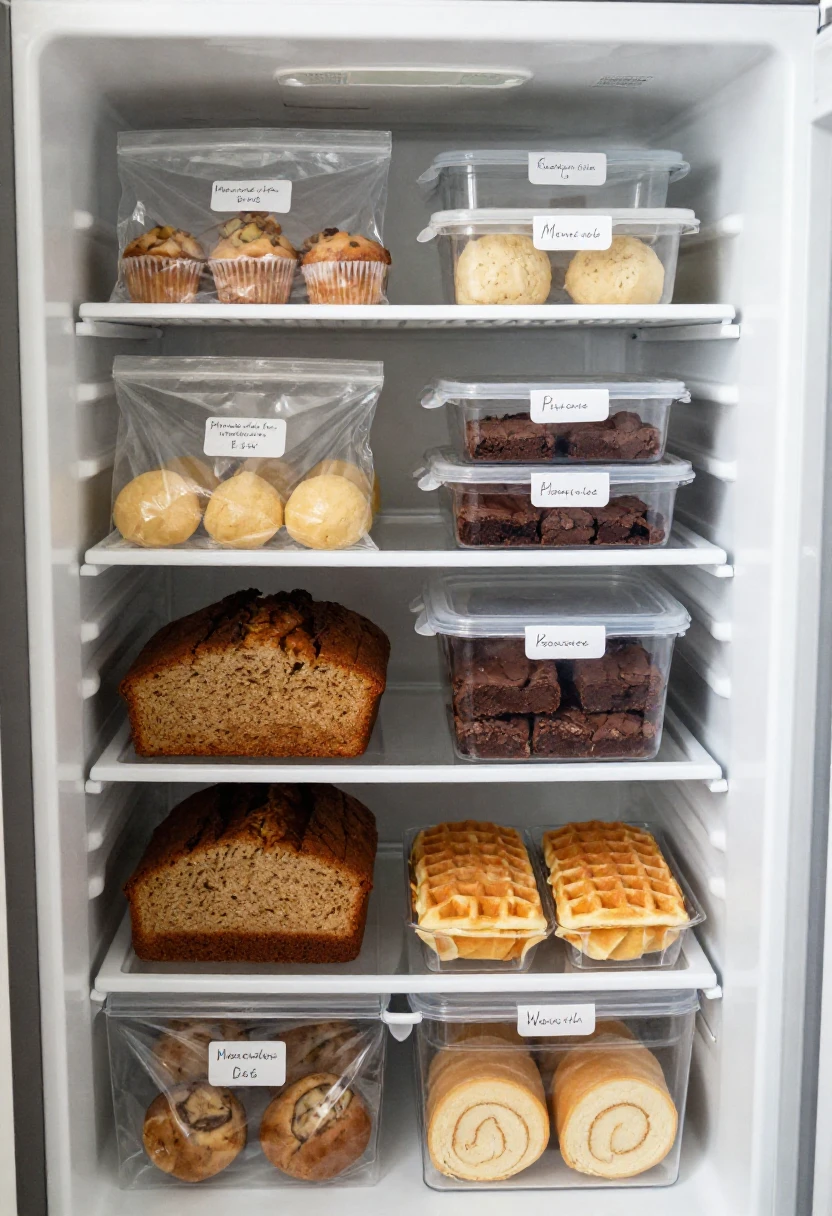
Frozen baked goods do not spoil the same way fresh ones do, but they do slowly lose quality. The flavor gets flatter. The texture dries out. That cozy fresh-baked smell becomes harder to bring back.
For the best taste, most homemade baked goods are worth using within 1 to 3 months.
They may still be safe after that if they have stayed frozen the whole time, but “safe” and “still delicious” are not always the same thing. I care about the second one more when we are talking about muffins.
Best freezer timing for common baked goods
Here is a simple quality guide:
- Muffins: 2–3 months
- Quick breads: 2–3 months
- Cookies: 2–3 months
- Cookie dough: 2–3 months
- Brownies and bars: 2–3 months
- Waffles and pancakes: 1–2 months
- Bread and rolls: 1–3 months
- Cake layers: 2–3 months
- Cheesecake: about 1 month for best texture
- Fruit pies: 2–3 months
The more delicate or moist something is, the sooner I try to use it. Cheesecake, for example, can freeze well, but it tastes best when it does not sit in the freezer forever.
Why labels save you from guessing
Labels make freezer baking actually useful.
Without labels, everything slowly turns into a cold mystery. Was that bag from last month or six months ago? Are those cinnamon muffins or pumpkin muffins? Is that cookie dough with nuts, or safe for the person who cannot eat them?
A small label fixes the problem.
Write the name and date clearly. If there is anything special about it, add that too:
- “Banana bread, sliced, no nuts”
- “Chocolate chip cookie dough, bake from frozen”
- “Dinner rolls, reheat covered”
- “Apple pie, baked, thaw overnight”
You do not need fancy freezer tape. A marker and a piece of masking tape work fine.
How to tell if frozen baking is still worth reheating
Before reheating, look at the baked good while it is still frozen. A little frost is normal, especially if the bag has been opened a few times. Thick ice crystals, dry white patches, or a strong freezer smell are signs that the quality has dropped.
You can still decide case by case. A slightly dry slice of banana bread may be fine toasted with butter. A cookie that smells like frozen garlic? No. Let that one go.
Trust your senses. Freezer baking should make life easier, not force you to eat something disappointing just because you wrapped it three months ago.
How to reheat frozen baked goods
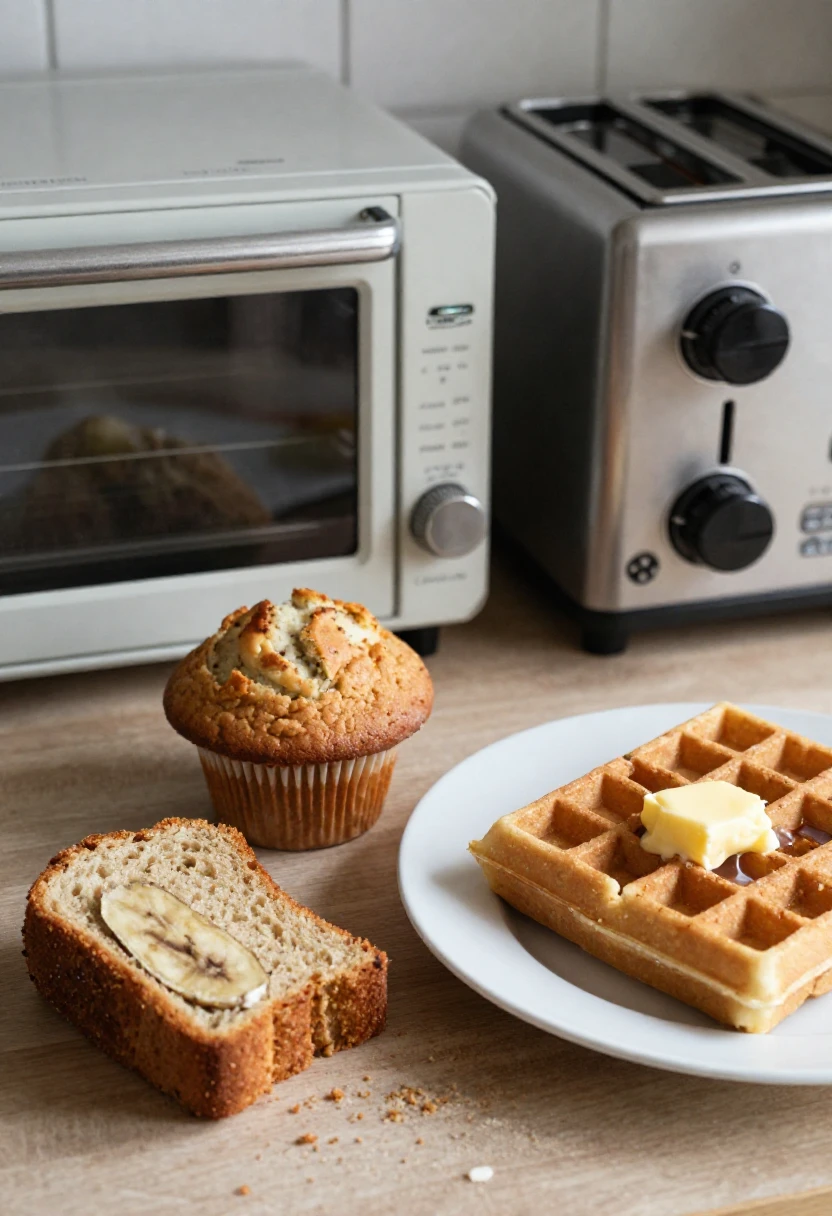
Reheating is where frozen baked goods either come back to life or turn rubbery. The method matters.
The microwave is fast, and sometimes that is enough. But if you want muffins with soft centers, waffles with crisp edges, or bread that smells close to fresh-baked again, the oven or toaster oven usually does a better job.
Use the oven for the freshest taste
The oven is best for muffins, rolls, bread, brownies, waffles, pancakes, and most cakes.
A gentle temperature works better than blasting the heat. Try 300°F to 325°F for most baked goods. You want to warm them through without drying the edges.
Good starting points:
- Muffins: 10–15 minutes at 300°F
- Rolls: 8–12 minutes at 325°F
- Bread slices: 5–8 minutes at 325°F
- Brownies: 8–10 minutes at 300°F
- Cake slices: 10–15 minutes at 300°F, loosely covered
- Waffles: 6–10 minutes at 350°F, uncovered
If something is already thawed, it will need less time. If it is frozen solid, give it a little longer.
For rolls and bread, I sometimes wrap them loosely in foil so they warm without drying out. Then I open the foil for the last couple of minutes if I want the outside a little firmer.
Use the toaster oven for small portions
The toaster oven is perfect when you only want one muffin, one slice of banana bread, or a couple of waffles.
It heats faster than a full oven and gives better texture than the microwave. This is my favorite way to warm quick bread because the edges get lightly toasted while the center stays soft.
Try it for:
- Banana bread slices
- Zucchini bread
- Waffles
- Pancakes
- Dinner rolls
- Cookies
- Small brownie squares
If the top starts browning too quickly, cover it loosely with foil.
Use the microwave when you are in a hurry
The microwave works, but it needs a light touch. Too long, and baked goods can turn tough or chewy in a bad way.
Start with short bursts:
- Muffins: 20–30 seconds
- Cookie: 10–15 seconds
- Brownie square: 15–25 seconds
- Pancakes: 20–40 seconds
- Slice of cake: 15–25 seconds
A small trick helps: place a slightly damp paper towel over muffins, pancakes, or bread slices before microwaving. Not wet. Just barely damp. It adds a little moisture and keeps the texture softer.
Eat microwaved baked goods soon after warming. They can dry out quickly once they cool again.
Thaw overnight when texture matters
Some baked goods taste better when they thaw slowly.
Cake layers, cheesecake, fruit pies, and larger loaves usually do better with a slow thaw in the fridge or at room temperature, depending on the item.
For cheesecake, thaw it in the fridge overnight. Do not rush it on the counter. The texture stays smoother that way.
For cake layers, keep them wrapped while they thaw. This helps condensation form on the wrapping instead of directly on the cake. Once thawed, unwrap and frost.
For bread loaves, thaw at room temperature while still wrapped. Then warm the loaf in the oven for a fresher crust.
Smart bake-ahead ideas for real life
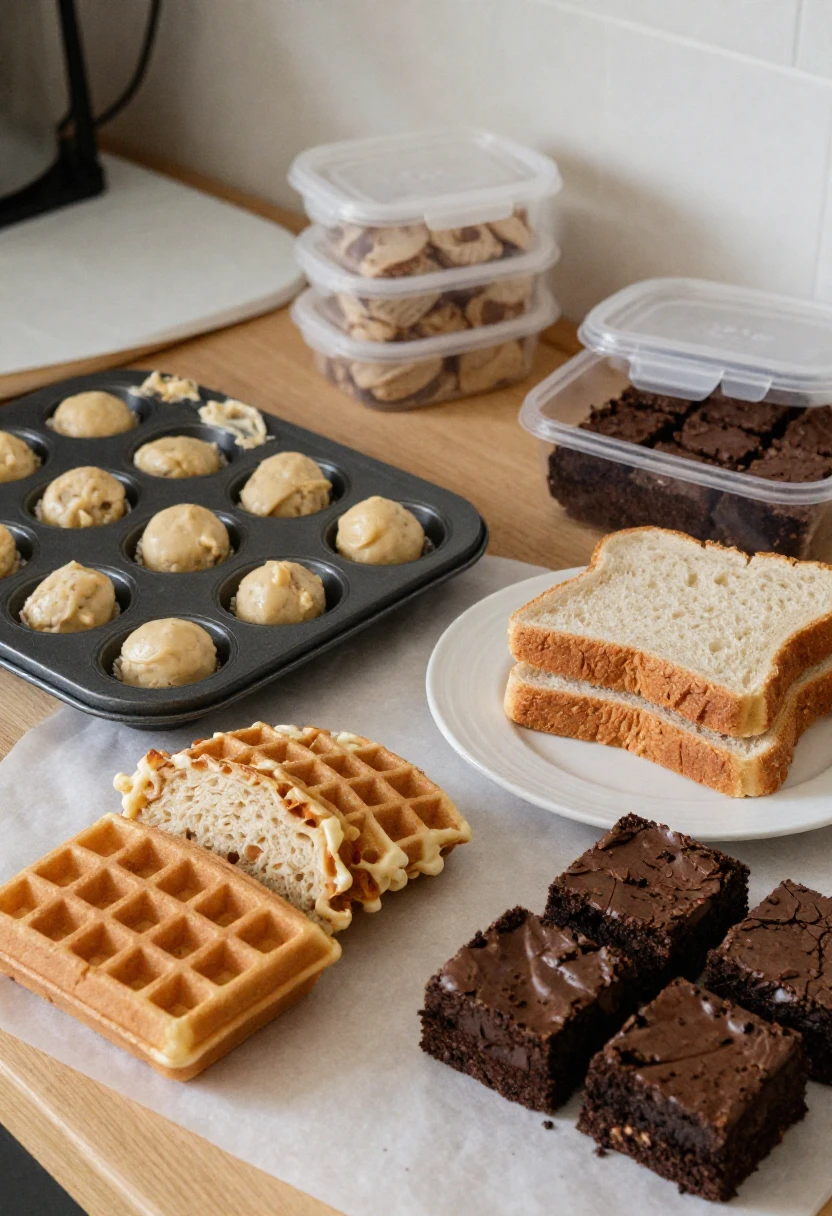
The best freezer baking plan is the one you will actually use. Not twelve complicated desserts. Not a freezer packed so tightly you forget what is inside. Just a few reliable things that make normal days easier.
I would start with baked goods you already like and already know how to make. If your family eats muffins, freeze muffins. If everyone loves waffles, make a double batch. If cookies disappear fast, freeze dough balls instead of baking the whole batch at once.
A weekend muffin batch for busy mornings
Muffins are the easiest place to start because they freeze, thaw, and reheat without much drama.
Make one batch on the weekend, let the muffins cool completely, then freeze them in a bag or container. You can pull out one or two at a time for breakfast, school snacks, or that mid-afternoon moment when coffee feels lonely.
Good freezer-friendly muffin flavors include:
- Blueberry muffins
- Banana oat muffins
- Pumpkin muffins
- Apple cinnamon muffins
- Chocolate chip muffins
- Morning glory muffins
If you want them to taste closer to fresh, warm them in the oven or toaster oven. The tops soften, the crumb wakes up, and the kitchen smells like you baked that morning. Even though you absolutely did not.
Cookie dough balls for last-minute dessert
Frozen cookie dough is one of those things that feels almost too convenient.
Scoop the dough into balls, place them on a tray, and freeze until firm. Then move them into a freezer bag and label the baking temperature and time.
When you want cookies, bake just a few straight from frozen. You get warm cookies without committing to a full tray. This is especially useful when guests stop by, when kids want dessert, or when you want exactly two cookies and no more.
Chocolate chip cookie dough freezes beautifully. So do oatmeal cookies, peanut butter cookies, snickerdoodles, and many sugar cookie doughs.
One small tip: flatten thick dough balls slightly before freezing. They bake more evenly from frozen.
Freezer waffles for quick breakfasts
Homemade waffles freeze better than many people expect. The trick is cooling them fully and reheating them in a toaster or toaster oven.
Make a big batch, cool the waffles on a rack, then freeze them in a single layer before bagging. That first tray-freeze step keeps them from sticking together.
On a busy morning, you can pop one into the toaster and add:
- Yogurt and berries
- Peanut butter and banana
- A little butter and maple syrup
- Cream cheese and jam
- Scrambled eggs on the side
They taste much better than boxed freezer waffles, and you control the sweetness.
Bread and rolls for simple dinners
Bread is one of the most useful things to freeze because it saves you from waste. A fresh loaf can go stale quickly, especially if your household does not finish it in a day or two.
Slice bread before freezing, then take out only what you need. Rolls, buns, and biscuits can go into the freezer whole.
This helps with easy meals like:
- Soup and rolls
- Toast with eggs
- Garlic bread
- Sandwiches
- Burger night
- Breakfast toast
For dinner rolls, warm them wrapped in foil, then uncover them for the last few minutes. They come out soft inside with a better outside texture.
Brownies for coffee breaks and lunchboxes
Brownies are freezer heroes. They are sturdy, easy to portion, and forgiving.
Cut the cooled brownies into squares, wrap them individually, and freeze. You can tuck one into a lunchbox while still frozen, and it will usually thaw by snack time. Or warm one gently and add a scoop of vanilla ice cream if the day calls for something more serious.
For cleaner slices, chill brownies before cutting. Then freeze the pieces with parchment between layers so they do not stick.
A small square of brownie in the freezer is dangerous knowledge, but useful knowledge.
Freezer mistakes that ruin homemade baking
Most freezer baking problems come from small things. A warm muffin wrapped too soon. A cake layer left exposed for “just a minute.” A freezer bag that was not sealed all the way.
None of it feels dramatic at the time. Then two weeks later, you reheat something that should taste cozy and homemade, and instead it tastes dry, icy, or faintly like the freezer drawer.
Here are the mistakes worth avoiding.
Freezing baked goods while they are still warm
This is the big one.
Warm baked goods release steam. If you wrap them before that steam escapes, the moisture gets trapped inside the package. In the freezer, that moisture turns into ice crystals. Later, when you thaw or reheat the food, the texture can turn sticky, soggy, or uneven.
Cookies lose their crisp edges. Muffins get wet tops. Bread can taste gummy.
Let everything cool completely before wrapping. It takes longer, but it saves the texture.
Leaving too much air in the package
Air is what dries baked goods out in the freezer.
If you use a freezer bag, press out the extra air before sealing. If you use plastic wrap, wrap tightly so the surface is covered. For longer storage, add foil or place the wrapped item inside a freezer bag.
This matters most for bread, muffins, cake layers, and quick breads because they have more exposed crumb. The crumb dries quickly when it is not protected.
A loose wrap is basically an invitation for freezer burn.
Forgetting to label the date
Freezer food has a way of becoming invisible.
You think you will remember what you froze and when. You will not. Or maybe you will remember the muffins, but not whether they are from this month or from the season when you were still wearing sweaters.
Label every package before it goes in.
Write the name, date, and any useful reheating note. Nothing fancy. Just enough to keep you from playing freezer detective later.
Freezing delicate toppings
Toppings are usually where baked goods suffer.
Fresh berries, whipped cream, thin glazes, meringue, and delicate frosting can change texture after freezing. Some weep. Some crack. Some slide around once thawed.
If you can, freeze the plain baked good and add the topping later.
Freeze the cake layers, not the decorated cake. Freeze the muffins without glaze. Freeze the tart shell, then fill it fresh. The final result will look and taste better.
Packing the freezer too tightly
A crowded freezer can damage baked goods before they even freeze properly.
Soft muffins get squashed. Cake layers bend. Cookies break. Warm items freeze slowly if air cannot move around them, which can affect texture too.
Give fragile baked goods a flat spot until they are frozen solid. After that, you can stack them more easily.
For small items like cookie dough balls, waffles, pancakes, and brownie squares, freeze them on a tray first. Once firm, move them into bags or containers.
Letting freezer odors sneak in
Baked goods absorb smells faster than you might expect. Butter, sugar, and soft crumb seem to hold onto whatever is nearby.
That is why good wrapping matters even if you plan to use the food soon. Keep sweet baked goods away from strong-smelling foods when possible, especially onions, garlic-heavy leftovers, fish, or seasoned meats.
And please, do not store cake layers uncovered in the freezer. They may look fine, but the flavor will tell on you later.
Refreezing after thawing
Refreezing is not always dangerous if the food has been handled safely, but the texture usually gets worse. Baked goods lose moisture each time they freeze and thaw.
Instead of freezing a whole batch in one lump, portion it first.
Freeze muffins individually. Slice banana bread. Cut brownies. Scoop cookie dough. That way you only thaw what you need, and the rest stays protected.
Conclusion
Freezing baked goods is one of those small kitchen habits that makes life feel a little easier. You bake when you have the time, then enjoy the reward later when you do not.
Start simple. Freeze a batch of muffins, a sliced loaf of banana bread, or a bag of cookie dough balls. Cool everything fully, wrap it tightly, label it clearly, and reheat it gently.
That is really the heart of it.
When you know how to freeze baked goods so they still taste fresh later, homemade baking stops being a one-day treat. It becomes something you can tuck away for busy mornings, quiet coffee breaks, school snacks, last-minute guests, and all the small moments when something warm from the oven sounds exactly right.
FAQ
Can you freeze homemade muffins?
Yes, homemade muffins freeze very well. Let them cool completely, then freeze them in a freezer bag or airtight container. For the best texture, reheat them in the oven or toaster oven until warm.
Is it better to freeze cookies baked or unbaked?
Both work, but cookie dough is often more useful. Scoop the dough into balls, freeze them on a tray, then store them in a freezer bag. You can bake only a few cookies at a time straight from frozen.
How do you keep frozen baked goods from drying out?
Cool them fully, wrap them tightly, and remove as much air as possible from the package. For cakes, quick breads, and loaves, use plastic wrap plus foil or place the wrapped item inside a freezer bag.
Can you refreeze baked goods after thawing?
You can sometimes refreeze baked goods if they were thawed safely, but the texture usually gets worse. It is better to freeze baked goods in small portions so you only thaw what you need.