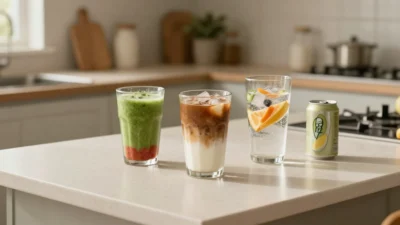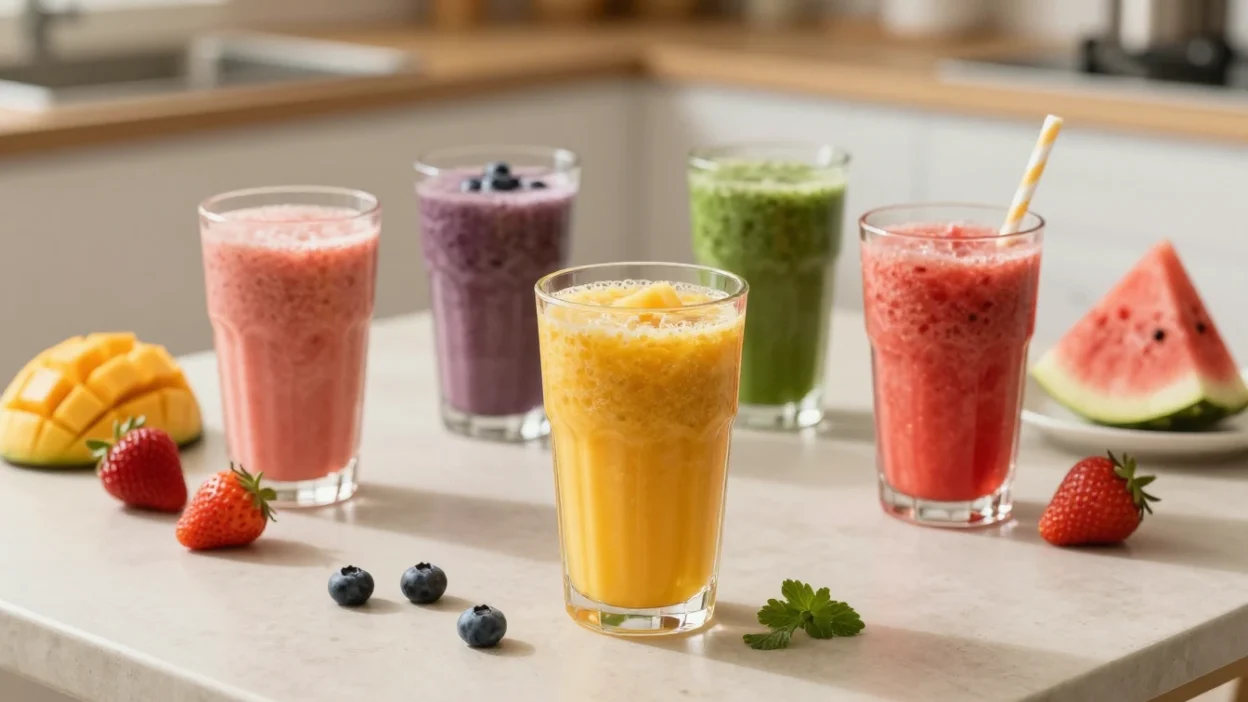
Some mornings already feel warm before the kettle is even on. The kitchen is bright, the fruit on the counter smells sweet, and breakfast needs to happen without turning on the stove. That is where easy summer smoothie recipes earn their place.
A good summer smoothie should feel cool, fresh, and simple. Not like a complicated health project. Not like a dessert pretending to be breakfast, either. Just ripe fruit, something creamy, a little balance, and maybe a handful of ice when the day is already starting to feel heavy.
In this guide, I’ll walk through refreshing smoothie ideas you can make on hot mornings, lazy afternoons, or those slightly chaotic days when you need something quick before heading out the door. You’ll get fruit-forward recipes, practical blending tips, and a few small tricks that make smoothies taste better without piling in sugar.
Why summer smoothies are worth keeping simple
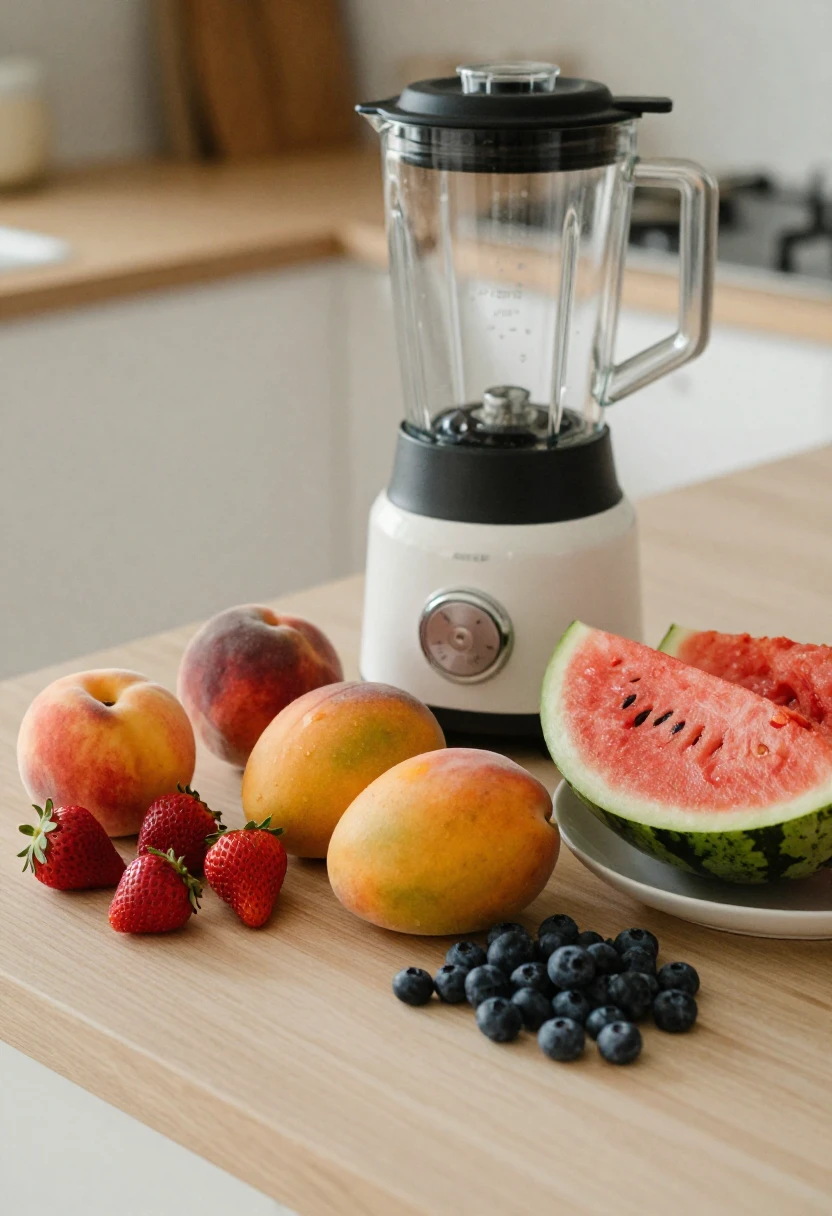
Summer is the best season for smoothies because the fruit does most of the work for you. Strawberries taste sweeter. Peaches smell like sunshine. Watermelon is juicy enough to carry a whole drink almost by itself.
That is the kind of cooking, or honestly, not-cooking, I love in hot weather.
When the ingredients are good, you do not need much. A handful of frozen fruit, a splash of milk or yogurt, a squeeze of lime, maybe a spoonful of nut butter. Blend it until cold and smooth, pour it into a glass, and breakfast is done.
The best smoothies start with ripe seasonal fruit
A smoothie made with bland fruit usually needs help. A lot of help. Extra honey, more juice, maybe too much banana just to make it taste like something.
Ripe summer fruit changes that.
For the best flavor, use fruit that smells good before you even cut it:
- Strawberries should smell sweet, not watery.
- Peaches should have a little give when you press them gently.
- Mango should feel heavy and fragrant.
- Watermelon should taste sweet on its own before it goes anywhere near the blender.
Frozen fruit works beautifully too, especially berries, mango, pineapple, and banana. It keeps the smoothie cold and thick without watering it down.
How to make smoothies refreshing without making them watery
The easiest mistake is adding too much liquid at the beginning. I have done this more times than I want to admit. You start with good fruit, add a generous splash of milk or juice, blend it, and suddenly it tastes thin.
Start with less liquid than you think you need.
You can always add more after blending. A thick smoothie can be loosened in ten seconds. A watery one is harder to rescue unless you add more frozen fruit.
For a cooler, thicker texture, use:
- Frozen fruit instead of fresh fruit plus ice
- Greek yogurt for creaminess
- Frozen banana for body
- A few ice cubes only when the fruit is fresh and juicy
- Less liquid at first, then more as needed
A quick note on sweetness, juice, and balance
Fruit is already sweet, especially in summer. Most smoothies do not need much added sugar.
But balance matters. A smoothie with only sweet fruit can taste flat, almost like melted sorbet. A little acidity wakes it up.
Try adding:
- Lime juice to watermelon, mango, or pineapple smoothies
- Lemon juice to berry smoothies
- Plain yogurt to sweet fruit blends
- A tiny pinch of salt to watermelon or tropical smoothies
That pinch of salt sounds odd until you try it. It does not make the smoothie salty. It just makes the fruit taste more like itself.
How to build a better summer smoothie
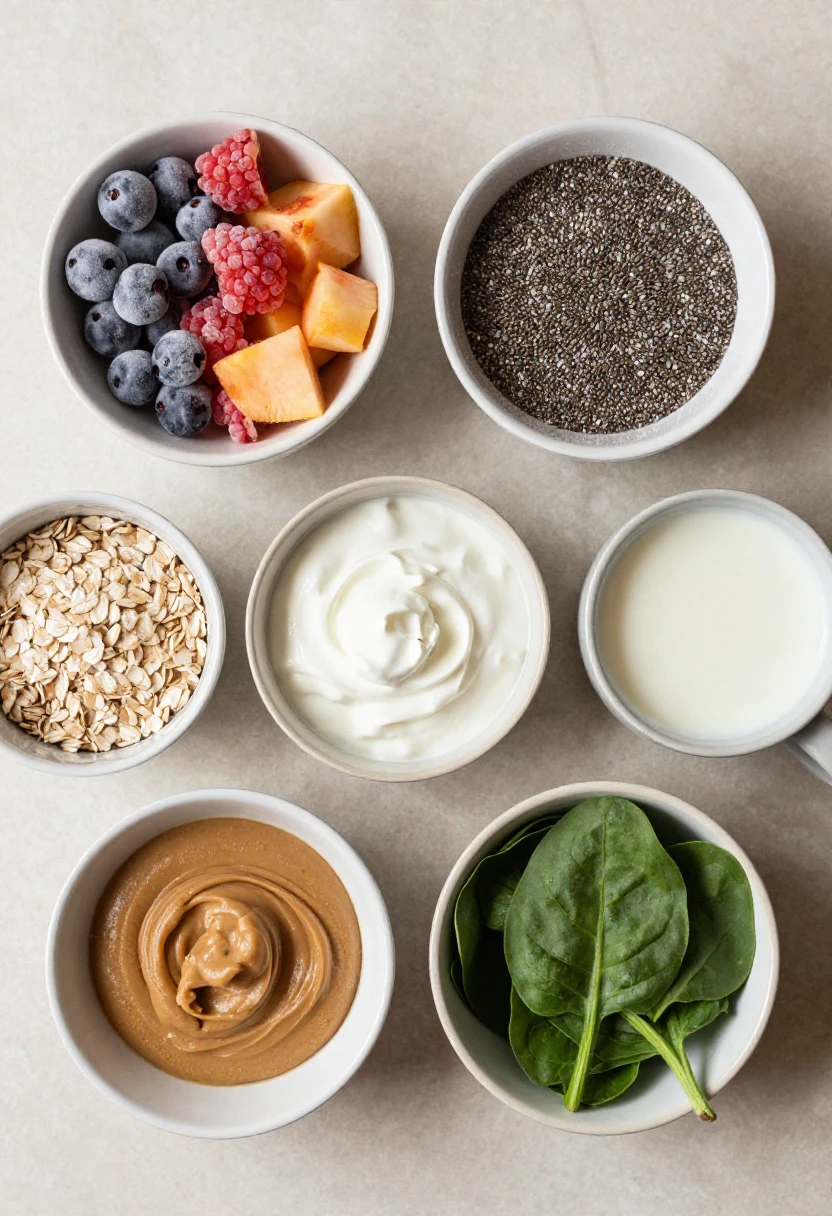
A smoothie can be as simple as fruit and milk, but the best ones have a little structure. You want something cold and fresh, yes, but also smooth, balanced, and satisfying enough that you are not hunting for a snack twenty minutes later.
I usually think of it in four parts:
- Fruit for flavor
- Liquid for blending
- Creaminess for texture
- Protein or fiber for staying power
You do not need all four every single time, but when a smoothie tastes thin or leaves you hungry, one of these pieces is usually missing.
Choose your fruit base
For summer smoothies, I like starting with one main fruit and then adding a second fruit for depth. Too many fruits at once can make everything taste a little muddy.
Good summer fruit bases include:
- Strawberries
- Peaches
- Mango
- Pineapple
- Blueberries
- Raspberries
- Watermelon
- Banana
- Cherries
A few pairings almost always work:
- Strawberry + banana
- Peach + mango
- Pineapple + blueberry
- Watermelon + lime
- Blueberry + coconut
- Mango + orange
- Raspberry + peach
If you are using mostly fresh fruit, add a few ice cubes or include one frozen ingredient. If all your fruit is frozen, you may need a bit more liquid to get the blender moving.
Add creaminess with yogurt, milk, kefir, or banana
Creaminess is what makes a smoothie feel finished. Without it, you sometimes get more of a fruit slush. That can be nice on a very hot afternoon, but for breakfast, I usually want something softer and more filling.
Good creamy add-ins:
- Greek yogurt
- Plain yogurt
- Kefir
- Milk or oat milk
- Coconut milk
- Frozen banana
- Avocado
- Cottage cheese
Greek yogurt is my usual choice because it adds protein and a light tang. It works especially well with strawberries, blueberries, peaches, and mango.
Banana gives the smoothest texture, but it also has a strong flavor. If you do not want every smoothie to taste like banana, use half a banana or skip it and use yogurt instead.
Add protein or fiber so it actually keeps you full
This is the part people forget. A smoothie made from fruit and juice tastes good, but it can leave you hungry fast. Add something with protein, fat, or fiber, and it turns into a real breakfast.
Try one of these:
- Greek yogurt
- Protein powder
- Peanut butter or almond butter
- Chia seeds
- Ground flaxseed
- Rolled oats
- Hemp seeds
- Cottage cheese
- Silken tofu
You do not need much. A spoonful of chia seeds or two tablespoons of oats can make a smoothie feel more satisfying. Peanut butter makes banana smoothies richer. Cottage cheese sounds strange at first, but once blended, it disappears into the texture and adds a mild creaminess.
Use ice and frozen fruit the smart way
Ice is useful, but it is not always the best way to make a smoothie cold. Too much ice can water down the flavor and make the texture grainy.
Frozen fruit is better when you want a thick, creamy smoothie. Frozen mango, pineapple, berries, and banana blend beautifully and keep the drink cold without diluting it.
Here is the rough balance I use:
- For a thick smoothie: frozen fruit + yogurt + a small splash of liquid
- For a lighter smoothie: fresh fruit + milk or coconut water + a few ice cubes
- For a slushy smoothie: juicy fruit + ice + lime juice
- For a breakfast smoothie: fruit + yogurt or milk + protein or fiber
And one small blender tip: add the liquid first. Then softer ingredients, then frozen fruit on top. It helps the blades catch everything more easily, especially if your blender is not very powerful.
Strawberry yogurt smoothie
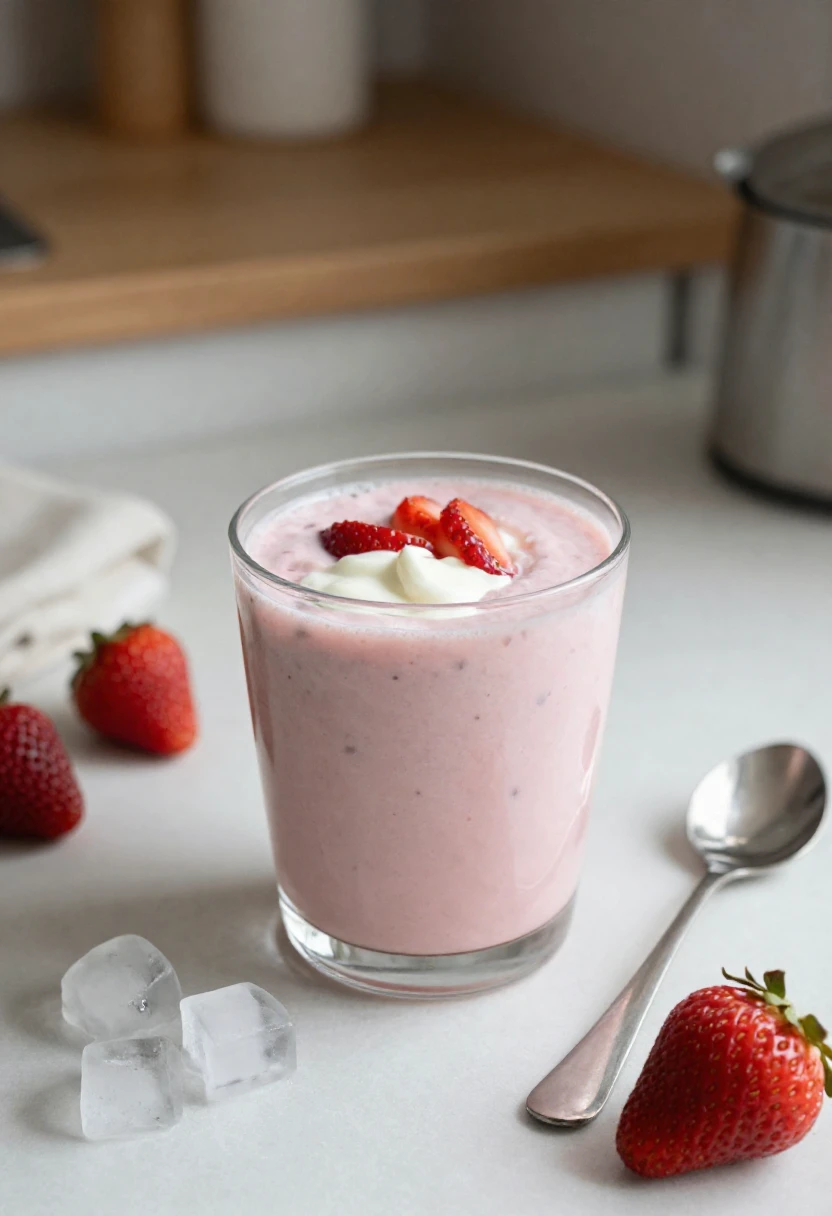
This is the kind of smoothie that tastes like summer breakfast. Cold strawberries, creamy yogurt, a little honey if the berries need it, and enough milk to make it pourable.
When strawberries are in season, I like this smoothie with fresh berries and a few ice cubes. When they are not quite sweet enough, frozen strawberries usually work better because they are picked ripe and give a thicker texture.
Why strawberries work so well in summer smoothies
Strawberries have that bright, fresh flavor that does not need much dressing up. They blend quickly, pair well with yogurt, and taste good with lemon, vanilla, banana, oats, or even basil if you want something a little different.
For the best texture, remove the green tops and cut large berries in half before blending. If you are using frozen strawberries, let them sit on the counter for five minutes so they are not rock hard.
Ingredients
- 1 1/2 cups strawberries, fresh or frozen
- 1/2 cup plain Greek yogurt
- 1/2 cup milk, oat milk, or almond milk
- 1/2 banana, optional, for extra creaminess
- 1 teaspoon honey or maple syrup, optional
- 1 teaspoon lemon juice
- 2–3 ice cubes, if using fresh strawberries
How to make it
Add the milk to the blender first, then yogurt, strawberries, banana if using, lemon juice, and ice. Blend until smooth.
Taste before adding honey. If the strawberries are sweet, you may not need it. If the smoothie tastes a little dull, add another small squeeze of lemon instead of more sweetener.
Easy swaps and add-ins
This smoothie is easy to change depending on what you have.
- Add 2 tablespoons rolled oats for a more filling breakfast.
- Add 1 tablespoon chia seeds and let the smoothie sit for 5 minutes.
- Use vanilla yogurt if you want it sweeter.
- Add a few fresh mint leaves for a cooler flavor.
- Add a spoonful of almond butter if you want it richer.
For a thicker smoothie, use frozen strawberries and reduce the milk slightly. For a thinner smoothie, add a splash more milk after blending.
Peach mango smoothie
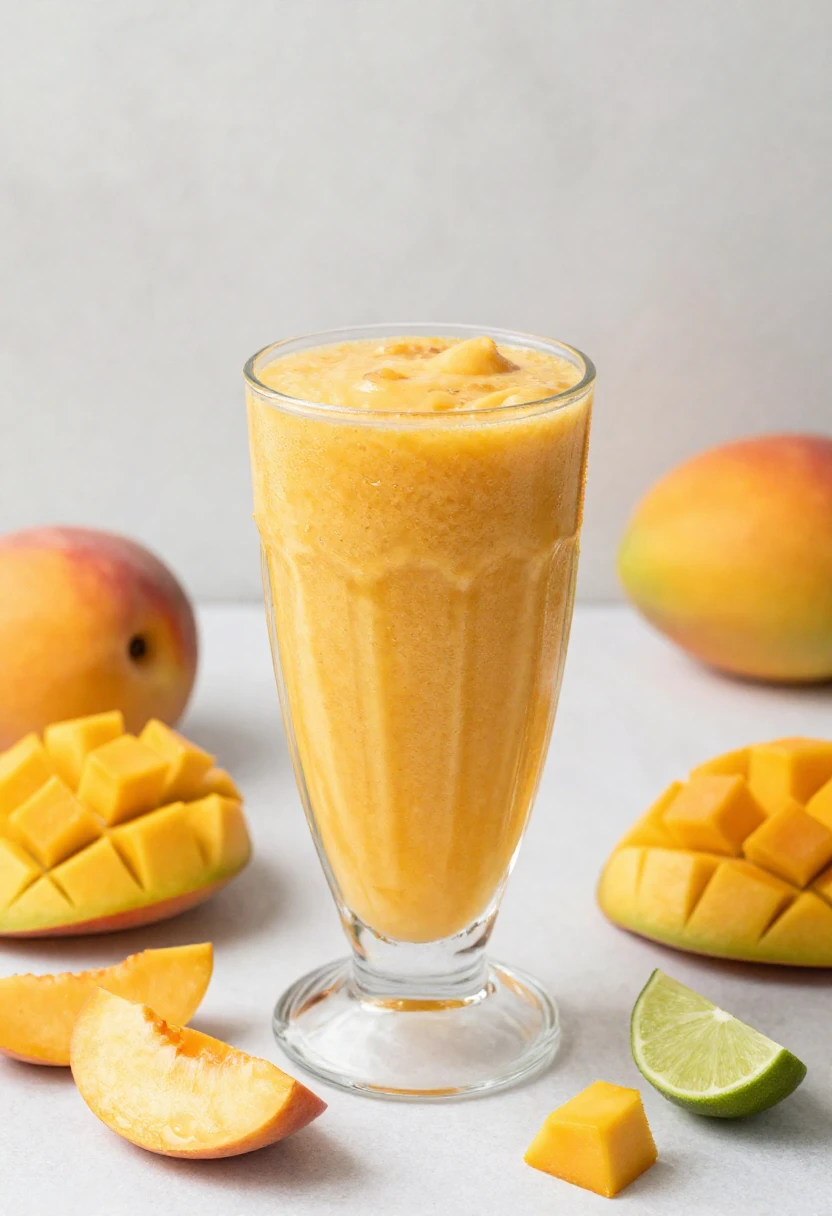
This peach mango smoothie is the one I make when I want something bright and sunny without it tasting like straight juice. Peaches bring softness. Mango adds body. Together, they blend into a smoothie that feels creamy even before you add yogurt.
It is especially good on those hot mornings when coffee sounds too heavy and breakfast needs to be cold.
The sunny fruit combo that tastes like dessert
Peach and mango both have a mellow sweetness, but they are not exactly the same. Mango is thicker and almost creamy when blended. Peach is lighter, juicier, and a little floral when it is ripe.
That mix gives you a smoothie that tastes full without needing much added sugar.
Use frozen mango if you can. It makes the texture better and keeps the smoothie cold. Fresh peaches work beautifully when they are ripe, but if your peaches are firm or bland, frozen peach slices may actually taste better.
Ingredients
- 1 cup frozen mango chunks
- 1 cup sliced peaches, fresh or frozen
- 1/2 cup Greek yogurt or plain yogurt
- 1/2 cup orange juice, milk, or coconut water
- 1 teaspoon lime juice
- 1/2 teaspoon grated ginger, optional
- 2–3 ice cubes, if using fresh fruit
How to make it
Add the liquid to the blender first. Then add yogurt, peaches, mango, lime juice, ginger if using, and ice.
Blend until smooth and creamy. If the blender gets stuck, add another small splash of liquid. Try not to add too much at once, because mango loosens as it blends.
Taste before serving. If it needs more brightness, add a little more lime juice. If your fruit is not very sweet, add half a teaspoon of honey or maple syrup.
How to make it thicker or lighter
For a thicker smoothie, use frozen mango and frozen peaches together. Keep the liquid closer to 1/3 cup at first, then add more only if the blender needs help.
For a lighter smoothie, use coconut water or orange juice instead of yogurt. It will taste more like a tropical fruit drink than a breakfast smoothie, which can be perfect in the afternoon.
A few easy add-ins:
- Add 1 tablespoon chia seeds for fiber.
- Add 2 tablespoons oats if you want it more filling.
- Add a small handful of spinach. The mango hides it well.
- Add coconut milk for a creamier, softer flavor.
- Add protein powder if you are making it after a workout.
One thing I would not add here is too much banana. A little is fine, but banana can take over quickly and push the peach flavor into the background.
Peanut butter banana smoothie
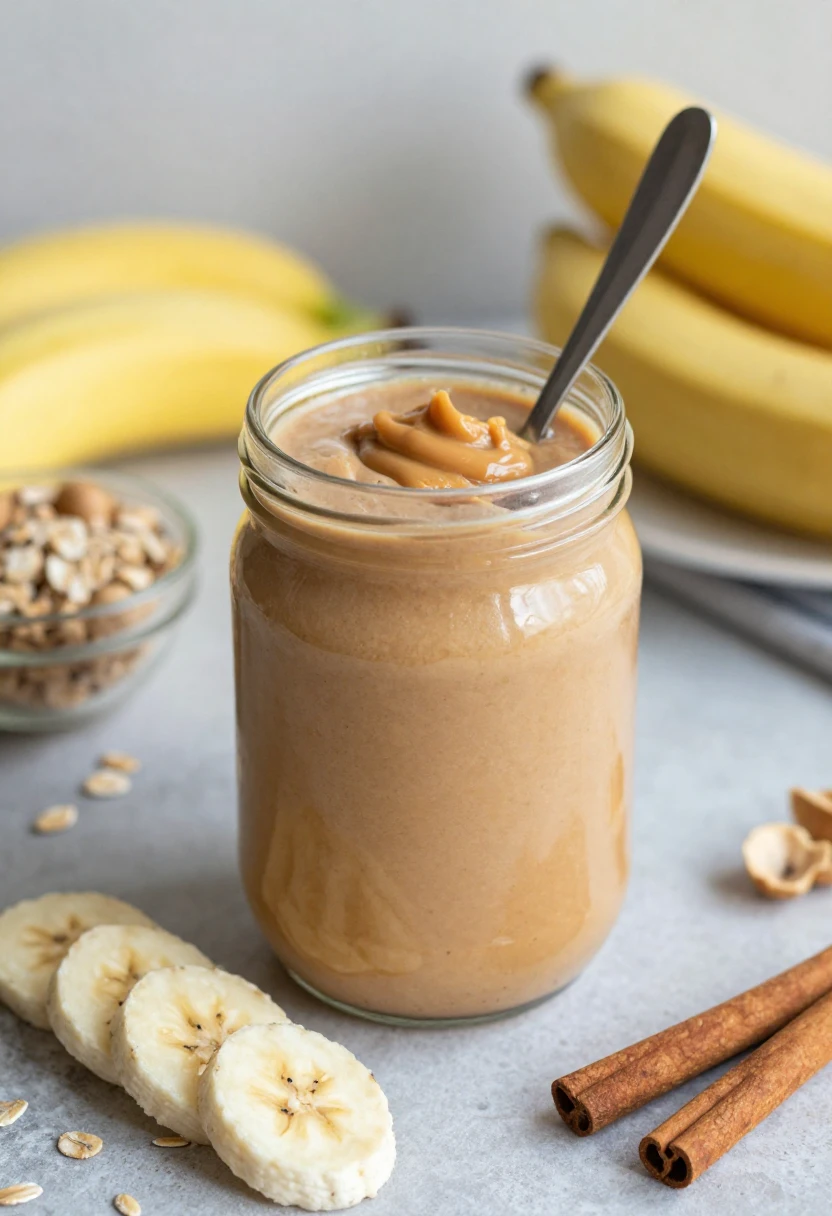
This is the smoothie for the mornings when fruit alone will not do it. It is colder than a bowl of oatmeal, faster than eggs, and filling enough to count as breakfast.
I like it after an early walk or on days when lunch might be late. Banana gives it that thick, milkshake-like texture, while peanut butter makes it richer and more satisfying.
A filling smoothie for breakfast or after a walk
Peanut butter and banana are a classic for a reason. The banana brings natural sweetness. The peanut butter adds fat, flavor, and a little protein. Add Greek yogurt or milk, and you get a smoothie that feels creamy without needing ice cream or sweetened syrups.
The only trick is keeping it from becoming too heavy. Too much peanut butter can make the smoothie feel sticky, especially in hot weather. I usually start with one tablespoon, blend, then add more only if I really want that stronger peanut flavor.
Ingredients
- 1 large frozen banana
- 1 tablespoon peanut butter
- 1/2 cup Greek yogurt or plain yogurt
- 1/2 cup milk, oat milk, or almond milk
- 1 tablespoon rolled oats, optional
- 1/2 teaspoon cinnamon
- 1 teaspoon honey or maple syrup, optional
- 2–3 ice cubes, optional
How to make it
Add the milk to the blender first. Add yogurt, frozen banana, peanut butter, oats if using, cinnamon, and ice.
Blend until smooth. If the smoothie is too thick, add milk one splash at a time. If it tastes too rich, add a few extra ice cubes or a small spoonful of yogurt to lighten it.
Taste before adding honey. A ripe banana is usually sweet enough.
How to keep it from tasting too heavy
Peanut butter banana smoothies can go from creamy to cloying very quickly. A few small tweaks help.
Use frozen banana instead of fresh banana and lots of ice. The texture turns smoother and colder.
Add cinnamon or a tiny pinch of salt. Both make the peanut butter taste better without adding sweetness.
Use plain yogurt instead of only milk. The tang cuts through the richness.
Add oats only if you want a thicker breakfast smoothie. For a lighter snack, skip them.
You can also turn this into a chocolate peanut butter smoothie by adding 1 teaspoon cocoa powder. Start small. Cocoa can make the smoothie taste bitter if you add too much.
Pineapple berry smoothie
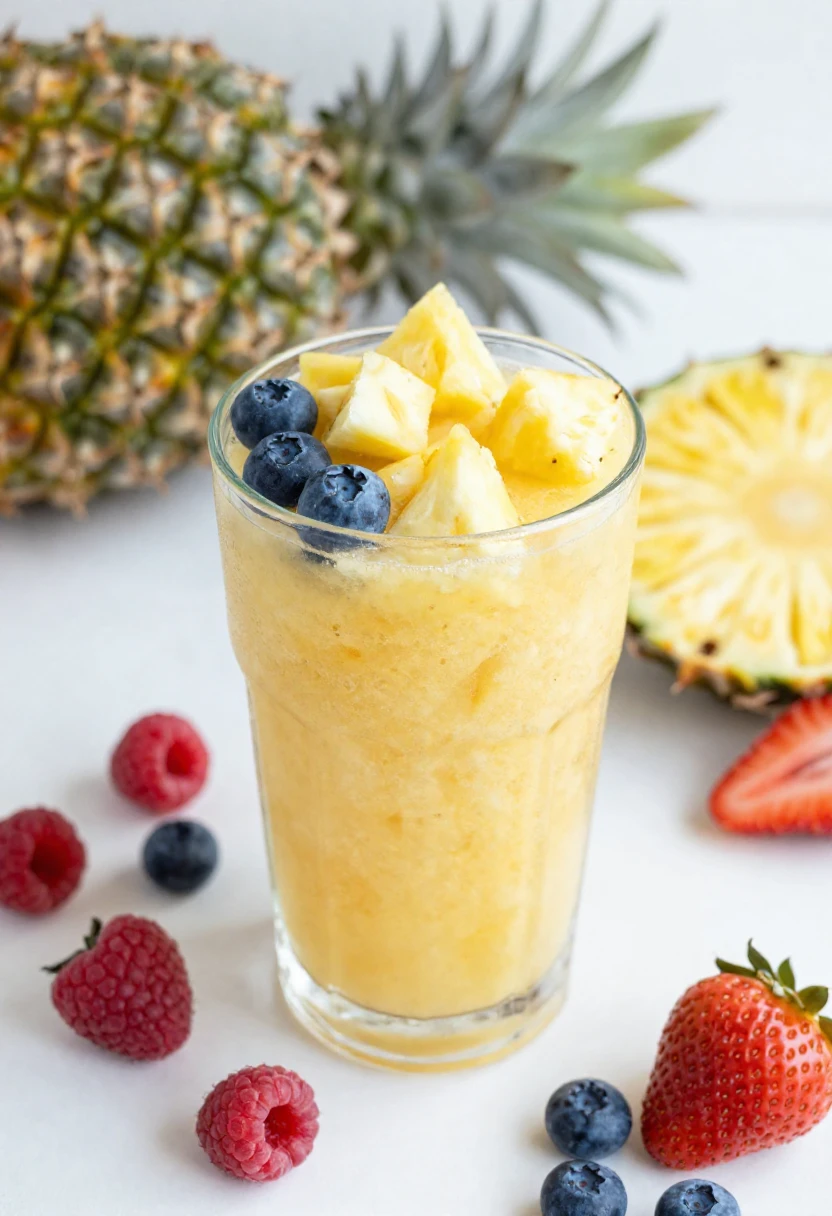
This one tastes sharp, sweet, and cold in the best way. Pineapple gives it a tropical edge, while berries keep it from tasting too sugary.
I like this smoothie in the afternoon, especially when the day feels sticky and I want something brighter than coffee. It is also a good recipe for frozen fruit because both pineapple and berries hold up well in the freezer.
Sweet, tart, and bright enough for a hot afternoon
Pineapple is naturally bold, so you do not need much to make the smoothie taste lively. Berries bring tartness, color, and a little texture.
The best part is that you can change the mood of the smoothie depending on the berries you use. Strawberries make it softer and sweeter. Raspberries make it tangier. Blueberries make it deeper and more mellow.
Ingredients
- 1 cup frozen pineapple chunks
- 1 cup mixed berries, fresh or frozen
- 1/2 cup Greek yogurt or coconut yogurt
- 1/2 cup coconut water, milk, or orange juice
- 1 teaspoon lime juice
- 1 teaspoon honey, optional
- 2–3 ice cubes, if using fresh berries
How to make it
Pour the liquid into the blender first. Add yogurt, pineapple, berries, lime juice, honey if using, and ice.
Blend until smooth. Pineapple can be fibrous, so give it a little extra blending time. If your blender struggles, pause, stir, and add a small splash of liquid.
Taste it at the end. If it feels too sharp, add a spoonful of yogurt or a little more honey. If it tastes flat, add lime.
Best berries to use
Mixed berries are convenient, but each berry changes the flavor.
- Strawberries make the smoothie sweeter and softer.
- Blueberries make it thicker and less tart.
- Raspberries add a bright, almost lemonade-like tang.
- Blackberries give a deeper flavor, but the seeds can be noticeable.
For the smoothest texture, use strawberries or blueberries. For the boldest flavor, use raspberries with pineapple. That combination wakes up the whole glass.
Watermelon lime smoothie
Watermelon is already halfway to being a smoothie. It is juicy, sweet, cold when you keep it in the fridge, and incredibly refreshing on a hot day.
This smoothie is lighter than the creamy ones above. It is more like a frosty fruit cooler, the kind of thing you want after coming in from the sun with warm shoulders and no patience for making a snack.
The most hydrating smoothie in the lineup
Watermelon has a lot of water, so you do not need much liquid here. In fact, adding too much can make the smoothie taste thin.
The best version uses cold watermelon, lime juice, a little frozen fruit, and just enough ice to make it slushy. I like frozen strawberries with watermelon because they add body and a deeper fruit flavor without taking over.
Ingredients
- 3 cups cold seedless watermelon cubes
- 1 cup frozen strawberries
- 1 tablespoon lime juice
- 4–5 fresh mint leaves, optional
- 1 teaspoon honey, optional
- Small pinch of salt
- 1/2 cup ice
How to make it
Add the watermelon to the blender first. It will release liquid quickly, so you usually do not need water or juice.
Add frozen strawberries, lime juice, mint, honey if using, salt, and ice. Blend until smooth and frosty.
Taste it right away. Watermelon changes a lot from one melon to another. If it tastes dull, add more lime. If it is not sweet enough, add a small drizzle of honey.
Why a pinch of salt can make it taste better
A tiny pinch of salt makes watermelon taste sweeter and brighter. It is the same reason salted watermelon works so well on a summer plate.
You do not want the smoothie to taste salty. Just a small pinch is enough. Blend, taste, and stop there.
If you want a creamier version, add 1/4 cup Greek yogurt. It changes the smoothie completely, making it softer and more filling. For a cleaner, icier drink, leave the yogurt out.
Green summer smoothie with pineapple and spinach
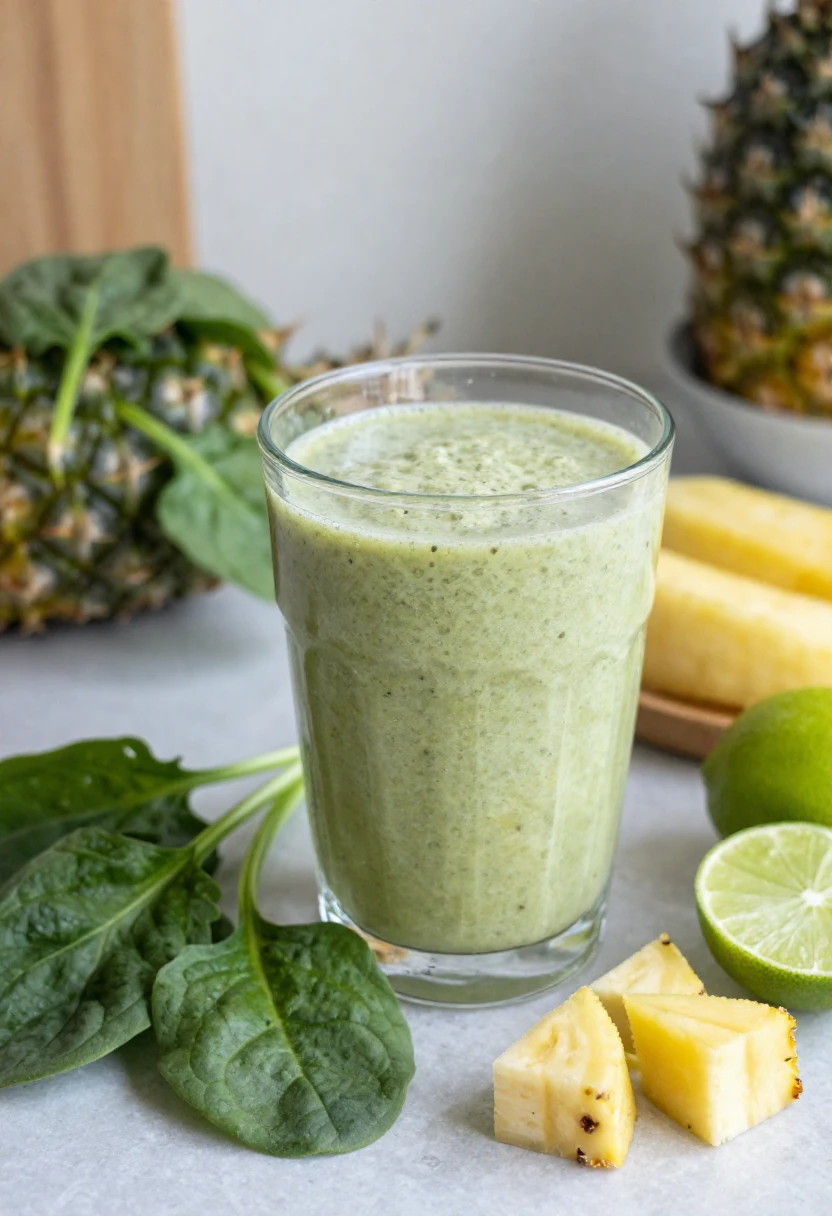
Green smoothies can be tricky. Some taste fresh and clean. Others taste like someone blended a salad and hoped for the best.
This one stays on the friendly side. Pineapple brings sweetness and acidity, banana gives it body, and spinach blends in quietly. You get the color and the extra greens without that grassy flavor.
A gentle green smoothie that does not taste grassy
The secret is using baby spinach, not tougher greens. Baby spinach has a mild flavor and soft leaves, so it disappears easily into fruit smoothies.
Pineapple helps too. Its bright, tart sweetness balances the greens better than mild fruits do. Mango also works well here if you want a thicker smoothie.
Ingredients
- 1 cup frozen pineapple
- 1/2 frozen banana
- 1 packed cup baby spinach
- 1/2 cup Greek yogurt or coconut yogurt
- 1/2 cup milk, coconut water, or almond milk
- 1 teaspoon lime juice
- 1 tablespoon chia seeds, optional
How to make it
Add the liquid first, then yogurt, spinach, pineapple, banana, lime juice, and chia seeds if using.
Blend until the spinach is fully broken down. If you still see tiny green flecks, blend for another 20–30 seconds. A high-speed blender makes this easier, but a regular blender can handle it if you add enough liquid and do not pack in too much frozen fruit at once.
Taste before serving. If the smoothie needs more brightness, add another squeeze of lime. If you want it sweeter, add a few extra pineapple chunks.
What to add if you want more protein
Greek yogurt adds some protein, but you can build this into a more filling breakfast smoothie.
Good add-ins include:
- Vanilla protein powder
- Hemp seeds
- Silken tofu
- Cottage cheese
- More Greek yogurt
- A spoonful of almond butter
I would skip peanut butter here. It can fight with the pineapple and make the smoothie taste a little confused. Almond butter is softer and blends in better.
Creamy blueberry coconut smoothie
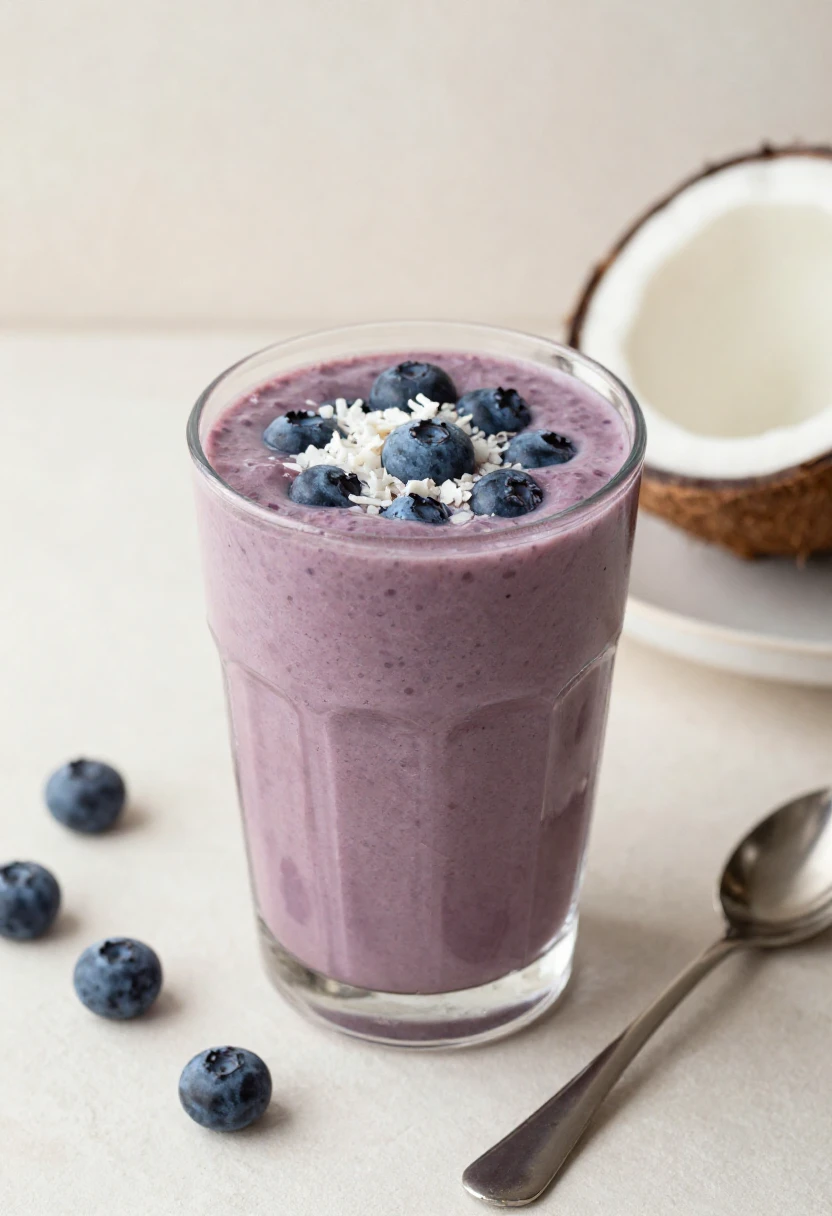
This blueberry coconut smoothie is softer than the pineapple and watermelon ones. It is still refreshing, but in a calmer way. The kind of smoothie I would make for a slower morning, maybe with toast on the side, when I want breakfast to feel easy but not rushed.
Blueberries bring that deep, almost jammy flavor. Coconut milk makes it creamy without needing much banana. Add a little lemon juice, and the whole thing tastes brighter.
A cooler, softer smoothie for slow mornings
Blueberries are not always loud in smoothies. They can taste a little muted if you blend them with too much milk or too much banana. Coconut helps because it adds richness without covering them completely.
Frozen blueberries work best here. They make the smoothie colder and thicker, and they usually have more consistent flavor than fresh blueberries out of season.
Ingredients
- 1 1/2 cups frozen blueberries
- 1/2 frozen banana
- 1/2 cup coconut milk
- 1/2 cup Greek yogurt or coconut yogurt
- 1 teaspoon lemon juice
- 1 teaspoon maple syrup, optional
- 1 tablespoon ground flaxseed, optional
- Small handful of ice, if needed
How to make it
Add coconut milk to the blender first. Then add yogurt, blueberries, banana, lemon juice, maple syrup if using, flaxseed, and ice.
Blend until smooth and creamy. Blueberry skins can take a little longer to break down, so give it a proper blend instead of stopping too early.
Taste it. If it feels too rich, add more lemon juice. If it is too thick, add a splash of coconut milk or regular milk.
How to make it dairy-free
This smoothie is very easy to make dairy-free. Use coconut yogurt instead of Greek yogurt, or skip the yogurt and add a little extra coconut milk.
For more body without dairy, try:
- 1 tablespoon chia seeds
- 1 tablespoon almond butter
- 1/4 avocado
- 2 tablespoons oats
- A little extra frozen banana
Avocado sounds strange, but it works. You will not taste much of it if you keep the amount small. It just makes the smoothie smoother and more filling.
Tips for making smoothies ahead
Smoothies are best right after blending. That is the honest answer. The texture is colder, the fruit tastes fresher, and everything feels more alive.
But real mornings are not always built for washing berries and measuring yogurt. So yes, you can make smoothies easier ahead of time. The trick is knowing what to prep early and what to blend fresh.
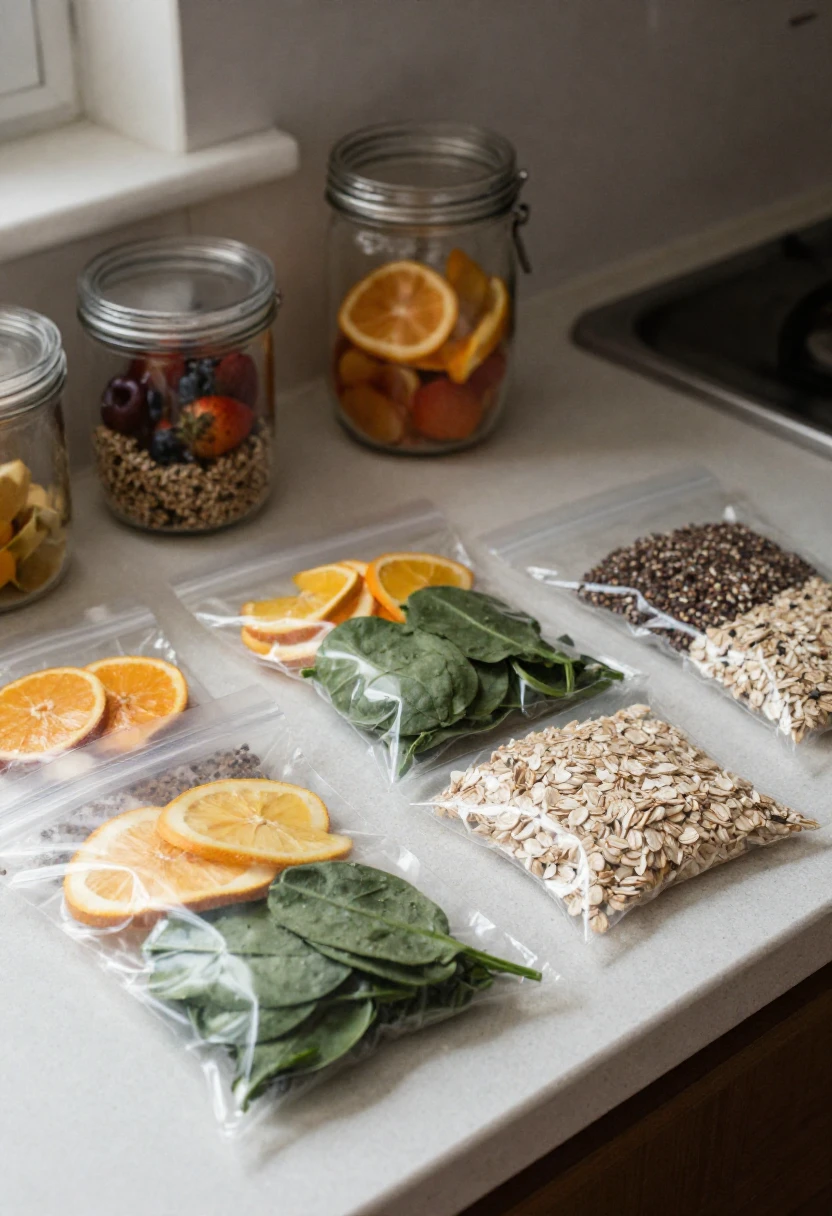
Freezer smoothie packs
Freezer packs are the easiest way to save time. Add your fruit and dry add-ins to a freezer bag or container, then blend with liquid and yogurt when you are ready.
Good freezer pack combinations:
- Strawberry + banana + oats
- Peach + mango + ginger
- Pineapple + spinach + banana
- Blueberry + coconut + flaxseed
- Watermelon + strawberry + mint
Do not add milk or yogurt to the freezer pack unless you are freezing the whole smoothie in cubes. Keep liquids separate so the ingredients do not freeze into one stubborn block.
What not to blend too early
Some ingredients do not sit well after blending.
Banana can darken and make the smoothie taste a little dull. Chia seeds thicken a smoothie quickly, which is useful sometimes, but not if you wanted something drinkable. Ice melts and waters everything down.
If you need to prep the night before, I would measure the ingredients instead of blending the smoothie fully. Keep fruit in one container, yogurt in another, and liquid ready in the fridge. In the morning, all you have to do is pour and blend.
How long smoothies keep in the fridge
Most smoothies keep for about 24 hours in the fridge, but the texture changes. They may separate, thicken, or lose some brightness.
If you do store one, pour it into a jar with a tight lid and fill it close to the top. Less air means less browning and dull flavor.
Before drinking, shake it hard or blend it again with a few ice cubes. A squeeze of lemon or lime can bring it back a little.
Common smoothie mistakes to avoid
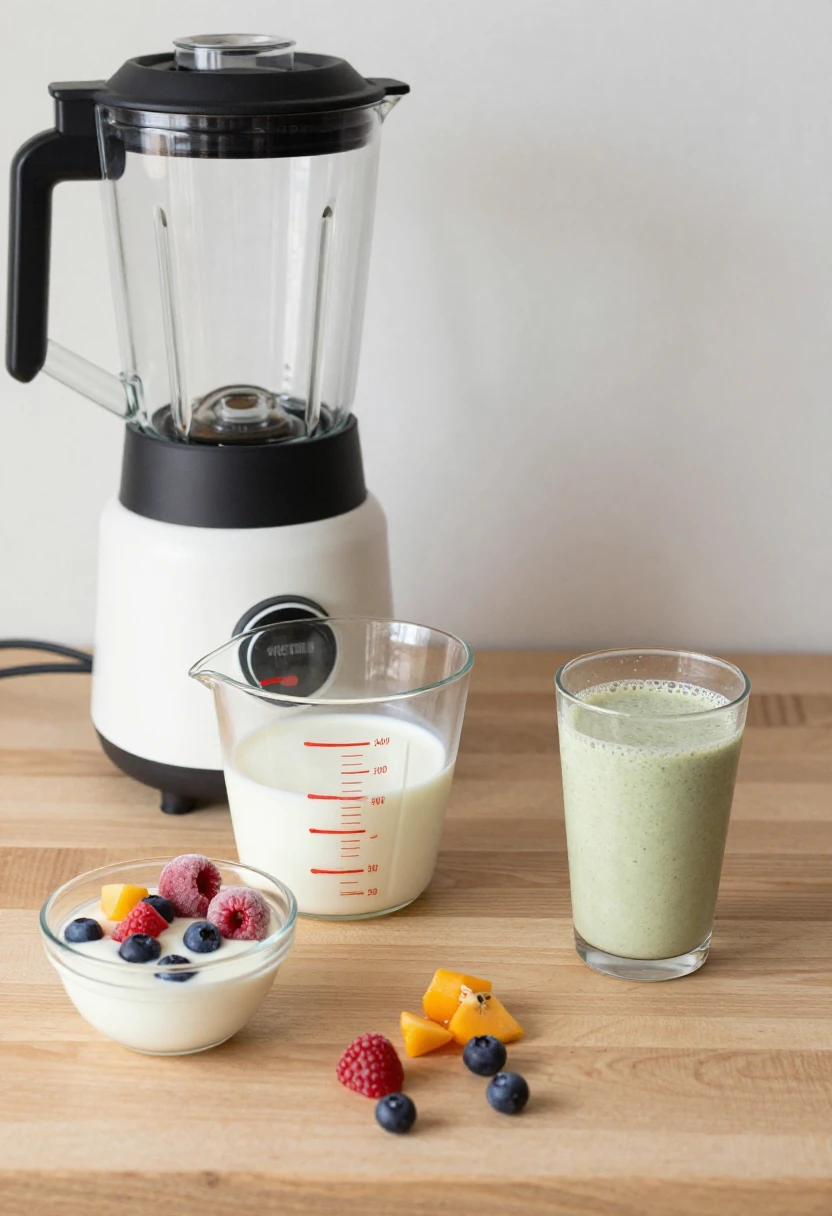
Smoothies look almost impossible to mess up. You add fruit, pour in something liquid, press blend, and hope for the best.
Most of the time, that works.
But if your smoothie tastes watery, too sweet, too icy, or somehow not satisfying at all, it usually comes down to a few small mistakes. Nothing dramatic. Just little things that change the flavor and texture more than you expect.
Adding too much liquid too soon
This is the biggest one.
A smoothie needs enough liquid to blend, but not so much that it turns thin. Start with less than you think you need, especially if you are using juicy fruits like watermelon, oranges, peaches, or fresh berries.
A good starting point:
- For thick smoothies: 1/3 to 1/2 cup liquid
- For regular smoothies: 1/2 to 3/4 cup liquid
- For lighter fruit smoothies: about 1 cup liquid
Blend first, then adjust. If the blender is struggling, add liquid one splash at a time.
I know it feels annoying to stop and add more, but it is better than ending up with a smoothie that tastes like fruit-flavored water.
Using only fruit and feeling hungry an hour later
Fruit smoothies taste wonderful, but fruit alone does not always keep you full. That is especially true if you use fruit juice as the liquid.
If you want your smoothie to work as breakfast, add something with protein, fat, or fiber.
Try:
- Greek yogurt
- Kefir
- Peanut butter
- Almond butter
- Chia seeds
- Ground flaxseed
- Oats
- Protein powder
- Cottage cheese
You do not need to turn every smoothie into a heavy meal. Even one spoonful of chia seeds or a half cup of yogurt can make a difference.
For hot days, I like a lighter balance: fruit, yogurt, and one small add-in. Enough to feel satisfied, not so much that the smoothie feels like a brick.
Over-sweetening before tasting
Summer fruit can be sweet enough on its own. Always blend and taste before adding honey, maple syrup, dates, or sweetened yogurt.
Sometimes the smoothie does not need more sugar. It needs acid.
If it tastes flat, try a squeeze of:
- Lemon juice
- Lime juice
- Orange juice
If it tastes too sharp, then add a small amount of sweetener.
This is especially helpful with berry smoothies. Berries can be tart, but adding too much honey can cover their flavor. A little lemon plus a tiny drizzle of maple syrup usually tastes better than a lot of sweetener.
Forgetting the texture
Flavor matters, but texture is what makes you want to keep drinking.
A smoothie can taste good and still feel wrong if it is grainy, icy, foamy, or too thick to sip through a straw.
For a smoother texture:
- Blend long enough, especially with berries and greens.
- Add liquid first so the blades move more easily.
- Use frozen fruit instead of too much ice.
- Let rock-hard frozen fruit sit for a few minutes before blending.
- Add yogurt, banana, mango, or avocado for creaminess.
If your smoothie is too thick, add liquid slowly. If it is too thin, add frozen fruit, yogurt, oats, or half a frozen banana.
Mixing too many flavors at once
This is easy to do when you have a little of everything in the fridge.
A few strawberries. Half a peach. Some pineapple. A banana. A handful of spinach. Coconut milk. Peanut butter. Cinnamon. Maybe cocoa.
And then the smoothie tastes like… confusion.
Keep the flavor focused. Pick one main fruit, one supporting fruit, and one creamy or filling ingredient. That is usually enough.
For example:
- Strawberry + banana + yogurt
- Peach + mango + coconut water
- Pineapple + spinach + Greek yogurt
- Blueberry + coconut milk + flaxseed
- Watermelon + strawberry + lime
Simple smoothies taste cleaner, especially in summer.
Conclusion
Summer smoothies do not need to be complicated to taste good. In fact, the best ones usually come from simple combinations: ripe fruit, something creamy, a little acidity, and just enough liquid to help everything blend.
Start with the fruit you already have. Strawberries, peaches, mango, pineapple, blueberries, watermelon. Add yogurt if you want it filling, coconut water if you want it lighter, or a spoonful of oats or chia seeds if breakfast needs to last longer.
And taste before you sweeten. That one small habit makes a big difference.
A cold smoothie on a hot morning feels like such a small thing, but sometimes that is exactly what you need. Something fresh. Something easy. Something you can make before the day gets too loud.
FAQ
What is the best liquid for summer smoothies?
It depends on the smoothie. Milk or oat milk makes smoothies creamier. Coconut water keeps them light and refreshing. Orange juice works well with mango, peach, and pineapple, but it can make the smoothie sweeter, so use it in small amounts.
For breakfast smoothies, I usually prefer milk, oat milk, or kefir because they make the drink more satisfying.
Can I make smoothies without banana?
Yes. Banana adds creaminess, but it is not the only option.
You can use:
- Greek yogurt
- Mango
- Avocado
- Coconut milk
- Cottage cheese
- Chia seeds
- Oats
Mango is one of the best banana replacements because it blends thick and smooth without taking over the flavor.
Are smoothies healthy for breakfast?
Smoothies can be a healthy breakfast when they include more than fruit and juice. Add protein, fiber, or healthy fat so the smoothie keeps you full.
A good breakfast smoothie might include fruit, Greek yogurt, milk, and chia seeds. Or banana, peanut butter, oats, and milk. It does not have to be heavy, but it should have enough structure to carry you through the morning.
Can I make summer smoothies ahead of time?
Yes, but smoothies taste best fresh. If you want to prep ahead, make freezer smoothie packs with fruit and dry add-ins, then blend them with liquid and yogurt in the morning.
If you store a blended smoothie, keep it in a sealed jar in the fridge for up to 24 hours. Shake it well before drinking, or blend it again with a few ice cubes to freshen the texture.