
You know that moment when your energy drops so hard you start bargaining with yourself?
Maybe it is 3 p.m., your screen looks blurry, and the idea of answering one more email feels personal. Maybe you are standing in front of the gym lockers, half-awake, trying to convince yourself that yes, you are still doing legs today. Or maybe you are on a long drive, the gas station fridge is glowing, and those cold cans look almost too convincing.
Energy drinks sell a very simple promise: open this, drink it, feel awake.
And sometimes, they do work. The caffeine kicks in. The sweetness hits fast. Your brain gets a little brighter around the edges. For a while, you feel like you can keep going.
But are energy drinks safe? The honest answer is: it depends on who is drinking them, how often, how much caffeine is in the can, and what else is happening that day.
For most healthy adults, moderate caffeine intake is usually tolerated, and the FDA cites 400 mg of caffeine per day as an amount not generally linked with negative effects for most adults. But energy drinks are not only about caffeine. Many contain sugar, guarana, taurine, herbal blends, and sometimes a serving size that makes the label harder to read than it should be. Sensitivity also varies a lot from person to person. One person feels focused after a can. Another feels shaky, anxious, and weirdly aware of their own heartbeat. (U.S. Food and Drug Administration)
There are also situations where energy drinks deserve extra caution. Children and teens are generally advised to avoid them, and mixing energy drinks with alcohol is risky because caffeine can make you feel more alert without reducing alcohol impairment. That “I feel fine” feeling can be misleading. (AACAP)
So this is not going to be a dramatic “never touch them again” kind of article. That usually does not help. Instead, we are going to look at what is actually inside energy drinks, how they affect your body, when they become a problem, and how to make a smarter choice if you still want one now and then.
What are energy drinks, really?
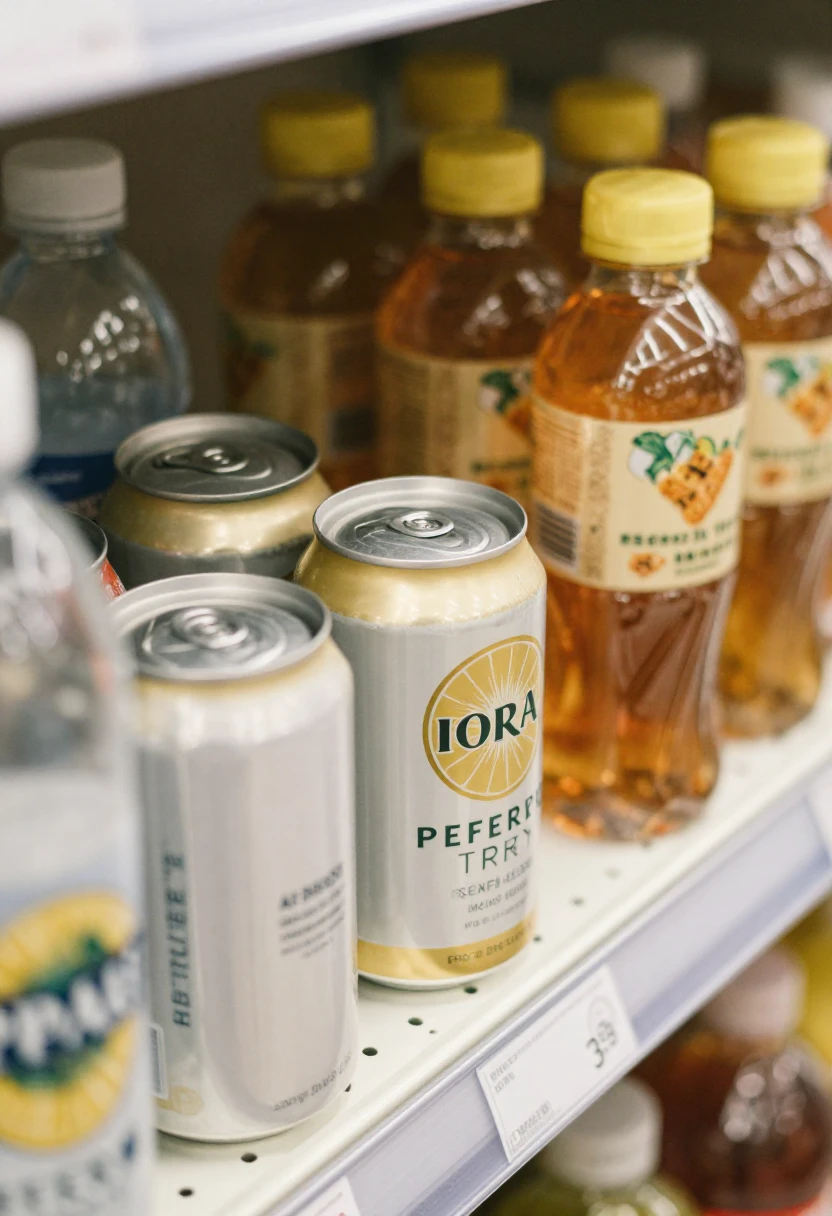
Energy drinks can look harmless because they sit right beside soda, iced tea, flavored water, and sports drinks in the store fridge. Same cold can. Same bright colors. Same promise of refreshment.
But they are a different kind of drink.
An energy drink is usually built around stimulation. The goal is not just to taste good or replace fluids. The goal is to make you feel more awake, more alert, and sometimes more “ready” for work, studying, driving, gaming, or exercise.
That is why the front of the can often talks about energy, focus, performance, endurance, or mental sharpness. The language changes from brand to brand, but the idea is usually the same: drink this when you feel tired and want to push through.
Energy drinks are not just “strong soda”
A soda can have caffeine, sugar, and bubbles. An energy drink often has those things too, but it may also include other ingredients meant to support the energy effect.
Some common ingredients include:
- Caffeine
- Sugar or artificial sweeteners
- Guarana, which is another source of caffeine
- Taurine
- Ginseng
- B vitamins
- Carnitine
- Bitter orange
- Other herbal or “performance” blends
The tricky part is that caffeine is not always listed in one obvious place. A drink may contain caffeine as a separate ingredient, then also include guarana, which adds more caffeine to the mix. That does not automatically make the drink dangerous, but it does make the label worth reading carefully. The National Center for Complementary and Integrative Health notes that energy drinks can contain caffeine plus ingredients like guarana, sugars, taurine, ginseng, B vitamins, yohimbe, carnitine, and bitter orange. (NCCIH)
This is where people get caught off guard. You may think, “It is just one can.” But one can can be a lot, depending on the size, the caffeine amount, and what else you already had that day.
Coffee in the morning. A diet cola with lunch. An energy drink before the gym. Suddenly the total caffeine number is higher than you meant it to be.
The marketing can make them feel healthier than they are
Energy drinks often borrow from the wellness world. You see words that sound active and clean. Focus. Zero sugar. B vitamins. Electrolytes. Plant extracts. Performance.
Some of those ingredients may have a normal place in food or supplements. B vitamins, for example, are real nutrients your body needs. But adding vitamins to a highly caffeinated drink does not turn it into a health drink.
That is the part I think people should be honest about.
If you drink an energy drink because you like the taste or need caffeine once in a while, fine. But it is still a stimulant drink. It is not the same as drinking water, eating breakfast, or fixing a bad sleep schedule.
And yes, I know that sounds boring. But most real energy advice is boring before it starts working.
Serving size can be confusing
Another small detail that matters: serving size.
Some cans are clearly one serving. Others may technically contain more than one serving, even though most people drink the whole thing in one go. If the label lists caffeine, sugar, or calories per serving, you need to check whether the can contains one serving or more.
This matters especially with larger cans and energy shots. A tiny bottle can feel less serious than a big can, but it may contain a strong dose of caffeine in just a few swallows.
So before you drink one, look for:
- How much caffeine is in the whole can or bottle
- How much sugar is in the whole can
- Whether it includes guarana or other stimulant ingredients
- Whether you have already had coffee, tea, cola, or pre-workout that day
That quick label check takes maybe ten seconds. It can save you from spending the next few hours feeling like your heart is trying to leave your body.
Energy drinks are not sports drinks
This is another common mix-up.
A sports drink is usually made to replace fluid, carbohydrates, and electrolytes during longer or sweaty exercise. An energy drink is usually made to stimulate you.
Those are not the same thing.
If you are dehydrated, sweaty, and tired after a workout, an energy drink may not be what your body is asking for. You may need water, sodium, food, or rest. Caffeine can make you feel more alert, but it does not magically replace the basics.
That is why energy drinks can feel helpful and unhelpful at the same time. They may wake you up, but they do not always solve the reason you were tired in the first place.
How caffeine affects your body
Caffeine is the main reason energy drinks “work.”
It is a stimulant, which means it nudges your nervous system into a more alert state. That is why a cold energy drink can make you feel sharper, faster, and less sleepy within a short time.
For a tired brain, that can feel wonderful. Almost suspiciously wonderful.
You take a few sips, and suddenly the boring task in front of you feels a little less impossible. The drive feels easier. The workout feels more doable. Your mood may even lift for a bit, especially if you were dragging.
But caffeine does not create real energy in the way food does. It does not replace sleep, repair exhaustion, or give your body nutrients. It mostly changes how tired you feel.
That difference matters.
The quick boost people notice first
The first thing most people notice is alertness.
Caffeine can make you feel:
- More awake
- More focused
- Less foggy
- More motivated
- Less tempted to crawl under a blanket at 2 p.m.
That is the helpful side. And honestly, it is why people keep buying energy drinks. Nobody reaches for one because they want a nutrition lecture. They want to feel functional.
I get it.
The problem starts when the boost becomes a habit. If you use an energy drink once in a while, your body may handle it just fine. If you start needing one every day to feel normal, that is usually a sign that something else is off: not enough sleep, poor meals, too much stress, or a schedule that is running you into the ground.
Caffeine can cover that up for a while. It cannot fix it.
The side effects can sneak up on you
Too much caffeine can feel very different from “good energy.”
At first, you may feel awake. Then the line gets crossed, and suddenly you feel wired in a way that is not pleasant anymore.
Common signs of too much caffeine can include:
- Jitters
- Anxiety
- A racing heart
- Heart palpitations
- Upset stomach
- Nausea
- Headache
- Trouble sleeping
- Higher blood pressure
The FDA lists symptoms like increased heart rate, palpitations, high blood pressure, insomnia, anxiety, jitters, upset stomach, nausea, and headache as possible signs of too much caffeine. (U.S. Food and Drug Administration)
That is why two people can drink the same energy drink and have completely different reactions.
One person gets a clean little lift. Another person gets sweaty palms and a heartbeat they can hear in their ears. Neither person is imagining it.
Your caffeine tolerance is personal
Caffeine sensitivity is not a character flaw. It is biology.
Some people can drink coffee after dinner and sleep like a cat in a sunbeam. Other people have one energy drink at lunch and are still staring at the ceiling at midnight, regretting every life choice.
Several things can change how caffeine hits you:
- Your body size
- How often you use caffeine
- How much sleep you got
- Whether you ate first
- Your anxiety level
- Certain medications
- Heart or blood pressure issues
- Pregnancy or breastfeeding
- Your natural caffeine sensitivity
Energy drinks can also be stronger than they seem because they may combine caffeine with guarana, another caffeine-containing ingredient. NCCIH notes that guarana can increase the total caffeine content of an energy drink, and caffeine use may be linked with anxiety, sleep problems, digestive problems, and dehydration. (NCCIH)
This is where listening to your body is more useful than copying someone else’s routine.
If your friend can drink two cans and feel fine, that does not mean your body will agree. If half a can makes you shaky, that is useful information. Annoying, yes. But useful.
The “wired but tired” feeling is a warning sign
One of the strangest caffeine feelings is being exhausted and over-stimulated at the same time.
Your body wants rest. Your brain feels pushed. You cannot relax, but you also do not feel truly energized. Just tense.
That “wired but tired” feeling is usually a sign that caffeine is no longer helping much. It is just forcing your body to keep the lights on.
When that happens, more caffeine often makes things worse. You may get more anxious, more restless, and still not feel genuinely awake.
At that point, the better answer is usually boring again: water, food, a walk, a short rest, or calling it a day earlier if you can.
Not as flashy as a tall can with lightning bolts on it.
But your nervous system may appreciate it.
How much caffeine is too much?
This is where energy drinks get a little sneaky.
Most people do not sit down and count their caffeine like they count money before a grocery run. You just have coffee in the morning, maybe tea later, maybe a soda with lunch, then an energy drink when your brain starts moving through syrup.
By the end of the day, you may have taken in more caffeine than you realize.
For most healthy adults, the FDA cites 400 mg of caffeine per day as an amount not generally linked with negative effects. But that number is not a personal guarantee. Some people feel uncomfortable with much less, especially if they are sensitive to caffeine or drink it quickly. (U.S. Food and Drug Administration)
The general adult guideline
A useful way to think about caffeine is this:
400 mg per day is the upper general guideline for most healthy adults, not a daily goal.
You do not need to “use up” that amount. It is not like protein or water. More caffeine does not mean better energy.
The European Food Safety Authority also notes that single doses up to 200 mg do not raise safety concerns for the general healthy adult population. That is helpful because many energy drinks land somewhere around that range, while some energy shots and large cans can push higher. (European Food Safety Authority)
So the question is not only, “Is this can under 400 mg?”
A better question is:
How much caffeine have I already had today?
Because caffeine adds up from:
- Coffee
- Espresso drinks
- Black or green tea
- Cola
- Energy drinks
- Energy shots
- Pre-workout powders
- Caffeine pills
- Some headache medicines
- Guarana-containing drinks or supplements
That last one matters. Guarana is common in energy drinks, and it contains caffeine. So if a drink has both caffeine and guarana, the total stimulant effect may be stronger than you expected. (NCCIH)
One can may be fine. Stacking is different.
For some healthy adults, one energy drink once in a while may not cause any obvious problem. Maybe you drink it during a long workday, feel more alert, and move on with your life.
But stacking caffeine is where things can turn messy.
Here is a very normal day that can accidentally become a high-caffeine day:
You have a large coffee in the morning. Then another smaller coffee because the first one did not “count” emotionally. Later, you grab an energy drink before the gym. Maybe your pre-workout has caffeine too.
Now your body is not dealing with “one energy drink.” It is dealing with a pile of stimulants from different places.
And the body does notice.
Too much caffeine can cause jitters, anxiety, fast heartbeat, palpitations, upset stomach, nausea, headache, and insomnia. The FDA also notes that people vary widely in how sensitive they are to caffeine and how quickly they process it. (U.S. Food and Drug Administration)
That explains why your reaction can change from day to day. The same drink might feel fine after a good night’s sleep and awful after a stressful, underfed morning.
Watch the size of the drink
A small can and a huge can are not the same thing. Obvious, yes, but easy to ignore when the drink is cold and you are tired.
Some energy drinks are meant to be finished slowly. Some energy shots are tiny but concentrated. Some cans look like one serving, even when the nutrition label tells a different story.
Before drinking one, check:
- Caffeine per can, not just per serving
- Number of servings in the container
- Sugar per can
- Whether it contains guarana
- Whether you already had other caffeine that day
This is especially important with energy shots. They can feel casual because they are small, but small does not always mean mild.
Signs you may have had too much caffeine
Your body usually gives you clues before things get serious.
You may have overdone it if you feel:
- Shaky or restless
- Sweaty for no clear reason
- Nauseous
- Anxious or unusually irritable
- Like your heart is beating too fast
- Unable to sit still
- Wired but still exhausted
- Unable to fall asleep at your normal time
Large amounts of caffeine may affect the heart and blood vessels, including heart rhythm issues and increases in heart rate and blood pressure. NCCIH also links caffeine use with anxiety, sleep problems, digestive issues, and dehydration. (NCCIH)
That does not mean every flutter in your chest is an emergency. But if you have chest pain, fainting, severe palpitations, confusion, or symptoms that feel frightening, do not try to “walk it off” with internet advice. Get medical help.
More caffeine is not always more energy
This is the part nobody wants to hear when they are tired.
After a certain point, caffeine stops feeling like energy and starts feeling like stress in a can.
You are awake, technically. But you are not calm. You are not steady. You are just overstimulated.
That is why the safest approach is to treat energy drinks as an occasional tool, not a daily survival plan. If you need one every day just to function, the drink may not be the real issue. It may be sleep, food, hydration, stress, or a schedule that gives you no room to recover.
I know. Not as exciting as a neon can promising focus.
But it is usually the truth.
The sugar problem in energy drinks
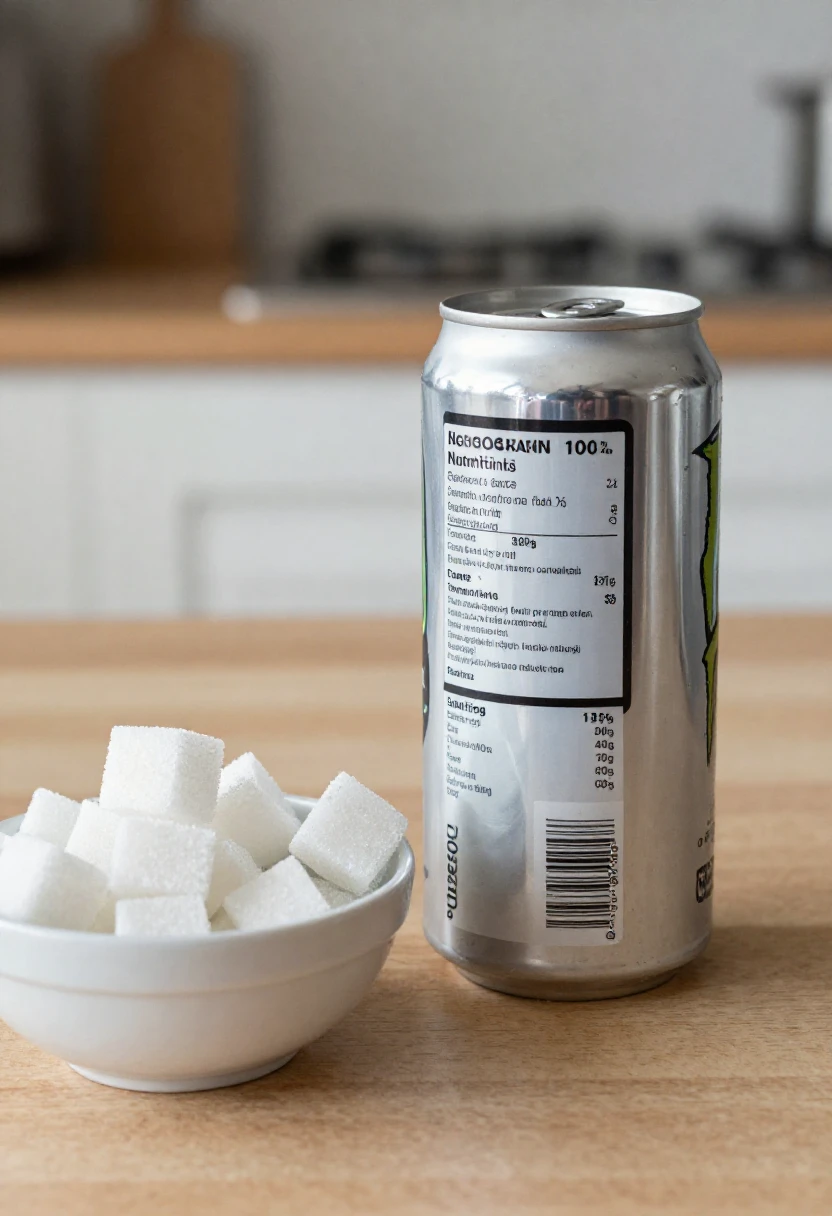
Caffeine gets most of the attention, but sugar is often the quieter problem in energy drinks.
Not every energy drink is high in sugar. Some are sugar-free. Some are low-calorie. But many traditional energy drinks contain enough added sugar to turn one can into more of a sweet drink than people realize.
And because the caffeine makes the drink feel “functional,” it can be easy to forget that you are also drinking dessert-level sweetness through a straw.
Why sugar makes the energy feel bigger
Sugar gives you quick fuel. Caffeine makes you feel alert. Put them together in a cold, fizzy drink, and the effect can feel strong.
That is part of the appeal.
You are tired, you drink something sweet and caffeinated, and for a short while you feel better. The taste is sharp, the bubbles wake up your mouth, and the sugar hits fast. It is not hard to understand why people reach for these drinks when they are dragging.
But quick sugar can also come with a quick drop later. Not always dramatic. Not always the cartoon version of a “crash.” Sometimes it is just that dull, heavy feeling where your focus slips again and you start looking for another boost.
That is where the habit can build.
One energy drink becomes the thing you need to get through the afternoon. Then it becomes the thing you expect. Then water starts to feel boring, and actual food feels too slow.
Added sugar adds up fast
The FDA notes that added sugars are listed on the Nutrition Facts label, and the Dietary Guidelines for Americans recommend keeping added sugars below 10% of daily calories. On a 2,000-calorie diet, that would be about 50 grams of added sugar per day. (U.S. Food and Drug Administration)
The American Heart Association gives a stricter target: no more than 6 teaspoons, or 25 grams, of added sugar per day for most women, and 9 teaspoons, or 36 grams, for most men. (www.heart.org)
Now look at some energy drink labels and compare.
A single sweetened can can take up a large part of that daily sugar amount. Some can go beyond it, depending on the size and brand. Harvard’s Nutrition Source notes that after water, sugar is often the main ingredient in energy drinks, and gives an example of about 41 grams of sugar in a 12-ounce energy drink. (The Nutrition Source)
That does not mean one sugary energy drink ruins your health. Food does not work that way. But if you drink them often, the sugar becomes part of your daily pattern.
And patterns matter more than one random Tuesday.
What too many sugary drinks can do over time
Sugary drinks are easy to overdo because they do not fill you up the way food does.
You can drink a can quickly and still want lunch. Or a snack. Or another drink.
That is one reason health organizations pay close attention to sweetened beverages. The CDC says sugary drinks are a leading source of added sugars in the American diet, and frequent intake is associated with weight gain, obesity, type 2 diabetes, heart disease, tooth decay, cavities, and gout. (CDC)
The dental piece is easy to forget, but it matters. Sugar plus acidity is not exactly a love letter to your teeth. Sipping slowly over hours can be especially rough because your teeth keep getting exposed again and again.
I know sipping feels more reasonable than chugging. And with caffeine, it often is. But for your teeth, dragging a sweet acidic drink through the whole afternoon is not ideal.
Are sugar-free energy drinks better?
Sugar-free energy drinks solve one problem, but not every problem.
They usually cut out the added sugar and calories, which can be helpful if you are trying to reduce sugar-sweetened drinks. That is a real difference.
But the caffeine is still there. The stimulants may still be there. The sleep issue is still there. The “I need this to function” habit can still happen.
So yes, a sugar-free energy drink may be a better choice than a high-sugar one for some adults. But it is not the same as water, and it is not automatically a healthy drink just because the sugar is gone.
I think of it this way: sugar-free changes the sugar question. It does not erase the caffeine question.
A better way to read the label
Before you buy an energy drink, check the label like you actually mean it. Not in a obsessive way. Just a quick scan.
Look for:
- Total caffeine per can
- Added sugar per can
- Serving size
- Guarana or other stimulant ingredients
- Calories, if that matters for your goals
If the drink has 30, 40, or more grams of added sugar, ask yourself whether you would still choose it if it were sitting beside a dessert. Sometimes the answer will be yes. Fine. Enjoy it and move on.
But if you are drinking it every day and wondering why your energy feels uneven, the sugar may be part of the story.
A smaller can, a lower-sugar version, unsweetened coffee, iced tea, or even sparkling water with food may serve you better most days.
Not as dramatic.
Usually more useful.
Energy drinks and sleep
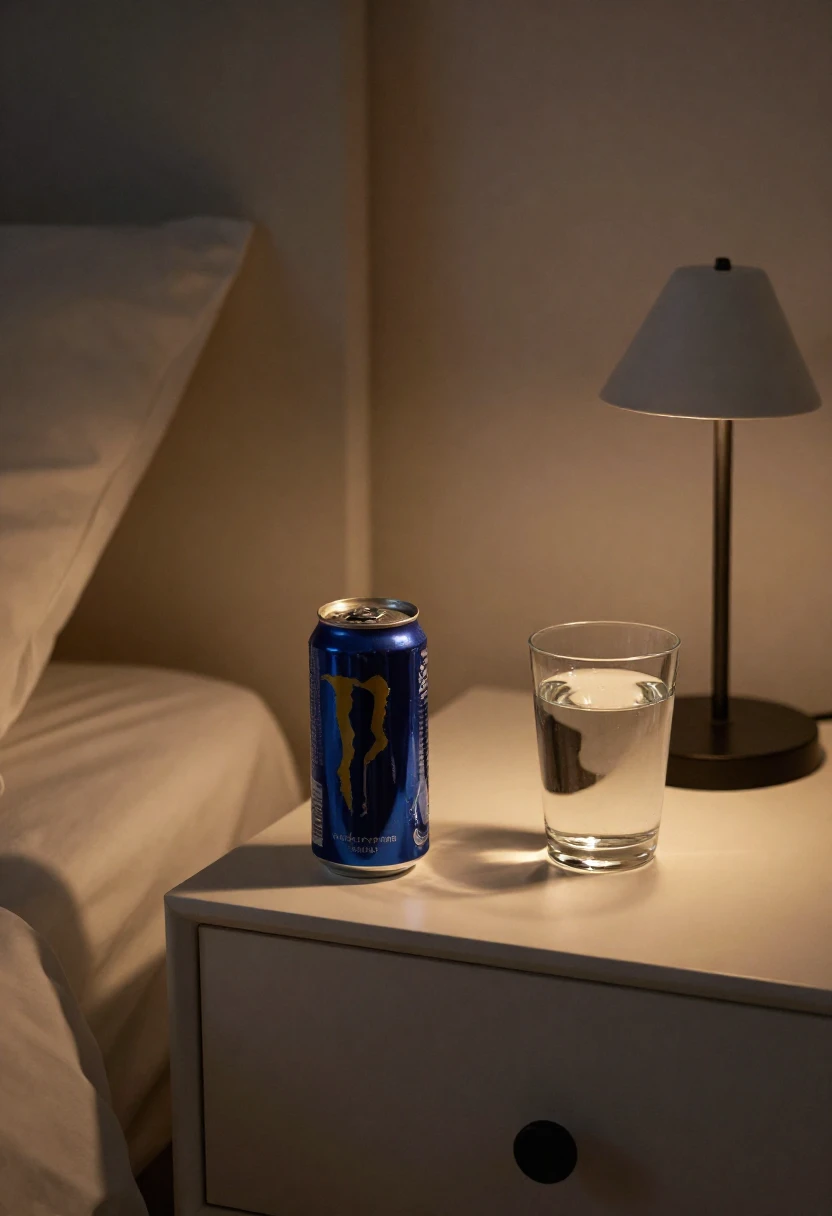
This is where energy drinks can quietly make your life harder.
You drink one because you are tired. It helps for a while. Then bedtime comes, and your body is technically exhausted, but your brain is still pacing around with the lights on.
So you sleep badly.
Then the next day, you feel tired again and reach for another caffeine boost.
That loop is very easy to fall into. I think most caffeine habits are less about “loving caffeine” and more about trying to survive a bad sleep rhythm.
The hidden cost of an afternoon can
Caffeine can stay active in your body for hours. That means an energy drink at 3 p.m. may still be affecting you when you are brushing your teeth at night.
One study found that caffeine taken even 6 hours before bedtime had disruptive effects on sleep. That is one reason late afternoon energy drinks can be a problem, even when they do not feel strong anymore by evening. (PMC)
And this is the annoying part: you may not always notice the damage clearly.
You might fall asleep and think, “See? I’m fine.”
But sleep is not only about falling asleep. Caffeine can affect how long you sleep, how restful it feels, and how often you wake up. A 2023 systematic review found caffeine reduced total sleep time and sleep efficiency, while increasing the time it took to fall asleep and wakefulness after sleep began. (PubMed)
That explains the strange morning-after feeling where you technically slept, but your body does not seem convinced.
Why “I slept fine” is not always the full story
Some people are very aware when caffeine affects them. They drink an energy drink too late, and they know exactly what happened.
Others do not connect the dots.
They sleep, but not deeply. They wake up once or twice. They feel a little heavier in the morning. Then they blame stress, weather, work, their pillow, the moon, anything except the drink they had late in the day.
I am not saying caffeine is always the villain. Sleep can be messy for a hundred reasons.
But if your sleep has been off, your caffeine timing is one of the easiest things to test.
For one week, try moving caffeine earlier. No energy drinks late in the afternoon. No “just one” after dinner. See what changes.
Not very glamorous. Often very revealing.
The caffeine cut-off that actually makes sense
A good starting rule is to stop caffeine at least 6 hours before bed. For many people, that means no energy drinks after lunch or early afternoon.
If you are sensitive to caffeine, you may need a longer window. Some newer research suggests that larger caffeine doses may affect sleep even when taken much earlier in the day, especially at high amounts. (PMC)
So instead of copying a perfect rule from the internet, use your own sleep as feedback.
Ask yourself:
- What time did I drink caffeine?
- How much did I drink?
- Did I fall asleep easily?
- Did I wake up during the night?
- Did I feel rested in the morning?
That little pattern tells you more than someone else’s caffeine routine ever will.
Energy drinks can hide tiredness, not heal it
This is the most important sleep point.
An energy drink can make you feel less tired, but it does not repay sleep debt. It does not give your brain the recovery it missed. It does not make a short night magically enough.
The CDC puts it simply: good sleep is essential for health and emotional well-being. (CDC)
So if you are constantly using energy drinks to push past exhaustion, it may be time to look at the exhaustion itself.
Maybe you need an earlier bedtime. Maybe you need less caffeine after noon. Maybe dinner is too light and you are crashing every afternoon. Maybe your schedule is too packed, and the energy drink is just the loudest symptom.
A can can help you get through a rough day once in a while.
But if every day is a rough day, your body is probably asking for something deeper than caffeine.
Energy drinks before workouts
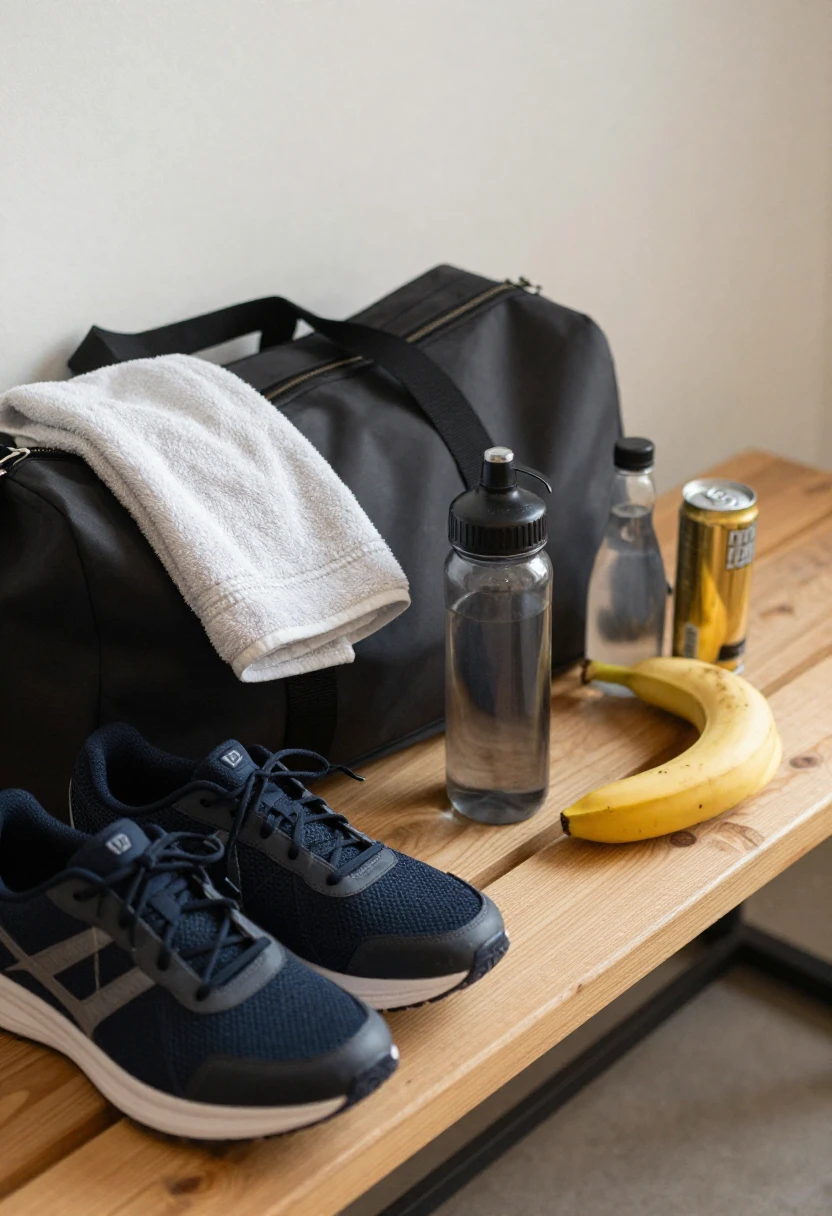
Energy drinks are common before workouts because they make exercise feel easier to start.
That matters more than people admit.
Sometimes the hardest part of training is not the first squat, the first mile, or the first set of push-ups. It is getting yourself to begin when your body feels heavy and your brain is making very reasonable arguments for going home.
A cold caffeinated drink can cut through that fog. You feel more alert. Music sounds better. The gym feels less annoying. For some adults, that small push is enough to turn “I might skip today” into “Okay, fine, I’ll do it.”
But an energy drink before exercise is not the same as a balanced pre-workout routine. It can help, and it can also backfire.
Why people use them before exercise
Caffeine can improve alertness and reduce perceived fatigue, which is why it shows up in many pre-workout products. You may feel like you can push harder or stay focused longer.
That can be useful before:
- A morning workout when you are still sleepy
- A long gym session
- Endurance training
- A mentally demanding workout
- A day when motivation is low
There is nothing wrong with wanting a little help. Most people are not walking into the gym in a perfect state of readiness with eight hours of sleep, a balanced meal, and a calm nervous system.
Real life is messier.
Still, the question is not only whether the drink helps you start. The question is how your body handles it once your heart rate is already climbing.
When energy drinks can backfire during exercise
Exercise raises your heart rate. Caffeine can raise your heart rate too. Put them together, and some people feel fine. Others feel uncomfortable fast.
You may notice:
- A pounding heartbeat
- Lightheadedness
- Nausea
- Shakiness
- Anxiety
- Feeling overheated
- Stomach upset
- Poor pacing because you feel more energized than you really are
That last one is sneaky. Stimulants can make effort feel different. You may push harder than planned, especially if you are already tired, underfed, or dehydrated.
Energy drinks are also not hydration drinks in the way people sometimes imagine. NCCIH notes that energy drinks may be associated with dehydration, and caffeine use may be linked with anxiety, sleep problems, digestive problems, and dehydration. (nccih.nih.gov)
That does not mean caffeine automatically dehydrates every person in a dramatic way. But if you are sweating heavily, training in heat, or drinking an energy drink instead of water, you may not be giving your body what it actually needs.
Energy drinks are not the same as sports drinks
This is an easy mistake.
A sports drink is usually made to help replace fluid, carbohydrates, and electrolytes during longer or sweaty activity. An energy drink is usually made to stimulate you.
If you are doing a short workout, water may be enough.
If you are training hard for a long time, sweating a lot, or exercising in hot weather, you may need fluids, sodium, and carbohydrates more than you need another hit of caffeine.
That could look like:
- Water before and during the workout
- A banana or toast before training
- A sports drink during long sessions
- Electrolytes if you are sweating heavily
- A real meal afterward
Simple, yes. But simple is often what your body was asking for in the first place.
Be careful with pre-workout stacking
Here is where people accidentally overdo it: they drink an energy drink and also take pre-workout.
Many pre-workout powders already contain caffeine. Some contain high doses. If you add an energy drink on top, plus morning coffee earlier in the day, the total can climb quickly.
The FDA’s general caffeine reference for most adults is up to 400 mg per day, but that is a total daily amount from all sources, not a permission slip to combine every caffeinated thing in your kitchen. (fda.gov)
Before using an energy drink before exercise, check:
- How much caffeine is in the energy drink
- Whether your pre-workout also has caffeine
- How much coffee or tea you already had
- Whether you ate enough
- Whether you slept badly
- Whether you are training in heat
That sounds like a lot, but it is mostly common sense. If your hands are already shaky before the workout starts, more caffeine is probably not the answer.
Better workout energy options
If you are tired before exercise, caffeine is not your only option.
For many people, the better pre-workout “boost” is boring food and fluids.
Try:
- A banana with peanut butter
- Toast with honey
- Greek yogurt with fruit
- Oatmeal if you have more time
- A small smoothie
- Water with a pinch of salt before a sweaty workout
- Coffee instead of a stronger energy drink, if you tolerate it well
And if you are constantly too exhausted to train without a stimulant, that is worth paying attention to. It might mean you need more recovery, lighter workouts, better sleep, or more food around training.
Sometimes the most disciplined choice is not forcing another intense session.
Sometimes it is eating dinner, going to bed, and training tomorrow like a person who wants their body to trust them.
Energy drinks and alcohol
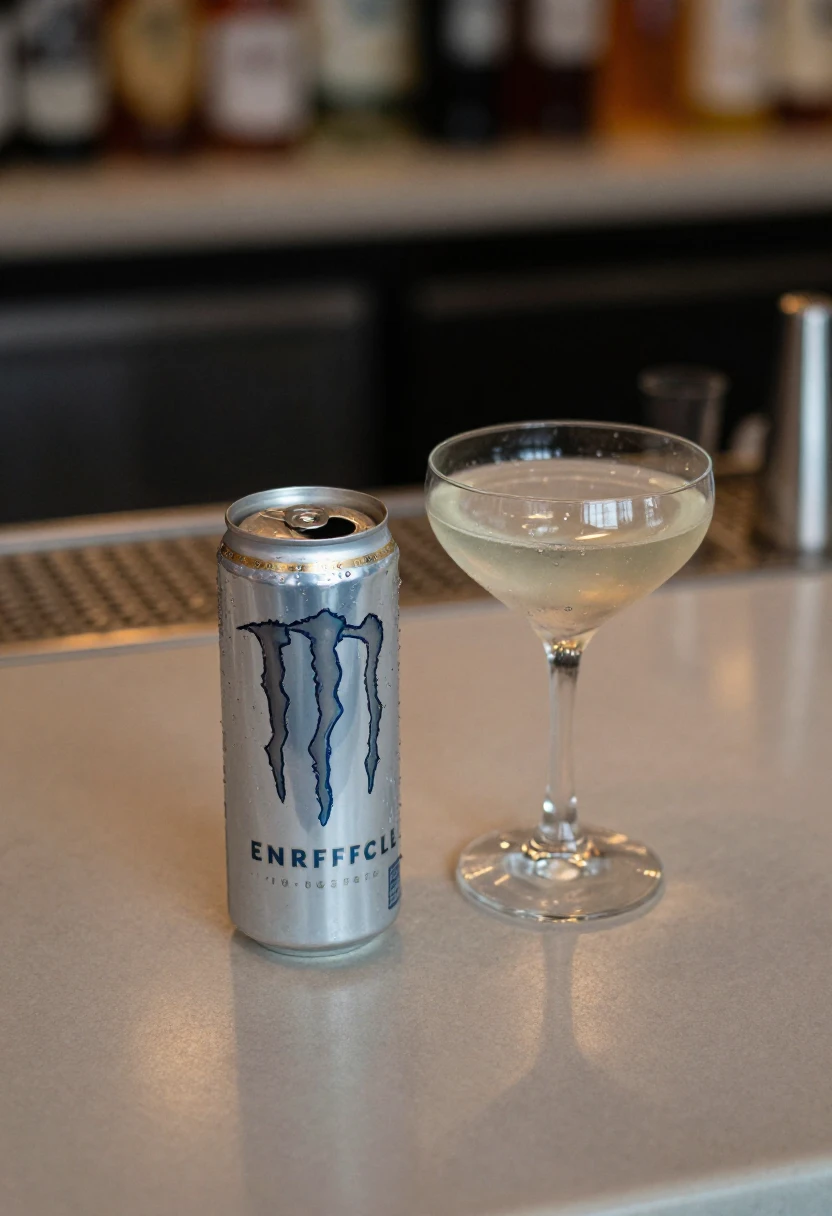
Energy drinks and alcohol are one of those combinations that can feel harmless in the moment.
A sweet drink. A little buzz. More energy. Less sleepiness. It sounds like a way to stay social longer without feeling as sloppy or tired.
But that is exactly the problem.
Caffeine can make you feel more awake, but it does not make you less drunk. It does not improve your reaction time, judgment, coordination, or decision-making in any reliable way. The CDC warns that drinking alcohol mixed with caffeine can lead people to drink more and may make alcohol-related harm more likely. (CDC)
The “awake drunk” problem
Alcohol is a depressant. It slows the body down. It can make you sleepy, relaxed, less coordinated, and less careful.
Caffeine pulls in the opposite direction. It makes you feel more alert.
When you mix the two, you may feel awake enough to keep going while still being impaired by alcohol. That can create a strange mismatch: your brain feels switched on, but your body and judgment are not working the way you think they are.
That is why this mix worries health experts.
You may feel less tired, but you are not less intoxicated.
Why this can lead to drinking more
Sleepiness is one of the body’s natural signals that it may be time to slow down. Energy drinks can blur that signal.
If caffeine keeps you feeling alert, you may stay out longer, drink more, or underestimate how affected you are. The CDC notes that people who mix alcohol with energy drinks are more likely to report binge drinking than people who do not mix the two. (CDC)
That does not mean every person who has ever mixed the two will make a dangerous choice. But the combination makes it easier to misread your own state.
And alcohol already does plenty of that on its own.
Your heart may not love the mix either
Energy drinks can affect heart rate and blood pressure, especially in large amounts or in sensitive people. Alcohol can also affect the cardiovascular system. Put them together, and the body may have more to manage.
The CDC lists higher blood pressure, irregular heartbeat, and dehydration as concerns when alcohol is mixed with caffeine. (CDC) NCCIH also notes that large amounts of caffeine may cause heart rhythm disturbances and increases in heart rate and blood pressure. (NCCIH)
This is one of those places where “I felt fine last time” is not the strongest safety plan. Your reaction can change based on how much you drank, how much caffeine you had earlier, whether you ate, how dehydrated you are, and how tired your body already is.
The safest choice is simple
Do not mix energy drinks with alcohol.
I know that sounds blunt, but this is one area where the softer answer is not very useful. If you are drinking alcohol, let alcohol be alcohol. Do not try to cover up its effects with caffeine.
If you want something in your hand between drinks, choose something that does not add more stimulation:
- Sparkling water with lime
- Ginger ale
- Iced tea without caffeine
- A mocktail
- Water with fruit
- Soda water with a splash of juice
Not exciting advice. But it is the kind of advice you are grateful for the next morning.
Because feeling awake is not the same as being sober.
Who should avoid or limit energy drinks?
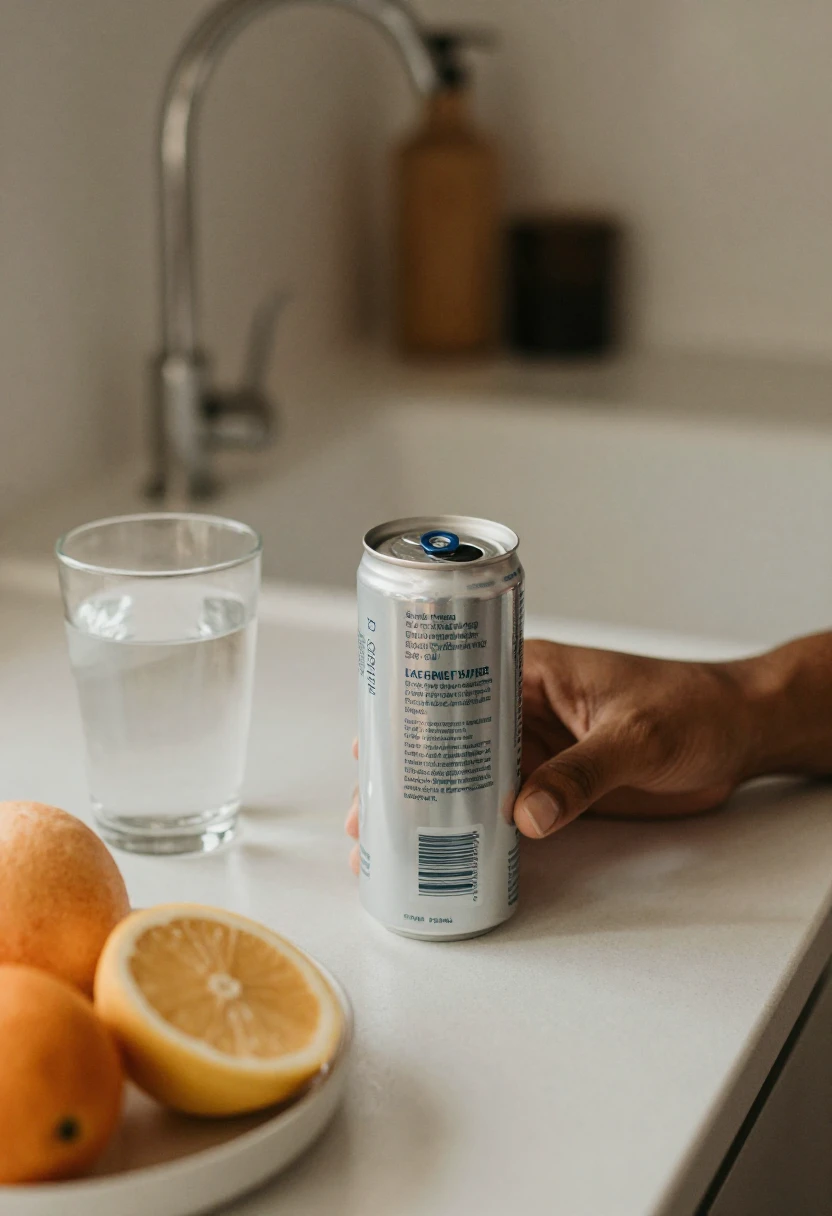
Energy drinks are not a good fit for everyone.
That sounds obvious, but the marketing does not always make it feel obvious. The cans are bright, the flavors sound fun, and the drink sits in the same cooler as soda and sparkling water. It can look casual.
But for some people, an energy drink is not casual at all.
If your body is more sensitive to caffeine, if you are pregnant, if you have heart or blood pressure concerns, or if the drink is for a child or teen, the safest answer is often to skip it or be much more careful.
Children and teens
Children and teens should avoid energy drinks.
That is the clearest group on this list. The American Academy of Child and Adolescent Psychiatry says pediatricians advise against any use of energy drinks for all children and teens, and against routine caffeine use for children under 12. For ages 12 to 18, they suggest limiting caffeine to no more than 100 mg per day. (AACAP)
That matters because many energy drinks contain more caffeine than people expect. The FDA says energy drinks commonly contain 54 to 328 mg of caffeine per 16 ounces, and some 12-ounce products contain 41 to 246 mg. (U.S. Food and Drug Administration)
So a teen can hit or pass a cautious caffeine limit with one can.
And teenagers already have enough working against their sleep. School schedules, screens, homework, stress, late nights, early alarms. Add a strong energy drink in the afternoon, and sleep can get even more tangled.
For younger kids, I would not treat energy drinks like a “special soda.” They are stimulant drinks. That is different.
Pregnant people
Pregnancy changes the caffeine conversation.
The American College of Obstetricians and Gynecologists says moderate caffeine consumption, defined as less than 200 mg per day, does not appear to be a major contributing factor in miscarriage or preterm birth. (ACOG)
But that limit includes caffeine from everything, not just energy drinks.
Coffee counts. Tea counts. Chocolate counts a little. Cola counts. So does an energy drink.
This is where energy drinks can be awkward during pregnancy, because some cans are close to that 200 mg amount by themselves. Others may have added herbal ingredients or stimulant blends that are not as straightforward as a regular cup of coffee.
If you are pregnant, trying to get pregnant, or breastfeeding, it is better to keep energy drinks off the everyday list and ask your healthcare provider what caffeine limit makes sense for you.
Not because one sip is a disaster. Because pregnancy is not the time to play guessing games with a label full of stimulants.
People with heart rhythm or blood pressure concerns
Energy drinks deserve extra caution if you have high blood pressure, heart rhythm issues, palpitations, or a history of heart problems.
Caffeine can increase heart rate and blood pressure in some people. The CDC also notes that energy drinks often contain caffeine, added sugars, and legal stimulants such as guarana, taurine, and L-carnitine, which can increase blood pressure, heart rate, and breathing. (CDC)
That does not mean every person with blood pressure concerns will react badly to a small amount of caffeine. But energy drinks can be a stronger, less predictable source than people realize.
If you already notice palpitations after caffeine, that is your body waving a little flag.
Do not ignore the flag.
People with anxiety or panic symptoms
Caffeine can feel a lot like anxiety when the dose is too high.
Fast heartbeat. Shaky hands. Tight chest. Restlessness. A strange sense that something is wrong even though nothing is happening.
For someone who already deals with anxiety or panic attacks, an energy drink can pour fuel on that feeling. The FDA lists anxiety, jitters, increased heart rate, and palpitations among possible signs of too much caffeine. (U.S. Food and Drug Administration)
This does not mean caffeine causes anxiety in every person. Some people tolerate it well. But if you notice that energy drinks make you tense, irritable, panicky, or unable to settle, believe that pattern.
Your body is giving you feedback. It counts.
People with insomnia or poor sleep
If you struggle with sleep, energy drinks can make the problem worse.
This is especially true when you drink them in the afternoon or evening, but some sensitive people feel the effects much earlier. You may fall asleep later, sleep more lightly, or wake up feeling like the night did not really count.
And then what happens?
You wake up tired and want more caffeine.
That cycle can run for weeks before you realize the thing helping you survive the day is also making tomorrow harder.
If your sleep is already fragile, energy drinks should be rare, early, and small, if you use them at all.
People taking certain medications
This one is easy to overlook.
Caffeine and herbal ingredients can interact with some medications or worsen certain side effects. That may include medicines related to heart rhythm, blood pressure, anxiety, sleep, ADHD, and some other conditions.
Energy drinks are especially tricky because the label may include more than caffeine. Guarana, bitter orange, ginseng, and other ingredients can make the picture less simple.
If you take regular medication and want to use energy drinks often, ask a doctor or pharmacist. A pharmacist is especially useful here. They spend all day thinking about interactions, which is exactly the kind of practical help you want.
People who feel bad after drinking them
This group matters too.
You do not need a formal diagnosis to decide a drink is not working for you.
If energy drinks give you a racing heart, stomach pain, shakiness, headaches, anxiety, or ruined sleep, that is enough information. You can stop drinking them. You do not have to prove that they are “bad” for everyone.
Some bodies tolerate energy drinks. Some do not.
Yours gets a vote.
Are energy drinks ever okay?
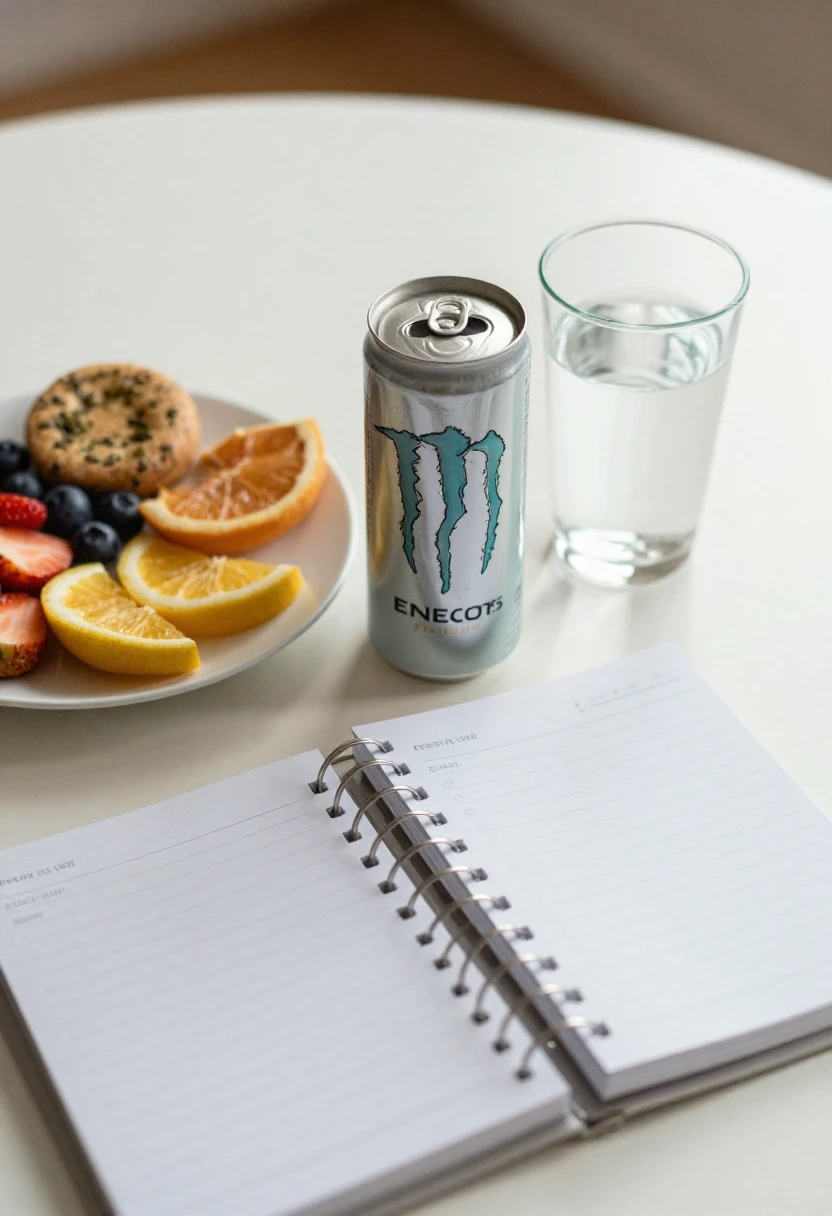
Yes, for some adults, energy drinks can be okay once in a while.
That may sound too calm after all the warnings, but it is true. An occasional energy drink is not automatically a health disaster. If you are a healthy adult, you know your caffeine tolerance, you are not mixing it with alcohol, and you are not using it to cover up chronic exhaustion, one can now and then may fit into your life without much drama.
The problem is not always the drink itself.
The problem is the pattern.
A can on a long drive once every few months is different from needing one every morning before you can speak to another human being. A small, lower-sugar drink before a busy day is different from stacking energy drinks with coffee, pre-workout, and poor sleep.
Context matters.
Occasional use versus daily dependence
An energy drink becomes more concerning when it turns into a routine you feel trapped by.
Ask yourself honestly:
- Do I need one every day to feel normal?
- Do I drink one even when I slept badly, hoping it will fix the problem?
- Do I use energy drinks instead of eating breakfast or lunch?
- Do I drink them late in the day and then sleep poorly?
- Do I feel anxious, shaky, or wired afterward?
- Do I keep increasing the amount because one does not work anymore?
If you nodded at a few of those, the energy drink may be doing more than “helping.” It may be covering up a bigger issue.
And I say that without judgment. Most people are not overusing caffeine because they are reckless. They are tired. They are busy. They are trying to get through the day.
But your body does not care whether the reason is understandable. It still has to process the caffeine.
Questions to ask before opening one
Before you open an energy drink, pause for ten seconds.
Not a dramatic wellness pause. Just a normal, practical check-in.
Ask:
- How much caffeine have I already had today?
- What time is it?
- Did I eat recently?
- Am I drinking this because I am thirsty?
- Am I about to exercise hard?
- Am I planning to drink alcohol?
- Do energy drinks usually make me feel good or weird?
That last question might be the most useful one.
People often ignore their own evidence. They say, “Energy drinks are fine,” while also admitting they get shaky, sleep badly, and feel anxious after drinking them.
At some point, you do not need more information. You need to trust the pattern.
How to drink one more safely
If you still want an energy drink, a few small choices can lower the risk.
Try this:
- Choose a smaller can.
- Check the caffeine per can.
- Avoid drinking it late in the day.
- Do not mix it with alcohol.
- Do not combine it with pre-workout or caffeine pills.
- Drink water too.
- Have it with food if it upsets your stomach.
- Choose lower sugar if you drink them often.
- Stop if you feel shaky, panicky, or your heart starts racing.
Also, drink it slowly. This sounds almost too simple, but it matters. Chugging a high-caffeine drink hits differently than sipping part of one over time.
And no, you do not have to finish the whole can just because you opened it. Half a drink is allowed. Your fridge will survive the emotional damage.
When skipping it is the smarter move
Sometimes the safest energy drink is the one you do not drink.
Skip it if:
- You already had a lot of caffeine.
- It is late afternoon or evening.
- You are anxious or panicky.
- Your heart already feels jumpy.
- You are dehydrated.
- You are drinking alcohol.
- You are pregnant and unsure about your caffeine total.
- The drink is for a child or teen.
- You slept terribly and are hoping caffeine will replace rest.
That last one is hard because it is exactly when energy drinks are most tempting. But if you are exhausted, a stimulant may only help you borrow energy from later.
And later always sends the bill.
The realistic takeaway
Energy drinks are not automatically evil. They are also not harmless wellness drinks.
They are caffeinated stimulant drinks, often sweetened, sometimes packed with extra ingredients, and very easy to overuse when life gets busy.
If you treat them as occasional caffeine, read the label, avoid risky situations, and pay attention to how you feel, you are already making a better choice than most people do.
The goal is not perfection.
It is knowing what you are drinking before your tired brain makes the decision for you.
Healthier ways to feel more energized
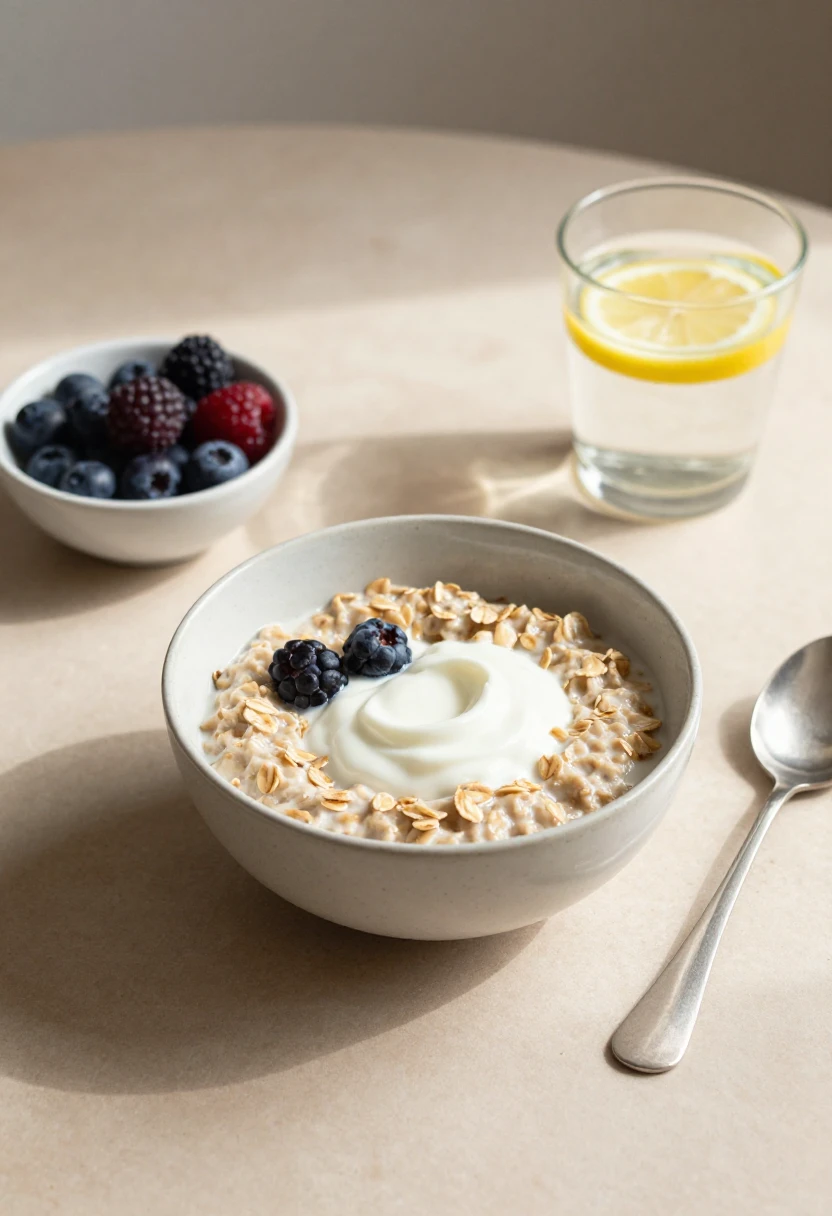
Energy drinks are tempting because they are fast.
You do not have to cook anything. You do not have to change your schedule. You do not have to admit you stayed up too late scrolling, working, studying, or watching one more episode that somehow became four.
You just open the can.
That is why “just sleep more” can sound annoying, even when it is true. People usually know they need more sleep. They know water helps. They know real food matters. The problem is doing those things when life is already crowded.
So let’s keep this practical.
You do not need a perfect wellness routine to feel better. You need a few small habits that make your energy less dramatic during the day.
Start with water before caffeine
A lot of people reach for caffeine when they are actually a little dehydrated.
Not severely dehydrated. Just dry-mouthed, sluggish, headache-y, and running on coffee fumes.
Before an energy drink, try a glass of water first. Give it ten or fifteen minutes. Sometimes that alone takes the edge off the fatigue.
If plain water feels boring, make it easier:
- Add lemon or lime
- Try sparkling water
- Add cucumber or mint
- Drink it very cold
- Keep a bottle near your desk
- Have water with meals instead of waiting until you feel thirsty
This is not magic. It is just maintenance.
Your body is much less mysterious when it has enough fluid.
Eat something with actual staying power
An energy drink can make you feel awake, but it cannot replace a meal.
If you skipped breakfast, had a tiny lunch, or survived on snacks all day, caffeine may hit harder and feel worse. You might feel shaky, anxious, or nauseous simply because your body wanted food first.
For steadier energy, pair carbohydrates with protein, fat, or fiber.
Easy options:
- Greek yogurt with berries and granola
- Eggs with toast
- Oatmeal with peanut butter
- A banana with nuts
- Cottage cheese with fruit
- Turkey or hummus on whole-grain bread
- Rice with eggs and vegetables
- A smoothie with yogurt, fruit, and oats
Nothing fancy. No “superfood” performance required.
I like snacks that take less than five minutes because that is usually the difference between actually eating and pretending I will make something later. Later, of course, becomes coffee.
Get morning light if you can
This one sounds soft, but it helps.
Morning light gives your body a stronger “daytime” signal. Even a short walk outside can make you feel more awake than sitting under indoor lighting and trying to force your brain into gear.
You do not need a perfect sunrise routine. You do not need linen pants and a journal.
Just step outside for a few minutes. Walk around the block. Stand near a bright window while you drink your coffee. Take your breakfast to the balcony if you have one.
Small light cues can help your body understand when it is supposed to be alert and when it is supposed to wind down later.
Move a little when the afternoon crash hits
The afternoon slump is real.
Your body gets heavy. Your eyes feel dry. Your focus starts slipping. This is when an energy drink looks especially convincing.
Before you grab one, try moving for five minutes.
Not a workout. Just movement.
Try:
- A short walk
- A few flights of stairs
- Gentle stretching
- Squats beside your desk
- Taking a phone call while standing
- Walking outside for fresh air
Sometimes your brain does not need more stimulation. It needs a change in blood flow, posture, light, and scenery.
Will this replace caffeine every time? No.
But it might reduce how often you feel desperate for it.
Take a real break, not a fake one
A fake break is when you stop working but keep feeding your brain noise.
You check messages. Scroll social media. Watch short videos. Answer one “quick” email. Your body is sitting still, but your attention is still being pulled around like a grocery cart with a bad wheel.
A real break gives your nervous system a minute to breathe.
Try this instead:
- Step away from the screen
- Sit somewhere quiet
- Drink water slowly
- Stretch your neck and shoulders
- Look out a window
- Close your eyes for two minutes
- Take a short walk without your phone
It can feel almost suspiciously simple. But if your tiredness is partly mental overload, another stimulant may not be the cleanest fix.
Use caffeine earlier and more intentionally
You do not have to quit caffeine to use it better.
For many people, the best change is timing. Use caffeine earlier in the day, keep the amount reasonable, and avoid chasing every dip in energy with another dose.
A simple rhythm might look like:
- Coffee or tea in the morning
- No caffeine after lunch if sleep is sensitive
- Water and food before any extra caffeine
- Energy drinks only occasionally, not as the daily default
This makes caffeine feel useful again instead of chaotic.
When you drink it constantly, the boost gets dull. When you use it with more intention, you can actually notice the effect.
Fix the reason you are tired when you can
This is the part that takes longer.
If you are tired because you slept four hours, no snack, walk, or sparkling water is going to fully solve that. If your schedule is overloaded, an energy drink may help you keep going, but it will not make the load lighter.
So when you notice yourself leaning on energy drinks often, ask a deeper question:
What am I trying to push through?
Maybe the answer is obvious. A new baby. Exams. Night shifts. A hard season at work. In those moments, caffeine may feel less like a choice and more like survival.
But if the pattern has become normal, it may be time to adjust something small:
- Go to bed 30 minutes earlier
- Eat a real breakfast
- Stop caffeine earlier
- Add a short walk after lunch
- Keep easy snacks available
- Drink water before coffee
- Take one thing off your evening routine
Start tiny. Tiny is underrated.
A better energy routine does not have to look impressive. It just has to make tomorrow a little easier than today.
How to choose an energy drink if you still want one
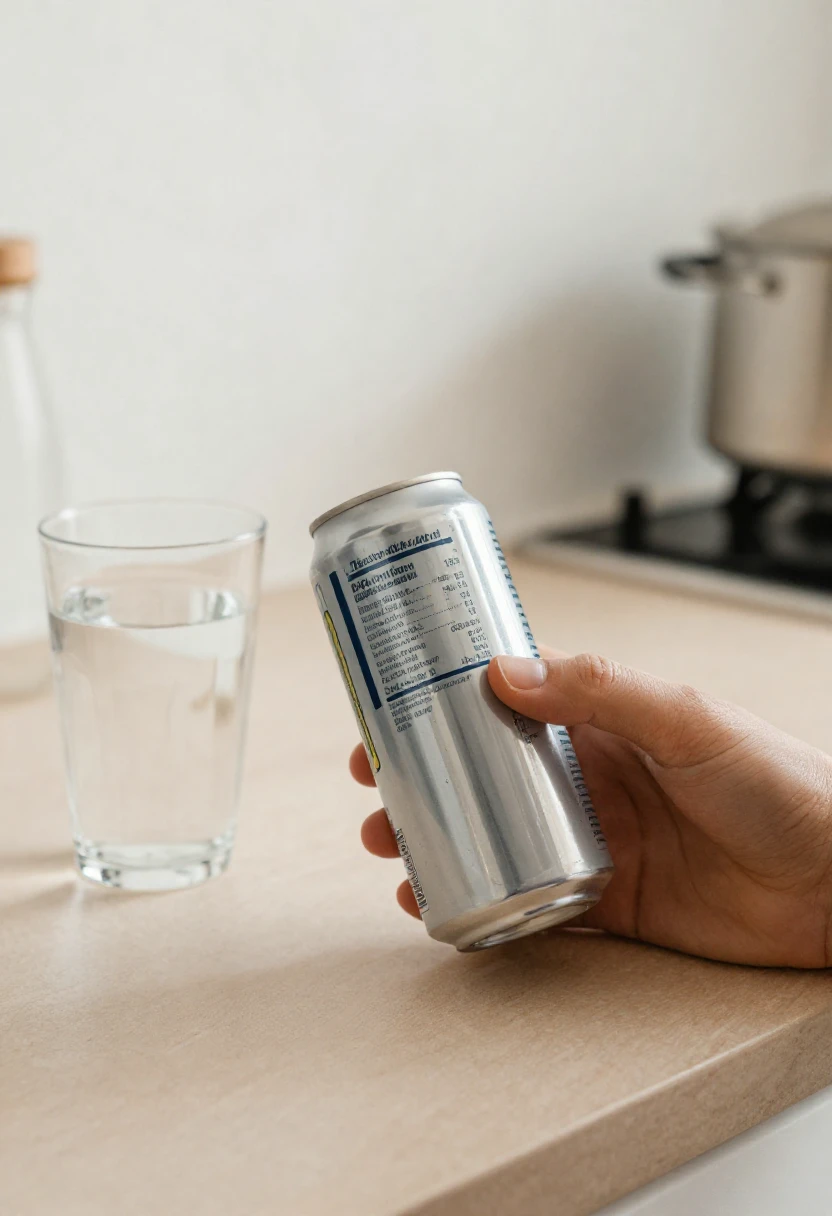
Sometimes you know the “perfect” choice would be water, food, and an early night.
And sometimes you still want the energy drink.
That is real life. The goal is not to pretend everyone will stop drinking them forever. The goal is to make the choice with your eyes open, not because the can looks cool and your tired brain has lost negotiation power.
If you still want one, the label is your best friend.
Not the front label. That part is marketing.
The Nutrition Facts and ingredient list are where the useful details live.
Check the caffeine first
Start with caffeine.
Look for the amount of caffeine in the whole can or bottle, not just per serving. Some labels make this easy. Others require a little more attention.
For most healthy adults, the FDA cites 400 mg of caffeine per day as a general amount not usually linked with negative effects. But this includes all caffeine from the day, including coffee, tea, cola, chocolate, pre-workout, and some medications. (fda.gov)
So if you already had two coffees, a high-caffeine energy drink may not be a harmless add-on.
Also check for guarana. It is a plant ingredient that naturally contains caffeine, and it is common in energy drinks. If a drink has caffeine plus guarana, the stimulant effect may be stronger than you expected. (nccih.nih.gov)
A lower-caffeine drink is often the better choice if:
- You are sensitive to caffeine
- You already had coffee
- It is after lunch
- You tend to feel anxious
- You have trouble sleeping
- You are drinking it before exercise
You can always drink less caffeine. You cannot un-drink a huge dose once it is in your system.
Look at the sugar
Next, check added sugar.
Some energy drinks are sugar-free. Others have a serious amount of sugar in one can.
The FDA notes that the Dietary Guidelines for Americans recommend keeping added sugars below 10% of daily calories, which is about 50 grams per day on a 2,000-calorie diet. (fda.gov)
The American Heart Association gives a lower daily target: no more than 25 grams of added sugar per day for most women and 36 grams for most men. (heart.org)
That does not mean one sweetened energy drink is forbidden. But it does mean the sugar can take up a big chunk of your day quickly.
If you drink energy drinks often, lower sugar may be a better choice. If you drink one rarely and love a specific flavor, fine. Just know what you are choosing.
No moral drama. Just math.
Be careful with “proprietary blends”
Some energy drinks list a “blend” of ingredients without making the amounts easy to understand.
That can include herbs, amino acids, vitamins, extracts, or stimulant-like compounds. The problem is not that every ingredient is automatically dangerous. The problem is that vague blends make it harder to know what you are actually getting.
More ingredients do not always mean better energy.
Sometimes they just mean a busier label.
If you have caffeine sensitivity, anxiety, blood pressure concerns, heart rhythm symptoms, or take medication, a simpler ingredient list is usually safer than a mystery blend with a performance name.
Do not confuse vitamins with health
Many energy drinks contain B vitamins.
That can make the drink look more nourishing than it really is. B vitamins help your body use energy from food, but they do not cancel out high caffeine, lots of sugar, poor sleep, or risky timing.
A caffeinated drink with vitamins is still a caffeinated drink.
This is one of my biggest complaints about the category. The front of the can can make everything feel clean and functional, while the back of the can tells a more complicated story.
Read the back.
Always the back.
Choose smaller when you can
A smaller drink gives you more control.
That is especially helpful if you like the taste but do not need a huge caffeine dose. You can also split a can, drink half, or pour it over ice and make it last longer.
I know that sounds like something a very responsible person would say while wearing neutral-colored sneakers.
But it works.
You do not have to finish the whole thing just because it is there. Your body is allowed to say, “That is enough.”
Pay attention to how you feel afterward
The best label is still your own reaction.
After drinking an energy drink, notice what happens over the next few hours.
Do you feel:
- Focused and fine?
- Jittery?
- Anxious?
- Nauseous?
- Headache-y?
- Wired but tired?
- Hungry because you skipped food?
- Unable to sleep later?
That information matters.
If a certain drink always makes you feel bad, stop buying it. Even if your friends love it. Even if the flavor is good. Even if it is marketed as clean, natural, zero sugar, or performance-friendly.
Your body does not care about branding.
A simple buying rule
If you want the most practical rule, use this:
Choose an energy drink that is lower in caffeine, lower in added sugar, clearly labeled, and not mixed with alcohol or other stimulants.
And keep it occasional.
That is not as exciting as the promise on the can. But it is much more useful when you are trying to stay awake without making your body feel like it has been chased by wolves.
Conclusion
So, are energy drinks safe?
For some healthy adults, an energy drink once in a while can be okay. But “safe” depends on the details: how much caffeine is in the can, how often you drink it, what time of day it is, how your body reacts, and whether you are mixing it with other stimulants or alcohol.
That is the part worth remembering.
Energy drinks are not just fun fizzy drinks with bold flavors. They are stimulant drinks. Some are high in caffeine. Some are high in sugar. Some include guarana or other ingredients that make the label harder to judge at a glance.
If you drink them, read the can. Count your total caffeine for the day. Avoid them late in the afternoon. Do not mix them with alcohol. And if they make your heart race, ruin your sleep, or leave you anxious and shaky, take that seriously.
Your body is not being dramatic.
It is giving you information.
Most days, steadier energy comes from the boring stuff: sleep, water, real meals, sunlight, movement, and fewer caffeine rescue missions. Not glamorous, I know. But usually more dependable than chasing another cold can when you are already running on empty.
FAQ
Are energy drinks safe to drink every day?
For many people, drinking energy drinks every day is not a great habit, especially if they are high in caffeine or sugar. The FDA cites 400 mg of caffeine per day as a general amount not usually linked with negative effects for most adults, but sensitivity varies a lot. That total includes coffee, tea, soda, pre-workout, chocolate, and some medications too. (U.S. Food and Drug Administration)
If you feel like you need an energy drink daily just to function, it may be worth looking at your sleep, meals, stress, hydration, and overall caffeine use.
Is one energy drink worse than coffee?
Not always. It depends on the drink and the coffee.
A plain coffee usually contains caffeine without added sugar or herbal stimulant blends. Many energy drinks contain caffeine plus sugar, guarana, taurine, sweeteners, vitamins, or other ingredients. Some energy drinks have less caffeine than a large coffee, while others have much more.
The best comparison is the label. Check caffeine per can, added sugar, serving size, and stimulant ingredients.
Can energy drinks cause heart palpitations?
They can in some people, especially if the drink is high in caffeine, consumed quickly, mixed with other caffeine sources, or taken when you are stressed, sleep-deprived, or sensitive to stimulants. The FDA lists increased heart rate and palpitations among possible effects of too much caffeine. (U.S. Food and Drug Administration)
If you get chest pain, fainting, severe palpitations, or symptoms that feel frightening, get medical help.
Are energy drinks safe for teenagers?
Children and teens are generally advised to avoid energy drinks. The American Academy of Child and Adolescent Psychiatry says pediatricians advise against energy drink use for all children and teens, and suggest limiting caffeine to no more than 100 mg per day for ages 12–18. (AACAP)
Sleep, anxiety, heart symptoms, and high caffeine intake are bigger concerns in teens than many people realize.
Why should you not mix energy drinks with alcohol?
Caffeine can make you feel more awake, but it does not reduce alcohol impairment. The CDC warns that alcohol mixed with caffeine can lead to more drinking, injury, and other health risks. (cdc.gov)
Feeling alert is not the same as being sober. That is the risk.