Some recipes come into your life with a plan behind them. You pick them in advance, maybe save them somewhere, buy everything you need, and expect a certain result. Sometimes it works exactly the way you imagined. But quite often, those recipes don’t last. You make them once or twice, and then they just fade out. Not because they’re bad — they just feel like too much effort for an ordinary day.
Then there are recipes like this one.
They don’t make much of a first impression. You’re not expecting anything special. The first time you cook it, it’s usually just a practical decision — you have chicken, you need dinner, and you don’t feel like complicating things. That’s really all there is to it.
And somehow, those are the recipes that stick.
You make it once, and it turns out better than you thought it would. Not in a dramatic way, nothing you’d call impressive. It just works. The flavor is right, the texture feels good, and the whole thing comes together without much effort. A couple of days later, you remember it again. Not the exact steps or measurements — those fade pretty quickly — but the overall result.
So you make it again.
Maybe you change something without even planning to. Add a bit more of one ingredient, skip another. It’s not something you think about too much — it just happens. And after a while, it stops being “a recipe you tried” and turns into something you just cook.
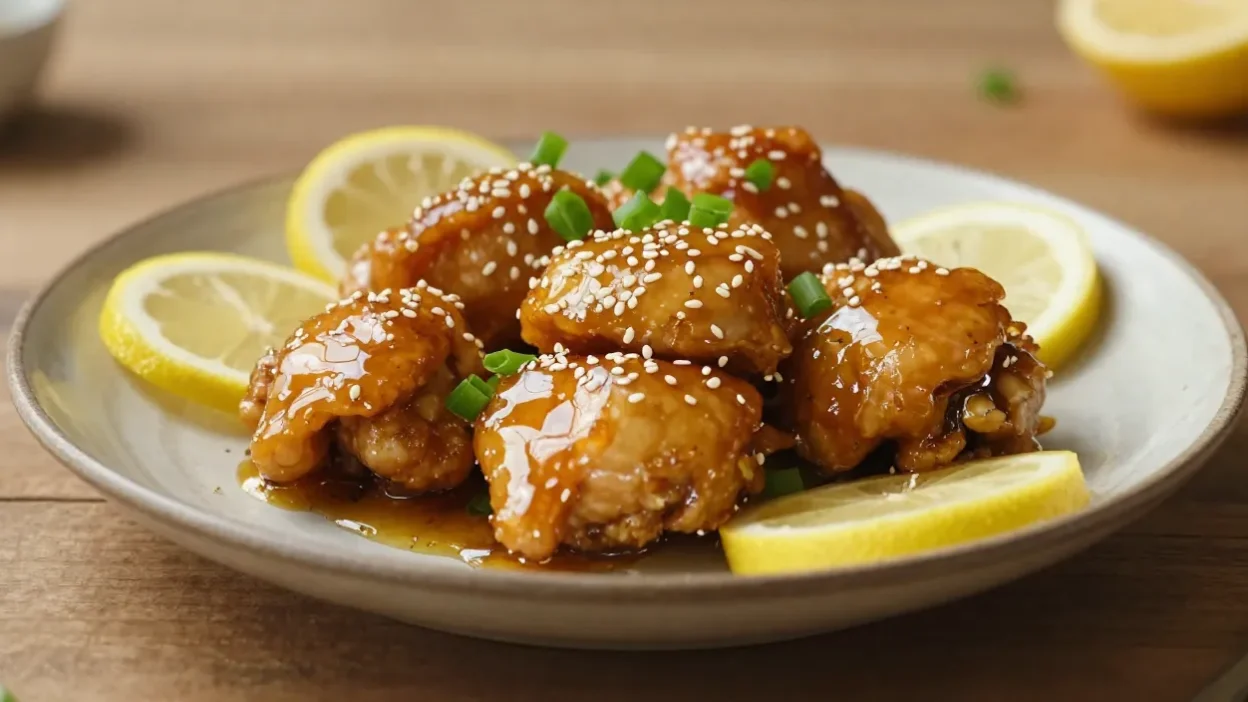
Sticky honey lemon chicken fits into that pattern really well 🍯🍋. At first glance, it looks almost too simple to stand out. The ingredients are basic, nothing unusual or hard to find. There’s no complicated prep, no special tools, nothing that makes it feel like a project.
But that simplicity is a bit misleading.
Once you start cooking, it feels more engaging than you’d expect. The chicken hits the pan and starts to sizzle, and that alone already changes the mood a little. Then the smell begins to build. The lemon comes through first — fresh, slightly sharp. After that, the honey starts to warm up and soften, becoming less obvious and more rounded.
The biggest shift happens when the sauce thickens.
At the beginning, it looks pretty plain — just liquid in a pan. Nothing special. But with a bit of heat and a bit of time, it changes. It becomes glossy, thicker, and starts to cling to the chicken instead of just sitting underneath it. That’s usually the moment when everything comes together.
It doesn’t try to impress with technique or complexity. It just delivers something balanced and satisfying without asking much from you.
And that’s exactly why it works.
🍋 Understanding the Flavor (Why It Works Without Feeling Overdone)
At a basic level, this dish is built on three things: sweetness, acidity, and a bit of savory depth. Nothing unusual there. But what actually makes it work is not just the combination — it’s how those elements sit next to each other without fighting for attention.
The sweetness from the honey is usually the first thing you notice. It gives the sauce that smooth, slightly rich feel and helps create the sticky texture that holds everything together. But if it was just honey, the dish would get heavy very quickly. It would feel a bit too much after a few bites.
That’s where the lemon comes in.
The acidity cuts through that sweetness and keeps things from becoming overwhelming. It adds a kind of lightness that makes the dish easier to eat. Not in a sharp or aggressive way — just enough to keep the flavor moving. You don’t really think about it while eating, but you’d notice if it wasn’t there.
Then there’s the savory layer underneath.
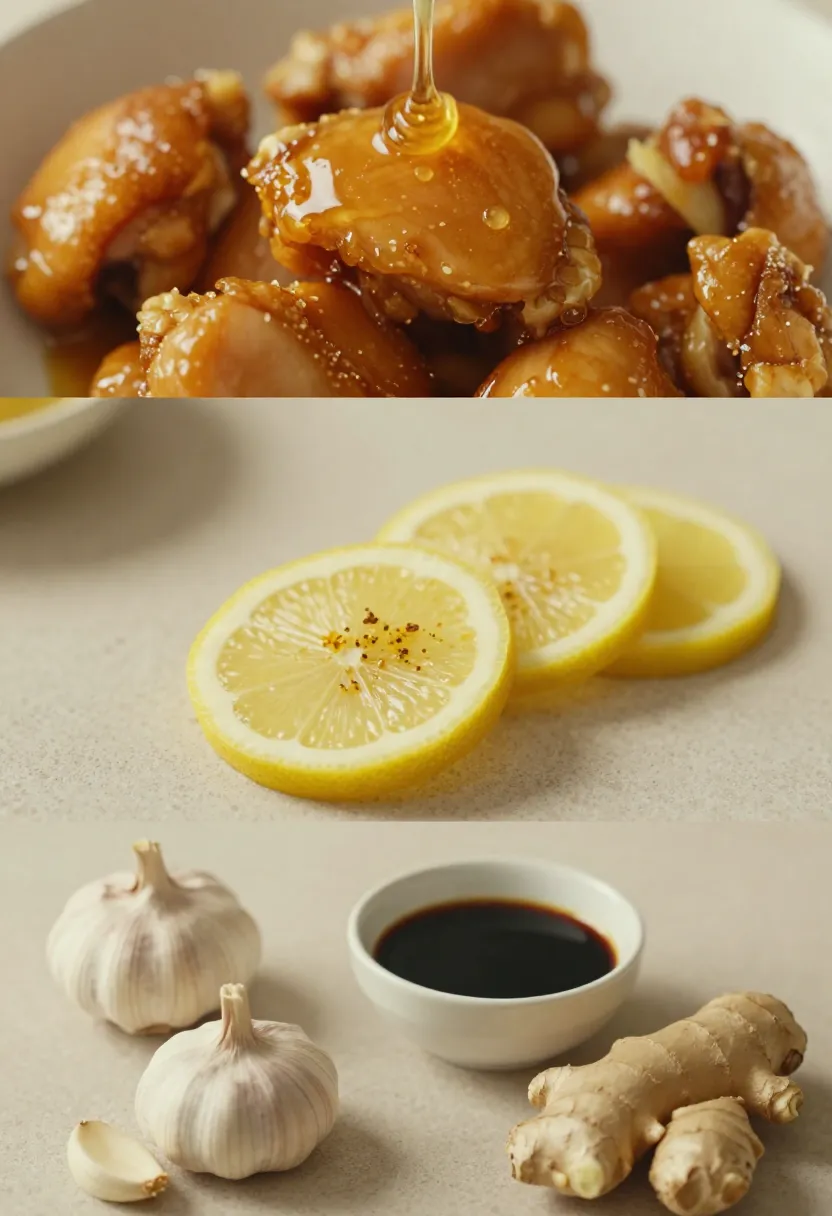
Soy sauce adds depth and a mild saltiness that grounds everything. Garlic brings a familiar, warm base that makes the dish feel complete, while ginger adds a bit of edge — not strong, but enough to stop the flavor from feeling flat or predictable.
On their own, none of these ingredients are doing anything complicated. But together, they create something that feels balanced without trying too hard.
If you break it down, it looks something like this:
| Component | First Impression | Deeper Role in the Dish | What Happens Without It | Practical Tip While Cooking |
|---|---|---|---|---|
| Honey 🍯 | Sweet and smooth | Builds body, creates the sticky glaze | Sauce feels thin and less cohesive | Heat gently to develop richer flavor |
| Lemon Juice 🍋 | Bright and slightly sharp | Balances sweetness, adds freshness | Dish becomes overly sweet and heavy | Adjust at the end if needed |
| Lemon Zest 🍋 | Light citrus aroma | Enhances overall flavor without extra acidity | Flavor feels less vibrant | Always use fresh zest |
| Soy Sauce 🥢 | Salty, savory note | Adds depth and balances sweetness | Taste becomes flat | Use in moderation |
| Garlic 🧄 | Warm, aromatic | Builds a base layer of flavor | Dish feels incomplete | Cook briefly to avoid bitterness |
| Ginger 🧄 | Mild sharpness | Adds contrast and complexity | Flavor loses some dimension | Fresh ginger works best |
| Cornstarch Coating | Light texture | Helps sauce adhere, adds slight structure | Chicken becomes too soft | Coat evenly |
| Heat 🔥 | Browning and aroma | Develops flavor and texture | Result feels underdeveloped | Use medium-high heat |
| Sauce Reduction | Thickening glaze | Concentrates flavor and creates final texture | Sauce stays watery | Watch closely while simmering |
Texture plays a bigger role here than it might seem at first.
When the chicken cooks, it develops a light outer layer. Not crispy in a dramatic way, but just enough to hold its shape. Then, when the sauce comes in, it doesn’t soak through completely — it coats the surface instead.
That small detail changes how the dish feels.
You end up with a mix of textures in each bite:
- soft inside
- slightly firmer on the outside
- smooth, glossy sauce on top
It’s a simple combination, but it works. Nothing stands out too much, nothing feels out of place.
And that’s kind of the point — it’s not trying to be complex, but it still feels complete.
🔥 Why This Recipe Actually Works in Everyday Life
There’s a pretty noticeable difference between recipes that look good and recipes people actually keep cooking. A lot of dishes fall into that first category — they’re interesting, maybe even exciting the first time, but not something you want to deal with on a random weekday.
Too many steps, too much prep, too much cleanup.
This one doesn’t have that problem.
It fits into everyday life without forcing you to adjust your whole evening around it. You don’t need extra time, and you don’t need to be fully focused from start to finish. Most of it happens in one pan, which already makes things easier — less mess, fewer things to think about, and honestly, less resistance to even starting.
Another thing that helps is how flexible it is.
You don’t have to measure everything precisely. If you add a bit more lemon, it just turns out a little brighter. If you go heavier on the honey, it leans slightly sweeter. It doesn’t break the dish — it just shifts it a bit. The sauce thickens on its own as long as you give it a bit of time, so you’re not stuck trying to hit an exact moment.
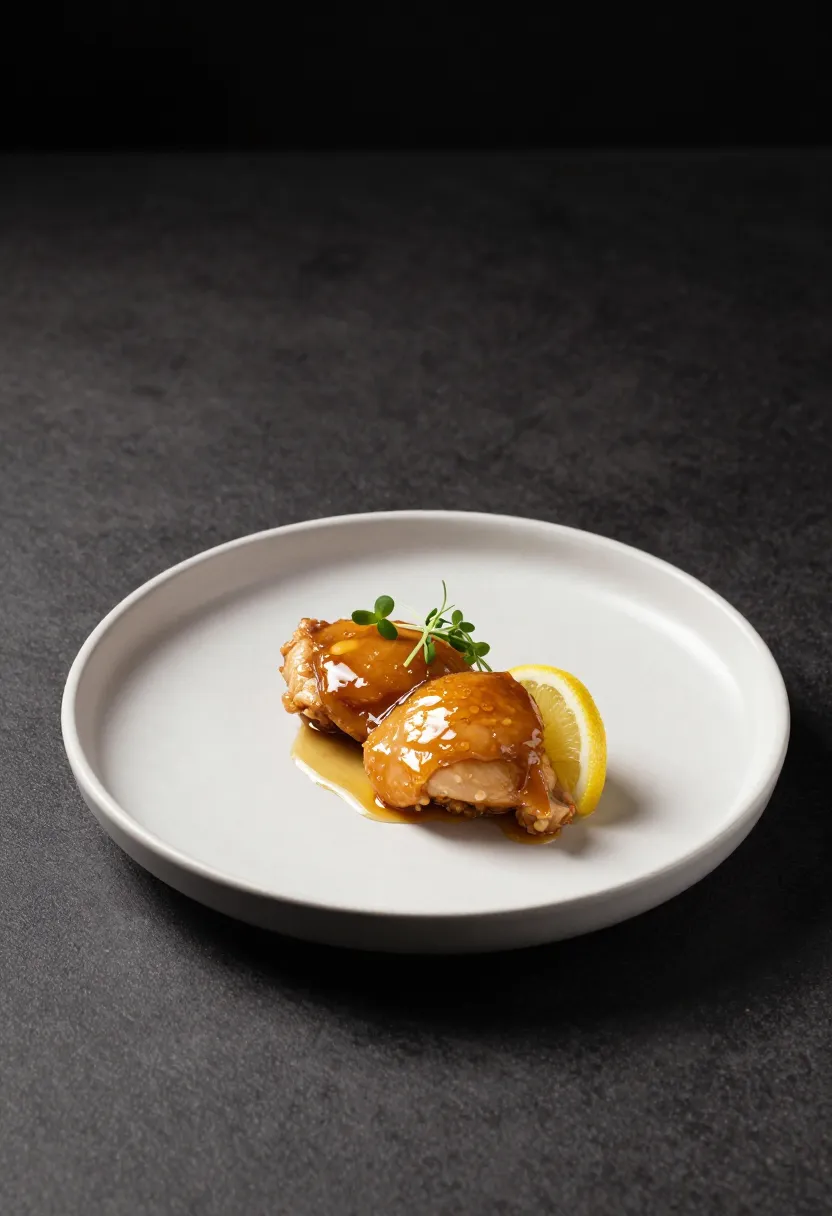
After you make it once or twice, the whole process becomes pretty natural. You stop checking instructions and just remember how it goes. Not perfectly, but enough to get through it without thinking too much.
That’s usually when a recipe becomes part of your routine.
If you had to explain why this one sticks, it would probably come down to a few simple things:
- you don’t need anything hard to find 🛒
- it doesn’t create a pile of dishes in the sink
- you can adjust it without worrying about messing it up
- it still tastes good the next day (sometimes even better, honestly)
- it feels filling, but not heavy or overwhelming
And there’s another small detail that matters more than it seems.
It doesn’t taste exactly the same every time.
Some days it turns out a bit more citrusy, other times a little sweeter or deeper. You might not even plan that — it just happens depending on how you cook it. And instead of being a problem, it actually keeps the dish from getting boring.
So even though it’s simple, it doesn’t feel repetitive.
Over time, it stops being something you follow step by step and turns into something you just know how to make. You don’t think of it as a fixed recipe anymore — more like a reliable option you can fall back on without much effort.
And in the end, that’s what really makes a dish worth keeping. Not that it’s perfect, but that it’s easy to come back to.
🍽️ Honey Lemon Chicken Recipe You’ll Actually Want to Repeat
This is one of those recipes that doesn’t try too hard, but somehow still feels complete. You’re using simple ingredients, nothing fancy, and the process itself is pretty straightforward. But when it all comes together, it doesn’t feel basic. It feels like something you’d actually want to cook again without thinking twice about it.
And that’s kind of the whole idea here.
You’re not chasing perfection with this dish. It’s more about getting a feel for it. Letting things come together in a way that just works, even if nothing is measured exactly or done “by the book.”
Take the chicken. It doesn’t need to be perfectly crispy or deeply browned. You just want it to get a bit of color and hold together nicely, while staying soft inside. Something that feels properly cooked, but not pushed too far.
The sauce is similar. If it’s too thin, it feels unfinished. If it’s too thick, it gets heavy. Somewhere in the middle is where it works best — smooth, a little glossy, just enough to coat the chicken without completely taking over.
The flavor follows the same pattern. You get a bit of sweetness from the honey, a bit of brightness from the lemon, and something deeper underneath that keeps it from feeling flat. None of it should jump out too much. It’s more about how everything sits together than any one ingredient standing out.
What also makes this dish feel right is the way it comes together. You’re not dumping everything into the pan at once. It builds gradually. First the chicken, then the base flavors, then the sauce. By the end, it doesn’t feel rushed — it feels like it naturally got there.
And honestly, it gets easier every time you make it.
The first time, you’re probably paying attention to everything, making sure you’re doing it right. The second time, you’re already more relaxed. And after that, you stop thinking about it so much. You just cook it.
You might add a bit more lemon one time, let it cook a little longer another time. You don’t really plan those changes — they just happen.
And that’s usually when you know a recipe is worth keeping. Not because it’s perfect, but because it’s easy to come back to without overthinking it.
🛒 Ingredients
For the chicken:
- 450 g chicken (breast or thighs), cut into bite-sized pieces
- 1 egg
- 1 tablespoon soy sauce
- ½ cup cornstarch
- 3 tablespoons oil (for cooking)
- 2 cloves garlic, finely chopped
- 1 tablespoon fresh ginger, grated
For the sauce:
- Juice of 1 fresh lemon
- Zest of 1 lemon
- 2 tablespoons honey
- 2 tablespoons soy sauce
- 1½ tablespoons rice vinegar
- A pinch of chili flakes (optional, for a bit of heat)
For serving:
- Green onions
- Sesame seeds
👨🍳 Cooking Steps
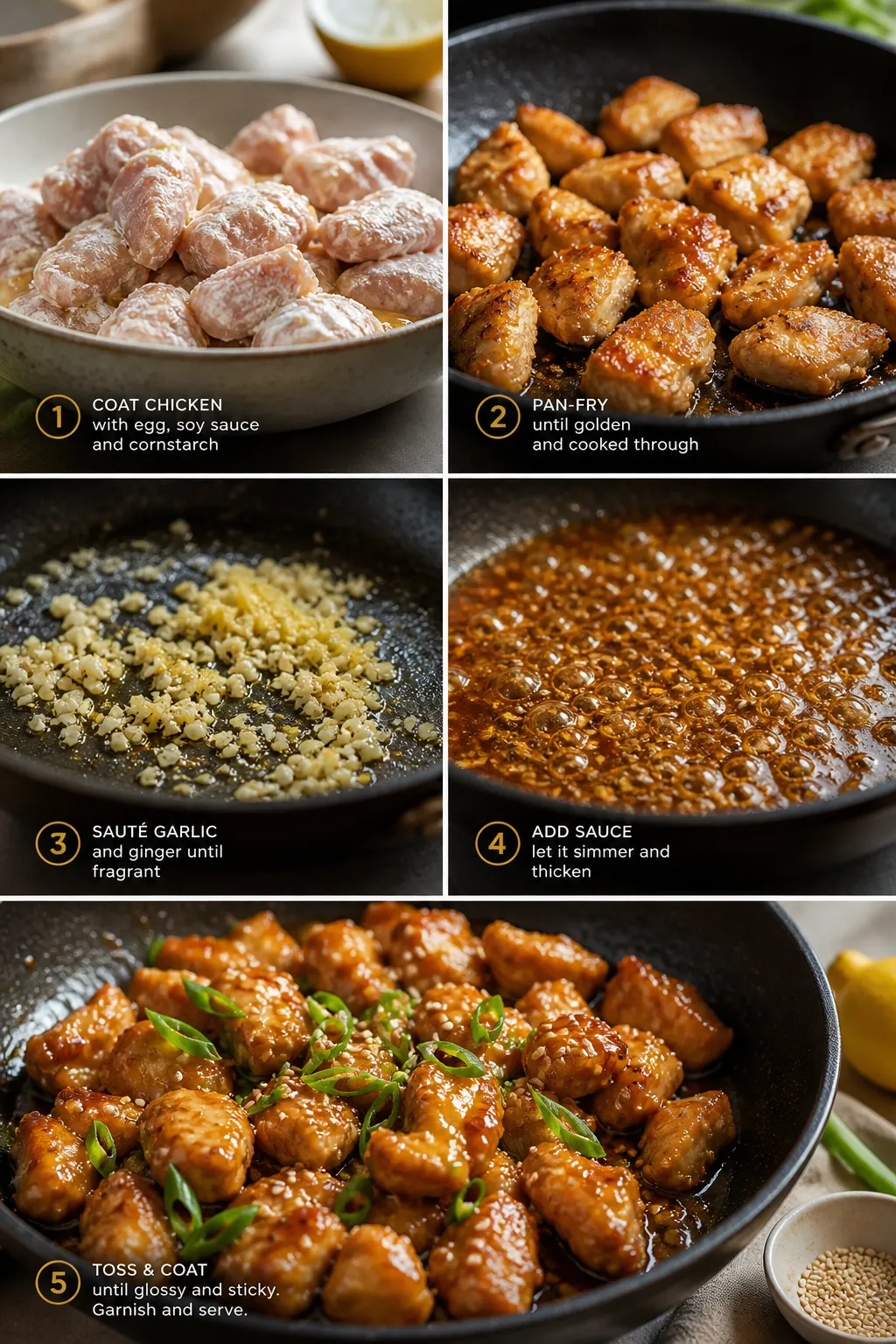
- In a bowl, mix together all the sauce ingredients. Stir until the honey is fully dissolved and the mixture looks smooth and slightly glossy. Set it aside — it may seem thin now, but it will thicken later.
- In a separate bowl, combine the chicken pieces with the egg and soy sauce. Mix thoroughly so every piece is coated. This step helps the coating stick better later on.
- Add the cornstarch and toss the chicken until evenly covered. The texture should feel slightly sticky but still dry on the surface. It doesn’t have to be perfect — a bit of uneven coating actually works fine.
- Heat oil in a large pan over medium-high heat. Once hot, add the chicken in a single layer. Try not to overcrowd the pan — if needed, cook in batches. Let it cook until golden and fully done, turning occasionally to get even color.
- Remove the chicken from the pan and set it aside. At this point, it should already look lightly crisped and cooked through.
- In the same pan, add a small amount of oil if needed. Add the garlic and ginger, and sauté briefly until fragrant. This step goes quickly — about a minute is enough.
- Pour in the prepared sauce. Let it heat up gently. You’ll notice it starting to bubble, and then slowly thicken.
- Return the chicken to the pan and toss everything together. Make sure each piece is coated in the sauce. This is where the dish really comes together.
- Continue cooking for another 1–2 minutes, just until the sauce becomes glossy and sticky. It should cling to the chicken without pooling too much in the pan.
- Remove from heat and serve immediately, topped with green onions and sesame seeds.
💡 Small Tips That Make a Difference
- Don’t overcrowd the pan when cooking the chicken — it helps with better texture
- If the sauce thickens too quickly, add a small splash of water to loosen it
- Taste before serving — a little extra lemon or honey can adjust the balance easily
- Fresh lemon juice makes a noticeable difference compared to bottled
- The dish reheats well, but a quick pan reheat works better than a microwave
🌶️ Small Tweaks That Change Everything
One of the reasons this dish doesn’t get boring is how easily it adapts over time. It’s not the kind of recipe that falls apart the moment you change something. If anything, it feels like it expects you to tweak it a bit. The more often you make it, the more you start noticing small things you’d do differently — and most of the time, those changes actually make it feel more like your version of the dish.
Some people end up liking it a bit sharper, others lean toward something softer and slightly sweeter. Sometimes you want a bit more depth, other times you want it to feel lighter. The nice part is, you don’t need to change much to get there. It’s usually just small adjustments, nothing dramatic.
Heat is probably the easiest thing to play with. Even a small pinch of chili flakes can shift the whole dish slightly. It doesn’t suddenly become spicy, but there’s this gentle warmth that builds as you eat. If you go a bit further and add something like hot sauce, it becomes more noticeable. Not overwhelming, just enough to balance out the sweetness so it doesn’t feel as dominant. The lemon starts to come through differently too, a bit sharper, a bit more present.
Then there’s the way you cook the chicken.
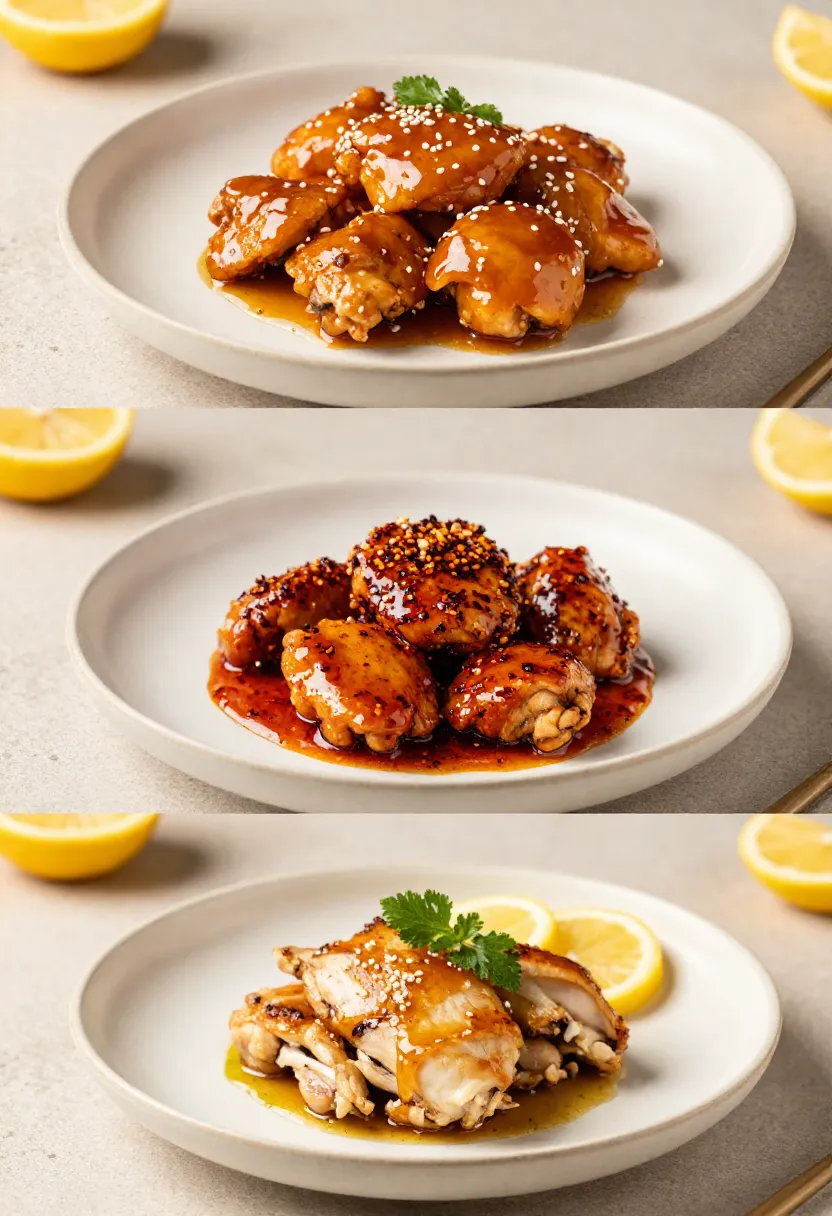
Frying gives it that light structure on the outside, which helps the sauce cling to it better. It feels a bit more “put together.” But if you don’t feel like standing over a pan, baking works just fine. The texture changes — it’s softer, less defined — but it doesn’t ruin anything. The sauce still carries most of the flavor, so the dish holds up. It’s not better or worse, just different.
Protein swaps also work better than you’d expect.
Shrimp is probably the easiest one. It cooks quickly, doesn’t need much prep, and it takes on the sauce almost immediately. The whole dish feels a bit lighter because of that. Tofu can work too, but it’s less forgiving. If you don’t prep it properly, it just won’t behave the same way. But when you do get it right, it fits surprisingly well with these flavors.
If you step back and look at these small changes, they usually come down to something like this:
- adding a pinch of chili flakes or a bit of hot sauce for gentle heat 🌶️
- baking the chicken instead of frying when you want something lighter
- swapping chicken for shrimp when you need a quicker option 🍤
- using tofu as a plant-based alternative (but only if it’s prepped properly)
- adjusting lemon or honey slightly depending on your mood 🍋🍯
None of these changes require you to rethink the dish completely. You’re not starting from scratch — you’re just nudging it in a direction that feels right in the moment.
And over time, those small adjustments are exactly what make the recipe feel personal instead of fixed.
🍚 Serving Ideas That Elevate the Meal
The chicken already has a pretty strong flavor on its own, but what you serve with it ends up changing the whole experience more than you’d expect. It’s not just about adding something to the plate so it looks complete. It actually affects how the dish feels when you eat it. The same chicken can feel light one day and a bit heavy the next, just depending on what’s next to it.
Rice is usually the easiest choice, and there’s a reason people keep coming back to it. It kind of softens everything. The sauce soaks in, the flavors feel less intense, and overall it just becomes easier to eat. Nothing stands out too much, which is actually a good thing here. It just feels balanced without trying too hard.
If you switch to noodles, it changes the mood a bit.
It becomes more casual, maybe even a little messy in a good way. The sauce spreads differently, not just sitting under the chicken but getting everywhere. It’s one of those small changes that you don’t really think about before, but once you try it, you notice it straight away.
Vegetables are where things start to shift more noticeably.
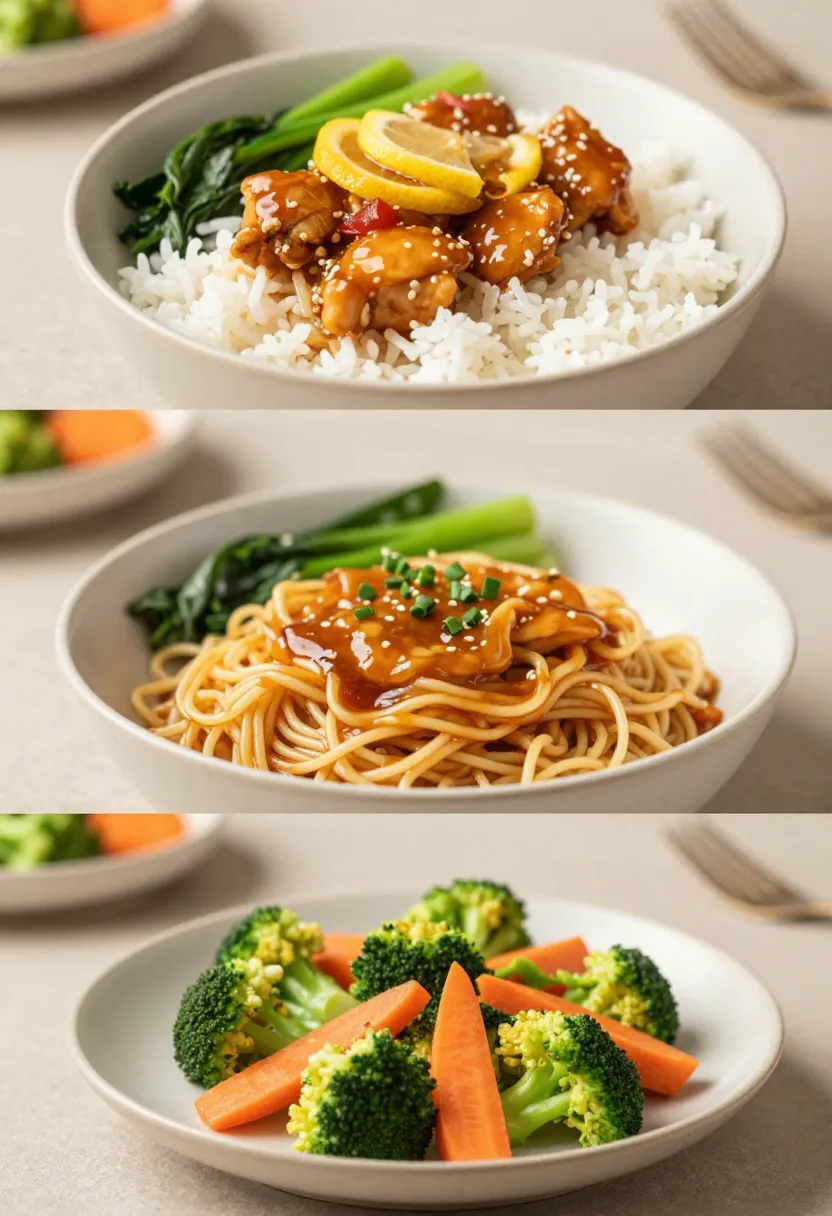
Without them, the dish can lean a bit heavy, especially if the sauce turns out richer than expected. Once you add something fresh or slightly crunchy, it breaks that up. You don’t need a lot. Even a small amount is enough to make the whole plate feel lighter and less one-note.
There’s also the visual side, even if you don’t think about it consciously.
When the plate has a bit of color or something fresh on top, it just feels more complete. It doesn’t have to be anything fancy. Sometimes just a few green onions or a handful of something bright is enough to make it feel like you actually put it together, not just cooked it.
Usually, people end up doing some version of this without really thinking about it:
- rice with something green on the side, just to keep things from feeling too heavy
- noodles when you want something a bit more relaxed and less structured
- adding a bit of carrot or green onion for freshness and color
- throwing in whatever vegetables you have, just to get a bit more texture
None of this is complicated, and that’s kind of the point.
The chicken is still the main thing on the plate. Everything else is just there to support it, not compete with it. And once you get used to that balance, it becomes pretty easy to adjust depending on what you feel like that day.
🧊 Storing, Reheating, and Real-Life Tips
This is one of those dishes that actually holds up pretty well after cooking, which isn’t always the case with something that has a sauce like this. It doesn’t stay exactly the same, of course. The texture softens a bit, the sauce thickens slightly. But it doesn’t feel worse — just a little different.
Sometimes even better, honestly.
Storing it is about as simple as it gets. Just put it in a container, keep it in the fridge, and it’ll be fine for a couple of days. Nothing special needed. If anything, the flavor tends to settle a bit more by the next day. The sauce soaks in a little deeper, and everything feels more blended together.
Reheating is where you start to notice small differences.
If you use a pan, you get a bit more control. The sauce loosens gradually, and the texture comes back closer to how it was originally. It takes a few extra minutes, but it’s usually worth it. The microwave works too, obviously — most people use it at some point — but it can make everything a bit softer than you’d want, especially if you leave it in too long.
Not a big problem, just something you notice.
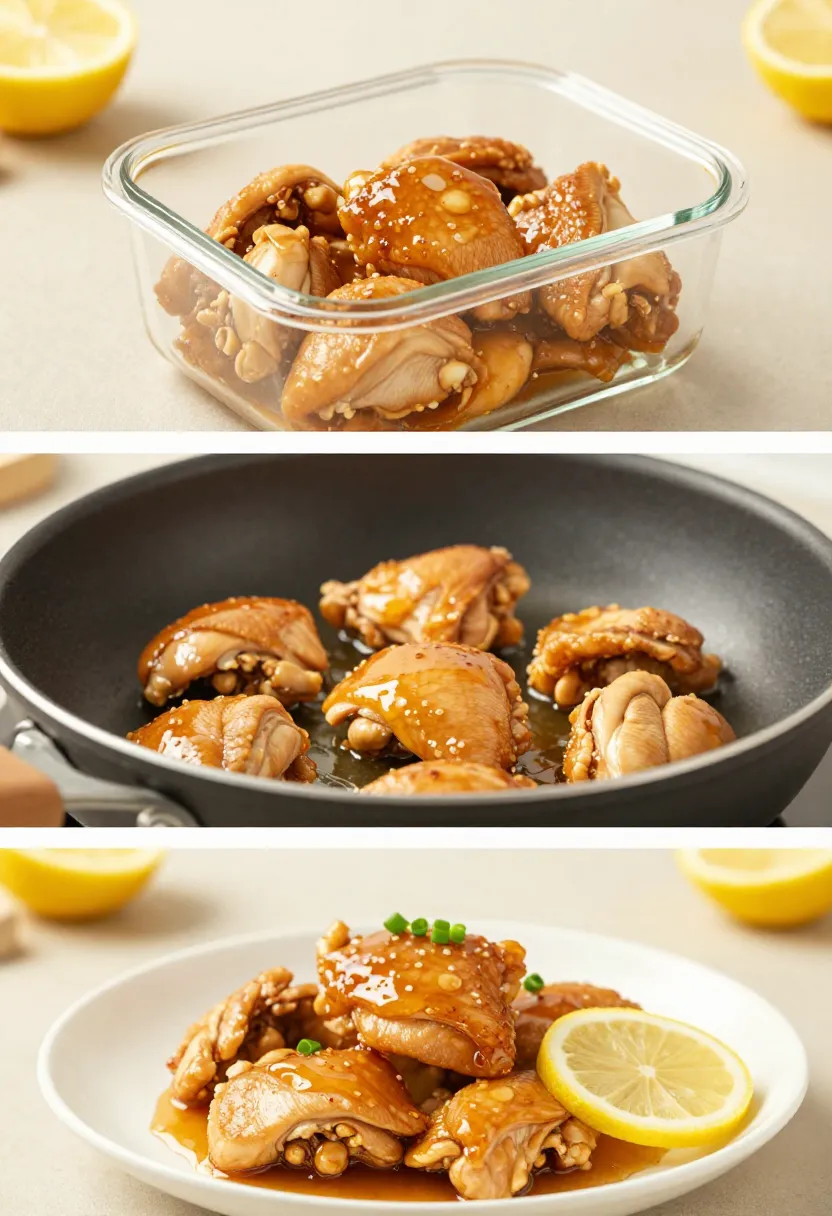
Another thing that comes up pretty often is the sauce getting thicker after sitting in the fridge. That’s normal. It’s easy to fix, though. A small splash of water or a bit of lemon juice brings it back without much effort. You don’t need to measure anything — just enough to loosen it slightly.
After you’ve made the dish a few times, you stop thinking about it in terms of steps.
You start noticing things instead. How the sauce looks when it’s ready. How the smell changes as it heats. How the texture feels when it’s just right again. It becomes less about following instructions and more about recognizing what needs to happen next.
Usually, people end up doing a few small things without even thinking about it:
- reheating it in a pan when there’s time, just to keep the texture a bit better
- adding a splash of liquid if the sauce looks too thick
- being a bit more careful with heat so the chicken doesn’t dry out
- finishing it with a little extra lemon to freshen everything up 🍋
- not worrying too much about exact amounts anymore
At some point, it stops feeling like something you need to “get right.”
You just know how it works.
And that’s usually when a recipe really settles in. Not because it turns out perfect every time, but because it works consistently without asking much from you.