There’s a certain type of recipe that doesn’t try to win you over immediately. No dramatic first impression, no “wow” factor in the ingredients, nothing that feels particularly ambitious. Pikelets fall very comfortably into that space. At first glance, they’re almost too simple to take seriously—small, soft rounds of batter, lightly cooked, usually associated with quick breakfasts or something you make when you don’t feel like putting in much effort 🍊
And yet, that simplicity is exactly what makes them worth paying attention to.
Because once you stop treating them like background food—something automatic, something routine—and actually notice what’s happening, they start to feel different. You pick up on the texture more. The warmth. The way they absorb flavors without becoming soggy. The way they sit somewhere between light and comforting, without fully leaning into either.
They don’t try to dominate the plate. They support it.
And that’s where the shift happens. Instead of keeping them plain, you start thinking in layers. Not in a complicated way—just small additions that make sense together. A citrus element to bring freshness. Something creamy to balance it out. Maybe a bit of texture so it’s not all soft.
What’s interesting is how quickly that changes the whole experience. The same basic pikelet suddenly feels like part of something more complete. Still familiar, still easy—but no longer forgettable.
If you break it down, what makes pikelets such a good base isn’t just their flavor—it’s how adaptable they are:
- they absorb sweetness without becoming overly rich
- they hold structure even with softer toppings
- they stay light enough to handle multiple layers
- they work both warm and at room temperature without losing appeal
That flexibility is what allows this dish to exist without feeling forced. You’re not trying to turn pikelets into something they’re not—you’re just letting them do a bit more.
This version follows that exact approach. It doesn’t try to reinvent the idea or make it overly technical. It just builds gently, adding elements that feel natural together and letting the final result come together in a way that feels intentional, but not overdesigned.
🍊 Why mandarin and white chocolate make sense together
At first, this pairing can feel slightly unexpected. Citrus and white chocolate aren’t the most common combination people reach for automatically. It’s not as familiar as lemon and sugar, or chocolate and berries. There’s a small moment of hesitation there—like you’re not entirely sure how it’s going to play out.
But once you actually try it, the logic becomes clear pretty quickly.
Mandarins behave differently from sharper citrus fruits. They’re naturally sweeter, with a softer acidity that doesn’t hit as aggressively. There’s no harsh edge, no strong bitterness—just a clean, rounded citrus flavor that spreads evenly rather than spiking.
That matters more than it seems.
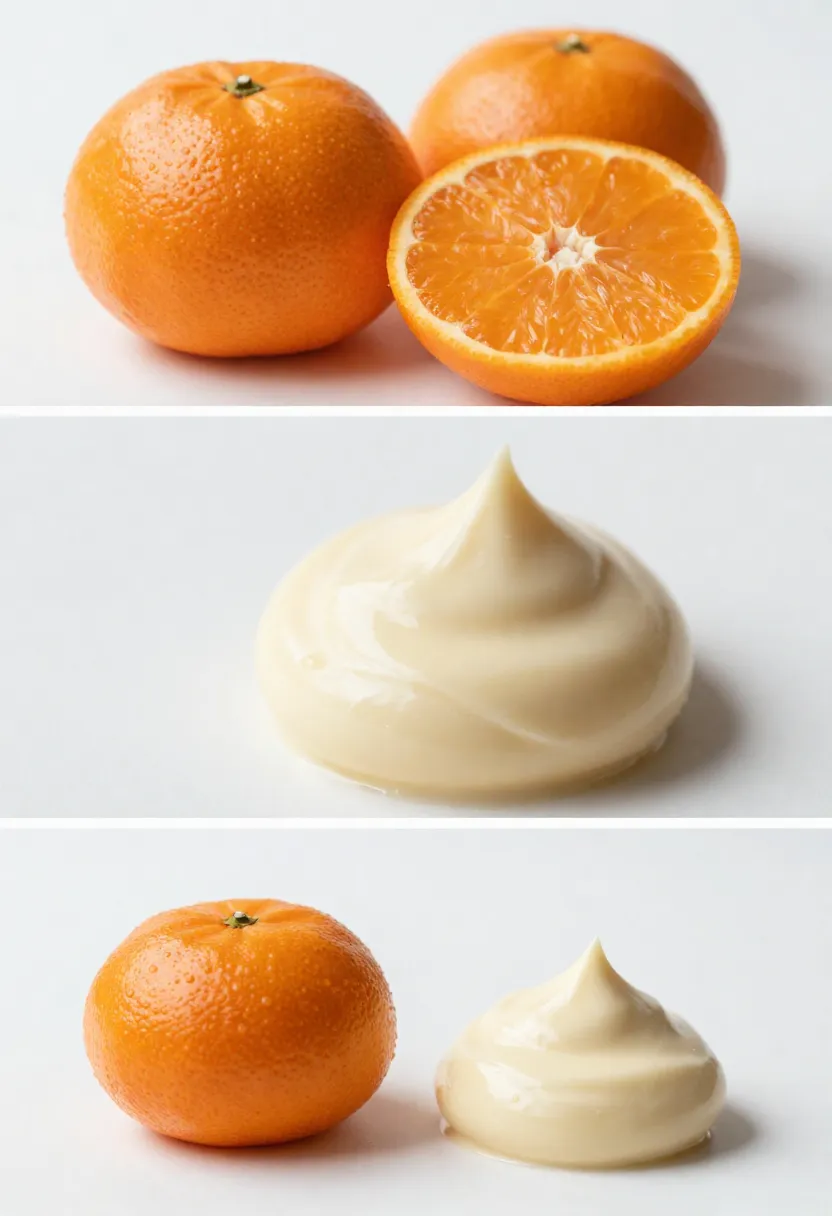
Because white chocolate doesn’t handle sharp acidity particularly well. It works best when the flavors around it are balanced and not too intense. And that’s exactly what mandarin provides—a kind of calm citrus profile that doesn’t overwhelm the creaminess.
White chocolate, in turn, does something subtle but important. It smooths. It softens transitions. It takes that brightness from the mandarin and gives it a more stable base, turning something fresh into something that feels complete.
The pairing works because each element fills in what the other lacks:
- mandarin introduces freshness and keeps the dessert from feeling too heavy
- white chocolate adds richness and prevents the citrus from feeling too sharp
- together, they create a middle ground that feels balanced over time, not just in the first bite
Another thing worth mentioning is how this combination behaves as you keep eating. Some flavor pairings feel strong at first but become tiring quickly. This one doesn’t. It stays consistent. The citrus doesn’t fade, and the sweetness doesn’t build up too much.
It’s not flashy, and that’s probably why it works so well. It holds its balance without needing constant adjustment.
🥞 Pikelets as more than just a base
It’s very common to think of pikelets as something neutral—just a surface for toppings. And in a lot of cases, that’s exactly how they’re used. But in a dish like this, their role becomes more central.
Texture, more than flavor, is what defines them here.
A well-made pikelet should feel soft and slightly tender in the center, with just enough structure on the outside to hold everything together. Not crisp, not dry—just stable enough. That balance is easy to overlook, but it has a direct impact on how the whole dish feels.
If the pikelet is too dense, everything becomes heavy. The cream sits too thickly, the citrus doesn’t cut through as well, and the dish loses its lightness. On the other hand, if it’s too airy, it doesn’t support the toppings properly, and the structure falls apart.
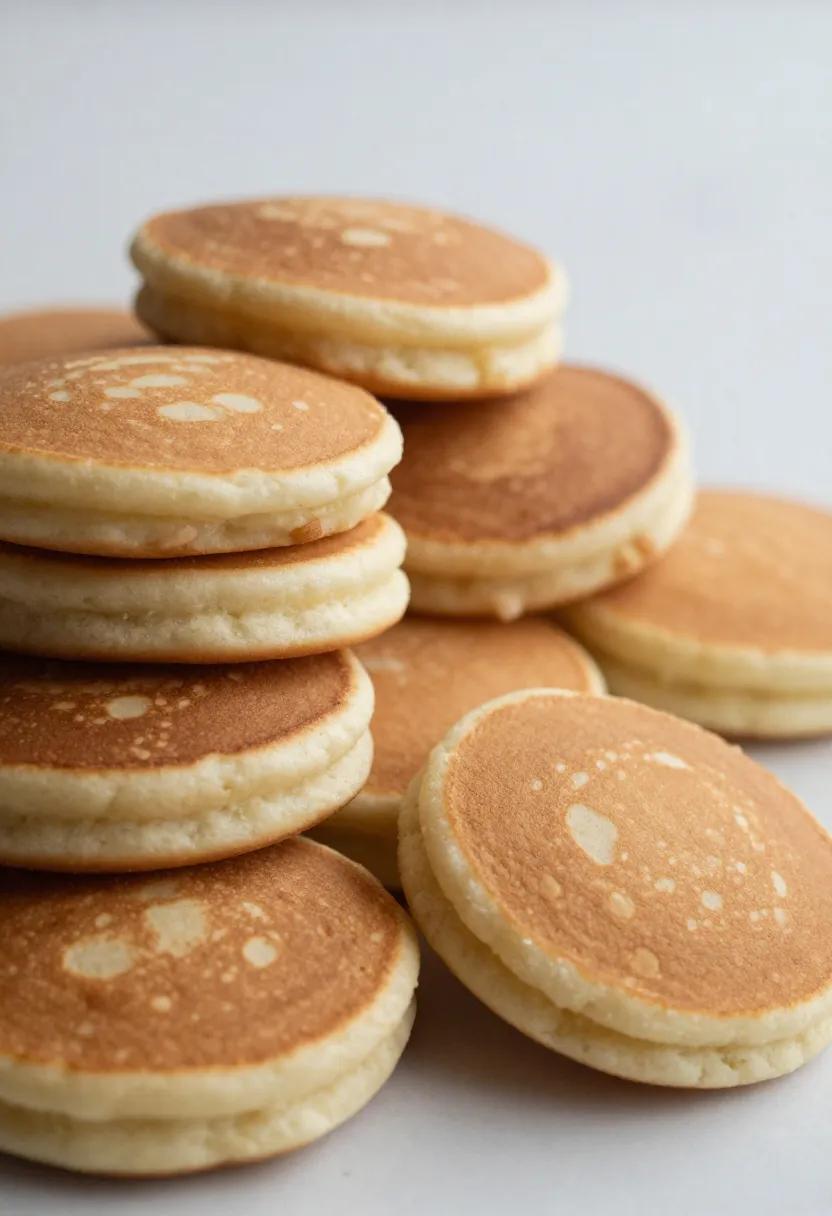
Then there’s the size factor, which is more important than it seems at first. Because pikelets are smaller than traditional pancakes, they naturally guide how you eat the dish. You’re not slicing through a large portion trying to get a bit of everything—you’re building smaller, more controlled bites.
That changes the experience quite a bit. It becomes less about presentation and more about how each bite comes together.
There are a few characteristics that make pikelets particularly effective in this kind of setup:
- their soft texture contrasts well with both creamy and crunchy elements
- their size encourages balanced portions without forcing it
- their neutral flavor allows other components to stand out without clashing
- their slight irregularity makes the final dish feel more natural and less staged
And then there’s the practical side—they’re forgiving.
They don’t need to be perfectly round. They don’t need to cook evenly on every side. Slight differences in color or size don’t hurt the final result—in fact, they often make it better. The dish feels less controlled, less rigid, more like something made by hand rather than assembled to look perfect.
In this context, pikelets aren’t just a base. They’re part of the structure. They hold everything together, both physically and in terms of balance. Without them, the dish wouldn’t just look different—it would feel different too.
🍽️ Mandarin & White Chocolate Pikelets Recipe
This is one of those desserts that looks more complicated on paper than it actually feels in the kitchen. Yes, there are a few separate components, and at first glance it might seem like a lot. But once you get into it, the process becomes surprisingly calm—almost rhythmic.
You’re not rushing. You’re not juggling ten things at once. You just move step by step, and each part naturally leads to the next.
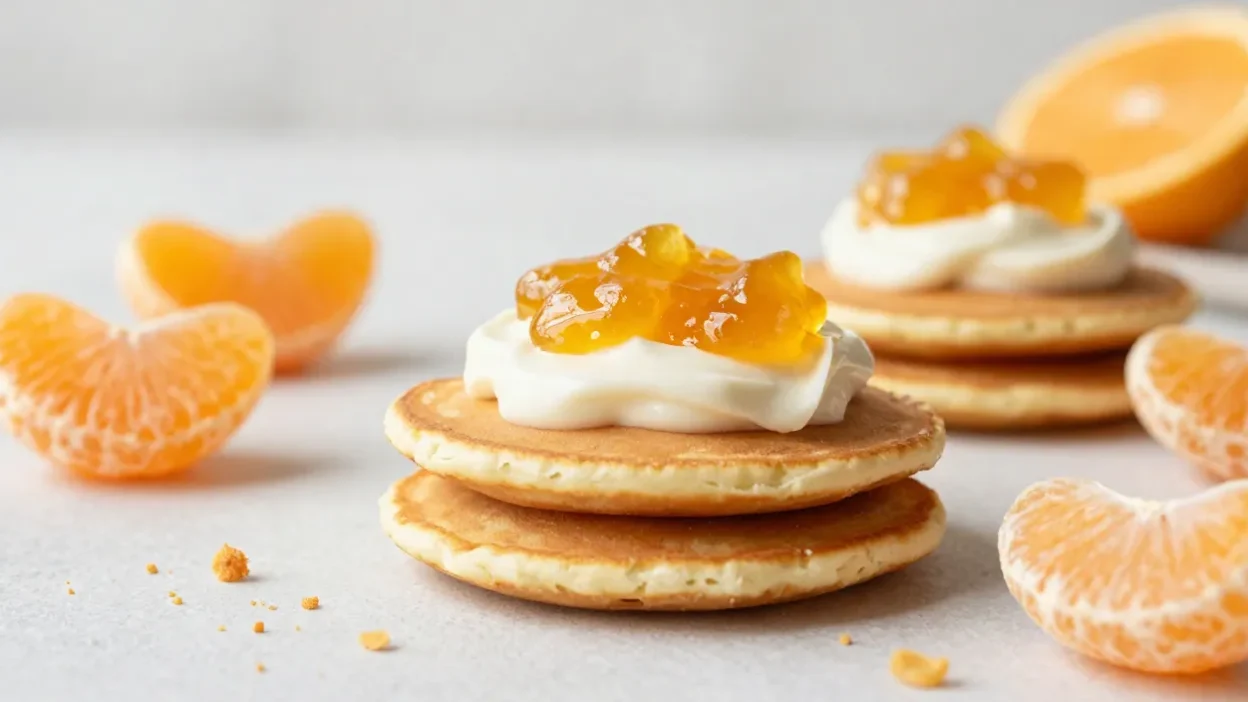
What you end up with is not just “pikelets with toppings,” but a layered dessert that feels balanced in a very natural way. Warm, soft pikelets. A bright citrus note that cuts through the richness. A smooth, slightly sweet cream that ties everything together. And then that bit of crumble on top that gives you texture, so it’s not all soft and predictable.
It’s the kind of dish that works in different situations. It can be a slow weekend breakfast, a casual dessert when you have people over, or even something you make just for yourself when you feel like cooking a little more than usual. It doesn’t feel overly formal, but it definitely feels more special than everyday food.
Ingredients
Pikelets
- 2 eggs
- 160 g sugar
- 140 g melted butter
- 330 g all-purpose flour
- 1 tablespoon baking powder
- 420 ml milk
- 1 teaspoon vanilla extract
- pinch of salt
Mandarin marmalade
- 4–5 mandarins
- 220 g sugar
- 150 ml water
- 1 teaspoon vanilla
White chocolate cream
- 200 g white chocolate
- 200 ml heavy cream
- 150 g cream cheese
- 1 teaspoon vanilla
Spiced crumble
- 150 g flour
- 80 g brown sugar
- 2 tablespoons honey
- 1 teaspoon ground ginger
- 1 teaspoon cinnamon
- pinch of cloves
- 1 egg
- 60 ml vegetable oil
- 100 ml hot water
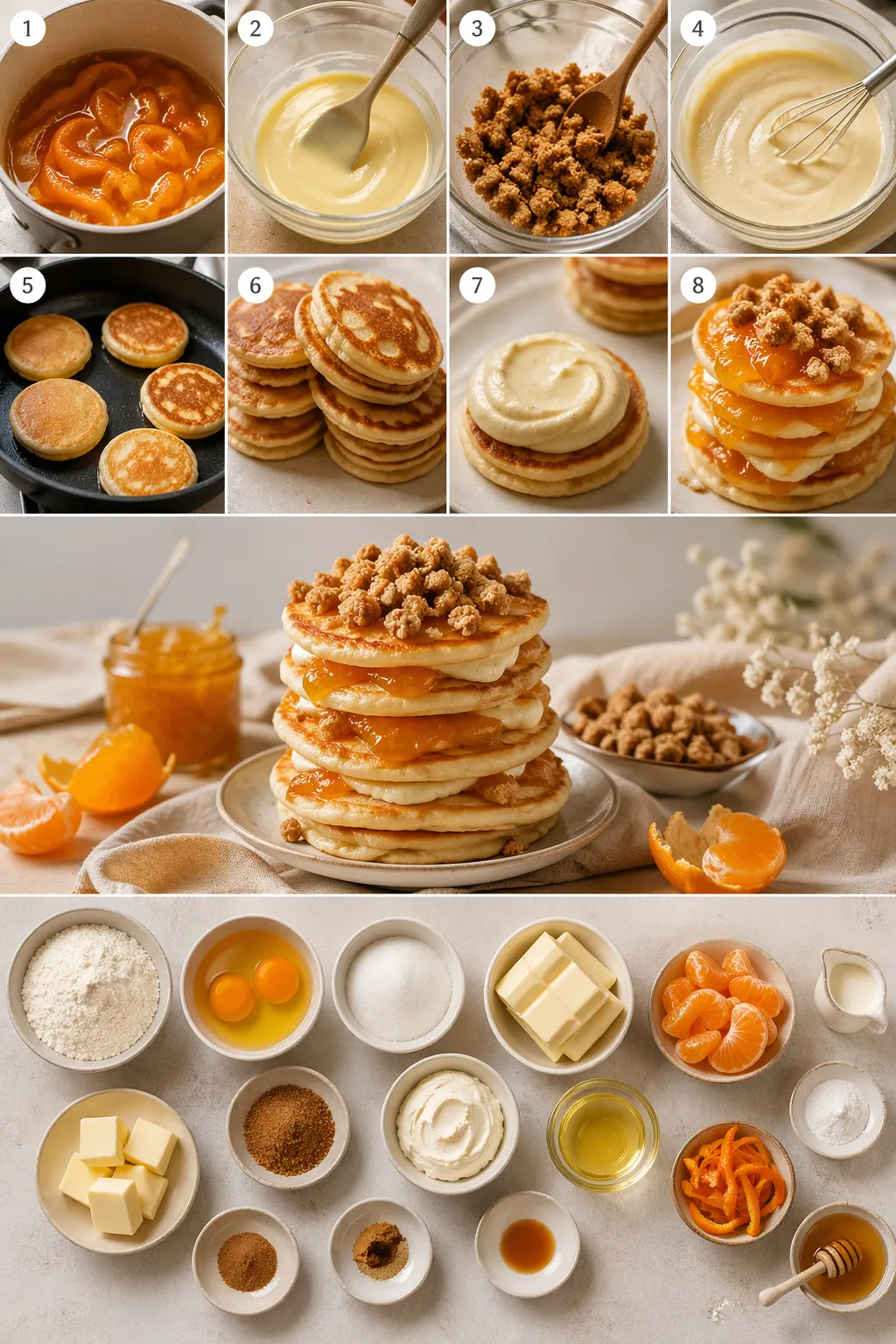
Method
- Prepare the marmalade
Peel the mandarins and slice the peel into thin strips. If you have extra time, soaking the peel in water for a few hours helps reduce bitterness, but it’s not essential.
Combine the peel, fruit, water, and sugar in a saucepan. Cook over medium heat until the mixture thickens and becomes glossy. Stir occasionally to prevent sticking. Add vanilla at the end and allow it to cool completely. - Make the white chocolate cream
Melt the white chocolate slowly, either over a double boiler or in short microwave intervals. Heat the cream separately until warm, then mix it into the chocolate.
Let the mixture cool slightly before adding cream cheese and vanilla. Blend until smooth and refrigerate until it firms up to a soft, spreadable consistency. - Bake the crumble
In a bowl, mix flour, brown sugar, and spices. Add honey, oil, and egg, then pour in hot water and stir until combined.
Bake at 160°C (320°F) until set. Once cooled, break into irregular crumbs. For extra crunch, return it to the oven briefly to dry out. - Prepare the batter
Mix the dry ingredients in one bowl and the wet ingredients in another. Combine gently, avoiding overmixing. Let the batter rest for about 10 minutes—this helps improve the final texture. - Cook the pikelets
Heat a non-stick pan over medium heat. Spoon small rounds of batter onto the surface. When bubbles appear, flip and cook until golden on both sides. Avoid pressing them down while cooking. - Assemble the dish
Stack the pikelets while still warm. Add a spoonful of white chocolate cream, followed by marmalade and a scattering of crumble. Serve immediately for the best texture contrast.
💡 Small Tips That Make a Big Difference
- Don’t rush the marmalade 🍊 — a slower cook gives you better flavor and texture
- Let the batter rest, even if you’re tempted to skip it—it really improves softness
- Keep the heat moderate when cooking pikelets; too high and they brown too fast outside
- Add the crumble right before serving so it stays crisp
- Taste as you go, especially with the citrus—it can vary more than you expect
🔄 Adjustments That Don’t Break the Recipe
One of the most practical—and honestly reassuring—things about this dessert is how adaptable it is once you understand the basics behind it. At first glance, it might seem like a fairly structured recipe with specific components that all need to be followed closely. But in reality, that’s not the case at all.
What matters here is not strict accuracy, but balance.
The dish works because it combines a few key elements: something soft (the pikelets), something creamy (the white chocolate layer), something bright (the citrus), and something with texture (the crumble). As long as those roles are covered, you have quite a bit of freedom to adjust the details.
This becomes especially useful in real-life situations, when you don’t always have every ingredient on hand or simply want to tweak the flavor slightly to suit your preferences. For example, mandarins are ideal because of their soft, sweet citrus profile, but they are far from the only option. Oranges can easily replace them, resulting in a slightly deeper and more familiar citrus flavor. Blood oranges add a bit more complexity and color, while tangerines offer a very close alternative with a slightly more aromatic note.
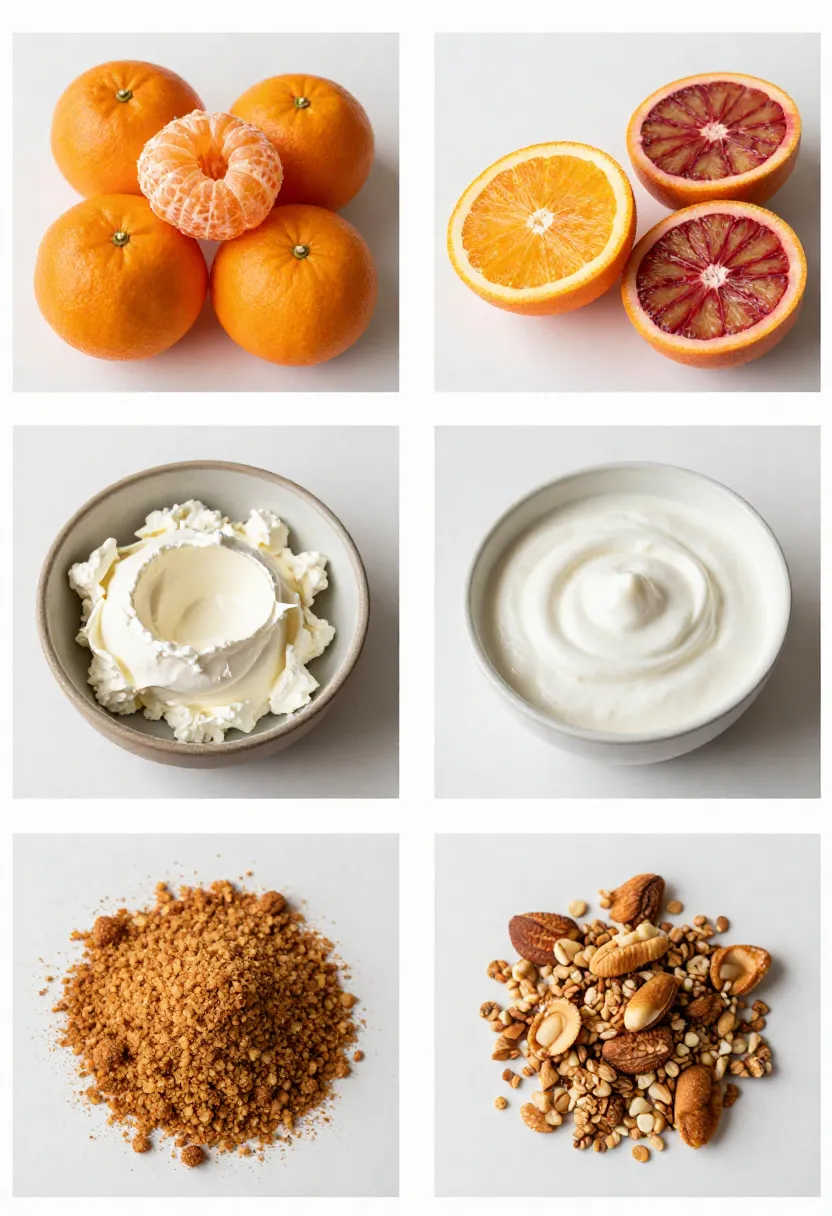
The cream layer is equally flexible. Cream cheese provides a mild tang that helps balance the sweetness of white chocolate, but it’s not essential. If you prefer something smoother and less sharp, mascarpone works extremely well and creates a softer, more delicate result. On the other hand, if you want to lighten the dish, a thick Greek yogurt can be used, adding a fresher, slightly tangier feel.
Even the crumble can be adjusted depending on how much time you want to spend or what texture you prefer. While the spiced version adds warmth and depth, it’s not the only way to introduce crunch. Simpler alternatives can work just as effectively without changing the overall structure of the dessert.
To make these adjustments clearer, here’s a more detailed overview:
| Component | Alternative Option | Flavor Impact | Texture Impact | Best Use Case |
|---|---|---|---|---|
| Mandarin | Orange | Slightly sweeter, less bright | Similar juiciness | When you want a more familiar citrus taste |
| Mandarin | Blood orange | Deeper, richer citrus with subtle bitterness | Slightly denser | For a more complex dessert profile |
| Mandarin | Tangerine | Very close to mandarin, slightly more aromatic | Almost identical | Easy, natural substitute |
| Cream cheese | Mascarpone | Milder, creamier, less tangy | Smoother, softer | When you want a more delicate cream layer |
| Cream cheese | Greek yogurt (thick) | Tangier, fresher | Lighter, slightly looser | For a less rich version |
| White chocolate | Reduced quantity | Less sweetness, more balance | Slightly lighter consistency | If you prefer subtle sweetness |
| White chocolate | Mix with dark chocolate | Adds depth, reduces sweetness | Slightly firmer | For a more complex flavor contrast |
| Crumble | Toasted nuts | More natural, less spiced | Crunchier, more irregular | Quick alternative with minimal prep |
| Crumble | Granola | Slightly sweeter, more casual | Chunky, varied | Ideal for brunch-style serving |
| Crumble | Crushed biscuits | Simpler, less aromatic | Finer, softer crunch | When you want a quicker shortcut |
What’s important here is that none of these changes disrupt the core idea of the dish. They simply adjust its direction slightly—making it lighter, richer, sharper, or softer depending on what you’re aiming for. The structure remains intact, which makes this recipe particularly forgiving compared to more rigid desserts.
🍽️ Serving in a Way That Feels Natural
Presentation plays a role in how this dish is experienced, but it doesn’t require precision or careful styling. In fact, trying to control every detail too much often works against the overall feel of the dish.
The goal is not to create something that looks perfectly arranged, but rather something that feels balanced and natural.
Start with the pikelets. They should be stacked in a relaxed way, without worrying about exact alignment. Slight variations in size or shape actually make the dish look more appealing, as they emphasize that it’s homemade rather than assembled to a strict standard.
When adding the cream, it’s better to avoid shaping it too carefully. Instead of forming precise quenelles or smooth layers, let it sit naturally on top or between the pikelets. This creates a softer visual effect and makes the dish feel less formal.
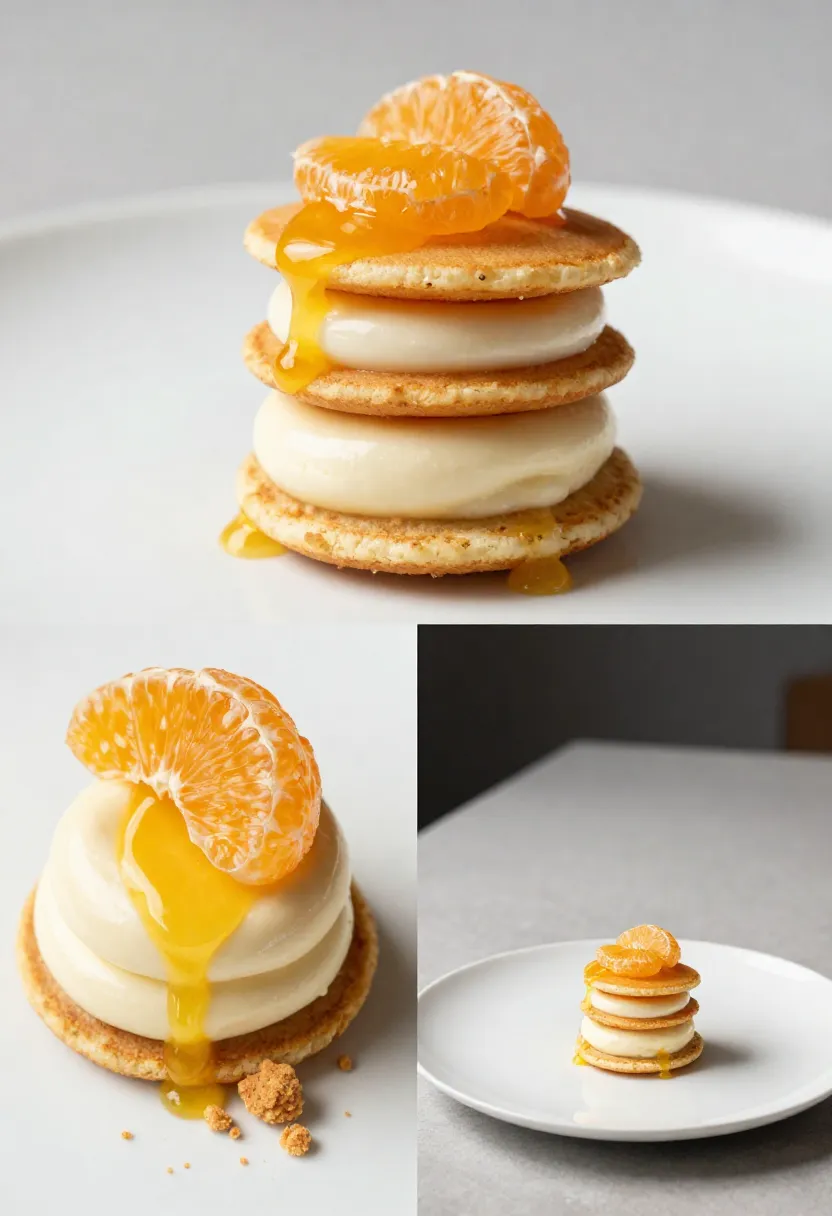
The marmalade should also be applied without too much structure. Rather than placing it in one exact spot, it can be spooned over or slightly around the stack, allowing it to spread on its own. This helps integrate it visually with the rest of the dish instead of making it look like a separate element.
The crumble is best added last, and in a loose, scattered way. It shouldn’t fully cover the surface—just enough to introduce texture and contrast without overwhelming the softer components.
There are a few subtle details that can enhance the final presentation without making it feel forced:
- a small amount of fresh citrus zest adds both aroma and visual brightness
- a light dusting of powdered sugar softens the overall appearance
- slightly uneven distribution of elements makes the dish feel more natural
- using a neutral plate helps keep the focus on the food itself
The overall effect should feel unforced. It’s not about symmetry or perfection, but about creating something that looks balanced without appearing overly controlled.
🌿 Final Notes on Texture, Timing, and Overall Feel
What ultimately defines this dish is not any single component, but the interaction between them. The contrast between textures and temperatures is what makes each bite feel complete.
The pikelets provide warmth and softness. The cream introduces a cooler, smoother element. The marmalade adds brightness and a slight sharpness. The crumble brings in contrast through texture.
If one of these elements becomes too dominant, the balance shifts. The dish may still work, but it will feel heavier, flatter, or less dynamic overall.
Timing plays an important role in maintaining this balance. The pikelets should ideally be served warm, or at least slightly above room temperature. This allows them to remain soft and helps them interact better with the cream.
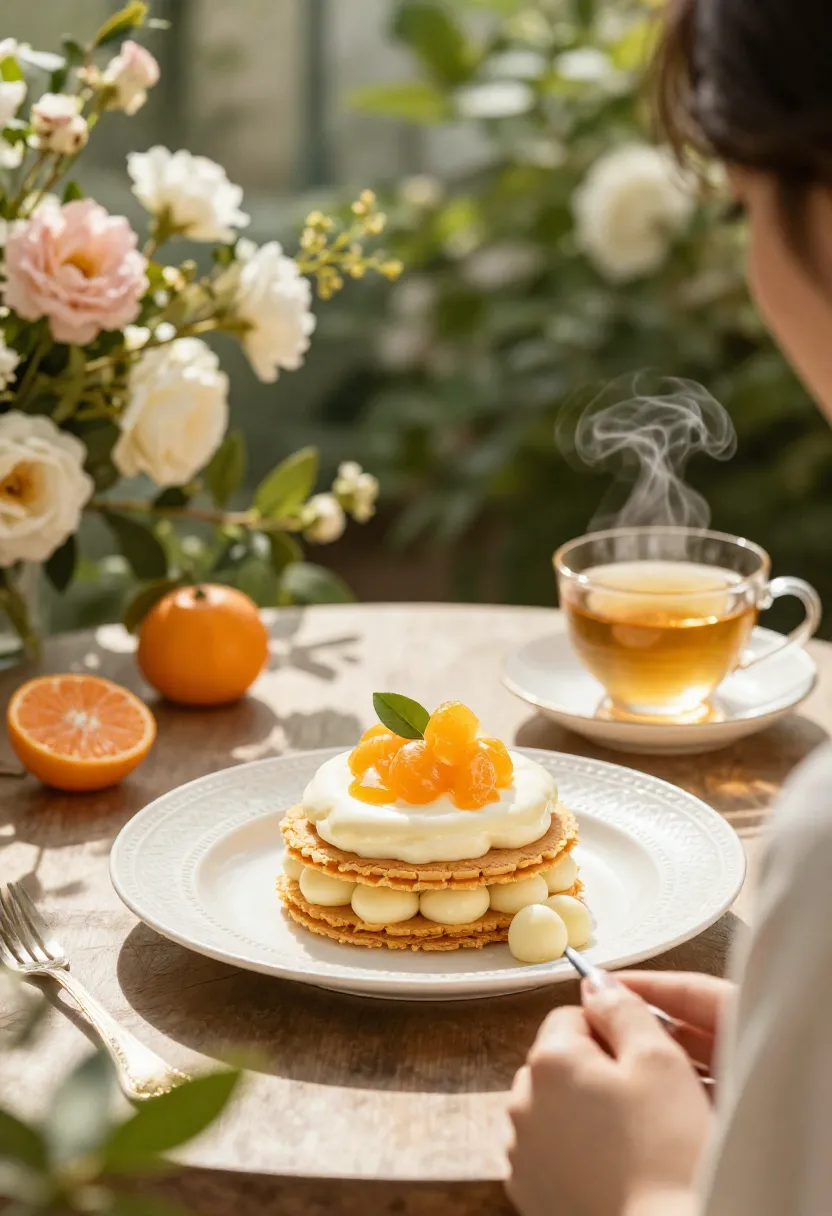
The cream should be cool but not overly firm. If it’s too soft, it blends into the pikelets too quickly. If it’s too firm, it feels separate rather than integrated.
The crumble is the most sensitive component in terms of timing. It should be added just before serving to preserve its texture. If added too early, it begins to absorb moisture and loses its crispness.
Another aspect that contributes to the overall feel of the dish is its natural variation. Slight differences in shape, size, or placement do not reduce quality—in fact, they often improve the perception of the dish. It feels less mechanical and more genuine.
This is not a dessert that depends on precision or strict execution. It allows for small inconsistencies without compromising the result. That flexibility is part of what makes it enjoyable to prepare and serve.
In the end, the dish works because it maintains balance without requiring perfection. It brings together contrasting elements in a way that feels cohesive, while still leaving room for variation and personal adjustment.