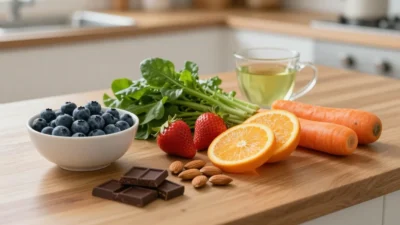
You can usually tell when your skin feels happy. It looks a little brighter in the mirror, a little calmer, a little more alive. And then there are those other days — when it seems dull, tired, or just not quite like itself, even though you are still using the same cleanser, the same moisturizer, the same little lineup of products on your bathroom shelf.
That is often the moment when you start wondering if skincare is only part of the story.
The truth is, your skin is deeply connected to what happens inside your body. What you eat does not need to be perfect, and no single food will magically transform your face overnight. But your everyday meals can absolutely play a role in how your skin looks and feels. Over time, nutrient-rich foods can help support hydration, softness, elasticity, and that healthy natural glow so many people are chasing.
And the good news is that this does not have to get complicated.
You do not need an expensive wellness routine or a long list of hard-to-find “beauty foods.” Sometimes, the most helpful choices are the simple ones already sitting in your kitchen or waiting at the grocery store you visit every week. In this article, we are focusing on three healthy foods for skin that are easy to recognize, easy to enjoy, and full of nutrients your skin loves: almonds, citrus fruits, and milk.
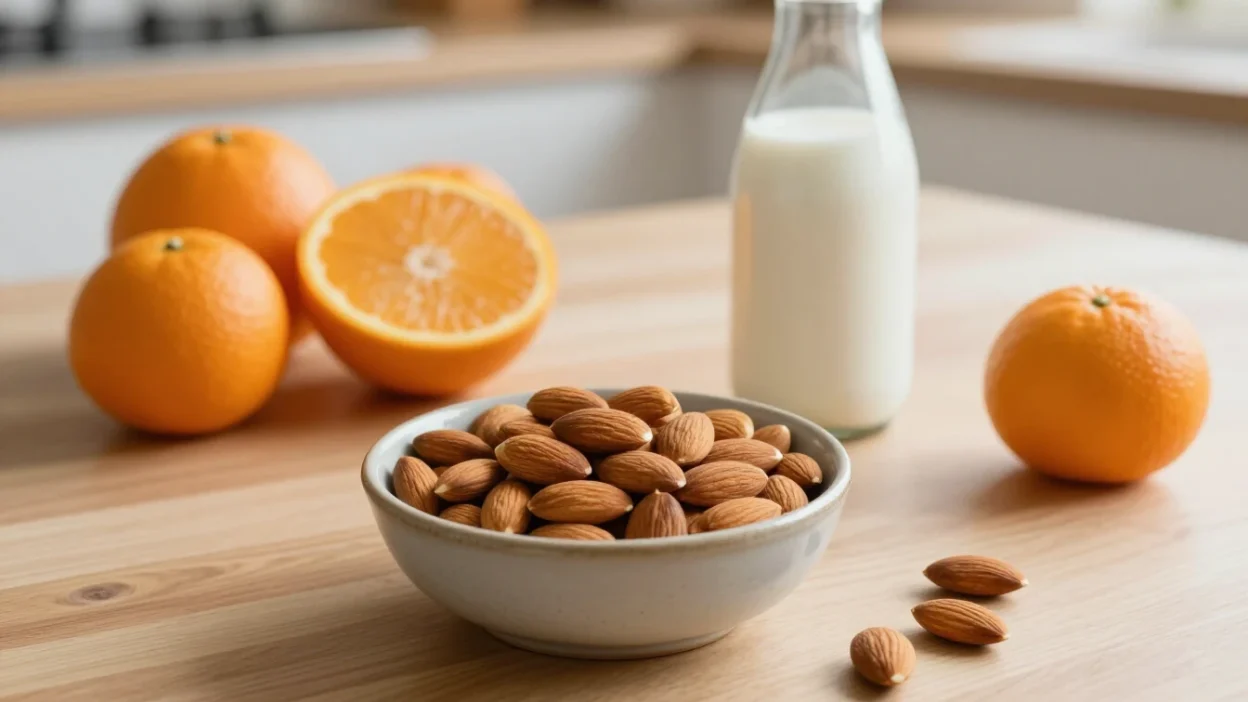
Each one brings something different to the table. Almonds offer skin-friendly fats and vitamin E. Citrus fruits bring freshness and vitamin C. Milk adds protein and important nutrients that can support overall nourishment. Together, they create a simple starting point for eating in a way that feels good and supports your skin from the inside out.
So if you have been looking for a more natural, realistic way to care for your skin, this is a lovely place to begin — not with pressure, but with food, consistency, and a little more attention to what is on your plate.
Why Your Diet Shows Up on Your Skin

Your skin is not just something you see in the mirror. It is a living, working organ, and like every other part of your body, it depends on nourishment to do its job well. That is one reason your eating habits can show up on your face more than you might expect.
Skin health starts from within
It is easy to think of skincare as something that happens only on the surface. You cleanse, moisturize, maybe apply a serum, and hope for the best. Those habits can absolutely help, but topical products can only do so much if your body is missing the building blocks your skin needs.
Your skin constantly renews itself. It repairs, protects, and responds to everything from dry weather to stress to lack of sleep. To keep up with all of that, it needs a steady supply of nutrients from the foods you eat every day.
That means your meals are doing more behind the scenes than you may realize. A balanced diet can help support:
- Skin hydration
- Elasticity and smooth texture
- Protection from environmental stress
- The natural repair process
- A brighter, healthier-looking complexion
In other words, your plate matters.
What glowing skin usually needs
When people talk about “glowy” skin, they are usually talking about skin that looks well cared for, hydrated, and strong. That kind of glow is not about perfection. It is often the result of giving your body the basics it needs again and again.
Some of the most important nutrients for healthy-looking skin include:
- Antioxidants, which help protect skin from everyday stress
- Healthy fats, which support softness and moisture
- Vitamin C, which plays a role in collagen production
- Vitamin E, known for helping protect skin cells
- Protein, which supports repair and renewal
- Minerals, which help the skin function properly
This is why nutrient-dense foods tend to show up in so many conversations about skin health. They are not trendy for no reason. They help support the systems your skin relies on.
Food is not a magic fix, but it does matter
It is also important to keep this realistic. Food is not an overnight cure for every skin concern. If you struggle with acne, irritation, dryness, or sensitivity, there may be many factors involved, including hormones, stress, sleep, genetics, and your environment.
But that does not mean food is unimportant. It simply means food works best as part of the bigger picture.
Think of it this way: a single healthy breakfast will not suddenly give you glowing skin by lunchtime. But eating nourishing foods consistently over time can support your body in ways that become visible. Skin often responds to steady habits, not dramatic quick fixes.
That is why simple foods can be so powerful. They are easy to return to. Easy to build into your routine. Easy to enjoy without turning every meal into a project.
And when you do that — when you choose foods that actually support your body — your skin often benefits right along with it.
Almonds — The Tiny Pantry Staple Your Skin Loves
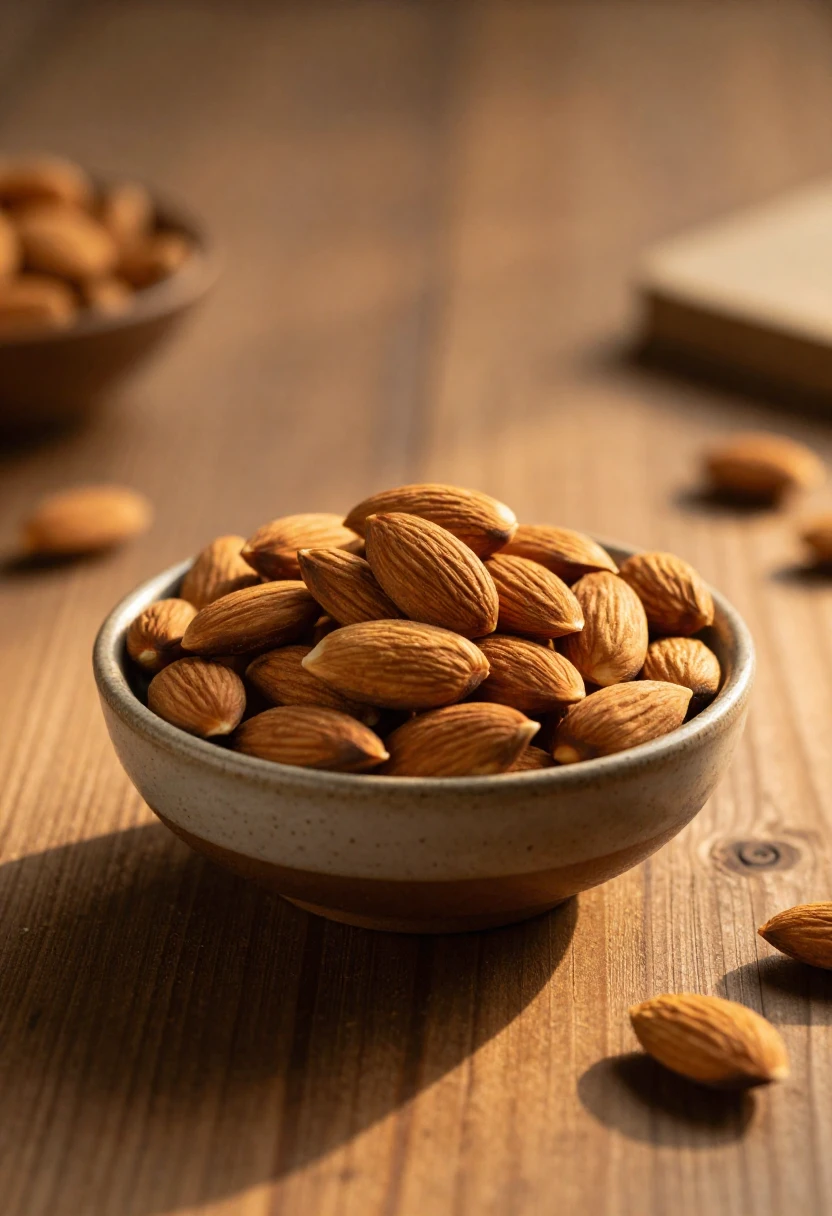
There is something wonderfully easy about almonds. They do not need special preparation, they travel well, and they fit into real life without much effort. You can keep a jar in the kitchen, toss a handful into your bag, or scatter them over breakfast in seconds. And for your skin, that kind of simple habit can be surprisingly helpful.
What makes almonds good for skin
Almonds are small, but they bring a lot to the table. One of their biggest skin-friendly strengths is vitamin E, an antioxidant that helps protect skin cells from everyday environmental stress. Think sun exposure, pollution, dry air, and all the little things your skin deals with on a regular basis.
They also contain:
- Healthy fats, which support skin softness and moisture
- Antioxidants, which help defend the skin from oxidative stress
- Plant-based protein, which supports the body’s repair processes
- Minerals like magnesium, which play a role in overall wellness
That combination makes almonds one of those foods that quietly support your body in more ways than one.
How almonds may help your skin look and feel better
When your diet includes enough nourishing fats and antioxidant-rich foods, your skin often has a better chance to stay balanced and comfortable. Almonds may help support:
- A smoother, softer skin texture
- Better moisture retention
- Protection against dryness
- A healthy-looking glow over time
This is not the dramatic kind of beauty promise you see on a flashy package. It is gentler than that. More real. The kind of support that builds through routine.
A small handful of almonds with your afternoon tea will not change your skin overnight, but over time, small choices like that can become part of a pattern your body responds well to.
Easy ways to eat more almonds
One of the best things about almonds is how easy they are to add to your day without overthinking it. You do not need a recipe or a wellness plan written on a whiteboard.
Here are a few practical ways to enjoy them:
- Eat a handful as a simple snack
- Add chopped almonds to oatmeal
- Sprinkle them over yogurt
- Blend almond butter into a smoothie
- Use sliced almonds on salads or grain bowls
- Pair them with fruit for a more filling snack
They add a lovely crunch, a little richness, and that satisfying feeling that makes healthy eating feel less like a chore.
A quick note on portion size
Because almonds are rich and nutrient-dense, a little goes a long way. You do not need a giant bowl to get the benefits. For most people, a small handful is plenty.
That is part of what makes them so practical. They are easy to keep in your routine, easy to portion, and easy to enjoy consistently — and when it comes to skin-friendly eating, consistency matters much more than doing something extreme.
Almonds may not be the most glamorous food in your kitchen, but they are one of those quiet staples that earn their place. Simple, nourishing, reliable — and very easy for your skin to love.
Citrus Fruits — Bright, Fresh, and Full of Skin-Supporting Vitamin C
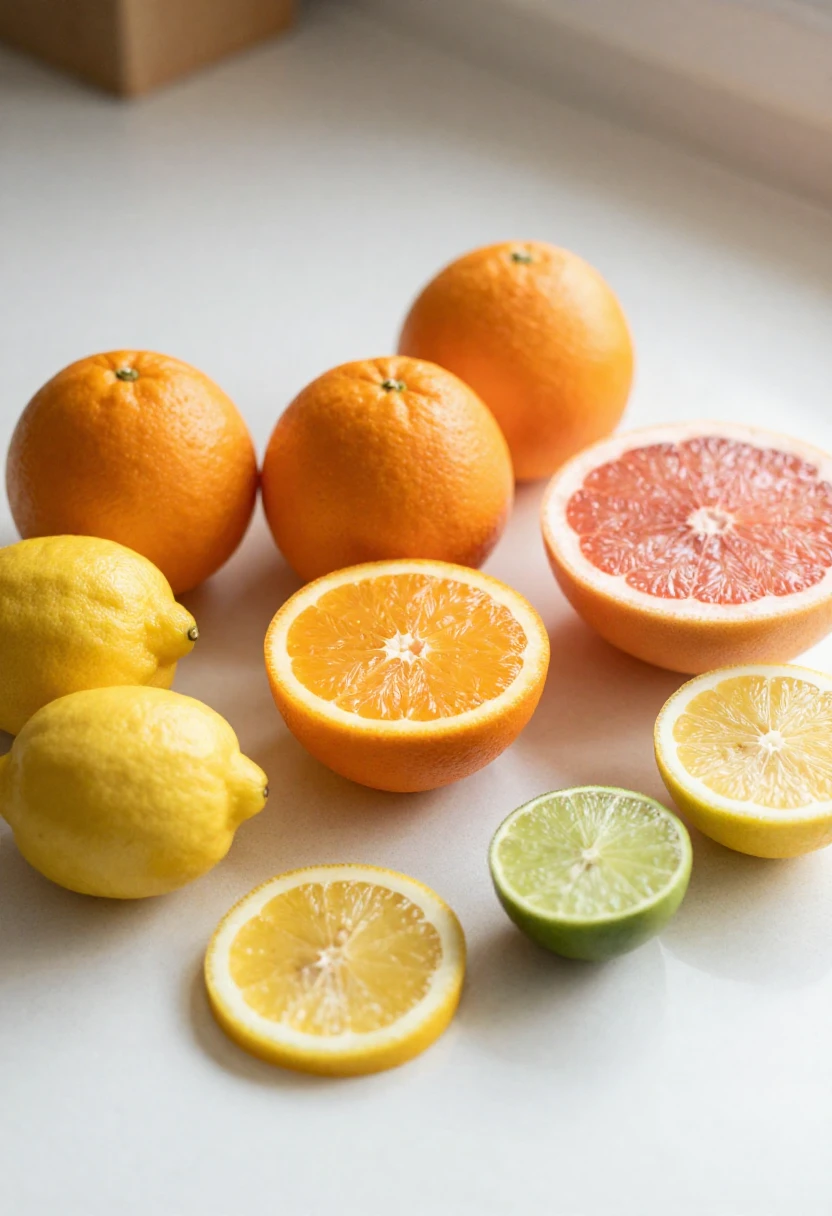
There is something instantly uplifting about citrus fruit. Maybe it is the fresh scent when you peel an orange, or the bright, juicy taste that wakes up your whole mouth. It feels clean, light, and refreshing — and your skin tends to love what citrus brings to the table too.
Why vitamin C matters for healthy-looking skin
Citrus fruits are best known for their vitamin C, and that matters for more than just general wellness. Vitamin C plays an important role in collagen production, which helps support skin structure and firmness. It also acts as an antioxidant, helping protect the skin from daily stress caused by things like pollution, sunlight, and normal environmental exposure.
In simple terms, vitamin C helps your skin stay more supported from within. It is one of those nutrients that quietly works in the background, helping your body maintain skin that looks fresher, smoother, and more resilient.
That is why citrus fruits have earned such a strong reputation as healthy foods for skin. They are not trendy or complicated. They are just consistently useful.
The best citrus choices to keep on hand
The nice thing about citrus is that you have options. You do not need to eat the same fruit every day to get the benefits.
Some easy choices include:
- Oranges, which are sweet, juicy, and easy to pack
- Mandarins, perfect when you want something quick and mess-free
- Grapefruits, with their refreshing sharpness
- Lemons, great for adding brightness to meals and drinks
- Limes, which work beautifully in dressings, marinades, and fresh dishes
Each one adds its own little personality to your meals, so it is easy to keep things interesting.
Simple ways to add citrus to your day
You do not need to make a major lifestyle change to eat more citrus. A few small habits can make it feel natural.
Try adding citrus in simple ways like these:
- Peel an orange for a mid-morning snack
- Add grapefruit to your breakfast plate
- Squeeze lemon into water or herbal tea
- Use fresh lemon juice in salad dressings
- Toss mandarin segments into a green salad
- Pair citrus with nuts or yogurt for a balanced snack
These little additions can brighten your meals in every sense. They add flavor, freshness, and a bit of variety — which makes healthy eating easier to stick with.
A smart reminder about balance
As helpful as citrus fruits can be, they are still just one part of the picture. They are a wonderful source of vitamin C, but glowing skin does not come from one nutrient alone.
Your skin also benefits from:
- Healthy fats
- Protein
- Hydration
- Antioxidants from a range of foods
- A steady, balanced eating pattern
So yes, citrus deserves a place on your plate. But the real magic happens when it becomes part of a broader way of eating that supports your whole body.
Fresh, vibrant, and easy to enjoy, citrus fruits are one of the simplest ways to bring more skin-friendly nourishment into your day — and sometimes that little burst of brightness is exactly what your routine needs.
Milk — A Classic Food That Can Support Skin in the Right Diet
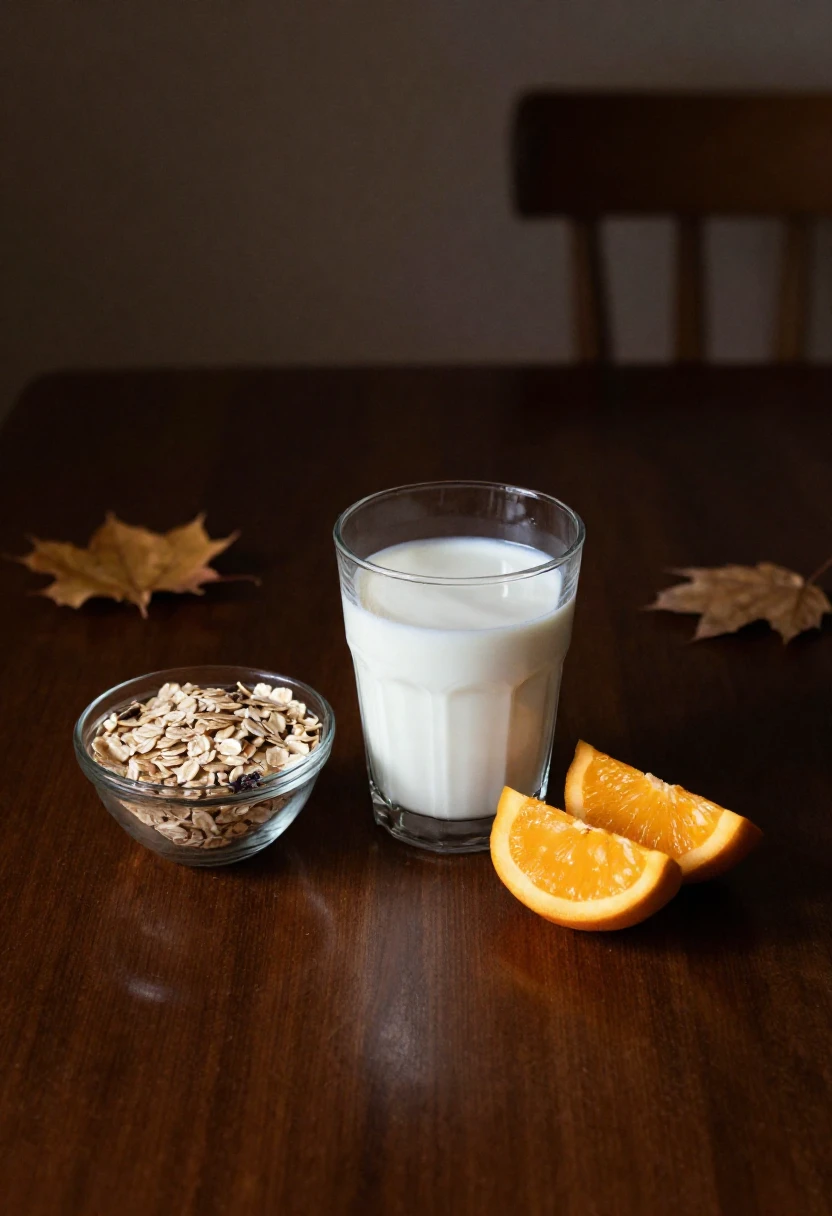
Milk is one of those foods almost everyone has an opinion about. For some people, it is a daily staple poured into coffee, cereal, or oatmeal without a second thought. For others, it is something they have cut back on or replaced. And that is exactly why it is worth talking about honestly.
When milk works well for you, it can be a simple and useful part of a skin-friendly diet.
Nutrients in milk that may support skin health
Milk contains several nutrients that help support the body overall, and that matters because healthy skin depends on overall nourishment.
Some of the key nutrients in milk include:
- Protein, which helps support tissue repair and renewal
- B vitamins, which play a role in many important body functions
- Calcium, best known for bone health but also part of a balanced diet
- Water content, which can contribute to hydration as part of meals and snacks
What makes milk practical is not that it is a miracle food. It is that it is easy, familiar, and nutrient-rich, which can make nourishing yourself feel a little more effortless.
Why milk works well for some people
For many people, milk is simply a convenient way to add more nutrition to the day. It pairs easily with breakfast, blends into smoothies, works in soups, and can make snacks more satisfying.
A glass of milk with a meal, yogurt with fruit, or a smoothie made with milk can help add:
- More protein to support your body
- A sense of fullness and balance
- A simple source of everyday nutrients
And when your overall diet is more balanced, your skin often benefits too. Sometimes the biggest support does not come from one “beauty food,” but from creating meals that are consistently nourishing and easy to maintain.
When milk may not be the best fit
This is where it helps to stay realistic. Milk is not the perfect choice for everyone.
Some people may deal with:
- Lactose intolerance
- Digestive discomfort
- Personal sensitivity to dairy
- Skin flare-ups that seem worse with certain dairy products
If milk does not make you feel good, there is no reason to force it. Your body will usually tell you when something is not working. Paying attention to that matters much more than following a rigid list of “must-eat” foods.
Skin health is personal. What feels nourishing for one person may not feel the same for someone else.
Alternatives if you do not drink milk
If regular milk is not part of your routine, you still have plenty of options. You can look for other foods that offer similar nutritional support in a way that suits your body better.
Some helpful alternatives include:
- Yogurt, especially if you tolerate it better than milk
- Kefir, which some people find easier to digest
- Fortified plant-based milks, such as almond, soy, or oat milk
- Other calcium-rich foods, including leafy greens, seeds, and beans
The goal is not to prove that milk is essential. The goal is to build a way of eating that supports your body consistently.
For some people, milk fits naturally into that picture. For others, a different option makes more sense. Either way, your skin benefits most when your diet is balanced, nourishing, and realistic enough to stick with.
How to Build a Skin-Friendly Plate Without Overthinking It
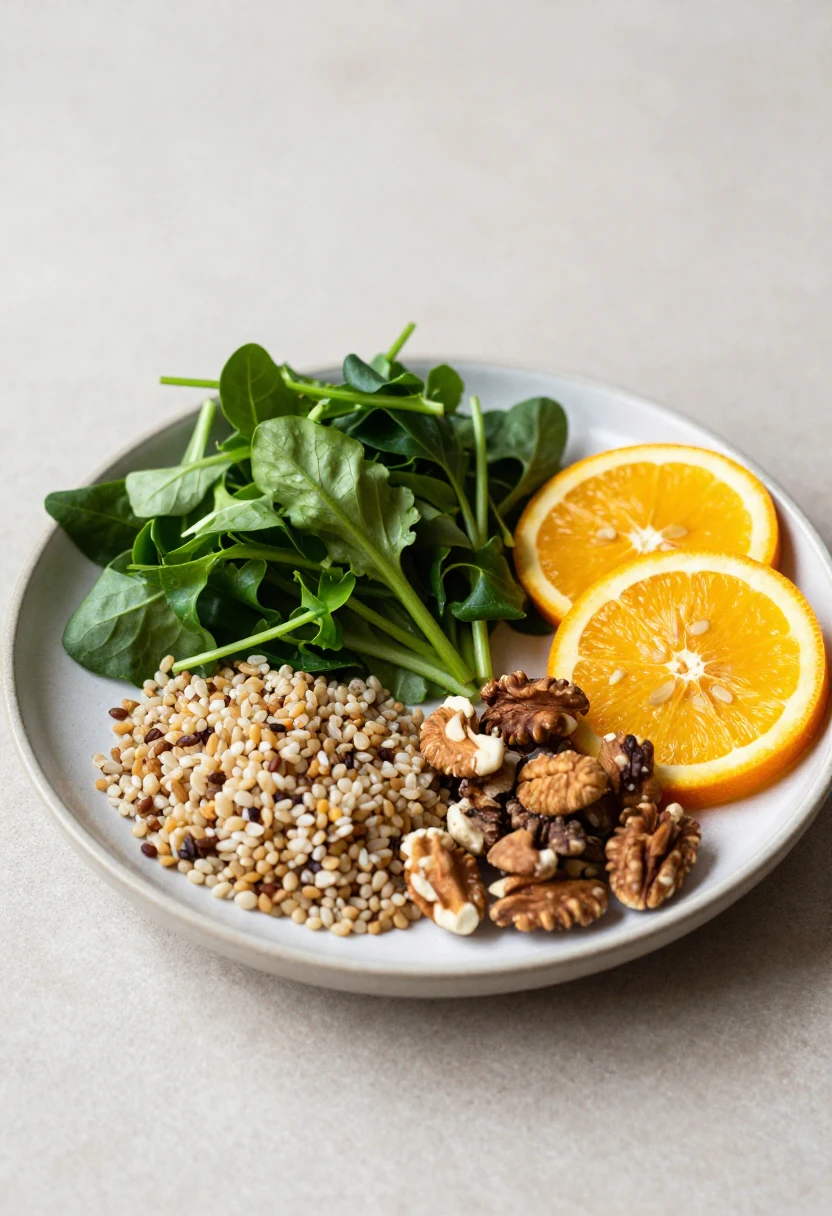
Once you start reading about food and skin, it is very easy to make it feel more complicated than it needs to be. Suddenly every meal sounds like it should include ten perfect ingredients, a supplement powder, and a strategy. But in real life, most people just want to eat in a way that feels good, tastes good, and is actually manageable on a busy day.
That is where a simple approach works best.
Pair these 3 foods with other nourishing staples
Almonds, citrus fruits, and milk can absolutely support healthy-looking skin, but they work even better when they are part of a balanced pattern of eating. Your skin does not need perfection. It needs regular nourishment from a variety of foods.
A skin-friendly plate often includes:
- Healthy fats from foods like nuts, seeds, avocado, and olive oil
- Protein from eggs, dairy, beans, fish, or lean meats
- Colorful produce rich in antioxidants, such as berries, leafy greens, carrots, and tomatoes
- Whole grains that help create balanced, satisfying meals
- Hydrating foods like cucumbers, oranges, melon, and yogurt
The goal is not to obsess over every bite. It is to make your meals a little more supportive, one choice at a time.
A simple one-day skin-friendly eating example
Sometimes it helps to see what this looks like in everyday life. Not a strict meal plan. Just a realistic example.
Breakfast
A bowl of oatmeal topped with sliced almonds and fresh berries, with a glass of milk or a plant-based fortified alternative.
Lunch
A grain bowl with greens, roasted vegetables, grilled chicken or chickpeas, olive oil, and a squeeze of fresh lemon over the top.
Snack
A mandarin orange with a small handful of almonds, or yogurt with citrus slices.
Dinner
Baked salmon or beans with brown rice and steamed vegetables, plus a side salad with a citrus dressing.
This kind of eating does not feel extreme, and that is exactly the point. It is balanced, colorful, and repeatable.
Habits that help your skin beyond food
Food matters, but skin health is never just about food. There are a few everyday habits that work alongside good nutrition and often make just as much difference.
Try to support your skin with:
- Enough water throughout the day
- Consistent sleep
- Daily sun protection
- Stress management
- A simple skincare routine you actually use
You have probably noticed this in your own life. After a few nights of poor sleep or a stressful week, your skin can start to look a little off, no matter how carefully you eat. That is why the bigger picture matters.
When you combine nourishing foods with steady daily habits, your skin has a much better chance to look calm, fresh, and healthy over time.
A skin-friendly lifestyle does not need to be fancy. Very often, it is built from ordinary meals, enough rest, a little hydration, and the kind of consistency that feels almost boring — until you look in the mirror and realize it is working.
Common Mistakes People Make When Eating for Better Skin

When people decide to eat for healthier skin, they usually start with good intentions. They buy the “right” foods, cut out a few things they feel guilty about, and hope to see a difference quickly. But this is often where frustration begins — not because food does not matter, but because expectations can become unrealistic.
A few common mistakes tend to get in the way.
Expecting overnight results
This is probably the biggest one. It is completely understandable too. When your skin feels dry, dull, or unpredictable, you want something that works fast.
But skin does not usually respond overnight to healthier eating. Nutrition works gradually, and your body needs time to use those nutrients to support repair, renewal, and balance.
That means a few oranges, a handful of almonds, or a week of “clean eating” is not the full story. The visible changes often come from what you do consistently over time.
If you are trying to support your skin through food, think in terms of weeks and habits, not instant results.
Focusing on one “superfood” only
It is tempting to believe that one perfect food will do all the heavy lifting. Maybe it is almonds. Maybe it is citrus. Maybe it is whatever social media is obsessed with this week.
But healthy skin rarely comes from one ingredient alone.
Your skin benefits from a mix of support, including:
- Antioxidants
- Healthy fats
- Protein
- Hydration
- A balanced overall diet
So instead of asking, “What is the one best food for skin?” it often helps to ask, “How can I make my everyday meals a little more nourishing?”
That question leads to better results and a more relaxed relationship with food.
Ignoring the rest of your lifestyle
You can eat beautifully and still wonder why your skin is acting tired or irritated. That is because food is only one piece of the picture.
Other factors matter too, including:
- Sleep quality
- Stress levels
- Hydration
- Sun exposure
- Hormonal changes
- Your skincare routine
If your lifestyle is running on empty, your skin often reflects that. This is not meant to sound discouraging. It is actually helpful, because it means you do not need to put all the pressure on food alone.
Supporting your skin works best when you look at your habits as a whole.
Following restrictive beauty diets that are hard to maintain
One of the easiest ways to make healthy eating miserable is to turn it into a list of rules. Suddenly you are avoiding half your kitchen, second-guessing every snack, and feeling like one imperfect meal has ruined everything.
That kind of pressure is hard to maintain, and it usually does not lead to long-term results.
A more helpful approach is to focus on what you can add rather than what you must fear. Add more nourishing foods. Add more balance. Add more consistency. That tends to work much better than chasing a perfect diet that makes daily life feel stressful.
Because in the end, the best eating pattern for your skin is the one you can actually live with — calmly, comfortably, and without turning every meal into a test.
Conclusion
Healthy, glowing skin rarely comes from one miracle product or one perfect meal. More often, it grows out of small, steady choices that support your body day after day. That is what makes foods like almonds, citrus fruits, and milk so helpful. They are simple, familiar, and easy to include in real life.
The beauty of this approach is that it does not ask you to be perfect. It just asks you to pay a little more attention to what nourishes you. A handful of almonds, a fresh orange, a balanced breakfast, enough water, a bit more sleep — these things may seem ordinary, but over time, they can help your skin look healthier, calmer, and naturally brighter.
If you want better skin, start with what feels doable. Keep it simple. Stay consistent. And let your routine become something that supports not only how your skin looks, but how you feel too.
FAQ
Can food really improve your skin?
Food can support your skin, especially over time. A balanced diet with healthy fats, antioxidants, vitamins, and protein helps your body nourish and maintain skin from within. It is not an instant fix, but it does matter.
Which vitamin is best for glowing skin?
There is no single magic vitamin, but vitamin C and vitamin E are especially helpful. Vitamin C supports collagen production, while vitamin E helps protect skin cells from everyday stress.
Are almonds good for your skin every day?
Yes, for many people, a small daily serving of almonds can be a great addition to a balanced diet. They provide healthy fats, vitamin E, and antioxidants that may help support soft, healthy-looking skin.
Is milk good or bad for skin?
It depends on the person. Milk can provide protein, B vitamins, and other nutrients, which may support overall nourishment. But some people do better with less dairy or with alternatives, so it is important to pay attention to how your own body responds.