You’ve probably tried to “eat healthy” before.
Maybe you stocked your fridge with vegetables, promised yourself no sugar, or followed a trendy plan for a week or two… and then somehow, life got in the way. The routine broke, cravings kicked in, and everything slipped back to where it started.
That’s not a failure — it’s actually the problem with most diets.
They’re built on rules, not real life.
A healthy eating plan that actually works doesn’t ask you to be perfect. It fits into your day, supports your energy, and feels sustainable even when you’re busy, tired, or just want something comforting at the end of the day.
Because the truth is simple:
the best way of eating isn’t the strictest one — it’s the one you can live with.
In this guide, you’ll learn how to build a way of eating that feels natural, balanced, and realistic. No extremes. No confusing rules. Just clear, practical steps you can return to again and again.
And maybe, for the first time, it will actually stick.
What Does a “Healthy Food Plan” Really Mean?

Why there’s no one-size-fits-all diet
If you’ve ever wondered why one diet works wonders for your friend but leaves you feeling tired and frustrated — you’re not imagining it.
Your body is different. Your routine is different. Even your stress levels and sleep patterns shape how you respond to food.
A healthy eating plan isn’t something you copy — it’s something you build.
For example:
- Someone with an active lifestyle may need more carbohydrates for energy
- Another person might feel better with more protein and fewer processed foods
- Your preferences, culture, and schedule all matter more than you think
The goal isn’t to follow someone else’s plan — it’s to understand what works for you.
The difference between dieting and sustainable eating
Most diets are built on short-term thinking:
- “Lose weight fast”
- “Cut out entire food groups”
- “Stick to strict rules”
And while they might work for a while, they rarely last.
Sustainable eating feels different. It’s calmer. Less dramatic.
Instead of asking:
“What should I stop eating?”
You start asking:
“What can I add to feel better?”
That small shift changes everything.
A sustainable plan:
- Doesn’t rely on willpower alone
- Allows flexibility (yes, even dessert)
- Supports your energy, mood, and daily life
It’s not about being perfect — it’s about being consistent.
Listening to your body vs. following trends
It’s easy to get pulled into food trends — one week it’s low-carb, the next it’s juice cleanses or high-protein everything.
But your body isn’t a trend.
Learning to listen to it is one of the most underrated skills in healthy eating.
Start noticing simple signals:
- Are you actually hungry, or just bored?
- Which meals keep you full and focused longer?
- How do you feel after eating — energized or sluggish?
These small observations build awareness over time.
And that awareness is far more powerful than any diet rule.
Because when you start trusting your body, you stop chasing every new “perfect” plan — and begin creating one that truly fits your life.
The Core Principles of a Healthy Diet
Once you stop chasing strict rules, something interesting happens — healthy eating becomes much simpler.
Not easy all the time, but definitely clearer.
Instead of focusing on what to eliminate, you begin to build your meals around a few core principles that quietly support your body every day.
Balance: proteins, fats, and carbohydrates
You don’t need to calculate every gram, but your body does need balance.
Each macronutrient plays a role:
- Protein helps with muscle repair, keeps you full, and stabilizes energy
- Healthy fats support hormones, brain function, and long-lasting satiety
- Carbohydrates give you fuel — especially for your brain and daily activity
When one of these is missing, you often feel it.
Maybe you’re hungry again an hour later. Or your energy crashes mid-afternoon.
A simple way to think about your plate:
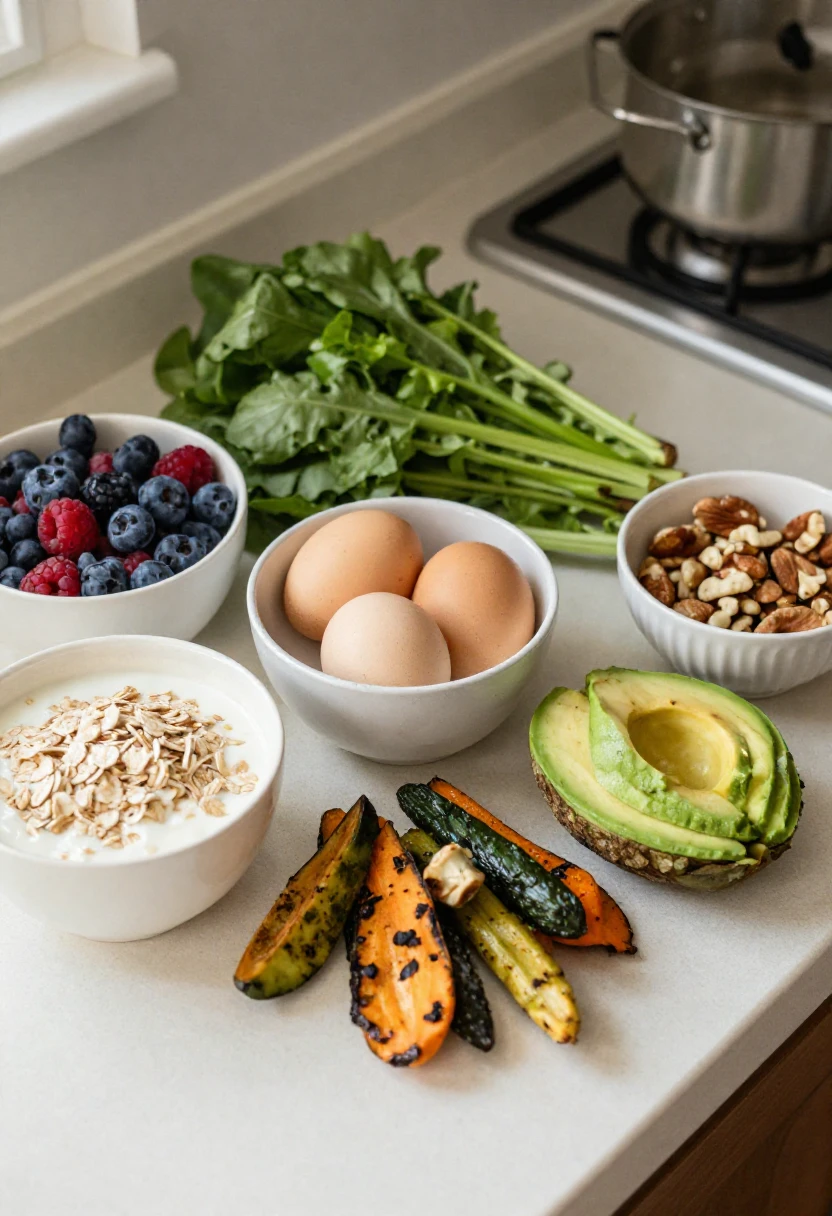
- Add a source of protein (eggs, chicken, beans, yogurt)
- Include some healthy fat (olive oil, nuts, avocado)
- Don’t fear carbs — choose quality ones (rice, potatoes, oats, whole grains)
It doesn’t have to be perfect — just present.
Whole foods vs. processed foods
You’ve heard this before, but it’s worth simplifying:
The closer a food is to its natural state, the better it usually supports your body.
That doesn’t mean you need to avoid anything in a package. Real life includes convenience.
But there’s a difference between:
- A bowl of oats with fruit
- And a sugary cereal that leaves you hungry again quickly
Try this gentle approach:
- Base most of your meals on whole or minimally processed foods
- Let processed foods be occasional, not the foundation
No guilt. Just awareness.
Portion awareness without obsession
Portion control often turns into restriction — and that’s where things go wrong.
Instead of measuring everything, focus on how your meals feel:
- Are you comfortably full, not stuffed?
- Do you feel satisfied, or still searching for something?
A helpful guideline:
- Eat slowly enough to notice when you’ve had enough
- Build meals that are filling — not just low in calories
Because when your meals are balanced and nourishing, portion control often takes care of itself.
Healthy eating doesn’t come from strict rules — it comes from small, repeatable patterns.
And once these basics are in place, everything else becomes much easier.
What Should You Eat Daily?
This is where things start to feel practical.
Not rules. Not restrictions. Just a simple question:
What actually deserves a place on your plate every day?
When you focus on adding the right foods instead of cutting everything out, healthy eating becomes much more natural — and honestly, more enjoyable.
Vegetables and fruits as your foundation
If there’s one habit that quietly transforms your health, it’s this:
Make plants a regular part of your meals.
Not in a forced, “I have to eat salad” kind of way — but in a way that fits your taste.
Think:
- Roasted vegetables with olive oil and spices
- Fresh fruit with yogurt in the morning
- A simple side salad that adds crunch and freshness
Vegetables and fruits provide:
- Fiber (for digestion and fullness)
- Vitamins and minerals your body relies on daily
- Natural variety that keeps meals interesting
A simple goal:
👉 Try to include at least one plant-based food in every meal
No perfection needed — just consistency.
Choosing quality protein sources
Protein is one of the most satisfying parts of a meal — and one of the most important.
It helps you stay full longer, supports your muscles, and keeps your energy stable.
Good everyday options include:
- Eggs
- Chicken or turkey
- Fish
- Greek yogurt or cottage cheese
- Beans, lentils, and tofu
If you’ve ever felt constantly hungry, even after eating — there’s a good chance your meals were missing enough protein.
A small adjustment here can make a big difference.
Healthy fats that support your body
Fats used to be the villain. Now we know better.
The right kinds of fats are essential — not optional.
They help:
- Support brain function
- Keep you satisfied after meals
- Add flavor (which matters more than people admit)
Easy ways to include them:
- A drizzle of olive oil on vegetables
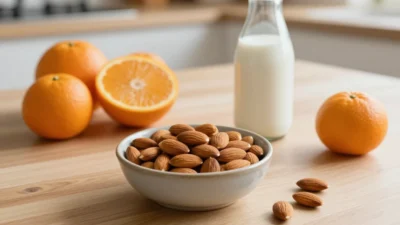
- A handful of nuts as a snack
- Avocado added to toast or salads
The key is balance — not excess, not avoidance.
Smart carbohydrates for energy
Carbs often get a bad reputation, but your body relies on them more than you think.
Especially your brain.
The difference is in the type:
✔ Better choices:
- Oats
- Rice
- Potatoes
- Whole grains
- Fruits
❌ Less helpful (when overused):
- Sugary snacks
- Refined baked goods
- Ultra-processed cereals
Carbs aren’t the problem — low-quality, fast-digesting carbs in excess usually are.
When you choose smarter sources, you get steady energy instead of spikes and crashes.
When you put it all together, your meals don’t need to be complicated.
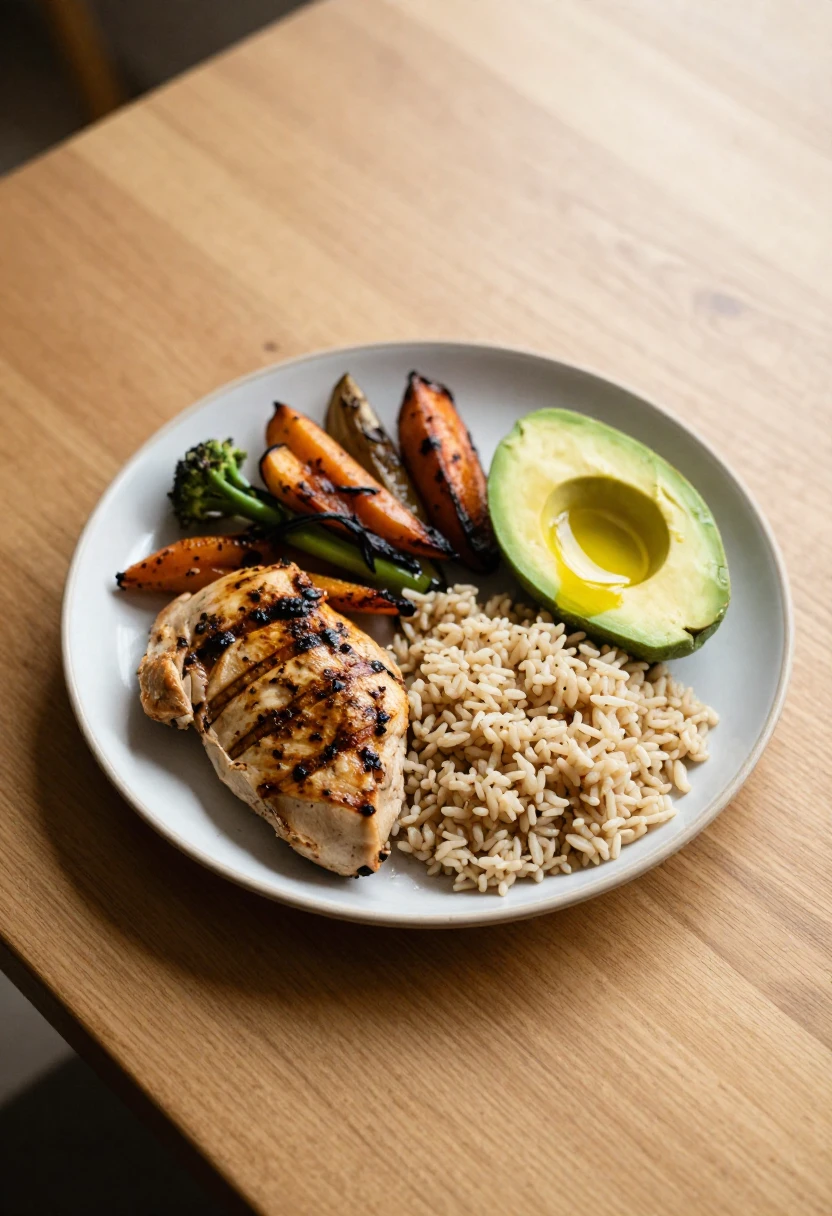
A simple, balanced plate might look like:
- Grilled chicken
- Roasted vegetables
- A portion of rice
- Olive oil on top
That’s it. No labels. No extremes.
Just real food that supports your body.
Popular Food Plans — Which Ones Actually Work?
At some point, everyone gets curious about named diets.
Mediterranean. Plant-based. Low-carb. Keto.
They all promise something — better health, more energy, maybe even a complete reset.
But here’s the honest truth:
Most diets aren’t magic — they just emphasize certain healthy habits.
And once you understand that, you stop looking for the perfect plan… and start choosing what actually fits your life.
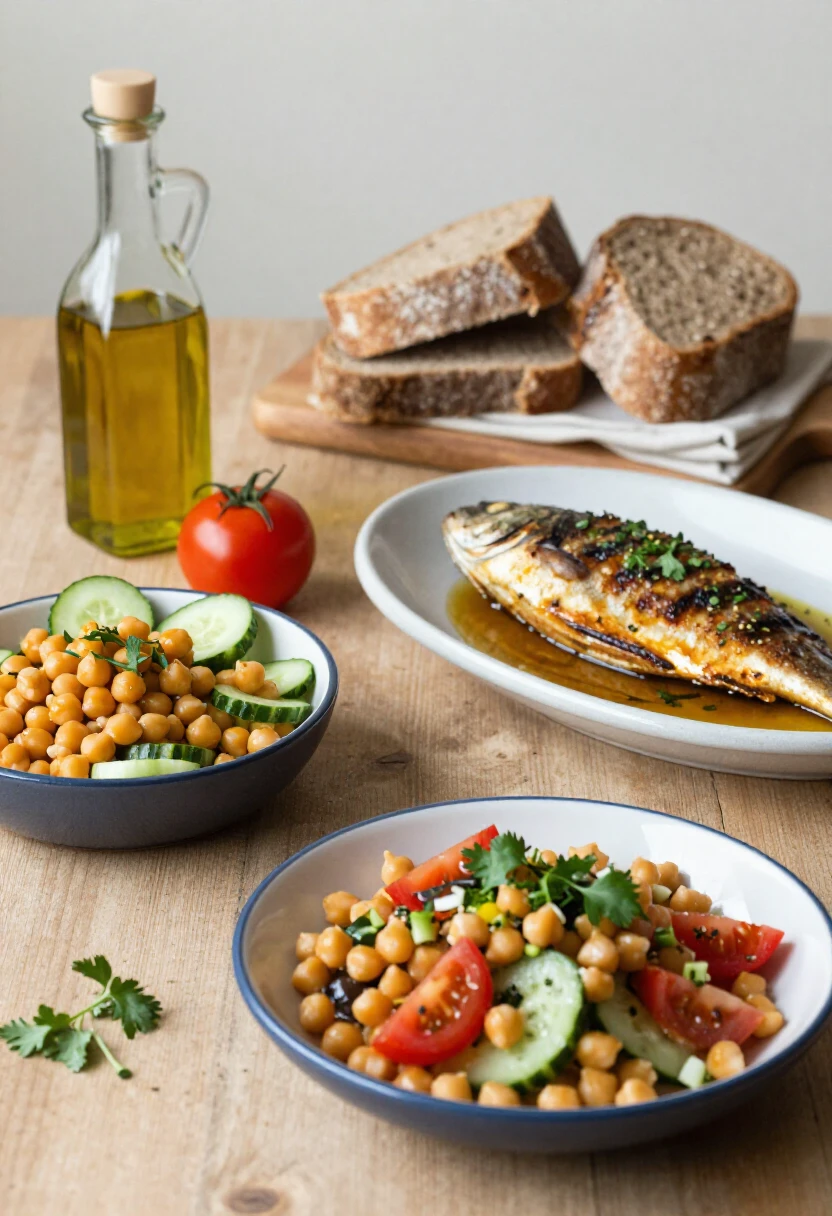
Mediterranean-style eating
If there’s one approach that consistently shows up as both healthy and sustainable, it’s this one.
The Mediterranean style of eating is less of a strict diet and more of a way of living.
It focuses on:
- Plenty of vegetables and fruits
- Whole grains and legumes
- Olive oil as the main fat
- Fish and seafood regularly
- Less red meat and processed food
What makes it work isn’t just the food — it’s the balance.
Meals are satisfying, flavorful, and not overly restrictive. You can sit down, enjoy your food, and still feel good afterward.
That’s a powerful combination.
Plant-based and vegetarian diets
Eating more plants is one of the simplest ways to improve your diet.
You don’t have to go fully vegetarian to benefit from it.
Plant-based eating can look like:
- Adding more beans, lentils, and vegetables
- Reducing (not eliminating) meat
- Building meals around plants first
Benefits often include:
- Better digestion (thanks to fiber)
- More variety in nutrients
- A lighter, more energized feeling
The key is to keep it balanced — especially making sure you still get enough protein and essential nutrients.
Low-carb approaches (when they make sense)
Low-carb diets can work well for some people — especially if they help reduce highly processed foods and sugar.
You might feel:
- More stable energy
- Fewer cravings
- Easier appetite control
But they’re not necessary for everyone.
For some people, cutting carbs too much can lead to:
- Low energy
- Irritability
- Difficulty maintaining the plan
That’s why flexibility matters.
Carbs aren’t the enemy — quality and quantity are what matter most.
Why extremes often fail
This is where many people get stuck.
Extreme diets promise fast results:
- Cutting out entire food groups
- Very low calories
- Strict “good vs. bad” food rules
And yes, they can work — for a short time.
But eventually:
- They feel restrictive
- Cravings build up
- Life becomes harder to manage around them
And most importantly, they’re hard to sustain.
A plan only works if you can follow it on a random Tuesday… not just when you’re fully motivated.
The more extreme the diet, the harder it is to maintain.
Instead of choosing a label, take what works:
- The balance of Mediterranean eating
- The plant focus of vegetarian diets
- The awareness of sugar and processed foods from low-carb approaches
Combine them in a way that feels natural to you.
That’s where real progress happens.
How to Build Your Own Healthy Eating Plan
This is the part that matters most.
Because reading about healthy eating is one thing. Building a plan you can actually follow when you’re tired, busy, craving comfort food, or standing in front of the fridge at 8 p.m. is something else entirely.
The good news?
A healthy eating plan doesn’t need to be complicated to work.
In fact, the simpler it is, the more likely you are to keep it going.
Start with your lifestyle, not rules
A lot of healthy eating advice sounds good on paper and falls apart in real life.
If you work long hours, cook for a family, skip breakfast, or don’t enjoy elaborate meal prep, your plan needs to reflect that.
Ask yourself:
- When do you actually have time to eat?
- Do you prefer larger meals or smaller meals throughout the day?
- What healthy foods do you genuinely enjoy?
- What usually throws you off track?
These questions matter more than trendy food rules.
The best eating plan starts with your real life — not your idealized version of it.
Maybe you love warm breakfasts but never want to cook in the morning. Oats with fruit and nuts might work better than forcing yourself to make eggs every day. Maybe salads leave you unsatisfied, but grain bowls with roasted vegetables and chicken feel comforting and filling.
That kind of honesty helps you build something sustainable.
Creating simple, repeatable meals
You do not need a new recipe every day.
Actually, having a few reliable meals you enjoy can make healthy eating much easier.
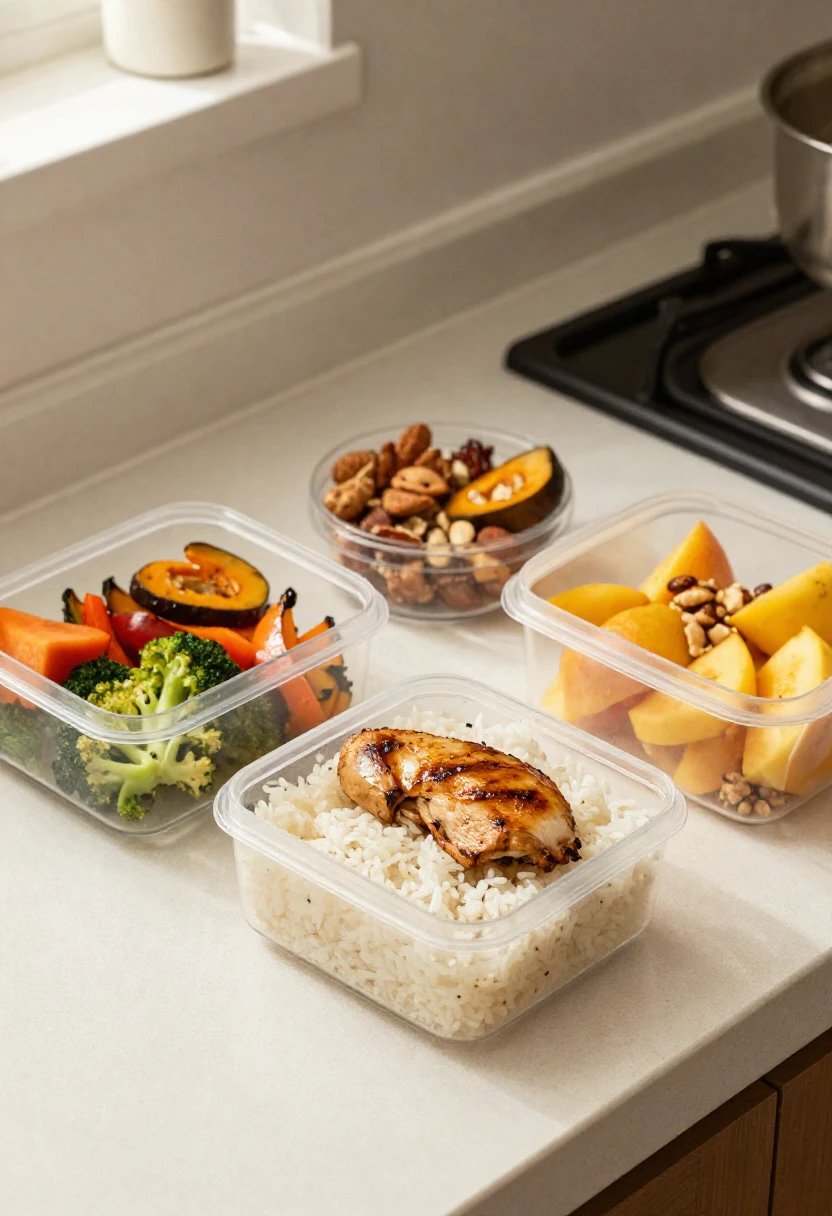
Think of it as building a small rotation:
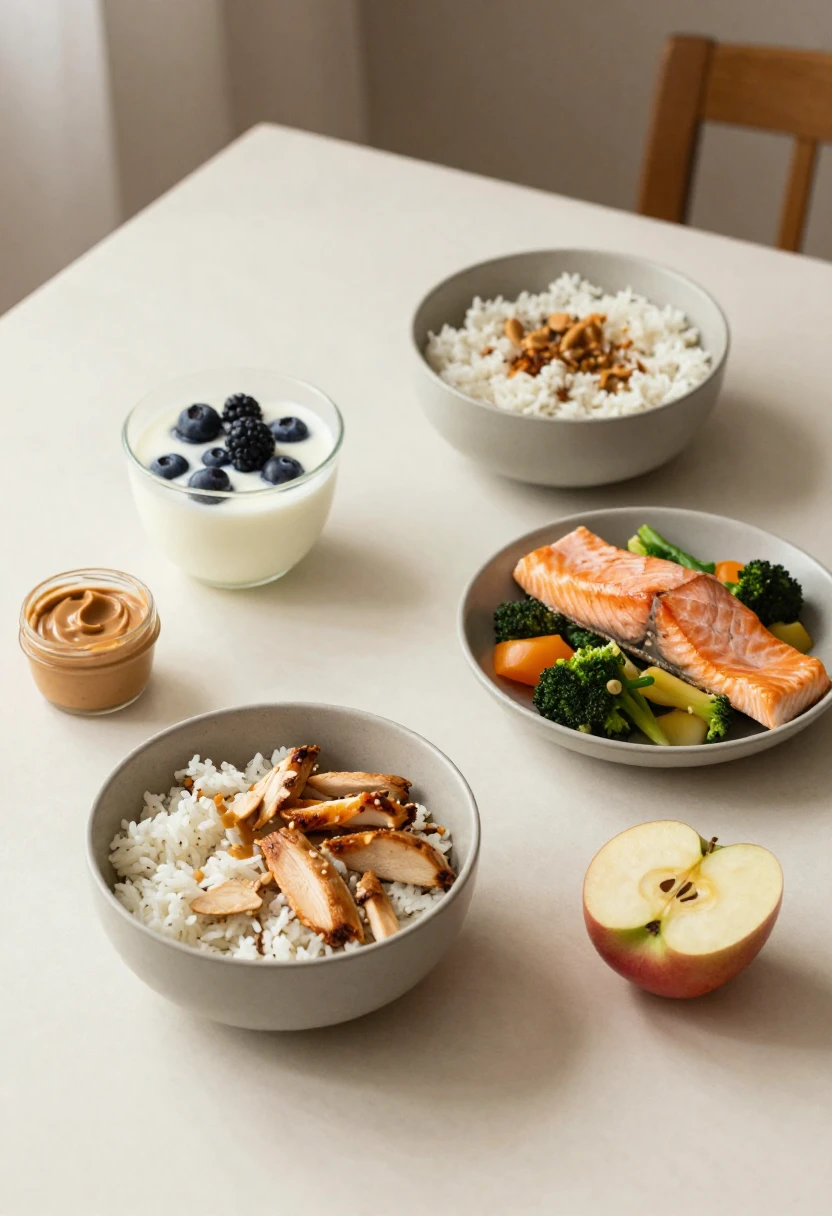
- Breakfast: Greek yogurt with berries and oats
- Lunch: Rice bowl with chicken, vegetables, and olive oil
- Dinner: Baked salmon, potatoes, and a fresh salad
- Snack: Apple with peanut butter or a handful of nuts
These meals don’t need to be exciting every single time. They need to be doable.
A simple meal formula can help:
- Protein
- Vegetable or fruit
- Smart carbohydrate
- Healthy fat
That’s enough to create dozens of balanced meals without overthinking it.
Grocery shopping with intention
A healthy eating plan often succeeds or fails before you even start cooking.
It happens at the store.
When your kitchen is stocked with foods that make balanced meals easier, you don’t have to rely on motivation alone.
A practical shopping list might include:
- Proteins: eggs, yogurt, chicken, beans, fish, tofu
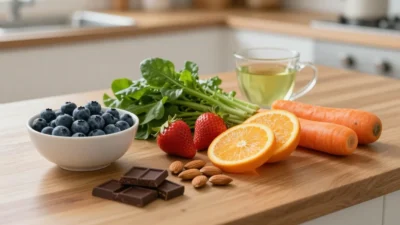
- Produce: leafy greens, tomatoes, carrots, berries, apples, bananas
- Carbs: oats, rice, potatoes, whole grain bread
- Healthy fats: olive oil, avocado, nuts, seeds
You don’t need to buy everything “perfectly healthy.” You just need enough real food around you to make better choices feel convenient.
Because let’s be honest — when you come home hungry, convenience wins almost every time.
Flexibility and consistency
This might be the most important part of all.
Your eating plan should bend a little.
There will be birthdays, restaurant meals, stressful days, lazy weekends, and moments when you just want pasta and garlic bread. That doesn’t mean your plan is broken.
It means you’re human.
Healthy eating works best when you stop treating one off-plan meal like a disaster.
Instead of thinking:
“I messed up, so I’ll start over on Monday.”
Try this:
“That meal was just one meal. I can make my next one balanced.”
That mindset changes everything.
Consistency beats perfection every time.
And usually, the people who succeed with healthy eating are not the strictest ones. They’re the ones who return to their habits again and again, without drama.
Building a healthy eating plan is less about discipline and more about design.
Make it simple. Make it realistic. Make it something you’d still want to do on an ordinary day.
That’s when it starts to work. Adapted from the reference concept you shared here
Common Mistakes That Sabotage Healthy Eating
Even with the best intentions, healthy eating can start to feel frustrating.
Not because you’re lazy. Not because you “lack discipline.”
Usually, it’s because a few common habits quietly make the whole process harder than it needs to be.
And the tricky part? Many of them look healthy at first.
Over-restricting foods
This is one of the biggest mistakes people make.
They decide to “get serious” and suddenly cut out:
- Bread
- Pasta
- Desserts
- Snacks
- Anything that feels enjoyable
At first, it can feel motivating. Clean. Controlled.
But after a while, restriction tends to backfire.
You start thinking about the foods you “shouldn’t” have all the time. Cravings get stronger. And eventually, one cookie turns into that familiar feeling of, Well, I already messed up.
The problem isn’t the cookie.
The problem is the all-or-nothing mindset.
A healthy eating plan works better when there’s room for flexibility. When no single food feels forbidden, food loses some of its emotional charge.
Restriction often creates the chaos it promises to fix.
Ignoring hunger and fullness cues
Sometimes people get so focused on eating “correctly” that they stop paying attention to what their body is saying.
Maybe you skip meals because you’re busy.
Maybe you try to eat as little as possible because it feels productive.
Maybe you wait too long, get overly hungry, and then eat whatever is fastest.
That cycle can make healthy eating feel unstable.
Try noticing:
- When you start getting hungry
- What level of hunger leads to overeating later
- Which meals leave you satisfied for hours
- When you’re full enough to stop, even if the plate isn’t empty
This kind of awareness takes practice, but it matters.
Because healthy eating isn’t just about what you eat.
It’s also about how you respond to your body.
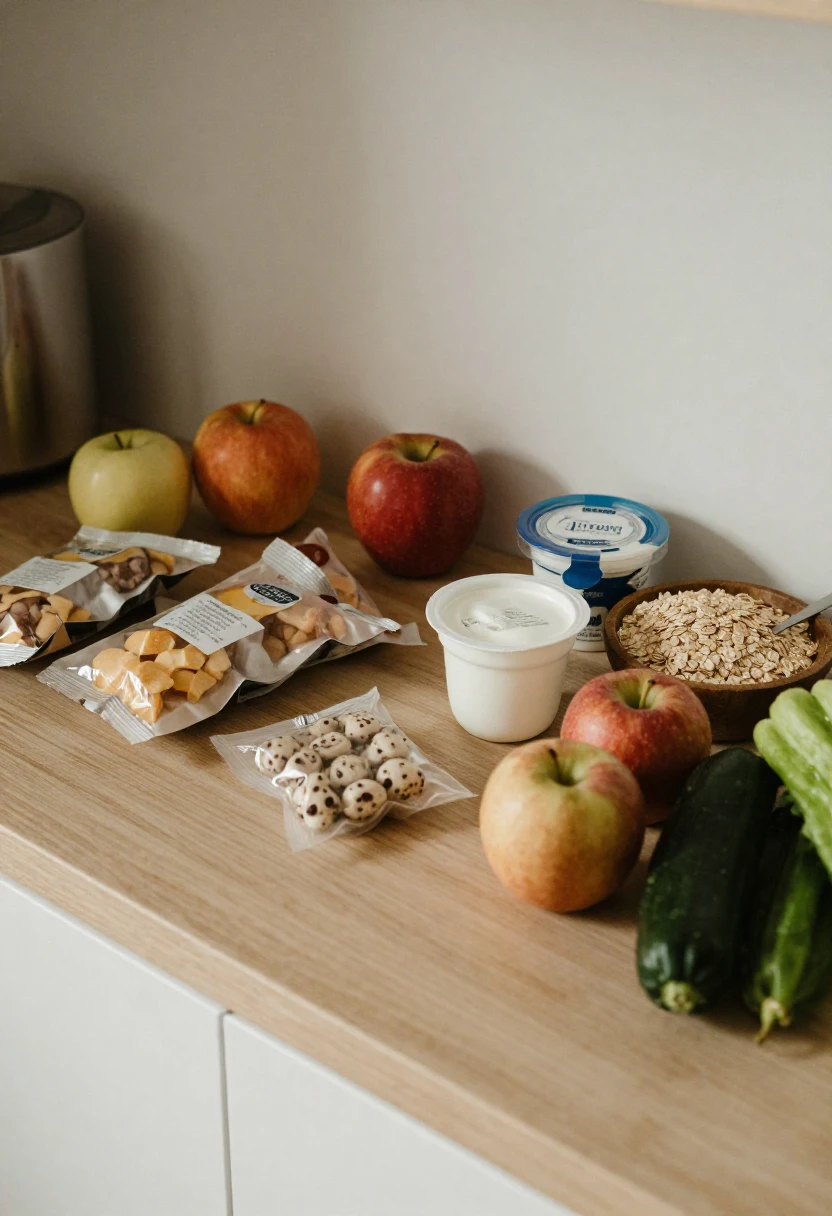
Relying on “healthy” packaged foods
Food labels can be convincing.
“High protein.”
“Low fat.”
“Natural.”
“Gluten-free.”
“Light.”
Sometimes those foods can absolutely fit into a healthy routine. But sometimes they create the illusion of nourishment without actually being very satisfying.
For example, a packaged “healthy” snack bar might sound like a smart choice — but leave you hungry again 30 minutes later.
That doesn’t mean packaged foods are bad. It just means the label isn’t the whole story.
A better question is:
Does this food actually nourish me and keep me satisfied?
Whenever possible, let real, recognizable foods be the base of your meals, and use convenience foods as support — not the entire structure.
Expecting perfection
This one quietly ruins a lot of progress.
People often imagine healthy eating as a version of themselves who always meal preps, never craves sweets, drinks enough water, and chooses grilled salmon over fries with a smile.
Real life is messier than that.
There will be travel days, holidays, emotional days, busy workweeks, and random evenings when you eat cereal for dinner because that’s what you had the energy for.
That does not mean you failed.
It means your life is real.
The goal is not to eat perfectly. The goal is to keep coming back to habits that support you.
A helpful reminder:
- One heavy meal is not a ruined week
- One snack doesn’t cancel your progress
- One imperfect day doesn’t mean you need to “start over”
Healthy eating gets easier when you stop turning every choice into a moral test.
Most people don’t struggle because they don’t know what healthy food looks like.
They struggle because they make the process too rigid, too dramatic, or too disconnected from everyday life.
And once you remove that pressure, healthy eating starts to feel a lot more doable.
A Simple Sample Day of Healthy Eating
Sometimes healthy eating sounds clear in theory and blurry in real life.
You understand the basics — more whole foods, enough protein, balanced meals — but when it’s time to actually decide what to eat, the question still shows up:
Okay… but what does that look like in one normal day?
Here’s a simple example. Not a perfect meal plan. Not a rigid template. Just a realistic way to build a day of eating that feels balanced, satisfying, and easy to repeat.
Breakfast
A good breakfast should do one important thing:
help you start the day feeling steady, not starving an hour later.
One simple option:
- Greek yogurt
- Oats or granola
- Fresh berries
- A handful of nuts or seeds
Why it works:
- Protein from yogurt helps with fullness
- Carbohydrates from oats and fruit give you energy
- Healthy fats from nuts help you stay satisfied longer
If you prefer something warm, oatmeal with banana and nut butter can do the same job beautifully — especially on mornings when you want comfort more than crunch.
Lunch
Lunch is where a lot of people unintentionally lose balance.
A small snack, a pastry, or something rushed at your desk might get you through the moment — but not for long.
A better everyday structure:
- Grilled chicken, tofu, or beans
- Rice, quinoa, or potatoes
- Roasted or fresh vegetables
- Olive oil or avocado for healthy fat
Think of a bowl, a plate, or even leftovers put together intentionally.
This kind of meal gives you:
- Enough substance to stay focused
- A good mix of nutrients
- Less chance of that late-afternoon crash that sends you searching for sugar
Dinner
Dinner should feel nourishing, but also comforting.
This is often the meal where you want something warm, flavorful, and satisfying — and that’s completely okay. Healthy eating should still feel like real food, not a punishment at the end of the day.
A simple dinner example:
- Baked salmon or roasted chicken
- Potatoes, brown rice, or couscous
- Steamed broccoli, roasted carrots, or a crisp salad
You can keep it basic or add flavor with herbs, garlic, lemon, olive oil, or a yogurt-based sauce.
What matters most is that the meal feels complete.
Because when dinner is truly satisfying, you’re less likely to spend the evening wandering back into the kitchen looking for “something else.”
Snacks
Snacks aren’t a problem.
In many cases, they’re helpful.
A good snack can keep your energy stable and prevent that level of hunger where everything suddenly sounds irresistible.
Simple snack ideas:
- Apple with peanut butter
- Cottage cheese with fruit
- A boiled egg and a few crackers
- Nuts with a banana
- Hummus with sliced vegetables
The most useful snacks usually combine at least two things:
- Fiber or carbs for energy
- Protein or fat for staying power
That combination tends to hold you better than snack foods that are sweet, airy, or gone in three bites.
A healthy day of eating doesn’t need superfoods, expensive ingredients, or perfect timing.
It just needs a little structure.
Something like this:
- Breakfast: yogurt, oats, berries, nuts
- Lunch: chicken rice bowl with vegetables
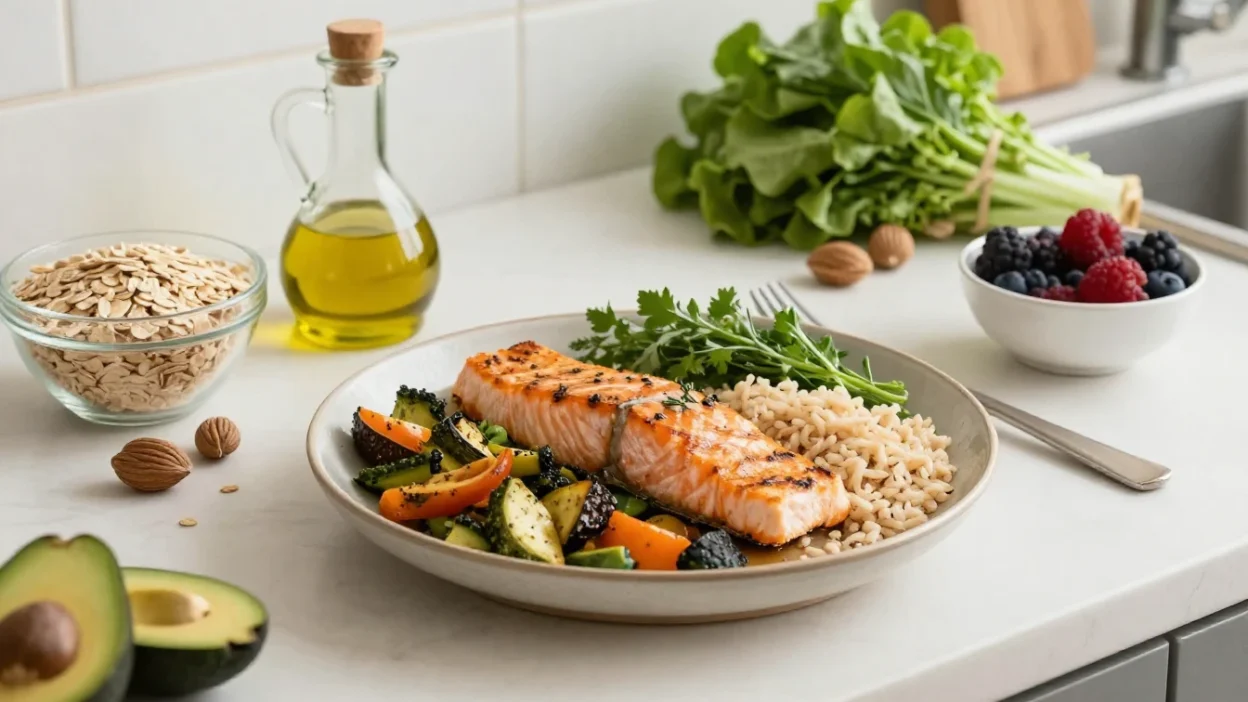
- Dinner: salmon, potatoes, broccoli
- Snack: apple with peanut butter
Simple. Balanced. Realistic.
And that’s exactly why it works.
How to Make Healthy Eating Feel Easy (Not Like a Diet)
This is where everything comes together.
Because knowing what healthy eating looks like is helpful — but making it feel natural in your everyday life is what really changes things.
And usually, the difference is not knowledge.
It’s the way you approach it.
Building habits instead of rules
Rules can feel powerful at first.
No sugar. No bread. No eating after 7 p.m.
They create a sense of control — until real life shows up and breaks them.
Habits work differently.
They’re quieter, less dramatic, and much more reliable.
Instead of saying:
- “I’m never eating snacks again”
You build a habit like:
- “I’ll keep simple, filling snacks at home”
Instead of:
- “I need to cook healthy meals every day”
You shift to:
- “I’ll keep 3 easy meals I can make without thinking too much”
That’s the kind of change that lasts.
Rules demand perfection. Habits support repetition.
And repetition is what makes healthy eating easier over time.
Enjoying food without guilt
A lot of people carry guilt into eating without even realizing it.
They label foods as “good” or “bad.”
They feel proud after some meals and disappointed after others.
They eat dessert and immediately think they need to “make up for it” tomorrow.
That emotional roller coaster makes food feel heavier than it needs to be.
Healthy eating becomes much easier when you allow food to just be food.
Yes, some foods nourish you more.
Yes, some foods are better as occasional choices.
But guilt doesn’t improve your decisions — it usually just adds stress.
You can eat a balanced lunch and still enjoy cake at a birthday dinner.
You can have a comforting pasta night and still eat well the next day.
One meal does not define your health. Your overall pattern does.
That’s a much calmer, more sustainable way to live.
Making it part of your lifestyle
The healthiest eating plan is the one that blends into your life instead of constantly fighting it.
That means:
- Choosing meals you actually like
- Keeping ingredients you’ll truly use
- Having simple go-to options for busy days
- Leaving room for restaurants, celebrations, and cravings
It also means accepting that healthy eating won’t look exactly the same every day.
Some days are beautifully balanced.
Some days are a little chaotic.
Both can belong to a healthy life.
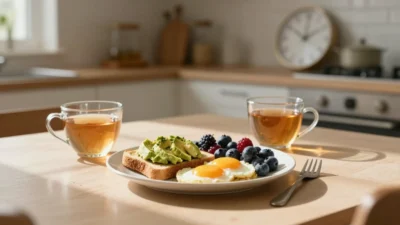
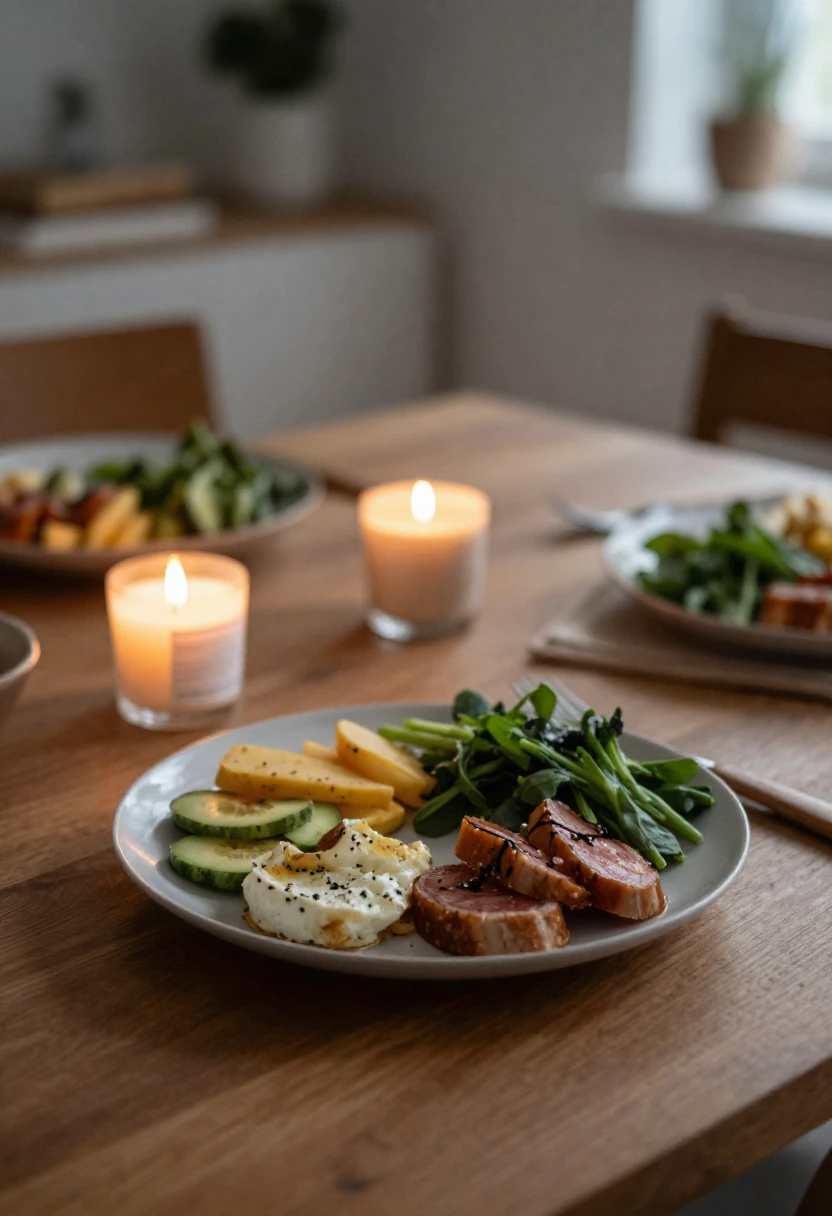
Maybe one evening you make a colorful dinner with roasted vegetables, salmon, and rice. Another day, it’s eggs on toast with fruit because you’re tired and that’s what you can manage.
Both can work.
When healthy eating feels flexible, familiar, and realistic, it stops being a project you’re “trying to stick to.”
It just becomes part of how you live.
Healthy eating doesn’t need to feel strict to be effective.
In fact, it usually works better when it feels simple enough to repeat, enjoyable enough to continue, and flexible enough to survive real life.
That’s the sweet spot.
Conclusion
A healthy eating plan that actually works is not built on extremes, guilt, or impossible standards.
It’s built on balance. On meals that satisfy you. On routines that make sense for your real life.
When you focus on simple habits, nourishing foods, and steady consistency, healthy eating starts to feel less like a struggle and more like a form of support.
And that’s when it becomes sustainable.
FAQ
What is the healthiest eating plan overall?
For most people, the healthiest eating plan is one based on whole foods, vegetables, fruits, quality protein, healthy fats, and balanced carbohydrates. Mediterranean-style eating is often seen as one of the best long-term approaches.
How do I start eating healthy without feeling overwhelmed?
Start small. Build a few simple meals you enjoy, keep healthy basics at home, and focus on consistency instead of trying to change everything at once.
Do I need to cut out carbs to eat healthy?
No. Carbohydrates can be an important source of energy. The key is choosing better-quality carbs like oats, potatoes, fruit, rice, and whole grains instead of relying heavily on ultra-processed foods.
Can a healthy eating plan include treats?
Yes. A healthy eating plan should be flexible enough to include foods you enjoy. What matters most is your overall pattern of eating, not one dessert or one indulgent meal.