There’s a moment every year — usually sometime in October — when you wash your face, look in the mirror, and think: what happened?
Your skin feels tight. Maybe a little flaky around the nose. That summer glow you worked so hard for? Gone. And somehow, the products that worked perfectly fine three months ago are suddenly doing absolutely nothing.
You’re not imagining it. Cold weather genuinely changes what your skin needs — and if you’re still running the same routine you had in July, your skin is quietly suffering.
Here’s the thing: fall and winter are actually the best time to simplify and clean up your skincare. Fewer, better ingredients. Products that work with your skin instead of against it. And if you’ve been curious about switching to a vegan routine — or you already have one but need to adjust it for the colder months — this is exactly where to start.
A good vegan skincare routine for fall and winter doesn’t need to be complicated or expensive. It needs to be intentional. Four focused steps, the right plant-based ingredients, and a little understanding of what your skin is actually asking for this season.
That’s exactly what we’re going to walk through together.
Why Your Skin Struggles in Fall and Winter

Most people assume dry winter skin is just… normal. Something to deal with. Slap on a bit of extra cream and move on.
But once you understand what’s actually happening to your skin when the temperature drops, you stop guessing — and start making choices that genuinely help.
The Science Behind Seasonal Skin Changes
Your skin has a built-in protective layer called the moisture barrier — a thin, lipid-rich film that sits on the surface and does two very important jobs: it keeps hydration in and environmental irritants out.
In warm, humid months, this barrier stays relatively intact. But as temperatures fall and humidity levels drop, the barrier starts to crack — literally. Those tiny invisible cracks are why your skin feels tight after cleansing, why flaky patches appear out of nowhere, and why even your most-loved moisturizer seems to vanish within an hour of applying it.
Dermatologists call the process Transepidermal Water Loss (TEWL) — water simply evaporating from your skin into the dry surrounding air. The colder and drier the air, the faster it happens.
Indoor Heating + Cold Air = Moisture Thief
Here’s the part people often overlook: it’s not just the cold outside that damages your skin. It’s the combination of cold, dry air outdoors and dry, heated air indoors.
Central heating is brutal for skin. It pulls moisture from every surface it touches — including yours. So you step inside to warm up, and the heating system quietly continues the job the cold air started.
The result? Your skin is losing hydration from both directions, all day long.
Why Most Mainstream Products Make It Worse
A lot of conventional skincare products — especially cleansers and toners — contain alcohol, synthetic fragrance, and harsh surfactants that strip the skin’s natural oils. In summer, your skin might tolerate these just fine. In winter, they can genuinely compromise your barrier and make dryness significantly worse.
This is one of the reasons a plant-based routine works so well in colder months. Vegan skincare tends to lean on ingredients that are inherently nourishing — botanical oils, plant butters, herbal extracts — rather than harsh chemicals that your skin has to recover from.
Think of it less as a trend and more as a practical choice for the season.
Why Go Vegan with Your Skincare (Especially in Winter)?
Let’s get one thing out of the way: vegan skincare isn’t just an ethical statement. For a lot of people, it’s simply better skincare — particularly when the seasons turn cold and your skin needs real, concentrated nourishment.
Plant-Based Ingredients and Skin Barrier Repair
The ingredients that show up most often in vegan formulas happen to be exactly what winter skin craves.
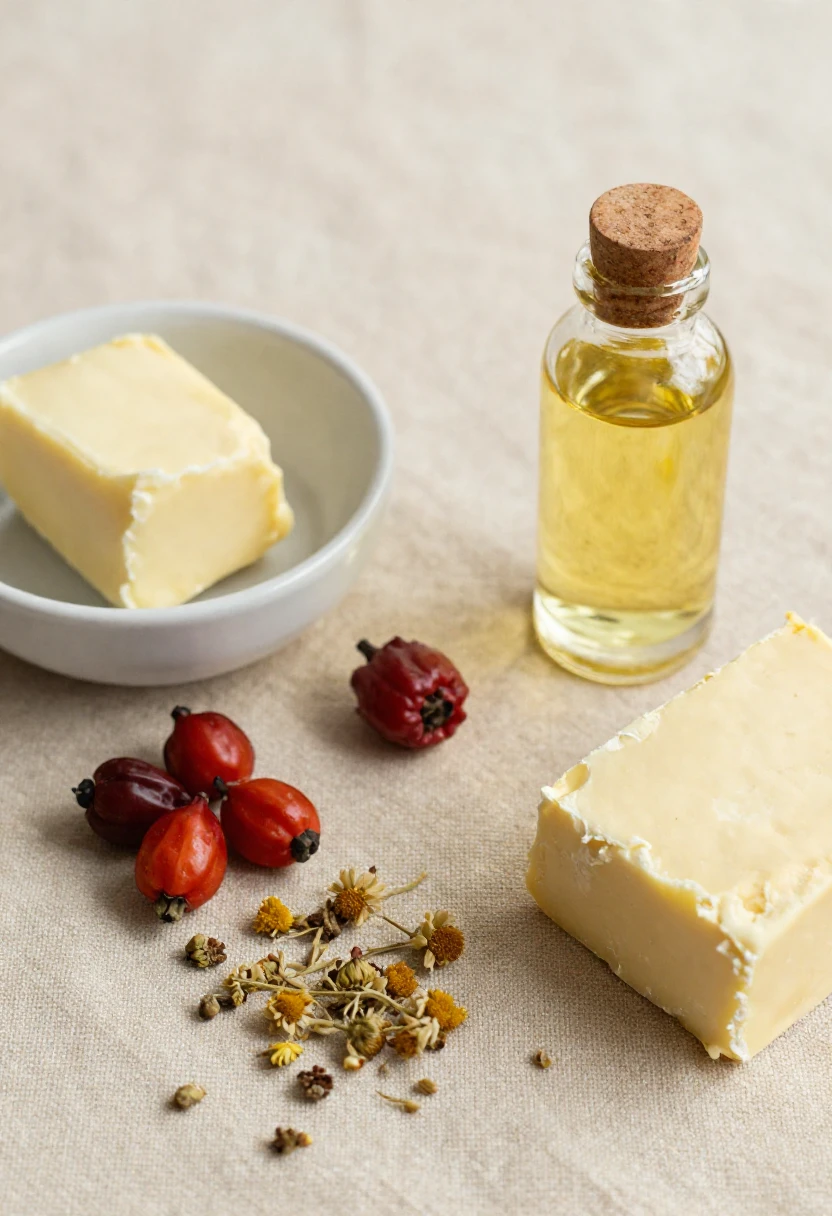
Shea butter seals in moisture and softens rough patches. Rosehip oil is packed with essential fatty acids that help rebuild a damaged skin barrier. Hyaluronic acid (the plant-derived kind) pulls water into the skin and holds it there. Bakuchiol — a plant-based alternative to retinol derived from the Babchi plant — stimulates cell renewal without the irritation that traditional retinoids can cause in cold, already-sensitive skin.
These aren’t compromise ingredients. They’re genuinely powerful — and they work with your skin’s natural biology rather than forcing a reaction.
When your barrier is already stressed from cold weather, the last thing it needs is more aggressive chemistry. Plant-based formulas tend to be gentler, more compatible with sensitive skin, and rich in antioxidants that help repair rather than irritate.
Cruelty-Free Doesn’t Mean Less Effective
There’s still a stubborn myth floating around that vegan or cruelty-free products are somehow softer, less serious, or less effective than conventional ones. It’s simply not true.
The vegan skincare market has grown enormously in the last few years — and with that growth has come real innovation. Brands are now formulating with peptide complexes, encapsulated vitamin C, plant-derived squalane, and adaptogenic botanicals that perform just as well — often better — than their animal-derived counterparts.
Choosing cruelty-free doesn’t mean choosing less. It means choosing differently — and in most cases, more thoughtfully.
What to Avoid: Common Non-Vegan Ingredients Hiding in Your Products
This part surprises a lot of people. Some of the most common skincare ingredients are animal-derived — and they’re not always easy to spot on a label.
Watch out for:
- Lanolin — a wax extracted from sheep’s wool, often found in heavy moisturizers and lip balms
- Collagen — typically derived from animal bones or fish; look for plant-based alternatives like tremella mushroom extract instead
- Beeswax — common in balms and thick creams; vegan alternatives include candelilla wax or carnauba wax
- Carmine — a red pigment made from crushed beetles, sometimes found in tinted skincare
- Squalane — can be shark-derived; always check that yours is labeled plant-based (usually from sugarcane or olives)
A quick tip: look for the Vegan Society trademark or a certified cruelty-free label on packaging. It removes the guesswork entirely.
Step 1 — Cleanse Without Stripping

It sounds counterintuitive, but your cleanser might be the single biggest reason your skin feels dry and tight in winter.
Cleansing is the foundation of any routine — but in colder months, the wrong cleanser doesn’t just fail to help. It actively undoes everything you’re trying to achieve. You wash your face, feel that “squeaky clean” sensation, and think it’s working. That tightness? That’s actually your skin telling you its natural oils just got stripped away.
Why Your Usual Cleanser Might Be the Problem
Gel cleansers, foaming cleansers, and anything with a long list of alcohols or sulfates (look for sodium lauryl sulfate or sodium laureth sulfate on the label) can be genuinely harsh in winter. They’re designed to cut through oil — which is great in July, but in January, your skin needs every drop of natural oil it has.
If you finish washing your face and your skin feels tight, dry, or “pulling” — your cleanser is too harsh for the season. Simple as that.
Best Vegan Cleanser Ingredients for Cold Weather
When scanning labels in winter, look for these plant-based heroes:
- Oat extract — incredibly soothing, reduces redness and irritation
- Aloe vera — hydrating and calming without leaving any residue
- Chamomile — gentle anti-inflammatory, perfect for stressed skin
- Coconut-derived cleansing agents — effective but far milder than traditional sulfates
- Green tea extract — antioxidant-rich and skin-balancing
The goal is a cleanser that removes dirt, makeup, and the day’s pollution — without touching your skin’s natural moisture.
Oil Cleansers vs. Cream Cleansers in Winter
These are your two best friends when the temperature drops.
Oil cleansers work on the principle that like dissolves like. A plant-based oil cleanser — think formulas with jojoba, sweet almond, or sunflower oil — melts away makeup and impurities while simultaneously nourishing the skin. They rinse clean, leave no greasy residue, and your skin feels soft rather than stripped. If you wear makeup, an oil cleanser as your first step followed by a gentle cream cleanser as your second is genuinely one of the best things you can do for winter skin.
Cream cleansers are rich, milky, and deeply gentle. They clean effectively while depositing a light layer of moisture — ideal for dry or sensitive skin types, and perfect as a standalone cleanser if your skin is on the drier side.
Either way: rinse with lukewarm water, never hot. Hot water feels amazing in winter but it’s one of the fastest ways to destroy your moisture barrier. A few degrees makes a real difference.
Step 2 — Hydrate and Balance with a Toner
Toners have a bit of an identity crisis in the skincare world. For years, they were synonymous with those sharp, alcohol-heavy astringents that left your face feeling like it had been disinfected rather than cared for. A lot of people skipped them entirely — and honestly, with those old formulas, that was probably the right call.
But modern vegan toners are a completely different product. And in winter, a good one can genuinely transform how the rest of your routine performs.
What a Toner Actually Does (and What It Doesn’t)
Think of a toner as a prep step — not a second cleanse, not a treatment, but a bridge between cleansing and everything that comes after.
After you wash your face, your skin’s pH is slightly disrupted. A good toner helps rebalance it, so your serums and moisturizers can actually absorb properly instead of just sitting on the surface. It also delivers the first hit of hydration to slightly damp skin — which is exactly when your skin is most receptive to drinking it in.
What it doesn’t do: fix everything on its own. A toner works best as part of a layered routine, not as a standalone hero product.
Best Plant-Based Toner Ingredients for Winter
In colder months, you want a toner that adds moisture rather than removes anything. Look for:
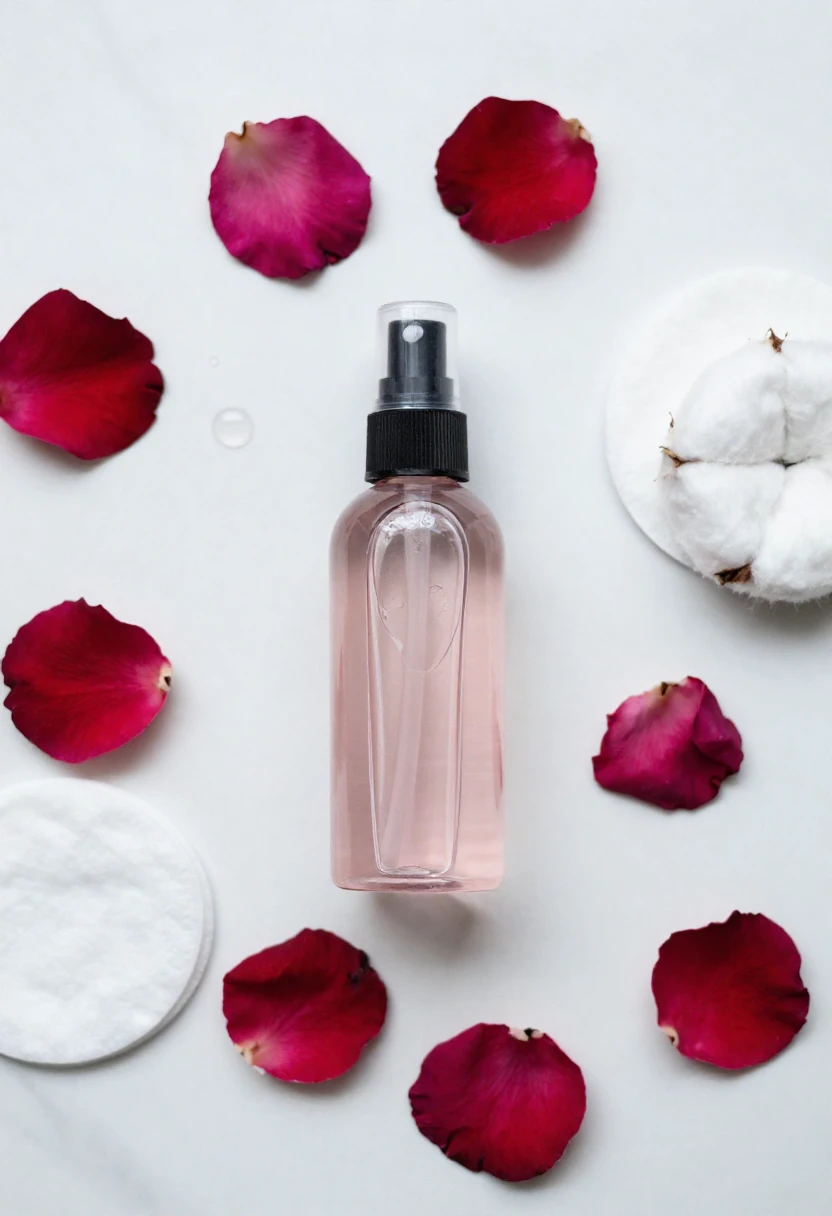
- Rose water — gently hydrating, soothing, and one of the most skin-friendly botanicals around; it smells incredible too, which never hurts
- Witch hazel (alcohol-free) — this one matters; alcohol-free witch hazel tightens pores and calms inflammation without drying; the version with alcohol does the opposite in winter
- Glycerin — a humectant that draws water from the air into your skin; deeply hydrating without feeling heavy
- Niacinamide — brightens, minimizes pores, and strengthens the skin barrier over time
- Aloe vera — calming, hydrating, and perfect for skin that’s feeling reactive from the cold
- Centella asiatica (Cica) — a powerhouse botanical for barrier repair and reducing redness
Avoid anything with denatured alcohol (SD alcohol or alcohol denat.) listed high up in the ingredients. In winter especially, it will undo your cleansing step’s good work almost immediately.
How to Apply It for Maximum Absorption
This small detail makes a bigger difference than most people expect.
Apply your toner to slightly damp skin — right after patting your face dry, while it still has a little moisture on it. This helps lock that hydration in rather than letting it evaporate.
You have two options for application:
- Cotton pad — works well for any toner with exfoliating or brightening ingredients, as it gives a light sweep across the skin
- Your hands — press the toner gently into your skin using your palms; this is actually the more hydrating method and wastes less product
Either way, don’t rub. In winter especially, your skin doesn’t need friction — it needs gentleness and hydration in equal measure.
Give the toner 20–30 seconds to absorb before moving to the next step. Your skin will feel softer, slightly plumped, and ready for what comes next.
Step 3 — Treat with a Serum
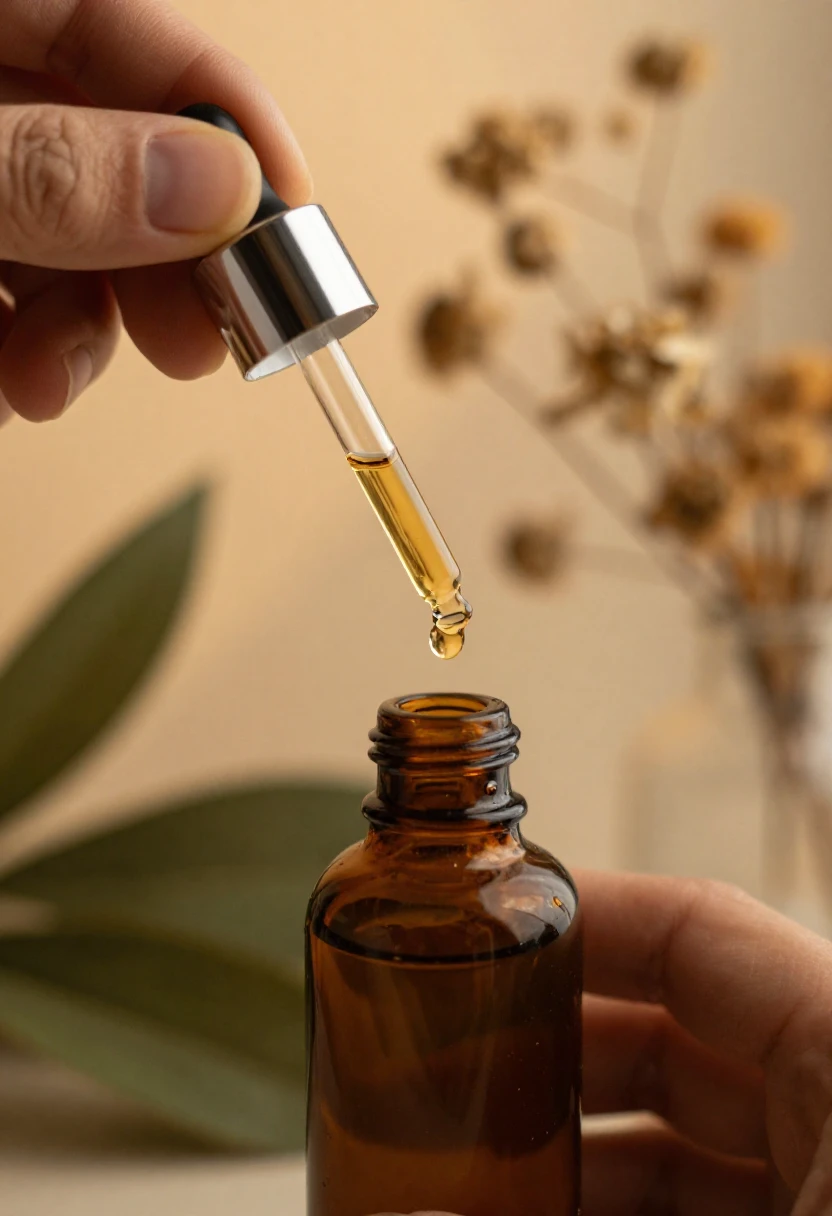
If your skincare routine were a meal, the serum would be the main course. Everything before it — cleansing, toning — is preparation. Everything after it — moisturizer, oil — is protection. But the serum is where the real, targeted work happens.
And in fall and winter, when your skin is dealing with barrier damage, dehydration, and the general stress of seasonal change, a well-chosen serum can make a genuinely visible difference within a few weeks.
Why Serums Matter Even More in Cold Seasons
Serums are formulated with a much higher concentration of active ingredients than your average moisturizer. They’re also made with smaller molecules — which means they penetrate deeper into the skin rather than just sitting on the surface.
In summer, your skin might get away without one. In winter, when your barrier is compromised and your skin is working harder just to stay balanced, a serum fills the gaps that cleanser and moisturizer alone simply can’t reach.
Think of it as the difference between watering a plant from above versus feeding the roots directly.
Hyaluronic Acid, Bakuchiol, and Vitamin C — What Each One Does
These three ingredients come up constantly in winter skincare conversations — and for good reason. Each one addresses a different seasonal concern.
Hyaluronic Acid (HA) This is your winter hydration essential. Hyaluronic acid is a humectant — it attracts water molecules and holds them in the skin, up to 1,000 times its own weight in moisture. The plant-derived version works identically to the lab-synthesized kind and is completely vegan.
One important note: apply your HA serum to damp skin, and always follow it with a moisturizer. If applied to dry skin in a dry environment, it can actually pull moisture out of your skin rather than drawing it in. That one small habit shift changes everything.
Bakuchiol If you’ve been curious about retinol but nervous about the irritation — especially in winter when your skin is already sensitive — bakuchiol is your answer.
Derived from the seeds of the Babchi plant, bakuchiol has been shown in clinical studies to reduce fine lines and improve skin texture with results comparable to retinol — but without the peeling, redness, and sensitivity that traditional retinoids can cause. It’s also completely plant-based and safe for use morning and evening, which retinol is not.
Cold-weather skin and bakuchiol are genuinely a perfect match.
Vitamin C Winter skin tends to look dull. The lack of sunlight, the stress on your barrier, the general greyness of the season — it all shows up on your face as a kind of flatness.
A vitamin C serum addresses exactly that. It brightens, evens out skin tone, fades dark spots, and — importantly — boosts your skin’s collagen production, which helps with both elasticity and barrier strength. Look for stabilized forms like ascorbyl glucoside or sodium ascorbyl phosphate, which are gentler and more stable than pure L-ascorbic acid.
Morning vs. Evening Serums for Winter
You don’t need to use every serum twice a day. Here’s a simple way to think about it:
Morning routine:
- Vitamin C serum — antioxidant protection against environmental stress throughout the day
- Hyaluronic acid — if your skin feels particularly dehydrated when you wake up
Evening routine:
- Bakuchiol — works best overnight when your skin is in repair mode
- Hyaluronic acid — layer it under a richer night cream for deep overnight hydration
If you’re new to serums entirely, start with just one — hyaluronic acid is the most universally compatible and the lowest risk. Get comfortable with that, notice how your skin responds, then layer in a second one after a few weeks.
Your skin in winter doesn’t need more products. It needs the right ones, applied in the right order.
Step 4 — Seal It All In: Moisturizer + Face Oil
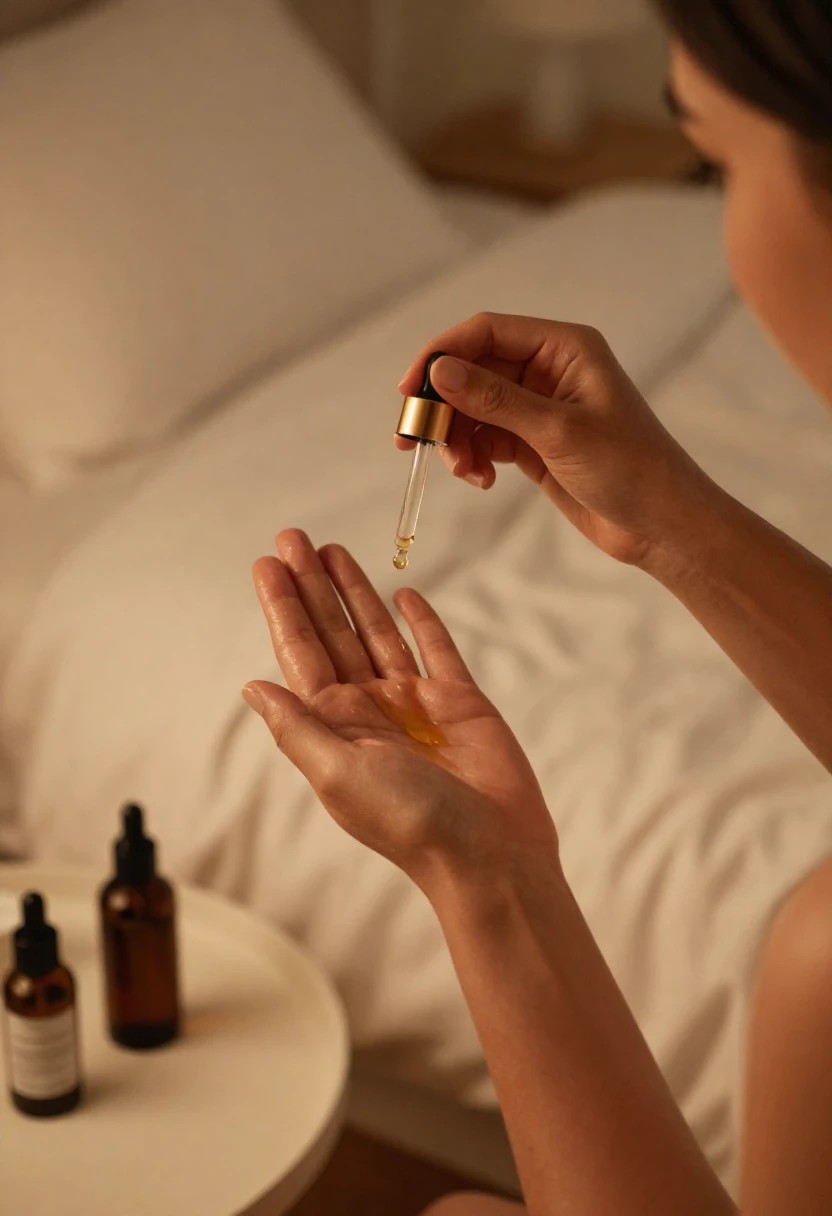
You’ve cleansed gently, balanced with a toner, and fed your skin with a targeted serum. Now comes the step that holds everything together — and in winter, it’s the one most people either underdo or get completely wrong.
A good moisturizer in cold weather isn’t just about comfort. It’s about creating a protective seal over everything you’ve just applied, preventing that moisture from evaporating into the dry air around you, and giving your skin barrier the raw materials it needs to repair itself overnight or stay protected throughout the day.
The Difference Between Hydrating and Moisturizing
These two words get used interchangeably all the time — but they actually describe two different things, and understanding the difference will change how you build your routine.
Hydration is about water content. Hydrating ingredients — like hyaluronic acid or aloe vera — pull water into the skin and plump it from within. Your serum handles this.
Moisturizing is about sealing that water in. Moisturizing ingredients — oils, butters, emollients — form a barrier on the skin’s surface that slows water loss. Your moisturizer and face oil handle this.
In winter, you need both. Hydration without moisture evaporates. Moisture without hydration just sits on the surface of dehydrated skin and does half a job. Layering them in the right order — water-based serum first, then moisturizer, then optionally a face oil — is where the real magic happens.
Best Vegan Butters and Oils for Winter Skin
This is where plant-based skincare genuinely shines. Nature produces some extraordinarily effective emollients — and many of them happen to be completely vegan.
For your moisturizer, look for formulas containing:
- Shea butter — rich, deeply nourishing, and one of the best ingredients available for repairing a damaged moisture barrier; it’s also naturally anti-inflammatory
- Cocoa butter — intensely moisturizing, creates a long-lasting protective layer, and has a gentle natural scent
- Oat extract (colloidal oatmeal) — exceptional for sensitive or reactive winter skin; reduces redness and itching while sealing in moisture
- Ceramides (plant-derived) — these are the building blocks of your skin barrier; replenishing them in winter is one of the most effective things you can do for long-term skin health
For a face oil — your optional but highly recommended final step:
- Rosehip oil — lightweight, non-greasy, and packed with essential fatty acids and vitamin A; absorbs beautifully and helps with both barrier repair and uneven skin tone
- Jojoba oil — technically a liquid wax, and structurally very similar to your skin’s own sebum; balances without clogging pores, suitable for almost every skin type
- Marula oil — fast-absorbing, rich in oleic acid, and deeply nourishing without heaviness
- Squalane (plant-derived from sugarcane or olives) — one of the most skin-compatible oils available; locks in moisture without any greasiness and works for oily, dry, and combination skin alike
A face oil goes on last in your routine — after moisturizer, not before. Think of it as the final lock on the door. Just two or three drops, pressed gently into the skin with your palms rather than rubbed in.
Don’t Forget SPF — Even in Winter
This is the part of the winter routine that almost everyone skips — and it’s a mistake worth correcting.
UV rays don’t take a holiday in November. UVA rays in particular — the ones responsible for premature aging and long-term skin damage — penetrate through clouds and glass and remain at significant levels year-round. If you’re sitting near a window at work, commuting, or spending any time outdoors during daylight hours, your skin is being exposed.
In your morning routine, your moisturizer should either contain SPF 30 or higher, or be followed by a separate vegan mineral sunscreen. Look for formulas using zinc oxide or titanium dioxide as active ingredients — these are both mineral-based and widely available in vegan, cruelty-free formulas. They sit on top of the skin rather than being absorbed into it, and they protect against both UVA and UVB rays without the questionable chemistry of some chemical filters.
It’s one extra step. And it’s genuinely one of the most impactful things you can do for your skin — not just this winter, but for the years ahead.
Bonus: Weekly Add-Ons to Boost Your Winter Routine
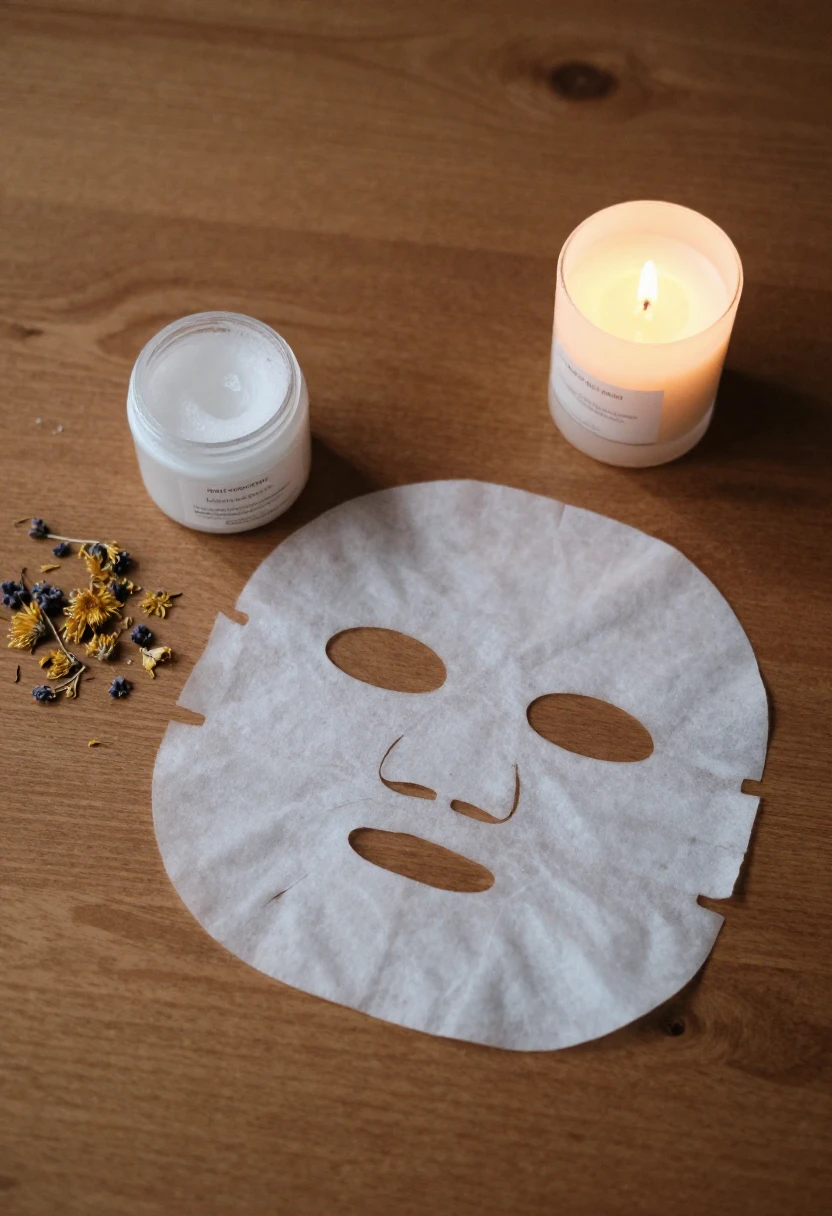
Your four daily steps are the foundation. They’re what keeps your skin balanced, hydrated, and protected through the cold months. But once a week — or even just twice a month — a couple of extra rituals can take your routine from functional to genuinely restorative.
Think of these as your skin’s version of a deep reset. Not complicated, not time-consuming. Just intentional.
Gentle Vegan Exfoliation (Once a Week)
Here’s a common winter mistake: people either exfoliate too aggressively because their skin feels rough and flaky, or they stop exfoliating altogether because they’re nervous about irritation. Both approaches backfire.
Your skin sheds dead cells constantly — but in cold weather, that process slows down. Dead cells build up on the surface, making your skin look dull and grey, and — crucially — blocking your serums and moisturizers from absorbing properly. All that careful layering you’re doing in your daily routine becomes significantly less effective if it can’t actually get through.
The solution isn’t to scrub harder. It’s to exfoliate gently and consistently.
In winter, stick to once a week maximum. And choose your exfoliant carefully:
Chemical exfoliants (the gentler choice for winter):
- PHA (Polyhydroxy Acids) — the mildest of the acid family; they exfoliate on the surface without penetrating deeply, making them ideal for sensitive or barrier-compromised winter skin
- Lactic acid — slightly stronger than PHA but still gentle; has the added benefit of being hydrating as it exfoliates
- Enzyme exfoliants — typically derived from papaya or pineapple; they dissolve dead skin cells without any scrubbing action at all, making them one of the most skin-friendly options available
Physical exfoliants (if you prefer them):
- Look for very finely milled options — rice powder, bamboo powder, or oat flour
- Avoid anything with large, irregular particles like walnut shell or apricot kernel; these create micro-tears in the skin that are genuinely damaging, especially in winter
- Apply with the lightest possible pressure; let the product do the work, not your hands
After exfoliating, your skin will be slightly more sensitive and significantly more receptive. This is the perfect moment to apply a nourishing mask — which brings us to the next step.
A Nourishing Face Mask for Extra Repair
A weekly face mask in winter isn’t indulgence for the sake of it. When chosen well, it’s one of the most efficient ways to deliver a concentrated dose of nourishment to skin that’s been working overtime just to stay balanced.
The key is choosing the right type of mask for the season.
In winter, reach for:
- Hydrating sheet masks — soaked in serum-like essence, these deliver intense moisture in 15–20 minutes; look for ones featuring hyaluronic acid, ceramides, or centella asiatica
- Sleeping masks — applied as the last step of your evening routine and left on overnight; they form a breathable layer that locks in everything underneath and lets your skin absorb it slowly while you sleep; particularly effective for very dry or barrier-damaged skin
- Cream masks with plant butters — rich, deeply moisturizing formulas with shea, mango butter, or avocado oil; ideal for dry and combination skin that feels persistently tight
In winter, avoid:
- Clay masks more than once a month — they’re designed to absorb oil and deep-clean pores, which is great in summer but too stripping for most skin types in cold weather
- Peel-off masks — these can disrupt a fragile moisture barrier and cause more harm than good when your skin is already stressed
The ritual itself matters too. Light a candle, put something good on in the background, and give yourself those 15 minutes without screens or distractions. Your skin absorbs better when you’re relaxed — and honestly, so does everything else.
How to Listen to Your Skin as the Seasons Change

Here’s something no skincare article tells you often enough: your skin is always giving you feedback. The problem is most of us aren’t paying attention — or we’re misreading the signals entirely.
A routine that works beautifully in October might need adjusting by January. What feels perfect in early fall might be too heavy by the time spring arrives. Skincare isn’t a set-and-forget system. It’s an ongoing, seasonal conversation between you and your skin — and the more fluent you become in reading it, the better your results will be.
Signs Your Routine Needs Adjusting
Your skin will tell you when something isn’t working. You just need to know what to look for.
Signs your routine is too light for the weather:
- Skin feels tight or “pulling” within an hour of moisturizing
- Dry patches appearing around the nose, cheeks, or forehead
- Makeup sitting unevenly or looking patchy throughout the day
- Skin feels rough or looks dull despite regular cleansing
- Fine lines appearing more pronounced than usual — a classic sign of dehydration
Signs your routine is too heavy:
- Breakouts appearing in unusual places, especially along the jawline or cheeks
- Skin looks congested or feels “suffocated”
- Products aren’t absorbing — they’re just sitting on the surface
- Your face feels greasy a few hours after application
Signs something specific is causing irritation:
- Sudden redness or stinging after applying a product you’ve used before
- Itching or tightness that wasn’t there last week
- Skin becoming more reactive than usual to temperature changes
When irritation appears suddenly, don’t immediately reach for more products to fix it. Strip your routine back to the basics — gentle cleanser, simple moisturizer — and reintroduce products one at a time over a few days. Nine times out of ten, the culprit becomes obvious quickly.
Simple Swaps, Not a Complete Overhaul
This is important: transitioning your skincare between seasons doesn’t mean throwing everything out and starting from scratch. That approach is expensive, wasteful, and frankly unnecessary.
Most of the time, two or three targeted swaps are all your routine needs to perform well in a new season.
Here’s how to think about it:
Swap your cleanser first. If you’re using a gel or foaming cleanser, switch to a cream or oil-based version for fall and winter. This single change makes an enormous difference to how the rest of your routine feels and performs.
Upgrade your moisturizer. Your lightweight summer gel moisturizer was perfect for humid months — but cold weather calls for something richer. Look for a cream formula with ceramides or plant butters. You don’t need to replace your whole skincare shelf, just this one product.
Add a face oil in the evening. If you weren’t using one in summer, this is the season to start. A few drops of rosehip or squalane over your night moisturizer adds a significant layer of protection while you sleep — and it costs very little effort.
Reassess your exfoliant. If you were using a stronger acid in summer, dial it back. Switch to a gentler PHA or an enzyme exfoliant, and reduce frequency to once a week.
That’s genuinely it. Four swaps, and your routine is seasonally appropriate.
One last thought worth holding onto: consistency matters more than perfection. A simple four-step vegan routine done every single day will outperform an elaborate ten-step routine done sporadically every time. Your skin responds to rhythm. Give it that, and it will give you results.
Conclusion
Cold weather doesn’t have to mean struggling skin. Once you understand what your skin actually needs when the temperature drops — and you give it the right plant-based ingredients to work with — the seasonal shift stops feeling like a problem and starts feeling manageable.
A simple vegan skincare routine for fall and winter really does come down to four intentional steps: cleanse without stripping, balance and hydrate with a toner, treat with a targeted serum, and seal everything in with a rich moisturizer and face oil. Add a gentle weekly exfoliation and a nourishing mask, and you have everything your skin needs to stay soft, healthy, and glowing straight through to spring.
You don’t need a shelf full of products. You don’t need to reinvent your routine every November. You just need to listen to your skin, make a few smart seasonal swaps, and choose ingredients that genuinely nourish rather than simply coat.
Your skin works hard for you all year round. Cold season is simply the time to return the favour.
Frequently Asked Questions
Can I use the same vegan skincare routine in fall and winter, or do I need separate routines for each season? You can absolutely use the same core routine for both seasons — the four steps stay consistent. The main adjustment is intensity: early fall might only require a slightly richer moisturizer, while deep winter often calls for a face oil added on top. Think of it as gradually layering up as the temperature drops, rather than switching everything out at once.
I have oily or combination skin. Do I really need a face oil in winter? Yes — and this surprises a lot of people. Oily skin in winter is often actually dehydrated skin overproducing oil to compensate for moisture loss. A lightweight, non-comedogenic oil like squalane or jojoba actually helps balance oil production rather than increase it. The key is using just two to three drops and choosing the right oil for your skin type.
How long does it take to see results from switching to a vegan winter skincare routine? Most people notice an improvement in skin texture and hydration within one to two weeks of consistent use. Deeper concerns — like evening out skin tone or reducing fine lines with bakuchiol — typically take four to six weeks of regular use before visible results appear. Patience and consistency matter far more than the number of products you use.
Are vegan skincare products safe for sensitive skin? Generally, yes — and often they’re a better choice for sensitive skin than conventional products. Plant-based formulas tend to avoid the harsh synthetic fragrances, dyes, and aggressive surfactants that trigger most sensitivity reactions. That said, “vegan” doesn’t automatically mean “fragrance-free” or “hypoallergenic,” so always check ingredient lists and patch test new products before applying them to your full face.