You’ve probably heard that spirulina is one of the most nutrient-dense foods on the planet. And honestly? That reputation is well-earned. This tiny blue-green algae packs more protein per gram than steak, more iron than spinach, and a lineup of antioxidants that most superfoods can only dream about.
But here’s the thing — a lot of people buy spirulina, try it for a week, and then quietly push it to the back of the cabinet. Not because it doesn’t work, but because nobody told them how to actually use it.
Too much too soon and your stomach rebels. Wrong timing and you miss the benefits. Bad quality and you’re basically swallowing pond water with a fancy label.
This guide is here to fix all of that.
Whether you’re brand new to spirulina or you’ve been taking it inconsistently for months, you’ll walk away knowing exactly how much to take, when to take it, what form works best for you — and how to make it a habit that actually sticks.
No fluff. Just practical, honest answers.
What Is Spirulina (And Why Does It Matter How You Take It)?
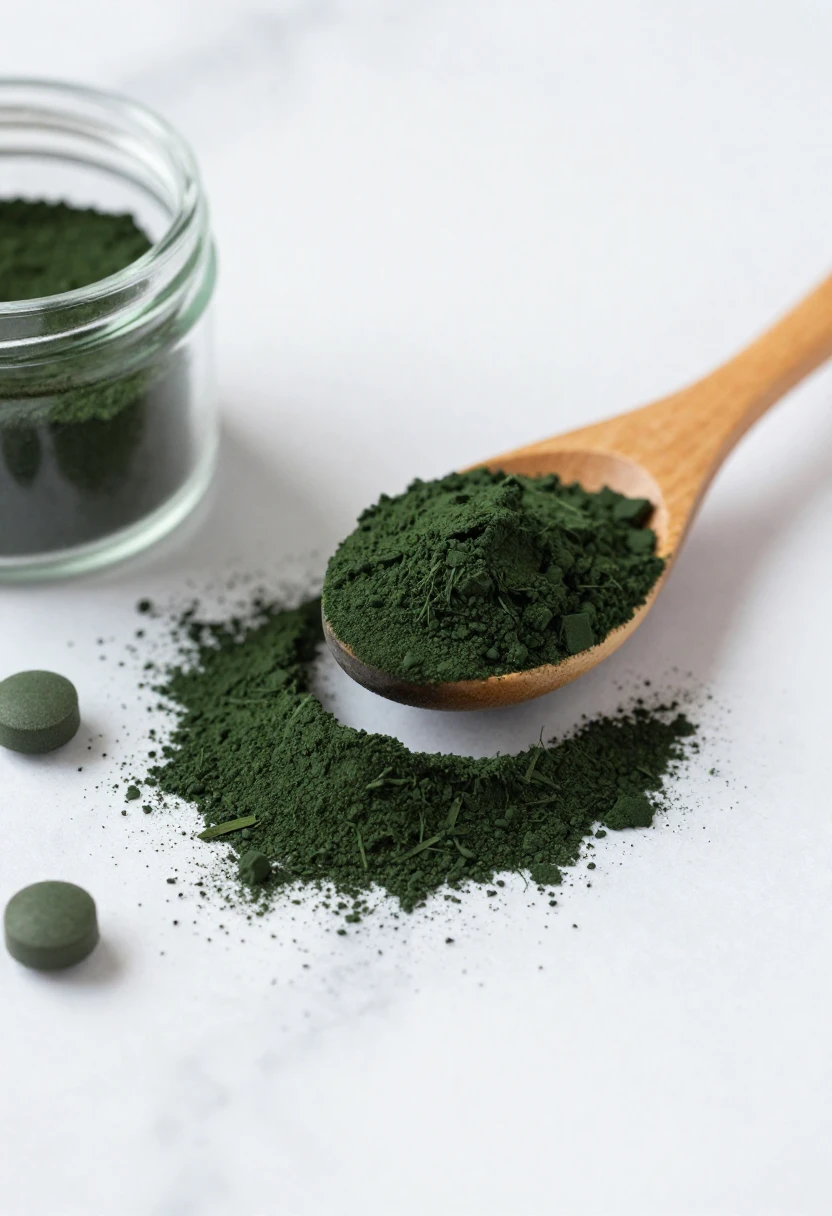
Spirulina isn’t some lab-created supplement. It’s a cyanobacterium — a microscopic organism that’s been growing in warm, alkaline lakes for billions of years. Ancient civilizations in Mexico and Chad harvested it as a food staple long before it ever landed on a health store shelf.
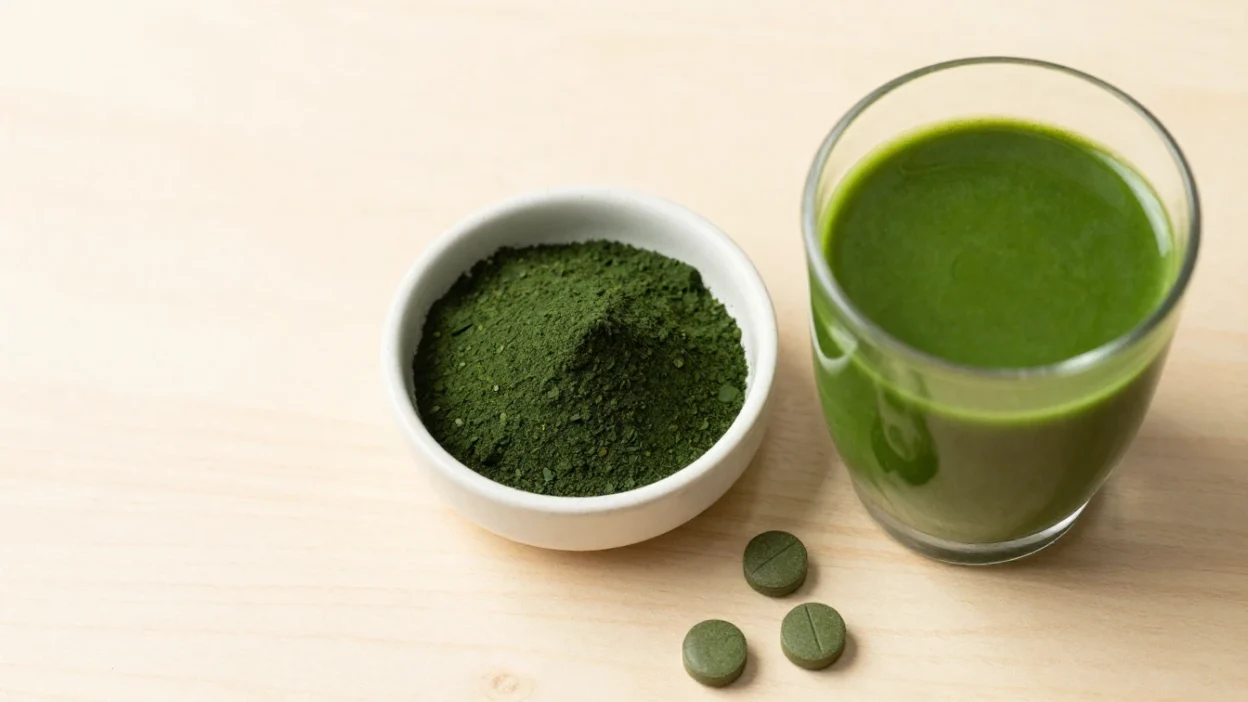
Today, it’s cultivated in controlled water farms, dried, and sold as powder, tablets, or capsules. Simple process. Incredibly dense result.
A Quick Look at What’s Inside Spirulina
One tablespoon (about 7 grams) of dried spirulina contains roughly:
- ~4 grams of protein — including all essential amino acids
- Iron — around 11% of the recommended daily intake
- B vitamins — especially B1, B2, and B3
- Copper — over 20% of your daily needs
- Phycocyanin — a powerful anti-inflammatory pigment unique to spirulina
- Gamma-linolenic acid (GLA) — a beneficial omega-6 fatty acid
It also contains chlorophyll, magnesium, potassium, and a range of antioxidants. For something you measure in teaspoons, that’s a serious nutritional punch.
Why the “How” Affects the Results
Here’s what most spirulina articles skip over: the way you take it changes what you get out of it.
Take too much on day one and your digestive system — not used to that concentration of nutrients — might push back with bloating or nausea. Take it with the wrong foods and absorption drops. Buy a low-quality product and you might be getting contaminated algae with heavy metals instead of the clean, certified stuff.
Spirulina isn’t complicated. But like most things worth doing, it rewards a little attention to detail.
The good news? Once you get the basics right, it becomes one of the easiest supplements to stick with.
Spirulina Forms — Powder, Tablets, or Capsules?
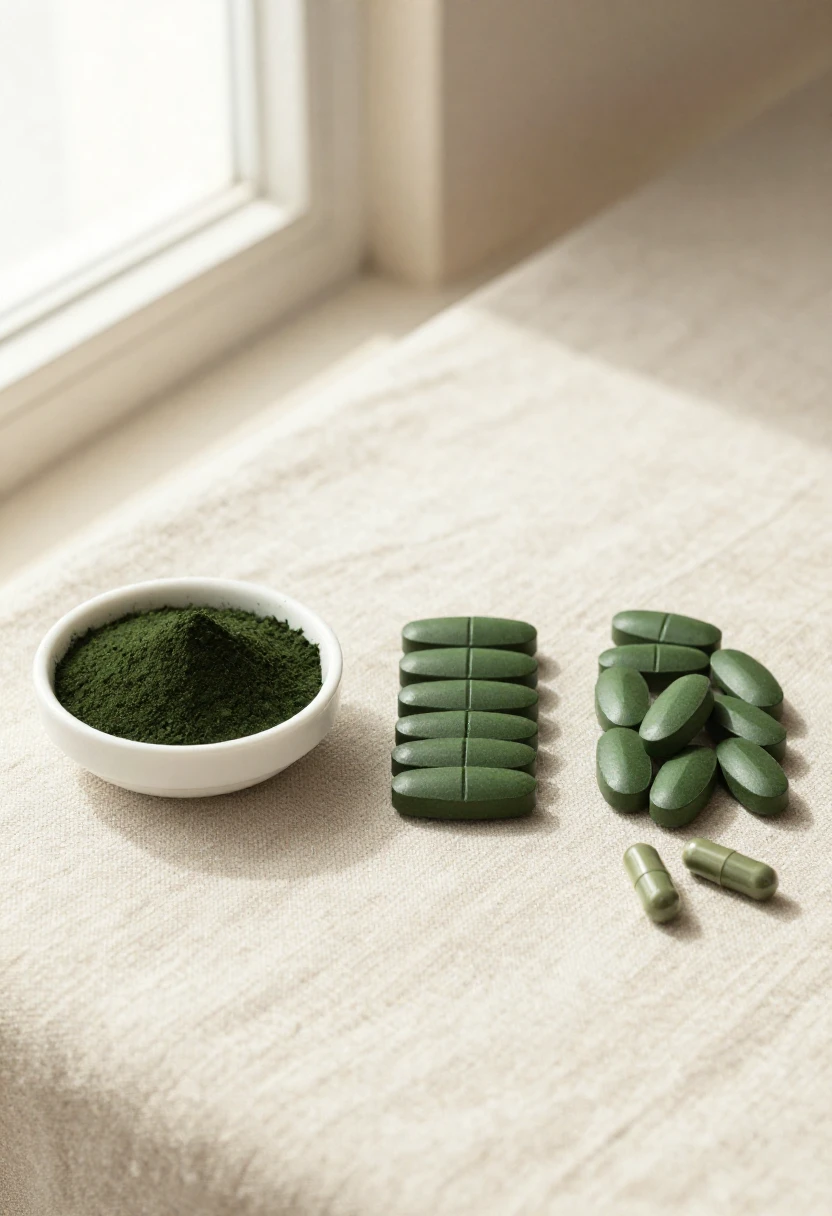
Walk into any health food store and you’ll find spirulina in at least two or three different forms. And the question everyone asks is the same: does it actually matter which one I choose?
It does — but maybe not in the way you’d expect. The differences aren’t dramatic, but they affect taste, convenience, absorption, and how easy it is to stay consistent. And consistency, as you’ll see throughout this guide, is everything with spirulina.
Powder — Versatile but Earthy
Spirulina powder is the most natural and least processed form. It’s also the most flexible — you can blend it into smoothies, stir it into juices, mix it into energy balls, or even whisk it into salad dressings.
The catch? The taste. Raw spirulina powder has a deep, earthy, slightly oceanic flavor that catches first-timers completely off guard. It’s not unbearable — but it’s definitely present.
Powder is a great choice if you:
- Already make smoothies or green juices regularly
- Want to control your exact dose
- Don’t mind a bit of flavor experimentation
One thing to keep in mind: spirulina powder is sensitive to heat and light. Store it in a cool, dark place and never add it to hot drinks or cook with it directly — heat degrades the delicate nutrients, especially phycocyanin.
Tablets & Capsules — Convenient and Taste-Free
If the earthy flavor is a dealbreaker for you, tablets and capsules solve that problem completely. You swallow them with water, done. No smell, no taste, no green smoothie required.
Tablets are compressed spirulina — nothing added, nothing removed. They’re slightly cheaper than capsules and often come in larger quantities.
Capsules encase the powder in a gelatin or plant-based shell. They’re the easiest to travel with and the most discreet option if you’d rather not explain to your coworkers why your lunch drink looks like swamp water.
Tablets or capsules are a great choice if you:
- Hate the taste and want zero compromise
- Travel frequently or have a busy, on-the-go lifestyle
- Are just starting out and want to keep things simple
Which Form Absorbs Best?
Honestly? The differences in absorption between forms are minimal when you’re buying quality spirulina. The body processes all three effectively.
What matters far more is:
- The quality of the spirulina itself (more on that later)
- What you take it with
- Whether you take it consistently
So choose the form you’ll actually stick with. The best spirulina is the one you don’t forget to take.
How Much Spirulina Should You Actually Take?
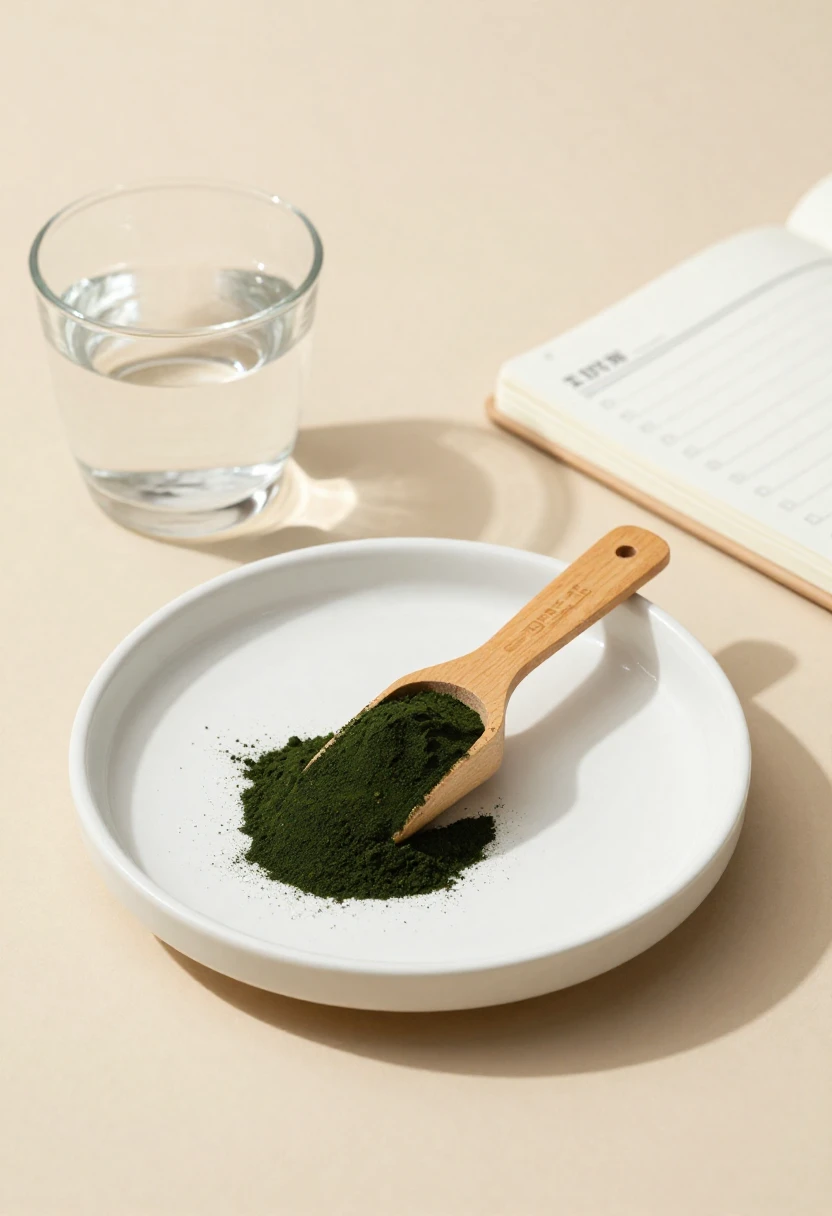
This is where most people either overthink it or go completely off-script. They either take a tiny pinch and wonder why nothing’s happening, or they dump two tablespoons into their first smoothie and spend the afternoon feeling off.
The truth is, spirulina dosage isn’t one-size-fits-all. It depends on your goals, your body, and how long you’ve been taking it. But there are some solid guidelines that work for the vast majority of people.
Beginner Dosage: Start Low, Go Slow
If you’re new to spirulina, your gut microbiome hasn’t met anything quite like it before. That concentration of protein, pigments, and bioactive compounds is a lot to process all at once.
Start with 1 gram per day — that’s roughly half a teaspoon of powder or one small tablet. Take it for the first week and pay attention to how your body responds. Most people feel completely fine. Some notice mild digestive shifts, which is normal and temporary.
After a week, bump it up to 2–3 grams and stay there for another week or two. This gradual approach isn’t about being overly cautious — it’s about giving your body time to adjust so you actually feel the benefits instead of just the side effects.
Standard Daily Range for Adults
Once you’re past the intro phase, the sweet spot for most healthy adults is:
- 3–5 grams per day for general health support, energy, and immune function
- 5–7 grams per day for more targeted goals like detox support, inflammation reduction, or nutrient supplementation
This is the range backed by most clinical studies and recommended by nutrition researchers. It’s also the range where people tend to notice real, consistent improvements — better energy, clearer skin, less post-workout soreness.
One tablespoon of spirulina powder weighs roughly 7 grams, so you’re not dealing with huge quantities here.
Higher Doses — When and For Whom
Some studies have used doses as high as 10 grams per day without significant side effects in healthy adults. You’ll find this range mentioned in research on cholesterol management, blood sugar regulation, and heavy metal detoxification.
That said, more isn’t always better. Going above 5–7 grams daily without a specific reason mostly just means you’re using more product without proportional gains. If you’re considering higher doses for a specific health condition, it’s worth having a conversation with your doctor first.
Athletes and Active People
If you train regularly, spirulina earns its place in your routine in a very specific way. Its high protein content and anti-inflammatory compounds — particularly phycocyanin — make it genuinely useful for muscle recovery and reducing oxidative stress after intense exercise.
For athletes, a daily dose of 5–8 grams is commonly used, often split between a pre-workout dose for energy and a post-workout dose for recovery.
A few studies have also shown that spirulina supplementation can improve endurance and reduce exercise-induced fatigue — not dramatically, but meaningfully over time.
A simple dosage reference:
| Goal | Daily Dose |
|---|---|
| General wellness (beginner) | 1–3g |
| General wellness (established) | 3–5g |
| Active lifestyle / fitness | 5–8g |
| Targeted health support | 5–10g (with guidance) |
Start small, build gradually, and find your personal sweet spot. That’s the approach that actually works.
When Is the Best Time to Take Spirulina?
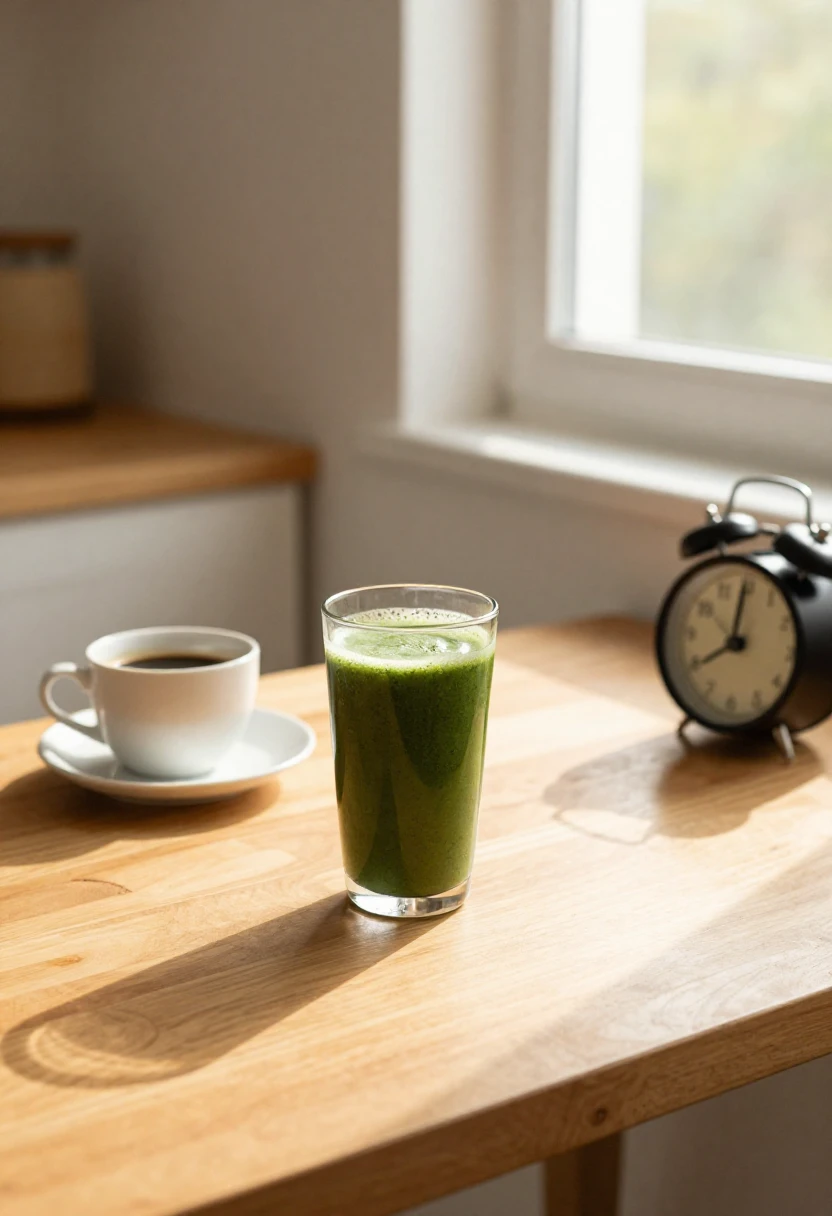
Timing questions are some of the most searched when it comes to any supplement. And with spirulina, the answer is both simpler and more nuanced than most people expect.
The short version: there’s no single “perfect” time that works for everyone. But there are smart windows that align with what you’re trying to achieve — and a few timing mistakes worth avoiding.
Morning — Energy and Metabolism
Taking spirulina in the morning is the most popular approach, and for good reason. On an empty or lightly-fed stomach, your body absorbs nutrients efficiently and there’s nothing competing for attention.
Spirulina’s natural B vitamins — especially B1, B2, and B3 — play a direct role in converting food into usable energy. Many people report feeling a noticeable lift in mental clarity and steady energy within the first hour of their morning dose. Not a caffeine spike. More like a quiet, clean alertness.
A morning smoothie with spirulina powder is probably the most common delivery method, and it works beautifully. Blend it with banana, mango, or pineapple and the sweetness naturally balances the earthy flavor.
If you take tablets or capsules, a glass of water right after breakfast does the job just as well.
Before or After a Workout
For active people, spirulina slots naturally into a fitness routine — but when depends on what you want from it.
Before a workout (30–60 minutes prior): Spirulina’s iron content supports oxygen transport in the blood, and its natural nitrates may help improve endurance. Some athletes take it pre-workout specifically for this reason — not as a stimulant, but as quiet, sustained support.
After a workout: This is where spirulina’s anti-inflammatory and antioxidant properties really shine. Intense exercise creates oxidative stress in muscle tissue. Phycocyanin and other compounds in spirulina help the body manage that stress and recover faster.
If your main goal is recovery, a post-workout dose — especially combined with a protein-rich meal — is a smart move.
Evening — Recovery and Sleep Support
Less talked about, but worth knowing: spirulina taken in the evening can support overnight recovery and cellular repair. Your body does most of its rebuilding while you sleep, and having a dose of nutrient-dense spirulina in the system beforehand gives it something to work with.
That said, because of its energizing B vitamins, some people find that taking spirulina too close to bedtime makes it slightly harder to wind down. If you’re sensitive to stimulants or have trouble sleeping, stick to morning or midday doses.
The Real Answer: Consistency Over Timing
Here’s what actually moves the needle with spirulina: taking it every day.
The research on spirulina’s benefits — improved lipid profiles, reduced inflammation, better endurance, stronger immunity — consistently shows results over weeks and months of regular use. Not days. Not the occasional dose when you remember.
Whether you take it at 7am or 1pm, with food or without, before or after exercise — what matters most is that you build it into a routine you can actually maintain.
Pick a time that fits your life. Attach it to something you already do — your morning coffee ritual, your pre-gym prep, your lunch. Habit stacking works. Spirulina doesn’t need to be complicated to be effective.
How to Take Spirulina Without Hating It
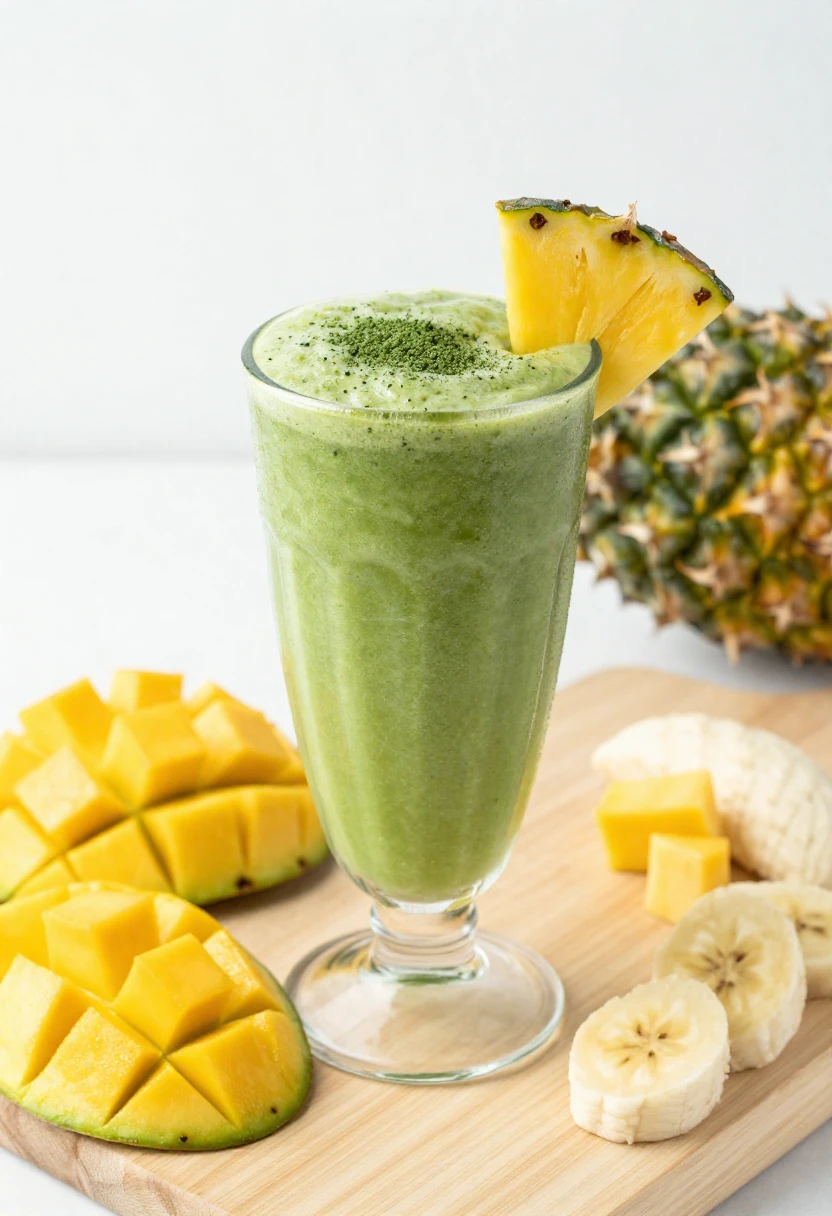
Let’s be honest for a second. Spirulina is not winning any awards for flavor. That deep, grassy, faintly oceanic taste is the number one reason people abandon it after the first week. They buy the powder with the best intentions, try it stirred into a glass of water, make a face, and never open the bag again.
But here’s the thing — spirulina doesn’t have to taste bad. It just needs the right company.
Mixing Powder Into Smoothies, Juices, and Food
The golden rule of spirulina powder: never take it alone in plain water unless you’ve genuinely made peace with the taste. For most people, that’s a shortcut to quitting.
Instead, lean into combinations that work with the flavor rather than against it.
Smoothies are your best friend. The earthy, algae-forward taste of spirulina gets completely absorbed when blended with the right ingredients. Some combinations that genuinely work:
- Tropical smoothie: mango + pineapple + coconut milk + 1 tsp spirulina. The sweetness and acidity of tropical fruits are natural flavor neutralizers.
- Green smoothie: banana + spinach + almond milk + spirulina. The banana brings creaminess and sweetness that softens everything.
- Berry blend: frozen blueberries + apple juice + spirulina. Berries are bold enough to hold their own against the earthy notes.
Fresh juices work too — orange juice in particular is a classic pairing. The citrus cuts right through the algae flavor, and the vitamin C actually helps with iron absorption from the spirulina. A genuine win-win.
Beyond drinks, spirulina powder can be worked into:
- Energy balls — dates, oats, nut butter, and spirulina blended together taste like a slightly earthy brownie bite
- Salad dressings — a small amount whisked into a lemon-tahini dressing adds nutrition without overwhelming the dish
- Hummus — spirulina hummus has become genuinely popular, and the chickpeas and tahini do a great job of balancing the flavor
- Pasta or pizza dough — a teaspoon adds a subtle green tint and a nutritional boost without dramatically changing the taste
Tips to Mask the Earthy Taste
A few practical tricks that make a real difference:
- Use frozen fruit instead of fresh — the cold temperature dulls the perception of strong flavors
- Add a squeeze of lemon or lime — acid is one of the most effective natural flavor balancers
- Start with less — half a teaspoon in a smoothie is nearly undetectable; build up gradually
- Pair with strong flavors — ginger, cacao, vanilla, and cinnamon are all assertive enough to share the stage with spirulina
- Blend thoroughly — poorly mixed powder clumps and becomes much more noticeable in texture and taste
What to Take It With (And What to Avoid)
Take spirulina with:
- Vitamin C-rich foods — citrus, berries, bell peppers. Vitamin C significantly boosts iron absorption, making your spirulina dose more effective
- A light meal or snack — taking it with a small amount of food reduces the chance of digestive discomfort, especially when you’re still building up your dose
- Water — staying well-hydrated throughout the day supports your body’s ability to process and use the nutrients
Be careful with:
- Dairy — some research suggests that calcium can inhibit iron absorption. If iron is a key reason you’re taking spirulina, consider spacing it away from large dairy-heavy meals
- Coffee and tea — the tannins in both can also reduce iron absorption. If you take spirulina for iron support, a gap of at least an hour from your morning coffee is worth considering
- Other supplements with overlapping nutrients — if you’re already taking a multivitamin or iron supplement, check the combined intake to avoid going overboard on certain nutrients
The bottom line? Spirulina is adaptable. It fits into dozens of foods and drinks without much effort once you find your preferred vehicle. Spend one week experimenting and you’ll land on a combination that feels completely effortless.
How Long Until You See Results?

This is the question that sits in the back of everyone’s mind from day one. You’ve started taking spirulina, you’ve found a smoothie combination you actually enjoy, you’re being consistent — and now you’re waiting. Watching. Wondering if anything is actually happening.
The honest answer is: it depends on what you’re looking for. Some changes show up relatively quickly. Others take weeks of steady effort before they become noticeable. And a few benefits are happening quietly in the background whether you feel them or not.
What to Expect in the First Weeks
Week 1–2: The adjustment phase
This is less about feeling great and more about feeling normal. Your body is getting acquainted with a concentrated new input. Some people notice a slight shift in digestion — nothing dramatic, just the gut adjusting to new territory. Energy might feel marginally steadier, but don’t expect fireworks yet.
What you might notice early:
- Slightly better energy levels — particularly if you were previously low in iron or B vitamins
- Reduced post-workout soreness — athletes often report this within the first two weeks
- Improved digestion — for some people, spirulina’s chlorophyll content has a gentle cleansing effect
Week 3–4: Things start to shift
This is where most people begin to notice something real. The cumulative effect of consistent daily intake starts to show up in more tangible ways.
Common reports at this stage:
- More stable energy throughout the day — fewer afternoon crashes, less reliance on caffeine
- Skin looking clearer or more even — the antioxidant load starts reflecting outward
- Better workout recovery — less muscle fatigue, quicker bounce-back between sessions
- Reduced inflammation — people dealing with joint discomfort or chronic low-grade inflammation often start noticing relief here
Month 2 and beyond: The real results
This is where the research gets interesting. Most clinical studies on spirulina run for 8 to 12 weeks — and that’s not a coincidence. The most significant, measurable changes tend to appear in this window.
Studies consistently show improvements in:
- Cholesterol and triglyceride levels — LDL down, HDL up
- Blood sugar regulation — particularly relevant for people with insulin sensitivity concerns
- Blood pressure — modest but meaningful reductions in some individuals
- Immune markers — increased production of antibodies and immune cells
- Endurance and VO2 max in athletes
These aren’t overnight changes. They’re the reward for showing up every day.
How Long Should a Spirulina “Cure” Last?
The word cure here is used loosely — what most people mean is a dedicated period of consistent spirulina use with a specific goal in mind.
A few general guidelines:
- Minimum meaningful period: 4 weeks — anything shorter and you’re not giving your body enough time to respond
- Standard recommended cycle: 8–12 weeks — this aligns with most research timelines and is long enough to see real change
- After that: many people choose to continue indefinitely as part of their daily nutrition routine. Others take a break of 2–4 weeks and then restart. Both approaches are fine.
There’s no strict rule that says you must cycle spirulina. Unlike some supplements, it doesn’t create dependency or tolerance. If it’s working and you feel good, there’s no reason to stop.
The key mindset shift: stop measuring spirulina by how you feel on day three. Measure it by how you feel on day sixty. That’s where the real story is.
Side Effects & Who Should Be Careful
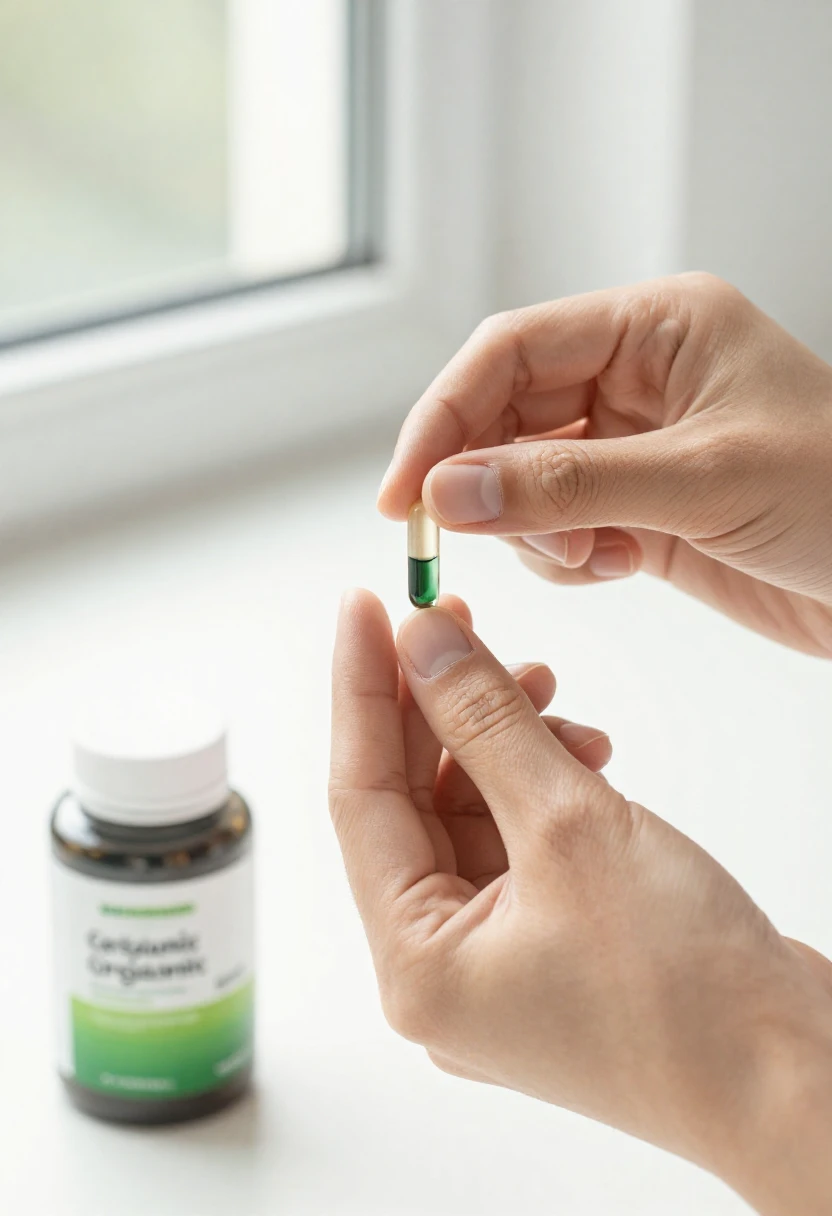
Spirulina has an excellent safety record. For the vast majority of healthy adults, it’s well-tolerated, gentle, and causes no issues whatsoever. But “generally safe” doesn’t mean “safe for everyone in every situation” — and being informed here is just as important as knowing the benefits.
Common Beginner Side Effects
Most side effects people experience with spirulina are mild, temporary, and almost always linked to starting with too high a dose too quickly. This is exactly why the “start low, go slow” approach matters.
What you might notice in the first week or two:
- Digestive discomfort — bloating, mild nausea, or loose stools. Your gut is adjusting to a concentrated source of protein and bioactive compounds it hasn’t encountered before. Starting with 1 gram and building up gradually almost always prevents this.
- Headaches — occasionally reported in the first few days, likely related to the detoxifying effect of chlorophyll and other compounds. Usually resolves on its own within a week.
- Green or darker stools — completely harmless. That’s just the chlorophyll doing its thing. Perfectly normal and nothing to worry about.
- Mild fatigue — paradoxical as it sounds, some people feel slightly tired in the first week before the energy benefits kick in. Think of it as the adjustment before the improvement.
Almost all of these resolve within 1–2 weeks as your body acclimates. If they persist or worsen, reduce your dose and build up more slowly.
People Who Should Consult a Doctor First
Spirulina is a food-based supplement, but that doesn’t mean everyone should take it without a second thought. There are specific groups for whom a conversation with a healthcare provider is genuinely important before starting.
People with autoimmune conditions: Spirulina is a potent immune stimulator. For most people, that’s a benefit. But for those with autoimmune diseases — lupus, rheumatoid arthritis, multiple sclerosis, or similar conditions — stimulating the immune system can potentially worsen symptoms. If your immune system is already overactive, adding fuel to that fire isn’t wise without medical guidance.
People with phenylketonuria (PKU): Spirulina contains phenylalanine — an amino acid that people with PKU cannot metabolize properly. This is a clear contraindication. If you have PKU, spirulina is not for you.
People on blood-thinning medications: Spirulina has mild anticoagulant properties and is rich in vitamin K, which plays a role in blood clotting. If you’re taking warfarin or other anticoagulants, spirulina could interfere with your medication’s effectiveness. Always check with your doctor first.
Pregnant and breastfeeding women: Not because spirulina is harmful per se, but because the research on its safety during pregnancy and lactation is limited. The conservative approach is to consult your doctor before adding any new supplement during this period.
People with kidney or liver disease: The high protein content of spirulina puts additional load on the kidneys. For people with existing kidney or liver conditions, this is worth discussing with a healthcare provider before starting.
Children: Spirulina isn’t inherently dangerous for children, but dosing is very different and should always be guided by a pediatrician.
How to Choose a Clean, Quality Spirulina Product
Here’s something that doesn’t get talked about enough: not all spirulina is created equal. The quality of the water and growing conditions directly impacts the quality of what ends up in your body. Poorly sourced spirulina can contain heavy metals, microcystins (toxins from contaminated algae), or harmful bacteria.
This isn’t meant to scare you — it’s meant to make you a smarter buyer.
What to look for:
- Third-party testing and certification — look for products tested by independent labs. Certifications like NSF, Informed Sport, or USP are meaningful signals of quality.
- Clear sourcing information — reputable brands tell you where their spirulina is grown. Hawaii, California, and certain controlled farms in Asia and Europe have strong quality reputations.
- Organic certification — not mandatory, but a good indicator that the product avoids pesticide contamination
- No unnecessary additives — the ingredient list should be short. Ideally just spirulina. Fillers, binders, and artificial anything are red flags.
- Packaging that protects from light — spirulina degrades with light exposure. Dark glass or opaque packaging is a sign the brand understands their product.
A simple rule of thumb: if a spirulina product is dramatically cheaper than everything else on the shelf, ask yourself why. Quality algae farming and testing costs money. Bargain spirulina often reflects bargain standards.
Spend a little more on a brand you can trust. Your body will know the difference.
Conclusion
Spirulina isn’t magic. But it is genuinely remarkable — and when you take it the right way, it earns its place in your daily routine without much fuss.
The key takeaways are simple: start small, build gradually, stay consistent, and choose quality. Pick the form that fits your lifestyle — powder if you love smoothies, tablets or capsules if you want zero effort. Find your timing sweet spot and attach it to a habit you already have. Give it at least eight weeks before you judge the results.
Most people who quit spirulina do so in the first two weeks, right before the benefits start showing up. Don’t be one of them.
This is one of those rare supplements where the science, the tradition, and the real-world results actually align. From better energy and faster recovery to clearer skin and stronger immunity — the payoff is real. It just asks for a little patience and consistency in return.
Start with one teaspoon. Blend it into something delicious. Show up again tomorrow.
That’s really all there is to it.
Frequently Asked Questions
Can I take spirulina on an empty stomach? Yes, most people tolerate it fine on an empty stomach. If you notice any nausea or discomfort, simply take it with a light snack or small meal. Starting with a lower dose also helps significantly.
Can I take spirulina every day long-term? Absolutely. Unlike many supplements, spirulina doesn’t create tolerance or dependency. Many people take it daily as a permanent part of their nutrition routine. There’s no established reason to cycle off it if you’re feeling good and responding well.
Can I take spirulina with other supplements? Generally yes, but a few combinations deserve attention. If you take blood thinners, thyroid medication, or immunosuppressants, check with your doctor first. Also be mindful of spacing spirulina away from calcium-rich foods or coffee if iron absorption is important to you.
How do I know if my spirulina is working? Track how you feel over 8–12 weeks rather than day to day. Look for subtle but consistent improvements — steadier energy, better workout recovery, clearer skin, less afternoon fatigue. For more measurable markers like cholesterol or blood sugar, a simple blood test before and after a 12-week period tells the real story.