🍚 Mexican Fried Rice Recipe
This is one of those dishes that quietly becomes a regular in your kitchen without you really planning it. It’s quick, it’s filling, and it solves that very specific problem of “I have leftovers, but I don’t want to eat the same thing again.”
Mexican fried rice sits somewhere between comfort food and a last-minute improvisation. It’s built on simple ingredients, but once everything hits a hot pan, it turns into something much more layered — slightly smoky, a little spicy, and just fresh enough to keep it from feeling heavy.
What makes it especially practical is how forgiving it is. You don’t need perfect measurements, and you don’t need to follow every step too strictly. As long as you keep the heat right and pay a bit of attention to texture, it almost always works out.
It’s the kind of meal you make when:
- you don’t feel like cooking something complicated
- you have leftover rice that needs to be used
- you want something warm and satisfying without spending too much time
And somehow, even with minimal effort, it still feels like a proper, complete dish — not just something thrown together.
Ingredients
- 3 cups cooked white rice (preferably cold)
- 225 g (½ lb) fresh Mexican chorizo
- 2 tablespoons neutral oil (sunflower, canola, or similar)
- 3 green onions (separate white and green parts)
- 1–2 cups green cabbage, chopped
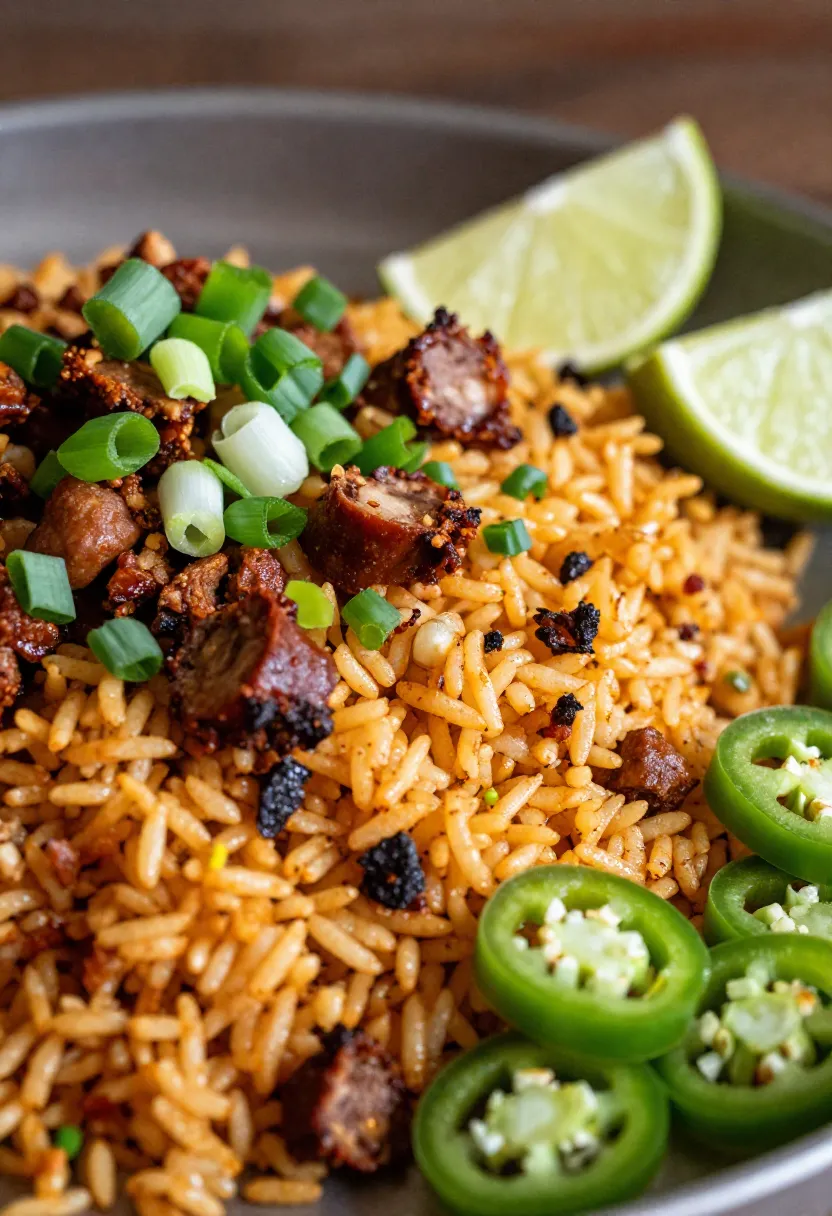
- 3–4 pickled jalapeños, chopped
- 3–4 cloves garlic, minced
- Salt to taste
Optional for serving:
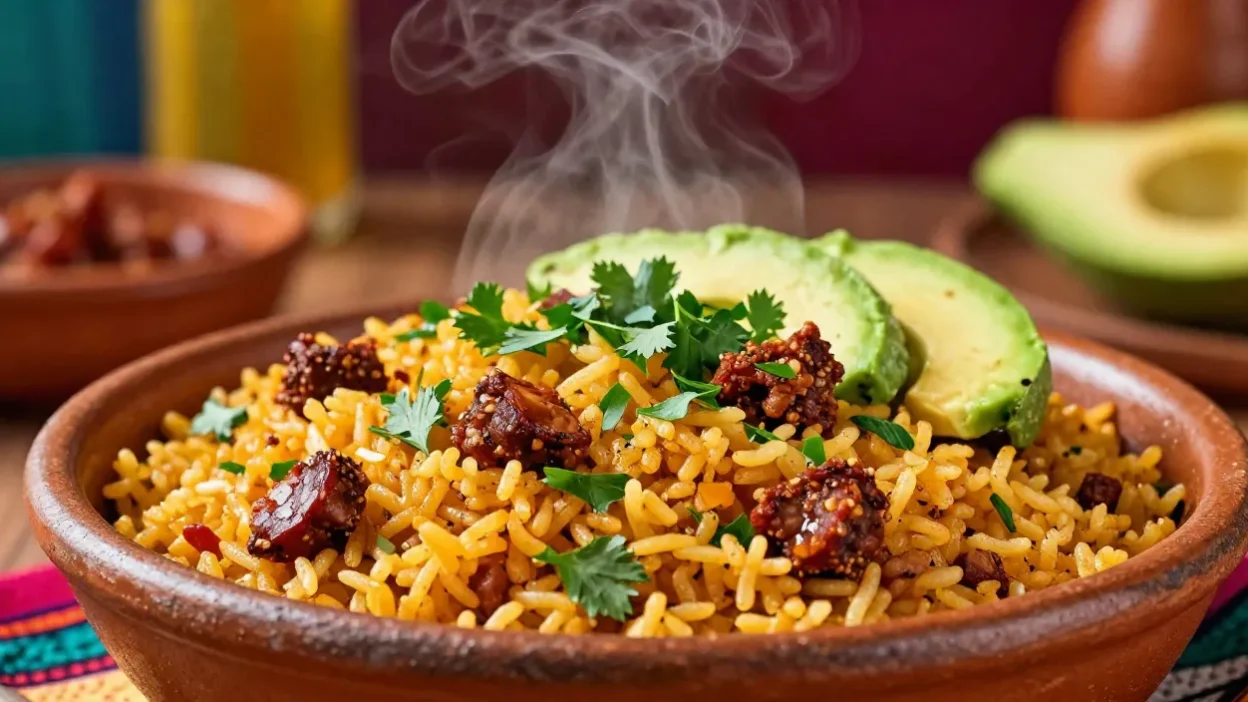
- Fresh cilantro 🌿
- Lime wedges 🍋
- Avocado slices 🥑
- Fried egg 🍳
Preparation Steps
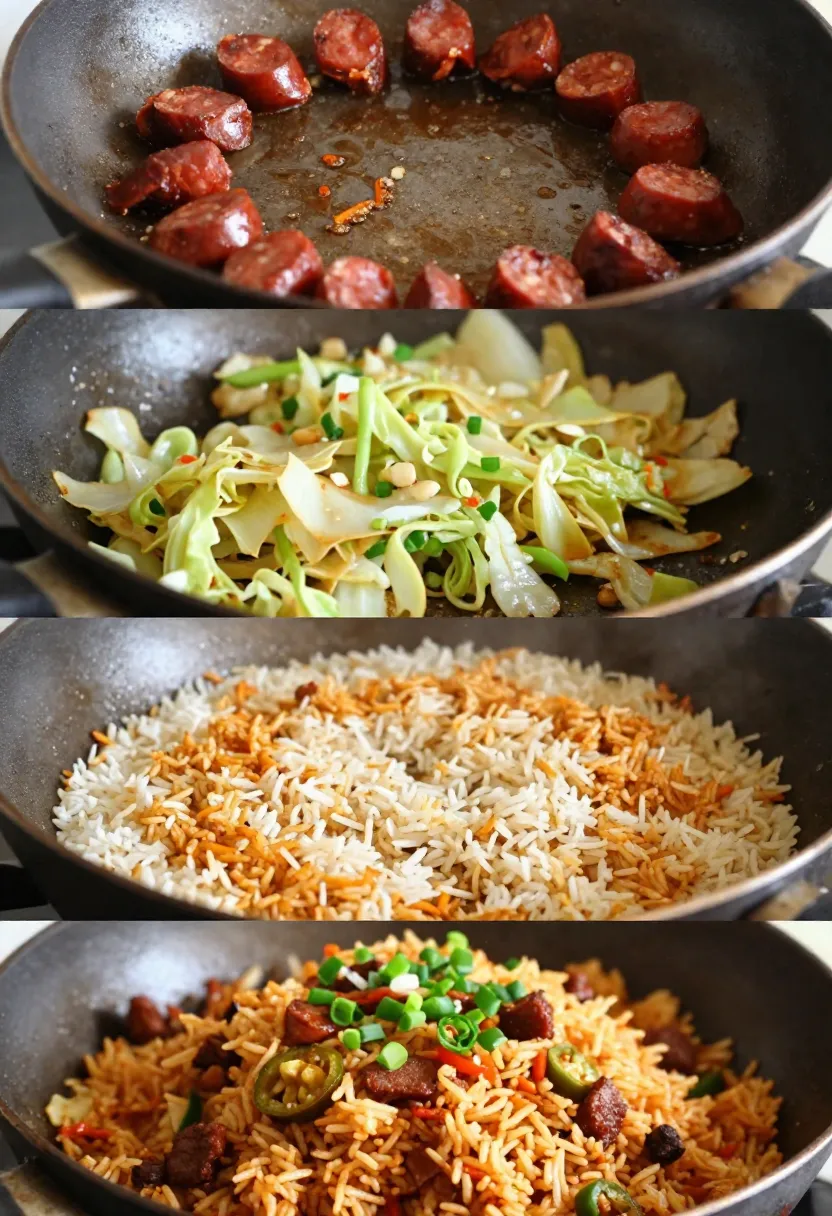
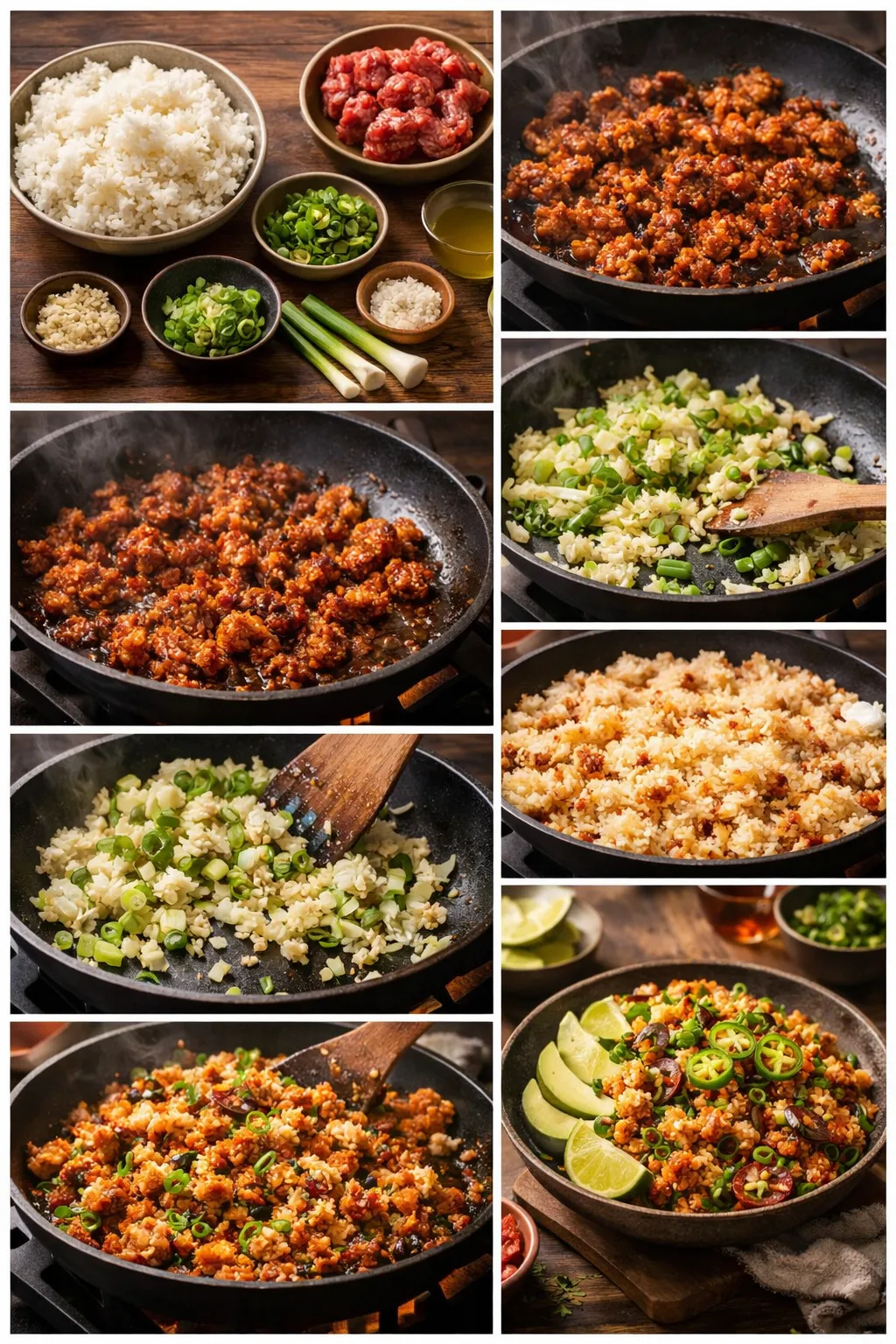
- Heat a large skillet or wok over medium-high heat until properly hot. You should feel the heat when you hold your hand slightly above the surface.
- Add the chorizo, breaking it into small pieces as it cooks. Let it brown well — this step builds most of the flavor, so it’s worth giving it a bit of time.
- Once fully cooked and slightly crispy, remove the chorizo from the pan and set it aside. Leave the oil behind — that’s where a lot of the taste sits.
- Add a small amount of oil if the pan looks dry, then add the white parts of the green onions and the cabbage. Stir-fry for 2–3 minutes until the cabbage softens slightly but still keeps some texture.
- Add the minced garlic and cook briefly, about 30 seconds. You’ll notice the smell change almost immediately — that’s your cue to move on.
- Add the rice and spread it evenly across the pan. Don’t rush to stir it — let it sit for a minute or two so it can develop a light crisp on the bottom.
- Stir the rice, then let it sit again. Doing this once or twice helps create that slightly toasted texture that makes fried rice more interesting.
- Return the chorizo to the pan and add the chopped jalapeños. Mix everything until evenly combined.
- Taste the dish and adjust if needed. A bit of salt or even a small splash of jalapeño brine can make a noticeable difference.
- Add the green onion tops and finish with a squeeze of fresh lime juice.
- Serve right away, with any optional toppings you like.
💡 A Few Small Tips That Actually Help
- Use rice that’s been in the fridge for a few hours (or overnight). Fresh rice tends to be too soft and won’t crisp properly.
- Don’t stir constantly — giving the rice time to sit in the pan is what creates texture.
- If the dish feels too heavy, it usually just needs a bit more lime or something fresh on top.
- Taste near the end, not just at the beginning. The flavor changes as everything comes together.
- And honestly, don’t stress too much — this is one of those recipes that still turns out good even if it’s not perfect.
🌿 Making It Your Own: Small Changes That Actually Matter
One of the reasons this dish works so well is that it doesn’t lock you into one exact version. It’s more like a starting point than a fixed recipe. Once you’ve made it once or twice, you stop thinking about it as “that one dish” and more as something you can adjust depending on your mood, your fridge, or honestly just your energy level that day.
And let’s be real — most of the time, cooking at home isn’t about having the perfect ingredients. It’s about making something work with what you already have.
If chorizo isn’t available, or you just don’t feel like using it, the dish doesn’t fall apart. It just shifts a bit.
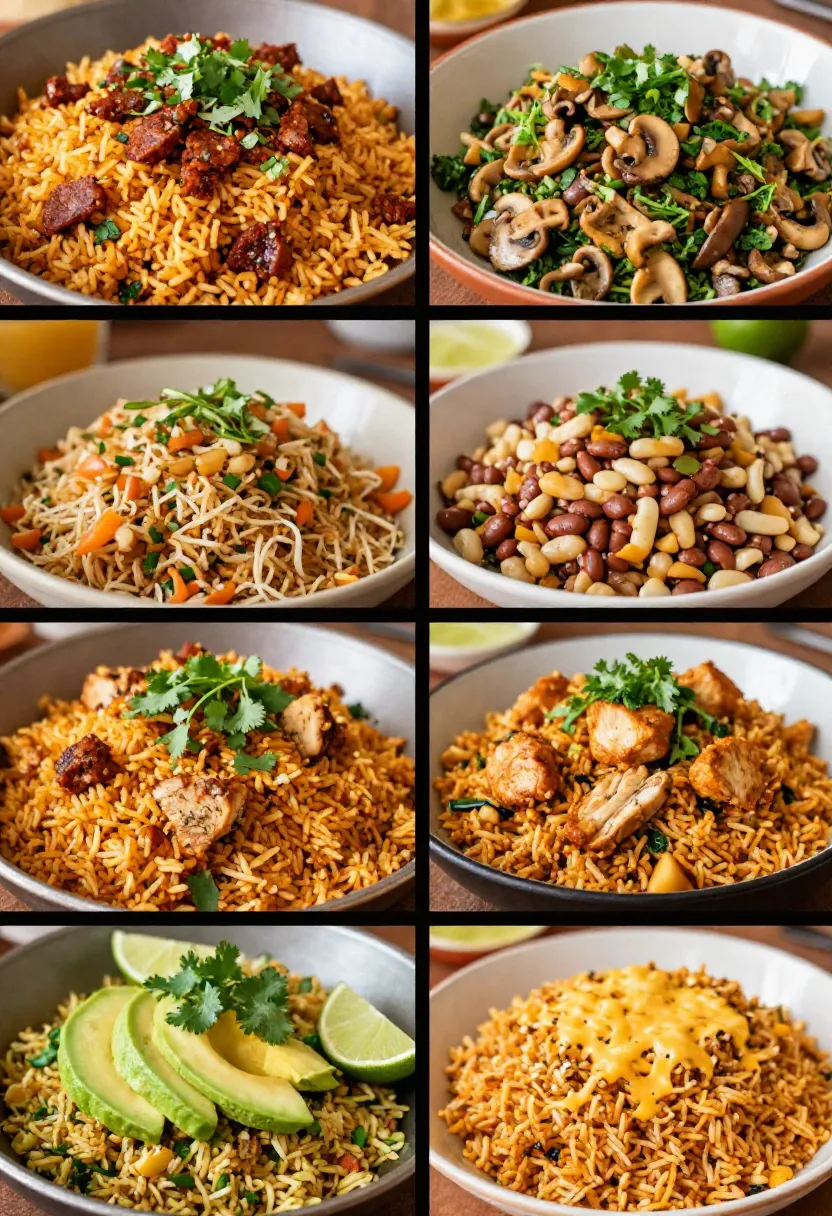
You can swap things around pretty easily:
- mushrooms with a bit of smoked paprika if you want something deeper and more earthy
- beans if you’re aiming for something simpler and lighter
- leftover chicken or even beef if that’s what you’ve got sitting in the fridge
It’s not about replacing one ingredient with another in a precise way. It’s more about keeping a general balance in mind — something rich, something fresh, something with a bit of heat or acidity to keep everything from feeling too heavy.
The same goes for spice levels. Some days you want that noticeable kick, other days not so much. You can adjust that without overthinking it. A few extra jalapeños, a bit of chili, or even a splash of something tangy can shift the whole dish.
And then there are those small additions that aren’t necessary, but make it feel a bit more comforting. A handful of cheese melted in at the end, for example, changes the texture completely. It makes everything a little softer, a little richer — maybe not traditional, but definitely satisfying.
At some point, you stop following the “idea” of the recipe and just start reacting to what feels right. And that’s usually when it turns out best.
🍽️ Serving It Like You Actually Care (Even a Little)
This isn’t a dish that demands perfect plating, but how you serve it still makes a difference — maybe more than you’d expect.
If you just scoop it straight from the pan onto a plate, it’ll still taste good. No question. But with a couple of small adjustments, it can feel like something a bit more intentional.
Using a wider bowl instead of a flat plate helps, for example. It keeps everything together and makes the textures easier to notice. You don’t really think about it at first, but it changes how you experience each bite.
Then there’s the contrast factor — adding something fresh right at the end. That’s probably the easiest way to improve the dish without doing any extra cooking.
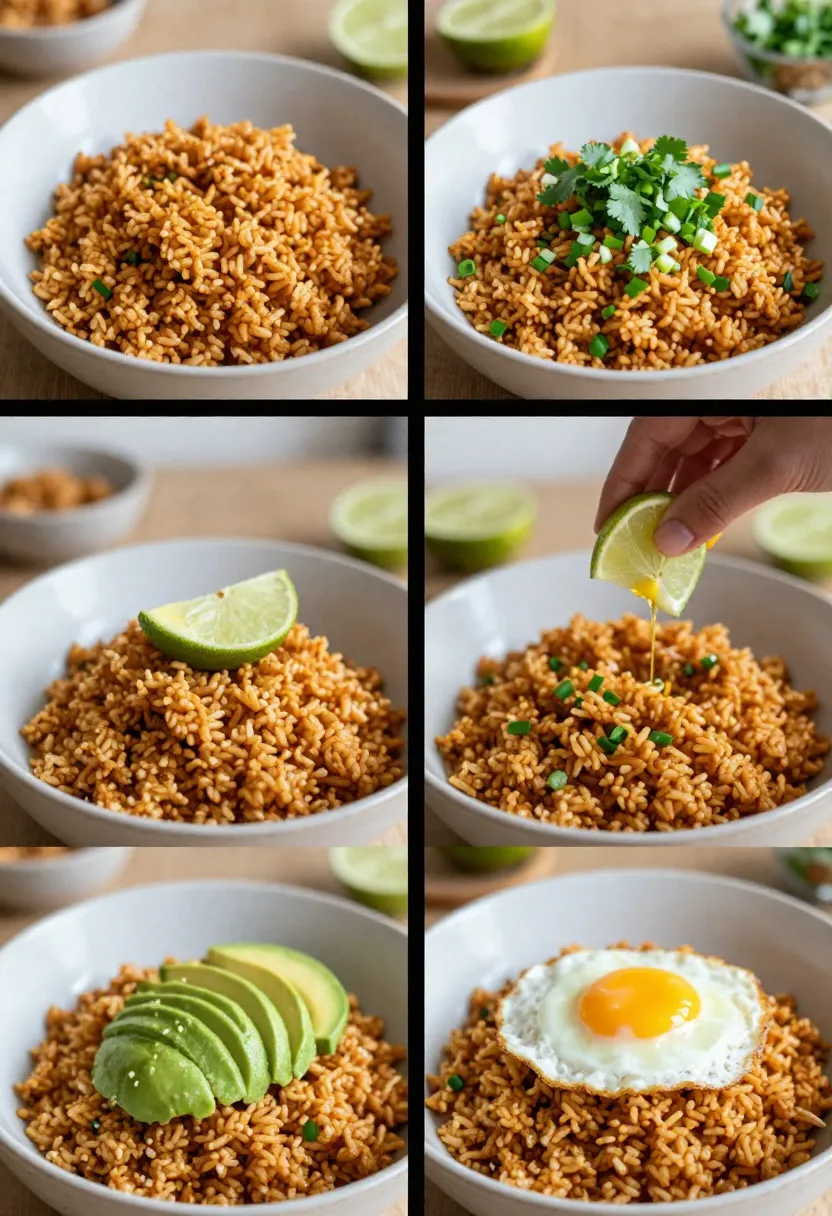
A few simple additions can go a long way:
- chopped cilantro or green onions for freshness 🌿
- a squeeze of lime to cut through the richness 🍋
- avocado slices if you want something creamy 🥑
And if you feel like putting in just a bit more effort, a fried egg on top is one of those small upgrades that makes the whole thing feel different. Once the yolk breaks and mixes into the rice, it adds a kind of richness that’s hard to get any other way.
It’s not necessary, but it’s one of those things that makes you pause for a second and think, “okay, this is actually really good.”
Still simple food — just with a bit more attention.
❤️ Why This Dish Ends Up in Your Regular Rotation
Some meals are exciting the first time you make them, but you don’t really come back to them. They take too much effort, or they only fit a specific mood.
This isn’t one of those.
This is the kind of dish that quietly becomes part of your routine without you noticing. You make it once because you have leftovers. Then again a week later because it was easy. And then suddenly it’s just… something you do.
Part of that comes down to how reliable it is. It doesn’t depend on exact measurements or perfect timing. Even if you get distracted, even if you change an ingredient or two, it still turns out good.
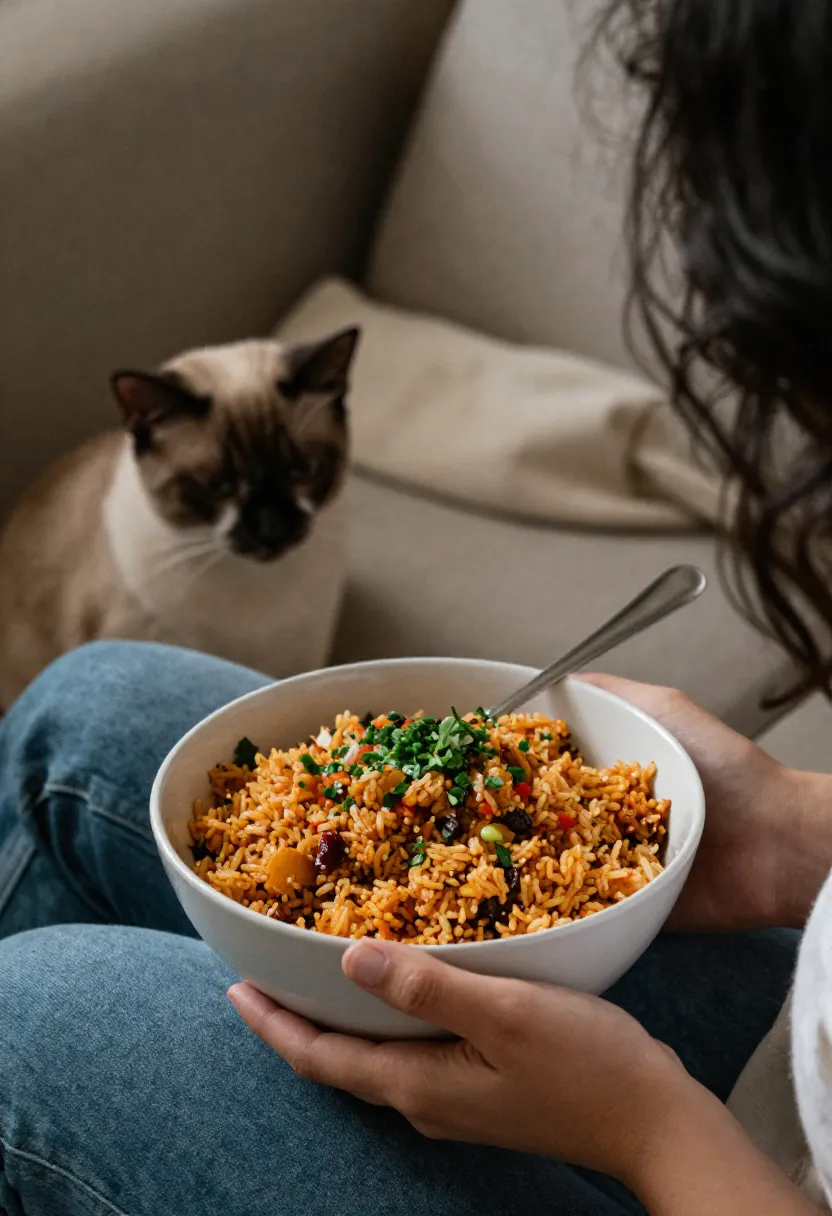
It fits into different kinds of days:
- when you’re busy and need something quick
- when you don’t feel like planning a full meal
- when you just want something warm and filling without much effort
And maybe the biggest reason it sticks is simple — it actually tastes like something you want to eat again.
There’s no pressure to get it exactly right. No complicated steps to remember. You just heat a pan, add what you have, and adjust as you go.
And in a way, that’s what makes it satisfying.
Not because it’s impressive or complicated, but because it works — consistently, without asking too much from you.