Most people decide to “eat healthier” on a Monday. By Wednesday, they’ve already given up.
Not because they’re lazy. Not because they don’t care. But because the plan they chose was built for someone with a personal chef, unlimited free time, and zero stress. In other words — not a real person.
Here’s the truth: improving your nutrition doesn’t require a dramatic life reset. No juice cleanses. No color-coded meal plans pinned to the fridge. No throwing out everything in your pantry and starting over.
What it does require is something far less glamorous — small, consistent decisions made over time. The kind that barely feel like effort but quietly reshape how you eat, how you feel, and how much energy you actually have.
This guide is about those decisions. Practical, realistic, grounded in how real eating actually works. Whether you’re starting from scratch or just trying to get back on track after a rough few months, you’ll find something useful here.
Let’s get into it.
Start With One Change, Not a Full Reset

There’s a certain kind of motivation that hits hard at the start of a new week, a new month, or after a particularly indulgent weekend. You know the feeling — suddenly you’re ready to meal prep five days in advance, cut out sugar, drink three liters of water, go to bed earlier, and start every morning with a protein-packed breakfast.
It sounds great for about 48 hours. Then life happens.
The problem isn’t your motivation. The problem is trying to change everything at once.
Why Small Shifts Beat Big Plans
Your brain resists sudden, sweeping change. It’s not a flaw — it’s how habits work. Routines exist because they’re efficient. Your brain automates familiar behaviors so it can save energy for everything else. When you try to rewire too many of those behaviors simultaneously, the mental load becomes overwhelming, and you revert back to what’s comfortable.
Research in habit formation consistently points to the same thing: the smaller the change, the higher the chance it sticks.
One small win builds confidence. Confidence makes the next change feel achievable. That’s the actual cycle of sustainable progress — not willpower, not discipline, just momentum.
The “One Thing This Week” Approach
Here’s a simple reframe that works surprisingly well: instead of asking “how do I fix my entire diet?”, ask yourself “what’s one thing I could do differently this week?”
Maybe it’s adding a handful of vegetables to your dinner. Maybe it’s swapping your afternoon snack. Maybe it’s simply drinking a glass of water before your morning coffee.
It sounds almost too small to matter. But that’s exactly why it works.
- It’s easy enough to actually do
- It doesn’t disrupt the rest of your routine
- It gives you a quick win to build on
After a week, that habit starts to feel normal. Then you add one more thing. And then another. Three months later, you’re eating in a way that feels completely natural — because you built it gradually, not forced it overnight.Start small. Stay consistent. Let it compound.
Build Your Plate Around Real Food
Before anything else — what does “real food” actually mean? Because the phrase gets thrown around a lot, and it can start to sound like wellness buzzword territory pretty quickly.
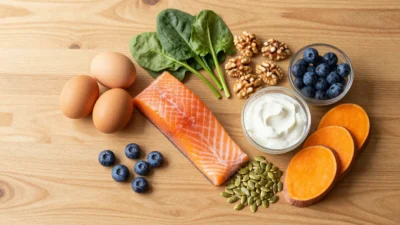
It doesn’t have to be complicated. Real food is simply food that’s closer to its original form. An apple. A piece of salmon. A bowl of oats. Lentils. Eggs. Olive oil. Food that doesn’t need a paragraph of ingredients on the back of the package to explain what it is.
That’s it. No strict rules, no forbidden lists. Just a general shift in the direction of less processed, more whole.
What “Real Food” Actually Means in Practice
You don’t have to eat perfectly to eat well. The goal isn’t to eliminate every packaged item from your kitchen — it’s to make whole, minimally processed foods the foundation of most of your meals.
Think about it this way: if the bulk of what you eat on a regular day comes from real ingredients, the occasional bag of chips or a slice of birthday cake isn’t going to derail anything. It’s the baseline that matters, not the exceptions.
A practical way to start: look at your plate and ask how many of the items on it you could identify in their raw state. If the answer is most of them — you’re already doing well.
The Color Rule — And Why It Works
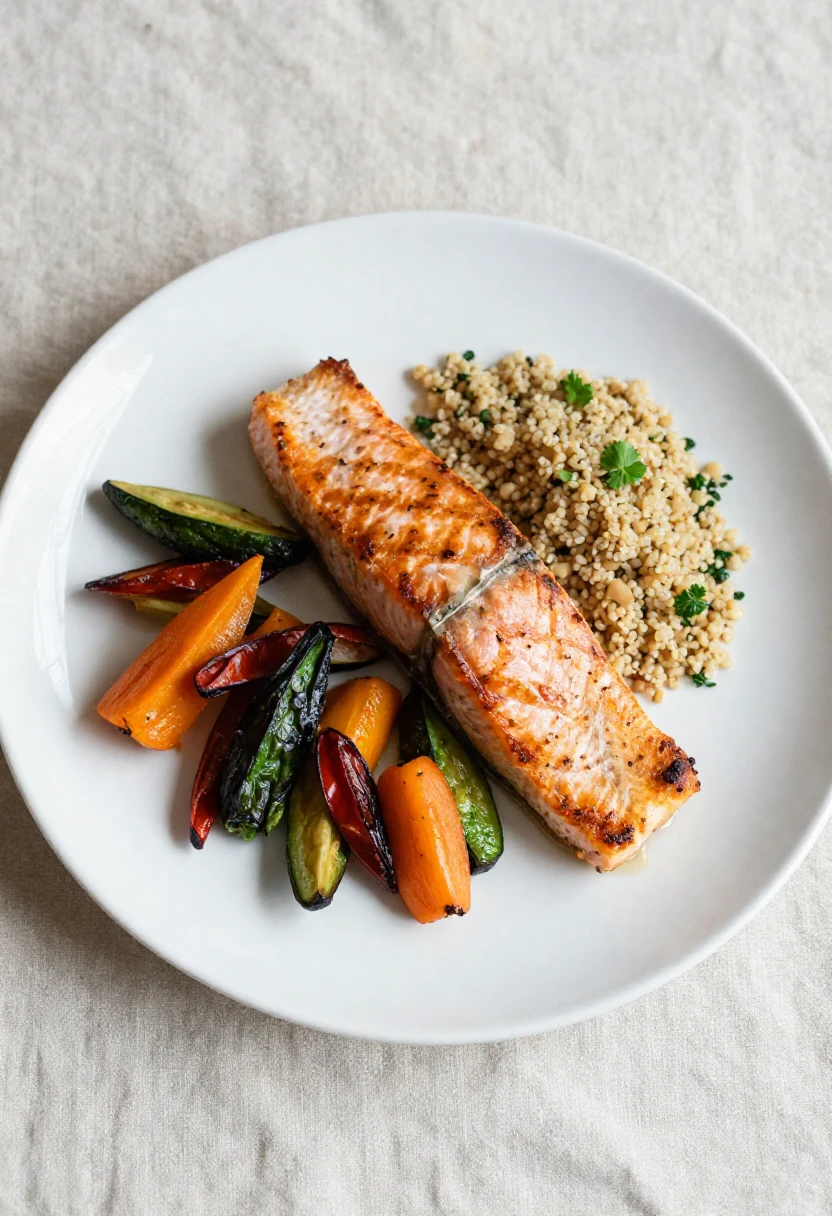
Here’s one of the simplest and most effective visual cues in nutrition: the more color on your plate, the better.
Not because it looks pretty for Instagram. But because different colored fruits and vegetables contain different phytonutrients, vitamins, and antioxidants. Orange carrots, dark leafy greens, red bell peppers, purple cabbage — each brings something distinct to the table.
A plate that’s mostly beige — think white rice, pale chicken, a few crackers — tends to be lower in fiber, micronutrients, and the kind of compounds that support long-term health. A plate with some green, some red, some yellow? That’s a plate working harder for you.
You don’t need to memorize nutritional profiles. Just aim for variety and color and you’ll naturally hit a broader range of nutrients without thinking too hard about it.
Protein, Fiber, Fat: Your Three Anchors
If you want one practical framework for building a solid meal — without tracking calories or following a rigid plan — focus on these three:
Protein keeps you full, supports muscle, and stabilizes blood sugar. Eggs, chicken, fish, legumes, Greek yogurt, tofu — pick what you enjoy.
Fiber slows digestion, feeds your gut microbiome, and helps you feel satisfied longer. Vegetables, fruit, whole grains, beans — this is where real food really shines.
Healthy fat helps your body absorb fat-soluble vitamins, supports brain function, and adds flavor that makes meals actually enjoyable. Avocado, olive oil, nuts, seeds — don’t be afraid of it.
When your plate has all three, something interesting happens: you stop feeling hungry an hour later. You stop reaching for something sweet at 3pm. You stop thinking about food between meals.
That’s not a coincidence — it’s just your body getting what it actually needs.
Master the Habits That Quietly Shape What You Eat
Here’s something most nutrition advice skips over: what you eat is heavily influenced by things that have nothing to do with food.
Your environment. Your schedule. The way your kitchen is organized. Whether you went grocery shopping this week or not. These invisible systems quietly determine your choices long before hunger even enters the picture.
Get the systems right, and eating well becomes almost automatic. Leave them to chance, and even the best intentions fall apart by Thursday evening when you’re tired, hungry, and staring into a mostly empty fridge.
Meal Prepping Without the Stress
Meal prep has a reputation for being an all-day Sunday affair — rows of identical containers, perfectly portioned, lined up like a fitness magazine photoshoot. For most people, that’s not sustainable. And honestly, it doesn’t need to be.
What actually helps is something much simpler: having a few ready-to-use ingredients on hand.
Not full meals. Just components.
- A batch of cooked grains — rice, quinoa, farro
- Some roasted vegetables you can throw into anything
- A protein source that’s already cooked or easy to prepare fast
- Washed and chopped greens ready to go
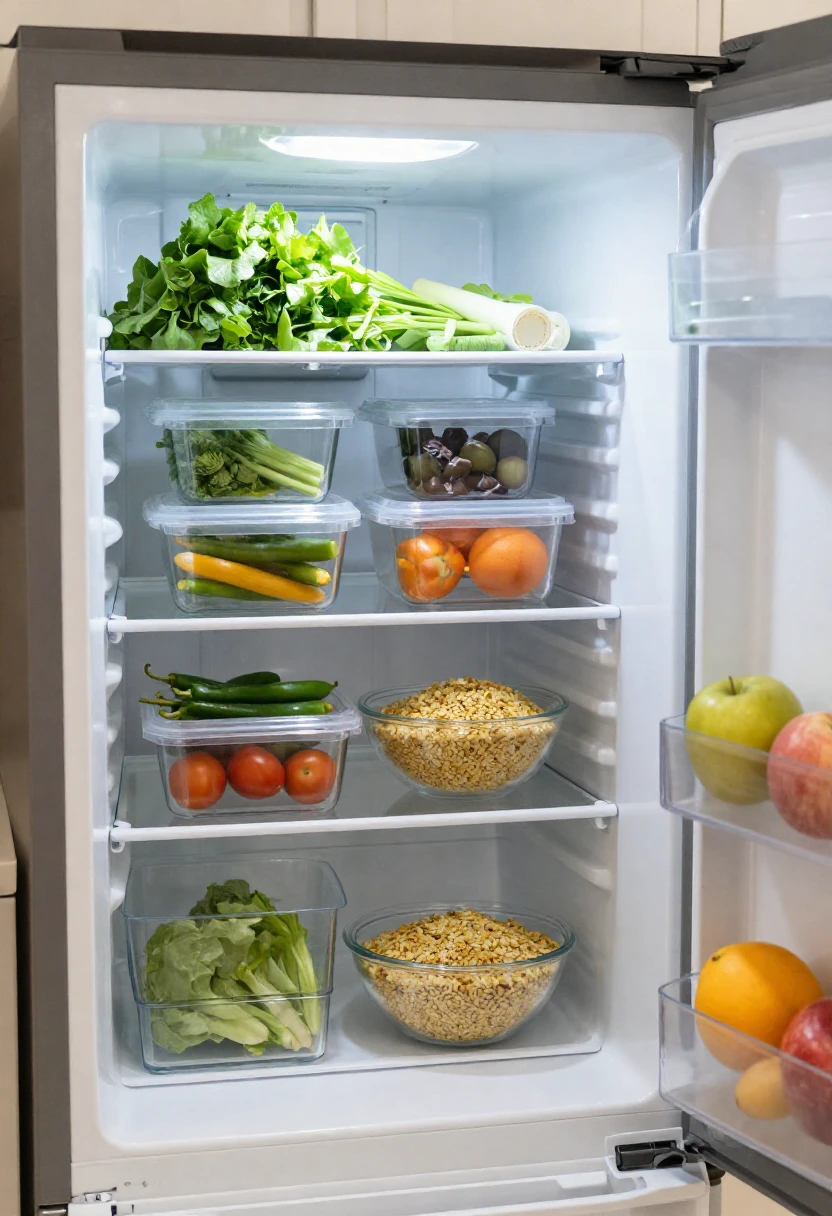
With those four things in your fridge, you can put together a decent meal in ten minutes on a Tuesday night when cooking from scratch feels impossible. That’s the real value of meal prep — not perfection, but removing friction at the moments when you’re most likely to reach for something less nourishing.
Smart Grocery Shopping Habits
What comes into your home is what you’ll eat. It sounds obvious, but it’s one of the most powerful levers you have.
A few habits that make a genuine difference:
- Shop with a loose plan. You don’t need a rigid menu, but knowing roughly what you’ll cook this week means you buy ingredients that actually work together — instead of random items that never become a meal.
- Don’t shop hungry. Genuinely. Everything looks appealing when your blood sugar is low, and your cart ends up telling a very different story than you intended.
- Spend most of your time on the outer aisles. Produce, proteins, dairy, eggs — the perimeter of most grocery stores is where whole foods live. The center aisles are where the ultra-processed stuff hides.
- Buy ingredients, not just products. A bag of lentils, a bunch of kale, a carton of eggs — these are building blocks. A box of “healthy” granola bars is a product someone else built for you, often with more sugar than you’d expect.
How Your Environment Controls Your Choices
There’s a well-known behavioral principle at play here: you make choices based on what’s easy and visible, not what’s optimal.
If a bowl of fruit is sitting on your counter, you’ll eat fruit. If a bag of crackers is at eye level in your pantry, you’ll eat crackers. If your fridge is organized so that vegetables are the first thing you see when you open it — you’ll actually use them before they wilt in the back corner.
This isn’t about willpower. It’s about design.
A few small environment tweaks worth trying:
- Keep a fruit bowl somewhere visible
- Move healthy snacks to eye level in the fridge and pantry
- Pre-portion nuts or seeds into small containers so grabbing a handful is effortless
- Keep a full water bottle on your desk or counter — you’ll drink more simply because it’s there
None of these feel like “nutrition work.” But over weeks and months, they add up to hundreds of small decisions quietly going in the right direction — without you having to think about it.
Your environment is either working for you or against you. Make it work for you.
What You Drink Matters More Than You Think

Most people spend a lot of energy thinking about what they eat — and almost no time thinking about what they drink. But your beverages can quietly add hundreds of calories, spike your blood sugar, and leave you feeling more tired and hungrier than you started.
The good news: this is one of the easiest areas to improve. And the impact is often faster and more noticeable than changing your food choices.
The Sneaky Calorie Sources Hiding in Your Glass
Let’s be honest about a few things that tend to fly under the radar:
Flavored coffee drinks. That large caramel latte or blended coffee beverage from your favorite café can easily contain 300–500 calories and as much sugar as a slice of cake. It doesn’t feel like a meal — but nutritionally, it sometimes is one.
Fruit juices. Even the 100% natural, no-added-sugar kind. When you juice a fruit, you remove most of the fiber and concentrate the sugar. A glass of orange juice contains roughly the same amount of sugar as a can of soda — without the fiber that would normally slow down how your body absorbs it. Eating the whole fruit is almost always the better choice.
Smoothies from cafés. Homemade smoothies can be genuinely nutritious. Store-bought or café versions often contain fruit juice as a base, added syrups, frozen yogurt, or sweetened protein powders — turning what sounds like a health choice into a sugar bomb with good branding.
Alcohol. Beyond the calories themselves, alcohol tends to lower your inhibitions around food choices, disrupt sleep quality, and increase appetite the next day. It’s not about eliminating it — it’s about being honest about what it does to the rest of your nutrition.
None of this means you can never enjoy these things. It just means being aware that what’s in your glass counts — and that liquid calories are easy to overlook precisely because drinking doesn’t feel like eating.
How to Hydrate Better (Without Just “Drinking More Water”)
Yes, water matters. You’ve heard it before. But telling someone to “drink more water” without any practical context isn’t particularly useful advice.
Here’s what actually helps:
Start your morning with water before anything else. After seven or eight hours without fluids, your body is mildly dehydrated when you wake up. A glass of water before coffee sets a better baseline for the day — and many people find it reduces that foggy, low-energy feeling they assume is just “morning.”
Eat your water too. A significant portion of daily hydration can come from food — cucumbers, watermelon, oranges, soups, leafy greens, berries. If you struggle to drink enough, leaning into water-rich foods is an easy way to supplement.
Make water more interesting if plain water bores you. Sparkling water, a slice of lemon or cucumber, a few mint leaves, a wedge of lime — small additions that make it feel like something you actually want to drink rather than a chore.
Learn to read your thirst signals. Mild thirst often disguises itself as hunger. Before reaching for a snack in the middle of the afternoon, try drinking a glass of water and waiting ten minutes. Genuine hunger will persist. Thirst usually won’t.
Herbal teas count. If you enjoy chamomile, peppermint, ginger, or rooibos — those absolutely contribute to your daily hydration. They’re warm, comforting, caffeine-free, and genuinely good for you. Don’t underestimate them.
The goal isn’t to hit a specific number of liters and tick a box. It’s to stay consistently hydrated throughout the day so your energy, focus, and digestion can actually function the way they’re supposed to.
Because the truth is — a lot of what people chalk up to fatigue, brain fog, or cravings is simply their body asking for more water.
Break the All-or-Nothing Mindset
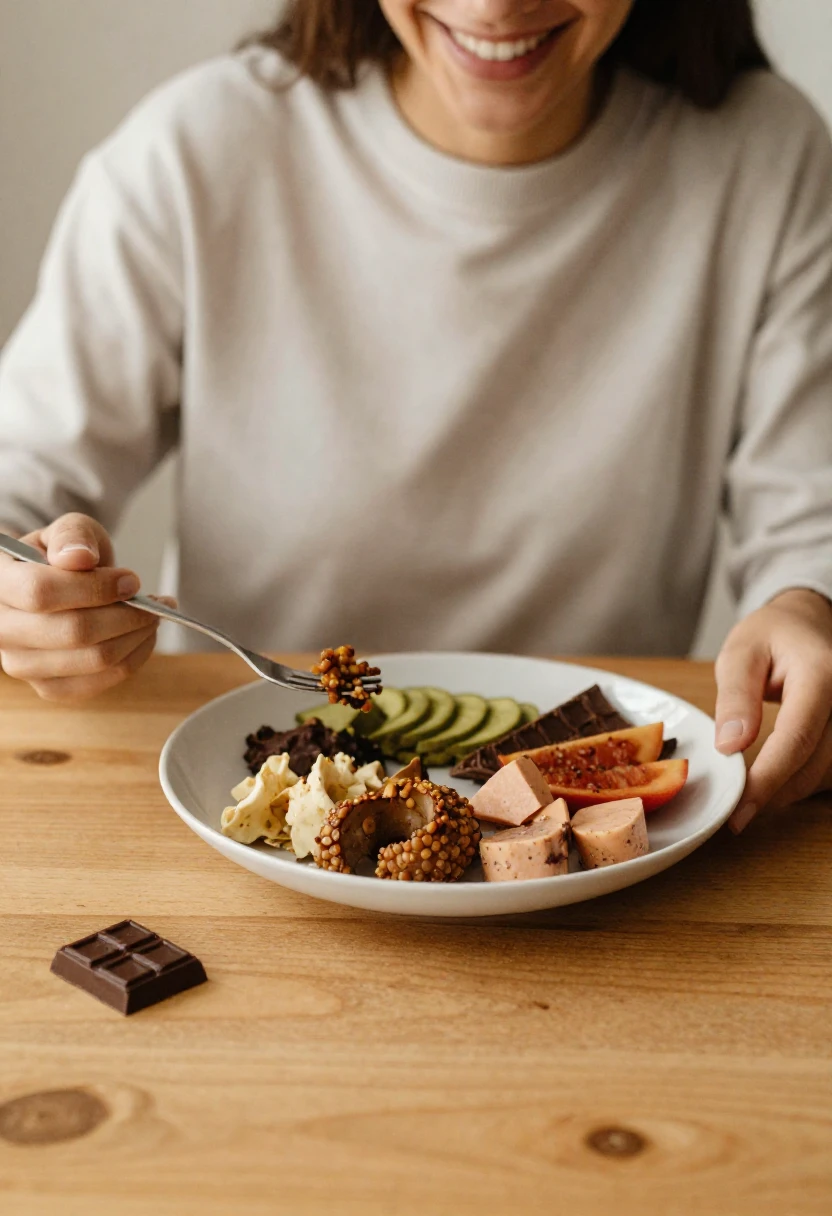
This might be the most important section in the entire article.
Because you can know everything about nutrition — understand macros, read labels fluently, meal prep like a pro — and still completely derail your progress because of the way you think about food.
The all-or-nothing mindset is the single most common reason people cycle endlessly between “eating perfectly” and “eating terribly.” It’s the voice that says: you already had one cookie, might as well finish the whole box. Or: you missed your healthy lunch, so the rest of the day is a write-off.
Sound familiar? You’re not alone. And it has nothing to do with discipline.
“Always Foods” vs. “Sometimes Foods”
One of the most useful mental shifts you can make is moving away from the idea of “good foods” and “bad foods” — and toward a simpler, less loaded framework.
Always foods are the ones that form the foundation of how you eat most of the time. Vegetables, whole grains, quality protein, healthy fats, legumes, fruit. These are the foods you come back to consistently — not because you have to, but because they make you feel good.
Sometimes foods are everything else. The slice of birthday cake. The fries you shared at the pub. The ice cream on a hot afternoon. These aren’t failures or indulgences to feel guilty about — they’re just a normal part of eating like a human being.
The difference between someone who has a healthy relationship with food and someone who doesn’t often comes down to this: one sees sometimes foods as part of life, the other sees them as evidence of failure.
Neither the cake nor the fries are the problem. The guilt spiral that follows is.
Why Deprivation Backfires
There’s a well-documented psychological phenomenon called the “forbidden fruit effect.” When you tell yourself a food is completely off-limits, it becomes disproportionately appealing. You think about it more. You want it more. And when you eventually eat it — which you almost certainly will, because you’re human — you tend to overeat it precisely because it feels like a rare, stolen moment.
Restriction creates obsession. And obsession is not a nutrition strategy.
This doesn’t mean eating whatever you want whenever you want with zero awareness. It means building a way of eating that includes the foods you love — in reasonable amounts, without drama — so they stop having power over you.
When chocolate is something you can have any time, it stops being something you binge on in secret on a Wednesday night.
How to Enjoy Food Without Guilt
Guilt is one of the least useful emotions when it comes to eating. It doesn’t undo what you ate. It doesn’t help you make a better choice next time. It just makes the experience of eating something pleasurable feel like a moral failing — and that association is genuinely harmful over time.
A few things worth practicing:
- Eat the thing and move on. One meal, one snack, one evening of eating more than usual — none of that matters in the context of what you do consistently over weeks and months.
- Notice how food makes you feel — without judgment. Not guilty, not proud. Just curious. Did that heavy lunch leave you sluggish? Did that lighter dinner help you sleep better? Use the information, don’t moralize it.
- Stop using food as a reward or punishment system. You don’t need to “earn” a meal by working out. You don’t need to “make up for” a meal by restricting the next one. Food is fuel and pleasure — not a scoreboard.
The goal of better nutrition isn’t to eat perfectly. It’s to eat in a way that feels sustainable, enjoyable, and genuinely good for you — most of the time, with room for real life in between.
That’s what actually lasts.
Read Labels Like You Mean It
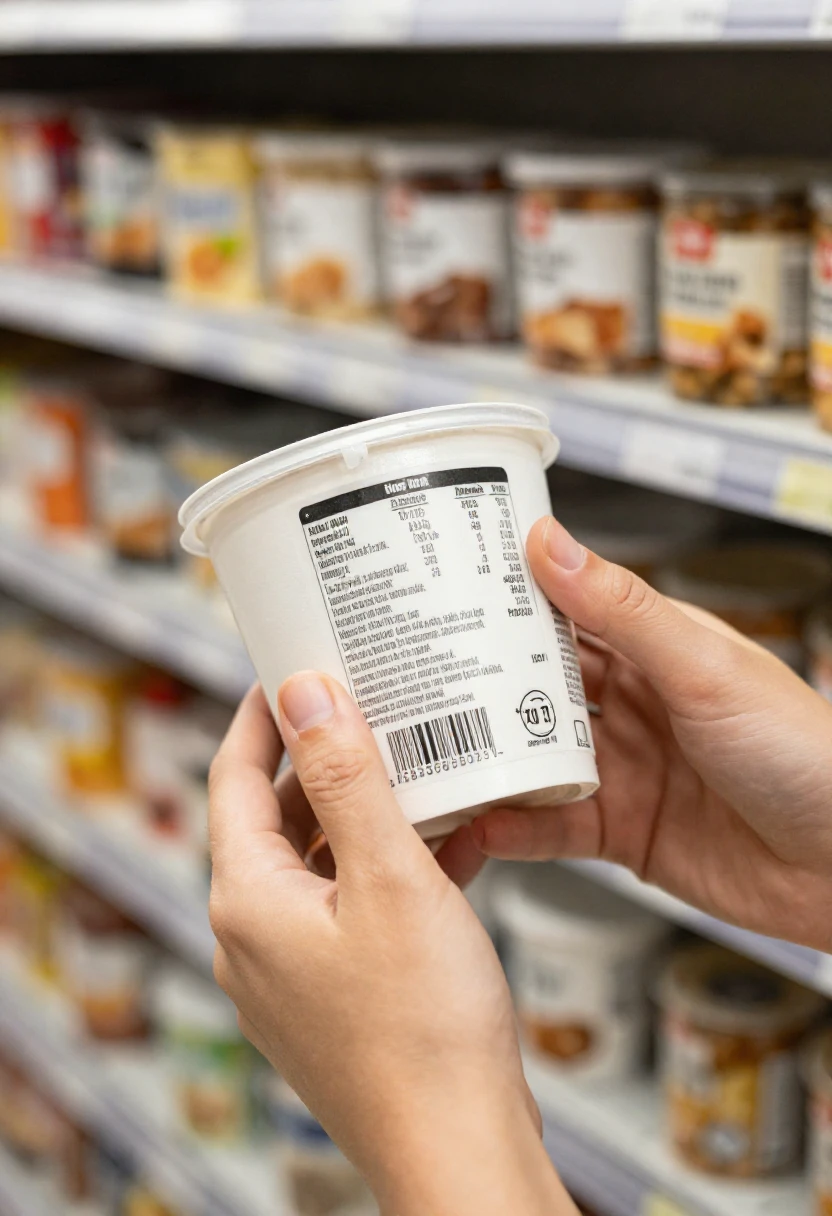
Walking down a grocery store aisle can feel like navigating a marketing gauntlet. “High protein.” “Low fat.” “Natural.” “Wholesome.” “Made with real ingredients.” Every package is competing for your attention — and most of those claims are designed to make you feel good about putting the product in your cart, not to genuinely inform your decision.
The nutrition label on the back, though? That one tells a more honest story. Learning to read it — quickly, practically, without obsessing over every number — is one of the most useful nutrition skills you can build.
The One Thing to Check First
Before anything else, look at the ingredient list.
Not the calories. Not the macros. The ingredients.
Here’s why: ingredients tell you what the food actually is. The nutrition panel tells you about quantities, but the ingredient list tells you about quality. And quality matters.
A general rule of thumb: the shorter the ingredient list, the better. A jar of almond butter that contains “almonds” is a different product entirely from one that contains almonds, palm oil, sugar, and three stabilizers — even if the calorie counts look similar.
Ingredients are listed in descending order by weight. So whatever appears first is what the product contains most of. If the first two ingredients are some form of sugar and refined flour, that’s essentially what you’re eating — regardless of what the front of the package claims.
Spotting Hidden Sugars and Sodium
Sugar is remarkably good at hiding. Food manufacturers use dozens of different names for it — and sometimes several of them appear in the same product, spread across the ingredient list so that no single one ranks too high.
Some of the most common aliases worth knowing:
- High-fructose corn syrup
- Cane juice or evaporated cane juice
- Maltose, dextrose, fructose, sucrose
- Agave nectar, rice syrup, barley malt
- Corn syrup solids
If you scan an ingredient list and spot three or four of these — even in a product marketed as healthy — that’s a significant amount of added sugar, just distributed cleverly.
Sodium follows a similar pattern. It hides in places you wouldn’t necessarily expect — bread, breakfast cereals, pasta sauces, salad dressings, canned goods, flavored rice and grain packets. You don’t have to avoid sodium entirely, but knowing where it accumulates helps you make more informed choices, especially if you’re trying to support heart health or manage blood pressure.
Short Ingredient Lists = A Good Sign
This isn’t a hard rule — some perfectly healthy foods have longer ingredient lists, and some short ones aren’t particularly nutritious. But as a quick, practical heuristic it holds up well.
When you pick up a product and the ingredients read like something you could find in your own kitchen — olive oil, oats, walnuts, sea salt, honey — that’s a good sign. When they read like a chemistry lab inventory, it’s worth pausing.
A few practical habits to build around label reading:
- Compare two similar products side by side. The difference between two brands of the same item is often striking — and it only takes thirty seconds to check.
- Look past the health claims on the front. “Reduced fat” often means added sugar to compensate for flavor. “Sugar-free” often means artificial sweeteners. Front-of-pack claims are marketing. Back-of-pack labels are data.
- Don’t aim for perfect — aim for informed. You don’t need to scrutinize every single thing you buy. But developing a general awareness of what’s in your food means you stop being surprised by what it’s actually doing to your body.
Reading labels isn’t about fear or restriction. It’s about knowing what you’re choosing — so the choice is actually yours.
Listen to Your Body (It’s Smarter Than Any App)

We live in an era of unprecedented access to nutrition information. There’s an app to track your calories, a device to monitor your sleep, a wearable to measure your steps, a calculator to estimate your macros. All of it has its place — but somewhere along the way, many people have outsourced so much of their eating to external tools that they’ve lost touch with the most reliable feedback system they have.
Their own body.
No app knows how a meal actually made you feel two hours later. No tracker can measure whether you felt energized or sluggish after breakfast. No algorithm understands your stress levels, your sleep quality, your hormones, or the hundred other variables that influence how food affects you on any given day.
Your body, on the other hand, is registering all of it — constantly. You just have to start paying attention.
Hunger vs. Appetite — Knowing the Difference
These two words are often used interchangeably, but they describe very different experiences — and learning to tell them apart is genuinely useful.
Hunger is a physical signal. It builds gradually, often accompanied by a hollow feeling in your stomach, low energy, or difficulty concentrating. It’s your body communicating a genuine need for fuel. True hunger is relatively non-specific — when you’re actually hungry, most foods sound appealing.
Appetite is a psychological response. It’s the sudden craving for something specific — usually something sweet, salty, or comforting — often triggered by stress, boredom, habit, or simply seeing or smelling something that looks good. Appetite can show up even when you’re physically full.
Neither is wrong. Appetite is a normal part of being human, and enjoying food beyond pure fuel is one of life’s genuine pleasures. But knowing which one you’re responding to helps you make more conscious choices — and stops you from eating half a bag of crisps out of boredom while convincing yourself you were hungry.
A simple check: before reaching for food, pause for ten seconds and ask — is my body asking for this, or is something else going on? You don’t have to act on the answer every time. Just noticing is enough.
Eating Slowly and Actually Tasting Your Food
Here’s an uncomfortable truth: most of us eat too fast to notice what we’re eating.
We eat at our desks while scrolling through emails. We eat standing over the kitchen counter between tasks. We eat in front of the TV and look down to find the plate empty without any real memory of the meal.
Beyond the obvious — that this isn’t a particularly enjoyable way to eat — it also has a direct impact on digestion and satiety. Your stomach takes roughly 15 to 20 minutes to signal your brain that it’s full. If you eat a large meal in eight minutes, you’ll consistently overshoot what your body actually needed before the signal even arrives.
Slowing down doesn’t require a formal practice or a mindfulness retreat. A few things that genuinely help:
- Put your fork down between bites. It sounds almost comically simple. It works.
- Eat without screens when you can. Even occasionally. The meal tastes better and you actually notice when you’re satisfied.
- Chew more thoroughly. Digestion starts in the mouth — proper chewing reduces the burden on your digestive system and helps your body extract more nutrition from what you eat.
- Notice flavors and textures. Not in an overthought way — just enough to be present for the experience of eating rather than rushing through it.
Food is one of the genuine daily pleasures available to all of us. It deserves more than a distracted five minutes between tasks.
When to Ask a Professional for Help
There’s a lot you can do on your own — and this entire article has been about exactly that. But there are situations where the right move is to stop Googling and talk to someone who actually knows your specific situation.
Consider reaching out to a registered dietitian or nutritionist if:
- You have a chronic health condition — diabetes, cardiovascular disease, autoimmune issues — where nutrition has a direct clinical impact
- You’ve tried multiple approaches and still feel consistently low-energy, bloated, or unwell after eating
- You suspect a food intolerance or sensitivity but aren’t sure where to start
- You have a complicated relationship with food — restriction, bingeing, guilt — that goes beyond what nutrition tips can address
- You’re pregnant, breastfeeding, or navigating a significant life change that affects your nutritional needs
A good dietitian won’t hand you a rigid meal plan and send you home. They’ll help you understand your body, your patterns, and your specific needs — and build something that actually works for your life.
General nutrition advice, including everything in this article, is a solid starting point. But you are not a general case. You’re a specific person with a specific body, history, and set of circumstances. Sometimes personalized guidance is simply the most efficient path forward.
Conclusion
Improving your nutrition doesn’t have a dramatic starting pistol. There’s no perfect Monday, no ideal moment to begin, no version of this that requires you to throw out everything in your fridge and start over.
It starts with one small change. Then another. Then a few quiet habits that slowly reshape how you shop, how you cook, how you eat, and how you feel.
You build a plate around real food most of the time. You pay attention to what you drink. You stop punishing yourself for being human. You learn to read a label without anxiety. You slow down enough to actually taste your meals. And little by little, without it feeling like a battle, eating well becomes less of a goal — and more of just how you live.
That’s the version of better nutrition that actually lasts. Not perfect. Not rigid. Just real, consistent, and genuinely yours.
Frequently Asked Questions
How long does it take to see results from eating better? It depends on what you’re measuring. Energy levels and digestion often improve within one to two weeks of making consistent changes. Physical changes like weight or body composition typically take longer — usually several weeks to a few months. The most important shift, though, is how you feel day to day — and that can start surprisingly quickly.
Do I need to count calories to eat healthier? No. Calorie counting can be a useful tool for some people in specific contexts, but it’s not a requirement for eating well. Focusing on food quality, hunger cues, and balanced meals gets most people most of the way there — without the mental overhead of tracking every bite.
What if I eat well during the week but fall apart on weekends? This is incredibly common, and it matters far less than you think. Nutrition is about patterns over time, not individual days. A relaxed weekend doesn’t undo a solid week — it’s the overall trend that counts. Rather than trying to be perfect on weekends, focus on keeping a loose foundation: one balanced meal, some water, enough sleep. The rest can flex.
Is it worth taking supplements if I’m trying to improve my nutrition? Whole food first, always. Supplements can fill genuine gaps — Vitamin D, B12, magnesium, and omega-3s are commonly deficient in many people — but they work best as exactly what the name suggests: supplements to a solid diet, not replacements for one. If you’re unsure what you actually need, a simple blood panel from your doctor is a much better starting point than a shelf full of capsules.