
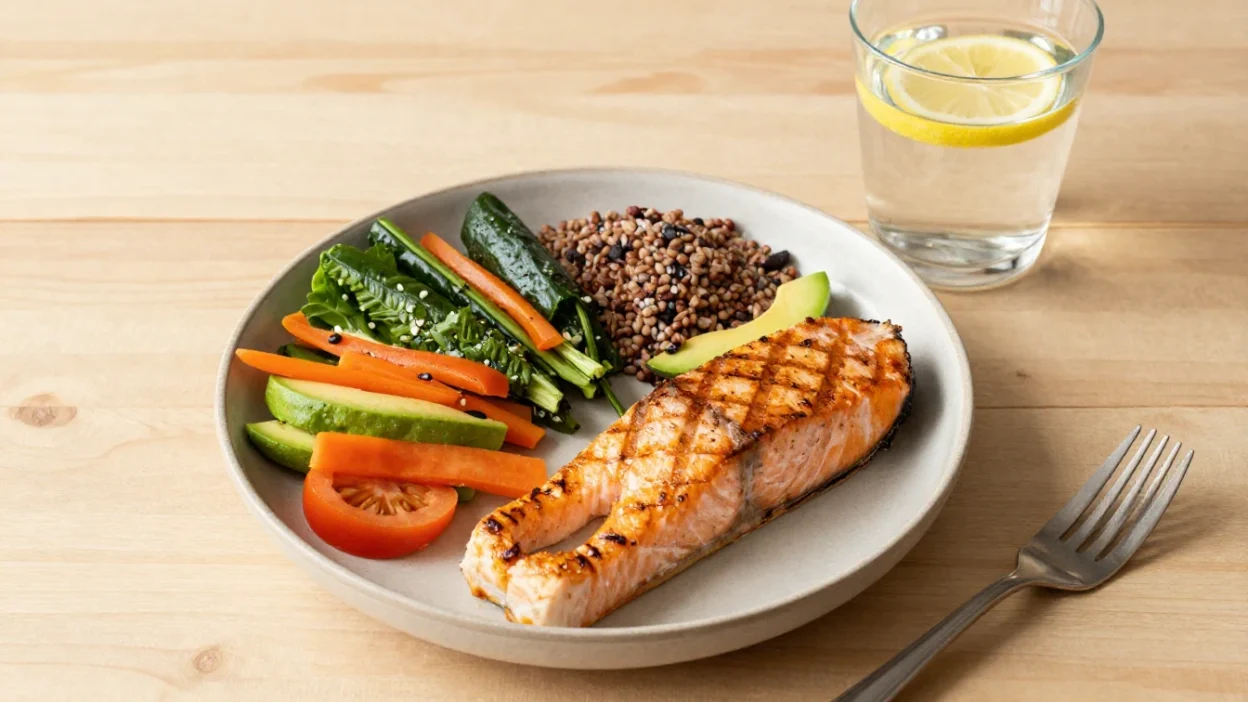
You’ve heard it a thousand times: eat a balanced diet. It shows up on nutrition labels, doctor’s advice, wellness blogs, school cafeteria posters. And yet — most people have no idea what it actually means in practice, or why it genuinely matters beyond the obvious “it’s healthy.”
This isn’t another article telling you to eat more vegetables and drink more water. This is about what a balanced diet actually does to your body — your energy, your mood, your immunity, your sleep, your long-term health. Things you can feel. Things that show up in your bloodwork. Things that quietly change your quality of life in ways you might not even connect to food.
Because here’s the truth: most people don’t overlook a balanced diet because they don’t care. They overlook it because no one has ever explained the real benefits in a way that feels relevant and human.
Let’s fix that.
What Does a Balanced Diet Actually Mean?
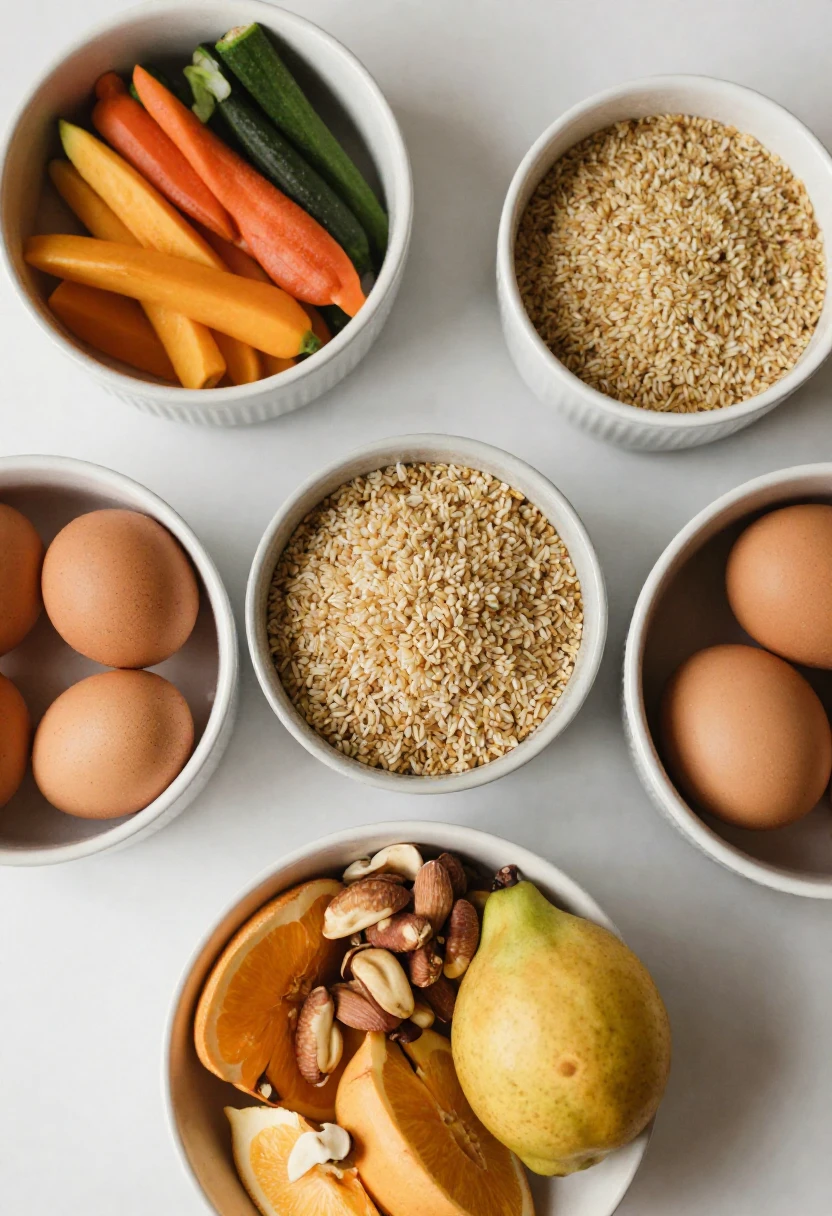
Before we talk about benefits, let’s clear something up — because the phrase “balanced diet” gets thrown around so loosely it’s almost lost its meaning.
It’s not about perfection — it’s about variety
A balanced diet isn’t a strict meal plan. It’s not eating salad every day or swearing off bread. It’s not counting every macro or avoiding anything you enjoy.
At its core, a balanced diet means giving your body a consistent variety of nutrients it needs to function well — across all the major food groups, in reasonable portions, most of the time.
That “most of the time” part matters. One pizza night doesn’t undo a week of good eating. Balance is a pattern, not a perfect streak.
The key food groups and why each one matters
Think of your body like a very complex machine. It doesn’t run on one fuel — it needs a whole mix:
- Complex carbohydrates — your brain and muscles’ preferred energy source (think oats, sweet potatoes, whole grains)
- Quality proteins — for muscle repair, enzymes, hormones, and immune function (eggs, legumes, fish, poultry)
- Healthy fats — for brain health, hormone production, and absorbing fat-soluble vitamins (avocado, olive oil, nuts)
- Vitamins and minerals — dozens of micronutrients that regulate nearly every process in your body
- Fiber — feeds your gut bacteria and keeps digestion running smoothly
- Water — often forgotten, but essential for literally everything
When you consistently get all of these? That’s when things start to shift.
Benefit #1 — Sustained Energy Throughout the Day
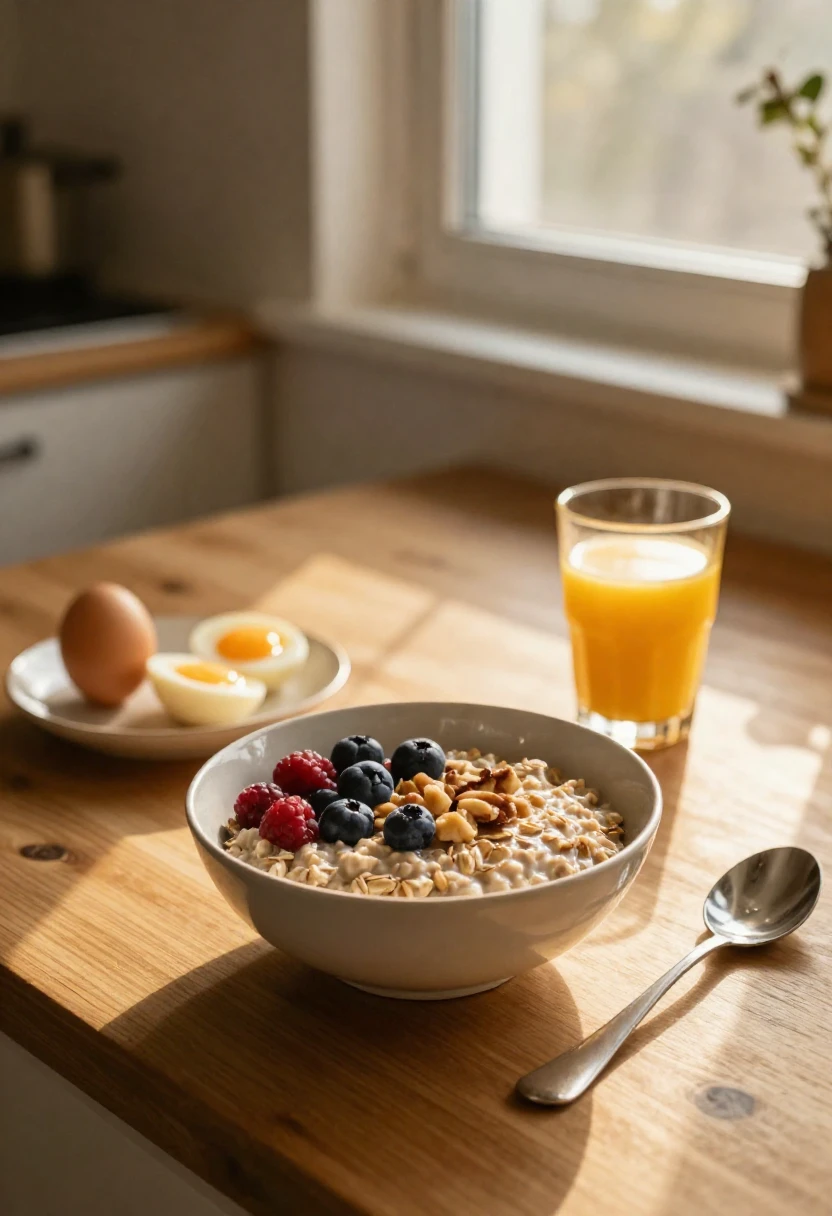
You know that feeling at 3pm when your brain just… stops? You’re staring at your screen, your coffee isn’t helping anymore, and the only thing that sounds appealing is a nap or a cookie. Sometimes both.
That’s not laziness. That’s your blood sugar talking.
Why Blood Sugar Stability Matters
Every time you eat, your body breaks down food into glucose — the primary fuel your brain and muscles run on. The problem isn’t glucose itself. The problem is how fast it hits your bloodstream.
When you eat something heavily processed — white bread, sugary drinks, a handful of crackers — glucose floods in fast. Your energy spikes. You feel great for about 45 minutes. Then insulin kicks in hard, blood sugar drops, and you crash.
A balanced diet smooths out that roller coaster.
When your meals include a mix of complex carbohydrates, protein, fiber, and healthy fat, glucose enters your bloodstream slowly and steadily. No spike. No crash. Just consistent, reliable energy that carries you through the morning, through that afternoon meeting, through your workout — without desperately reaching for something sweet at every turn.
Your brain, by the way, is particularly sensitive to these swings. Stable blood sugar means better focus, sharper thinking, and fewer moments where you read the same sentence four times without absorbing a word.
Foods That Fuel vs. Foods That Crash You
Not all energy is created equal. Here’s the honest difference:
Foods that give you lasting energy:
- Oats, brown rice, quinoa, whole grain bread
- Eggs, chicken, legumes, Greek yogurt
- Avocados, nuts, olive oil
- Leafy greens and fiber-rich vegetables
- Berries and whole fruits (not juice)
Foods that spike and crash you:
- White bread, pastries, sugary cereals
- Candy, soda, energy drinks
- Highly processed snacks with little fiber or protein
- Large portions of refined carbs eaten alone
The fix isn’t about eliminating everything in the second list forever. It’s about making sure your meals are built around the first list — so your energy has a solid foundation, not a shaky one.
When you eat in balance consistently, most people notice the difference within days. Not weeks. Days. The afternoon slump fades. Mornings feel less brutal. That constant background hunger — the kind that makes you graze all day without ever feeling satisfied — starts to quiet down.
That alone is worth it.
Benefit #2 — A Stronger Immune System
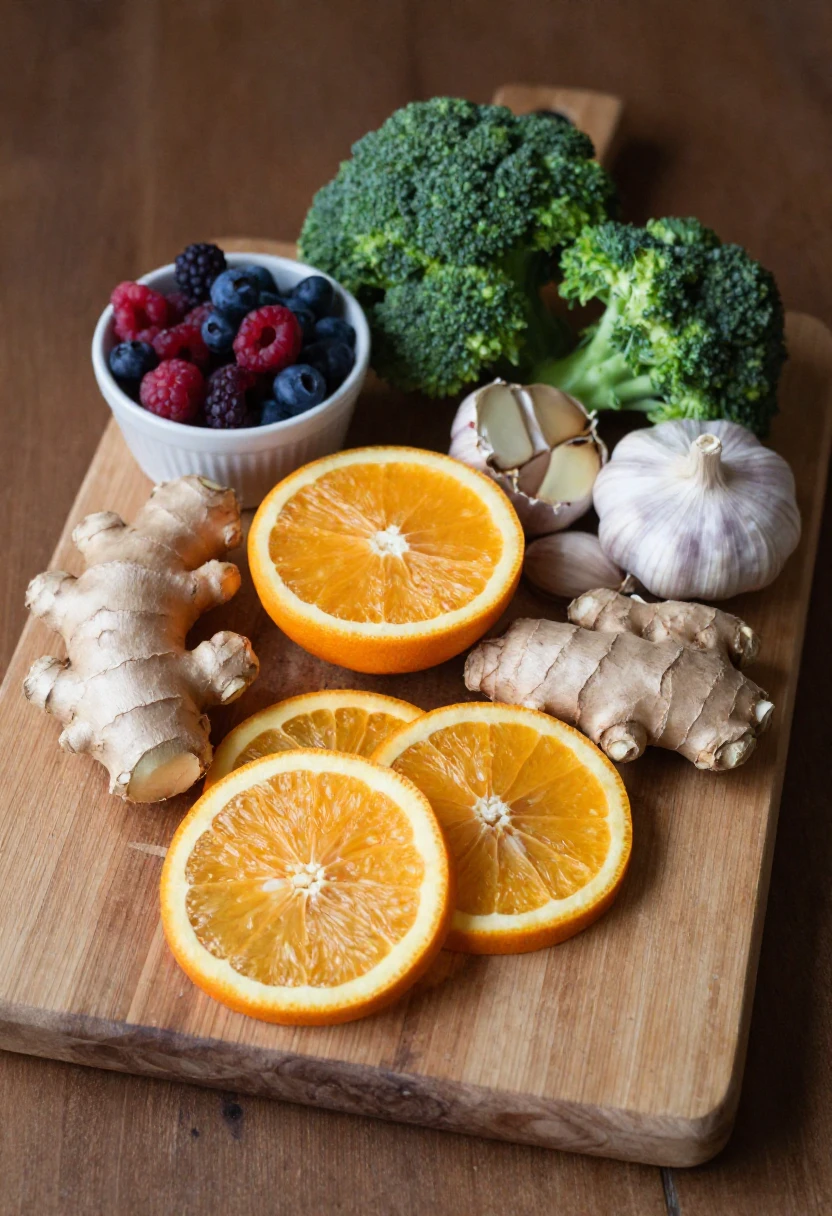
Think about the last time you got sick. A cold that dragged on for two weeks. A bug that knocked you out for days. Now think about someone you know who seems to just… never get sick. They shake it off in three days while you’re still going through your fourth box of tissues.
Genetics play a role, sure. But so does what’s on your plate — more than most people realize.
The Nutrients Your Immune Cells Depend On
Your immune system isn’t one thing. It’s a complex, layered network of cells, proteins, and processes that work around the clock to identify threats and neutralize them. And like every system in your body, it runs on nutrients.
When those nutrients are missing or chronically low, your immune response slows down. Not dramatically at first — just enough that you catch things more easily, recover more slowly, and feel run-down more often than you should.
Here are the key players:
- 🍊 Vitamin C — supports the production and function of white blood cells. Found in citrus, bell peppers, strawberries, broccoli.
- 🥕 Vitamin A — maintains the integrity of your skin and mucous membranes — your body’s first line of defense. Found in sweet potatoes, carrots, leafy greens.
- ☀️ Vitamin D — regulates immune response and reduces inflammation. Found in fatty fish, eggs, fortified foods — and yes, sunlight.
- 🌰 Zinc — essential for immune cell development and signaling. Found in meat, shellfish, legumes, seeds.
- 🫐 Antioxidants — fight oxidative stress that weakens immune function over time. Found in berries, dark chocolate, green tea, colorful vegetables.
- 🥦 Fiber — feeds your gut microbiome, which is now understood to be deeply connected to immune regulation.
No single supplement replaces the synergy of getting these nutrients through real, varied food. A capsule of vitamin C is useful. A diet rich in colorful whole foods is something else entirely.
Simple Food Habits That Build Immunity Over Time
Here’s what’s important to understand: immunity isn’t built in a day. You can’t eat a bowl of soup on Monday and expect to be bulletproof by Friday. It’s the consistency that counts.
A few habits that genuinely make a difference:
- Eat the rainbow — different colored fruits and vegetables contain different antioxidants and micronutrients. Variety is your best strategy.
- Don’t skip protein — your body uses amino acids from protein to literally build immune cells. Skimping on protein weakens that process.
- Take care of your gut — fermented foods like yogurt, kefir, sauerkraut, and kimchi introduce beneficial bacteria that directly support immune function.
- Limit ultra-processed foods — they tend to promote inflammation, which over time suppresses immune response and leaves you more vulnerable.
- Stay hydrated — your lymphatic system, which carries immune cells throughout your body, depends on adequate fluid intake to function properly.
None of this is complicated. It’s not glamorous. But done consistently, a balanced diet is one of the most powerful things you can do for your immune health — far more than any single “immunity booster” product on the market.
Benefit #3 — Better Mental Health and Mood
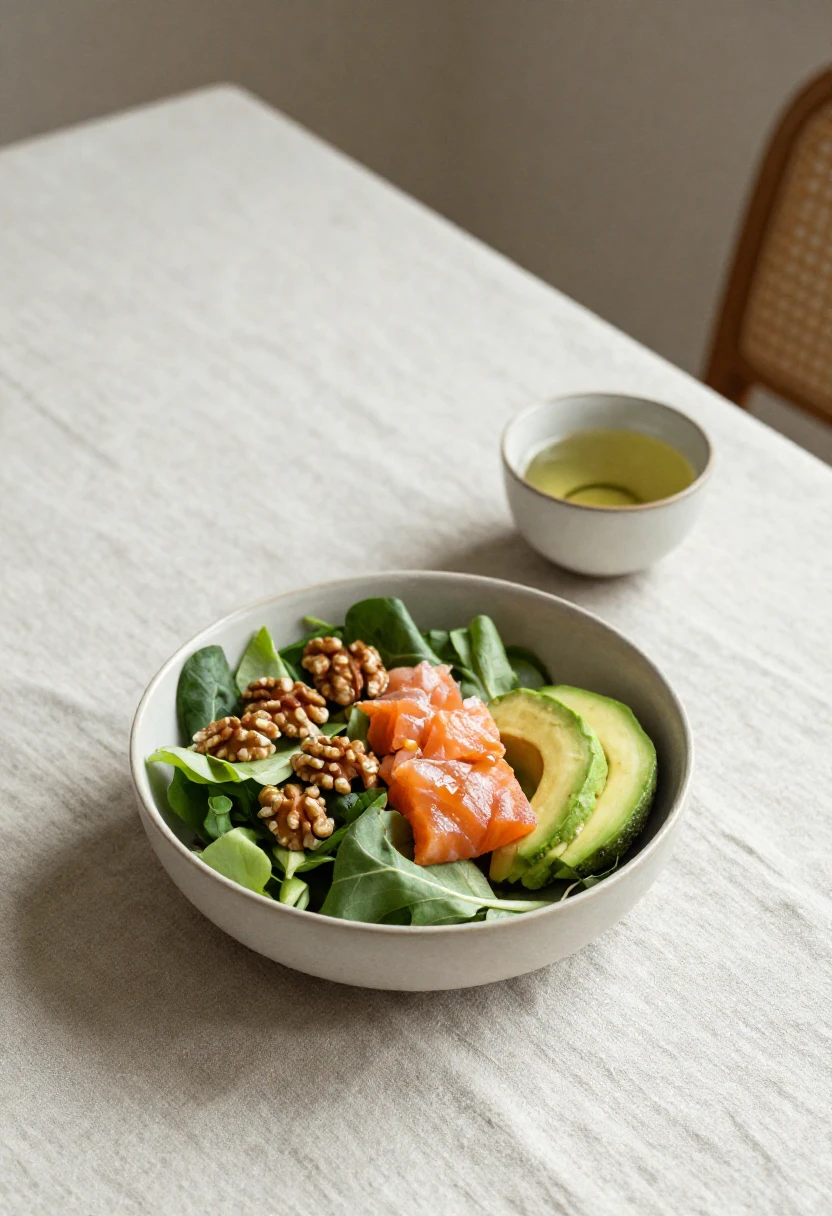
Here’s something that might surprise you: some of the most exciting nutrition research of the last decade isn’t about weight loss or heart health. It’s about the brain. Specifically, about how deeply what you eat affects how you feel — emotionally, mentally, day to day.
This isn’t a metaphor. It’s biology.
The Gut-Brain Connection Explained Simply
Your gut and your brain are in constant conversation. They’re connected by the vagus nerve — a direct communication highway that runs between your digestive system and your brain. Scientists now refer to the gut as the “second brain,” and for good reason.
About 90% of your body’s serotonin — the neurotransmitter most associated with mood, calm, and emotional stability — is produced in your gut. Not your brain. Your gut.
That means the state of your digestive system has a direct impact on your mental state. A gut microbiome that’s diverse and well-fed with the right nutrients produces more of the chemicals your brain needs to stay balanced. A gut that’s inflamed, depleted, or fed primarily on processed food does the opposite.
This is why people who dramatically change their diet often report feeling mentally different before they even notice physical changes. Clearer. Calmer. Less anxious. It’s not placebo — it’s the gut-brain axis at work.
Which Foods Genuinely Support Mental Wellbeing
Let’s be clear: food isn’t a replacement for therapy, medication, or professional mental health support when those things are needed. But as a foundation — as daily maintenance for your brain — what you eat genuinely matters.
Foods that support mood and mental clarity:
- 🐟 Fatty fish (salmon, sardines, mackerel) — rich in omega-3 fatty acids, which are essential for brain structure and have been linked to reduced symptoms of depression and anxiety.
- 🥬 Dark leafy greens — high in folate, which supports the production of dopamine and serotonin.
- 🫘 Legumes and whole grains — provide steady glucose to the brain and are rich in B vitamins, which play a key role in nerve function and mood regulation.
- 🍫 Dark chocolate (70%+) — contains flavonoids that increase blood flow to the brain, plus small amounts of mood-lifting compounds. Yes, this one is real.
- 🥜 Nuts and seeds — particularly walnuts (omega-3s) and pumpkin seeds (magnesium and zinc, both linked to lower anxiety).
- 🍵 Fermented foods — yogurt, kefir, kimchi, miso. They feed your gut bacteria, which in turn supports serotonin production.
Foods that work against your mood:
- Refined sugar — causes blood sugar swings that directly affect emotional stability
- Ultra-processed foods — associated with higher rates of depression in multiple large studies
- Alcohol — a depressant that disrupts sleep, depletes B vitamins, and destabilizes mood over time
- Excessive caffeine — can amplify anxiety and disrupt the sleep your brain desperately needs to regulate emotion
The connection between food and mental health is one of the most compelling reasons to take a balanced diet seriously. It’s not just about your body. It’s about who you are on a Tuesday afternoon — whether you feel like yourself, whether you have patience, whether the world feels manageable.
That’s worth paying attention to.
Benefit #4 — Healthy Weight Management (Without Dieting)
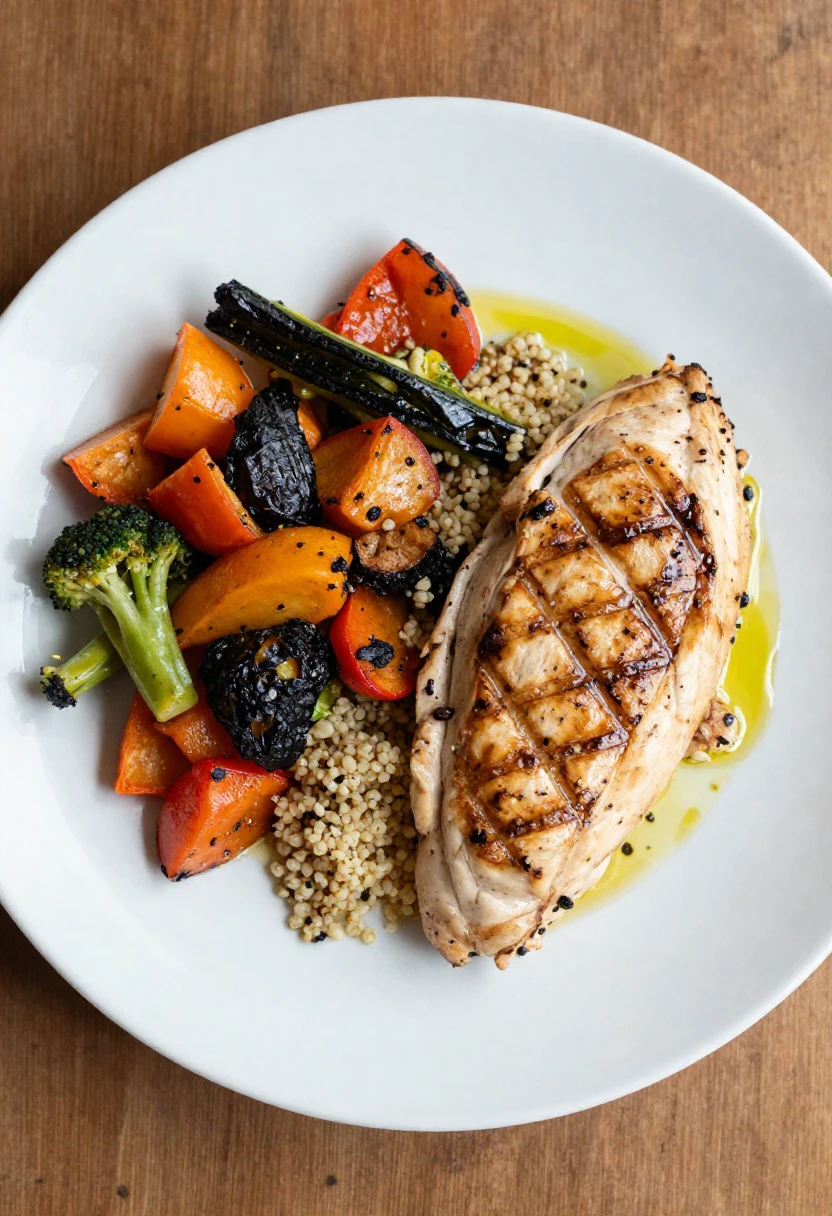
Let’s talk about something that gets overcomplicated almost every single time it comes up.
Weight management has become a billion-dollar industry built around restriction, willpower, and rules. Cut carbs. Count calories. Eat before 6pm. Don’t eat before noon. The advice changes every year, the results rarely stick, and most people end up more frustrated with food than when they started.
A balanced diet works differently. And honestly — it works better.
How Balance Beats Restriction Every Time
Here’s what happens when you restrict aggressively: your body notices. It’s not fooled. When calories drop too low or entire food groups disappear, your metabolism slows down, hunger hormones spike, and cravings for exactly the foods you’re avoiding become almost unbearable.
You white-knuckle it for a few weeks. Maybe you lose some weight. Then life happens — a stressful week, a dinner out, a holiday — and the whole thing unravels. Sound familiar? It’s not a willpower problem. It’s a biology problem.
A balanced diet sidesteps this entirely by working with your body instead of against it.
When your meals consistently include:
- Enough protein — to preserve muscle mass and keep you full for hours
- Enough fiber — to slow digestion and stabilize hunger signals
- Enough healthy fat — to trigger satiety hormones that tell your brain you’ve had enough
- Enough complex carbs — to prevent the desperate cravings that come from running on empty
…your body simply doesn’t fight you the way it does during restriction. You eat. You feel satisfied. You stop thinking about food until you’re actually hungry again. That’s the quiet, unsexy magic of nutritional balance.
Satiety, Nutrients, and Why Cravings Fade
Most cravings aren’t really about the specific food you’re craving. They’re signals.
Craving something sweet in the afternoon? Often a sign your blood sugar dropped — usually because lunch didn’t have enough protein or fat to hold you. Craving salty, crunchy things at night? Sometimes that’s stress, sometimes it’s boredom, but often it’s because your body didn’t get enough satisfying food during the day.
When you eat in balance — real food, adequate portions, all the macronutrients represented — those signals calm down. Not because you have more discipline. Because your body is no longer sending distress signals.
A few things that genuinely help with weight management through balanced eating:
- Don’t skip meals — especially breakfast. Skipping meals almost always leads to overeating later, not less eating overall.
- Build every meal around protein and fiber first — they’re the two most powerful satiety tools you have.
- Stop labeling foods as “bad” — the guilt and restriction cycle does more damage to your relationship with food than the food itself.
- Eat slowly and without distraction — your brain needs about 20 minutes to register fullness. Eating fast bypasses that system entirely.
- Focus on food quality, not just quantity — 400 calories of salmon and roasted vegetables does something completely different in your body than 400 calories of chips.
The goal isn’t thinness. The goal is a body that feels good, functions well, and isn’t in constant conflict with the person living inside it. A balanced diet is one of the most reliable paths to getting there — without the misery of dieting.
Benefit #5 — Long-Term Disease Prevention
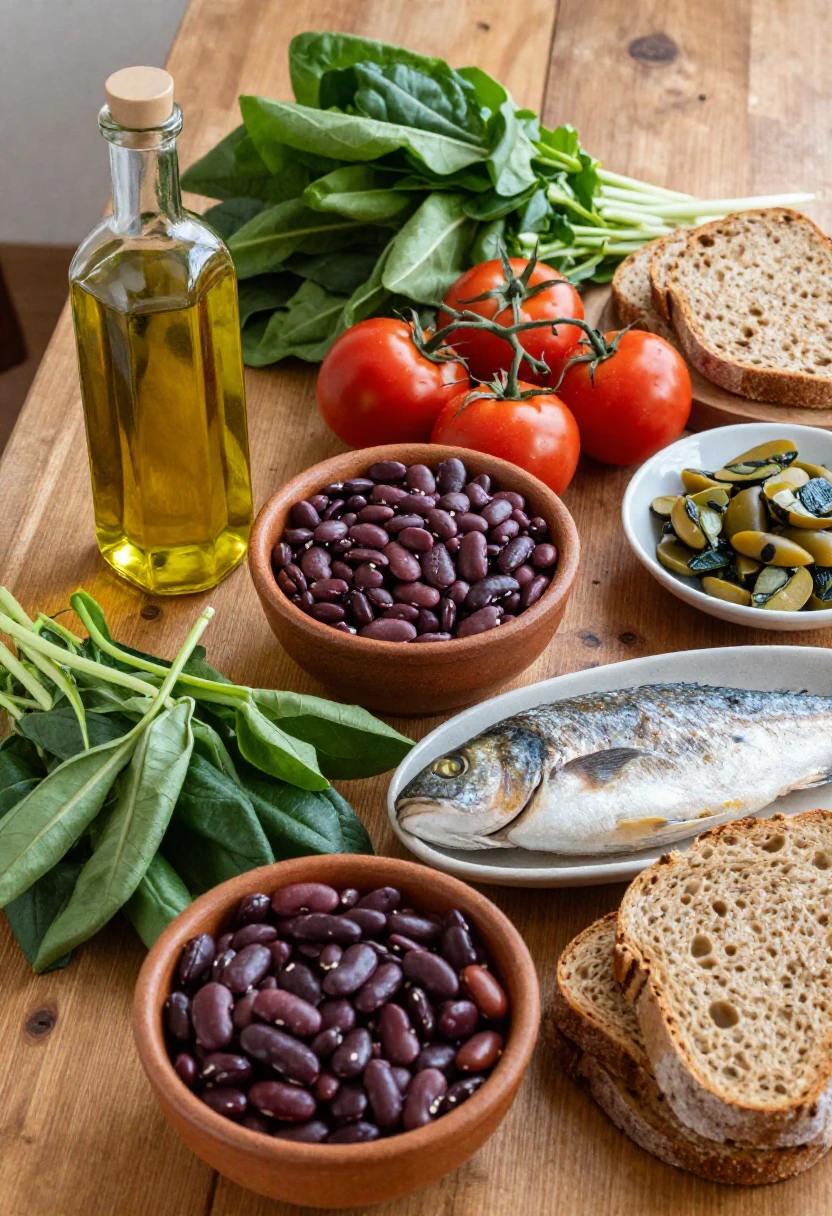
This is where a balanced diet stops being just about how you feel today — and starts being about how you live ten, twenty, thirty years from now.
The leading causes of death in most developed countries aren’t accidents or infections. They’re chronic diseases — heart disease, type 2 diabetes, certain cancers, stroke. And the research is overwhelmingly clear: what you eat over time is one of the most significant factors in whether you develop these conditions or not.
That’s not fear-mongering. That’s an opportunity.
Heart Health, Diabetes, and Inflammation
Let’s start with the heart. Cardiovascular disease remains the number one killer globally. And while genetics matter, lifestyle — particularly diet — plays an enormous role in either accelerating or slowing its development.
A balanced diet protects your heart in several interconnected ways:
- Reduces LDL cholesterol — soluble fiber from oats, legumes, and fruits binds to cholesterol in the digestive tract and removes it before it enters the bloodstream.
- Lowers blood pressure — potassium-rich foods like bananas, sweet potatoes, and leafy greens help counteract the effects of sodium and relax blood vessel walls.
- Reduces triglycerides — cutting back on refined sugar and processed carbs — and replacing them with whole foods and healthy fats — directly lowers triglyceride levels in the blood.
- Supports healthy blood vessels — antioxidants from colorful fruits and vegetables reduce oxidative damage to arterial walls, one of the early steps in cardiovascular disease.
Type 2 diabetes tells a similar story. It’s largely a disease of blood sugar dysregulation — and a balanced diet is one of the most powerful tools for both preventing it and managing it. By keeping blood sugar stable, reducing excess body weight, and improving insulin sensitivity through fiber and whole food carbohydrates, you’re directly addressing the mechanisms that drive the disease.
And then there’s inflammation — the common thread running through nearly every major chronic condition. Chronic low-grade inflammation damages tissues over time and creates the conditions in which disease takes hold. Ultra-processed foods, refined sugars, and unhealthy fats feed inflammation. A balanced diet — rich in omega-3s, antioxidants, fiber, and phytonutrients — actively works against it.
What Research Actually Shows
This isn’t theoretical. The evidence has been building for decades.
The Mediterranean diet — widely regarded as one of the most balanced dietary patterns in the world — has been studied extensively. Research consistently links it to:
- Up to 30% reduction in cardiovascular events in high-risk individuals
- Significantly lower rates of type 2 diabetes
- Reduced risk of cognitive decline and Alzheimer’s disease
- Lower overall cancer mortality in long-term studies
The DASH diet — designed specifically around whole, balanced foods — has been shown to lower blood pressure as effectively as some medications in certain patients.
Large population studies repeatedly show the same pattern: people who eat diets rich in whole grains, vegetables, fruits, legumes, fish, and healthy fats — and low in ultra-processed food — live longer and spend fewer of those years dealing with serious illness.
Here’s the part worth sitting with: most chronic diseases develop slowly, quietly, over years. By the time symptoms appear, the damage is often already significant. A balanced diet isn’t a dramatic intervention — it’s a quiet, consistent form of prevention that works in the background every single day.
You won’t feel it working. But decades from now, your body will reflect it.
Benefit #6 — Glowing Skin, Strong Hair, and Better Sleep
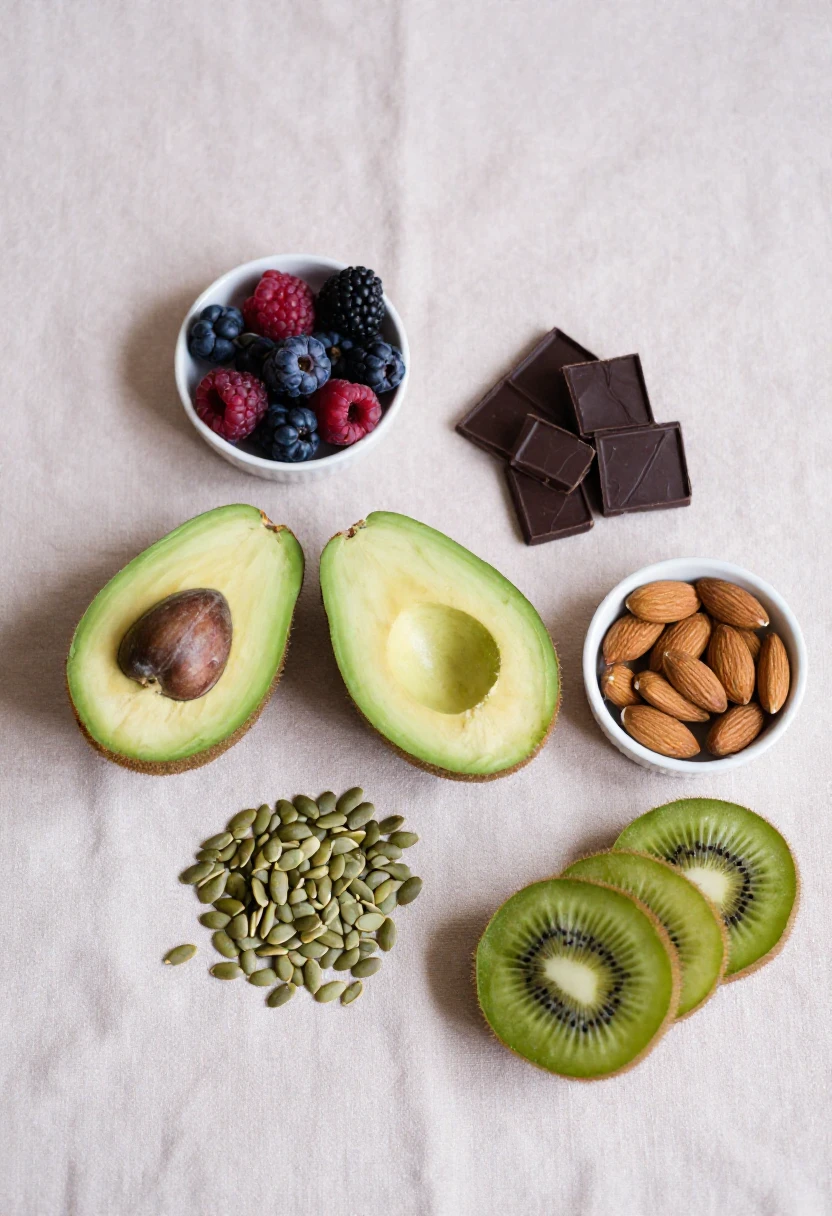
Some of the most visible signs of how well you’re eating have nothing to do with your weight. They show up on your face, in your hair, and in how you feel when your alarm goes off in the morning.
This is the part people don’t always connect to food — but once you do, it changes how you think about every meal.
The Beauty-Nutrition Link
Your skin is your largest organ. It’s also one of the last places your body sends nutrients when resources are limited — because it’s not considered “essential” for survival the way your heart or brain is. That means nutrient deficiencies show up on your skin before almost anywhere else.
Dullness, dryness, breakouts, uneven tone, premature lines — these aren’t always just genetics or skincare product problems. Often they’re your body quietly telling you something is missing.
Here’s what your skin, hair, and nails actually need:
- 🥑 Healthy fats (omega-3s and omega-6s) — maintain the skin’s lipid barrier, keeping moisture in and irritants out. Without them, skin becomes dry, flaky, and reactive. Found in fatty fish, avocado, walnuts, flaxseeds.
- 🍊 Vitamin C — essential for collagen synthesis. Collagen is literally the structural protein that keeps skin firm and elastic. Without enough vitamin C, collagen production slows and skin loses its bounce. Found in citrus, kiwi, bell peppers, strawberries.
- 🥕 Vitamin A — regulates skin cell turnover, helps prevent clogged pores, and supports a smooth, even complexion. Found in sweet potatoes, carrots, eggs, leafy greens.
- 💧 Water and hydrating foods — dehydration shows on your face faster than almost anything else. Cucumbers, watermelon, celery, and plain water all contribute.
- 🥚 Biotin and protein — hair and nails are made almost entirely of a protein called keratin. Without adequate protein and B vitamins in your diet, hair becomes brittle, thin, and slow-growing.
- 🫐 Antioxidants — protect skin cells from oxidative stress caused by UV exposure, pollution, and aging. Think berries, green tea, dark chocolate, colorful vegetables.
The skincare industry will sell you serums with all of these compounds in them. And some of them work. But feeding your skin from the inside — consistently, through a balanced diet — creates a foundation that no topical product can fully replicate.
Sleep-Supporting Nutrients You Might Be Missing
Sleep and nutrition have a relationship that most people don’t think about — until they start eating better and suddenly realize they’re sleeping more deeply than they have in years.
Several nutrients play a direct role in sleep quality:
- Magnesium — one of the most common deficiencies in modern diets, and one of the most impactful for sleep. Magnesium activates the parasympathetic nervous system — the one responsible for rest and relaxation. It also regulates melatonin. Found in dark leafy greens, pumpkin seeds, almonds, dark chocolate.
- Tryptophan — an amino acid your body uses to produce serotonin and melatonin, both essential for sleep regulation. Found in turkey, eggs, dairy, bananas, oats.
- B vitamins — particularly B6 and B12, which support the conversion of tryptophan into serotonin. Found in fish, poultry, eggs, whole grains.
- Complex carbohydrates — eaten in the evening, they help tryptophan cross the blood-brain barrier more effectively. A small bowl of oatmeal or whole grain toast before bed isn’t just comfort food — it actually helps.
On the flip side, certain eating habits actively sabotage sleep:
- Eating large meals too close to bedtime — forces your digestive system to work hard when it should be winding down
- Too much sugar in the evening — causes blood sugar fluctuations that can wake you during the night
- Alcohol — feels like it helps you fall asleep, but consistently disrupts deep sleep stages and leaves you waking up unrefreshed
- Caffeine after 2pm — its half-life is longer than most people think, staying in your system well into the evening
Better sleep means better hormone regulation, better stress response, better food choices the next day — it’s a positive cycle that starts with what you put on your plate.
How to Start Eating a Balanced Diet (Without Overhauling Your Life)
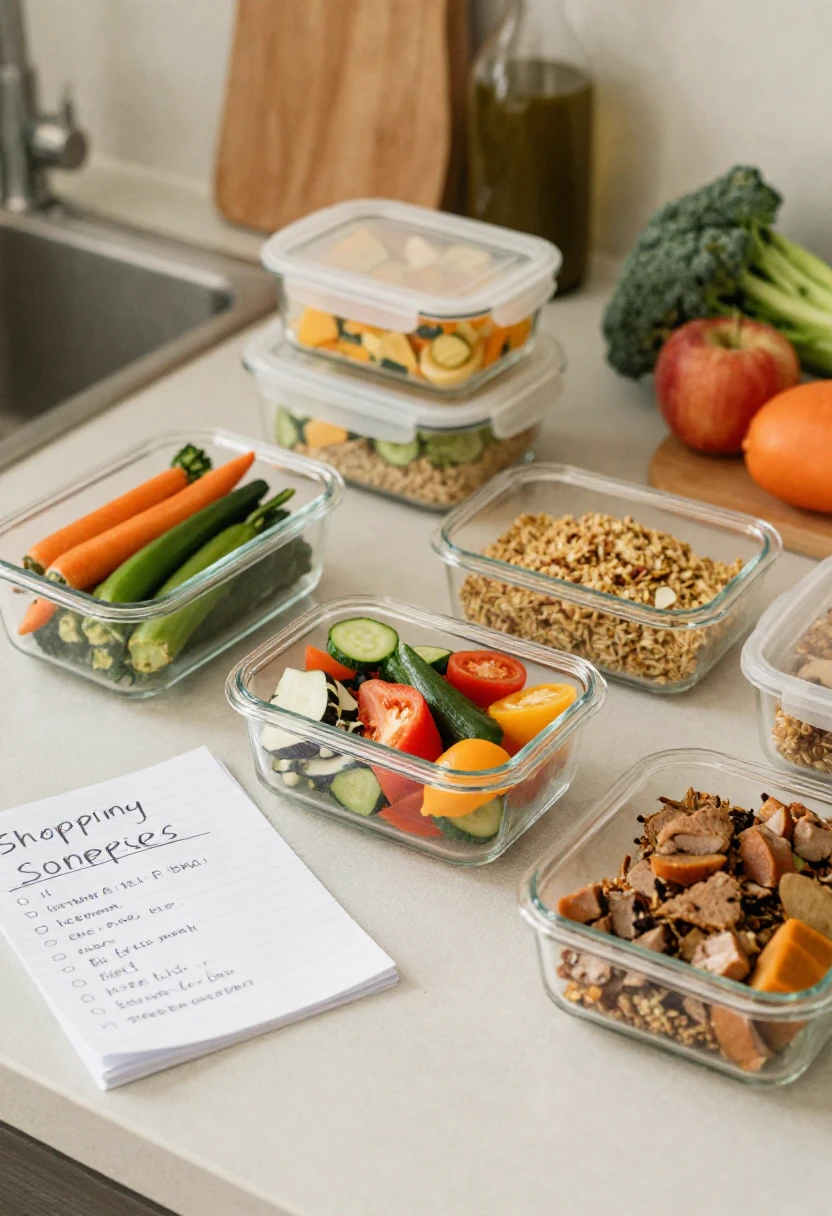
Here’s where most nutrition advice loses people. It goes from “eat more vegetables” to a 12-week meal plan with color-coded containers and a shopping list that reads like a botany textbook. And then real life happens — you’re tired, you’re busy, you grab whatever’s easiest — and the whole plan collapses by day four.
So let’s keep this grounded. Because the truth is, you don’t need to overhaul your entire life to start eating in balance. You need a few smart shifts, applied consistently, over time.
The 80/20 Approach
This is the most sustainable framework for most people — and it works because it’s honest about human nature.
The idea is simple: aim for balance 80% of the time, and give yourself grace for the other 20%.
That means if you eat roughly three meals a day, about 17 of those weekly meals are built around whole foods, balanced macros, and real nutrition. The other four or five? Life happens. You go out for pizza. You eat your grandmother’s cake. You have a long day and dinner is cereal. That’s fine. That’s normal. That’s sustainable.
What the 80/20 approach prevents is the all-or-nothing thinking that derails most people. One “bad” meal doesn’t undo a week of good eating. But convincing yourself that it does — and using it as a reason to abandon everything — is exactly how short-term diets stay short-term.
Consistency over perfection. Always.
Practical Weekly Tips for Real People
You don’t need to become a different person to eat better. You just need a few anchors — small habits that make balanced eating the path of least resistance.
Start with what you already eat — and build on it: Don’t throw out your entire routine. Take meals you already enjoy and look for one small upgrade. White rice → brown rice or half-and-half. Ground beef → leaner cuts or mixing in lentils. Sugary yogurt → plain Greek yogurt with fresh fruit. Small shifts compound over time.
Build your plate around a simple formula:
- ½ plate — vegetables and/or fruit
- ¼ plate — quality protein (eggs, fish, chicken, legumes, tofu)
- ¼ plate — complex carbohydrates (whole grains, sweet potato, quinoa)
- A source of healthy fat somewhere in the meal (olive oil, avocado, nuts)
You don’t need to measure anything. Just use it as a visual guide when you’re putting a meal together.
Batch cook once or twice a week: Spend 30–45 minutes on a Sunday (or whatever day works) cooking a few basics — a pot of grains, some roasted vegetables, a protein or two. You’re not meal prepping elaborate dishes. You’re just making sure there are real ingredients ready when you’re hungry and low on energy. Because that’s when decisions go sideways.
Keep healthy food visible and accessible: A bowl of fruit on the counter. Cut vegetables at eye level in the fridge. Nuts portioned into a small jar. Convenience drives behavior more than willpower does. If the apple is easier to grab than the crackers, you’ll grab the apple.
Don’t drink your calories — at least not unknowingly: Juices, fancy coffees, sports drinks, alcohol — they add up fast and contribute almost nothing in terms of satiety or nutrition. Water, herbal tea, and black coffee are your everyday defaults. Save the rest for when it genuinely adds to the experience.
Add before you subtract: Instead of focusing on what to remove, focus on what to add. More vegetables. More fiber. More water. More protein at breakfast. When you crowd your diet with good food, there’s naturally less room — and less craving — for the stuff that doesn’t serve you.
One last thing worth saying: there is no perfect version of a balanced diet. It looks different for everyone based on culture, budget, lifestyle, and preference. A Mediterranean table looks different from a Japanese one. Both are balanced. Both produce remarkable health outcomes.
The goal isn’t to eat like someone else’s ideal. It’s to find a way of eating that nourishes you, satisfies you, and that you can actually sustain for years — not just until next Monday.
That’s the real secret. And it was never that complicated.
Conclusion
A balanced diet isn’t a trend. It’s not a phase, a challenge, or a 30-day reset. It’s simply the way your body was designed to be fed — consistently, variously, and without drama.
What we’ve covered in this article isn’t theory. It’s the accumulated evidence of decades of nutrition research, translated into something you can actually use. More energy. A stronger immune system. Better mood. Easier weight management. Protection against the diseases that cut lives short. Skin that glows, sleep that restores, hair that grows strong.
None of it requires a complete life transformation. It requires small, consistent choices — made most of the time, with flexibility for the rest.
You don’t have to be perfect. You just have to keep showing up for your body, meal after meal, day after day. That’s what balance actually looks like in real life.
And that’s more than enough.
Frequently Asked Questions
Q: How quickly will I notice the benefits of eating a balanced diet? Some changes come faster than you’d expect. Energy levels and mood can shift within one to two weeks of consistent balanced eating. Skin improvements typically show up within four to six weeks. Long-term benefits like disease prevention build quietly over months and years — but the foundation starts with your very next meal.
Q: Do I need to count calories to eat a balanced diet? No. Calorie counting can be a useful tool for some people in specific situations, but it’s not a requirement for balance. Focusing on food quality, building meals around protein, fiber, and healthy fats, and eating mindfully will naturally regulate your intake for most people — without a single calculation.
Q: Can I eat a balanced diet on a tight budget? Absolutely. Some of the most nutritious foods on the planet are also among the most affordable — eggs, lentils, canned beans, oats, frozen vegetables, bananas, cabbage, and canned fish. A balanced diet doesn’t require organic produce or specialty health foods. It requires variety and consistency, both of which are achievable at almost any budget.
Q: What if I have dietary restrictions — can I still eat a balanced diet? Yes — and this is important. Whether you’re vegetarian, vegan, gluten-free, lactose intolerant, or managing a specific health condition, a balanced diet is still entirely possible. The principles remain the same: adequate protein, fiber, healthy fats, vitamins, and minerals. The sources simply shift. A registered dietitian can help you map out what balance looks like within your specific needs.



wish you all the best
wish you best and best