Why Fiber Deserves a Spot on Your Plate Every Day
Most people know they should eat more fiber. But knowing and doing are two very different things — and for most of us, the gap is wider than we’d like to admit.
The average adult needs around 25–38 grams of fiber per day. Most people get roughly half that. Not because fiber is hard to find, but because it’s easy to overlook when you’re grabbing whatever’s quick and convenient.
Here’s the thing: fiber isn’t just about keeping things moving (though it does that too). It feeds the good bacteria in your gut, helps stabilize blood sugar, keeps you full longer, and plays a real role in reducing the risk of heart disease and type 2 diabetes. It’s one of those quiet nutrients that works in the background — until you don’t get enough of it.
What Fiber Actually Does in Your Body
There are two types of fiber, and both matter:
- Soluble fiber dissolves in water and forms a gel-like substance in your gut. It slows digestion, helps lower cholesterol, and keeps blood sugar from spiking after meals.
- Insoluble fiber doesn’t dissolve — it adds bulk to your stool and keeps your digestive system moving regularly.
Most high-fiber foods contain both. And fruit, it turns out, is one of the easiest ways to get a solid mix of the two — without overthinking your meals.
How Much Do You Actually Need?
The general guidelines:
| Group | Daily Fiber Goal |
|---|---|
| Women under 50 | 25g |
| Men under 50 | 38g |
| Women over 50 | 21g |
| Men over 50 | 30g |
That might sound like a lot — but once you start building your meals around the right foods, it adds up faster than you’d expect. And fruit is one of the best places to start.
Why Most People Fall Short
It comes down to habits. Ultra-processed foods — which dominate most modern diets — are almost completely stripped of fiber. White bread, packaged snacks, fast food: they fill you up in the moment but give your gut almost nothing to work with.
The fix isn’t complicated. You don’t need to overhaul your entire diet overnight. Start by adding one or two high-fiber fruits to your daily routine — and let that snowball from there.
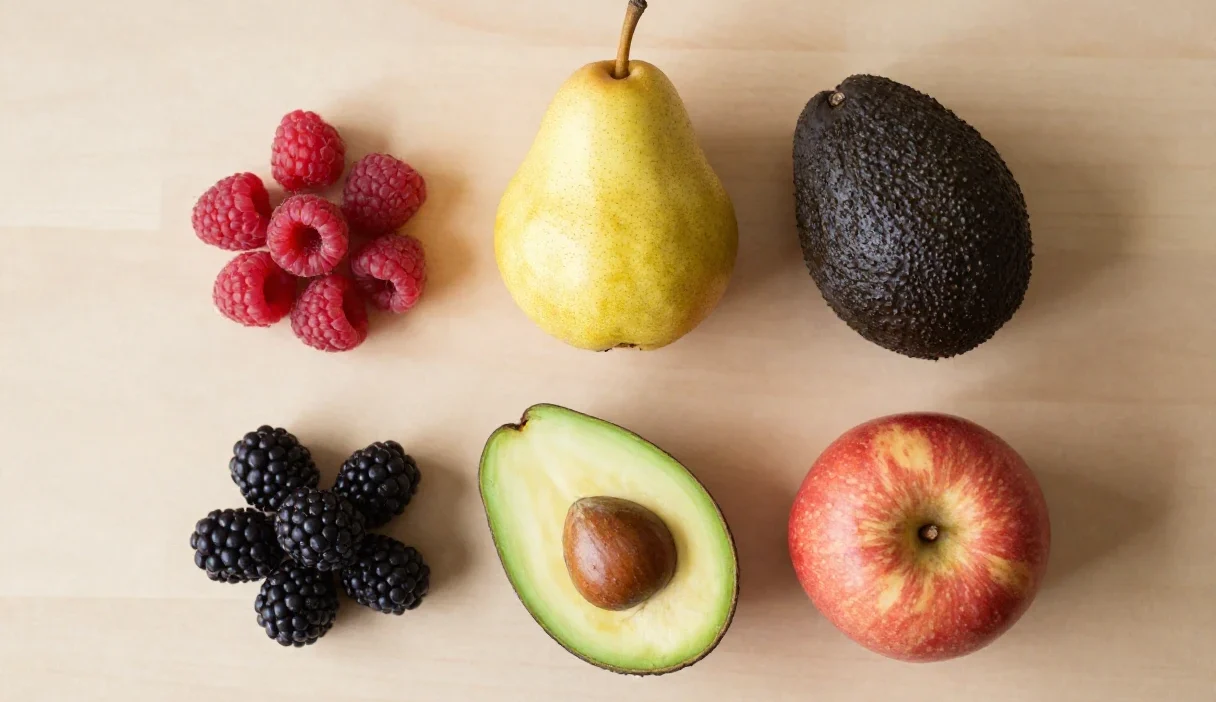
Raspberries — The Fiber Overachiever You’re Probably Underrating
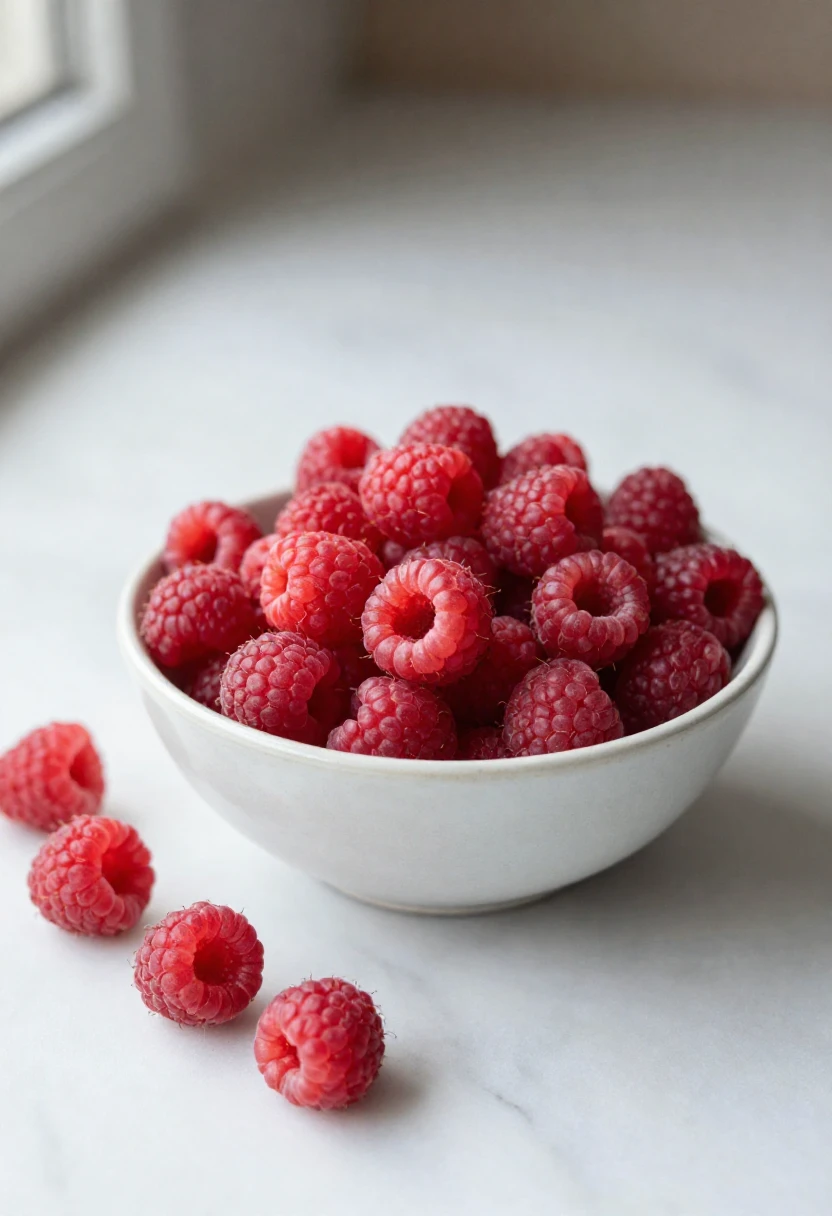
If you had to pick one fruit that punches way above its weight in fiber, raspberries would win almost every time.
One cup of fresh raspberries gives you 8 grams of fiber. That’s roughly a third of the average daily goal — from a single cup of fruit that takes about 30 seconds to rinse and eat. No prep, no cooking, no thinking required.
For reference, that’s more fiber than a slice of whole wheat bread, more than a bowl of oatmeal, and more than most people get from an entire meal.
Fiber Content + Nutrition Profile
Here’s what one cup (123g) of raspberries actually gives you:
- Fiber: 8g (soluble + insoluble)
- Calories: ~64
- Vitamin C: 54% of your daily value
- Manganese: 41% of your daily value
- Antioxidants: some of the highest levels of any fruit
The fiber in raspberries is a mix of both types — which means you get the gut-motility benefits of insoluble fiber and the blood sugar-steadying effects of soluble fiber in one go. That combination is part of why raspberries leave you feeling genuinely satisfied rather than reaching for something else 20 minutes later.
They’re also low in sugar compared to most fruits, which makes them a smart choice if you’re watching your blood sugar or just trying to avoid that mid-morning energy crash.
How to Eat Them Every Day
The best part about raspberries is how little effort they require. A few ideas that actually work in real life:
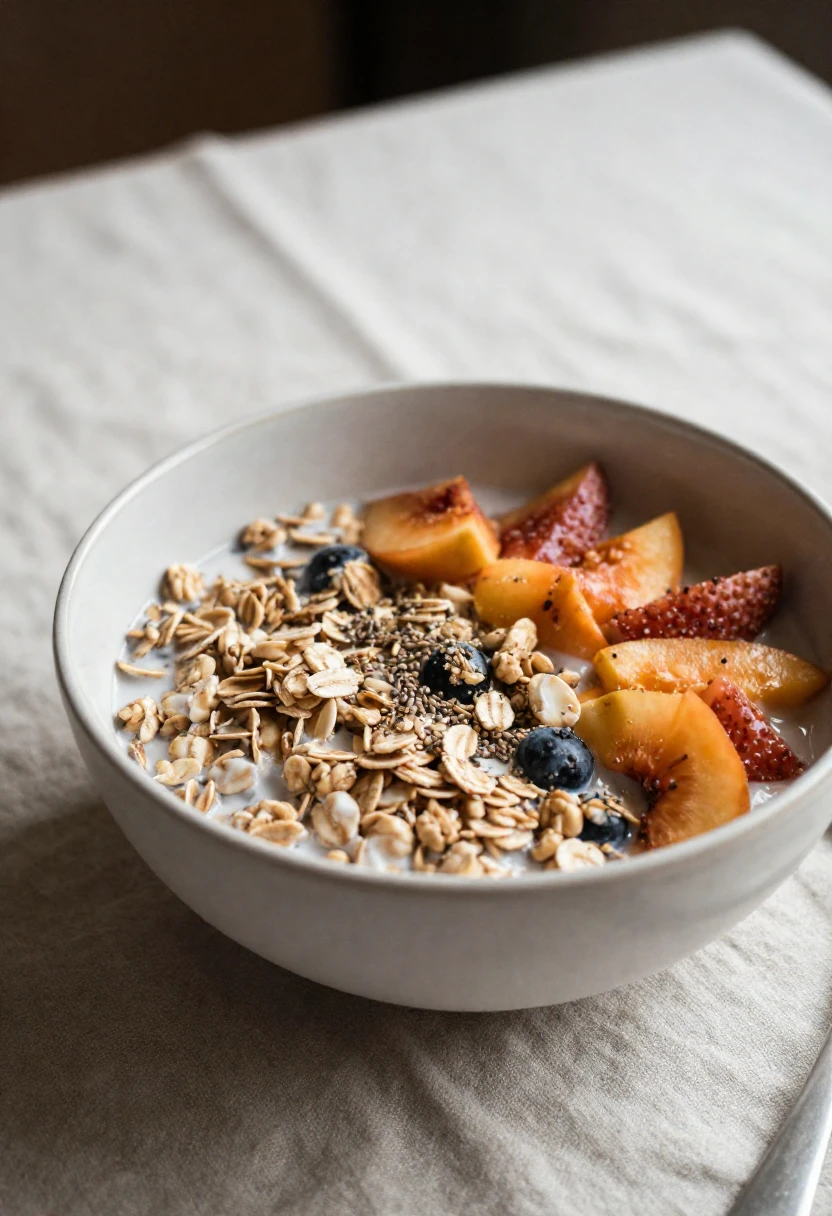
- Throw them into your morning yogurt or oatmeal — this is the easiest habit to build. You get fiber, protein, and probiotics all at once.
- Blend them into a smoothie — they add thickness, tartness, and a serious fiber boost without overpowering other flavors.
- Eat them straight as a snack — a small bowl in the afternoon keeps hunger at bay without the sugar spike of processed snacks.
- Top your cottage cheese or ricotta with them — sounds simple, tastes genuinely good.
One practical note: frozen raspberries are just as good as fresh — sometimes better, since they’re picked and frozen at peak ripeness. Keep a bag in the freezer for days when fresh fruit isn’t on hand. Your gut won’t know the difference.
Pears — The Underrated Fruit With Surprising Staying Power
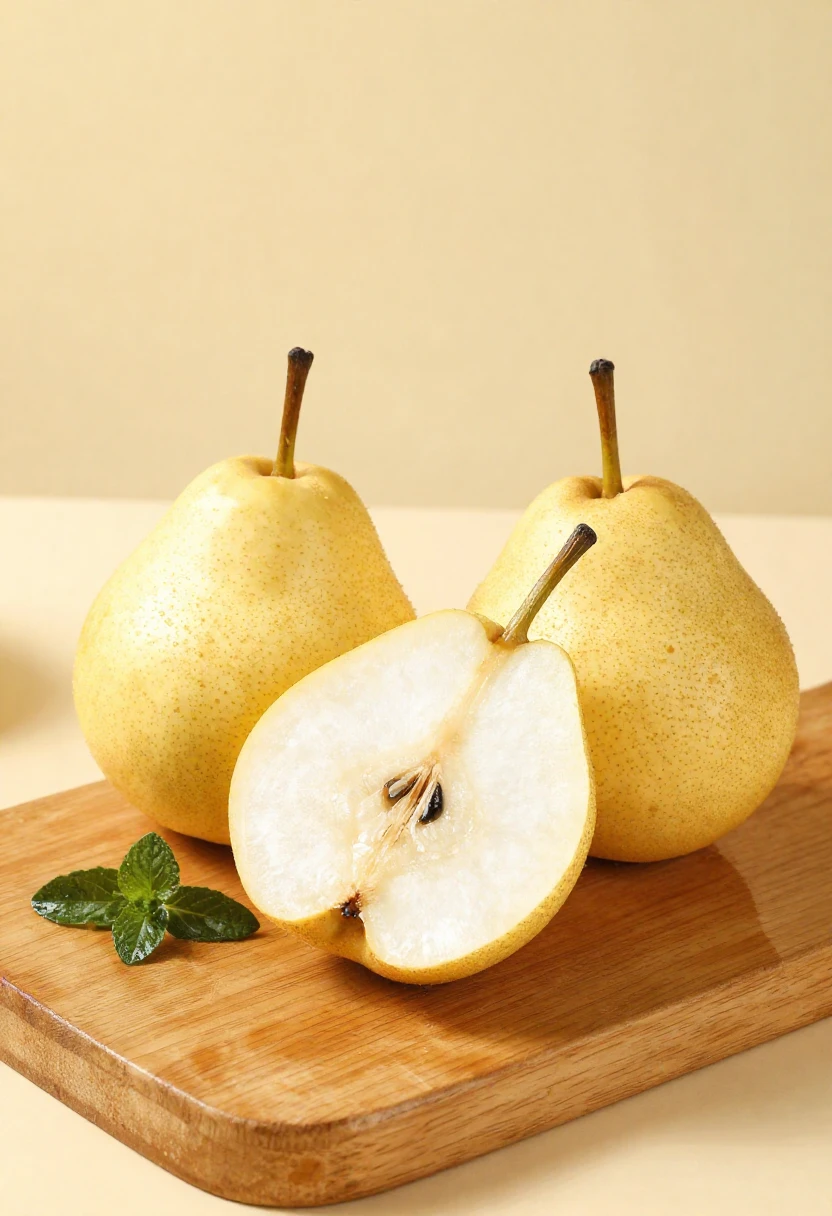
Pears don’t get nearly as much attention as they deserve. They sit quietly in the fruit bowl, often overlooked in favor of flashier options — but gram for gram, they’re one of the best fiber sources you can eat whole.
One medium pear gives you around 5.5 grams of fiber. That’s more than most people expect from a fruit that tastes that sweet and that easy to eat on the go.
Fiber Content + Soluble vs Insoluble Breakdown
Here’s what one medium pear (178g, with skin) gives you:
- Fiber: 5.5g
- Calories: ~101
- Vitamin C: 12% of your daily value
- Potassium: 4% of your daily value
- Water content: ~84% — which helps with digestion too
A significant portion of the fiber in pears comes from pectin — a type of soluble fiber that’s particularly good at feeding beneficial gut bacteria. Pectin has also been studied for its role in lowering LDL cholesterol and improving blood sugar response after meals.
The insoluble fiber, mostly concentrated in the skin, keeps things moving through your digestive tract at a healthy pace.
This is why eating the skin matters. A peeled pear is still a decent snack — but you’re leaving a meaningful chunk of the fiber behind. Leave the skin on, give it a rinse, and you’re getting the full picture.
Best Ways to Enjoy Pears
Pears are one of those fruits that work in almost any context — breakfast, snack, dessert, or even savory dishes:
- Slice them over oatmeal with a sprinkle of cinnamon — the natural sweetness means you need less added sugar
- Add to a salad with walnuts, arugula, and a sharp cheese — a classic combo that genuinely works
- Eat one whole as an afternoon snack — portable, filling, no prep needed
- Roast them with a little honey and cardamom for a simple dessert that feels fancy without being complicated
- Blend into smoothies for a mild, creamy sweetness that pairs well with ginger or spinach
One thing worth knowing: pears ripen at room temperature, not on the tree. If you buy them firm, just leave them on the counter for a day or two. When they give slightly near the stem when pressed, they’re ready. Eating them at peak ripeness makes a real difference — the texture is softer, the flavor is fuller, and they’re easier on digestion.
Avocado — Yes, It’s a Fruit (And One of the Best)
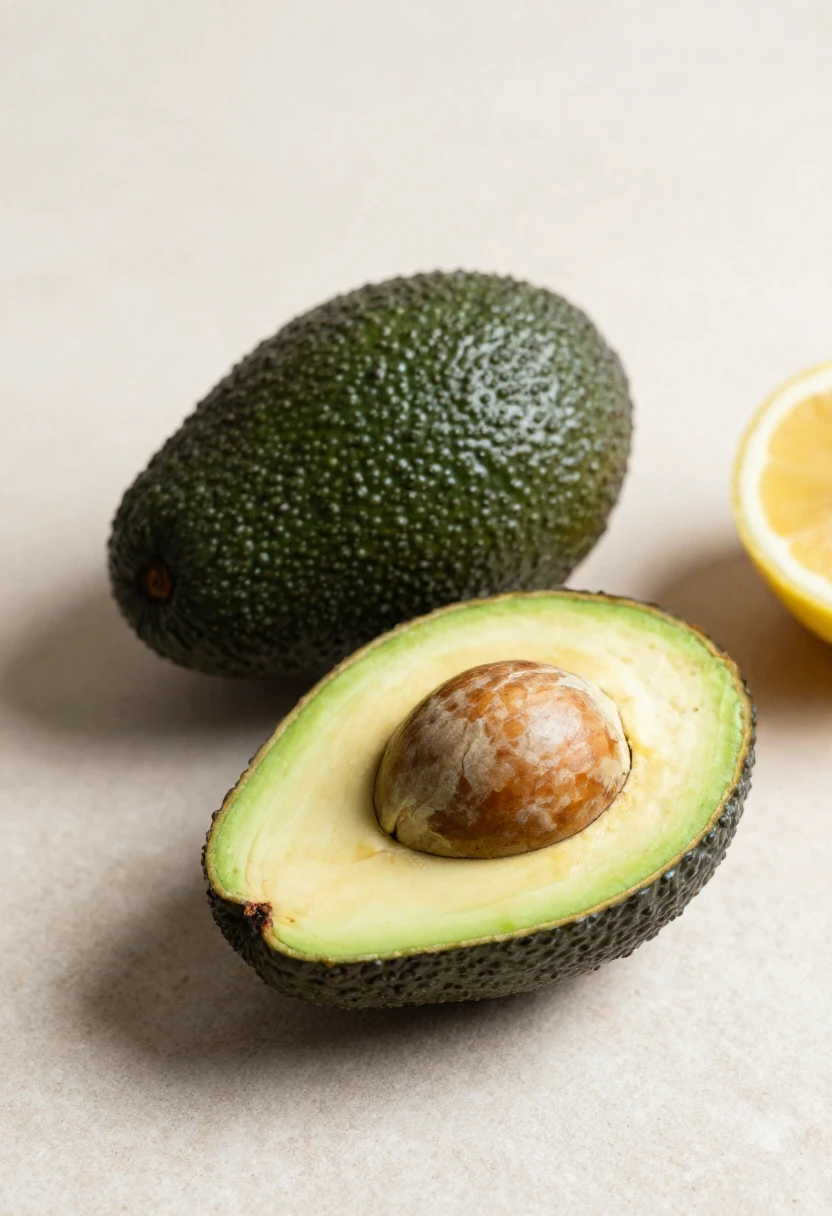
Most people think of avocado as a vegetable, or just as “the thing that goes on toast.” Botanically speaking, it’s a fruit — and nutritionally speaking, it’s one of the most useful ones you can eat regularly.
What makes avocado unusual is that it doesn’t fit the typical fruit profile. It’s not sweet, it’s not juicy, and most of its calories come from fat rather than carbohydrates. But that’s exactly what makes it so interesting — and so effective as a daily fiber source.
One whole avocado contains around 10 grams of fiber. Half an avocado — which is a realistic daily portion for most people — still gives you 5 grams. Combined with its healthy fat content, it’s one of the most satiating foods you can eat, full stop.
The Fiber + Healthy Fat Combo
Here’s what half a medium avocado (100g) gives you:
- Fiber: ~5g (mostly soluble)
- Calories: ~160
- Healthy monounsaturated fats: ~15g
- Potassium: more than a banana
- Folate: 20% of your daily value
- Vitamin K, B5, B6: all in solid amounts
The soluble fiber in avocado — particularly a compound called beta-glucan — slows digestion and helps feed the beneficial bacteria in your colon. Over time, this kind of consistent fiber intake is linked to a more diverse, resilient gut microbiome.
But here’s what makes avocado especially practical: the fat it contains actually helps your body absorb fat-soluble nutrients from other foods you eat alongside it. Add avocado to a salad, and you absorb significantly more of the vitamins from the vegetables. It’s not just adding to your meal — it’s making the rest of your meal work better.
Easy Everyday Ways to Eat More Avocado
The challenge with avocado isn’t finding ways to enjoy it — it’s getting the timing right so it doesn’t turn brown before you use it. A few habits that help:
- Avocado toast, done properly — whole grain bread, half an avocado, a pinch of flaky salt, red pepper flakes, a squeeze of lemon. Takes three minutes. Genuinely filling until lunch.
- Mash it into eggs — scrambled eggs with avocado stirred in at the end is one of those simple combinations that feels more satisfying than either ingredient alone.
- Slice it over grain bowls or rice dishes — adds creaminess and healthy fat to an otherwise lean meal
- Blend into smoothies — sounds strange if you haven’t tried it, but avocado makes smoothies incredibly creamy without adding any detectable flavor. It’s a quiet upgrade.
- Eat it plain with a spoon and a little salt — sometimes the simplest approach is the best one
To keep a cut avocado fresh: leave the pit in the unused half, squeeze a little lemon juice over the surface, and press plastic wrap directly against the flesh before refrigerating. It’ll stay good for another day or two.
Apples — The Classic That Still Earns Its Place
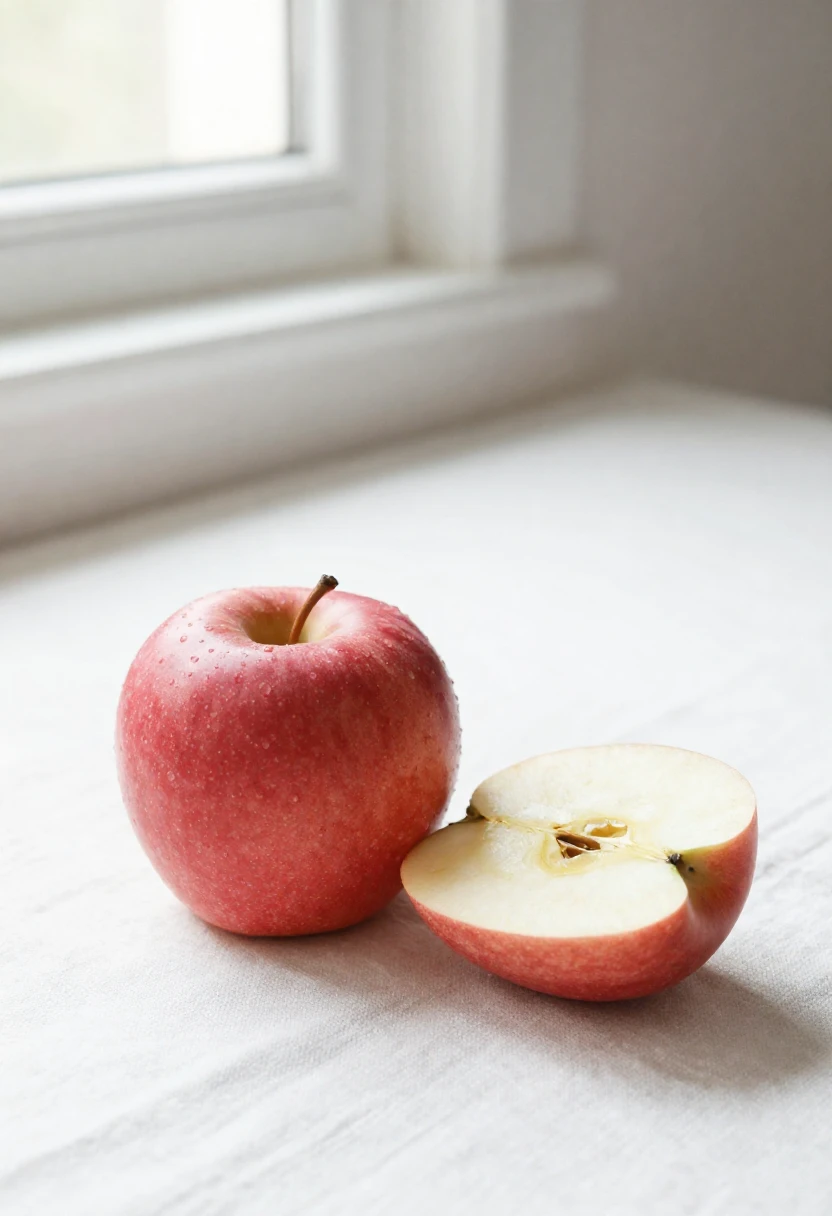
There’s a reason the apple has been a symbol of good health for so long. It’s not just folklore — the nutritional case for eating an apple every day is genuinely solid, and fiber is a big part of why.
One medium apple with the skin on gives you around 4.5 grams of fiber. It’s not the highest number on this list, but apples have something the others don’t: they’re the most universally available, affordable, and grab-and-go friendly fruit on the planet. The barrier to eating one every day is about as low as it gets.
Why the Skin Matters
This is worth saying clearly: if you peel your apple, you’re losing roughly a third of its fiber content.
The skin contains the majority of the insoluble fiber — the kind that adds bulk, keeps digestion regular, and helps move things through your gut efficiently. It also contains most of the apple’s quercetin, a powerful antioxidant linked to reduced inflammation and better immune function.
A peeled apple is still a decent snack. But an unpeeled apple is meaningfully better — and once you know that, it’s hard to justify the extra step of peeling.
Here’s what one medium apple (182g, with skin) gives you:
- Fiber: 4.5g (soluble + insoluble)
- Calories: ~95
- Vitamin C: 14% of your daily value
- Potassium: 6% of your daily value
- Pectin: a particularly effective soluble fiber for gut health
The pectin in apples deserves its own mention. It acts as a prebiotic — meaning it feeds the beneficial bacteria already living in your gut rather than adding new ones. Regular pectin intake has been linked to improved gut microbiome diversity, lower LDL cholesterol, and more stable blood sugar levels after meals.
Smart Ways to Eat an Apple Every Day
The simplest approach is just to keep apples somewhere visible — on the counter, in a bowl, at eye level in the fridge. Visibility drives habits more than willpower does.
Beyond eating them whole, here are a few ways to work apples into your daily routine without it feeling like a chore:
- Slice and pair with nut butter — apple slices with almond or peanut butter is one of the best snacks for sustained energy. You get fiber, healthy fat, and protein all at once.
- Chop into oatmeal — cook them right into your oats with a little cinnamon and you’ve got a genuinely satisfying breakfast with serious fiber content
- Add to savory dishes — diced apple works surprisingly well in slaws, grain salads, and even alongside roasted pork or chicken
- Make a simple baked apple — core it, fill with oats, cinnamon, and a drizzle of honey, bake for 25 minutes. Tastes like dessert, functions like a health food.
- Blend into smoothies — apple adds natural sweetness and body without overpowering other flavors
One practical note on variety: not all apples are created equal when it comes to flavor and texture for different uses. Fuji and Honeycrisp are great for eating raw. Granny Smith adds a pleasant tartness and holds its shape well when cooked. Gala works well in smoothies. Find the ones you actually enjoy eating — that’s the variety that will make the habit stick.
Blackberries — Small Berries, Big Fiber Punch
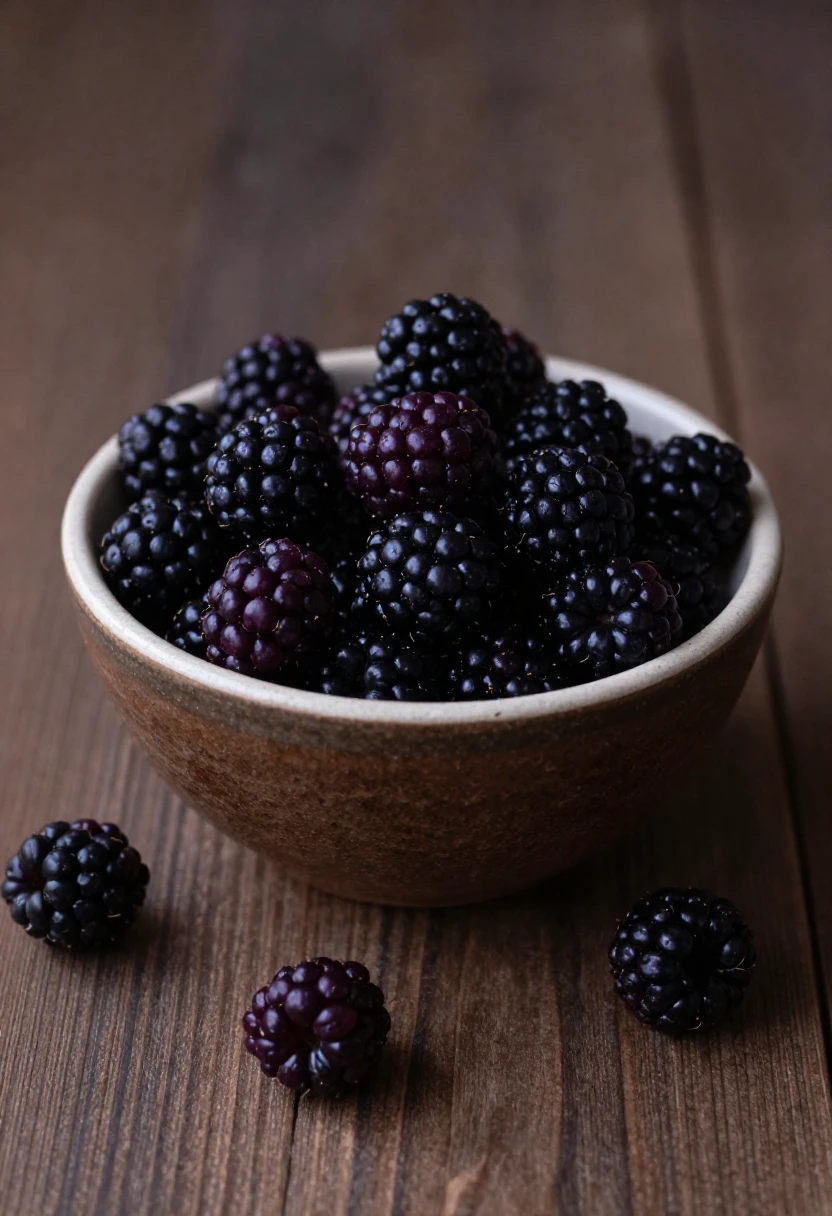
Blackberries are the dark horse of the fiber world. They don’t get the mainstream attention that blueberries do, they’re not as universally loved as strawberries, and they’re often the last berry left at the market. That’s a mistake worth correcting.
One cup of blackberries gives you 8 grams of fiber — matching raspberries at the top of the fruit fiber chart. Combined with one of the highest antioxidant profiles of any food you can eat, they’re genuinely one of the most nutrient-dense options available, calorie for calorie.
Fiber Content and Antioxidant Bonus
Here’s what one cup of blackberries (144g) gives you:
- Fiber: 8g (soluble + insoluble)
- Calories: ~62
- Vitamin C: 50% of your daily value
- Vitamin K: 36% of your daily value
- Manganese: 47% of your daily value
- Anthocyanins: the pigments that give blackberries their deep color — and some of the most studied antioxidants in nutrition research
That last point matters more than it might seem. Anthocyanins aren’t just antioxidants in a vague, general sense — they’ve been specifically linked to reduced inflammation, improved brain function, better cardiovascular health, and even some protective effects against certain types of cancer in early research.
So when you eat blackberries, you’re not just hitting your fiber goals. You’re giving your body a genuinely impressive package of nutrients that work together in ways that isolated supplements simply can’t replicate.
The fiber itself is a strong mix of both types — soluble fiber to slow digestion and feed gut bacteria, insoluble fiber to keep your digestive tract moving cleanly and regularly. At 8 grams per cup for just 62 calories, the fiber-to-calorie ratio is hard to beat.
How to Use Blackberries in Your Routine
The main challenge with blackberries is that they’re more perishable than most fruits — they can go from perfect to moldy faster than you’d expect. A few habits that help:
- Buy frozen — this is genuinely the most practical approach for everyday use. Frozen blackberries are picked at peak ripeness and retain their full nutritional profile. Keep a bag in the freezer and you always have them on hand.
- Fresh blackberries: use within 2–3 days — don’t wash them until right before eating, and store them in a single layer if possible to prevent bruising
- Add to yogurt or kefir — the slight tartness of blackberries pairs beautifully with the tang of fermented dairy. You get fiber and probiotics in one bowl.
- Stir into oatmeal — mash them slightly as they warm up and they create a natural jammy sauce that makes plain oats feel indulgent
- Blend into smoothies — they add a deep, rich flavor and color that makes any smoothie look and taste more serious
- Eat with dark chocolate — a small square of good dark chocolate with a handful of blackberries is one of those snack combinations that feels like a treat but is actually doing something useful for your body
- Make a simple chia jam — blend blackberries with a spoon of chia seeds and a little honey, let it sit for 20 minutes, and you have a fiber-rich spread that works on toast, pancakes, or stirred into yogurt
If you’ve been sleeping on blackberries, this is your sign to put them back in rotation. They’re inexpensive, deeply nutritious, and versatile enough to fit into almost any meal of the day.
How to Actually Hit Your Daily Fiber Goal With Fruit
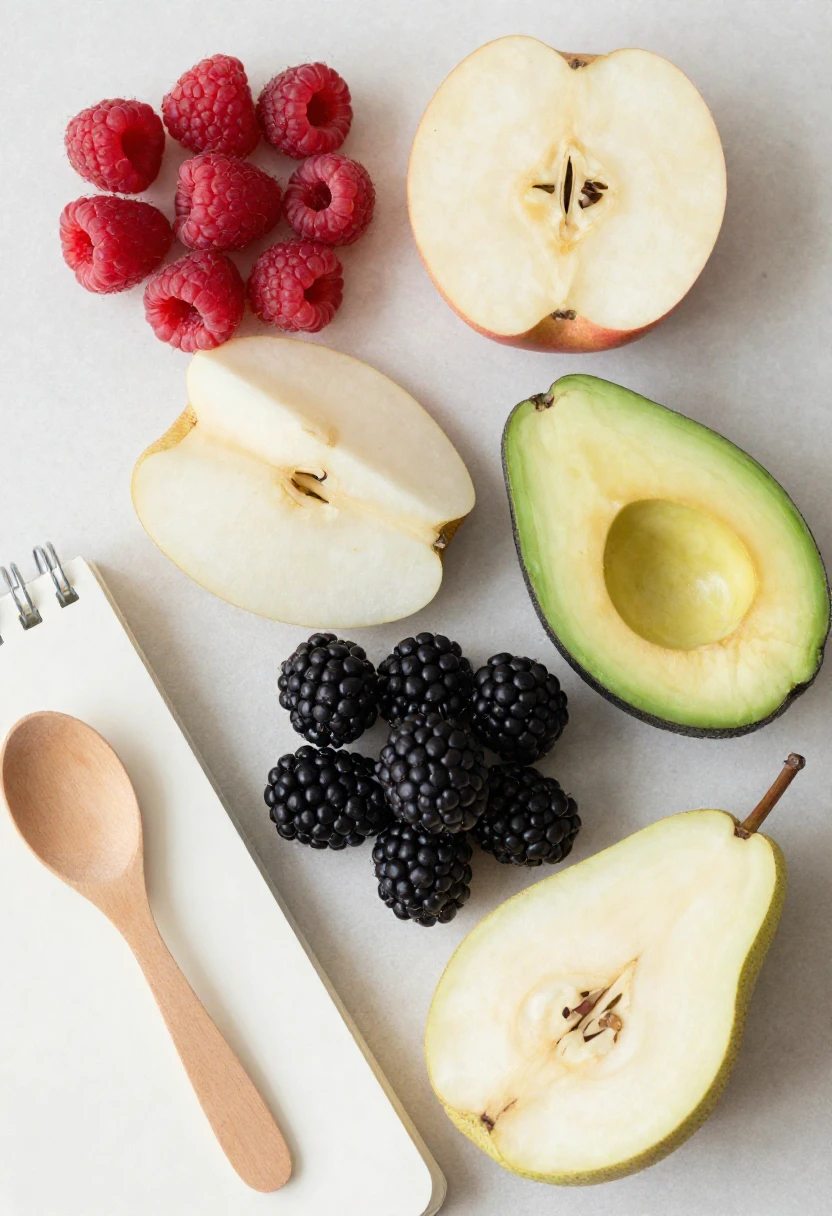
Knowing which fruits are high in fiber is one thing. Building a daily routine that actually gets you to your fiber goal is another. The good news is that it’s simpler than most people think — you don’t need to track every gram or overhaul your entire diet. You just need a few smart combinations and consistent habits.
Simple Combinations That Stack Up Fast
Here’s a practical look at how quickly fiber adds up when you build your day around the right foods:
Example daily fruit fiber stack:
| Fruit | Portion | Fiber |
|---|---|---|
| Raspberries | 1 cup (in morning yogurt) | 8g |
| Apple | 1 medium (afternoon snack) | 4.5g |
| Avocado | ½ (on lunch toast) | 5g |
| Blackberries | ½ cup (evening snack) | 4g |
| Total | 21.5g |
That’s over 21 grams of fiber just from fruit — before you’ve added any vegetables, legumes, whole grains, or nuts to your day. For most women, that’s nearly their entire daily goal. For men, it gets them well past halfway.
The key insight here is stacking rather than substituting. You’re not replacing meals with fruit — you’re weaving these foods into the meals and snacks you’re already eating. A handful of raspberries on your oatmeal. Half an avocado on your sandwich. An apple as your 3pm snack instead of whatever you’d normally reach for.
Small additions. Real results.
A Few Practical Habits That Make This Easier
- Keep fruit visible. Apples and pears on the counter, berries at eye level in the fridge. You eat what you see. This sounds almost too simple, but it’s one of the highest-impact changes you can make.
- Prep berries in advance. Wash and portion raspberries or blackberries into small containers at the start of the week. When they’re ready to grab, you actually grab them.
- Stock your freezer. Frozen berries are a non-negotiable backup. They last for months, cost less than fresh, and are just as nutritious. A smoothie with frozen raspberries and blackberries takes two minutes and delivers serious fiber.
- Pair fruit with protein or fat. Apple with almond butter. Pear with cottage cheese. Avocado with eggs. Pairing fiber with protein or healthy fat slows digestion even further and keeps you full significantly longer than fruit alone.
- Don’t aim for perfection. Some days you’ll hit 35 grams. Some days you’ll hit 18. What matters is the average over time — not any single day.
Fresh vs Frozen — Does It Matter?
This question comes up constantly, and the answer is reassuring: for fiber content, fresh and frozen are essentially equivalent.
Fiber is a structural component of plant cells — it doesn’t degrade during the freezing process the way some vitamins do. A cup of frozen raspberries gives you the same 8 grams of fiber as a cup of fresh ones. The texture changes when thawed, which makes frozen fruit better suited for smoothies, oatmeal, and cooked applications — but nutritionally, you’re not losing anything meaningful.
Where fresh fruit has a slight edge is in certain heat-sensitive vitamins like vitamin C — but even that loss during freezing is relatively minor. For everyday practical purposes, frozen is a perfectly valid choice and often the smarter one for budget and convenience.
The bottom line: use fresh when it’s available and at its best. Use frozen when it’s not. Your fiber intake stays consistent either way.
Conclusion
Fiber is one of those things that quietly shapes how you feel every single day — your energy levels, your digestion, your hunger, your mood. And yet most people are getting barely half of what their body actually needs.
The good news is that fixing that gap doesn’t require complicated meal plans or expensive supplements. It requires a handful of the right fruits, eaten consistently, worked into the meals you’re already making.
Raspberries and blackberries on your morning yogurt. A pear or apple as your afternoon snack. Half an avocado on your lunch. That’s it. That’s most of your daily fiber goal, covered before dinner.
Start with one fruit from this list. Build the habit. Then add another. Within a few weeks, you’ll likely notice the difference — in how your digestion feels, how long you stay full, and how much steadier your energy runs through the day.
Your gut will thank you for it.
FAQ
Q: How much fiber should I be eating every day? The general recommendation is 25 grams per day for women and 38 grams per day for men under 50. After 50, those numbers drop slightly to 21g and 30g respectively. Most people are getting around 15 grams — so there’s real room for improvement for the majority of adults.
Q: Can I eat too much fiber from fruit? Yes, though it’s relatively uncommon from whole fruit alone. Increasing fiber intake too quickly — especially if your gut isn’t used to it — can cause bloating, gas, and digestive discomfort. The fix is simple: increase gradually and drink plenty of water. Fiber needs water to do its job properly. If you go from very low fiber to eating several high-fiber fruits per day overnight, give your gut a week or two to adjust.
Q: Is it better to eat fruit in the morning or spread it throughout the day? There’s no magic window for eating fruit. What matters more is consistency and total daily intake rather than timing. That said, many people find that eating high-fiber fruit earlier in the day — with breakfast or as a mid-morning snack — helps regulate appetite and energy for the rest of the day. Experiment and find what works for your routine.
Q: Do smoothies count, or does blending destroy the fiber? Blending preserves fiber almost completely — this is one of the most common nutrition myths worth clearing up. Unlike juicing, which separates and discards the pulp, blending keeps the whole fruit intact. A smoothie made with raspberries, blackberries, and avocado gives you the full fiber content of each ingredient. The texture changes, but the fiber doesn’t disappear.