Almost everyone has those evenings when cooking slides way down the priority list. Maybe the workday dragged on longer than expected, emails kept piling up, or the commute home felt like it lasted forever. By the time you finally walk into the kitchen, the idea of chopping, sautéing, and cleaning up afterward suddenly feels like a lot. In moments like that, it’s very tempting to grab your phone and order takeout.
But here’s the thing—ordering food every time you’re tired of cooking gets old pretty quickly. It’s not always the healthiest option, and honestly, it doesn’t always taste that great either. Sometimes you just want a simple, homemade dinner that feels fresh and satisfying. Nothing fancy. Just real food that didn’t spend 40 minutes in a delivery bag.
This is exactly where shrimp quietly becomes one of the most useful ingredients you can keep around. A bag of frozen shrimp sitting in the freezer might not look exciting at first, but it can save dinner more times than you’d expect. 🍤
Shrimp cooks ridiculously fast compared to most proteins. Chicken breasts might take twenty minutes. Steak needs careful timing. But shrimp? In many cases, it goes from raw to perfectly cooked in about three to five minutes. That’s faster than boiling pasta.
Another reason shrimp works so well for quick dinners is how easily it absorbs flavor. You don’t need complicated marinades or long prep times. Just a few pantry staples can transform it completely. For example:
- garlic and butter for something comforting
- chili paste or hot sauce if you want heat
- lemon or lime juice for brightness
- fresh herbs like parsley or cilantro for a lighter touch
Even small amounts of these ingredients can completely change the direction of a dish.
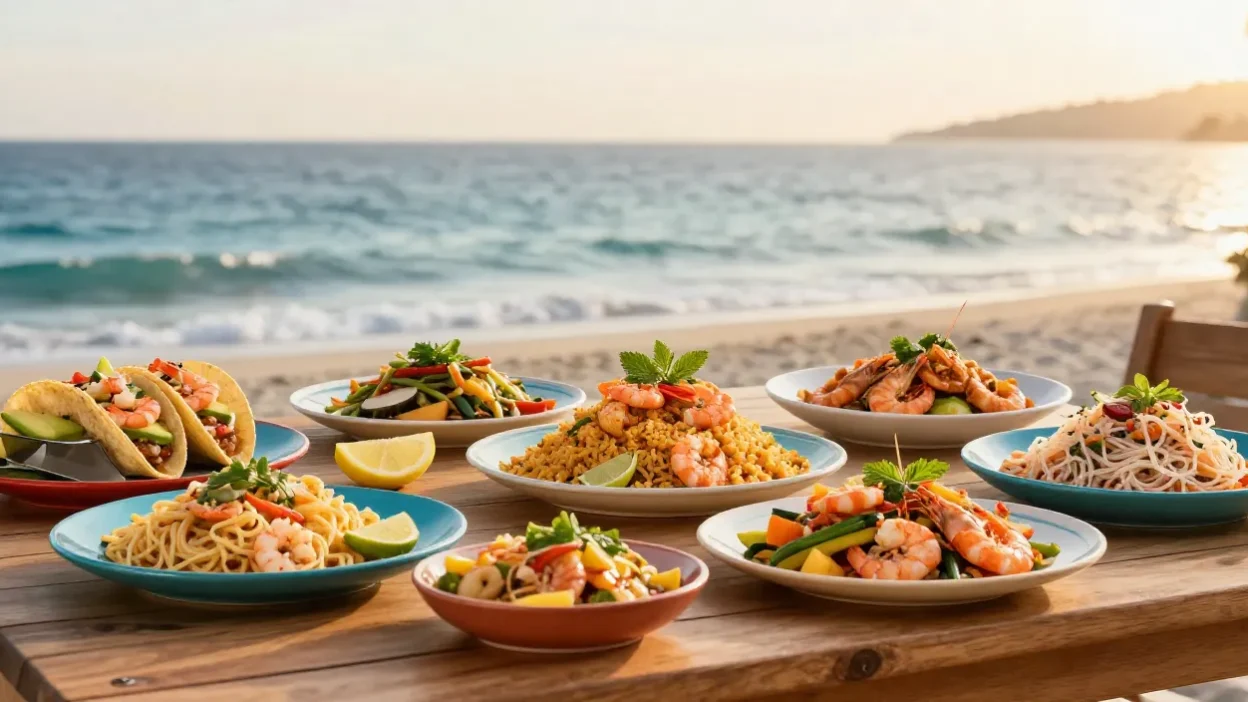
Shrimp is also incredibly flexible in terms of how you use it. It slips easily into all kinds of meals, even when your fridge looks a little empty. You can toss it into pasta, add it to tacos, stir-fry it with vegetables, or pile it on top of a bowl of rice. Some nights it becomes the star of dinner. Other nights it’s just a flavorful addition that pulls everything together.
Another practical advantage? Frozen shrimp thaws surprisingly fast. If you place it in a bowl of cold water, it’s usually ready to cook in about fifteen minutes. That means dinner can start even when you forgot to plan ahead.
A few reasons shrimp has become such a weeknight favorite in so many kitchens:
- It cooks extremely quickly
- Frozen shrimp is easy to keep on hand
- It works with flavors from many different cuisines
- It fits into both warm meals and cold dishes
So if you’re staring into the fridge wondering what dinner might look like tonight, shrimp might already be the answer. With just a handful of ingredients and a hot pan, you can pull together something that tastes like you put in far more effort than you actually did.
Below are ten shrimp dinner ideas that work especially well on busy evenings. None of them require complicated techniques, and most come together surprisingly quickly. Some lean spicy, others buttery or fresh—but all of them prove the same point: shrimp can turn a rushed weeknight into a pretty satisfying meal.
10 Quick Shrimp Dinners for Busy Weeknights
1. Garlic Chili Shrimp Stir-Fry 🌶️
When people talk about quick shrimp dinners, stir-fries almost always come up first. And honestly, that makes sense. They’re quick, flexible, and a little forgiving if you tend to cook without measuring everything perfectly. Garlic chili shrimp is one of those dishes that somehow looks like you put a lot of effort into it, even though the actual cooking takes only a few minutes.
It usually starts with a skillet or wok heating up on the stove. Once the pan is hot enough, a splash of oil goes in, followed by garlic and thin slices of shallot. The smell changes almost immediately. That warm, garlicky aroma spreading through the kitchen is usually the moment when people wander in asking, “What are you making?”
Shrimp goes into the pan next. At first it looks dull and gray, which isn’t particularly exciting, but the change happens quickly. Within a minute or two the shrimp begins turning pink and curling slightly. If you cook shrimp often, you probably know that little moment when they flip color—that’s when you realize dinner is basically halfway done already.
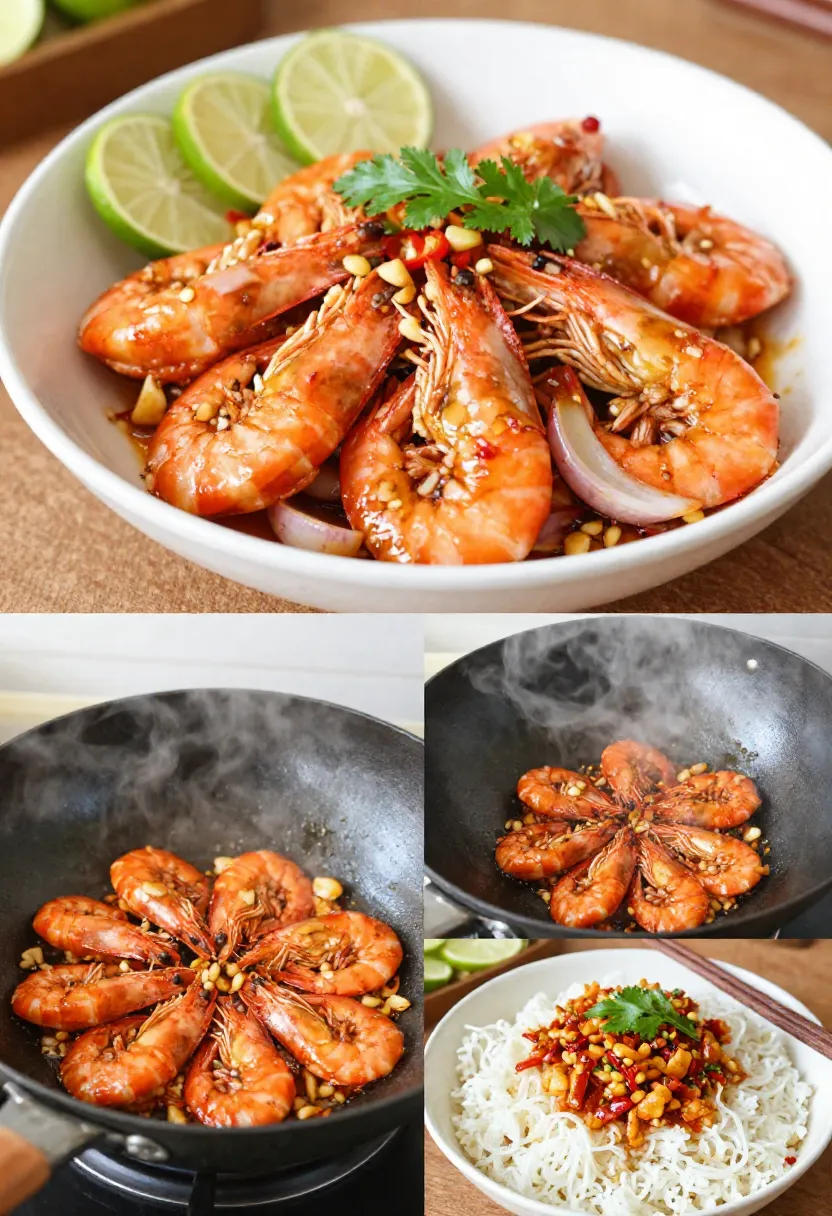
The sauce is simple, but it does a lot of work. Chili paste adds heat, lime juice brings brightness, and a small spoon of sugar or honey softens the sharp edges of the spice. Once everything hits the hot pan together, the sauce reduces just a bit and turns glossy, coating the shrimp rather than pooling at the bottom.
The final flavor lands somewhere between spicy, citrusy, and savory. Not overwhelming, just lively enough to keep things interesting.
There are a few easy ways to serve it, depending on what sounds good that evening:
- over a bowl of steamed jasmine rice
- tossed with thin noodles or rice noodles
- wrapped in lettuce leaves for something lighter
All of these work well, and in reality most people just use whatever they already have in the kitchen. Stir-fries are pretty forgiving like that.
Tip: Cook the shrimp over fairly high heat and try not to crowd the pan. When the shrimp has space, it sears slightly instead of releasing too much liquid, which keeps the texture much better.
2. Butter-Roasted Shrimp with Fresh Herbs 🧈
Some dinners don’t need a lot of ingredients to feel satisfying. Butter-roasted shrimp is one of those dishes that proves simple food can still feel special. There’s no complicated marinade, no long prep list—just shrimp, butter, garlic, and herbs working together the way they always have.
Shrimp and butter have a long-standing friendship in the kitchen. Add garlic to the mix and it becomes even better.
To start, the shrimp is tossed with melted butter and freshly minced garlic. A generous handful of chopped herbs goes in as well. Parsley is probably the most common choice, but honestly, thyme, dill, or even basil can work depending on what’s sitting in the fridge that day. This isn’t the type of recipe where you have to follow strict rules.
Once everything is coated, the shrimp is spread across a shallow baking dish. It’s worth taking a moment to arrange them in a single layer so they cook evenly. It only takes a few extra seconds but makes a noticeable difference once they hit the heat.
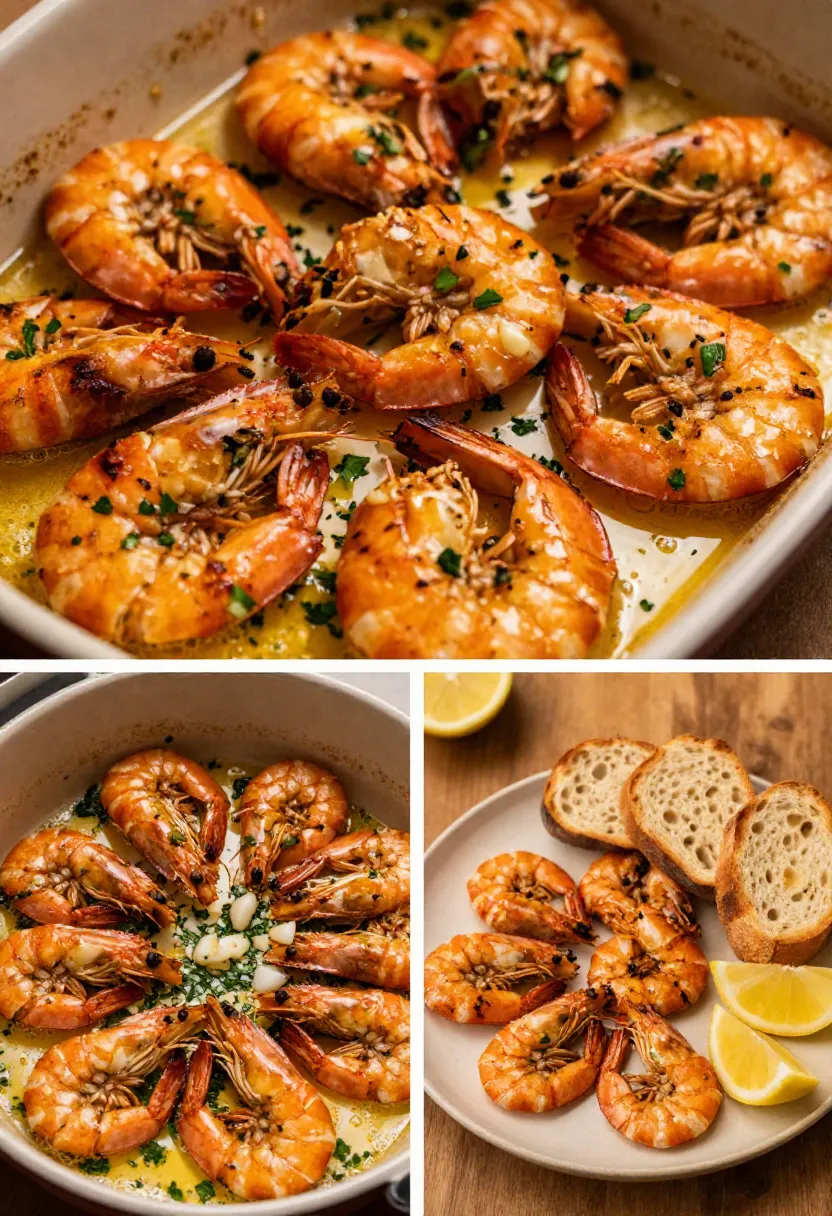
The dish then slides under a hot broiler. Shrimp cooks fast in this environment—sometimes surprisingly fast—so it’s a good idea to keep an eye on it. Within a few minutes the butter starts bubbling and the shrimp turns that familiar soft pink color.
You might notice the edges getting slightly golden as well. That little bit of caramelization adds a deeper flavor that makes the dish feel richer than you’d expect from such a short cooking time.
One of the best things about this recipe is the sauce that naturally forms in the pan. As the shrimp cooks, its juices mix with the butter, garlic, and herbs, creating something incredibly fragrant. It’s the kind of sauce that almost demands a piece of bread nearby.
If you have a loaf of crusty bread, this is the moment it becomes very useful.
Simple sides work best with this dish. A light salad, roasted vegetables, or even a bowl of rice can easily turn it into a full dinner without adding much extra work.
Tip: If your shrimp still has the shells on, consider leaving them during cooking. The shells help lock in moisture and add a deeper seafood flavor to the finished dish.
3. Mediterranean Shrimp and Orzo Skillet 🍋
Mediterranean-style cooking tends to focus on ingredients that feel bright and fresh rather than heavy. Olive oil, citrus, herbs, and vegetables all show up regularly, which is probably why shrimp fits so naturally into this type of cuisine.
This skillet dish brings several of those flavors together in a way that feels comforting without being too rich.
Orzo pasta forms the base of the meal. Even though it looks a bit like rice, it cooks like pasta and becomes surprisingly creamy when stirred in a pan. Once the orzo is cooked, vegetables are added to the skillet with olive oil and garlic. Asparagus, zucchini, or spinach all work well here, and most people simply use whatever vegetables happen to be available.
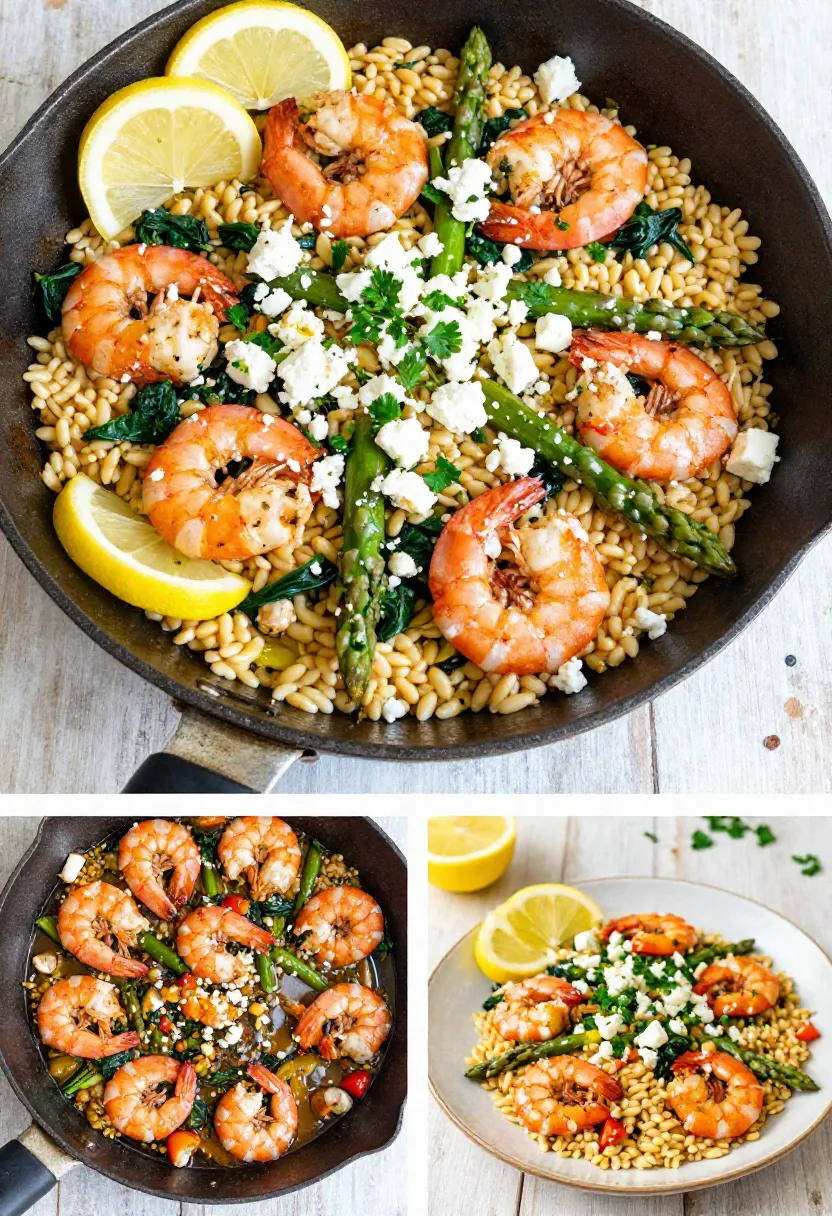
Shrimp goes in toward the end of the cooking process. Because shrimp cooks so quickly, it only needs a couple of minutes in the hot pan before it becomes tender and fully opaque.
At that point the dish starts coming together quickly. Crumbled feta cheese is scattered over the warm pasta, where it softens slightly and adds a salty, creamy element. A squeeze of lemon juice brightens everything up, and fresh herbs bring in that unmistakable Mediterranean aroma.
The result is a meal that feels balanced—comforting enough for dinner but still light and fresh.
Some of the ingredients that really bring this dish to life include:
- olive oil for richness and depth
- feta cheese for salty creaminess
- fresh herbs like parsley or basil
- lemon juice to keep the flavors bright
Together they create a skillet meal that’s colorful, fragrant, and surprisingly filling without feeling too heavy.
Tip: Don’t skip the lemon zest if you have a lemon on hand. A little bit of zest adds extra citrus aroma that really lifts the flavor of the shrimp.
4. Thai-Style Shrimp with Basil and Vegetables 🌿
Thai-inspired dishes have a reputation for delivering a lot of flavor in a very short amount of time. If you’ve ever had a good Thai stir-fry, you’ve probably noticed how many tastes show up at once—something spicy, something sweet, a bit salty, and always those fresh herbal notes at the end. It sounds complicated, but in reality a quick shrimp stir-fry like this one can come together surprisingly fast.
The cooking usually begins with vegetables. Mushrooms, bell peppers, green beans, or even snap peas work well here. They go into a hot skillet or wok with a splash of oil and cook quickly over fairly high heat. The goal isn’t to soften them too much. You want them to keep a little bite so the finished dish has some texture.
Once the vegetables start looking slightly glossy and just tender, the shrimp joins the pan. Shrimp doesn’t need much time, so this stage moves quickly. Within a couple of minutes the shrimp changes from gray to pink and curls slightly. That’s usually the sign it’s nearly done.
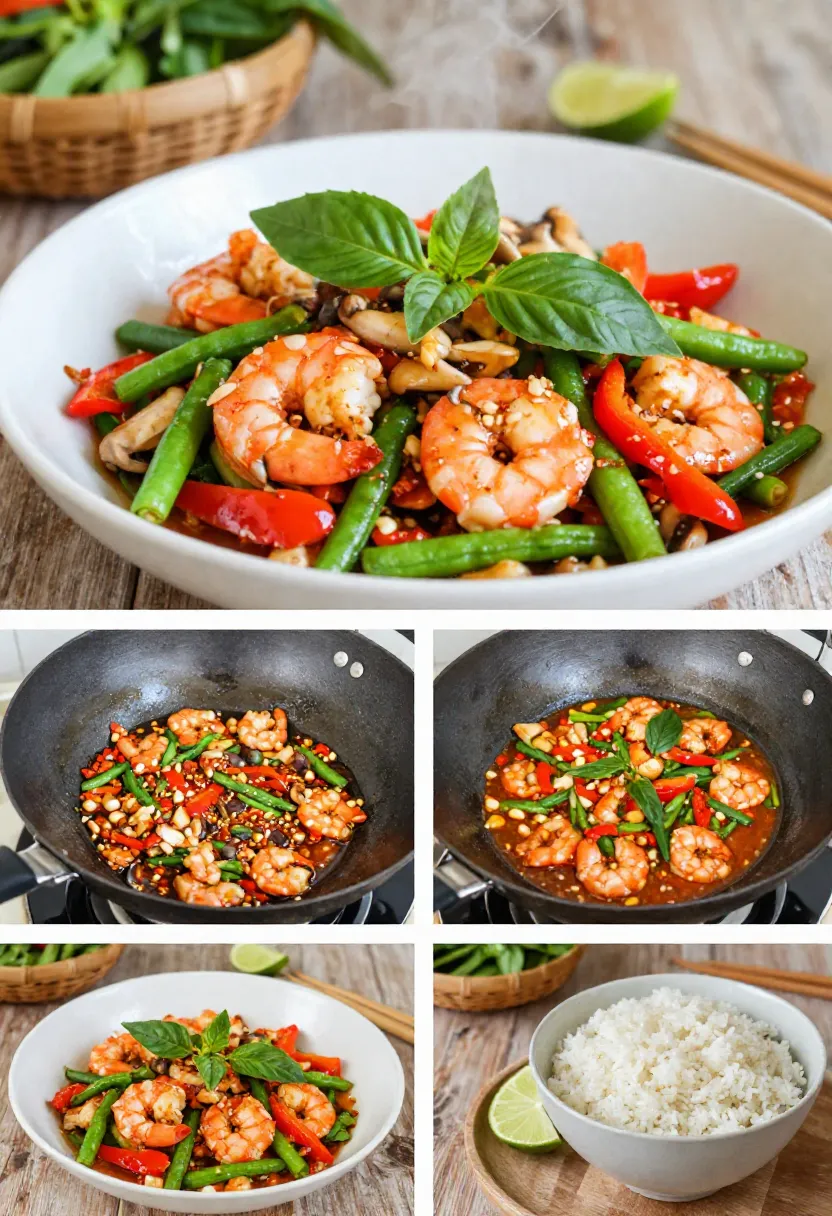
The sauce pulls everything together. It’s usually a simple mixture that includes chili paste for heat, fish sauce for saltiness, and a small amount of sugar to balance everything out. Once it hits the pan, it coats the vegetables and shrimp with a bold, savory glaze.
Right at the end, a generous handful of Thai basil is stirred in. As soon as the leaves hit the heat, they release that distinctive aroma—slightly sweet, slightly peppery, and very fresh.
A bowl of jasmine rice is usually all you need to turn this into a full meal. The rice soaks up the sauce, which is honestly half the fun of eating it.
Some ingredients that help give the dish its signature flavor include:
- chili paste or chili sauce for warmth
- fish sauce for that deep savory taste
- a small pinch of sugar to balance the spice
- Thai basil for freshness and aroma
When everything comes together, the dish feels bright, comforting, and just a little exciting—exactly the kind of dinner that wakes up your taste buds after a long day.
Tip: Add the basil only at the very end of cooking. If it sits in the pan too long, the heat can flatten its flavor and you lose that wonderful fresh aroma.
5. Garlic Butter Shrimp Tacos 🌮
Shrimp tacos are one of those meals that somehow make an ordinary evening feel a bit more fun. Maybe it’s the way everyone builds their own plate, or maybe it’s just the combination of warm tortillas and flavorful fillings. Either way, shrimp works perfectly for tacos because it cooks so quickly.
The shrimp and onions usually start in a hot skillet with a little oil. As the onions soften, the shrimp begins turning pink and soaking up all the flavor in the pan. Just before everything finishes cooking, butter, garlic, and thin slices of jalapeño are added.
The butter melts almost immediately and mixes with the garlic to form a simple sauce. It’s rich, a little spicy, and coats the shrimp in a way that makes the whole kitchen smell incredible.
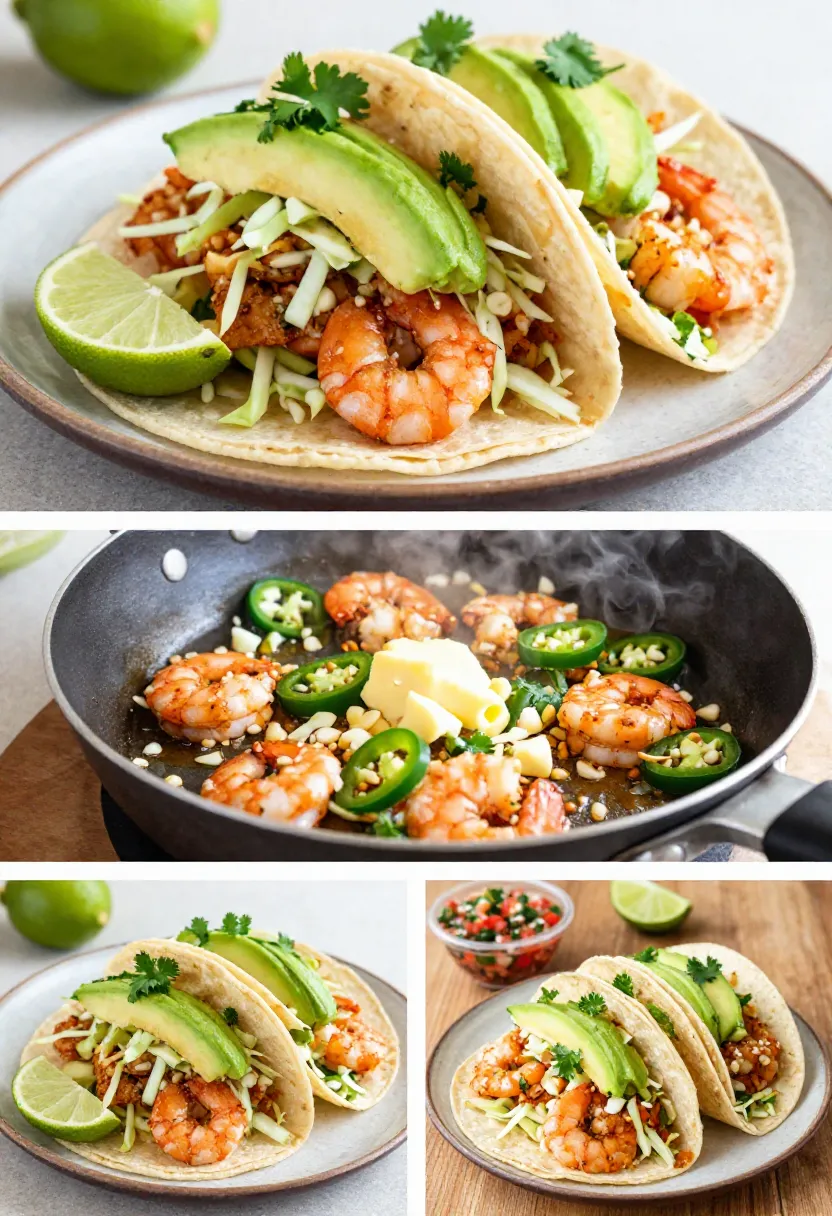
Meanwhile, tortillas can be warming in another pan. That step only takes a minute or two, but it makes a noticeable difference. Warm tortillas are softer, more flexible, and honestly just taste better.
Once everything is ready, the tacos come together quickly. The shrimp mixture is spooned into tortillas and topped with fresh ingredients that add color and texture.
Some popular toppings include:
- shredded cabbage or lettuce for crunch
- sliced avocado for creaminess
- chopped cilantro for freshness
- a squeeze of lime to brighten the flavors
One of the best things about tacos is how adaptable they are. If you have salsa in the fridge, add it. If you like sour cream, go for it. There’s really no strict rule about toppings.
The finished tacos feel vibrant and satisfying without requiring much time in the kitchen—which is exactly what weeknight cooking should be.
Tip: Warm tortillas in a dry skillet for about 30 seconds per side. It improves both the flavor and the texture, and they’re much less likely to tear when you fill them.
6. Lemon Garlic Shrimp Pasta 🍝
Shrimp and pasta have always been a reliable combination. When the sauce is light and citrusy rather than heavy, the dish feels both comforting and refreshing at the same time. Lemon garlic shrimp pasta falls right into that category.
The pasta cooks first, usually in a pot of salted boiling water. While it’s tempting to drain it right away, it’s worth saving a small cup of the pasta water before doing that. That cloudy water might not look like much, but it contains starch that helps sauces cling to the noodles later.
Meanwhile, shrimp cooks in a skillet with olive oil, garlic, and a pinch of red pepper flakes. The garlic becomes fragrant almost immediately, and the shrimp follows shortly after.
Once the shrimp is nearly finished cooking, lemon juice is added to the pan along with a splash of the reserved pasta water. The mixture loosens slightly and becomes a light sauce rather than something heavy or creamy.
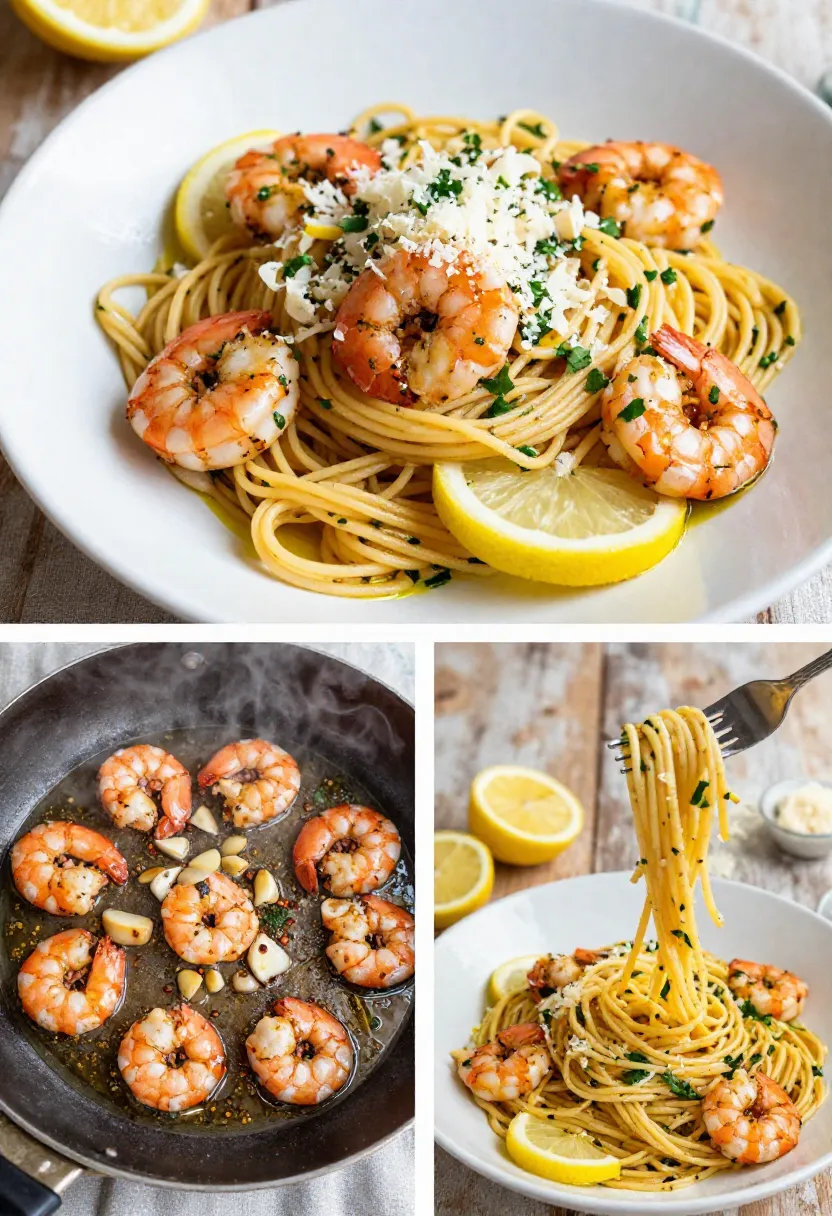
The cooked pasta goes straight into the skillet and gets tossed with everything for another minute or so. During that short time, the noodles absorb some of the sauce while the starch helps everything bind together.
At the end, a handful of grated parmesan and chopped parsley is scattered over the top. It’s simple, but it works.
A few ingredients really help define the flavor of this dish:
- fresh lemon juice for brightness
- garlic for warmth and aroma
- olive oil for richness
- parmesan cheese for a slightly salty finish
The result is a pasta dish that feels satisfying without being overly rich—perfect for evenings when you want something comforting but not too heavy.
Tip: Always save a little pasta water before draining the pot. That starchy liquid helps create a smoother sauce that clings better to the noodles.
7. Shrimp Fried Rice 🍚
Fried rice has a bit of a reputation for being a “leftover dish,” but that’s actually part of its charm. It’s the kind of meal people often throw together when the fridge looks a little random and no one feels like making something complicated. Somehow, with the right ingredients and a hot pan, it still turns out satisfying every time. Shrimp works especially well here because it cooks quickly and adds plenty of flavor without needing much preparation.
The process usually starts with eggs. Crack a couple directly into a hot skillet with a little oil and scramble them quickly. They cook in seconds, so once they’re set, move them to a plate and keep them nearby for later. The pan should still be hot when the shrimp goes in, which helps it cook quickly and pick up a bit of color.
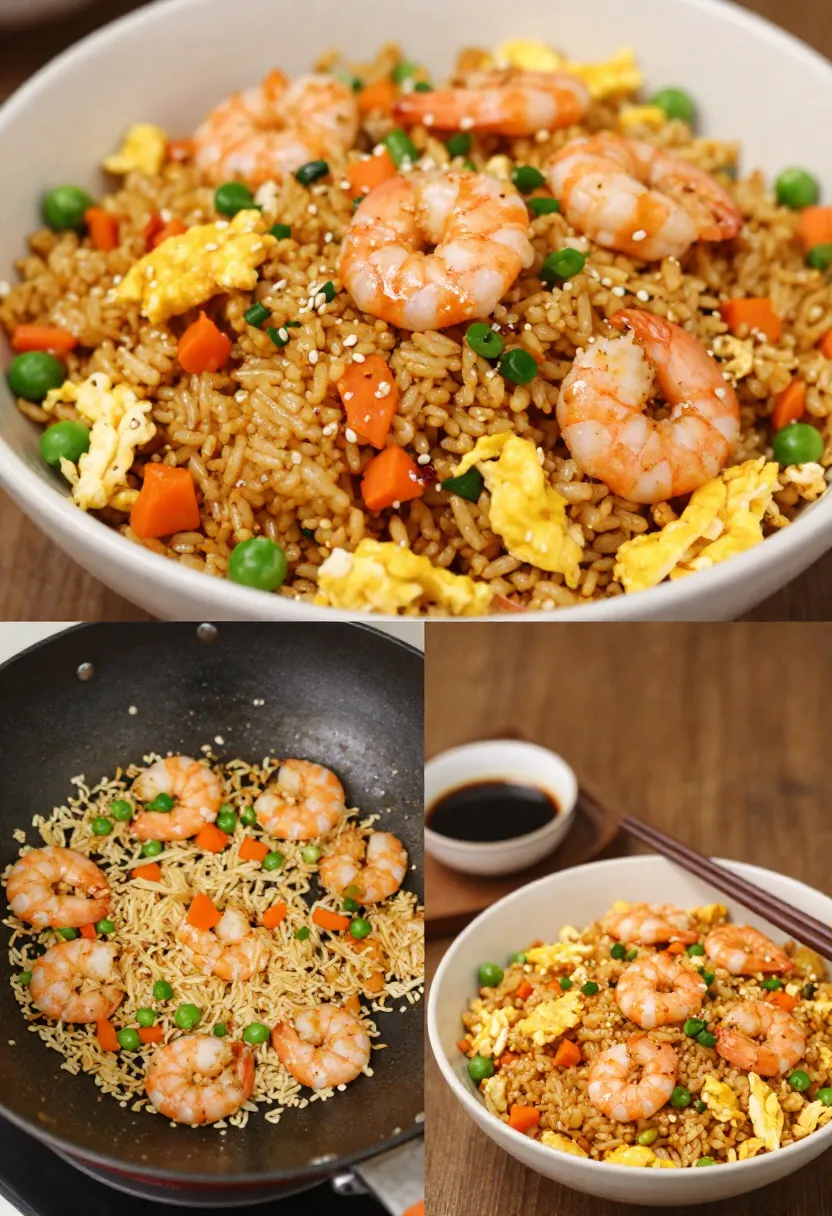
After the shrimp turns pink, vegetables join the pan. Carrots, peas, scallions, or even leftover roasted vegetables can work here. Fried rice is flexible like that—you don’t need to follow a strict formula. The vegetables cook just long enough to soften slightly but still keep their texture.
Finally, the rice goes in. This is where things start to look like real fried rice. Soy sauce and a splash of sesame oil are added while everything gets tossed together in the pan. The eggs return at the end, breaking into small pieces as they mix with the rice and shrimp.
A few ingredients usually make this dish work particularly well:
- cooked rice that has cooled completely
- soy sauce for that familiar savory flavor
- sesame oil for aroma
- scallions for a little freshness at the end
Once everything is heated through and lightly sizzling, dinner is basically ready. It’s warm, comforting, and honestly very close to what you might get from a good takeout spot—except it’s coming straight from your own kitchen.
Tip: Day-old rice works best for fried rice because it’s slightly dry and stays fluffy when stir-fried instead of turning sticky.
8. Shrimp and Avocado Rice Bowls 🥑
Rice bowls have become incredibly popular over the past few years, and it’s easy to see why. They’re simple to assemble, easy to customize, and they manage to combine several textures and flavors in one satisfying meal. Shrimp fits perfectly into this kind of dish because it cooks quickly and pairs well with fresh ingredients.
The shrimp itself doesn’t need much seasoning. A quick mix of garlic, lime juice, olive oil, and a pinch of chili flakes usually does the trick. Once it hits the skillet, the shrimp cooks in just a few minutes, soaking up those bright citrus and garlic flavors.
Meanwhile, a bowl of warm rice forms the base of the meal. From there, everything else gets layered on top. Creamy avocado slices add richness, while crisp lettuce or cabbage introduces a bit of crunch. Diced tomatoes or cucumbers can add freshness and color.
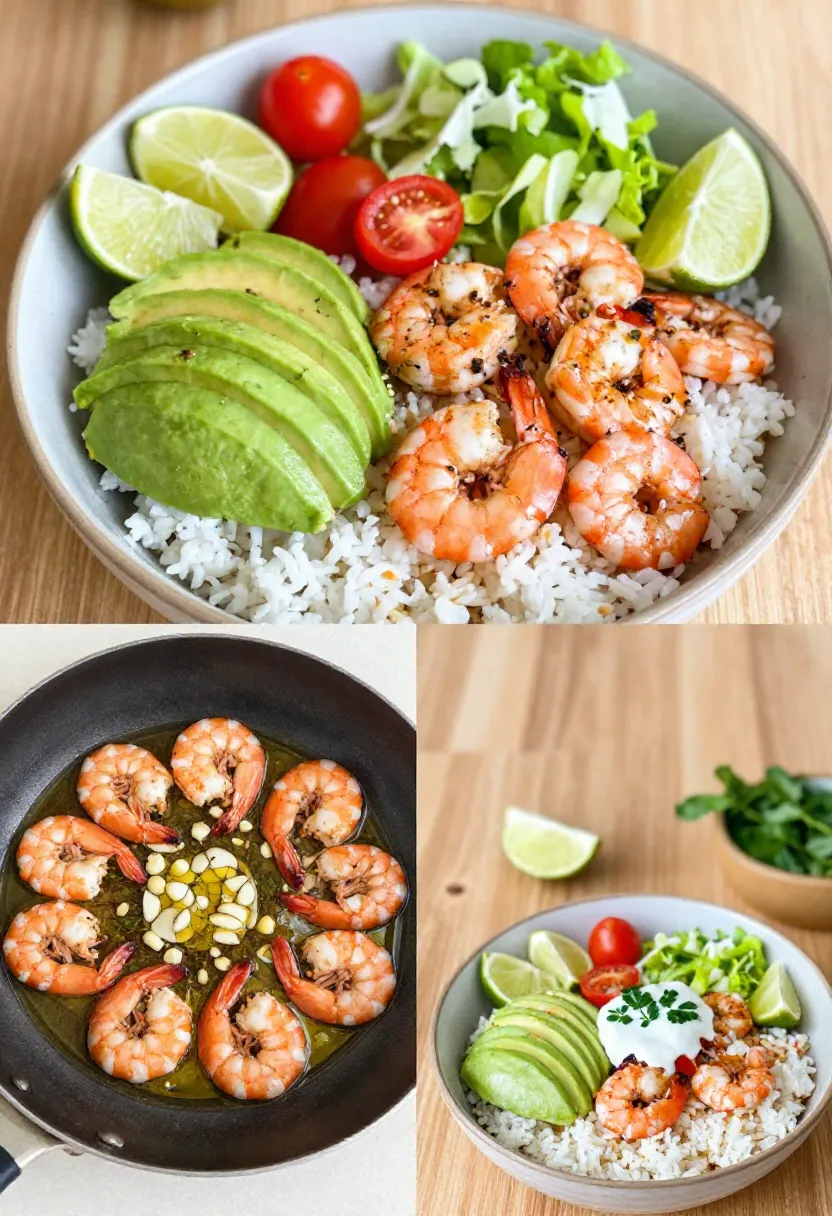
What makes rice bowls appealing is how easily they adapt to whatever ingredients you already have at home. You can keep them simple or add extra toppings depending on your mood.
Some ingredients that work especially well in shrimp bowls include:
- sliced avocado for creaminess
- shredded lettuce or cabbage for texture
- tomatoes or cucumbers for freshness
- a light yogurt sauce or dressing for extra flavor
When everything comes together, the contrast between warm rice, juicy shrimp, and cool vegetables creates a really balanced meal. It’s filling, but not heavy.
Tip: Add a fresh squeeze of lime just before serving. It brightens the entire bowl and makes the shrimp taste even fresher.
9. Coconut Shrimp Curry 🥥
If you’re in the mood for something warm and comforting, coconut shrimp curry is a fantastic option. It has a richer flavor than some of the other shrimp dishes, but it still comes together surprisingly quickly. The creamy coconut milk creates a smooth base that pairs beautifully with seafood.
The cooking usually begins with aromatics. Garlic, ginger, and curry paste go into the pan first, warming in a little oil. Within a minute or so the kitchen fills with that unmistakable smell of spices and coconut.
Next comes the coconut milk. As it simmers gently, it blends with the curry paste and aromatics to form a fragrant sauce. The sauce thickens slightly as it cooks, becoming silky and flavorful without needing any extra cream or butter.
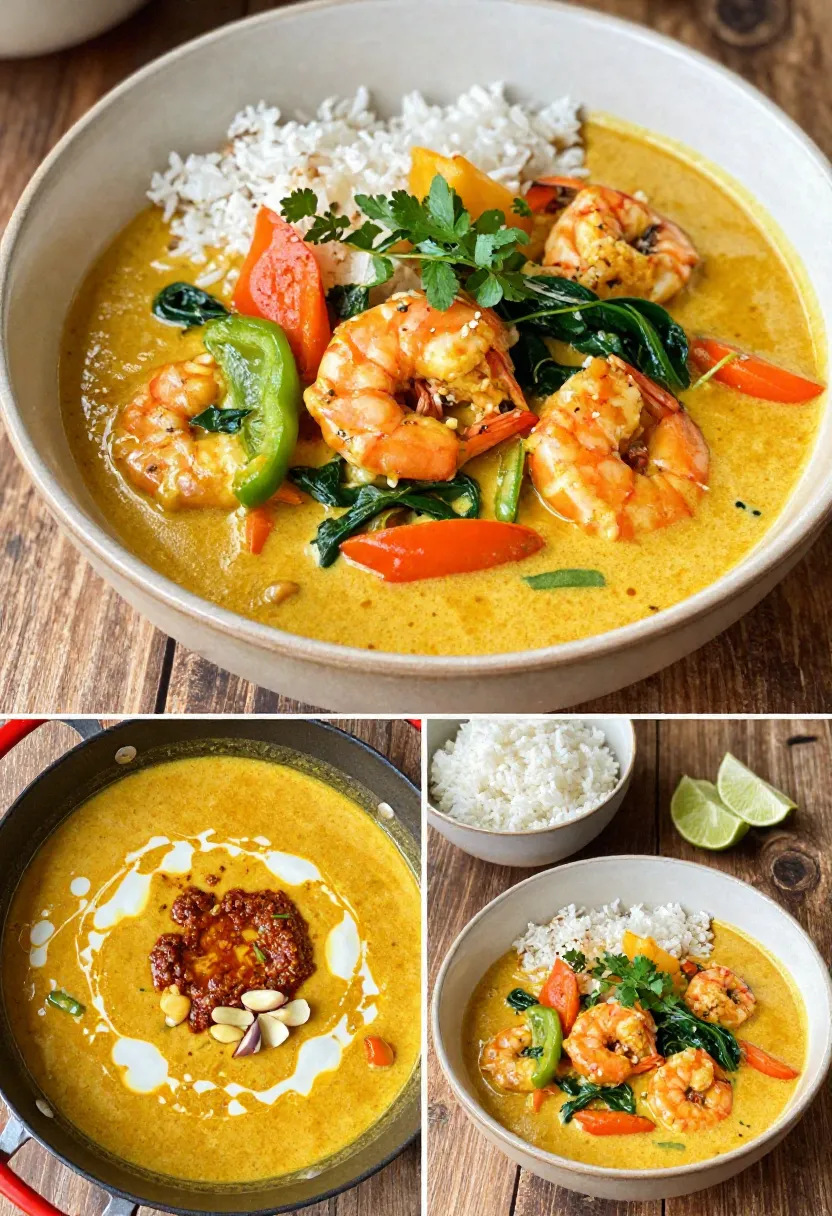
Shrimp goes in toward the end of cooking. Since shrimp cooks so quickly, it only needs a few minutes in the hot curry before it’s tender and ready to serve.
Vegetables can easily be added as well, depending on what you have available. Some good options include:
- fresh spinach
- sliced bell peppers
- snap peas
- thinly sliced carrots
These cook quickly in the curry while adding color and texture to the dish.
Once everything is ready, the curry is usually served over a bowl of steamed rice. The rice helps balance the richness of the sauce and soaks up all that coconut flavor.
Tip: Add the shrimp only during the final few minutes of cooking. Leaving it in the curry too long can make it firm instead of tender.
10. Shrimp and Fresh Herb Noodle Salad 🥗
Not every shrimp dinner has to be warm or heavy. On warmer evenings especially, a chilled noodle salad can feel surprisingly refreshing. This kind of dish focuses on bright flavors, fresh herbs, and light textures rather than rich sauces.
The shrimp is usually cooked first by gently poaching it in lightly salted water. This method keeps the shrimp tender and prevents it from drying out. Once the shrimp turns pink, it’s removed from the water and allowed to cool slightly.
Meanwhile, rice noodles are cooked separately. After draining them, they’re rinsed under cold water so they stop cooking and don’t stick together. That step makes a big difference in the final texture of the salad.
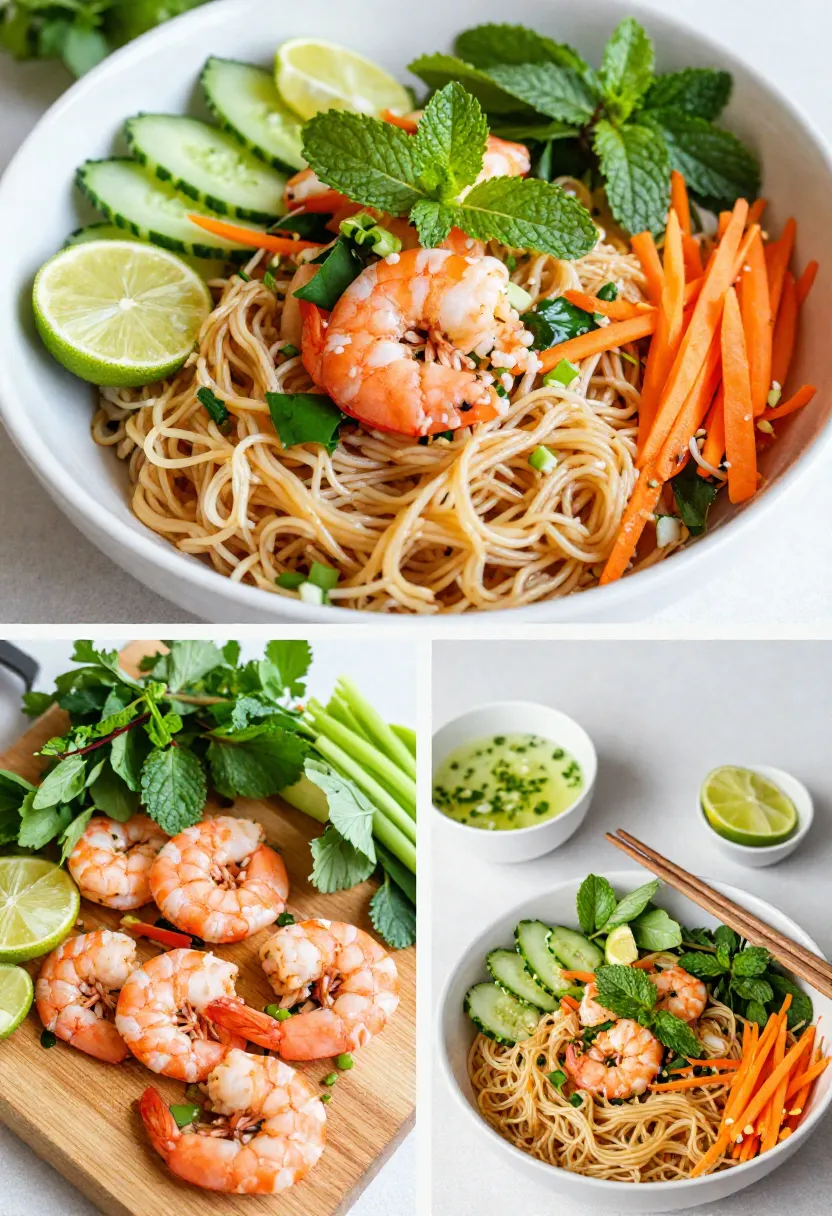
The noodles are then tossed with the shrimp and a generous amount of fresh herbs. Cilantro, mint, and basil all work beautifully here, creating a dish that smells incredibly fresh.
A light dressing ties everything together. It usually includes lime juice, fish sauce, and just a small amount of sugar to balance the acidity.
Some ingredients that really bring this type of salad to life include:
- fresh herbs like mint and cilantro
- lime juice for brightness
- fish sauce for savory depth
- thinly sliced vegetables such as cucumber or carrots
When everything is mixed together, the result is colorful, aromatic, and surprisingly filling. It’s the kind of meal that feels light but still satisfying.
Tip: Always rinse rice noodles under cold water after cooking. This stops them from sticking together and keeps the texture pleasantly springy.
A Few Simple Tricks for Cooking Better Shrimp 🍤
Shrimp is often considered one of the easiest proteins to cook, and in many ways that’s true. It doesn’t require hours of marinating or complicated techniques. Still, small details can make a surprisingly big difference in how your final dish turns out. The difference between tender shrimp and rubbery shrimp often comes down to just a minute or two of cooking time.
One thing many home cooks learn pretty quickly is that shrimp cooks extremely fast. If you step away from the stove for too long, it can go from perfectly juicy to slightly tough before you even realize it. That’s why paying attention to timing is probably the single most important skill when cooking shrimp.
Another helpful habit is preparing the shrimp properly before it even touches the pan. Frozen shrimp is convenient, but how you thaw it matters. Using warm water or a microwave might seem quicker, but it can affect the texture of the shrimp. A slower thaw in cold water usually keeps the shrimp firmer and more pleasant to eat.
There are also a few simple kitchen habits that experienced cooks rely on when working with shrimp:
- Thaw frozen shrimp in cold water instead of using heat. It takes a little longer but helps maintain the natural texture.
- Pat the shrimp dry before cooking. Excess moisture prevents proper browning and can cause the shrimp to steam instead of sear.
- Use seasoning generously. Shrimp has a naturally mild flavor, which means garlic, herbs, spices, and citrus can really help it shine.
- Watch the color change carefully. Shrimp is ready once it turns pink and opaque with a slight curl.
It’s also worth mentioning that shrimp continues to cook slightly even after it leaves the pan. Taking it off the heat just as it finishes turning pink helps prevent overcooking.
These little habits might sound minor, but together they make a noticeable difference. When shrimp is cooked properly, it stays tender, juicy, and flavorful—exactly what you want for quick weeknight meals.
Why Shrimp Works So Well for Quick Weeknight Meals 🍽️
When evenings get busy, cooking can easily start feeling like a chore instead of something enjoyable. Long ingredient lists and complicated steps don’t always fit into a packed schedule. That’s exactly why shrimp has become such a reliable option for quick dinners.
For starters, shrimp cooks faster than almost any other protein. In many cases, it only needs three to five minutes in a hot pan. That alone makes it incredibly practical for weeknights when time is limited and everyone is already hungry.
Another reason shrimp works so well is its versatility. It blends easily with a wide range of flavors, which means you can create completely different meals using the same basic ingredient. One night it might appear in tacos with lime and avocado. Another evening it could be tossed with pasta, stirred into fried rice, or simmered in a coconut curry.

Shrimp also pairs well with ingredients many people already keep in their kitchens. Garlic, butter, lemon, herbs, chili sauce, soy sauce—these simple pantry staples can quickly transform shrimp into something that tastes far more complex than the effort required.
And perhaps the biggest advantage is convenience. Keeping a bag of shrimp in the freezer means dinner is never too far away. Even on nights when nothing else seems planned, shrimp can turn a few random ingredients into a real meal.
With a hot pan, a handful of vegetables or herbs, and just a little creativity, shrimp can easily become the centerpiece of a satisfying dinner—without the stress of long cooking times or complicated preparation.