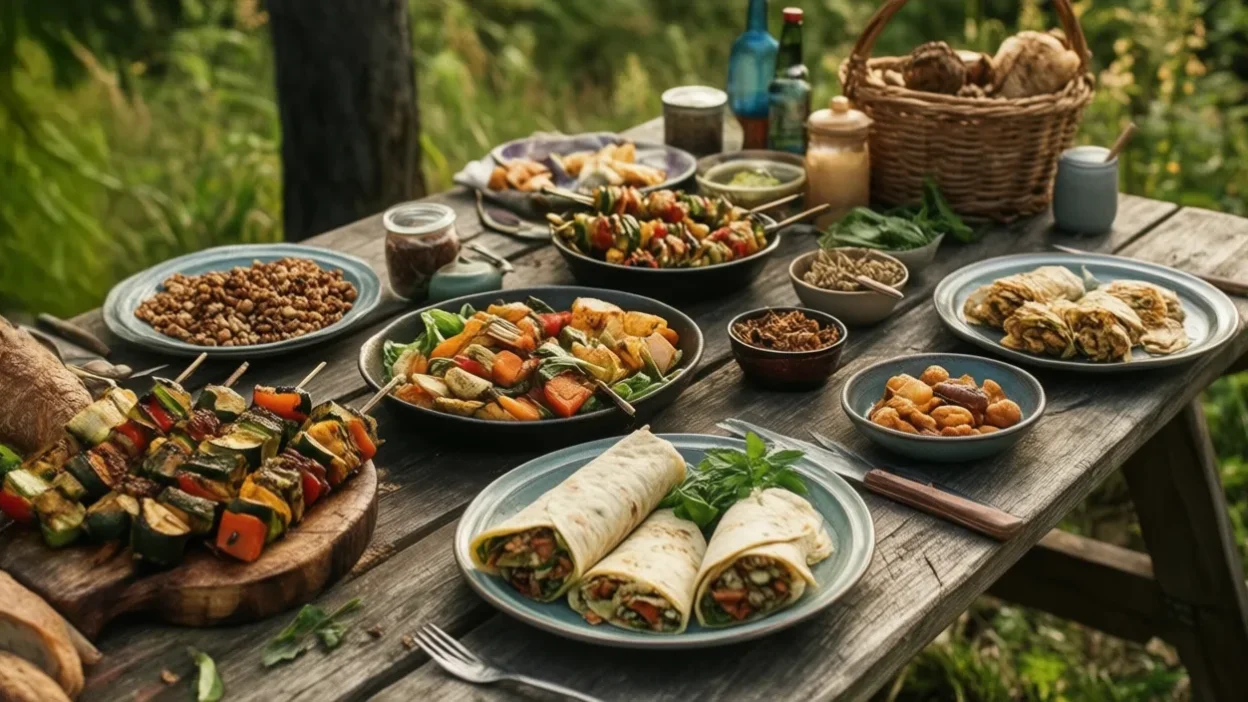
That’s exactly what this article is about.
What you’ll find here is a carefully chosen list of eight dishes that actually work outdoors — not just in theory, but in real, slightly unpredictable situations. These are meals that people truly cook and eat outside, without ideal kitchens, perfect weather, or unlimited time.
They are suitable for very different scenarios, including relaxed picnics in the park, camping trips with minimal equipment, long beach days when hunger builds slowly, and road trips where food needs to be easy to handle and quick to eat. Forest walks, lakesides, open fields — these dishes adapt well to different environments without demanding too much attention or effort.
Each meal on this list was selected with very practical criteria in mind. The dishes work outdoors because they tend to share several important qualities:
- they are easy to transport and don’t fall apart on the way
- they don’t require constant supervision while cooking
- they tolerate small timing or temperature mistakes
- they still taste good even if they cool down slightly
- they provide real satisfaction instead of just temporary snacking
These details might seem minor at first, but outdoors they make a noticeable difference. When food behaves predictably, it stops being a source of stress and quietly supports the overall experience.
The purpose of this article isn’t to showcase complex techniques or unusual ingredients. It’s about making outdoor eating feel natural and comfortable. Good outdoor food blends into the moment instead of competing with it, allowing people to focus on being outside rather than managing every detail of a meal.
What Makes a Dish Truly “Outdoor-Friendly”? 🌤️
Before moving on to the dishes themselves, it’s helpful to understand how outdoor food differs from everyday home cooking. Outside, conditions are rarely perfect, and meals need to adapt to that reality.
A truly outdoor-friendly dish usually checks several boxes at once. It should taste good when freshly cooked, but also remain enjoyable if it sits for a while. It shouldn’t rely on precise timing or constant stirring. It needs to survive transport without turning into a mess, and it should be forgiving enough to handle small mistakes that naturally happen outdoors.
Another important factor is how filling the food actually is. Outdoor activities increase appetite, sometimes without people realizing it. Dishes that offer proper nourishment — not just something to nibble on — help maintain energy and mood throughout the day.
When food meets these expectations, it stops feeling like something that needs to be managed. Instead, it becomes part of the rhythm of the trip — something you enjoy naturally, without overthinking.
With that understanding in mind, it makes sense to move on to the dishes themselves.
1. 🌽 Grilled Veggie Skewers – Bright, Simple, and Surprisingly Filling
Grilled veggie skewers have earned their place in outdoor cooking for a reason. They look vibrant on the grill, feel light enough for warm weather, and still manage to satisfy real hunger. You don’t need advanced skills or perfect timing, which already makes them a strong choice when cooking outside.
One of the biggest strengths of veggie skewers is how flexible they are. You can adjust them easily based on what’s available, what’s in season, or what people prefer. Most vegetables behave well on a grill, especially when cut correctly.
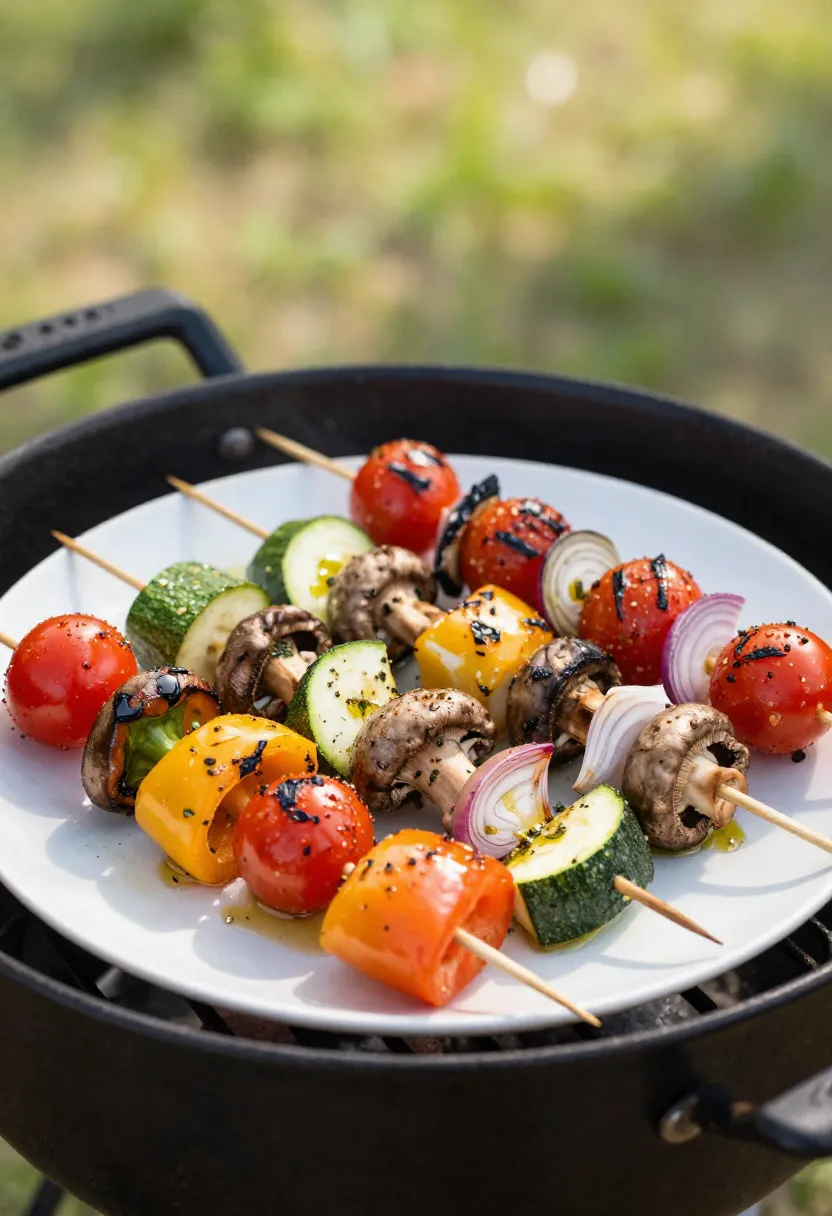
Vegetables that work particularly well include:
- bell peppers
- zucchini or summer squash
- mushrooms
- red onions
- cherry tomatoes
- eggplant or corn (if you want something heartier)
The key detail here is size. Cutting everything into similar pieces helps the vegetables cook evenly, without some burning while others stay underdone.
The marinade doesn’t need to be complicated. Outdoors, strong and simple flavors usually work best. A basic mix of olive oil, garlic, salt, black pepper, and dried herbs already brings out the natural sweetness of the vegetables. Once on the grill, skewers cook quickly, are easy to turn, and don’t require constant attention. A bit of char actually improves the flavor, so perfection isn’t necessary.
Veggie skewers can play different roles depending on the situation. They work well as:
- a light main dish
- a side next to meat or fish
- something to snack on while other food finishes cooking
Cooking tip:
If you’re using wooden skewers, soak them in water for at least 20–30 minutes before grilling. This small step helps prevent burning and makes handling the skewers much easier over open heat.
2. 🥜 Trail Mix with Dried Fruits – Small Food, Big Impact
Trail mix may not look exciting, but outdoors it becomes one of the most dependable foods you can carry. It’s designed to be practical, and that’s exactly what makes it valuable during a trip.
Outdoor activities often drain energy faster than expected. Walking, swimming, heat, or just being outside for long hours can suddenly leave people tired and hungry. Trail mix works well in these moments because it requires no preparation and no pause in the day.
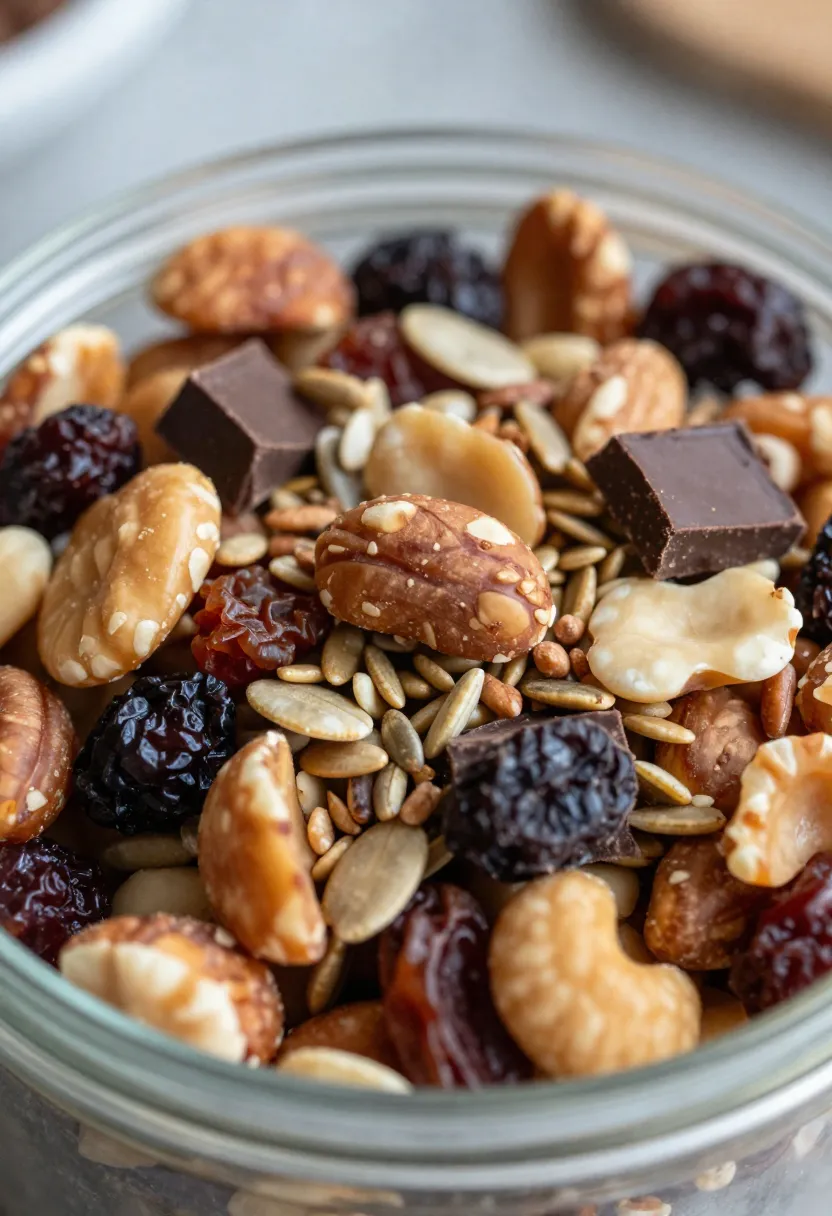
A balanced trail mix usually includes several key components:
- nuts for protein and healthy fats
- dried fruits for quick energy
- seeds for texture and variety
- optional dark chocolate for a small mood boost
Another advantage of trail mix is timing. It can be eaten while walking, resting, or waiting for something else to cook. It doesn’t spoil quickly, doesn’t take up much space, and works in both warm and cooler weather.
It’s the kind of food you don’t think much about — until you realize how useful it really is.
Preparation tip:
Prepare trail mix at home and divide it into small portions. This makes it easier to control servings and grab just enough when energy starts to dip.
3. 🍲 Campfire Chili – Comfort in a Pot
Campfire chili is one of those meals that feels especially right outdoors. It’s warm, filling, and deeply comforting, particularly in the evening or after a physically active day.
Chili works so well because it doesn’t demand precision. Everything cooks together in one pot, and small variations rarely cause problems. You can adjust ingredients based on taste, dietary needs, or what you have on hand.
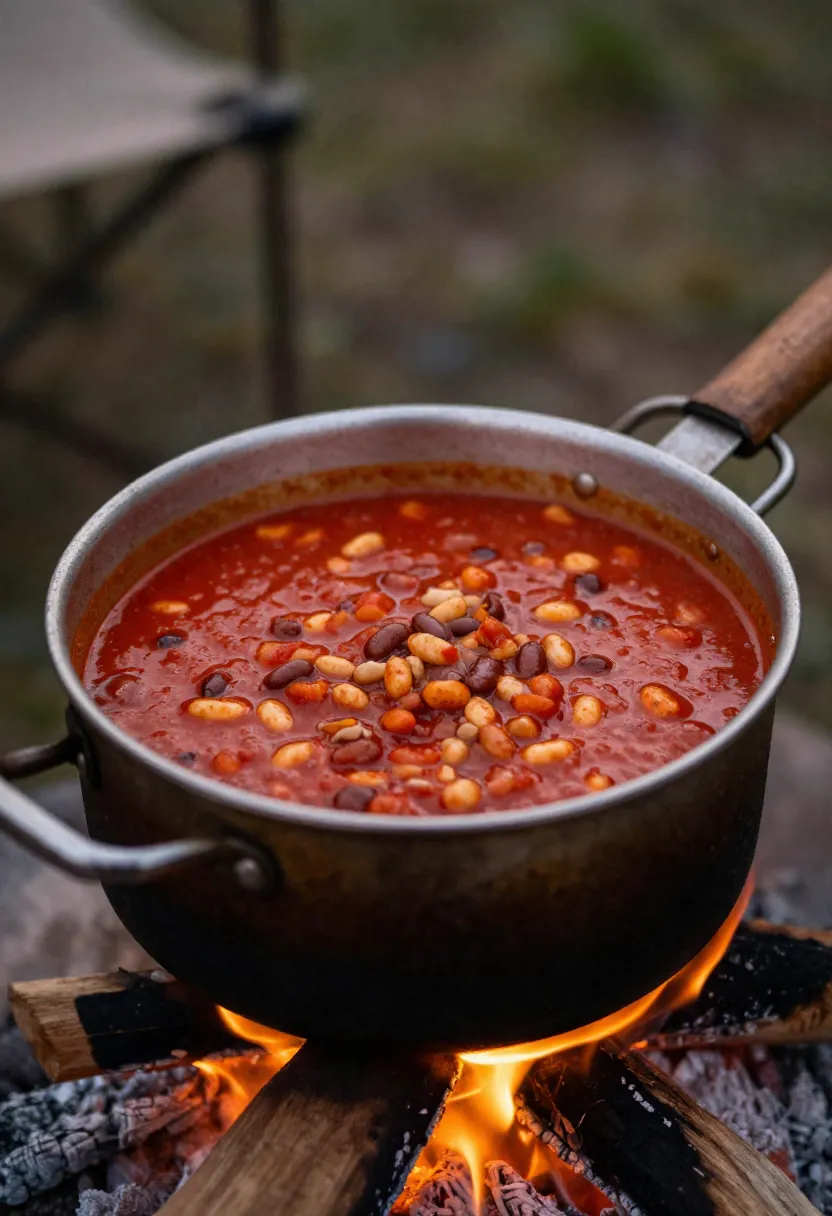
A basic chili usually includes:
- ground beef, turkey, or a plant-based alternative
- beans (kidney, black, or mixed)
- canned tomatoes or tomato sauce
- onions and garlic
- spices such as chili powder, cumin, or paprika
The cooking process itself is relaxed. Steady heat and occasional stirring are usually enough. There’s no rush, and no need to measure everything exactly. In fact, chili often tastes better after simmering for a while, which makes it ideal for outdoor cooking.
Chili is also excellent for feeding a group. One pot can serve many people, stay warm for a long time, and be easily reheated. Paired with bread or tortilla chips, it naturally turns into a shared moment around the fire. 🔥
Cooking tip:
If possible, let the chili rest for about 10–15 minutes before serving. This allows the flavors to settle and the texture to thicken slightly, making the dish taste more balanced.
4. 🐟 Foil Packet Fish – Clean, Light, and Foolproof
Foil packet meals are one of the smartest solutions for outdoor cooking, and fish is especially well suited for this method. When conditions aren’t perfect and you don’t want to worry about sticking, drying out, or constant flipping, foil does most of the work for you.
Fish fillets gently steam inside the packet, absorbing the flavors around them instead of losing moisture. A simple combination of lemon slices, fresh or dried herbs, olive oil, and vegetables creates a light but satisfying dish that feels fresh even when eaten outdoors.
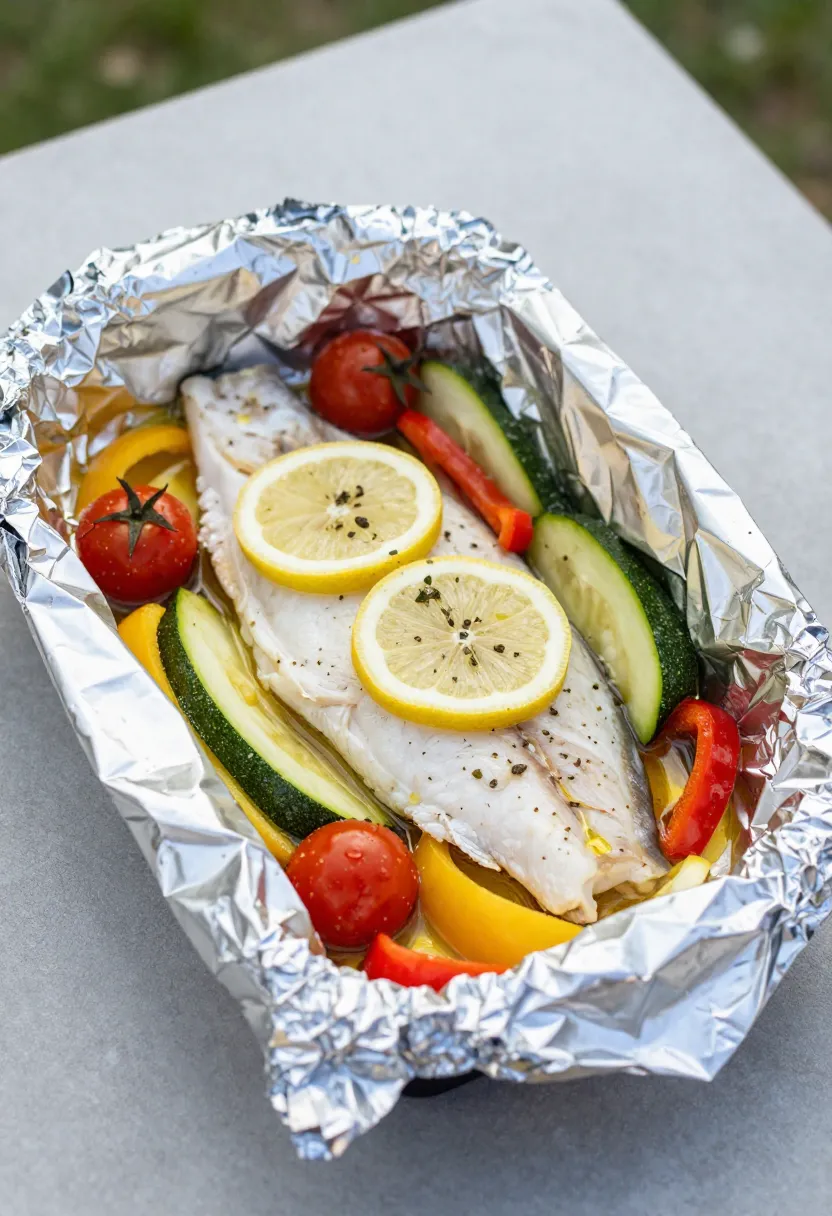
Fish that works particularly well in foil packets includes:
- cod
- tilapia
- trout
- salmon
- other firm white fish
Vegetables can be added directly to the packet, which makes the meal more complete. Popular choices are:
- cherry tomatoes
- zucchini
- thinly sliced onions
- bell peppers
- asparagus
One of the biggest advantages of foil packet fish is how forgiving it is. The sealed environment protects the fish from direct heat, making it difficult to overcook. There’s no sticking to the grill, no complicated cleanup, and no need for extra cookware.
This dish is ideal when you want something lighter but still nourishing. Opening a foil packet outdoors and smelling citrus, herbs, and warm vegetables feels simple and quietly special at the same time. ✨
Cooking tip:
Seal the foil packets tightly, but leave a little space inside for steam to circulate. This helps the fish cook evenly and stay tender without turning mushy.
5. 🍯 Homemade Granola Bars – Long-Lasting Energy
Granola bars are a classic outdoor food, but homemade versions offer a level of control that becomes surprisingly important on trips. You decide how sweet they are, how soft or firm they feel, and which ingredients go inside.
Homemade granola bars are built around simple, sturdy ingredients. Oats form the base, nut butter and honey hold everything together, and nuts, seeds, or dried fruits add texture and flavor. Once pressed and set, the bars don’t need refrigeration and hold their shape well during transport.
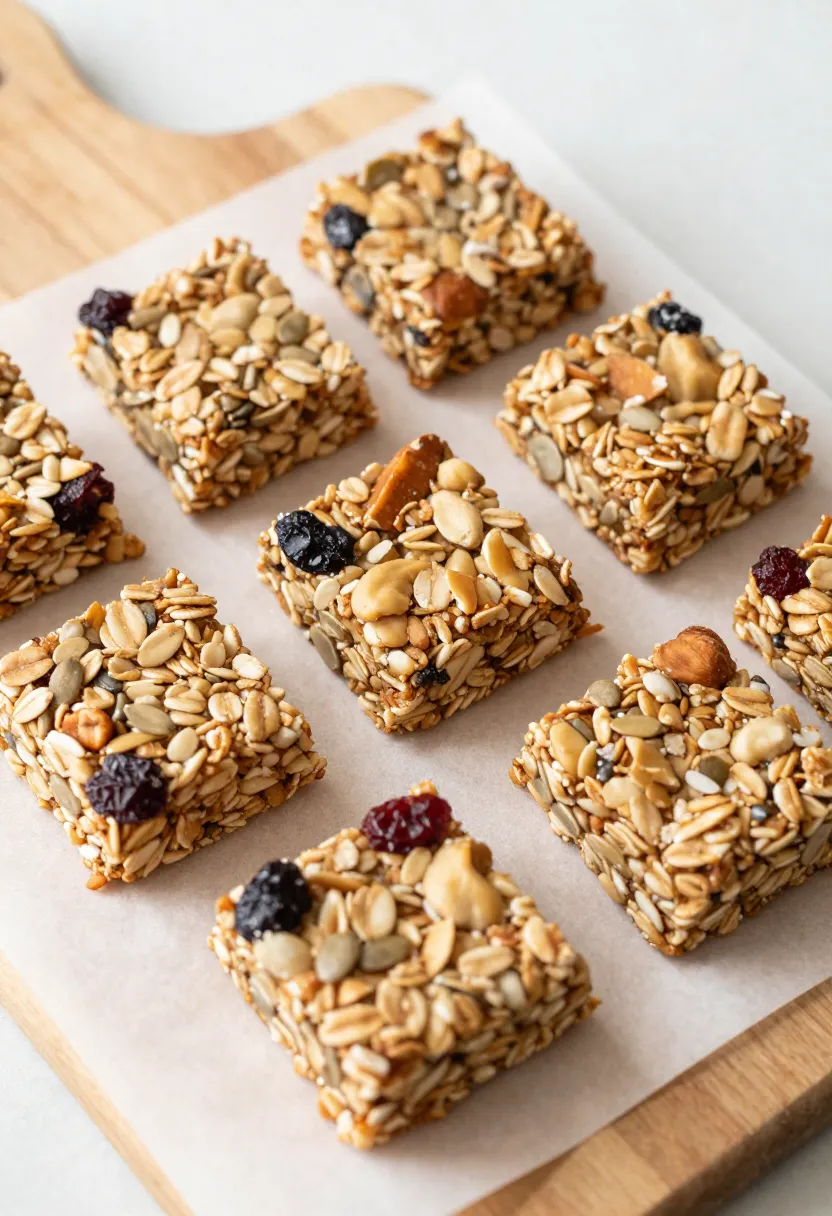
Common ingredients used in homemade granola bars include:
- rolled oats
- peanut butter or almond butter
- honey or maple syrup
- nuts and seeds
- dried fruits like raisins or cranberries
These bars are especially useful between meals or during physical activity. They provide steady energy without feeling heavy, and they’re easy to eat even when you don’t want to stop for long.
They may not look fancy, but they quietly do exactly what outdoor food is supposed to do.
Preparation tip:
Let homemade granola bars chill and fully set before cutting and packing them. Firmer bars are much less likely to crumble or fall apart during the trip.
6. 🥣 Instant Oatmeal Packs – Warm Food with Zero Stress
Instant oatmeal rarely gets much attention, but outdoors it turns into something genuinely comforting. This is especially true in the morning or on cooler days, when warm food feels more satisfying than anything else.
With just hot water, oatmeal becomes a filling meal that’s easy on the stomach and quick to prepare. It doesn’t require cooking skills, cleanup is minimal, and the ingredients are lightweight and easy to pack.
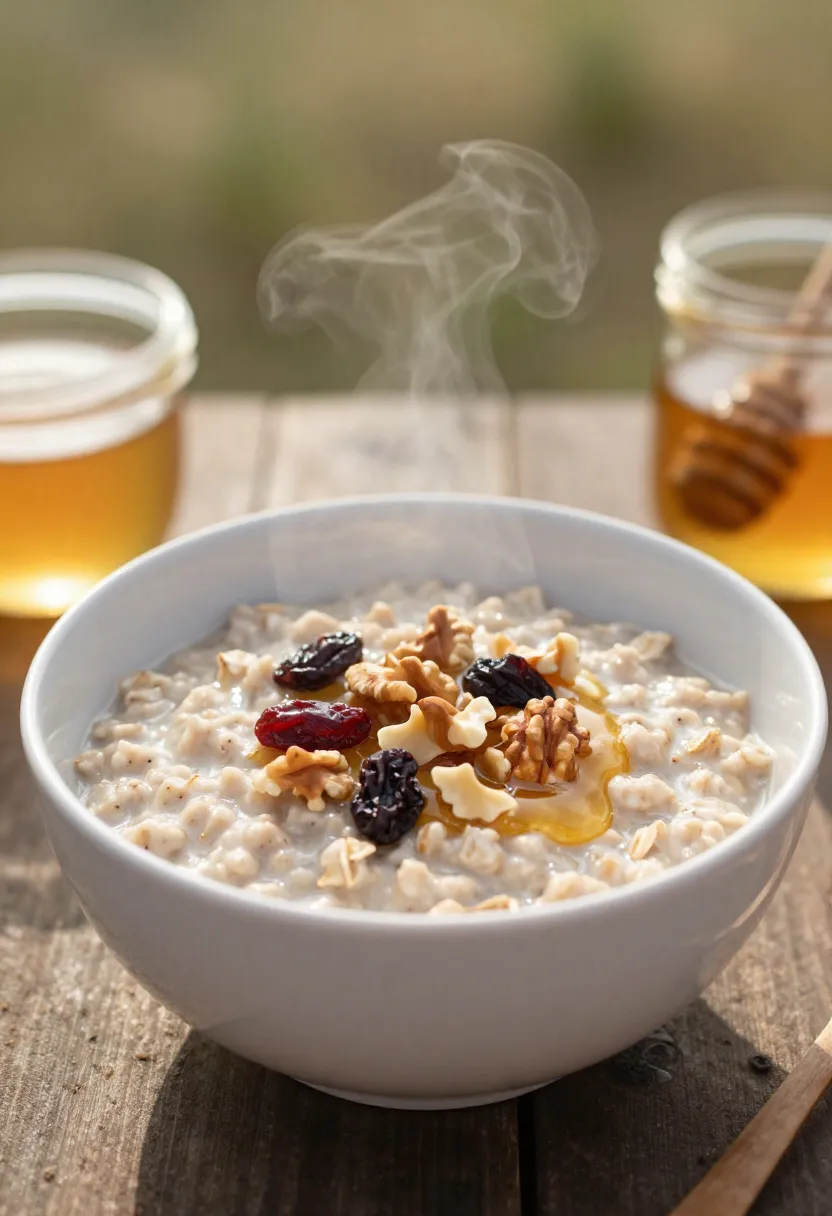
Instant oatmeal can be customized in simple ways, such as adding:
- nuts or seeds for texture
- dried fruit for sweetness
- honey or maple syrup
- nut butter for extra richness
These small additions turn basic oatmeal into a meal that feels complete rather than minimal. It’s also a great option for people who prefer something gentle before a more active day.
Low effort, low mess, and surprisingly satisfying — oatmeal proves that outdoor food doesn’t need to be complicated to feel good. ☕️
Serving tip:
If possible, let the oatmeal sit for a minute longer than suggested after adding hot water. This allows it to thicken properly and improves both texture and flavor.
7. 🌯 Wraps with Smoked Turkey – Practical and Balanced
Wraps are one of the most outdoor-friendly meals you can prepare, especially when the day is active and stops are short. They’re easy to make in advance, easy to pack neatly, and easy to eat without plates, forks, or any extra effort.
Smoked turkey works particularly well in wraps because it already has flavor and doesn’t need reheating. Combined with fresh vegetables, it creates a balanced meal that feels light but still filling. Tortillas hold everything together, which is exactly what you want when eating outdoors — no spills, no mess, no frustration.
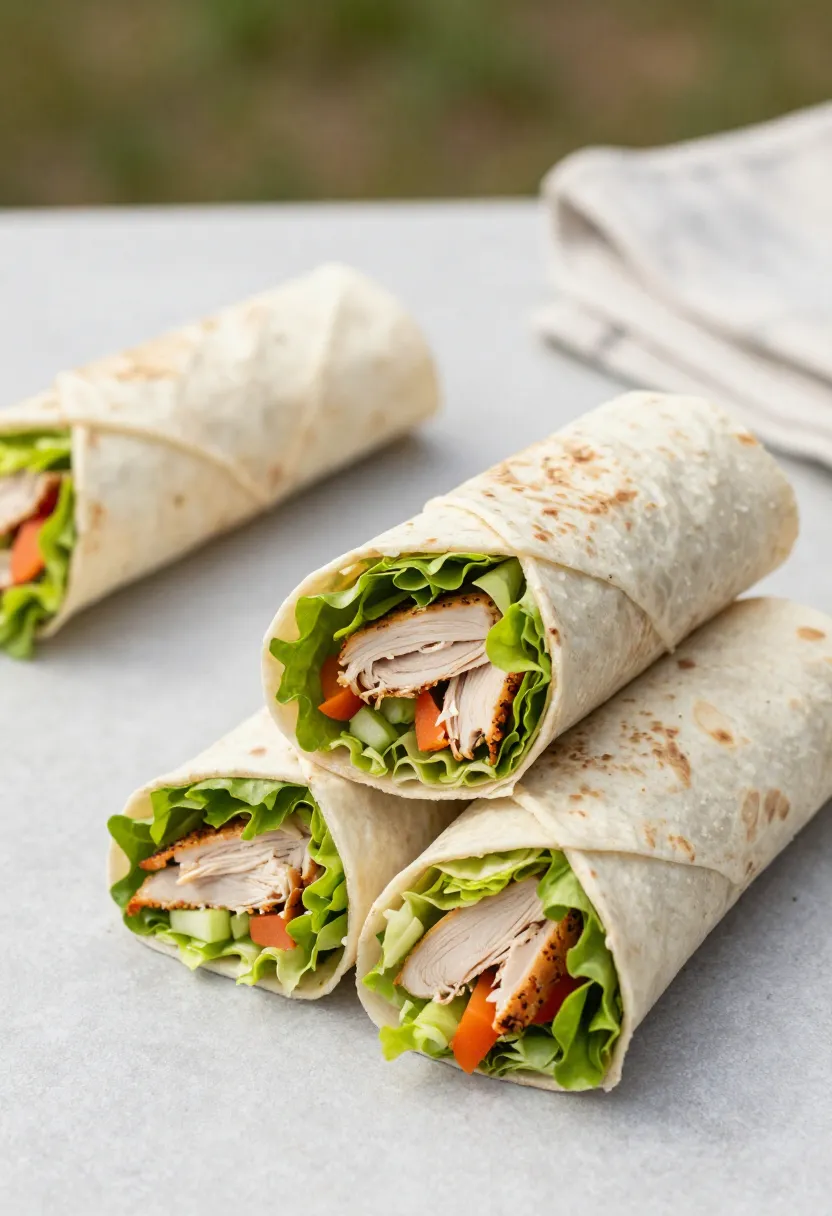
A basic wrap usually includes:
- smoked turkey slices for protein
- fresh vegetables like lettuce, tomatoes, or cucumbers
- a soft tortilla or flatbread
- a light spread such as mustard, hummus, or cream cheese
Wraps are also easy to customize. You can adjust ingredients based on preferences, dietary needs, or what’s available. They work just as well for individual portions as they do for a group.
These wraps are ideal for days when people are constantly on the move. You can eat them sitting on a rock, standing by the car, or taking a short break on a trail. They feel like real food without slowing the day down.
Preparation tip:
To prevent wraps from becoming soggy, keep spreads away from the tortilla edges and place leafy vegetables between the meat and the sauce. Wrapping them tightly in parchment paper also helps them hold their shape.
8. 🔥 S’mores Kits – Ending the Day the Right Way
S’mores are rarely about hunger. Instead, they’re about atmosphere, timing, and shared moments. As the day winds down and the fire comes out, this simple combination of ingredients naturally slows everyone down.
All it takes is a few basics — graham crackers, chocolate, marshmallows, and a flame. From there, the process becomes part of the experience. People stand around, talk, laugh, and take their time. It’s interactive without being demanding.
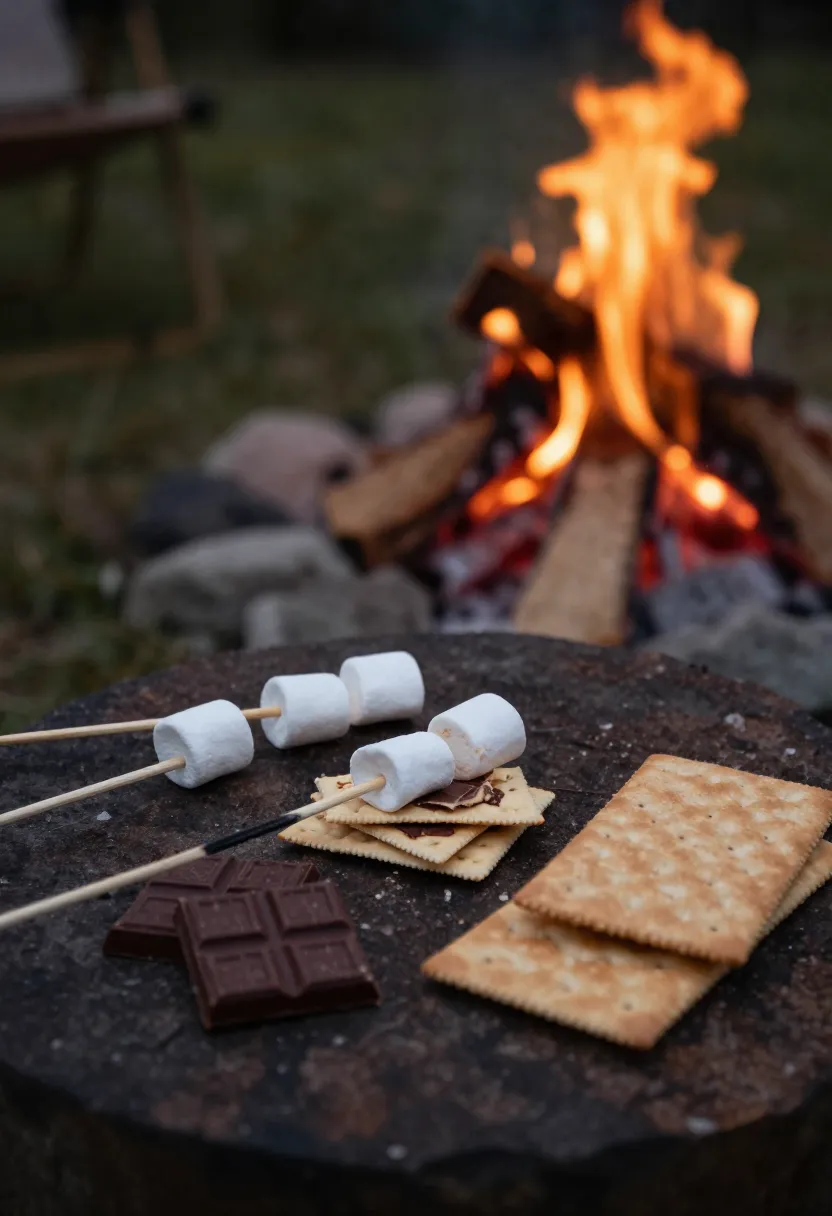
What makes s’mores especially great outdoors:
- they require almost no preparation
- everyone can assemble their own
- variations are easy and fun
- they naturally create a pause in the evening
Kids and adults enjoy them equally, but for slightly different reasons. For some, it’s nostalgia. For others, it’s the simple pleasure of warm chocolate and toasted marshmallows.
S’mores also signal the end of the day. They mark a transition from activity to rest, from movement to stillness. Not every outdoor dish needs to be practical or filling. Some are there simply to make the moment feel complete. 🍫
Serving tip:
Pack s’mores ingredients in individual portions or small kits. This keeps things organized, reduces mess, and makes it easier for everyone to grab what they need without digging through bags.
🌄 How to Make Outdoor Meals Easier (And Better)
After enough outdoor trips, certain patterns start repeating themselves. It doesn’t matter whether it’s a short picnic, a camping weekend, or a long road trip — the same food-related lessons tend to appear again and again.
One of the most important realizations is that outdoor meals become easier when you stop trying to control every detail. Conditions change, plans shift, and perfection is rarely realistic. The more flexible your approach is, the smoother everything feels.
Outdoor food usually works best when a few simple principles are followed.
Preparing as much as possible at home makes a noticeable difference. Chopping vegetables, mixing marinades, portioning snacks, or pre-assembling meals saves time and energy later. When you arrive outdoors, the goal should be to enjoy the setting, not recreate a full kitchen from scratch.
Choosing sturdy, forgiving recipes also matters more than people expect. Fragile dishes that rely on exact timing, precise temperatures, or delicate textures tend to create stress outside. Meals that can handle a bit of overcooking, cooling down, or improvisation are far more enjoyable.
Accepting imperfection is another key factor. Something might cook longer than planned, bread might get slightly squashed in a bag, or food might be eaten later than expected. None of this ruins the experience unless you let it. Outdoor meals don’t need to look perfect to taste good.
Packing extra snacks is one of those habits that almost always pays off. People tend to underestimate how hungry they’ll be outside. Physical activity, fresh air, and time all increase appetite, often without anyone noticing right away. Having a few additional snacks prevents unnecessary frustration and keeps energy levels steady.
Finally, rushing meals is rarely a good idea outdoors. Even short pauses to eat slowly can reset energy and mood. When food is treated as a quick interruption instead of a natural part of the day, people feel it.
A balanced outdoor food plan usually includes:
- a mix of cooked and no-cook dishes
- heavier meals combined with lighter snacks
- food that can be eaten warm or at room temperature
- simple options for moments when energy is low
Assuming people will be hungrier than planned is not pessimistic — it’s realistic. And realism is what makes outdoor meals feel easy instead of exhausting.
🌿 Why the Right Outdoor Food Changes Everything
Outdoor food should never feel like a separate task you have to manage or worry about. When meals are planned well, they naturally fade into the background — and that’s exactly where they belong. Instead of demanding attention, they quietly support everything else that’s happening during the trip.
When food is simple and reliable, people relax without consciously realizing why. Conversations stretch out on their own. Breaks feel unforced and comfortable. The day feels longer and fuller, not because the meals are impressive, but because food stops draining energy and focus.
Good outdoor meals rarely try to stand out. They don’t exist to impress or surprise. Instead, they focus on comfort, timing, and practicality. They leave room for small mistakes and last-minute changes. Something might cook longer than expected, or a meal might happen later than planned — and the food still works.

This flexibility changes the entire cooking experience. There’s less pressure to “get it right” and more space to enjoy the process. Cooking becomes calmer and slower, even when it’s very simple. You stop rushing and start paying attention to what’s around you.
Eating slowly, when possible, adds another layer to this experience. Outdoors, meals often turn into natural pauses — moments to sit down, look around, and reconnect with the people you’re with. These moments are easy to miss when food feels rushed or overly complicated.
It’s also worth noticing how outdoor meals shape memories. People rarely remember exact recipes or ingredients. What stays with them is the feeling of being together, sharing food without hurry, and feeling comfortable in the moment. When meals fit naturally into the day, they become part of those memories instead of a distraction.
In the end, the best outdoor meals are the ones that blend seamlessly into the rhythm of the trip. They don’t compete with the scenery, the conversations, or the sense of being away from everyday routines. They support all of it quietly and reliably.
When food feels easy, the entire outdoor experience becomes lighter, calmer, and more enjoyable — exactly as it should be. 🌿✨