If someone says that salad greens are boring, it usually means they’ve only experienced a very small part of what greens can actually offer 🙂 Most of us grow up eating the same few types, prepared in the same predictable ways, so it’s easy to assume that all leafy greens taste more or less the same.
In reality, greens are much more than something you add to a bowl simply because it feels like the “healthy thing” to do. They play a real role in how food tastes and feels. The right greens add structure, contrast, and balance to a meal, and in many cases, they quietly tie everything together.
Some leaves are soft and buttery, almost delicate in texture, while others are sharp, peppery, or slightly bitter and instantly noticeable. That range alone can completely change the experience of eating. When you start paying attention to these differences, meals stop feeling random or repetitive and begin to feel more thought-out, even when they’re simple.
Understanding how different greens behave also changes the way you cook. You start choosing leaves with intention instead of grabbing whatever is closest. A quick lunch feels more satisfying, and even familiar dishes gain a sense of freshness and purpose 🥬✨
This article takes a calm, practical approach to salad greens. It focuses on what they are, how they taste, how they react to dressings and heat, and how to handle them in a way that actually makes eating them enjoyable. There’s no food snobbery here and no unnecessary complexity. Just useful, realistic information you can apply in everyday cooking 🥗
What We Really Mean When We Say “Salad Greens”
At their most basic level, salad greens are leafy plants grown mainly for their leaves rather than for roots, fruits, or seeds. When people hear the phrase “salad greens,” lettuce is usually the first thing that comes to mind, and that’s completely understandable. Lettuce is familiar, widely available, and often the first raw green people encounter.
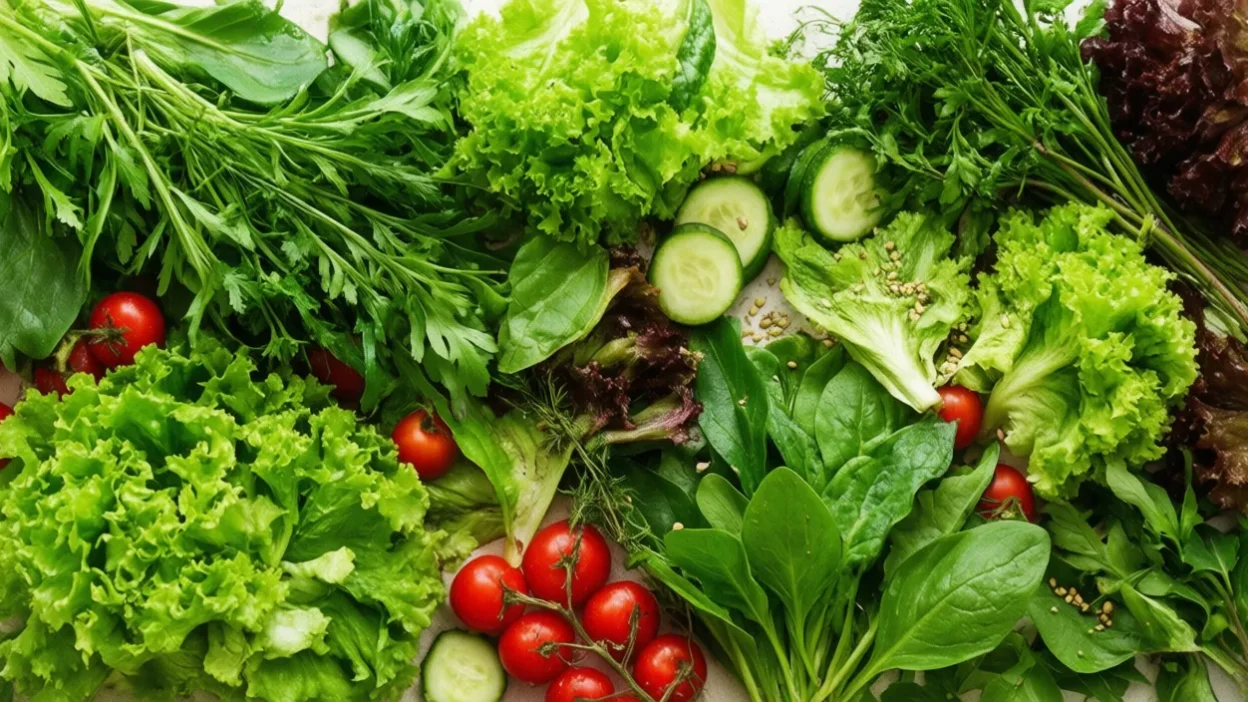
However, limiting salad greens to lettuce alone misses a much larger and more interesting picture. There are dozens of edible leafy plants that fall into this category, and each one brings its own texture, flavor, and personality to a dish.
Some greens are tender and mild, while others are thick, sturdy, or noticeably bitter. Certain varieties are best enjoyed raw, while others benefit from gentle cooking, which can soften their texture and mellow stronger flavors. Many greens are flexible enough to work well in both raw and cooked dishes, depending on how they are prepared.
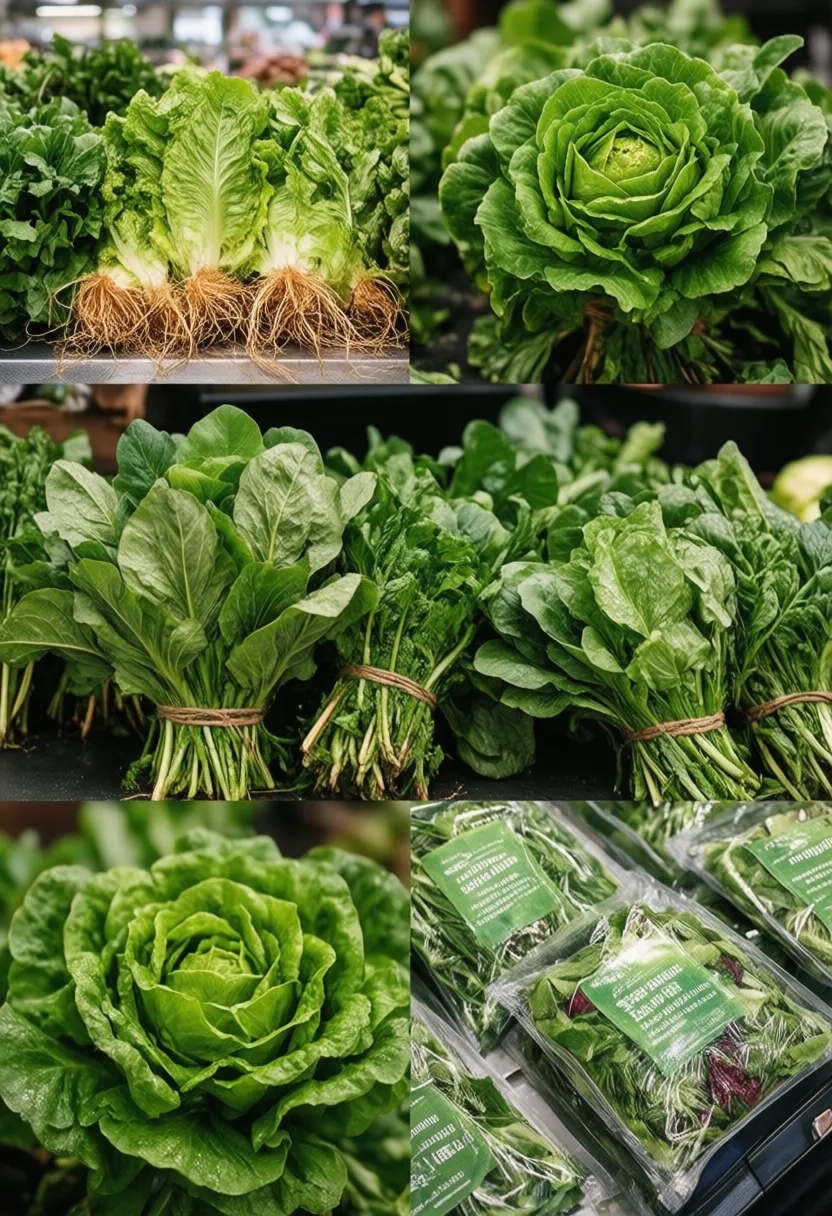
In stores, salad greens are usually sold in several different forms:
- whole heads, sometimes with roots still attached
- loose bunches tied with rubber bands
- boxed or bagged mixes labeled as “spring mix,” “baby greens,” or similar blends
Each option has its advantages. Whole heads tend to stay fresh longer and allow more control over preparation. Loose bunches are common for heartier greens and are often very flavorful. Pre-packaged mixes offer convenience and a built-in balance of textures, which can be helpful when time or energy is limited.
Regardless of how they’re packaged, freshness is what matters most. Fresh greens have vibrant color, firm leaves, and a clean, neutral smell. Learning to recognize these signs makes it much easier to choose quality greens and avoid wasting food later.
Why Salad Greens Deserve a Place on Your Plate 🌱
It’s easy to reduce salad greens to their nutritional value alone, but that’s only part of the story. Yes, they are low in calories and rich in vitamins and minerals, but their role in a meal goes beyond numbers and nutrition labels.
Salad greens help create balance. They add volume without heaviness, making meals feel satisfying without being overwhelming. Many greens contain fiber, which supports digestion and contributes to a feeling of fullness. Their high water content also helps with hydration, especially in lighter meals.
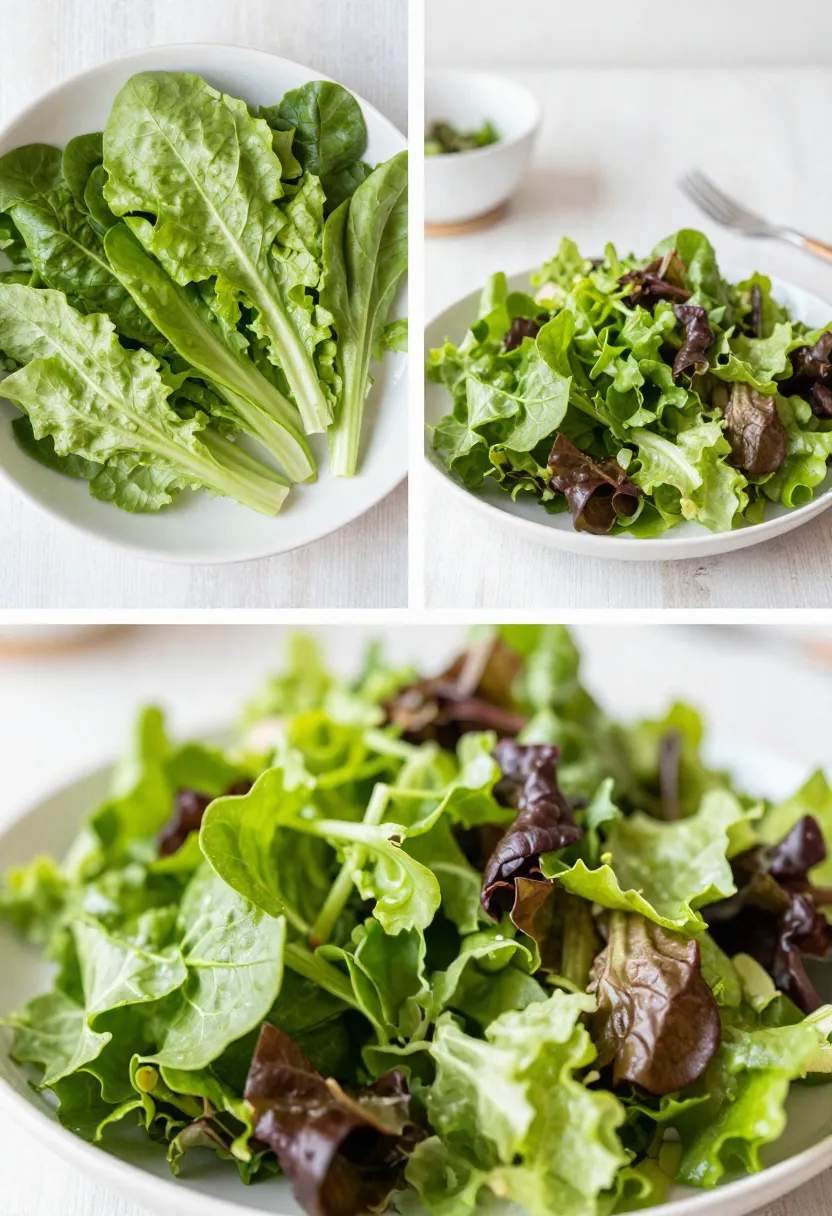
Greens also bring visual appeal. Color matters more than we often realize when it comes to appetite and enjoyment. A plate that includes fresh greens simply looks more inviting, which can influence how much we enjoy the food overall.
Darker leafy greens tend to offer a higher concentration of nutrients, while lighter greens contribute crispness and a refreshing texture. When different types are combined, the result is not only more interesting to eat but also more nutritionally balanced.
In practical terms, meals that include greens often feel more complete. Even a simple dish can benefit from the freshness and contrast that leafy greens provide, without requiring extra effort or complicated techniques.
The Different Personalities of Salad Greens 🌿
Not all salad greens behave the same way, and this is exactly where many salads quietly go wrong. Treating all leaves as interchangeable might seem harmless, but in practice it often leads to unbalanced flavors or textures that simply don’t work well together.
Each type of green brings something specific to the table. Some are mild and cooperative, others are bold and demanding, and a few can completely change the direction of a dish. Understanding these differences makes it easier to build salads that feel natural rather than forced.
Soft and Gentle Greens
Soft and gentle greens are often the easiest starting point, especially for people who are new to salads or prefer milder flavors. These leaves are tender, flexible, and generally easy to work with. They don’t overpower other ingredients, and they rarely clash with dressings or toppings.
They are especially well suited for:
- light, fresh salads that feel airy and clean
- serving as a base for stronger or more flavorful toppings
- meals for kids or picky eaters who prefer subtle tastes
- quick meals where simplicity matters
Because their leaves are thin and delicate, these greens don’t respond well to heavy or overly rich dressings. Thick sauces can weigh them down and make the salad feel soggy. Instead, they shine with lighter options such as simple vinaigrettes, fresh citrus juice, or a small drizzle of olive oil. When handled gently, they create salads that feel fresh, balanced, and easy to enjoy.
Crisp and Juicy Greens
Crisp greens play a very different role in a salad. Their main contribution is texture. These leaves bring structure and bite, making each forkful feel more substantial and satisfying.
They are particularly useful for:
- chopped salads where all ingredients are cut into small pieces
- layered salads that need to hold their shape
- meals that rely on texture as much as flavor
- salads prepared ahead of time
One of their biggest advantages is durability. Crisp greens hold up well under creamy or thicker dressings and don’t wilt as quickly as softer leaves. This makes them practical for meal prep, packed lunches, or gatherings where the salad may sit out for a while. They help maintain freshness and prevent the dish from turning limp too quickly.
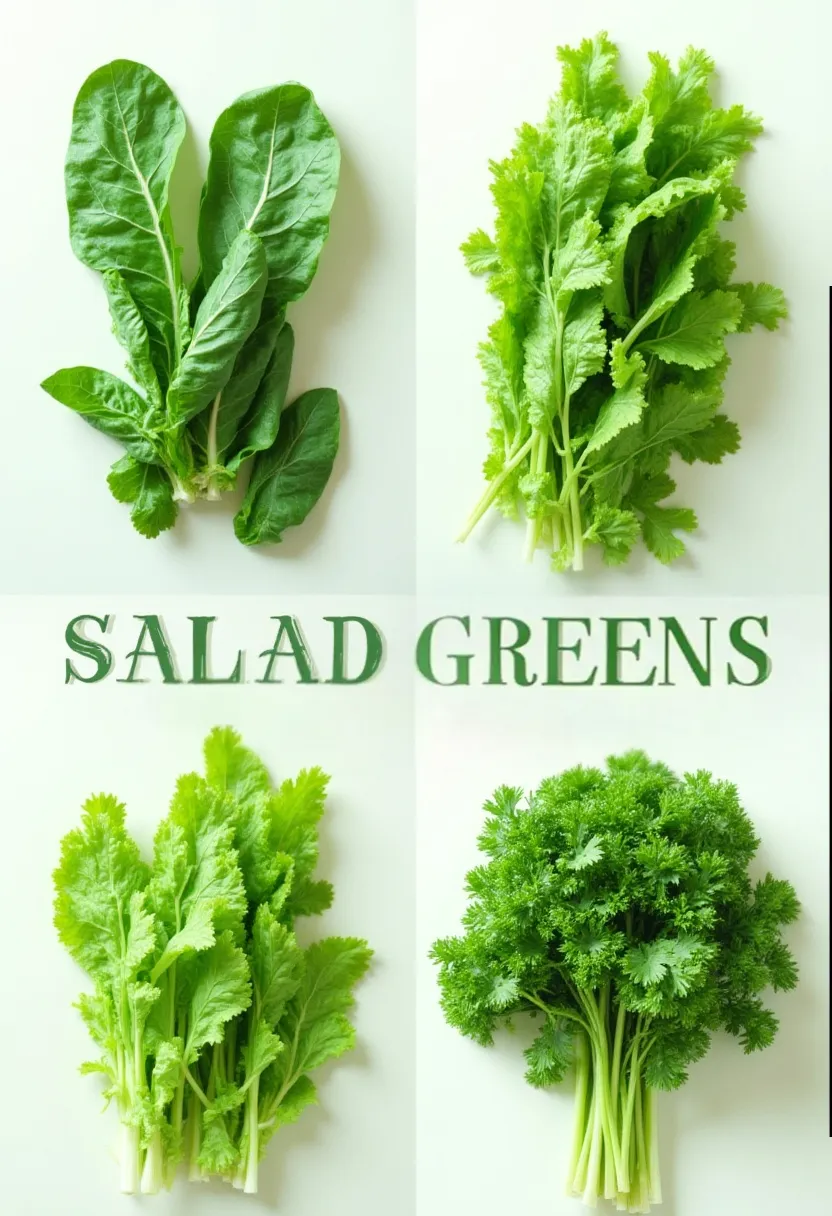
Bold and Bitter Greens 😌
This is where salads start to become more interesting. Bold and bitter greens often get a bad reputation, mostly because they’re easy to misuse. On their own, these leaves can taste sharp or intense, which can be off-putting if the salad isn’t balanced properly.
When used thoughtfully, however, bitter or peppery greens add depth and complexity that milder greens simply can’t provide. They create contrast and make other ingredients stand out more clearly.
These greens tend to work best when paired with:
- sweet elements such as fruit, honey, or roasted vegetables
- fats like cheese, nuts, seeds, or avocado
- acidic dressings that soften bitterness and brighten flavor
Once you learn how to balance bitterness, these greens often become favorites. Even a small amount mixed into a salad can change the entire flavor profile, adding character and preventing the dish from feeling flat or predictable.
Herb-Like Greens
Some salad greens fall into a category of their own, sitting somewhere between leafy vegetables and herbs. They bring strong aromas, bright flavors, and a sense of freshness that can transform even the simplest salad.
When used generously, these greens don’t just support other ingredients in the bowl. They define the overall character of the dish. Their flavors tend to be more pronounced, which means they work best when paired intentionally rather than added at random. Used correctly, they can turn an ordinary salad into something memorable and distinctive.
How Flavor Changes Everything 🧠👅
Here’s something many people don’t consciously think about, even though they experience it every day: your brain reacts differently to different types of salad greens. Texture and flavor aren’t just background details; they actively shape how satisfying a meal feels.
Crunchy greens tend to signal freshness and energy. They make food feel lively and crisp. Bitter or peppery greens suggest complexity and depth, often making a dish feel more “grown-up” or interesting. Soft greens, on the other hand, usually create a sense of comfort. They feel gentle, familiar, and easy to eat.
When a salad is made using only one type of leaf, it often feels flat, even if the ingredients are technically good. There’s nothing wrong with simplicity, but without contrast, the eating experience can become forgettable. Mixing different textures and flavors keeps your attention engaged and makes each bite slightly different from the last.
This kind of variety also changes how you eat. You slow down a bit. You chew more. You notice what’s on your plate instead of rushing through it. That’s usually when food becomes genuinely enjoyable rather than just something you consume because you’re hungry.
A good salad isn’t about adding more and more ingredients. It’s about contrast. Crisp against soft. Mild against bold. Fresh against rich. When those elements are balanced, even a simple salad feels thoughtful and complete.
Raw vs. Cooked: There’s No Wrong Choice 🔥❄️
There’s a common idea that salad greens should always be eaten raw, as if cooking them somehow defeats their purpose. In reality, that belief doesn’t hold up very well once you start cooking regularly.
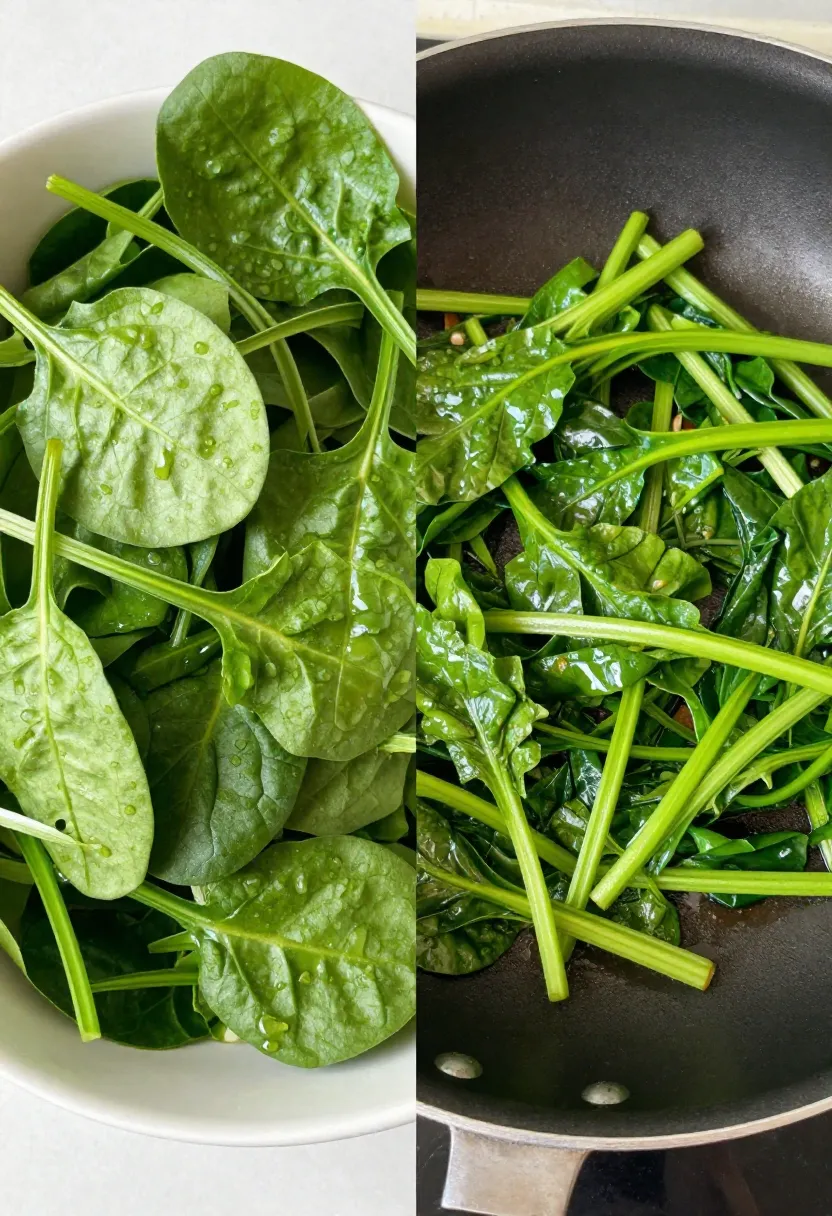
Cooking greens can be incredibly useful. Gentle heat can:
- soften tough or fibrous leaves
- reduce strong bitterness
- improve overall texture
- make certain nutrients easier for the body to absorb
Light cooking methods such as steaming or quickly sautéing greens in a pan can turn leaves that feel intimidating when raw into something comforting and familiar. Greens that seem too sharp or chewy at first often become mellow and pleasant with just a little heat.
At the same time, raw greens offer benefits that cooking can’t replicate. They bring natural crunch, brightness, and freshness to a meal. Raw leaves also contain enzymes and delicate flavors that are lost once heat is applied.
The key isn’t choosing one approach and sticking to it. It’s learning which greens respond better to which treatment and being open to trying both. Some leaves are at their best raw, others shine when cooked, and many can move comfortably between the two depending on how they’re prepared.
Experimenting a little here can completely change how you feel about certain greens.
Choosing Greens That Are Actually Worth Buying 🛒
Standing in front of a wall of salad greens at the store can feel surprisingly overwhelming. There are so many options, and they often look similar at first glance. The good news is that choosing good greens doesn’t require expert knowledge — just a bit of attention.
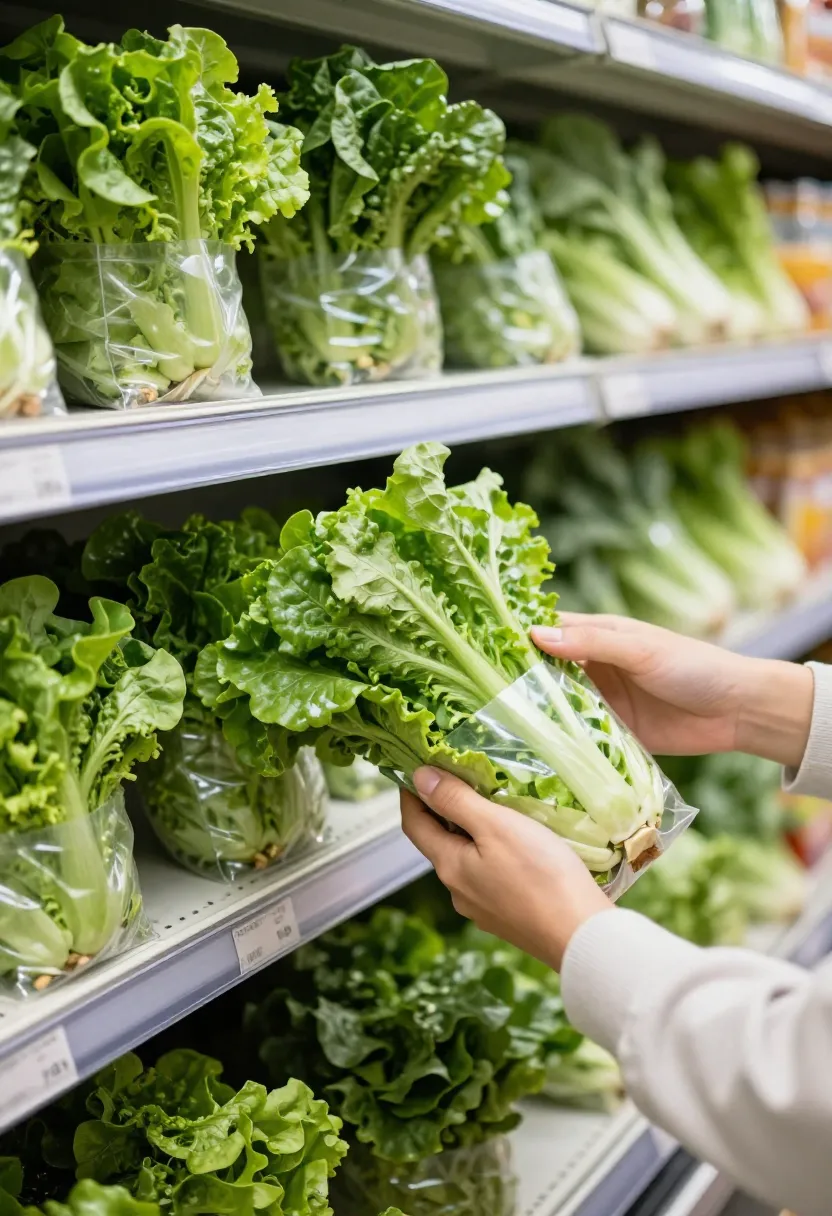
When shopping, look for greens that show clear signs of freshness:
- vibrant, natural color without dullness
- leaves that feel firm and spring back when touched
- no slimy patches or excessive moisture
- a clean, neutral smell rather than anything sour
Bags filled with visible moisture are usually a bad sign. Excess water speeds up decay and often means the greens won’t last long once you bring them home.
Whenever possible, choose seasonal greens. They tend to taste better, cost less, and stay fresh longer. Organic options can be a nice bonus, but they aren’t a substitute for freshness. A fresh, conventionally grown green is almost always better than an organic one that’s already past its prime.
If you keep freshness as your main priority, you’ll end up with better salads and far less wasted food.
Washing Greens Without Ruining Them 💧
Washing salad greens sounds like the simplest step in the process, but in reality, this is where many greens quietly lose their appeal. A rough rinse or careless drying can easily leave you with soggy, bruised leaves that feel lifeless before they ever reach the plate.
A gentle approach works best. Start by separating the leaves, especially if you’re working with whole heads or tightly packed bunches. This allows water to reach hidden areas where dirt or grit tends to collect. Rinse the leaves under cool running water, moving them lightly with your hands rather than pressing or squeezing them. If you can see visible dirt, a short soak in a bowl of cold water helps loosen it without stressing the leaves.
Drying is just as important as washing. Wet greens dilute dressing, lose their texture quickly, and spoil faster in the refrigerator. A salad spinner is one of the easiest tools for this job, but clean kitchen towels or paper towels work just as well if you’re patient. The key is to remove as much surface moisture as possible without crushing the leaves.
It’s also worth remembering that greens bruise easily. Even small tears or pressure marks can lead to bitterness later on. Handling them with care may feel slow, but it makes a noticeable difference in both flavor and texture.
Storage: The Difference Between Fresh and Sad 😬
Improper storage is one of the main reasons salad greens end up forgotten in the back of the fridge. Even the freshest leaves won’t last long if they’re stored incorrectly.
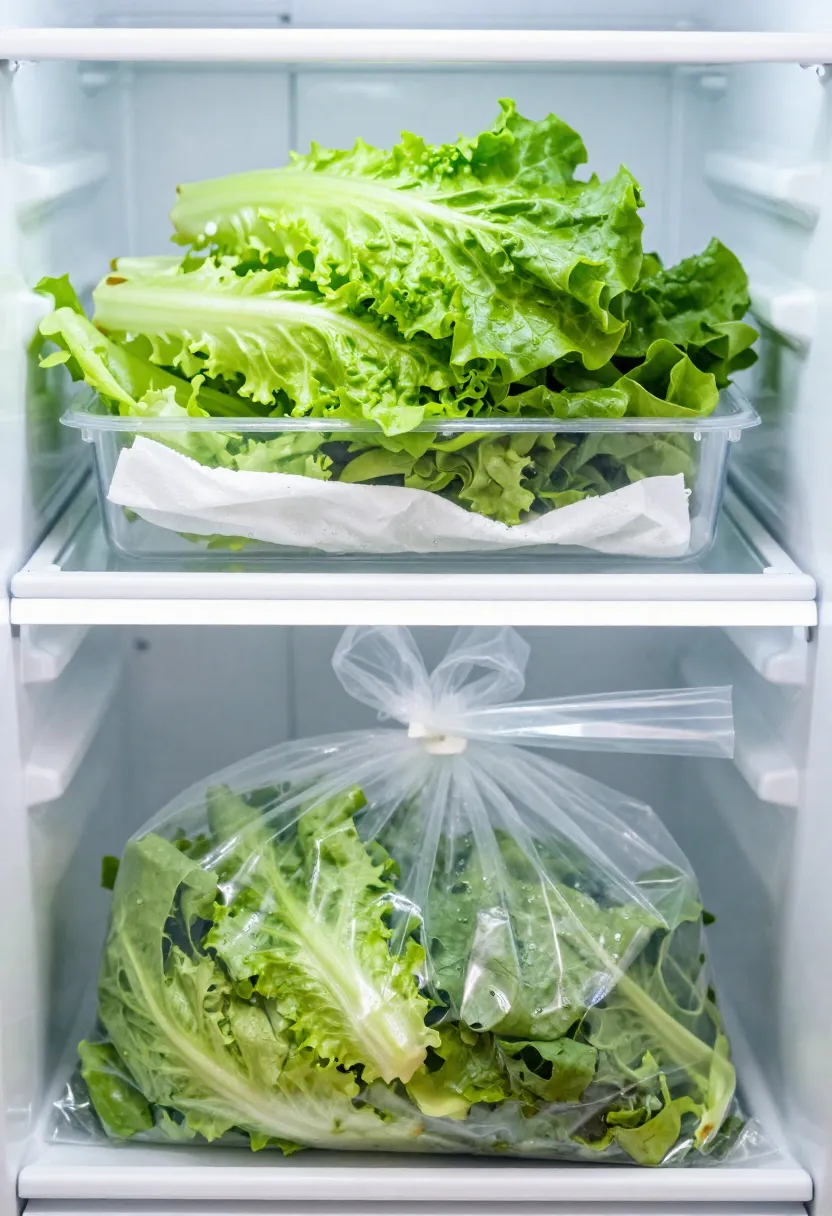
There are a few simple rules that make a big difference:
- keep greens refrigerated
- store them dry, not wet
- allow a bit of airflow rather than sealing them tightly
Placing paper towels inside a container or bag helps absorb excess moisture and keeps leaves crisp longer. Completely airtight containers are usually a bad idea unless the greens are perfectly dry. Trapped moisture leads to faster decay.
When stored well, most salad greens last around a week, though some heartier varieties may last longer. Delicate baby greens, on the other hand, often have a shorter shelf life and should be used sooner rather than later.
And yes, the crisper drawer actually matters. It’s designed to maintain the right level of humidity for leafy vegetables, and using it properly can noticeably extend freshness.
How to Build a Salad That Feels Like a Meal 🍽️
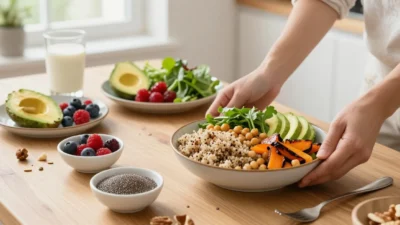
A salad shouldn’t feel like a compromise or a form of punishment. When built thoughtfully, it can be just as satisfying as any other main dish.
To make a salad feel complete, it helps to think in terms of balance rather than strict rules:
- combine at least two types of greens for contrast
- include a source of fat, such as olive oil, cheese, nuts, or seeds
- add protein if the salad is meant to be a main meal
- balance bitter elements with something sweet
- finish with acidity to brighten everything
When these elements come together, salads stop feeling like “diet food” and start feeling like real, enjoyable meals. They become something you choose because you want to eat them, not because you feel like you should.
Salad Greens Beyond the Bowl 🚀
Salad greens are often mentally locked into one role: the salad bowl. Once they’re dressed and tossed, their job seems finished. In reality, leafy greens are far more versatile than we give them credit for.
Using greens beyond traditional salads is one of the easiest ways to make everyday meals feel fresher and more interesting, especially when you’re cooking on autopilot. A small handful of greens added at the right moment can completely change a dish without adding extra effort.
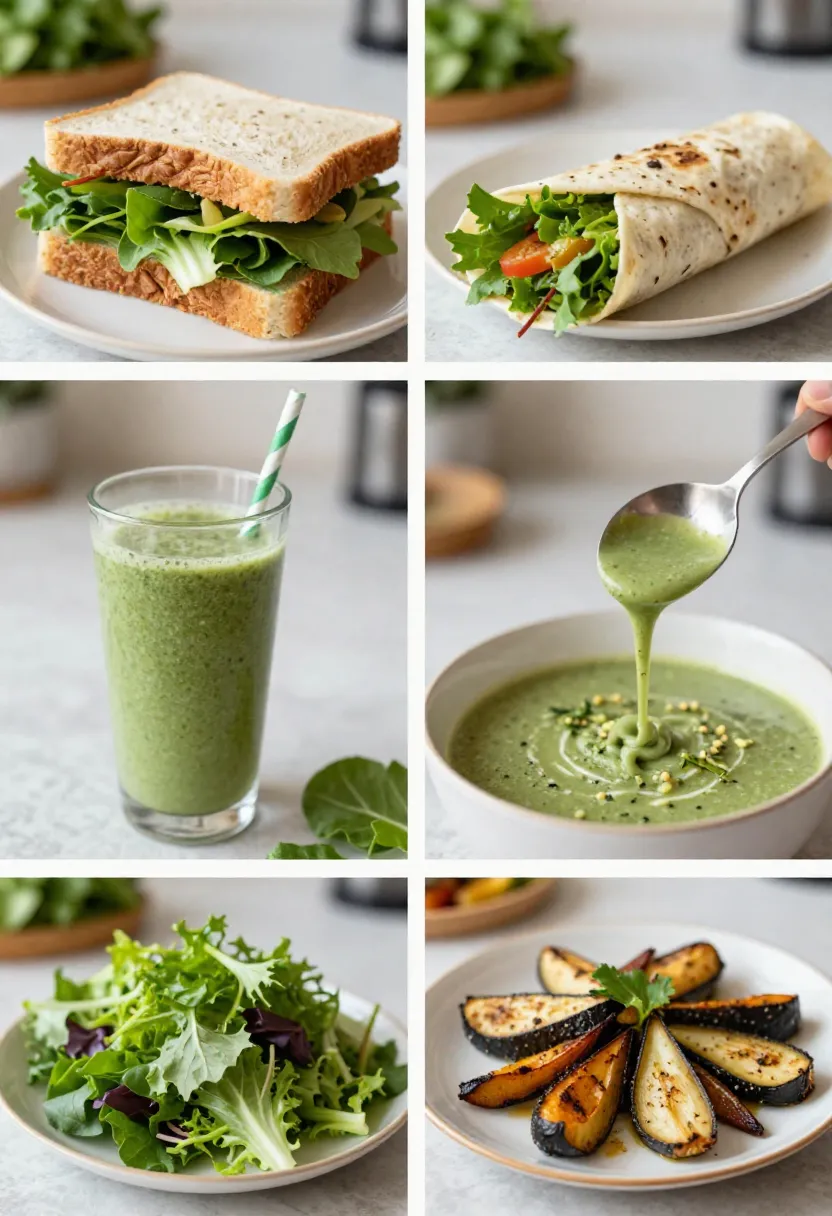
Greens work surprisingly well in many everyday meals:
- tucked into sandwiches for freshness and contrast
- folded into wraps to balance rich or savory fillings
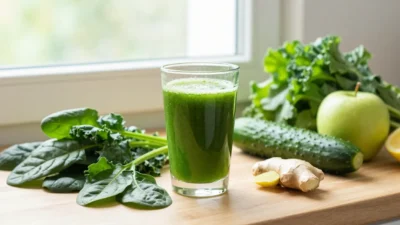
- blended into smoothies for added nutrients without strong flavor
- stirred into soups or stews right at the end for color and lightness
- layered under roasted vegetables to catch juices and add texture
Thinking this way also helps reduce food waste. Instead of watching greens wilt in the fridge, you start using them as flexible ingredients rather than single-purpose items. Meals stay interesting, and nothing feels repetitive.
Final Thoughts 🌿💚
Salad greens aren’t boring. They’re often just misunderstood.

When you stop treating them like an obligation and start seeing them as ingredients worth getting to know, something shifts. Meals feel fresher. Cooking feels less repetitive. Eating feels more enjoyable and intentional.
Greens don’t need perfection. They don’t need complicated rules or fancy techniques. What they need is curiosity — a willingness to try different combinations, treatments, and uses.
And honestly, that curiosity is what makes food fun in the first place.