

Protein has quietly earned a reputation as one of the most talked-about nutrients in modern nutrition — and yet, it’s often misunderstood. For some, it’s associated only with athletes and muscle-building. For others, it feels like another health trend destined to fade. In reality, protein has always been essential, playing a foundational role in how the body functions, repairs, and adapts throughout life.
Every cell in your body relies on protein. From muscles and bones to hormones, enzymes, and immune defenses, protein is deeply woven into your everyday health — whether you’re aware of it or not. A higher protein intake isn’t about extremes or chasing numbers; it’s about giving your body the building blocks it needs to feel strong, stable, and supported.
In recent years, interest in high-protein nutrition has grown as people look for sustainable ways to manage energy, appetite, and long-term well-being. Many discover that increasing protein intake helps them feel fuller for longer, recover better from daily activity, and maintain strength as they age. These benefits aren’t limited to gym-goers — they matter just as much for busy professionals, parents, and anyone navigating the demands of everyday life.
What makes protein especially powerful is its versatility. It supports muscle health and metabolism, yes — but it also plays a critical role in immune function, tissue repair, blood sugar balance, and healthy aging. Unlike quick fixes or restrictive eating patterns, protein works quietly and consistently, supporting the body from the inside out.
At the same time, more protein doesn’t mean “all protein.” Quality, balance, and context matter. A thoughtful approach to protein intake considers how it fits into real meals, cultural food habits, and individual needs — not rigid rules or one-size-fits-all advice.
In this article, we’ll explore the science-backed benefits of a higher protein intake in a clear, practical way. You’ll learn how protein works in the body, why it matters at different stages of life, and how to include it more intentionally — without turning meals into math problems. Whether you’re curious about improving energy, supporting long-term health, or simply understanding nutrition better, protein is a powerful place to start.
Protein 101: How Your Body Uses It

Protein is often described as a “building block,” but that phrase only hints at how deeply involved it is in everyday health. When you eat protein, your body doesn’t store it the way it stores carbohydrates or fats. Instead, it breaks protein down into amino acids — small but powerful compounds that are constantly being used, recycled, and rebuilt throughout the body.
These amino acids are essential for maintaining and repairing tissues. Muscles, skin, hair, nails, organs, and even bones rely on a steady supply of protein to stay strong and functional. Every time you move, heal, or adapt to stress, protein is involved behind the scenes.
Protein also plays a key role in regulation. Many hormones and enzymes are made from protein, helping control digestion, metabolism, and countless chemical reactions that keep the body in balance. Without adequate protein intake, these processes can become less efficient, affecting energy levels and overall well-being.
Another important function of protein is its role in the immune system. Antibodies, which help defend the body against illness, are protein-based. Immune cells themselves rely on amino acids to grow and respond effectively. This means protein intake supports not only strength and structure, but also resilience and recovery.
Unlike carbohydrates and fats, protein has a higher thermic effect — your body uses more energy to digest it. This contributes to feelings of fullness and helps explain why meals with adequate protein often feel more satisfying. Protein slows digestion, stabilizes blood sugar, and helps prevent sharp energy crashes later in the day.
Because protein is constantly being used, it needs to be replenished regularly through food. This is where a higher protein intake can make a noticeable difference — not by excess, but by consistency. Providing the body with enough protein throughout the day ensures that all these essential processes can function smoothly.
Muscle Health and Strength

When most people think about protein, muscle is the first thing that comes to mind — and for good reason. Protein is essential for building, maintaining, and repairing muscle tissue. But muscle health isn’t just about lifting weights or athletic performance; it plays a vital role in everyday strength, mobility, and long-term health.
Your muscles are in a constant state of turnover. Even if you’re not exercising intensely, muscle tissue is always being broken down and rebuilt. Protein provides the amino acids needed for this repair process. When intake is too low, the body may struggle to maintain muscle mass, leading to weakness, fatigue, and reduced physical resilience over time.
A higher protein intake becomes especially important during periods of increased demand. Physical activity, even moderate movement like walking or household tasks, creates small amounts of muscle stress that require repair. Protein helps muscles recover more efficiently, reducing soreness and supporting better performance in daily life.
Protein also supports muscle preservation as we age. Starting in mid-adulthood, the body naturally begins to lose muscle mass — a process known as sarcopenia. Adequate protein intake, combined with regular movement, is one of the most effective ways to slow this decline. Maintaining muscle isn’t about aesthetics; it’s about balance, independence, and injury prevention.
Another often-overlooked benefit is how muscle health affects metabolism. Muscle tissue is metabolically active, meaning it helps the body use energy more efficiently. Supporting muscle through protein intake can contribute to better metabolic health, even without changes in body weight.
Importantly, muscle-supporting protein doesn’t require extreme diets. Spreading protein intake evenly across meals helps the body use it more effectively than consuming most of it at once. This approach aligns with real-life eating patterns and supports steady energy throughout the day.
Protein’s role in muscle health is both practical and protective. It helps you stay strong today while quietly supporting long-term function and mobility.
Appetite Control and Weight Management
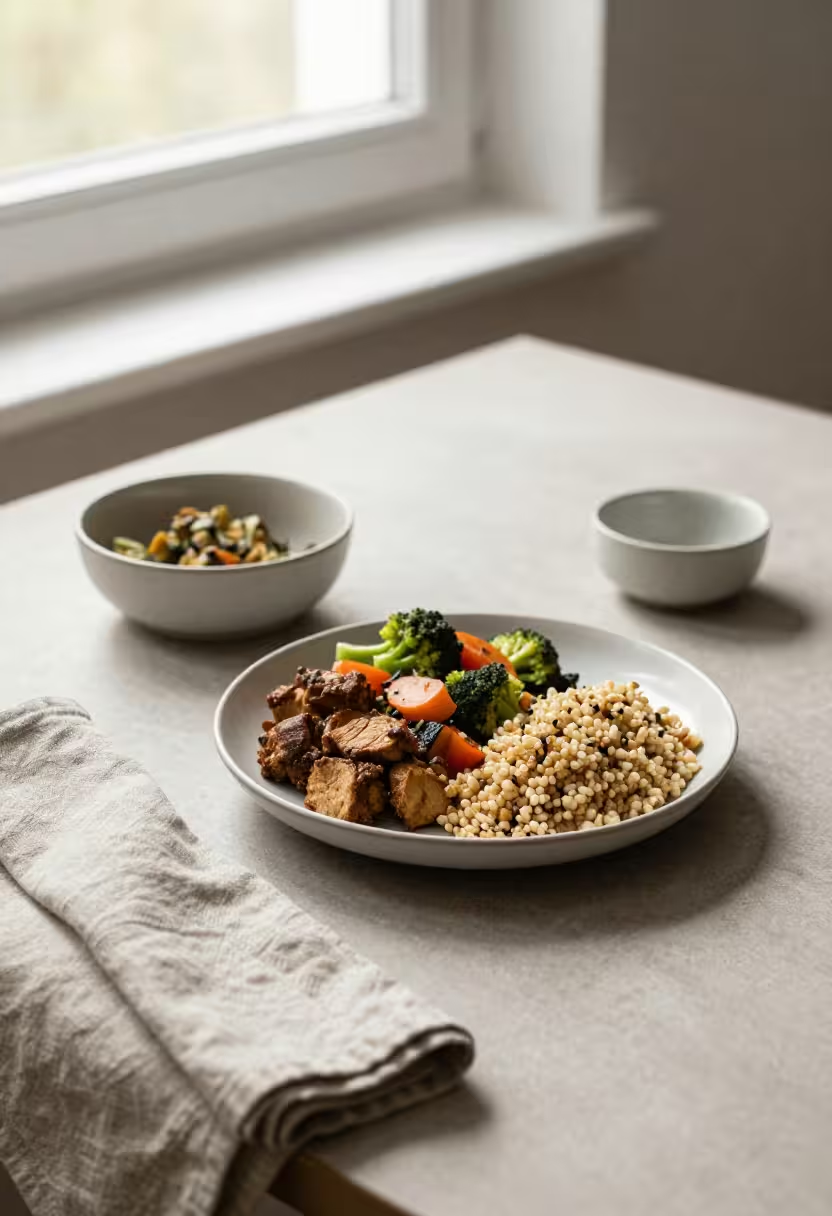
One of the most noticeable benefits of a higher protein intake is how it influences appetite. Protein is uniquely satisfying — it helps you feel full sooner and stay full longer compared to meals that are low in protein. This isn’t about willpower or restraint; it’s a natural physiological response.
Protein affects several hormones involved in hunger and fullness. Meals rich in protein tend to reduce levels of ghrelin, often referred to as the “hunger hormone,” while increasing hormones that signal satiety. As a result, you may find yourself thinking less about food between meals and experiencing fewer sudden cravings.
This feeling of sustained fullness can be especially helpful for weight management. When meals are more satisfying, there’s less temptation to snack mindlessly or overeat later in the day. Protein helps create a steady rhythm of eating that supports consistency rather than extremes.
Another important factor is blood sugar stability. Protein slows digestion and the absorption of carbohydrates, helping prevent sharp spikes and crashes in blood sugar. These swings are often responsible for energy dips and sudden hunger, particularly after highly refined or low-protein meals.
It’s also worth noting that appetite control doesn’t mean eating less for the sake of it. In many cases, increasing protein actually helps people eat enough — especially those who tend to undereat or skip meals. Feeling satisfied supports better decision-making and a more relaxed relationship with food.
Rather than acting as a strict weight-loss tool, protein supports balance. It allows meals to feel nourishing and complete, which naturally reduces the need for constant correction or control. Over time, this can make weight management feel more intuitive and far less stressful.
Bone and Tissue Support Beyond Muscles

Protein’s role in the body extends far beyond muscle tissue. While muscles often get the spotlight, many other structures depend on protein for strength, flexibility, and repair — including bones, tendons, ligaments, skin, and connective tissue.
Bones, for example, are not made of minerals alone. Protein forms a significant part of bone structure, creating a framework that minerals like calcium and phosphorus attach to. Without adequate protein, this framework can weaken over time, affecting bone density and resilience. This is especially important as we age, when maintaining bone strength becomes a priority.
Connective tissues such as tendons and ligaments also rely on protein-rich compounds like collagen. These tissues support movement, absorb impact, and help prevent injury. A higher protein intake supports their maintenance and repair, particularly during periods of physical stress or recovery.
Protein is also essential for skin, hair, and nails. These tissues are constantly renewing themselves, and amino acids are required for healthy growth and structure. Insufficient protein intake may show up as brittle nails, thinning hair, or slow wound healing — subtle signs that the body isn’t getting what it needs.
Another often overlooked area is organ health. Internal organs are made largely of protein-based cells that require continuous maintenance. Protein helps ensure that these systems function efficiently and adapt to daily wear and tear.
By supporting bones and tissues throughout the body, protein contributes to overall durability. It helps the body stay strong, flexible, and resilient — not just in moments of activity, but in the quiet, everyday movements that make up daily life.
Healthy Aging and Protein

As the body ages, its nutritional needs quietly shift — and protein becomes even more important. One of the most significant changes that occurs with age is a gradual loss of muscle mass and strength, even in people who remain active. This process is natural, but it’s not inevitable, and protein plays a key role in slowing it down.
Adequate protein intake helps preserve lean muscle, which supports balance, mobility, and independence later in life. Strong muscles reduce the risk of falls and injuries, making everyday activities — climbing stairs, carrying groceries, getting up from a chair — feel easier and safer.
Protein also supports recovery as we age. The body tends to repair tissue more slowly over time, whether it’s from minor injuries, illness, or general wear and tear. A higher protein intake provides the amino acids needed to support healing and adaptation, helping the body respond more efficiently to stress.
Another important aspect of aging is metabolic health. Muscle tissue helps regulate how the body uses glucose and energy. Maintaining muscle through adequate protein intake supports better metabolic function, which can influence energy levels and overall vitality as the years go by.
Appetite often changes with age as well. Some people experience reduced hunger or smaller appetites, which can make meeting nutritional needs more challenging. In these cases, prioritizing protein becomes even more valuable, as it delivers a high nutritional return in relatively small portions.
Healthy aging isn’t about trying to hold onto youth — it’s about supporting strength, resilience, and quality of life. Protein, when included consistently and thoughtfully, becomes a quiet ally in that process.
Protein for Immune Function

Protein plays a central role in keeping the immune system strong and responsive, yet this benefit is often overlooked. Behind the scenes, your body relies on protein to build and maintain many of the components that help protect you from illness.
Antibodies — the proteins that recognize and neutralize pathogens — are made directly from amino acids. Immune cells such as white blood cells also depend on protein to grow, multiply, and respond effectively when the body is under threat. Without enough protein, these defenses may become less efficient, making it harder for the body to fight off infections or recover fully.
Protein is especially important during times of increased immune demand. Illness, injury, stress, or poor sleep can all place additional strain on the immune system. During these periods, the body’s need for amino acids increases as it works to repair tissues and mount a protective response.
There’s also a strong connection between protein and inflammation control. Certain amino acids help regulate immune signaling, ensuring that inflammation does its job without becoming excessive or prolonged. This balance is essential for healing and long-term health.
For people who frequently feel run down or take longer to recover from common illnesses, protein intake can be an important — and often missing — piece of the puzzle. Consistent, adequate protein helps create a foundation of resilience rather than relying on quick fixes.
By supporting immune structure, communication, and recovery, protein contributes to a body that can respond to challenges more effectively. It’s another reminder that protein isn’t just about strength — it’s about protection and stability as well.
Metabolic Health and Blood Sugar Stability
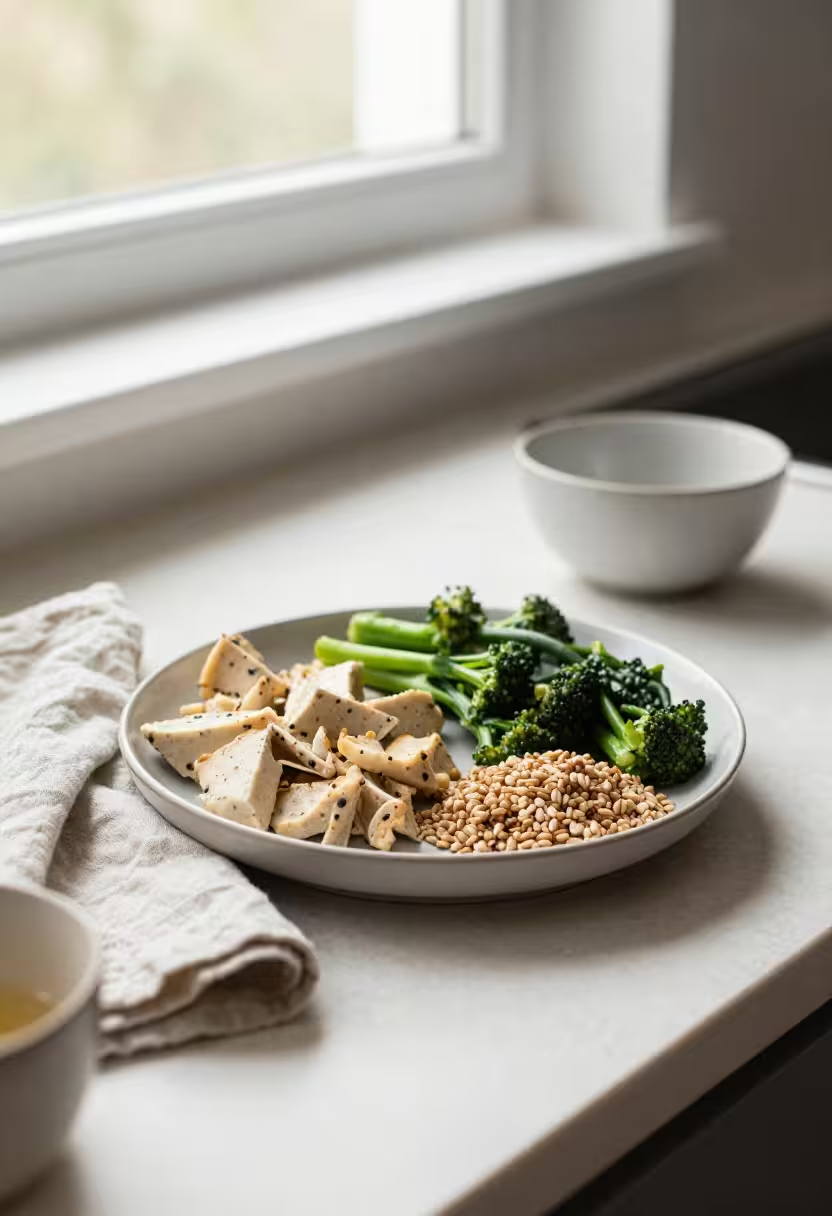
Protein has a steadying effect on the body’s metabolism, making it especially valuable for maintaining consistent energy and balanced blood sugar levels. Unlike refined carbohydrates that can cause quick spikes and drops in glucose, protein digests more slowly and helps moderate how the body responds to meals.
When protein is included alongside carbohydrates, it slows the absorption of sugar into the bloodstream. This leads to gentler rises in blood glucose and reduces the sharp crashes that often follow low-protein meals. For many people, this translates into fewer energy dips, less irritability, and improved focus throughout the day.
Protein also supports insulin sensitivity, which affects how efficiently the body moves glucose from the blood into cells where it can be used for energy. Over time, better insulin response contributes to improved metabolic health and lowers the risk of long-term imbalances.
Another important factor is protein’s role in preserving lean muscle mass. Muscle tissue plays a key role in glucose regulation, acting as a major site for glucose uptake. Supporting muscle through adequate protein intake indirectly supports better blood sugar control as well.
From a practical standpoint, meals with sufficient protein tend to feel more complete and satisfying. This reduces the likelihood of frequent snacking driven by energy crashes rather than true hunger. The result is a more predictable eating rhythm that supports metabolic stability without constant adjustment.
Rather than acting as a quick fix, protein supports metabolism quietly and consistently. When included thoughtfully at meals, it helps the body maintain balance — keeping energy steady, hunger regulated, and blood sugar responses smoother over time.
Nutrient Synergy: Protein With Other Nutrients
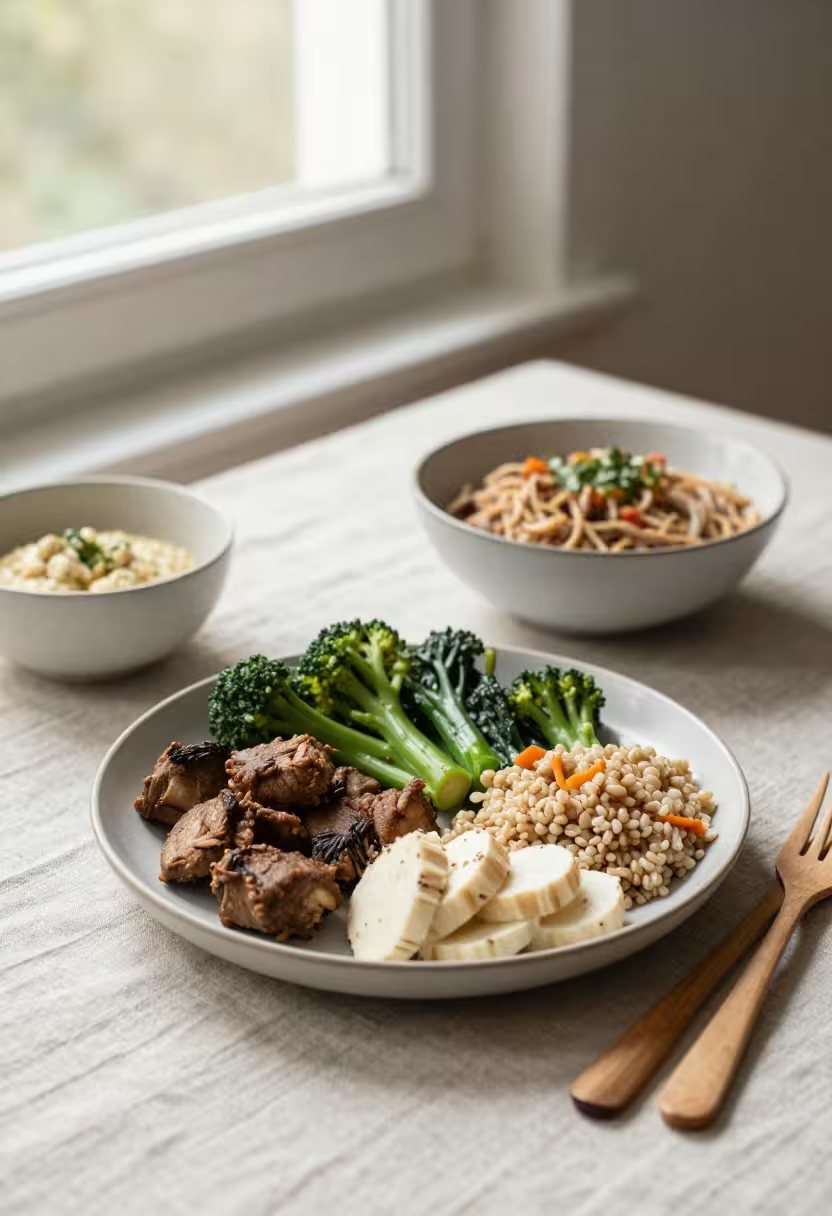
Protein works best when it’s part of a bigger nutritional picture. While it’s powerful on its own, its true strength comes from how it interacts with other nutrients in a balanced meal. This synergy is what turns individual foods into nourishment that supports the whole body.
When protein is paired with carbohydrates, it helps regulate energy release. Carbohydrates provide readily available fuel, while protein slows digestion and stabilizes blood sugar. Together, they create meals that feel sustaining rather than short-lived — supporting both physical energy and mental focus.
Protein and healthy fats also work hand in hand. Fats enhance flavor and satisfaction, while protein contributes structure and fullness. This combination is especially important for satiety, helping meals feel complete and reducing the urge to snack soon after eating.
Micronutrients rely on protein as well. Minerals like iron and zinc are often found in protein-rich foods, and protein helps transport nutrients throughout the body. Certain vitamins and enzymes also depend on amino acids to function effectively, highlighting how interconnected nutrition truly is.
Plant-based protein sources often come with fiber, antioxidants, and phytonutrients, while animal-based proteins may provide highly bioavailable amino acids along with vitamins like B12. Both can play a role in a well-rounded diet, depending on preferences and needs.
This is why focusing solely on protein numbers can miss the point. The goal isn’t to isolate nutrients, but to build meals where components support one another naturally. When protein is included as part of balanced, varied meals, it amplifies the benefits of everything else on the plate.
How Much Protein Do You Really Need?

Protein needs aren’t one-size-fits-all, which is why this question often feels confusing. Recommendations vary depending on age, activity level, health goals, and even lifestyle. Rather than focusing on a single number, it’s more helpful to think in terms of adequacy and consistency.
General guidelines suggest that many adults benefit from more protein than they currently consume, especially when meals are heavily centered around refined carbohydrates. For someone with an active lifestyle, higher protein needs support muscle repair, recovery, and energy. For others, protein helps with satiety, metabolic health, and maintaining strength over time.
Age also plays an important role. As we get older, the body becomes less efficient at using protein, which means slightly higher intake may be needed to achieve the same benefits. This makes protein especially important for maintaining muscle, bone health, and independence later in life.
Timing matters just as much as total intake. Spreading protein evenly across meals helps the body use it more effectively than consuming most of it in one sitting. A protein-rich breakfast, for example, can set the tone for steady energy and appetite control throughout the day.
It’s also worth paying attention to signals from your body. Feeling constantly hungry, low on energy, or slow to recover from activity can sometimes point to insufficient protein. Adjusting intake gently — rather than dramatically — often brings noticeable improvements.
Ultimately, protein needs are personal. The most sustainable approach is one that fits naturally into your meals, preferences, and daily rhythm. When protein intake supports how you feel rather than forcing rigid targets, it becomes easier to maintain long term.
Best Protein Sources — Plant & Animal
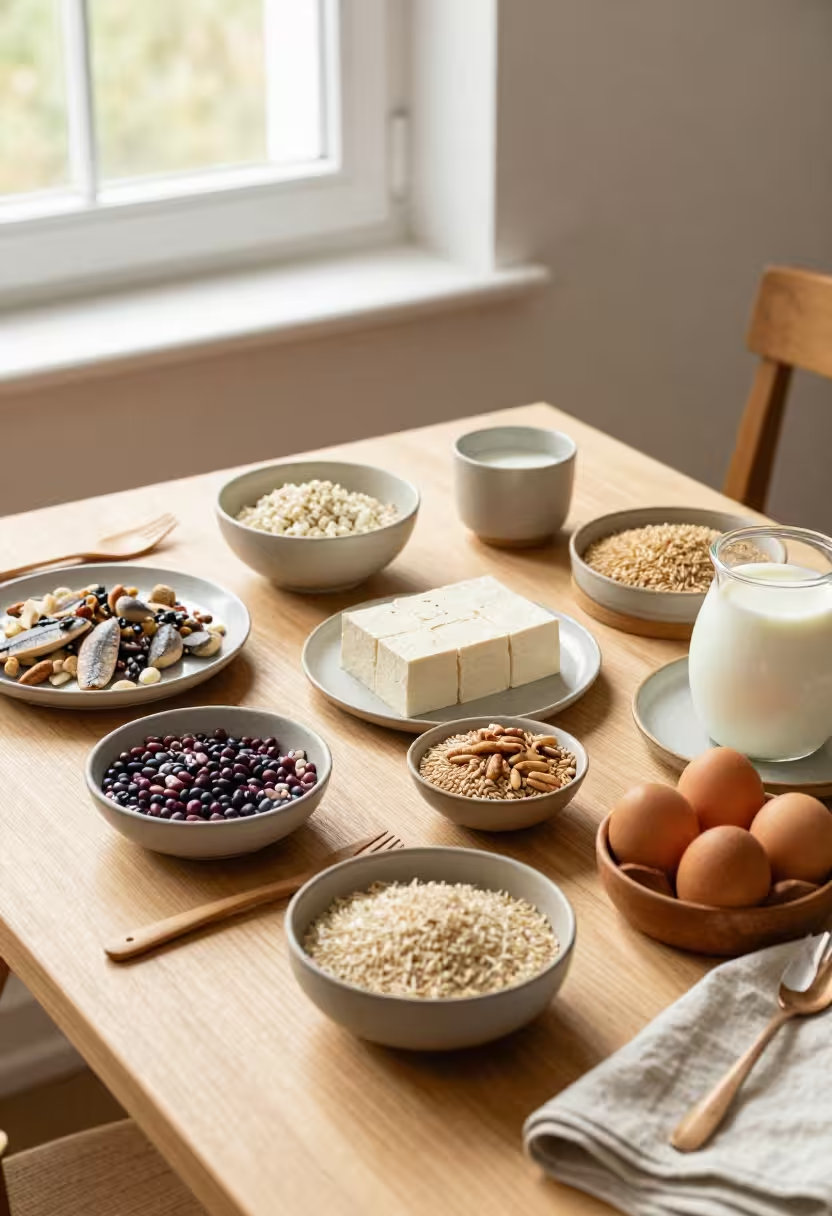
Protein comes in many forms, and one of the strengths of modern nutrition is the variety of options available. Both plant-based and animal-based protein sources can support a higher protein intake — the key is choosing sources that fit your preferences, digestion, and overall eating pattern.
Animal-based proteins are often considered “complete,” meaning they contain all essential amino acids in proportions the body can readily use. Foods like eggs, poultry, fish, dairy, and meat provide highly bioavailable protein along with nutrients such as vitamin B12, iron, and zinc. For many people, these foods make it easier to meet protein needs without large portions.
Plant-based protein sources bring their own benefits. Legumes, lentils, beans, tofu, tempeh, nuts, seeds, and whole grains offer protein alongside fiber, antioxidants, and phytonutrients. While some plant proteins are lower in certain amino acids, combining different sources across the day easily fills those gaps.
Variety matters more than strict categories. A mixed approach — including both plant and animal proteins if you choose — often supports balance, flavor, and nutritional diversity. Meals become more interesting and flexible, which helps maintain consistency over time.
Preparation and context also influence how protein fits into your day. Soups, stews, bowls, salads, and simple one-pan meals all offer natural ways to include protein without making it the sole focus of the plate. When protein feels integrated rather than isolated, meals tend to feel more satisfying and sustainable.
There’s no single “best” protein source for everyone. The best choice is the one you enjoy, digest well, and can return to regularly. When protein sources align with your lifestyle, a higher protein intake becomes natural rather than forced.




I’ve been absent for a while, but now I remember why I used to love this site. Thank you, I’ll try and check back more frequently. How frequently you update your site?