Meal planning often sounds simple in theory: decide what to eat, shop once, cook ahead, and follow the plan. In real life, though, consistency is where most people get stuck. Busy days run long, energy dips, plans change, and suddenly the carefully written meal plan feels more like a suggestion than a guide.
The truth is, sticking to a meal plan has very little to do with discipline and everything to do with how well the plan fits your actual life. A plan that ignores your schedule, preferences, or energy levels will always feel hard to follow, no matter how motivated you start out.
Consistency doesn’t mean eating perfectly or never going off-plan. It means creating a rhythm that’s flexible enough to bend, but steady enough to return to. It’s about reducing daily decision fatigue, making nourishing choices easier, and giving yourself structure without pressure.
In this article, we’ll explore practical, realistic ways to make meal planning work long-term. No rigid rules, no all-or-nothing thinking — just simple strategies that help you stay consistent, even when life gets busy.
Start With Realistic Goals
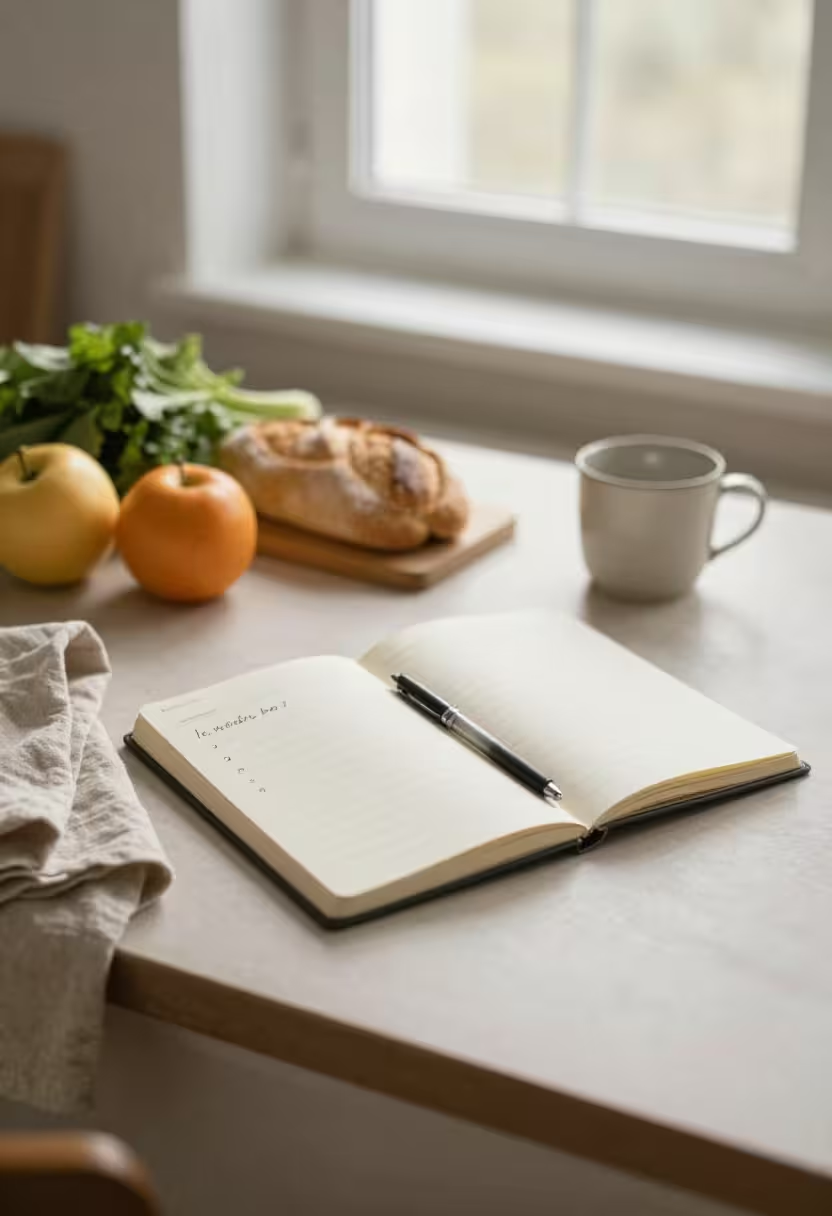
One of the most common reasons meal plans fall apart isn’t lack of motivation — it’s starting with goals that simply don’t match real life. When a plan asks for perfection from day one, it quietly sets itself up to fail.
Realistic goals begin with honesty. How much time do you actually have to cook during the week? How many meals do you truly enjoy preparing? How often do plans change because of work, family, or energy levels? Answering these questions helps you build a plan that supports you instead of competing with your reality.
A helpful approach is to start small and specific. Rather than planning every meal for seven days, you might begin by planning dinners only, or focusing on three consistent lunches during the workweek. Success builds confidence, and confidence makes consistency feel natural rather than forced.
There’s also value in defining what success looks like for you. For some, it’s cooking at home more often. For others, it’s eating regularly, reducing stress around food, or simply having fewer last-minute decisions. When goals align with your personal priorities, the plan feels meaningful — not restrictive.
Think of your meal plan as a framework, not a contract. It’s there to guide you, not to judge you. Starting with realistic goals creates a sense of momentum, where progress feels achievable and consistency becomes something you grow into, step by step.
Know Your Why: Purpose Behind the Plan

Consistency becomes much easier when your meal plan is connected to something meaningful. Without a clear “why,” even the most beautifully organized plan can start to feel like an obligation — another task competing for your attention rather than something that supports you.
Your “why” doesn’t have to be dramatic or perfectly articulated. It might be practical: wanting calmer mornings, fewer last-minute food decisions, or less stress around dinner. It might be physical: supporting energy levels, digestion, or overall well-being. Or it might be emotional: feeling more grounded, more in control, or more at ease with food.
What matters is that your reason feels personally relevant, not borrowed from trends, social media, or someone else’s expectations. A meal plan built on external pressure often relies on willpower — and willpower is unreliable on tired days. A plan rooted in personal purpose, on the other hand, quietly pulls you back even after disruptions.
It can help to pause and ask yourself a few gentle questions:
- What does meal planning give me when it’s working?
- What feels harder when I don’t have a plan?
- How do I want food to support my daily life?
Sometimes the “why” shifts over time, and that’s okay. A plan that once supported busy workweeks may need to change during quieter seasons or more demanding periods. Reconnecting with your purpose allows the plan to evolve rather than break.
When meal planning is anchored in intention instead of control, consistency stops feeling like something you have to force. It becomes something that makes sense — a tool you return to because it genuinely makes life easier.
Build a Flexible, Personalized Meal Plan
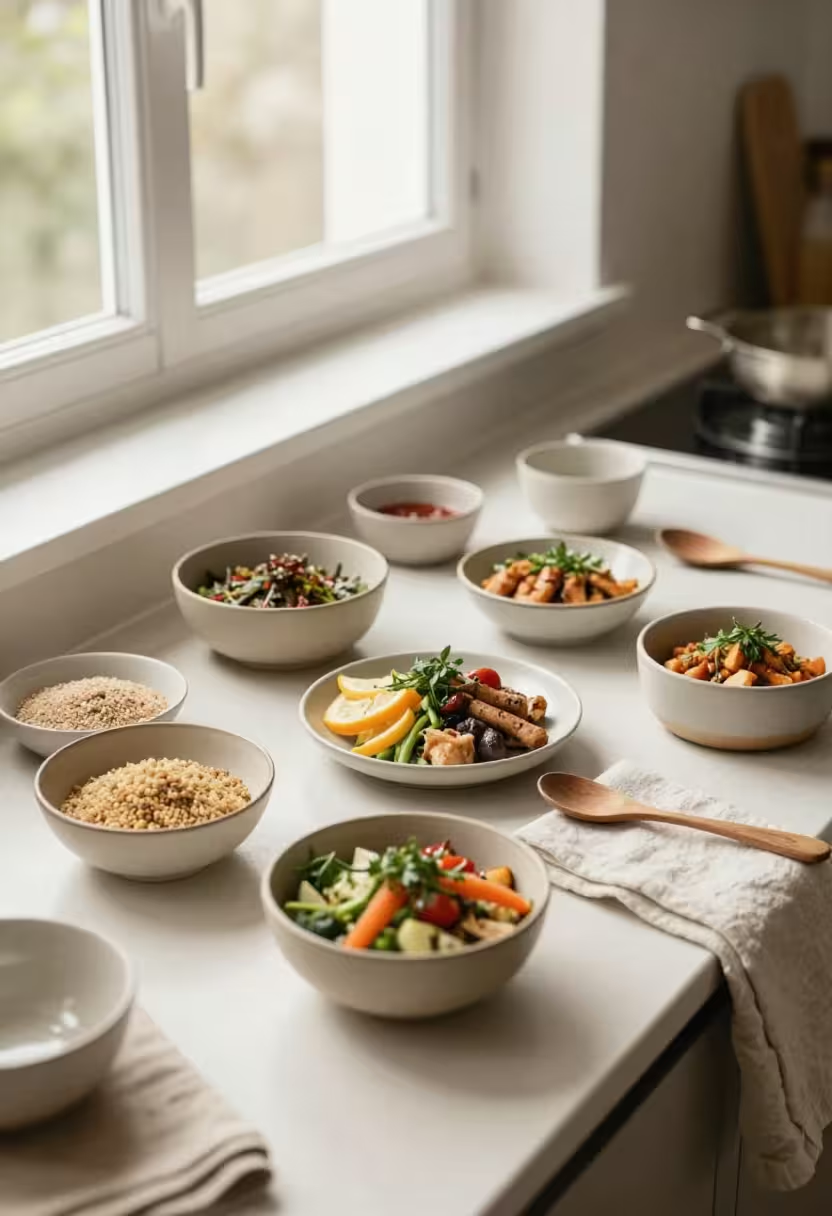
A meal plan only works when it reflects who you are, not who you think you should be. Plans built on rigid rules, unfamiliar foods, or unrealistic schedules often look good on paper but fall apart in real life. Personalization is what turns a meal plan from a short-term experiment into something sustainable.
Start by paying attention to patterns you already have. What meals do you naturally repeat? Which foods feel satisfying and comforting rather than forced? If you tend to eat similar breakfasts or rely on a few favorite lunches, that’s not a lack of creativity — it’s valuable information. A good meal plan builds around these anchors instead of fighting them.
Flexibility is just as important as structure. Instead of assigning one exact meal to each day, many people find it easier to plan in categories. For example, you might plan “one soup,” “two quick protein-based dinners,” and “one leftover-friendly meal” for the week. This approach gives you options without requiring daily decisions from scratch.
Personalization also means honoring your energy. On busy or low-energy days, meals should be simpler — maybe assembled rather than cooked. On calmer days, you might enjoy spending more time in the kitchen. A flexible plan allows for both, without labeling one as better than the other.
Cultural preferences, dietary needs, and emotional comfort all belong in your plan. Food isn’t just fuel; it’s familiarity, memory, and care. When meals feel emotionally safe and enjoyable, consistency becomes a natural outcome rather than a constant effort.
Think of your meal plan as a living document. It can change week to week, season to season. The goal isn’t to follow it perfectly, but to create a structure that supports you — one that bends with life instead of breaking under it.
Prep Ahead Without Pressure
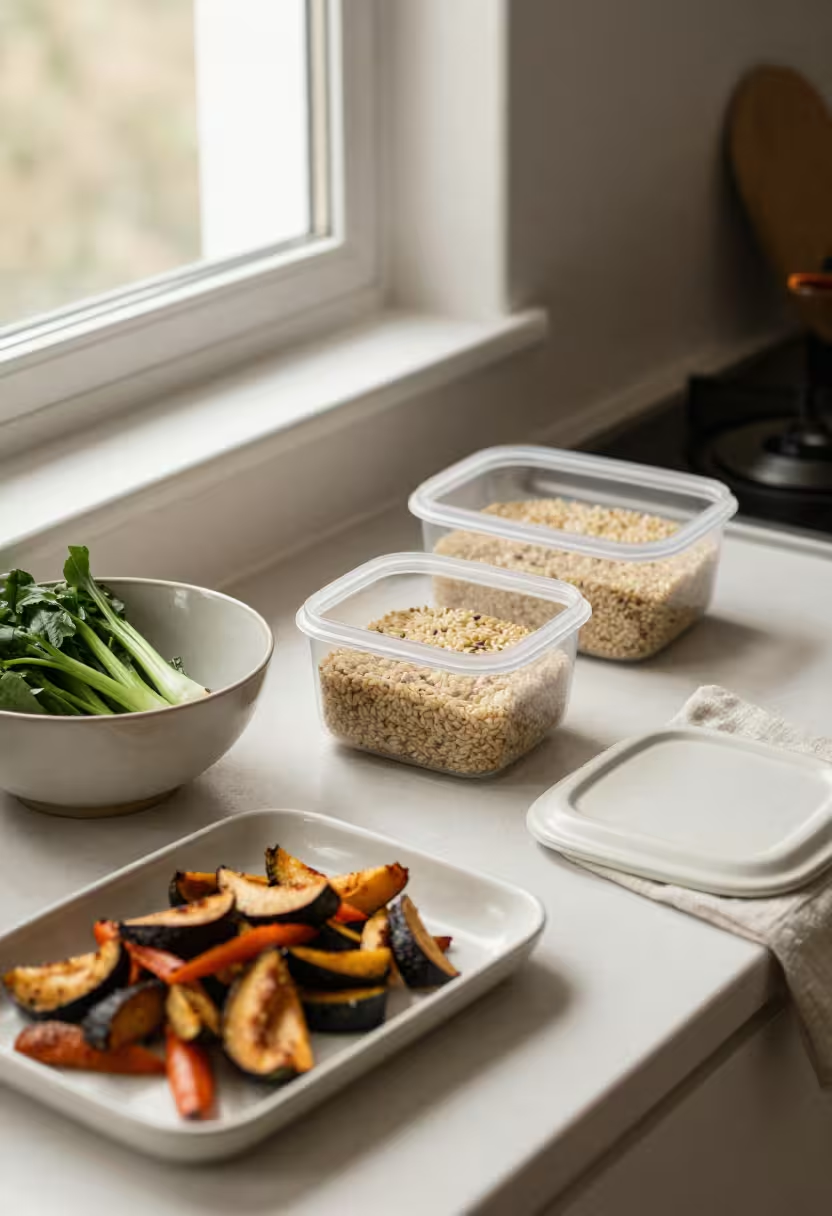
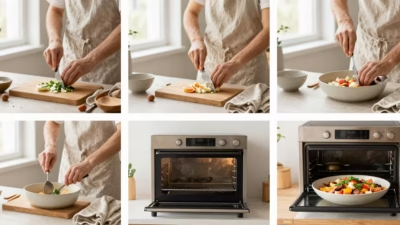
Meal prep often gets a bad reputation because it’s presented as an all-or-nothing task: hours in the kitchen, dozens of containers, and a fridge that feels more like a spreadsheet than a place for food. In reality, prepping ahead can be gentle, flexible, and surprisingly light.
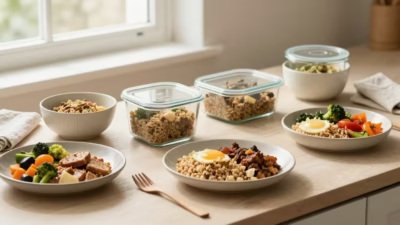
The goal of prep isn’t to control every meal — it’s to remove friction from your week. Even small actions can make a big difference. Washing and chopping vegetables once instead of three times. Cooking one pot of grains to use in different meals. Preparing a sauce or dressing that instantly makes simple food more appealing.
It helps to think in terms of components rather than full meals. A roasted tray of vegetables can become a side one night, a bowl base the next day, and a quick lunch with added protein later in the week. This kind of prep supports consistency because it creates options without locking you into one outcome.
Prep should also match your energy. Some weeks, that might mean a short, focused prep session. Other weeks, it might mean choosing convenience intentionally — pre-cut produce, frozen vegetables, or store-bought staples. Using these tools isn’t a failure; it’s a strategy.
Another overlooked aspect is emotional pressure. If prepping starts to feel heavy or guilt-driven, it stops serving its purpose. The best kind of prep is the kind you’re willing to repeat — not the most impressive version, but the most realistic one.
When prep is framed as support rather than obligation, it becomes easier to maintain. It quietly reinforces your meal plan without demanding constant effort, making consistency feel lighter week after week.
Use Visual Aids, Trackers, and Reminders
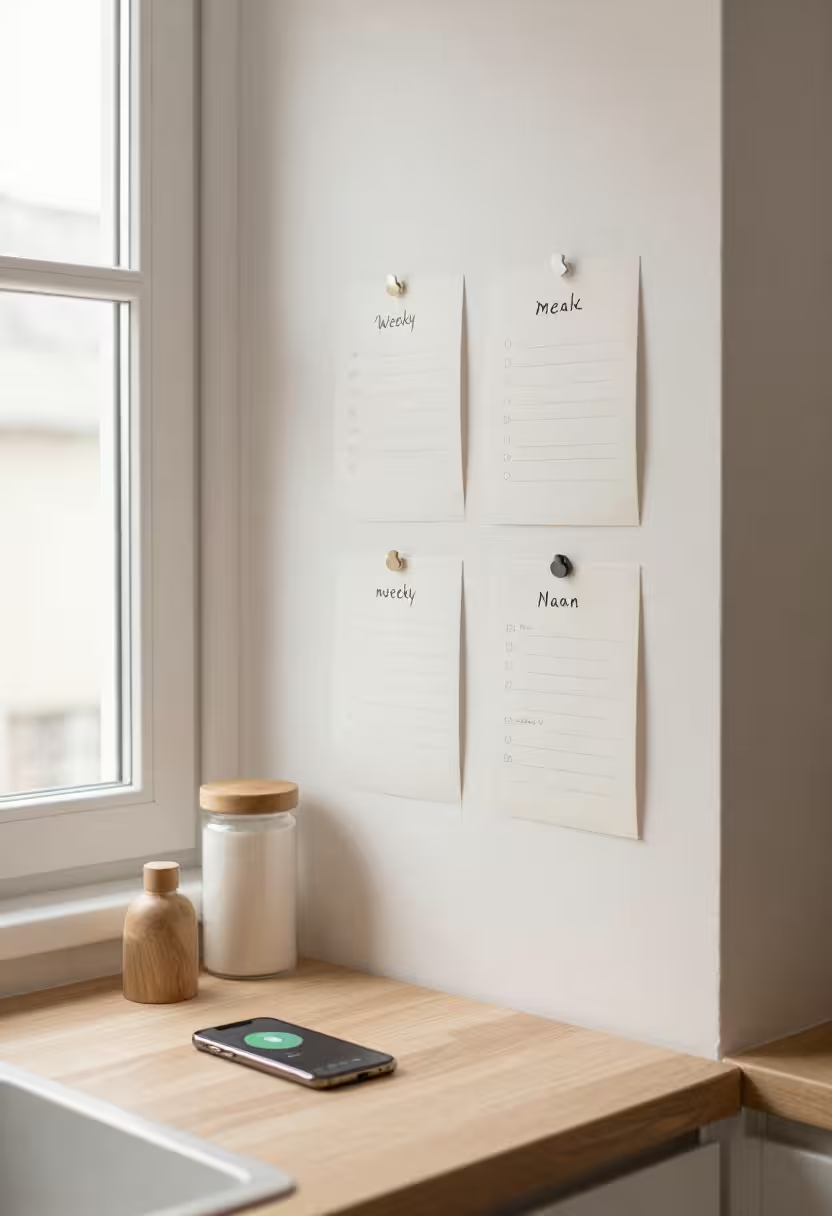
One of the simplest ways to stay consistent with a meal plan is to make it visible. When plans live only in your head, they’re easy to forget — especially on busy or low-energy days. Visual reminders gently bring your intentions back into focus without requiring constant mental effort.
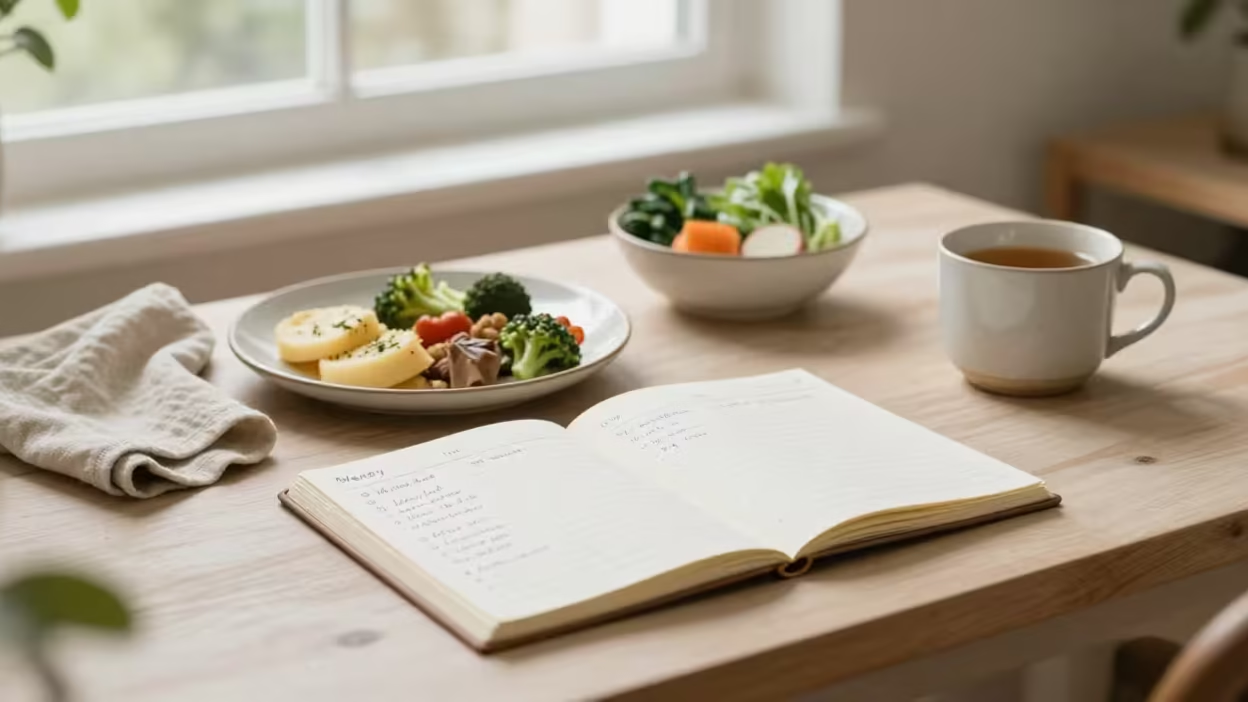
This doesn’t mean tracking every bite or turning food into data. For many people, a basic visual cue is enough: a handwritten menu on the fridge, a weekly plan in a notebook, or a short list on your phone. Seeing what’s already decided reduces decision fatigue and makes follow-through feel easier.
Some people enjoy digital tools — meal planning apps, shared calendars, or simple notes synced across devices. Others prefer something tangible, like a whiteboard or a printed plan. There’s no “best” system, only the one you’ll actually look at. If a tool feels complicated, it usually won’t last.
Reminders can also be supportive rather than strict. A gentle prompt to thaw something for dinner, or a note to use leftovers before cooking something new, helps the plan stay flexible instead of forgotten. These small nudges protect your effort without adding pressure.
It’s also helpful to track what works, not just what’s planned. Noticing which meals you enjoyed, which preps saved time, or which weeks felt smoother builds awareness over time. That awareness naturally improves consistency without needing more rules.
Visual aids aren’t about control — they’re about clarity. When your plan is easy to see and easy to understand, it becomes easier to return to, even after disruptions.
Make Meals Enjoyable
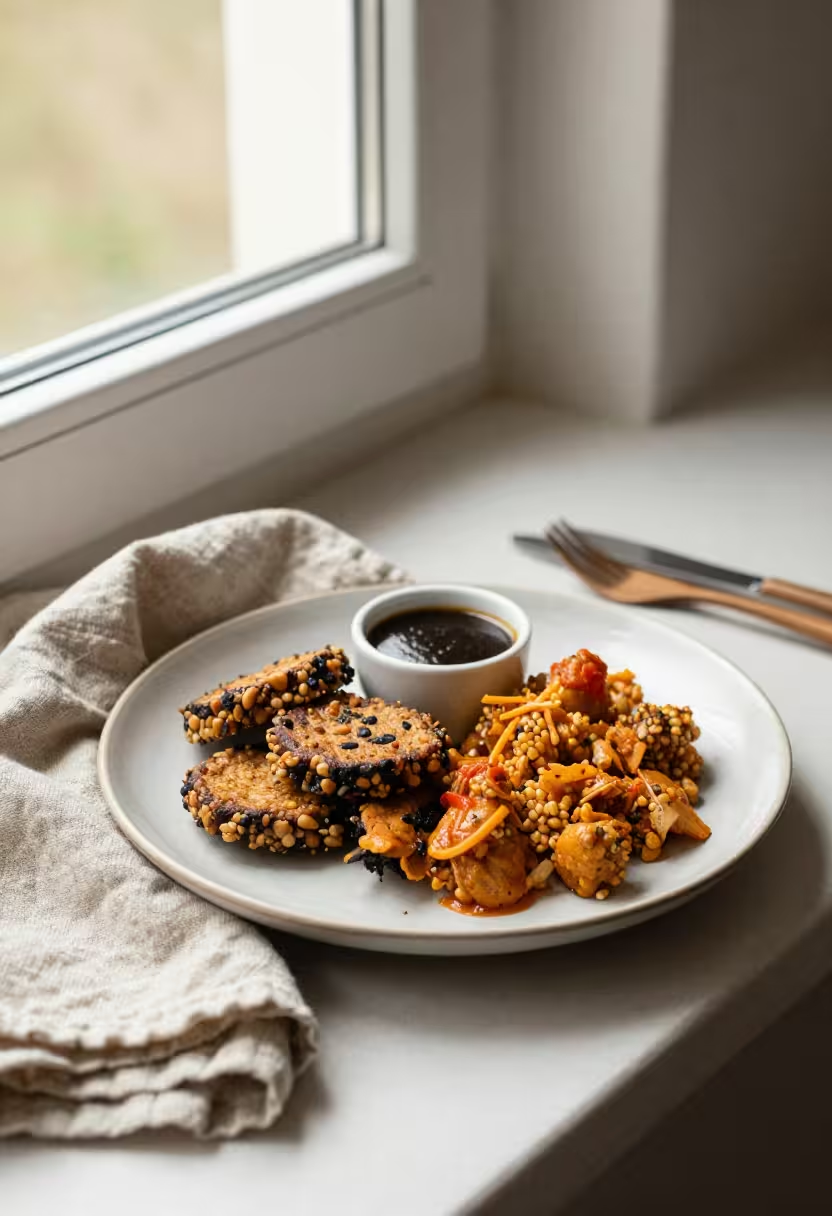
Consistency rarely survives in a plan that feels joyless. You can have the most nutritionally balanced meals and the most efficient prep routine, but if eating feels like a chore, resistance will slowly build. Enjoyment isn’t a luxury in meal planning — it’s a requirement.
Enjoyable meals start with flavor and familiarity. Foods you genuinely like don’t need to be “earned” or justified. If a meal satisfies you emotionally as well as physically, you’re far more likely to repeat it. This is why forcing yourself to eat meals you dislike — simply because they seem healthier or more productive — often backfires.
Texture, temperature, and variety matter more than we sometimes realize. A crunchy element, something warm, something fresh — these small details can turn a basic meal into one you actually look forward to. Even something simple, like adding herbs, a favorite sauce, or a squeeze of lemon, can shift how a meal feels.
Enjoyment also comes from how you eat, not just what you eat. Sitting down, using a proper plate, eating without rushing when possible — these habits help food feel like care rather than fuel. When meals feel like moments instead of tasks, consistency follows more naturally.
Another overlooked factor is permission. When certain foods feel “off-limits,” they often become more tempting and harder to manage. A meal plan that allows room for favorite foods — in realistic, satisfying ways — tends to feel sustainable rather than restrictive.
Ultimately, meal planning works best when it supports pleasure alongside nourishment. When you enjoy your meals, sticking to your plan doesn’t feel like discipline — it feels like choosing something that genuinely makes your days better.
Adapt When Needed — Plans Can Bend
One of the fastest ways to abandon a meal plan is to treat it as something fragile — something that breaks the moment life doesn’t cooperate. In reality, consistency isn’t about never deviating. It’s about knowing how to adapt and return without guilt or frustration.
Schedules change. Energy fluctuates. Unexpected invitations, stress, or illness happen. A flexible meal plan anticipates these moments instead of pretending they won’t occur. This might mean having backup meals in the freezer, allowing certain meals to be swapped freely, or keeping a short list of “low-effort” options for hard days.
It’s important to separate adjustment from failure. Eating something different than planned isn’t a problem; abandoning the plan entirely because of it often is. The ability to pivot — and then continue — is what keeps meal planning sustainable over time.
Language matters here. Instead of thinking “I’m off track,” it can be more helpful to think “I’m adjusting.” That shift alone reduces the urge to give up and reinforces a mindset of continuity rather than all-or-nothing thinking.
Adaptation also means revisiting the plan itself. If the same meals keep going uneaten, or prep feels consistently overwhelming, that’s feedback — not a personal flaw. Updating the plan to reflect what’s actually happening in your life is part of the process, not a setback.
A meal plan that can bend will always outlast one that demands perfection. When flexibility is built in, consistency becomes something you return to — not something you fear losing.
Community and Support Systems
Meal planning is often framed as a solo responsibility — your plan, your fridge, your discipline. But in reality, consistency becomes much easier when it’s not carried alone. Support doesn’t mean someone policing your choices; it means having a sense that you’re not doing this in isolation.
Support can look very different depending on your life. For some, it’s a partner who shares meals or cooking responsibilities. For others, it’s a friend you swap ideas with, a family routine you rely on, or even a shared grocery list that makes planning feel lighter. Sometimes, it’s as simple as knowing someone else understands what you’re trying to do.
There’s also value in low-pressure accountability. This isn’t about reporting every meal — it’s about gentle structure. Cooking with someone once a week, sharing a favorite recipe, or casually checking in about what’s been working can reinforce consistency without adding stress.
Online communities can play a role too, especially when they’re grounded and realistic rather than extreme. Reading about others navigating busy weeks, imperfect plans, and small wins can normalize your own experience. Consistency feels more achievable when you see that no one is doing it flawlessly.
It’s equally important to recognize when your environment makes consistency harder. Constant food judgment, rigid expectations, or lack of flexibility from others can quietly undermine your efforts. In those cases, creating personal boundaries around food conversations or planning independently can be a form of self-support.
Ultimately, support systems don’t replace your own intentions — they strengthen them. When meal planning is reinforced by connection rather than pressure, it becomes easier to stay consistent, especially during weeks when motivation is low.
Celebrate Small Wins
Consistency isn’t built on dramatic transformations — it’s built on small moments that quietly add up. Yet many people overlook these moments because they don’t feel “impressive enough” to count. In reality, noticing and celebrating small wins is one of the most effective ways to stay consistent over time.
A small win might look like sticking to your plan for two meals instead of all three. Or choosing to cook at home once more than usual. Or simply noticing that meal planning reduced stress on a busy evening. These moments matter because they reinforce the idea that your efforts are working, even when progress feels subtle.
Celebration doesn’t need to be external or food-based. It can be as simple as pausing to acknowledge, “That helped,” or “I made that easier for myself.” Writing down what went well at the end of the week can also shift focus away from what didn’t happen and toward what did.
Small wins are especially important after disrupted weeks. When plans change or consistency feels shaky, it’s easy to focus on what went “wrong.” Actively looking for what you still did — prepared something, made a thoughtful choice, returned to your plan — helps prevent the spiral of giving up.
Over time, this practice builds trust with yourself. You start to see that even imperfect weeks include effort, intention, and learning. That trust is what makes it easier to keep going without relying on constant motivation.
Celebrating small wins turns meal planning from a performance into a process. It reminds you that consistency isn’t about doing everything right — it’s about continuing, gently and intentionally, over time.
Common Challenges and Gentle Solutions
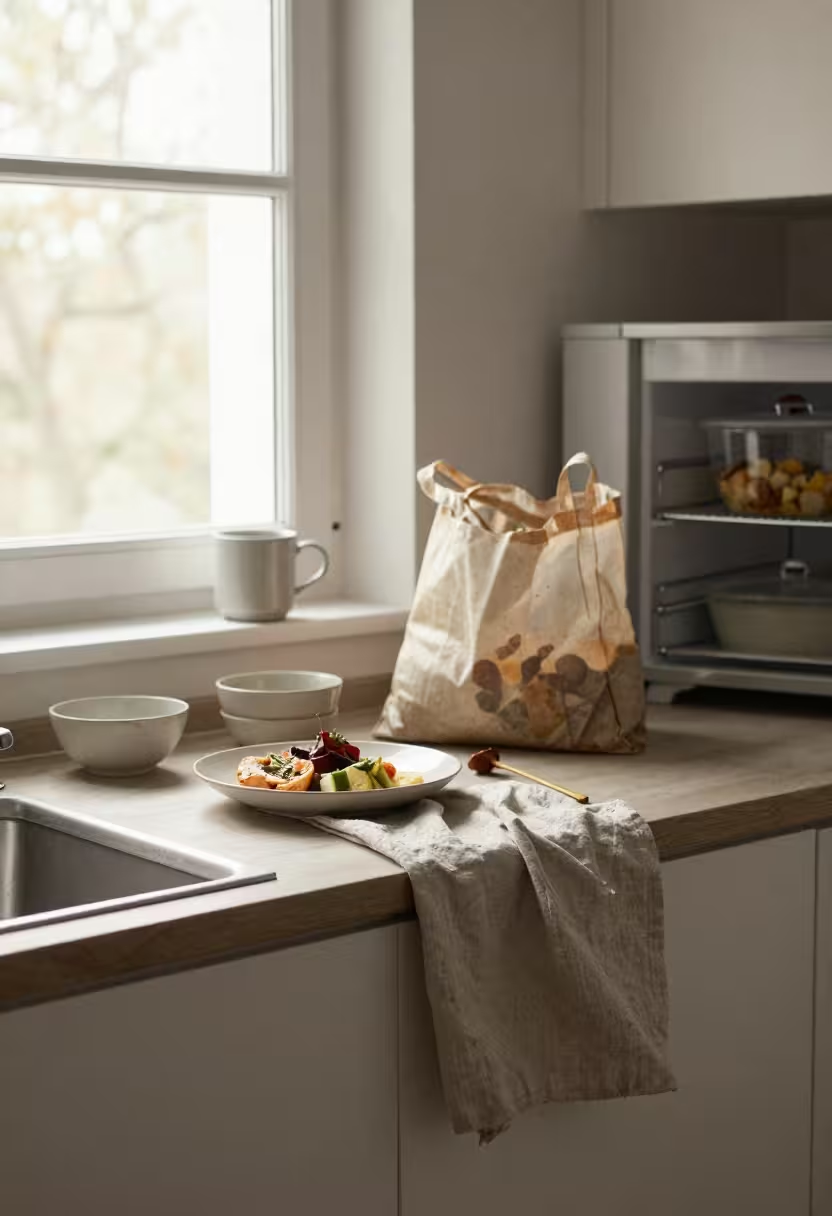
No matter how well a meal plan is designed, challenges will show up. That doesn’t mean the plan is failing — it means life is happening. Understanding common obstacles, and responding to them gently, helps maintain consistency without turning food into another source of stress.
One of the most frequent challenges is fatigue. After a long day, even a simple plan can feel overwhelming. On days like this, having fallback options matters more than sticking to the original idea. Leftovers, frozen meals, or very basic combinations can carry you through without derailing the bigger picture.
Another common issue is boredom. Eating the same meals repeatedly can drain enthusiasm, even if the food is technically working. Small changes — a new sauce, a different spice, or a slight shift in texture — can refresh familiar meals without requiring a full plan overhaul.
Time constraints also play a major role. Weeks with unexpected demands often expose whether a plan is too rigid. If cooking consistently feels unrealistic, that’s a sign to simplify — fewer recipes, more repetition, or intentionally planned convenience foods.
Emotional eating and stress deserve a compassionate approach. Rather than trying to eliminate these experiences, it’s often more helpful to make space for them without abandoning structure entirely. A plan that allows comfort foods in a thoughtful way tends to be more sustainable than one that tries to exclude them completely.
Finally, inconsistency itself can feel discouraging. Missing a few planned meals can trigger a sense of failure that leads to giving up altogether. Reframing inconsistency as information — feedback about what needs adjusting — helps break this cycle.
Gentle solutions don’t eliminate challenges, but they soften their impact. When you respond to obstacles with flexibility rather than judgment, your meal plan becomes resilient — able to hold you through imperfect weeks instead of collapsing because of them.
Meal Planning as a Lifelong Skill
Meal planning isn’t something you master once and then check off a list. It’s a skill that grows with you, shaped by changing routines, seasons of life, and evolving needs. What works now may look different in six months — and that flexibility is not a weakness, but a strength.
Consistency doesn’t come from rigid structure or constant motivation. It comes from building systems that support you when energy is low, time is short, or plans shift unexpectedly. A meal plan that works is one that meets you where you are, not where you think you should be.
Over time, meal planning becomes less about control and more about care. It reduces daily decisions, creates moments of ease, and offers a sense of rhythm in busy weeks. Even when consistency wavers, the ability to return — without guilt — is what truly matters.
If there’s one thing to take away, it’s this: you don’t need to do meal planning perfectly for it to be effective. You only need to do it kindly, realistically, and in a way that supports your life as it actually is.
Consistency isn’t a destination. It’s a practice — one that gets easier, lighter, and more intuitive the longer you allow it to evolve with you.