
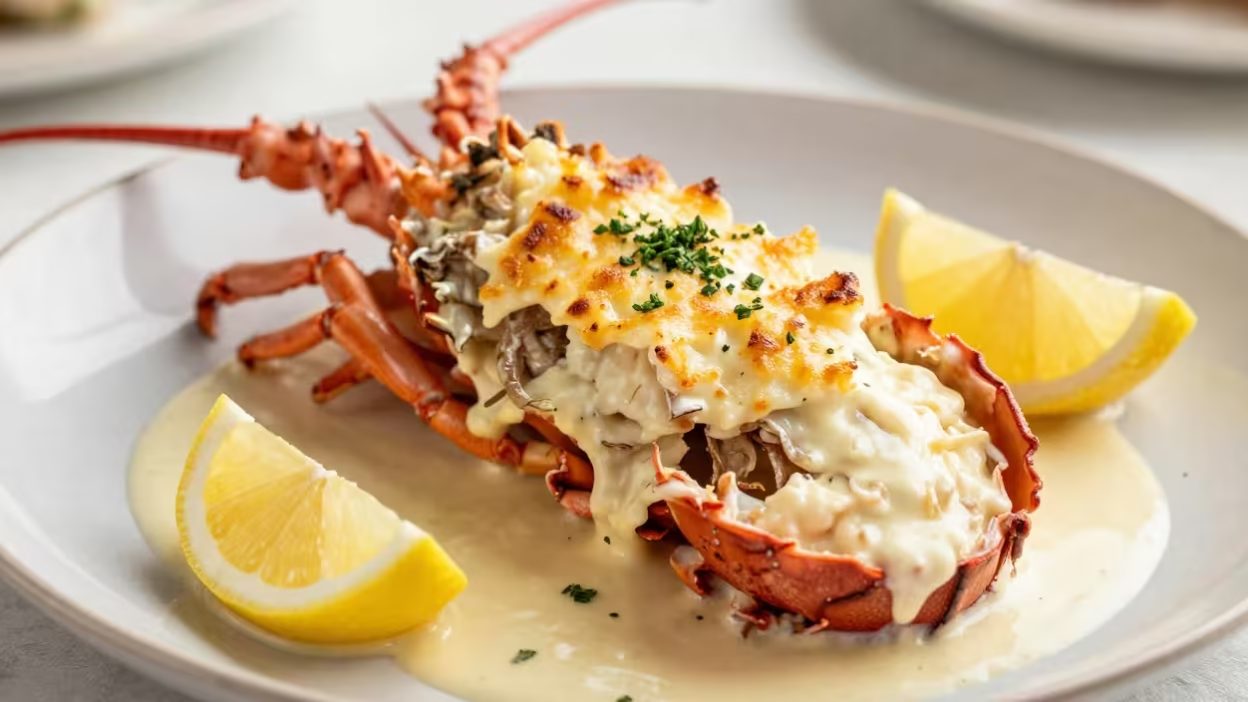
Some dishes don’t just feed people — they quietly reshape the entire mood of the table. They change the way conversations slow down, how glasses are lifted a little more carefully, how everyone suddenly pays attention. Lobster Thermidor belongs to that rare category of food. From the moment it appears, still gently bubbling, golden on top, perfumed with butter, wine, and melted cheese, it sends a clear, unspoken message: this meal is meant to be noticed.
There’s nothing hurried about it. Nothing loud or attention-seeking. It doesn’t arrive with drama — it arrives with confidence. The kind that doesn’t need explanation. Rich, indulgent, and completely unapologetic, Lobster Thermidor feels comfortable taking up space on the table 😌
For a long time, though, this dish felt out of reach for many home cooks. It was labeled, almost automatically, as “restaurant-only.” Wrapped in tradition, layered with assumptions, and surrounded by a quiet sense of pressure, it seemed like something best left to professionals. People imagined complicated techniques, expensive equipment, rare ingredients, or the kind of precision that turns cooking into stress instead of pleasure 🦞✨
That reputation stuck for years — and in many kitchens, it still does.
But here’s the quiet truth that rarely gets said out loud: Lobster Thermidor is not nearly as fragile or unforgiving as its image suggests. It doesn’t demand perfection. It doesn’t punish small imperfections. What it asks for instead is something far more human.
At its core, this dish rewards:
- patience instead of speed
- attention instead of perfection
- understanding instead of blind precision
When you slow down just a little and allow the ingredients to guide your decisions, the entire process changes. The dish starts to feel less intimidating and more intuitive. You begin to notice how the sauce thickens, how the lobster holds its texture, how balance matters more than exact measurements.
Lobster Thermidor isn’t about copying a fine-dining plate down to the smallest detail. It’s not about recreating a moment you once had in a restaurant. It’s about capturing a feeling — that sense of warmth, richness, and quiet celebration that lingers long after the last bite is gone 💛
It’s also the kind of recipe that grows with you. Each time you make it, you understand it a little better. You move with more confidence, make small adjustments without second-guessing yourself, and trust your instincts more than the instructions.
This isn’t just a recipe you follow once and forget. It’s a dish that teaches you something every time you return to it — about balance, about restraint, and about the simple pleasure of taking your time in the kitchen.
Why Lobster Thermidor Still Feels Relevant Today 🍽️
In an era dominated by shortcuts, air fryers, and meals designed to be eaten between meetings, Lobster Thermidor feels almost quietly rebellious. It asks for time. It asks for focus. And in return, it gives something many modern meals don’t — presence.
This isn’t food meant to be multitasked. It pulls you into the kitchen and keeps you there, engaged with what’s happening in front of you. And that alone makes it feel relevant in a world that rarely slows down.
Part of the dish’s lasting appeal comes from contrast — not just in flavor, but in experience. Lobster Thermidor balances elements that don’t always coexist easily:
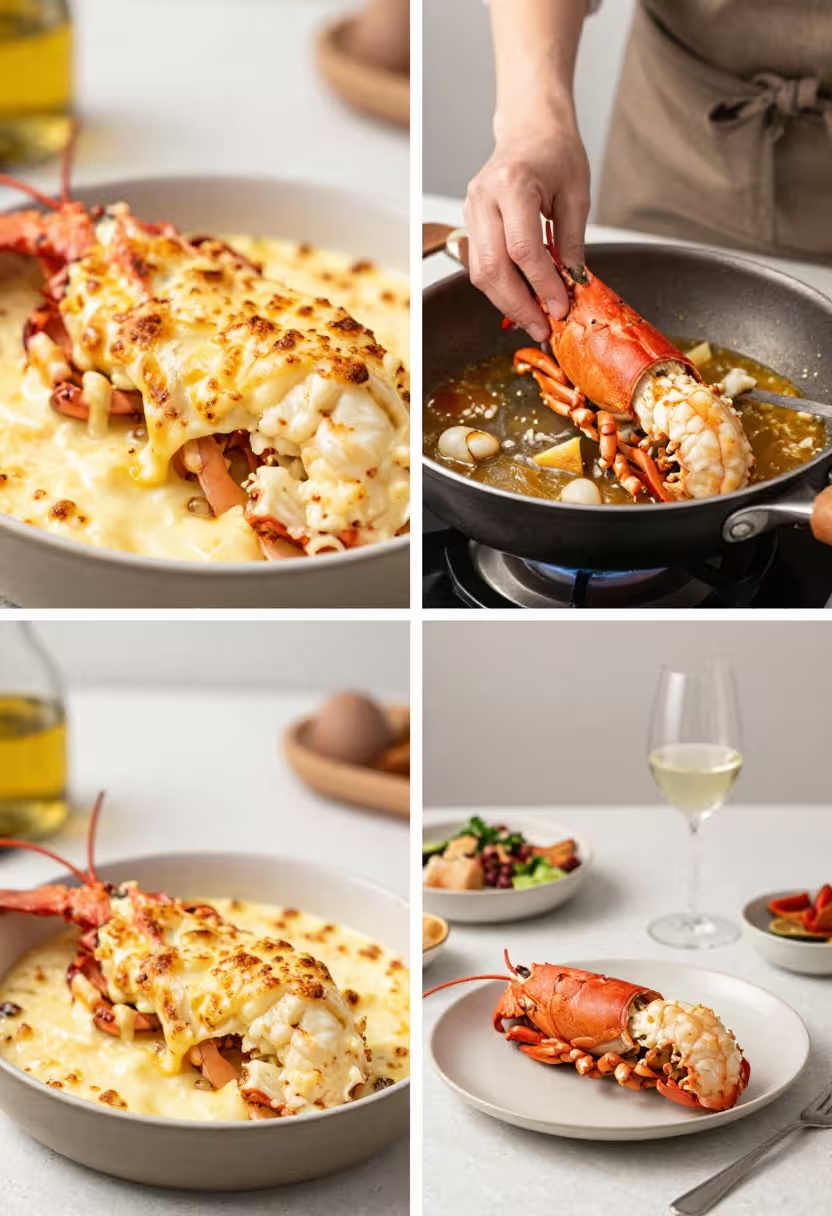
- tender, sweet lobster against a rich, savory sauce
- creamy textures lifted by subtle acidity
- a crisp, golden top hiding something soft and luxurious underneath
Few seafood dishes manage to feel both comforting and elegant at the same time. Many lean too far in one direction. Lobster Thermidor sits confidently in the middle, offering indulgence without excess and refinement without stiffness.
Another reason it continues to captivate modern cooks is its adaptability. While early versions followed strict French culinary traditions, today’s kitchens are far more flexible. You can choose how the dish shows up at your table:
- lean into rustic charm or polished elegance
- simplify techniques without sacrificing depth
- adjust richness, portion size, or presentation to fit the moment
No matter how you approach it, the essence remains intact. Lobster Thermidor still feels like a dish made for moments that matter — anniversaries, quiet celebrations, or evenings when you simply want to cook something meaningful, without apology or distraction. 🦞✨
And perhaps that’s why it endures. Not because it’s extravagant, but because it reminds us that some meals are meant to be experienced slowly — together, and with intention.
From French Tradition to Modern Tables 🎭🇫🇷
Lobster Thermidor came into the world at a moment when food in France was no longer just nourishment — it was becoming a form of expression. By the late 19th century, cooking had stepped onto a small stage. What mattered wasn’t only how a dish tasted, but how it looked when it arrived, how it was served, and what kind of emotion it created at the table.
Thermidor fit perfectly into that mindset.
Placing lobster meat back into its shell, coating it in a rich sauce, and finishing it under heat until the surface turned golden wasn’t accidental. It was meant to feel dramatic. Intentional. Almost ceremonial. The dish didn’t rush the diner — it invited them to pause, notice, and appreciate.
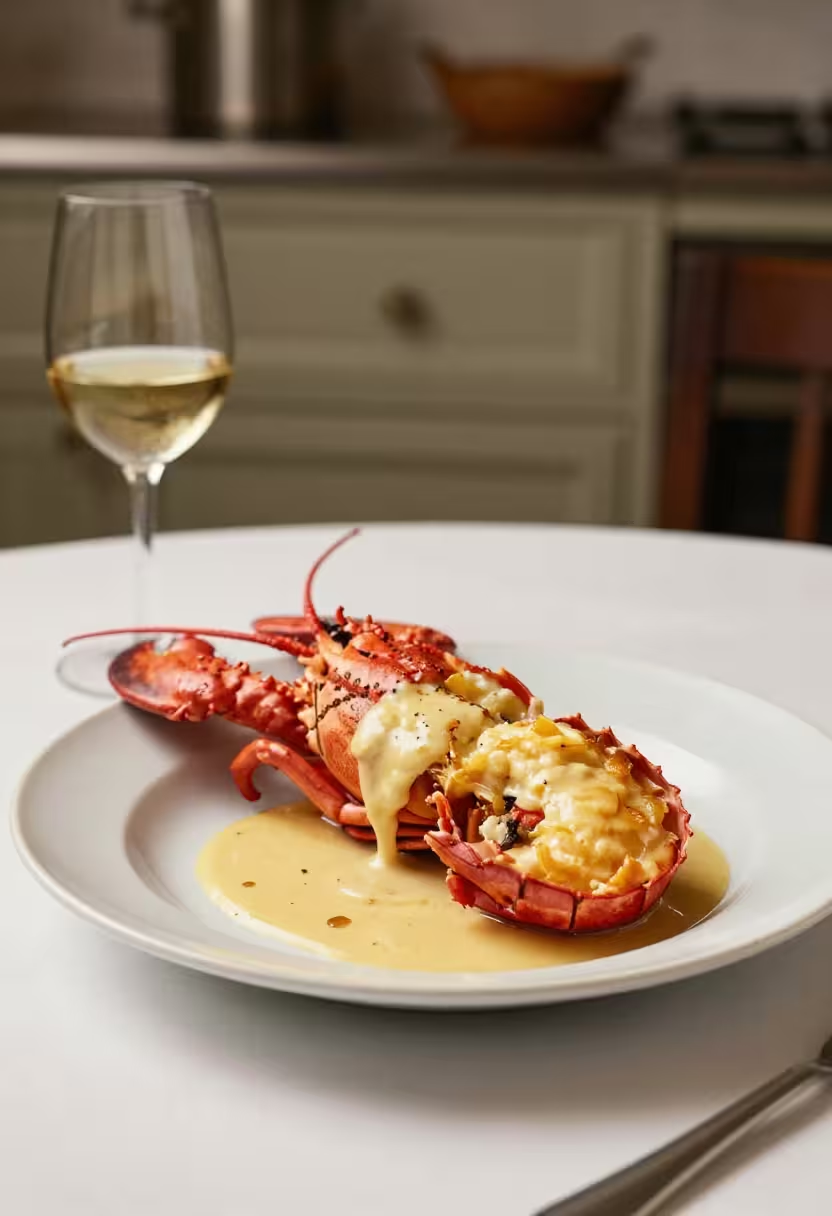
And interestingly, that theatrical quality hasn’t disappeared with time. Even now, Lobster Thermidor carries a sense of quiet drama. Not flashy or loud, but confident in its presence.
This was never designed to be casual food. From the very beginning, it was meant to do a few very specific things:
- slow people down and pull them out of autopilot
- encourage conversation instead of distraction
- create a feeling that the moment itself mattered
That’s why seeing Lobster Thermidor on a menu still triggers a certain expectation today. It hints at celebration without spelling it out. It suggests care, effort, and intention. It quietly says that someone in the kitchen chose not to cut corners 💫
What’s especially fascinating is that despite its long history, the dish doesn’t feel stuck in the past. It hasn’t become a museum piece. Instead, it feels timeless — a reminder that traditions last not because they refuse to change, but because they adapt while staying true to their core.
Understanding the Ingredients That Make or Break the Dish 🧠🦞
Lobster Thermidor isn’t built on excess. There’s no endless list of ingredients or unnecessary embellishment. Its strength lies in restraint. Every component has a purpose, and when one element drifts out of balance, the entire dish feels slightly off.
That’s why understanding why each ingredient exists matters just as much as knowing how much of it to use. This isn’t a recipe you rush through — it’s one you build with intention.
Lobster: The Foundation 🦞
Lobster isn’t just the star of the dish. It’s the structure that holds everything else together. Its natural sweetness and firm, delicate texture are what allow the sauce and cheese to exist without overwhelming the plate.
Fresh, whole lobsters give you the most control. When cooked gently, the meat stays resilient enough to handle baking, broiling, and reheating without turning dry or rubbery. That firmness is essential — it’s what keeps the dish from collapsing into a heavy seafood casserole.
That said, frozen lobster tails or high-quality pre-cooked lobster meat can still deliver excellent results if treated properly. The rules here are simple, but important:
- thaw slowly in the refrigerator, never in warm water
- pat the meat dry to remove excess moisture
- stop cooking sooner than you think — lobster finishes fast
Lobster that’s watery or overcooked struggles to carry the dish, no matter how well the sauce is made. Texture matters just as much as flavor here.
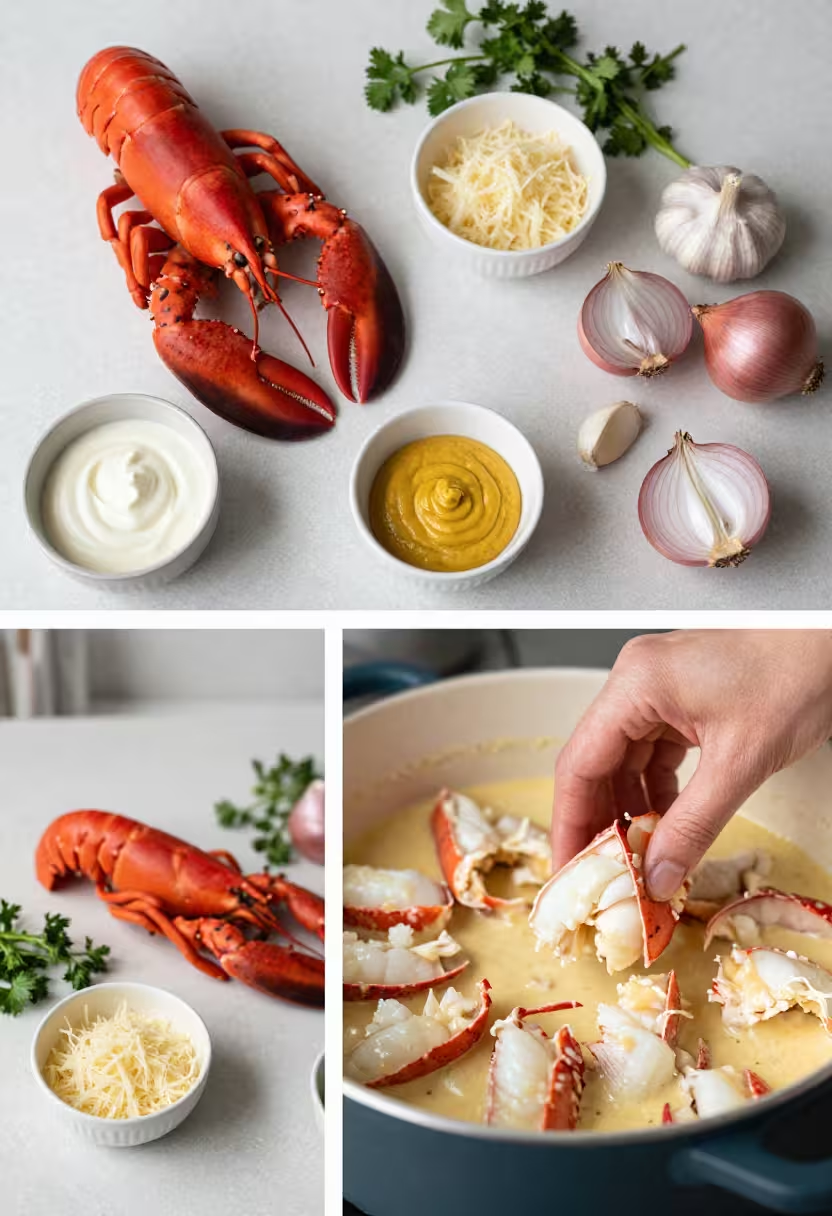
Dairy and Cheese: Richness With Boundaries 🧀
Cream and cheese are what give Lobster Thermidor its signature indulgence — but they’re also where things can go wrong.
Cream provides smoothness and body. Cheese brings depth, savoriness, and that unmistakable golden finish. Used thoughtfully, they elevate the lobster. Used too heavily, they bury it.
The best cheeses for this dish share a few key qualities:
- they melt evenly without separating
- they brown beautifully under heat
- they add nuttiness rather than sharpness
The goal isn’t to taste “cheese-forward.” The cheese should act like a frame, not the artwork itself. When balanced correctly, it supports the lobster instead of competing with it.
Aromatics, Wine, and Seasoning: Quiet but Essential 🍷
These ingredients rarely take center stage, but without them, Lobster Thermidor feels flat and overly rich. They provide contrast, lift, and subtle complexity.
Each one plays a quiet role:
- shallots and garlic bring warmth and depth
- mustard introduces gentle acidity and structure
- wine adds brightness and keeps the sauce from feeling heavy
Together, they create balance — the kind that keeps you coming back for another bite without feeling overwhelmed.
Seasoning should stay restrained and thoughtful:
- white pepper instead of black for softness
- a small pinch of nutmeg for warmth
- fresh herbs to finish clean and light
Nothing here should dominate. Lobster Thermidor works best when everything feels connected, intentional, and calm. The goal isn’t intensity — it’s harmony 🤍
A Complete Creamy Lobster Thermidor Recipe 🦞✨
Creamy Lobster Thermidor is the kind of dish that feels both comforting and celebratory at the same time. It’s rich without being heavy, elegant without being stiff, and deeply satisfying without trying to impress through excess. This version stays true to the spirit of the classic while remaining realistic for a home kitchen.
The lobster meat stays tender and distinct, the sauce is smooth and gently tangy, and the final baked topping brings just enough golden richness to tie everything together. It’s a recipe meant to be cooked calmly, enjoyed slowly, and remembered long after the plates are cleared 😌
This recipe serves two people generously or three more modest portions, depending on how you plan to serve it.
Ingredients 🧾
- 2 whole lobsters (about 1.25–1.5 lb / 570–680 g each), cooked
- 2 tablespoons unsalted butter
- 1 small shallot, finely minced
- 1 garlic clove, finely chopped
- ¼ cup dry white wine or cognac
- 1 cup heavy cream
- 1 tablespoon Dijon mustard
- 2 large egg yolks
- ¾ cup finely grated melting cheese
- 2 tablespoons finely grated hard cheese
- Salt and white pepper, to taste
- A small pinch of nutmeg
- Fresh herbs (parsley or tarragon), finely chopped 🌿
Preparation
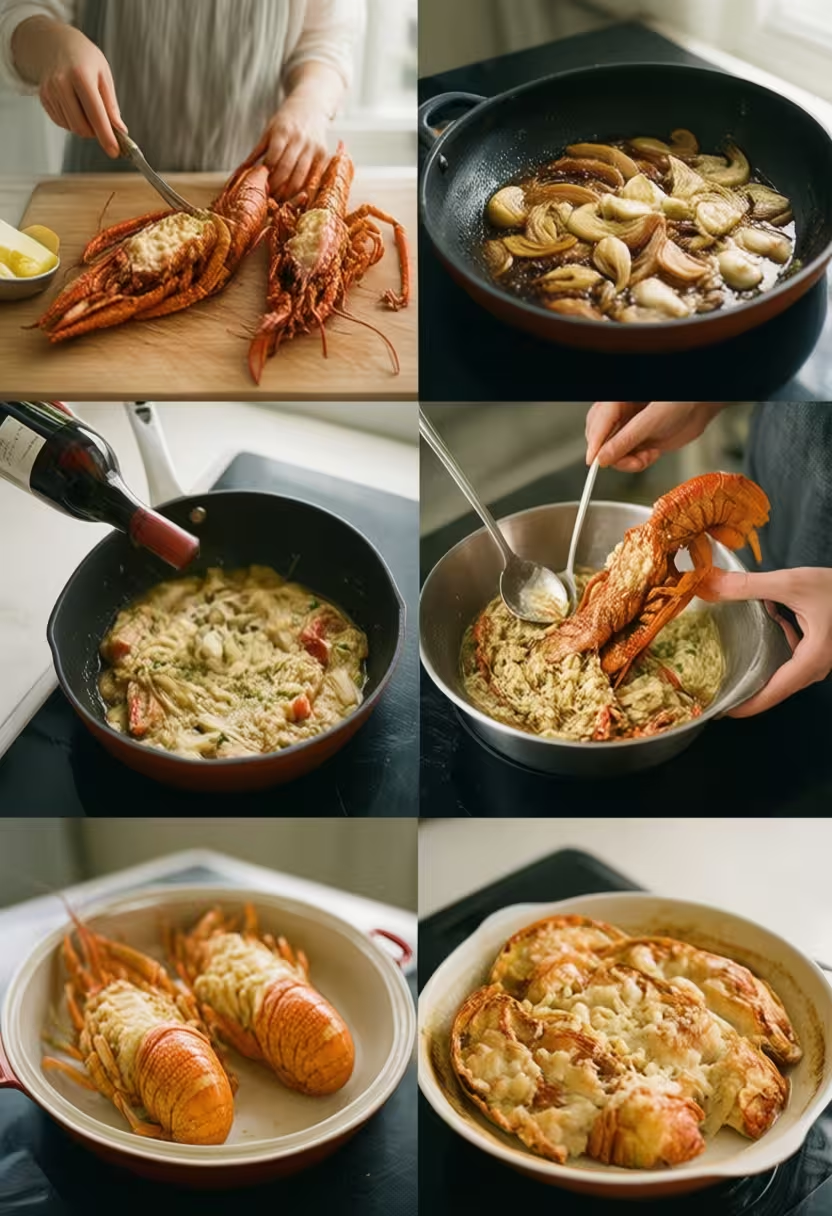
Before you begin cooking, remove all the lobster meat from the shells. Cut the meat into generous, bite-sized pieces — not too small, as larger chunks keep their texture better during baking.
Rinse the empty shells gently, remove any remaining bits, and dry them thoroughly. Set them aside on a baking tray; they’ll be used later for stuffing and serving.
Cooking Instructions 🍳🔥
- Build the aromatic base
Melt the butter in a wide pan over medium heat. Add the minced shallot and cook gently until soft and translucent, not browned. Stir in the garlic and cook for about 30 seconds, just until fragrant. - Reduce the wine or cognac
Pour in the wine or cognac and let it simmer until reduced by roughly half. This step removes harsh alcohol notes and concentrates flavor, which keeps the sauce balanced rather than sharp. - Add the cream and gently thicken
Lower the heat slightly and add the cream. Let it simmer slowly, stirring occasionally, until it thickens just enough to coat the back of a spoon. Avoid boiling — gentle heat is key here. - Temper the egg yolks
In a separate bowl, whisk the egg yolks. Slowly add a few spoonfuls of the warm cream mixture while whisking constantly. This brings the yolks up to temperature without scrambling them. - Finish the sauce off heat
Remove the pan from the heat and stir the tempered yolks back into the sauce. Add Dijon mustard, nutmeg, salt, and white pepper. The sauce should now feel silky, smooth, and rich without being overly thick. - Incorporate cheese and lobster
Stir in half of the grated melting cheese until fully melted. Gently fold in the lobster meat, taking care not to break it apart. The goal is to coat, not drown, the lobster. - Fill the shells
Spoon the lobster and sauce mixture back into the prepared shells, dividing it evenly. Don’t overpack — leaving a little space helps everything heat evenly. - Add the topping and bake
Sprinkle the remaining cheese and the hard cheese over the top. Bake in a preheated oven at 425°F (220°C) until the filling is bubbling and the top turns golden, about 12–15 minutes. - Optional broil for color
If you want extra color, place the lobsters under the broiler for 1–2 minutes. Watch closely — the difference between golden and burned happens fast 🔥 - Rest and garnish
Let the lobsters rest for a couple of minutes before serving. Finish with fresh herbs for brightness and contrast.
Serving Lobster Thermidor With Confidence 🍽️🦞
Serving Lobster Thermidor is one of those moments where confidence matters far more than showmanship. The dish already carries a sense of ceremony and indulgence, so there’s no need to over-style it or compete with its natural elegance. In fact, the more restrained the presentation, the more impressive it tends to feel.
Start with the fundamentals. Warm plates make a noticeable difference, especially with a sauce this rich and creamy — they keep everything at the right temperature longer and subtly elevate the experience. Clean, well-prepared shells matter more than people often realize. They give the dish structure and intention, preventing it from looking messy or rushed. From there, just a few thoughtful finishing touches are enough.
Fresh herbs add color and life without stealing attention, while a simple lemon wedge on the side offers brightness for anyone who wants a bit of contrast 🍋. It’s not about decoration — it’s about balance and choice.
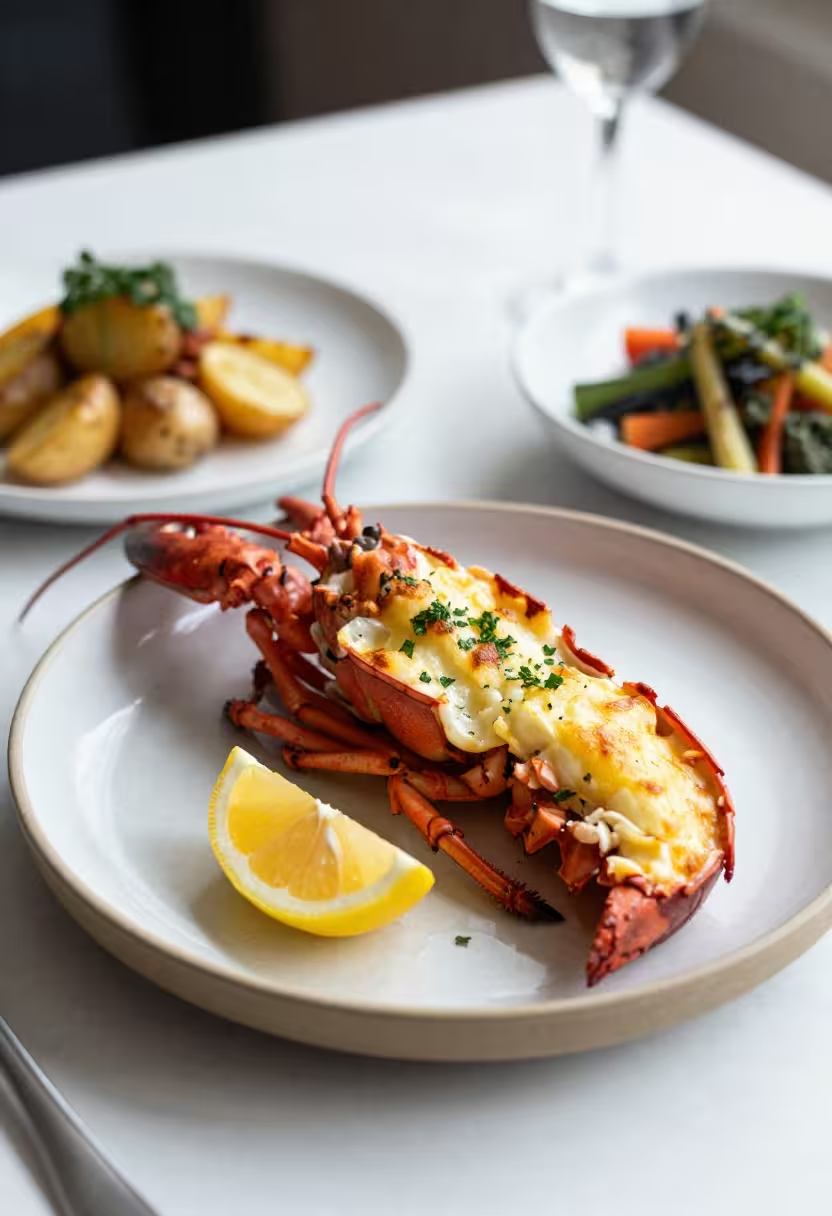
What Lobster Thermidor doesn’t need is clutter. Heavy garnishes, decorative drizzles, or unnecessary sauces only distract from what the dish already does well. It wants space on the plate. It wants to feel deliberate rather than busy.
Side dishes should follow the same philosophy. Because the lobster and its sauce are undeniably rich, the best accompaniments are familiar, restrained, and quietly supportive:
- roasted baby potatoes or softly mashed potatoes that absorb the sauce without competing
- vegetables cooked simply — steamed, blanched, or lightly sautéed, without added sweetness or spice
- a crisp green salad with acidity and a light dressing, never cream-based
These sides do more than fill space. They reset the palate between bites, offer contrast in texture and freshness, and keep the meal from tipping into excess. When every element on the plate has room to breathe, the lobster remains the clear focus — exactly where it belongs.
Smart Variations for Modern Kitchens 🧠✨
Part of what keeps Lobster Thermidor relevant, even today, is that it isn’t as rigid as it appears at first glance. While the classic version has clear boundaries, it also leaves room for thoughtful interpretation — especially in home kitchens, where practicality often matters as much as tradition.
For cooks working with limited access to lobster, or simply looking to make the dish more approachable, small, intentional adjustments can go a long way. The key is to preserve the spirit of the dish while adapting the details:
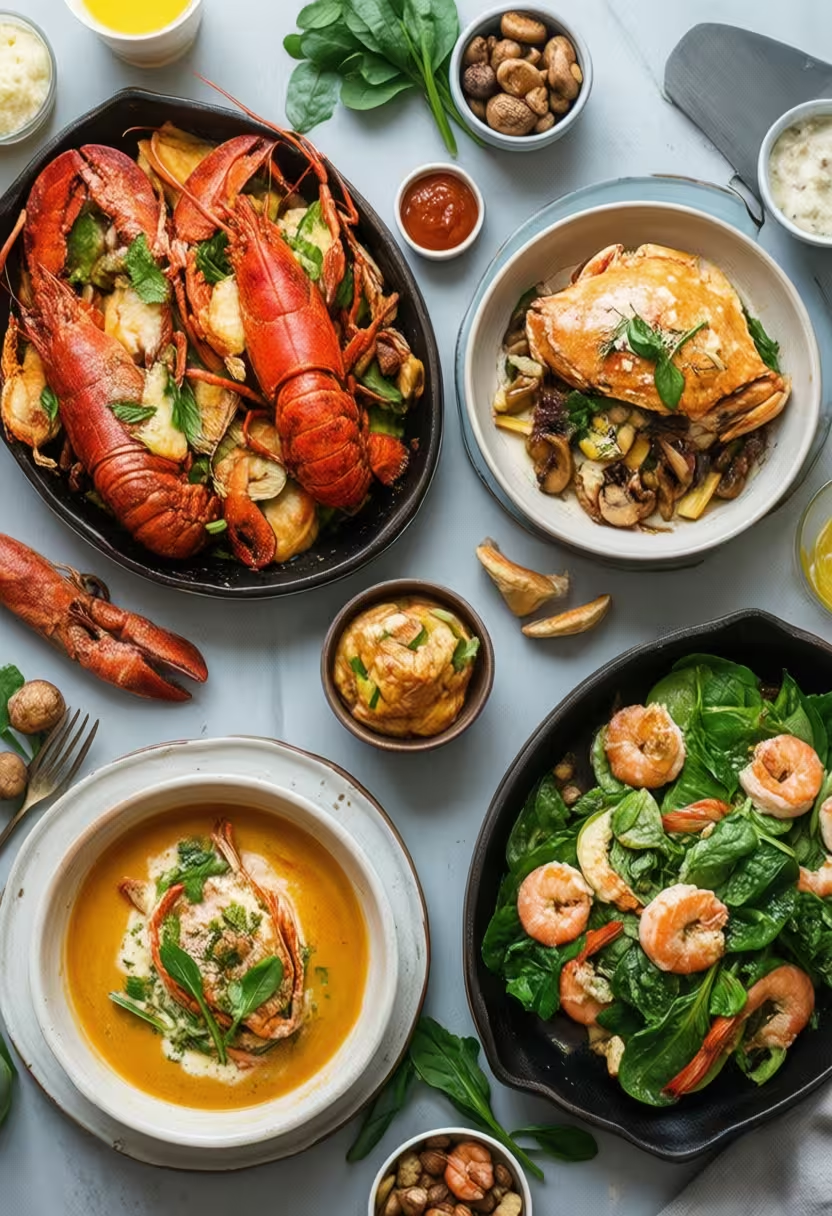
- blending lobster with crab or shrimp stretches portions while keeping the dish firmly rooted in seafood
- adding sautéed mushrooms introduces a gentle, earthy note that complements the cream sauce rather than competing with it
- folding in a small amount of spinach adds texture and freshness without altering the core flavor profile
Alcohol is another area where flexibility can be helpful. While wine or cognac traditionally adds depth, a well-made seafood stock can step in when needed without flattening the dish. What matters isn’t strict adherence to one ingredient, but maintaining balance — richness supported by freshness, not weighed down by it.
The most important principle here is restraint. Variations should feel like quiet refinements, not reinventions. If the dish starts to feel crowded or overly complex, it’s usually a sign that something can be taken away rather than added.
Lobster Thermidor works best when every change respects its original intent: elegance, balance, and confidence without excess. 🦞✨
Storage, Reheating, and Leftovers 🕰️
Lobster Thermidor is unquestionably at its best straight from the oven, when the sauce is still silky, the cheese lightly melted, and the lobster perfectly tender. That first serving moment — when everything is warm, cohesive, and aromatic — is difficult to recreate later. Still, leftovers don’t have to feel like a compromise if they’re handled with care.
If you do find yourself with extra portions, timing matters. As soon as the dish has cooled to room temperature, transfer it to an airtight container and place it in the refrigerator. Letting it sit out too long affects both texture and flavor, especially with shellfish.
For easier and more even reheating, it’s often best to remove the lobster meat from the shells before storing. This allows the sauce to warm gently around the meat instead of overheating in some spots while staying cold in others.
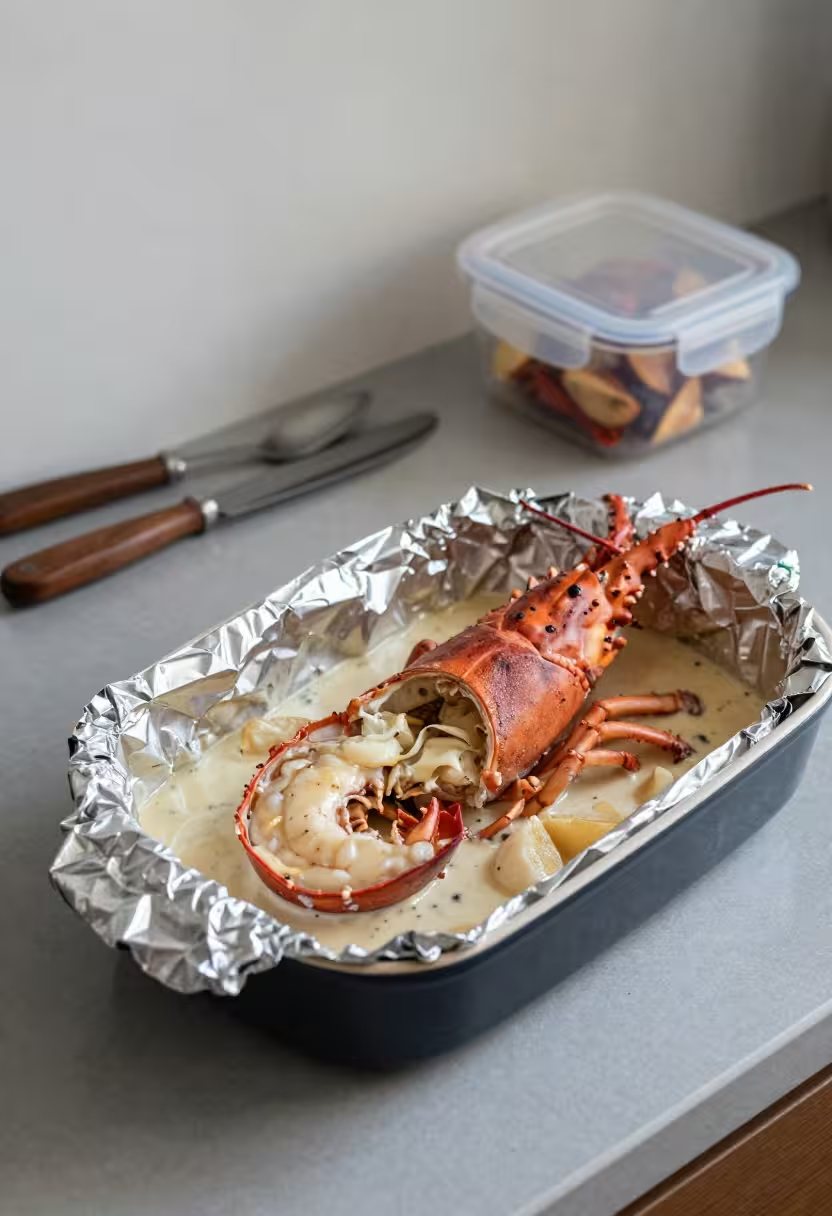
When it’s time to reheat, patience is essential. A low oven works best:
- place the lobster in an oven-safe dish
- cover loosely with foil to protect the surface
- reheat slowly until just warmed through
This gentle approach helps preserve the structure of the sauce and prevents it from breaking or separating. Rushing the process — especially at high heat — often leads to dry lobster or a grainy sauce, neither of which is worth saving a few minutes.
Microwaves are particularly unforgiving when it comes to Lobster Thermidor. Shellfish reheats unevenly, and cream-based sauces tend to split under harsh, direct heat. If possible, it’s best to avoid the microwave altogether. Slow reheating may take longer, but it preserves both flavor and texture far more effectively.
Leftovers may never match the first serving exactly, but treated with care, they can still be enjoyable — rich, comforting, and satisfying in their own way.
Why This Dish Is Worth Learning ❤️
Lobster Thermidor isn’t a dish you make once and immediately master. It’s a dish that teaches you something new each time you return to it. With every attempt, you develop a better sense of timing, a more confident hand with seasoning, and a clearer understanding of balance — richness against freshness, indulgence against restraint.
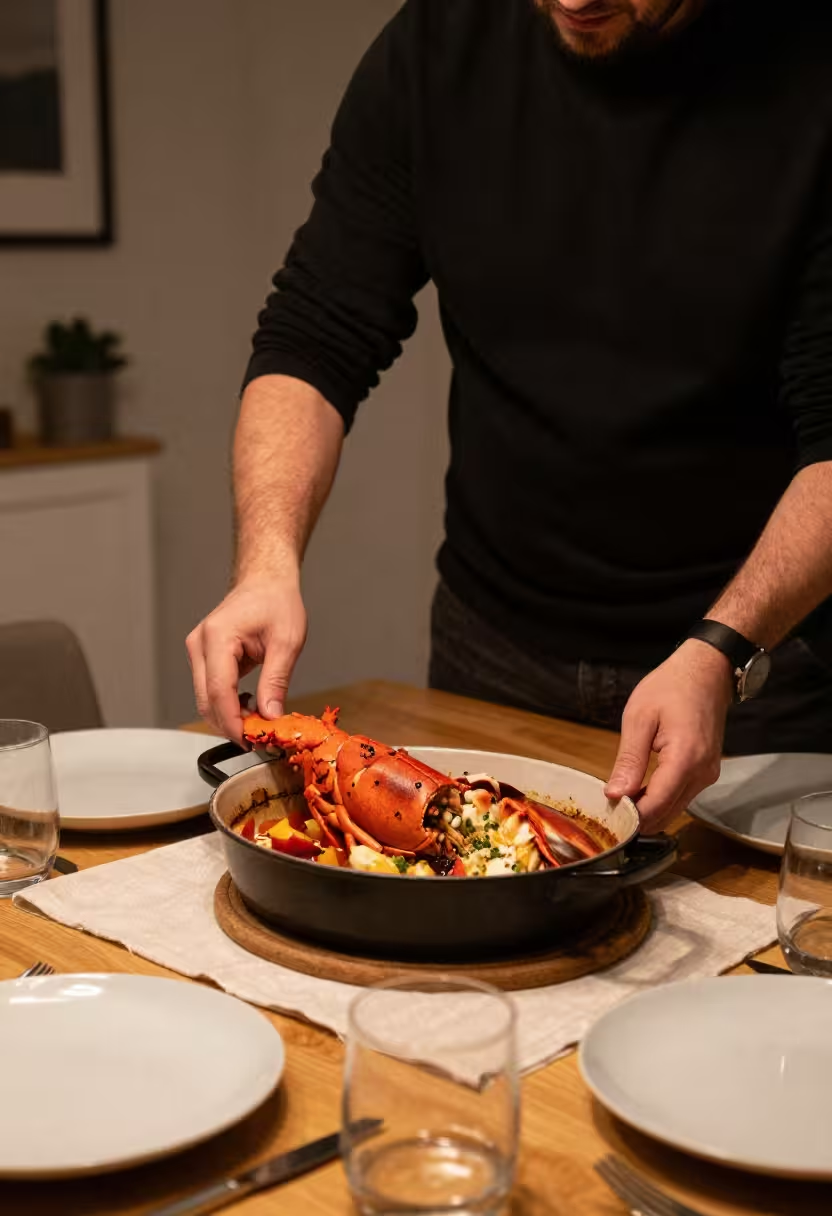
What makes it worth learning isn’t technical perfection or the goal of recreating a restaurant experience at home. It’s the process itself. Lobster Thermidor asks you to slow down, pay attention, and trust what’s happening in the pan. In return, it offers a kind of satisfaction that goes beyond the final plate.
There’s also something powerful about demystifying a dish with such a reputation. Once you’ve made Lobster Thermidor yourself, the intimidation fades quickly. What replaces it is familiarity — the sense that this isn’t an untouchable luxury, but a dish you can return to when the occasion calls for something special.
Over time, it becomes less about impressing others and more about confidence in your own cooking. Knowing that you can prepare a dish like this, thoughtfully and well, brings a quiet pride. And that, more than anything, is why Lobster Thermidor earns its place in a home cook’s repertoire ❤️



I am always invstigating online for tips that can assist me. Thx!