
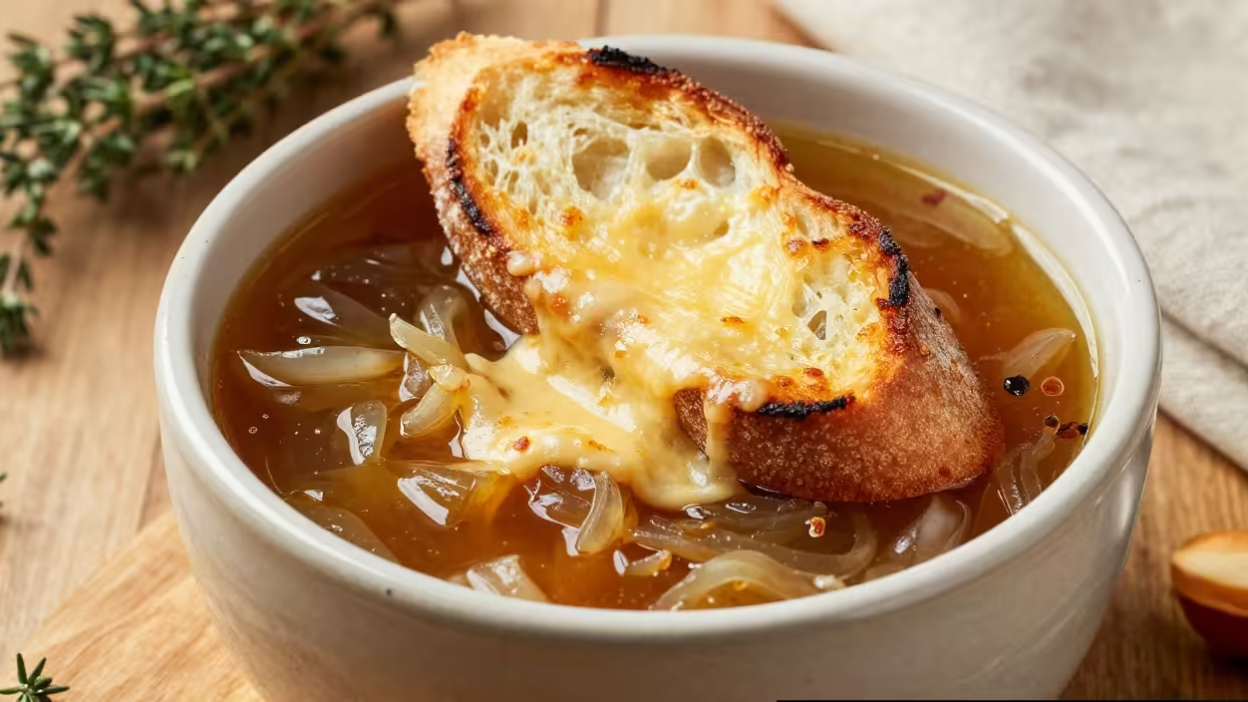
There are meals you make simply because you’re hungry and short on time — something fast, practical, and forgettable. Food that does its job and disappears from memory just as quickly. And then there are meals you choose for completely different reasons. Not because they’re efficient, but because they carry a mood, a memory, or simply feel right on a slow, quiet evening.
French onion soup lives firmly in that second category. 🍲
It doesn’t hurry you along or pretend to be convenient. In fact, it quietly refuses shortcuts. This is a soup that asks for your attention and gives something back only if you’re willing to slow down and stay present. When you do, it rewards you with a depth of flavor and comfort that rushed food simply can’t match. A single bowl can feel grounding, almost meditative — especially when the weather turns cold, the light fades early, or the day feels heavier than expected. 🥣✨
There’s something about this soup that invites you to pause. You don’t eat it standing up. You don’t rush through it. You sit down, break through the cheese, and take your time.
At first glance, though, French onion soup can seem almost too simple to deserve that kind of devotion. The ingredient list is short enough to remember without writing it down:
- onions
- broth
- bread
- cheese
That’s it. No exotic spices. No complicated techniques. Nothing flashy or trendy. And yet anyone who has ever cooked French onion soup properly — without rushing, simplifying, or cutting corners — knows the truth. This dish isn’t really about the ingredients themselves. It’s about what happens to them over time.
Raw onions, sharp and almost aggressive at the beginning, slowly soften and transform into something silky, sweet, and deeply aromatic. A basic broth that might taste thin or forgettable on its own becomes layered and savory once it absorbs the flavor of long-cooked onions. Bread and cheese, humble pantry staples most people overlook, melt together into a bubbling, golden crust that feels indulgent without crossing into heaviness. 🧅🧀
Individually, none of these ingredients seem remarkable. Together — and treated with patience — they create something far greater than the sum of their parts.
This is not a dish you casually throw together after work while checking your phone. It’s a dish you build. One step at a time. One flavor resting carefully on top of another. Each stage depends on the one before it, and nothing can be skipped without losing something important. Once you truly understand that process, onions stop being just onions. They become the foundation of something much bigger.
A Dish Shaped by Time, Not Trends 🕯️
Despite how elegant French onion soup looks when it arrives at the table, it didn’t come from luxury or excess. It came from practicality. Onions were inexpensive, easy to store, and available almost everywhere, all year round. For people cooking with limited resources, they offered reliability — and, when treated with patience, surprising richness.
Long before it appeared on bistro menus or restaurant chalkboards, this soup lived in home kitchens. It was cooked by people who relied more on time and attention than on expensive ingredients. Slow heat unlocked flavors that raw onions simply don’t have. Without adding sugar, cream, or large amounts of meat, the onions developed natural sweetness and complexity all on their own.
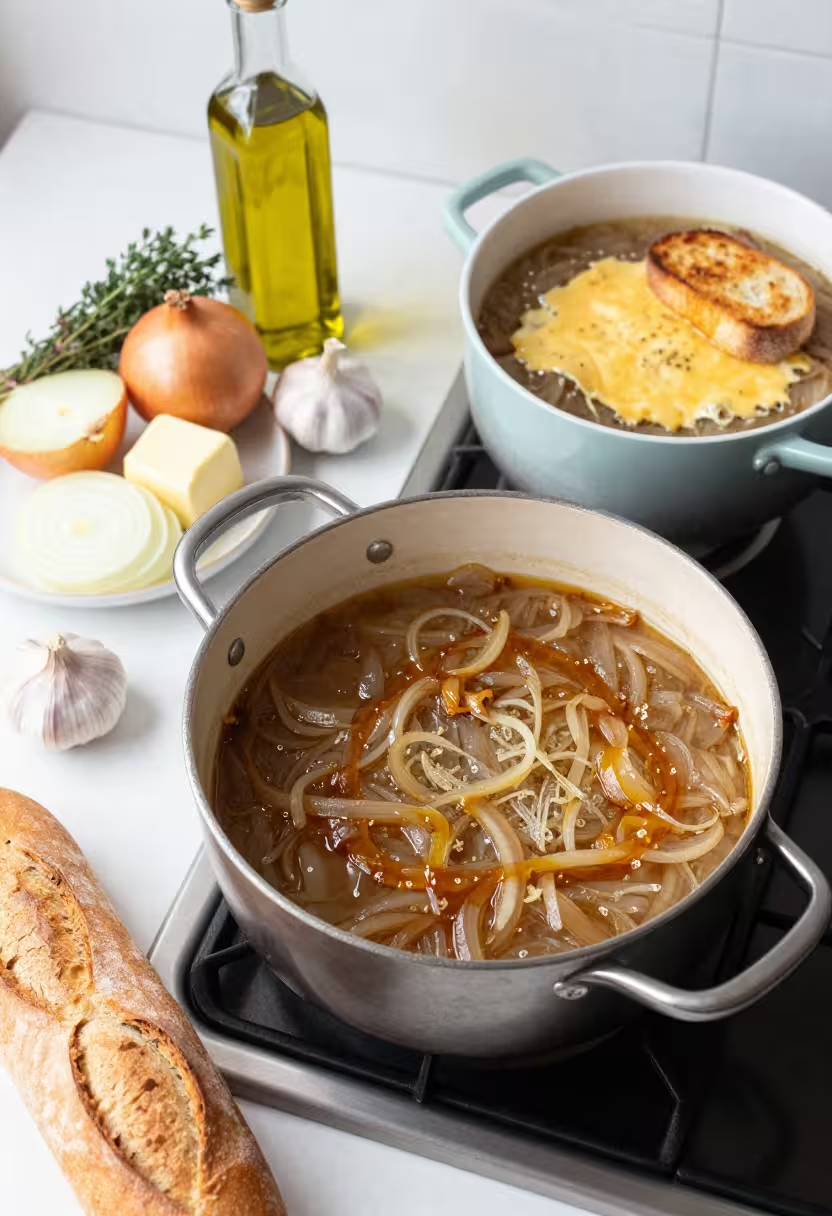
That balance — rich but not heavy, comforting but not dull — became the heart of the dish.
Over generations, cooks learned a simple but powerful lesson: time was the most valuable ingredient. When onions are given enough space, gentle heat, and regular attention, they release their natural sugars and deepen in flavor. The transformation doesn’t happen all at once. It unfolds gradually, almost quietly, until the onions taste nothing like they did at the start.
When paired with broth and finished with bread and cheese, the soup becomes something very specific:
- filling without being dense
- warming without being overwhelming
- simple, yet deeply satisfying
Eventually, this humble meal found its way into cafés and restaurants. The addition of a broiled cheese topping changed how it was perceived. Suddenly, the soup wasn’t just nourishing — it was dramatic. Bubbling cheese stretching across the bowl, browned edges catching the light, the smell of toasted bread filling the room. 🍞🔥 What once fed necessity now fed desire.
Even today, despite its reputation as a “classic,” French onion soup has never lost its rustic character. Beneath the melted cheese and ceramic bowls, it remains honest food. No tricks. No trends. Just careful cooking and respect for simple ingredients.
Why French Onion Soup Still Matters 💛
In a world that constantly celebrates speed — faster recipes, quicker meals, instant results — French onion soup feels almost quietly defiant. It doesn’t fit into a 20-minute dinner plan, and it can’t be rushed without consequences. No shortcuts truly work here. You either give it the time it asks for, or the soup makes that very clear.
Instead of efficiency, this dish asks for something many recipes don’t: presence.
You can’t caramelize onions on autopilot. Walk away for too long and they burn. Turn up the heat in hopes of finishing sooner, and they turn bitter. This soup keeps you close to the stove, stirring, watching, adjusting the heat, paying attention to small changes. Without making a big statement, it pulls you fully into the moment — whether you planned on slowing down or not.
And maybe that’s exactly why it still resonates so deeply.
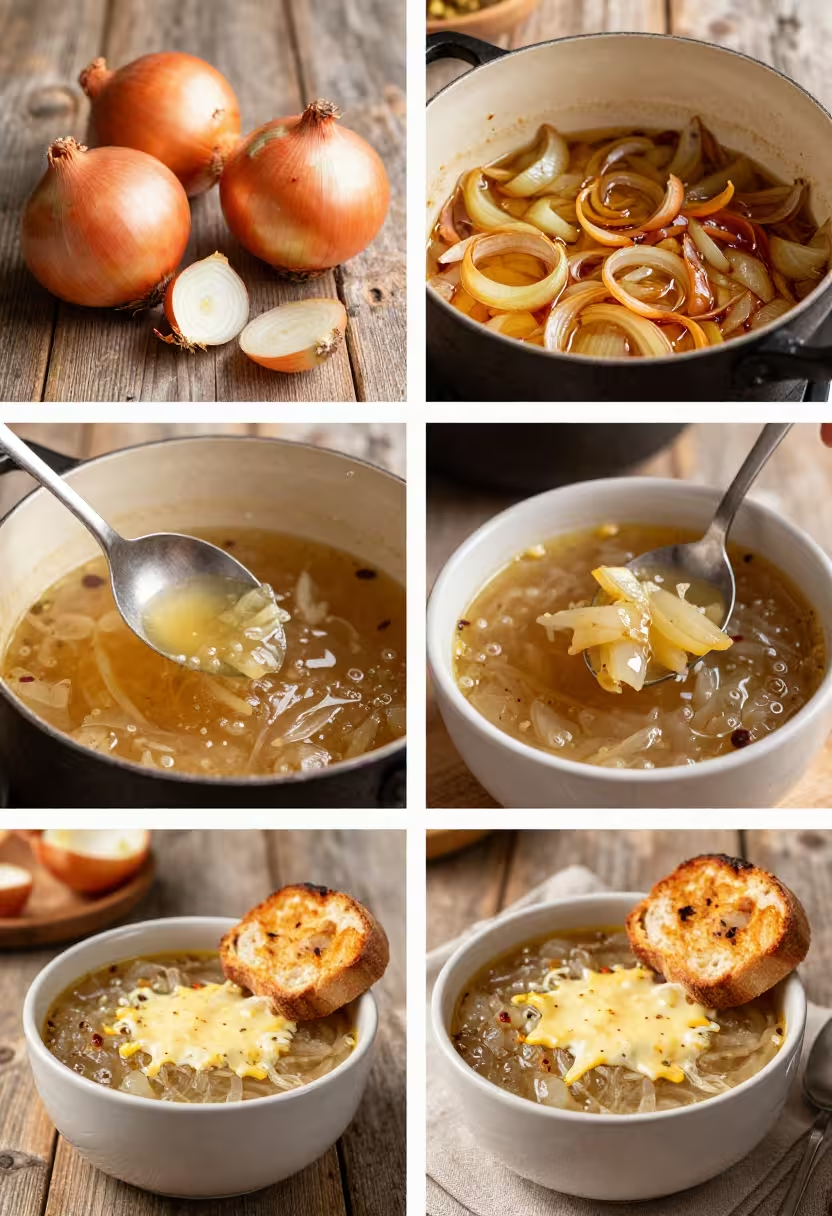
The process itself has a calming rhythm. The scent of onions slowly browning fills the kitchen and evolves minute by minute — sharp at first, then warm, then almost sweet. You stir, taste, adjust. Then you wait. Then you taste again. There’s no rush to finish, no pressure to optimize the process, no strict timeline to beat. Just the quiet satisfaction of doing one thing carefully and doing it well. 🍳
For many people, cooking French onion soup feels almost therapeutic. It creates a rare kind of space — both mental and physical — to step out of constant movement and focus on a single, tangible task. While the onions cook, the outside noise fades a little. The phone stays untouched. Time stretches in a way that feels unfamiliar but welcome.
By the time the soup is finished, the reward isn’t only the flavor in the bowl. It’s the feeling that comes with it:
- warmth that settles rather than overwhelms
- satisfaction earned through patience
- the simple pleasure of knowing you didn’t rush something that mattered
French onion soup reminds us that not everything needs to be fast to be good. Some things are better precisely because they take time. And in a world that rarely slows down, that reminder alone is worth returning to, again and again. 💛
🍲 Classic French Onion Soup Recipe (From Scratch)
This recipe yields four generous servings and is designed for real home cooking, not restaurant shortcuts or overly complicated techniques. It stays true to the traditional character of French onion soup — slow-cooked onions, a deeply savory broth, and a rich, bubbling cheese topping — while remaining completely achievable in a standard home kitchen with everyday equipment.
Rather than focusing on speed, this recipe prioritizes patience and attention. It guides you through the most important part of the process — properly caramelizing the onions — and shows how each step builds flavor naturally, without relying on heavy seasoning or unnecessary additions. The result is a soup that feels balanced, comforting, and deeply satisfying from the first spoonful to the last.
This version is ideal for:
- a relaxed weekend cook when you have time to slow down
- a cozy dinner on a cold evening
- a classic starter for a special meal that still feels honest and unfussy
Whether you’re making French onion soup for the first time or returning to it as a familiar favorite, this recipe is meant to feel approachable, forgiving, and rewarding. If you give it the time it asks for, it will give you exactly what this dish is known for: warmth, depth, and a sense of quiet accomplishment. 💛
Ingredients
For the soup
- 4 large yellow onions, thinly sliced
- 3 tablespoons unsalted butter
- 1 tablespoon olive oil
- 1 teaspoon salt (plus more to taste)
- 2 cloves garlic, finely minced
- ½ cup dry white wine or dry sherry
- 5 cups high-quality beef broth (low sodium)
- 1 bay leaf
- 2–3 sprigs fresh thyme (or ½ teaspoon dried thyme)
- Freshly ground black pepper
For the topping
- 1 small baguette, sliced into thick rounds
- 1½–2 cups freshly grated Gruyère cheese
- Optional: a small amount of grated Parmesan for extra browning
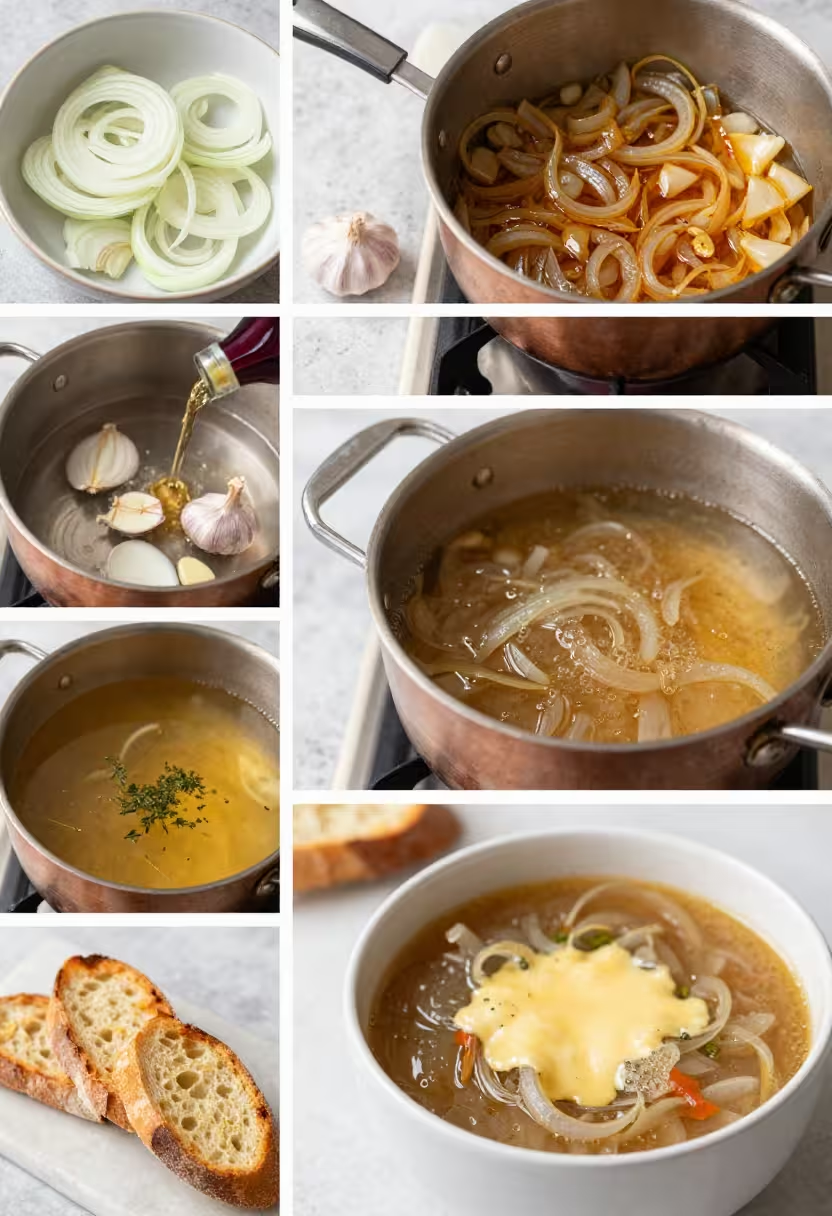
How to Make French Onion Soup — Step by Step 🍳
- Melt the fats
Place a heavy-bottomed pot or Dutch oven over medium-low heat. Add the butter and olive oil and let them melt together, swirling the pot so the bottom is evenly coated. - Add the onions and salt
Add the sliced onions and sprinkle them with the salt. Stir well to coat the onions in the fat. At first, the onions will release moisture and begin to soften rather than brown. - Cook the onions slowly
Continue cooking over gentle heat, stirring every few minutes. As the moisture evaporates, the onions will gradually begin to change color. This step takes time — usually 40 to 50 minutes — and should not be rushed. - Encourage even caramelization
As the onions deepen in color, stir more frequently to prevent sticking. If the bottom of the pot becomes too dry or dark, add a small splash of water and scrape up the browned bits. By the end, the onions should be deeply golden, glossy, and fragrant. - Add the garlic
Stir in the minced garlic and cook for about 30 seconds, just until aromatic. Avoid browning the garlic, as it can turn bitter. - Deglaze with wine
Pour in the white wine or sherry and immediately scrape the bottom of the pot to release all the caramelized bits. Let the wine simmer until reduced by roughly half and the alcohol smell has cooked off. - Add broth and herbs
Pour in the beef broth, then add the bay leaf, thyme, and several grinds of black pepper. Stir well and bring the soup to a gentle simmer. - Simmer to develop flavor
Let the soup simmer uncovered for 30–40 minutes. This allows the flavors to meld and the broth to take on the sweetness and depth of the onions. Taste toward the end and adjust salt and pepper as needed. - Prepare the bread
While the soup simmers, toast the baguette slices until crisp and lightly golden. This helps them hold their shape when placed on the soup. - Assemble the bowls
Remove the bay leaf and thyme stems from the soup. Ladle the hot soup into oven-safe bowls. Place a toasted baguette slice on top of each bowl. - Add the cheese
Generously cover the bread with grated Gruyère. If desired, sprinkle a small amount of Parmesan on top for extra color and depth. - Broil until golden
Place the bowls under a hot broiler and broil until the cheese is fully melted, bubbling, and deeply golden on top. Keep a close eye to prevent burning. - Serve immediately
Carefully remove the bowls from the oven and serve right away, while the cheese is still bubbling and the soup is piping hot. 🧀🔥
Small Details That Elevate the Soup ✨
Once you feel confident with the foundation of French onion soup, it’s often the smallest, quietest details that make the biggest difference. These aren’t changes meant to reinvent the dish or pull it away from tradition. Instead, they work subtly in the background, enhancing what’s already there and making the flavors feel more complete.
A small addition near the end of cooking — something as simple as a teaspoon of Worcestershire sauce or soy sauce — can gently boost umami without changing the soup’s identity. You won’t taste these ingredients directly, and no one at the table will guess they’re there. What you’ll notice instead is a deeper, rounder savoriness that lingers just a little longer after each spoonful.
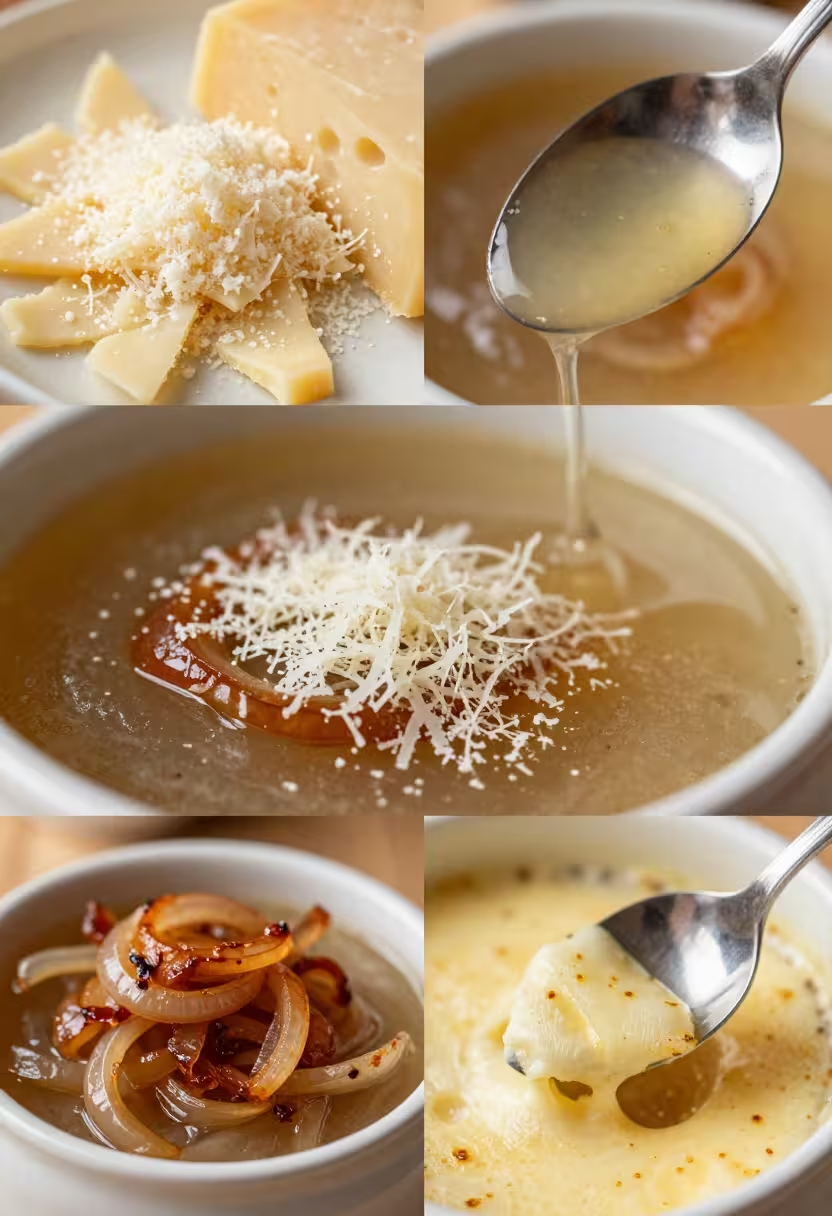
The same idea applies to acidity. A splash of balsamic vinegar added off the heat doesn’t make the soup taste sour or sweet. It simply wakes everything up. The sweetness of the onions becomes more defined, the broth feels lighter on the palate, and the overall flavor gains clarity without losing warmth.
Cheese choices offer another opportunity for subtle refinement. Gruyère is classic for good reason — it melts smoothly and brings a nutty richness that feels perfectly at home here. But blending cheeses can gently shift the experience. A bit of Comté adds depth and complexity, while a small amount of mozzarella introduces extra stretch and visual drama when the spoon breaks through the crust. 🧀 That moment alone often becomes part of the pleasure.
Even something as modest as a pinch of sugar during the caramelization stage can be useful. Not all onions are created equal, and some batches simply don’t develop sweetness as easily as others. Used sparingly, sugar doesn’t make the soup sweet — it supports the natural caramelization process and helps the onions reach the flavor they’re capable of.
None of these details are essential. Think of them as optional tools rather than rules. They’re there when you want a little extra depth, a bit more balance, or a slightly richer finish — and they’re easy to skip when you want to keep things purely traditional.
How to Serve French Onion Soup Like a Pro 🍽️
French onion soup is rich, layered, and deeply comforting, which is exactly why it shines most when everything around it stays simple. This isn’t a dish that needs elaborate sides or decorative plating. In fact, the less competition it has on the table, the better it performs.
A crisp green salad with a light vinaigrette is a classic pairing for a reason. The freshness and acidity cut through the richness of the soup and refresh the palate between bites. Even a very simple salad — mixed greens, a sharp dressing, and a pinch of salt — is enough to create balance.
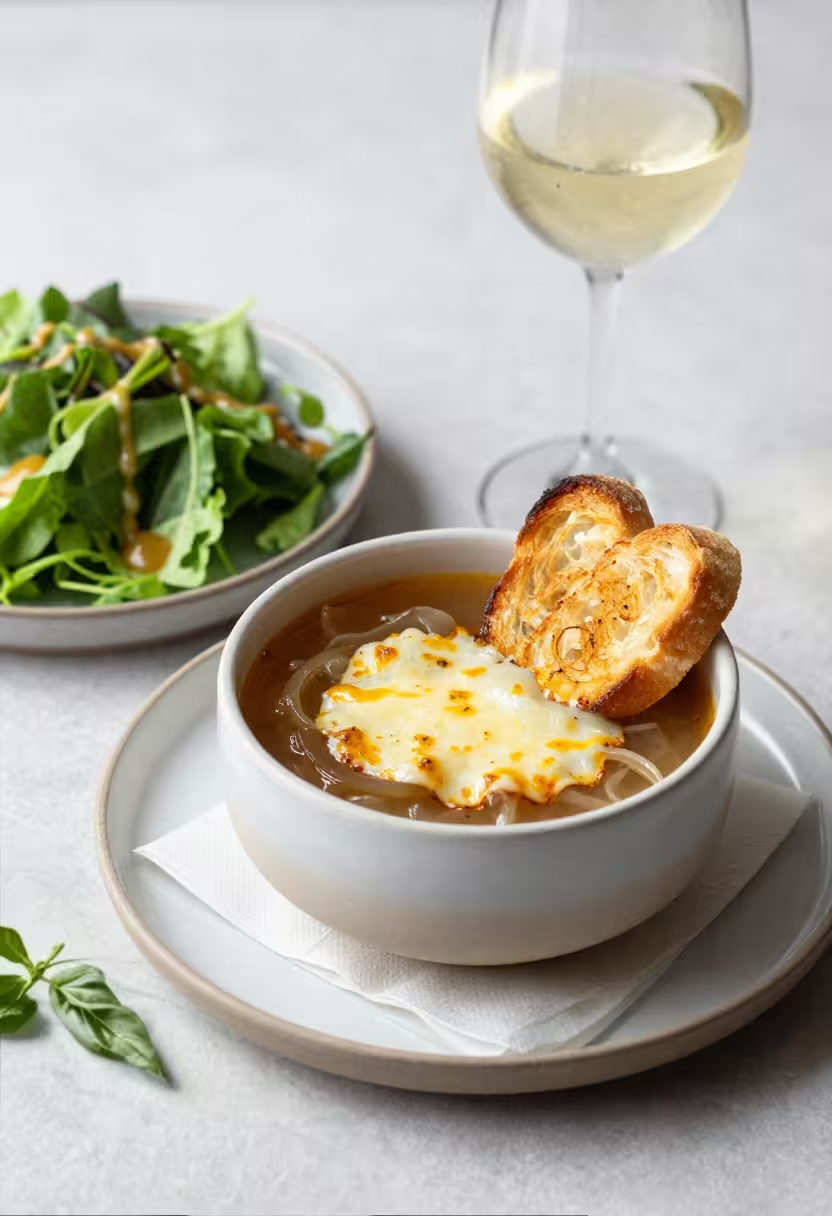
When it comes to drinks, restraint works here too:
- a dry white wine mirrors the acidity used in the soup
- a light, low-tannin red pairs gently with the savory broth
- sparkling water cleanses the palate without adding distraction
Just as important as what you serve alongside the soup is when you serve it. French onion soup is at its best straight from the oven, when the cheese is still bubbling, the top is lightly crisp, and the bread hasn’t fully softened. That contrast — crisp, gooey, and steaming all at once — is a big part of what makes the dish memorable.
Serve it confidently and without overthinking. Let the aroma, the melted cheese, and the sound of a spoon breaking through the crust do the work for you.
Why This Soup Is Worth the Effort ❤️
French onion soup isn’t impressive because it’s flashy or complicated. It doesn’t rely on trends, rare ingredients, or clever techniques designed to impress. What it offers instead is something quieter and more enduring.
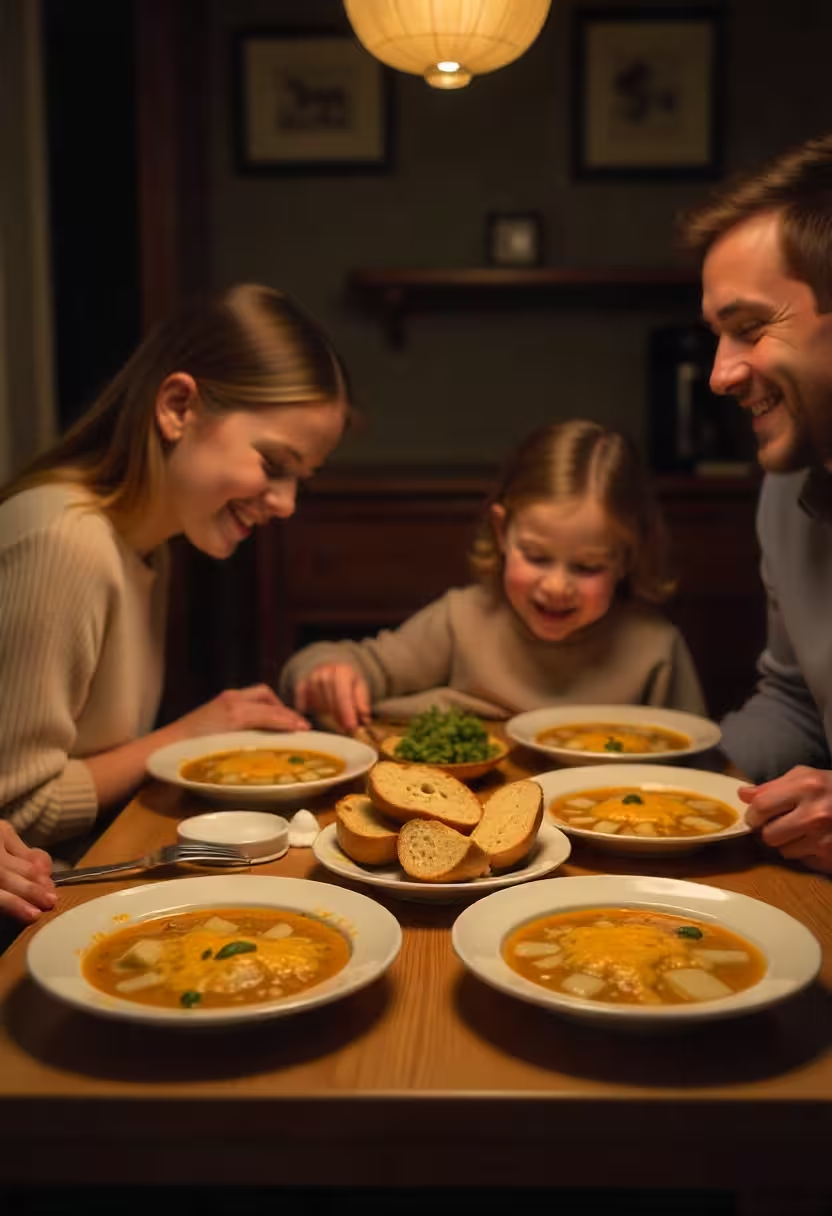
It teaches patience. It reminds you that good food doesn’t always come quickly, and that care — real, unhurried care — shows up clearly in flavor. The time spent caramelizing onions isn’t a delay; it’s an investment that pays off in depth, balance, and comfort.
This is a dish that has survived centuries of changing tastes not because it constantly evolved, but because it never needed to. One spoonful is usually enough to understand why people keep coming back to it, generation after generation.
Sometimes, all you need is a handful of onions, a bit of time, and the willingness to trust the process. The rest follows naturally. 💛




I am incessantly thought about this, thankyou for putting up.