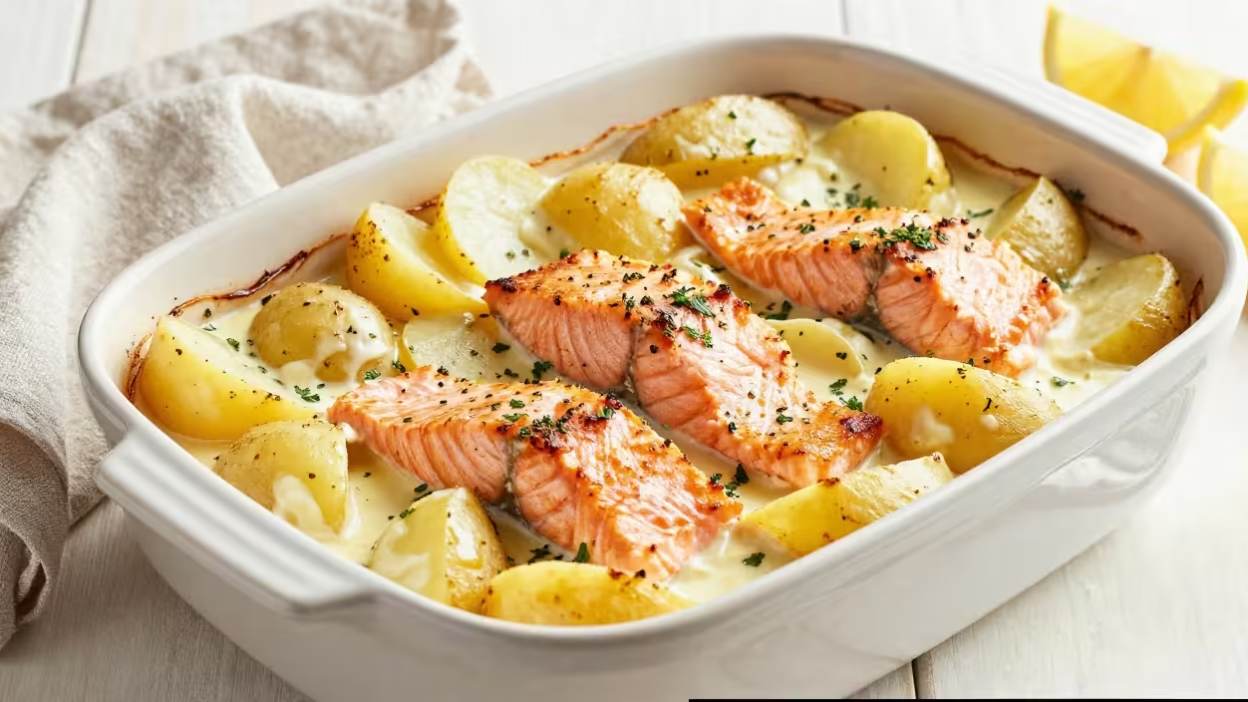
There are days when food is simply functional. You eat, you move on, and the meal barely leaves a trace in your memory. But then there are other days — the quieter ones — when food starts to carry more weight than hunger alone.
Those are the evenings when you feel tired in a very specific way. Not dramatic, just worn down. When you don’t want anything complicated, but you also don’t want something careless. You want a meal that feels steady. Familiar. A little grounding. 🍲
That’s often where a salmon and potato bake finds its place.
It’s not the kind of dish that demands your full attention every second. You don’t have to hover or constantly adjust things. You turn on the oven, start slicing potatoes, maybe put on some music or open a window. And without really noticing when it happens, the mood in the kitchen shifts.
As the bake slowly cooks, the smells begin to change the space. They’re not sharp or exciting. They’re soft and warm. Buttery, slightly creamy, with that gentle savory note that feels comforting rather than intense. The oven hums quietly, and suddenly the kitchen feels less like a workspace and more like part of the evening itself. 🏡✨
What makes this dish feel so comforting isn’t one dramatic element. It’s the way everything works together in a calm, unforced way:
- the potatoes soften gradually and absorb flavor instead of staying plain
- the salmon cooks gently, staying flaky and tender rather than drying out
- the sauce settles into the layers and thickens naturally as it bakes
- the overall texture feels cohesive, not messy or overly rich
Nothing is trying to prove anything. Nothing feels rushed or overworked. The dish just comes together, quietly and reliably.
You don’t need advanced cooking skills to make a salmon and potato bake. You don’t need perfect timing or exact measurements down to the gram. What you do need is a bit of patience and a willingness to trust the process. This is food that rewards a slower pace. It’s not meant to be rushed, and that’s part of why it feels so good to eat ❤️
Why This Dish Keeps Showing Up on Dinner Tables 🍽️
Some recipes feel tied to a specific moment in time. Others seem to ignore trends completely and just keep going. A salmon and potato bake belongs to that second group.
There’s something deeply reassuring about baked dishes, especially in everyday life. Once everything is layered and placed in the oven, the intensity of cooking fades. You’re no longer juggling steps or worrying about something burning in a pan. The food cooks steadily, using time and gentle heat rather than constant attention.
This is one of the main reasons people return to this dish again and again. It fits into real schedules and real kitchens without much resistance. It adapts to you, not the other way around.
For many households, it works because it solves several practical problems at once:
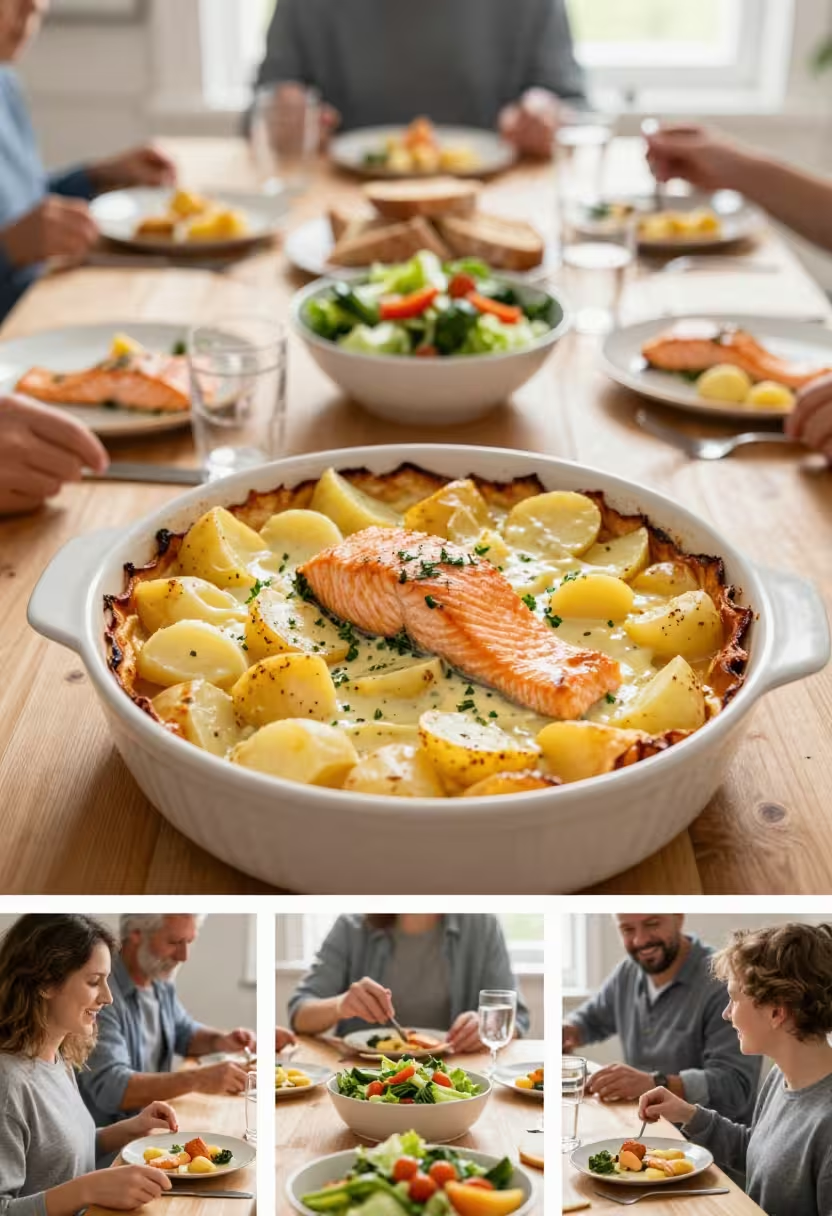
- it feeds multiple people without complicated planning
- it doesn’t fall apart if dinner happens a little later than expected
- it can be prepared in advance and baked when needed
- it holds its structure and flavor when reheated
There’s also something emotionally comfortable about knowing what a dish will taste like. A salmon and potato bake doesn’t surprise you, but it doesn’t disappoint you either. The flavors are familiar in a good way. They feel settled, balanced, and dependable.
Potatoes play a big role in that feeling. They make the dish filling and grounding, giving it weight without heaviness. Salmon adds richness and nourishment, turning the bake into a proper main meal rather than just a side. Cream or milk softens everything, smoothing the flavors and creating that gentle, cohesive texture people associate with comfort food.
This is why many people quietly come back to this dish during busy weeks, colder seasons, or moments when cooking needs to feel supportive rather than demanding. It’s not exciting food — it’s reassuring food. And that’s often exactly what people want on their plates at the end of the day.
A Dish Rooted in Practical Cooking 🌍
The salmon and potato bake didn’t appear because someone wanted to create a standout recipe. It came from necessity, common sense, and everyday cooking habits. In coastal and northern regions, salmon was available and familiar. Potatoes stored well and lasted through long seasons. Milk and cream were part of daily life, not special-occasion ingredients.
Putting these elements together was practical. It allowed cooks to stretch a relatively small amount of fish into a filling meal. Baking everything in one dish saved time and effort while producing something warm and satisfying.
At its core, this dish was designed to be useful. It fed families. It worked with what was on hand. It didn’t require constant attention. And it made the most of simple ingredients.
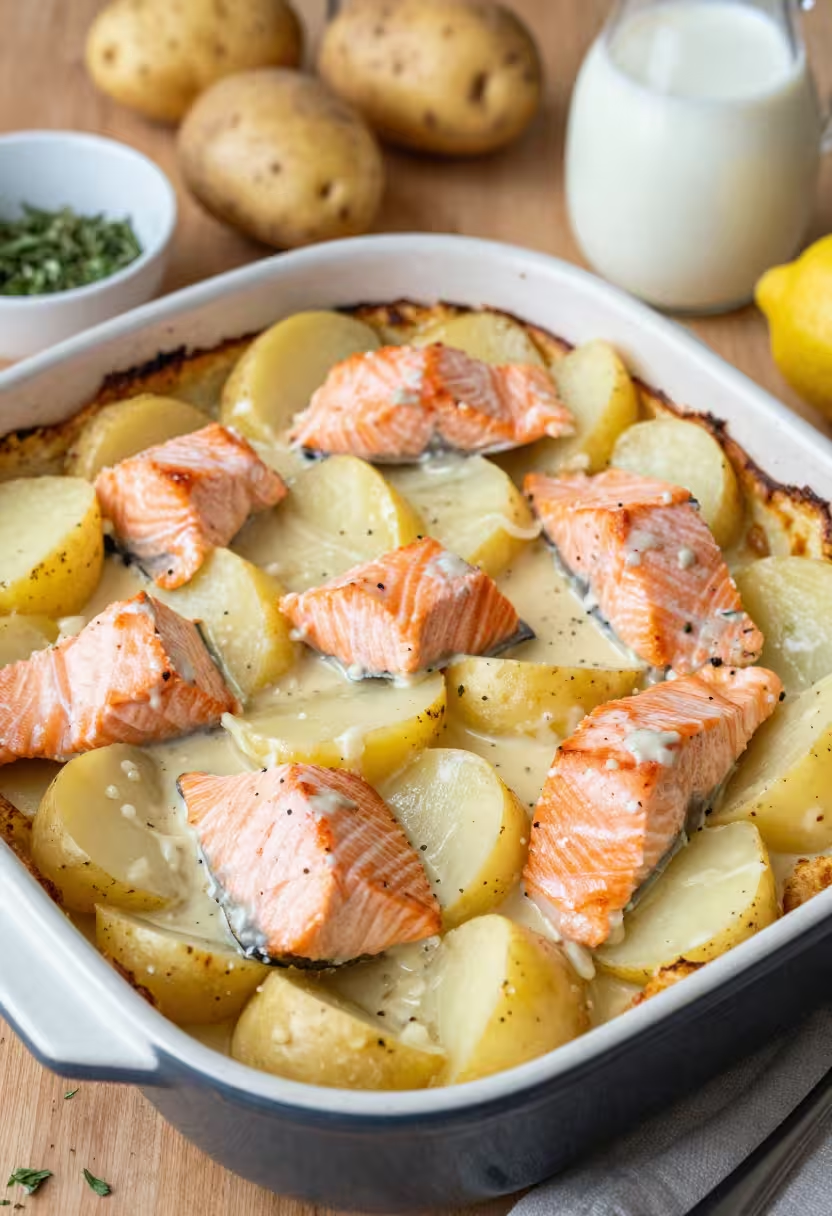
Over time, small changes naturally appeared, depending on household preferences and availability:
- some cooks added cheese for extra richness
- others relied more on milk to keep things lighter
- herbs changed with the seasons or what grew nearby
- extra vegetables were included when they needed using
Despite these variations, the purpose of the dish stayed the same. It was always about nourishment rather than presentation, about warmth rather than excess. The goal wasn’t to impress guests — it was to make a meal that worked.
That practical, no-nonsense foundation is still what makes a salmon and potato bake feel relevant today. In a world full of fast trends and complicated recipes, this dish offers something quieter and more grounded. It’s food that doesn’t ask for attention, but still manages to feel deeply satisfying when it finally reaches the table 💛
What Makes a Salmon and Potato Bake Truly Good 💭
Not every salmon and potato bake turns out the way you imagine when you slide it into the oven. Some come out heavier than expected, others feel bland despite looking promising, and occasionally everything blends together into one soft, forgettable bite. The difference between an okay version and a truly good one usually isn’t about fancy ingredients or extra steps. It’s about balance — and paying attention to a few quiet details.
The best versions share certain qualities that are hard to describe at first but very easy to recognize once you taste them. They don’t shout for attention. They simply feel right.
One of the first things you notice is the potatoes. They should be completely tender, but still hold their shape. When you cut into the bake, the slices shouldn’t collapse into a creamy blur, nor should they resist the fork. That in-between texture is what gives the dish structure and makes it feel intentional rather than accidental.
Salmon follows the same logic. Properly cooked salmon flakes easily, stays moist, and still feels distinct within the dish. It shouldn’t dry out, but it also shouldn’t disappear into the sauce. You want to recognize it as salmon — not just “something soft” inside the bake.
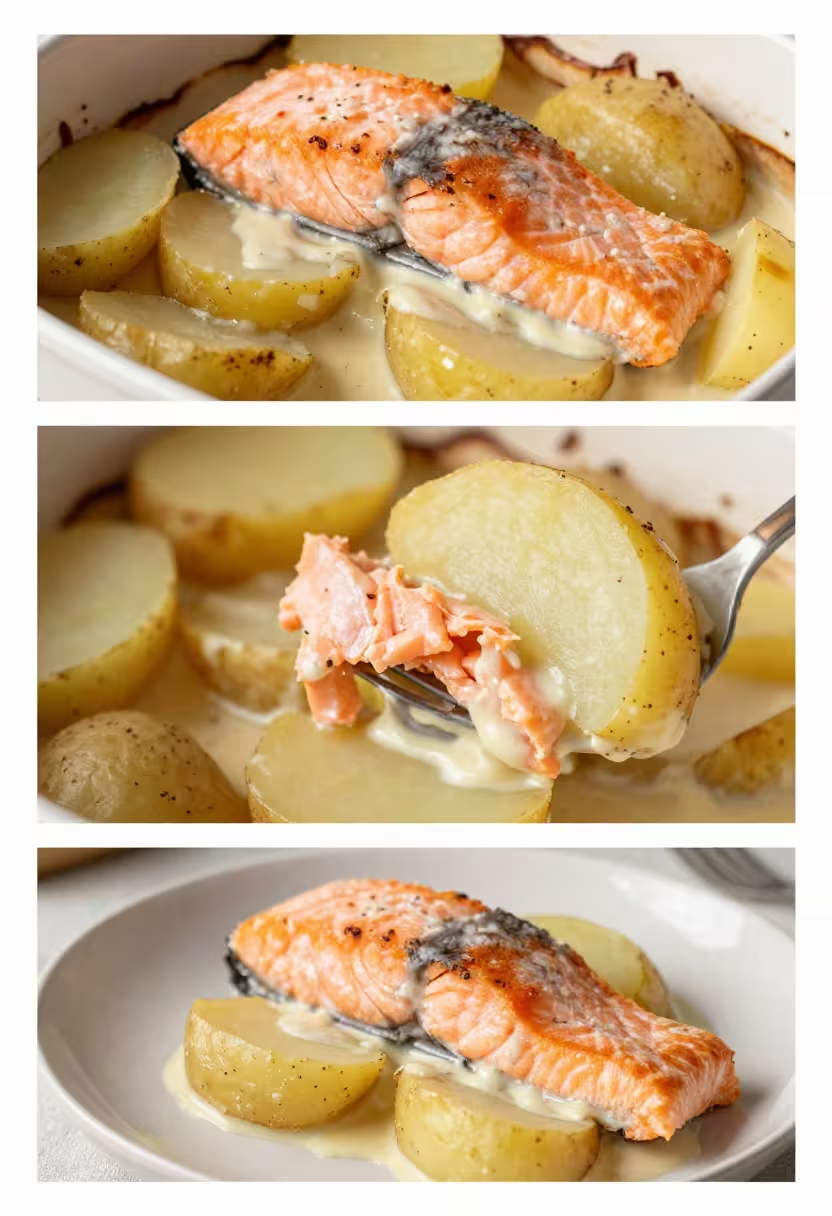
The sauce plays a supporting role, but it’s a crucial one. A good sauce doesn’t pool at the bottom or overwhelm the other ingredients. Instead, it settles gently into the layers, coating rather than flooding. As the bake rests, the sauce thickens slightly and brings everything together into a cohesive whole.
Seasoning is where restraint really matters. A salmon and potato bake isn’t meant to taste bold or aggressive. When seasoning is done well, you don’t notice salt, pepper, or herbs individually — you just notice that the dish feels complete.
In simple terms, a good bake usually has:
- potatoes that are soft but still structured 🥔
- salmon that flakes easily and stays juicy 🐟
- a sauce that supports rather than dominates 🥛
- seasoning that feels calm and balanced 🌿
This is very much a balance dish. Too rich, and it becomes tiring after a few bites. Too light, and it feels unfinished. When everything lands in the right place, each bite feels soft, savory, and gently rich — the kind of food you can keep eating without thinking too much about it.
Let’s Talk Ingredients (Without Overthinking It) 🧄🧂
One of the most comforting things about a salmon and potato bake is that it doesn’t demand perfection. You don’t need flawless produce or premium ingredients. What matters far more is understanding what each ingredient contributes and how to treat it gently.
This dish rewards simplicity and a light hand. Overworking or overcomplicating it often does more harm than good.
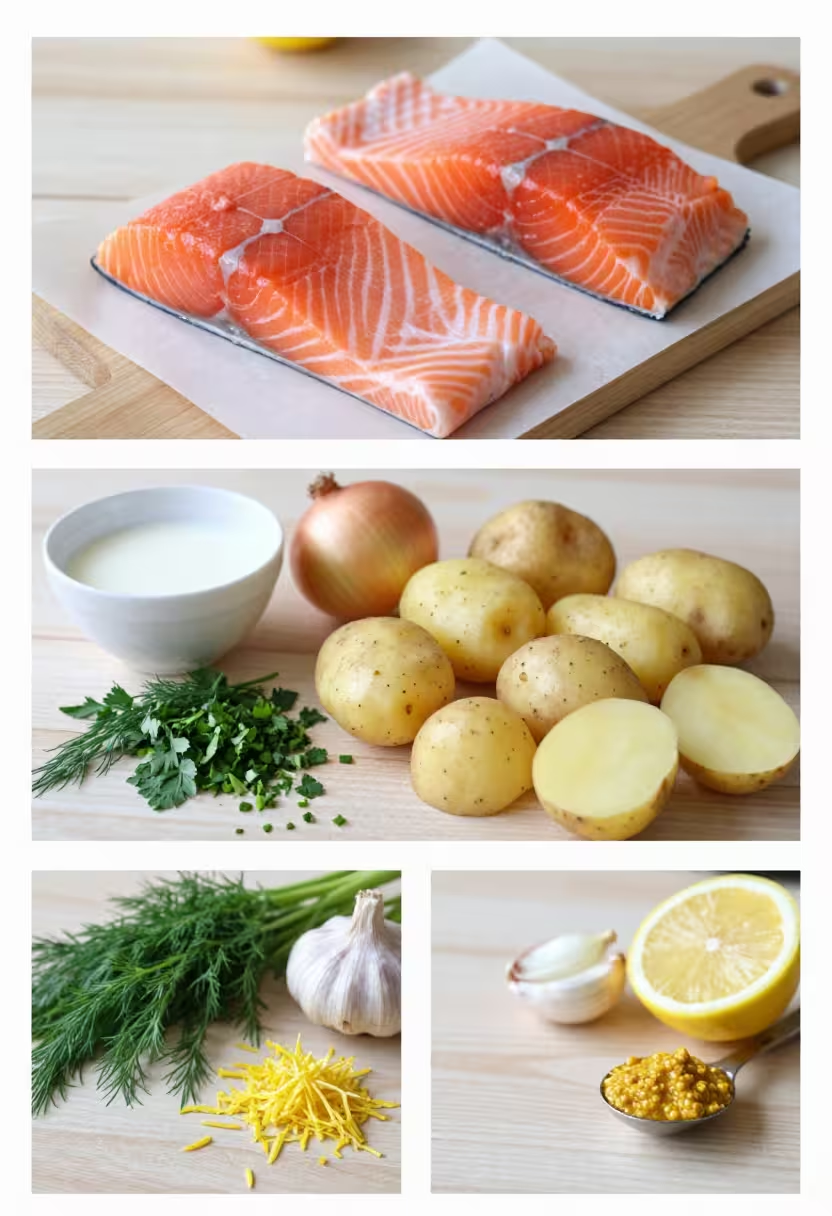
Salmon 🐟
Fresh salmon is always a good starting point, but this dish doesn’t punish you if conditions aren’t perfect. The most important thing to focus on is texture. Salmon should feel firm to the touch and look clean and vibrant, not dull or watery. A strong fishy smell is a sign that it won’t shine in a gentle baked dish like this.
Thicker pieces generally work better than thin ones. They hold moisture more easily and handle the longer baking time without drying out. Skinless fillets are easier to cut and layer evenly, which helps with presentation and even cooking, but salmon with skin works just as well. Placing it skin-side down allows the skin to protect the flesh during baking.
Frozen salmon is also a practical option, especially for everyday cooking. The key is patience when thawing. Let it defrost slowly in the refrigerator, then take a moment to pat it dry with paper towels. Excess moisture can thin the sauce and affect the final texture of the bake, so this small step makes a noticeable difference.
In general, salmon works best in this dish when it’s treated simply:
- light seasoning rather than heavy marinades
- gentle handling to keep the flesh intact
- enough space in the dish so it cooks evenly
Bold flavors can overpower salmon in a bake, so restraint usually leads to better results.
Potatoes 🥔
Potatoes are the backbone of this dish, and choosing the right kind makes a surprising difference. Many disappointing salmon and potato bakes fail not because of the fish or sauce, but because of the potatoes.
Starchy potatoes tend to break down too easily, turning grainy or overly soft once baked in cream. Waxy varieties, on the other hand, hold their shape and create that creamy-but-structured texture that feels comforting rather than messy.
Thinly sliced potatoes cook evenly and create neat layers that hold together when served. They also absorb flavor well without falling apart. Thicker chunks can work too if you prefer a more rustic feel, but they usually benefit from a short parboil to ensure they’re fully tender by the time the salmon is done.
Helpful potato tips include:
- keeping slices a similar thickness for even cooking
- lightly salting them before layering to boost flavor
- avoiding overcrowding, which can trap excess moisture
When potatoes are handled well, they give the dish its structure and that familiar, grounding quality people associate with comfort food.
Dairy 🥛
Dairy is what ties everything together, but it doesn’t need to be complicated. Cream brings richness and a luxurious mouthfeel, while milk keeps things lighter and more subtle. Many home cooks naturally combine the two, creating a sauce that feels balanced rather than heavy.
The goal isn’t thickness on its own. A good sauce gently sets as it bakes, clinging to the potatoes and salmon instead of sinking to the bottom of the dish. It should feel smooth and cohesive, not stiff or gluey.
Very low-fat dairy products often struggle under heat. They can split or thin out, which affects both texture and appearance. Using whole milk, cream, or a thoughtful mix helps the sauce stay stable and pleasant all the way through baking.
Flavor Builders 🌿
This is where the dish quietly takes on personality. Flavor builders don’t need to dominate to be effective. In fact, with salmon, subtlety usually works better than boldness.
Common additions include:
- garlic and onion for gentle depth 🧄
- fresh herbs like dill or parsley for brightness 🌱
- lemon zest to lift the richness 🍋
- a small amount of mustard for quiet complexity
- spinach or leeks for softness and color
These ingredients work best when used with restraint. They should sit in the background, supporting the main elements rather than competing with them. If one add-in clearly stands out above everything else, it’s usually a sign that there’s too much of it.
In a salmon and potato bake, flavor builders are meant to whisper, not shout. When they’re balanced correctly, they help the dish feel thoughtful, complete, and comforting — without ever feeling busy or overwhelming 💛
The Heart of the Dish: A Proper Salmon and Potato Bake Recipe 💛
This is the part where everything comes together.
A salmon and potato bake is not a dish you rush through or treat like a strict formula. It’s meant to feel flexible and forgiving, the kind of recipe you return to when you want something reliable but still comforting. The measurements are there to guide you, not to trap you. Follow it closely the first time, get a feel for how it behaves in your oven, and then allow yourself to adjust it to your taste.
Some days you’ll want it creamier. Other days lighter. Sometimes you’ll add herbs generously, sometimes barely at all. That’s exactly how this dish is meant to live — quietly adapting to the mood of the evening and the contents of your fridge.
What matters most is the order, the pacing, and the way the layers are built. Once you understand that rhythm, the recipe almost cooks itself.
Ingredients (serves 4–6)
- About 600 g / 1.3 lb salmon fillet, cut into large pieces
- 700–800 g / 1.5–1.7 lb waxy potatoes
- 1 medium onion, finely chopped
- 2 garlic cloves, minced
- 2 tablespoons butter
- 2 tablespoons flour
- 1½ cups whole milk
- ½ cup cream (optional but lovely)
- Salt and black pepper, to taste
- Fresh dill or parsley (or both)
- Zest of half a lemon
- ¾ cup grated cheese (optional)
- Olive oil or butter for the dish
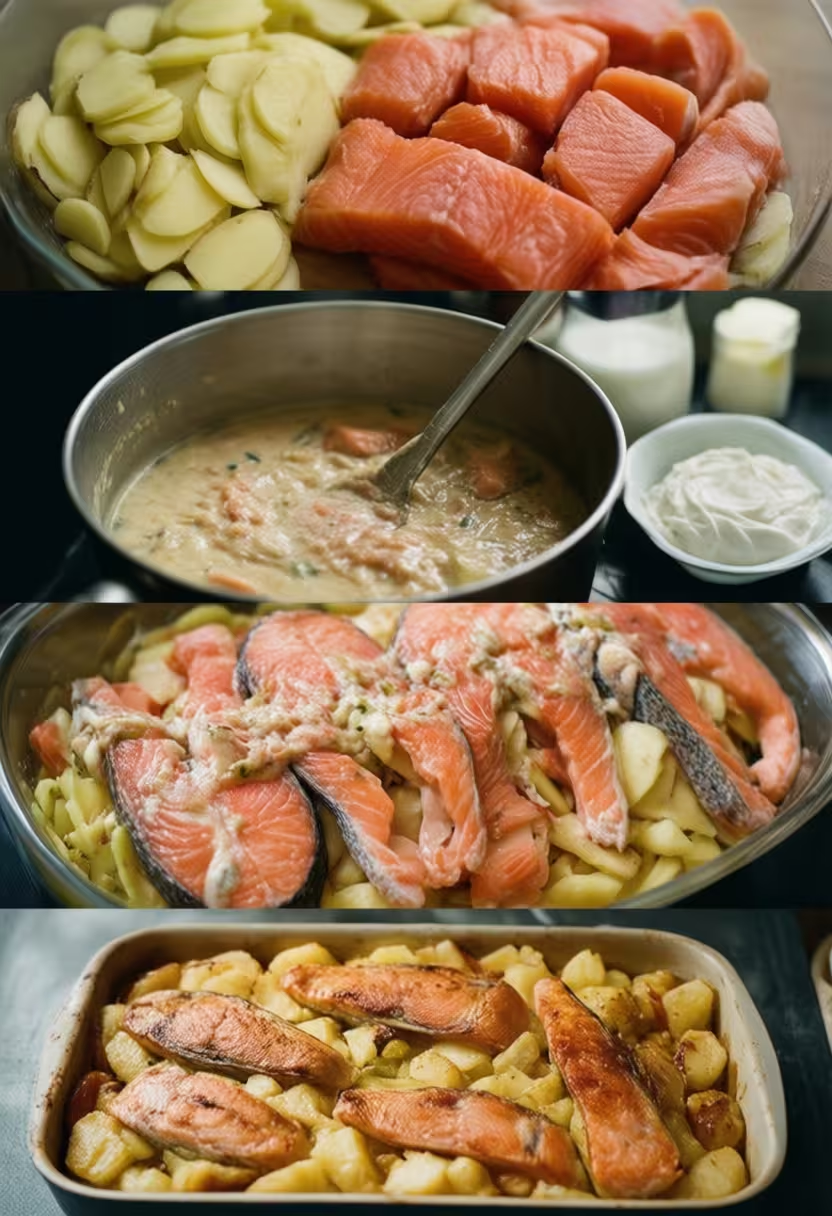
Method 🍲
1. Prepare the potatoes 🥔
Wash and peel the potatoes if needed, then slice them thinly — about the thickness of a coin. Try to keep the slices as even as possible so they cook at the same rate.
Bring a pot of well-salted water to a gentle boil and add the potato slices. Let them simmer for just a few minutes. You’re not trying to cook them through, only to soften them slightly.
Drain the potatoes and allow them to steam dry for a moment. This small pause helps remove excess moisture and makes a noticeable difference in how evenly the bake cooks later.
2. Start the sauce 🥣
In a saucepan, melt the butter over medium heat. Add the chopped onion and cook slowly, stirring now and then, until it becomes soft and translucent. Avoid browning — this sauce is meant to stay gentle and smooth.
Add the garlic and stir for a short moment, just until fragrant. Sprinkle in the flour and stir continuously. Let it cook briefly until it smells slightly nutty, but not dark.
Gradually whisk in the milk, followed by the cream if using. Keep stirring and allow the sauce to thicken slowly. This isn’t a step to rush — steady heat and patience are key.
Season with salt, black pepper, chopped herbs, and lemon zest. Taste the sauce while it’s still in the pan. Adjust as needed. This sauce should already taste good on its own, because it will only mellow once baked.
3. Prepare the salmon 🐟
Cut the salmon into generous chunks rather than small pieces. Larger pieces hold their shape better and stay moist during baking.
Season lightly with salt and pepper. There’s no need to do more at this stage — the sauce will carry the rest of the flavor.
4. Assemble the bake 🍲
Grease your baking dish with butter or olive oil. Begin with a layer of potatoes, spreading them evenly across the bottom.
Spoon over a small amount of sauce, just enough to coat the potatoes. Add a layer of salmon pieces, spacing them out so they’re not crowded.
Repeat the layers: potatoes, sauce, salmon. Finish with a final layer of potatoes and pour the remaining sauce evenly over the top, letting it sink naturally into the layers.
If you’re using cheese, sprinkle it lightly over the surface. This dish isn’t about a thick crust — just a soft, golden finish.
5. Bake gently 🔥
Cover the dish loosely with foil and place it in a preheated oven at 190°C / 375°F. Bake for about 40 minutes, allowing everything to cook through slowly and evenly.
Remove the foil and return the dish to the oven. Continue baking until the top turns lightly golden and the edges begin to bubble.
6. Let it rest 💛
Once out of the oven, let the bake rest for at least 5–10 minutes before serving. This step matters more than it seems. Resting allows the sauce to settle, the layers to hold together, and the flavors to come into balance.
When you finally serve it, the bake should slice cleanly, with tender potatoes, flaky salmon, and a sauce that feels cohesive rather than loose.
Variations That Feel Natural 🌈
Once you understand the basic rhythm of a salmon and potato bake, variations stop feeling like “changes” and start feeling like small, natural decisions. This isn’t a dish that needs strict rules. It’s one that quietly adapts to what you like, what you have, and how you’re feeling that day.
Some evenings call for something greener and fresher. Others lean toward richer, softer flavors. The base stays the same, but the details shift — and that’s part of what keeps this dish from ever feeling boring.
A few variations tend to appear again and again because they fit so naturally into the structure of the bake:

- Adding spinach brings color and lightness 🌿
A handful or two of fresh spinach layered into the dish softens as it bakes and adds a gentle freshness without changing the overall character. It’s especially nice when you want the dish to feel a little lighter or more balanced. - Using leeks instead of onions adds sweetness
Leeks melt into the sauce more subtly than onions. They create a softer, slightly sweeter base that works beautifully with salmon, especially if you prefer delicate flavors. - Stirring mustard into the sauce adds quiet depth
A small spoon of Dijon doesn’t make the dish taste “mustardy.” Instead, it adds a subtle backbone that keeps the sauce from feeling flat, especially in creamier versions. - Skipping dairy for a lighter approach
On days when cream feels like too much, olive oil, lemon juice, and herbs can replace the sauce entirely. The result is brighter and simpler, but still satisfying in its own way 🍋 - Using breadcrumbs instead of cheese adds texture
Lightly buttered breadcrumbs sprinkled on top create a gentle crunch without the richness of cheese. This works well if you want contrast without heaviness.
None of these changes turn the dish into something unrecognizable. They simply nudge it in a slightly different direction. There’s no single “correct” version of a salmon and potato bake — and that’s exactly the charm. Once you stop aiming for perfection, the dish becomes much more forgiving and enjoyable to cook.
Common Mistakes (We’ve All Been There) 😅
Even with a forgiving dish like this one, a few small missteps can affect the final result. The good news is that none of these mistakes completely ruin the bake — they just keep it from being as good as it could be.
One of the most common issues is overcooking the salmon. Salmon doesn’t need aggressive heat or long baking times. When it stays in the oven too long, it loses moisture and turns dry, especially around the edges.
Another easy mistake is skipping seasoning between layers. Seasoning only the sauce often isn’t enough. Light seasoning throughout the dish helps everything taste more cohesive instead of flat.
Using the wrong potatoes can also cause problems. Potatoes that break apart too easily can turn the bake grainy or mushy, especially in creamy sauces. Choosing waxy varieties makes a noticeable difference.
Rushing the sauce is another common moment of regret. If the sauce isn’t cooked long enough to lose that raw flour taste, it will never fully fix itself in the oven. A few extra minutes on the stove go a long way here.
Finally, there’s the temptation to serve the dish immediately. Skipping the resting time often results in a bake that feels loose and messy on the plate. Letting it sit for a few minutes allows everything to settle and hold together much better.
These small details don’t require perfection — just a bit of awareness. Paying attention to them helps turn a good salmon and potato bake into one that feels genuinely comforting and complete 💛
How to Serve It Without Overthinking 🥗
A salmon and potato bake already does most of the work for you. It’s rich, filling, and complete on its own, which means serving it doesn’t need to turn into a separate project. In fact, the more simply you approach this part, the more balanced the meal usually feels.
This is not a dish that benefits from being surrounded by too many extras. When there’s too much happening on the plate, the bake can start to feel heavy instead of comforting. Keeping things simple allows the textures and flavors you worked on in the oven to stay front and center.
Because the bake leans toward creamy and soft, it pairs best with sides that bring a bit of contrast. Freshness, light bitterness, or gentle acidity all help balance the richness without competing with it.
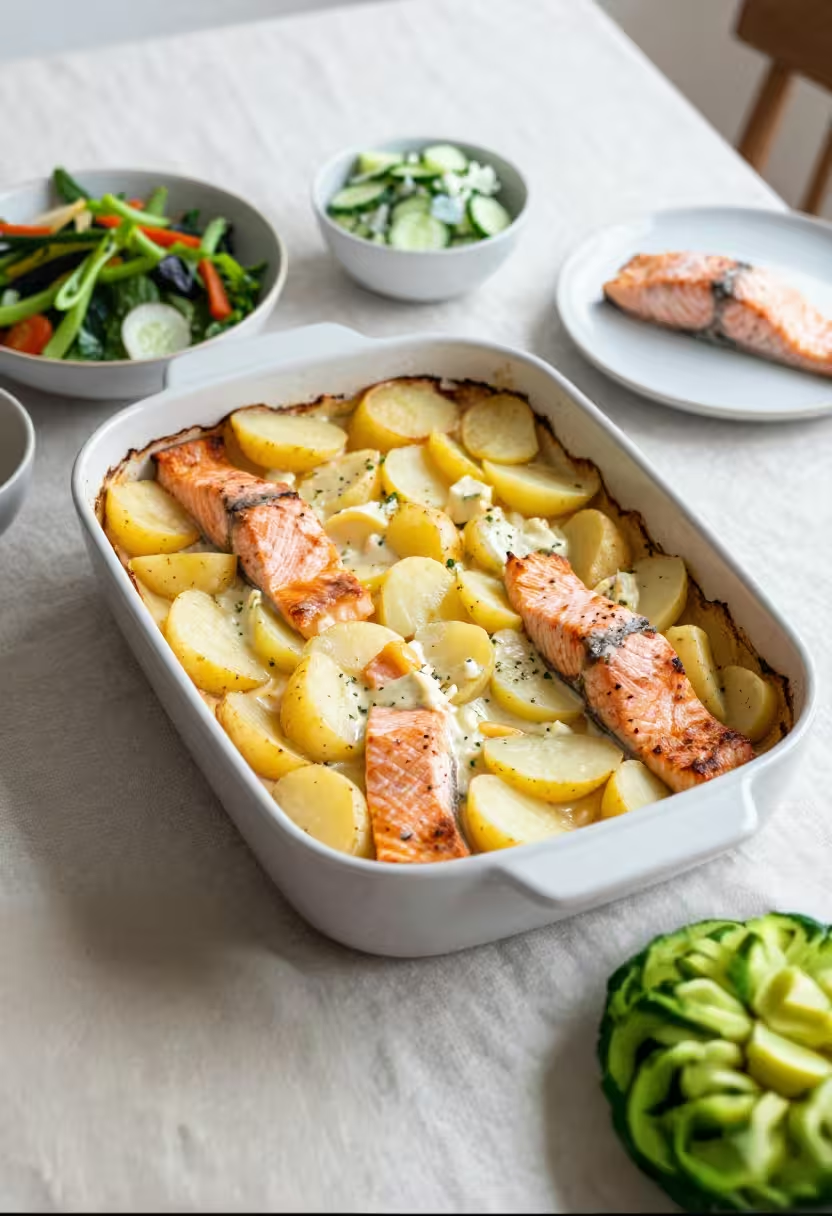
A few easy, dependable options include:
- a green salad with lemon dressing 🍋
Light greens dressed simply with lemon juice and olive oil work beautifully here. The acidity cuts through the creaminess, while the crisp texture keeps each bite from feeling too heavy. - steamed or lightly sautéed greens with a little butter 🌿
Green beans, broccoli, or asparagus add color and a mild bitterness that complements the salmon. A small amount of butter is enough — this isn’t the place for heavy sauces. - cucumbers with yogurt and dill 🥒
Cool and refreshing, this kind of side adds contrast in temperature as well as texture. It’s especially nice when the bake is served straight from the oven.
If you’re serving guests, a simple garnish on the bake itself can be enough — a sprinkle of fresh herbs, a bit of lemon zest, or even just a clean serving spoon placed beside the dish. There’s no need to over-style it. When the bake is good, it naturally draws attention. Let it be the star of the table ⭐
Leftovers Are a Gift 🎁
Some dishes survive leftovers. Others actually benefit from them. A salmon and potato bake often falls into the second category.
After resting overnight in the fridge, the flavors have time to settle and soften. The sauce thickens slightly, the layers hold together more firmly, and the overall texture becomes even more cohesive. Many people notice that the second serving feels calmer and more balanced than the first.
Storing leftovers is straightforward. Cover the baking dish well or transfer portions into an airtight container and keep them refrigerated. The bake holds its quality for a couple of days without losing flavor or texture.
When reheating, patience matters. Warming the dish gently in the oven helps preserve the structure of the potatoes and keeps the salmon from drying out. Covering it loosely prevents the top from over-browning while the center heats through.
While the microwave is tempting, it tends to heat unevenly and can affect the texture of both the fish and the sauce. If you have the time, slow heat is worth it. The dish stays closer to what it was meant to be.
Why This Dish Feels So Comforting ❤️
Some dishes comfort you immediately, without asking questions. You don’t need to analyze them or think about why they work. You sit down, take the first bite, and feel your body relax just a little.
A salmon and potato bake tends to have that effect.
It’s the kind of food that feels familiar even if you haven’t eaten this exact version before. The flavors make sense. The textures feel safe. Nothing jumps out or demands attention. Instead, everything settles into place in a quiet, reassuring way.
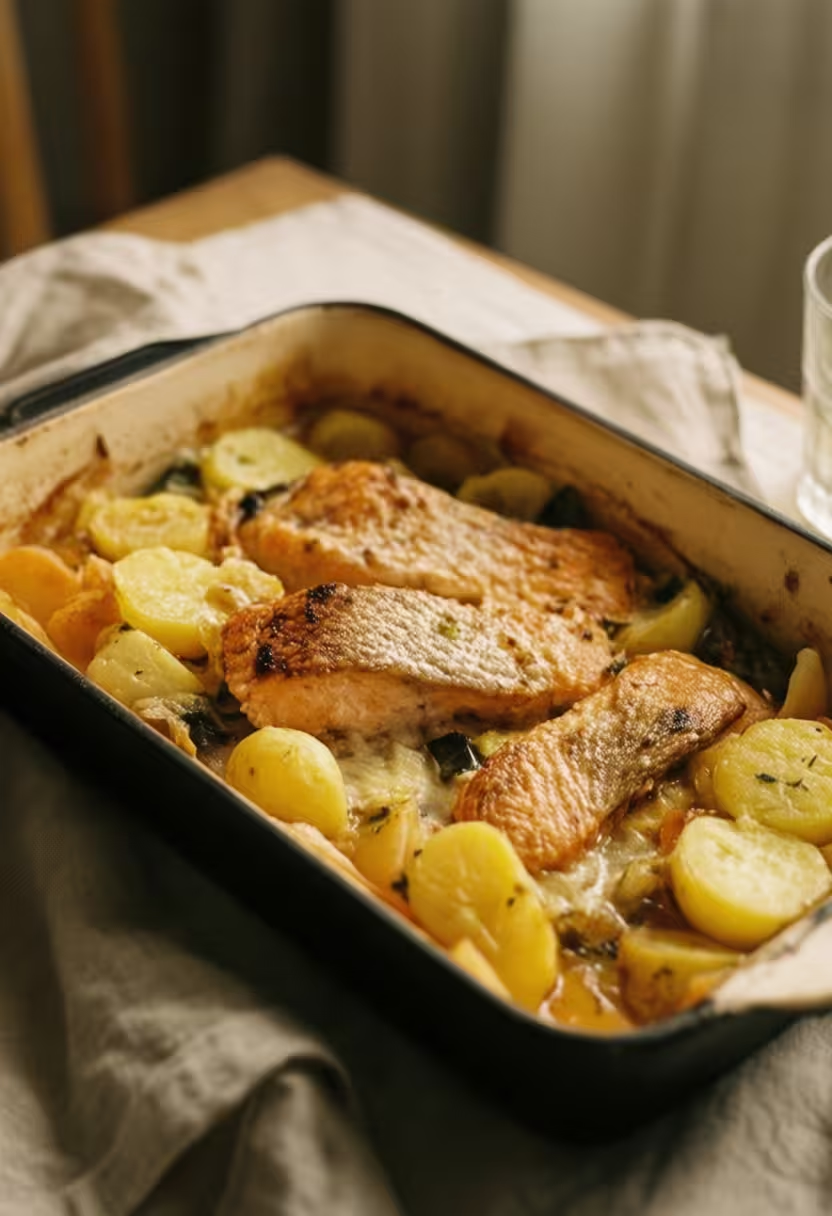
While it bakes, the kitchen fills with warmth, and the evening slows down almost without you noticing. There’s no rush to plate perfectly or serve immediately. This dish allows a pause. It fits naturally into unremarkable evenings, when the goal isn’t celebration but comfort.
Part of its appeal is that it doesn’t expect anything from you. The ingredients are recognizable. The process is steady. The result is predictable in the best possible way. You know what you’re going to get, and that certainty is strangely soothing.
A salmon and potato bake doesn’t try to stand out. It doesn’t follow trends or reinvent itself. It simply offers a warm, filling meal that does what it’s supposed to do.
And on days when everything else feels a bit loud or demanding, that quiet reliability can be more comforting than anything fancy 💛