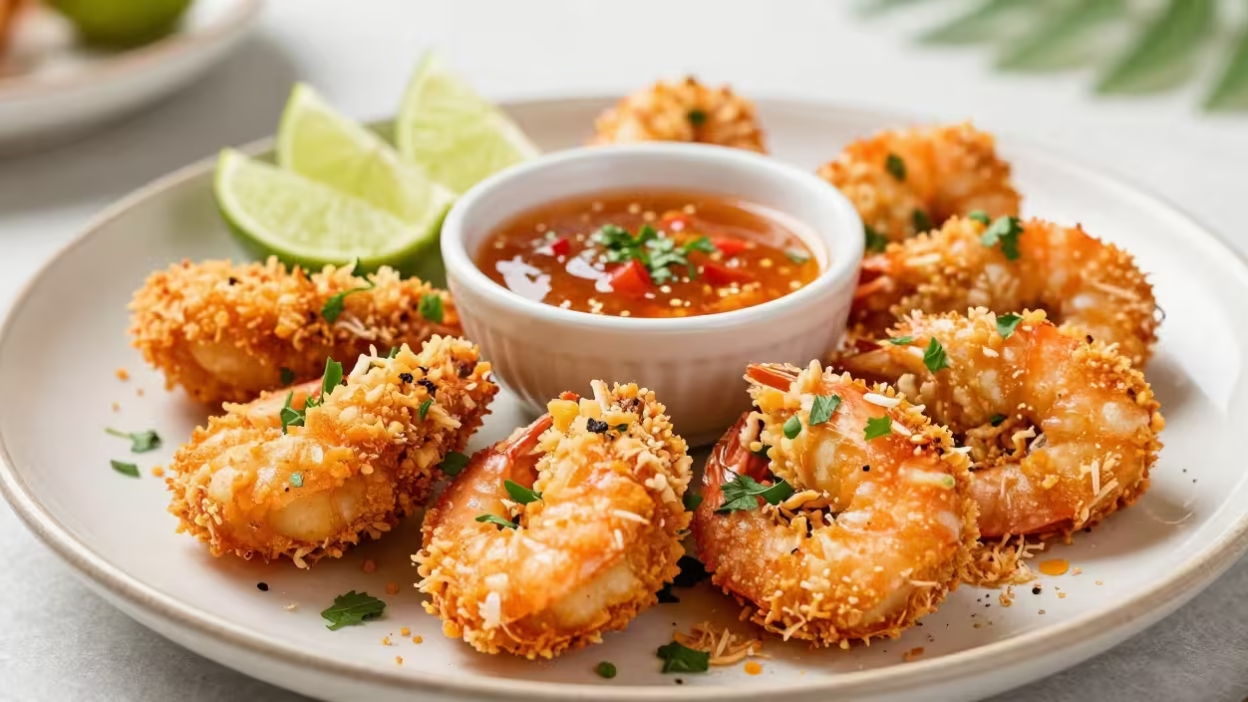
There’s something almost funny about how people react to coconut shrimp. Nobody ever says, “Oh yes, coconut shrimp is my favorite complex culinary achievement.” Instead, they smile. They remember a place. A moment. A vacation. A table near the water.
This dish doesn’t announce itself as important food — and maybe that’s exactly why it works.
Crispy coconut shrimp has this quiet confidence. It doesn’t need explanation. You see it on a menu and already know what you’re getting: crunch, warmth, a little sweetness, a little indulgence. It’s familiar in the best way. And yet, when it’s done right, it still feels like a treat.
A big part of its charm is that it doesn’t try too hard. Coconut shrimp isn’t pretending to be refined or delicate. It’s meant to be picked up, dipped, eaten while talking, laughing, maybe standing in the kitchen while the rest is still frying. 🍽️
At home, it has a different energy than in a restaurant. You’re closer to the process. You hear the oil. You smell the coconut. You taste one shrimp “just to check” and realize you might need to make more. That’s usually the moment people fall in love with the homemade version.
What’s interesting is that coconut shrimp works for almost everyone. Seafood lovers appreciate the shrimp. Non-seafood people focus on the coating. Kids love the crunch. Adults love the sauce. It rarely sits untouched on a plate.
And maybe that’s the real reason it never goes out of style — it doesn’t ask much from the eater. It just shows up and does its job really, really well.🍤🥥
Crunch, Sweetness, Heat: Why the Combination Just Makes Sense ✨🌶️
If you break coconut shrimp down into parts, nothing about it sounds dramatic. Shrimp. Coconut. Breadcrumbs. Sauce. But together, they create something far more addictive than expected.
Shrimp on its own is mild. That’s not a weakness — it’s an invitation. It absorbs flavor, cooks quickly, and stays tender when treated with a bit of care. Coconut brings aroma first, sweetness second. You notice it before you taste it.
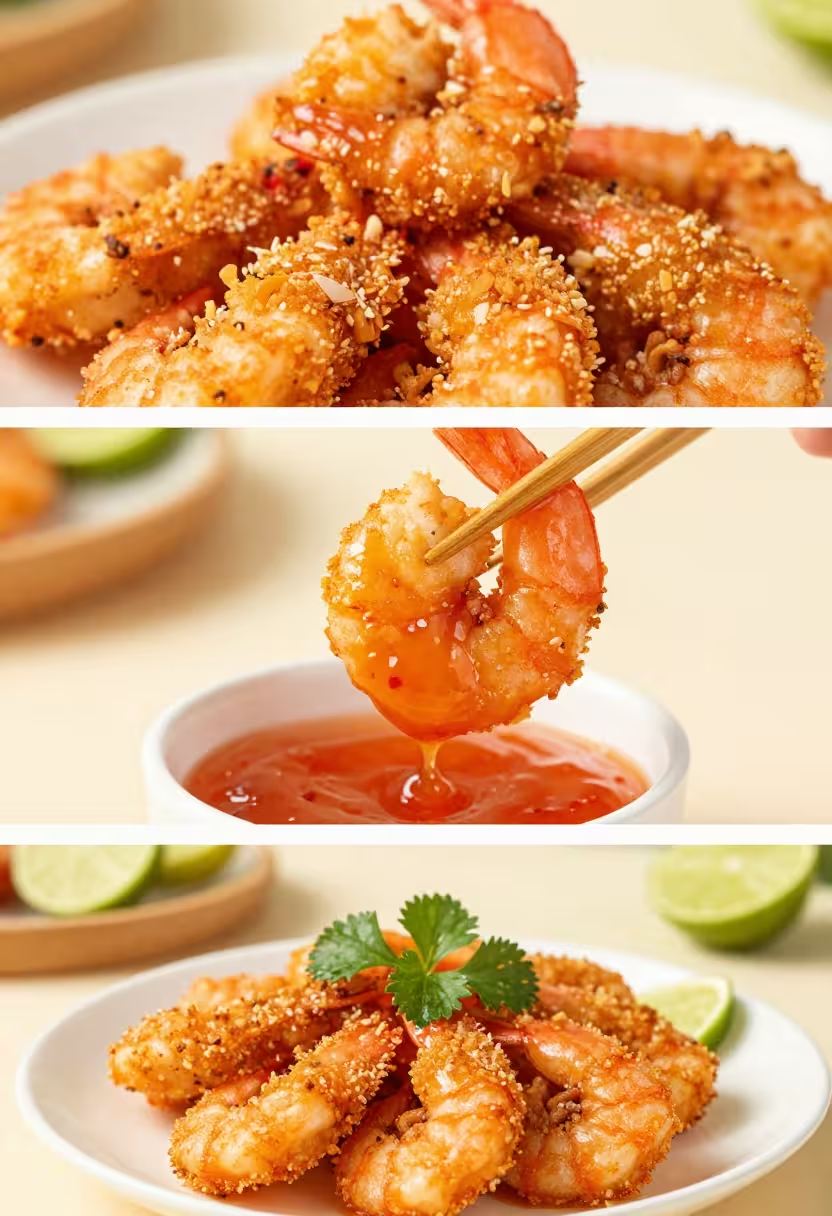
The crunch is where things get serious. A good coconut shrimp crust isn’t heavy or thick. It’s light, almost airy, with enough texture to shatter slightly when you bite into it. That sound matters more than people admit. 😄
Then comes the sauce. Without it, coconut shrimp can feel pleasant but flat. With it, everything wakes up. Sweet chili sauce adds:
- sweetness that echoes the coconut
- acidity that cuts through the fried coating
- gentle heat that lingers but doesn’t overpower
This is why people keep dipping even when they swear they’re full.
Another thing worth mentioning: coconut shrimp is forgiving. It doesn’t demand perfect seasoning or advanced technique. It allows small imperfections. Slightly more crunch? Fine. A bit more sweetness? Still works. That flexibility is rare in fried food and makes the dish feel welcoming instead of intimidating.
It’s also why coconut shrimp crosses cultures so easily. You’ll find versions of it near beaches, in casual restaurants, at parties, and on home tables. It adapts. It doesn’t insist on one “correct” version — and that’s part of its appeal.
The Little Things That Decide Whether It’s Amazing or Forgettable 🔍🍤
Here’s where honesty matters: coconut shrimp is easy to make, but it’s also easy to mess up in small ways. Not dramatically. Just enough to turn it from “wow” into “meh.”
Most of those issues come from rushing.
Shrimp holds water. A lot of it. If you don’t dry it properly, the coating won’t stick the way it should. It will slide, clump, or fall off in the oil. Two extra minutes with paper towels saves the entire dish.
Size matters too. Larger shrimp give you contrast — crunchy outside, juicy inside. Smaller shrimp cook too fast and don’t leave room for texture.

The coating process looks simple, but it benefits from intention:
- flour gives the egg something to cling to
- egg acts as glue
- coconut and breadcrumbs form structure
Skipping steps or rushing through them usually shows in the final result.
Oil temperature is another quiet decision that makes a big difference. Too cool, and the shrimp absorbs oil instead of crisping. Too hot, and the coconut burns before the shrimp is ready. This isn’t about perfection — it’s about paying attention.
One of the best things about making coconut shrimp at home is control. You’re not locked into someone else’s idea of how sweet or spicy it should be. You can adjust:
- the thickness of the coating
- the level of crunch
- the heat in the sauce
That freedom is what turns a “restaurant dish” into a personal recipe — the kind you come back to.
And once you get these details right, coconut shrimp stops feeling like something you occasionally order and starts feeling like something you know how to make.
Recipe: Crispy Coconut Shrimp with Sweet Chili Sauce 🍤🥥
This crispy coconut shrimp recipe combines tender, juicy shrimp with a light yet crunchy coconut crust and a perfectly balanced sweet chili dipping sauce. The natural sweetness of unsweetened coconut pairs beautifully with the mild flavor of shrimp, while the crispy coating adds texture without feeling heavy or greasy.
Designed for home cooks of any skill level, this recipe focuses on simple techniques that deliver consistent results. The shrimp cooks quickly, making it an excellent option for both busy weeknights and casual entertaining. Whether served as an appetizer, party snack, or light main dish, coconut shrimp remains a reliable crowd-pleaser.
With straightforward ingredients and clear, step-by-step instructions, this recipe allows you to control the sweetness, spice level, and cooking method to suit your preferences. The included homemade sweet chili sauce adds brightness and gentle heat, enhancing the overall flavor without overpowering the dish. This is a versatile, approachable recipe that brings restaurant-style coconut shrimp into your own kitchen with confidence.
Crispy Coconut Shrimp with Sweet Chili Sauce 🍤🥥
Ingredients
For the Coconut Shrimp
- 1 lb large shrimp, peeled and deveined
- ½ cup all-purpose flour
- 2 large eggs
- 1 cup unsweetened shredded coconut
- ½ cup Panko breadcrumbs
- ½ tsp salt
- ¼ tsp black pepper
- Vegetable oil, for frying
For the Sweet Chili Sauce
- ½ cup water
- ¼ cup rice vinegar
- ¼ cup granulated sugar
- 1 tbsp red chili flakes or finely chopped red chili
- 2 garlic cloves, minced
- 1 tsp cornstarch
- 2 tsp cold water
Instructions
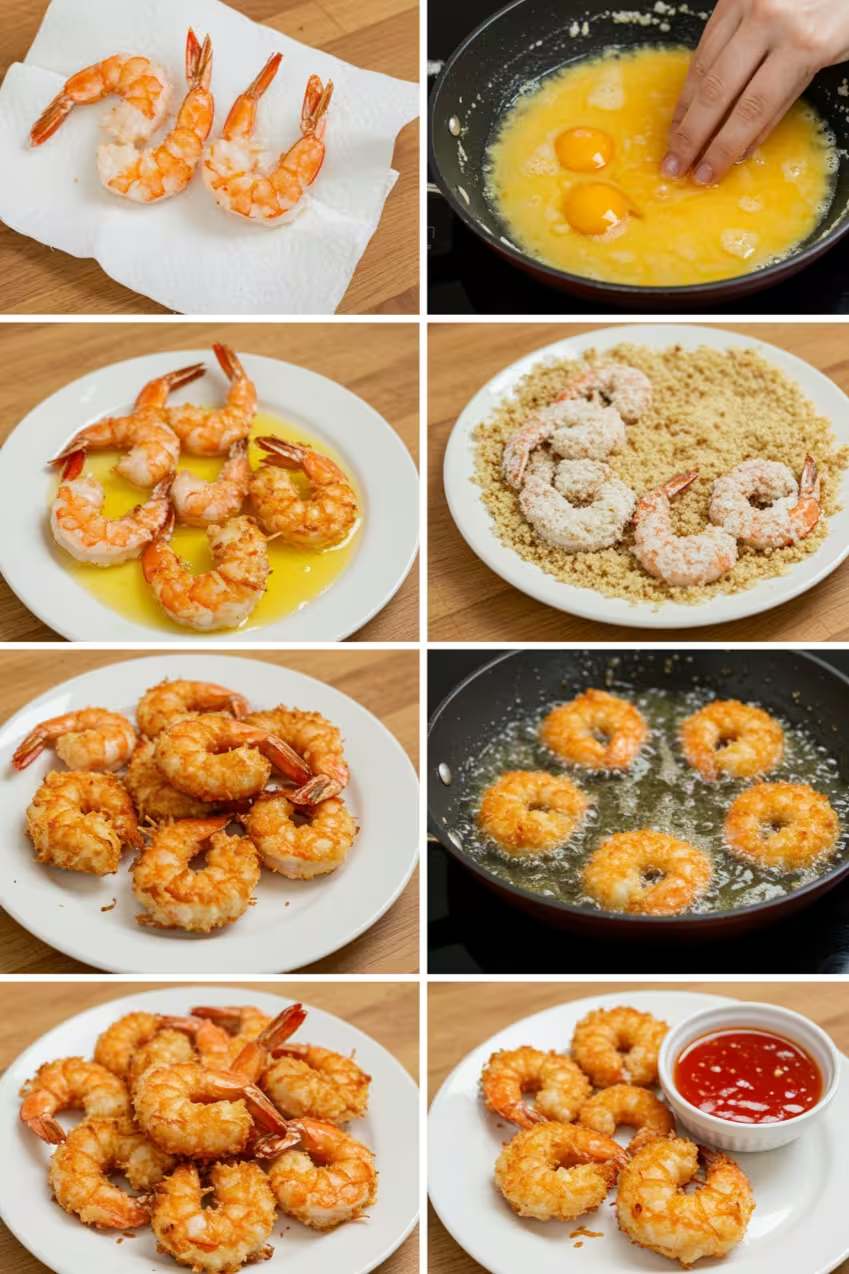
- Pat the shrimp completely dry using paper towels. Season lightly with salt and black pepper.
- Prepare three shallow bowls: place flour in the first bowl, beaten eggs in the second, and mix shredded coconut with Panko breadcrumbs in the third.
- Coat each shrimp by dredging it in flour, dipping it into the egg, then pressing it firmly into the coconut-breadcrumb mixture until fully covered.
- Heat vegetable oil in a deep skillet or heavy-bottomed pot to 350°F (175°C).
- Fry the shrimp in small batches for 2–3 minutes per side, or until golden brown and cooked through.
- Remove the shrimp from the oil and transfer to a wire rack or paper towels. Lightly season with salt while hot.
- To make the sweet chili sauce, combine water, rice vinegar, sugar, chili flakes, and garlic in a small saucepan. Bring to a gentle simmer, stirring until the sugar dissolves.
- In a small bowl, mix cornstarch with cold water. Add the slurry to the simmering sauce and cook for 1–2 minutes, stirring, until slightly thickened.
- Remove the sauce from heat and allow it to cool slightly before serving.
- Serve the crispy coconut shrimp warm with sweet chili sauce on the side.
Cooking Tips
- Dry shrimp thoroughly before coating to ensure the crust sticks properly.
- Maintain consistent oil temperature to prevent soggy or burnt coating.
- Do not overcrowd the pan; fry in batches for even browning.
- For extra crunch, lightly toast the shredded coconut before coating the shrimp.
How to Serve Coconut Shrimp So It Feels Special 🍽️✨
Coconut shrimp is one of those dishes that somehow adapts to the situation instead of forcing the situation to adapt to it. You can dress it up or down, and it still feels appropriate. That’s not something you can say about every fried dish.
Sometimes it ends up on a large platter, arranged almost carefully, with a bowl of sweet chili sauce placed right in the center. That setup feels social, almost inviting people to gather around. Other times it’s just a plate on the counter, shrimp piled slightly unevenly, sauce on the side, eaten while standing and talking. Both versions make sense.
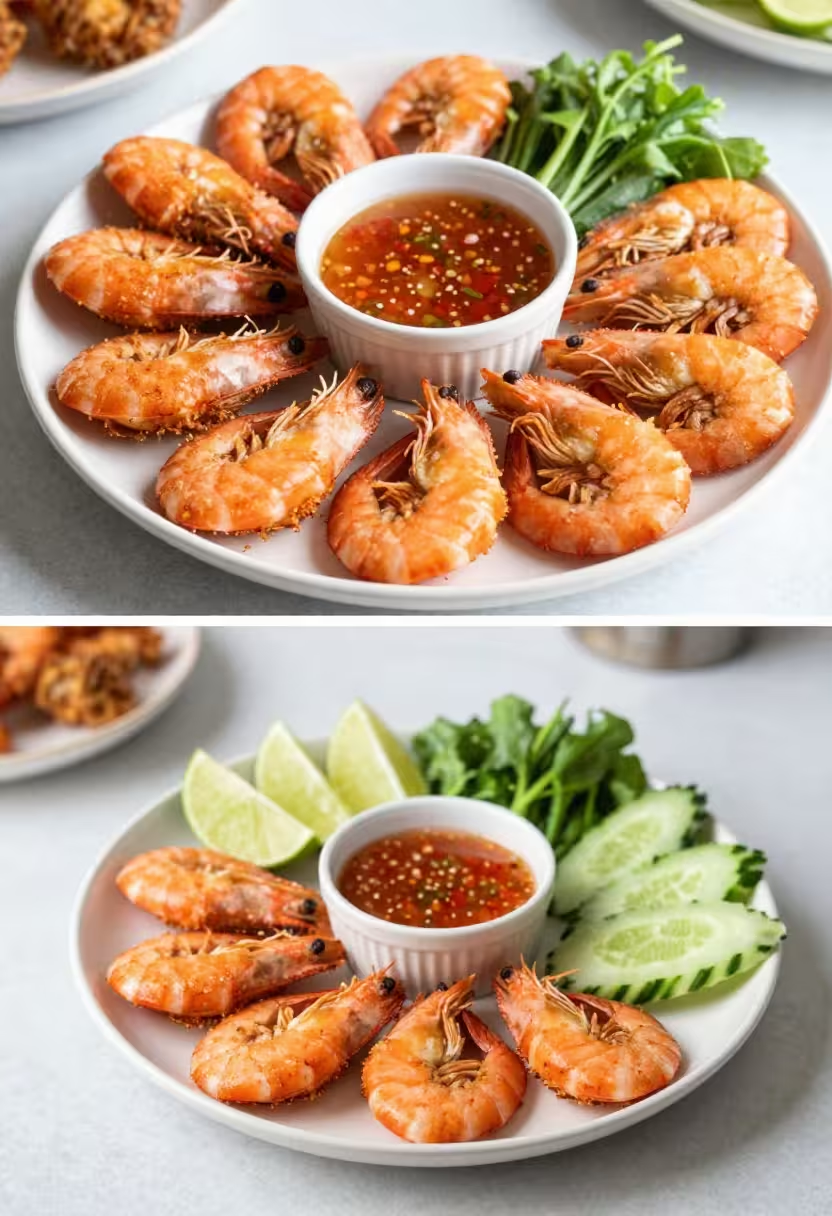
What usually matters more than presentation is contrast. Coconut shrimp is rich and crunchy, so it benefits from something fresh nearby. Not as a rule — more like a quiet suggestion.
Things that tend to work well next to coconut shrimp:
- plain or lightly seasoned rice
- fresh greens with a simple dressing
- something crisp and watery, like cucumber or cabbage
- citrus elements, even if it’s just a squeeze of lime
These don’t steal attention. They just keep the meal from feeling heavy.
Another thing people don’t always talk about is portioning. Coconut shrimp disappears fast. Faster than expected. If it’s for guests, making a little extra rarely feels like a mistake. Cold coconut shrimp isn’t ideal, but running out too early is worse.
And the sauce — that’s where habits show. Some people dip carefully, barely touching the surface. Others go all in. There’s no right amount. The sauce isn’t there to dominate the shrimp, but it’s definitely part of why people keep reaching for more.
Variations and Cooking Methods to Match Your Style 🔄🔥
After you’ve made coconut shrimp once or twice, you’ll probably stop treating the recipe as something fixed. That’s not failure — it’s how most home cooking actually works.
Deep frying gives the most consistent crunch, but it’s not always what people want to deal with. That’s where alternatives come in, and they’re not second-best — just different.
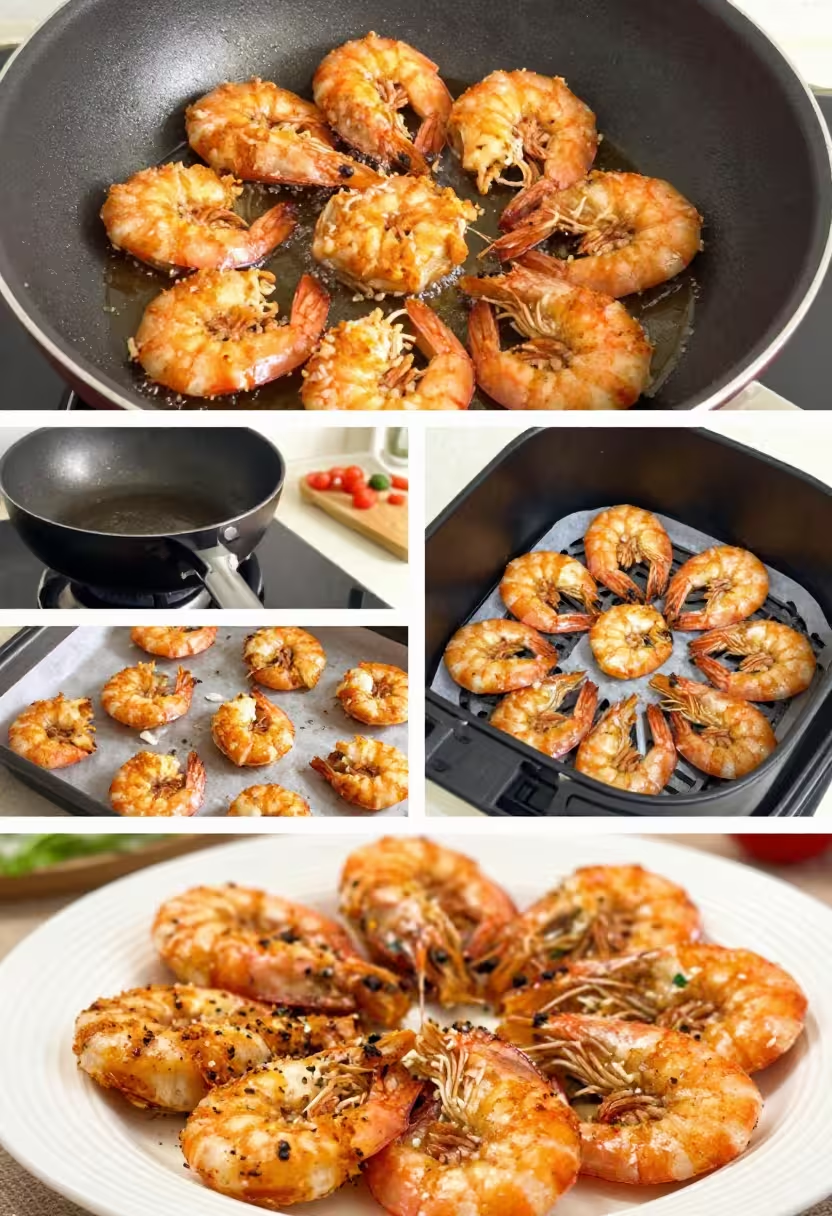
Baking coconut shrimp tends to produce a lighter result. It’s less dramatic, but also less messy. Air frying lands somewhere in the middle, especially if you already use one regularly. None of these methods change the core idea of the dish.
What people often adjust over time:
- the amount of coconut in the coating
- how coarse or fine the breadcrumbs are
- how spicy the sauce turns out
- whether the shrimp are tail-on or not
Some changes are intentional. Others happen because that’s what was available in the kitchen that day.
Flavor tweaks usually come from mood rather than planning. One day you want more heat. Another day you don’t. Sometimes you add citrus zest because it smells good. Sometimes you forget the garlic and notice later — and it’s still fine.
That flexibility is part of why coconut shrimp sticks around in people’s cooking rotation. It doesn’t punish small deviations. It doesn’t demand precision. It adapts to the cook, not the other way around.
Storage, Reheating, and Final Thoughts 🧊🌴
Coconut shrimp is at its best right after cooking. That’s not a secret. Crunch doesn’t love waiting. Still, leftovers happen, especially if you make extra — which most people do.
Once cooled, shrimp should be stored in an airtight container in the refrigerator. It keeps for a short time, usually up to two days, though texture slowly changes. That’s normal.
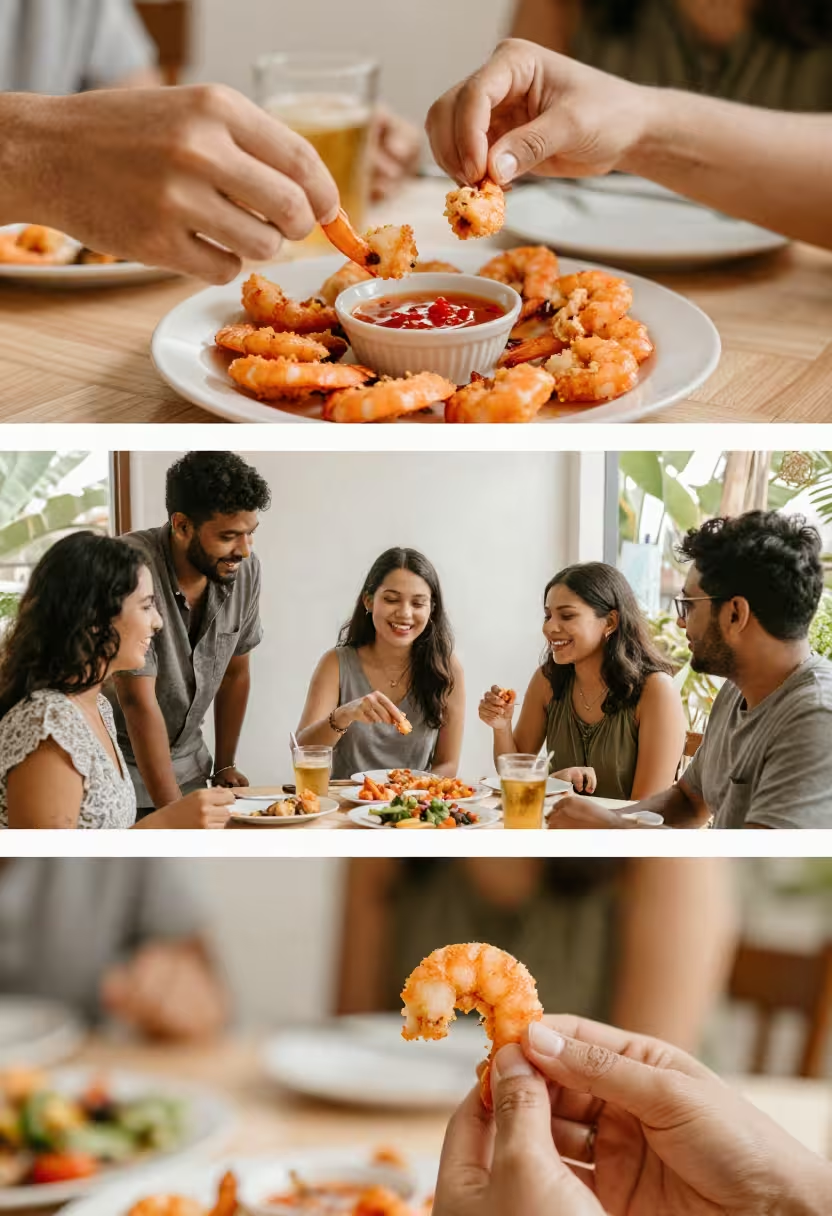
Reheating is where choices matter. The microwave is fast, but it softens the coating quickly. The oven or air fryer takes longer but brings some of the crunch back. Neither method makes it identical to fresh, but one is clearly closer.
The sauce, interestingly, behaves differently. It often improves after sitting overnight. The flavors settle. The heat mellows slightly. It ends up getting used for other things — drizzled over rice, added to vegetables, sometimes even eaten straight from the spoon.
As for final thoughts — there isn’t a dramatic conclusion here. Coconut shrimp isn’t that kind of dish. It doesn’t need a summary or a moral.
It’s the sort of food you make, eat, and then think about again a few days later when you’re deciding what to cook. Maybe you make it the same way. Maybe you don’t. Either way, it fits.
And that’s probably why it lasts. 🍤🌴