

Why the Right Lunch Box Matters More Than You Think
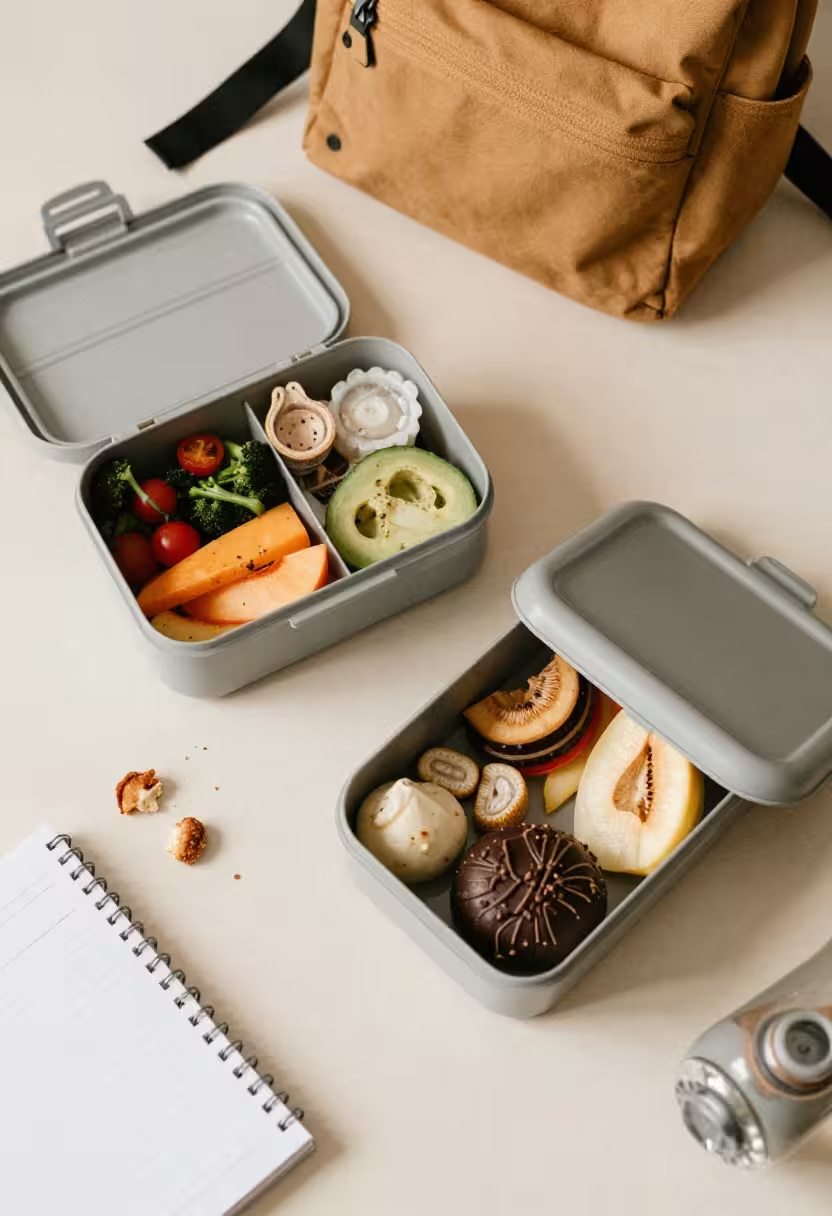
Every school day begins with a small but important ritual: packing lunch. It might happen early in the morning, half-awake, with coffee in one hand and a growing to-do list in the other. Or the night before, when the kitchen finally feels quiet. In those moments, the lunch box rarely gets much thought — it’s just something to hold the food.
But for children, a lunch box is much more than a container.
It’s part of their daily rhythm. It travels from home to school, sits on classroom shelves, gets opened at lunchtime with a mix of hunger and excitement, and comes back home with stories, crumbs, and sometimes untouched fruit. A well-chosen lunch box can make healthy eating easier, keep food fresh, and help kids feel more independent and confident during the school day.
On the practical side, the wrong lunch box can lead to soggy sandwiches, spilled snacks, broken zippers, or food that comes home exactly as it left. Over time, those small frustrations add up — for kids and parents alike.
Choosing a good lunch box isn’t about finding the trendiest design or the most expensive option. It’s about understanding what your child actually needs: the right size, safe materials, easy-to-open compartments, and a design that fits their age, appetite, and routine.
In this guide, we’ll walk through the most important things to look for when choosing a lunch box for kids — from materials and size to usability and long-term value — so you can make a choice that works every school day, not just the first week.
Let’s start with the basics: what makes school lunches different from any other meal.
School Lunch Needs: What Makes Them Unique?
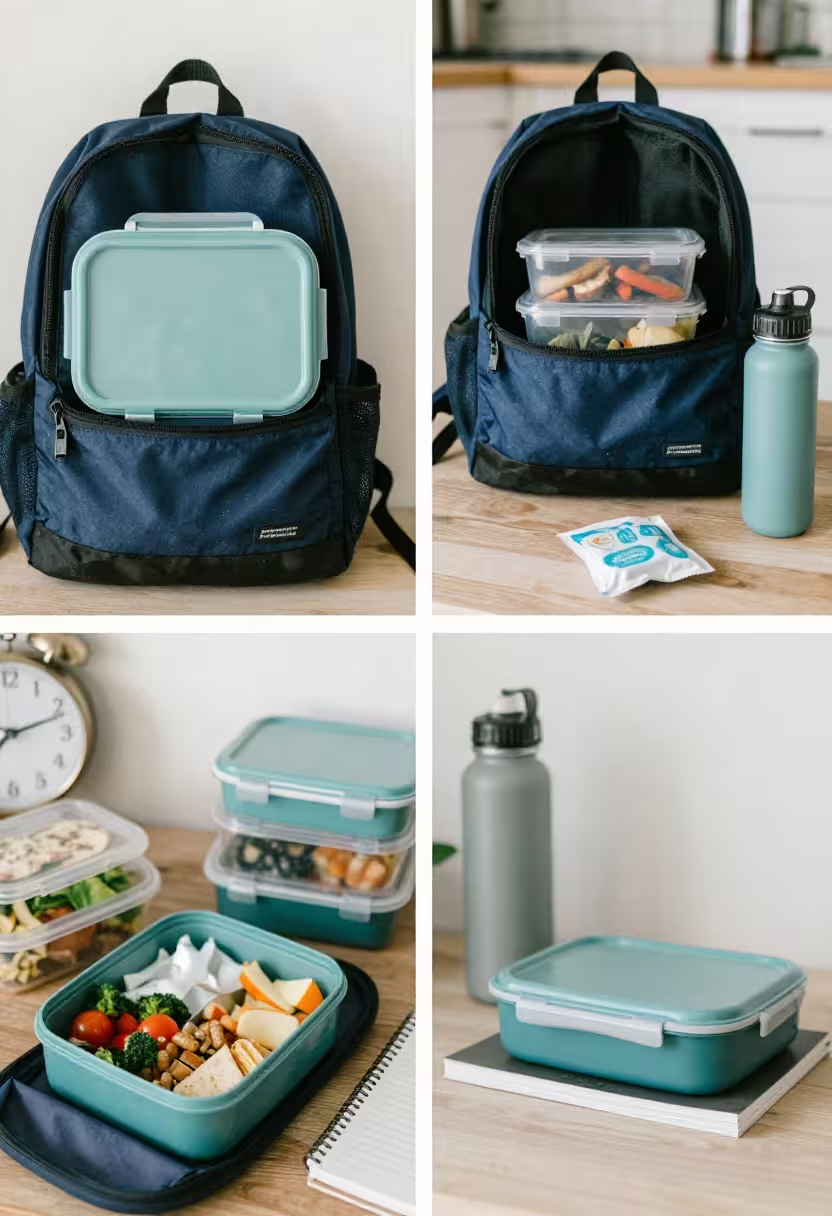
A school lunch isn’t like a meal at home. It has to survive a full morning in a backpack, handle bumps and temperature changes, and still be appealing when lunchtime finally arrives. Understanding these unique conditions helps explain why choosing the right lunch box matters so much.
Time and temperature are constant challenges
Most school lunches are packed hours before they’re eaten. During that time, food may sit in a warm classroom, a locker, or a cubby. Unlike home meals, there’s rarely access to a refrigerator or microwave.
That means a good lunch box needs to:
- help maintain food freshness
- protect against leaks and spills
- work well with ice packs or insulation
- keep foods separated so textures stay appealing
A flimsy or poorly sealed box often leads to crushed snacks or soggy meals — which kids are far less likely to eat.
Kids need independence at lunchtime
For younger children especially, lunchtime is one of the few moments in the day when they’re expected to manage things on their own. If a lunch box is difficult to open, too heavy, or confusing to organize, it can quickly become frustrating.
A well-designed lunch box should:
- open easily with small hands
- close securely without excessive force
- make it clear where each food item goes
When kids can handle their lunch box independently, they’re more likely to enjoy the experience and actually eat what’s inside.
Appetite and attention spans vary
School days are busy. Some kids eat quickly so they can play; others take their time. Portions need to be just right — not too much to overwhelm, not too little to leave them hungry.
This is where size, compartments, and layout become especially important. A lunch box designed with school routines in mind helps:
- encourage balanced meals
- make food more visually appealing
- reduce food waste
Durability matters more than we expect
Lunch boxes get dropped, tossed, squeezed into backpacks, and opened and closed daily. What works at home may not hold up at school.
School-ready lunch boxes need to be:
- sturdy enough for daily use
- resistant to leaks and cracks
- easy to clean at the end of the day
A small choice with daily impact
Because lunch happens every school day, even small improvements in how food is packed can make a noticeable difference. The right lunch box supports healthier eating, smoother routines, and fewer midday disappointments.
Now that we understand the unique demands of school lunches, let’s talk about one of the most common mistakes parents make:
Size & Capacity: Matching Portions to Age & Appetite

One of the easiest ways to make school lunches more enjoyable — and less wasteful — is choosing a lunch box that fits your child’s age and appetite. Bigger isn’t always better, and smaller isn’t always practical. The goal is just enough space, thoughtfully arranged.
Why size matters more than you think
A lunch box that’s too large often leads to:
- oversized portions that feel overwhelming
- food coming back untouched
- pressure to “fill every compartment”
On the other hand, a lunch box that’s too small can leave kids hungry, frustrated, or reaching for snacks later in the day.
The right size supports:
- balanced portions
- visual appeal
- easier packing
- better food enjoyment
General size guidance by age
While every child is different, these rough guidelines can help:
Preschool & kindergarten
- Smaller, lightweight lunch boxes
- 3–4 small compartments
- Easy-to-open lids
- Portions that feel manageable
Primary school (ages 6–10)
- Medium-sized lunch boxes
- Clear separation for main food, fruit, and snacks
- Enough space for growing appetites without excess
Older kids & teens
- Larger capacity or modular systems
- Flexibility for sandwiches, leftovers, or wraps
- Space for extra snacks on longer days
What matters most is how much your child actually eats, not how much you think they should.
Compartments help with portion balance
Lunch boxes with built-in compartments make portioning easier without measuring or overthinking. They naturally guide you to include:
- a main item
- fruits or vegetables
- a small snack or treat
This structure helps kids see variety and makes meals more appealing — especially for picky eaters.
Think about the backpack, too
Size doesn’t exist in isolation. A lunch box should fit comfortably in your child’s backpack without:
- crushing food
- adding unnecessary weight
- making the bag awkward to carry
Slim, well-designed lunch boxes often work better than bulky ones with the same capacity.
Let appetite lead the choice
If your child consistently comes home hungry, leaves food behind, or avoids certain items, the lunch box size may be part of the issue. Adjusting capacity is often easier — and more effective — than constantly changing what you pack.
Once size feels right, the next big decision is what the lunch box is made of — and that choice affects safety, durability, and sustainability.
Material Matters: Plastic, Stainless Steel, Silicone & Eco Options

When choosing a lunch box for kids, material isn’t just about looks. It affects food safety, durability, ease of cleaning, and environmental impact. With so many options on the market, it helps to understand the strengths and trade-offs of each.
Plastic lunch boxes: lightweight but choose carefully
Plastic is popular for a reason. It’s light, affordable, and often comes in kid-friendly designs. For many families, it’s the easiest starting point.
Pros:
- lightweight and easy for kids to carry
- usually affordable
- wide variety of sizes and styles
- often dishwasher-safe
Things to watch for:
- always look for BPA-free and food-safe labels
- lower-quality plastic may stain or absorb odors
- can crack over time with daily use
High-quality, certified food-safe plastic can be a practical choice — especially for younger kids — as long as safety standards are clear.
Stainless steel: durable and long-lasting
Stainless steel lunch boxes have become increasingly popular, especially for families looking for long-term, low-waste options.
Pros:
- extremely durable
- won’t absorb smells or stains
- naturally BPA-free
- easy to clean and hygienic
- long lifespan
Considerations:
- usually heavier than plastic
- often more expensive upfront
- not microwave-safe
- may feel “cold” or less colorful for some kids
Stainless steel works especially well for older children or families aiming to reduce plastic use over time.
Silicone: flexible and kid-friendly
Silicone is often used for lids, seals, or collapsible lunch containers, and sometimes for full lunch boxes.
Pros:
- soft and flexible
- great for leak-proof seals
- heat-resistant
- generally food-safe and BPA-free
Things to note:
- not always rigid enough on its own
- may retain smells if not cleaned thoroughly
- often combined with other materials
Silicone shines when used thoughtfully — especially in combination with harder materials.
Eco-friendly and hybrid options
Many modern lunch boxes combine materials to get the best of all worlds: stainless steel bases with silicone lids, or durable plastic with eco-conscious certifications.
These options often appeal to families who want:
- reduced environmental impact
- safer materials
- products that last multiple school years
While they may cost more upfront, they often save money — and waste — in the long run.
Safety first, always
No matter the material, a good lunch box should be:
- clearly labeled food-safe
- free from harmful chemicals
- designed for repeated daily use
If you’re unsure, choosing reputable brands and reading product details carefully makes a big difference.
Once you’ve chosen the right material, the next question is how food is arranged inside — and that can dramatically affect how much kids actually eat.
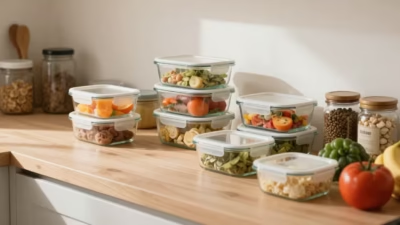
Compartments & Organization: Keeping Foods Separate & Fresh
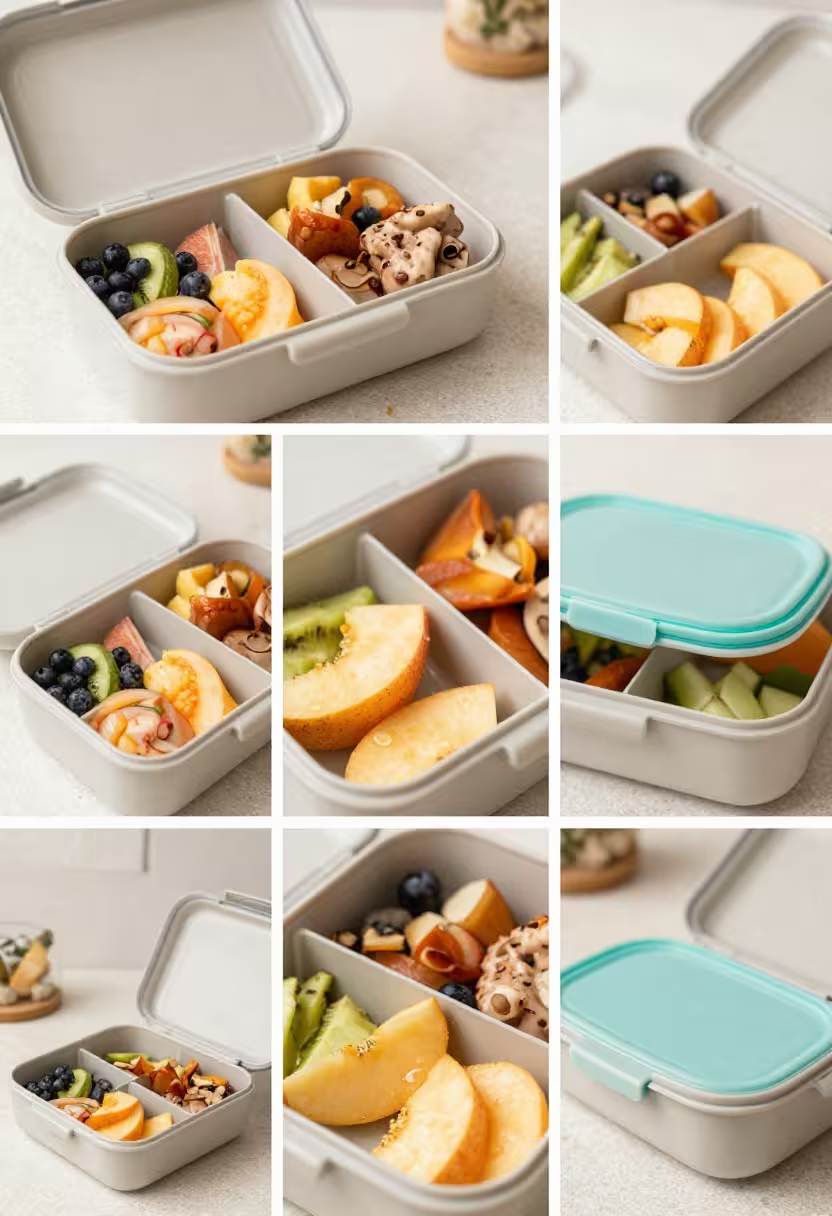
How food is arranged inside a lunch box matters more than many parents realize. For kids, seeing their food clearly and having everything in its own place can be the difference between an eaten lunch and one that comes home untouched.
Why compartments make a big difference
Compartments help keep foods from mixing, squishing, or leaking into each other. This is especially important for kids who are sensitive to textures or flavors touching.
Well-designed compartments:
- keep wet and dry foods separate
- prevent sandwiches from getting soggy
- protect fruit and snacks from being crushed
- make meals look more appealing
For many children, visual order equals comfort.
Supporting balanced meals without overthinking
Lunch boxes with built-in sections naturally encourage variety. Without measuring or planning too much, compartments help you include:
- a main item (sandwich, wrap, leftovers)
- fruits or vegetables
- a small snack or treat
This structure makes balanced lunches easier and more consistent — even on busy mornings.
Leak-proof sections matter
Not all compartments are created equal. Some lunch boxes look divided but still allow liquids to move between sections.
If you pack:
- yogurt
- dips
- cut fruit
- sauces
look for lunch boxes with silicone seals or leak-resistant lids. This prevents messes and keeps foods fresh until lunchtime.
Flexible vs fixed compartments
Some lunch boxes have fixed compartments, while others offer removable dividers.
Fixed compartments
- simple and predictable
- great for routine lunches
- easier for younger kids
Adjustable compartments
- more flexible for changing appetites
- useful for older kids
- better for leftovers or larger items
Think about how much variety you pack week to week.
Less mess = more independence
When food stays where it belongs, kids can manage their lunch more easily. That confidence matters — especially for younger students navigating busy lunchrooms.
A well-organized lunch box reduces spills, stress, and frustration — for kids and parents alike.
Once food is packed well, the next challenge is keeping it at a safe and enjoyable temperature.
Insulation & Temperature Control: Hot Lunch vs Cold Snacks
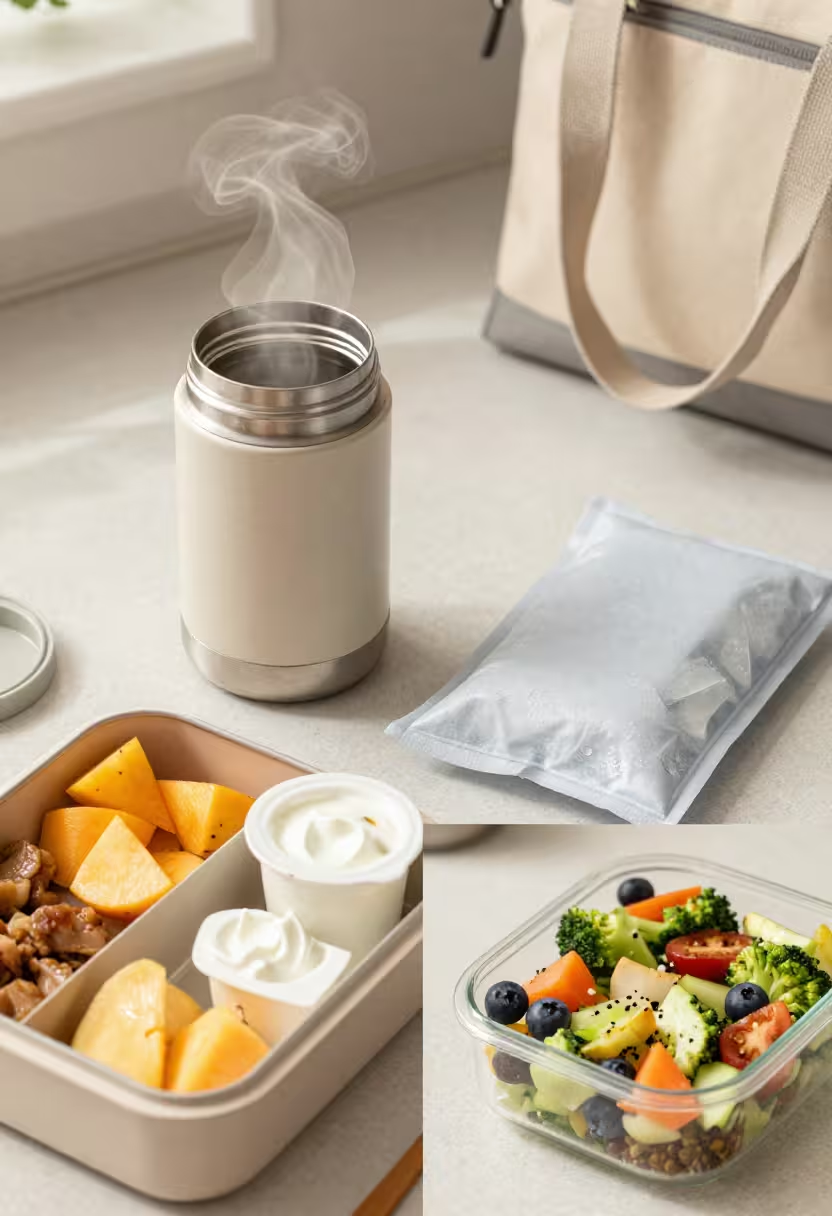
One of the biggest challenges with school lunches is time. Food is often packed early in the morning and eaten hours later — without access to a fridge or microwave. That makes temperature control an important part of choosing the right lunch box.
Why temperature matters
Beyond taste, temperature affects food safety and overall enjoyment. A lunch that’s too warm or too cold can lose its appeal quickly — and kids are far less likely to eat food that doesn’t feel right.
A good lunch box should help:
- keep cold foods cold
- prevent dairy or proteins from warming too quickly
- protect textures and freshness
- support safe eating throughout the school day
Insulated lunch boxes: when they’re worth it
Insulated lunch boxes or bags are especially useful if you regularly pack:
- yogurt or dairy
- cut fruit
- salads
- sandwiches with spreads
- leftovers
They work best when paired with ice packs, which help maintain a safe temperature until lunchtime.
Look for insulation that is:
- thick but lightweight
- easy to clean
- designed to fit standard ice packs
Cold lunches vs hot meals
Most school lunches are cold by default, and that’s perfectly fine. However, some families prefer sending warm meals occasionally.
For hot lunches, consider:
- insulated food jars or thermos-style containers
- preheating containers with hot water before packing
- packing hot foods separately from cold items
Trying to keep hot and cold foods in the same container usually doesn’t work well.
Ice packs: small detail, big difference
A slim ice pack can dramatically improve food quality by lunchtime. Many lunch boxes are designed with space specifically for them.
When using ice packs:
- freeze them fully overnight
- place them closest to perishable foods
- avoid direct contact with foods that don’t need chilling
Keep it practical
Not every child needs a fully insulated lunch box. If lunches are simple and shelf-stable, a regular box may work just fine.
The goal is to match insulation to how you actually pack lunches, not to add complexity where it’s not needed.
Once temperature is covered, the next question becomes usability — because a lunch box that’s hard to open or awkward to carry can frustrate kids quickly.
Ease of Use: Zippers, Latches, Handles & Kid-Friendly Design

A lunch box can be perfectly sized, beautifully organized, and made from the best materials — but if a child can’t open it easily, none of that matters. Ease of use is one of the most overlooked factors, yet it has a huge impact on whether kids actually enjoy lunchtime.
Opening and closing should feel effortless
For younger children especially, complicated latches or stiff zippers can be frustrating. If a lunch box requires adult help to open, kids may skip parts of their lunch or avoid certain compartments altogether.
Look for:
- simple snap closures
- soft but secure latches
- smooth, sturdy zippers
- lids that open fully and stay open
A good rule of thumb: if your child struggles with it at home, it will be even harder at school.
Independence builds confidence
Lunch is often one of the few moments during the school day when children make their own choices. Being able to open their lunch box, choose what to eat first, and pack it back up independently matters more than we sometimes realize.
A kid-friendly design supports:
- confidence
- autonomy
- positive associations with food
- less stress in busy lunchrooms
Small wins like this add up over time.
Weight and portability matter
A lunch box should feel comfortable to carry — especially when combined with books, water bottles, and school supplies.
Consider:
- lightweight materials
- compact designs that fit easily in backpacks
- sturdy handles for easy carrying
- soft edges that won’t poke or press
Heavy or bulky lunch boxes often get dropped, forgotten, or handled roughly.
Clear design beats clever design
Some lunch boxes try to do too much — hidden compartments, unusual shapes, or overly complex systems. While creative designs can look appealing, simplicity usually works better for kids.
Clear, intuitive layouts help children:
- know where food is
- avoid spills
- repack their lunch easily
The best design is often the one that feels obvious.
Test it together
If possible, let your child practice opening and closing the lunch box at home. This small step can prevent daily frustration later on — and gives kids a sense of ownership over their lunch routine.
Once ease of use is covered, there’s another practical concern parents quickly encounter: cleaning and hygiene.
Cleaning & Hygiene: Dishwasher Safety, Mold Prevention & Maintenance
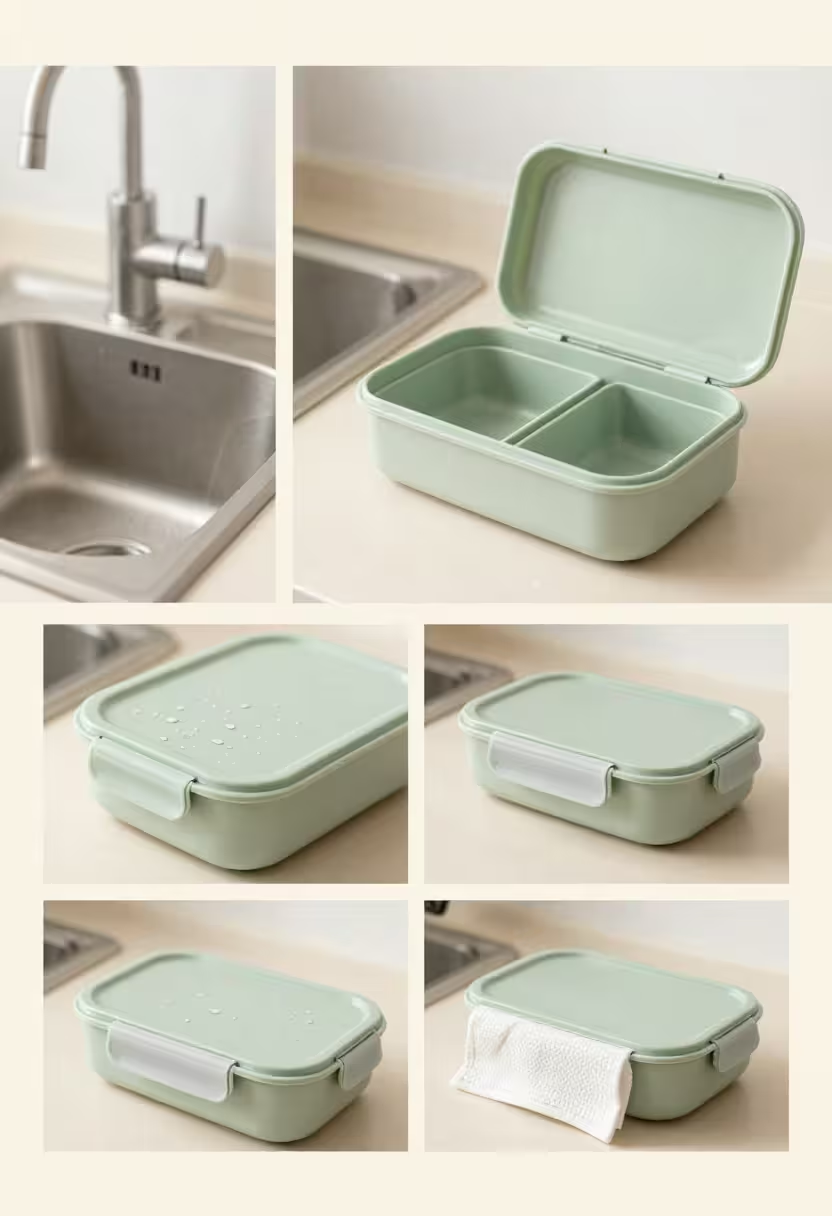
A lunch box gets used every school day — which means crumbs, moisture, spills, and lingering smells are almost guaranteed. Choosing a lunch box that’s easy to clean isn’t just about convenience; it’s about keeping food safe and routines manageable.
Why easy cleaning matters
Lunch boxes often come home warm and closed, creating the perfect environment for bacteria or mold if they’re not cleaned properly. When cleaning feels like a chore, it’s more likely to be rushed or skipped.
An easy-to-clean lunch box helps:
- maintain good hygiene
- prevent odors and stains
- extend the life of the product
- make daily routines less stressful
Dishwasher-safe: a big win for busy families
Many parents rely on the dishwasher to keep up with daily cleaning. If that’s you, check product details carefully.
Look for:
- clearly labeled dishwasher-safe components
- removable trays or compartments
- materials that won’t warp or fade with heat
Some lunch boxes are partially dishwasher-safe (for example, the inner tray but not the lid), which can still be manageable if you know what to expect.
Mold prevention starts with design
Certain design features make lunch boxes easier to keep clean over time:
- smooth surfaces with minimal crevices
- removable seals that can be washed separately
- materials that don’t absorb moisture
- lids that allow airflow when stored
After washing, letting lunch boxes air-dry fully before closing them helps prevent lingering moisture — a common cause of mold.
Daily habits that make a difference
Even the best lunch box benefits from simple habits:
- empty it as soon as your child gets home
- rinse or wash daily
- dry thoroughly
- store it open overnight when possible
These small steps keep lunch boxes fresh and ready for the next day.
Balance convenience with durability
Some ultra-light or decorative lunch boxes may look appealing but can be harder to clean or maintain. Choosing durability and simplicity often pays off over the long run.
Once hygiene is covered, there’s another factor that can’t be ignored — especially for kids:
Style & Personality: Letting Kids Choose (Without Sacrificing Function)
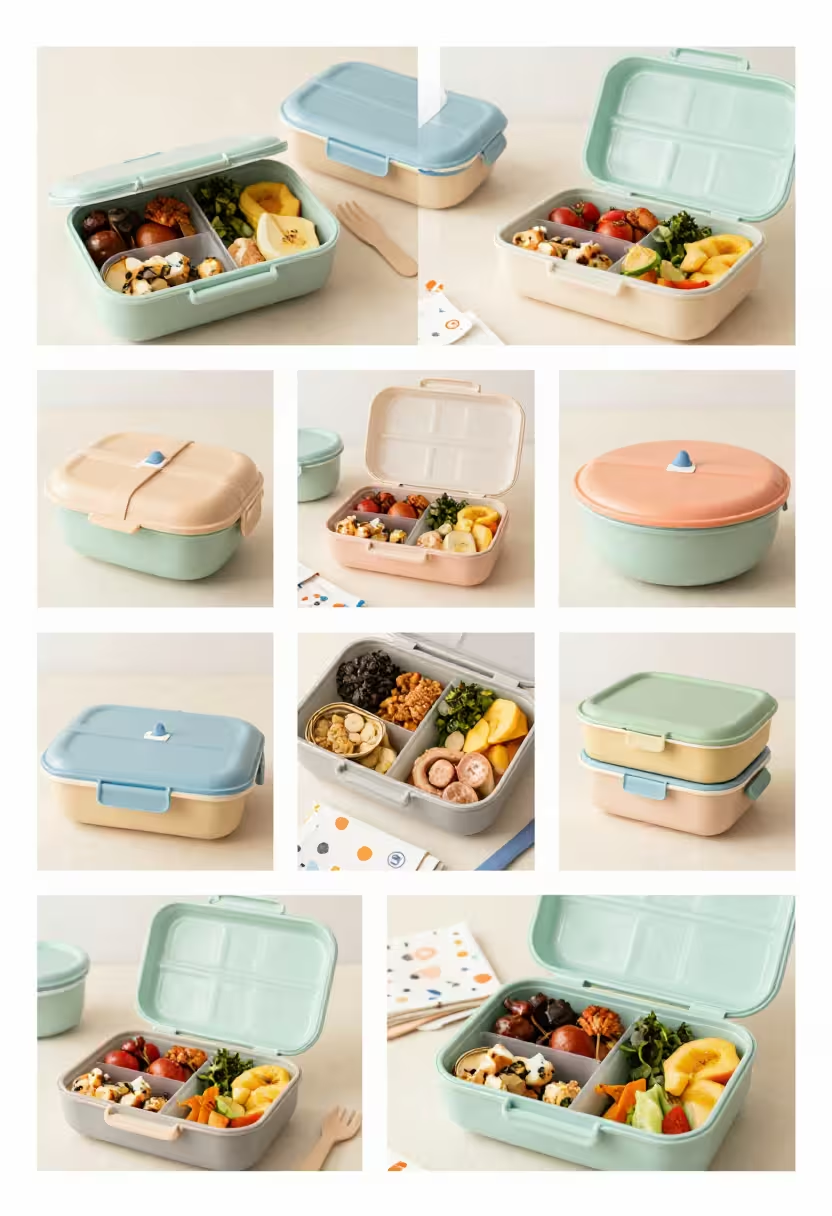
At some point in the lunch box decision, practicality meets personality. Kids want a lunch box they like. Parents want one that works. The good news? These two goals don’t have to compete.
Why style actually matters
For children, especially school-aged kids, small personal choices help them feel seen and confident. A lunch box that reflects their taste can make lunchtime feel more enjoyable — and even encourage them to eat what’s inside.
When kids like their lunch box, they’re more likely to:
- feel excited about lunchtime
- take better care of it
- feel a sense of ownership over their meals
Style isn’t superficial — it’s emotional.
Let kids choose within boundaries
A helpful approach is guided choice. Instead of letting kids choose any lunch box, offer a few parent-approved options that already meet your functional standards.
For example:
- you choose the size, material, and quality
- your child chooses the color, pattern, or design
This keeps things practical while still giving kids a voice.
Trends fade, function lasts
Characters, trends, and bold designs can be fun — but they often lose appeal quickly. Neutral or timeless designs sometimes age better, especially for older kids.
That said, for younger children, familiar characters can:
- provide comfort in new school environments
- make lunchtime feel more familiar
- help them spot their lunch box easily
There’s no right or wrong here — just what fits your child’s stage and personality.
Avoid designs that compromise usability
Some stylish lunch boxes come with drawbacks:
- dark colors that make spills hard to see
- complicated shapes that waste space
- decorative elements that trap food or moisture
Before buying, make sure the design doesn’t interfere with:
- easy opening
- cleaning
- durability
- packing efficiency
Style as part of routine, not pressure
A lunch box doesn’t need to be perfect — just practical and liked enough to be used daily without fuss. When kids feel comfortable with their lunch setup, food becomes less of a battle and more of a routine.
Next, we’ll look at how to make smart choices without overspending — because good lunch boxes don’t have to be expensive.
Budget & Value — Affordable Picks That Last
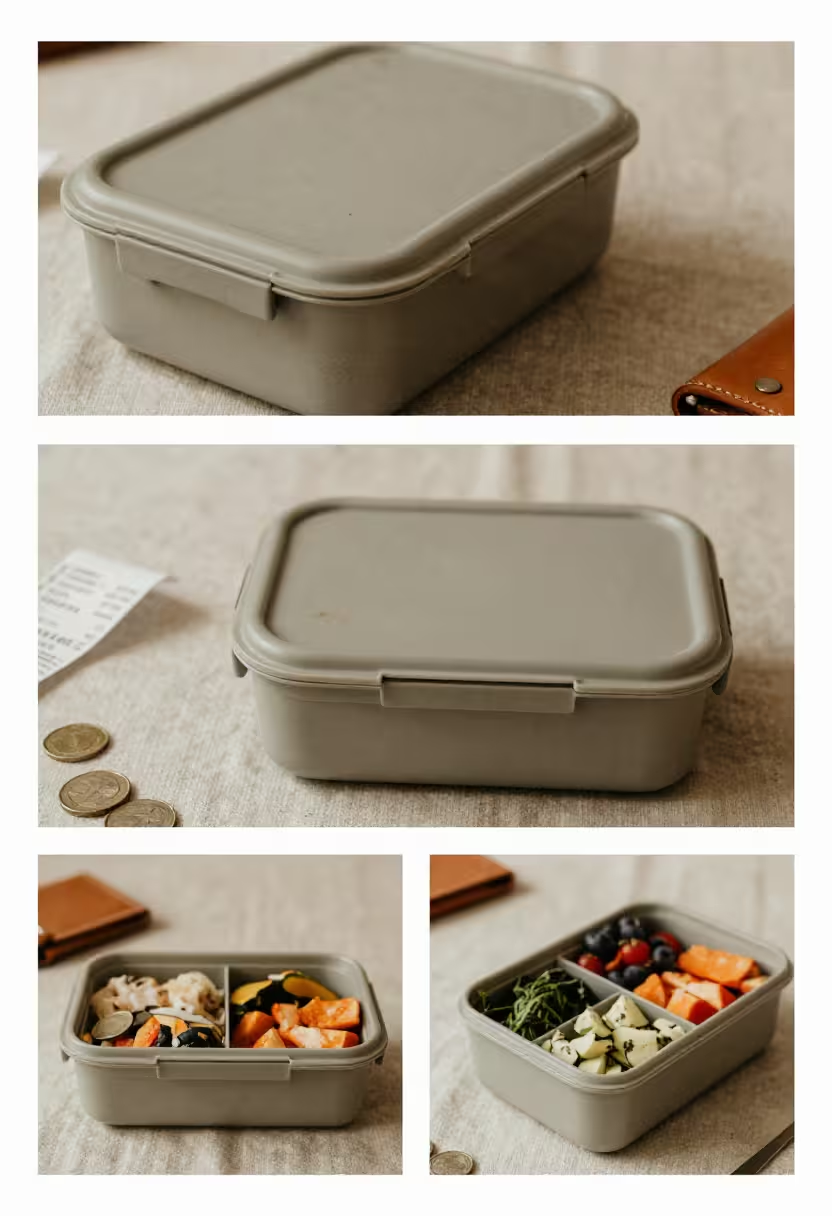
Choosing a lunch box doesn’t have to mean paying top dollar. In fact, some of the most reliable options are mid-range — sturdy, well-designed, and priced for everyday use. The trick is knowing where to invest and where to save so you get the best long-term value.
Value isn’t always the cheapest price
A low price tag can be tempting, but with lunch boxes it often means:
- weaker materials
- flimsy lids or zippers
- fading colors
- leaks over time
Spending a little more upfront can mean a lunch box that lasts:
- for multiple school years
- through sibling hand-downs
- without needing constant replacement
Good value balances durability + usability + safety — not just price.
Where to spend a bit more
These features are worth prioritizing:
1. Durable Materials
Stainless steel or high-quality BPA-free plastic resists cracks and stains.
2. Strong Closure Mechanisms
Zippers and latches that last make daily use less frustrating.
3. Leak-Resistant Compartments
A bit of extra engineering goes a long way in preventing soggy lunches.
4. Good Insulation (If Needed)
A thermal layer can keep lunches fresher longer — especially for dairy or cut fruit.
Investing in these areas means less stress and fewer replacements.
Where you can save
Not all features require a premium price tag. Consider saving on:
- overly complex designs
- licensed character themes (which can be pricier and quickly outgrown)
- extra accessories you’re unlikely to use
- rigid thermal systems you don’t actually need
A simple, robust lunch box often outperforms a flashy one that breaks after a few uses.
Smart shopping tips
Compare features, not just prices
Two lunch boxes might cost the same, but one may offer better zipper quality or easier cleaning.
Read reviews from parents, not just product descriptions
Real-world feedback often highlights things brands don’t mention — like how zippers hold up after weeks of use.
Think long term
If a lunch box will last “forever,” a slightly higher cost per month may actually be cheaper than replacing a flimsy one yearly.
The rule of thumb
Spend more on parts that help a lunch box function daily, and save on parts that are just nice to have. Comfort, durability, and safety always beat gimmicks.
Now that we’ve covered how to pick wisely and spend smart, let’s move into something practical and delicious:
Real-Life Tips: Packing Healthy, Balanced Lunches Kids Will Eat
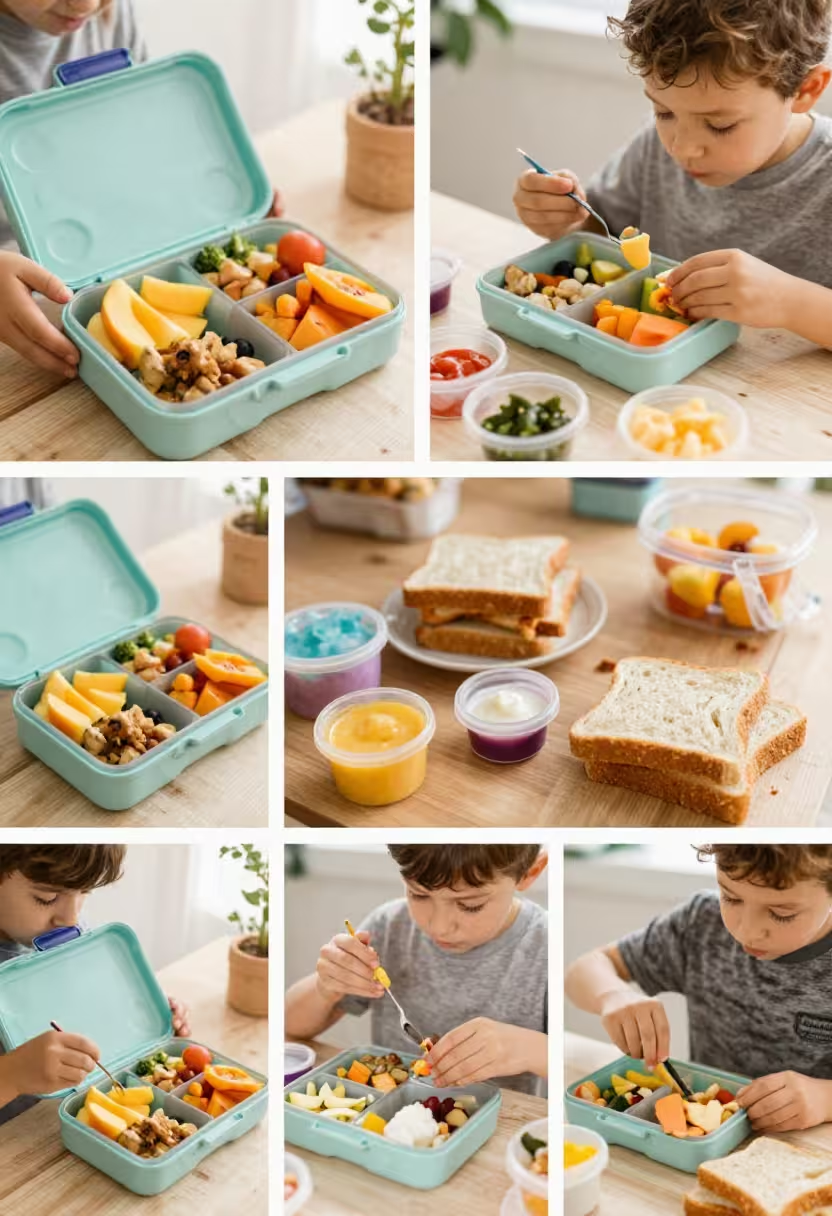
Even the best lunch box won’t help much if the food inside comes home untouched. Packing school lunches is a daily balancing act between nutrition, time, and what kids will actually eat. The good news? A few simple strategies can make a big difference.
Think balance, not perfection
A healthy school lunch doesn’t need to be elaborate or perfectly planned. What matters most is offering variety and balance in a way that feels familiar.
Aim for a mix of:
- a main item (sandwich, wrap, leftovers)
- fruits or vegetables
- a small snack or treat
- plenty of familiar foods
When lunches feel approachable, kids are more likely to eat them.
Use the lunch box to guide choices
Let the lunch box work for you. Compartments naturally suggest what to pack and help prevent overpacking or underpacking.
For example:
- one compartment for the main item
- one for fruit or veggies
- one for snacks
This simple structure keeps lunches consistent and visually appealing.
Familiar foods first, new foods slowly
School lunchtime isn’t the best moment to introduce brand-new foods. If you want to add something new, pair it with something your child already loves.
A helpful rule:
- mostly familiar foods
- one small “new” or different item
This reduces pressure and food waste.
Make food easy to eat
Kids have limited time to eat and lots of distractions. Food that’s hard to open, peel, or chew often gets skipped.
Consider:
- cutting fruit into bite-size pieces
- choosing easy-to-hold wraps instead of overstuffed sandwiches
- avoiding foods that need too much effort
Simple often works best.
Let kids have a say
Involving kids in lunch planning — even in small ways — increases the chances they’ll eat what’s packed.
You might:
- ask them to choose between two options
- let them help pack the night before
- ask what came home uneaten and why
These conversations build awareness rather than pressure.
Keep expectations realistic
Some days lunches come home half-eaten — and that’s okay. Appetite varies with activity, mood, and growth. Focus on patterns over time rather than single days.
With a good lunch box and thoughtful packing habits, lunches become less stressful and more consistent.
To wrap everything up, let’s answer the most common questions parents still have.
FAQ: Common Questions About School Lunch Boxes

What size lunch box is best for schoolchildren?
The best size depends on your child’s age, appetite, and school schedule. Younger children usually do better with smaller, lightweight lunch boxes with a few compartments, while older kids and teens may need more space for larger portions or extra snacks.
Are plastic lunch boxes safe for kids?
Yes — as long as they are BPA-free and labeled food-safe. High-quality plastic lunch boxes are lightweight and practical, especially for younger children. Always check product certifications and avoid cheap, unverified options.
Is stainless steel better than plastic?
Stainless steel lunch boxes are very durable, don’t absorb odors, and are naturally BPA-free. However, they can be heavier and more expensive. The “better” choice depends on your child’s age, needs, and how the lunch box will be used daily.
Do kids really need insulated lunch boxes?
Not always. Insulated lunch boxes are helpful if you pack perishable foods like dairy, fruit, or leftovers. If lunches are mostly shelf-stable, a regular lunch box may be perfectly fine.
How can I keep food fresh until lunchtime?
Use leak-proof compartments, separate wet and dry foods, and add an ice pack when needed. Packing lunches as close to departure time as possible also helps maintain freshness.
What’s the easiest lunch box to clean?
Lunch boxes with removable compartments, smooth surfaces, and dishwasher-safe parts are the easiest to maintain. Avoid designs with deep crevices that trap moisture or crumbs.
How often should a lunch box be replaced?
A good-quality lunch box can last one to several school years. Replace it if you notice cracks, broken seals, lingering odors, or difficulty cleaning it properly.
Should kids be involved in choosing their lunch box?
Yes. Letting kids choose colors or designs (within parent-approved options) helps them feel ownership and makes them more likely to enjoy lunchtime and take care of their lunch box.
What’s the most important thing to look for overall?
Practicality. A great lunch box should be:
- the right size
- easy for kids to open
- made from safe materials
- simple to clean
- durable enough for daily use
If it supports your child’s routine and makes lunchtime easier, it’s the right choice.
Final takeaway
The best lunch box isn’t the most expensive or the trendiest — it’s the one that fits your child’s daily life. When the lunch box works with your routine instead of against it, healthier lunches and calmer mornings naturally follow.


Hello there, I found your website via Google while looking for a related topic, your website came up, it looks great. I’ve bookmarked it in my google bookmarks.