A Warm, Creative Guide to Turning a Simple Cake into a Holiday Showpiece
There is something unmistakably magical about Christmas baking. It’s not just the scent of spices drifting through the house or the gentle hum of holiday music in the background. It’s the feeling that time slows down just a little, allowing us to create something meaningful with our hands. Among all festive treats, a Christmas cake stands out — not because it has to be perfect, but because it carries intention, care, and celebration in every layer. 🎄🍰
A beautifully decorated Christmas cake is more than dessert. It’s a centerpiece. It’s a conversation starter. It’s the moment when everyone gathers just a bit closer to the table. Whether you bake every year or only dust off your mixing bowls in December, decorating a Christmas cake is one of those rituals that turns an ordinary day into a memory.
And here’s the good news: you don’t need professional training, expensive tools, or flawless technique. What you need is inspiration, patience, and a willingness to play. This guide is designed to help you do exactly that — explore festive cake decorating ideas, gain confidence in simple techniques, and enjoy the process as much as the final slice 🍽️✨
Why Christmas Cakes Feel So Special 🎁
Christmas cakes aren’t just desserts — they’re little time machines, flavor-filled storybooks that carry memories, traditions, and moments of joy. Unlike your everyday slice of cake, a Christmas cake carries the weight of meaning. It’s steeped in family rituals, regional flavors, and sometimes even a touch of nostalgia from decades past.
For some, the quintessential holiday cake is a dense fruitcake, brimming with dried fruits, nuts, and hints of citrus, often soaked in rum or brandy for depth and warmth. Each bite is a little burst of tradition. For others, a soft, airy sponge layered with buttercream feels just right — simple, elegant, and versatile. Some people even embrace rich chocolate layers or spiced gingerbread bases, creating a palette of flavors that instantly screams “holiday season.” The beauty of Christmas baking is that there is no “perfect” or “correct” cake — there’s only your cake, crafted with love and personality.
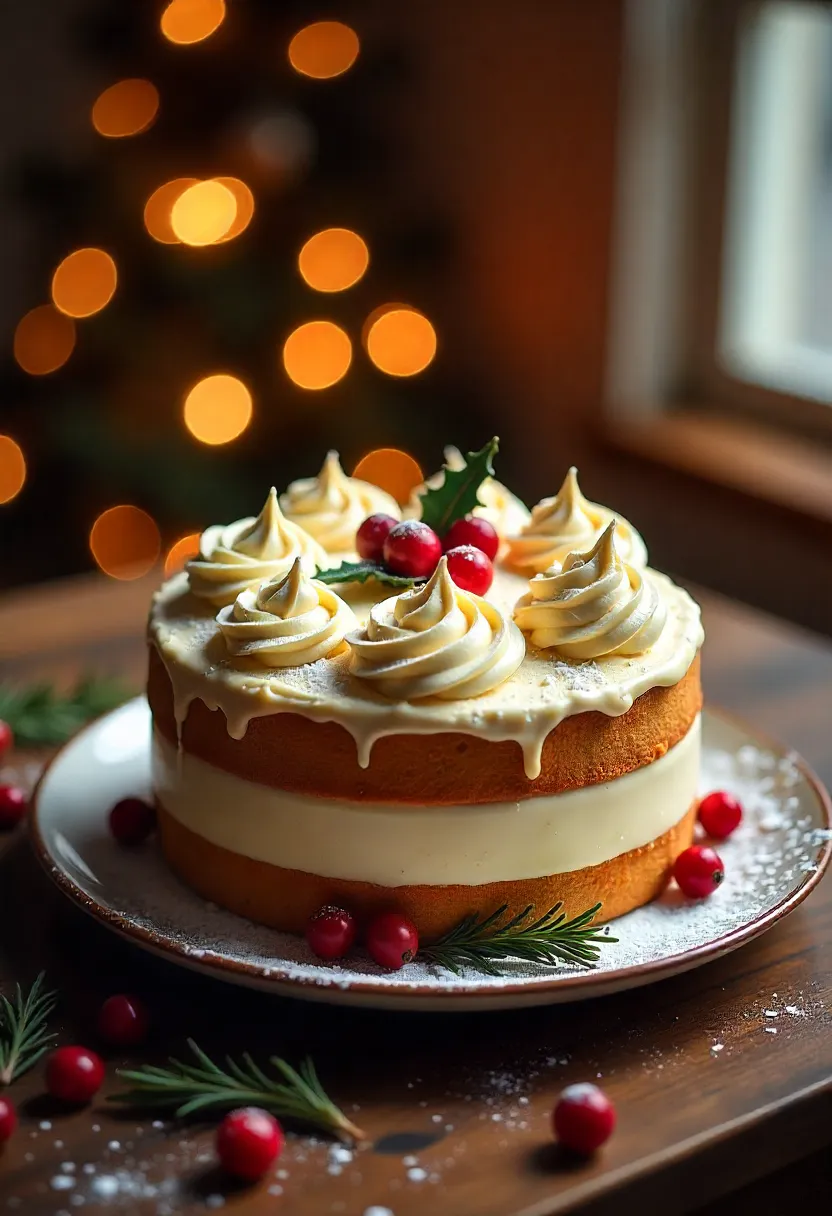
But a Christmas cake becomes truly enchanting when decorated. Every swirl of frosting, every piped snowflake, every tiny fondant holly leaf is a brushstroke in a festive story. A cake dusted with powdered sugar can evoke the hush of a winter morning. Bright reds and deep greens shout holiday cheer. A touch of gold or silver hints at celebration and warmth. Even the most imperfect swirl of frosting is charming — a sign that a human hand, not a machine, created it.
When you decorate a Christmas cake, perfection isn’t the goal. Atmosphere, emotion, and personality are the real magic. Every little detail adds a spark of joy, a whisper of nostalgia, or a playful surprise that will make everyone at the table smile.
Choosing the Right Cake for Decorating 🍰
Before picking up a spatula, it’s worth thinking carefully about your canvas — the cake itself. Different cake types suit different decoration styles, and choosing the right one can make the decorating process much more fun and stress-free.
Fruit-Based Cakes:
- Dense and sturdy, ideal for intricate designs, fondant shapes, and royal icing details.
- Improve in flavor over time, making them perfect for advance baking.
- Great for creating tall, multi-layered masterpieces that won’t collapse under the weight of decorations.

Sponge Cakes:
- Light and delicate, offering a soft, airy texture.
- Pair beautifully with buttercream, whipped frosting, or lightly dusted cocoa.
- Work wonderfully with natural decorations like fresh berries, herbs, or edible flowers.
Chocolate Cakes:
- Rich, indulgent, and satisfying for both kids and adults.
- Blend harmoniously with winter spices like cinnamon, cardamom, or nutmeg.
- Can handle glossy ganache drizzles or textured chocolate decorations for a luxurious look.
Spiced Cakes (Gingerbread, Cinnamon, Nutmeg, Clove):
- Instantly evoke Christmas aromas and warmth.
- Even a simple cake feels festive when it carries these familiar scents.
- Pair wonderfully with nuts, candied fruits, or caramel accents.
No matter which base you choose, one golden rule applies: let your cake cool completely before starting to decorate. Skipping this step is the fastest way to frosting meltdown, crumb disasters, or endless frustration 😅. A patient baker is a happy baker — and a happy baker makes a beautiful cake.
Creating a Festive Color Palette 🎨✨
Once you’ve chosen your cake, it’s time to think about your color story. Choosing a palette early on makes decorating simpler, even if your techniques are basic. Limiting your colors keeps the cake visually balanced and ensures that every decoration feels intentional.
Here are some classic festive combinations:
- White and Silver ❄️: Perfect for a snow-kissed, elegant winter wonderland. Ideal for royal icing snowflakes, powdered sugar dusting, or subtle shimmer.
- Red and Green 🎄: Timeless Christmas charm. Great for berries, holly leaves, candy cane accents, or piped borders.
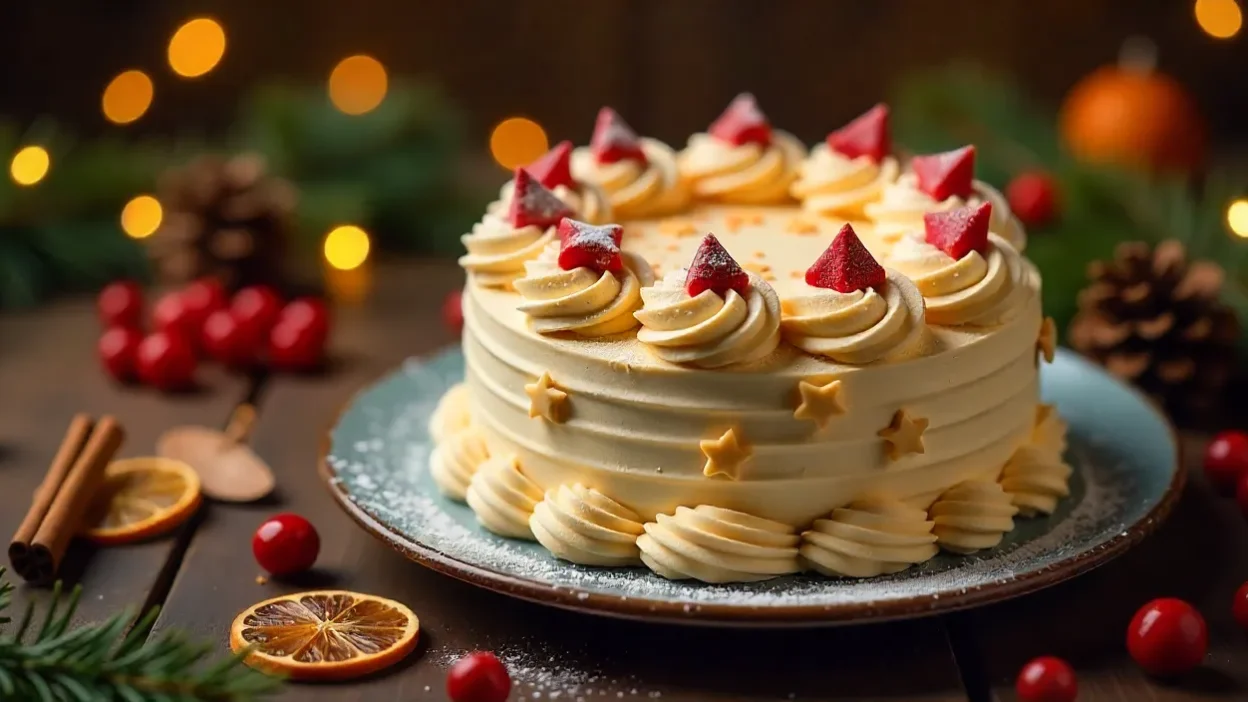
- Cream, Gold, and Soft Neutrals ✨: Cozy and rustic, evokes warm holiday evenings. Think lightly frosted cakes adorned with rosemary sprigs, dried orange slices, or gold-dusted nuts.
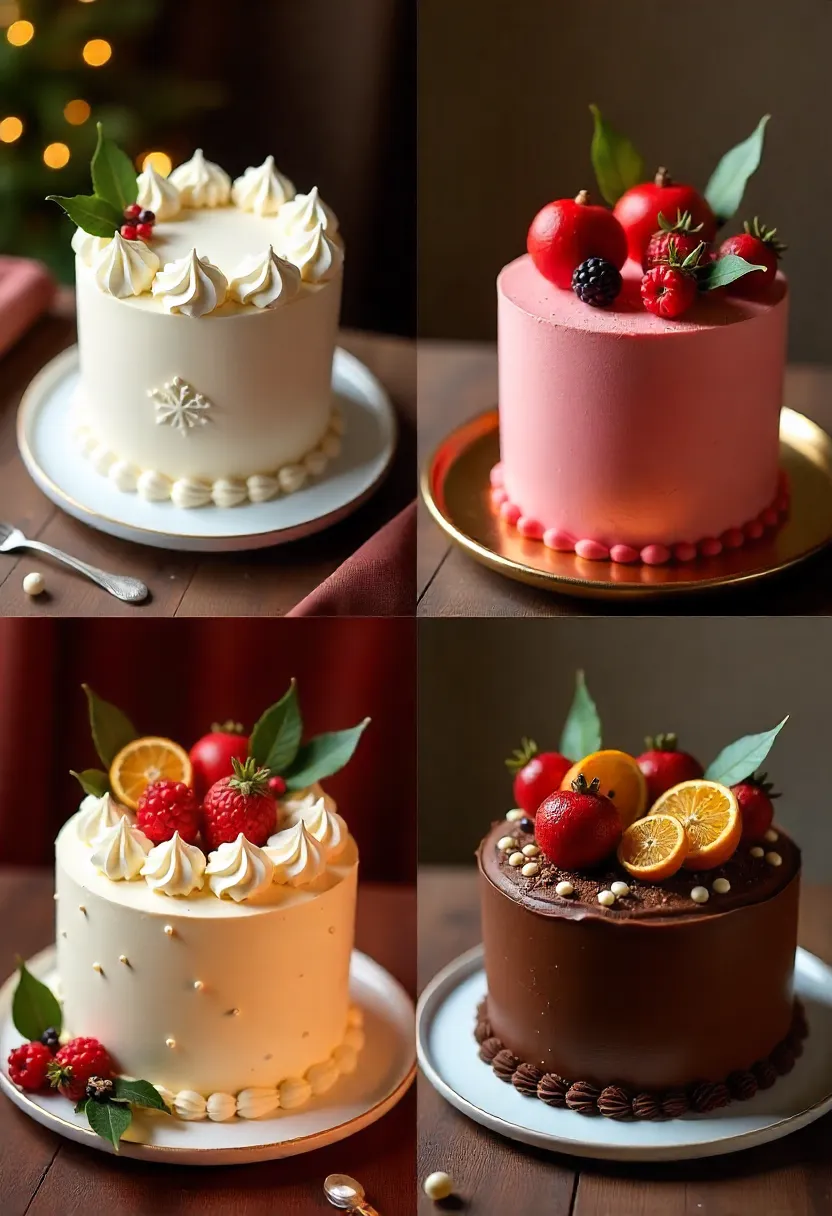
- Deep Chocolate with Copper or Bronze: Modern, sophisticated, and indulgent. Works beautifully with metallic accents, chocolate curls, or caramel details.
Pro tips for coloring your decorations:
- Gel food coloring is your friend. It gives vibrant hues without altering frosting or fondant texture.
- Start with a tiny amount — you can always add more for intensity.
- Subtle, muted shades often look more professional than overly bright tones.
- Combine colors thoughtfully: a single splash of gold or silver can elevate the entire cake.
Buttercream: The Friendliest Decorating Medium 🧁
Buttercream is the unsung hero of home baking — soft, forgiving, and endlessly versatile. Unlike some decorating mediums that require exact temperatures, humidity control, or expert timing, buttercream is approachable. It doesn’t demand perfection, and in fact, minor imperfections often add charm and character. A slightly wavy swirl or a textured spatula pattern can make your cake feel inviting and homemade, a stark contrast to the clinical perfection of store-bought desserts.
What makes buttercream particularly delightful is its flexibility. You can create a smooth, polished finish for a sleek, elegant look, or embrace its creamy texture for rustic, cozy designs. Want soft, cloud-like swirls? A simple spoon or offset spatula is all you need. Crave a more structured pattern? Use a serrated spatula or the edge of a butter knife to draw gentle lines, waves, or even crosshatch textures. Simple horizontal bands around the cake can give it a modern, stylish feel without complicated piping techniques.
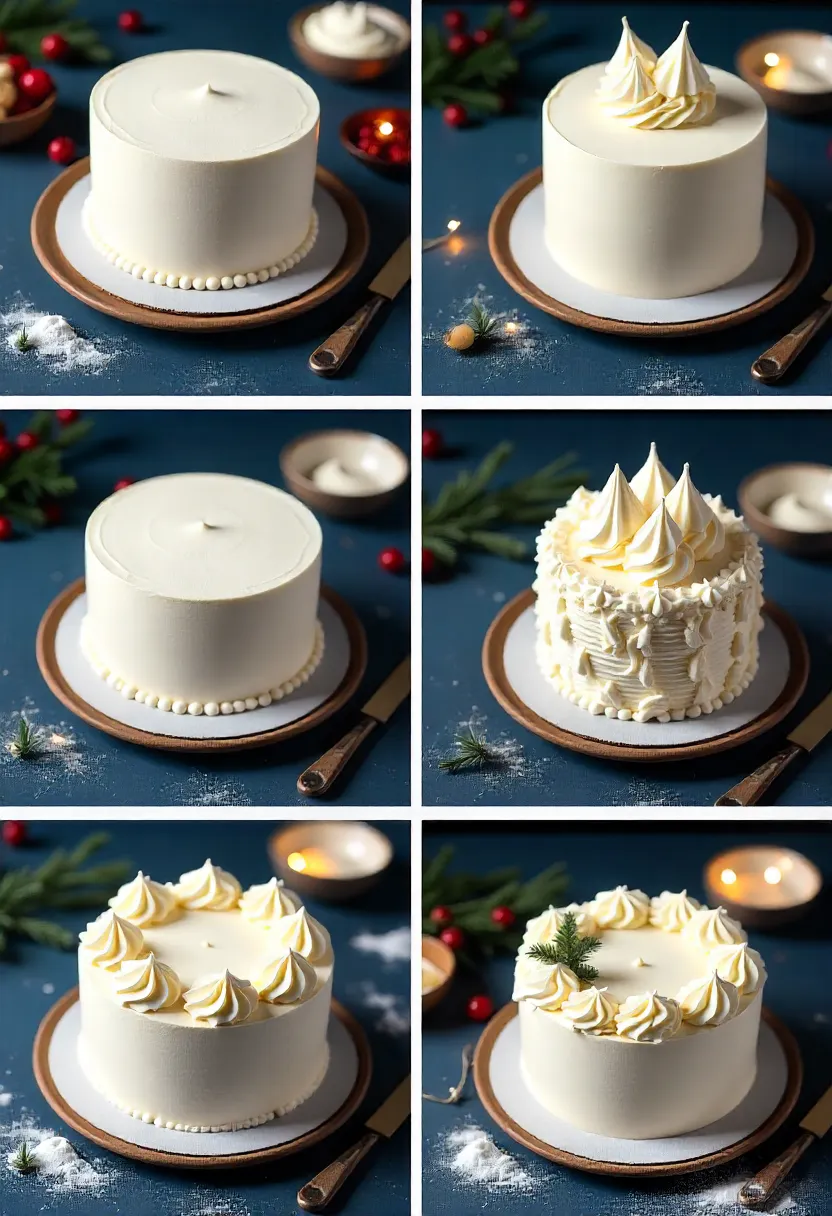
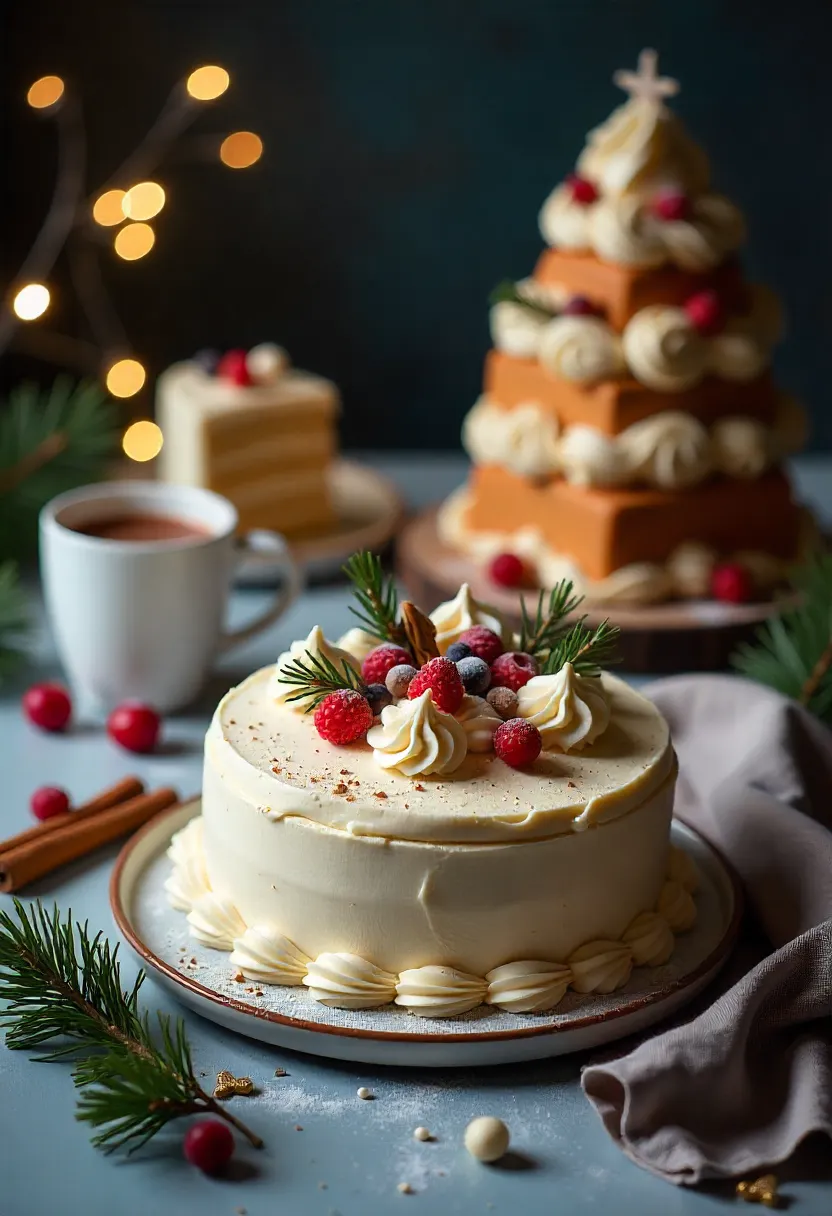
During Christmas, buttercream shines as the perfect “snowy” canvas. A generous layer of white or ivory frosting instantly evokes the crisp, quiet beauty of a winter morning. Dust it lightly with powdered sugar, and suddenly your cake looks like it was kissed by the first snow of the season. If you enjoy a more intricate look, piping delicate patterns — be it scallops, stars, or swirls — adds a touch of handcrafted elegance.
Even for beginners, buttercream is forgiving. If it feels too soft and starts to slide, a few minutes in the fridge will firm it up nicely. On the other hand, if it’s a little stiff and refuses to spread smoothly, a teaspoon of cream or milk can revive it, giving you just the right consistency. It’s a decorating medium that adjusts to you, not the other way around, which is why many home bakers fall in love with it.
One tip from seasoned bakers: always work with buttercream at the right temperature. Slightly chilled, it’s easier to shape and pipe. Too warm, and it can droop or pool at the edges. Remember, it’s all about trial, observation, and gentle adjustments. With buttercream, mistakes aren’t failures — they’re opportunities to improvise and get creative.
Royal Icing for Delicate Holiday Details ❄️
If buttercream is the approachable friend, royal icing is the refined artisan of the decorating world. It has a reputation for being intimidating — stiff peaks, precise piping, drying times — but once you understand its quirks, it opens a world of possibilities. Royal icing dries hard, making it perfect for intricate details that need structure, from delicate snowflakes to tiny decorative borders.
The trick to royal icing is consistency. Too soft, and your design won’t hold; too stiff, and it’ll be hard to pipe smoothly. Striking that balance is key. Beginners often find practicing on parchment paper to be a game-changer. Draw a few stars, snowflakes, or dots before attempting them on the cake itself. Once you see how the icing behaves, you’ll gain confidence, and what once felt intimidating will start to feel almost magical.
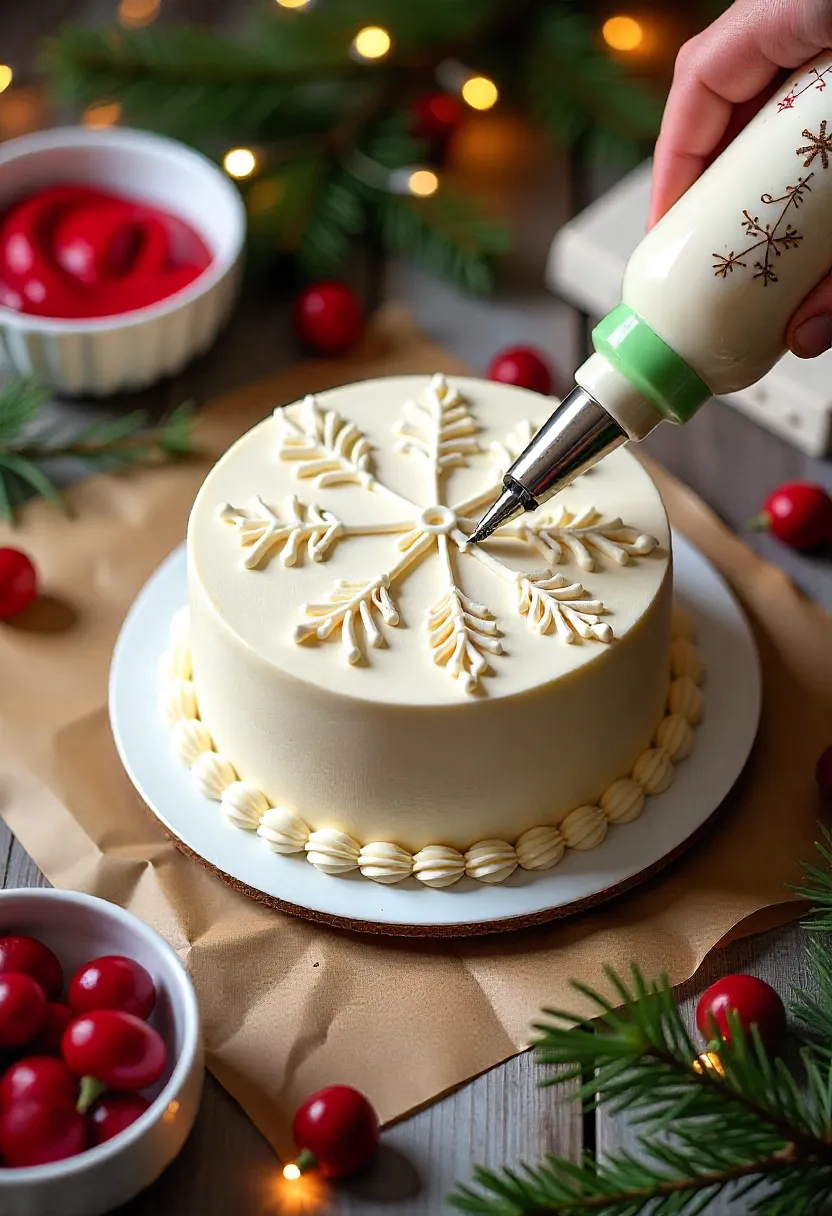
One of the joys of royal icing is how handmade everything looks. Tiny inconsistencies — slightly uneven lines or snowflakes of slightly different shapes — actually make your cake feel warm and personal. Symmetry is optional here. In fact, minor variations are often what gives the design character, making it feel like a story rather than a perfectly engineered object.
Royal icing can also be colored with gel food coloring, allowing you to match your palette exactly. Metallic tones, soft pastels, or vibrant reds and greens all work beautifully. Tip: start with a small portion of icing for coloring, because a little color goes a long way and prevents you from overshooting your shade. Once dry, these delicate decorations can be transferred or piped directly onto your cake, adding dimension and elegance that buttercream alone can’t always achieve.
Fondant Without Fear 🌟
Fondant has a love-it-or-hate-it reputation in the baking world. Some bakers swear by its smooth, polished finish, while others avoid it, fearing it will feel stiff, unnatural, or overly sweet. But here’s a secret: you don’t need to cover your entire cake in fondant to make a statement. Small fondant accents can transform a cake from lovely to spectacular without feeling overwhelming.
Think of fondant as a creative accessory rather than a necessity. Stars, Christmas trees, holly leaves, berries, and ribbons can be cut out and applied to a buttercream base, adding playful details or festive sparkle. Even tiny figurines — a snowman here, a gift box there — can elevate the design, turning a simple cake into a storybook scene.
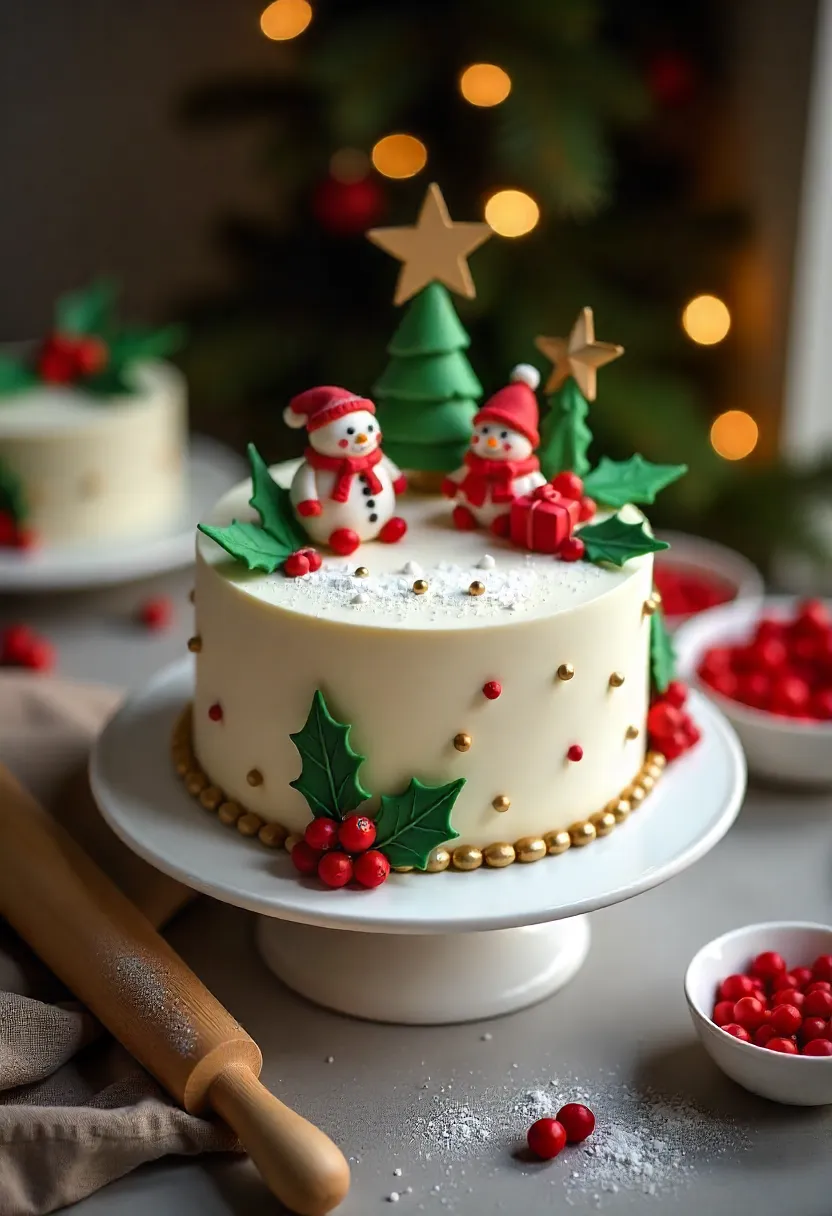
Working with fondant is easier than most people think. Keep it pliable by kneading gently and dusting your surface with cornstarch to prevent sticking. Roll it thin for delicate decorations, but not so thin that it tears. Store unused fondant covered in plastic wrap to prevent drying out. Cookie cutters are your best friend here: they produce perfect, repeatable shapes with minimal effort, even for beginners.
The beauty of fondant lies in its versatility. A single tree or ribbon can be the focal point of your design, or a collection of shapes can create a miniature winter village on top of your cake. And because fondant sets firmly, it can hold its shape for days, making it ideal for cakes that need to be prepared in advance.
Natural Decorations for a Cozy, Rustic Look 🌿🍊
In recent years, one of the most charming trends in Christmas cake decorating has been the return to natural elements. Instead of relying solely on frosting and fondant, bakers are embracing fresh, edible decorations that bring color, texture, and aroma to the table.
Imagine arranging a handful of fresh cranberries, a few sprigs of rosemary, slices of dried or candied oranges, and even a couple of cinnamon sticks or star anise. Each piece adds dimension and fragrance, creating a cake that is not only visually appealing but also fragrant and inviting. This approach works beautifully with semi-naked cakes, lightly frosted designs, or even buttercream bases.
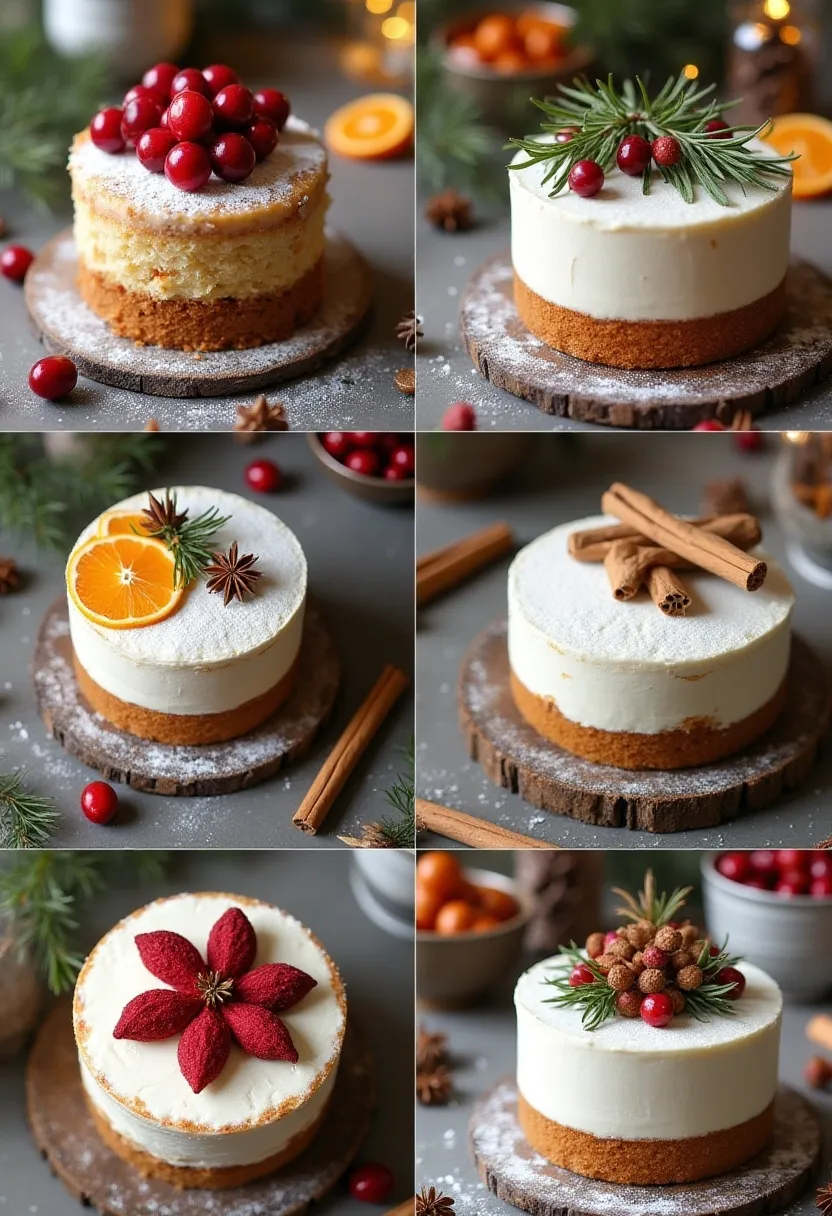
Dusting powdered sugar over these natural elements creates the illusion of fresh snow — effortless, elegant, and utterly festive. There’s something magical about seeing the deep reds of cranberries against a backdrop of green rosemary, highlighted by a soft white dusting. It’s a look that says “Christmas morning,” “cozy kitchen,” and “holiday tradition” all at once.
The best part? These natural decorations are incredibly forgiving. You don’t need precision or piping skills — arranging elements thoughtfully is enough. And because they’re real ingredients, they bring flavor and aroma as well as beauty, allowing your cake to taste as delightful as it looks.
A Fully Homemade Festive Christmas Cake Recipe 🍰🎄
This recipe is designed to be reliable, flavorful, and flexible — perfect for decorating in any style you choose.
Ingredients for the Cake
- All-purpose flour
- Baking powder
- Fine salt
- Ground cinnamon
- Ground nutmeg
- Unsalted butter, softened
- Granulated sugar
- Large eggs
- Vanilla extract
- Milk
Ingredients for the Buttercream
- Unsalted butter, softened
- Powdered sugar
- Heavy cream or milk
- Vanilla extract
Baking the Cake
Baking a Christmas cake is one of those rare moments when your kitchen becomes a little workshop of joy. Before you even preheat the oven, take a deep breath and imagine the aroma of warm spices, sweet butter, and vanilla filling your home. There’s something almost meditative about gathering your ingredients and preparing for the magic to come.
Start by preheating your oven — usually around 350°F (180°C) works beautifully. Grease and line two round cake pans with parchment paper. This simple step may feel mundane, but it’s the foundation for a perfect, non-stick cake that will come out effortlessly later. A little tip: lightly dust the pans with flour after greasing for extra insurance — it’s these small details that prevent heartbreak later.
Next, cream the butter and sugar. This isn’t just mixing — it’s transforming simple ingredients into a fluffy, airy base. Beat until pale, soft, and light — the texture should look like tiny clouds of creamy goodness. The act of creaming incorporates air, giving the cake a lift and softness that makes each bite melt in your mouth. This is also the moment where you can hum a Christmas tune or sneak a taste — the batter here is already a treat!
Gradually add the eggs, one at a time, mixing thoroughly after each addition. Patience is key — rushing this step can cause the batter to curdle. Stir in the vanilla extract last, and take a moment to inhale the warm, sweet scent that instantly whispers “holiday season.”
In a separate bowl, sift together the dry ingredients: flour, baking powder, salt, and, if you like, a sprinkle of cinnamon or nutmeg for that cozy winter aroma. Alternately fold the dry mix and milk into the butter mixture in small portions. Gentle folding is essential here — overmixing can make the cake dense and tough, while careful folding keeps it light and tender. Think of it like wrapping layers of love into your batter, ensuring everything blends harmoniously.
Once your batter is ready, divide it evenly between the prepared pans. Smooth the tops gently with a spatula, giving them an even surface that will make stacking layers and decorating much easier later. Pop them into the oven and let the magic happen.
Baking times can vary depending on your oven, but generally, 25–30 minutes will produce golden-brown cakes. The easiest test for doneness is the trusty toothpick: insert it into the center, and if it comes out clean or with just a few crumbs clinging to it, your cakes are ready. Remove them from the oven and allow them to cool completely — yes, patience is required here, but it’s worth it. A cake that’s cooled properly is easier to frost, slice, and decorate without crumbling or sliding.

Making the Buttercream
While your cakes cool, you can prepare the frosting — the element that will transform your baked layers into a stunning festive centerpiece. Buttercream is wonderfully forgiving and adaptable, making it perfect for home bakers of any skill level.
Start by beating softened butter until it’s smooth, creamy, and light in texture. Slowly add powdered sugar, one cup at a time, allowing it to blend fully. Don’t rush this step — the gradual incorporation ensures your frosting is silky, not grainy. Once the sugar is fully mixed, add vanilla extract and a splash of cream or milk to reach the desired consistency. Your buttercream should be soft enough to spread easily, yet firm enough to hold any decorations you plan to add.
Here’s a little insider tip: if your buttercream feels too soft and is sliding around, pop it in the fridge for a few minutes. If it’s too stiff and resists spreading, add a teaspoon or two of milk or cream and beat it lightly — you’ll quickly find the perfect texture.
For a festive touch, divide the buttercream into several bowls and tint portions with gel food coloring. Soft reds, greens, or even subtle gold shades can add personality to your cake without overwhelming it. These colored portions are perfect for piping borders, rosettes, or small decorative accents like holly leaves or berries.
One of the joys of buttercream is its versatility. You can spread it smoothly for a classic look, create rustic textures for a cozy vibe, or pipe intricate patterns for a more elegant effect. And because it’s forgiving, don’t be afraid to experiment — mistakes can be smoothed over, and slight imperfections often add a charming, homemade feel that store-bought cakes can’t replicate.
Decorating the Cake with Confidence 🎂✨
Decorating a Christmas cake can feel like stepping into a world of magic, but it’s also a chance to express your personality and creativity. The key is patience and perspective. Start with a crumb coat — a thin layer of buttercream or frosting that seals in crumbs and gives your final layer a smooth, stable surface. Think of it as the underpainting of a beautiful artwork. Once applied, chill the cake for a few minutes so it firms up. Then you’re ready for your final layer.
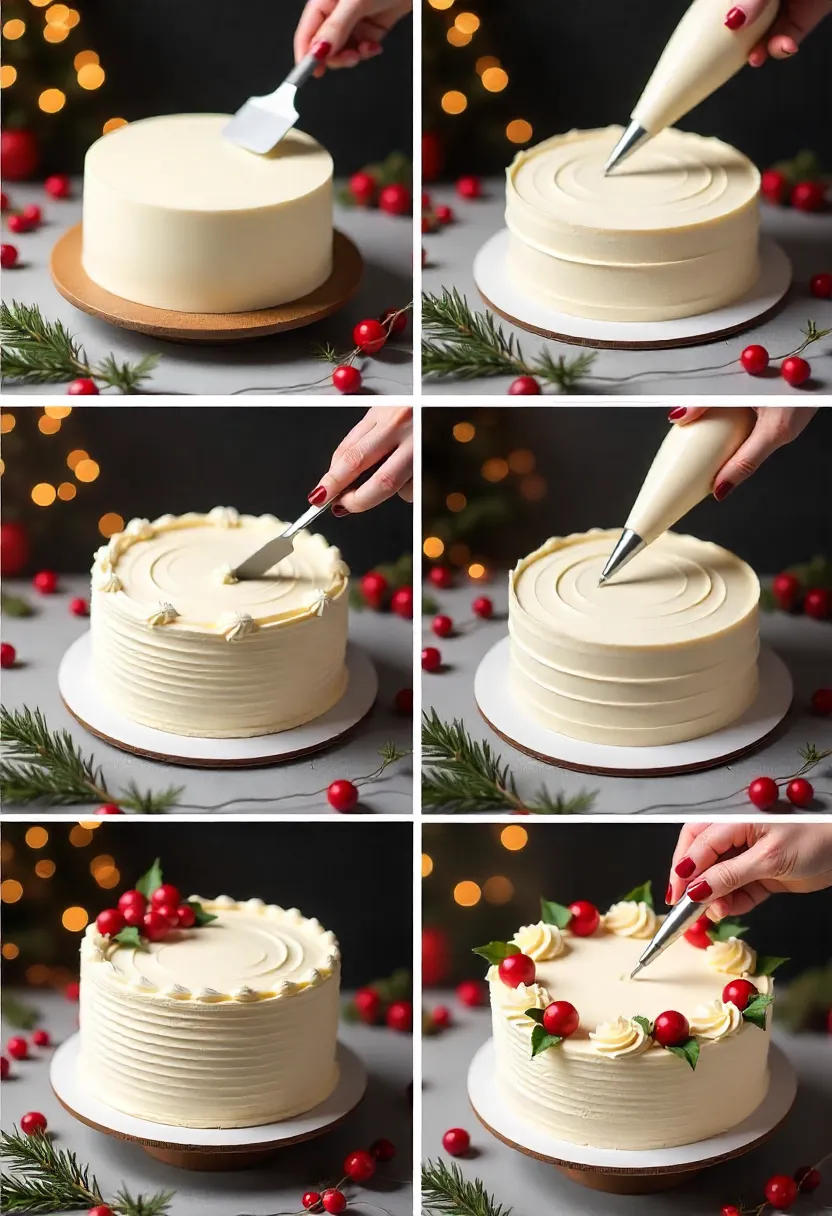
You can keep it sleek and polished for a classic look, or embrace texture for a rustic, cozy feel. Use a spatula to create gentle ridges or waves, or let your piping bag glide freely to make soft swirls and patterns. The charm of a homemade cake is in the little imperfections — a tiny uneven line or a slightly lopsided swirl makes it feel alive and personal.
Step back often while decorating. Looking at the cake from a distance helps balance your design and prevents overloading it with decorations. Sometimes, removing a few elements or leaving a blank space makes the cake look more elegant and intentional.
Decorating should always feel joyful, not stressful. Mistakes aren’t failures — they’re opportunities to improvise. A fondant shape that slips? Smooth it out. A piped snowflake that breaks? Make another. Every tiny adjustment adds character. Baking and decorating are acts of love, and that warmth translates into your finished creation.
Flavor and Decoration Variations 🌈
Personalizing your cake is where your creativity shines. You don’t have to follow rules — small adjustments can transform your dessert into something uniquely yours.
Chocolate lovers 🍫:
- Add cocoa powder to your batter for a rich, dark cake.
- Drizzle warm chocolate ganache over the top or sides for a luxurious, glossy finish.
- Sprinkle chocolate curls or shaved chocolate for texture and elegance.
Citrus enthusiasts 🍊🍋:
- Infuse buttercream with fresh orange or lemon zest.
- Add candied citrus slices or a light glaze to enhance both flavor and visual appeal.
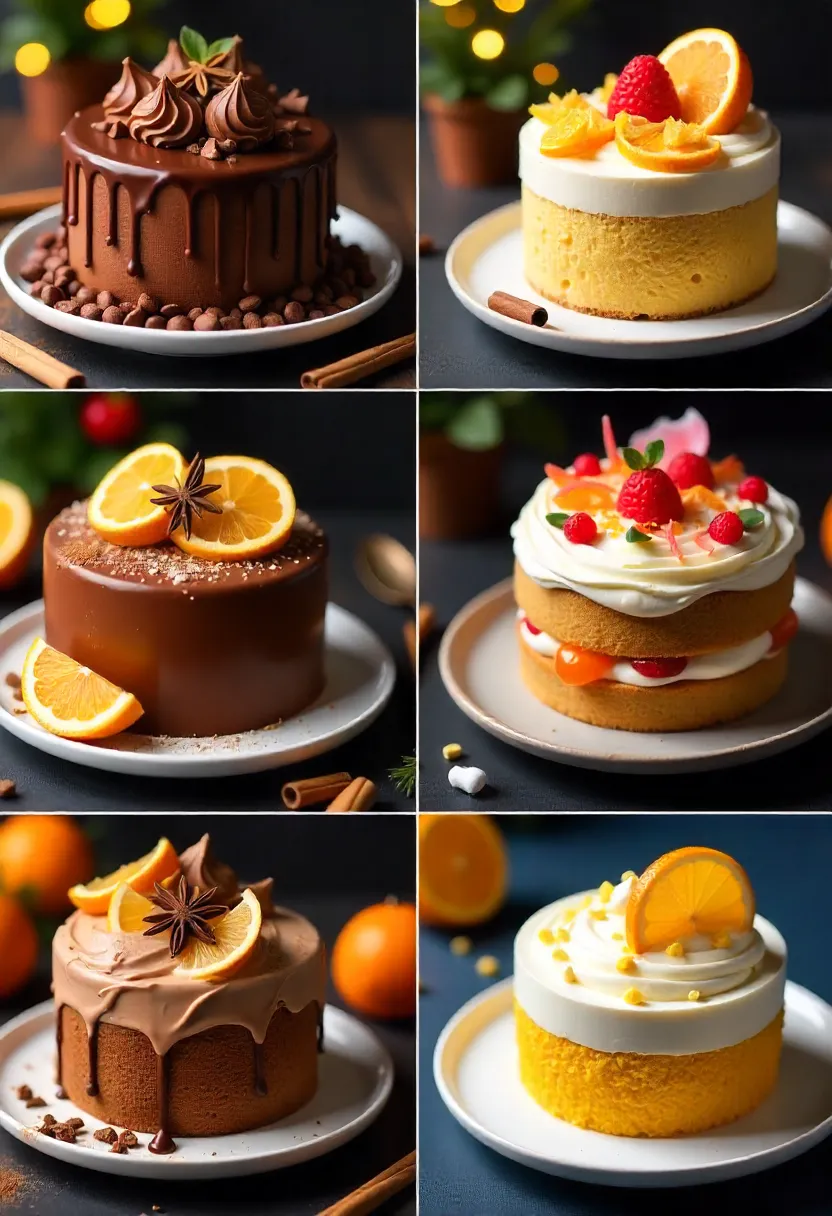
Spice fans 🌿:
- Incorporate cinnamon, nutmeg, or ginger into your frosting or cake layers.
- Top the cake with a few cinnamon sticks or star anise for aroma and a rustic, festive look.
Boozy twists 🥃:
- Soak a fruitcake in rum or brandy a few days before serving.
- Add a splash of liqueur to your buttercream for a subtle, warming flavor.
Dietary-friendly options 🌾🥥:
- Gluten-free sponges and dairy-free frostings work beautifully with the same decorating techniques.
- Experiment with plant-based creams, coconut butter, or nut milks for creamy textures.
Even simple variations, like switching up color accents or topping with edible glitter, can completely change the mood of your cake. The goal is to make it fun, personal, and delicious.
Natural Decorations for Extra Charm 🌿🍒
Incorporating natural elements is one of the easiest ways to make your cake look stunning with minimal effort. Some ideas include:
- Fresh cranberries for vibrant red pops.
- Rosemary or pine sprigs for a fragrant, evergreen touch.
- Dried or candied orange slices to add warmth and texture.
- Cinnamon sticks, star anise, or cloves for subtle aromatic elegance.
- A light dusting of powdered sugar to mimic freshly fallen snow. ❄️
These natural decorations are forgiving and flexible — you can rearrange them as needed. They add depth, color, and festive spirit without requiring advanced piping skills. The combination of textures — soft buttercream, firm cranberries, delicate powdered sugar — creates visual interest that feels both professional and cozy.
Storing and Serving Your Christmas Cake 🎄🍽️
Once your masterpiece is complete, storing it correctly ensures it stays beautiful and delicious:
- Room temperature is best: Keep most decorated cakes in a cool, dry place. Refrigeration can cause condensation, which may affect frosting and fondant.

- Fresh decorations last longer if added later: Herbs, berries, or delicate flowers should be added close to serving time.
- Bring to room temperature before slicing: Buttercream and sponge flavors shine when not cold. Serve slightly chilled only if necessary for very warm climates.
- Cover properly: Use a cake dome, airtight container, or lightly wrap in parchment paper to keep your cake protected from dust and drying out.
Pro tip: If you need to prepare your cake in advance, most buttercream and fondant decorations can be made a few days ahead. Just store them in airtight containers and assemble closer to the serving day.
Final Thoughts ✨
A Christmas cake doesn’t need to be flawless to be unforgettable. In fact, some of the most charming cakes have:
- A slight tilt on the top tier.
- Imperfect, wavy frosting lines.
- Decorations that didn’t turn out exactly as planned.
These little quirks make your cake human, unique, and full of personality. When someone takes a slice and says, “Wow, you made this?” — it’s not the symmetry or the glossy finish that impresses, it’s the care, effort, and love baked into every layer.
Baking and decorating are acts of kindness and celebration. They say, “I made this for you” without words. And during the holidays, that sentiment matters more than anything else.
So, put on your favorite festive playlist, pour yourself a cup of hot cocoa, and clear a little space on the counter. Let your creativity flow, embrace the process, and remember: your cake is beautiful because it’s yours. 🎄🍰💛