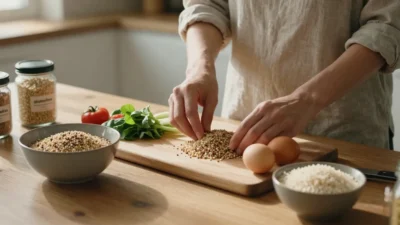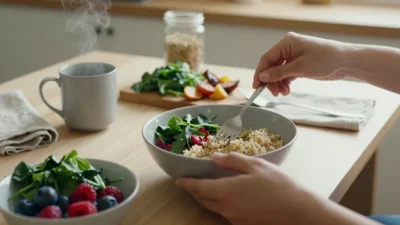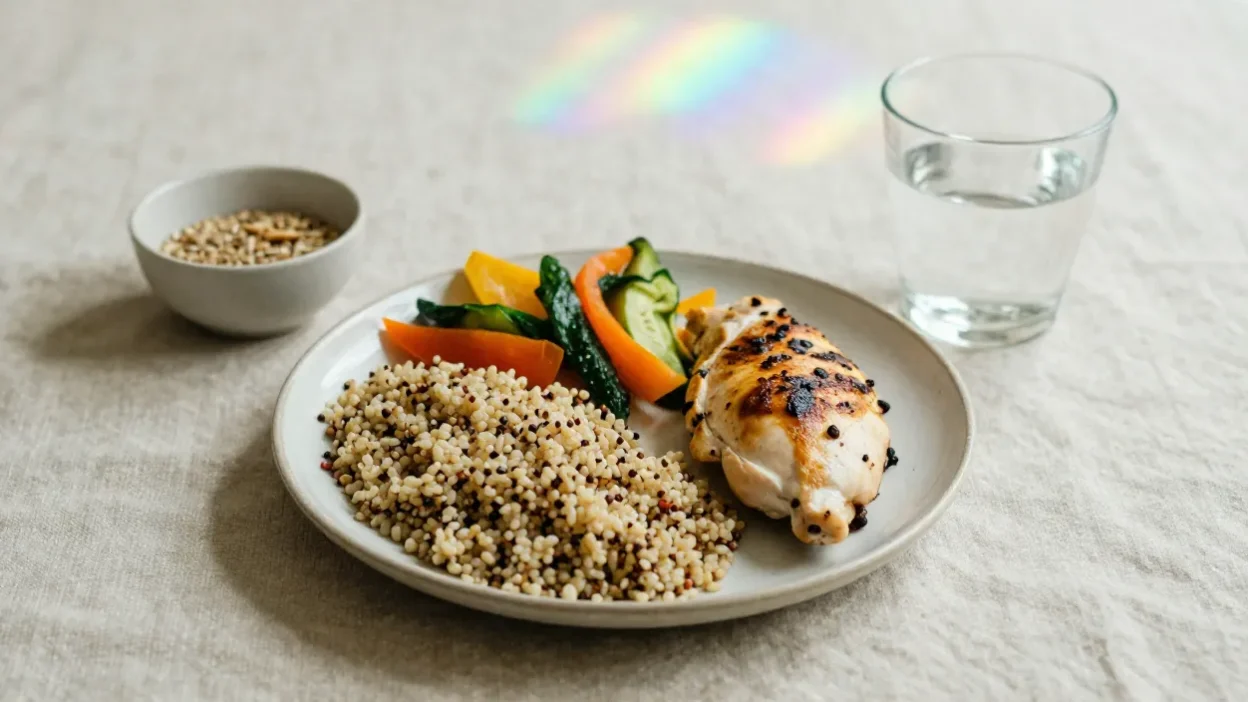
Introduction — What a Gluten-Free Diet Really Means Today
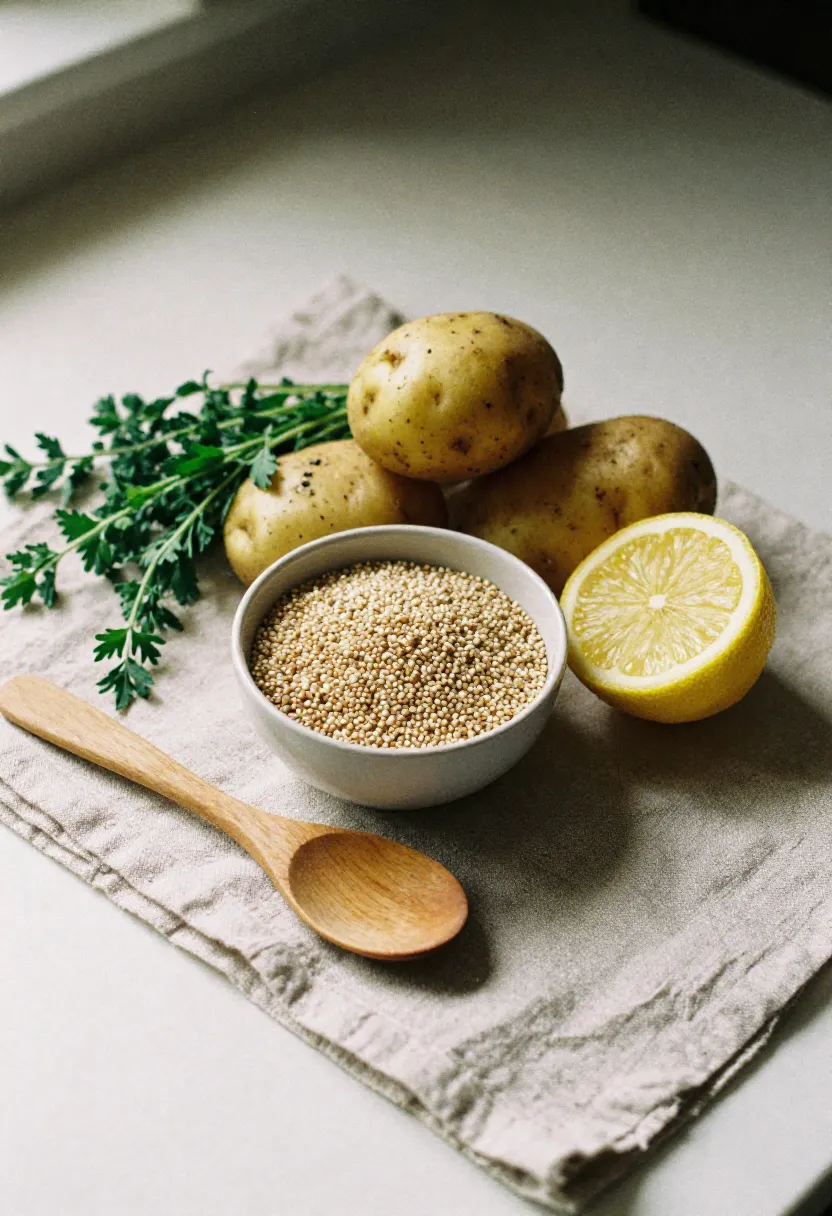
A gluten-free lifestyle can sound complicated at first — full of rules, labels to scan, and foods to avoid. But at its heart, going gluten-free is simply about helping your body feel better. For some people, gluten causes discomfort, digestive issues, fatigue, or inflammation. For others — especially those with coeliac disease — avoiding it is essential for long-term health.
What’s important to remember is that a gluten-free diet isn’t a trend or a shortcut. It’s a way of eating that supports your body’s unique needs. And with the right understanding, it becomes far less about restriction and far more about rediscovering food in a fresh, confident, nourishing way.
Today, gluten-free eating is more accessible than ever. There are naturally gluten-free grains like rice, buckwheat, quinoa, and corn; fresh produce and proteins; and countless recipes that bring comfort without relying on wheat. The goal of this guide is to help you navigate this world with clarity and ease — so you can enjoy food again, without worry.
In the sections ahead, we’ll explore what gluten actually is, who benefits from eliminating it, which foods you can enjoy freely, what to avoid, and how to build everyday meals that feel balanced and satisfying. A gluten-free life doesn’t need to feel complicated — just supported, informed, and tailored to you.
What Is Gluten? — Understanding the Basics
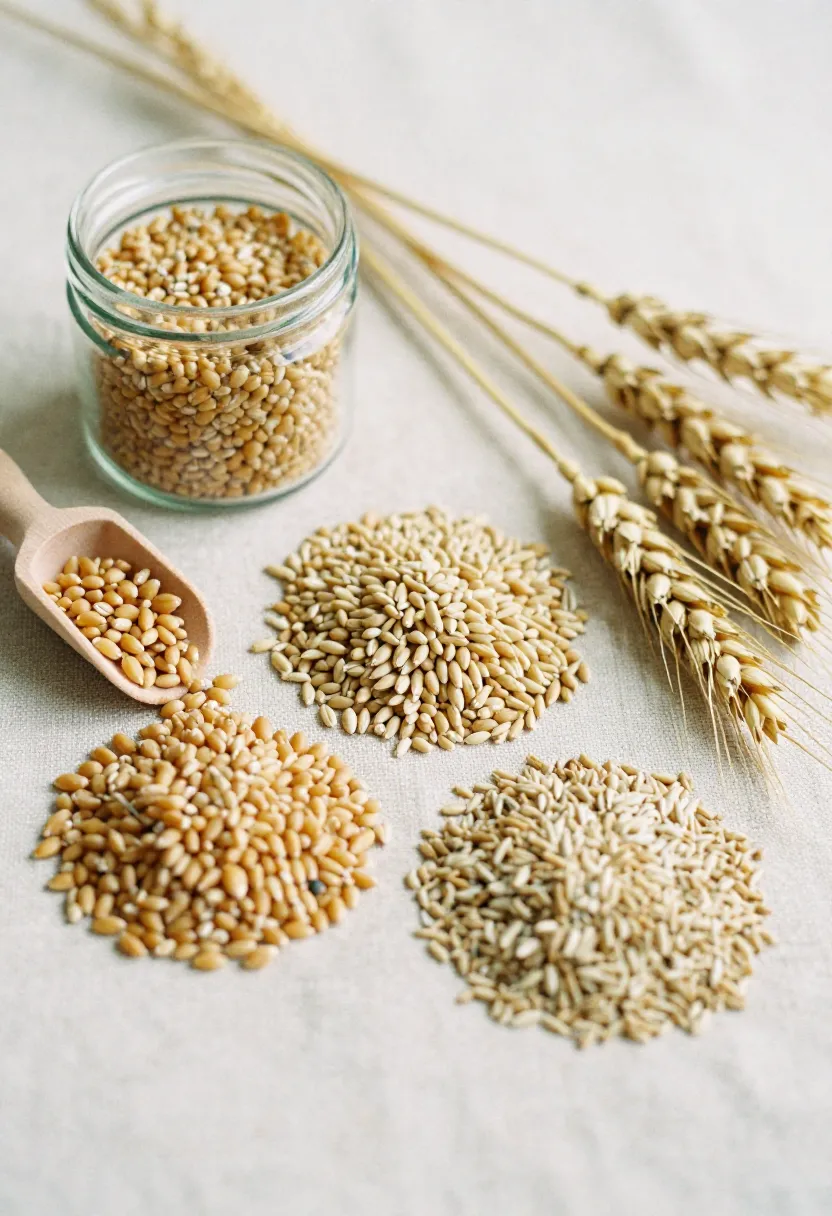
Before diving into gluten-free living, it helps to understand what gluten actually is. Despite how often the word appears on labels, menus, and social media, gluten itself is surprisingly simple: it’s a naturally occurring protein found in wheat, barley, and rye. Its main role? To give dough elasticity, structure, and that familiar chewy texture we associate with bread and pasta.
When flour and water mix, gluten proteins link together to form a stretchy network. This network traps air, helps dough rise, and creates the soft crumb inside baked goods. Without gluten, many traditional recipes would be dense, crumbly, or flat.
For most people, gluten poses no issue. But for others, it can cause discomfort or trigger immune reactions, which is why understanding it matters.
Here are a few gentle ways to think about gluten:
- It’s not an additive — it’s part of the grain itself.
- It’s in foods made from wheat, barley, or rye — bread, pasta, pastries, biscuits, cereals, and many baked goods.
- It can appear in less obvious places, like soups, sauces, gravies, and processed foods, because gluten helps thicken, bind, or stabilize textures.
Understanding gluten isn’t meant to overwhelm or create fear — it simply helps you make informed choices. When you know where gluten naturally appears, you can navigate meals with more confidence, whether cooking at home or eating out.
Who Needs a Gluten-Free Diet? — Medical and Non-Medical Reasons
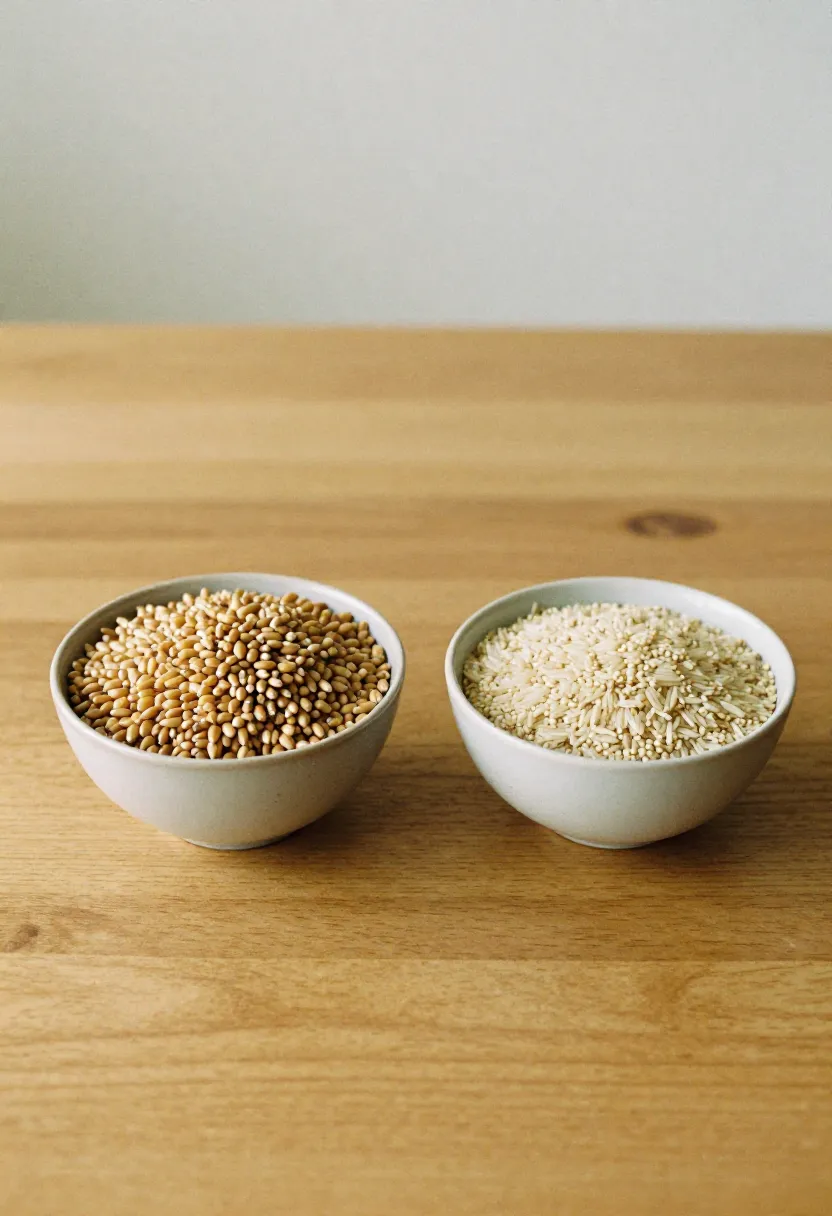
A gluten-free diet isn’t just a preference for many people — it’s a genuine health necessity. Understanding why someone might avoid gluten can make the entire lifestyle feel more purposeful and less like a trend or restriction. The reasons vary, but they all come down to one simple idea: some bodies react poorly to gluten, and removing it helps them function better.
Let’s look at the most common scenarios.
Coeliac Disease — When the Immune System Reacts to Gluten
For people with coeliac disease, gluten triggers an immune response that damages the lining of the small intestine. This inflammation affects nutrient absorption and can lead to digestive discomfort, fatigue, anemia, skin issues, and long-term health complications.
For them, a 100% gluten-free diet is essential — not optional.
Non-Coeliac Gluten Sensitivity — Symptoms Without a Diagnosis
Some people experience gluten-related symptoms even though they don’t have coeliac disease or wheat allergy. They may feel bloated, tired, foggy, or uncomfortable after eating wheat-based foods.
This is known as gluten sensitivity or intolerance. Removing gluten often leads to noticeable improvements in energy, digestion, and overall well-being.
Wheat Allergy — A Different Condition, Still Serious
A wheat allergy is not the same as gluten intolerance. Here, the immune system reacts specifically to proteins found in wheat — which may or may not include gluten.
Symptoms can range from mild discomfort to more serious reactions. A gluten-free or wheat-free diet may be recommended depending on the individual’s triggers.
People Exploring Gluten-Free Eating for Better Comfort
Others choose to reduce gluten simply because they notice they feel lighter, less bloated, or more energized when eating fewer wheat-based foods. This isn’t a medical requirement, but a personal wellness choice — and a valid one as long as the diet remains balanced and nutritious.
A gentle reminder
A gluten-free diet can make a dramatic difference for those who need it. But it’s important to approach it mindfully. Removing gluten without understanding what to replace it with may lead to nutrient gaps — especially if you rely heavily on processed gluten-free products.
When done correctly, though, gluten-free eating can be nourishing, satisfying, and surprisingly diverse.
Recognising Symptoms of Gluten Sensitivity

Gluten sensitivity can be subtle, confusing, and easy to overlook. Unlike coeliac disease, it doesn’t cause lasting damage to the intestine — but it does create discomfort that affects daily life. Many people discover their sensitivity accidentally, simply noticing that they feel better on days they eat fewer wheat-based foods.
Recognizing your body’s signals is the first step toward understanding whether gluten might be part of the problem.
Digestive Discomfort
One of the most common signs is ongoing digestive trouble. This can look like bloating after meals, gas, abdominal pain, constipation, or loose stools. These symptoms can appear minutes to hours after eating gluten.
People often describe it as “feeling heavy” or “puffy” after bread or pasta.
Fatigue and Low Energy
Gluten sensitivity can also show up as general tiredness — not the kind that follows a long day, but a lingering sense of sluggishness. If you frequently feel exhausted after eating wheat-rich meals, your body may be struggling to process them.
Brain Fog
Some people experience difficulty concentrating, mental heaviness, or forgetfulness. This symptom is surprisingly common and often improves noticeably on a gluten-free diet.
Headaches or Migraines
Recurring headaches can sometimes be triggered or worsened by gluten in sensitive individuals.
Skin Reactions
Itchy or dry patches, eczema-like flare-ups, or redness may appear in response to gluten, especially for those who are sensitive.
Mood Changes
Although less discussed, irritability or low mood can sometimes accompany gluten sensitivity. The connection between gut health and emotional well-being is strong, and gluten-triggered inflammation may play a role.
A gentle approach to noticing symptoms
Because these signs can overlap with many conditions, it’s important not to jump to conclusions. Instead, think of gluten as one possible factor. Many people gain clarity by keeping a simple food-and-feelings journal for a week or two, or by speaking with a healthcare professional.
The goal isn’t to diagnose yourself — it’s to pay attention to how your body responds, with curiosity rather than fear.
Gluten-Free vs Wheat-Free — What’s the Difference?
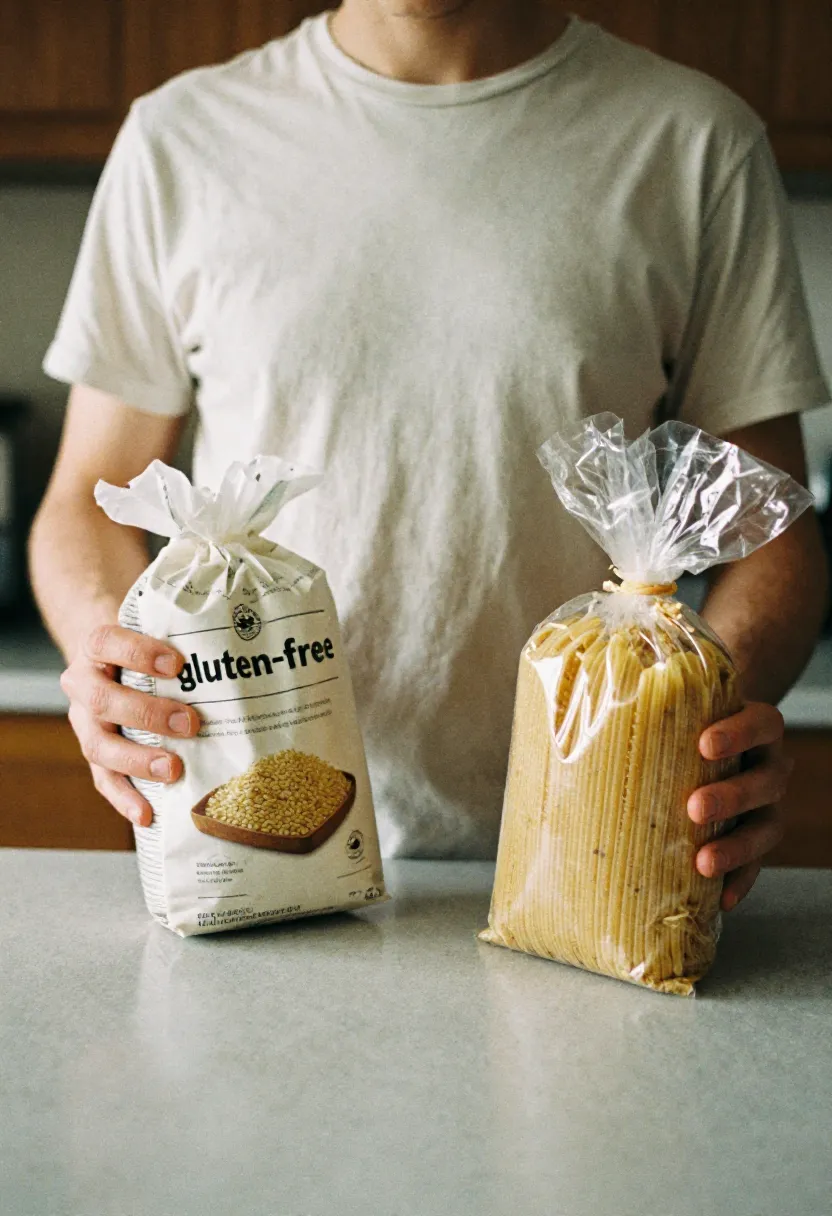
Many people use the terms gluten-free and wheat-free as if they mean the same thing — but they don’t. Understanding the difference makes food choices much clearer, especially when navigating labels, menus, or recipes.
Let’s break it down in a smoother, narrative way.
Gluten-free means avoiding all foods that contain gluten.
Gluten is a protein found in three grains:
wheat, barley, and rye.
So when someone eats gluten-free, they must avoid all foods made from or contaminated by these grains.
That includes bread, pasta, pastries, cereals, and many sauces or processed foods unless they’re specifically labeled gluten-free.
This approach is essential for people with coeliac disease and often helpful for those with gluten sensitivity.
Wheat-free only removes wheat — not gluten from other grains.
Someone who eats wheat-free might still be able to enjoy foods containing barley or rye, because their issue is with wheat proteins specifically, not gluten as a whole.
For example, a wheat-free diet could still include:
- rye bread
- barley soups
- malt-based foods
These are not gluten-free options.
Why this difference matters
A gluten-free diet is stricter because gluten appears in several grains.
A wheat-free diet is more flexible but still requires label reading, since wheat often hides in sauces, seasonings, noodles, baked goods, and even sweets.
People with wheat allergy avoid wheat for immune reasons.
People with coeliac disease or gluten sensitivity avoid all gluten-containing grains.
A helpful way to remember it
All gluten-free foods are automatically wheat-free.
But not all wheat-free foods are gluten-free.
This little distinction prevents confusion — and helps you choose foods that truly match your needs.
Foods You Can Eat on a Gluten-Free Diet
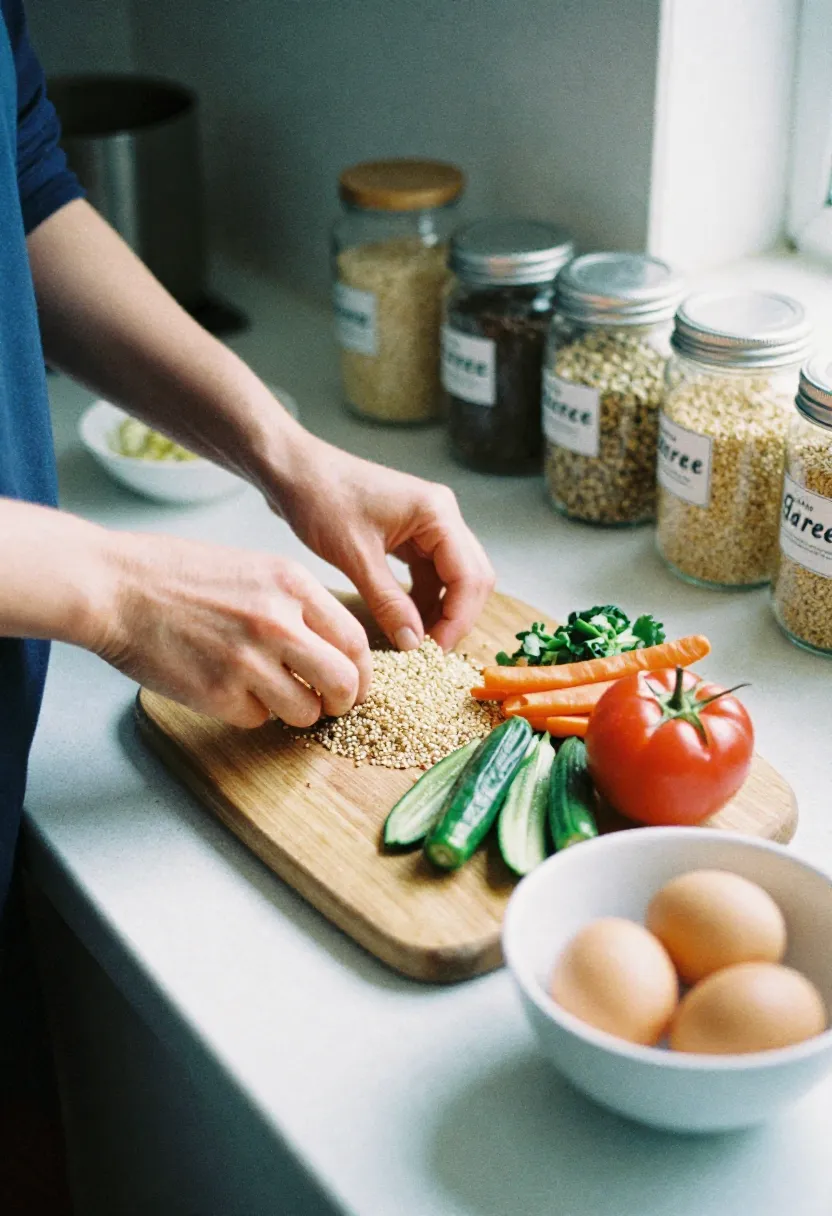
One of the most reassuring parts of going gluten-free is discovering just how many foods you can eat without worry. A gluten-free lifestyle isn’t about cutting your menu in half — it’s about shifting toward naturally wholesome ingredients that make meals feel fresh, varied, and satisfying.
Here’s a warm, simple look at the foods that fit beautifully into gluten-free living.
Naturally Gluten-Free Grains and Starches
Many people are surprised to learn that several grains don’t contain gluten at all.
These include rice, corn, quinoa, buckwheat, millet, and sorghum.
Potatoes, sweet potatoes, and oats labeled gluten-free are also safe and wonderfully versatile.
They form the comforting base of countless meals — from porridges to bowls, soups, and warm salads.
Fruits and Vegetables — Unlimited Color and Variety
All fresh fruits and vegetables are naturally gluten-free.
This means smoothies, roasted trays of veggies, crisp salads, baked apples, grilled peaches — the possibilities are endless.
Their natural sweetness, fiber, and vitamins support your digestion and energy levels as you adjust to gluten-free eating.
Proteins — Simple and Safe Choices
Meat, poultry, fish, eggs, beans, lentils, tofu, and tempeh are all gluten-free in their natural form.
They’re nourishing, filling, and easy to build meals around.
Just be mindful of marinades, breaded coatings, or processed meats, since gluten sometimes sneaks into flavorings or additives.
Dairy and Dairy Alternatives
Milk, yogurt, cheese, and many plant-based alternatives (like almond, soy, or oat milk) are safe as long as they’re not flavored or thickened with gluten-containing additives.
Plain options are usually the easiest to trust.
Nuts, Seeds, and Healthy Fats
These foods add texture, flavor, and staying power to meals:
almonds, walnuts, chia seeds, pumpkin seeds, olive oil, avocado oil, nut butters — all naturally gluten-free.
Just check labels on flavored nuts or mixed snacks.
Gluten-Free Alternatives
From bread and pasta to crackers and flours, there are countless gluten-free options available now.
Some are fantastic; others are more processed or rely heavily on starches.
The best approach is to experiment, try different brands, and use them as supportive additions rather than the center of every meal.
A gentle reminder
Gluten-free eating isn’t about deprivation.
It’s a chance to rediscover food through fresh ingredients, vibrant colors, and simple meals that leave you feeling nourished and comfortable.
Foods to Avoid — Where Gluten Commonly Hides
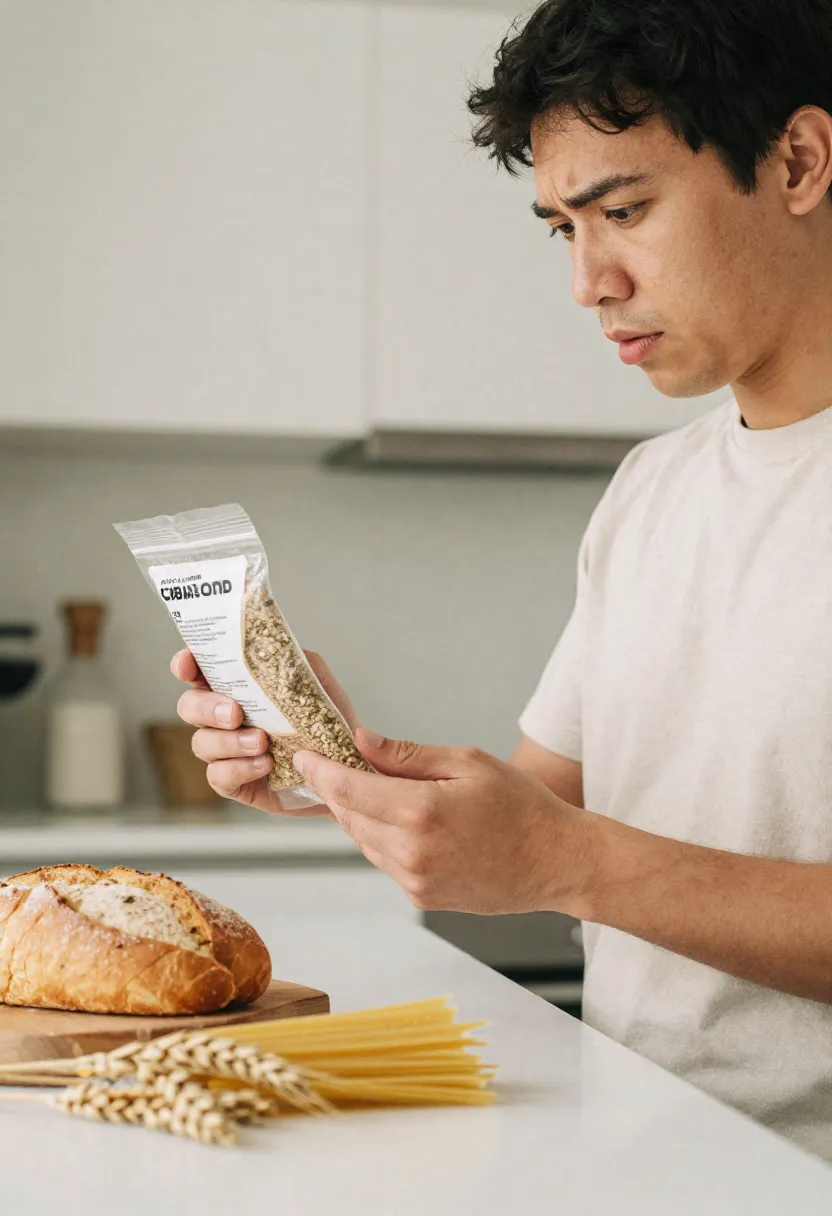
While many foods are naturally gluten-free, gluten can also be surprisingly sneaky. Knowing where it hides helps you avoid discomfort and gives you confidence when shopping, cooking, or ordering meals.
Rather than memorizing long lists, the easiest approach is to understand the categories where gluten appears most often — and why.
Wheat, Barley, and Rye — The Core Sources
These grains contain gluten at their very core.
That means traditional bread, pasta, pastries, biscuits, cakes, cereals, couscous, bulgur, and semolina all contain gluten unless labeled gluten-free.
Beer and malt products (like malt vinegar or malt extract) also fall into this category because they’re made from barley.
Processed Foods — Where Gluten Shows Up Invisibly
Many packaged foods include gluten not as a grain, but as a thickener, filler, stabilizer, or flavor enhancer.
You might find gluten in:
- soups and broths
- sauces and gravies
- soy sauce
- salad dressings
- spice mixes
- ready-made meals
- breaded or battered items
Even foods that seem naturally gluten-free may include wheat-based additives.
Unexpected Everyday Items
A few foods catch people off guard when they first go gluten-free:
- certain chocolate bars or sweets
- flavored chips or crisps
- imitation meats
- pre-made burgers or meatballs
- granola bars
- instant drinks or hot chocolate mixes
These often include wheat-derived ingredients for texture or binding.
Oats — Safe Only When Labeled Gluten-Free
Oats themselves don’t contain gluten, but they’re frequently contaminated during harvesting or processing.
Only oats marked “gluten-free” are reliably safe.
Bakery Items, Even “Healthy” Ones
Many artisanal or “wholegrain” products still rely heavily on wheat flour.
Breads, muffins, crackers, wraps — unless they’re specifically made without gluten, they’ll contain it.
A reassuring thought
Once you learn where gluten hides, grocery shopping feels much simpler.
It becomes second nature to check labels, choose naturally gluten-free ingredients, and build meals around fresh, nourishing foods.
Gluten-free living isn’t about fear — it’s about awareness.
How to Read Labels on a Gluten-Free Diet
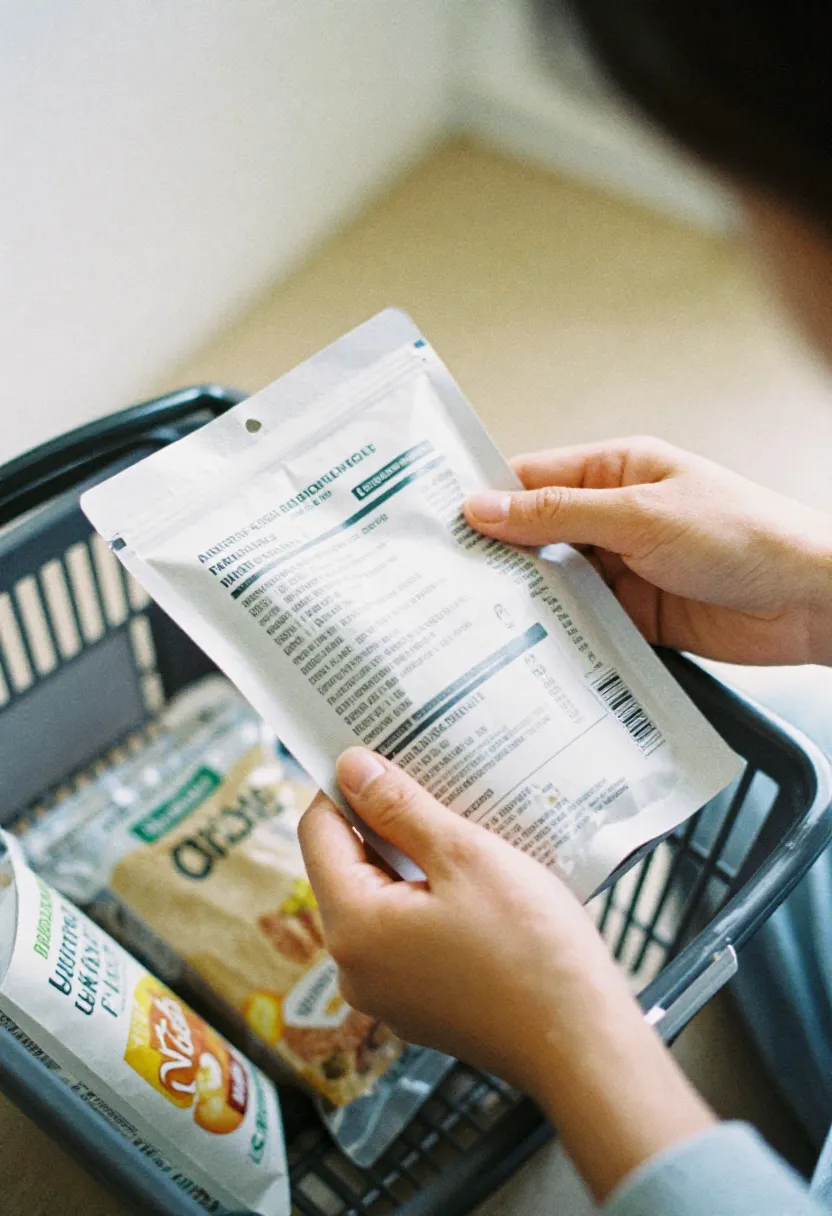
Learning to read labels is one of the most empowering skills in a gluten-free lifestyle. At first it may feel overwhelming — long ingredient lists, unfamiliar terms, tiny print — but with a bit of practice, it becomes second nature.
Think of it not as searching for danger, but as building clarity and confidence in what you choose to eat.
Here’s a warm, simple guide to help you navigate labels without stress.
Start with the bolded allergens
In many countries, wheat must be highlighted in bold under the ingredients list.
If you see wheat, barley, rye, or malt, the product isn’t gluten-free unless it clearly states otherwise.
This one step can often give you the answer within seconds.
Look for clear reassurance: “gluten-free”
Products labeled “gluten-free” follow strict safety standards and contain less than 20 ppm (parts per million) of gluten — a safe threshold for most people with coeliac disease.
This phrase is your quickest guarantee.
Be cautious with terms that sound safe but aren’t
Words like “wheat starch,” “barley malt extract,” or “malt flavoring” almost always indicate gluten unless they are specifically marked gluten-free (rare, but possible).
Similarly, “natural flavours” or “spices” can sometimes include gluten-based carriers, depending on the brand.
Watch for hidden gluten in processed foods
Many products use gluten for texture or stability. Examples include:
- salad dressings
- soy sauce
- ready meals
- spice blends
- stock cubes
- gravy mixes
- imitation meat products
- chips with flavored coatings
Always double-check these categories.
Remember that oats need their own label
Even though oats are gluten-free by nature, they must be labeled “gluten-free oats” to ensure they aren’t contaminated with wheat during processing.
Short ingredient lists are your friend
Foods with just a handful of ingredients are easier to interpret and usually safer.
Whole foods — fruits, vegetables, plain meat, legumes, nuts — don’t require label reading at all.
Trust your favourites, but verify new versions
Brands sometimes change recipes. A product that was gluten-free last month might not be today.
A quick glance at the label is always worth it.
A comforting reminder
Reading labels becomes easier, faster, and intuitive with practice. What feels like effort at first becomes a gentle habit — one that lets you move through your gluten-free lifestyle with confidence and ease.
Gluten-Free Kitchen Basics — Avoiding Cross-Contamination
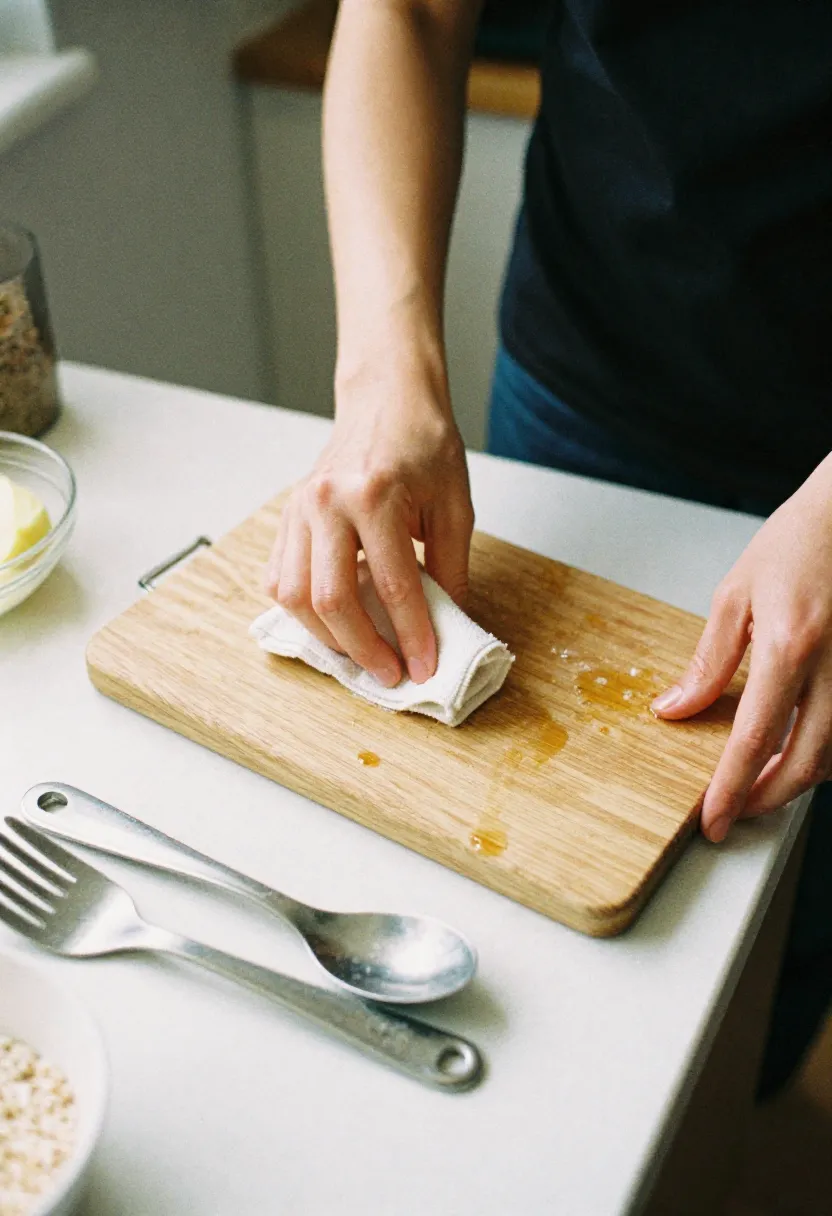
Even when choosing the right foods, gluten can still sneak into meals through cross-contamination — tiny, invisible traces from utensils, surfaces, or ingredients stored together. For someone sensitive to gluten or living with coeliac disease, even these small amounts can trigger symptoms.
But the good news? With a few simple habits, your kitchen can become a safe and stress-free space.
Here’s a warm, practical guide to keeping things naturally gluten-free at home.
Use separate tools when possible
If your household includes both gluten-free and gluten-containing foods, having dedicated tools makes life much easier. Items like a toaster, cutting board, wooden spoons, and baking tins often trap crumbs in places you can’t fully clean.
A second set — even inexpensive ones — helps avoid accidental exposure.
Keep gluten-free foods stored higher or separately
Flour dust can settle, crumbs can fall, and packages can touch.
By storing gluten-free items in their own space, preferably above wheat-based foods, you reduce the risk of contamination without extra effort.
Be mindful when baking with wheat flour
Regular flour becomes airborne easily and can contaminate nearby surfaces.
If someone in the household bakes with wheat, clean worktops thoroughly afterward, and try to keep gluten-free ingredients sealed and away during the process.
Wipe down surfaces before cooking
A quick clean with warm, soapy water before preparing gluten-free meals goes a long way.
Even tiny crumbs left from sandwiches or pastries can cause issues for those who are highly sensitive.
Use clean utensils for serving
Shared serving spoons or knives can spread gluten unintentionally — especially with dishes like dips, butter, jam, or peanut butter.
Labeling one jar “GF only” is a simple, effective solution.
Be extra careful with bulk items
Shared containers of flour, oats, cereals, or breadcrumbs are often cross-contaminated.
For gluten-free oats, bread, or pasta, always keep them in clearly marked, airtight containers.
Remember that your kitchen doesn’t have to be perfect
It doesn’t need to be entirely gluten-free to be safe.
A few mindful adjustments help everyone eat confidently and comfortably.
Creating a gluten-free friendly kitchen is really about building supportive habits, not strict rules — habits that allow peace of mind and delicious meals without worry.
Everyday Gluten-Free Meals — Simple, Nourishing Ideas
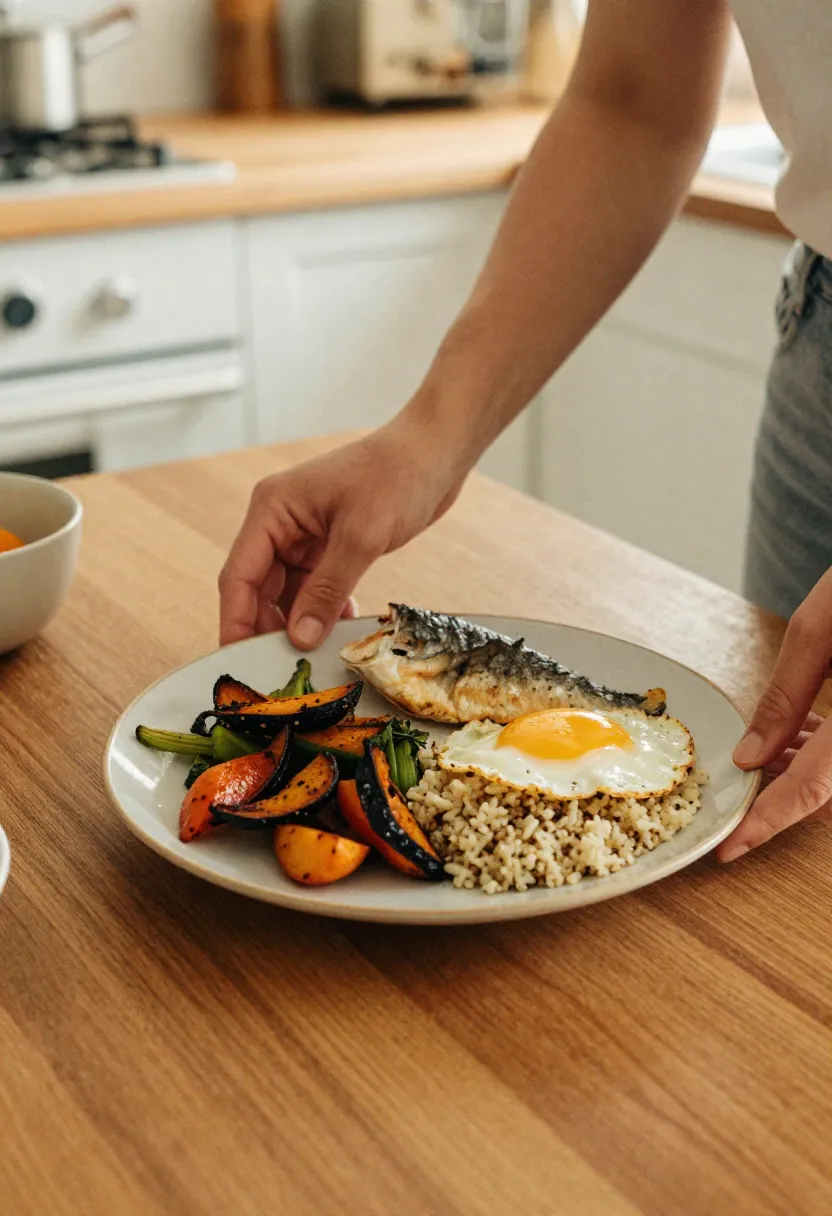
A gluten-free lifestyle becomes much easier when you have a handful of everyday meals you can lean on — dishes that are simple, comforting, and easy to prepare without complicated substitutions. Gluten-free food doesn’t need to feel “special” or restrictive. In fact, many naturally gluten-free meals are the kinds of dishes we all love: warm bowls, fresh salads, hearty proteins, and simple bakes.
Here’s a gentle walkthrough of ideas that fit effortlessly into real life.
Warm, Comforting Breakfasts
Breakfast doesn’t have to revolve around wheat-based cereals or toast.
Think of soft, nourishing bowls: creamy rice porridge, gluten-free oats, or quinoa simmered in milk or plant milk.
Add berries, nuts, honey, or cinnamon to bring warmth and variety.
Eggs are also an easy go-to — scrambled, poached, or turned into a simple veggie-filled omelette.
Light, Energizing Lunches
Simple salads become satisfying when you layer in protein and texture.
Try roasted vegetables with quinoa, chicken with mixed greens, or a lentil salad with herbs and lemon.
A baked potato topped with tuna, cottage cheese, or chickpeas also makes a filling, naturally GF option.
Leftovers from dinner often make effortless lunches too — soups, roasted vegetables, grilled fish, or a gluten-free pasta portion with fresh olive oil and cherry tomatoes.
Comforting, Balanced Dinners
Dinner is where gluten-free eating can truly shine.
Think of cozy meals like roasted chicken with potatoes, rice bowls with sautéed vegetables, stir-fries with tamari instead of soy sauce, or grilled salmon with quinoa and lemon.
If you enjoy pasta nights, gluten-free pasta works beautifully when tossed with simple sauces — tomato, pesto, garlic and olive oil, or creamy GF options.
Easy Snacks That Don’t Feel “Diet-y”
Snacking gluten-free is often simpler than expected.
Fresh fruit, yogurt, nuts, hard-boiled eggs, veggie sticks with hummus, popcorn, rice cakes with nut butter, or gluten-free crackers all offer comfort without complication.
Many people find their energy steadier when snacks include protein or healthy fats — a small handful of almonds goes a long way.
Naturally Gluten-Free Treats
You don’t have to give up sweetness.
Baked apples, flourless brownies, coconut macaroons, and almond-flour muffins are all delicious examples of treats that don’t rely on wheat at all.
Gluten-free baking has its learning curve, but starting with naturally GF recipes removes the stress.
A gentle reassurance
The most nourishing gluten-free meals are often the simple ones: whole foods, fresh ingredients, and flavors you already love.
Once you stop focusing on what’s missing and start noticing what’s available, your kitchen opens up again — warm, vibrant, and full of possibility.
Potential Challenges — Cost, Texture, Social Situations
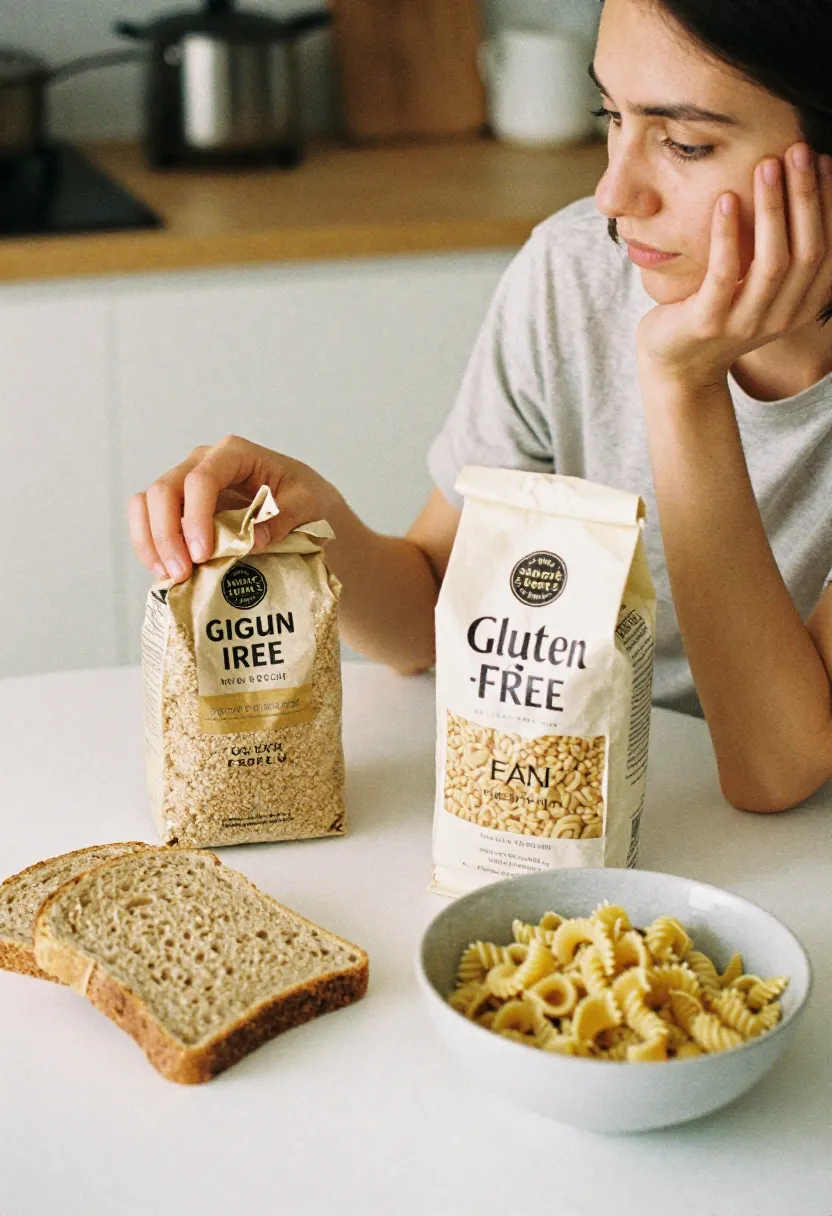
Living gluten-free often brings real benefits — clearer digestion, more energy, fewer symptoms — but that doesn’t mean the journey is always smooth. Many people face a few predictable challenges along the way, not because the diet is inherently difficult, but because our world is still built around wheat.
With a bit of awareness and gentle planning, these challenges become manageable rather than overwhelming.
Let’s navigate them thoughtfully.
1. The Higher Cost of Gluten-Free Products
Specialty gluten-free breads, pastas, and snacks often cost more than their wheat-based equivalents. This can feel discouraging, especially at first.
But here’s the comforting truth:
the most nourishing gluten-free foods are usually the simplest and most affordable.
Rice, potatoes, beans, lentils, vegetables, fruit, eggs — all naturally gluten-free and budget-friendly.
Using specialty GF products only as occasional add-ons, rather than daily staples, helps keep eating both economical and nourishing.
2. Texture Differences in Gluten-Free Baking
Gluten-free bread may feel denser, cookies may crumble more easily, and pasta can become soft if overcooked. This isn’t a failure — it’s simply what happens without gluten’s stretchy structure.
Many people find a combination of approaches works best:
- choosing high-quality GF brands,
- experimenting with alternative flours like almond or buckwheat,
- embracing recipes naturally free of gluten rather than relying on swaps.
Over time, your taste preferences and expectations adjust, and the textures begin to feel normal — even comforting.
3. Eating Out Can Feel Stressful at First
Menus aren’t always clear, and not every restaurant understands cross-contamination. But more places than ever now offer gluten-free options or can modify dishes.
Some gentle strategies:
- Look up menus in advance.
- Ask simple, direct questions like “Is this prepared separately from wheat ingredients?”
- Choose naturally GF dishes (grilled fish, rice bowls, salads, roasted meats) when unsure.
Confidence grows with each outing.
4. Social Gatherings and Family Meals
Sharing food is emotional — birthdays, dinners, celebrations — and going gluten-free may make you feel separate at first. People might not understand, or they may unintentionally offer foods you can’t eat.
A few grounding approaches help:
- Bring a GF dish to share so you always have something safe.
- Communicate gently, not apologetically.
- Focus on connection, not the plate.
Over time, your circle gets used to your needs — often more quickly than you expect.
5. Feeling Restricted or “Different”
This emotional challenge is real. Any dietary shift can make you feel limited, especially in the beginning.
But gluten-free eating becomes much easier when you treat it as support, not restriction — a way to feel better, not a rule to obey.
By discovering new recipes, exploring naturally GF foods, and noticing improvements in your well-being, the diet becomes not a burden but a way of caring for yourself.
A final reassurance
Every challenge you encounter has a gentle solution.
And with practice, gluten-free living feels less like navigating a maze and more like finding a steady, comfortable rhythm that supports your health every day.
Conclusion — A Gluten-Free Lifestyle That Feels Supportive, Not Restrictive
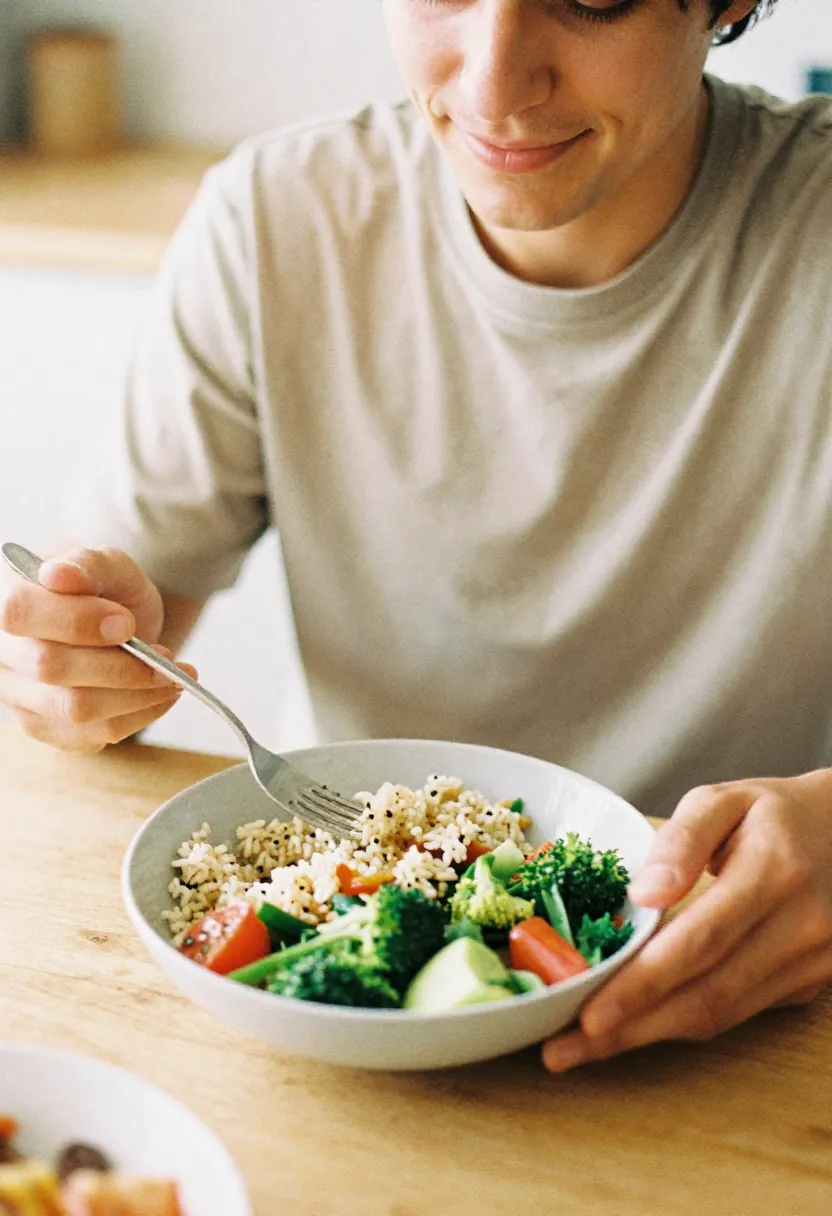
Choosing to live gluten-free can feel like stepping into a new world — one with unfamiliar labels, different textures, and new habits to learn. But once the initial adjustments settle, something shifts. You begin to notice the comfort of meals that sit well, the clarity that comes from fewer symptoms, and the quiet confidence of knowing exactly what supports your body.
A gluten-free lifestyle is not about removing joy or limiting your options.
It’s about finding foods that help you feel your best — foods that energize you, soothe your digestion, and allow you to move through your days with greater ease.
Over time, you stop focusing on what you can’t eat and start noticing the abundance of what you can: nourishing grains like quinoa and rice, vibrant vegetables, tender proteins, fruits bursting with sweetness, and treats made from almond flour, coconut, or oats.
Your kitchen becomes a place of comfort again, not caution.
Most importantly, gluten-free eating becomes less of a “diet” and more of a supportive lifestyle — one built on listening to your body, respecting its signals, and making choices that feel grounded and nurturing.
You deserve food that allows you to feel well, steady, and alive in your own skin.
And if living gluten-free brings you closer to that feeling, then it’s not a restriction — it’s a quiet form of self-care.