Contents
Most people don’t fail at healthy eating because they lack discipline. They fail because the approach they’re trying doesn’t fit their actual life.
You’ve probably been there. You start the week with good intentions — meal prepped, motivated, ready. By Thursday, you’re eating crackers over the sink and calling it dinner. Not because you gave up, but because the plan was never realistic in the first place.
Here’s what actually works: small, specific habits that quietly reshape the way you eat — without making food feel like a punishment.
No extreme cleanses. No cutting out entire food groups. No guilt for being human.
These 5 habits aren’t flashy, but they stick. And that’s exactly the point.
Keep It Simple in the Kitchen
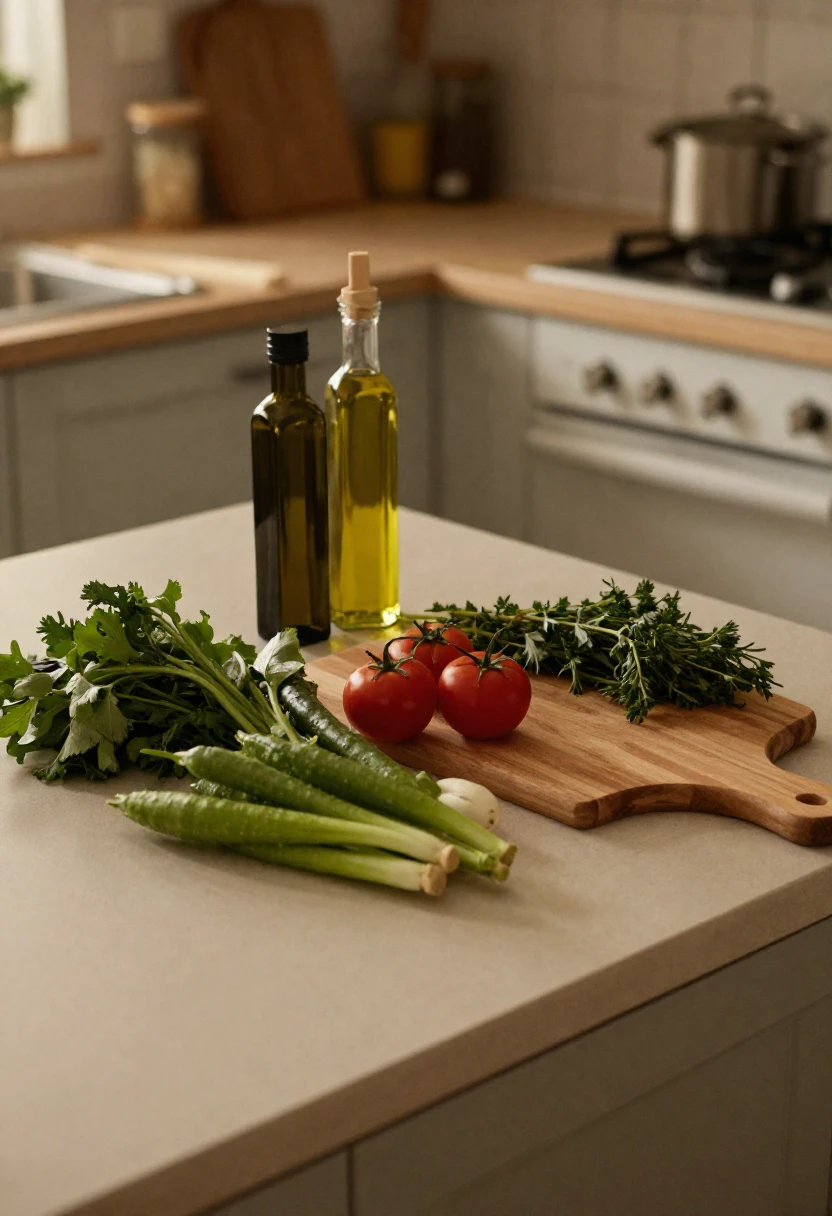
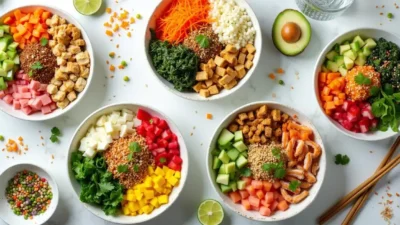
There’s a version of healthy eating that lives on Pinterest — colorful grain bowls, perfectly layered smoothies, elaborate meals that take 90 minutes to prepare on a Tuesday night. It looks beautiful. It’s also completely unsustainable for most people.
The truth is, the simpler your cooking, the more consistently you’ll do it.
Why Complicated Recipes Are the Enemy of Healthy Eating
When cooking feels like a project, you’ll avoid it. And when you avoid it, you end up relying on whatever’s fastest — which usually isn’t the most nourishing option.
Simple cooking doesn’t mean boring. It means having a handful of go-to methods you can use on autopilot:
- Roasting vegetables in olive oil with salt and pepper
- Grilling or baking a piece of fish or chicken
- Boiling a pot of grains at the start of the week
- Throwing together a salad with whatever’s in the fridge
These aren’t exciting, but they’re real. And real is what gets done.
Easy Cooking Methods That Preserve Nutrients and Flavor
How you cook your food matters just as much as what you cook. Some methods strip nutrients, others lock them in.
The best everyday techniques:
- Steaming — gentle, fast, keeps vitamins intact
- Roasting — brings out natural sweetness, minimal effort
- Stir-frying — quick, high heat, great for vegetables and lean proteins
- Raw — sometimes the simplest option is just not cooking at all
A handful of fresh herbs, a squeeze of lemon, or a drizzle of good olive oil can turn the most basic ingredients into something you actually want to eat.
The “If You Can’t Identify It, Don’t Eat It” Rule
This isn’t about being strict — it’s about staying connected to what you’re putting in your body. Whole ingredients you recognize and understand are almost always a better choice than something with a 30-word ingredient list.
Shop the edges of the grocery store. That’s where the real food lives — produce, meat, fish, dairy, eggs. The middle aisles are where things get complicated.
Start there, and cooking simple becomes a whole lot easier.
Plan Your Snacks Before Hunger Decides for You
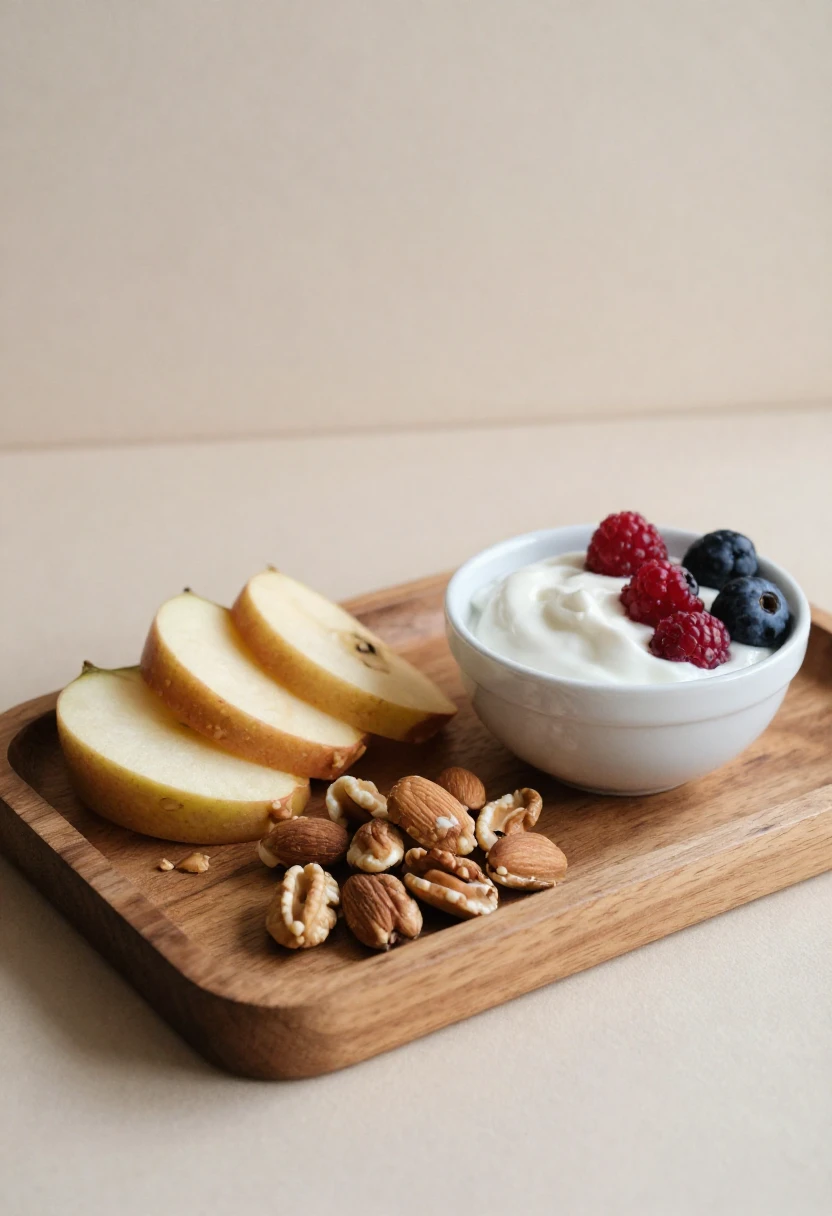
Here’s something nobody talks about enough: hunger is the worst possible time to make a food decision.
When you’re genuinely hungry — that low-blood-sugar, slightly irritable, can’t-think-straight kind of hungry — your brain isn’t looking for the most nutritious option. It’s looking for the fastest one. And fast usually means chips, cookies, or whatever’s closest to your hand at that moment.
This isn’t a willpower problem. It’s biology.
Why Hunger Is the Worst Time to Make Food Decisions
When your blood sugar drops, your body goes into a mild stress response. Cravings spike. Rational thinking takes a back seat. That’s when a handful of nuts somehow turns into half a bag of pretzels.
The fix isn’t trying harder in that moment — it’s making the decision before that moment ever arrives.
Planning your snacks in advance removes the choice entirely. You’ve already decided what you’re eating. There’s nothing to negotiate.
What Smart Snacking Actually Looks Like
A good snack does two things: it keeps you satisfied until your next meal, and it doesn’t send your blood sugar on a rollercoaster.
That means pairing something with fiber or protein — not just simple carbs on their own.
Some combinations that actually work:
- Apple slices + almond butter
- Greek yogurt + a handful of berries
- Hard-boiled eggs + a few crackers
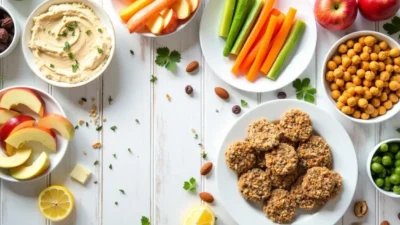
- Hummus + sliced vegetables
- A small handful of mixed nuts + a piece of fruit
Notice these aren’t complicated. They take about 30 seconds to put together — which matters when you’re already hungry and patience is running thin.
Keeping “Free Foods” on Hand for Weak Moments
Every kitchen needs what I call free foods — things you can reach for without overthinking. Foods that are low in calories but high in volume and satisfaction.
Think:
- Carrot and celery sticks
- Cherry tomatoes
- Cucumber slices
- Fresh fruit within easy reach
The key word is easy reach. If it requires washing, chopping, or searching through the back of the fridge, it won’t happen. Prep it at the start of the week, keep it at eye level, and let convenience work in your favor for once.
When the healthy option is the easiest option, everything shifts.
Make Peace with Your Favorite Foods
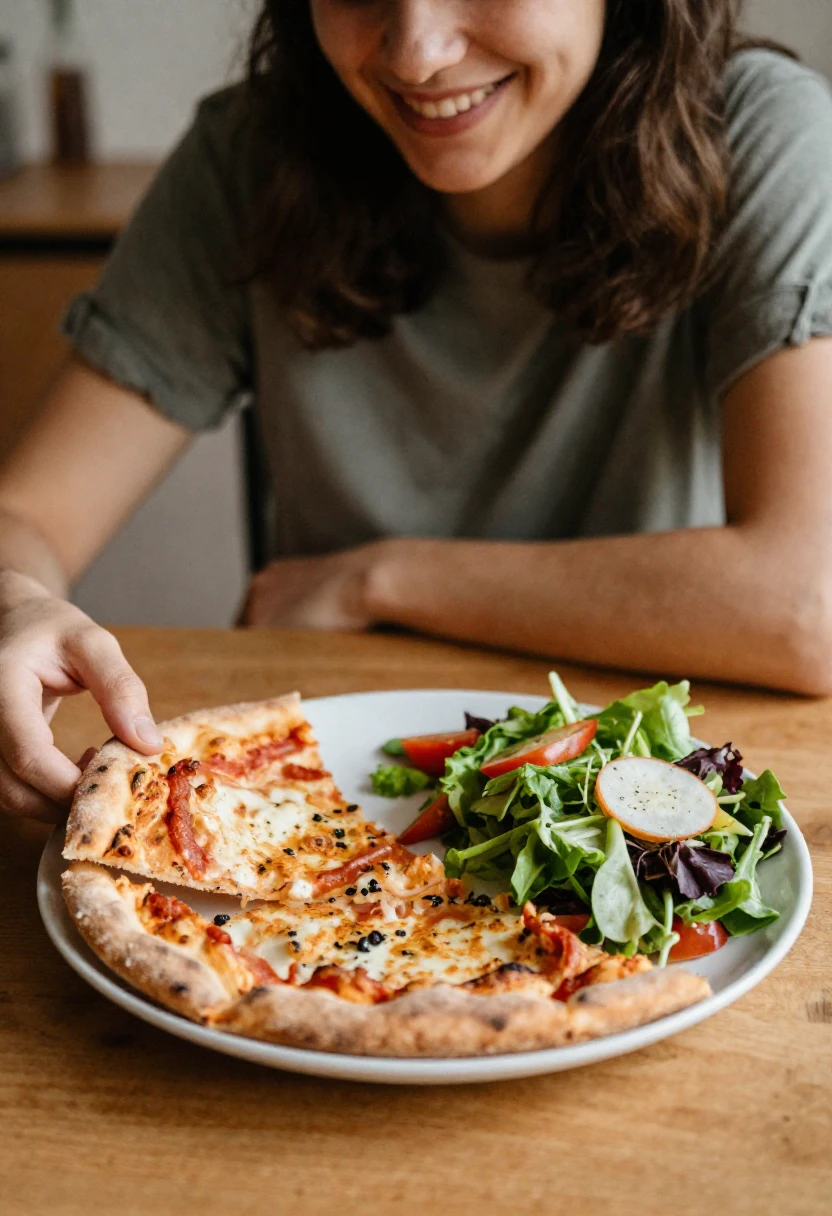
Let’s talk about the foods you love but feel like you shouldn’t.
The chocolate you hide in your desk drawer. The pasta you eat standing at the stove because somehow that doesn’t count. The Friday night pizza that comes with a side of guilt you didn’t order.
Here’s the thing: the moment you label a food as forbidden, you give it an enormous amount of power over you.
Why Cutting Out “Bad” Foods Usually Backfires
Restriction creates obsession. It’s not a character flaw — it’s how the human brain works. Tell yourself you can’t have something, and suddenly it’s all you can think about.
Studies consistently show that people who rigidly eliminate foods they enjoy tend to overconsume them when they finally do eat them. One cookie becomes ten because you’ve been “saving up.” One slice of pizza becomes the whole thing because you already “ruined it.”
This cycle — restrict, crave, overeat, guilt, restrict again — is exhausting. And it has nothing to do with how healthy your diet actually is.
How to Build Your Passion Foods Into a Healthy Routine
The goal isn’t to stop eating the foods you love. The goal is to eat them intentionally, without the drama around them.
That looks different for everyone, but some approaches that work:
- Schedule them in. If you know Friday night is pizza night, you’re not “falling off” — you’re following your plan.
- Eat them properly. Sit down. Use a plate. Actually taste it. Food eaten with attention is far more satisfying than food eaten in a panic.
- Stop at satisfaction, not at guilt. The difference is subtle but important. One feels like a choice, the other feels like a punishment.
When a food stops being forbidden, it stops being the thing you binge on in secret. It just becomes… food.
The Difference Between Deprivation and Balance
Balance doesn’t mean eating perfectly 50% of the time and chaotically the other 50%. It means that over the course of a week, your eating mostly nourishes you — and occasionally, it just makes you happy. Both of those things matter.
A piece of birthday cake at a party isn’t a setback. It’s a normal part of being a person who eats food.
The healthiest eaters aren’t the ones with the strictest rules. They’re the ones who’ve stopped going to war with themselves at every meal.
Make room for the foods you love. Your relationship with food is just as important as the food itself.
Eat Without Distractions — Make It a Real Experience
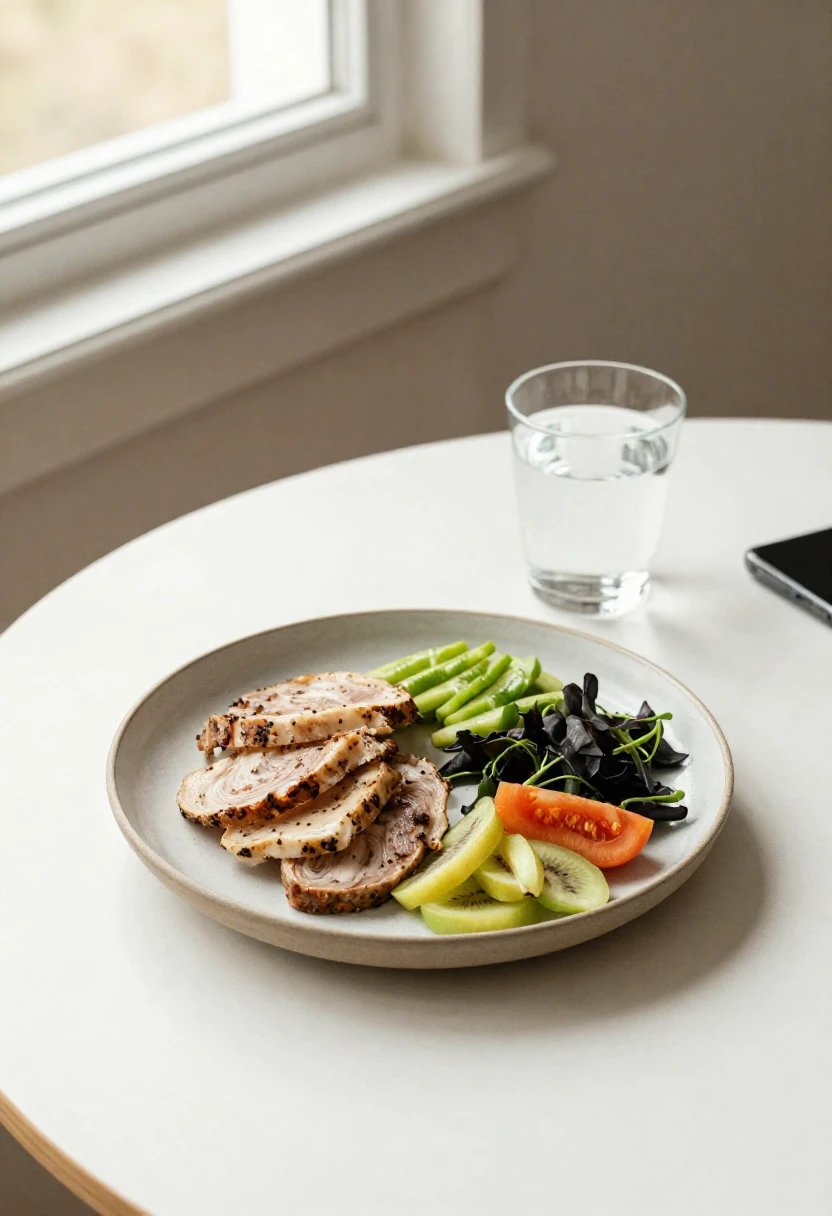
Think about the last time you ate lunch. Really think about it.
Were you sitting at a table, actually tasting your food? Or were you scrolling through your phone with one hand and eating with the other, barely registering what was on your plate?
If it’s the second one — you’re not alone. Eating while distracted has become the default for most people. And it’s quietly doing more damage to your eating habits than almost anything else.
What Mindless Eating Is Doing to Your Portions
Here’s what happens when your attention is split between your food and a screen: your brain never quite registers that you’ve eaten.
Satiety isn’t just physical — it’s psychological too. Your brain needs to process the experience of a meal to send the “I’m satisfied” signal. When you’re distracted, that signal gets delayed or missed entirely. So you keep eating. Or you finish your plate and feel strangely unsatisfied, even though you ate plenty.
Research on this is pretty consistent — people eat significantly more when they’re distracted, and they enjoy their food less. That’s a lose-lose.
The Simple Habit of Eating at the Table
This one sounds almost too basic to mention. But it works.
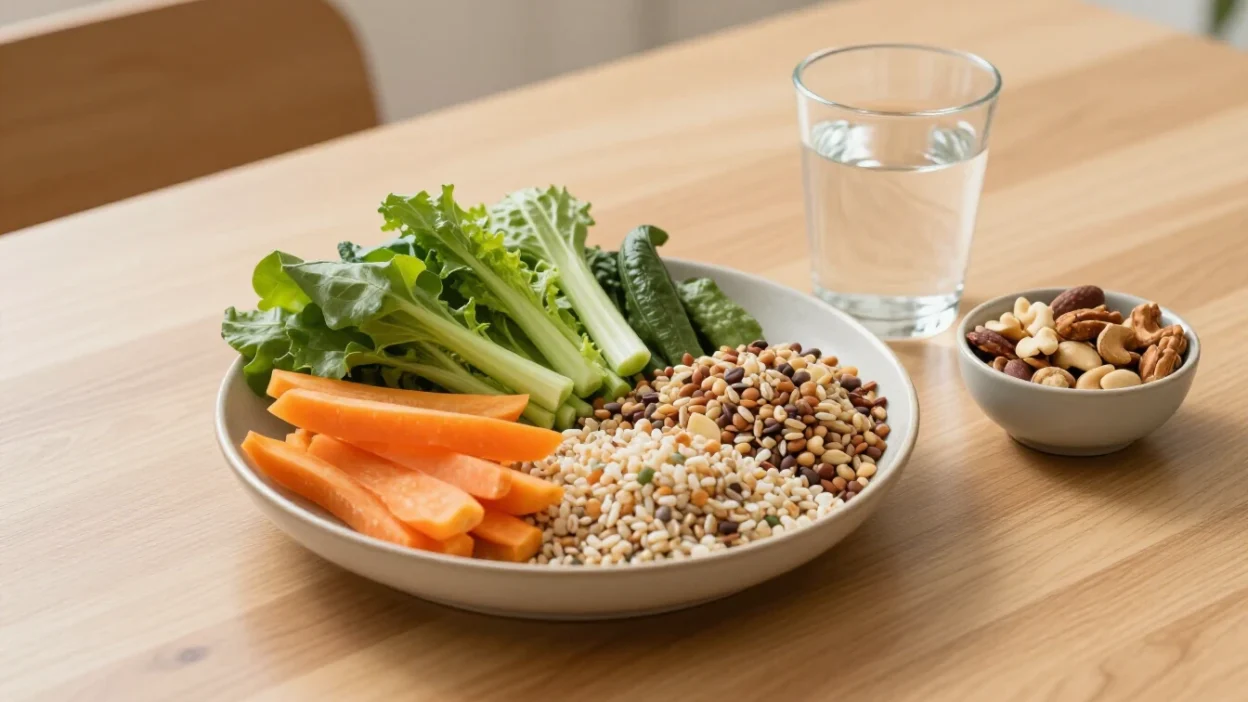
Eating at an actual table — without a screen in front of you — changes the entire experience of a meal. It creates a clear beginning and end. It signals to your brain that this is mealtime, not a background activity happening alongside something else.
You don’t have to make it a formal occasion. You don’t need candles or a perfectly set table. Just:
- Put your phone face down or in another room
- Sit down, even if it’s just for 10 minutes
- Look at your food before you start eating
- Chew slowly enough to actually taste it
That’s it. Simple, but genuinely effective.
How Slowing Down Changes Everything
When you eat slowly, something interesting happens. You start noticing the point where you’re actually full — not stuffed, but comfortably satisfied. That threshold is easy to miss when you’re rushing or distracted.
Slowing down also makes food more enjoyable. The flavors are more present. The meal feels like something that happened, not something you vaguely remember doing between emails.
Try putting your fork down between bites. It sounds fussy, but it naturally breaks the rhythm of eating on autopilot. A few seconds of pause is enough to bring you back to the actual experience of eating.
Food deserves your attention. And honestly — so do you.
Learn to Read Your Own Hunger
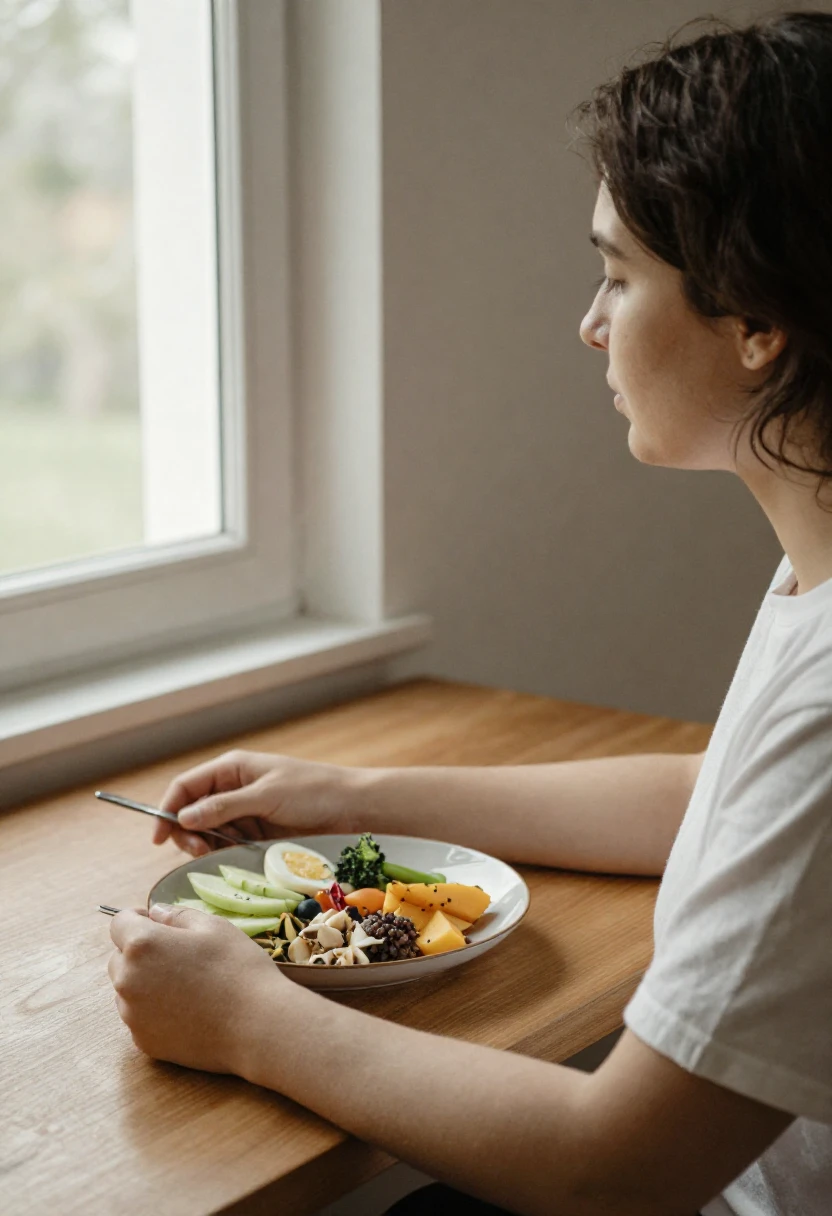
Here’s a question worth sitting with: when was the last time you ate because you were actually hungry?
Not bored. Not stressed. Not because it was noon and that’s when lunch happens. Not because the smell of something good walked past you in the street. Actually, genuinely, physically hungry.
For a lot of people, real hunger has become hard to recognize — buried under habits, emotions, and a constant stream of food noise. Learning to hear it again is one of the most quietly powerful things you can do for your eating.
Hungry vs. Bored vs. Emotional — How to Tell the Difference
Physical hunger builds gradually. It usually starts as a mild awareness somewhere around your stomach, gets stronger over time, and goes away when you eat — regardless of what you eat.
Emotional or bored eating feels different:
- It comes on suddenly, often triggered by something specific — a stressful email, a dull afternoon, a difficult conversation
- It tends to target specific foods — usually something comforting, sweet, or salty
- It doesn’t fully go away after eating, because the original feeling wasn’t hunger
Neither type makes you a bad person. But knowing which one you’re dealing with gives you a choice. And choice is the whole point.
Practical Tools for Building Awareness
You don’t need an app or a food journal to start tuning in — though both can help. What you need is a small pause before you eat.
Before reaching for food, ask yourself:
- “When did I last eat?” — If it was 20 minutes ago, this probably isn’t physical hunger.
- “Where do I feel this?” — Stomach growling is hunger. Mouth watering at a specific craving is usually something else.
- “Would I eat a plain meal right now?” — If the answer is yes, you’re hungry. If you only want one specific thing, something else might be going on.
This isn’t about judging yourself for emotional eating. It’s about knowing yourself well enough to respond to what you actually need — sometimes that’s food, sometimes it’s a walk, a glass of water, or five minutes away from your desk.
Why “Always Leave Something on Your Plate” Is Actually Wisdom
There’s an old piece of advice that gets dismissed as fussy or wasteful: always leave a little something on your plate. But there’s something real behind it.
It’s a practice in stopping before you’re full, not after.
Most of us were raised to finish everything. Clean plate, good kid. That conditioning runs deep. But your plate was served based on someone else’s portion estimate — not your body’s actual needs in that moment.
Leaving a few bites behind isn’t about restriction. It’s about reclaiming the signal your body is already sending you — the quiet one that says “that’s enough” — and actually listening to it.
Over time, that becomes instinct. And instinct is what makes a habit stick.
Conclusion
Healthy eating doesn’t have to be a constant negotiation between what you want and what you think you should have.
The five habits in this article aren’t about perfection. They’re about building a quieter, more sustainable relationship with food — one where you’re not white-knuckling your way through every meal, but actually enjoying what you eat and feeling good afterward.
Start with one. Just one. Maybe it’s planning your snacks ahead of time, or putting your phone away at lunch. Small changes compound in ways that are hard to predict but impossible to ignore.
You don’t need to overhaul your life to eat better. You just need habits that fit the life you actually have.
That’s what sticks.
FAQ
Q: How long does it take to build a healthy eating habit? Research suggests it takes anywhere from 21 to 66 days for a new behavior to feel automatic — and the range varies widely depending on the person and the habit. Don’t focus on the number. Focus on consistency, and the automaticity follows.
Q: Do I have to give up my favorite foods to eat healthily? Not at all. In fact, trying to eliminate foods you love usually backfires. The goal is to include them intentionally — eating them with awareness rather than guilt. Balance over time matters far more than perfection on any given day.
Q: What’s the easiest healthy eating habit to start with? Planning your snacks in advance tends to have the fastest visible impact. It removes decision-making at the worst possible moment — when you’re already hungry — and sets the tone for steadier energy throughout the day.
Q: Is mindful eating really that effective? Yes — and the research backs it up. Eating without distractions improves satiety awareness, reduces overconsumption, and makes meals more enjoyable. It doesn’t require any special food or diet. Just your attention.