Contents
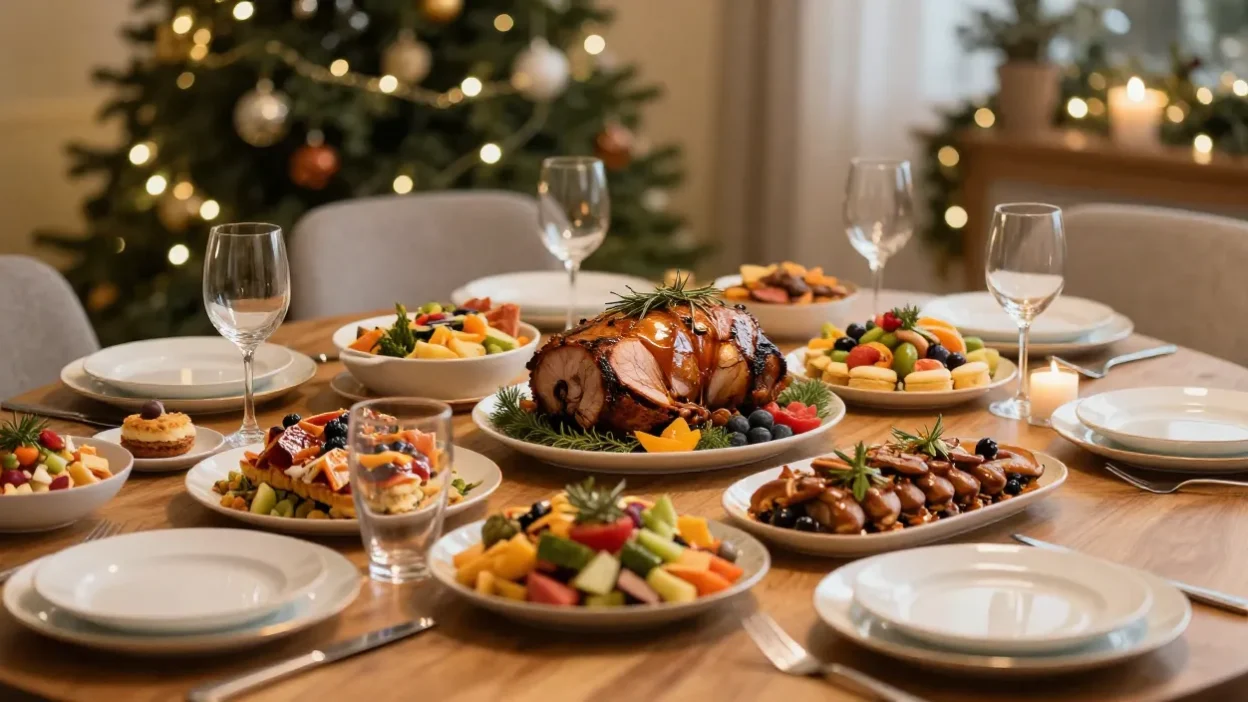
What we put on the holiday table still communicates something important, even if no one ever puts it into words. A thoughtfully prepared meal has a quiet effect on people: it makes guests feel welcome, encourages them to slow down, and gently reassures everyone that there is more than enough to go around. In this setting, food stops being just something to eat and becomes an expression of care and hospitality.
A well-balanced holiday table usually manages to do several things at the same time, without calling attention to itself. It sets the tone for the evening, shapes how long people stay, and even influences how conversations unfold. When the food feels generous and intentional, people relax. They stop checking the time. They settle in.
In practice, a holiday table that truly works often shares a few common qualities:
- it feels inviting rather than overwhelming, with dishes that look familiar instead of intimidating,
- it offers enough variety to account for different tastes and preferences, without turning into a chaotic spread,
- it balances rich, comforting flavors with lighter elements that keep the meal from feeling too heavy,
- and it quietly signals that the food is meant to be enjoyed together, not rushed or picked at.
This is exactly why holiday menus rarely follow the same rules as everyday cooking. Speed, efficiency, and convenience step aside, making room for comfort, memory, and emotion. The dishes don’t need to be clever or surprising. They don’t need to prove anything. They simply need to feel appropriate for the moment and the people gathered around the table.
Some recipes appear year after year without discussion, because removing them would feel almost wrong, as if something important were missing. Others earn their place more gradually. People keep reaching for them. They disappear faster than expected. Someone eventually asks how they were made, even if they have tasted them many times before. Over time, these dishes stop feeling like choices and start feeling like traditions.
This list brings together ten holiday treats that consistently create that sense of ease and familiarity. They work just as well for lively, crowded family gatherings as they do for smaller, quieter dinners. They suit confident home cooks and those who still rely on recipes step by step. Some of the dishes lean sweet, others are deeply savory, but together they create a holiday table that feels generous, balanced, and complete — the kind of table people remember long after the meal is over 🎄✨
1. Gingerbread Cookies 🍪
The Scent of the Holidays, Baked Into Every Bite
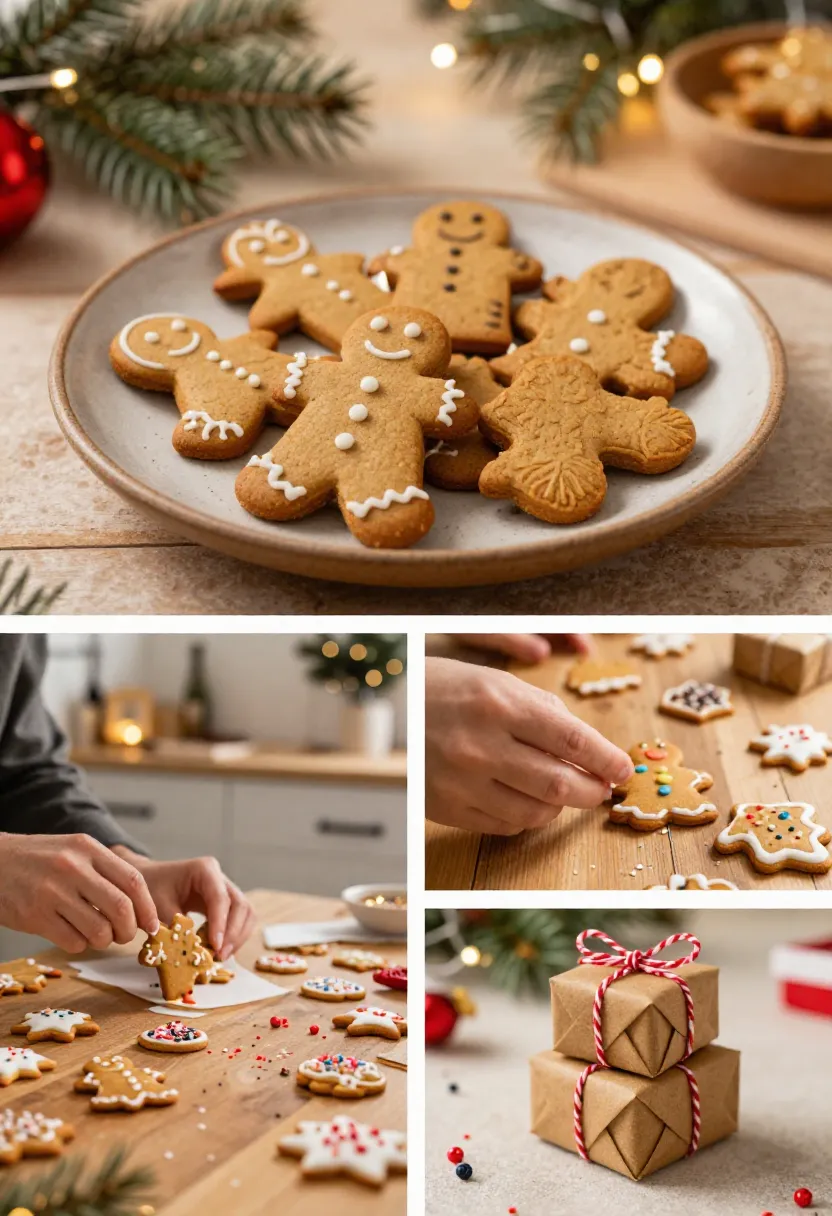
Gingerbread cookies feel like the holidays long before you take the first bite. The real magic happens earlier — the moment warm butter meets spices. That smell alone has a way of stopping conversations mid-sentence and pulling people into the kitchen, often without anyone quite realizing why.
What truly sets gingerbread apart isn’t just the taste. It’s the process. These cookies invite participation in a way few other treats do. Someone rolls out the dough. Someone cuts shapes that are a little too thin. Someone insists the tray is overcrowded. Someone ignores that entirely 😄
The kitchen fills up, opinions appear, and suddenly baking turns into a shared activity rather than a task.
The result is rarely perfect — and that’s the point.
Gingerbread cookies don’t demand precision. Slightly uneven edges, cracked corners, or lopsided decorations somehow make them better. They look handmade. They feel personal, as if they belong to the people who made them rather than to a recipe.
They’re also incredibly practical during the holidays. Gingerbread cookies keep well for several days, travel without falling apart, and often taste even better after resting overnight. Whether they’re stacked on a plate in the kitchen, wrapped up as small gifts, or eaten quietly late at night with a cup of tea, gingerbread cookies always feel like they belong to the season.
Cooking tip: Let the dough rest longer than you think you need — chilled dough is easier to handle, holds its shape better, and gives the spices time to soften and blend, which makes the cookies taste deeper and more balanced the next day.
2. Pumpkin Pie 🥧
A Slice of Tradition That Never Feels Old
Pumpkin pie carries a kind of quiet nostalgia. Even people who didn’t grow up eating it often recognize the flavor instantly. There’s something about the combination of pumpkin and warm spices that feels familiar, almost reassuring, as if it belongs to the season by default.
Pumpkin pie doesn’t try to impress. It doesn’t compete with elaborate desserts or flashy presentations. Instead, it offers comfort — steady, predictable, and calm. It’s the dessert people expect to see, and that expectation is part of its charm.
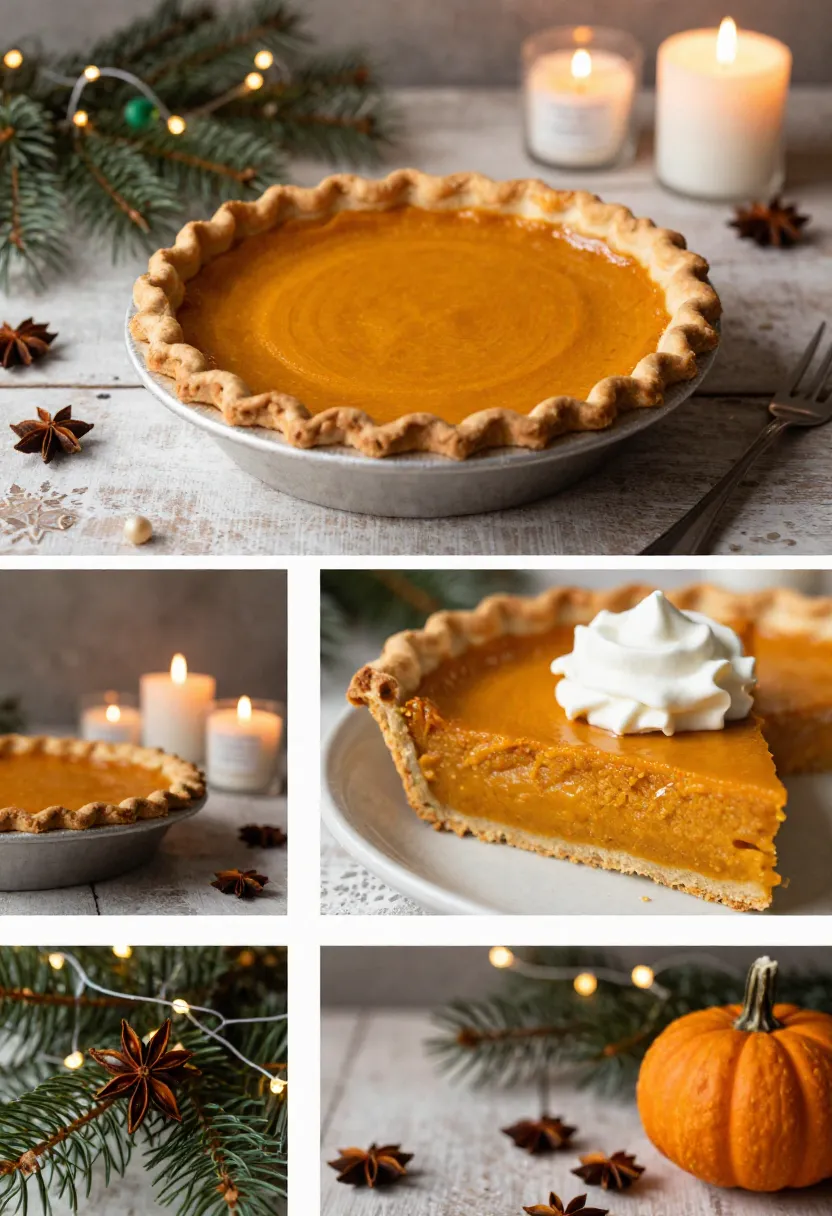
Texture matters here. A good pumpkin pie is soft and smooth, with gentle spice that supports the filling rather than overpowering it. Nothing sharp. Nothing aggressive. It’s the kind of dessert that feels welcoming, even to people who claim they’re “not really dessert people.”
Served at the end of a long holiday meal, pumpkin pie plays an important role. It signals closure. The busiest part of the evening is over. Plates get smaller. Conversations slow down. People lean back in their chairs and stop rushing from one thing to the next.
It’s not a dessert that demands attention. It simply supports the moment — quietly, reliably, year after year.
Cooking tip: Take the pie out while the center still has a slight wobble; it will continue to set as it cools, staying smooth and creamy instead of overbaking and turning dense or cracked.
3. Eggnog 🥛✨
The Ultimate Holiday Indulgence in a Glass
Eggnog has personality. It’s rich, unapologetic, and clearly not meant for everyday drinking. That’s part of its appeal. Eggnog belongs to the holidays, and it knows it.
A good eggnog feels almost ceremonial. It’s poured slowly, often into smaller glasses, sprinkled with spice, and rarely consumed in a hurry. It invites conversation rather than distraction, making it more of a shared experience than just a drink.
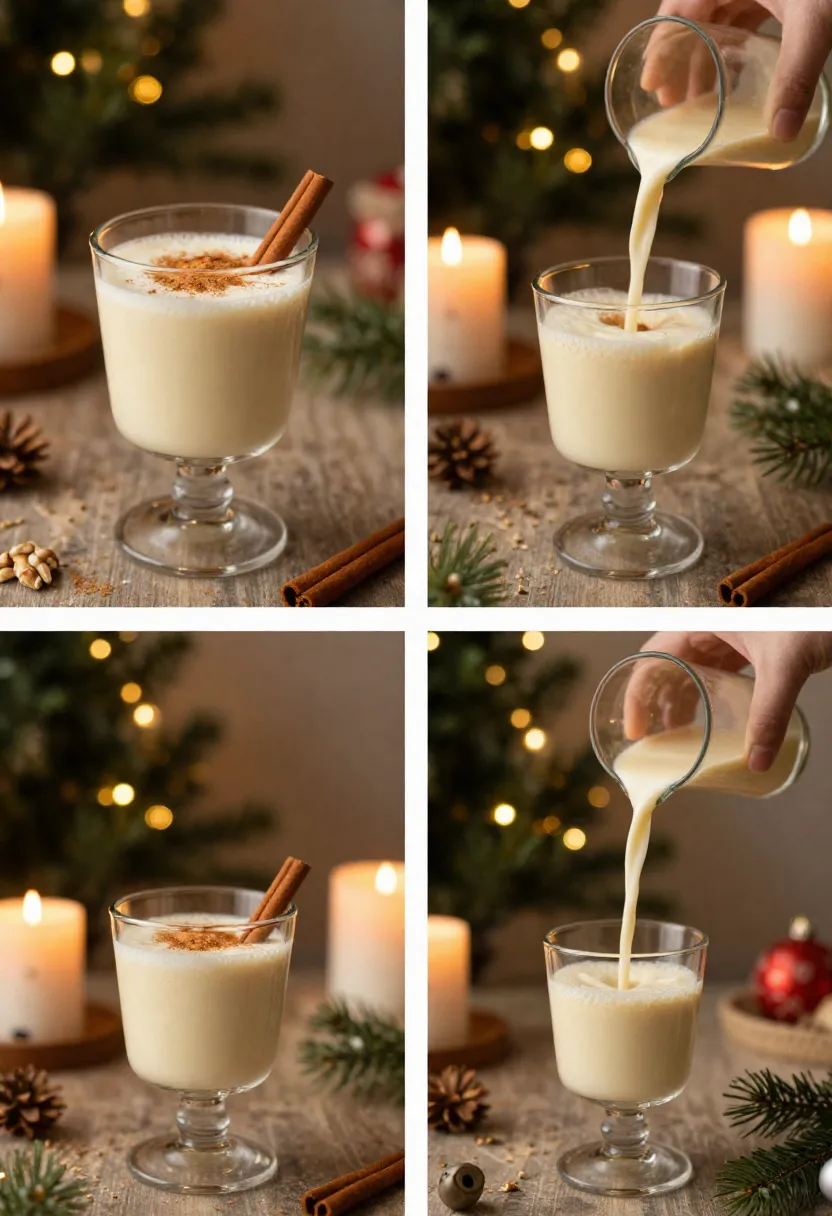
Homemade versions especially shine. They allow for adjustments that completely change how people perceive eggnog. Less sugar. A bit more spice. A lighter texture. Suddenly, even skeptics start reconsidering their opinion. What once felt heavy and overwhelming becomes smooth, balanced, and surprisingly drinkable.
Eggnog also has a way of slowing down an evening. People sip instead of gulp. They linger. The glass stays in hand longer than expected. In that sense, it functions almost like a pause button during an otherwise busy season.
Cooking tip: Taste as you go and don’t be afraid to adjust — eggnog benefits from a lighter hand with sugar and a slightly heavier touch with spice, which keeps it rich without tipping into cloying.
4. Roast Turkey 🦃
The Dish That Defines the Celebration
Roast turkey isn’t just another item on the menu — it’s the moment everything starts to feel official. Its presence alone changes the atmosphere of the table. People notice when it comes out. Conversations pause. Someone inevitably comments on how good it smells.
Turkey creates anticipation in a way few dishes can. It marks the meal as important and signals that this isn’t an ordinary dinner. Even guests who claim they “don’t eat much turkey” still expect it to be there, simply because it belongs to the occasion.
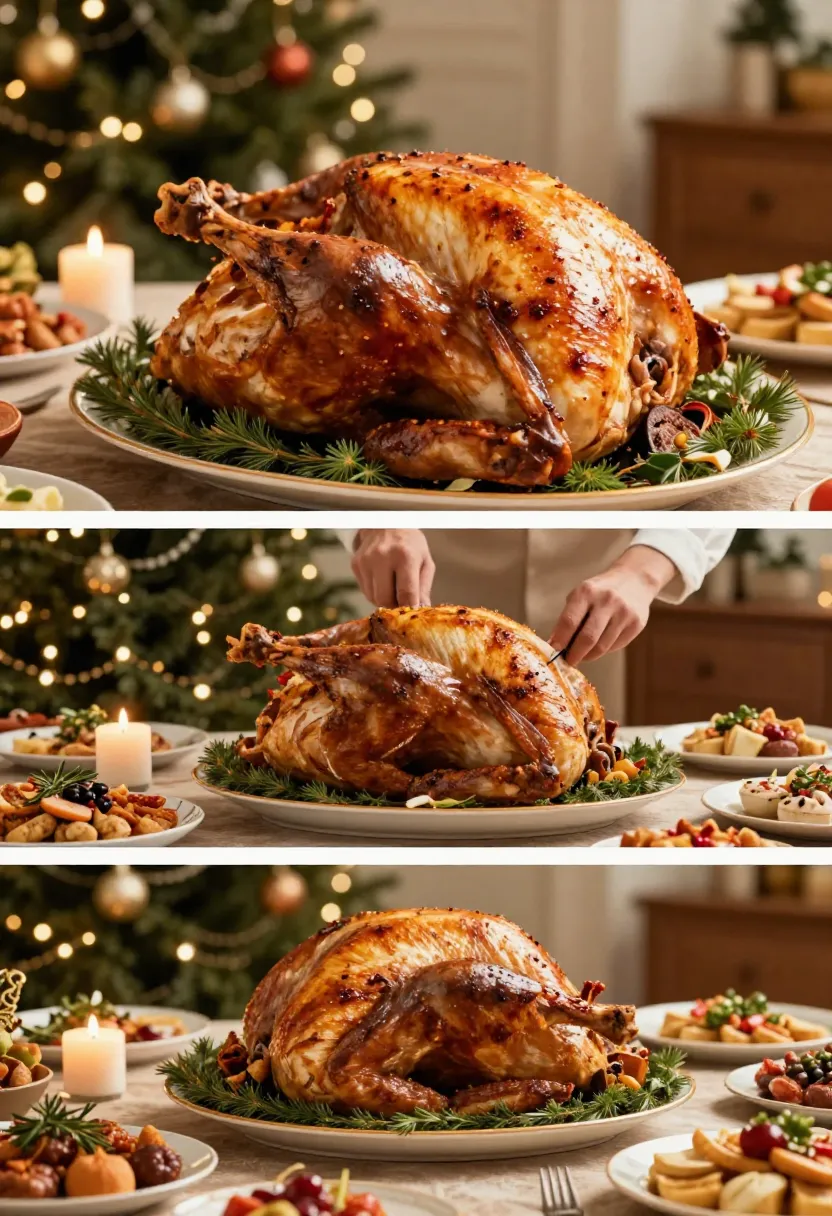
When prepared well, roast turkey is surprisingly comforting. Juicy meat, crisp skin, familiar aromas, and classic sides all work together to create something grounding and reassuring. It becomes the anchor around which the rest of the meal revolves, giving structure and balance to the table.
Turkey also encourages sharing. It’s carved slowly, passed around generously, and served more than once. Leftovers are expected, even welcomed, which somehow adds to the feeling of abundance that defines holiday meals.
Cooking tip: Focus on temperature, not time — letting the turkey rest properly after roasting keeps the meat juicy and prevents all the flavorful juices from running out the moment it’s carved.
5. Stuffed Bell Peppers 🌶️
Bright, Flexible, and Surprisingly Festive
Stuffed bell peppers often catch people off guard at holiday tables, but usually in a good way. Among heavier, more traditional dishes, their bright colors and clean flavors stand out immediately.
They add variety without feeling out of place. More importantly, they offer an option that feels thoughtful and inclusive, whether that means accommodating vegetarian guests or simply lightening the overall spread.
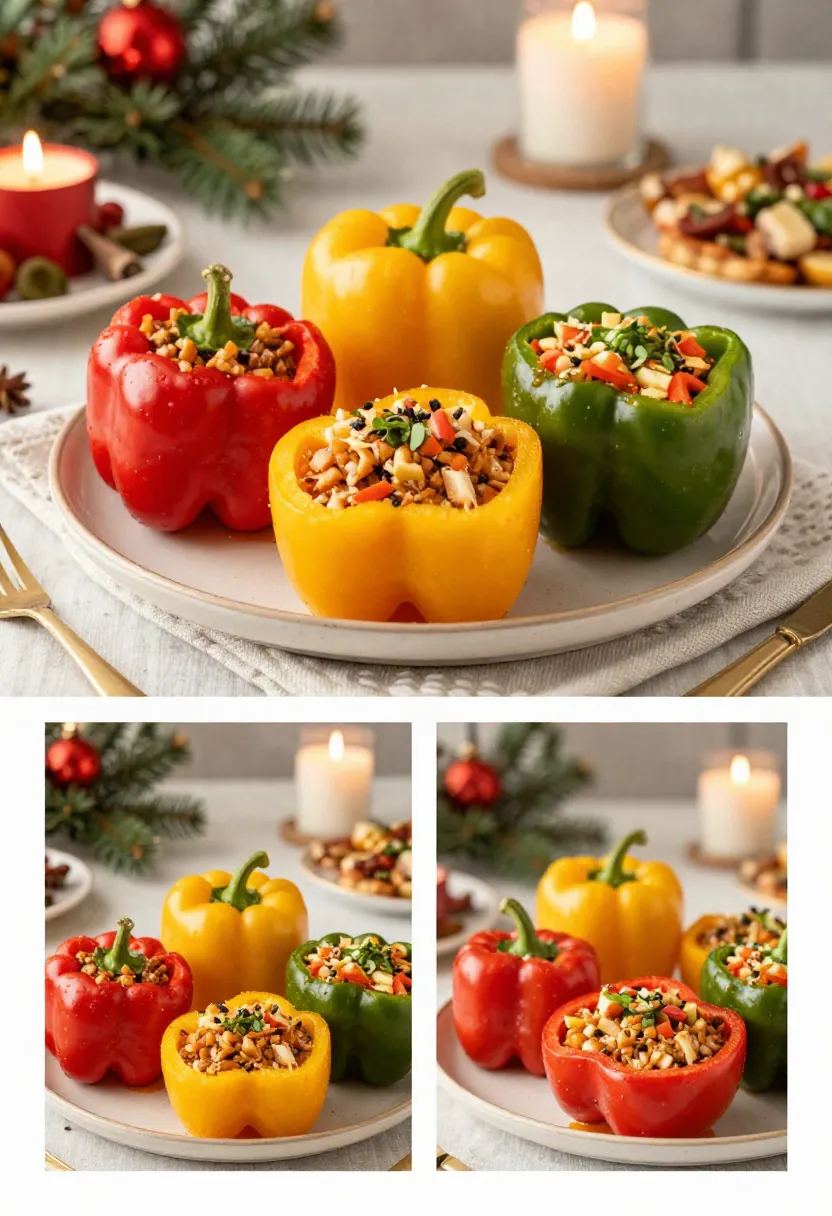
What makes stuffed peppers especially useful during the holidays is their flexibility. Fillings can be rich or simple, meaty or plant-based, heavily spiced or mild. They adapt easily to what’s already on the table, rather than competing for attention.
Served alongside more traditional dishes, stuffed peppers play a supporting role. They don’t demand the spotlight, but they quietly make the meal feel more complete and balanced.
Cooking tip: Pre-roast the peppers briefly before stuffing them — this softens them slightly and prevents the filling from overcooking while the peppers catch up.
6. Mulled Wine 🍷
Warmth, Spice, and Atmosphere in One Mug
Mulled wine announces itself long before anyone takes a sip. The smell alone has a way of filling the room and shifting the mood almost instantly. People wander toward the kitchen, ask what’s in the pot, and linger longer than they planned to.
It’s a drink designed for slowing down. Served warm, mulled wine encourages people to gather closer, speak a little more softly, and relax into the moment. It doesn’t rush anyone. In fact, it does the opposite.
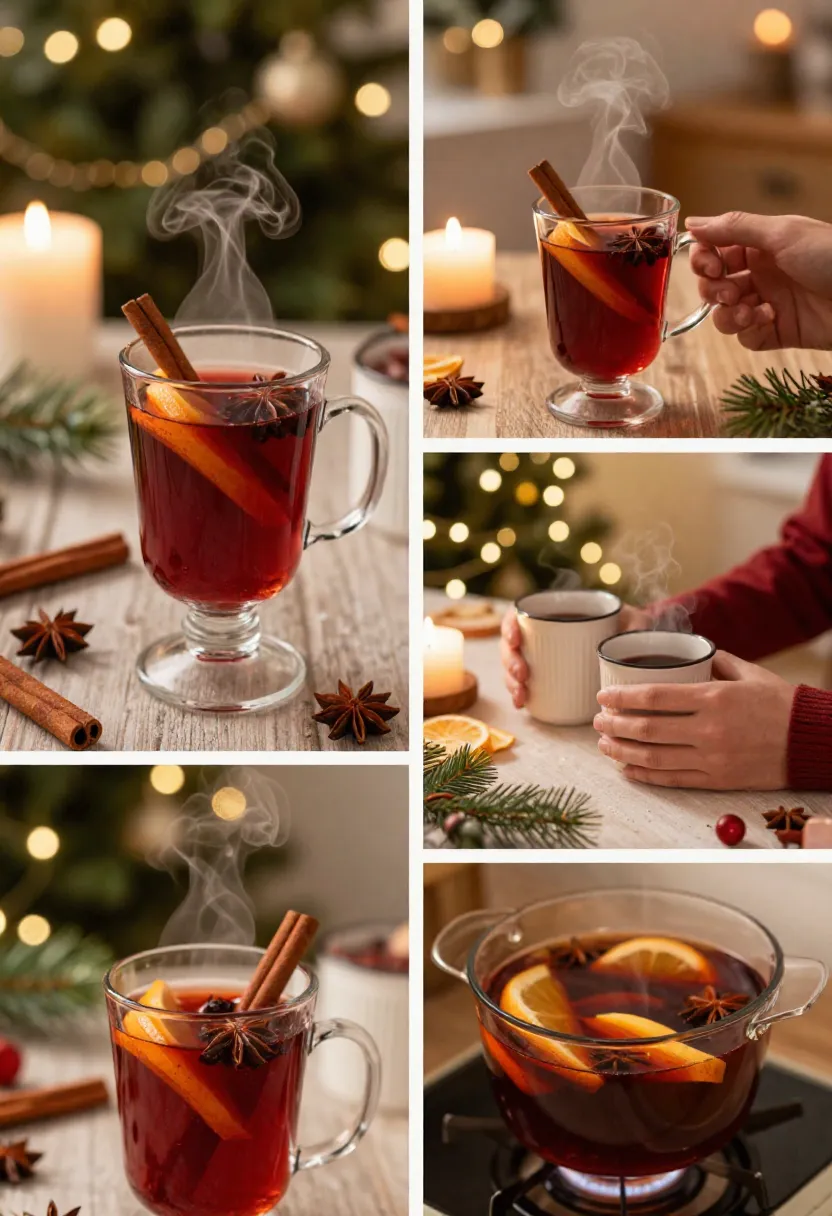
Mulled wine often becomes part of the background of a holiday gathering — something held in the hands while conversations drift and time stretches. It’s less about drinking and more about atmosphere.
In a season that can feel rushed and overstimulating, mulled wine acts like a pause button, reminding everyone to settle in and enjoy where they are.
Cooking tip: Keep the wine gently warm rather than boiling — too much heat dulls the flavors and drives off the aroma that makes mulled wine so inviting in the first place.
7. Latkes 🥔
Crispy Comfort With Deep Roots
Latkes work because they don’t try to be complicated. At their core, they’re about texture and balance: crisp edges, soft centers, and flavors that feel immediately familiar. There’s nothing flashy about them, and that simplicity is exactly what makes them so satisfying.
They’re best served hot, straight from the pan, when the contrast between the crunchy exterior and tender inside is at its peak. Because of that, latkes tend to disappear faster than expected. People grab them quickly, often promising themselves they’ll only take one — and then coming back for another.
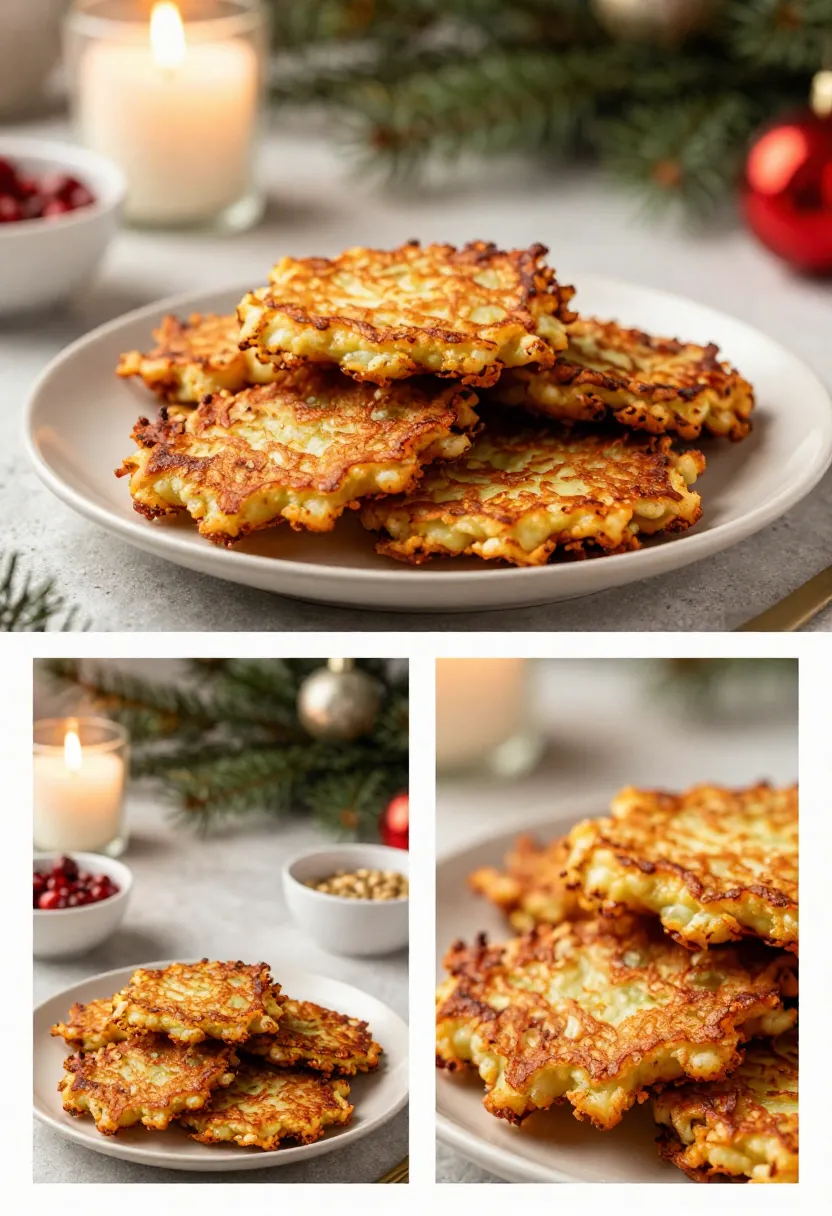
Although latkes are deeply rooted in tradition, they rarely feel out of place. They fit naturally alongside a wide range of holiday dishes, from rich mains to lighter sides. On diverse holiday tables, they often become a quiet favorite — comforting, approachable, and easy to love.
Cooking tip: Make sure to squeeze out as much moisture as possible from the potatoes before frying; drier potatoes lead to crispier latkes that brown evenly instead of steaming in the pan.
8. Buche de Noël 🍫
A Dessert That Feels Like a Celebration All on Its Own
The Buche de Noël, or Yule Log cake, brings a sense of occasion to the table the moment it appears. It adds drama — but the kind that feels festive rather than over-the-top. People notice it immediately, even before they know exactly what it is.
Despite its striking appearance, the cake itself is often lighter than expected. A soft sponge rolled with a smooth filling creates a dessert that feels indulgent without being overwhelming. That contrast between visual richness and actual texture is part of its appeal.
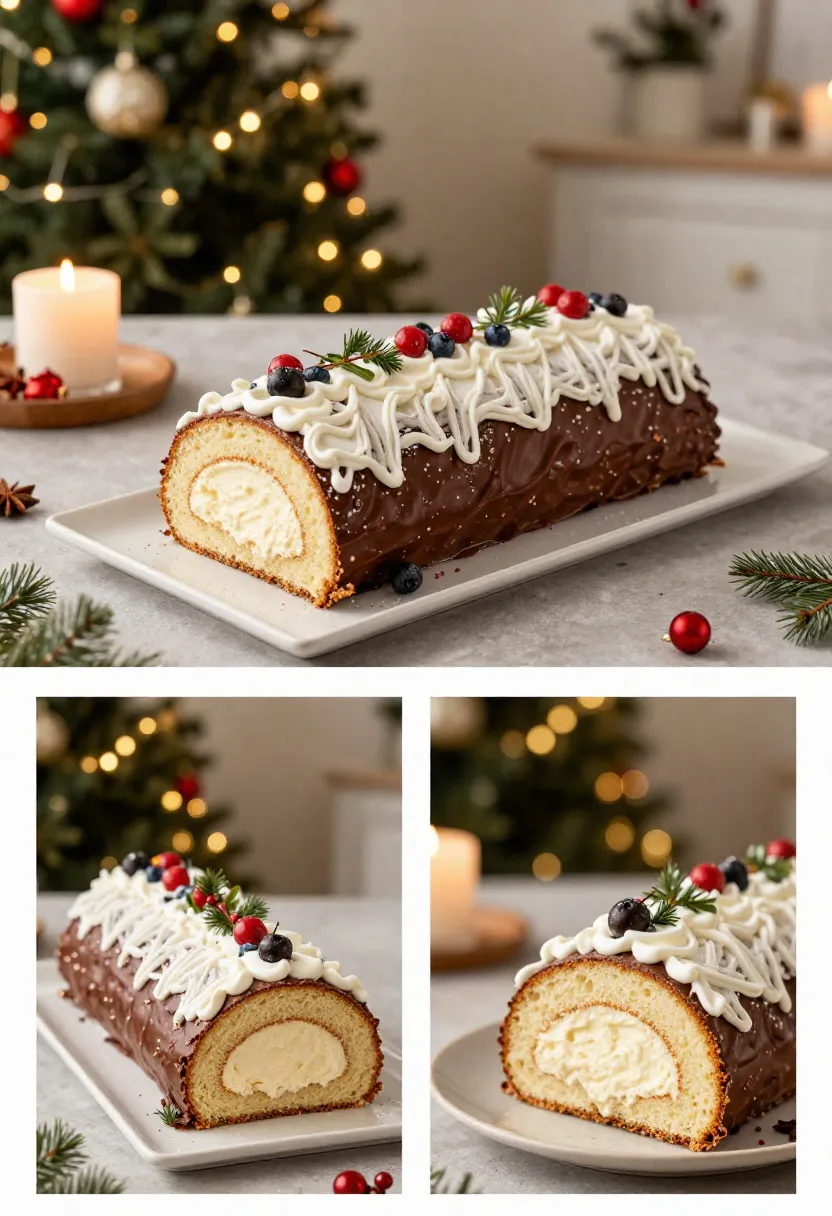
Served as a centerpiece dessert, the Yule Log creates a pause in the evening. People stop to look at it. Someone usually asks how it was made. Phones come out. Conversations briefly shift from talking to admiring, before settling back into the flow of the night.
Cooking tip: Roll the sponge cake while it’s still warm and flexible; waiting too long makes it prone to cracking, which can be difficult to fix later.
9. Panettone 🍞
Light, Airy, and Perfect for Lingering Evenings
Panettone doesn’t announce itself loudly. It often sits quietly on the table, sliced but untouched at first, and somehow becomes irresistible over time. Someone takes a piece with coffee. Then another slice disappears. Then someone else joins in.
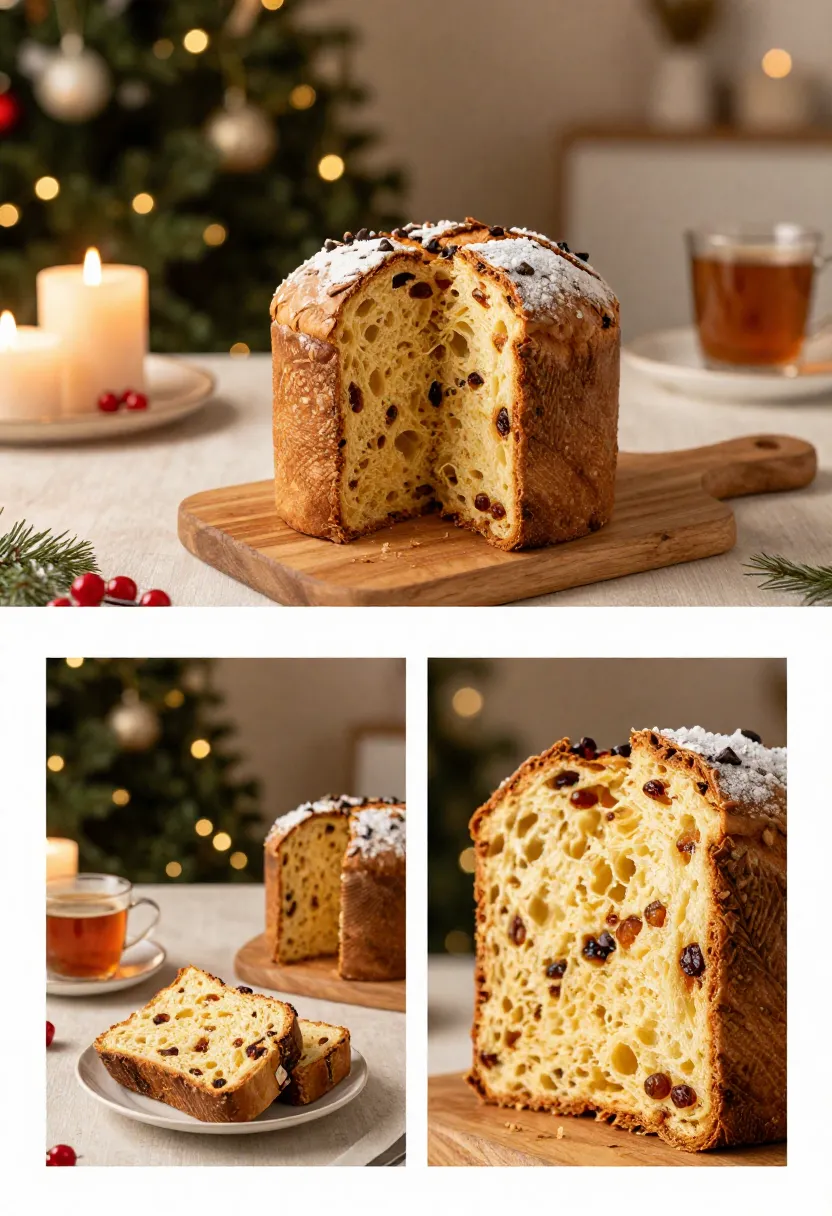
Its appeal lies in its texture. Light, airy, and gently sweet, panettone feels festive without being heavy. It works especially well during long holiday evenings when dessert doesn’t need to dominate the table — it just needs to be there.
Panettone also encourages casual sharing. It doesn’t require plating or ceremony. It’s sliced, passed around, and enjoyed slowly, often long after the main meal has ended.
Cooking tip: Serve panettone at room temperature rather than cold — the texture softens and the flavors become noticeably more aromatic.
10. Pecan Pie 🥜
Bold, Rich, and Impossible to Ignore
Pecan pie knows exactly what it is, and it doesn’t try to soften its edges. Sweet, nutty, and deeply indulgent, it leans fully into richness — and that confidence is what makes it memorable.
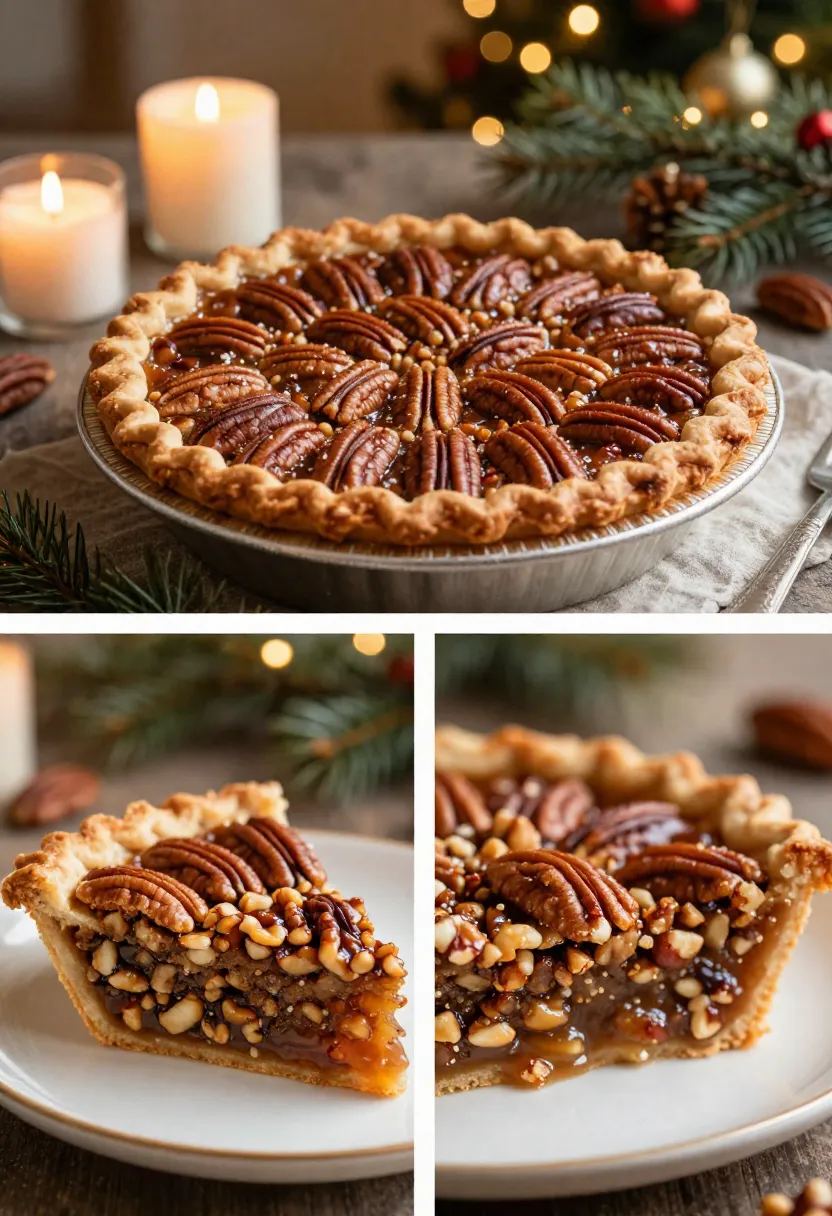
This is often the dessert people approach cautiously, saying they’ll “just try a small piece.” More often than not, that small piece turns into a full slice. The combination of crunchy pecans and soft, caramel-like filling is hard to resist.
Pecan pie tends to stand out on the dessert table. It doesn’t blend in quietly; it invites attention. And instead of apologizing for its intensity, it celebrates it, making it a fitting ending to a generous holiday meal.
Cooking tip: Toast the pecans lightly before baking — it deepens their flavor and prevents them from tasting flat against the sweetness of the filling.
Making Holiday Cooking Easier (and More Enjoyable) ✨
Holiday cooking doesn’t have to feel like a performance, even though it often starts to feel that way. Expectations pile up quickly, and it’s easy to forget that most memorable holiday meals were never about flawless execution. They were about atmosphere, timing, and how people felt sitting at the table.
In reality, the best holiday meals almost always come from calm kitchens rather than stressed ones. When there is a sense of order — even a loose one — cooking becomes more enjoyable and far less exhausting. That doesn’t mean everything needs to be planned down to the minute, but having a general idea of what needs to happen, and when, removes a surprising amount of pressure.
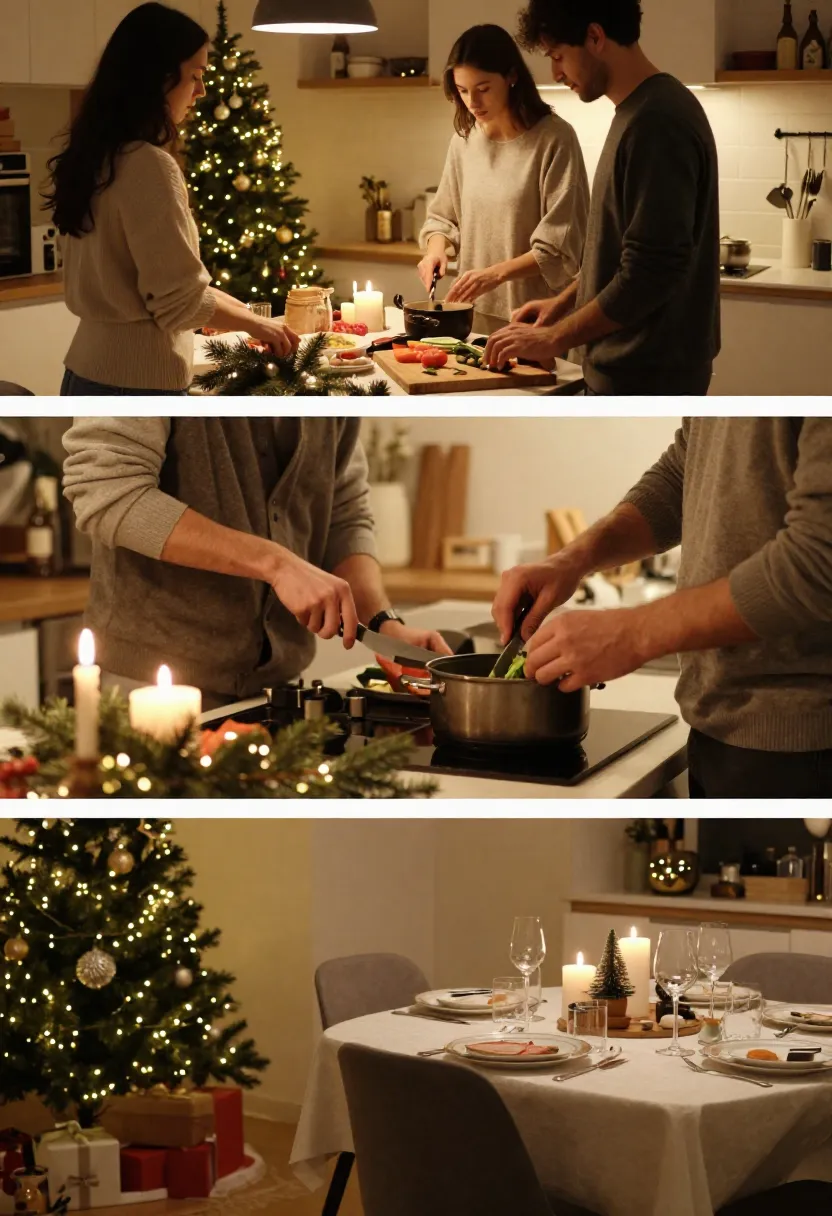
Planning ahead matters more than people like to admit. Writing things down helps clear mental space. Preparing components early — chopping vegetables, mixing dough, pre-measuring spices, or even setting the table in advance — saves energy that can be used elsewhere later in the day. Small steps taken earlier often prevent rushed decisions when the kitchen is already busy.
Equally important is flexibility. Holiday cooking works best when it allows room for adjustments. Ingredients don’t always need to be exact, and substitutions are a normal part of real-life cooking, not a failure. Missing one spice or swapping an ingredient rarely ruins a dish, but stressing over it can easily ruin the mood.
It also helps to remember that holiday food is meant to be shared in more ways than one. Inviting others into the process, even casually, changes the dynamic completely. Someone stirring a pot, someone tasting and offering opinions, someone helping without really knowing what they’re doing — these small moments often become part of the memory of the day. The meal may be remembered, but so is the time spent making it.
Why These Dishes Work So Well Together 🎄
One of the reasons this collection works as a whole is balance. Not every dish tries to impress in the same way, and none of them demand attention all at once. Instead of competing, they support one another and create a sense of flow across the meal.
Together, the dishes strike a balance that feels intentional without feeling overplanned. There is enough variety to keep the table interesting, but not so much that it becomes overwhelming or confusing. Guests can sample freely without feeling like they need to try everything at once.
Across the menu, there is a thoughtful mix of elements that naturally complement one another:
- sweet and savory flavors appear at different points in the meal, keeping things from feeling repetitive,
- lighter dishes sit alongside richer ones, offering contrast and preventing fatigue,
- familiar favorites are paired with a few slightly unexpected options that add interest without taking risks.
Each dish plays a specific role. Some anchor the meal and give it structure. Others provide relief, freshness, or texture. A few quietly round out the table without drawing attention to themselves. Because of this, nothing feels unnecessary, and nothing feels like an afterthought.
The result is a holiday table that encourages people to slow down, take smaller portions, return for seconds of what they enjoyed most, and stay engaged with the meal rather than rushing through it.
Final Thoughts: Food as a Holiday Language ❤️✨
Holiday food often communicates things that are difficult to express directly. A well-prepared meal can create a sense of welcome without a single word being spoken. It reassures guests that they belong, that there is time, and that they are not expected to hurry through the moment.
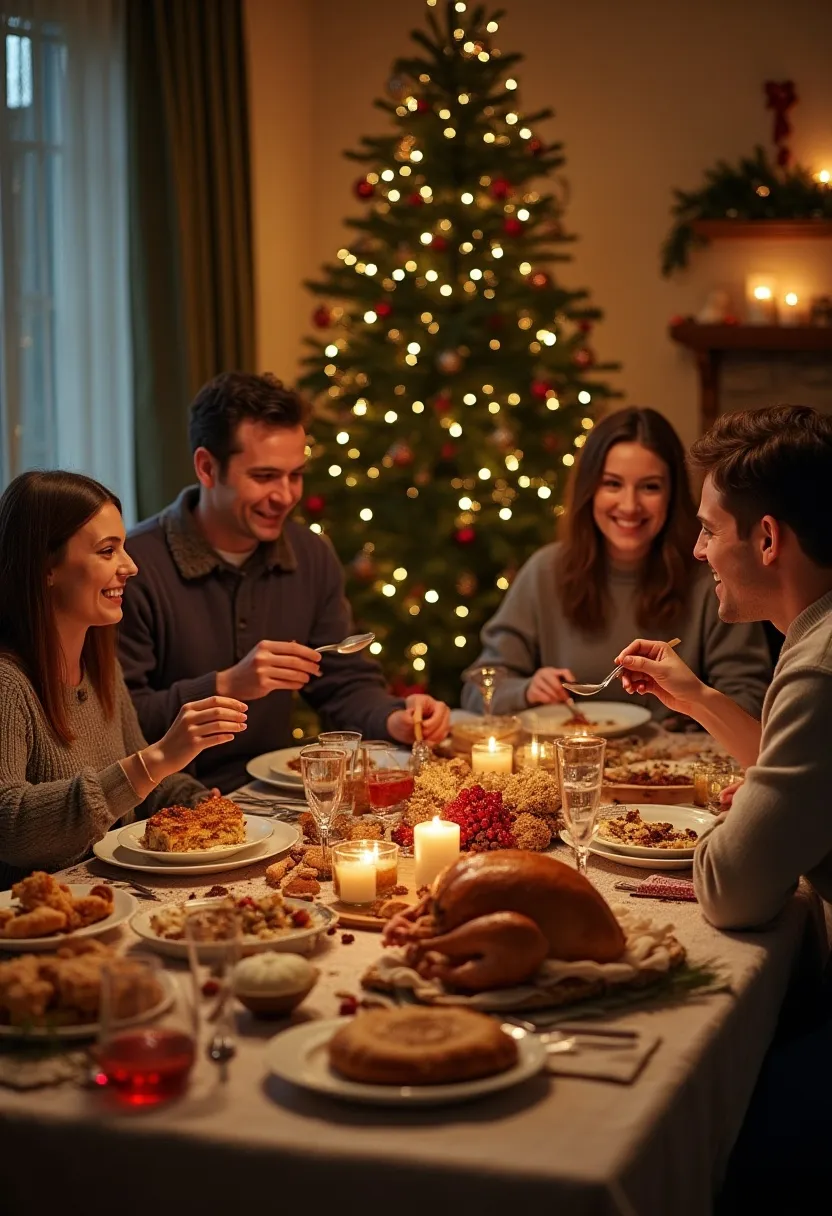
These ten holiday treats have earned their place not because they follow trends or look impressive on a screen, but because they consistently bring people together. They show up year after year, becoming familiar markers of the season. Over time, they stop feeling like choices and start feeling like part of the celebration itself.
A great holiday meal is rarely perfect, and it doesn’t need to be. What matters more is the feeling it creates — the conversations it supports, the pauses it allows, and the memories it quietly helps form. When food manages to do that, it becomes more than a meal. It becomes part of how people remember the holidays.