Contents
- Why Hydration Matters More Than You Think
- What Hydration Really Means for Your Body
- Top 8 Benefits of Staying Hydrated
- Signs You’re Dehydrated (Even When You Don’t Feel Thirsty)
- Hydration & Exercise: How Water Boosts Performance
- Hydration for Skin, Mood & Brain Health
- How Much Water Do You Really Need? (Debunking Myths)
- Beyond Water: Hydrating Foods and Drinks That Support Your Body
- Practical Hydration Tips for Busy Days
- FAQ: Hydration Questions People Actually Ask
Why Hydration Matters More Than You Think
If you’ve ever wondered why some days feel effortlessly smooth — your thoughts clearer, your energy steadier, your mood lighter — there’s a good chance hydration had something to do with it. It’s the quiet, almost invisible wellness habit that shapes how we move, think, digest, sleep, and simply exist. And yet, despite being so essential, hydration is the part of self-care most of us overlook until our bodies start whispering reminders: a dull headache, tight skin, a foggy mind, that “off” feeling we can’t quite explain.
Hydration isn’t just about drinking water. It’s about supporting every biological system you rely on to get through your day. Your heart pumps better when you’re hydrated. Your brain fires signals faster. Your skin stays plump and elastic. Even your digestion — that quiet behind-the-scenes engine — runs more smoothly when there’s enough fluid to keep everything moving.
But here’s the twist: most people don’t recognize dehydration when it’s happening. We wait until we’re thirsty, even though thirst is already a late-stage signal. By that point, your body has already begun adjusting — pulling water from cells, thickening your blood, slowing metabolism to conserve resources. Think of hydration as the body’s superpower: it protects, fuels, and optimizes you long before you even feel thirsty.
Imagine this: you start your morning slightly dehydrated, as many people do. You rush out the door with a coffee in hand, skip water until lunchtime, and somewhere around mid-afternoon you feel sluggish. You call it “a long day,” but often it’s just your body asking for water — something so simple, yet so transformative when you give it what it needs.
Hydration is your health multiplier. It amplifies your energy, improves mental clarity, enhances digestion, maintains stable temperature regulation, and supports everything from hormone balance to mood regulation. When you’re hydrated, your body runs like it was designed to — smoothly, efficiently, almost effortlessly.
In this guide, we’ll explore why hydration is more than just a wellness trend — it’s a biological necessity and one of the most powerful habits you can build. We’ll dive into what hydration really means, how it affects your daily life, the science-backed benefits, and simple ways to stay consistently hydrated even during your busiest days.
Your best health might be closer (and simpler) than you think — just one sip at a time.
What Hydration Really Means for Your Body
Hydration isn’t just about drinking water — it’s about maintaining the delicate balance of fluids that every cell in your body depends on. Think of water as the silent partner in everything your body accomplishes. It doesn’t get much attention, but nothing works without it.
Roughly 60% of the human body is water, but that percentage isn’t the same everywhere. Your brain and heart are closer to 73% water, your lungs about 83%, even your bones carry around 30%. Water is woven through every tissue, every organ, every system. When you hydrate, you aren’t just “drinking” — you’re fueling the fundamental chemistry of life.
💧 Hydration = Fluid Balance
Hydration means keeping enough water inside your cells, in your bloodstream, and in the extracellular spaces between tissues. This balance is what allows:
- Nutrients to travel where they’re needed
- Waste products to be removed efficiently
- Joints to stay cushioned
- Temperature to remain stable
- Hormones and enzymes to work properly
When this balance shifts — even slightly — your body feels it. That afternoon dip in energy? Your cells might be struggling. That difficulty focusing? Your brain could be signaling early dehydration. Hydration isn’t dramatic; it’s subtle. But those subtle shifts accumulate into how you feel every single day.
💧 Water as a Transport System
Imagine your bloodstream as a river. When you’re well-hydrated, that river flows smoothly, delivering oxygen and nutrients with ease. When you’re dehydrated, the river slows. Blood thickens. Your heart works harder. Everything becomes more effortful — even tasks you normally breeze through.
💧 Water as a Cooling System
Your body relies on water to regulate temperature. Sweat, evaporation, and blood flow adjustments all depend on fluid availability. That’s why dehydration often shows up first as overheating, flushed skin, or an inability to handle warm environments.
💧 Water as a Cellular Power Source
Inside every cell, water enables chemical reactions — the tiny processes that fuel energy, repair tissues, create hormones, and keep you alive. Without enough water, these reactions slow. Your metabolism slows. You feel tired before the day even begins.
💬 A Small Story
Maybe you’ve had one of those mornings: you wake up groggy, drag yourself to your desk, and no amount of coffee seems to “turn your brain on.” Then, without thinking, you finally drink a full glass of water — and suddenly the fog lifts. Your body wasn’t asking for caffeine. It was asking for hydration.
This is the quiet power of water. It resets and supports you in ways most people underestimate.
💧 Why This Matters
Understanding hydration at the cellular level builds a foundation for the rest of the article. When you know water isn’t optional — it’s essential — it becomes easier to treat hydration as a daily wellness ritual rather than an afterthought.
Hydration isn’t just about quenching thirst. It’s about supporting the inner workings of the body so it can do what it does best: keep you healthy, energized, and resilient.
Top 8 Benefits of Staying Hydrated
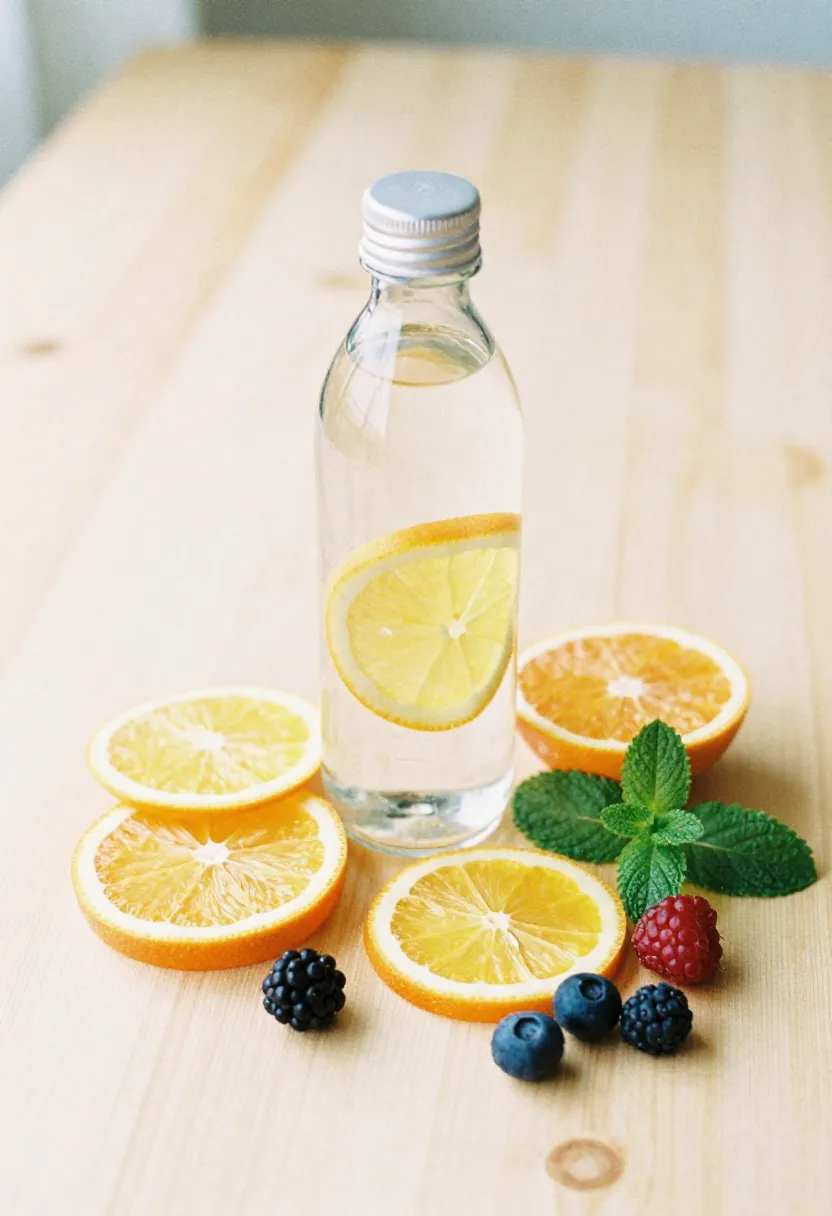
When you think about hydration, you might imagine a simple glass of water — but the impact of that glass goes far beyond satisfying thirst. Proper hydration transforms how your body feels, performs, and recovers. It’s like giving your internal systems a clean, powerful fuel source. Here are the eight most important, science-backed benefits — explained not just with facts, but with real-life moments you’ll easily recognize.
1. More Energy and Less Fatigue
Water is essential for energy production. When you’re dehydrated, even slightly, your body must work harder to complete ordinary tasks. Your heart beats faster, your muscles fatigue sooner, and your brain slows down to conserve energy.
Have you ever stood up quickly and felt lightheaded?
Often that’s dehydration — not low blood sugar or exhaustion.
With proper hydration, your cells receive oxygen more efficiently, metabolism becomes smoother, and energy levels remain stable throughout the day.
2. Sharper Focus and Better Cognitive Performance
Your brain is nearly three-quarters water, and it depends on hydration to maintain concentration, memory, and mental clarity.
Even a 1–2% drop in hydration can cause:
- difficulty concentrating
- slower reaction time
- irritability
- forgetfulness
- mental fatigue
Think about the last time you felt “foggy” while working or studying. Many people immediately reach for coffee, but what your brain often needs first is simply water.
Hydration is one of the most underrated productivity tools — especially during long workdays or stressful periods.
3. Improved Digestion and Nutrient Absorption
Water performs a quiet miracle in your digestive system every single day.
It helps:
- form saliva and digestive juices
- break down food
- move nutrients through the intestines
- prevent constipation
- support gut motility
When you’re dehydrated, your digestive tract slows down, causing bloating, heaviness, and irregularity.
Picture your intestines as a long, winding river. With enough water, everything flows smoothly. With too little, everything becomes sluggish — and you feel it quickly.
4. Supports Kidney Function and Natural Detoxification
Your kidneys are your body’s filtration system, removing waste and toxins from your bloodstream. But they can only do that effectively when there’s enough water available.
Good hydration helps prevent:
- kidney stones
- urinary tract infections
- buildup of toxins
- electrolyte imbalance
Clear or pale-yellow urine is often a sign that your kidneys are happily doing their job.
5. Better Temperature Regulation
Whether you’re exercising, sunbathing, or simply dealing with a warm room, your body relies on water to maintain stable body temperature.
Sweating and evaporation are your natural cooling mechanisms, and both depend entirely on adequate hydration.
If you’re dehydrated, you may experience:
- overheating
- dizziness
- heat exhaustion
This is why athletes and outdoor workers prioritize hydration above all else — it protects the entire system.
6. Healthier Skin and a Natural “Glow”
Your skin is your body’s largest organ, and hydration directly affects how it looks and feels.
Proper hydration helps:
- maintain elasticity
- keep skin plump and smooth
- reduce dryness and flakiness
- support collagen formation
- improve overall radiance
Many people invest in expensive moisturizers, forgetting that hydration starts from within. That subtle glow after drinking more water for a few days? It’s real — and your skin loves it.
7. Enhanced Physical Performance
Muscles are about 75% water, which means dehydration quickly leads to cramping, weakness, slower recovery, and decreased endurance.
Hydration helps your body:
- maintain electrolyte balance
- deliver oxygen to muscles
- lubricate joints
- support post-workout recovery
Even mild dehydration can reduce exercise performance noticeably — which is why hydration is considered one of the most important aspects of training.
8. Supports Mood and Emotional Balance
Hydration affects hormones and neurotransmitters that regulate mood. People who are dehydrated often feel more:
- irritable
- anxious
- low in motivation
- emotionally sensitive
You may not connect these feelings to hydration, but your brain does.
One small study showed that improving hydration can create measurable improvements in calmness, satisfaction, and emotional stability.
Water won’t fix everything, but it’s a surprisingly powerful foundation for emotional wellness.
In essence: Hydration is not just a bodily requirement — it’s a daily performance enhancer, mood stabilizer, beauty booster, and health protector. When you drink enough water, you’re giving your body the conditions it needs to operate at its very best.
Signs You’re Dehydrated (Even When You Don’t Feel Thirsty)
Most people think dehydration is obvious — dry mouth, intense thirst, maybe a headache. But dehydration is often much quieter, sneaking into your day long before you notice anything dramatic. The truth is that thirst is one of the last signals, not the first. By the time you feel it, your body has already started adjusting its internal systems to cope with a lack of water.
Here are the subtle, commonly overlooked signs that your body is running low on hydration — the ones that hide in everyday routines, often mistaken for stress, fatigue, or “just a long day.”
1. Low Energy or Midday Fatigue
Ever get that afternoon slump where your whole body feels heavier? Before you blame lack of sleep, consider hydration. When your cells don’t have enough water, your metabolism slows, your heart works harder, and your energy drops.
Dehydration is one of the most common hidden causes of fatigue.
2. Headaches or Brain Fog
Your brain is extremely sensitive to fluid changes. Even mild dehydration can cause the brain to shrink slightly away from the skull — triggering headaches — or slow neural activity, leading to fogginess.
You may find yourself rereading the same email three times or forgetting simple tasks. Many people reach for caffeine, when a glass of water might solve half the problem.
3. Dry Skin, Lips, or Eyes
Your body prioritizes vital organs first. When water is limited, it diverts fluids away from the skin, leaving it:
- dull
- tight
- flaky
- easily irritated
The same goes for dry eyes and cracked lips. While skincare helps on the outside, true hydration starts internally.
4. Dark Yellow Urine (or Less Frequent Urination)
This is one of the clearest visual indicators. When dehydrated, your kidneys conserve water, producing darker, more concentrated urine.
A healthy hydration range is usually:
- Pale yellow → hydrated
- Dark yellow or amber → dehydrated
If you’re going hours without needing to urinate, it’s another strong sign.
5. Muscle Cramps or Stiffness
When your muscles lack water, they become more prone to cramping — especially during exercise or at night. Electrolyte imbalances also contribute to spasms and tightness.
Have you ever woken up in the middle of the night with a sudden calf cramp? Hydration plays a huge role in preventing those.
6. Rapid Heartbeat or Feeling “Off” After Standing
Dehydration reduces blood volume, which can cause:
- faster heartbeat
- lightheadedness when standing
- dizziness during movement
This isn’t always dramatic — sometimes it’s just a brief wobble or a moment of disorientation.
7. Irritability or Unexpected Mood Swings
Your emotional state is more connected to hydration than you might think. When dehydrated, stress hormones rise and neurotransmitter functioning shifts, leading to:
- irritability
- restlessness
- anxiety-like sensations
Have you ever been “snappy” for no reason? Your brain might be asking for water.
8. Sugar Cravings
This one surprises many people. When dehydrated, the liver struggles to release stored glycogen, causing your body to crave quick energy sources — often sugar.
So sometimes that sudden desire for chocolate at 4 PM isn’t emotional eating… it’s hydration signaling in disguise.
Mini-Story Moment
Imagine walking through your day slightly dehydrated — nothing dramatic, just not enough water. By afternoon, you feel sluggish, unfocused, strangely hungry, and your skin looks tired. You chalk it up to stress or lack of sleep. But then you drink two full glasses of water and, almost magically, half those symptoms fade.
That’s hydration at work. Quiet, immediate, and deeply restorative.
Why Recognizing These Signs Matters
Most people spend the majority of their day in a state of mild dehydration, never realizing it’s affecting their mood, energy, skin, digestion, and performance. By noticing these signals early, you can intervene in small but powerful ways — simply by drinking enough water.
Hydration doesn’t demand dramatic lifestyle changes. It asks for awareness, consistency, and a bit of care.
Hydration & Exercise: How Water Boosts Performance
Whether you’re doing a gentle morning stretch, running a 5K, lifting weights, or simply walking your dog on a warm afternoon, hydration plays a crucial role in how your body performs. Water is the ultimate workout partner — silently supporting your heart, muscles, joints, and energy systems every step of the way.
Many people focus on the right shoes, protein shakes, or workout playlists…
But forget the one thing that can make the biggest difference: hydration.
Let’s explore how staying hydrated can transform your exercise experience — from endurance and strength to recovery and injury prevention.
1. Hydration Powers Your Muscles
Your muscles are nearly 75% water, which means they rely on steady hydration to contract and relax efficiently. When dehydrated, muscles become:
- stiff
- slow to respond
- more prone to cramping
- less resilient under stress
Even small fluid losses can reduce strength and endurance significantly. This is why early dehydration often shows up during workouts as sudden fatigue or that heavy-limbed feeling.
Real moment:
Think of the last time you started a workout feeling surprisingly sluggish — legs like cement, breath harder than usual. You may blame lack of sleep or poor nutrition, but dehydration is often the hidden culprit.
2. Hydration Keeps Your Heart Happy
During exercise, your heart must pump faster to deliver oxygen to your working muscles. When you’re dehydrated, blood volume decreases, making your heart work much harder.
This can lead to:
- elevated heart rate
- faster exhaustion
- overheating
- reduced endurance
Good hydration keeps blood moving smoothly — allowing your heart to do its job without unnecessary strain.
3. Hydration Helps Regulate Body Temperature
Sweating is your body’s natural air-conditioning system. But sweat isn’t just water leaving your body — it’s a cooling mechanism that requires adequate fluid stores.
When dehydrated, your body struggles to regulate temperature, which may cause:
- dizziness
- faster fatigue
- overheating
- heat exhaustion in extreme cases
If your workouts feel unusually hard on warm days, hydration is likely the missing piece.
4. Hydration Supports Joint Health
Water helps produce synovial fluid, the lubricant that cushions your joints. This keeps your movements smooth and reduces impact on bones and cartilage.
When you don’t drink enough water, joints feel:
- stiff
- achy
- less flexible
Staying hydrated may not replace stretching, but it makes your body feel more open and agile.
5. Hydration Enhances Mental Focus During Workouts
Exercise is as much a mental game as a physical one. Dehydration affects your ability to stay focused, react quickly, and maintain discipline — especially during longer or more intense workouts.
Hydration supports:
- coordination
- decision-making
- motivation
- sustained attention
If you’ve ever lost concentration mid-set or felt mentally checked out halfway through a run, hydration could be the reason.
6. Hydration Reduces Risk of Injury
When your muscles and joints are properly hydrated, they move more fluidly. Tissues become more elastic, reducing risk of:
- strains
- sprains
- cramps
- overuse injuries
A hydrated body is a more responsive body — one that adapts to movement instead of fighting against it.
7. Hydration Improves Post-Workout Recovery
After exercise, your body enters repair mode. Hydration is essential for:
- replenishing lost fluids
- transporting nutrients
- reducing muscle soreness
- supporting tissue repair
- balancing electrolytes
One of the simplest ways to improve recovery is to hydrate before and after exercise — not just during.
Mini-Story Moment
Picture this: You go for an early evening run after a busy day. Halfway through, your breath feels heavy, your legs are sluggish, and your motivation drops fast. After forcing yourself through the run, you finally drink a full bottle of water. Within minutes, you feel clearer, lighter, more alive.
That sudden resurgence?
It’s hydration — working its quiet magic.
Why This Matters
Exercise puts stress on your body — good stress, but stress nonetheless. Hydration is what helps you manage it, guiding your body toward strength, resilience, and growth.
Hydration isn’t an optional part of fitness.
It’s a foundational tool that elevates every workout — making movement feel more energizing, more joyful, and more sustainable.
Hydration for Skin, Mood & Brain Health
Hydration isn’t just about physical energy or digestion — it’s also intimately connected to the way you look, feel, and think. The relationship between water, emotional balance, skin vitality, and cognitive performance is far stronger than most people imagine. Proper hydration nourishes you from within, influencing everything from your brain chemistry to the glow on your cheeks.
This section dives into the soft, human side of hydration — the part we notice in the mirror, in our moods, and in the way our thoughts flow throughout the day.
1. Hydration & Skin: Your Natural Beauty Filter
Skin is often the first place dehydration shows up. While serums and moisturizers help from the outside, true hydration begins internally. Water supports skin structure, elasticity, and cellular repair — all essential for a youthful, healthy complexion.
When you’re well hydrated, your skin becomes:
- more plump
- smoother in texture
- more even in tone
- naturally luminous
- less prone to fine lines caused by dryness
Imagine your skin cells as tiny water balloons. When full, they give your skin firmness and bounce. When dehydrated, they deflate slightly, leading to dullness, tightness, and more pronounced wrinkles.
A relatable moment:
You know those mornings when your face feels tight after waking up, makeup sits oddly, or your skin looks “tired”?
Often, that’s simply your body saying: you need water.
Hydration won’t replace skincare, but it amplifies every product you use — like giving your skin the canvas it truly needs.
2. Hydration & Mood: The Emotional Ripple Effect
What many people don’t realize is that your emotional state is heavily influenced by hydration. Your brain needs water to regulate hormones and neurotransmitters associated with mood, including serotonin, dopamine, and cortisol.
Even mild dehydration can trigger:
- irritability
- restlessness
- feelings of anxiety
- reduced motivation
- increased stress sensitivity
It’s subtle — not the dramatic mood swings you’d expect. But think of a day when everything felt a bit “too much,” and small inconveniences felt bigger than usual.
It might not have been stress alone — it could have been your hydration levels.
Why dehydration affects mood:
When the body senses low water volume, it increases cortisol (the stress hormone). The brain interprets this as a threat — even if nothing stressful is happening. So you feel emotionally tense without understanding why.
Hydrating is like giving your nervous system a calming signal: You’re safe. You’re supported. You’re okay.
3. Hydration & Brain Function: Mental Clarity Begins With Water
Your brain is about 73% water, and hydration affects everything from memory to creativity to problem-solving. When dehydrated, your brain cells literally shrink slightly — and their communication slows.
Research shows that even a 1–2% drop in hydration can impair:
- focus
- short-term memory
- decision-making
- attention span
- reaction time
Real-life example:
Have you ever tried to work through a long task and felt your mind growing sluggish — like each thought had to wade through mud? Then you drink a glass of water and suddenly feel sharper, more present?
That shift is hydration activating your neural pathways again.
Hydration boosts:
- faster mental processing
- clearer thinking
- improved emotional resilience
- better sleep patterns
- more stable daily rhythms
Water is not just physical fuel — it’s mental clarity in liquid form.
Mini-Story: A Day of Clarity
Imagine sitting at your desk one morning, overwhelmed by a long to-do list, your head buzzing, your attention drifting. Everything feels harder than it should. You step away, drink a tall glass of cool water, and within 15 minutes your world changes — your thoughts organize themselves, your shoulders relax, and suddenly things seem manageable again.
That’s hydration.
It doesn’t shout. It whispers — but the effect is powerful.
Why This Matters
Most people chase better moods, clearer skin, and sharper minds with complicated routines or expensive products. And while those things can help, hydration is the simplest, most accessible, and most effective foundation.
When you hydrate well:
- your brain works better
- your emotions stabilize
- your skin glows
- your whole body feels supported
Hydration is the wellness ritual that touches every part of your life.
How Much Water Do You Really Need? (Debunking Myths)

“How much water should I drink every day?”
It’s one of the most common wellness questions — and also one of the most misunderstood. Many of us grew up hearing the classic rule: “8 glasses of water a day.” While easy to remember, it’s far from universal. Your needs depend on far more than a single number — your body size, lifestyle, climate, activity level, and even daily stress all affect how much hydration you truly require.
Let’s break down the myths and explore what your body actually needs to feel balanced, energized, and well hydrated.
Myth 1: Everyone Needs 8 Glasses of Water a Day
The “8×8 rule” (eight 8-ounce glasses) is more of a cultural phrase than a scientific guideline. In reality, hydration needs vary widely.
Some people thrive on less; others need significantly more — especially athletes, active individuals, or those living in hot environments.
A more accurate baseline:
- Women: around 2.7 liters of fluids daily
- Men: around 3.7 liters of fluids daily
And yes — this includes liquids from foods, soups, fruits, vegetables, tea, and more.
Myth 2: Only Plain Water Counts
Many believe hydration only “counts” when you drink pure water. But your body absorbs fluids from anything that contains water.
Water-rich foods include:
- cucumbers
- melons
- citrus fruits
- tomatoes
- leafy greens
- berries
- zucchini
Herbal teas, broths, coconut water, and even milk contribute to daily hydration.
Coffee? Yes — it still hydrates you, though in moderation.
Myth 3: Thirst Is the Best Indicator of Hydration
By the time you feel thirsty, your body is already mildly dehydrated. Thirst lags behind your hydration status, especially if you’re older, active, or very busy (people often forget to drink simply because they’re focused).
Better indicators than thirst:
- pale yellow urine
- steady energy levels
- moist lips and skin
- consistent focus
- stable mood
Your body whispers before it shouts — learning to listen helps you stay ahead of dehydration.
Myth 4: More Water Is Always Better
Too much water can dilute electrolytes, leading to a condition called hyponatremia. While rare, it’s most common in endurance athletes who overhydrate without replacing minerals.
Balance is key.
Hydration should feel like:
- steady energy
- mental clarity
- normal heart rate
- comfortable body temperature
If you’re drinking so much water that you feel bloated, cold, or are urinating excessively, it may be too much.
How to Calculate Your Personal Hydration Needs
A simple, more personalized starting point is:
Water (in liters) = 0.03 × your body weight (in kg)
Example:
If you weigh 70 kg → 70 × 0.03 = 2.1 liters per day
Adjust if:
- you exercise (add 0.5–1 liter per workout hour)
- you live in a hot climate
- you drink a lot of caffeine
- you are pregnant or breastfeeding
- you consume a high-protein or high-fiber diet
Your body is dynamic — hydration should be too.
A Mini-Story to Bring It to Life
Imagine two people: one works at a desk in a cool office, the other spends most of their day outdoors walking or training. Even if they weigh the same, their hydration needs are completely different. One might feel great with two liters a day, while the other needs nearly double. This is why rigid rules rarely work — hydration is personal.
Why Understanding Your True Needs Matters
When you drink enough water — not too little, not too much — you give your body the exact conditions it needs to thrive.
You prevent fatigue, headaches, digestive issues, skin dryness, and mood dips before they even start.
Hydration is not guesswork.
It’s a personalized, flexible practice that adapts to each season of your life.
Beyond Water: Hydrating Foods and Drinks That Support Your Body
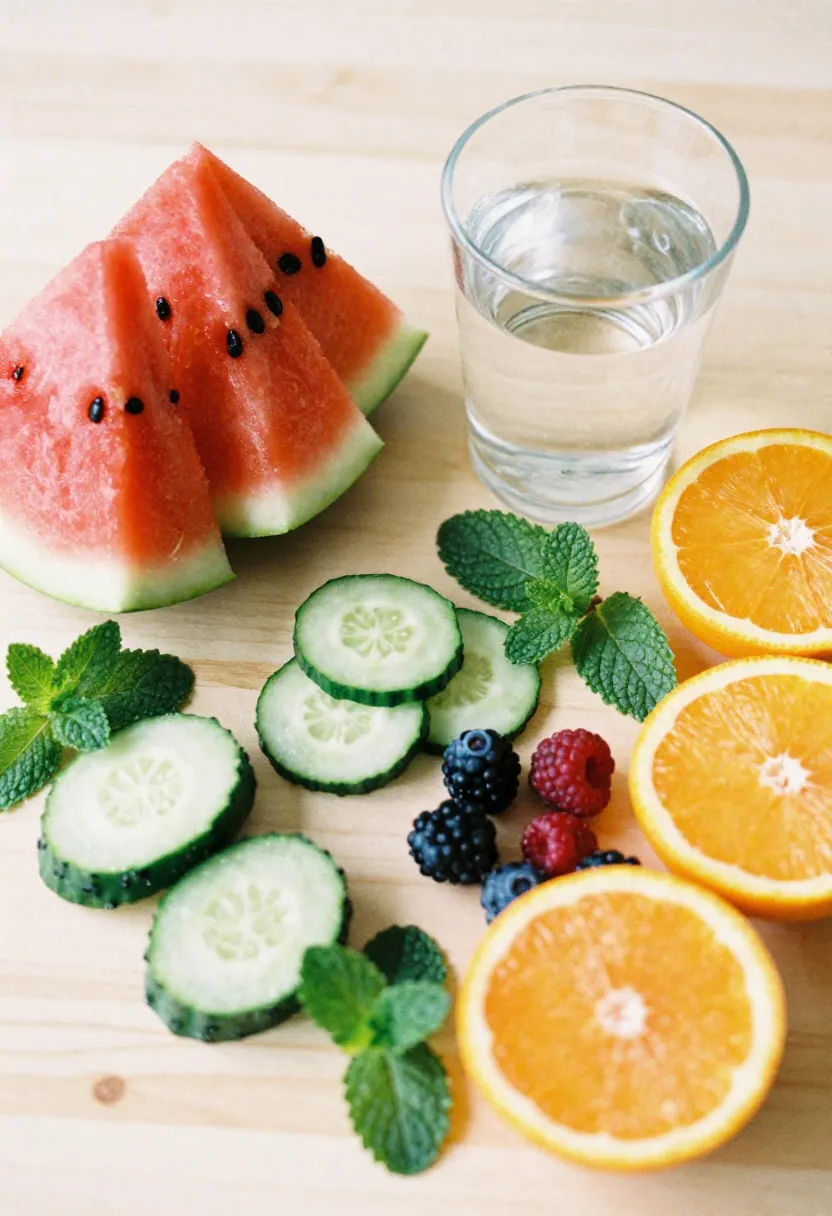
Hydration isn’t limited to the water you drink. In fact, about 20–30% of your daily fluid intake naturally comes from foods, especially fruits, vegetables, soups, and herbal beverages. This is wonderful news for anyone who struggles to drink enough plain water — your plate can support your hydration as powerfully as your glass.
Exploring hydrating foods and drinks opens up a world of flavor and nourishment. These options don’t just quench thirst — they energize, refresh, and replenish your body with vitamins, minerals, and antioxidants.
Let’s look at the delicious, water-rich choices that keep your hydration levels thriving.
Hydrating Fruits: Nature’s Sweet Water
Fruits are some of the richest sources of naturally occurring water. They offer hydration along with vitamins, electrolytes, and gentle natural sugars — perfect for energy and balance.
Top hydrating fruits include:
- Watermelon (92% water): refreshing, cooling, and rich in lycopene
- Strawberries (91%): antioxidants + hydration in one bite
- Cantaloupe (90%): smooth, soothing, full of beta carotene
- Oranges (86%): vitamin C + hydration boost
- Pineapple (86%): aids digestion while hydrating
- Peaches (89%): juicy, soft, and perfect for summer hydration
Fruits are especially helpful in the morning or after light exercise — when your body is naturally trying to restore fluids.
Water-Rich Vegetables: Crisp, Refreshing Hydration
Vegetables contain impressive amounts of water while delivering fiber, minerals, and a cooling effect on the body.
Hydrating vegetables include:
- Cucumber (96% water): one of the most hydrating foods on the planet
- Lettuce and leafy greens (95–96%): refreshing and nutrient-dense
- Celery (95%): low-calorie hydration powerhouse
- Zucchini (94%): great raw or cooked
- Tomatoes (94%): rich in antioxidants and fluid
- Bell peppers (92%): crunchy and vitamin-rich
Try adding these to salads, wraps, or as snacks — they make hydration effortless.
Soups, Broths & Smoothies: Fluid-Rich Comfort
Sometimes hydration feels best when it’s warm, comforting, or blended into a nourishing bowl.
Great options:
- Veggie soups: especially those with celery, zucchini, or tomato
- Bone broth: hydrating + mineral dense
- Fruit smoothies: combine water-rich fruits for a hydration boost
- Gazpacho: a refreshing cold soup perfect for warm climates
Smoothies are also an ideal way to hydrate picky eaters or children who don’t drink enough water.
Herbal Teas & Infusions: Gentle, Soothing Hydration
Not all hydration has to be cold. Herbal teas offer warmth, wellness benefits, and gentle fluid intake throughout the day.
Popular hydrating choices include:
- mint tea (cooling and refreshing)
- chamomile (calming)
- hibiscus (rich in antioxidants)
- rooibos (naturally caffeine-free)
- ginger tea (supportive for digestion)
Caffeine-free teas are especially helpful in the evening or during cooler seasons.
Electrolyte Drinks: When They Matter
Electrolytes — especially sodium, potassium, and magnesium — help your body retain and properly use water. While most people get enough electrolytes through food, some situations call for extras.
You may benefit from electrolyte drinks when:
- exercising intensely for over an hour
- sweating heavily
- spending time in high heat or humidity
- recovering from illness
- doing long endurance activities
Look for natural versions with minimal added sugars, or make your own with water, a pinch of sea salt, and a splash of citrus.
Coconut Water: Nature’s Light Electrolyte Boost
Coconut water is naturally hydrating and contains potassium, magnesium, and a small amount of natural sugar. It’s ideal for post-workout recovery or as a refreshing afternoon drink.
Think of it as a gentle, natural sports drink — perfect when you need a boost but want to avoid artificial ingredients.
Mini-Story Moment
Picture a hot summer afternoon when the sun feels heavy and your energy is fading. Instead of chugging cold water, you blend a smoothie with watermelon, mint, and a handful of strawberries. The first sip is sweet, cool, revitalizing — almost like drinking sunshine. That’s hydration through food: delicious and nourishing.
Why Hydrating Foods Matter
Eating water-rich foods helps you:
- hydrate passively throughout the day
- maintain steady energy
- improve digestion
- support glowing skin
- feel lighter and more refreshed
Hydration doesn’t have to be a chore. With the right foods and drinks, it becomes a joyful, flavorful part of daily life.
Practical Hydration Tips for Busy Days
Modern life is fast. We rush from task to task, juggling deadlines, errands, workouts, children, pets, and everything in between. In the whirlwind of responsibility, hydration often becomes an afterthought — something we “get to later.” But your body doesn’t wait. It needs consistent fluid intake throughout the day to support energy, mood, digestion, and mental clarity.
The good news? Hydration doesn’t require major lifestyle changes. Small habits, woven gently into your daily routine, can transform the way you feel. These practical tips are designed for real people with real schedules — the kind of strategies you can start using today, without stress or overthinking.
Start Your Morning With Water Before Anything Else
Before coffee, emails, or scrolling your phone, drink a full glass of water. After a night of sleep, your body is naturally dehydrated, and a morning glass helps kickstart digestion, circulation, and mental clarity.
Try this ritual:
Keep a glass or bottle beside your bed and drink it within the first 10 minutes of waking.
Carry a Water Bottle You Actually Love
It sounds simple, but the bottle you choose matters. Whether it’s sleek stainless steel, a lightweight BPA-free option, or a glass bottle with a protective sleeve — your bottle becomes a habit trigger.
Pro-tip:
Choose one you enjoy holding, drinking from, and refilling.
Make it part of your outfit, part of your desk setup, part of your day.
Set Gentle Hydration Reminders
Instead of forcing yourself to drink on a strict schedule, set soft reminders to check in with your body.
Apps, alarms, or smartwatch nudges can help — but even placing a sticky note on your laptop that says “Sip” can shift your awareness.
Your goal isn’t to chug.
Your goal is to remember.
Drink a Glass of Water Before Every Meal
This simple routine:
- supports digestion
- helps regulate appetite
- ensures steady hydration
- prevents overeating
- eases bloating
It’s one of the most effective low-effort hydration habits.
Flavor Your Water Naturally
If plain water feels boring, elevate it with fresh, natural ingredients that add both aroma and subtle taste.
Great options:
- lemon or lime slices
- cucumber rounds
- fresh mint
- ginger
- berries
- orange peel
Your bottle becomes a refreshing, spa-like drink — without added sugars.
Use Hydrating Foods Strategically
If you’re someone who forgets to drink water, let your meals do the work for you.
Try adding:
- salads with cucumber and leafy greens
- soups or broths at lunch
- fruit bowls in the afternoon
- yogurt with berries
- smoothies as snacks
Hydration doesn’t have to be liquid-only.
Match Hydration to Activity
On workout days, especially intense sessions, add an extra 0.5–1 liter of water. If you sweat heavily or train in heat, pair hydration with electrolytes.
This keeps your performance strong, your recovery faster, and your heart rate stable.
Create Hydration “Anchor Moments”
Anchor moments are small lifestyle cues that remind you to drink without thinking.
Examples:
- every time you enter a new room
- after washing your hands
- when you sit down at your desk
- after finishing a task
- while waiting for the kettle or microwave
Your environment becomes your hydration coach.
Keep Water Visible
Out of sight, out of mind — especially when you’re busy.
Place water bottles:
- on your desk
- in your car
- beside the sofa
- in your gym bag
- near the kitchen sink
Visibility creates consistency.
Mini-Story Moment
Picture yourself during a hectic workday: notifications buzzing, meetings piling up, and your mind racing. Your energy drops, but coffee doesn’t help. Then, you pause, take several slow sips of cool water, and suddenly everything feels more manageable. Your shoulders relax. Your head clears. You exhale.
Hydration doesn’t just quench thirst — it creates space, calm, and clarity in the middle of chaos.
Why These Tips Work
Hydration becomes effortless when it’s tied to routine, pleasure, and awareness. You don’t need to drink gallons — you just need to hydrate consistently. These small habits add up, helping you feel more energized, balanced, and grounded throughout the day.
FAQ: Hydration Questions People Actually Ask
Hydration is simple in theory — drink enough water. But in real life, people face many doubts: Does coffee count? How much is too much? Why am I still thirsty?
This FAQ brings clarity to the most common, practical hydration questions, offering science-backed answers in a warm, accessible way.
Does coffee or tea count toward daily hydration?
Yes — absolutely.
Caffeinated drinks have a mild diuretic effect, but the water content still contributes meaningfully to hydration. Herbal teas, which are caffeine-free, are even better for daily fluid intake.
Unless you’re drinking extremely large amounts of caffeine, your morning latte does help hydrate you.
Can you drink too much water?
Yes, though it’s uncommon.
Too much water too quickly can dilute electrolytes, leading to a condition called hyponatremia. Symptoms may include nausea, confusion, or headache.
This is most often seen in endurance athletes who drink excessively without electrolytes.
For most people, overhydration is far less common than underhydration.
Why do I still feel thirsty even when I drink water?
Several reasons can cause persistent thirst:
- eating salty or spicy foods
- living in a dry climate
- high caffeine intake
- intense exercise
- not enough electrolytes
- certain medications
If you drink plenty of water but still feel thirsty, try adding hydrating foods or a pinch of minerals (like sea salt) to your diet.
Does sparkling water hydrate the same as still water?
Yes — sparkling water hydrates just as effectively.
Some people even find it more satisfying, which helps them drink more consistently. Just be mindful of flavored versions with added sugars or artificial sweeteners.
Is it true that older adults feel less thirsty?
Yes.
As we age, the body’s thirst mechanism becomes less sensitive. This means older adults may not feel thirsty until they are already dehydrated. Drinking water consistently, even without strong thirst cues, becomes increasingly important.
Do certain medical conditions increase hydration needs?
Yes. Conditions like fever, diarrhea, vomiting, diabetes, kidney disorders, and thyroid imbalances can increase fluid requirements. Always follow professional medical guidance if you have a diagnosed health condition.
Does hydration help with weight management?
Indirectly, yes.
Hydration supports metabolism, reduces water retention, and helps regulate appetite. Sometimes thirst is misinterpreted as hunger, leading to unnecessary snacking.
Drinking a glass of water before meals can naturally support mindful eating habits.
Is cold water better than warm water?
They hydrate equally, but:
- cold water cools the body quickly and is great after exercise or in heat
- warm water supports digestion and feels soothing in the morning or evening
Choose whatever feels most comforting and enjoyable — that’s what helps consistency.
Do electrolyte powders or sports drinks help?
They can — but not for everyday hydration.
Electrolytes are beneficial when you:
- train intensely
- sweat heavily
- experience heat exposure
- are recovering from illness
For most daily routines, water + a mineral-rich diet is enough.
How do I know if I’m drinking the right amount?
The easiest, most reliable indicators are:
- pale yellow urine (light color = good hydration)
- steady energy levels
- normal skin elasticity
- stable mood
- minimal headaches or fatigue
Your body speaks — hydration just helps you hear it more clearly.
Mini-Story Moment
Think of a day when you were unusually thirsty, couldn’t focus, or felt “off.” You may not have noticed the small dehydration signs at first — dry lips, irritability, sluggish thoughts. Then, with a bit more water throughout the day, everything softened: your energy returned, your mind cleared, and life felt just a bit easier.
These everyday shifts show how deeply hydration supports your whole being.