Contents
- The Emotional Language of Food in Anime 🍱
- Rice: A Symbol of Warmth and Home 🍚
- Noodles and Comfort: A Bowl Full of Warmth 🍜
- Bento: Care Packed in Every Detail 🍱🎀
- Why Many People Want to Cook Anime Food at Home 👩🍳✨
- Cooking Anime-Inspired Meals Without Pressure 🌿
- How Food Scenes in Anime Reflect Real-Life Values 🍃
- The Last Thought — Slow Down, Eat Warmly, Be Here 🕯️
If you have ever watched anime where a character comes home exhausted, opens the door to the soft glow of the kitchen, and is met with the quiet aroma of freshly cooked rice or a bowl of broth gently steaming on the table, you might remember how that moment felt. There is a specific tenderness to these scenes — something deeply familiar even if you grew up far from Japan, even if your own dinners looked very different. Anime has a remarkable way of presenting everyday meals not simply as fuel or background detail, but as meaningful, emotional moments that shape relationships and stories.🍜✨
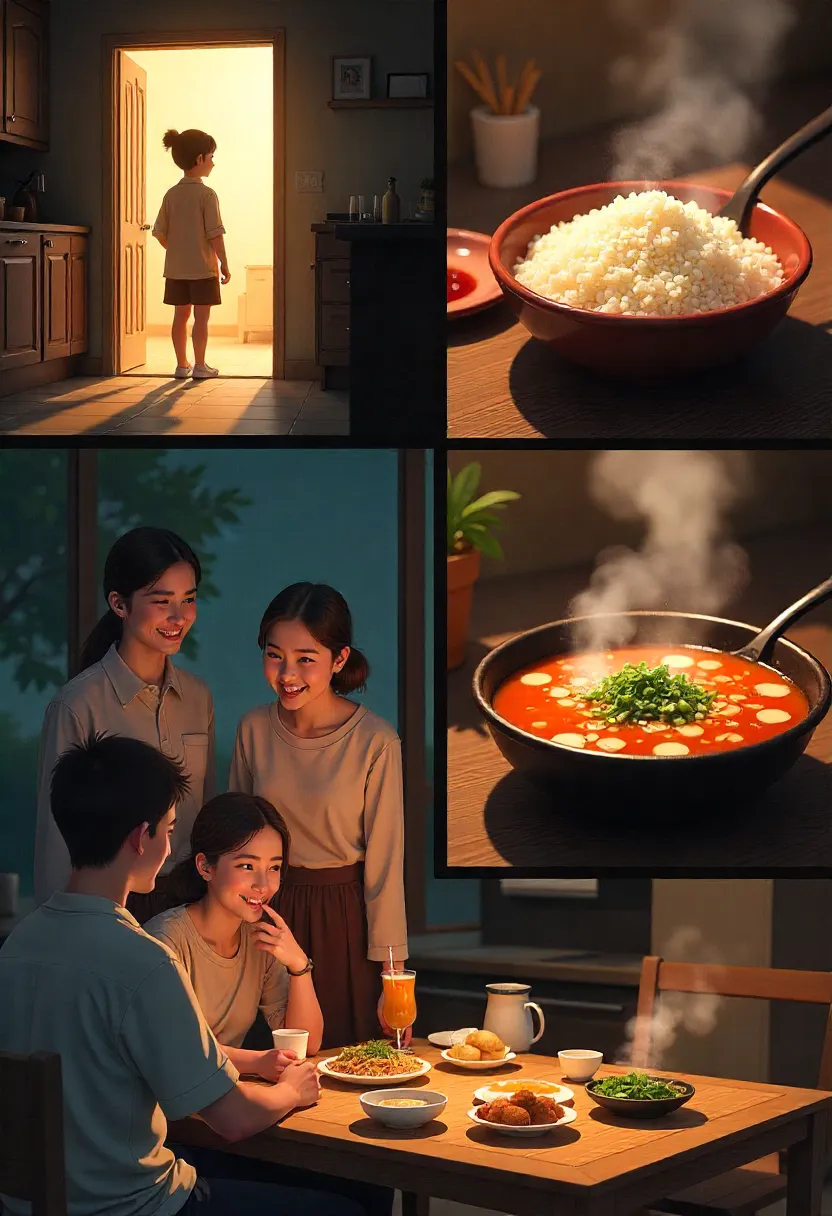
Food in anime often appears in scenes where nothing dramatic is happening — a calm conversation over breakfast, friends laughing together during lunch at school, a quiet midnight snack shared by two characters who can’t yet find the right words to express their feelings. Yet these everyday scenes often linger in memory far more strongly than grand battles or dramatic twists. The reason is simple: food is a universal language, and the way anime uses it speaks directly to experiences we all carry — home, comfort, routine, belonging.
This article is not about recipes in the strict culinary sense, though we will naturally talk about specific dishes. More importantly, it is about the meaning behind the meals — about why a bowl of soup or a rice ball can feel emotionally significant, why viewers all over the world find themselves wanting to recreate these dishes at home, and how cooking something inspired by anime can become a way of creating small pockets of peace and warmth in our own lives.
The Emotional Language of Food in Anime 🍱
In many stories, food represents connection. A character may not say “I care about you,” but will instead cook a dish that took time, attention, and patience. Another character may not show vulnerability in words, but will sit silently across the table, sharing a meal slowly, letting the moment speak for itself. The emotional weight does not need theatrical delivery. It exists quietly, in familiar gestures: passing a bowl, waiting to eat until everyone is seated, refusing to let someone skip breakfast because “it’s important to start your day right.”
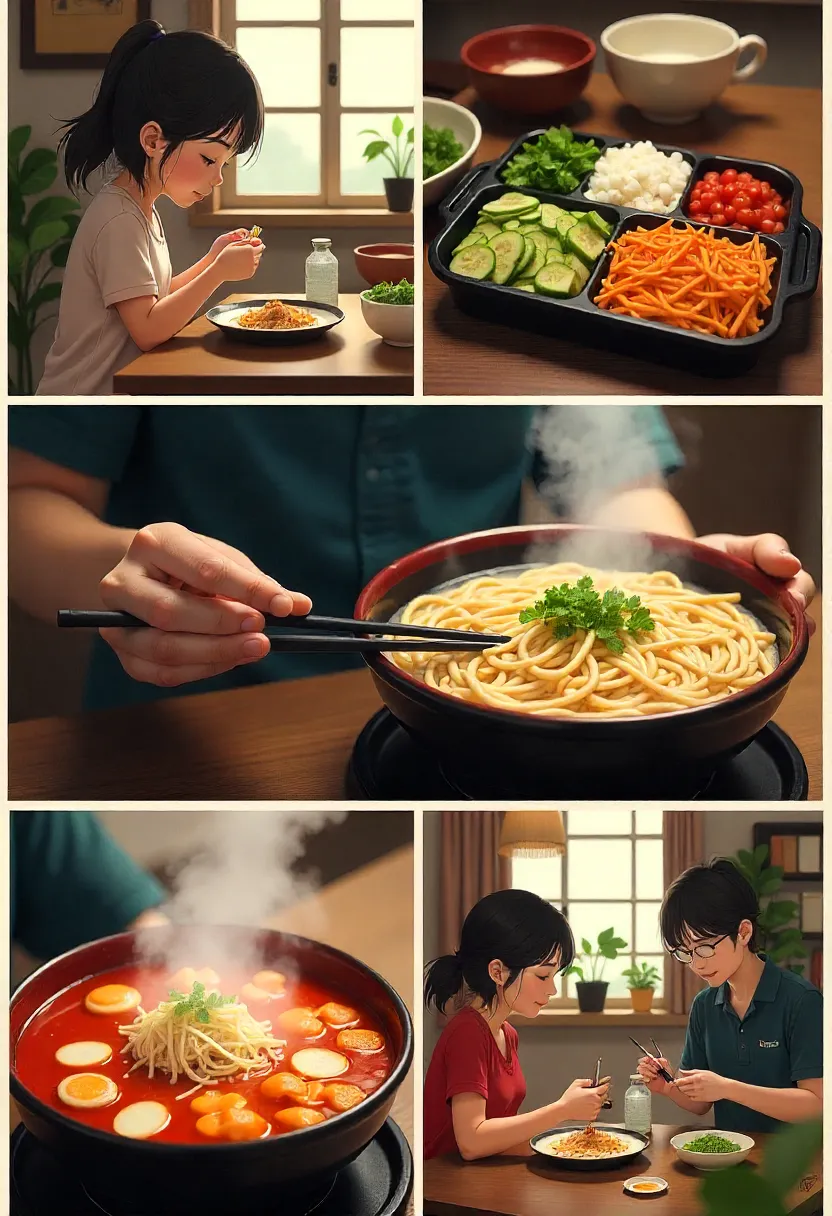
This subtlety is what gives anime food its emotional power. Meals become spaces where characters can pause. They breathe. They reflect. They reconnect with themselves or with others. Even when the plot is intense or the world is chaotic, food scenes offer grounding — a return to something stable and human. This stability is often expressed through routine: waking up to miso soup, packing a bento lunch for school, eating noodles after work, sharing hotpot during winter. These moments remind us that life is not only made of big events, but also of recurring, comforting rituals.
For many viewers, this resonates deeply, especially in a world where everyday routines sometimes feel rushed or disconnected. Seeing meals treated with attention and respect feels like an invitation to reintroduce intention into our own daily lives.
Rice: A Symbol of Warmth and Home 🍚
Rice in anime appears so often that it is easy to overlook its symbolic role. Yet rice is rarely shown as something casual. When characters hold a bowl of rice close or shape onigiri with their hands, the act feels personal. Rice represents continuity — something that has been part of family tables for generations. In many shows, a character receiving rice is receiving comfort.
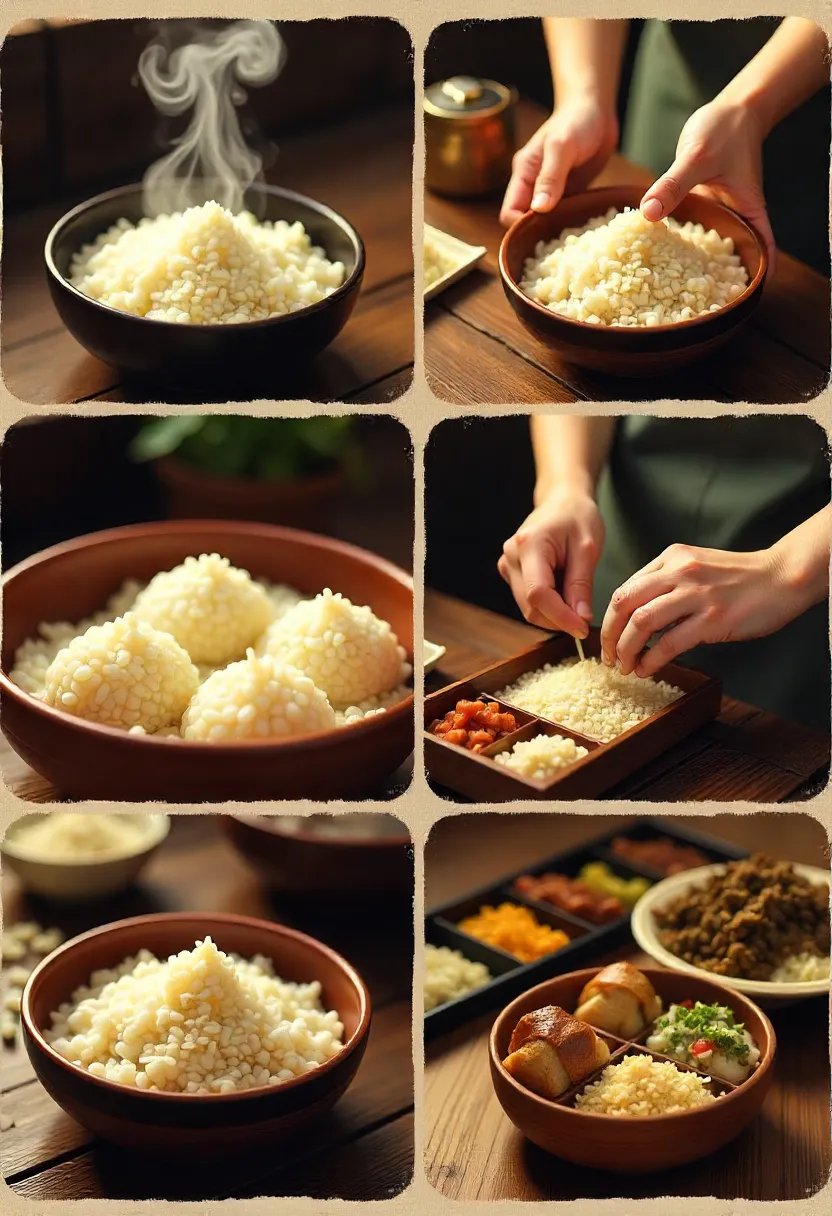
The preparation of rice is portrayed with patience. It is washed until the water turns clear, cooked gently, sometimes steamed with just the right timing so that each grain remains firm but tender. The process looks simple, but it involves presence. It is not rushed. It is thoughtful.
Even something as plain as an onigiri — a small rice ball wrapped in seaweed — can carry emotional meaning. A mother placing them into a bento for her child, a friend offering one during a difficult moment, or a traveler bringing them along on a journey — these are acts of quiet, dependable care. The food itself is humble, yet it holds stories.
But what resonates most is not the ingredient, but the sense that someone made this. Someone used their hands. Someone paid attention. Someone wanted another person to feel okay.
Noodles and Comfort: A Bowl Full of Warmth 🍜
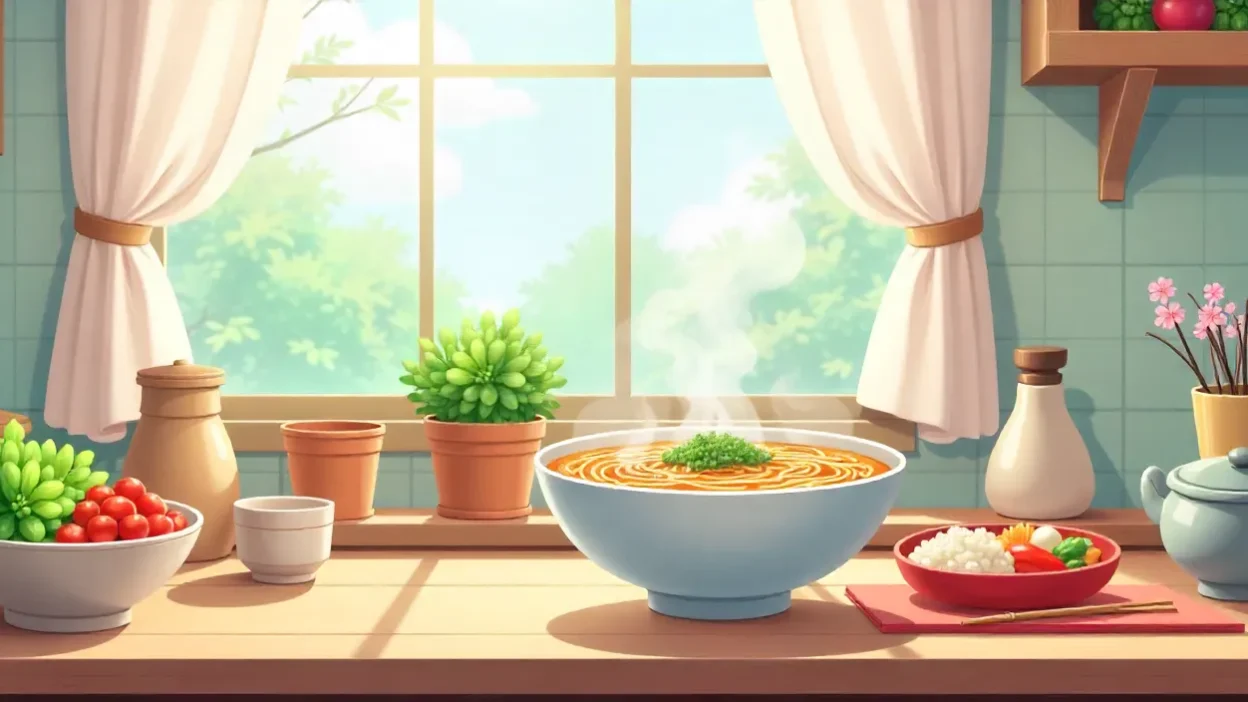
Noodles — whether ramen, udon, or soba — are often shown as food that soothes fatigue and restores energy. When a character sits down with a steaming bowl, the scene often signals a return to calm or a moment of relief. Even the act of eating — leaning over the bowl, letting steam rise to the face, taking the first satisfying slurp — is drawn with care. The viewer can almost feel the warmth traveling through the body.
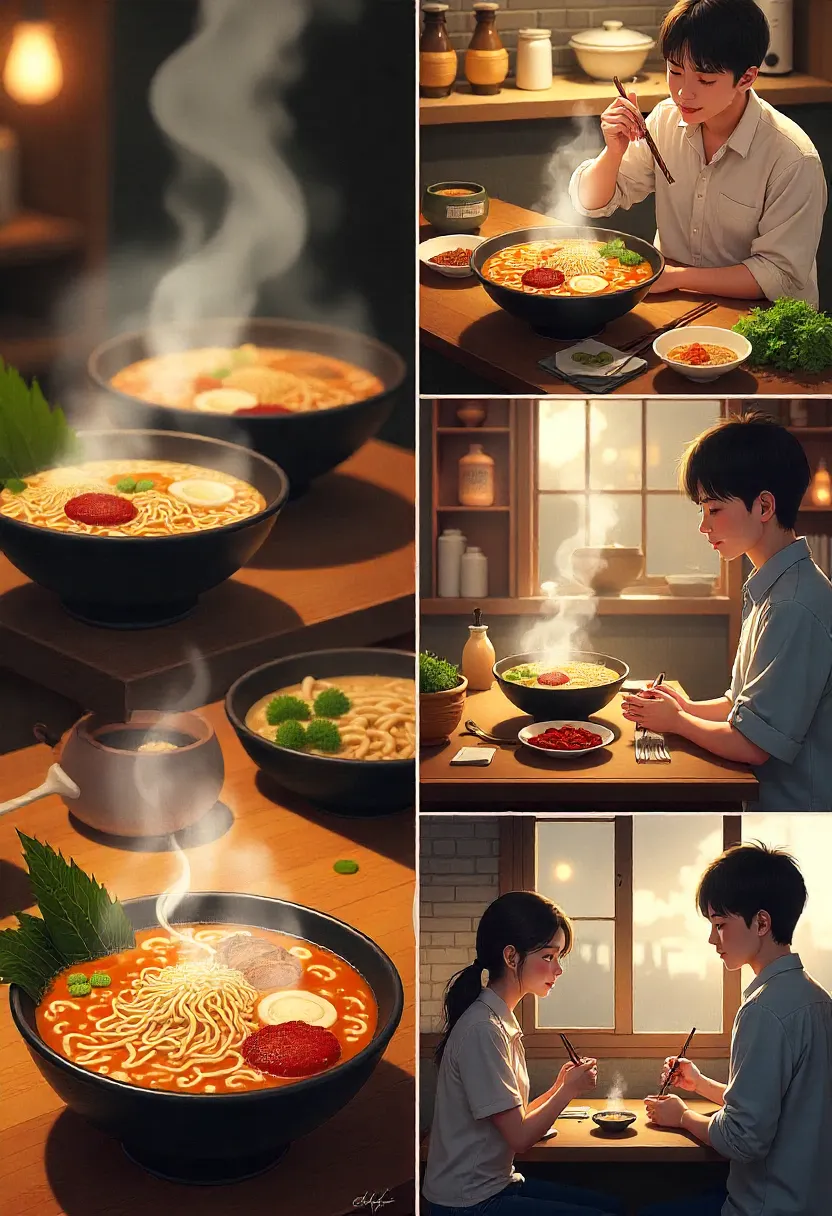
Ramen shops frequently appear in anime as informal community spaces — small, cozy places where people sit side by side, strangers or friends, quietly sharing a meal. There is no need for explanation or ceremony. The meal itself provides a moment of connection.
Udon and soba show up in different contexts — udon is often associated with home-cooked meals, something hearty and grounding; soba might appear in seasonal scenes or during celebrations. But all share one theme: noodles represent comfort that arrives quickly, warmth that fills both stomach and heart.
Watching anime, it becomes clear that what matters is not complexity or luxury. Many of these dishes are inexpensive and simple. What matters is the warmth they bring, the sense of slowing down, breathing, being present.
Bento: Care Packed in Every Detail 🍱🎀
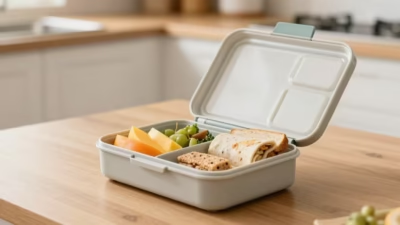
The bento box is one of the most expressive food motifs in anime. It is not merely a lunch — it is a message wrapped in practical form. A beautifully arranged bento often implies affection, attention, and effort. Even a slightly messy bento can say, “I tried my best for you,” which is its own kind of tenderness.
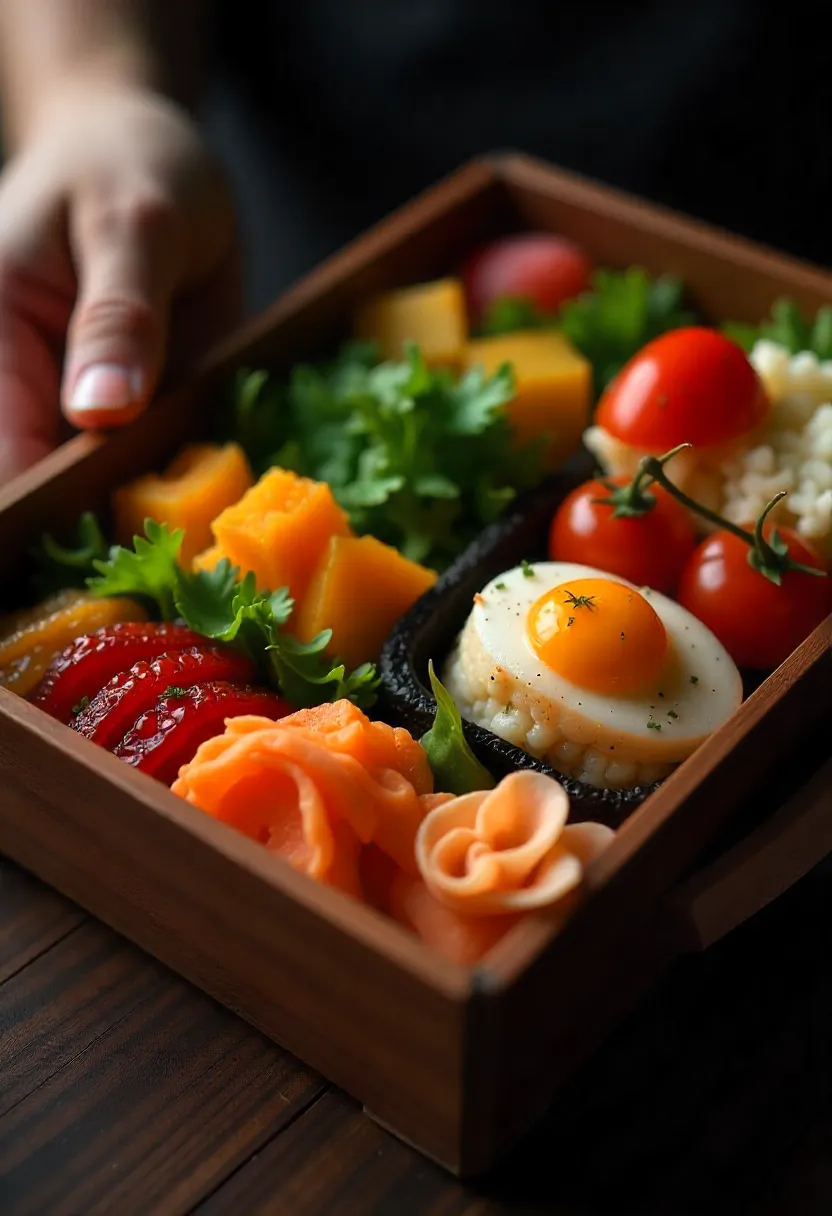
In anime, bentos reveal character dynamics:
- A friend packs something cute and cheerful to lift someone’s mood.
- A parent wakes up early to prepare food before work.
- Someone learning to cook expresses their growth through improving bentos.
Every item inside a bento has a place. Colors balance. Textures complement. But perfection is not the point — the intention is. The box becomes a symbol of personal connection that travels physically with the person who receives it.
When viewers try making bentos at home, they often discover that the process is calming and surprisingly reflective. Arranging food thoughtfully feels like taking a moment to care, either for yourself or someone else.
Why Many People Want to Cook Anime Food at Home 👩🍳✨
The desire to recreate anime food rarely comes from wanting to copy something exactly. Instead, viewers want to recreate the feeling associated with those meals. Cooking becomes a way of creating the same emotional softness and groundedness that anime conveys so well.
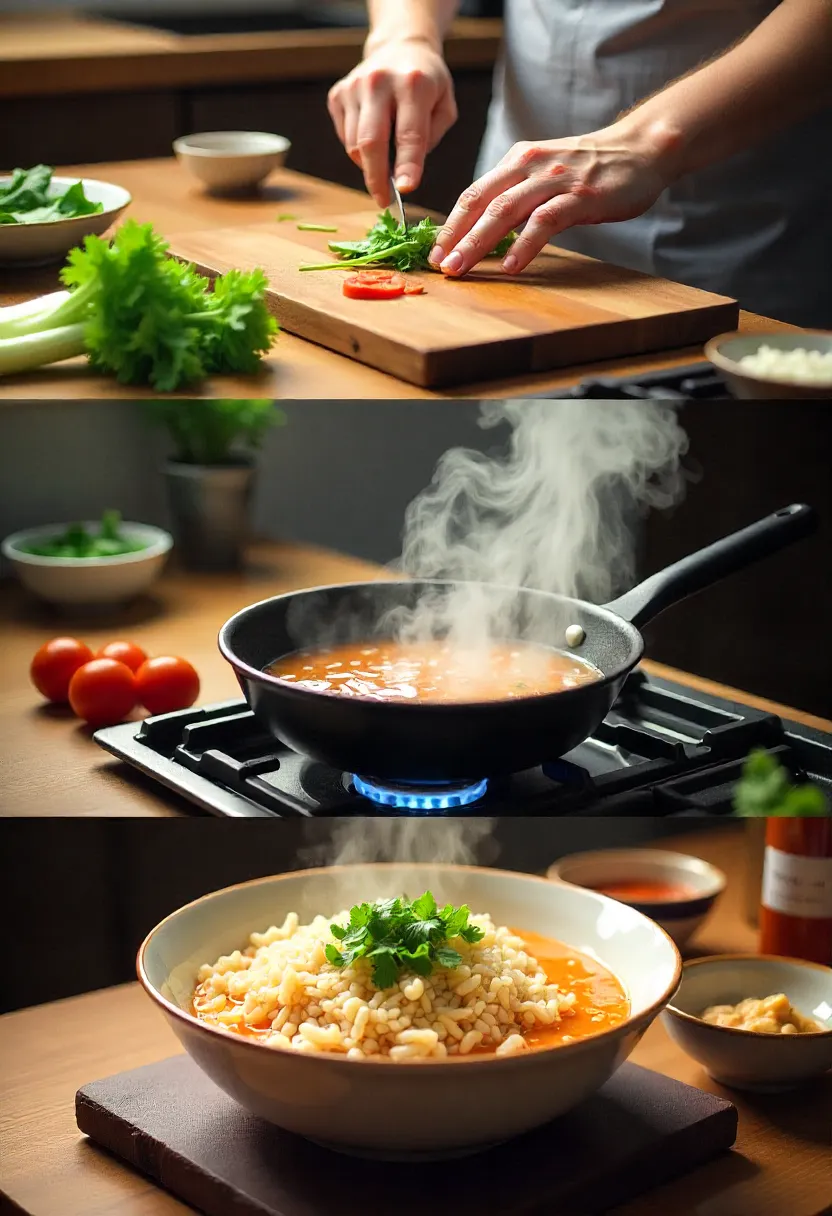
Recreating anime dishes is not about professional technique. It is about:
- slowing down long enough to enjoy preparing a meal,
- choosing ingredients with intention,
- letting yourself care about the details,
- and treating eating as an experience rather than a task.
This is why anime-inspired cooking feels therapeutic. It encourages us to take our time, to enjoy the sensory aspects of cooking — the sound of simmering broth, the smell of warm rice, the brightness of freshly cut vegetables. It invites presence.
And even if the final dish looks different than the one from the screen, the process itself provides a sense of peace.
Cooking Anime-Inspired Meals Without Pressure 🌿
You don’t need rare ingredients or complicated techniques to bring anime food into your own kitchen. Many traditional Japanese dishes use basic components like rice, eggs, broth, vegetables, and simple seasonings. What matters most is the mindset — treating cooking as something meaningful, not mechanical.
Here are small guiding thoughts rather than strict rules:
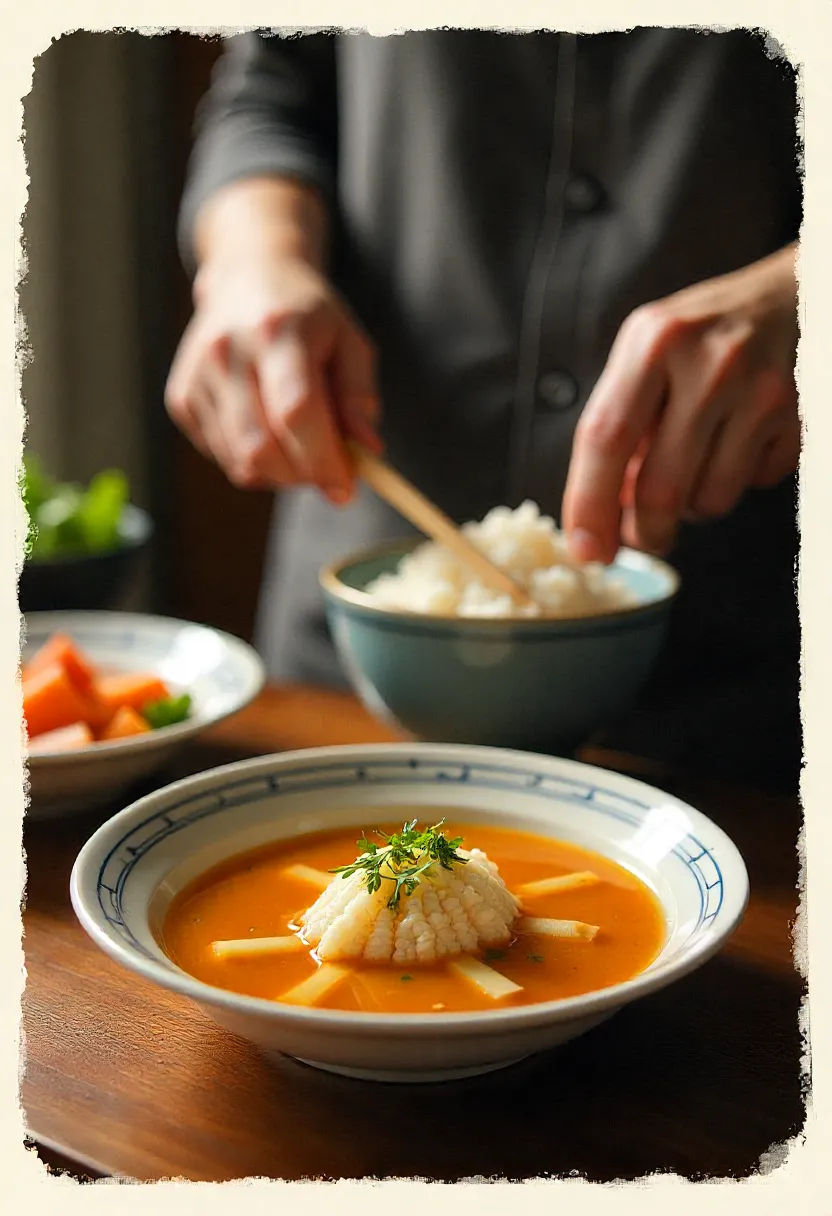
- Choose one dish and give yourself time to enjoy making it without rushing.
- Substitute ingredients freely — use what you have, adapt flavors to your taste.
- Focus on warmth, texture, and balance rather than perfection.
- Plate the dish with care, not because it must look “beautiful,” but because attention expresses love.
When cooking becomes a quiet activity rather than a chore, even a very simple meal becomes satisfying.
How Food Scenes in Anime Reflect Real-Life Values 🍃
One of the reasons anime food scenes resonate globally is because they reflect something universally recognizable: the idea that everyday life contains meaning, if we allow ourselves to see it. Meals are not simply biological necessities; they are opportunities to slow down, reconnect, and notice the moment we are in.
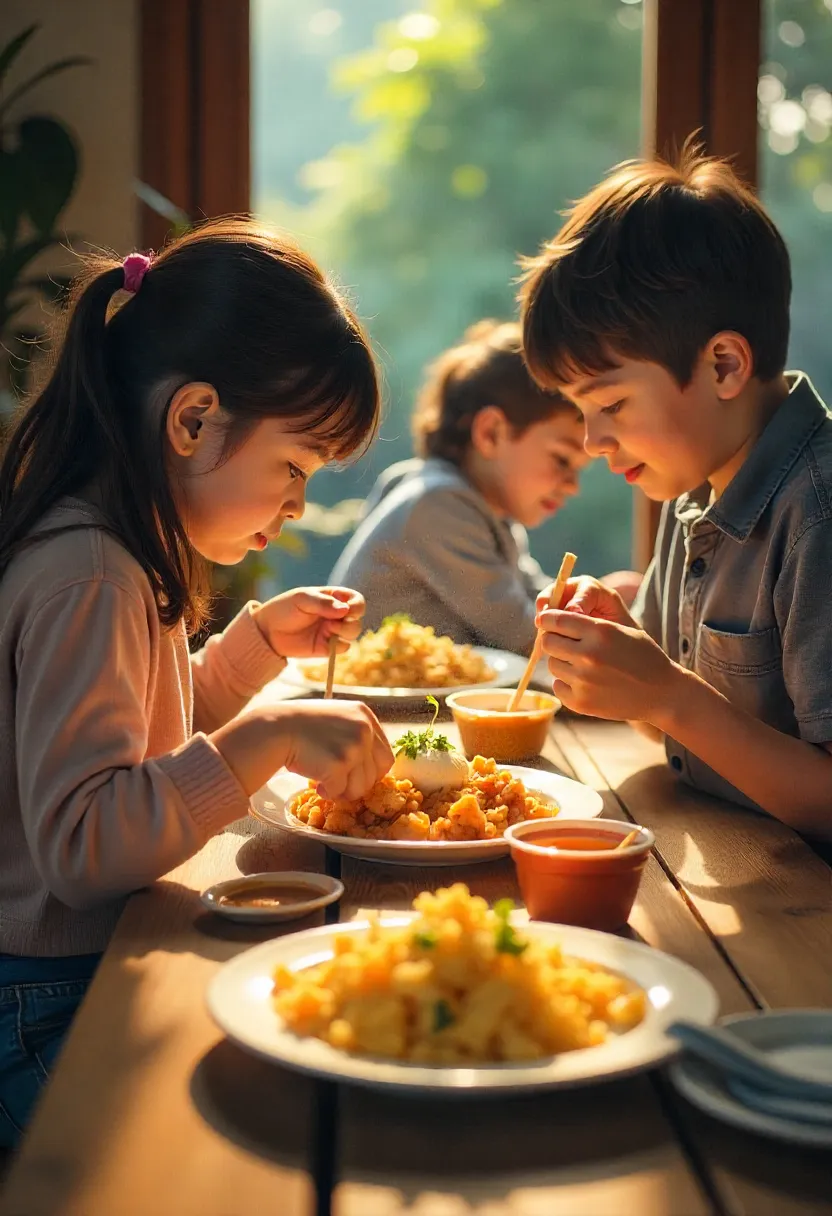
Anime treats eating as a shared human experience that bridges differences in culture, language, and background. Whether it is siblings eating together after school, coworkers having lunch on a break, or travelers sharing food on the road, the emphasis is always on presence and connection.
In this sense, anime does not exaggerate food — it reveals its emotional importance. It shows that ordinary meals, repeated day after day, can be grounding and meaningful. It demonstrates how preparing or sharing food can be a form of care when words are difficult.
The Last Thought — Slow Down, Eat Warmly, Be Here 🕯️
When we watch anime food scenes, what stays with us is not the dish itself, but the atmosphere surrounding it: the quiet kitchen light, the gentle clink of chopsticks, the moment of exhale before the first bite. Bringing this into real life does not require mastery. It simply requires attention.

Cooking an anime-inspired meal at home can become a small ritual of slowing down and reconnecting with your own sense of comfort. Sitting at the table without distractions, eating while present in the moment, and allowing yourself to feel nourished — these are acts of care, both to yourself and to others.
Food can be practical, yes. But it can also be emotional support, memory, familiarity, safety, and affection expressed without fanfare. And anime reminds us that these quiet forms of care matter deeply.
So if you find yourself inspired to cook something simple — a rice bowl, a hot soup, a small bento for tomorrow — treat that moment gently. Enjoy the warmth. Let the meal mean something. Let it give you a moment of calm.
Because sometimes, a meal is more than a meal.
It is a way of saying: I am here. I care. Let’s rest for a moment. 🍜💛