Contents
There’s something quietly powerful about comfort food. It doesn’t try to impress or surprise you — it simply shows up and does exactly what you need in that moment. No pressure, no expectations. Just something warm, familiar, and reliable. On days when everything feels a little off, or when you’re too tired to think about complicated recipes, this is the kind of food you naturally reach for.
Shepherd’s pie has always belonged to that category. It’s steady, dependable, and deeply satisfying in a way that doesn’t need explanation. You don’t really question it — you just make it, sit down, and enjoy it without overthinking anything. There’s something about that combination of a rich, savory base and a soft, comforting topping that just works every single time.
And maybe what makes it even better is everything around it. It’s not just the dish itself — it’s the small moments that come with it.
- the slow, steady smell filling the kitchen while it bakes
- the way the top starts to turn golden around the edges
- that first scoop where you get a bit of everything in one bite
It’s simple, but it feels complete. The kind of meal that doesn’t rush you, and honestly, you don’t really want to rush it anyway.
At the same time, even the most classic recipes aren’t fixed forever. People adjust them, sometimes intentionally, sometimes just because they’re working with what they have. And that’s usually how the best variations happen — not from trying too hard, but from small, natural changes over time.
Pumpkin is one of those changes. At first, it might not sound like an obvious fit. But once it’s there, it doesn’t feel like an addition — it feels like it was always meant to be part of the dish. It blends in quietly, softens the overall flavor, and adds just enough difference to make things more interesting without taking anything away.
Instead of the usual mashed potatoes, the topping becomes smoother, slightly lighter, and just a bit more nuanced. It still feels like shepherd’s pie — just with a softer edge and a little more balance.
🎃 Why Pumpkin Works Better Than It Sounds
Pumpkin has a bit of a reputation. Most people associate it with seasonal dishes or desserts, and because of that, it doesn’t always come to mind for something savory. But once you actually cook with it this way, it becomes clear that it fits in much more naturally than expected.
In a shepherd’s pie, pumpkin doesn’t try to imitate potatoes. It brings its own texture and character, and that’s exactly why it works. When mashed, it turns incredibly smooth — almost silky — and spreads easily over the filling. As it bakes, it sets just enough to hold its shape while staying soft inside, which gives the dish a slightly lighter feel overall.
The flavor is subtle, but it plays an important role. It adds a gentle sweetness that doesn’t stand out on its own but instead balances everything around it. The richness of the meat feels less heavy, the acidity from tomatoes feels softer, and the whole dish becomes more rounded.
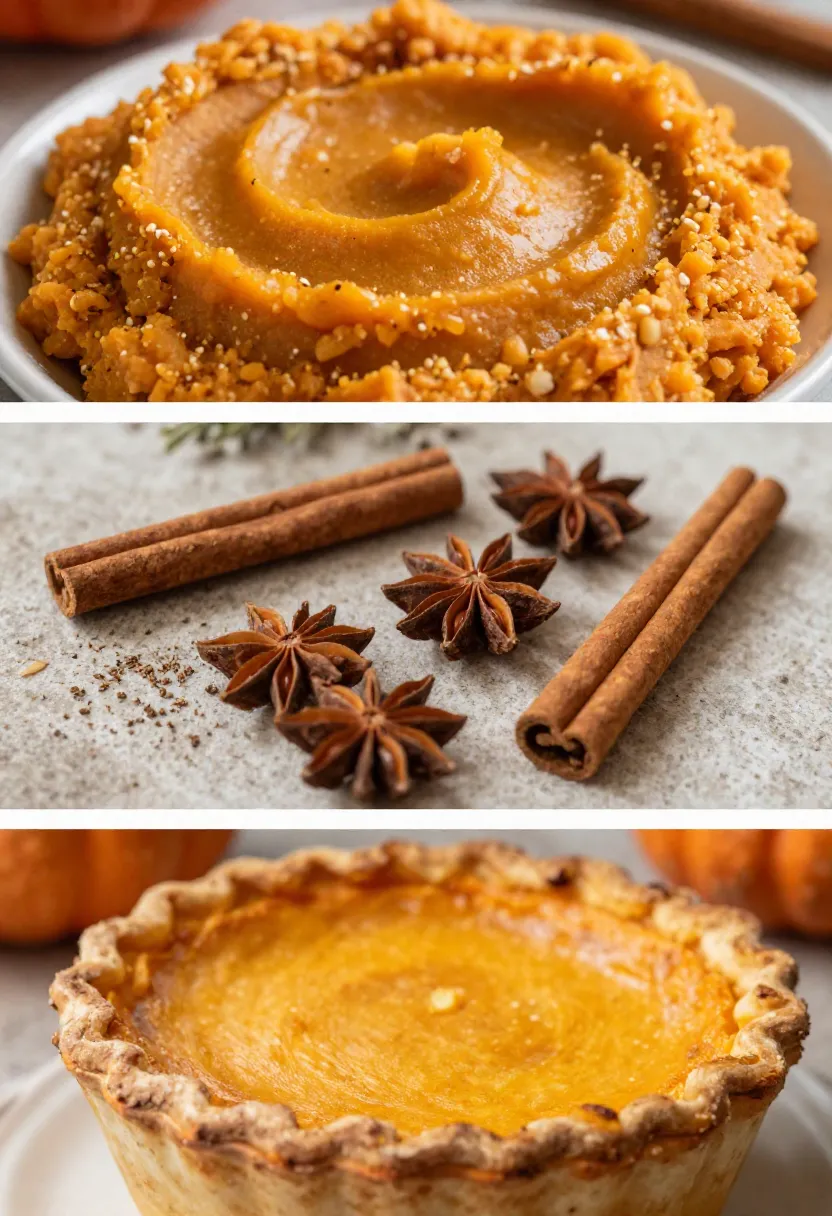
It’s the kind of change you don’t necessarily notice right away. But after a few bites, you realize something feels different — in a good way.
If you want to bring out that effect a bit more, small adjustments can help without overcomplicating anything:
- a pinch of cumin adds a quiet warmth that blends into the background
- coriander introduces a slight freshness that keeps things from feeling too rich
- a very small hint of cinnamon can deepen the flavor without making it taste sweet
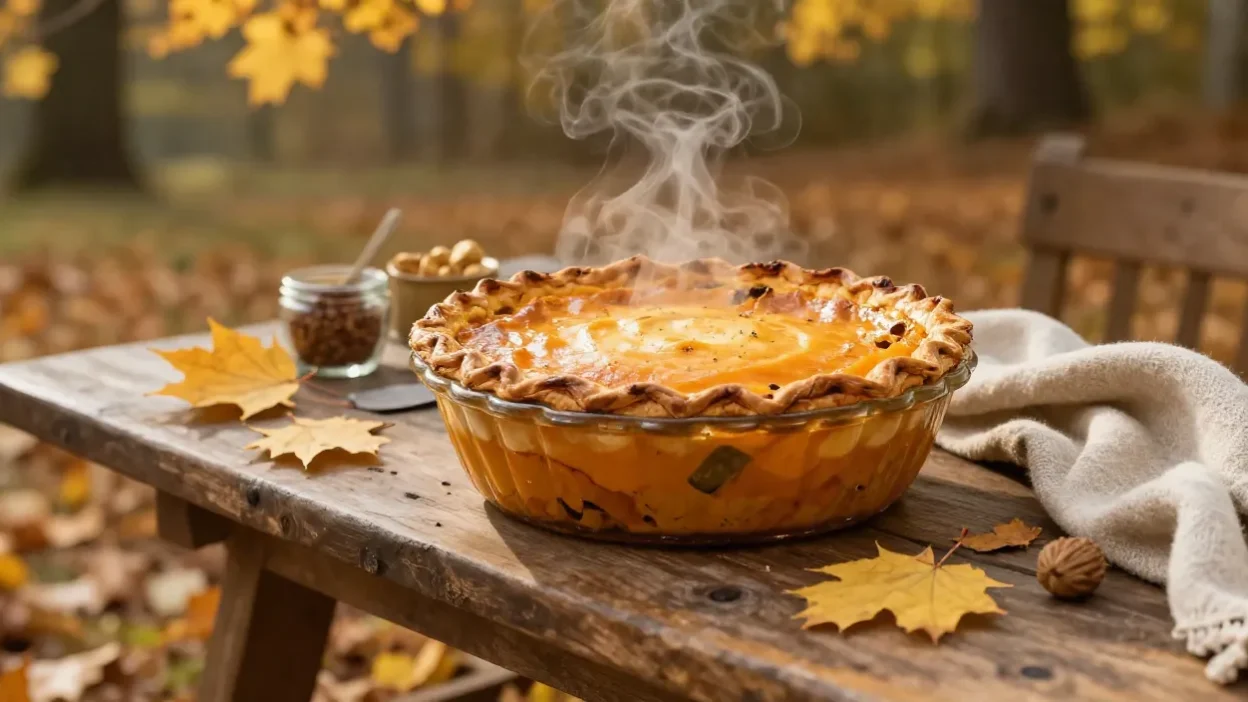
Even visually, pumpkin changes the experience. The deep orange topping, especially once it develops those lightly golden edges, makes the dish feel warmer and more inviting. It’s one of those details that doesn’t affect the cooking process, but somehow makes everything feel more complete before you even start eating.
🧄 Building Flavor the Right Way
A good shepherd’s pie is built step by step, and most of its character comes from the base rather than the topping. It’s easy to focus on what goes on top, but the filling is what actually carries the flavor of the dish. If that part is done well, everything else falls into place naturally.
It usually starts with simple ingredients — onion, garlic, carrot, and celery. Nothing complicated, nothing unusual. But the way you cook them matters more than it might seem. If you take your time and let them soften slowly, they begin to develop a deeper, slightly sweeter flavor that becomes the foundation of the whole dish.
If you rush this step, the difference is noticeable. The dish still works, but it feels flatter, like something is missing even if you can’t quite point to what.
Then comes the meat. Lamb is traditional and has a slightly richer taste, but beef works just as well if that’s what you prefer. The important part here isn’t the choice — it’s the technique. Letting the meat brown properly adds a depth that you can’t recreate later. It’s tempting to stir it constantly, but letting it sit for a bit and develop color makes a real difference.
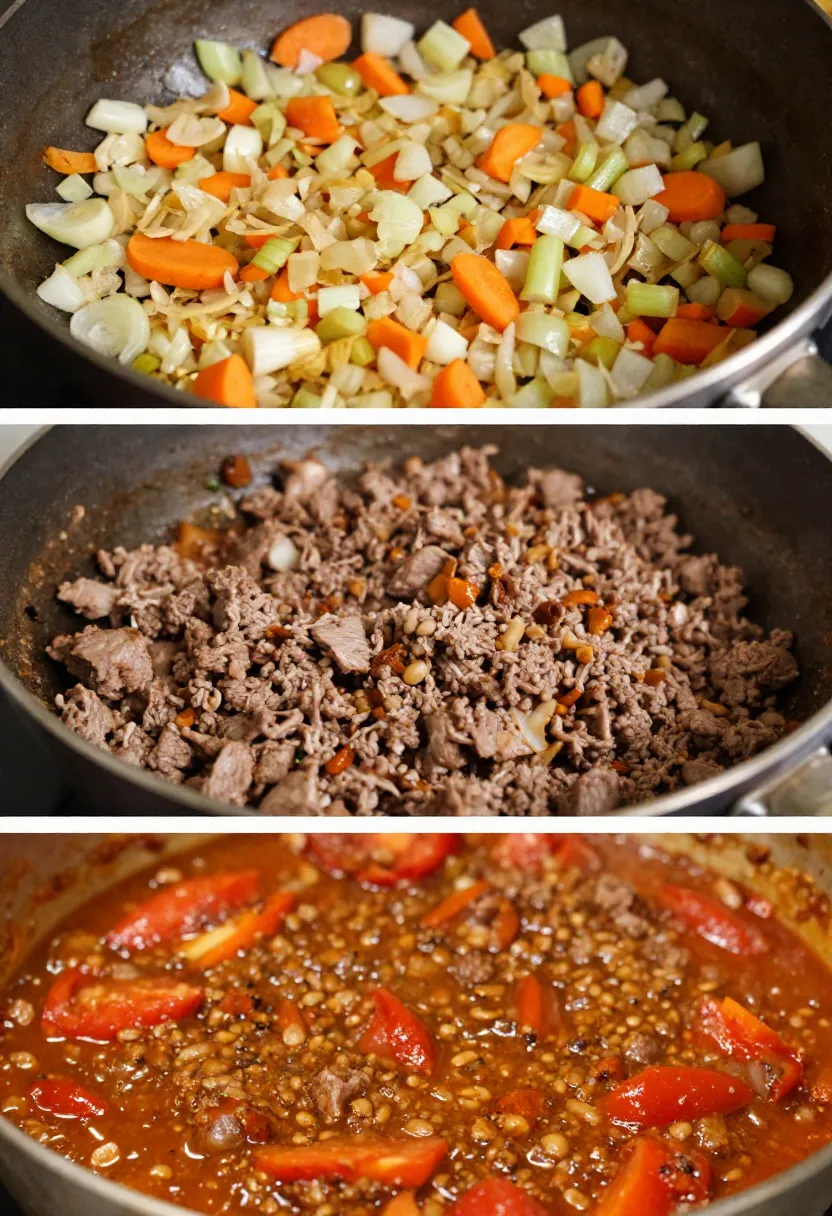
Once the meat is ready, everything starts to come together. Tomatoes, stock, and a few carefully chosen spices begin to form a sauce that ties everything into one cohesive mixture. This is where the dish starts to feel less like separate ingredients and more like something complete.
There are also a few small additions that can improve the texture and overall balance without making the recipe more complicated:
- adding a small amount of lentils makes the filling slightly heartier
- a splash of stock helps everything blend more smoothly
- letting the mixture simmer a little longer deepens the flavor naturally
The simmering stage is where patience really pays off. The liquid reduces slowly, the flavors settle into each other, and the texture becomes thicker and more unified. It’s also the moment where the smell changes — it goes from “ingredients cooking” to something that actually smells like a finished meal.
That shift is subtle, but once you notice it, you’ll start recognizing it every time. It’s usually the point where you know you’re exactly on track.
🍲 Pumpkin Shepherd’s Pie Recipe
This version of shepherd’s pie is the kind of dish that feels comforting from the very beginning — even while you’re still cooking it. It’s not complicated, but it does ask you to slow down just a little and pay attention to what’s happening in the pan. And honestly, that’s part of the appeal.
The filling is rich and savory, with layers of flavor that build gradually rather than all at once. You start with simple vegetables, add depth with browned meat and spices, and let everything come together slowly as it simmers. Nothing feels rushed, and that’s exactly why it works.
Then there’s the topping. The pumpkin adds a softer, slightly lighter contrast to the filling. It’s smooth, creamy, and just a little bit sweet — not enough to stand out on its own, but enough to balance everything underneath. When it bakes, the top gently sets and develops those lightly golden edges that make the whole dish feel complete.
It’s the kind of meal that fits perfectly into a quiet evening. Not something you throw together in five minutes, but also not something that feels like a project. Just steady, satisfying cooking that rewards you at the end.
🛒 Ingredients
For the filling:
- 1 tablespoon olive oil
- 1 large onion, finely chopped
- 2 cloves garlic, minced
- 2 medium carrots, diced
- 2 celery stalks, chopped
- 500 g ground lamb (or beef)
- 1 teaspoon cumin
- 1 teaspoon ground coriander
- ½ teaspoon smoked paprika
- Optional: a small pinch of cinnamon
- 1 can (400 g) chopped tomatoes
- 1 cup cooked lentils (drained if canned)
- 1–1.5 cups stock
- Salt and black pepper to taste
For the pumpkin topping:
- 600–700 g pumpkin, peeled and cubed
- 2–3 tablespoons ricotta, butter, or cream
- Salt and pepper
- Optional: pinch of nutmeg
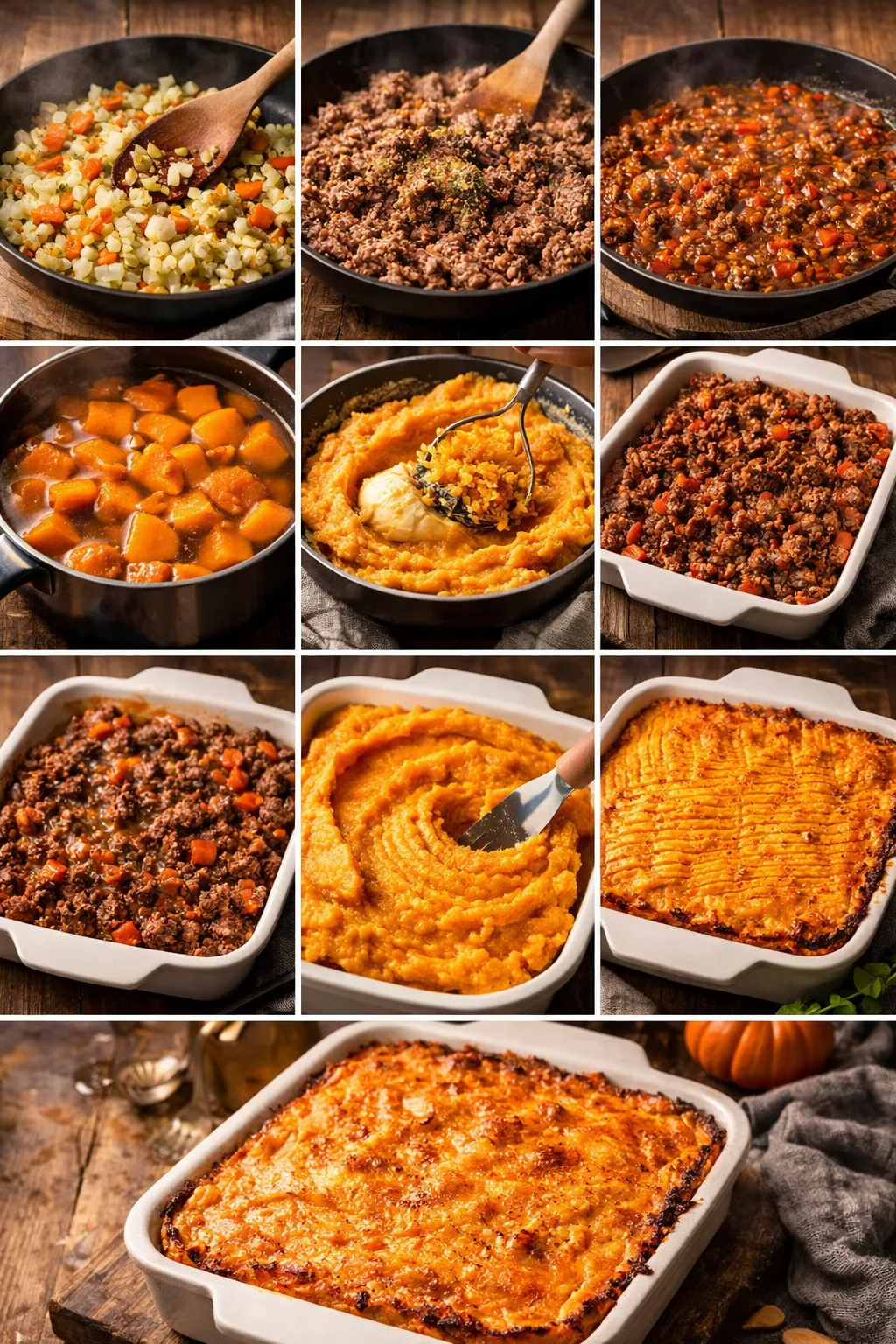
👨🍳 Step-by-Step Instructions
- Heat olive oil in a large pan over medium heat. Add the chopped onion and cook slowly, stirring occasionally, until soft and slightly golden.
- Add the garlic, carrots, and celery. Cook for a few minutes until everything starts to soften and the aroma becomes more noticeable.
- Add the ground meat. Break it apart with a spoon and let it cook until nicely browned. Try not to rush this step — the color adds a lot of flavor.
- Sprinkle in the spices and mix well so everything is evenly coated and fragrant.
- Add the chopped tomatoes, lentils, and stock. Stir everything together and let it simmer gently for about 15–20 minutes, until the mixture thickens and comes together.
- Meanwhile, boil the pumpkin in salted water until very soft. Drain it well to remove excess moisture.
- Mash the pumpkin until smooth. Add ricotta, butter, or cream, then season with salt, pepper, and optional nutmeg. Mix until creamy.
- Preheat your oven to 200°C (400°F).
- Transfer the filling into a baking dish and spread it out evenly.
- Carefully spread the pumpkin mash over the top. If you like, use a fork to create a bit of texture on the surface.
- Bake for 20–25 minutes, until the top is lightly golden and the edges start to bubble.
- Let the dish rest for 5–10 minutes before serving — it helps everything settle and makes it easier to portion.
💡 A Few Small Tips That Actually Help
- Don’t rush the browning of the meat — it’s one of those small steps that really changes the depth of flavor
- Make sure to drain the pumpkin well, otherwise the topping can turn too soft
- If the filling feels too thin, let it simmer a bit longer before assembling
- A fork-textured top isn’t just for looks — those little ridges crisp up slightly in the oven
- Letting the pie rest before serving makes a bigger difference than it seems (and saves you from a messy first slice 😄)
🌿 Making the Dish Truly Yours
One of the nicest things about a dish like this is that it never really stays the same. You might follow the recipe the first time quite closely, maybe even double-check a few steps along the way. But after that? It starts to shift. You adjust something without even thinking about it — a little more spice, a slightly different ingredient — and suddenly it becomes your version.
That’s what makes this kind of cooking feel so natural. It doesn’t demand precision or perfection. It gives you a base and lets you build on it depending on your mood, your ingredients, or honestly, just how your day went. Some days you want something richer and more indulgent. Other days you want it a bit lighter, a bit simpler. And this dish handles both without any trouble.
If you’re in the mood for something deeper and more comforting, adding a splash of red wine while the filling simmers is a small change that goes a long way. It blends into the sauce and adds a subtle richness that you might not immediately notice — but if you skip it next time, you probably will. It’s one of those quiet upgrades.
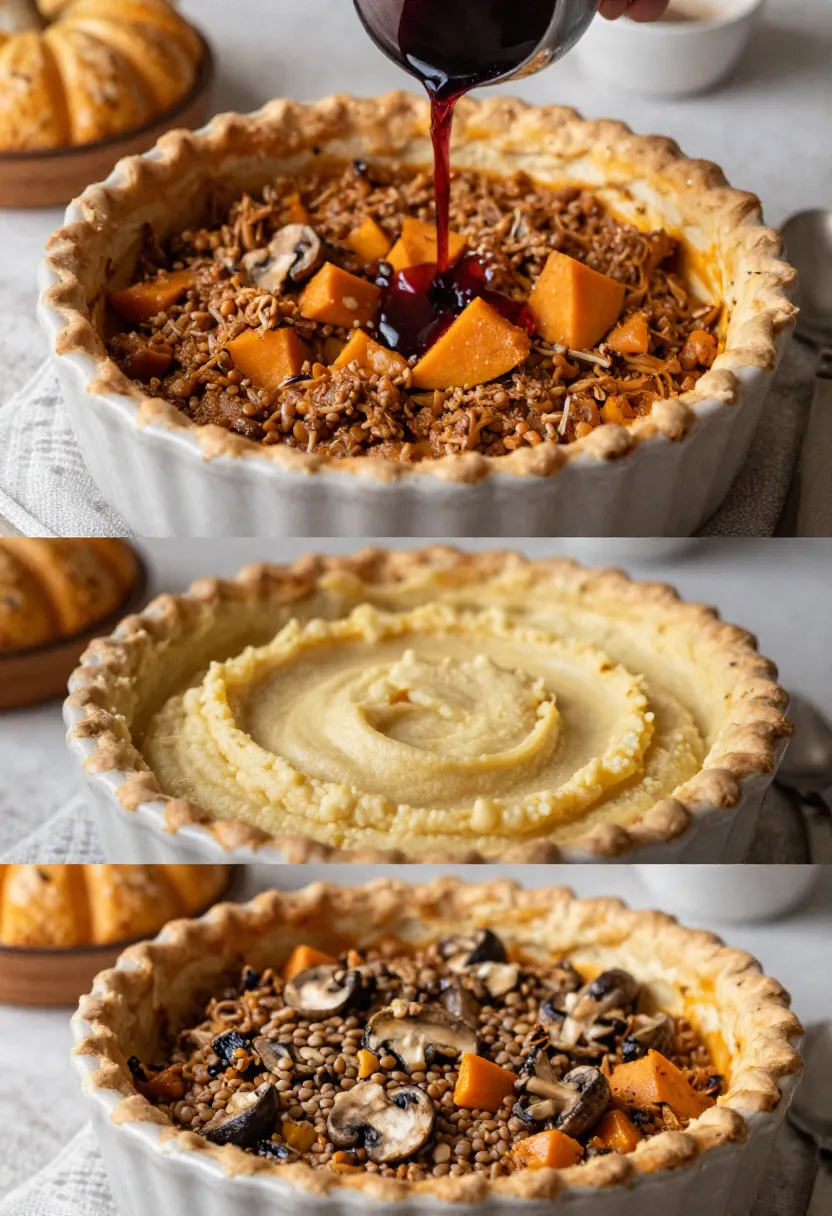
On the other hand, if you want to make things feel a bit lighter, there are easy adjustments that don’t take away from the dish. Mixing pumpkin with cauliflower, for example, softens the sweetness and creates a more neutral, balanced topping. It still feels creamy and smooth, just slightly less rich and heavy.
And then there’s the option of going completely plant-based. At first, it might sound like a big change, but it actually works surprisingly well. Mushrooms bring that deep, savory flavor, and when combined with lentils, they create a filling that feels just as satisfying. It’s different, yes — but not in a way that feels like you’re missing something.
Over time, most people end up adjusting this recipe in small, personal ways:
- adding red wine or even a splash of balsamic for extra depth
- mixing pumpkin with other vegetables to tweak the texture
- swapping the protein depending on what’s available
- playing with spices depending on the season or mood
At some point, you stop thinking of it as something you need to “follow” and it just becomes something you know. And those are usually the recipes that stick the longest.
🍽️ Serving, Pairing, and Little Details That Matter
Serving this dish is one of those parts that doesn’t seem important at first, but somehow changes the whole experience. It’s still just shepherd’s pie, but the way you present it — even in small ways — can make it feel more like a proper meal rather than just something you put on a plate.
Because the pie itself is rich and quite filling, adding something fresh on the side really helps balance everything out. A simple green salad works especially well here. Nothing complicated, nothing heavy — just something with a bit of crunch and a light dressing to cut through the richness. Even a squeeze of lemon over greens can be enough.
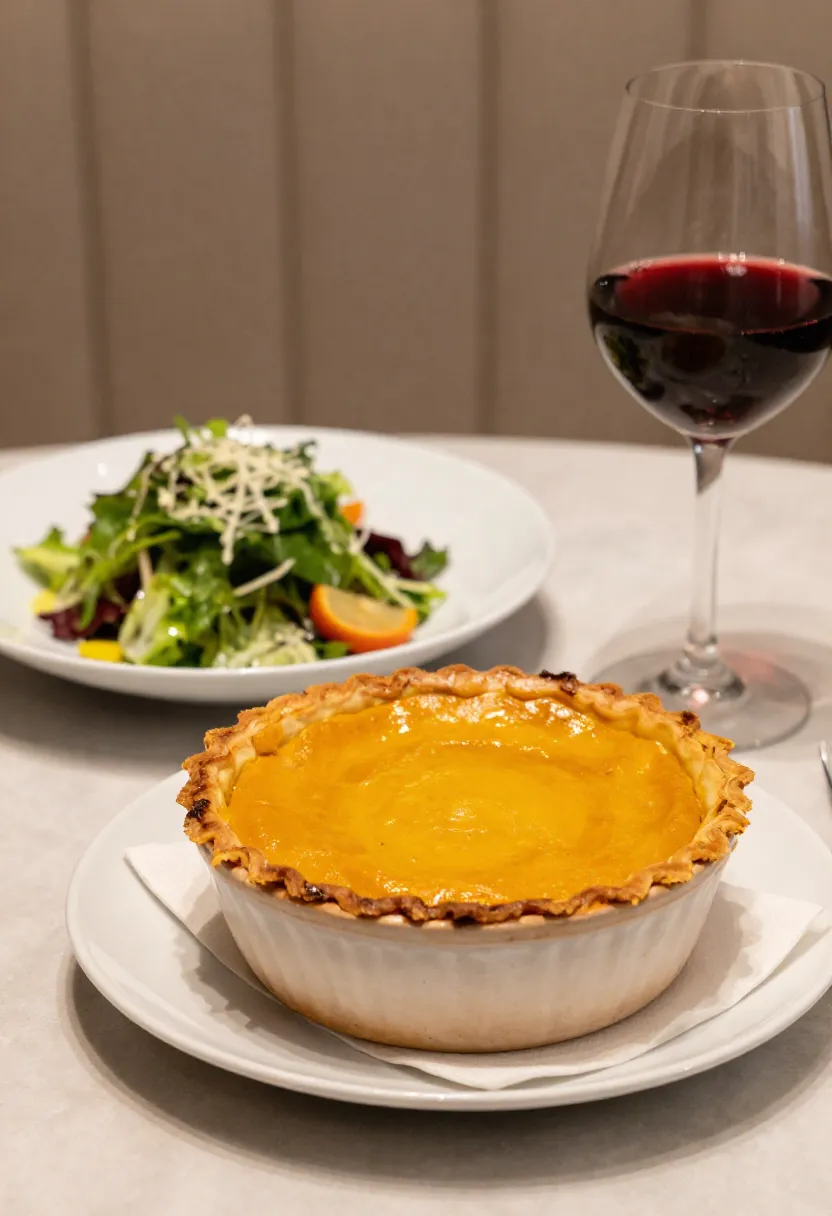
If you’re sitting down for a relaxed dinner, drinks can add another layer to the experience. A glass of red wine feels like a natural pairing, especially something smooth and easy to drink rather than too bold or tannic. But it doesn’t have to be wine. Even something as simple as sparkling water with lemon or a warm cup of tea can fit just as well, depending on the mood.
Presentation is another one of those small details that’s easy to overlook, especially with comfort food. But it really doesn’t take much effort to make the dish feel a bit more special.
- a sprinkle of fresh herbs (like parsley or thyme) adds a bit of color and freshness
- serving it straight from a warm baking dish keeps everything cozy and inviting
- lightly textured pumpkin topping creates those golden edges that look (and taste) better
- even just wiping the edges of the dish before serving makes it feel more put together
None of these things are necessary, but together they change how the dish feels when it arrives at the table. It turns something simple into something you actually pause to appreciate before digging in.
💛 Why This Dish Stays With You
Some recipes are exciting at first and then slowly fade away. You try them once or twice, maybe even really like them, but they don’t quite become part of your routine. Others are quieter. They don’t try to stand out too much, but somehow they keep coming back.
This is one of those dishes.
It fits into real life in a way that feels natural. It works on evenings when you don’t want anything complicated, but still want something warm and satisfying. It works when you’re cooking for yourself, but also when you’re sharing a meal with someone else. It doesn’t feel like a “special occasion” dish, but it can easily become one if you want it to.

Another reason it sticks is because it never feels exactly the same. Even if you follow the same general idea, small things change — the texture of the topping, the richness of the filling, the level of spice. And those small differences keep it from becoming boring.
There’s also something about the process itself. It’s not rushed, but it’s not demanding either. You move through it step by step, and somewhere along the way, it becomes less about following instructions and more about just being present for a while. Stirring, tasting, adjusting — simple actions, but they slow things down in a good way.
And in the end, you get something that feels genuinely satisfying. Not just because it tastes good, but because it fits the moment you’re in.
Maybe that’s why dishes like this stay. Not because they’re perfect, but because they feel easy to come back to — again and again. 💛